Hours at an average pace
Showing 100 books
About 583 hours for 100 of 100 books with measured lengths. Estimates use 250 words a minute, adjusted for each book's difficulty. At 2 hours a day, about 292 days for those books.
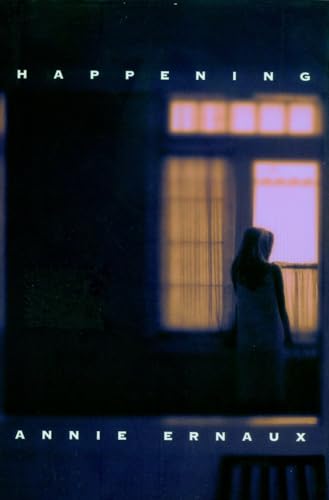
Happening has become one of Ernaux's most discussed and translated works, widely taught in French literature courses at university level and increasingly prominent in Anglophone curricula following her 2022 Nobel Prize. Its frank treatment of illegal abortion in 1960s France grants it significant cultural-historical standing alongside landmark autofictional texts.
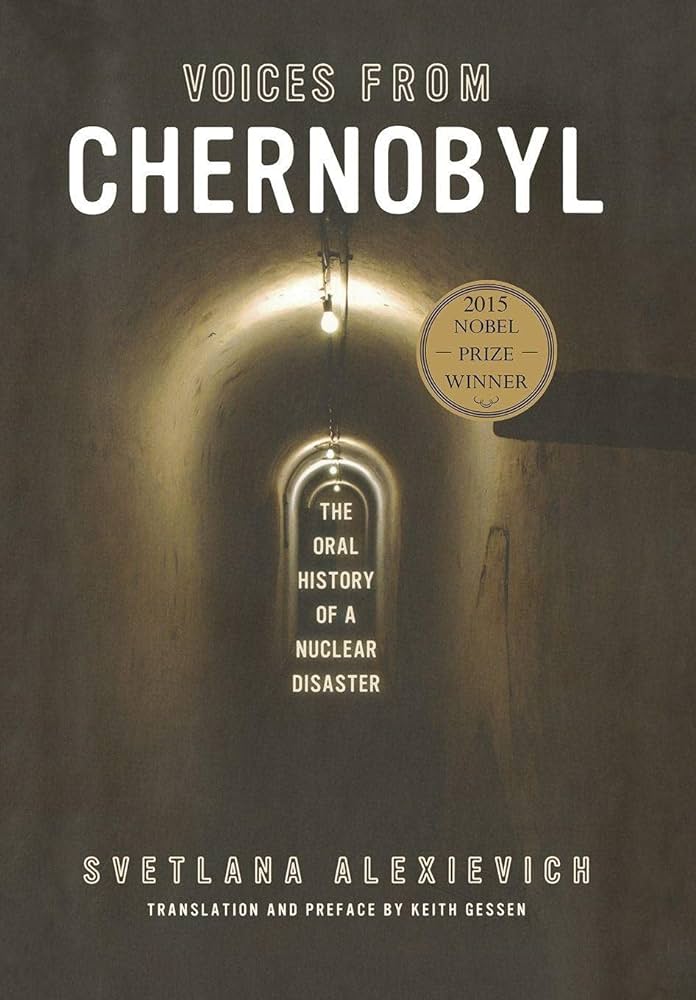
Widely recognized as the definitive literary account of Chernobyl and a landmark of documentary literature. The 2015 Nobel Prize in Literature elevated its status, establishing Alexievich's polyphonic method as a major formal innovation. Required reading in post-Soviet studies and increasingly taught in world literature curricula. Its documentary approach has influenced contemporary non-fiction globally.
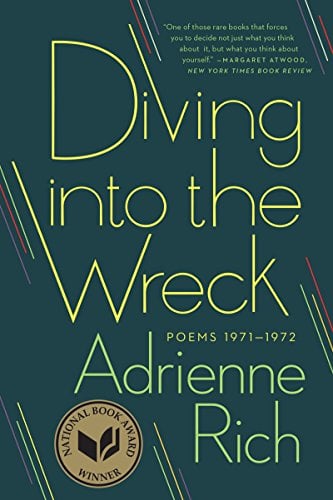
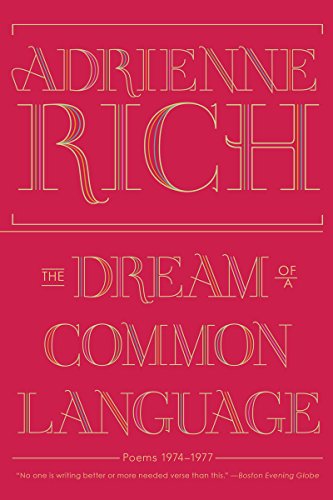
The title poem appears in virtually every major American poetry anthology and is standard reading in feminist literature, American poetry, and contemporary poetry courses. The collection sits firmly in the literary canon, comparable to Beloved (85) in academic reach if not in the broadest syllabi. No database data was returned, but Rich's place in American poetry curricula is well established.
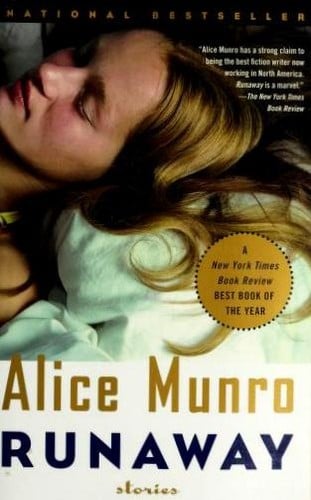
One of Munro's most celebrated collections, frequently cited as the peak of her mature work. Winner of the Giller Prize and numerous international honors.
The Dream of a Common Language is taught widely in feminist literary studies, women's poetry, and American poetry courses at the university level. It has no dedicated Wikipedia article in the database but Rich herself is a foundational figure in the canon of late twentieth-century American poetry, and this collection is consistently cited as central to her legacy and to the feminist poetry movement of the 1970s.
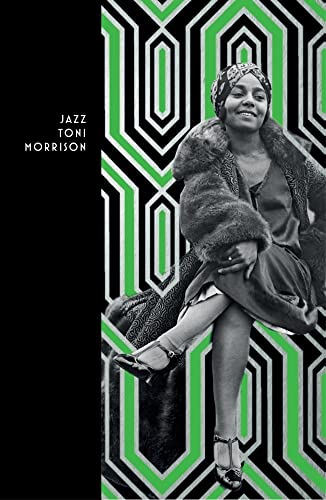
Jazz stands as the middle volume of Morrison's trilogy examining African American history through myth and music. While less taught than Beloved, it appears on graduate syllabi and critical studies of Morrison's work, recognized as an ambitious experiment in narrative voice and jazz-influenced form.
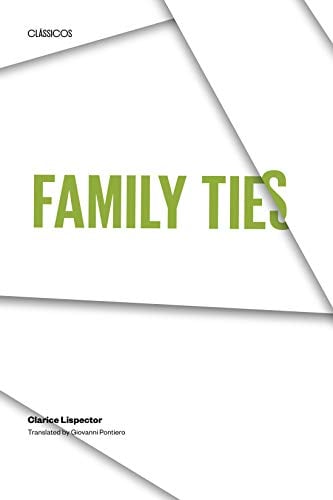
Family Ties appears regularly on comparative literature and Latin American literature syllabi worldwide, and Lispector is among the most studied Lusophone writers in university world literature courses. No syllabus count was captured in the database, but her work has sustained continuous academic inclusion since the 1960s. Hélène Cixous's book-length critical study of Lispector (The Stream Running Nowhere) cemented the collection's place in the Western literary canon.
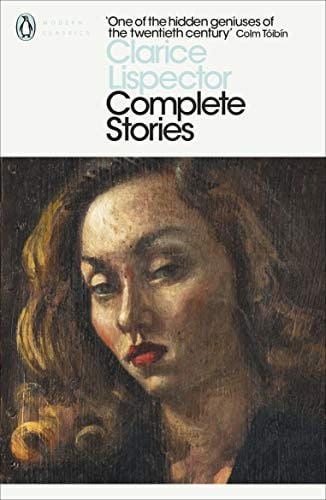
Lispector holds a firm place in comparative literature and Latin American literature syllabi globally, and her work appears in women's writing and world literature courses at major universities. No Open Syllabus data is available for this specific collection, but Lispector as an author is consistently included in world literature canons alongside Borges and García Márquez. The 2015 New Directions translation by Katrina Dodson dramatically expanded her anglophone reach and prestige.
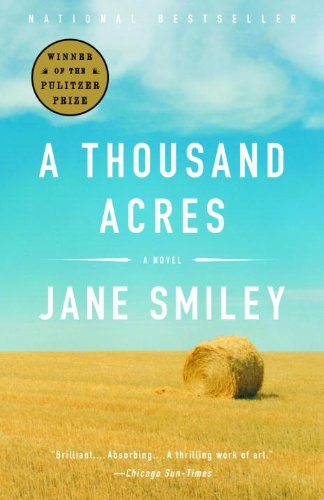
A Thousand Acres won the Pulitzer Prize for Fiction in 1992 and secured major recognition as a contemporary American realist masterpiece. It occupies a prominent place in contemporary literary canon, particularly within discussions of feminist revision of literary inheritance and the domestic novel.
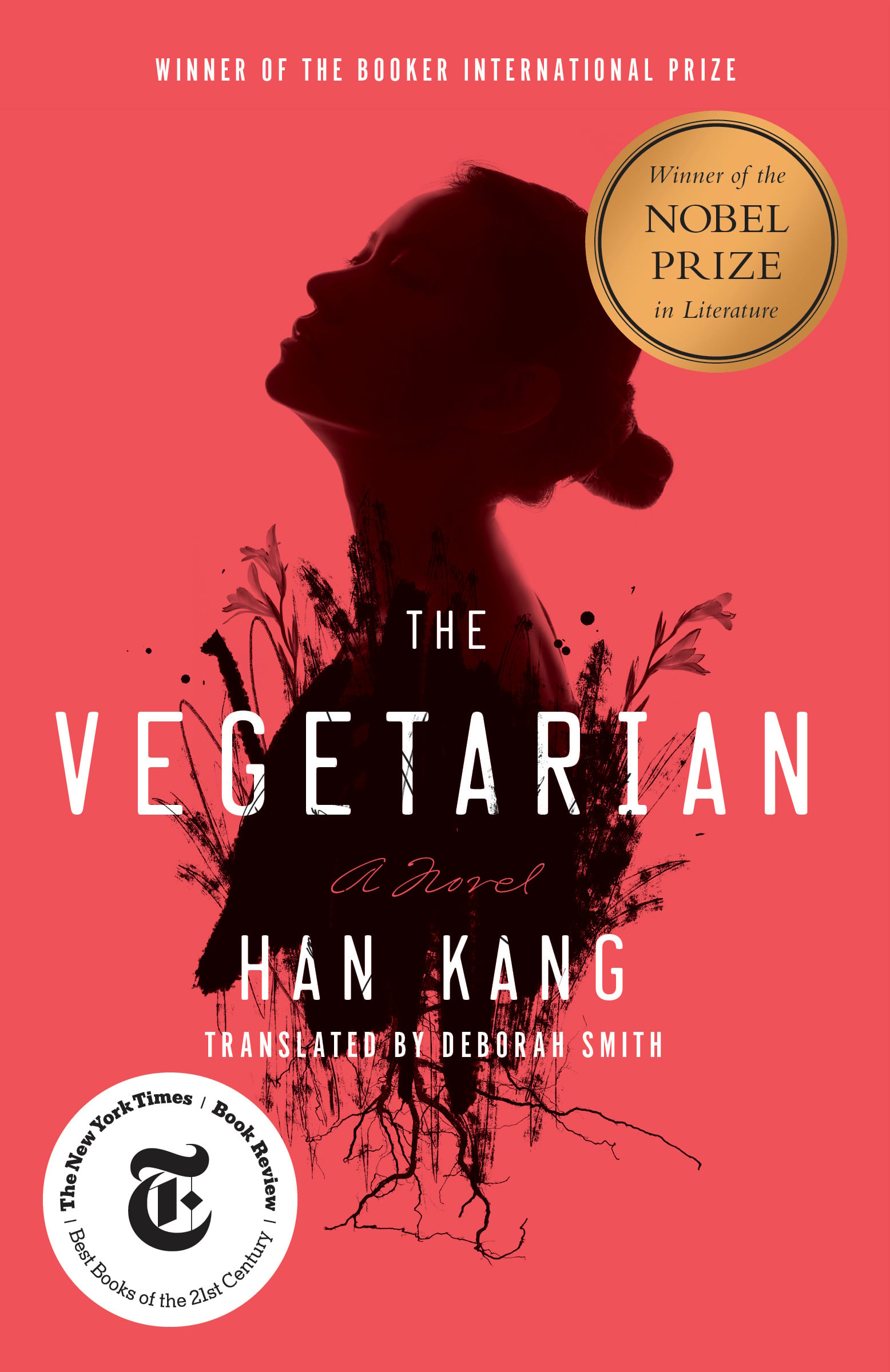
The Vegetarian appears on 121 university syllabi according to Open Syllabus, placing it at the 53rd percentile — well-established in world literature and contemporary fiction courses but not yet a fixture of the Western canon. Its Wikipedia article spans 19 languages with a dedicated reception section, indicating growing international academic recognition following the 2024 Nobel Prize. Canonical status is rising rapidly but has not yet reached the 1,000+ syllabus level of established Nobel texts like Beloved (85).
No. 11 on this list. 4.48 Psychosis · Sarah Kane · 2000
Recognized as one of the most important plays of the late twentieth century and Kane's masterpiece. Widely performed, translated, and studied internationally.
Challenging22 min
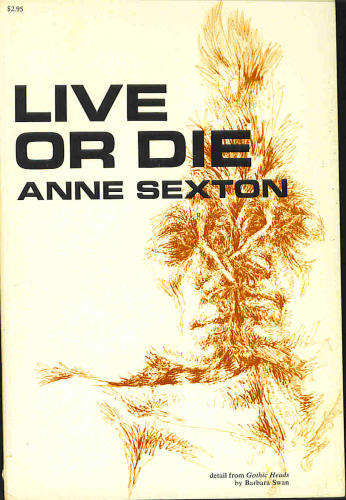
Start this bookNo. 12 on this list. Live or Die · Anne Sexton · 1966
Anne Sexton arranged these thirty-three poems in the order she wrote them — January 1962 to February 1966 — and called the result 'a fever chart for a bad case of melancholy.' Each poem arrives with a date at the bottom, evidence rather than ornament. The collection opens with her father, a wool salesman who drank in his bedroom and died on the road; within pages she has checked herself into a psychiatric ward, addressed Sylvia Plath's corpse ('Thief!— how did you crawl into, crawl down alone into the death I wanted so badly'), mourned a son she never had, and watched her daughter call on God instead of her mother when a horse crushes her foot. Sexton's language stays in the body. She counts out eight pharmaceutical capsules each night, arranges them 'as in the laying on of hands or the black sacrament.' Suicides, she observes, 'have a special language. Like carpenters they want to know which tools. They never ask why build.' The hospital and the suburban kitchen share equal authority. God appears, and Mary, and Judas, and Sylvia, and none of them offer adequate answers. The final poem, 'Live,' turns the collection's entire argument on its axis. Eight Dalmatian puppies survive the pails of water that waited to drown them. 'I am not what I expected. Not an Eichmann. The poison just didn't take.' The fever chart ends with a temperature that isn't, finally, fatal. This is the Pulitzer Prize-winning collection that defined confessional poetry as a form capable of sustaining both unbearable honesty and survival.
Easy43 min
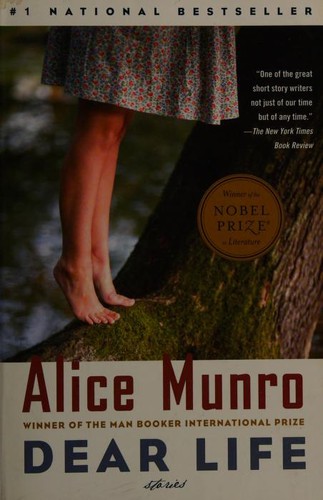
Start this bookNo. 13 on this list. Dear Life · Alice Munro · 2012
Munro's final collection, published the year before her Nobel Prize. Regarded as a fitting capstone to one of the great careers in short fiction.
Easy4.6 hours
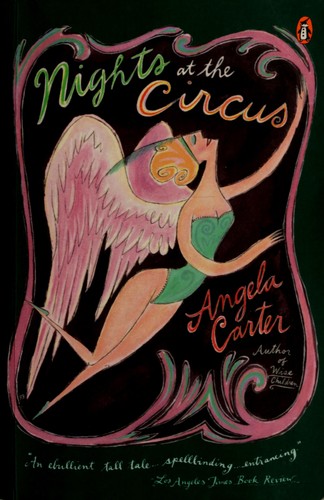
Start this bookNo. 14 on this list. Nights at the Circus · Angela Carter · 1984
Nights at the Circus is a regular text in university courses on postmodern, feminist and magical-realist fiction, and probably Angela Carter's most studied novel. It is usually set alongside The Bloody Chamber as the core of her work.
Difficult13 hours
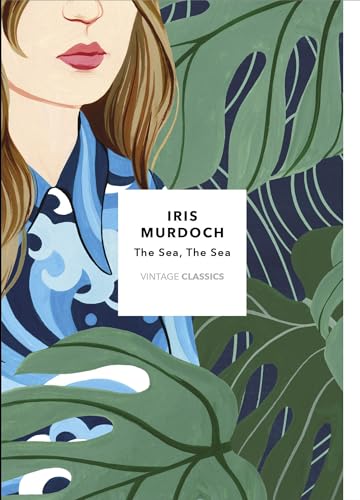
Start this bookNo. 15 on this list. The Sea, The Sea · Iris Murdoch · 1978
Winner of the Booker Prize in 1978 and widely regarded as one of Iris Murdoch's finest novels. Wikipedia articles exist in 9 languages. While not as universally assigned as postwar American canon fixtures, it appears regularly in British literature and philosophy-and-fiction courses.
Difficult29 hours
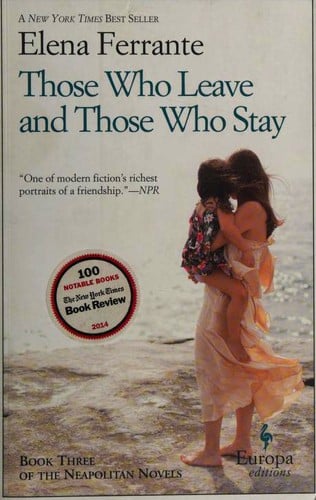
Start this bookNo. 16 on this list. Those Who Leave and Those Who Stay · Elena Ferrante · 2013
The Neapolitan Novels have become required reading in contemporary fiction and world literature courses across Europe and North America, and the series as a whole appears on hundreds of university syllabi. This third volume is less commonly assigned as a standalone text than the series opener, but no major literary conversation about contemporary Italian fiction or female friendship narratives omits it. The series' Wikipedia presence spans 30+ languages, signaling genuine global reach.
Challenging12 hours
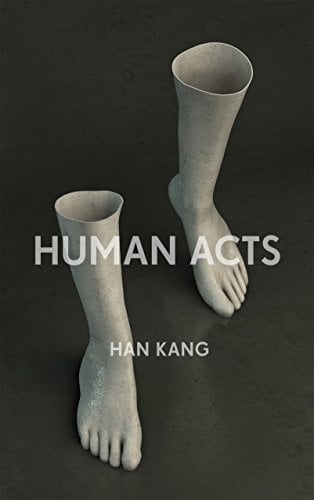
Start this bookNo. 17 on this list. Human Acts · Han Kang · 2014
Han Kang's Nobel Prize in 2024 elevated this novel's global profile significantly, but it appears on only 59 university syllabi (44th percentile in Open Syllabus) and has Wikipedia articles in just 5 languages. Curricular adoption outside Korean literature courses remains limited, though the Nobel will accelerate its integration into world literature programs.
Difficult6.7 hours
Start this bookNo. 18 on this list. Flights · Olga Tokarczuk · 2007
Flights won the International Booker Prize in 2018, placing it in the conversation for essential contemporary world literature. The Wikipedia article data appears matched to a disambiguation page (13 languages), suggesting the novel's own article has broader reach. Its experimental structure limits adoption in introductory syllabi, but it appears consistently in world literature and contemporary fiction courses at graduate level.
Difficult13 hours
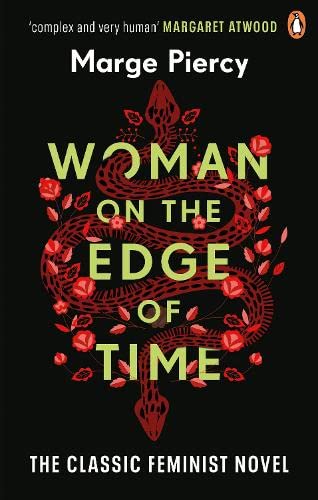
Start this bookNo. 19 on this list. Woman on the Edge of Time · Marge Piercy · 1976
Widely taught in feminist literary studies, utopian fiction, and American literature courses since its 1976 publication, the novel holds a firm place in academic syllabi as a landmark of feminist science fiction. No syllabus count data is available, but its sustained presence across women's studies and speculative fiction curricula for five decades marks it as canonical within those fields, comparable in reach to other key feminist texts of the second wave.
Difficult18 hours
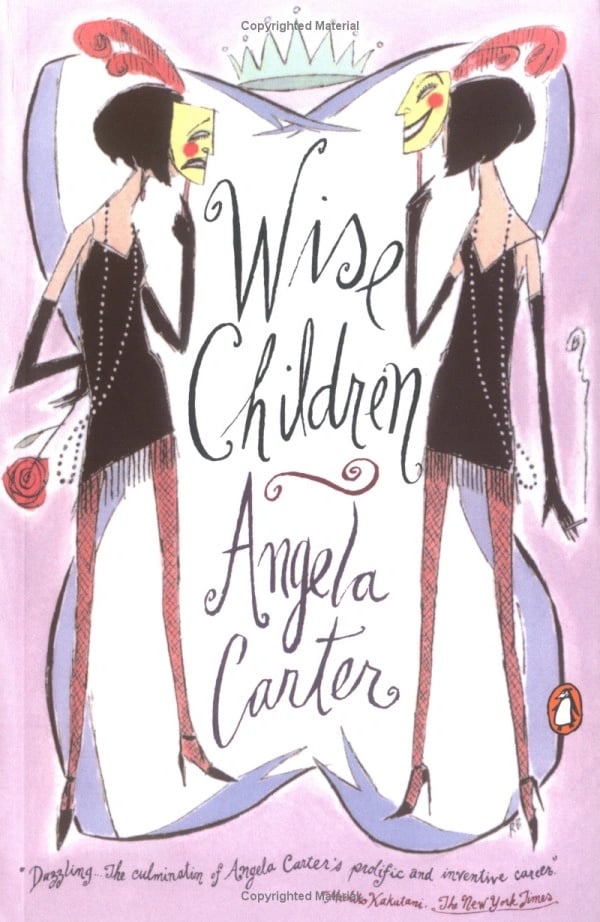
Start this bookNo. 20 on this list. Wise Children · Angela Carter · 1991
Taught in schools: AQA GCSE and A-level English Literature (UK)
Wise Children is regularly taught in British university courses on postmodern fiction, feminist literature, and Angela Carter's work. It appears on syllabi across UK and US institutions focused on late twentieth-century British fiction and magic realism. It lacks the mass-curriculum presence of Carter's Bloody Chamber but holds a secure place in specialist postmodern studies.
Challenging1.7 hours
Start this book
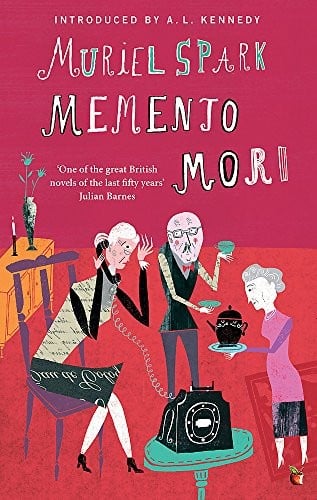
No. 21 on this list. Memento Mori · Muriel Spark · 1959
Memento Mori appears regularly on British literature syllabi and features on multiple 'best British novels of the 20th century' lists, including various critics' and publishers' canons. It is not universally taught at the introductory level — The Prime of Miss Jean Brodie holds that role for Spark — but it circulates steadily in graduate seminars on postwar British fiction and dark comedy traditions. The database returned no syllabus count, but Spark's broader canonical standing ensures the novel's ongoing presence.
Challenging5.2 hours
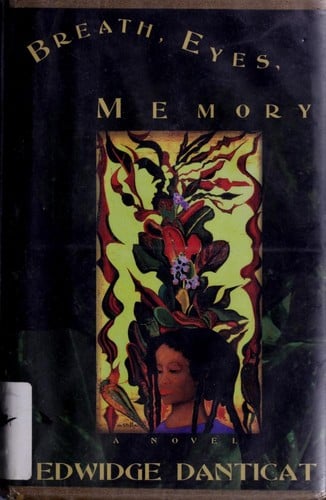
Start this bookNo. 22 on this list. Breath, Eyes, Memory · Edwidge Danticat · 1994
Widely assigned in Caribbean literature, diaspora studies, and postcolonial fiction courses at American universities. Oprah's Book Club selection in 1998 cemented its classroom presence, and it appears consistently on syllabi focused on Haitian-American experience and the literature of trauma. Its reach falls below Nobel-era Caribbean writers like Derek Walcott but well above works with only genre-course placement.
Challenging4.8 hours
Start this bookNo. 23 on this list. The Woman Destroyed · Simone de Beauvoir · 1967
The Woman Destroyed appears regularly in French literature, feminist theory, and women's writing courses internationally, though it is less universally canonical than The Second Sex or The Mandarins. No syllabus data was found in the database, and Wikipedia language data was unavailable, but the collection has maintained continuous critical presence since its 1967 publication. It is established as a significant de Beauvoir work but is not a curriculum fixture the way her philosophical writing is.
Challenging5.3 hours
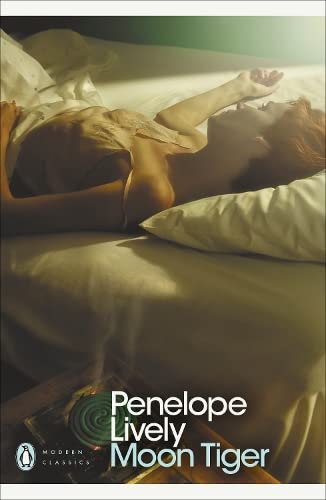
Start this bookNo. 24 on this list. Moon Tiger · Penelope Lively · 1987
Moon Tiger appears on approximately 40 university syllabi according to Open Syllabus, placing it in the upper-middle range of taught contemporary fiction. Wikipedia articles exist in 5 languages. It holds a secure but not dominant place in the postwar British fiction canon, regularly appearing in courses on Booker Prize literature and late-twentieth-century experimental narrative.
Difficult9.3 hours
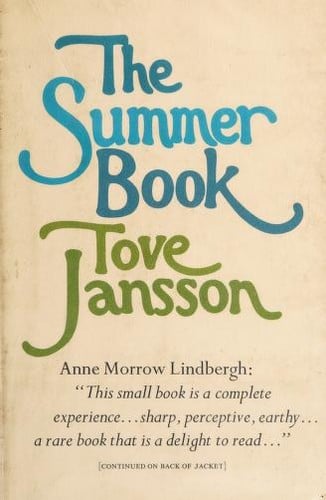
Start this bookNo. 25 on this list. The Summer Book · Tove Jansson · 1972
Increasingly recognized as a Scandinavian masterpiece. A quiet classic with a devoted readership.
Easy1.5 hours
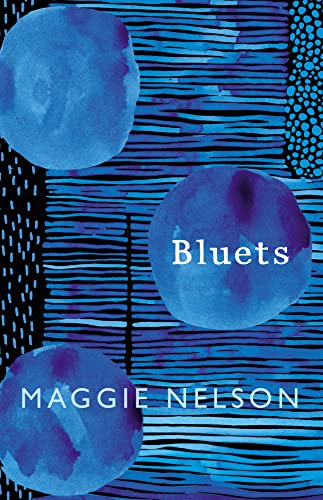
Start this bookNo. 26 on this list. Bluets · Maggie Nelson · 2009
Bluets is a fixture on MFA poetry and creative nonfiction syllabi and appears regularly in lyric essay and experimental prose anthologies. No data signals in the database reflect its syllabus presence, but its standing in contemporary poetics courses is strong. It has not entered secondary education curricula and remains outside mainstream literary canon lists, placing it well below Beloved (85) but above cult-following works like Infinite Jest (78) on different axes.
Challenging1.8 hours
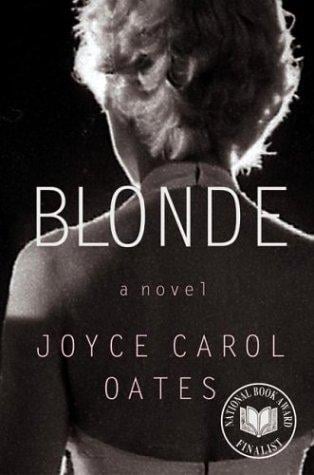
Start this bookNo. 27 on this list. Blonde · Joyce Carol Oates · 2000
Blonde occupies a significant position in contemporary American literature, taught in courses on Oates, postmodern fiction, and biographical novels. While not yet a fixture in the traditional literary canon, it appears regularly in syllabi on late 20th-century fiction and feminist rewritings of cultural mythology. Its length and formal ambition mark it as a major work, though canonical status remains emerging rather than entrenched.
Moderate20 hours
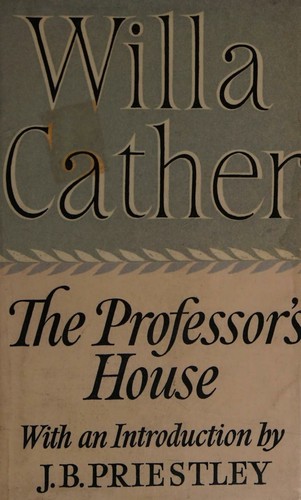
Start this bookNo. 28 on this list. The Professor's House · Willa Cather · 1925
The Professor's House appears regularly on American modernism and twentieth-century American fiction syllabi, though Cather's more taught works are My Antonia and Death Comes for the Archbishop. It features in interwar American literature courses and appears on numerous essential Cather reading lists. Its formal experiment and psychological depth have earned it sustained scholarly attention since its 1925 publication.
Challenging4.9 hours
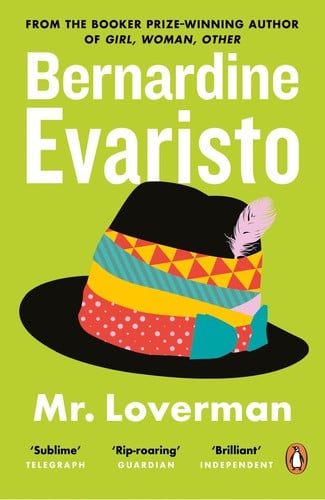
Start this bookNo. 29 on this list. Mr Loverman · Bernardine Evaristo · 2013
Mr Loverman appears on syllabi in postcolonial British literature and diaspora fiction courses, though database signals show limited formal syllabus tracking. Bernardine Evaristo's 2019 Booker Prize win for Girl, Woman, Other significantly raised the novel's academic profile, and it is frequently assigned alongside her other work.
Difficult10 hours
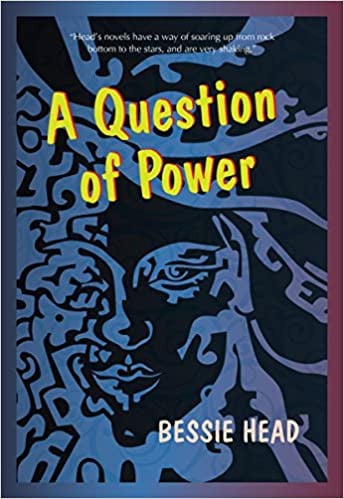
Start this bookNo. 30 on this list. A Question of Power · Bessie Head · 1974
A Question of Power is a fixture in postcolonial literature, African literature, and feminist literature courses worldwide, though it occupies a more specialized niche than canonical Western texts. No automated syllabus data was retrieved, but the novel appears consistently on African literature reading lists and in postcolonial studies curricula.
Challenging7 hours
Start this book
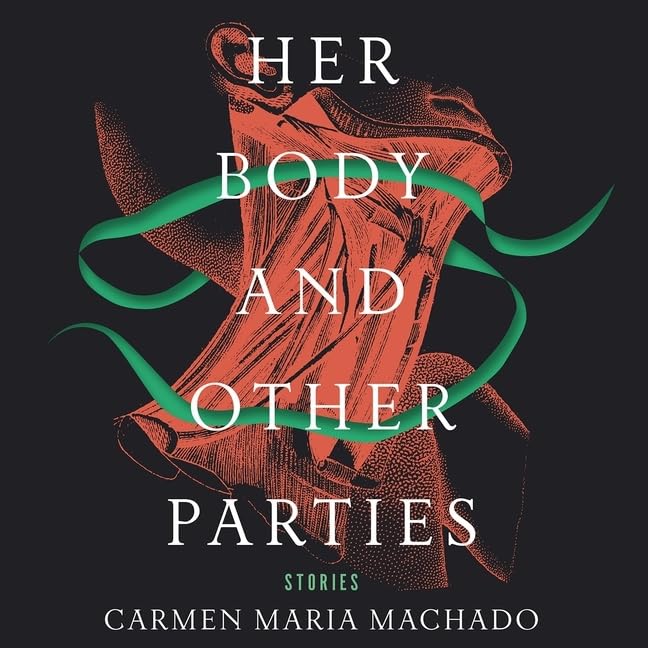
No. 31 on this list. Her Body and Other Parties
Carmen Maria Machado · 2017
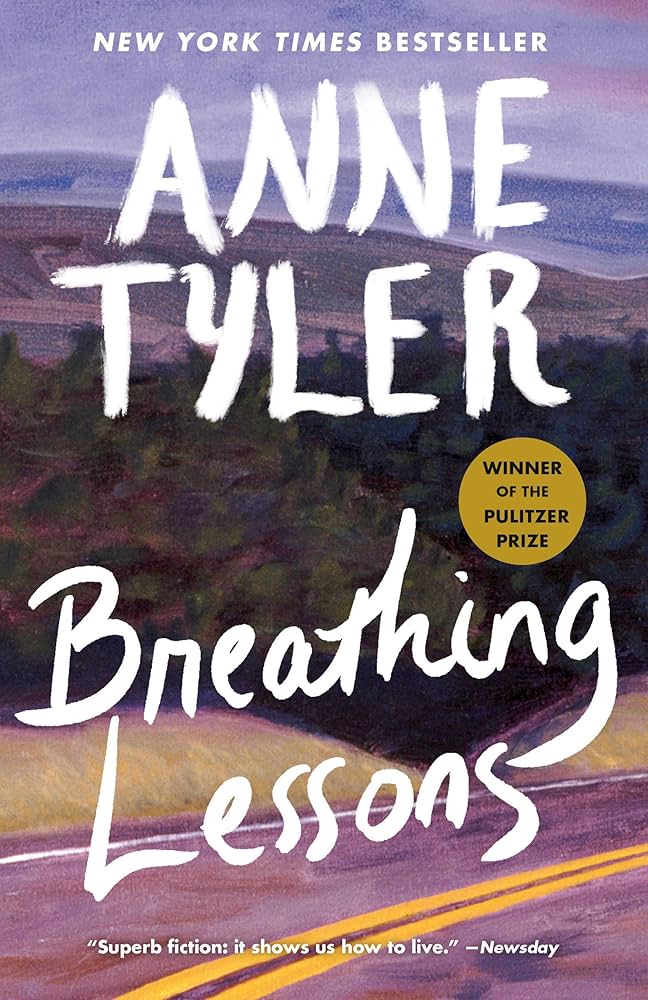
No. 32 on this list. Breathing Lessons
Anne Tyler · 1989
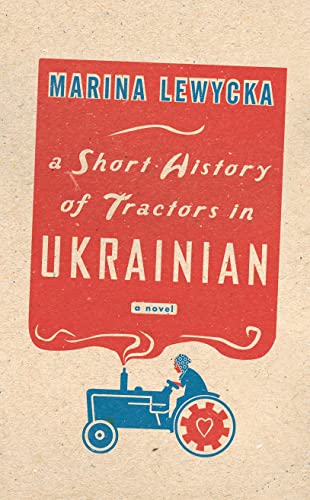
No. 33 on this list. A Short History of Tractors in Ukrainian
Marina Lewycka · 2005
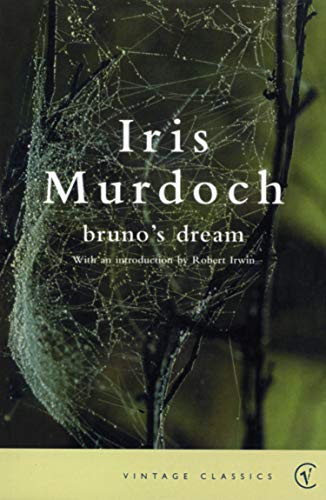
No. 34 on this list. Bruno's Dream
Iris Murdoch · 1970
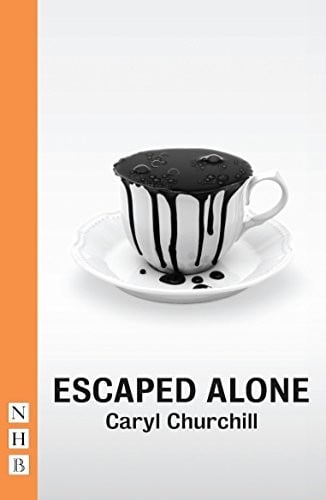
No. 35 on this list. Escaped Alone
Caryl Churchill · 2016
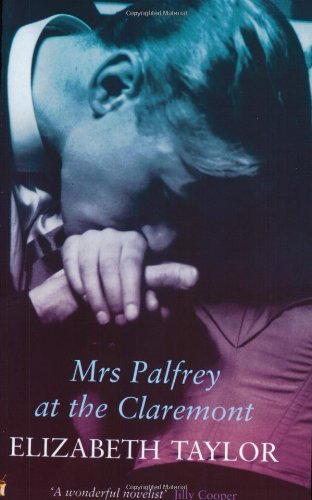
No. 36 on this list. Mrs. Palfrey at the Claremont
Elizabeth Taylor · 1971
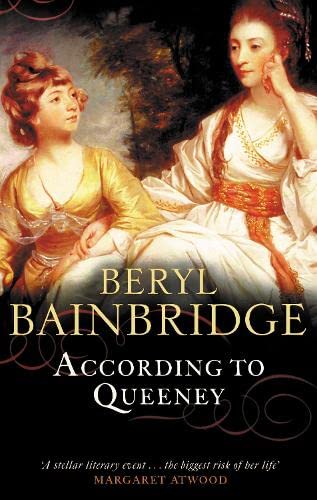
No. 37 on this list. According to Queeney
Beryl Bainbridge · 2001
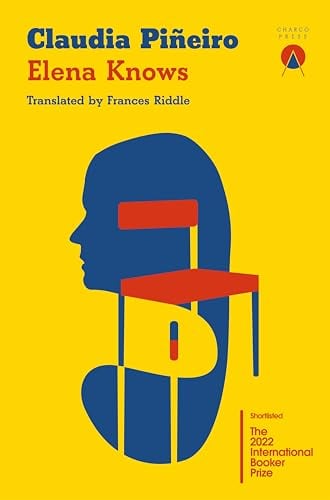
No. 38 on this list. Elena Knows
Claudia Piñeiro · 2022
Taught in schools: Leaving Certificate English – NCCA / State Examinations Commission (Ireland)
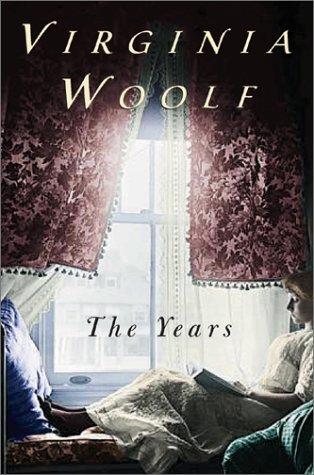
No. 39 on this list. The Years
Virginia Woolf · 1937
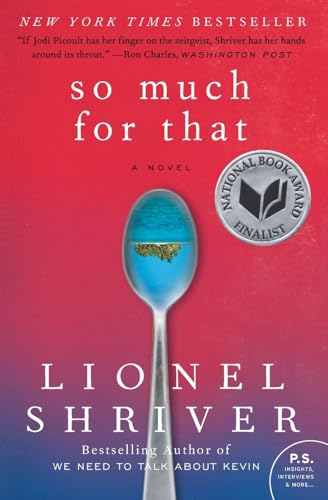
No. 40 on this list. So Much for That
Lionel Shriver · 2010
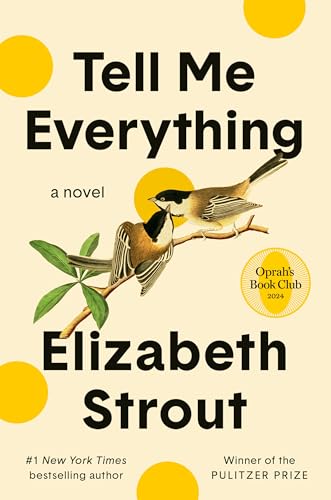
No. 41 on this list. Tell Me Everything
Elizabeth Strout · 2025
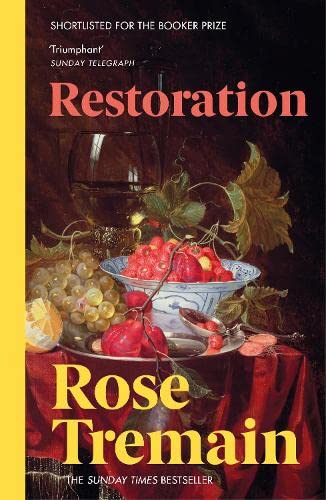
No. 42 on this list. Restoration
Rose Tremain · 1989
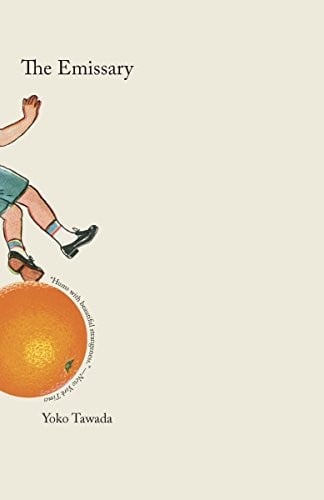
No. 43 on this list. The Emissary
Yoko Tawada · 2014
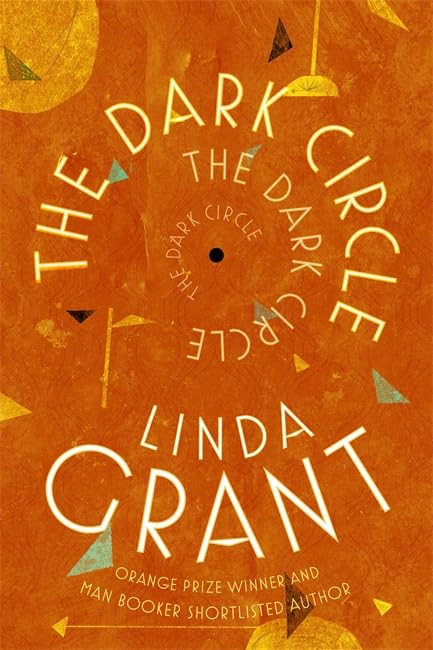
No. 44 on this list. The Dark Circle
Linda Grant · 2017
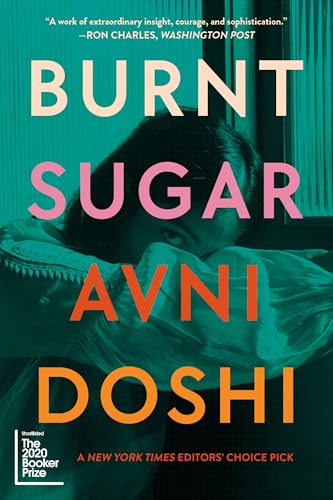
No. 45 on this list. Burnt Sugar
Avni Doshi · 2020
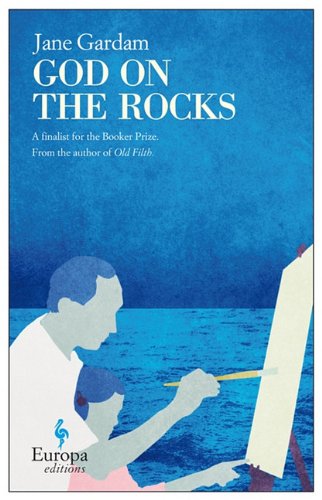
No. 46 on this list. God on the Rocks
Jane Gardam · 1978
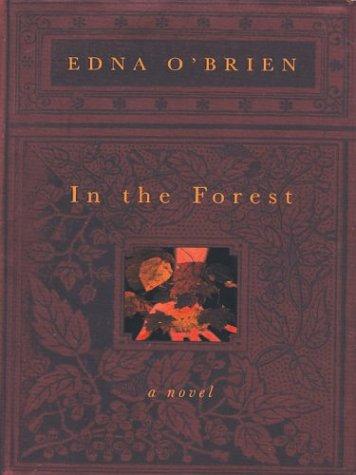
No. 47 on this list. In the Forest
Edna O'Brien · 2002
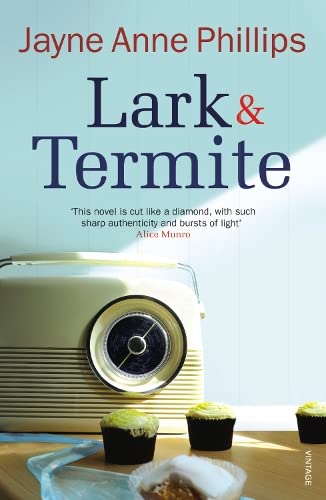
No. 48 on this list. Lark and Termite
Jayne Anne Phillips · 2009
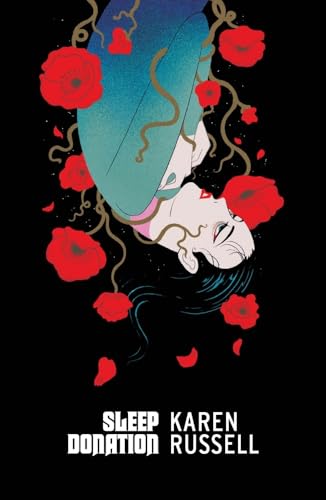
No. 49 on this list. Sleep Donation
Karen Russell · 2022
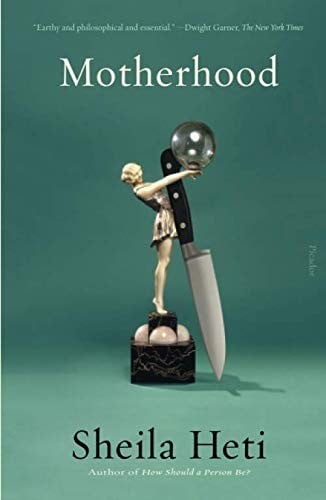
No. 50 on this list. Motherhood
Sheila Heti · 2018
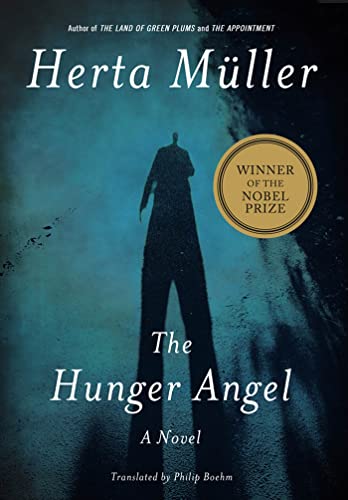
No. 51 on this list. The Hunger Angel
Herta Müller · 2009
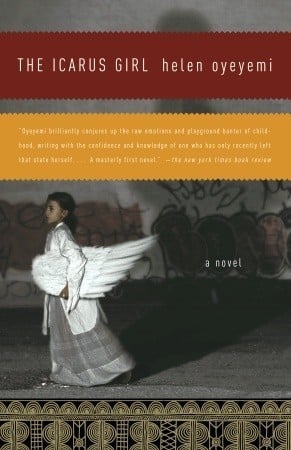
No. 52 on this list. The Icarus Girl
Helen Oyeyemi · 2005
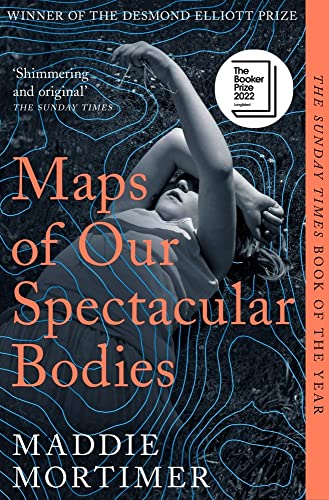
No. 53 on this list. Maps of Our Spectacular Bodies
Maddie Mortimer · 2022
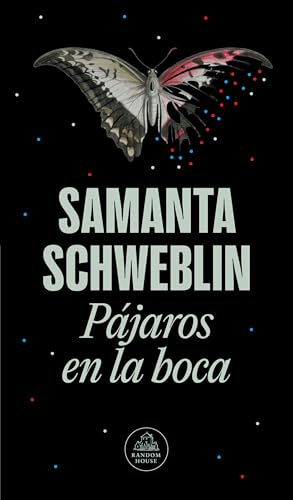
No. 54 on this list. Mouthful of Birds
Samanta Schweblin · 2009
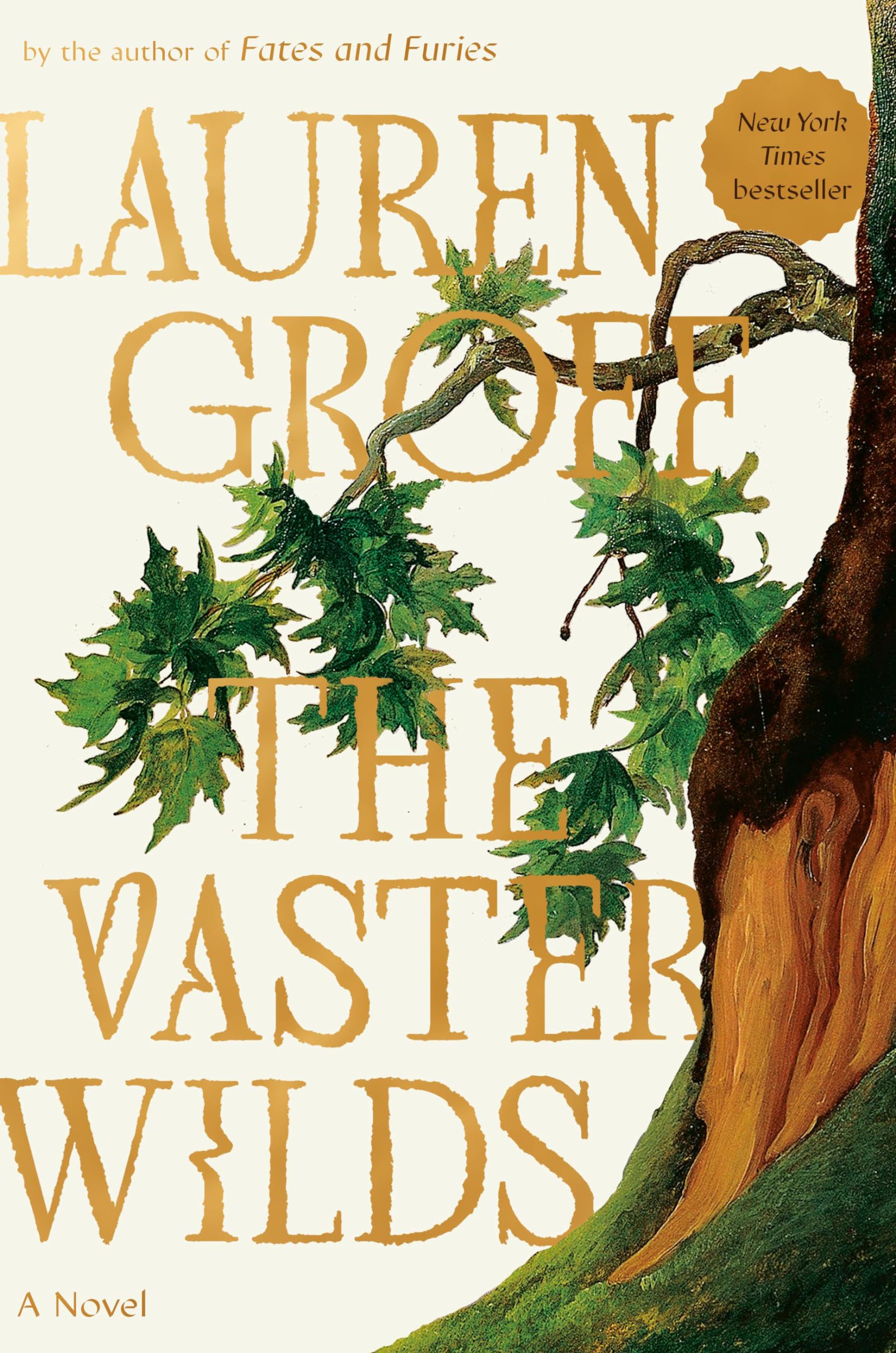
No. 55 on this list. The Vaster Wilds
Lauren Groff · 2023
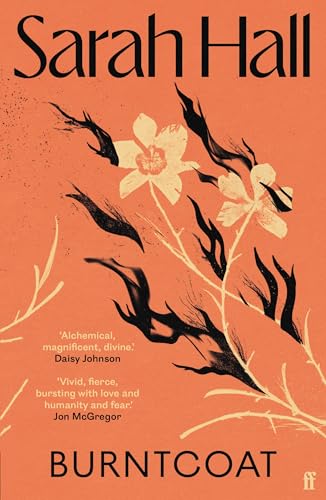
No. 56 on this list. Burntcoat
Sarah Hall · 2021
No. 57 on this list. A Five-Year Sentence
Bernice Rubens · 1978
No. 58 on this list. Sanditon
No. 59 on this list. Quartet in Autumn
Barbara Pym · 1977
No. 60 on this list. Breasts and Eggs
Mieko Kawakami · 2019
No. 61 on this list. Sight
Jessie Greengrass · 2018
No. 62 on this list. Another Brooklyn
Jacqueline Woodson · 2016
No. 63 on this list. A Spool of Blue Thread
Anne Tyler · 2015
No. 64 on this list. The Old Drift
Namwali Serpell · 2020
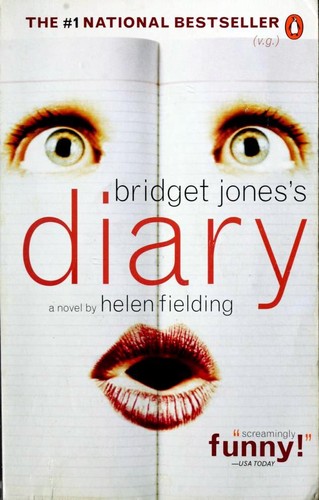
No. 65 on this list. Bridget Jones's Diary
Helen Fielding · 1996
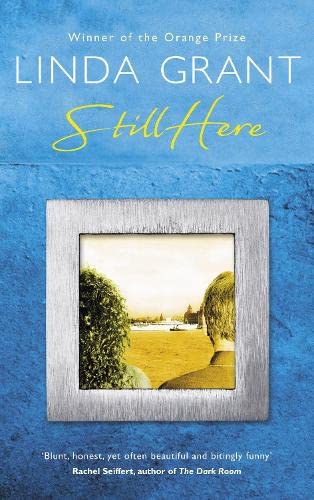
No. 66 on this list. Still Here
Linda Grant · 2002
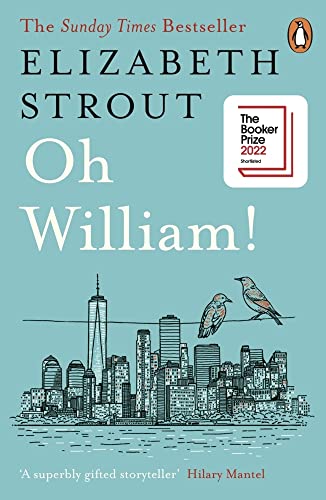
No. 67 on this list. Oh William!
Elizabeth Strout · 2022
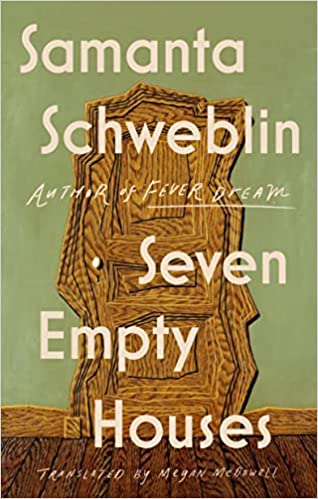
No. 68 on this list. Seven Empty Houses
Samanta Schweblin · 2024
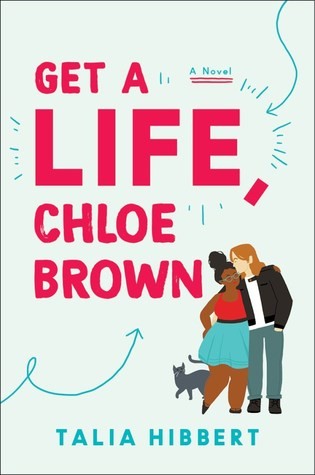
No. 69 on this list. Get a Life, Chloe Brown
Talia Hibbert · 2019
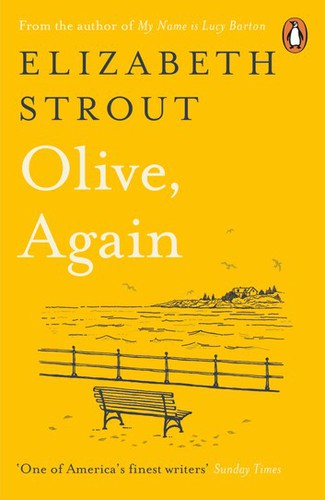
No. 70 on this list. Olive, Again
Elizabeth Strout · 2021
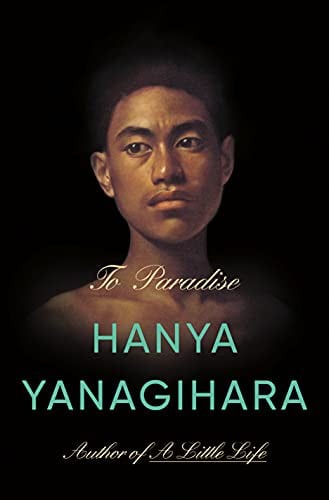
No. 71 on this list. To Paradise
Hanya Yanagihara · 2022
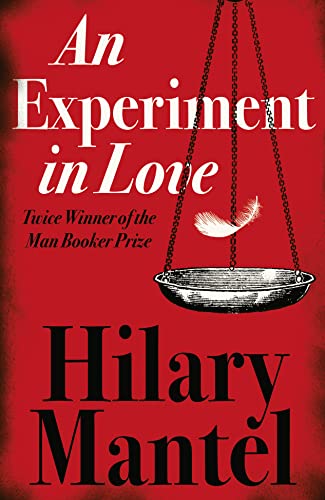
No. 72 on this list. An Experiment in Love
Hilary Mantel · 1996
No. 73 on this list. Vampires in the Lemon Grove
Karen Russell · 2013
No. 74 on this list. True Biz
Sara Novic · 2022
No. 75 on this list. Fangirl
Rainbow Rowell · 2013
No. 76 on this list. The True Deceiver
Tove Jansson · 1982
No. 77 on this list. Aimez-vous Brahms...
Françoise Sagan · 2017
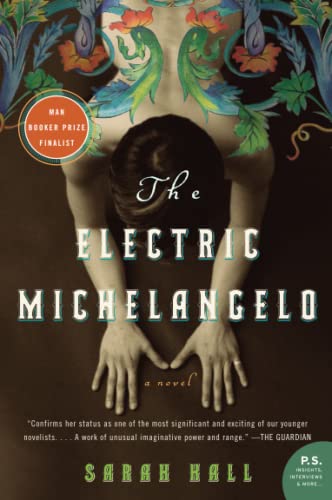
No. 78 on this list. The Electric Michelangelo
Sarah Hall · 2004
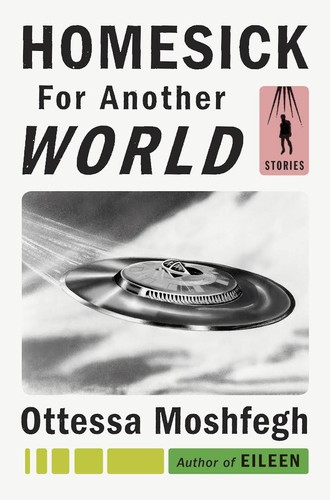
No. 79 on this list. Homesick for Another World
Ottessa Moshfegh · 2017
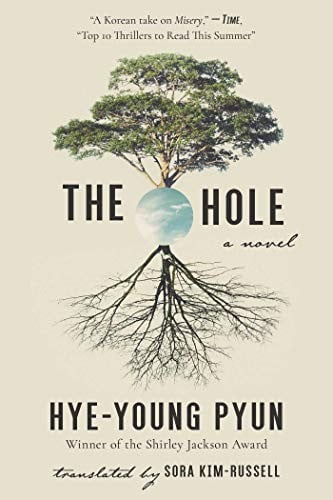
No. 80 on this list. The Hole
Pyun Hye-young · 2016

No. 81 on this list. Annabel
Kathleen Winter · 2011
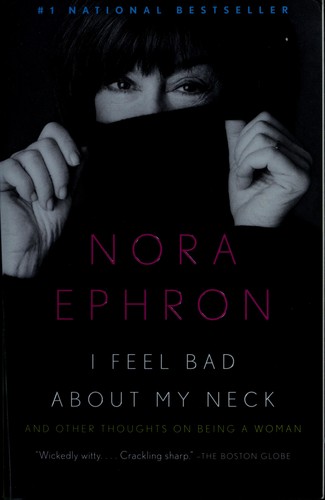
No. 82 on this list. I Feel Bad About My Neck
Nora Ephron · 2006
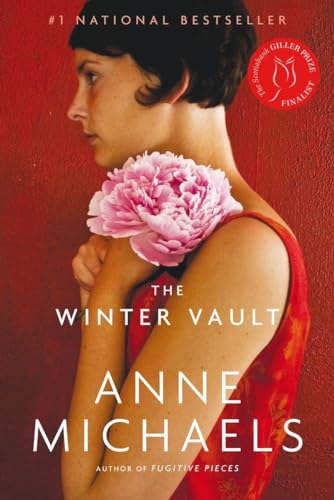
No. 83 on this list. The Winter Vault
Anne Michaels · 2008
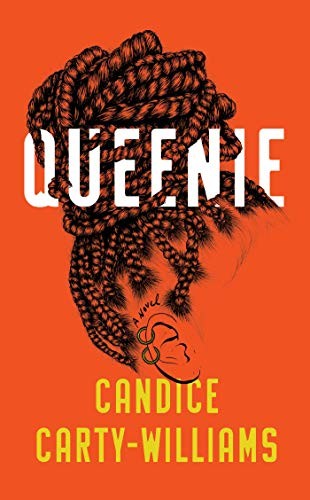
No. 84 on this list. Queenie
Candice Carty-Williams · 2019
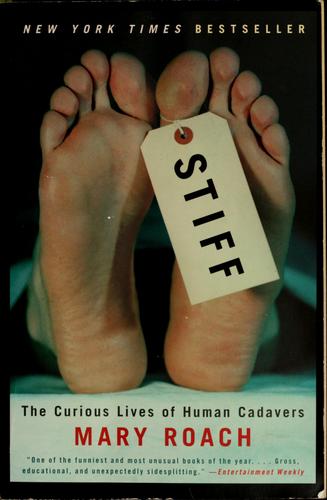
No. 85 on this list. Stiff
Mary Roach · 2003
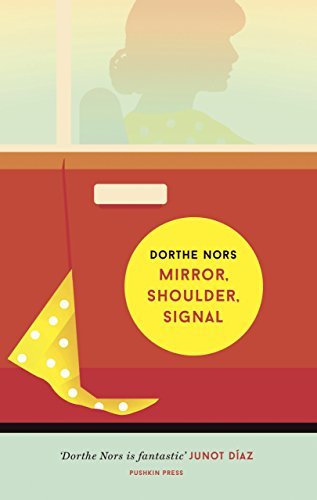
No. 86 on this list. Mirror, Shoulder, Signal
Dorthe Nors · 2017
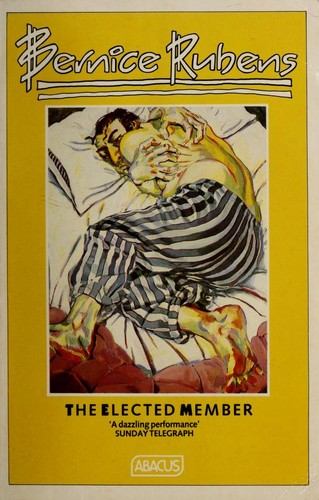
No. 87 on this list. The Elected Member
Bernice Rubens · 1970
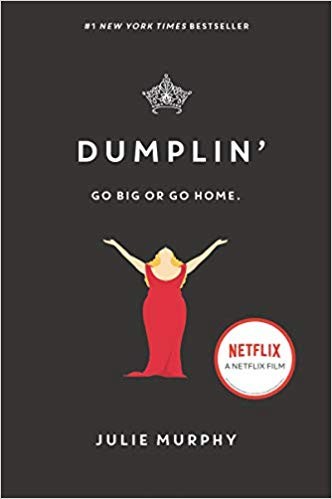
No. 88 on this list. Dumplin'
Julie Murphy · 2015
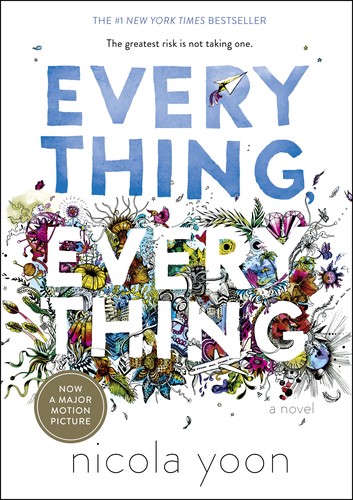
No. 89 on this list. Everything, Everything
Nicola Yoon · 2015
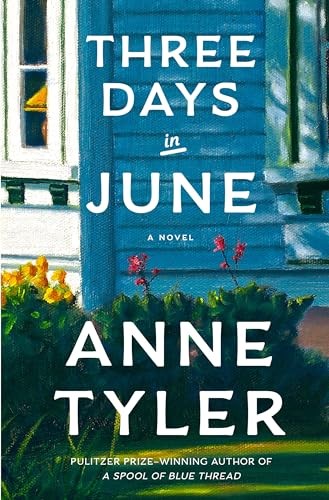
No. 90 on this list. Three Days in June
Anne Tyler · 2025

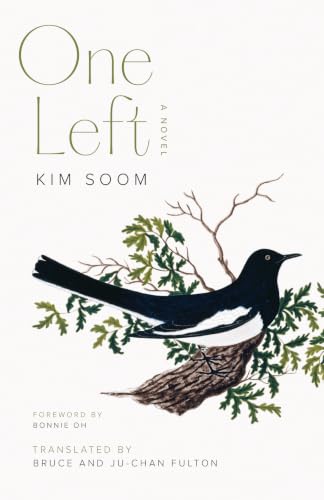
No. 91 on this list. One Left
Kim Soom · 2016
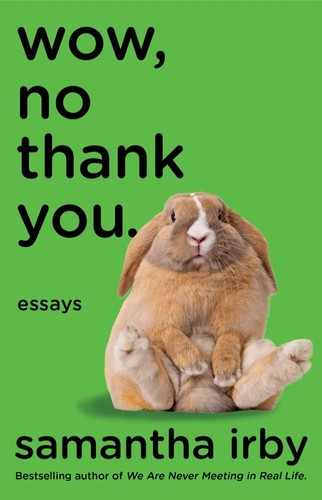
No. 92 on this list. Wow, No Thank You
Samantha Irby · 2020
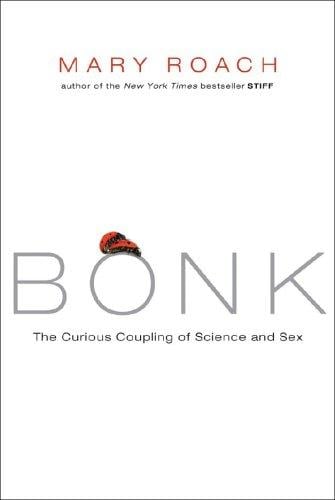
No. 93 on this list. Bonk
Mary Roach · 2008
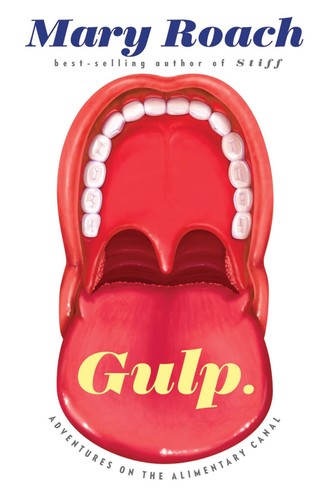
No. 94 on this list. Gulp
Mary Roach · 2013
No. 95 on this list. The Great Man
Kate Christensen · 2008
No. 96 on this list. Still Alice
Lisa Genova · 2007
No. 97 on this list. Cursed Bread
Sophie Mackintosh · 2023
No. 98 on this list. The Bird of Night
Susan Hill · 1972
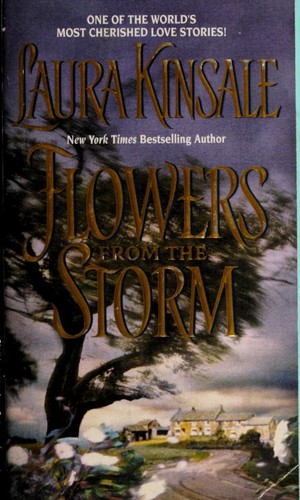
No. 99 on this list. Flowers from the Storm
Laura Kinsale · 1992
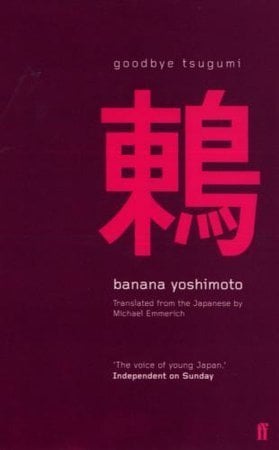
No. 100 on this list. Goodbye Tsugumi
Banana Yoshimoto · 1989
About this list
These 100 books are the highest-scoring eligible books about the body and illness by women currently in the catalogue. About 583 hours of reading in all. Difficulty runs from 41 to 63 out of 100 for the middle half of the list; the summit is The Sea, The Sea at 79.
This list is ranked by literary regard, with a consistent order for equal scores. Membership follows authors and co-authors, not translators or editors. A book is here when ReadingRate files it under The Body & Illness as one of its primary reading domains, at a confidence of 0.8 or more. Catalogue coverage and the historical canon both limit what this list can represent.
When we matched the Canons dataset to our catalogue in October 2026, our canonical-status scores rose with the number of school curricula, publisher series and lists in it that cite a work: the median score was 72 for books one such source cites, 84 at two, 88 at three, 92 at four and 93 at five or more. Prizes are left out of that count. Outside the state curricula, the dataset’s sources choose mostly from what has been translated into English or French, so it is a weaker check on other literatures. Source: Canons (Andrew Piper), CC BY 4.0
Questions people actually ask
- What are the best books about the body and illness by women?
- By literary regard, which weighs canonical status, critical standing and influence: Happening by Annie Ernaux, Voices from Chernobyl by Svetlana Alexievich, Diving into the Wreck by Adrienne Rich, Runaway by Alice Munro and The Dream of a Common Language by Adrienne Rich. ReadingRate ranks 100 such books, each with a difficulty score and a reading-time estimate.
- Which books about the body and illness by women should I read first?
- Start from difficulty, not from rank. The most approachable books on this list that still carry top literary regard are Live or Die by Anne Sexton (about 43 min), Dear Life by Alice Munro and Runaway by Alice Munro.
- What are the shortest of the best books about the body and illness by women?
- Among the top 25, the shortest are 4.48 Psychosis by Sarah Kane (about 22 min), Diving into the Wreck by Adrienne Rich (about 47 min) and The Dream of a Common Language by Adrienne Rich (about 1.1 hours), at an average pace of 250 words a minute adjusted for each book's difficulty.
- Which of the best books about the body and illness by women are the established classics?
- By canonical status, how firmly a book sits in curricula, anthologies and the canon: Happening by Annie Ernaux, Voices from Chernobyl by Svetlana Alexievich, Runaway by Alice Munro, Diving into the Wreck by Adrienne Rich and A Thousand Acres by Jane Smiley.
- How long would it take to read the top ten?
- About 60 hours, at an average pace of 250 words a minute adjusted for each book's difficulty: 30 days at two hours a day. Set your own pace on the page and the list's reading times change to it.
- How hard are books about the body and illness by women to read?
- Most of this list sits between 41 and 63 on ReadingRate's 100-point difficulty scale, where 40 to 55 is moderate. The summit is The Sea, The Sea at 79. Every entry carries its own score, so a reader can pick a great book at a difficulty they will finish.
- How is this list ranked?
- On literary-regard data: how canonically established a work is, its critical standing, and its influence on later writing. It is not a readers’ poll, which is why recent bestsellers rarely appear. Membership follows authors and co-authors, not translators or editors. Lists by country, author, period, theme or difficulty keep to literature (fiction, poetry, drama and philosophy), their novels, poems and plays first and their philosophy after them; a list of a kind of book, such as memoir or criticism, keeps every book of that kind. Every list holds at most three works by one author. A book is here when ReadingRate files it under The Body & Illness as one of its primary reading domains, at a confidence of 0.8 or more.