Hours at an average pace
Showing 100 books
About 731 hours for 100 of 100 books with measured lengths. Estimates use 250 words a minute, adjusted for each book's difficulty. At 2 hours a day, about 366 days for those books.
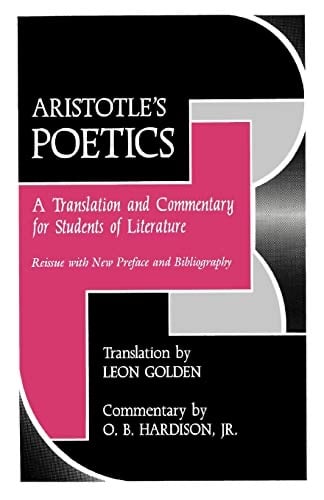
The Poetics is required reading in virtually every university curriculum touching literature, classics, philosophy, rhetoric, or dramatic theory worldwide. It appears on syllabi across disciplines in every major educational system. No other single work in Western literary culture has maintained this breadth of curricular presence across two and a half millennia.
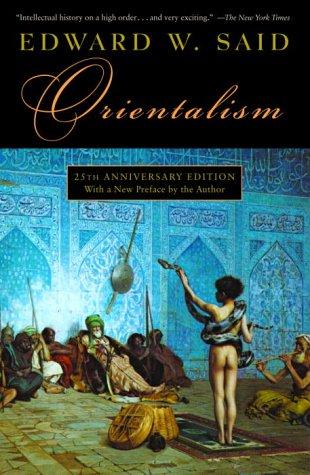
Orientalism is required reading in postcolonial studies, comparative literature, cultural studies, history, and Middle Eastern studies curricula worldwide. It appears on thousands of university syllabi across disciplines and is considered foundational to the field of postcolonial criticism. No academic in the humanities can avoid engagement with Said's argument, making it one of the most canonical critical texts of the late 20th century.
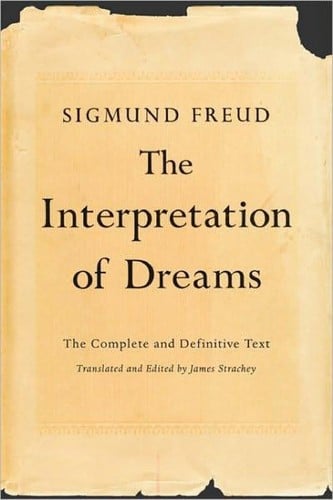
No. 3 on this list. The Interpretation of Dreams
Sigmund Freud · 1899
Moderate13 hours
Included in: Great Books of the Western World
Freud's founding work of psychoanalysis is taught across psychology, literary theory, philosophy and the history of ideas, and is a standard text in courses on modernism. Few works published around 1900 hold a comparable place across so many disciplines.
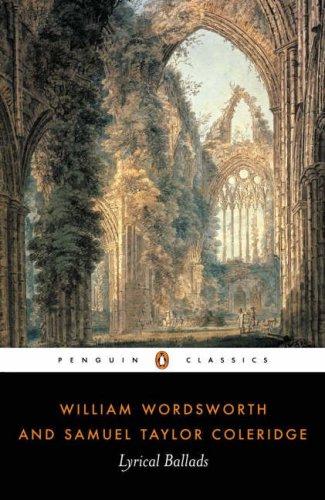
The Preface to Lyrical Ballads is the founding manifesto of English Romanticism and appears on every university syllabus in Romantic literature, literary theory, and criticism courses. It is required reading in virtually all English literature programs and is cited as the document that defined the terms of English poetry for the 19th century. Its presence in literary education is as reliable as any text in the tradition.
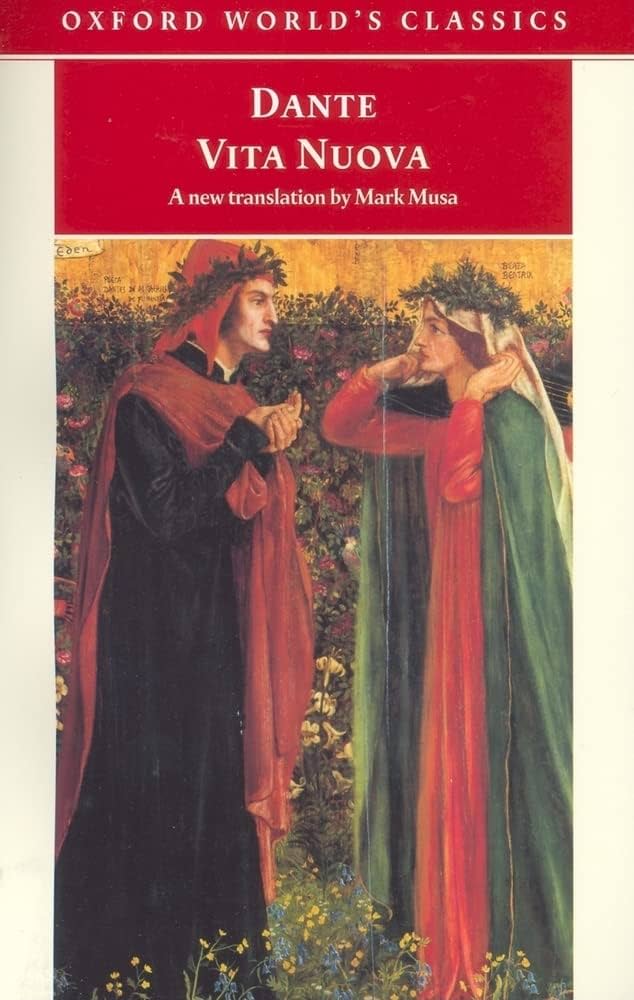
Vita Nuova is taught in virtually every medieval Italian literature program worldwide and appears in most comparative literature and Romance philology curricula. It is the foundational text of the dolce stil novo movement and the biographical prologue to the Divine Comedy, one of the most studied works in Western literary history. Wikipedia entries exist in more than 80 languages, and the work has been continuously in print and commentary since Boccaccio's 14th-century biography of Dante.
Compiled after Saussure's death by Charles Bally and Albert Sechehaye from students' notes on his Geneva lectures, it is the founding text of modern linguistics and of structuralism. It is assigned in linguistics, semiotics and literary theory courses worldwide and excerpted in the major theory anthologies.
No. 7 on this list. Richard III
William Shakespeare · 1597
Challenging2.8 hours
Taught in schools: CAPE Literatures in English – Caribbean Examinations Council
Included in: Great Books of the Western World
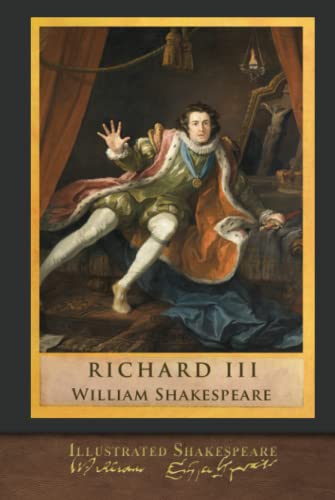
Richard III is among the most frequently performed Shakespeare plays and a staple of secondary school and university curricula worldwide. Its opening monologue — 'Now is the winter of our discontent' — is among the most memorized passages in English literature. The play appears on virtually every Shakespeare survey and features in courses on history plays, villainy, and political drama.
Won the Pulitzer Prize, National Book Award, and National Book Critics Circle Award — the only book to win all three. Central to the American poetry canon.
No. 9 on this list. The Clouds
Aristophanes · c. 423 BCE
Challenging1.2 hours
Taught in schools: Lektury obowiązkowe – Polish national reading list (Poland)
Included in: Great Books of the Western World
The Clouds appears on virtually every classical literature and ancient philosophy syllabus, often assigned alongside Plato's Apology — which explicitly names the play as contributing to popular sentiment against Socrates. It is one of only eleven surviving plays by Aristophanes, and among those, one of the most studied. No book with this syllabus footprint in classics departments falls below 85.
No. 10 on this list. Renaissance Self-Fashioning: From More to Shakespeare
Stephen Greenblatt · 1980
Challenging12 hours
Renaissance Self-Fashioning is the founding text of New Historicism, the dominant mode of literary scholarship from the 1980s through 2000s, and appears on virtually every graduate syllabus in Renaissance literature, literary theory, and cultural studies. Though external data signals show zero entries — likely a cataloguing gap — the book's actual syllabus presence at research universities is pervasive, comparable to major canonical works in its field.
No. 11 on this list. The Frogs · Aristophanes · c. 405 BCE
Taught in schools: Montenegrin literature curriculum (crnogorski jezik i književnost) (Montenegro)
Included in: Great Books of the Western World
Dionysus, god of theater and wine, has a problem: Athens has run out of good tragedians. Euripides is dead, Sophocles is dead, and the city's stages are filling up with lesser men. So Dionysus disguises himself as Heracles — borrowed lion-skin and all — and descends into the underworld to bring Euripides back. He takes his slave Xanthias with him, who spends most of the play pointing out that his master is a coward. What begins as a slapstick adventure through Hades — complete with a chorus of literal frogs croaking "Brekekekex koax koax" as Dionysus rows across the Styx — turns into a formal literary debate. Aeschylus and Euripides, both dead, compete for the underworld's throne of poetry. They weigh each other's verses on an actual scale. They trade insults about meters, politics, and moral purpose. Aristophanes wrote this in 405 BCE, the year Athens was losing the Peloponnesian War, and the play's question — what should poetry do for a city in crisis? — had an edge that wasn't merely academic. The comedy is loud, obscene, and intellectually serious in the same breath. Read it expecting a play that treats literary criticism as a matter of civic life and death.
Challenging1.1 hours
Start this bookNo. 12 on this list. Ars Poetica · Horace · c. 19 BCE
The single most influential text on poetics between Aristotle and the Romantics. Foundation of neoclassical literary theory.
Moderate32 min
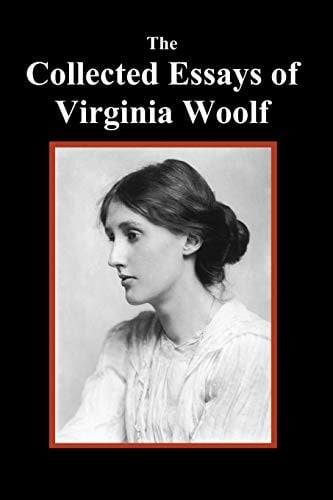
Start this bookNo. 13 on this list. The Collected Essays of Virginia Woolf · Virginia Woolf · 1966
The Collected Essays and The Common Reader are staples of university courses in modernism, literary criticism, and women's writing globally. While no Wikipedia or syllabus data was returned for this specific collection, Woolf's essays are foundational to any survey of 20th-century literary criticism and have been continuously in print since the 1920s.
Moderate5.4 hours
Start this bookNo. 14 on this list. The American Renaissance: Art and Expression in the Age of Emerson and Whitman · F.O. Matthiessen · 1941
American Renaissance is credited with naming and founding the field — the 1850-55 period is still called 'the American Renaissance' because of this book, and it remains standard graduate reading in American literature and American Studies programs. It sits alongside Edmund Wilson's Patriotic Gore as one of the two or three books that created the discipline it now anchors.
Challenging21 hours
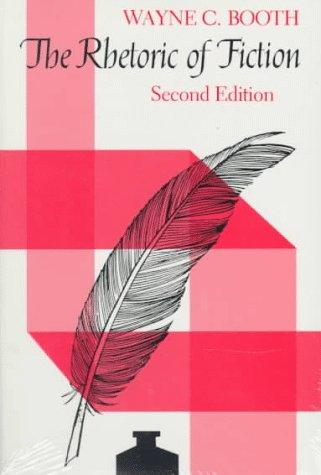
Start this bookNo. 15 on this list. The Rhetoric of Fiction · Wayne C. Booth · 1961
The Rhetoric of Fiction appears on graduate syllabi in English, Comparative Literature, and Creative Writing programs worldwide and is listed among the foundational texts of narrative theory by virtually every introductory course in narratology. The terms Booth coined — 'implied author,' 'unreliable narrator' — are now standard vocabulary taught in undergraduate literature courses globally.
Challenging16 hours
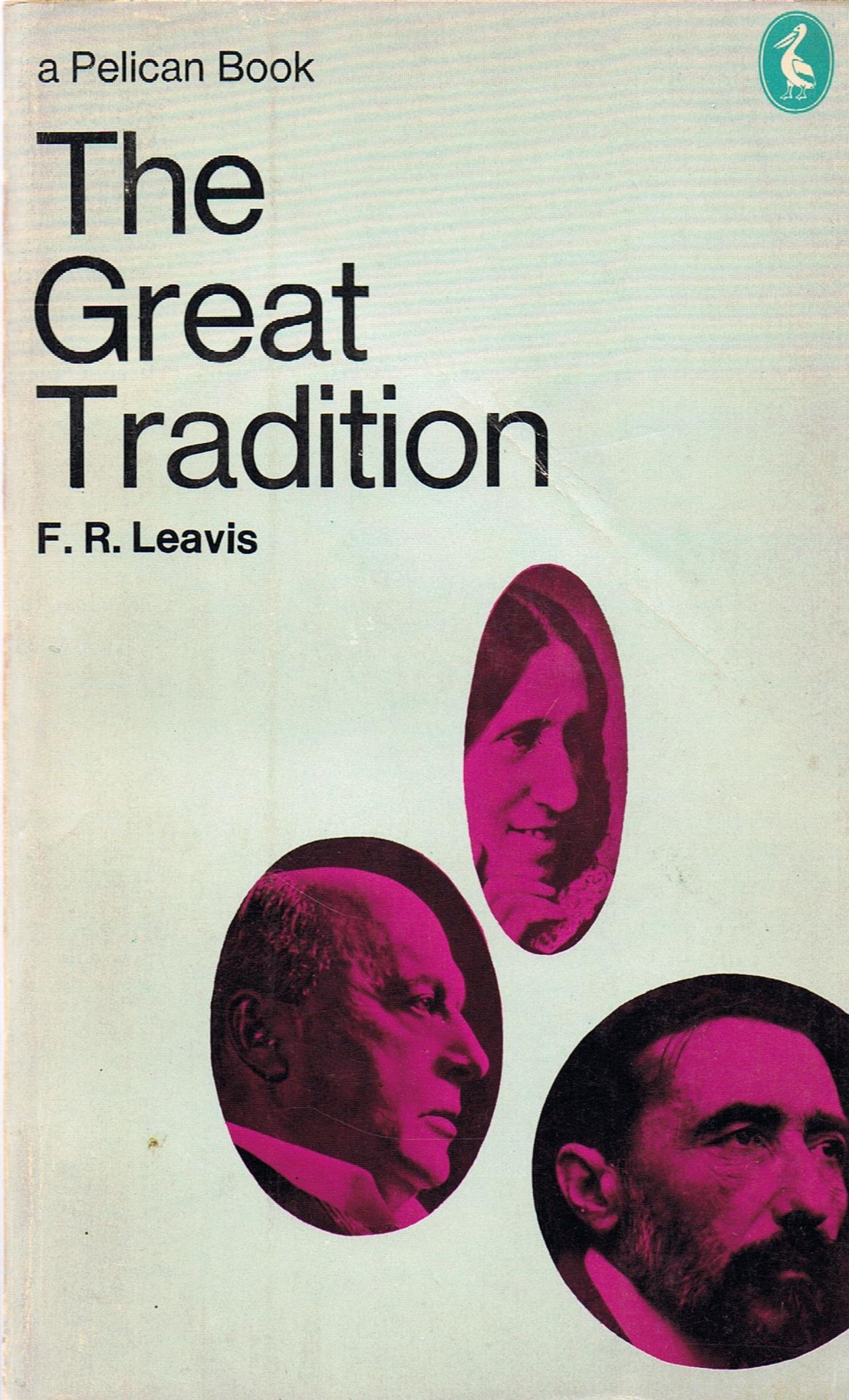
Start this bookNo. 16 on this list. The Great Tradition · F.R. Leavis · 1948
The defining document of mid-20th-century English literary criticism.
Challenging7.2 hours
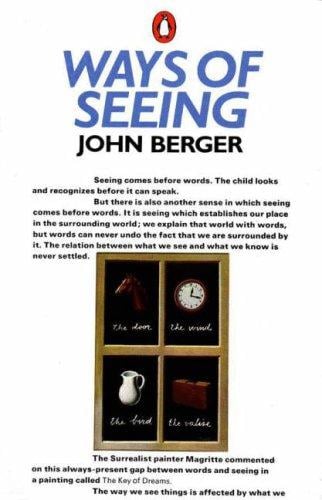
Start this bookNo. 17 on this list. Ways of Seeing · John Berger · 1972
Required reading in virtually every art history, visual culture, media studies, and design curriculum globally. The book single-handedly changed how art criticism is taught, appearing on syllabi across disciplines from fine art to gender studies to communications. Its place in the Western critical canon is essentially uncontested.
Moderate1.6 hours
Start this bookNo. 18 on this list. Mythologies · Roland Barthes · 1957
Mythologies is standard reading in media studies, cultural studies, semiology, and critical theory curricula worldwide. It appears in virtually every undergraduate Cultural Studies syllabus and most graduate programs in literary theory, communications, and sociology. The book's two-part structure — accessible cultural vignettes plus rigorous theoretical essay — makes it one of the most commonly assigned works of French critical theory in Anglophone universities, comparable in syllabus presence to Saussure's Course in General Linguistics.
Challenging4.3 hours
Start this bookNo. 19 on this list. The Poetics of Prose · Tzvetan Todorov · 1971
The detective fiction essay is one of the most cited in the academic study of the genre.
Challenging6 hours
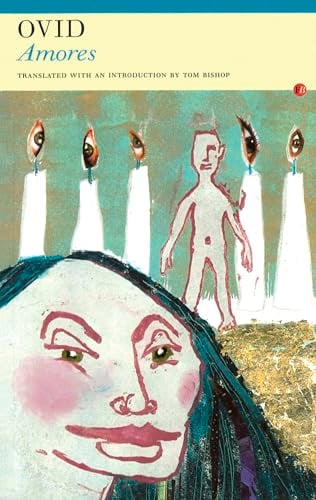
Start this bookNo. 20 on this list. Amores · Ovid · c. 16 BCE
Ovid is twenty years old and Corinna will not open her door. So begins the Amores — forty-nine love elegies written in the 20s BCE by a Roman poet who understood, from the first poem, that wit is more powerful than sincerity. Cupid, he explains in Elegy I, stole a foot from his heroic hexameter and turned his epic into love poetry against his will. This is Ovid's characteristic move: mock complaint that reveals total mastery. The Amores catalogues an affair with the unnamed mistress Corinna — bribing her doorkeeper, watching her comb her ruined hair, mourning her parrot with the same hyperbolic grief he'd spend on a person, catching her in adultery and immediately forgiving her because she denied it too beautifully. Each poem is a rhetorical performance: Ovid argues, apostrophizes, invokes mythology, reverses himself, and lands a final turn with the timing of a practised comedian. He invented the mode of the suffering lover who is too articulate to suffer. Reading the Amores is to watch the cleverest poet in Rome construct the template that Petrarch would use a millennium later, and that has governed love poetry ever since — which is to say, Ovid built the room everyone else still lives in.
Moderate2 hours
Read now
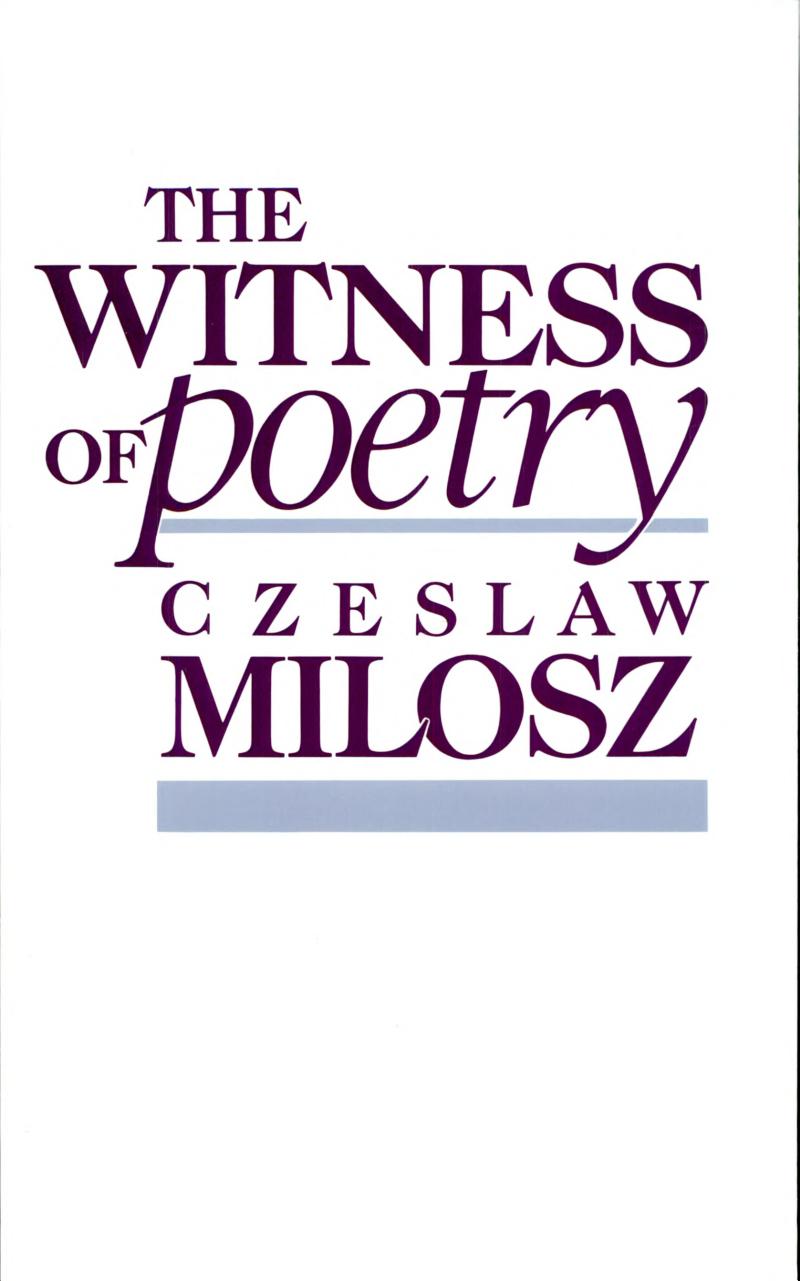
No. 21 on this list. The Witness of Poetry · Czesław Miłosz · 1983
One of the most important essays on poetry and political witness in the 20th century.
Moderate4.6 hours
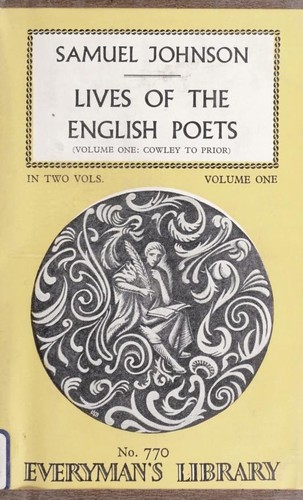
Start this bookNo. 22 on this list. The Lives of the Poets · Samuel Johnson · 1781
Standard on university English and literary criticism syllabi across British and American institutions. No automated syllabus data was returned, but the work's position as the founding document of English literary biography places it well above specialized cult texts. Virtually every survey of 18th-century English literature assigns selections from the Lives.
Moderate3.9 hours
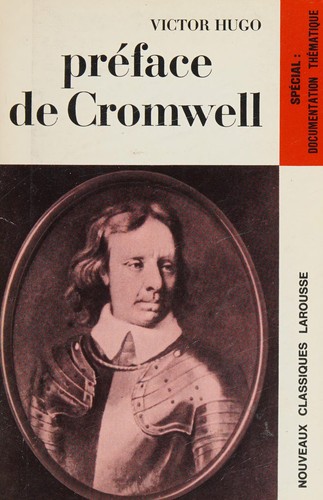
Start this bookNo. 23 on this list. Preface to Cromwell · Victor Hugo · 1827
The founding manifesto of French Romantic drama. Essential in French literature courses and comparative Romanticism studies.
Moderate1.7 hours
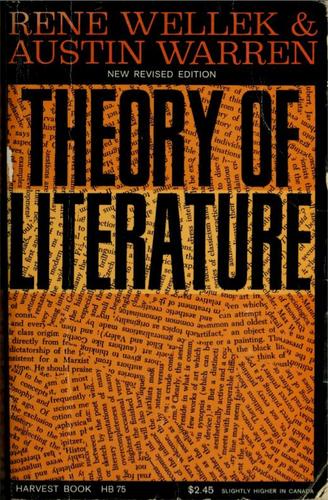
Start this bookNo. 24 on this list. Theory of Literature · René Wellek · 1949
The standard introduction to literary theory and methodology for American graduate study from the 1950s through the 1970s.
Challenging7.4 hours
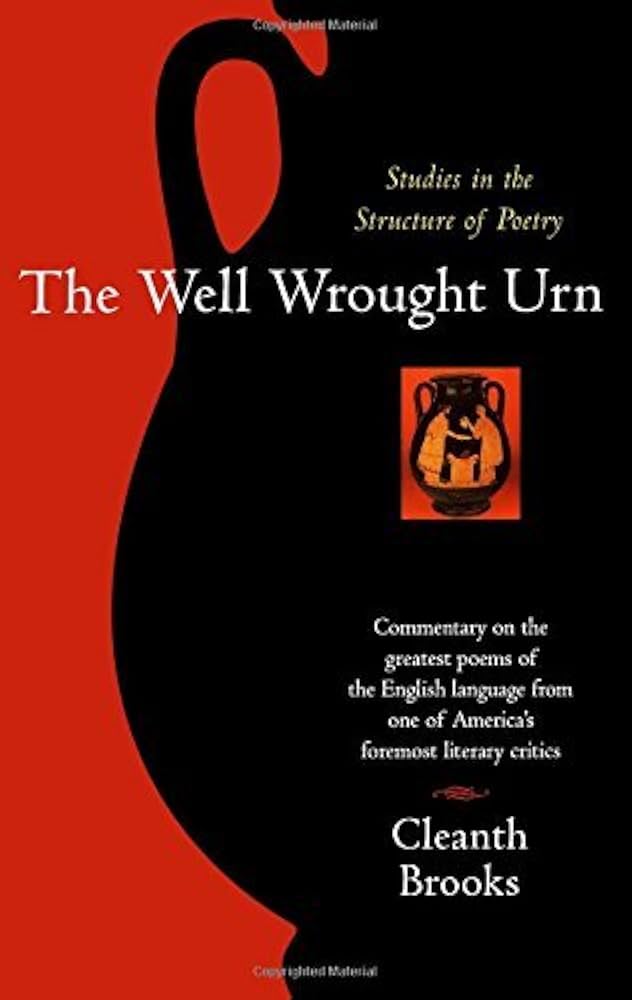
Start this bookNo. 25 on this list. The Well Wrought Urn: Studies in the Structure of Poetry · Cleanth Brooks · 1947
Central text of New Criticism; still assigned in courses on critical method.
Challenging6.2 hours
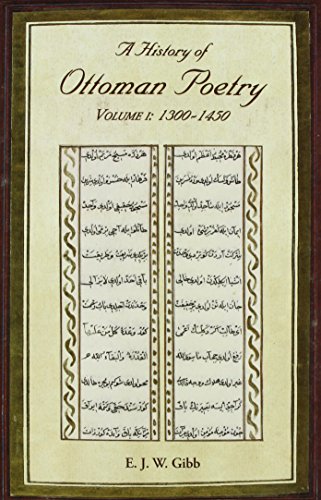
Start this bookNo. 26 on this list. Turkish Literature: A Bio-Bibliographical Survey · E.J.W. Gibb · 1900
Irreplaceable as the only comprehensive English-language history of Ottoman classical poetry; in continuous use for over a century.
Moderate20 hours
Start this bookNo. 27 on this list. Introduction to Poetics · Tzvetan Todorov · 1968
A key methodological statement of structuralist poetics; widely assigned as an introduction to the discipline.
Challenging2.2 hours
Start this bookNo. 28 on this list. Exercises in Style · Raymond Queneau · 1947
A cornerstone text of postwar French avant-garde literature and the OuLiPo tradition, widely assigned in literary theory and creative writing courses. Not a household classic in the manner of Camus but firmly enshrined in academic and experimental-fiction canons worldwide.
Challenging2.1 hours
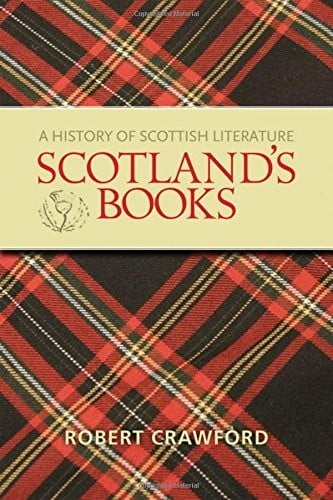
Start this bookNo. 29 on this list. Scotland's Books · Robert Crawford · 2007
The standard single-volume history of Scottish literature; winner of the Saltire Scottish Research Book of the Year.
Moderate13 hours
Start this bookNo. 30 on this list. The Great War and Modern Memory · Paul Fussell · 1975
The Great War and Modern Memory is a landmark in cultural history and literary criticism, required reading in WWI history, war literature, and twentieth-century studies courses at universities worldwide. It won the National Book Award (1976) and the National Book Critics Circle Award, and has been continuously in print for fifty years. The book is treated as foundational in any serious engagement with the cultural legacy of the First World War.
Moderate9.8 hours
Start this book
No. 31 on this list. The Common Reader
Virginia Woolf · 1925
No. 32 on this list. Practical Criticism
I.A. Richards · 1929
No. 33 on this list. Writing Lives
Leon Edel · 1984
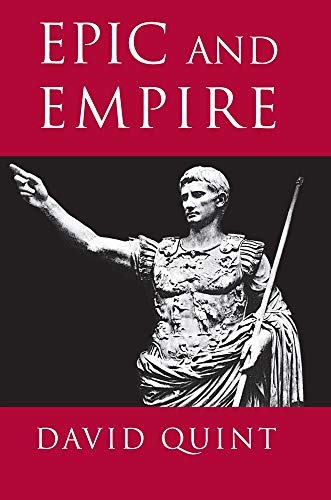
No. 34 on this list. Epic and Empire: Politics and Generic Form from Virgil to Milton
David Quint · 1993
No. 35 on this list. Self-Consuming Artifacts: The Experience of Seventeenth-Century Literature
Stanley Fish · 1972
No. 36 on this list. Laocoon: An Essay on the Limits of Painting and Poetry
Gotthold Ephraim Lessing · 1766
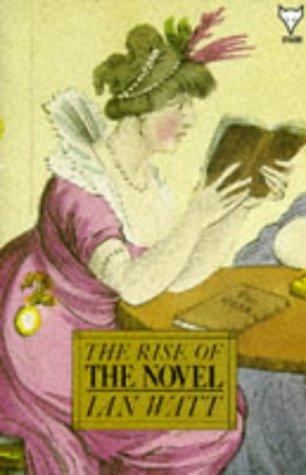
No. 37 on this list. The Rise of the Novel: Studies in Defoe, Richardson and Fielding
Ian Watt · 1957
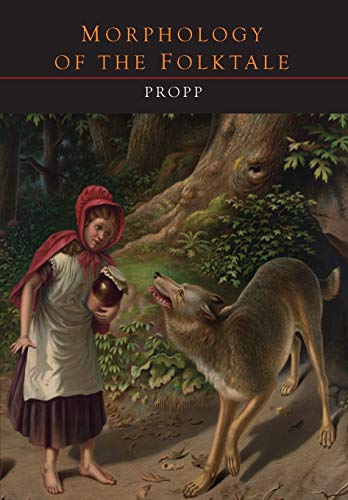
No. 38 on this list. Morphology of the Folktale
Vladimir Propp · 1928
No. 39 on this list. The Empty Space
Peter Brook · 1968
No. 40 on this list. The Defence of Poesy
Philip Sidney · 1595
No. 41 on this list. The Auroras of Autumn
Wallace Stevens · 1950
No. 42 on this list. The Cambridge History of Italian Literature
Peter Brand · 1996
No. 43 on this list. On the Sublime
Longinus · 100
No. 44 on this list. Supernatural Horror in Literature
H.P. Lovecraft · 1927
No. 45 on this list. Playing in the Dark: Whiteness and the Literary Imagination
Toni Morrison · 1992
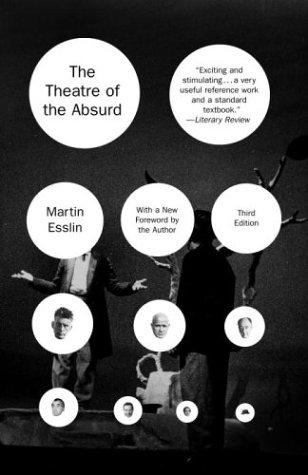
No. 46 on this list. The Theatre of the Absurd
Martin Esslin · 1961
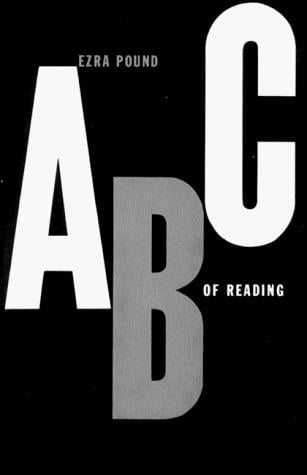
No. 47 on this list. The ABC of Reading
Ezra Pound · 1934
No. 48 on this list. The Great Age of Chinese Poetry: The High T'ang
Stephen Owen · 1981
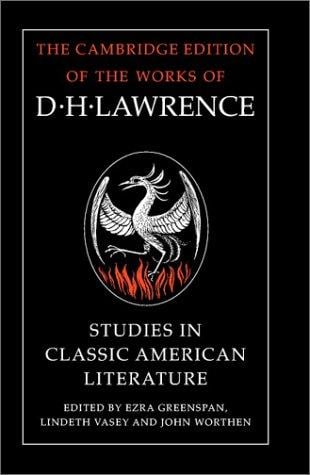
No. 49 on this list. Studies in Classic American Literature
D.H. Lawrence · 1923
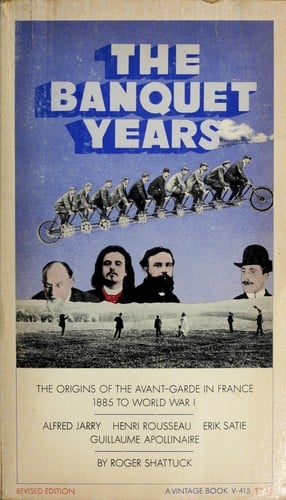
No. 50 on this list. The Banquet Years: The Origins of the Avant-Garde in France
Roger Shattuck · 1958
No. 51 on this list. An Introduction to Spanish-American Literature
Jean Franco · 1969
No. 52 on this list. Theory of Prose
Viktor Shklovsky · 1925
No. 53 on this list. The Thriller: A History
Michael Denning · 1987
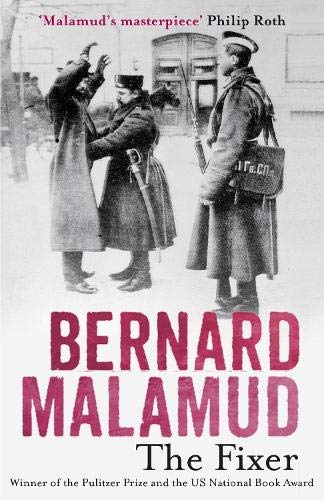
No. 54 on this list. The Fixer
Bernard Malamud · 1967
No. 55 on this list. The Licensing Act of 1737 and the Staging of the Eighteenth-Century Essay
Margaret Anne Doody · 1996
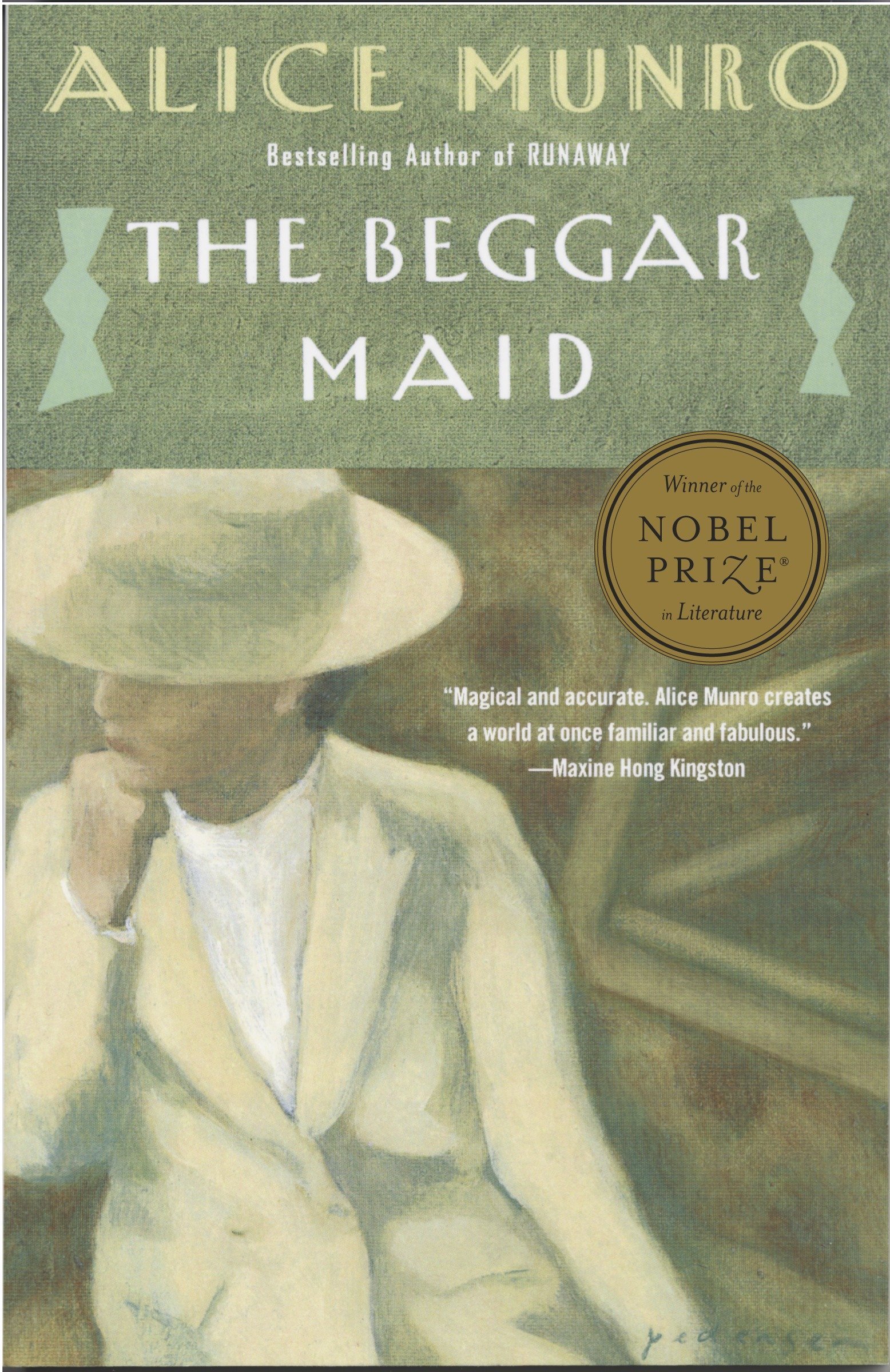
No. 56 on this list. The Beggar Maid
Alice Munro · 1980
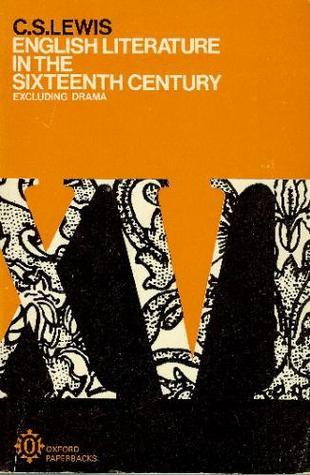
No. 57 on this list. English Literature in the Sixteenth Century, Excluding Drama
C.S. Lewis · 1954
No. 58 on this list. The Cambridge Companion to Modern Japanese Literature
Dennis Washburn · 2010
No. 59 on this list. The Soldiers' Tale: Bearing Witness to Modern War
Samuel Hynes · 1997
No. 60 on this list. The Verbal Icon
W.K. Wimsatt · 1954
No. 61 on this list. The Garden of Evening Mists
Tan Twan Eng · 2013
No. 62 on this list. The American Novel and Its Tradition
Richard Chase · 1957
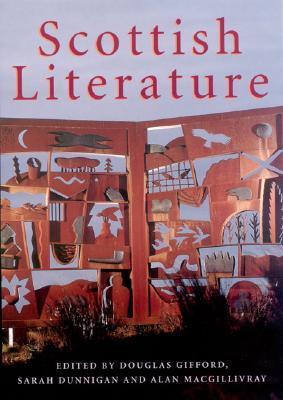
No. 63 on this list. Scottish Literature in English and Scots
Douglas Gifford · 2002
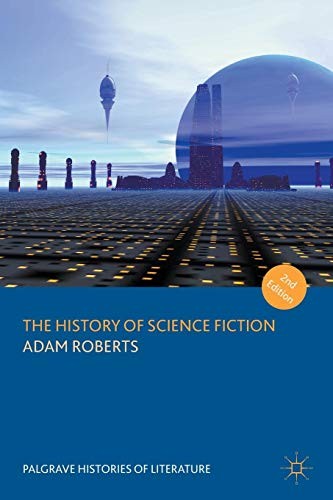
No. 64 on this list. The History of Science Fiction
Adam Roberts · 2006
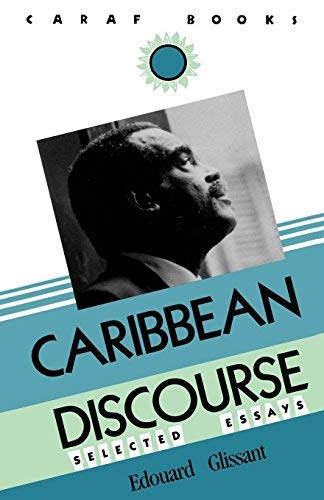
No. 65 on this list. Caribbean Discourse: Selected Essays
Édouard Glissant · 1981
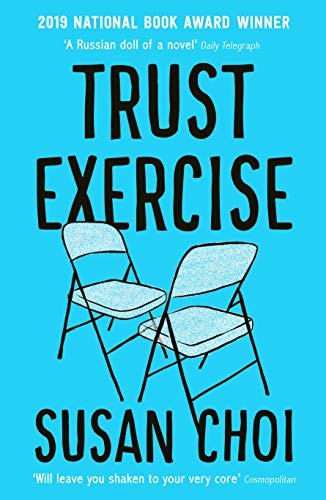
No. 66 on this list. Trust Exercise
Susan Choi · 2019
No. 67 on this list. On Fairy-Stories
J.R.R. Tolkien · 1947
No. 68 on this list. Is There a Text in This Class? The Authority of Interpretive Communities
Stanley Fish · 1980
No. 69 on this list. Reading the Romance: Women, Patriarchy, and Popular Literature
Janice Radway · 1984
No. 70 on this list. Principles of Literary Criticism
I.A. Richards · 1924
No. 71 on this list. Postmodernist Fiction
Brian McHale · 1987
No. 72 on this list. In Praise of Shadows
Jun'ichirō Tanizaki · 1933
No. 73 on this list. The Accidental
Ali Smith · 2005
No. 74 on this list. The Columbia History of the American Novel
Emory Elliott · 1991
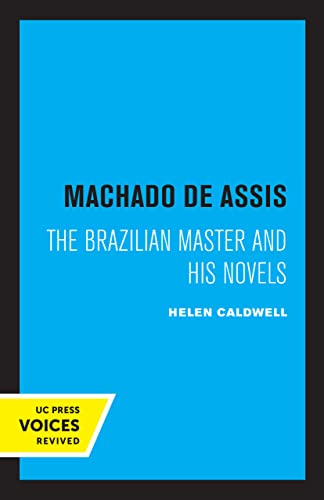
No. 75 on this list. Machado de Assis: The Brazilian Master and His Novels
Helen Caldwell · 1970
No. 76 on this list. A History of Italian Literature
Ernest Hatch Wilkins · 1954
No. 77 on this list. The Bildungsroman from Goethe to Santayana
Gregory Castle · 1978
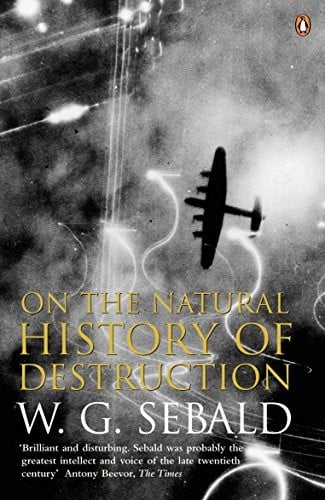
No. 78 on this list. On the Natural History of Destruction
W.G. Sebald · 1999
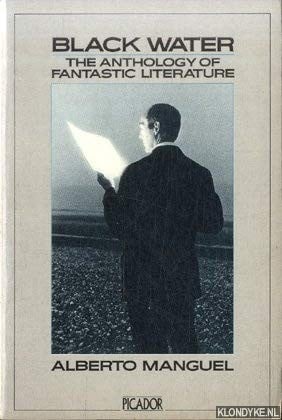
No. 79 on this list. Black Water: The Anthology of Fantastic Literature
Alberto Manguel · 1983
No. 80 on this list. Happily Ever After: The Romance Story in Popular Culture
Catherine Roach · 1984
No. 81 on this list. A History of German Literature
Volker Meid · 1997
No. 82 on this list. Form and Ideology in Crime Fiction
Stephen Knight · 1980
No. 83 on this list. The Silent Woman
Janet Malcolm · 1994
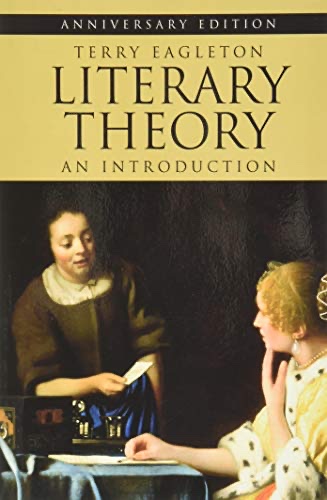
No. 84 on this list. Literary Theory: An Introduction
Terry Eagleton · 1983
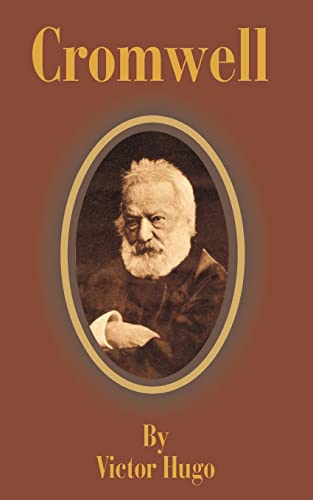
No. 85 on this list. Cromwell
Victor Hugo · 1827
No. 86 on this list. Guilty Pleasures: Feminist Camp from Mae West to Madonna
Martin Rubin · 2000
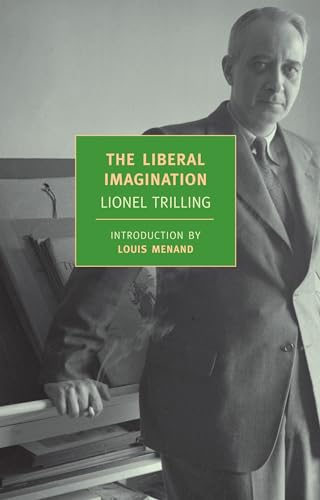
No. 87 on this list. The Liberal Imagination
Lionel Trilling · 1950
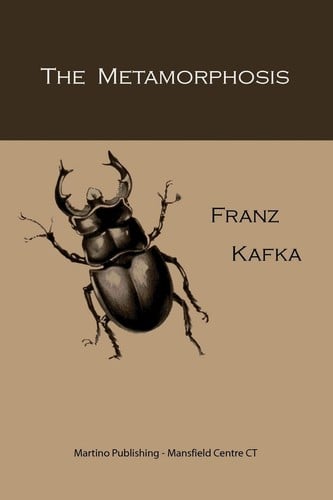
No. 88 on this list. The Metamorphosis of the German Novel: Kafka in Context
Michael Minden · 1997
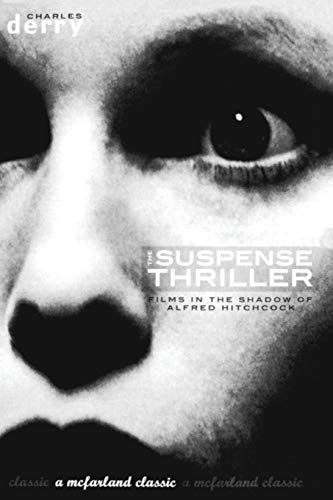
No. 89 on this list. The Suspense Thriller: Films in the Shadow of Alfred Hitchcock
Charles Derry · 1988
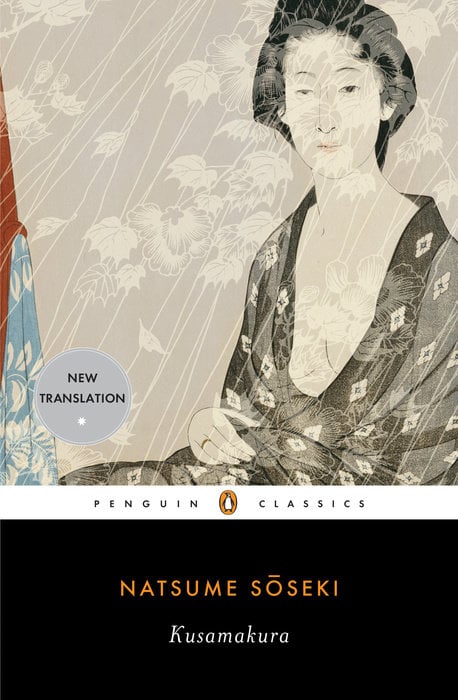
No. 90 on this list. Kusamakura
Natsume Sōseki · 1906
Included in: UNESCO Collection of Representative Works
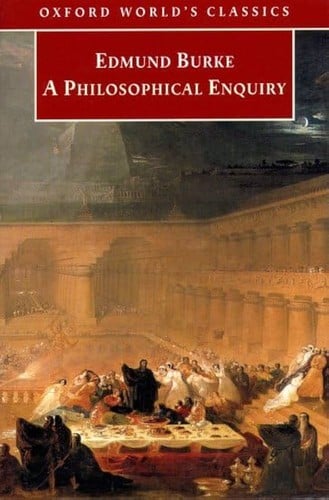
No. 91 on this list. A Philosophical Enquiry into the Origin of Our Ideas of the Sublime and Beautiful
Edmund Burke · 1757
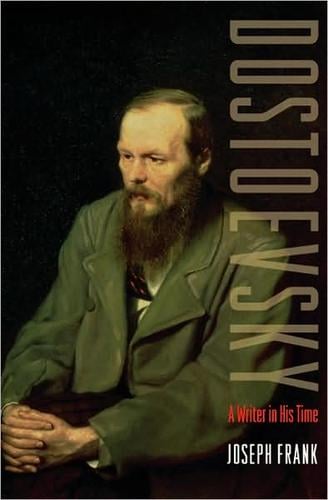
No. 92 on this list. Dostoevsky: A Writer in His Time
Joseph Frank · 2010
No. 93 on this list. The French Novel from Stendhal to Proust
Martin Turnell · 1950
No. 94 on this list. The Mysteries of Udolpho
Ann Radcliffe · 1794
No. 95 on this list. Magic Realism, New Objectivity, and the Arts during the Weimar Republic
Irene Guenther · 1995
No. 96 on this list. It Can't Happen Here
Sinclair Lewis · 1935
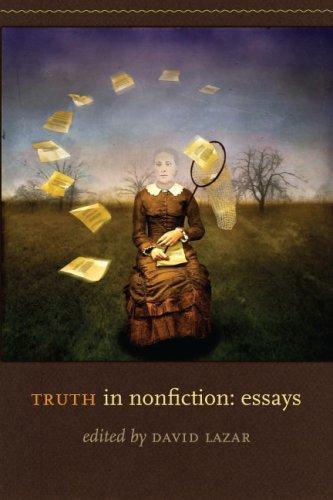
No. 97 on this list. Truth in Nonfiction
David Lazar · 2008
No. 98 on this list. Facing It: American Literature and the Vietnam War
Thomas Myers · 1988
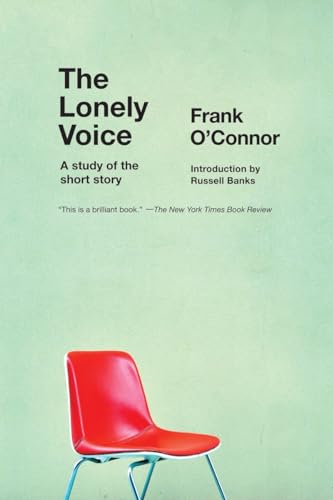
No. 99 on this list. The Lonely Voice: A Study of the Short Story
Frank O'Connor · 1963
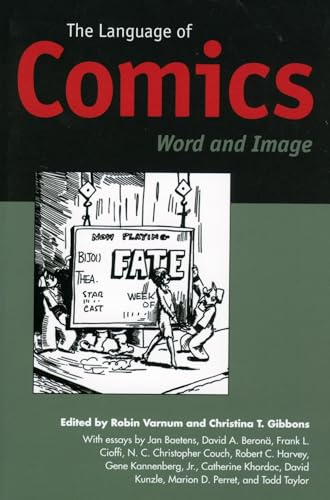
No. 100 on this list. The Language of Comics: Word and Image
Robin Varnum · 2001
About this list
These 100 books are the highest-scoring eligible moderately difficult books of criticism and theory currently in the catalogue. About 731 hours of reading in all. Difficulty runs from 53 to 60 out of 100 for the middle half of the list; the summit is Renaissance Self-Fashioning: From More to Shakespeare at 65.
This list is ranked by literary regard, with a consistent order for equal scores. Membership follows authors and co-authors, not translators or editors. A book is here when ReadingRate files it under Criticism & Theory as one of its primary reading domains, at a confidence of 0.8 or more. Catalogue coverage and the historical canon both limit what this list can represent.
When we matched the Canons dataset to our catalogue in October 2026, our canonical-status scores rose with the number of school curricula, publisher series and lists in it that cite a work: the median score was 72 for books one such source cites, 84 at two, 88 at three, 92 at four and 93 at five or more. Prizes are left out of that count. Outside the state curricula, the dataset’s sources choose mostly from what has been translated into English or French, so it is a weaker check on other literatures. Source: Canons (Andrew Piper), CC BY 4.0
Questions people actually ask
- What are the best moderately difficult books of criticism and theory?
- By literary regard, which weighs canonical status, critical standing and influence: Poetics by Aristotle, Orientalism by Edward W. Said, The Interpretation of Dreams by Sigmund Freud, Preface to Lyrical Ballads by William Wordsworth and Vita Nuova by Dante Alighieri. ReadingRate ranks 100 such books, each with a difficulty score and a reading-time estimate.
- Which moderately difficult books of criticism and theory should I read first?
- Start from difficulty, not from rank. The most approachable books on this list that still carry top literary regard are The Empty Space by Peter Brook (about 3.6 hours), Amores by Ovid and Ars Poetica by Horace.
- What are the shortest of the best moderately difficult books of criticism and theory?
- Among the top 25, the shortest are Ars Poetica by Horace (about 32 min), The Frogs by Aristophanes (about 1.1 hours) and Self-Portrait in a Convex Mirror by John Ashbery (about 1.3 hours), at an average pace of 250 words a minute adjusted for each book's difficulty.
- Which of the best moderately difficult books of criticism and theory are the established classics?
- By canonical status, how firmly a book sits in curricula, anthologies and the canon: Poetics by Aristotle, Orientalism by Edward W. Said, The Interpretation of Dreams by Sigmund Freud, Preface to Lyrical Ballads by William Wordsworth and Vita Nuova by Dante Alighieri.
- Can I read any of these moderately difficult books of criticism and theory for free?
- 6 of the 100 open in ReadingRate's reader with a free account, from public-domain editions: The Interpretation of Dreams, Vita Nuova, Richard III, Amores, The Common Reader and 1 more.
- How long would it take to read the top ten?
- About 57 hours, at an average pace of 250 words a minute adjusted for each book's difficulty: 29 days at two hours a day. Set your own pace on the page and the list's reading times change to it.
- How hard are moderately difficult books of criticism and theory to read?
- Most of this list sits between 53 and 60 on ReadingRate's 100-point difficulty scale, where 40 to 55 is moderate. The summit is Renaissance Self-Fashioning: From More to Shakespeare at 65. Every entry carries its own score, so a reader can pick a great book at a difficulty they will finish.
- How is this list ranked?
- On literary-regard data: how canonically established a work is, its critical standing, and its influence on later writing. It is not a readers’ poll, which is why recent bestsellers rarely appear. Membership follows authors and co-authors, not translators or editors. Lists by country, author, period, theme or difficulty keep to literature (fiction, poetry, drama and philosophy), their novels, poems and plays first and their philosophy after them; a list of a kind of book, such as memoir or criticism, keeps every book of that kind. Every list holds at most three works by one author. A book is here when ReadingRate files it under Criticism & Theory as one of its primary reading domains, at a confidence of 0.8 or more.