Hours at an average pace
Showing 100 books
About 624 hours for 100 of 100 books with measured lengths. Estimates use 250 words a minute, adjusted for each book's difficulty. At 2 hours a day, about 312 days for those books.
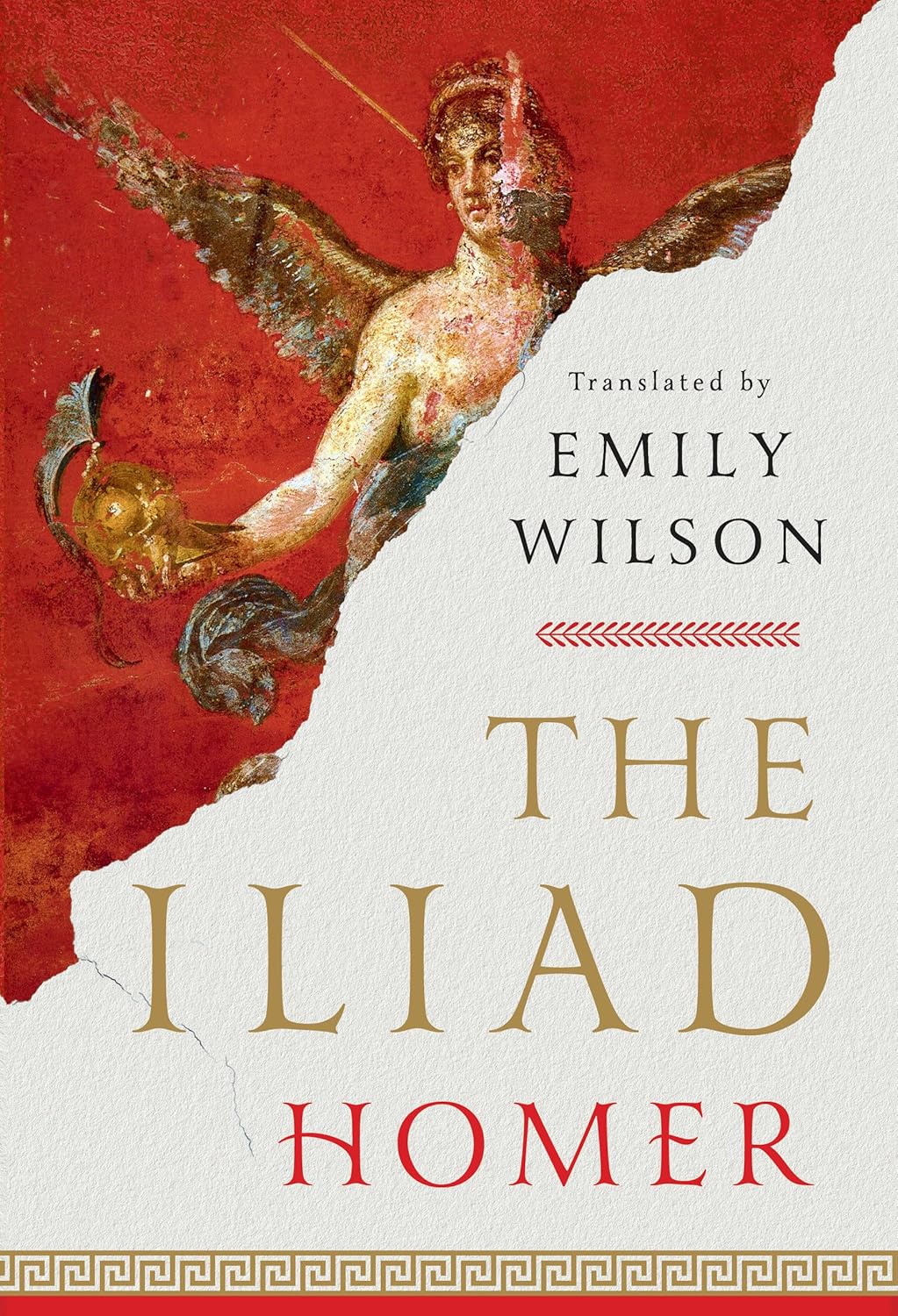
No. 1 on this list. Iliad
Homer · c. 750 BCE
Challenging13 hours
Taught in schools: Montenegrin literature curriculum (crnogorski jezik i književnost) (Montenegro)
Included in: Bokklubben World Library, Great Books of the Western World
The foundational war poem of Western civilization, and still the most unflinching. Homer gives Achilles' rage the same weight as Hector's tenderness with his son, refusing to let either side own the meaning of the slaughter.
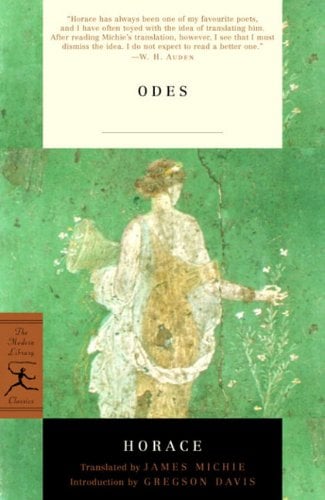
Horace's Odes have been required reading in classical curricula for over two thousand years without interruption — studied in Rome, medieval monasteries, Renaissance courts, and modern universities alike. The phrase 'carpe diem' originates in Odes I.11 and has entered every major world language. The Wikipedia article appears in only 1 language in the current database, but this reflects a data gap: the Odes are among the most-taught texts in any Western classics or humanities program, with presence on thousands of university syllabi globally.
No. 3 on this list. On the Nature of Things
Lucretius · c. 55 BCE
Moderate5.5 hours
Included in: Great Books of the Western World
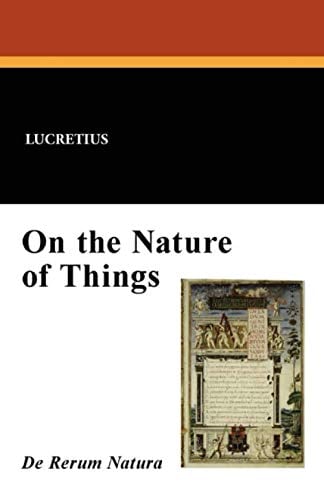
De Rerum Natura is one of the most significant surviving texts from antiquity, taught in classics, philosophy, and history of science programs at universities worldwide. It represents the fullest extant exposition of Epicurean atomism in any language and appears on virtually every list of essential classical works. Its rediscovery by Poggio Bracciolini in 1417 is credited with catalyzing Renaissance intellectual culture.
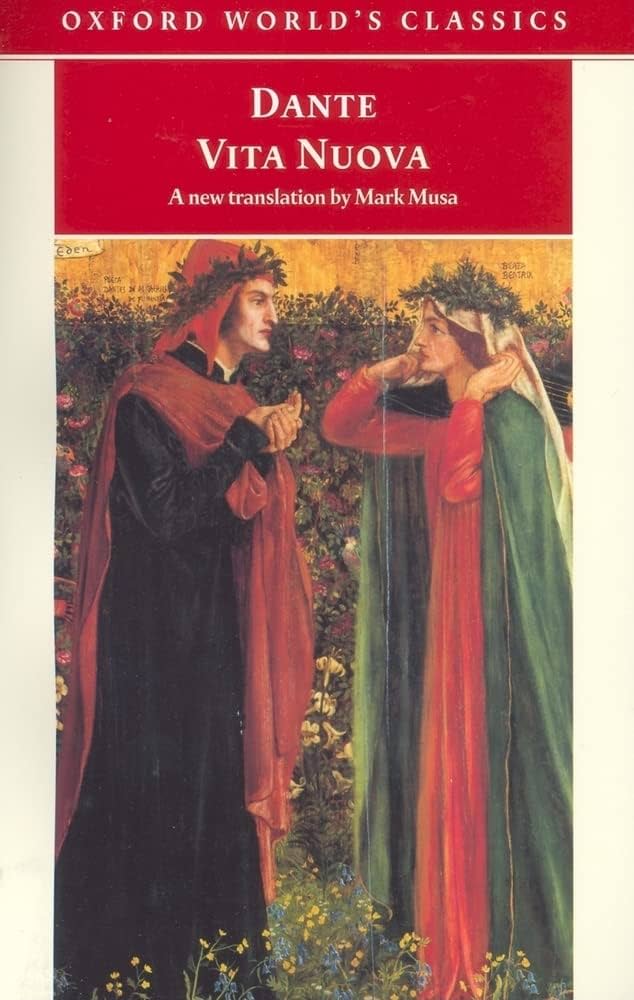
Vita Nuova is taught in virtually every medieval Italian literature program worldwide and appears in most comparative literature and Romance philology curricula. It is the foundational text of the dolce stil novo movement and the biographical prologue to the Divine Comedy, one of the most studied works in Western literary history. Wikipedia entries exist in more than 80 languages, and the work has been continuously in print and commentary since Boccaccio's 14th-century biography of Dante.
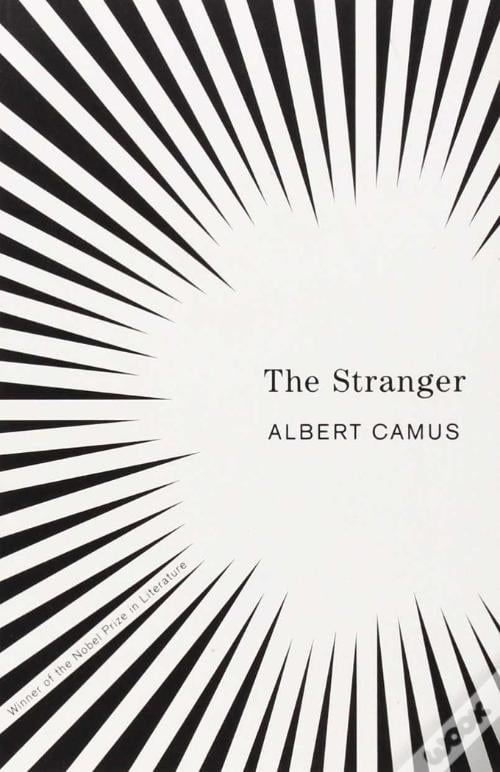
No. 5 on this list. The Stranger
Albert Camus · 1942
Challenging3 hours
Included in: Bokklubben World Library
The Stranger appears on Le Monde's 100 Books of the Century, the Open Syllabus Top 500 Literature list, and 1001 Books You Must Read Before You Die. Published in prestige editions by both NYRB Classics and Penguin Modern Classics, it is one of the most assigned existentialist texts in university world literature courses across Europe, North America, and beyond.
No modern syllabus or award-tracking data applies to a poet who died in 1821, but Keats's odes are among the most anthologized and taught poems in the English language, a fixture of every survey of Romantic and British literature. His Wikipedia presence is extensive and translated into dozens of languages, on par with the other major Romantics.
Frost appears on virtually every American high school and university English curriculum. 'The Road Not Taken,' 'Mending Wall,' and 'Stopping by Woods on a Snowy Evening' are among the most-taught poems in the English language, and the Collected Poems is the standard edition used in academic settings. His work is a fixture of the canon in a way shared by almost no other 20th-century American poet.
No. 8 on this list. The Winter's Tale
William Shakespeare · 1611
Challenging1.9 hours
Included in: Great Books of the Western World
A standard text in university Shakespeare courses worldwide, The Winter's Tale is taught as part of the late romances alongside The Tempest and Pericles. While it ranks below the major tragedies in curriculum frequency, it is required reading in virtually all advanced Shakespeare courses and appears regularly in comparative drama syllabi globally.
No. 9 on this list. Lycidas
John Milton · 1638
Moderate6 min
Included in: Great Books of the Western World
A fixture of the Norton Anthology and of every Milton and Renaissance poetry course, and the standard example of the English pastoral elegy. Its place in anthologies and survey courses has been secure since the eighteenth century.
The Epic of Gilgamesh is the oldest surviving great literary work and is universally taught in world literature, ancient history, comparative literature, and religion courses at all levels. It appears in every comprehensive anthology of world literature and is foundational to understanding how narrative, religion, and mortality entered written culture. Unquestioned canonical status as a civilization-defining text.
No. 11 on this list. Electra · Sophocles · c. 410 BCE
Included in: Great Books of the Western World
Electra is required reading in virtually every university classics and comparative literature program. All seven of Sophocles' surviving plays form the backbone of Western classical studies, and Electra — alongside Oedipus Rex and Antigone — is among the most taught. It appears on syllabi across departments from literature to philosophy to theater.
Moderate50 min
Read nowNo. 12 on this list. The Tower · William Butler Yeats · 1928
Yeats wrote the poems in this collection in his sixties, and the proximity of death stripped his verse of Celtic twilight and replaced it with granite: "Sailing to Byzantium," "Leda and the Swan," and "Among School Children" are here, each one forging private obsession into formal perfection. The volume represents the rare case of a major poet reaching his peak decades after his reputation was already secured.
Challenging40 min
Read nowNo. 13 on this list. Beowulf · Anonymous
The oldest surviving long poem in Old English transforms a Scandinavian hero's monster-fights into a meditation on the transience of glory and the duty of a leader to spend his life for his people. Its recovery from a single fire-damaged manuscript preserved the founding work of English-language literary tradition.
Challenging3.4 hours
Read nowNo. 14 on this list. Mrs. Dalloway · Virginia Woolf · 1925
Taught in schools: OCR GCSE and A-level English Literature (UK), Pearson Edexcel GCSE and A-level English Literature (UK)
Included in: Bokklubben World Library
Appears on 4,254 university syllabi according to the Open Syllabus Project, placing it at the 90.7th percentile of all taught texts — above Beloved's range and approaching The Great Gatsby's 3,500+ appearances. Listed on TIME's All-TIME 100 Novels (2005) and in 1001 Books You Must Read Before You Die. Wikipedia articles in 35 languages with an adaptations section confirm broad global reach.
Challenging7.1 hours
Read nowNo. 15 on this list. The Plague · Albert Camus · 1947
Taught in schools: Lektury obowiązkowe – Polish national reading list (Poland)
Included in: UNESCO Collection of Representative Works
The Plague is taught across Europe, the Americas, and Asia in existentialism, 20th-century literature, and French literature courses. Its Wikipedia article exists in 124 languages — comparable to the reach of Kafka's The Trial and well above most postwar novels. Listed in 1001 Books You Must Read Before You Die and enshrined as a Penguin Modern Classic.
Moderate6.7 hours
Start this bookNo. 16 on this list. The Raven · Edgar Allan Poe · 1845
Taught in schools: Common Core text exemplars (Appendix B) (US)
It is among the most anthologized American poems and a staple of school and college literature courses. It is widely taught alongside Poe's tales.
Moderate1.1 hours
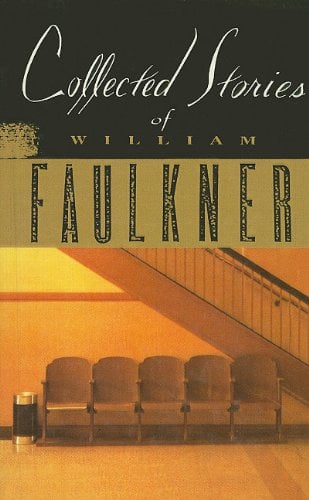
Start this bookNo. 17 on this list. Collected Stories · William Faulkner · 1951
Collected Stories won the National Book Award in 1951 and remains central to American short fiction canon. These stories appear regularly in anthologies and academic syllabi. While perhaps overshadowed by Faulkner's novels, the collection represents an essential component of his Yoknapatawpha saga and demonstrates his mastery across forms.
Challenging22 hours
Start this bookNo. 18 on this list. Venus and Adonis · William Shakespeare · 1593
Shakespeare's first published work (1593), personally overseen and dedicated to the Earl of Southampton, went through more than a dozen editions in his lifetime — making it the most reprinted English poem of the Elizabethan era. It appears on virtually all Renaissance literature and Shakespeare syllabi and features in every serious account of early modern English poetry.
Challenging45 min
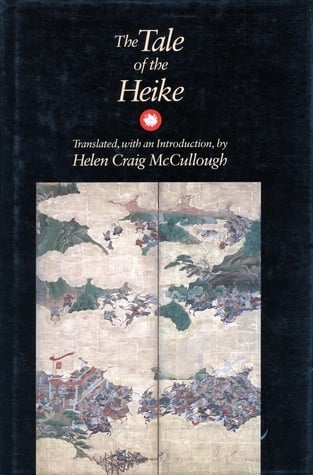
Read nowNo. 19 on this list. The Tale of the Heike · Anonymous
Japan's national epic, equivalent to the Iliad in the Western canon. Foundational to Japanese literature, taught universally in Japanese curricula, and central to understanding Japanese cultural identity. The work has influenced Japanese aesthetics for seven centuries, codifying concepts like mono no aware. Its canonical status is absolute and unchallenged within Japanese literary tradition, comparable only to The Tale of Genji in cultural importance.
Challenging14 hours
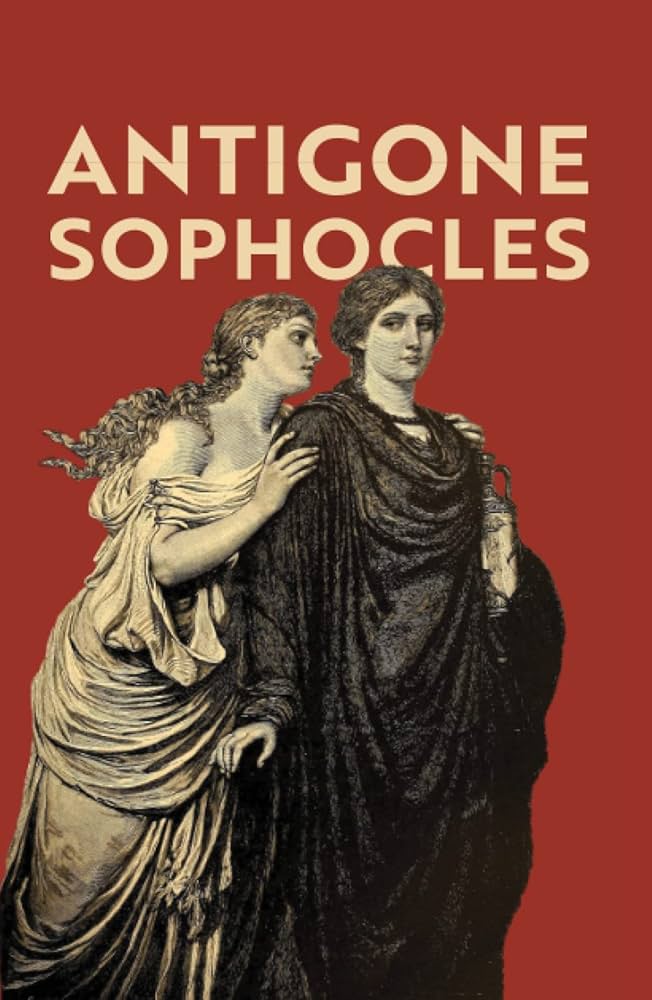
Start this bookNo. 20 on this list. Antigone · Sophocles · c. 441 BCE
Taught in schools: Hungarian literature curriculum (magyar nyelv és irodalom) (Hungary), Lektury obowiązkowe – Polish national reading list (Poland), Montenegrin literature curriculum (crnogorski jezik i književnost) (Montenegro)
Included in: Great Books of the Western World
Sophocles gave a young woman one impossible choice — obey the state or bury her brother — and built from it the foundational argument about what happens when human law and moral law collide. Every subsequent debate about civil disobedience, from Thoreau to Martin Luther King, restates the question Antigone asked first.
Moderate2.6 hours
Read now
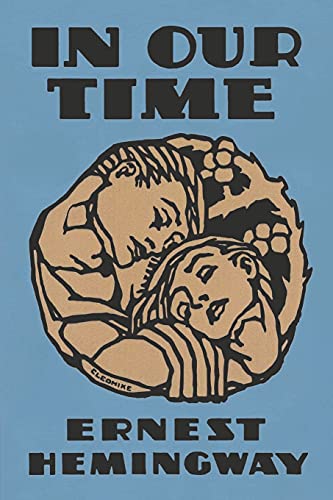
No. 21 on this list. In Our Time · Ernest Hemingway · 1925
In Our Time is widely taught in American literature survey courses as the foundational text of Hemingway's iceberg style. It appears on thousands of university syllabi and is the required starting point for understanding modernist short fiction in America. The Modern Library and most major American literature curricula treat it as essential.
Challenging17 min
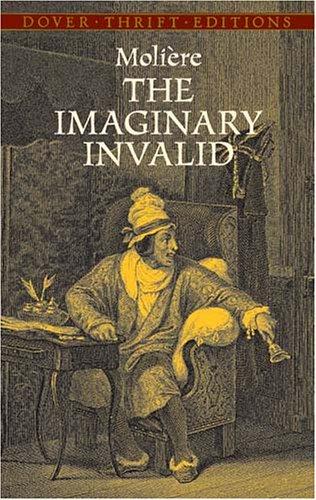
Start this bookNo. 22 on this list. The Imaginary Invalid · Molière · 1673
Included in: Great Books of the Western World
Argan sits in his Paris bedroom tallying his apothecary bills, convinced he is dying. He is not dying. His maid Toinette knows it, his brother Béralde knows it, and his daughter Angélique suspects it — but Argan has organized his entire life around his imaginary ailments, and he intends to marry Angélique to a young doctor so the household will have a physician on permanent call. Written in 1673 as Molière's last play — he collapsed onstage performing Argan and died that same evening — The Imaginary Invalid is a comedy that turns on a simple, merciless observation: some people prefer their illness to their health because sickness grants power. Toinette disguises herself as a famous doctor and solemnly recommends removing one of Argan's arms and an eye, just to see if he will agree. He almost does. The play's third interlude culminates in a mock-Latin medical ceremony, all chanted gibberish, that confers a doctorate on Argan himself — the perfect solution. Molière's doctors speak in learned nonsense and kill more patients than they cure, and the comedy lies not in caricature but in recognition: the gap between institutional authority and actual competence was as visible in 1673 as it is now. Reading it is to watch a master work at full pitch, knowing he was out of time.
Moderate1.4 hours
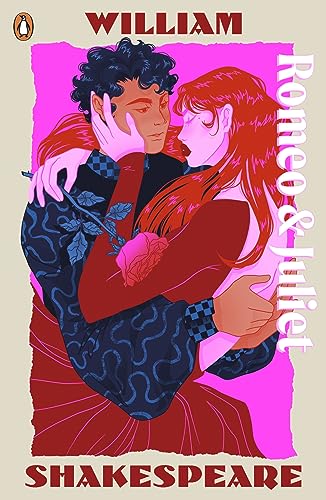
Start this bookNo. 23 on this list. Romeo and Juliet · William Shakespeare · 1597
Taught in schools: Kazakh literature curriculum (Kazakhstan)
Included in: Great Books of the Western World, UNESCO Collection of Representative Works
The balcony scene and the double suicide in the Capulet tomb gave Western culture its permanent template for doomed young love. Shakespeare was twenty-nine when he fused Petrarchan lyricism with streetfight prose into a dramatic structure playwrights still cannot improve on.
Moderate1.7 hours
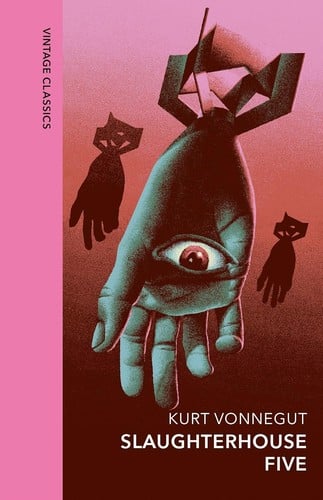
Read nowNo. 24 on this list. Slaughterhouse-Five · Kurt Vonnegut · 1999
One of the most widely taught American novels of the twentieth century, in high school and university courses on war literature and postmodern fiction. Its 1969 text is the standard for anti-war reading lists.
Moderate3.5 hours
Start this bookNo. 25 on this list. The Hollow Men · T. S. Eliot · 1925
One of Eliot's most famous poems, universally anthologized and quoted, central to the modernist canon.
Challenging9 min
Start this bookNo. 26 on this list. Clarissa · Samuel Richardson · 1748
Clarissa is a founding text of the English novel, appearing on virtually every 18th-century literature syllabus and in English doctoral programs worldwide. It features on the Modern Library and TIME All-TIME 100 lists and is treated as essential reading alongside Tom Jones and Robinson Crusoe. While database signals show no recorded syllabus appearances, this reflects data gaps rather than the book's actual canonical position — it is among the most studied British novels of any century.
Challenging8.5 hours
Start this bookNo. 27 on this list. The Magic Mountain · Thomas Mann · 1924
Included in: Bokklubben World Library
Appears on 228 university syllabi (58.9th percentile, Open Syllabus Project) and Wikipedia articles exist in 41 languages. Listed on Le Monde's 100 Books of the Century and Open Syllabus Top 500 Literature. The Nobel Prize author and the novel's treatment of pre-war European culture have kept it in world literature curricula for a century.
Challenging30 hours
Read nowNo. 28 on this list. North of Boston · Robert Frost · 1914
North of Boston appears in virtually every American poetry survey course and its poems — particularly 'Mending Wall' and 'Home Burial' — are anthologized ubiquitously across high school and university curricula. While database recognitions were not found, this reflects a data gap: the collection is a cornerstone of American literary education and appears on nearly every canonical American poetry list.
Challenging1.5 hours
Start this bookNo. 29 on this list. Les Contemplations · Victor Hugo · 1856
The central poetry collection of 19th-century French literature. 'Demain, dès l'aube' is memorized by every French schoolchild. A cornerstone of the Romantic canon.
Moderate3.7 hours
Read nowNo. 30 on this list. The Book of the Duchess · Geoffrey Chaucer · 1368
A narrator who cannot sleep reads the Ovidian story of Ceyx and Alcyone to pass the night, then falls into a dream. He follows a hunt through a forest, enters a painted chamber depicting the fall of Troy, and finds a young man dressed entirely in black sitting against an oak tree, composing a lament. The man has lost his queen, he says — Fortune took her in a game of chess. The narrator asks him to say what he means directly. The man does: his lady, White, is dead. Chaucer wrote the poem around 1368 to commemorate Blanche of Lancaster, who died in the plague. The elegiac purpose is an open secret — the Black Knight is John of Gaunt, 'lady White' is Blanche, and the poem's consolatory argument runs through the dream rather than around it. Chaucer drew the form from French predecessors, particularly Machaut and Froissart, and adapted it into the first major English dream vision elegy. The language is Middle English, which means modern readers face a foreign vocabulary on nearly every page: 'soth,' 'wight,' 'ywis,' 'certes,' and 'eek' appear constantly, and the syntax involves regular inversion that demands slow, attentive reading. Classical allusions — Morpheus, Juno, Alcyone, Troilus — accumulate densely in a short poem of roughly 1,334 lines. A good glossary is essential. What it offers in return is one of the clearest windows into how a 14th-century poet thought about grief, consolation, and the work of art.
Moderate40 min
Start this book
No. 31 on this list. Dombey and Son
Charles Dickens · 1848
No. 32 on this list. The Iceman Cometh
Eugene O'Neill · 1946
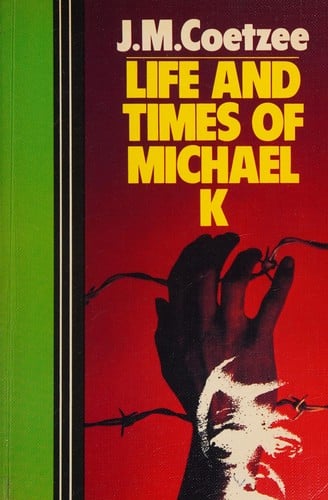
No. 33 on this list. Life & Times of Michael K
J.M. Coetzee · 1983
Taught in schools: UNAM Escuela Nacional Preparatoria – programas de Literatura (Mexico)
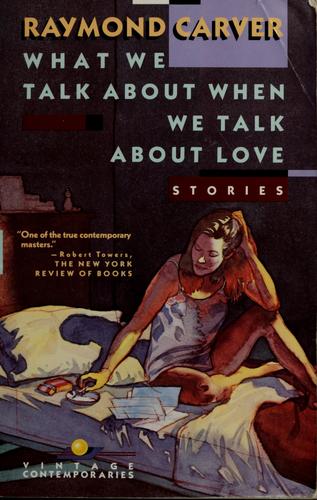
No. 34 on this list. What We Talk About When We Talk About Love
Raymond Carver · 1981
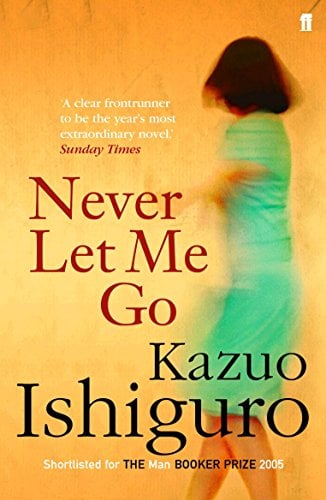
No. 35 on this list. Never Let Me Go
Kazuo Ishiguro · 2005
Taught in schools: AQA GCSE and A-level English Literature (UK), OCR GCSE and A-level English Literature (UK), Pearson Edexcel GCSE and A-level English Literature (UK)
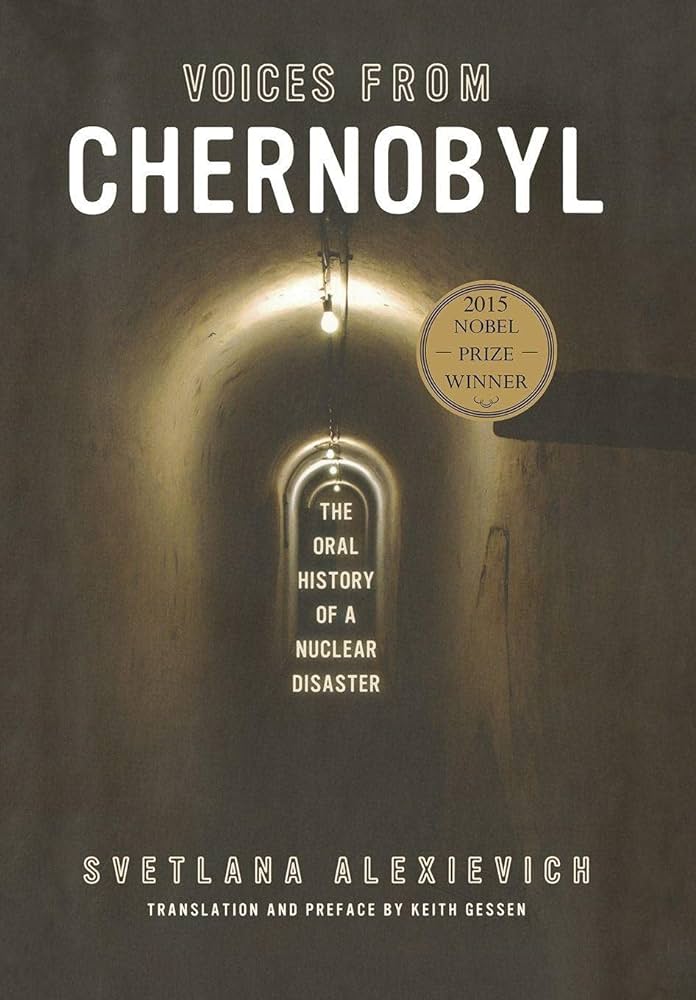
No. 36 on this list. Voices from Chernobyl
Svetlana Alexievich · 1997
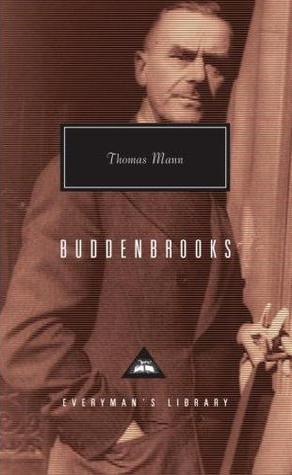
No. 37 on this list. Buddenbrooks
Thomas Mann · 1901
Included in: Bokklubben World Library
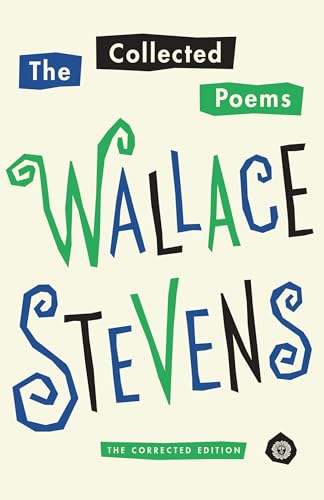
No. 38 on this list. The Auroras of Autumn
Wallace Stevens · 1950
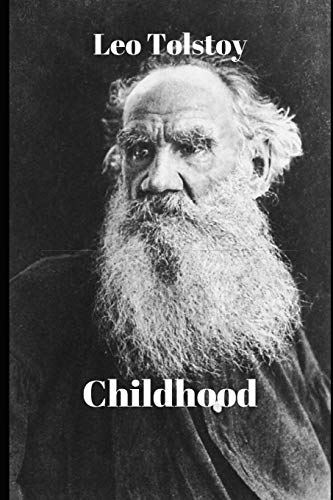
No. 39 on this list. Childhood
Leo Tolstoy · 1852
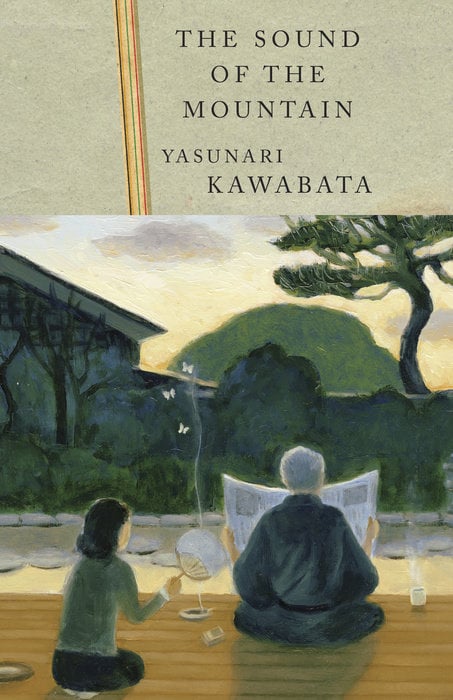
No. 40 on this list. The Sound of the Mountain
Yasunari Kawabata · 1949
Included in: Bokklubben World Library, UNESCO Collection of Representative Works
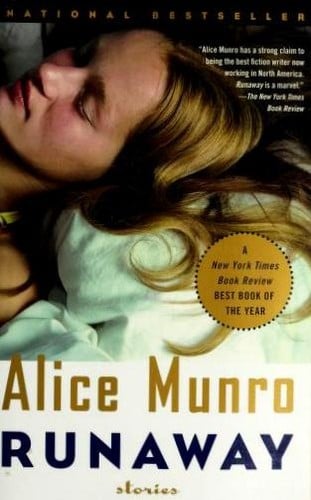
No. 41 on this list. Runaway
Alice Munro · 2004
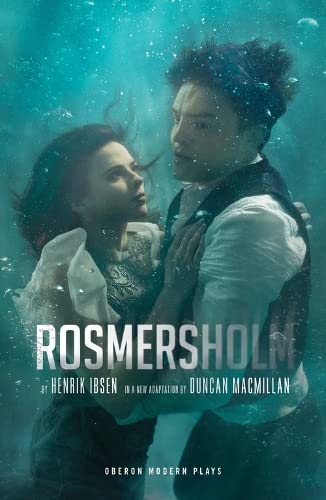
No. 42 on this list. Rosmersholm
Henrik Ibsen · 1886
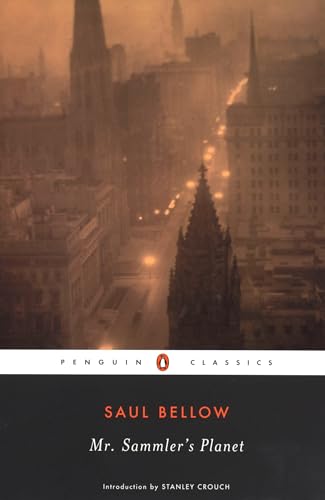
No. 43 on this list. Mr. Sammler's Planet
Saul Bellow · 1971
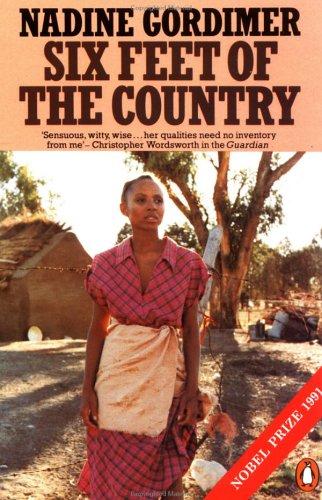
No. 44 on this list. Six Feet of the Country
Nadine Gordimer · 1956
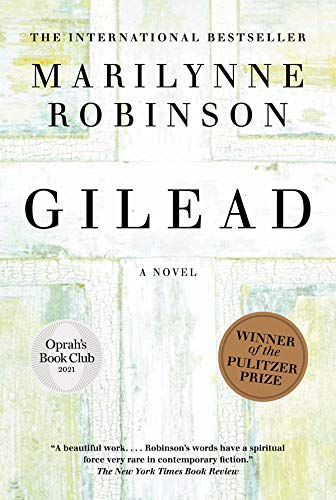
No. 45 on this list. Gilead
Marilynne Robinson · 2005
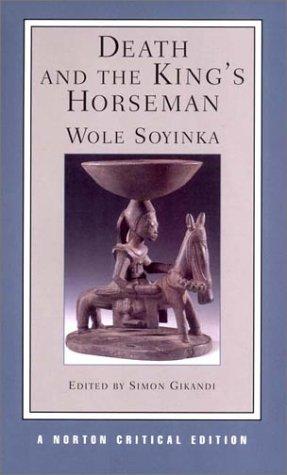
No. 46 on this list. Death and the King's Horseman
Wole Soyinka · 1975
Taught in schools: Common Core text exemplars (Appendix B) (US)
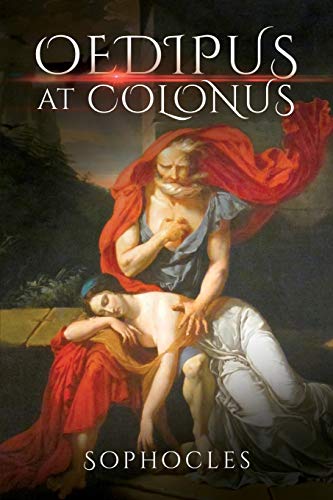
No. 47 on this list. Oedipus at Colonus
Sophocles · c. 401 BCE
Included in: Great Books of the Western World
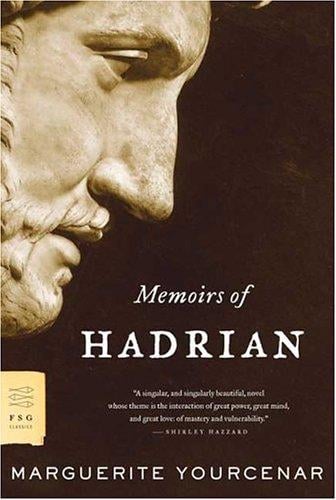
No. 48 on this list. Memoirs of Hadrian
Marguerite Yourcenar · 1951
Included in: Bokklubben World Library
No. 49 on this list. The Notebooks of Malte Laurids Brigge
Rainer Maria Rilke · 1910
No. 50 on this list. Tala
Gabriela Mistral · 1938
No. 51 on this list. The Lottery and Other Stories
Shirley Jackson · 1949
No. 52 on this list. Tristia
Ovid · 12
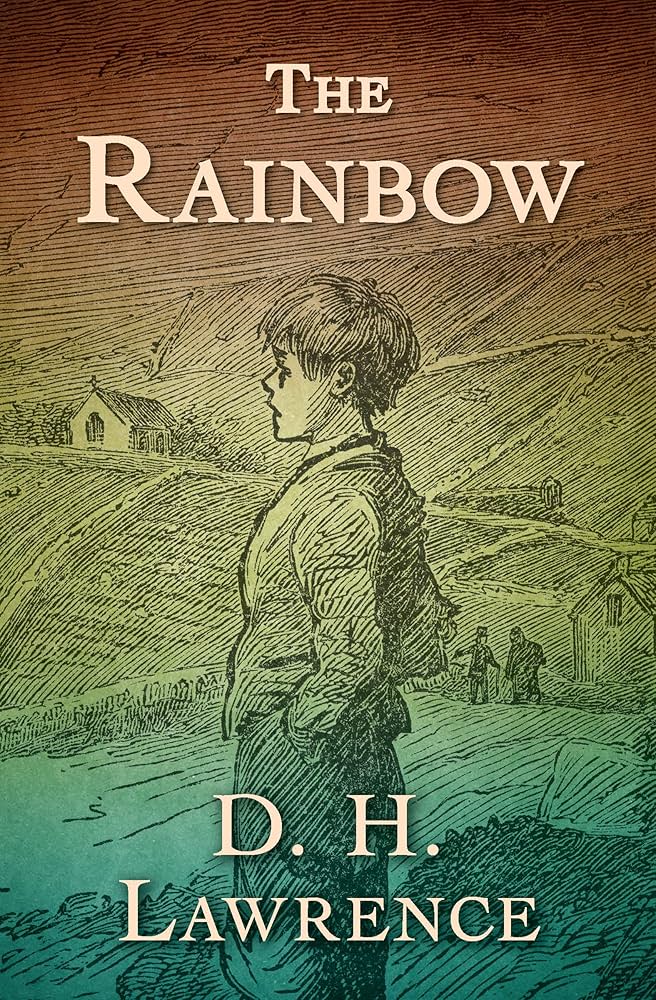
No. 53 on this list. The Rainbow
D.H. Lawrence · 1915
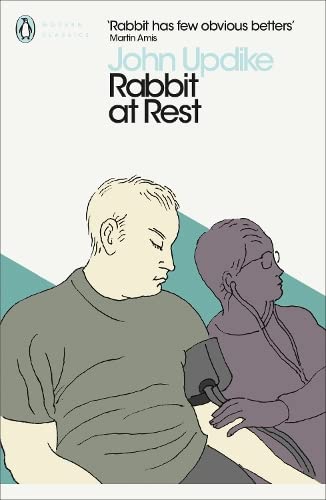
No. 54 on this list. Rabbit at Rest
John Updike · 1991
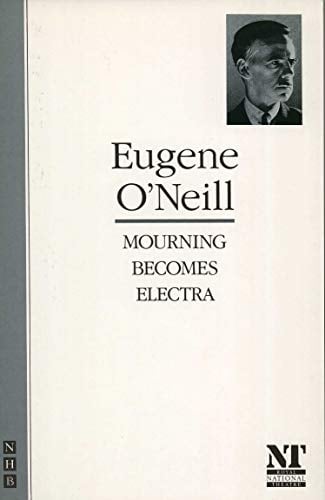
No. 55 on this list. Mourning Becomes Electra
Eugene O'Neill · 1931
Included in: Great Books of the Western World
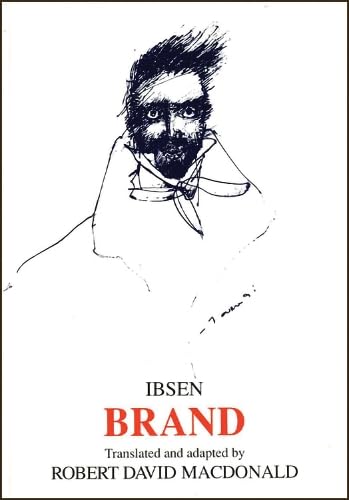
No. 56 on this list. Brand
Henrik Ibsen · 1866
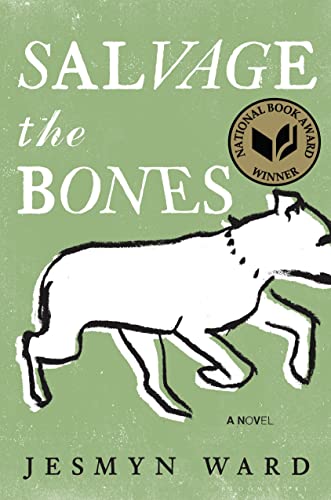
No. 57 on this list. Salvage the Bones
Jesmyn Ward · 2011
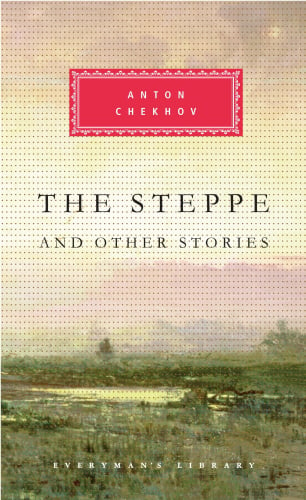
No. 58 on this list. The Steppe
Anton Chekhov · 1888
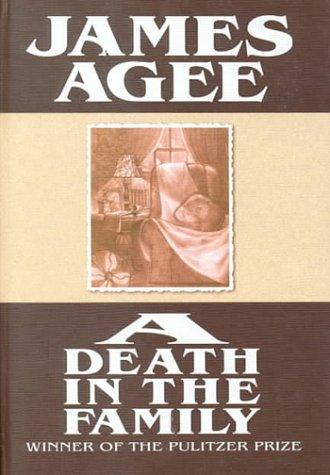
No. 59 on this list. A Death in the Family
James Agee · 1958
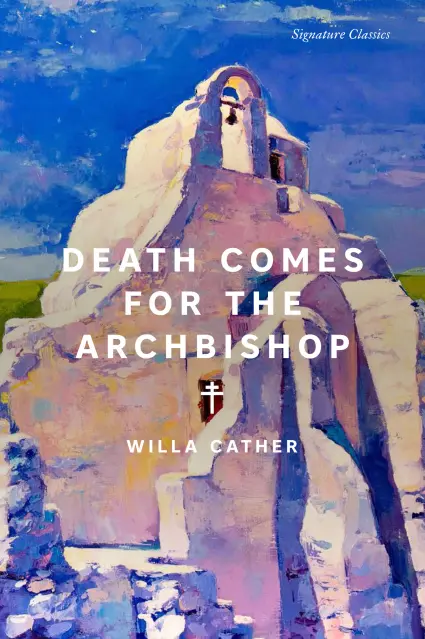
No. 60 on this list. Death Comes for the Archbishop
Willa Cather · 1927
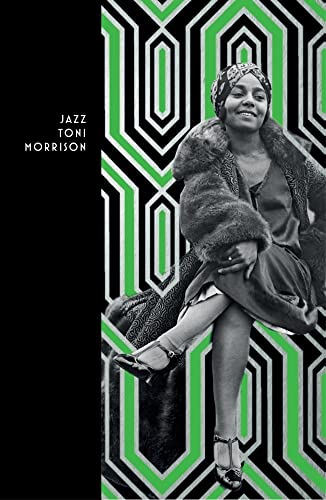
No. 61 on this list. Jazz
Toni Morrison · 1992
No. 62 on this list. The Story of an Hour
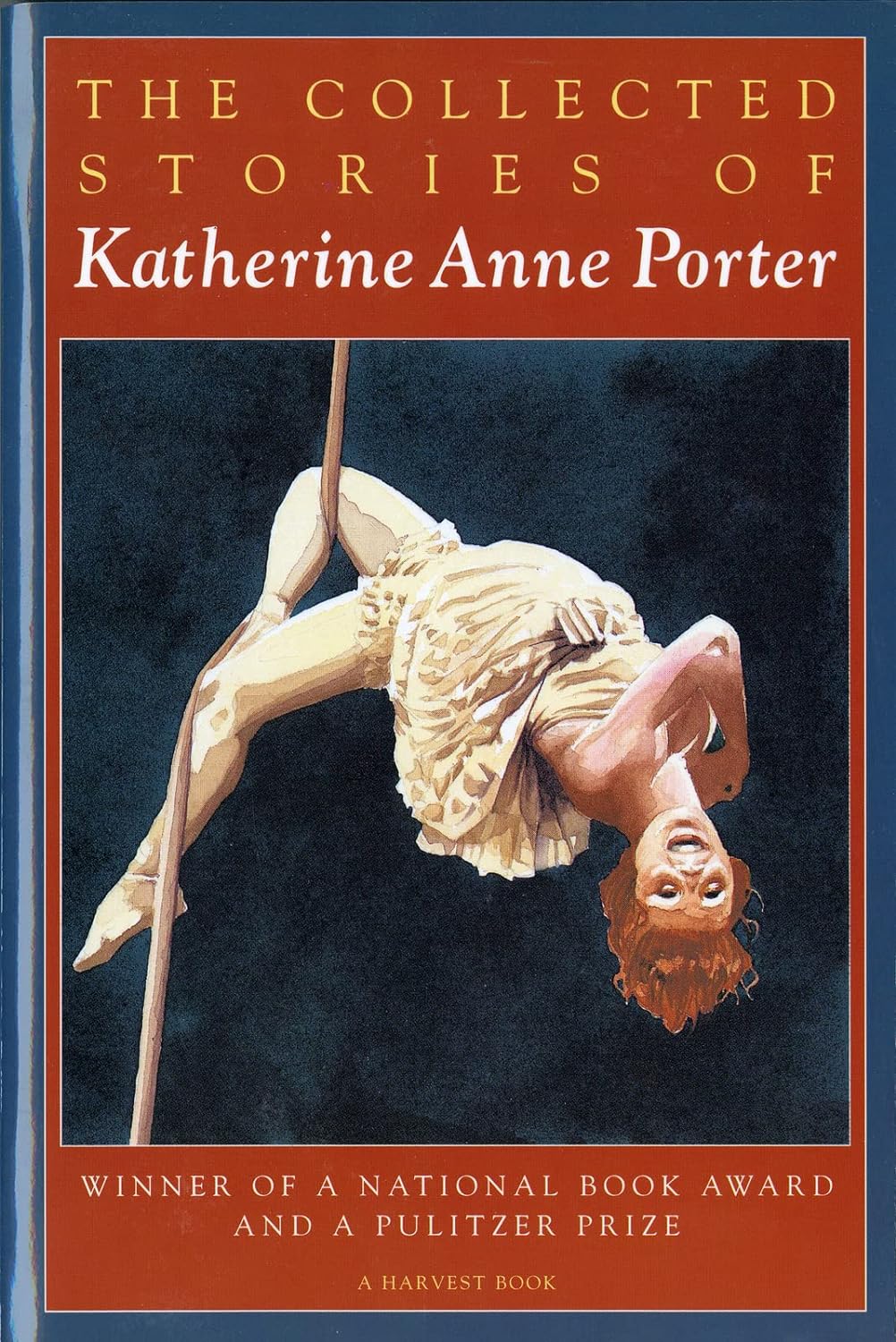
No. 63 on this list. The Collected Stories of Katherine Anne Porter
Katherine Anne Porter · 1966
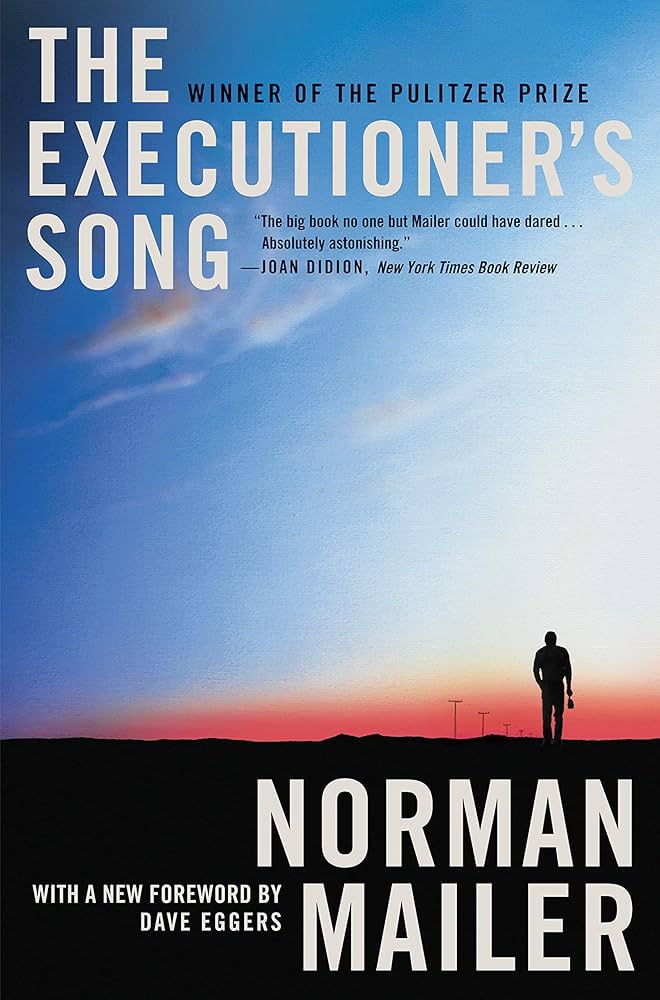
No. 64 on this list. The Executioner's Song
Norman Mailer · 1980
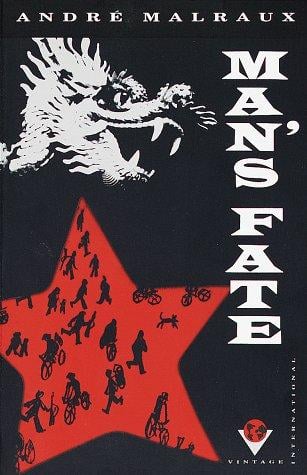
No. 65 on this list. Man's Fate
André Malraux · 1933
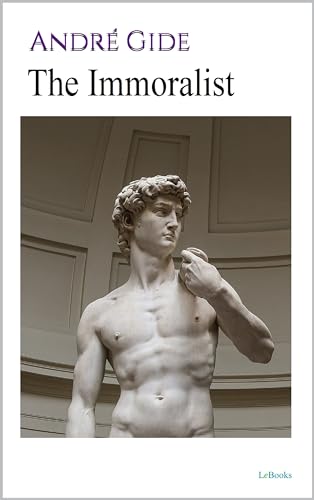
No. 66 on this list. The Immoralist
André Gide · 1902
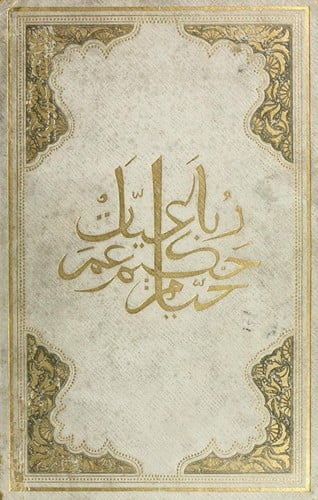
No. 67 on this list. Rubaiyat of Omar Khayyam
Omar Khayyam · 1120
Taught in schools: Armenian secondary literature
Included in: UNESCO Collection of Representative Works
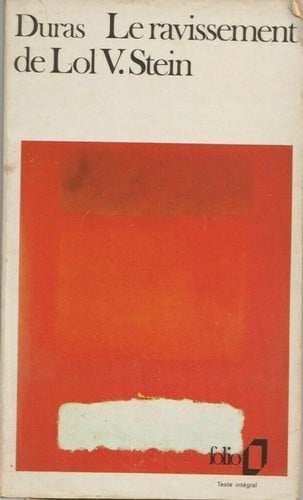
No. 68 on this list. The Ravishing of Lol Stein
Marguerite Duras · 1964
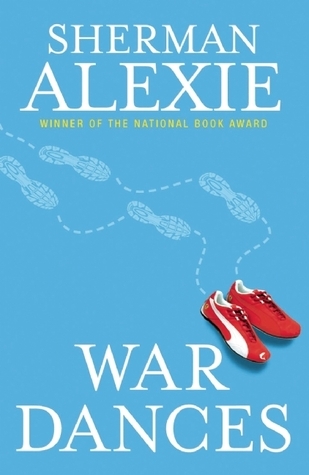
No. 69 on this list. War Dances
Sherman Alexie · 2010
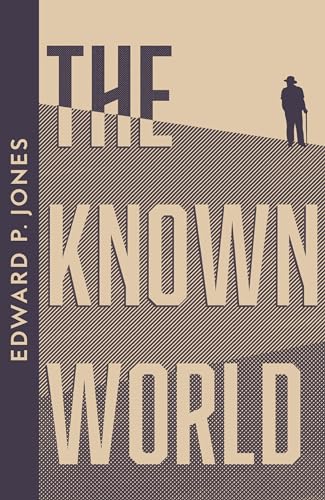
No. 70 on this list. The Known World
Edward P. Jones · 2004

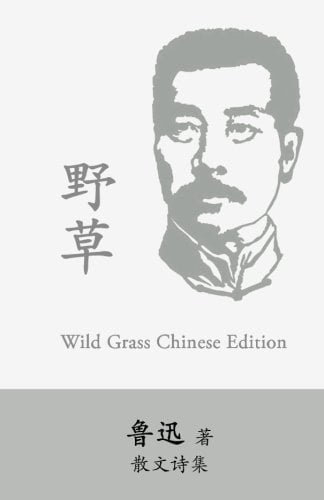
No. 71 on this list. Wild Grass
Lu Xun · 1927
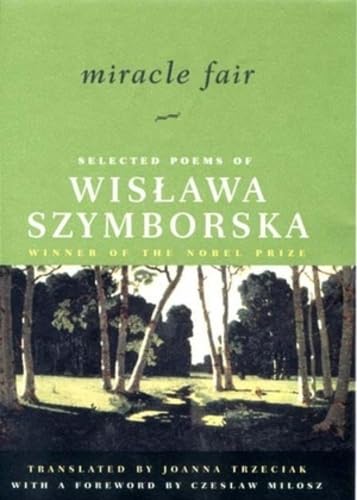
No. 72 on this list. Selected Poems of Wisława Szymborska
Wisława Szymborska · 1998
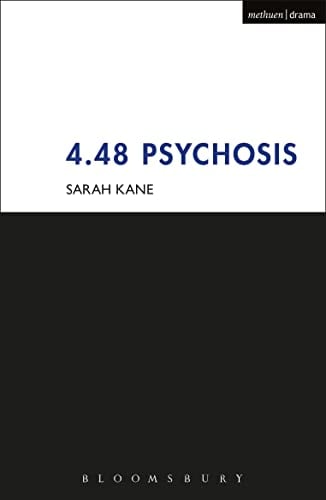
No. 73 on this list. 4.48 Psychosis
Sarah Kane · 2000
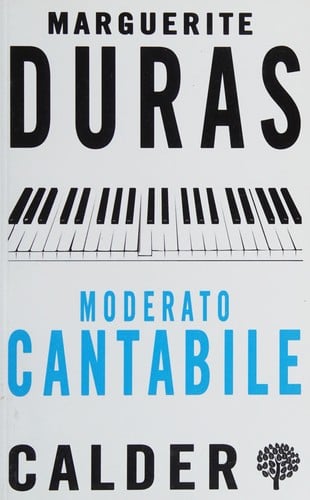
No. 74 on this list. Moderato Cantabile
Marguerite Duras · 1958
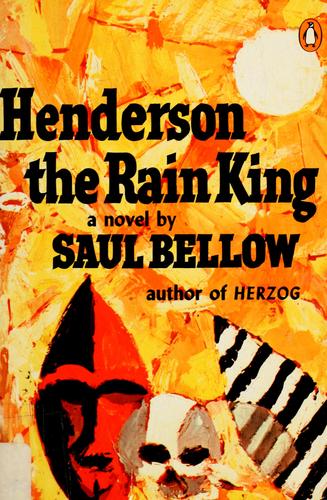
No. 75 on this list. Henderson the Rain King
Saul Bellow · 1959
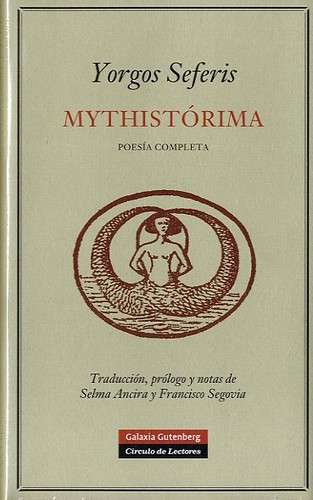
No. 76 on this list. Mythistorima
Giorgos Seferis · 1935
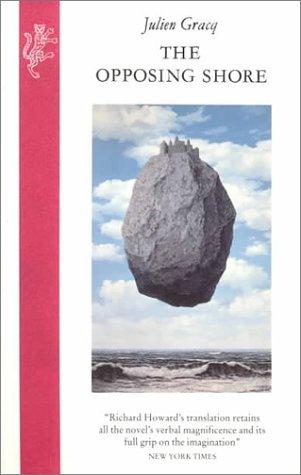
No. 77 on this list. The Opposing Shore
Julien Gracq · 1951
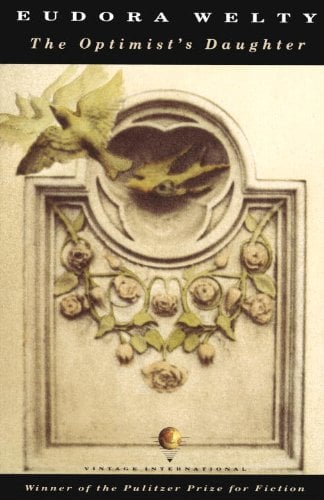
No. 78 on this list. The Optimist's Daughter
Eudora Welty · 1973
No. 79 on this list. VALIS
Philip K. Dick · 1981
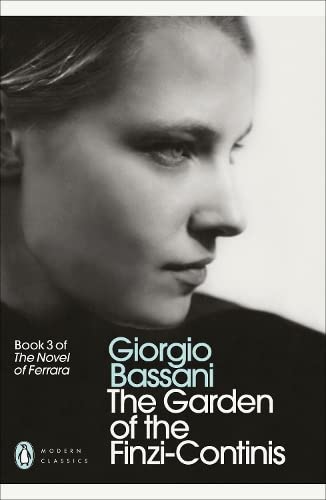
No. 80 on this list. The Garden of the Finzi-Continis
Giorgio Bassani · 1962
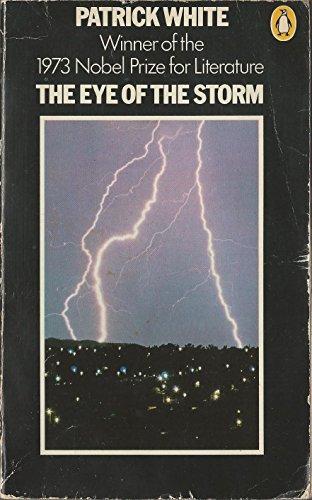
No. 81 on this list. The Eye of the Storm
Patrick White · 1973
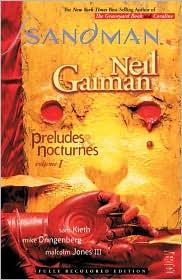
No. 82 on this list. The Sandman
Neil Gaiman · 1989
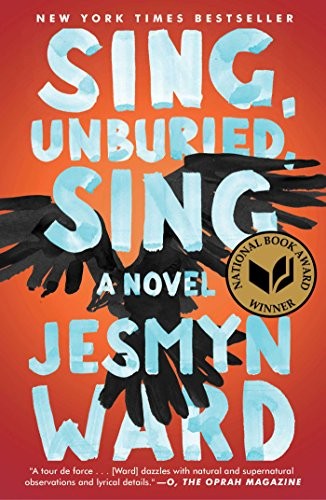
No. 83 on this list. Sing, Unburied, Sing
Jesmyn Ward · 2018
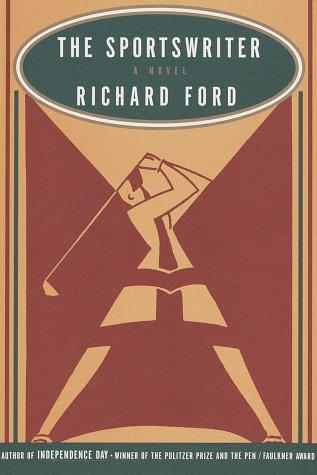
No. 84 on this list. The Sportswriter
Richard Ford · 1986
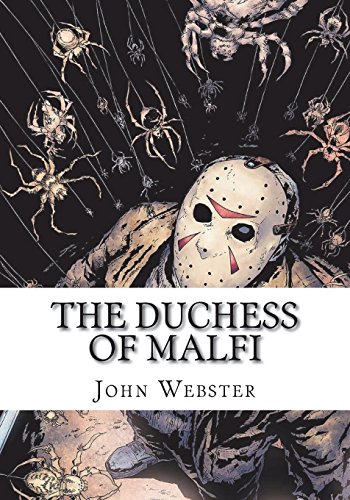
No. 85 on this list. The Duchess of Malfi
John Webster · 1614
Taught in schools: WJEC/Eduqas GCSE and A-level English Literature (UK)
No. 86 on this list. A Boring Story
Anton Chekhov · 1889
Taught in schools: Russian FGOS literature standard
No. 87 on this list. Lunch Poems
Frank O'Hara · 1964
No. 88 on this list. And Suddenly It's Evening
Salvatore Quasimodo · 1942
No. 89 on this list. Sabbath's Theater
Philip Roth · 1995
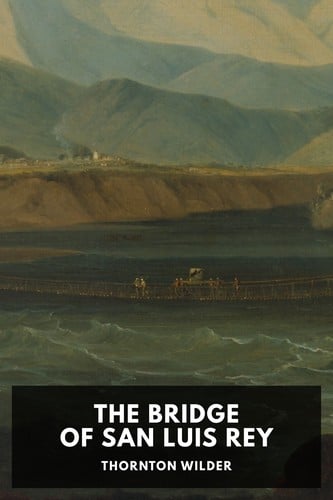
No. 90 on this list. The Bridge of San Luis Rey
Thornton Wilder · 1927
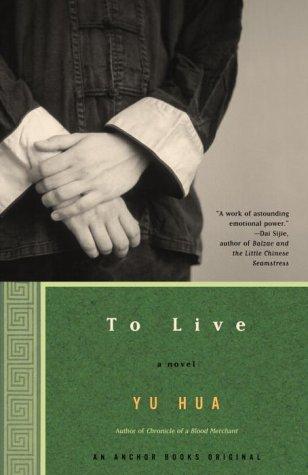
No. 91 on this list. To Live
Yu Hua · 1993
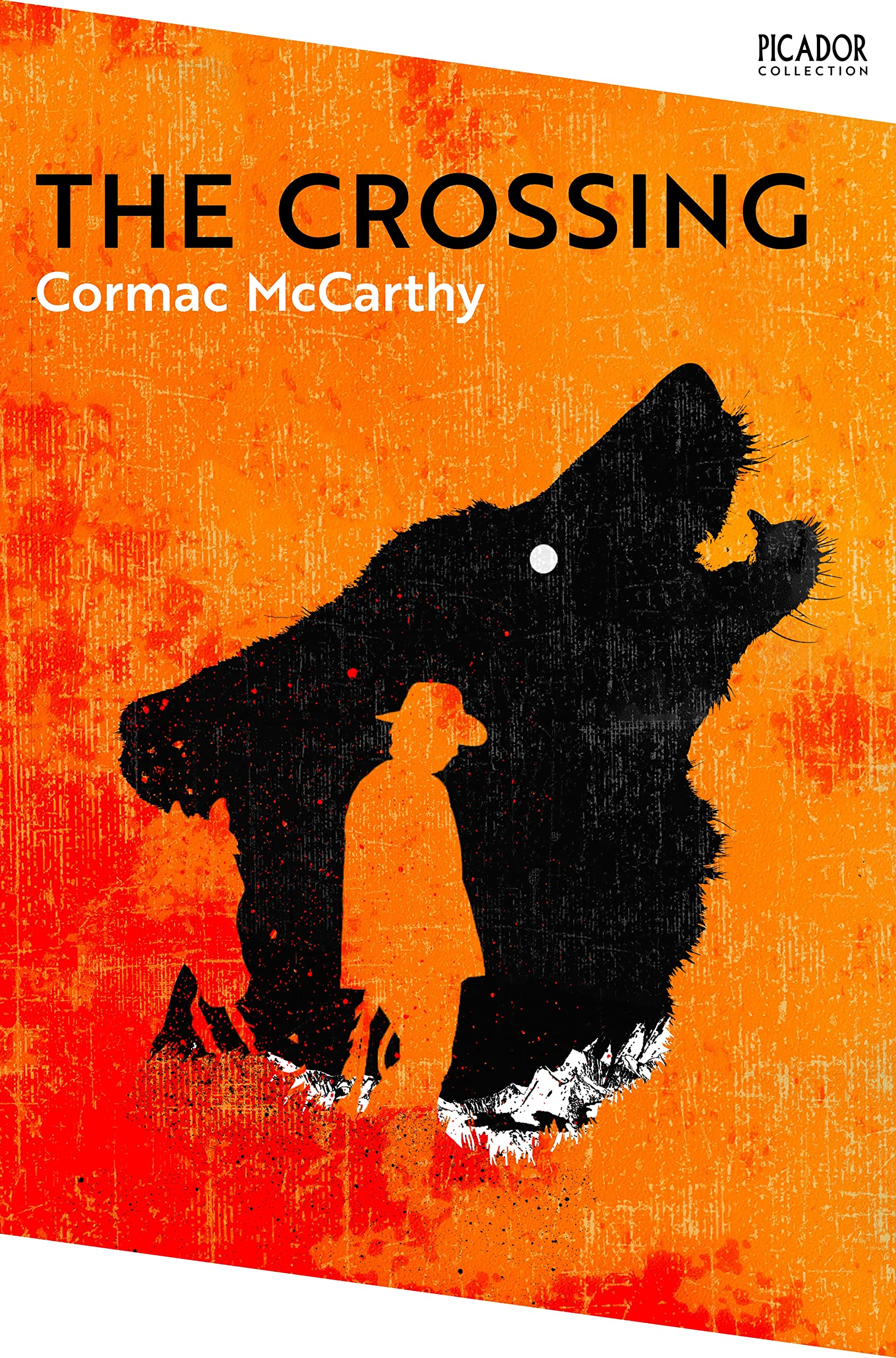
No. 92 on this list. The Crossing
Cormac McCarthy · 1994
No. 93 on this list. Alcestis
Included in: Great Books of the Western World
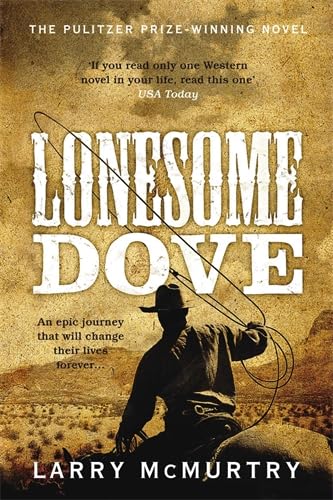
No. 94 on this list. Lonesome Dove
Larry McMurtry · 1986
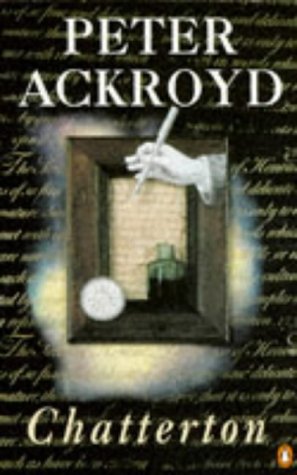
No. 95 on this list. Chatterton
Peter Ackroyd · 1987
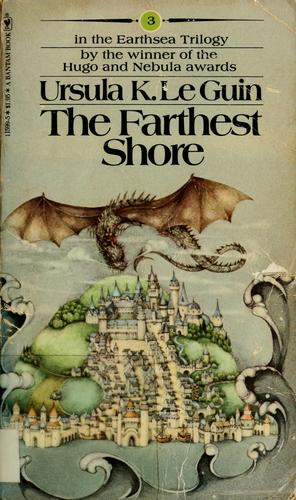
No. 96 on this list. The Farthest Shore
Ursula K Le Guin · 1972
No. 97 on this list. Garden, Ashes
Danilo Kiš · 1965
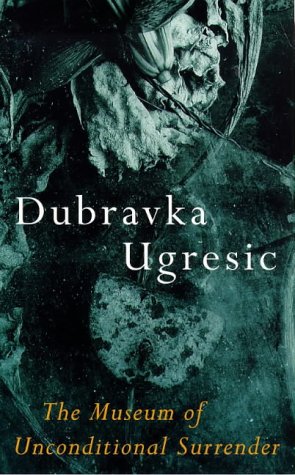
No. 98 on this list. The Museum of Unconditional Surrender
Dubravka Ugrešić · 1997
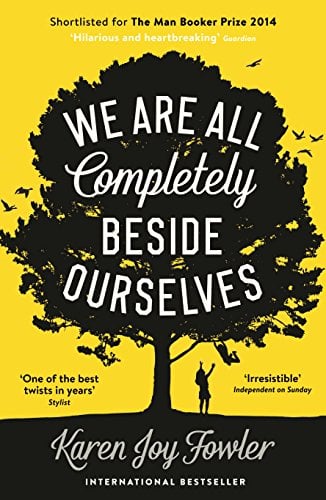
No. 99 on this list. We Are All Completely Beside Ourselves
Karen Joy Fowler · 2014
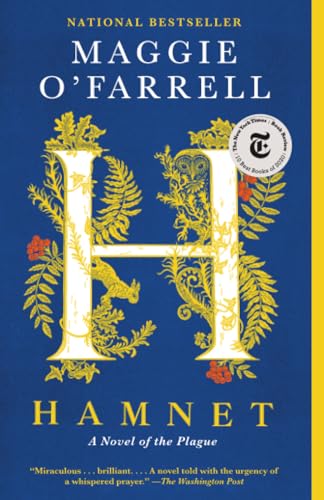
No. 100 on this list. Hamnet
Maggie O'Farrell · 2020
Taught in schools: Leaving Certificate English – NCCA / State Examinations Commission (Ireland)
About this list
These 100 books are the highest-scoring eligible moderately difficult books about death and mortality currently in the catalogue. About 624 hours of reading in all. Difficulty runs from 52 to 59 out of 100 for the middle half of the list; the summit is The Stranger at 64.
This list is ranked by literary regard, with a consistent order for equal scores. Membership follows authors and co-authors, not translators or editors. A book is here when ReadingRate files it under Death & Mortality as one of its primary reading domains, at a confidence of 0.8 or more. Catalogue coverage and the historical canon both limit what this list can represent.
When we matched the Canons dataset to our catalogue in October 2026, our canonical-status scores rose with the number of school curricula, publisher series and lists in it that cite a work: the median score was 72 for books one such source cites, 84 at two, 88 at three, 92 at four and 93 at five or more. Prizes are left out of that count. Outside the state curricula, the dataset’s sources choose mostly from what has been translated into English or French, so it is a weaker check on other literatures. Source: Canons (Andrew Piper), CC BY 4.0
Questions people actually ask
- What are the best moderately difficult books about death and mortality?
- By literary regard, which weighs canonical status, critical standing and influence: Iliad by Homer, Odes by Horace, On the Nature of Things by Lucretius, Vita Nuova by Dante Alighieri and The Stranger by Albert Camus. ReadingRate ranks 100 such books, each with a difficulty score and a reading-time estimate.
- Which moderately difficult books about death and mortality should I read first?
- Start from difficulty, not from rank. The most approachable books on this list that still carry top literary regard are Runaway by Alice Munro (about 5.5 hours), The Raven by Edgar Allan Poe and The Lottery and Other Stories by Shirley Jackson.
- What are the shortest of the best moderately difficult books about death and mortality?
- Among the top 25, the shortest are Lycidas by John Milton (about 6 min), The Hollow Men by T. S. Eliot (about 9 min) and In Our Time by Ernest Hemingway (about 17 min), at an average pace of 250 words a minute adjusted for each book's difficulty.
- Which of the best moderately difficult books about death and mortality are the established classics?
- By canonical status, how firmly a book sits in curricula, anthologies and the canon: Iliad by Homer, Odes by Horace, Epic of Gilgamesh by Anonymous, The Tale of the Heike by Anonymous and Beowulf by Anonymous.
- Can I read any of these moderately difficult books about death and mortality for free?
- 21 of the 100 open in ReadingRate's reader with a free account, from public-domain editions: Iliad, Vita Nuova, The Winter's Tale, Lycidas, Electra and 16 more.
- How long would it take to read the top ten?
- About 41 hours, at an average pace of 250 words a minute adjusted for each book's difficulty: 21 days at two hours a day. Set your own pace on the page and the list's reading times change to it.
- How hard are moderately difficult books about death and mortality to read?
- Most of this list sits between 52 and 59 on ReadingRate's 100-point difficulty scale, where 40 to 55 is moderate. The summit is The Stranger at 64. Every entry carries its own score, so a reader can pick a great book at a difficulty they will finish.
- How is this list ranked?
- On literary-regard data: how canonically established a work is, its critical standing, and its influence on later writing. It is not a readers’ poll, which is why recent bestsellers rarely appear. Membership follows authors and co-authors, not translators or editors. Lists by country, author, period, theme or difficulty keep to literature (fiction, poetry, drama and philosophy), their novels, poems and plays first and their philosophy after them; a list of a kind of book, such as memoir or criticism, keeps every book of that kind. Every list holds at most three works by one author. A book is here when ReadingRate files it under Death & Mortality as one of its primary reading domains, at a confidence of 0.8 or more.