Hours at an average pace
Showing 100 books
About 615 hours for 100 of 100 books with measured lengths. Estimates use 250 words a minute, adjusted for each book's difficulty. At 2 hours a day, about 308 days for those books.
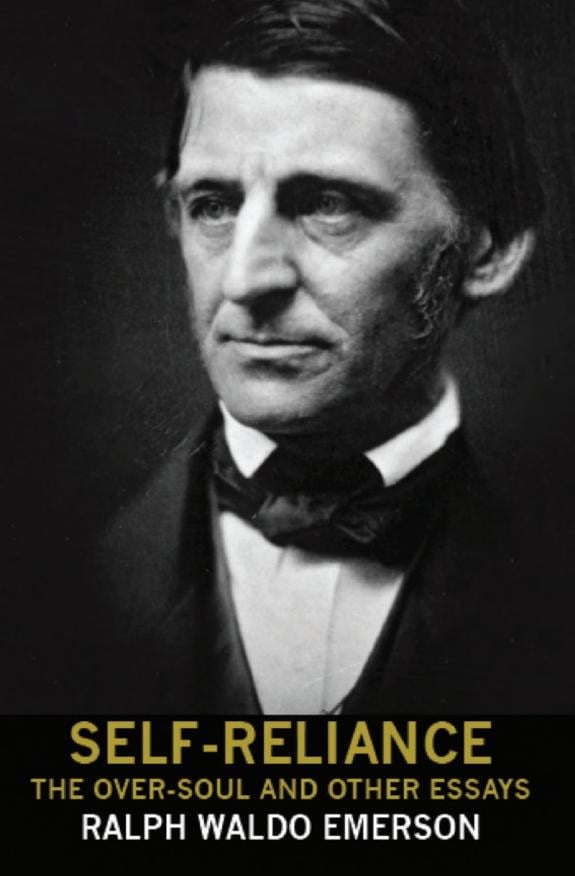
Self-Reliance is required reading in virtually every American high school and university American literature course; 'Self-Reliance' alone is one of the most-taught essays in the American educational canon. The collection appears on 'great American nonfiction' lists consistently and defines the Transcendentalist movement in survey curricula. No formal database signals were returned, but broad educational and cultural consensus places it among the highest-canonical American texts.
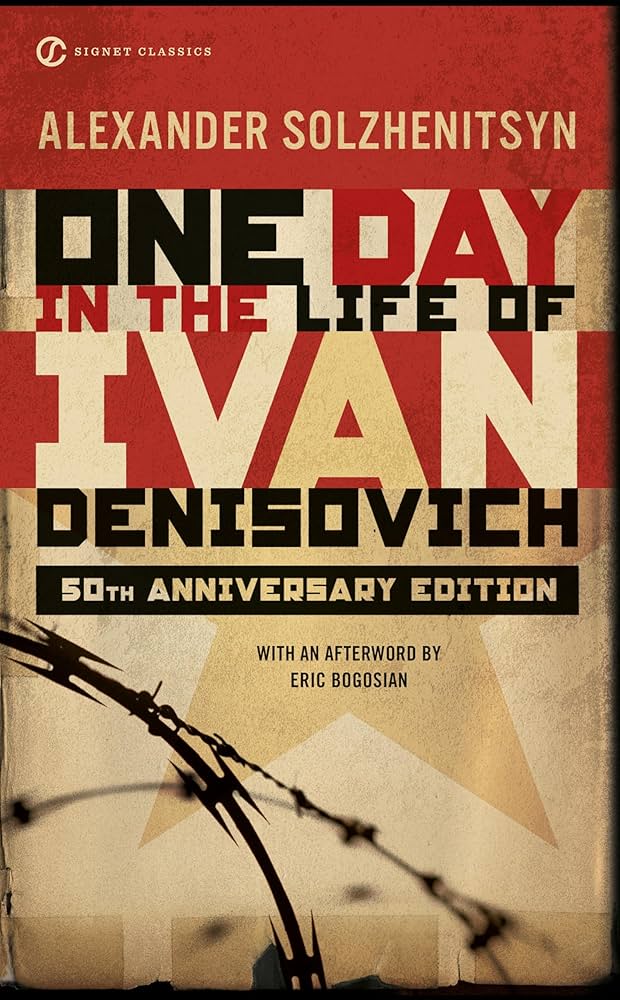
A single January day in a Soviet labor camp in the early 1950s, told through the eyes of Ivan Denisovich Shukhov, a peasant ten years into a trumped-up sentence for treason. Solzhenitsyn structures the novel as a minute-by-minute account: the pre-dawn wake-up, the roll call in −30° cold, the march to the construction site, the bricklaying in the wind, the return, the thin soup, and lights out. The genius of the book is its scale — one man, one day — and the moral universe Shukhov navigates within it. He is not heroic in any conventional sense; he calculates how to get an extra bowl of gruel, how to pocket a useful piece of metal, how to avoid the guards' notice. Yet these calculations constitute a form of dignity. Published in 1962 in the Soviet literary journal Novy Mir under Khrushchev's brief thaw, the novella hit Soviet readers like a physical shock: the Gulag had existed for decades, but naming it in print was new. In the West it became the first credible inside account of the camp system, a document as much as a novel. Solzhenitsyn's prose is close-grained and unsentimental, the voice tuned to Shukhov's practical intelligence. The cold is not metaphorical; the bread is not symbolic. The facts speak.
The foundational text defining and naming literary journalism as a movement.
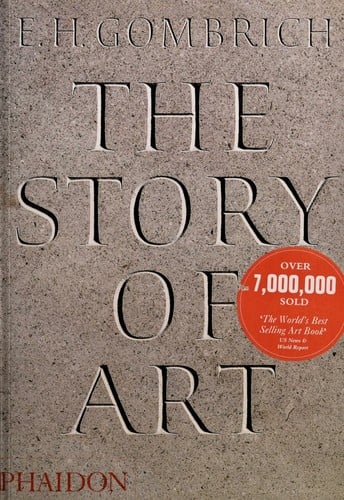
One of the most assigned art history textbooks globally, continuously in print since 1950 and translated into more than 30 languages. A fixture in introductory art history courses at universities worldwide, it has sold millions of copies and remains the default entry point for the discipline.
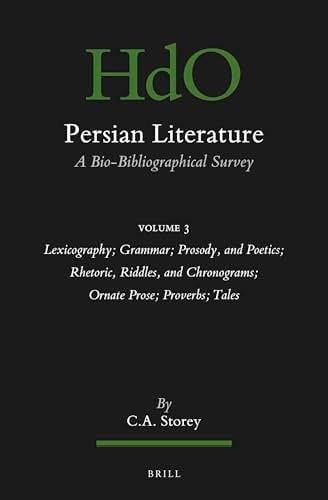
No. 5 on this list. Persian Literature: A Bio-Bibliographical Survey
Charles Ambrose Storey · 1927
Moderate13 hours
The indispensable reference work for Persian literary scholarship; no comparable alternative exists.
One of the most anthologized and assigned essays in the English language, a fixture of first-year composition, rhetoric, and journalism curricula worldwide. Its six rules and the phrase 'political language' recur in countless style guides and writing handbooks. No syllabus or Wikipedia-language data was available in our database, but its teaching presence rivals the most-taught novels.
Immediately recognized as the definitive English critical edition of the most important Chinese poet; a generational scholarly achievement.
Hiroshima is required reading in American journalism schools and widely taught in history, ethics, and literature courses across the country. NYU's journalism faculty voted it the finest piece of American journalism of the 20th century. The book has remained continuously in print since 1946 and appears on virtually every list of essential American nonfiction.
Orwell's essays are standard fixtures in English literature and university composition courses worldwide. 'Shooting an Elephant' and 'Politics and the English Language' rank among the most-assigned essays in undergraduate curricula, appearing across literature, political science, and writing programs. Individual essays have been continuously reprinted since their first collection in the late 1940s.
A companion standard text to Comics and Sequential Art, assigned universally in cartooning and visual narrative courses.
No. 11 on this list. Areopagitica · John Milton · 1644
Included in: Great Books of the Western World
The foundational text of free speech philosophy. Required reading in political philosophy, law, and media studies worldwide.
Moderate1.3 hours
Read nowNo. 12 on this list. Preface to Shakespeare · Samuel Johnson · 1765
The Preface to Shakespeare is one of the canonical texts of English literary criticism, taught in virtually every graduate programme in English literature and appearing on syllabi in the history of criticism and 18th-century studies. It is treated as a foundational document of English critical thought alongside Sidney's Defence of Poesy and Arnold's 'The Function of Criticism.' No syllabus data is available in the database, but its presence in standard anthologies of literary criticism is well established.
Moderate1.4 hours
Start this bookNo. 13 on this list. The Face of Battle · John Keegan · 1976
John Keegan opens by confessing that he has never been in battle. He has walked battlefields, handled shell fragments, interviewed veterans — including his own father — but the experience itself remains beyond him. This admission becomes the book's organizing principle: what can a military historian who was not there actually know? The Face of Battle answers by turning the camera around. Instead of examining campaigns from the commanders' perspective — the maps, the orders, the strategic objectives — Keegan looks at battle from the inside: what a longbowman at Agincourt felt as a French cavalry charge broke against his stakes, what a British infantryman at Waterloo heard and smelled during the closing hours, what the soldiers of the Somme's first day encountered in the seconds after they climbed out of the trenches on 1 July 1916. Each of the three battle chapters works through tactical mechanics, casualty statistics, and soldiers' own accounts to reconstruct the physical and psychological reality of fighting. The first chapter is the most demanding — a methodological argument about the limits and possibilities of military history as a discipline. The three battle analyses are more immediate, drawing on memoirs and letters to let soldiers describe what happened to their bodies and minds under fire. The final pages ask a harder question: whether large-scale battle between industrial armies has become so destructive, so indifferent to human agency, that it can no longer function as a rational instrument. Keegan leaves the answer open. The book established a genre.
Moderate7.9 hours
Start this bookNo. 14 on this list. From Two to Five · Korney Chukovsky · 1933
A classic of children's literature theory, widely read across linguistics, education, and literary studies internationally.
Easy4 hours
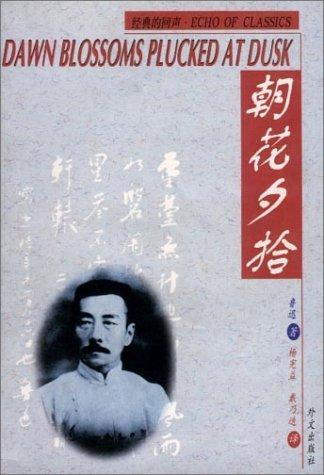
Start this bookNo. 15 on this list. Dawn Blossoms Plucked at Dusk · Lu Xun · 1928
Required reading in Chinese secondary schools and universities across the mainland, and a fixture in world literature courses focused on East Asian or 20th-century modernism. Less taught in Western institutions than Lu Xun's short fiction, but holds authoritative canonical status in Chinese-language education and is included in most surveys of 20th-century world literature. No syllabus or Wikipedia data was returned by automated signals, likely reflecting a scraping gap for Chinese-language titles rather than an absence of presence.
Moderate1.9 hours
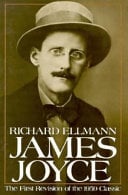
Start this bookNo. 16 on this list. James Joyce · Richard Ellmann · 1959
Our database captured no syllabus or Wikipedia signals for this title, but the book's real-world position is unambiguous: it is the standard reference for Joyce's life, cited in virtually every scholarly work on Joyce since 1959, assigned in graduate modernism courses, and named to the Modern Library's 100 Best Nonfiction list. 'Ellmann' functions as shorthand — critics cite it by the biographer's surname alone.
Moderate21 hours
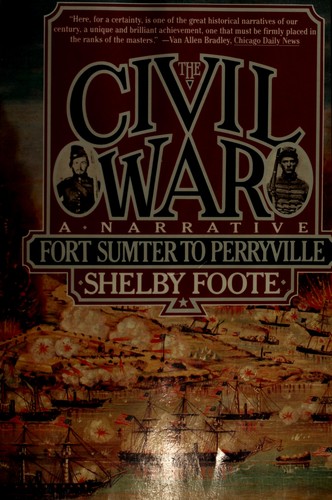
Start this bookNo. 17 on this list. The Civil War: A Narrative, Volume 1 · Shelby Foote · 1958
Widely regarded as the definitive narrative history of the American Civil War. A staple on university reading lists for Civil War history and creative nonfiction courses. Ken Burns's landmark PBS documentary brought Foote and this work to national prominence, cementing its place in the American literary canon as essential reading for understanding the conflict.
Easy23 hours
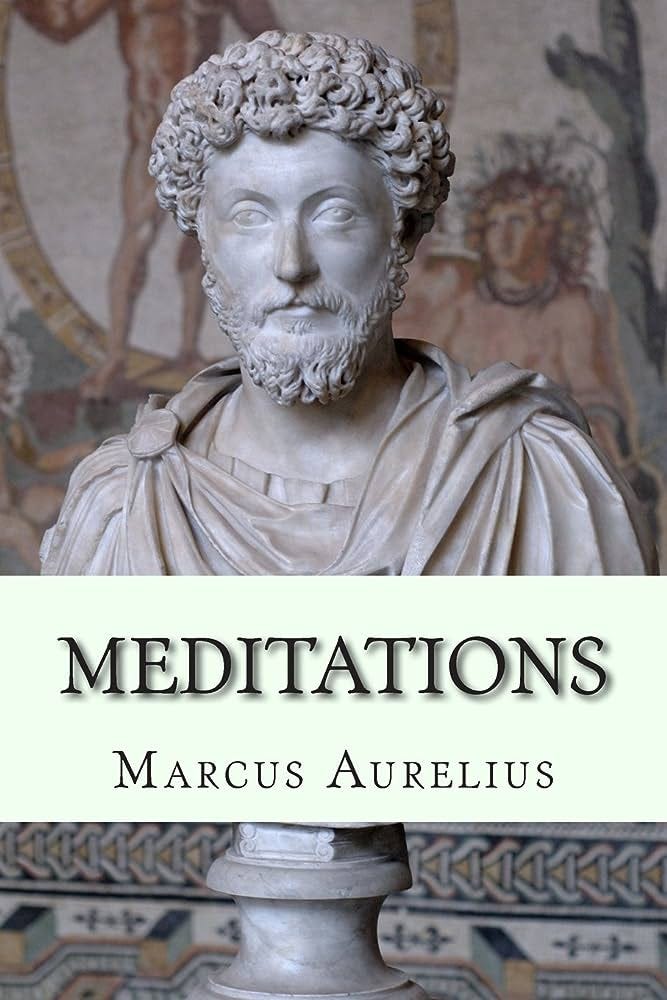
Start this bookNo. 18 on this list. Meditations · Marcus Aurelius · 180
Included in: Great Books of the Western World
Foundational Stoic text; continuously read since Renaissance rediscovery.
Moderate4.3 hours
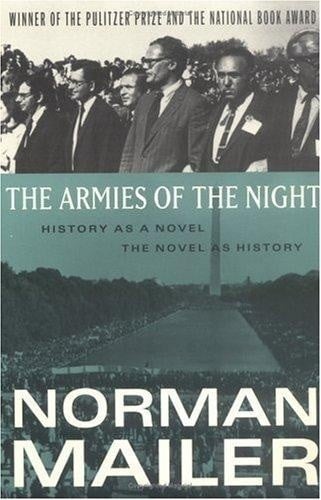
Read nowNo. 19 on this list. The Armies of the Night · Norman Mailer · 1968
Won both the Pulitzer Prize for General Nonfiction and the National Book Award in 1969 — an extraordinarily rare double — cementing its place in the American literary canon. Taught regularly in American literature, journalism, and creative nonfiction courses. Appears on most authoritative 'great American nonfiction' lists alongside In Cold Blood and Let Us Now Praise Famous Men.
Moderate7.1 hours
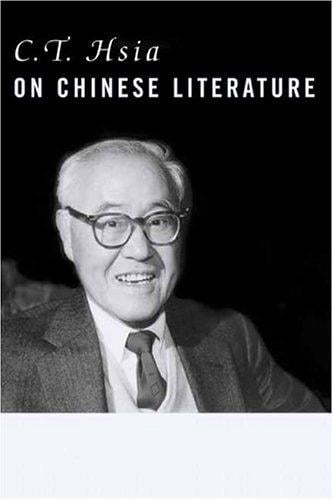
Start this bookNo. 20 on this list. Traditional Chinese Stories: Themes and Variations · C. T. Hsia · 1968
The founding critical text for classical Chinese fiction in English; its framework still anchors syllabi and comparative discussions.
Easy5.6 hours
Start this book
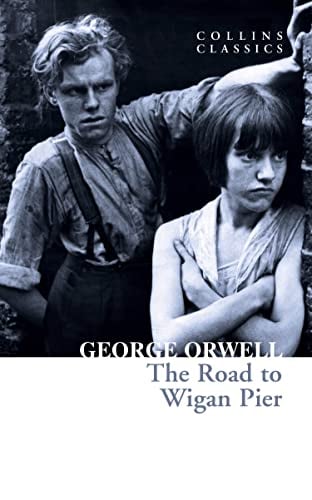
No. 21 on this list. The Road to Wigan Pier · George Orwell · 1937
The Road to Wigan Pier appears regularly on university syllabi in British history, political science, sociology, and documentary writing courses. It is widely regarded as a foundational text of engaged social journalism and is included in numerous lists of essential non-fiction. Orwell's reputation ensures it has never gone out of print.
Moderate4.6 hours
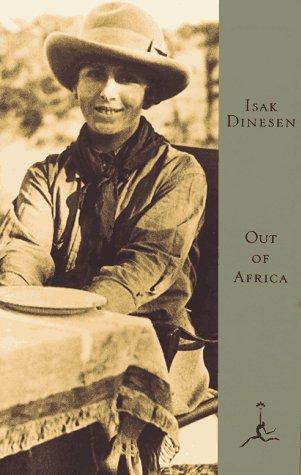
Start this bookNo. 22 on this list. Out of Africa · Isak Dinesen · 1937
Out of Africa is widely recognized as one of the great literary memoirs of the twentieth century. It appears on the Modern Library's 100 Best Nonfiction list at number 17 and is regularly assigned in university courses on memoir, African literature, and postcolonial studies. Its Wikipedia article exists in numerous languages and includes sections on reception and adaptations. The work has achieved broad curricular and cultural presence across the English-speaking world and beyond.
Easy6.4 hours
Start this bookNo. 23 on this list. The Sutra of Princess Pari: A Study of the Korean Shamanist Epic · Gi-Wook Shin · 1999
The definitive scholarly statement of the 'colonial modernity' framework for Korea; universally cited in Korean studies scholarship.
Easy6.9 hours
Start this bookNo. 24 on this list. The Journalist and the Murderer · Janet Malcolm · 1990
The Journalist and the Murderer is a staple of journalism school curricula across North America and is widely assigned in media ethics, creative nonfiction, and literary journalism courses. Its opening sentence is among the most frequently quoted lines in American nonfiction. While it does not appear on general literary canons as broadly as major novels, within its domain — journalism studies and media ethics — it is as close to required reading as any single text.
Easy2.5 hours
Start this bookNo. 25 on this list. Danse Macabre · Stephen King · 1981
Essential document on horror from its most successful practitioner.
Moderate5.8 hours
Start this bookNo. 26 on this list. The Right Stuff · Tom Wolfe · 1979
Widely assigned in American journalism, creative nonfiction, and cultural studies courses. The book appears on numerous 'best nonfiction' lists and is a fixture in New Journalism syllabi. Its phrases—'the right stuff,' 'pushing the envelope'—have entered common usage, a rare marker of cultural penetration for a nonfiction work.
Easy8.3 hours
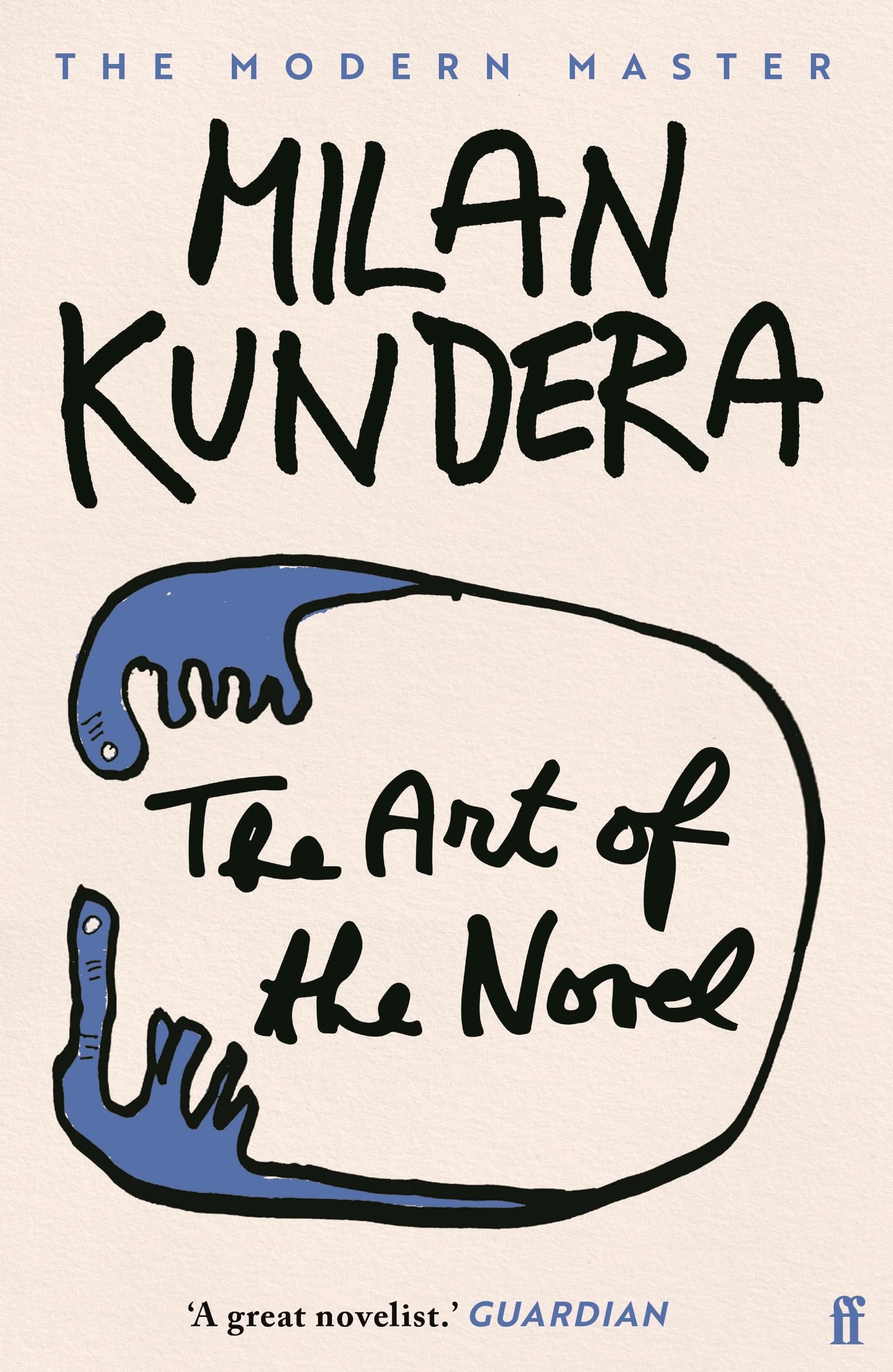
Start this bookNo. 27 on this list. The Art of the Novel · Milan Kundera · 1986
"The world of theories is not my world," Kundera announces on the first page — and then builds one of the most precise theories of the novel written by a practicing novelist. Across seven formally distinct sections — historical essay, interview, critical notes, alphabetical dictionary, prize address — he traces a counter-history of European fiction from Cervantes to Kafka, arguing that the novel exists to preserve what no other form can: the knowledge that human existence is irreducibly ambiguous. Kundera reads literary history like a composer analyzing a score. He tracks how Balzac's social institutions replaced Cervantes' open road, how Kafka stripped away all reasonable motivation to leave pure irrational force, how Hasek's comedy of the First World War revealed that nobody believed the propaganda anymore. His own aesthetic emerges from the dialogues with Christian Salmon: radical divestment, architectonic clarity, the novel as counterpoint of multiple registers held in tension. The book's boldest claim is also its simplest: the novel is 'the echo of God's laughter,' a space where certainty dissolves and uncertainty is not a weakness but the highest form of knowledge. Against totalitarian thinking — which Kundera knew firsthand from Czechoslovakia — the novel stands as the last form that refuses the 'either-or.' The sixty-three words section is the strangest and most useful: a personal dictionary of terms like kitsch, lightness, the agélaste, the Kafkan. Demanding without being difficult, this is a book for readers who love novels and want to understand what they are for.
Easy2.1 hours
Start this bookNo. 28 on this list. Comics and Sequential Art · Will Eisner · 1985
Drawn from Eisner's course at the School of Visual Arts, it is the foundational craft text of comics and a standard book in comics studies and illustration programmes. It established sequential art as the field's term for the medium.
Easy3.6 hours
Start this bookNo. 29 on this list. South Korea's 1987 Democracy Movement: A Literary Companion · David R. McCann · 2004
The standard English-language teaching anthology for modern Korean poetry; widely used in university courses.
Easy5 hours
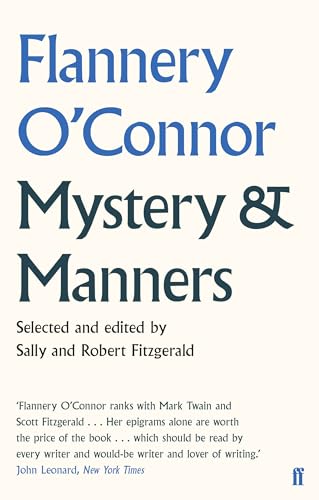
Start this bookNo. 30 on this list. Mystery and Manners: Occasional Prose · Flannery O'Connor · 1969
Edited after O'Connor's death by Sally and Robert Fitzgerald, the collection is one of the most assigned books on the craft of fiction in American creative-writing programmes. Essays such as 'Writing Short Stories' and 'The Nature and Aim of Fiction' are also taught beside her stories in Southern and Catholic literature courses.
Moderate3.9 hours
Start this book
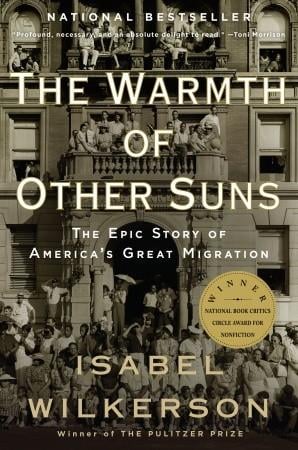
No. 31 on this list. The Warmth of Other Suns
Isabel Wilkerson · 2010
No. 32 on this list. My Past and Thoughts
Alexander Herzen · 1868
No. 33 on this list. The Elements of Style
William Strunk Jr. · 1959
No. 34 on this list. Italian Journey
Johann Wolfgang von Goethe · 1816
No. 35 on this list. The Revolt of the Masses
José Ortega y Gasset · 1930
No. 36 on this list. Essays in Idleness
Yoshida Kenko · 1332
No. 37 on this list. On Becoming a Person: A Therapist's View of Psychotherapy
Carl R. Rogers · 1995
No. 38 on this list. Literary Journalism
Norman Sims · 1995
No. 39 on this list. All About Love: New Visions
bell hooks · 2001
No. 40 on this list. Virgin Land: The American West as Symbol and Myth
Henry Nash Smith · 1950
No. 41 on this list. Memories of a Catholic Girlhood
Mary McCarthy · 1957
No. 42 on this list. The Wounded Heart: Writing on Chosŏn-Era Korean Fiction
Michael D. Shin · 2010
No. 43 on this list. Reading Colonial Japan: Text, Context, and Critique
Michele M. Mason · 2012
No. 44 on this list. The Writing Life
Annie Dillard · 1989
No. 45 on this list. In the Freud Archives
Janet Malcolm · 1984
No. 46 on this list. Hell's Angels
Hunter S. Thompson · 1967
No. 47 on this list. The Making of Modern Korean Poetry: Foreign Influences and Native Creativity
Kim Hyun-suk · 2003
No. 48 on this list. Shadow and Act
Ralph Ellison · 1964
No. 49 on this list. A History of God
Karen Armstrong · 1993
No. 50 on this list. How Fiction Works
James Wood · 2008
No. 51 on this list. Writing in General and the Short Story in Particular
Rust Hills · 1977
No. 52 on this list. Coming into the Country
John McPhee · 1977
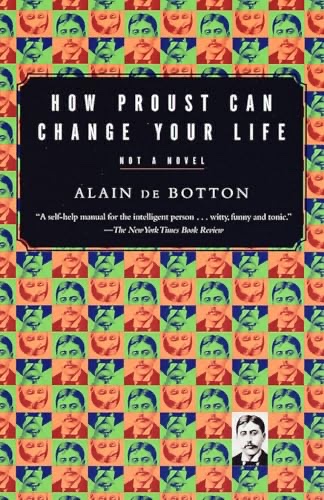
No. 53 on this list. How Proust Can Change Your Life
Alain de Botton · 1997
No. 54 on this list. Imaginary Homelands: Essays and Criticism 1981-1991
Salman Rushdie · 1991
No. 55 on this list. Shah of Shahs
Ryszard Kapuściński · 1982
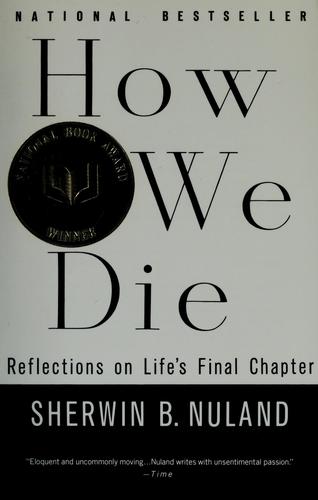
No. 56 on this list. How We Die
Sherwin B. Nuland · 1994
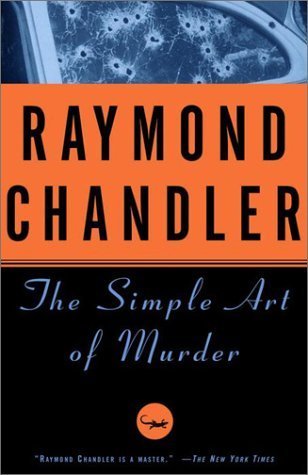
No. 57 on this list. The Simple Art of Murder
Raymond Chandler · 1950
No. 58 on this list. Lectures on Literature
Vladimir Nabokov · 1980
No. 59 on this list. Charles Dickens: A Critical Introduction
K. J. Fielding · 1971
No. 60 on this list. Anatomy of a Thriller
LeRoy Lad Panek · 1987
No. 61 on this list. The English Novel: A Short Critical History
Walter Allen · 1954
No. 62 on this list. The Living Mountain
Nan Shepherd · 1977
No. 63 on this list. Party of One: The Loner's Manifesto
Anneli Rufus · 2003
No. 64 on this list. Aspects of the Novel
E.M. Forster · 1927
No. 65 on this list. The Flowering of New England
Van Wyck Brooks · 1936
No. 66 on this list. The Soccer War
Ryszard Kapuściński · 1978
No. 67 on this list. Why I Am Not a Christian
Bertrand Russell · 1927
No. 68 on this list. The Story of Philosophy
Will Durant · 1926
No. 69 on this list. On Writing Well: The Classic Guide to Writing Nonfiction
William Zinsser · 2006
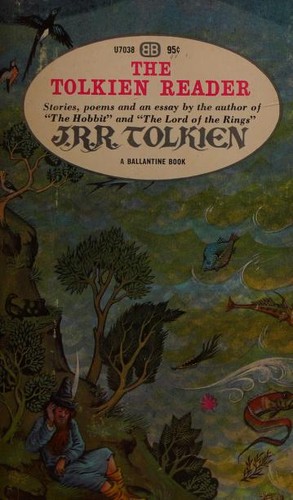
No. 70 on this list. The Tolkien Reader
J.R.R. Tolkien · 1966
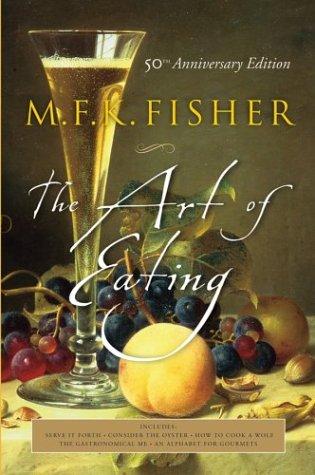
No. 71 on this list. The Art of Eating
M. F. K. Fisher · 1954
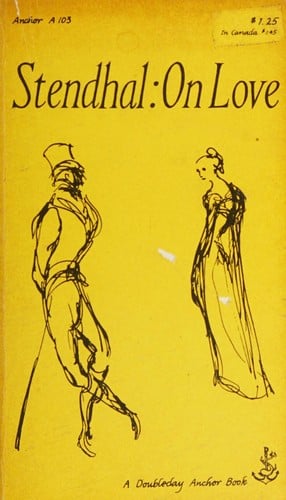
No. 72 on this list. Stendhal: On Love
Stendhal · 1822
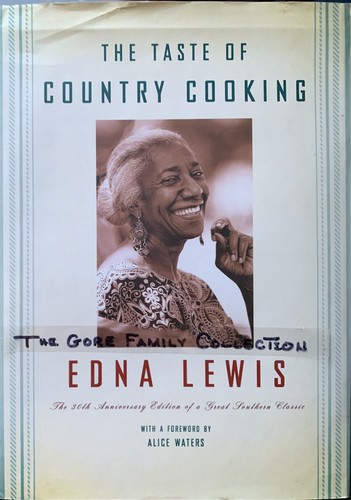
No. 73 on this list. The Taste of Country Cooking
Edna Lewis · 2006
No. 74 on this list. Reading Like a Writer
Francine Prose · 2006
No. 75 on this list. The Diving Bell and the Butterfly
Jean-Dominique Bauby · 1997
No. 76 on this list. Dispatches
Michael Herr · 1977
No. 77 on this list. The Situation and the Story
Vivian Gornick · 2001
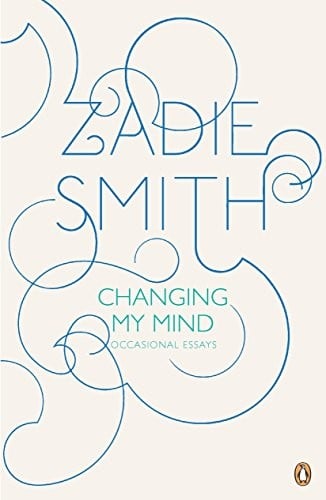
No. 78 on this list. Changing My Mind: Occasional Essays
Zadie Smith · 2009
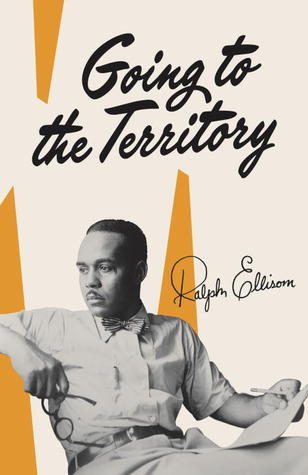
No. 79 on this list. Going to the Territory
Ralph Ellison · 1986
No. 80 on this list. Honor Thy Father
Gay Talese · 1971
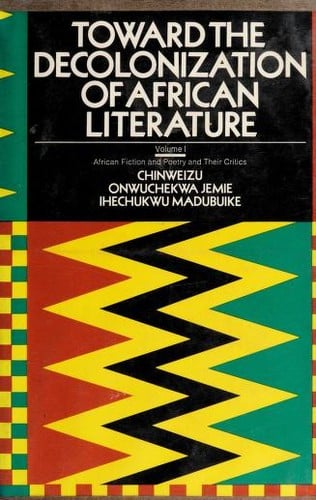
No. 81 on this list. Toward the Decolonization of African Literature
Chinweizu · 1980
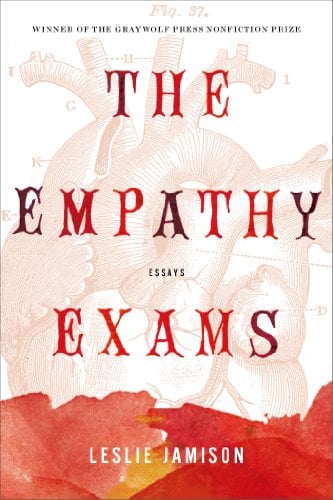
No. 82 on this list. The Empathy Exams
Leslie Jamison · 2014
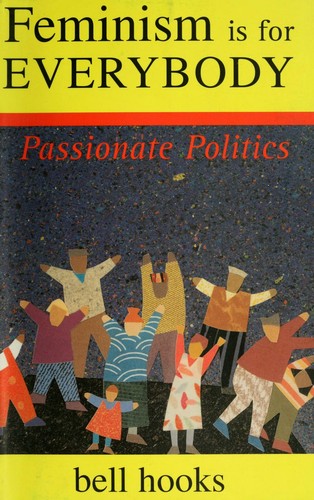
No. 83 on this list. Feminism Is for Everybody
bell hooks · 2000
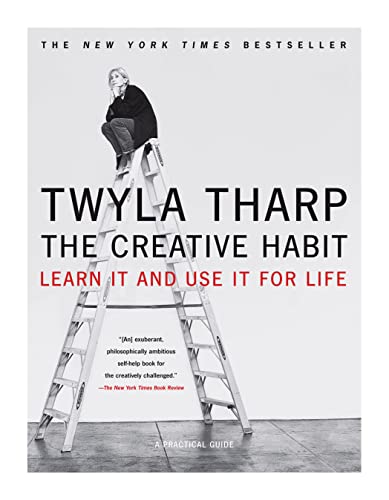
No. 84 on this list. The Creative Habit: Learn It and Use It for Life
Twyla Tharp · 2003
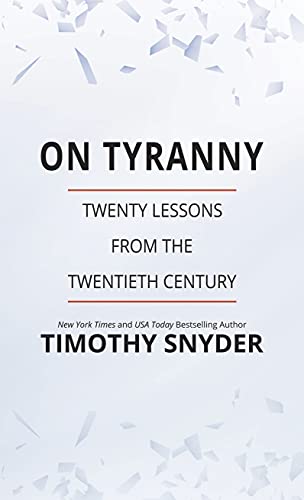
No. 85 on this list. On Tyranny: Twenty Lessons from the Twentieth Century
Timothy Snyder · 2017
No. 86 on this list. The Wager
David Grann · 2023
No. 87 on this list. America's Coming-of-Age
Van Wyck Brooks · 1915
No. 88 on this list. Death in the Afternoon
No. 89 on this list. Pulphead
John Jeremiah Sullivan · 2011
No. 90 on this list. The Drama of the Gifted Child
Alice Miller · 1979
No. 91 on this list. The Art of Fact
Kevin Kerrane · 1997
No. 92 on this list. Wartime: Understanding and Behavior in the Second World War
Paul Fussell · 1989
No. 93 on this list. What Does It All Mean?
Thomas Nagel · 1987
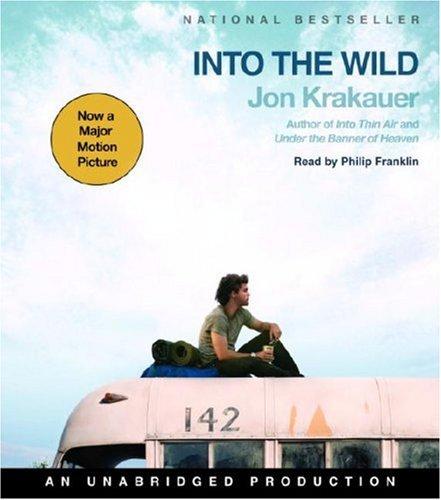
No. 94 on this list. Into the Wild
Jon Krakauer · 2015
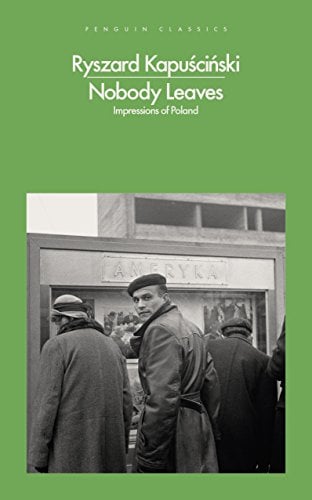
No. 95 on this list. Travels with Herodotus
Ryszard Kapuściński · 2004
No. 96 on this list. Negotiating with the Dead: A Writer on Writing
Margaret Atwood · 2002
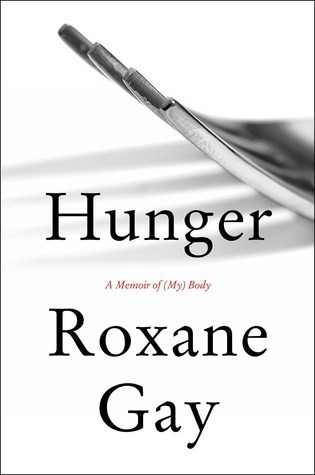
No. 97 on this list. Hunger: A Memoir of (My) Body
Roxane Gay · 2017
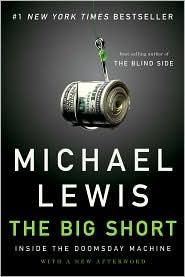
No. 98 on this list. The Big Short
Michael Lewis · 2010
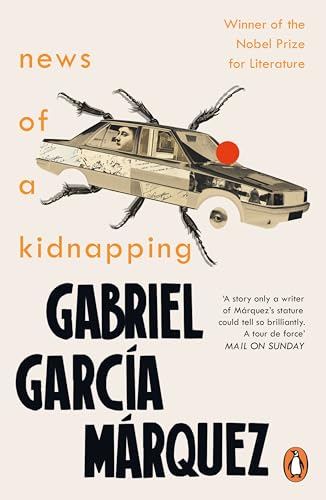
No. 99 on this list. News of a Kidnapping
Gabriel García Márquez · 1996
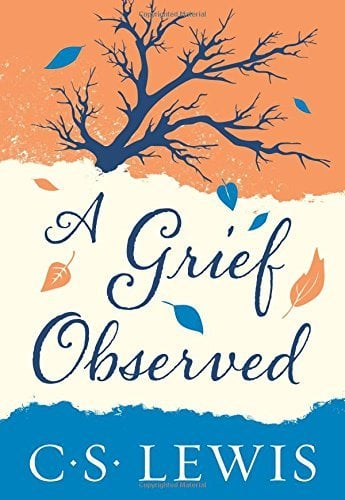
No. 100 on this list. A Grief Observed
C.S. Lewis · 1961
About this list
These 100 books are the highest-scoring eligible easy essay collections currently in the catalogue. By literary regard, it opens with Self-Reliance and Other Essays, One Day in the Life of Ivan Denisovich and The New Journalism. About 615 hours of reading in all. Difficulty runs from 34 to 42 out of 100 for the middle half of the list; the summit is Areopagitica at 45.
This list is ranked by literary regard, with a consistent order for equal scores. Membership follows authors and co-authors, not translators or editors. Catalogue coverage and the historical canon both limit what this list can represent, and genre labels are the catalogue’s own, gathered into broader kinds.
When we matched the Canons dataset to our catalogue in October 2026, our canonical-status scores rose with the number of school curricula, publisher series and lists in it that cite a work: the median score was 72 for books one such source cites, 84 at two, 88 at three, 92 at four and 93 at five or more. Prizes are left out of that count. Outside the state curricula, the dataset’s sources choose mostly from what has been translated into English or French, so it is a weaker check on other literatures. Source: Canons (Andrew Piper), CC BY 4.0
Questions people actually ask
- What are the best easy essay collections?
- By literary regard, which weighs canonical status, critical standing and influence, Self-Reliance and Other Essays, One Day in the Life of Ivan Denisovich, The New Journalism, The Story of Art and Persian Literature: A Bio-Bibliographical Survey lead. ReadingRate ranks 100 such books, each with a difficulty score and a reading-time estimate.
- Where should I start with easy essay collections?
- Start from difficulty, not from rank. The most approachable books on this list that still carry top literary regard are The Journalist and the Murderer by Janet Malcolm (about 2.5 hours), Politics and the English Language by George Orwell and The New Journalism by Tom Wolfe.
- How hard are easy essay collections to read?
- Most of this list sits between 34 and 42 on ReadingRate's 100-point difficulty scale, where 40 to 55 is moderate. The summit is Areopagitica at 45. Every entry carries its own score, so a reader can pick a great book at a difficulty they will finish.
- How is this list ranked?
- On literary-regard data: how canonically established a work is, its critical standing, and its influence on later writing. It is not a readers’ poll, which is why recent bestsellers rarely appear. Membership follows authors and co-authors, not translators or editors. A list that is not a genre list keeps to literature (fiction, poetry, drama and philosophy), with philosophy taking no more than one slot in five while there is literature left to rank; every list holds at most three works by one author.