Hours at an average pace
Showing 100 books
About 1,025 hours for 100 of 100 books with measured lengths. Estimates use 250 words a minute, adjusted for each book's difficulty. At 2 hours a day, about 513 days for those books.
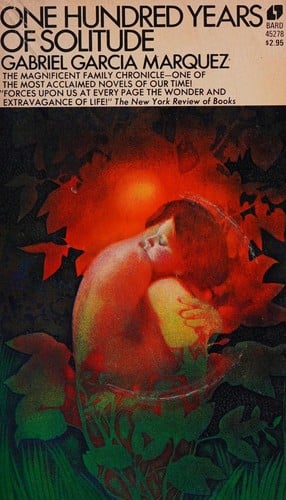
No. 1 on this list. One Hundred Years of Solitude
Gabriel García Márquez · 1967
Challenging10 hours
Taught in schools: Literatura, Diseño Curricular – Provincia de Buenos Aires (Argentina)
Included in: Bokklubben World Library
García Márquez wove a century of Latin American history into one family's story where the miraculous and the mundane coexist without explanation — ice is as wondrous as levitation. The book proved that the novel could channel an entire continent's experience in a voice that had no European precedent.
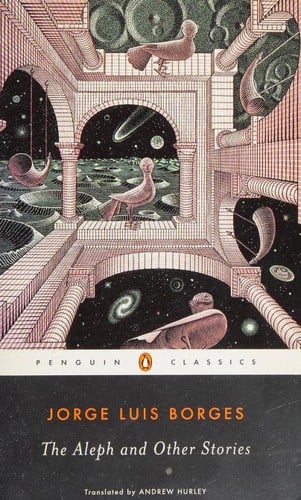
No. 2 on this list. The Aleph
Jorge Luis Borges · 1949
Difficult7.8 hours
Taught in schools: Literatura, Diseño Curricular – Provincia de Buenos Aires (Argentina), UNAM Escuela Nacional Preparatoria – programas de Literatura (Mexico)
Borges and his short fiction appear on university syllabi worldwide — in world literature, Latin American literature, postmodernism, and comparative literature courses. 'The Aleph,' 'The Circular Ruins,' and 'Death and the Compass' are among the most frequently anthologized stories in the Western canon. Though no formal syllabus count is available in the database, Borges is standard reading at virtually every English-language university.
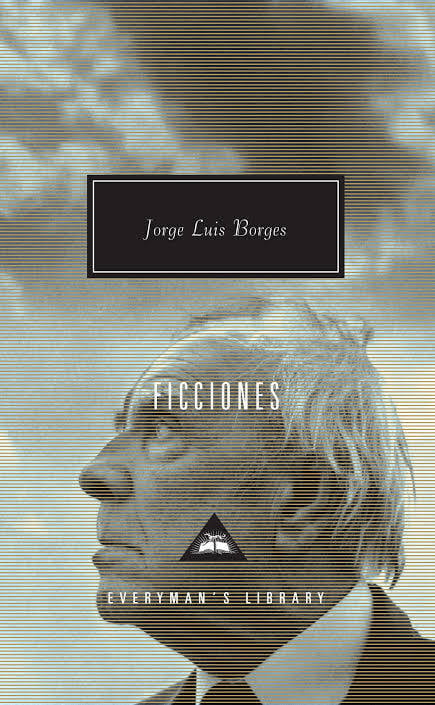
No. 3 on this list. Ficciones
Jorge Luis Borges · 1944
Challenging3.2 hours
Taught in schools: Literatura, Diseño Curricular – Provincia de Buenos Aires (Argentina)
Included in: Bokklubben World Library
Listed in Le Monde's 100 Books of the Century (1999) and featured on the Open Syllabus Top 500 Literature list. Published by both NYRB Classics and Penguin Modern Classics, the two most prestigious reprint houses in English. Wikipedia article exists in 22 languages with a dedicated Reception section. The data shows 0 syllabus appearances which understates actual penetration — Ficciones is embedded in world literature and comparative literature curricula globally.
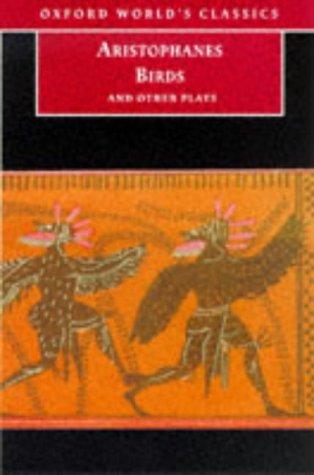
No. 4 on this list. The Birds
Aristophanes · c. 414 BCE
Moderate1.3 hours
Included in: Great Books of the Western World
The Birds is universally recognized as one of Aristophanes' finest comedies and a canonical text of ancient Greek literature, appearing on syllabi for classical literature, comparative literature, and Western civilization courses globally. Slightly less commonly assigned as an entry point than Lysistrata or The Clouds, it is nonetheless required reading in classics programs. The absence of database records reflects a data gap, not genuine obscurity.
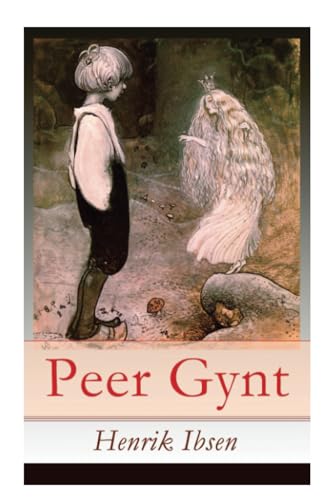
Peer Gynt is a cornerstone of the Scandinavian theatrical canon and is regularly staged worldwide, from the National Theatre to major European opera houses. Edvard Grieg's 1876 incidental music gave the work cultural reach extending far beyond theatre audiences. It appears on world drama syllabi internationally and is central to any survey of 19th-century European literature.
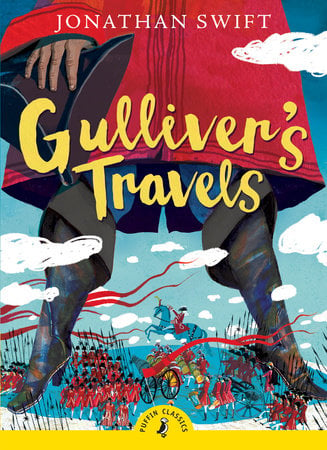
No. 6 on this list. Gulliver's Travels
Jonathan Swift · 1726
Challenging10 hours
Taught in schools: CSEC English B – Caribbean Examinations Council, Hungarian literature curriculum (magyar nyelv és irodalom) (Hungary)
Included in: Bokklubben World Library, Great Books of the Western World
Swift shrinks his protagonist to six inches in Lilliput, inflates him to a giant in Brobdingnag, then deposits him among rational horses who regard humans as vermin. No other satire in English has so thoroughly weaponized scale and perspective to indict politics, science, and the species itself.
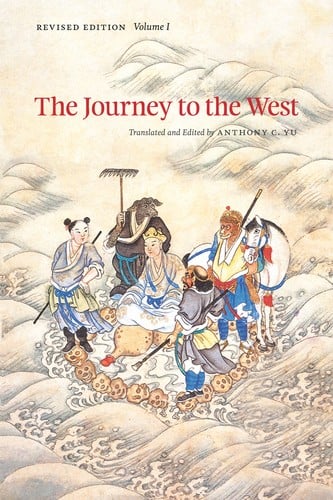
Wu Cheng'en sent a Buddhist monk and his three supernatural companions on a westward pilgrimage through eighty-one trials, creating the great picaresque of Chinese literature — a work that fuses slapstick comedy, Daoist and Buddhist allegory, and some of the most inventive monster-fights in world fiction. The Monkey King, Sun Wukong, became the most recognizable trickster figure in East Asian culture.
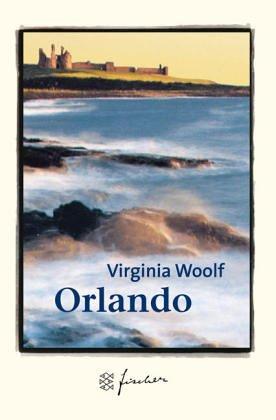
No. 8 on this list. Orlando
Virginia Woolf · 1928
Moderate5.2 hours
Taught in schools: UNAM Escuela Nacional Preparatoria – programas de Literatura (Mexico)
Orlando appears on university syllabi worldwide in modernist literature, gender studies, feminist theory, and LGBTQ+ studies courses — one of the few novels to anchor multiple disciplines simultaneously. It features on Modern Library's 100 Best Novels list and is discussed in virtually every survey of 20th-century British fiction. Woolf's stature guarantees its place in the canon regardless of pedagogical fashion.
Recognized as one of the most important and innovative plays in Western drama. A foundational text of expressionism and the avant-garde theatre.
Morrison sent a young Black man on a mythic quest through four generations of his family's buried history, fusing African-American folklore, biblical allusion, and the cadences of blues and gospel into a narrative structure no American novel had attempted before. The novel proved that flight — literal and metaphorical — could carry the full weight of Black American experience from slavery to self-knowledge.
No. 11 on this list. Alice's Adventures in Wonderland and Through the Looking-Glass · Lewis Carroll · 1871
No syllabus or Wikipedia-language data is recorded for this edition in our database, but Alice is a fixture of children's-literature, Victorian-studies, and philosophy-of-language courses worldwide. It remains one of the most translated books in history, with a reach comparable to Hamlet's or The Great Gatsby's syllabus ubiquity.
Moderate3.6 hours
Start this bookNo. 12 on this list. Invisible Cities · Italo Calvino · 1972
Marco Polo sits before Kublai Khan and describes cities he has visited — or perhaps invented. Despina can be approached by land or by sea, and looks entirely different depending on which direction you come from. Valdrada was built above a lake so that every action of its inhabitants would be doubled in the water below; the city and its mirror have learned to hate each other. Zobeide was constructed by men who all dreamed the same woman and built a city to trap her, but the woman never appeared. Calvino arranges 55 such cities across 11 categories — Cities & Memory, Cities & Desire, Thin Cities — in a mathematical grid that wears the clothing of fiction. The cities are not places. They are states of mind, arguments about time and loss, meditations on the difference between a map and the territory it claims to represent. Between the vignettes, Marco Polo and the Khan conduct dialogues about language, empire, and whether it is possible to describe anything that exists. The prose is precise and dreaming at once — a short paragraph can hold more compressed thought than a chapter of conventional fiction. This is a book that accumulates rather than progresses, and what it accumulates is a complete philosophy of how cities, and perhaps consciousness itself, work.
Challenging2.2 hours
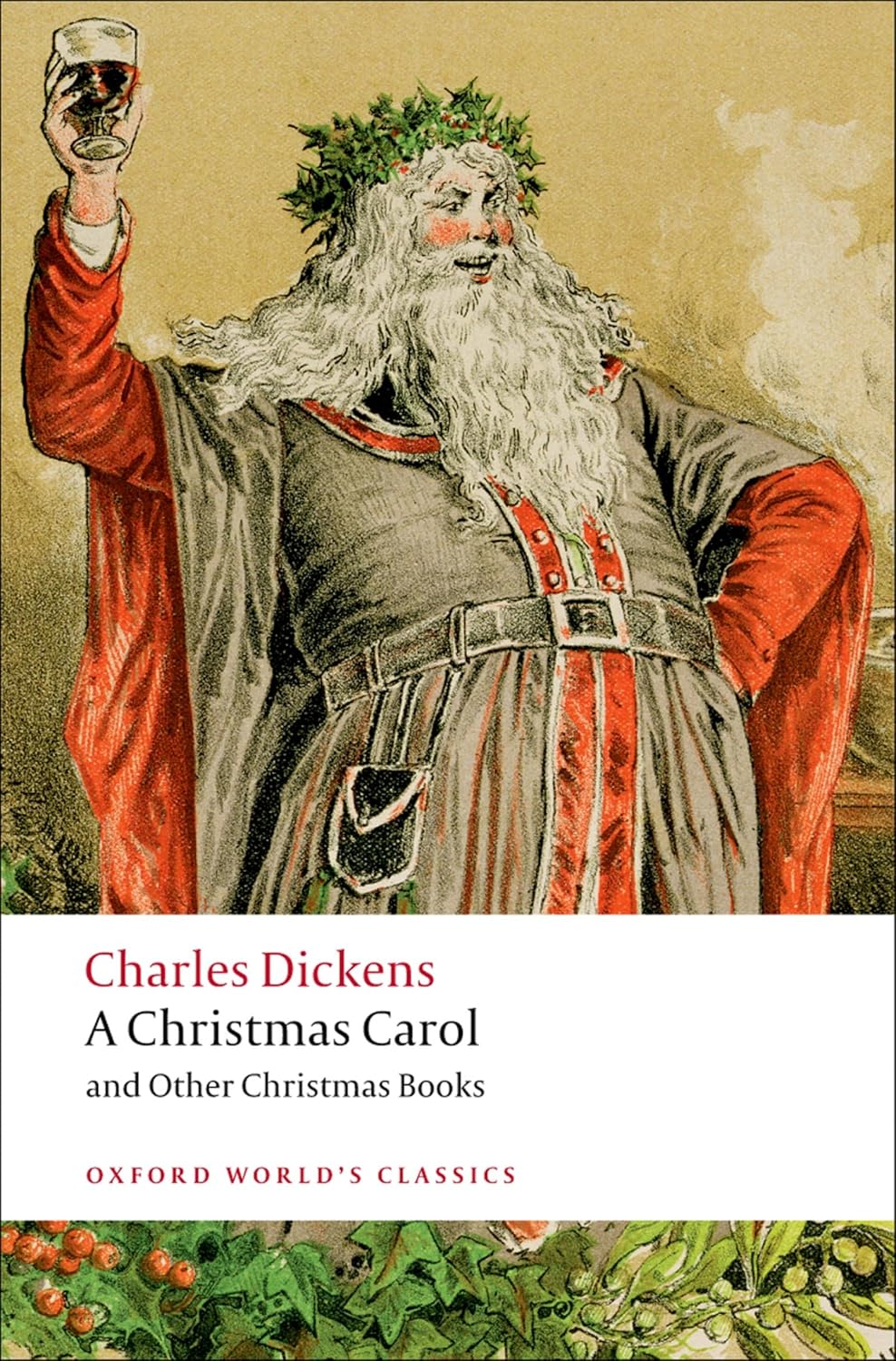
Start this bookNo. 13 on this list. A Christmas Carol · Charles Dickens · 1843
Taught in schools: AQA GCSE and A-level English Literature (UK), CSEC English B – Caribbean Examinations Council, OCR GCSE and A-level English Literature (UK)
A Christmas Carol is among the most widely taught Victorian texts in the English-speaking world, a fixture on secondary and university literature curricula in the UK, US, and Commonwealth nations. Its Wikipedia article exists in over 60 languages, and it appears on virtually every canonical list of Victorian prose. No other work of comparable length has achieved the same degree of curricular permanence.
Easy1.7 hours
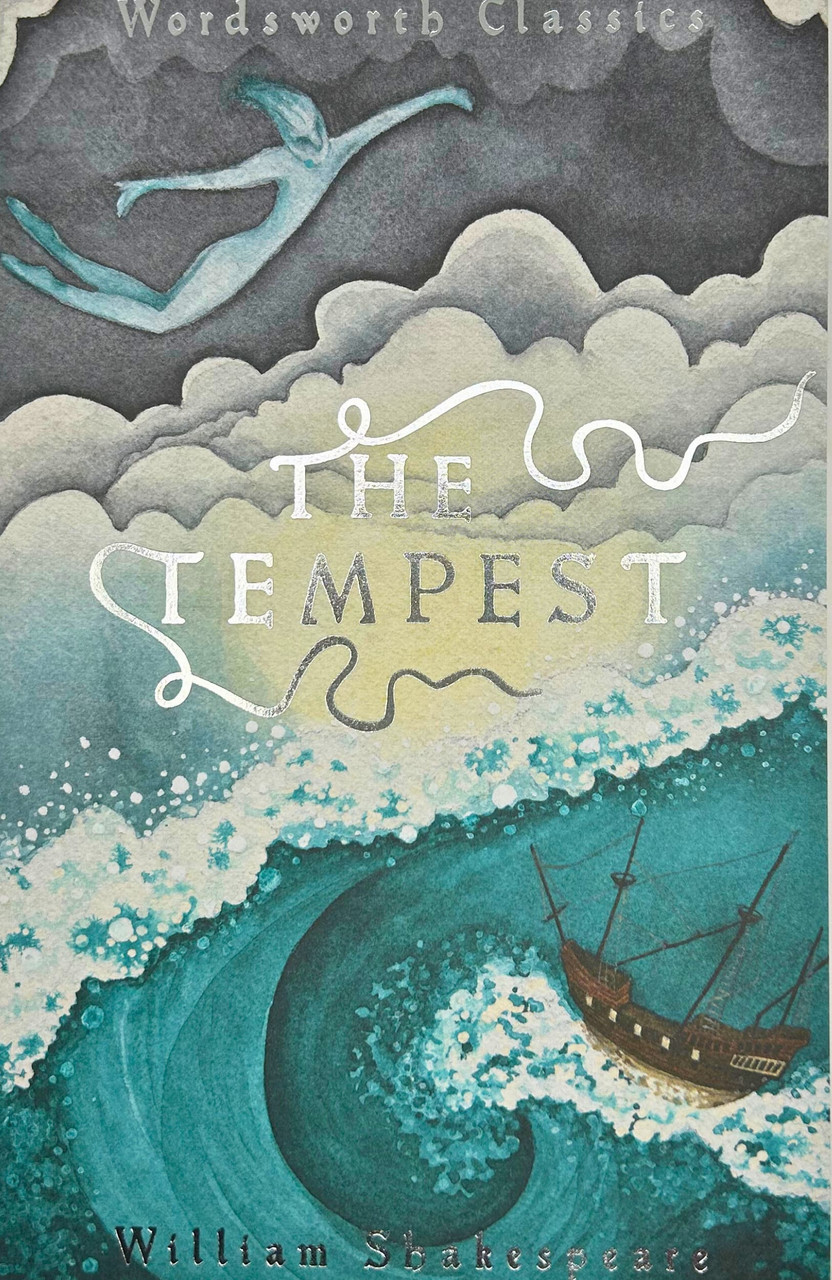
Read nowNo. 14 on this list. The Tempest · William Shakespeare · 1611
Taught in schools: Pearson Edexcel GCSE and A-level English Literature (UK), UNAM Escuela Nacional Preparatoria – programas de Literatura (Mexico), WJEC/Eduqas GCSE and A-level English Literature (UK)
Included in: Great Books of the Western World
Prospero's island stages Shakespeare's final reckoning with his own art—the magician who conjures storms, manipulates lovers, and then drowns his book. Caliban's "Be not afeard; the isle is full of noises" is the most haunting speech given to a character the play calls a monster.
Challenging2 hours
Read nowNo. 15 on this list. Pedro Páramo · Juan Rulfo · 1955
Taught in schools: Literatura, Diseño Curricular – Provincia de Buenos Aires (Argentina), UNAM Escuela Nacional Preparatoria – programas de Literatura (Mexico)
Included in: Bokklubben World Library
Pedro Páramo is the foundational text of Latin American modernism, present in nearly every world literature curriculum globally. Its Wikipedia article spans 26 languages. García Márquez credited it with teaching him how to write One Hundred Years of Solitude — a direct line of influence that alone ensures canonical permanence. Penguin Modern Classics published it in 1961.
Difficult3.6 hours
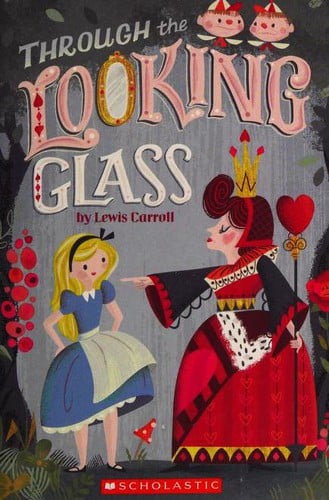
Start this bookNo. 16 on this list. Through the Looking-Glass and What Alice Found There · Lewis Carroll
It is a core text of Victorian and children's literature, taught in courses on nonsense, fantasy and Victorian studies and constantly adapted. It trails only a little behind the first Alice book in curricula.
Moderate4.1 hours
Start this bookNo. 17 on this list. One Thousand and One Nights · Anonymous
World literature's most famous story collection; shaped global narrative imagination.
Moderate16 hours
Start this bookNo. 18 on this list. Sir Gawain and the Green Knight · The Pearl Poet · 1375
Required reading in virtually every medieval and Middle English literature course at anglophone universities. The poem appears on thousands of syllabi and features in Great Books curricula worldwide. Tolkien and E.V. Gordon's 1925 scholarly edition set the standard text; Simon Armitage's 2007 translation reached mainstream audiences. The poem occupies the same canonical tier as Chaucer's Canterbury Tales for the period it represents.
Challenging2.1 hours
Start this bookNo. 19 on this list. A Midsummer Night's Dream · William Shakespeare · 1600
Taught in schools: CSEC English B – Caribbean Examinations Council
Included in: Great Books of the Western World
Four Athenian lovers stumble through an enchanted forest while Oberon and Puck rearrange their affections with a magic flower, and a troupe of tradesmen rehearse the worst play ever staged. Shakespeare nests three worlds—court, fairy kingdom, and amateur theater—into a single moonlit structure that defines romantic comedy.
Moderate1.1 hours
Read nowNo. 20 on this list. The Tin Drum · Günter Grass · 1959
Included in: Bokklubben World Library
The Tin Drum appears on approximately 200 university syllabi according to Open Syllabus Project data (57th percentile), placing it firmly in world literature and 20th-century European fiction curricula. Wikipedia coverage spans 35 languages with dedicated Reception and Adaptations sections, indicating sustained international engagement. The novel is widely regarded as the defining work of postwar German literature, though its syllabus presence falls short of canonical American fixtures like The Great Gatsby.
Difficult27 hours
Start this book

No. 21 on this list. Joseph and His Brothers · Thomas Mann · 1943
Joseph and His Brothers appears regularly on European and world literature curricula, particularly in German literature courses and modernism seminars. It features on multiple 'greatest novels' lists including Le Monde's 100 Books of the Century. The tetralogy is less frequently taught than Mann's shorter works (Death in Venice, The Magic Mountain) owing to its length, but its canonical standing within the Mann oeuvre and 20th-century literature broadly is secure. The database shows no syllabus or Wikipedia data, but scholarly consensus places this among the defining works of European modernism.
Challenging68 hours
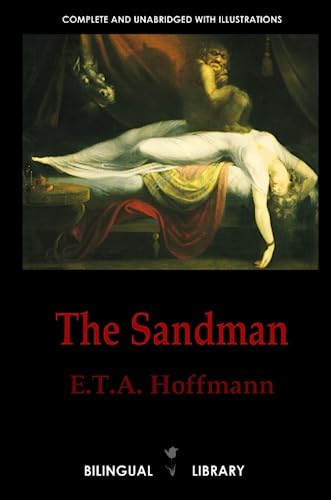
Start this bookNo. 22 on this list. The Sandman · E.T.A. Hoffmann · 1816
The Sandman is canonical in German literature courses, Romantic literature surveys, Gothic fiction studies, and psychoanalytic literary criticism worldwide. Freud's 1919 essay 'The Uncanny' uses it as the central specimen, ensuring its presence on psychoanalysis and literary theory syllabi for over a century. While it lacks the broad English-language curriculum presence of Frankenstein or Great Expectations, it is effectively required reading in any serious study of German Romanticism, the Gothic tradition, or the history of uncanny fiction.
Difficult1.8 hours
Start this bookNo. 23 on this list. The Arabian Nights · Anonymous
The Nights are a cornerstone of world literature and widely taught in comparative and Middle Eastern literature courses, though this 2004 edition is one of many renderings.
Moderate18 hours
Start this bookNo. 24 on this list. Strange Tales from a Chinese Studio · Pu Songling
Included in: UNESCO Collection of Representative Works
The standard classical Chinese story collection, taught in every survey of premodern Chinese literature and available in Penguin Classics, Yale and Columbia editions.
Challenging22 hours
Start this bookNo. 25 on this list. Orlando Furioso · Ludovico Ariosto · 1516
Taught in schools: UNAM Escuela Nacional Preparatoria – programas de Literatura (Mexico)
Orlando Furioso stands as one of the defining works of Italian Renaissance literature, a fixture in Italian university curricula and comparative literature courses worldwide. Its influence on Spenser, Milton, Shakespeare, Cervantes, and Voltaire makes it indispensable to the study of early modern literature. While less taught in English-language universities than Greek and Roman epic, it appears on virtually every world literature and Renaissance literature syllabus.
Challenging22 hours
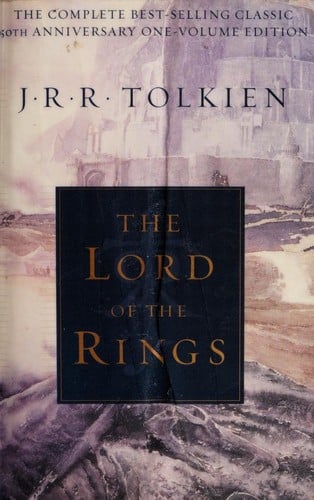
Start this bookNo. 26 on this list. The Lord of the Rings (The Lord of the Rings, #1-3) · J.R.R. Tolkien · 1954
Taught in schools: Pacific Senior Secondary Certificate – English
Widely taught in fantasy, medieval-influenced and popular literature courses and ranked among the most read novels, but less dominant on core literary syllabi than Gatsby or Crime and Punishment.
Moderate34 hours
Start this bookNo. 27 on this list. The Fifth Season · N.K. Jemisin · 2015
The Fifth Season won the Hugo Award for Best Novel in 2016, the first book in what became an unprecedented trilogy of consecutive Hugo wins for Jemisin—a feat unmatched in the award's history. It appears on contemporary science fiction and fantasy syllabi and in critical discussions of the genre's formal and political possibilities. Its position in the canon is still consolidating, but its influence on subsequent speculative fiction is already evident.
Difficult18 hours
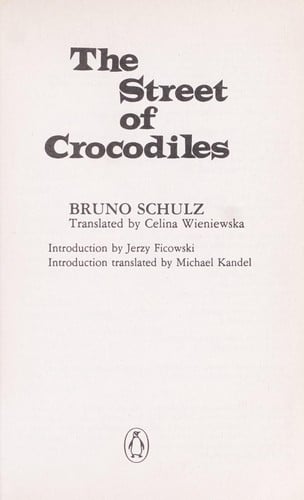
Start this bookNo. 28 on this list. The Street of Crocodiles · Bruno Schulz · 1934
Taught in schools: Lektury obowiązkowe – Polish national reading list (Poland)
A standard text in world-literature and modernism syllabi and the central work of Polish literary modernism after Gombrowicz.
Difficult7.1 hours
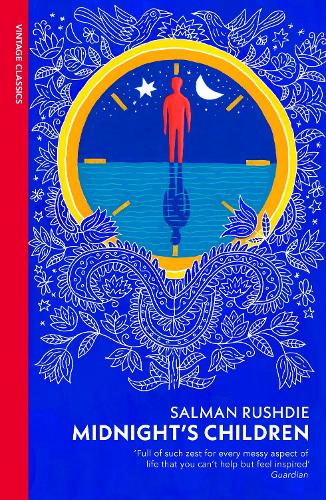
Start this bookNo. 29 on this list. Midnight's Children · Salman Rushdie · 1981
Included in: Bokklubben World Library
Appears on 781 university syllabi according to Open Syllabus (72nd percentile), with a Wikipedia article in 40 languages. Required reading in postcolonial literature courses worldwide. Won the Booker Prize (1981), then the Booker of Bookers in both 1993 and 2008—the prize committee's pick for the best Booker winner across 25 and 40 years respectively. Listed on TIME All-TIME 100 Novels, Modern Library 100 Best Novels, and Le Monde's 100 Books of the Century.
Challenging21 hours
Start this bookNo. 30 on this list. The Kingdom of This World · Alejo Carpentier · 1949
Taught in schools: Literatura, Diseño Curricular – Provincia de Buenos Aires (Argentina)
The Kingdom of This World is widely taught in Latin American literature courses and postcolonial studies programs worldwide. The novel launched the concept of 'lo real maravilloso' (the marvelous real), which Carpentier articulated in its famous prologue — making it a required theoretical as well as literary text. No specific syllabus count data is available, but its presence on comparative literature and world fiction syllabi is consistent and decades-long.
Challenging2.7 hours
Start this book
No. 31 on this list. Rip Van Winkle
Washington Irving · 1819
No. 32 on this list. The Golden Ass
Apuleius · 170
Included in: Oxford World's Classics
No. 33 on this list. The Hobbit, or There and Back Again
J.R.R. Tolkien · 2002
Taught in schools: CSEC English B – Caribbean Examinations Council, Kazakh literature curriculum (Kazakhstan)
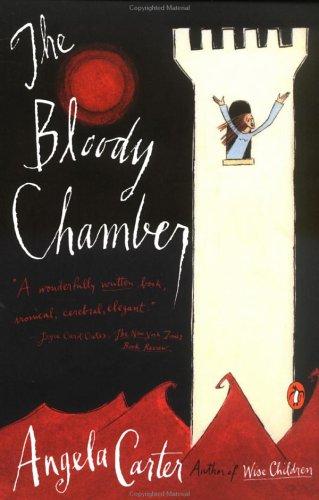
No. 34 on this list. The Bloody Chamber
Angela Carter · 1979
Taught in schools: OCR GCSE and A-level English Literature (UK)
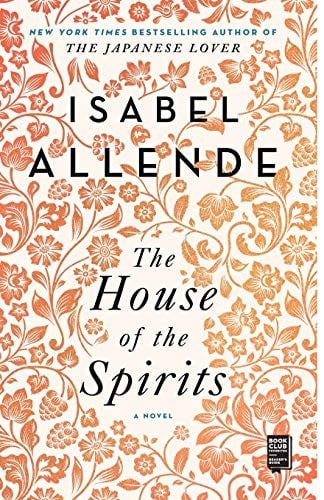
No. 35 on this list. The House of the Spirits
Isabel Allende · 1982
Taught in schools: Literatura, Diseño Curricular – Provincia de Buenos Aires (Argentina), UNAM Escuela Nacional Preparatoria – programas de Literatura (Mexico)
No. 36 on this list. A Wizard of Earthsea
Ursula K Le Guin · 1968
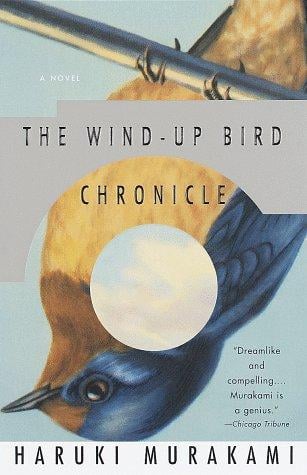
No. 37 on this list. The Wind-Up Bird Chronicle
Haruki Murakami · 1994
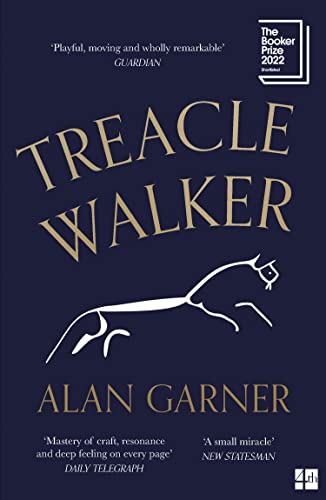
No. 38 on this list. Treacle Walker
Alan Garner · 2022
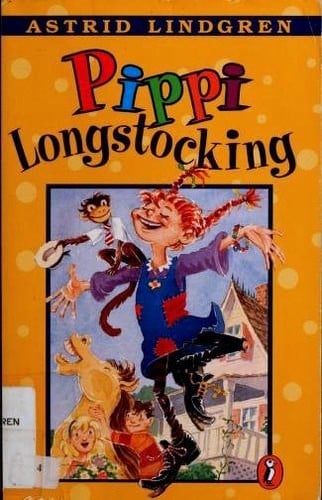
No. 39 on this list. Pippi Longstocking
Astrid Lindgren · 1945
Taught in schools: Lithuanian literature curriculum (lietuvių kalba ir literatūra)
Included in: Bokklubben World Library
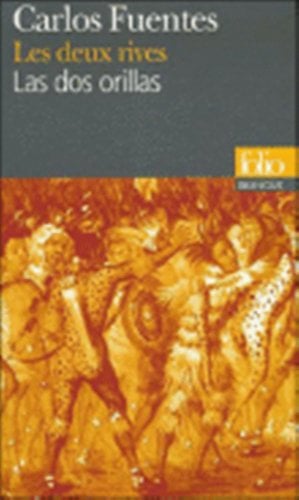
No. 40 on this list. Terra Nostra
Carlos Fuentes · 1975
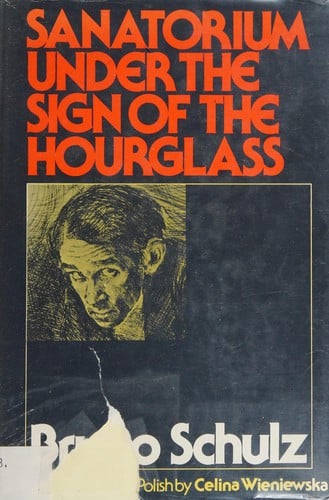
No. 41 on this list. Sanatorium Under the Sign of the Hourglass
Bruno Schulz · 1937
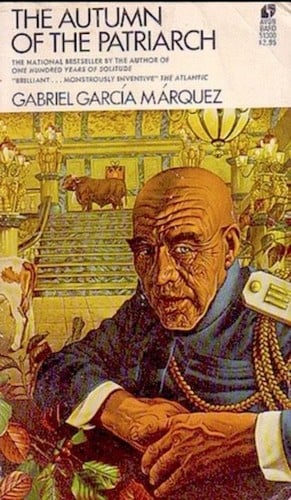
No. 42 on this list. The Autumn of the Patriarch
Gabriel García Márquez · 1975
No. 43 on this list. Lanark: A Life in Four Books
Alasdair Gray · 1981
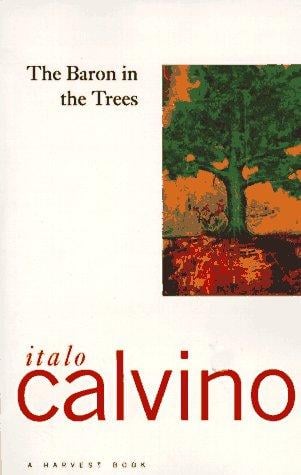
No. 44 on this list. The Baron in the Trees
Italo Calvino · 1957
No. 45 on this list. The Adventures of Pinocchio
Carlo Collodi · 1883
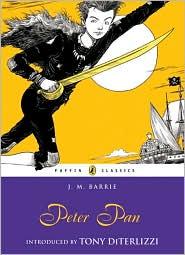
No. 46 on this list. Peter Pan
J.M. Barrie · 1911
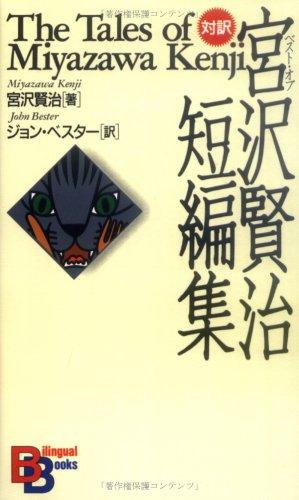
No. 47 on this list. Night on the Galactic Railroad
Kenji Miyazawa · 1934
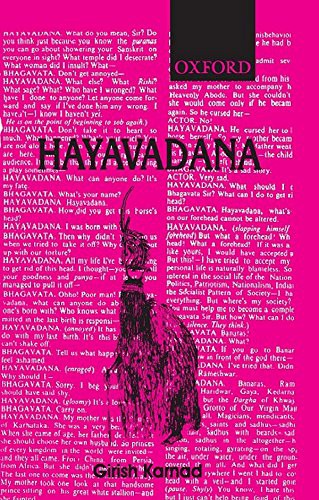
No. 48 on this list. Hayavadana
Girish Karnad · 1971
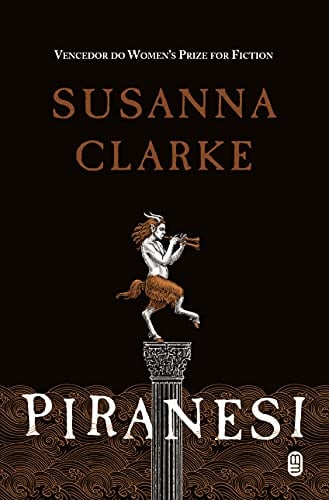
No. 49 on this list. Piranesi
Susanna Clarke · 2021
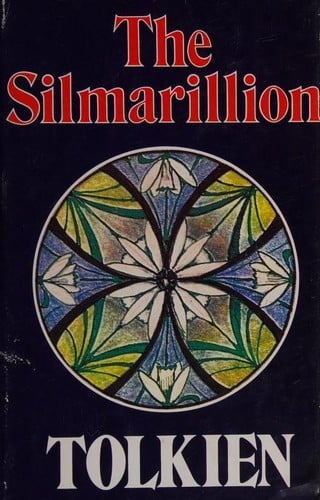
No. 50 on this list. The Silmarillion
J. R. R. Tolkien · 1977
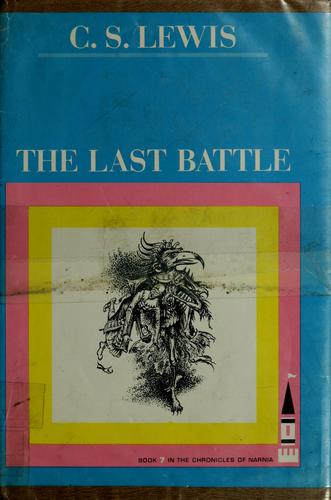
No. 51 on this list. The Last Battle
C.S. Lewis · 1956
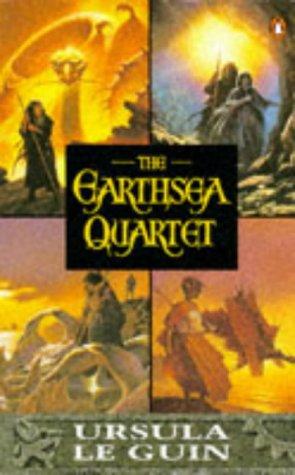
No. 52 on this list. The Earthsea Quartet
Ursula K Le Guin · 1968
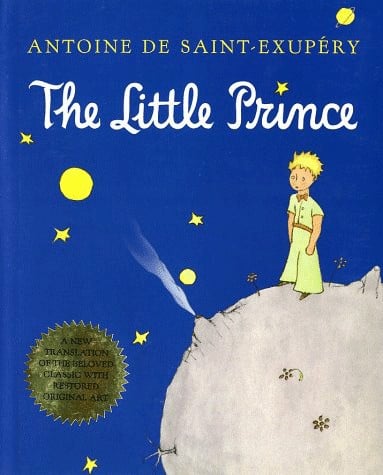
No. 53 on this list. The Little Prince
Antoine de Saint-Exupéry · 1943
Taught in schools: Common Core text exemplars (Appendix B) (US)
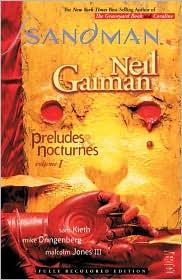
No. 54 on this list. The Sandman
Neil Gaiman · 1989
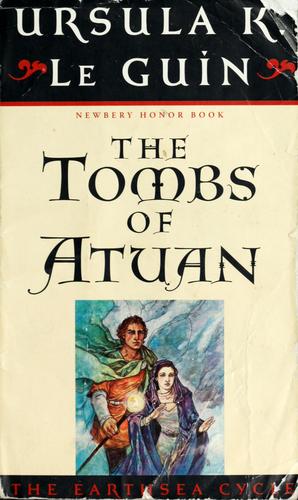
No. 55 on this list. The Tombs of Atuan
Ursula K Le Guin · 1971
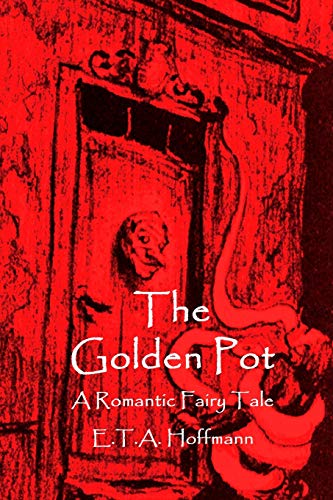
No. 56 on this list. The Golden Pot
E.T.A. Hoffmann · 1814
No. 57 on this list. True History
Lucian · 180
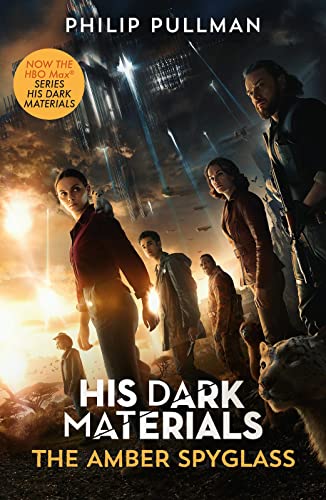
No. 58 on this list. His Dark Materials
Philip Pullman · 1995
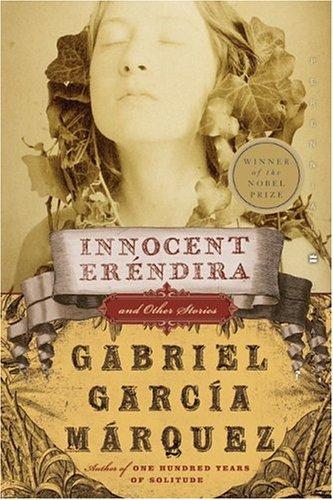
No. 59 on this list. Innocent Erendira and Other Stories
Gabriel García Márquez · 2005
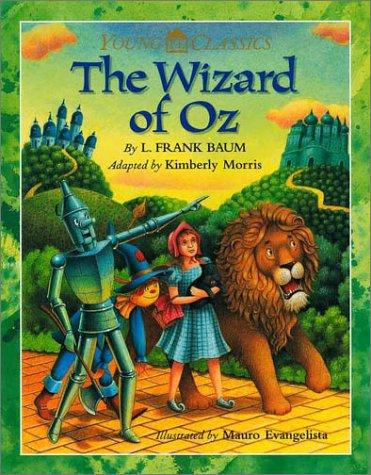
No. 60 on this list. The Wonderful Wizard of Oz
L. Frank Baum · 1900
Taught in schools: Common Core text exemplars (Appendix B) (US)
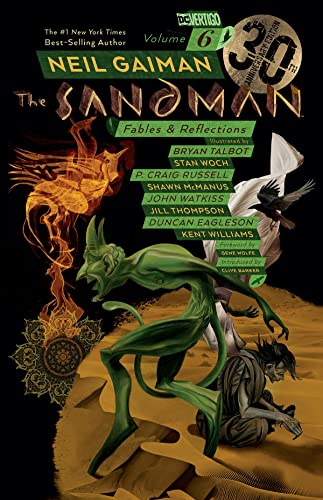
No. 61 on this list. The Sandman Vol. 6: Fables & Reflections
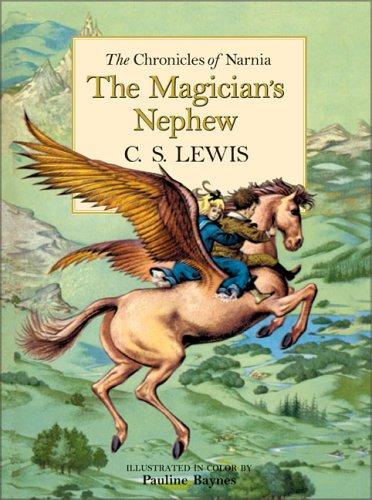
No. 62 on this list. The Magician’s Nephew
C.S. Lewis · 1955
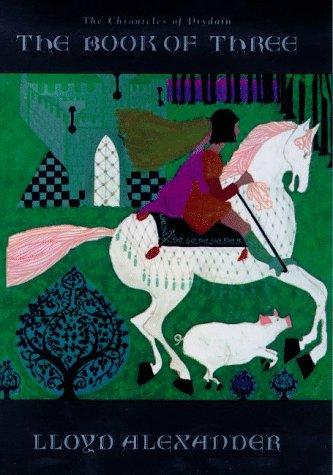
No. 63 on this list. The Book of Three
Lloyd Alexander · 1964
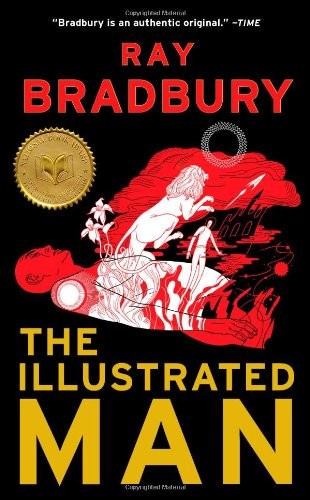
No. 64 on this list. Something Wicked This Way Comes
Ray Bradbury · 1962
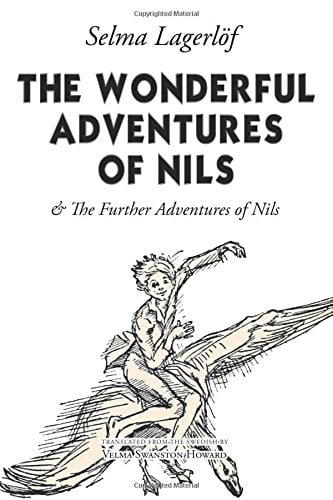
No. 65 on this list. The Wonderful Adventures of Nils
Selma Lagerlöf · 1906
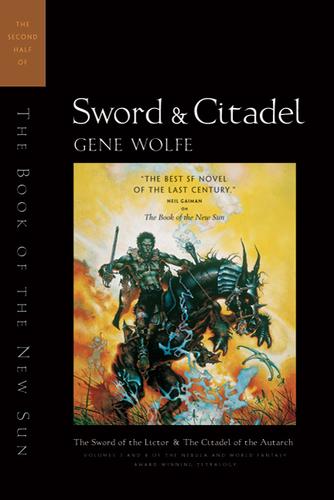
No. 66 on this list. Sword & Citadel
Gene Wolfe · 1994
No. 67 on this list. The Cloven Viscount
Italo Calvino · 1952
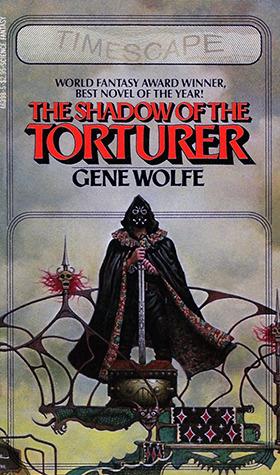
No. 68 on this list. The Shadow of the Torturer
Gene Wolfe · 1980
No. 69 on this list. Black Water: The Anthology of Fantastic Literature
Alberto Manguel · 1983
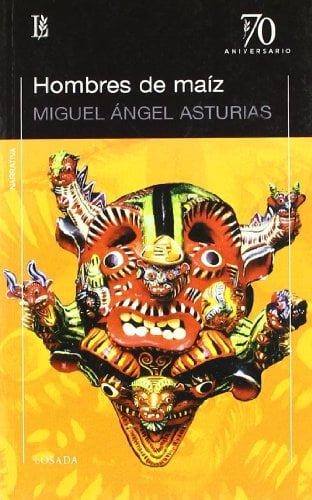
No. 70 on this list. Men of Maize
Miguel Ángel Asturias · 1949
Taught in schools: Literatura, Diseño Curricular – Provincia de Buenos Aires (Argentina), UNAM Escuela Nacional Preparatoria – programas de Literatura (Mexico)
Included in: UNESCO Collection of Representative Works
No. 71 on this list. The Castle of Otranto
Horace Walpole · 1764
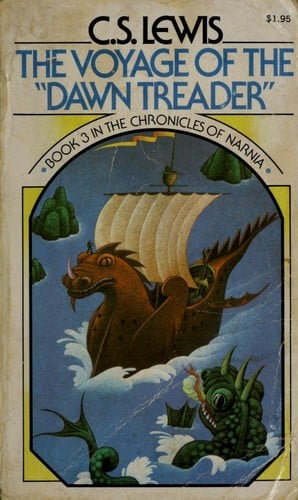
No. 72 on this list. The Voyage of the Dawn Treader
C.S. Lewis · 1952
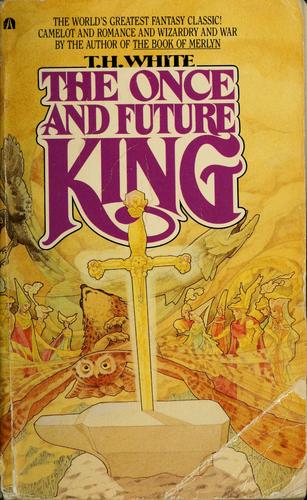
No. 73 on this list. The Once and Future King (The Once and Future King, #1–5)
T.H. White · 1987
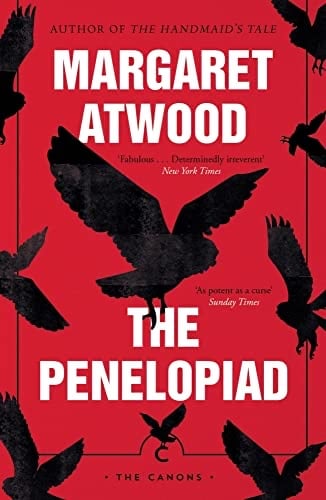
No. 74 on this list. Penelopiad
Margaret Atwood · 2005
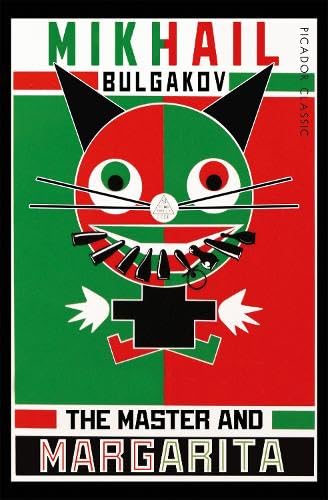
No. 75 on this list. The Master and Margarita
Mikhail Bulgakov · 1967
Taught in schools: Hungarian literature curriculum (magyar nyelv és irodalom) (Hungary), Lektury obowiązkowe – Polish national reading list (Poland), Lithuanian literature curriculum (lietuvių kalba ir literatūra)
No. 76 on this list. 1Q84
Haruki Murakami · 2009
No. 77 on this list. The Book of the New Sun
Gene Wolfe · 1980
No. 78 on this list. The Stone Raft
José Saramago · 1986
No. 79 on this list. The Mysterious Stranger
Mark Twain · 1916
No. 80 on this list. Wizard of the Crow
Ngugi wa Thiong'o · 2004
No. 81 on this list. Circe
Madeline Miller · 2019
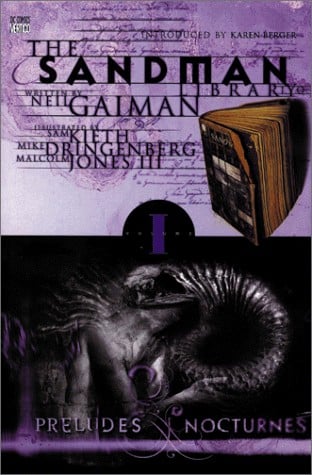
No. 82 on this list. The Sandman, Vol. 1: Preludes & Nocturnes
Neil Gaiman · 1998
No. 83 on this list. The Flies
Jean-Paul Sartre · 1943
Taught in schools: UNAM Escuela Nacional Preparatoria – programas de Literatura (Mexico)
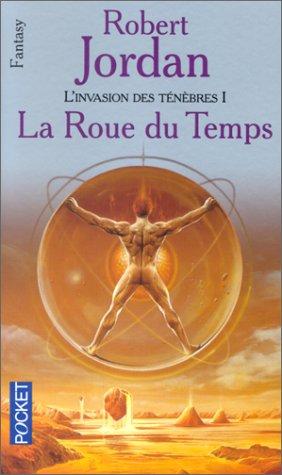
No. 84 on this list. The Eye of the World
Robert Jordan · 1990
No. 85 on this list. The Happy Prince and Other Stories
Oscar Wilde · 1888
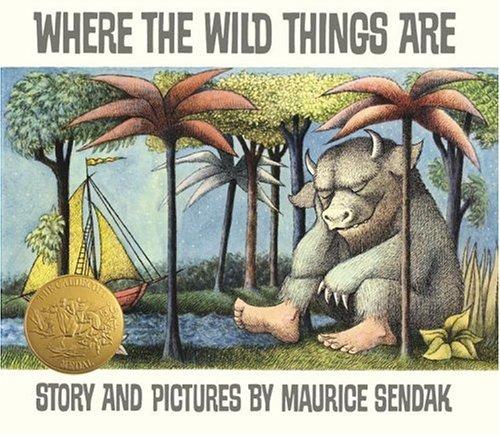
No. 86 on this list. Where the Wild Things Are
Maurice Sendak · 1963
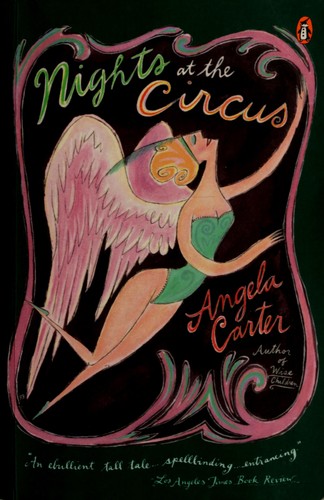
No. 87 on this list. Nights at the Circus
Angela Carter · 1984
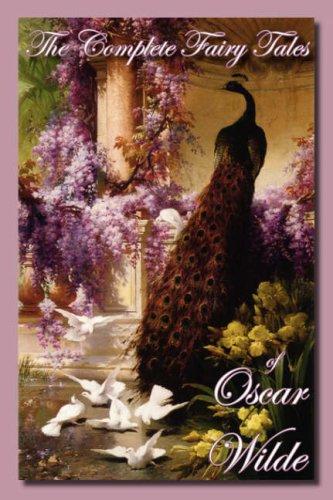
No. 88 on this list. The Complete Fairy Tales
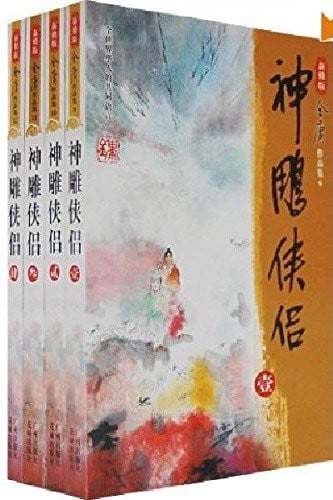
No. 89 on this list. The Legend of the Condor Heroes
Jin Yong · 1959
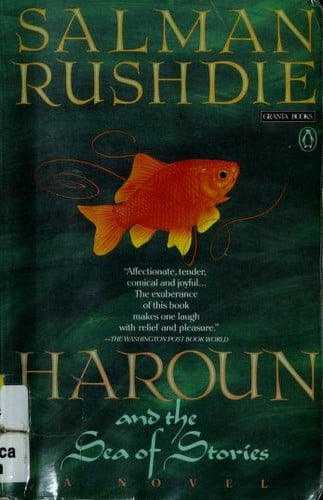
No. 90 on this list. Haroun and the Sea of Stories
Salman Rushdie · 1990
No. 91 on this list. The Magic Toyshop
Angela Carter · 1967
No. 92 on this list. The Famished Road
Ben Okri · 1991
No. 93 on this list. Obabakoak
Bernardo Atxaga · 1988
No. 94 on this list. The Broken Sword
Poul Anderson · 1954
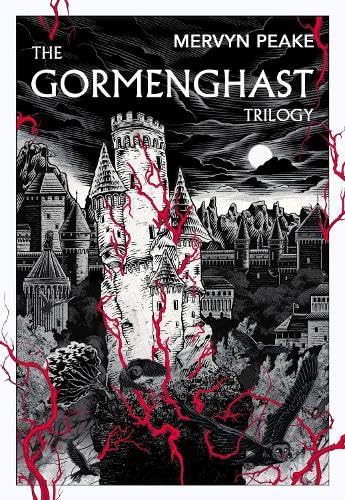
No. 95 on this list. Gormenghast
Mervyn Peake · 1950
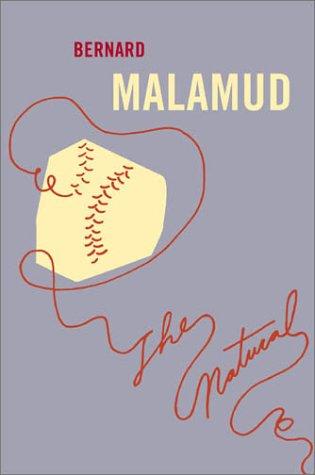
No. 96 on this list. The Natural
Bernard Malamud · 1952
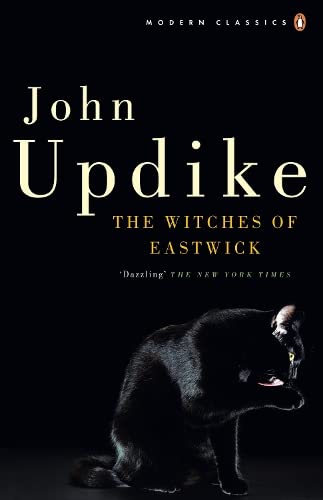
No. 97 on this list. The Witches of Eastwick
John Updike · 1984
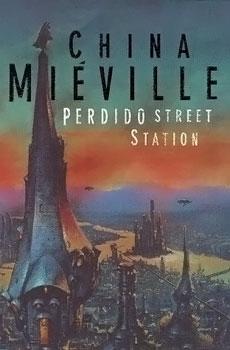
No. 98 on this list. Perdido Street Station
China Miéville · 2000
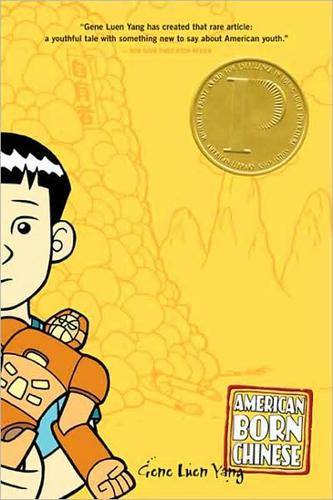
No. 99 on this list. American Born Chinese
Gene Luen Yang · 2006
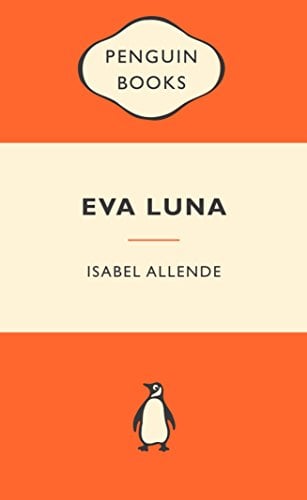
No. 100 on this list. Eva Luna
Isabel Allende · 1987
About this list
These 100 books are the highest-scoring eligible fantasy novels currently in the catalogue. By literary regard, it opens with One Hundred Years of Solitude, The Aleph and Ficciones. About 1,025 hours of reading in all. Difficulty runs from 42 to 67 out of 100 for the middle half of the list; the summit is Terra Nostra at 82.
This list is ranked by literary regard, with a consistent order for equal scores. Membership follows authors and co-authors, not translators or editors. Catalogue coverage and the historical canon both limit what this list can represent, and genre labels are the catalogue’s own, gathered into broader kinds.
When we matched the Canons dataset to our catalogue in October 2026, our canonical-status scores rose with the number of school curricula, publisher series and lists in it that cite a work: the median score was 72 for books one such source cites, 84 at two, 88 at three, 92 at four and 93 at five or more. Prizes are left out of that count. Outside the state curricula, the dataset’s sources choose mostly from what has been translated into English or French, so it is a weaker check on other literatures. Source: Canons (Andrew Piper), CC BY 4.0
Questions people actually ask
- What are the best fantasy novels?
- By literary regard, which weighs canonical status, critical standing and influence, One Hundred Years of Solitude, The Aleph, Ficciones, The Birds and Peer Gynt lead. ReadingRate ranks 100 such books, each with a difficulty score and a reading-time estimate.
- Where should I start with fantasy novels?
- Start from difficulty, not from rank. The most approachable books on this list that still carry top literary regard are The Hobbit, or There and Back Again by J.R.R. Tolkien (about 5 hours), The Wind-Up Bird Chronicle by Haruki Murakami and Rip Van Winkle by Washington Irving.
- How hard are fantasy novels to read?
- Most of this list sits between 42 and 67 on ReadingRate's 100-point difficulty scale, where 40 to 55 is moderate. The summit is Terra Nostra at 82. Every entry carries its own score, so a reader can pick a great book at a difficulty they will finish.
- How is this list ranked?
- On literary-regard data: how canonically established a work is, its critical standing, and its influence on later writing. It is not a readers’ poll, which is why recent bestsellers rarely appear. Membership follows authors and co-authors, not translators or editors. A list that is not a genre list keeps to literature (fiction, poetry, drama and philosophy), with philosophy taking no more than one slot in five while there is literature left to rank; every list holds at most three works by one author.