Hours at an average pace
Showing 100 books
About 815 hours for 99 of 100 books with measured lengths. Estimates use 250 words a minute, adjusted for each book's difficulty. At 2 hours a day, about 408 days for those books.
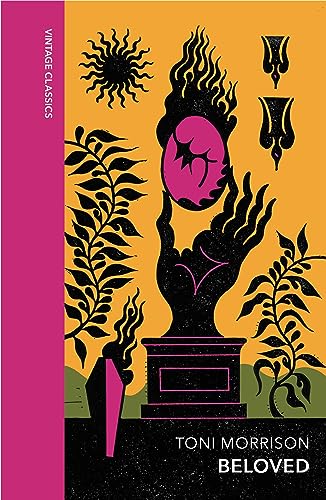
No. 1 on this list. Beloved
Toni Morrison · 1988
Challenging7.4 hours
Taught in schools: Pearson Edexcel GCSE and A-level English Literature (UK)
Included in: Bokklubben World Library
Morrison made the ghost of a murdered child literal — she moves into the house, eats all the food, demands everything — and in doing so found the only form adequate to represent what slavery did to the interior lives of the people who survived it. The novel forced American fiction to reckon with a history it had aestheticized or avoided.
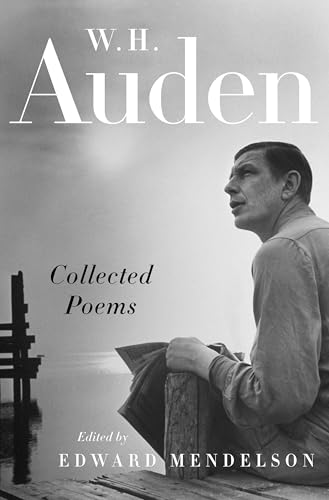
One of the most important English-language poets of the twentieth century, central to the modern canon alongside Yeats and Eliot.
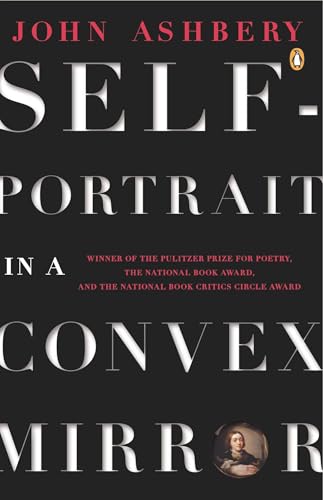
Won the Pulitzer Prize, National Book Award, and National Book Critics Circle Award — the only book to win all three. Central to the American poetry canon.
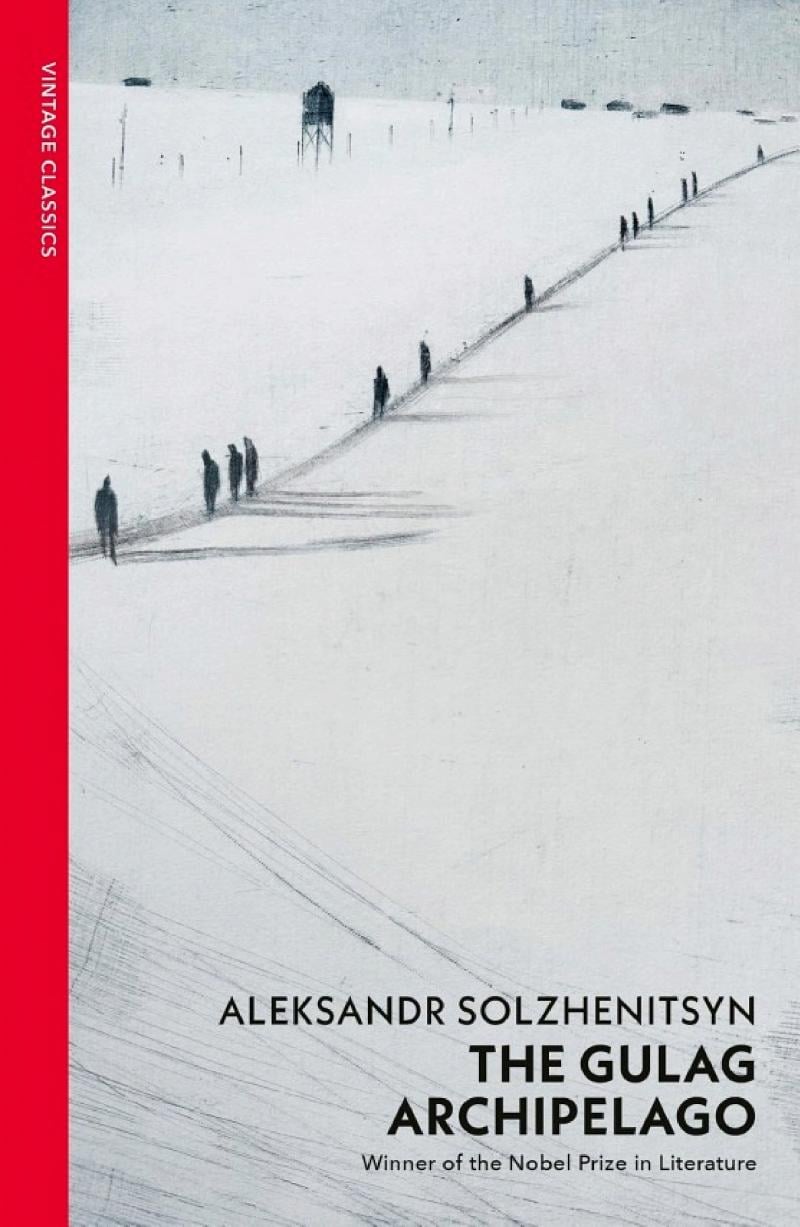
Solzhenitsyn documented the Soviet forced-labor system with the evidentiary mass of a prosecutor and the moral witness of a survivor, compiling testimony from over two hundred prisoners into a work that made the word "gulag" part of every language. The book did more to delegitimize the Soviet state than any political movement of its era.
Widely taught in university courses on science fiction and postcolonial literature. A central text of Afrofuturism.
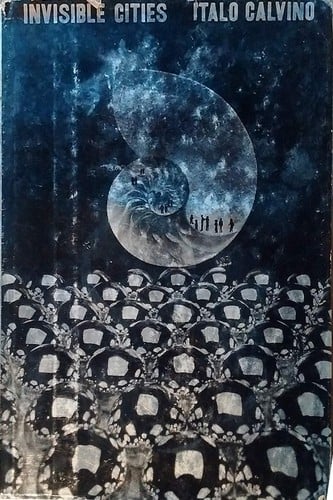
Marco Polo sits before Kublai Khan and describes cities he has visited — or perhaps invented. Despina can be approached by land or by sea, and looks entirely different depending on which direction you come from. Valdrada was built above a lake so that every action of its inhabitants would be doubled in the water below; the city and its mirror have learned to hate each other. Zobeide was constructed by men who all dreamed the same woman and built a city to trap her, but the woman never appeared. Calvino arranges 55 such cities across 11 categories — Cities & Memory, Cities & Desire, Thin Cities — in a mathematical grid that wears the clothing of fiction. The cities are not places. They are states of mind, arguments about time and loss, meditations on the difference between a map and the territory it claims to represent. Between the vignettes, Marco Polo and the Khan conduct dialogues about language, empire, and whether it is possible to describe anything that exists. The prose is precise and dreaming at once — a short paragraph can hold more compressed thought than a chapter of conventional fiction. This is a book that accumulates rather than progresses, and what it accumulates is a complete philosophy of how cities, and perhaps consciousness itself, work.
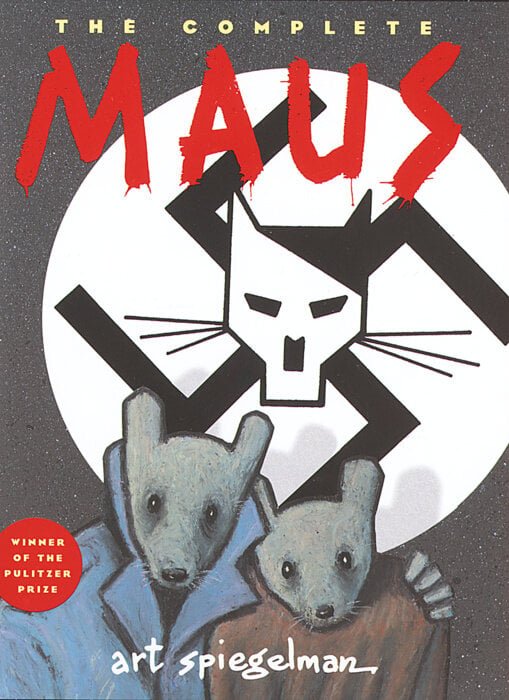
Widely taught in universities and high schools as the defining Holocaust graphic memoir, Maus appears on hundreds of literature and history syllabi worldwide. It is listed on virtually every major 'essential reading' and 'greatest books' compilation that includes graphic literature, from the Modern Library to Time's All-TIME 100 Novels. While not on syllabi at the scale of Fitzgerald or Austen, it holds unique canonical status as the book that forced academia to take comics seriously.
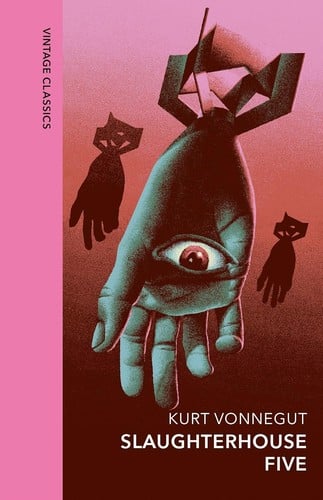
One of the most widely taught American novels of the twentieth century, in high school and university courses on war literature and postmodern fiction. Its 1969 text is the standard for anti-war reading lists.
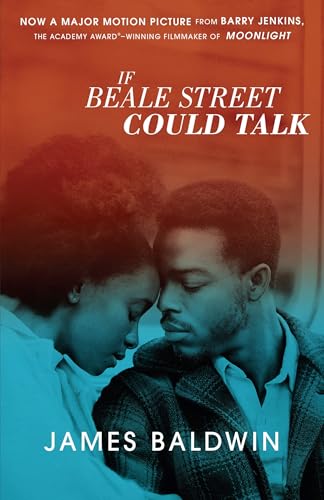
Firmly embedded in the American literary canon, the novel appears on major school and university syllabi, was adapted into an Academy Award-winning 2018 film, and is routinely included in retrospectives of 20th-century African American literature. Its status as one of Baldwin's essential works is uncontested.
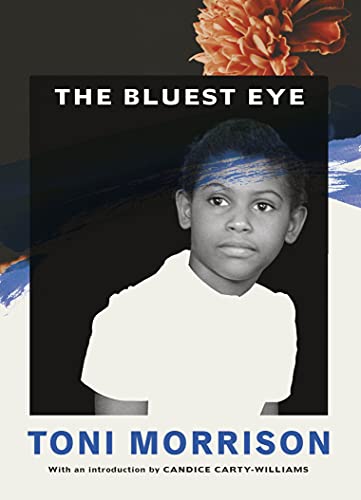
No. 10 on this list. The Bluest Eye
Toni Morrison · 1970
Challenging4.2 hours
Taught in schools: Common Core text exemplars (Appendix B) (US)
While not as universally canonical as Beloved, The Bluest Eye is firmly established in the American literary canon, widely taught in universities, and recognized as a landmark debut that announced a major voice in American letters.
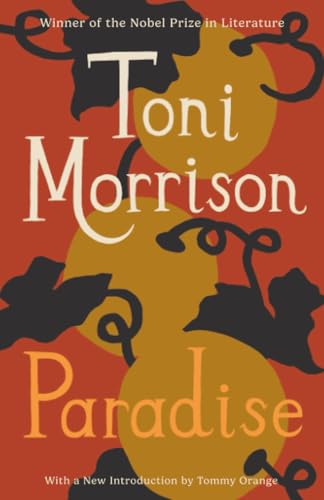
No. 11 on this list. Paradise · Toni Morrison · 1999
As Morrison's seventh novel following her 1993 Nobel Prize, Paradise occupies secure canonical position. It completes Morrison's loose trilogy with Beloved and Jazz, cementing her exploration of African American historical trauma. The novel appears regularly on graduate syllabi and receives sustained scholarly attention. While perhaps less taught than Beloved or Song of Solomon, it represents mature-period Morrison at peak powers and contributes essential perspectives on black utopian communities, gender conflict, and religious violence.
Challenging10 hours
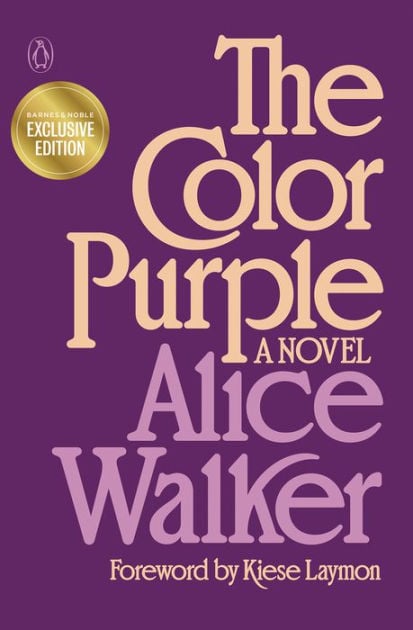
Start this bookNo. 12 on this list. The Color Purple · Alice Walker · 1983
Taught in schools: AQA GCSE and A-level English Literature (UK), CSEC English B – Caribbean Examinations Council, Pearson Edexcel GCSE and A-level English Literature (UK)
Appears on 1,185 university syllabi according to Open Syllabus (76.8th percentile), making it a fixture of American literature, women's studies, and African American studies courses. Wikipedia articles in 22 languages reflect its global reach. Consistently listed in essential American fiction surveys, and the 1985 Spielberg film expanded its cultural footprint far beyond academic settings.
Moderate4.6 hours
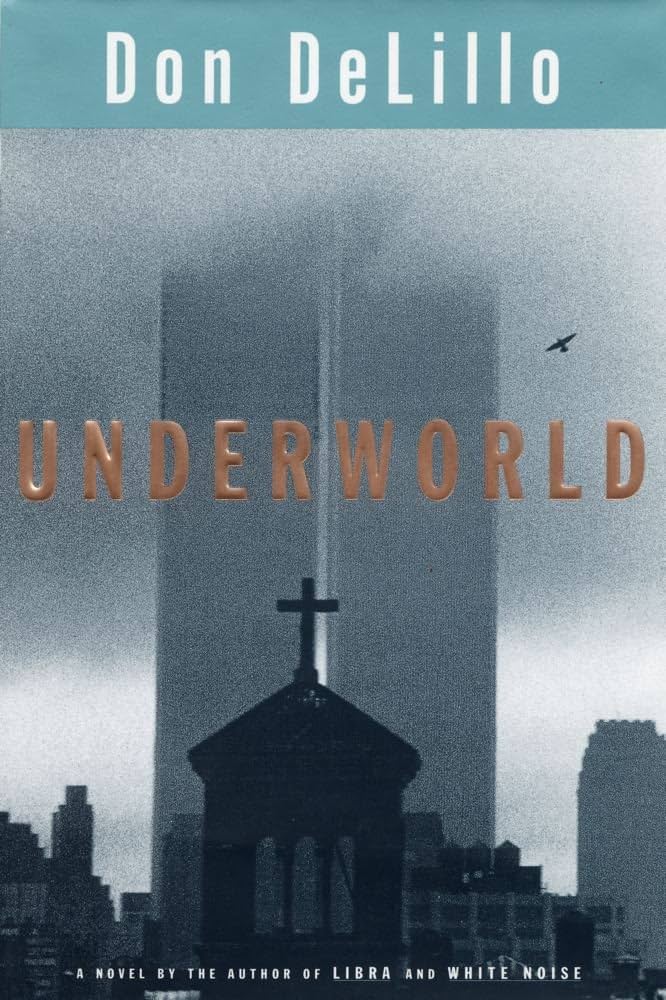
Start this bookNo. 13 on this list. Underworld · Don DeLillo · 1997
Underworld is widely listed among the greatest American novels of the 20th century — it appears in Time magazine's 100 Best English-Language Novels (2005), Modern Library discussions, and on numerous 'essential postwar fiction' lists. Its Wikipedia presence in 51 languages indicates substantial global reach. The book is taught in American literature, postmodern fiction, and Cold War cultural studies courses at university level, though it has not achieved the high-school curriculum penetration of Gatsby or To Kill a Mockingbird. National Book Award finalist recognition (1997) confirms its immediate critical standing on publication.
Challenging25 hours
Start this bookNo. 14 on this list. Cathedral · Raymond Carver · 1983
Cathedral is a fixture in American university literature and creative writing courses, anchoring syllabi alongside Hemingway and Chekhov as a defining example of minimalist short fiction. The title story is one of the most anthologized American short stories of the twentieth century, and the collection appears on virtually every 'essential American short fiction' reading list. No syllabus data is available from the database, but Carver's pedagogical presence is well-documented across MFA programs.
Challenging5 hours
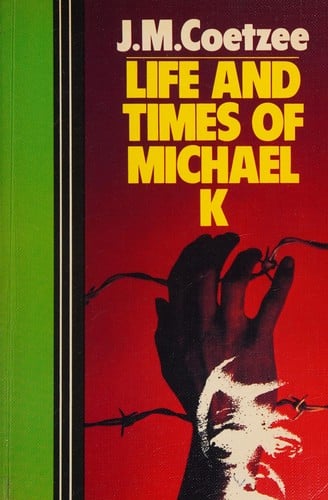
Start this bookNo. 15 on this list. Life & Times of Michael K · J.M. Coetzee · 1983
Taught in schools: UNAM Escuela Nacional Preparatoria – programas de Literatura (Mexico)
Life and Times of Michael K won the Booker Prize in 1983 and stands as a foundational text in postcolonial literature. Its examination of apartheid South Africa, individual resistance, and the ethics of fiction has secured its place in literary canons alongside Coetzee's other major works. Frequently taught in universities and cited in critical literature.
Challenging5.2 hours
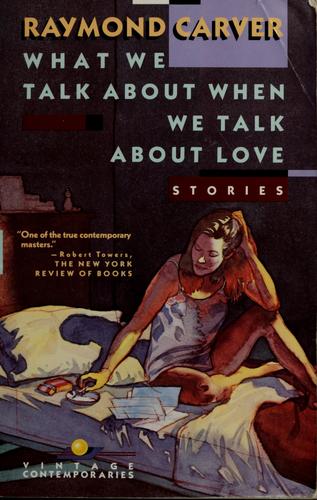
Start this bookNo. 16 on this list. What We Talk About When We Talk About Love · Raymond Carver · 1981
What We Talk About When We Talk About Love is a fixture of creative writing programs and American literature syllabi worldwide. It is the single most-cited example of literary minimalism and appears on virtually every 'essential short story collections' list. The title story alone is anthologized so frequently it functions as a standalone canonical text.
Moderate2.4 hours
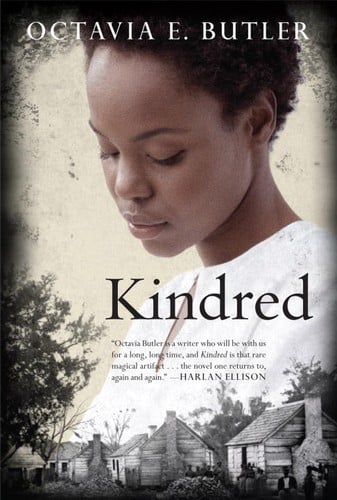
Start this bookNo. 17 on this list. Kindred · Octavia E. Butler · 1979
Taught in schools: CSEC English B – Caribbean Examinations Council
Kindred is required reading in African American literature, American history, and science fiction courses at universities across the United States and internationally. It appears on the Modern Library's reader list of the 100 best novels and is frequently paired with primary sources on American slavery. Octavia Butler is the first science fiction writer to receive a MacArthur Fellowship, and Kindred is her most assigned work.
Challenging9.1 hours
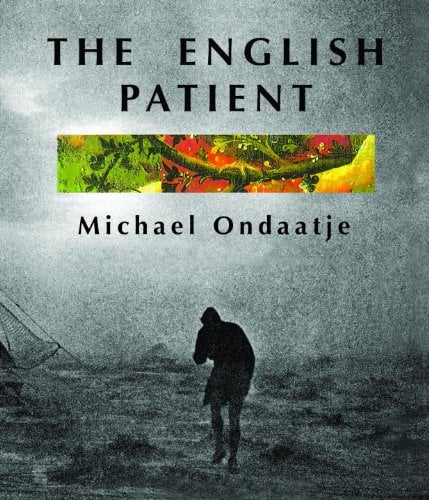
Start this bookNo. 18 on this list. The English Patient · Michael Ondaatje · 1992
Winner of the Booker Prize in 1992; widely anthologized in university curricula worldwide. Adapted into a major 1996 film directed by Anthony Minghella, broadening its cultural footprint. Literary canon inclusion remains secure with significant critical examination in scholarship on postmodern war fiction.
Challenging7.2 hours
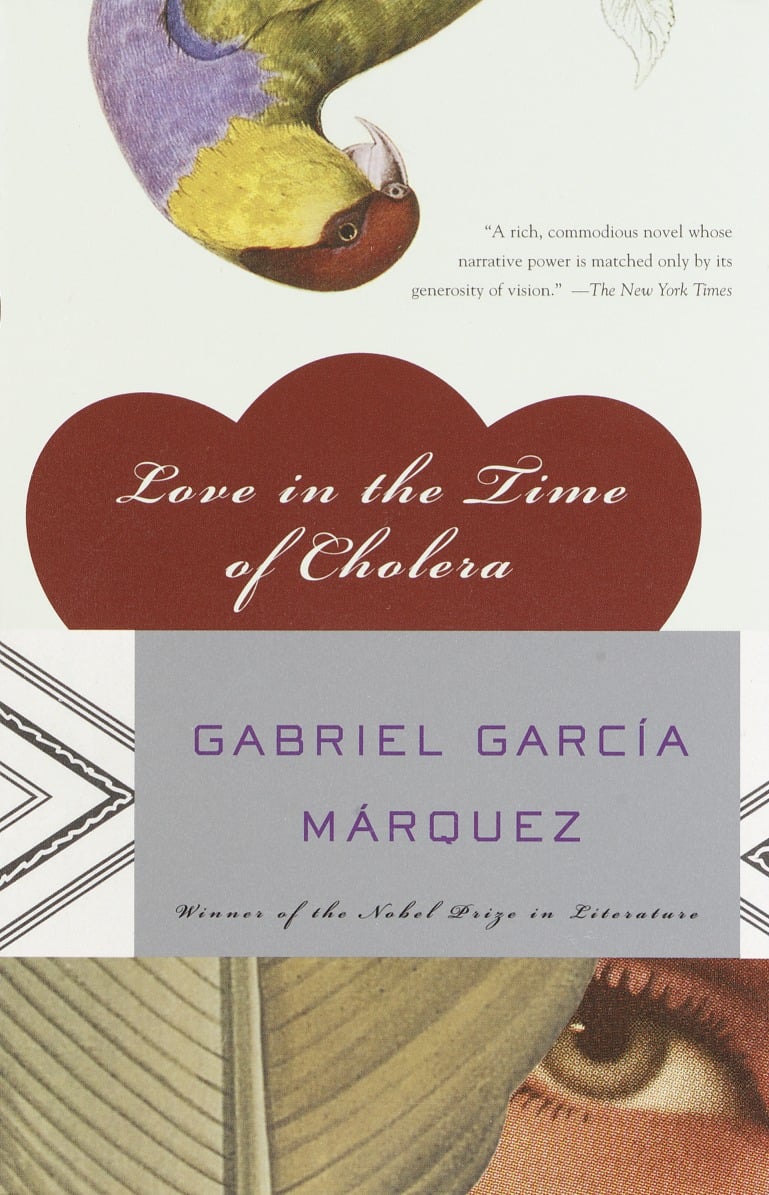
Start this bookNo. 19 on this list. Love in the Time of Cholera · Gabriel García Márquez · 1985
Included in: Bokklubben World Library
Widely taught in world literature and Latin American literature courses, second only to One Hundred Years of Solitude among Garcia Marquez's works. Regularly appears on 'greatest novels' lists and has become a touchstone for discussions of love in literature.
Challenging11 hours
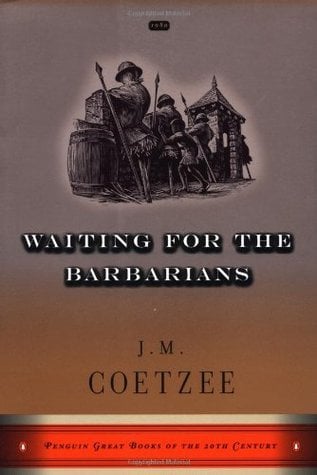
Start this bookNo. 20 on this list. Waiting for the Barbarians · J.M. Coetzee · 1980
A magistrate in a frontier town befriends a barbarian prisoner, his compassion leading to his downfall. Coetzee's allegorical novel explores complicity, torture, and the ethics of empire.
Challenging6 hours
Start this book
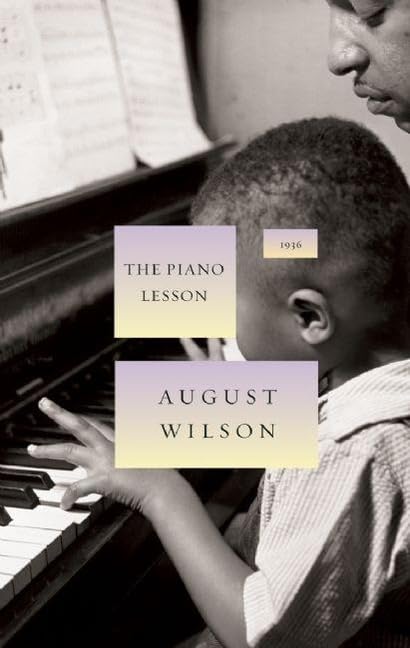
No. 21 on this list. The Piano Lesson · August Wilson · 1987
The Piano Lesson is a fixture in American drama and literature courses, taught alongside O'Neill, Miller, and Williams as a canonical American play. It is the centerpiece of August Wilson's ten-play Pittsburgh Cycle, a sequence now treated as essential reading in university drama programs. Its Pulitzer Prize win and sustained presence in curricula place it well above mid-tier literary works.
Challenging2.9 hours
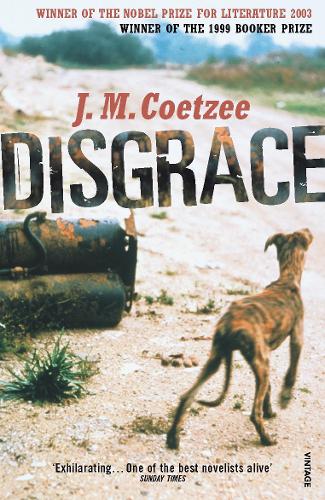
Start this bookNo. 22 on this list. Disgrace · J.M. Coetzee · 1999
Appears on approximately 1,020 university syllabi according to the Open Syllabus Project, placing it at the 75th percentile of taught texts—significant presence in postcolonial literature, world fiction, and contemporary novel courses. A Wikipedia article in 19 languages confirms global reach. Standard in courses on Southern African literature and in postcolonial studies globally.
Challenging5.2 hours
Start this bookNo. 23 on this list. Fences · August Wilson · 1985
Fences appears regularly on university syllabi in American drama, African American literature, and theater history courses. It is one of the two plays — alongside Death of a Salesman — most frequently assigned when teaching 20th-century American drama. The 2016 film adaptation brought it to wider global audiences, and it remains central to any serious survey of postwar American theater.
Challenging2.5 hours
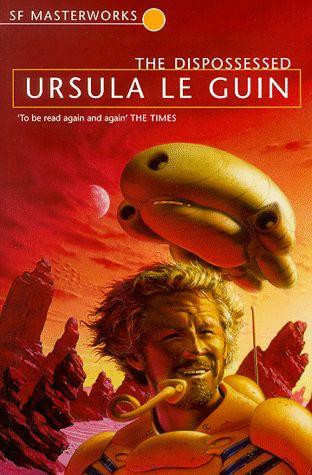
Start this bookNo. 24 on this list. The Dispossessed · Ursula K Le Guin · 1974
The Dispossessed (1974) is one of the most taught science-fiction novels, read in courses on utopian literature, political philosophy and science fiction alike. It appears on most lists of essential science fiction and in the Library of America's edition of Le Guin's Hainish novels.
Challenging10 hours
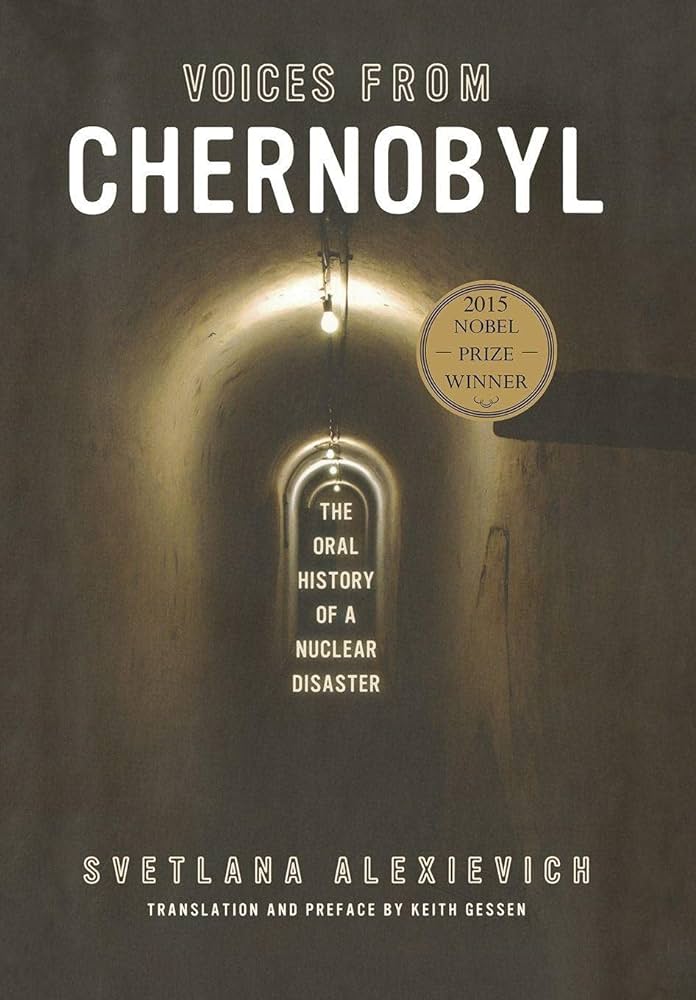
Start this bookNo. 25 on this list. Voices from Chernobyl · Svetlana Alexievich · 1997
Widely recognized as the definitive literary account of Chernobyl and a landmark of documentary literature. The 2015 Nobel Prize in Literature elevated its status, establishing Alexievich's polyphonic method as a major formal innovation. Required reading in post-Soviet studies and increasingly taught in world literature curricula. Its documentary approach has influenced contemporary non-fiction globally.
Challenging6.3 hours
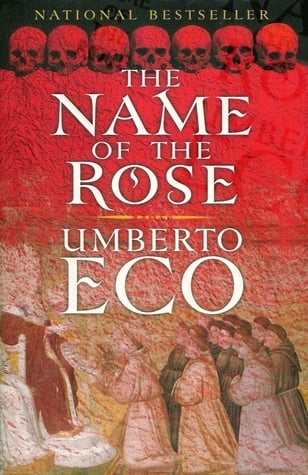
Start this bookNo. 26 on this list. The Name of the Rose · Umberto Eco · 1980
Widely taught in comparative literature and semiotics courses; appears on numerous 'greatest novels' lists (Le Monde's 100, Guardian's 100 Best Novels); studied as exemplar of postmodern historical fiction. Translated into over 50 languages with millions of copies sold.
Challenging29 hours
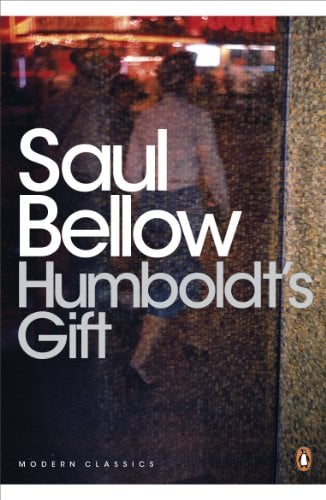
Start this bookNo. 27 on this list. Humboldt's Gift · Saul Bellow · 1976
Humboldt's Gift won the Pulitzer Prize (1976) and is regularly taught in American literature courses as a major postwar novel. It appears in academic surveys of contemporary fiction and in Bellow's canonical position is secured, though perhaps less universally assigned than The Great Gatsby or Beloved. Strong presence in 20th-century literature curricula.
Challenging15 hours
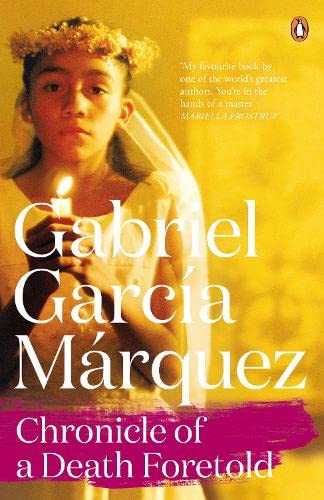
Start this bookNo. 28 on this list. Chronicle of a Death Foretold · Gabriel García Márquez · 1981
Taught in schools: Montenegrin literature curriculum (crnogorski jezik i književnost) (Montenegro)
Widely taught in world literature and Latin American studies courses. Considered essential García Márquez alongside One Hundred Years of Solitude. The novella appears consistently on major reading lists and is recognized as a masterpiece of compression and moral inquiry. Its examination of honor culture has made it a touchstone text.
Moderate2 hours
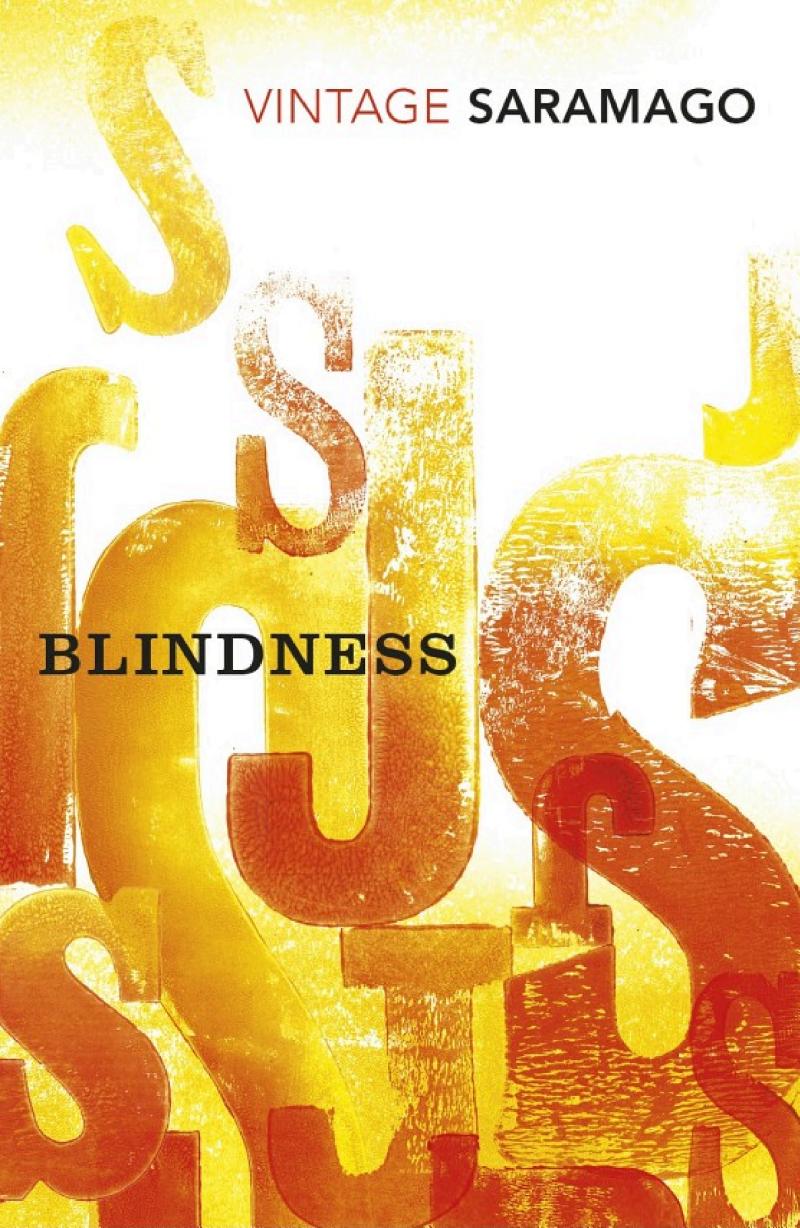
Start this bookNo. 29 on this list. Blindness · José Saramago · 1995
Included in: Bokklubben World Library
Blindness is widely taught in world literature courses and appears on multiple international lists of essential contemporary fiction. It is the most recognized work of the only Portuguese-language Nobel laureate, and its Wikipedia article appears in over 50 languages. It occupies a position below the Anglo-American high canon (Beloved, Great Gatsby) but above cult-status works like Infinite Jest (78).
Challenging9.8 hours
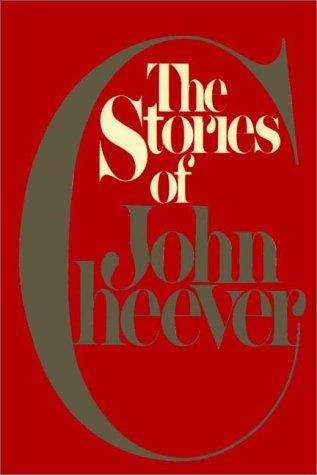
Start this bookNo. 30 on this list. The Stories of John Cheever · John Cheever · 1979
Stories such as 'The Swimmer', 'The Enormous Radio', 'The Country Husband' and 'The Five-Forty-Eight' are standard in American short-fiction anthologies and courses. They are among the most taught American stories of the postwar period.
Challenging28 hours
Start this book
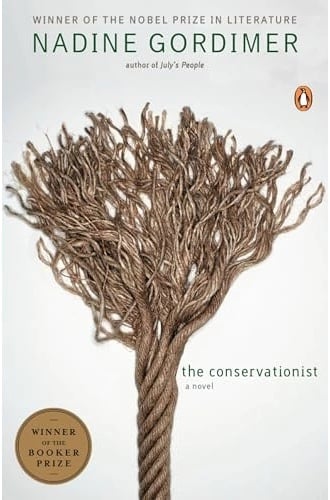
No. 31 on this list. The Conservationist
Nadine Gordimer · 1974
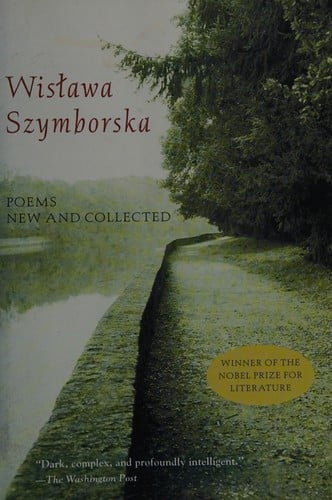
No. 32 on this list. Poems New and Collected
Wisława Szymborska · 1998
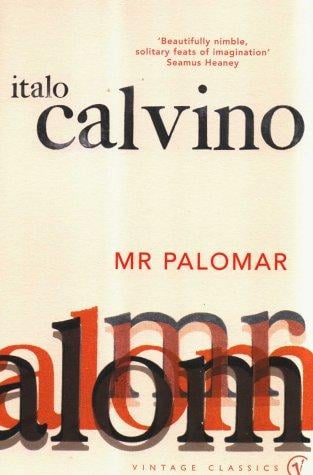
No. 33 on this list. Mr. Palomar
Italo Calvino · 1983
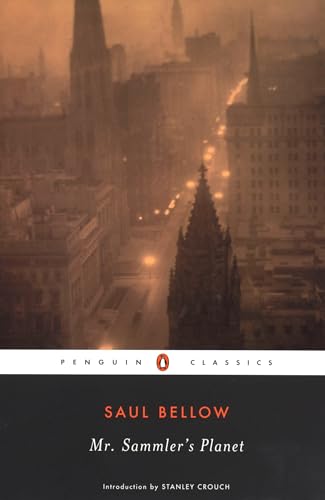
No. 34 on this list. Mr. Sammler's Planet
Saul Bellow · 1971
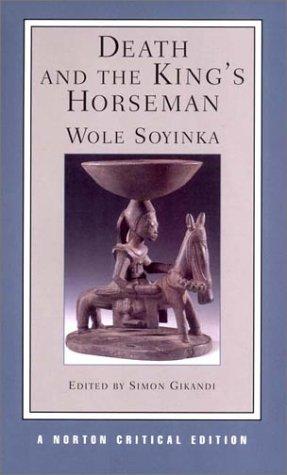
No. 35 on this list. Death and the King's Horseman
Wole Soyinka · 1975
Taught in schools: Common Core text exemplars (Appendix B) (US)
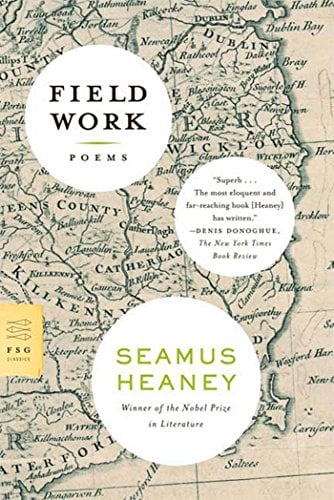
No. 36 on this list. Field Work
Seamus Heaney · 1979
Taught in schools: WJEC/Eduqas GCSE and A-level English Literature (UK)
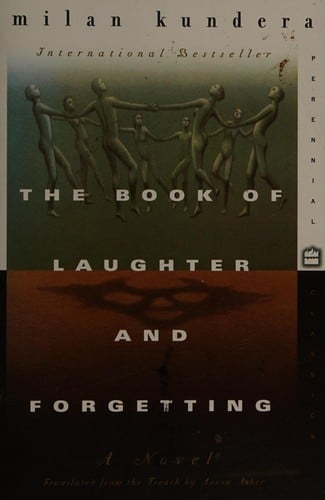
No. 37 on this list. The Book of Laughter and Forgetting
Milan Kundera · 1979
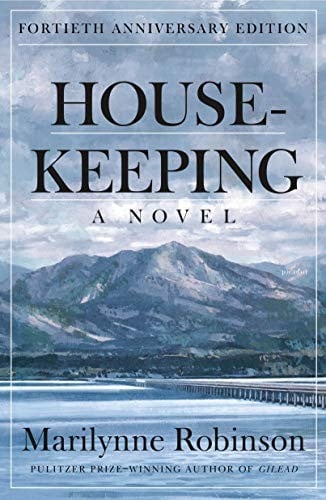
No. 38 on this list. Housekeeping
Marilynne Robinson · 1980
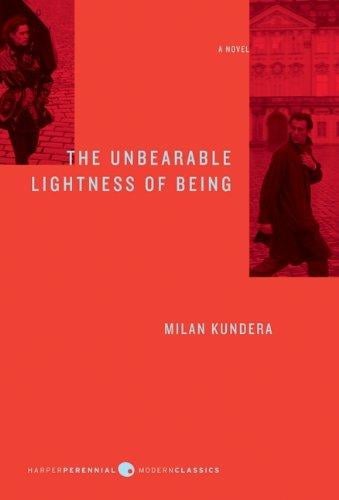
No. 39 on this list. The Unbearable Lightness of Being
Milan Kundera · 1984
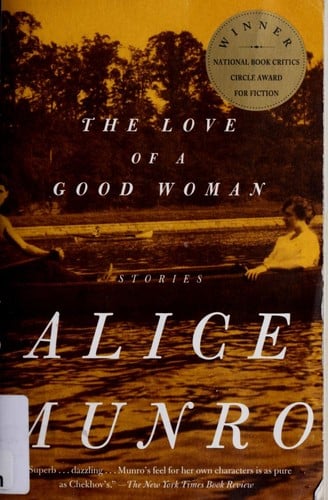
No. 40 on this list. The Love of a Good Woman
Alice Munro · 1998
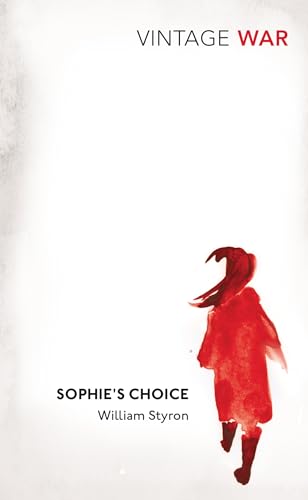
No. 41 on this list. Sophie's Choice
William Styron · 1980
No. 42 on this list. Company
Samuel Beckett · 1980
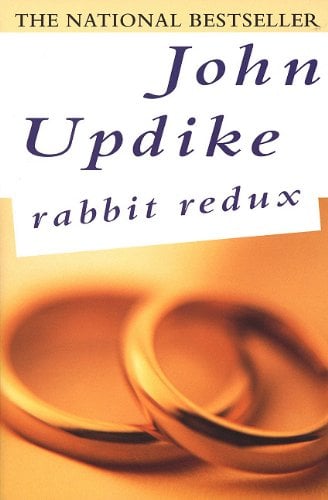
No. 43 on this list. Rabbit Redux
John Updike · 1971
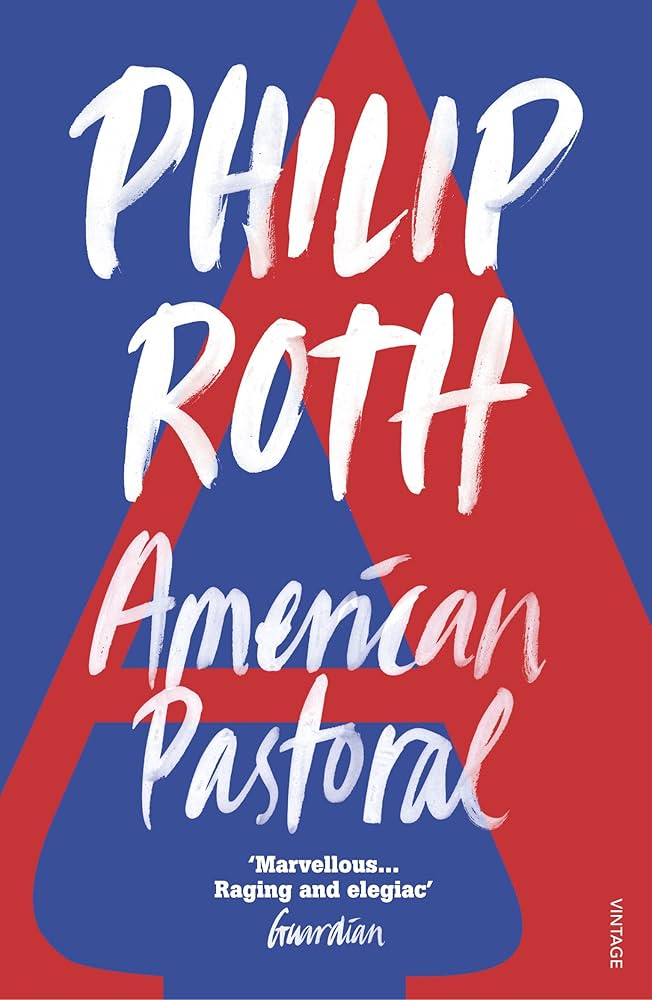
No. 44 on this list. American Pastoral
Philip Roth · 1998
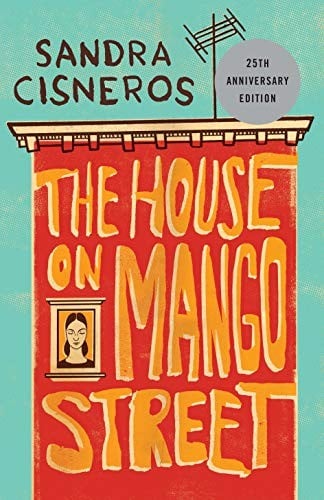
No. 45 on this list. The House on Mango Street
Sandra Cisneros · 1984
Taught in schools: CSEC English B – Caribbean Examinations Council, Pacific Senior Secondary Certificate – English
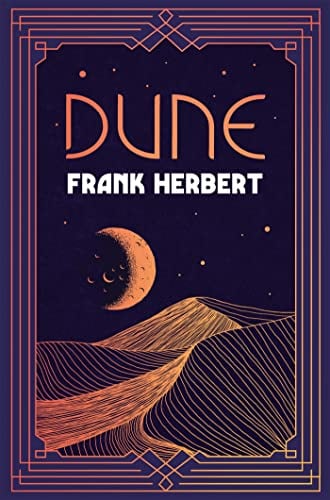
No. 46 on this list. Dune
Frank Herbert · 1965
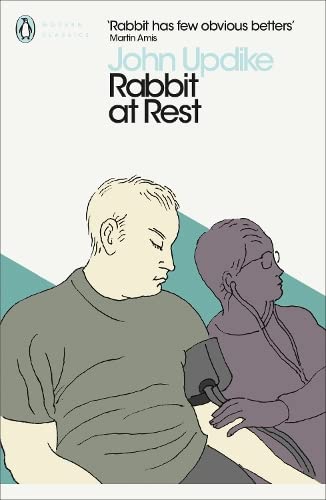
No. 47 on this list. Rabbit at Rest
John Updike · 1991
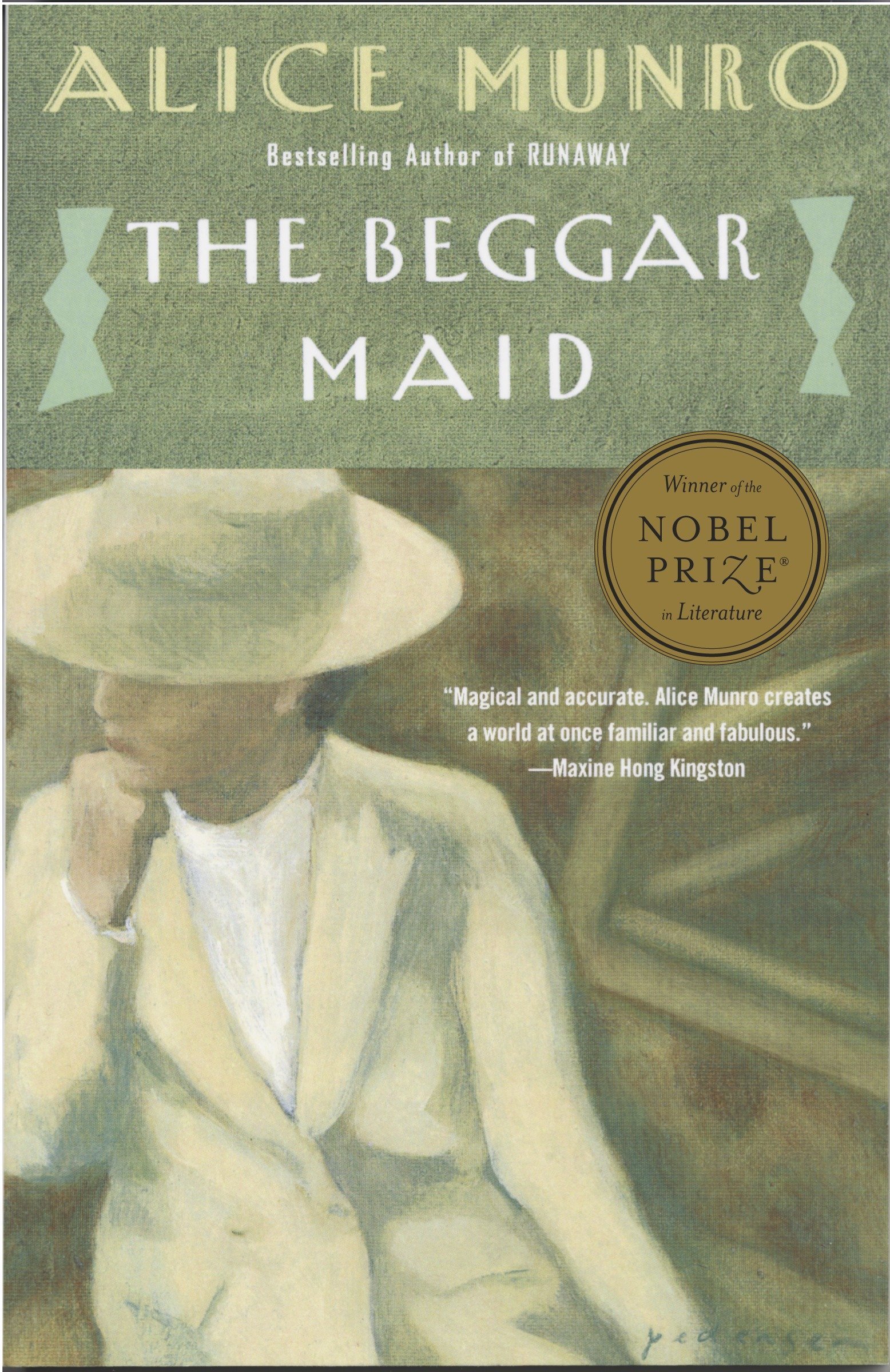
No. 48 on this list. The Beggar Maid
Alice Munro · 1980
No. 49 on this list. The Lover
Marguerite Duras · 1984
No. 50 on this list. Will You Please Be Quiet, Please?
Raymond Carver · 1976
No. 51 on this list. A Man's Place
Annie Ernaux · 1983
No. 52 on this list. The God of Small Things
Arundhati Roy · 1997
Taught in schools: AQA GCSE and A-level English Literature (UK)
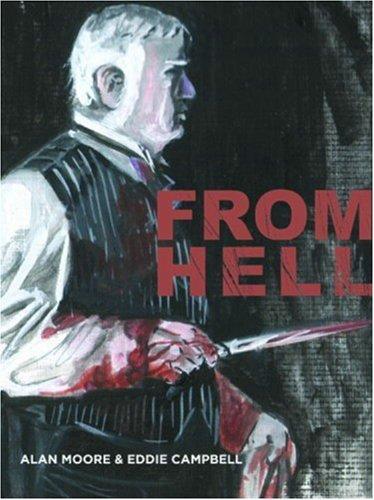
No. 53 on this list. From Hell
Alan Moore · 1999
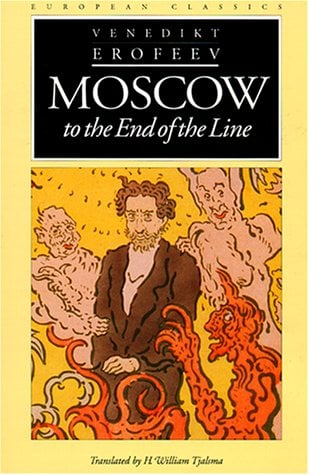
No. 54 on this list. Moscow to the End of the Line
Venedikt Erofeev · 1973
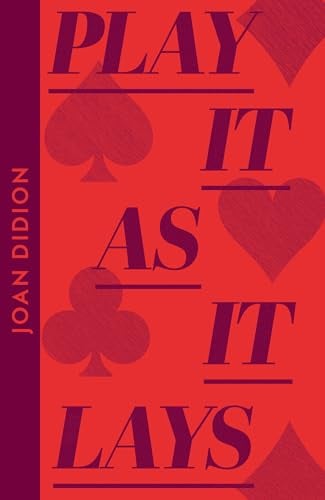
No. 55 on this list. Play It as It Lays
Joan Didion · 1970
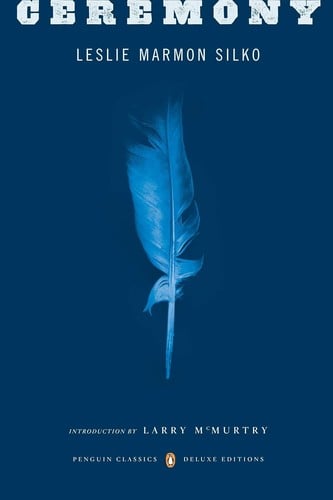
No. 56 on this list. Ceremony
Leslie Marmon Silko · 1977
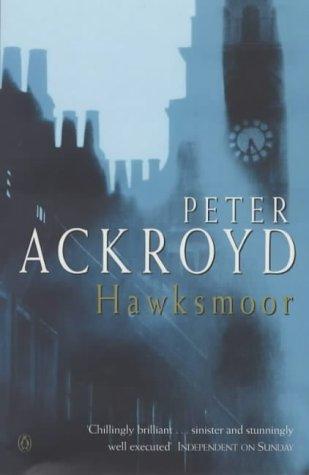
No. 57 on this list. Hawksmoor
Peter Ackroyd · 1985
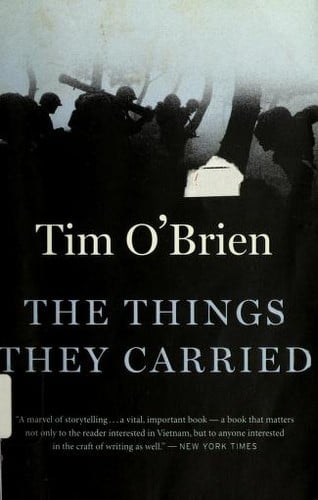
No. 58 on this list. The Things They Carried
Tim O'Brien · 1990
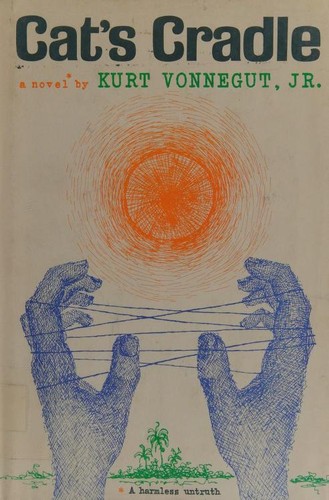
No. 59 on this list. Cat’s Cradle
Kurt Vonnegut · 1963
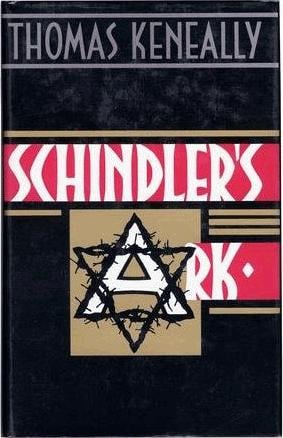
No. 60 on this list. Schindler's Ark
Thomas Keneally · 1982
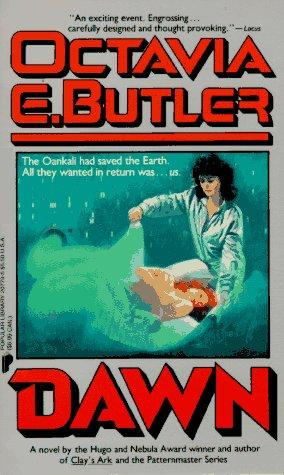
No. 61 on this list. Dawn
Octavia E. Butler · 1987
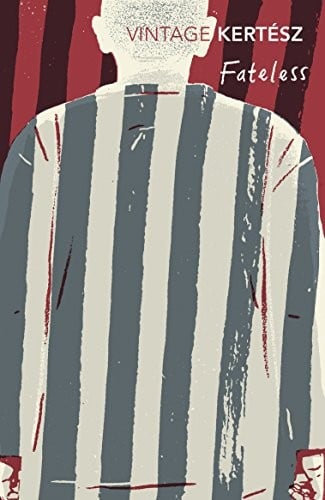
No. 62 on this list. Fatelessness
Imre Kertész · 1975
Taught in schools: Hungarian literature curriculum (magyar nyelv és irodalom) (Hungary)
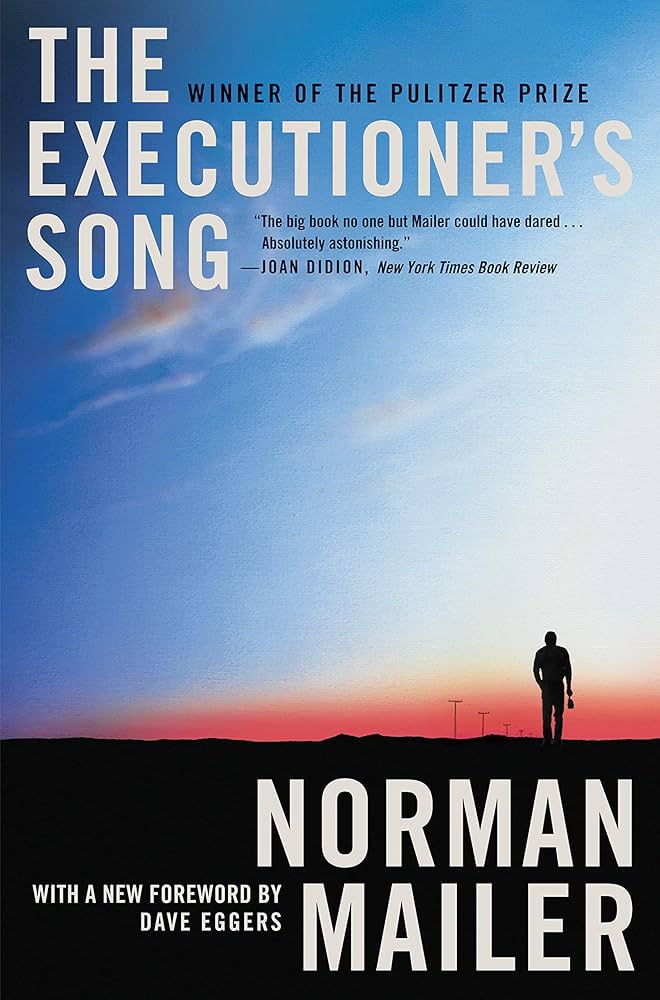
No. 63 on this list. The Executioner's Song
Norman Mailer · 1980
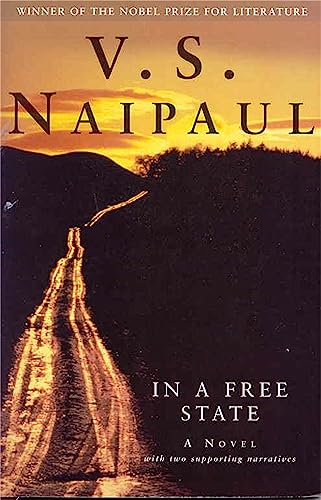
No. 64 on this list. In a Free State
V.S. Naipaul · 1971
No. 65 on this list. Watchmen #1: At Midnight, All The Agents…
Alan Moore · 1986
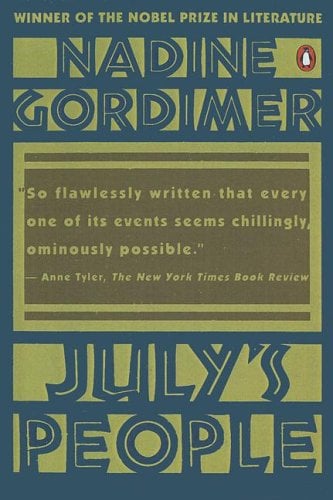
No. 66 on this list. July's People
Nadine Gordimer · 1981
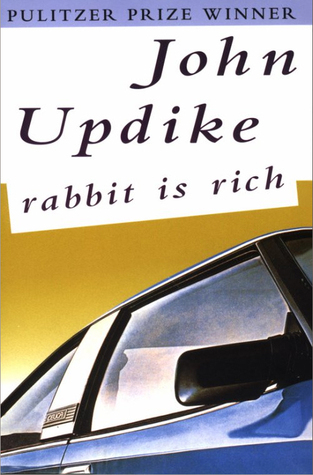
No. 67 on this list. Rabbit Is Rich
John Updike · 1982
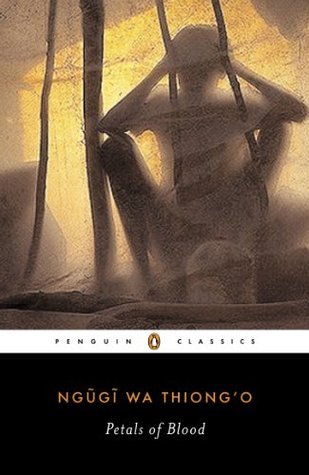
No. 68 on this list. Petals of Blood
Ngugi wa Thiong'o · 1977
Included in: Heinemann African Writers Series
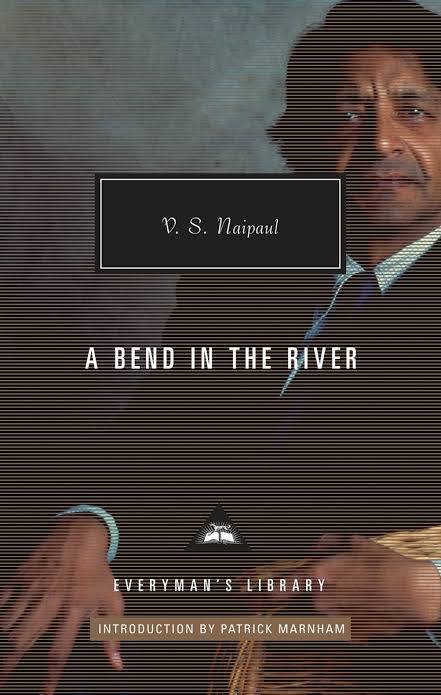
No. 69 on this list. A Bend in the River
V.S. Naipaul · 1979
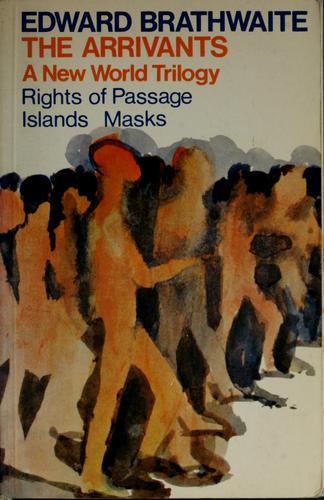
No. 70 on this list. The Arrivants
Kamau Brathwaite · 1973
Taught in schools: CSEC English B – Caribbean Examinations Council
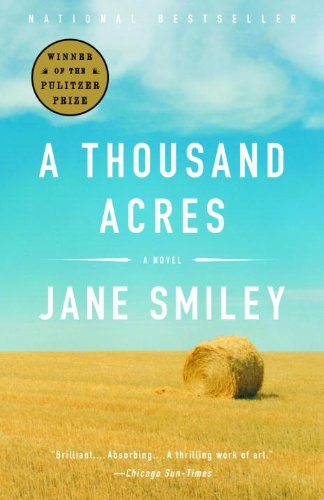
No. 71 on this list. A Thousand Acres
Jane Smiley · 1992
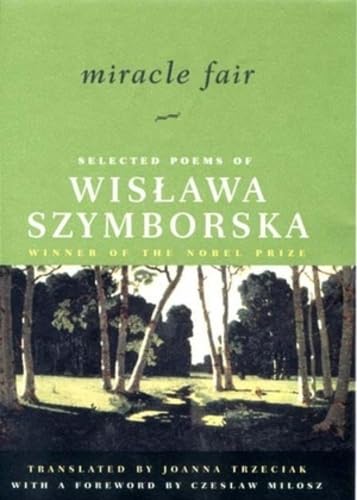
No. 72 on this list. Selected Poems of Wisława Szymborska
Wisława Szymborska · 1998
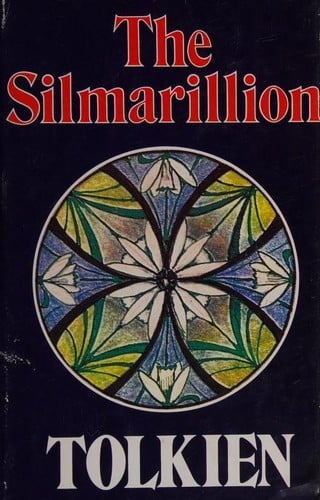
No. 73 on this list. The Silmarillion
J. R. R. Tolkien · 1977
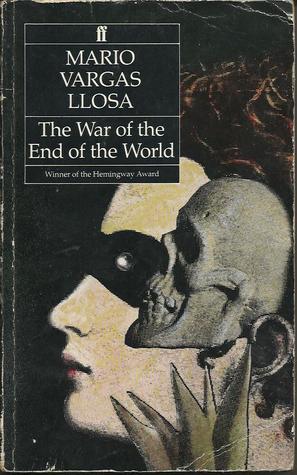
No. 74 on this list. The War of the End of the World
Mario Vargas Llosa · 1981
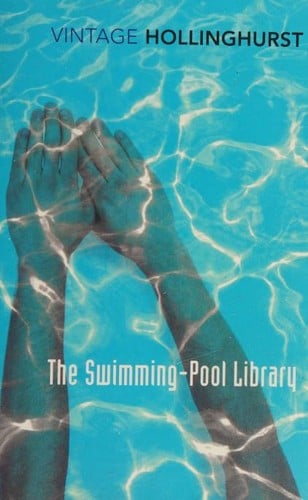
No. 75 on this list. The Swimming-Pool Library
Alan Hollinghurst · 1988
No. 76 on this list. Devil on the Cross
Ngugi wa Thiong'o · 1980
Included in: Heinemann African Writers Series
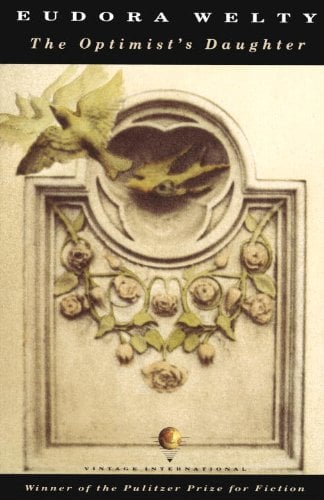
No. 77 on this list. The Optimist's Daughter
Eudora Welty · 1973
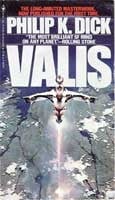
No. 78 on this list. VALIS
Philip K. Dick · 1981
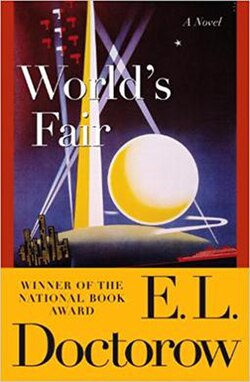
No. 79 on this list. World's Fair
E.L. Doctorow · 1986
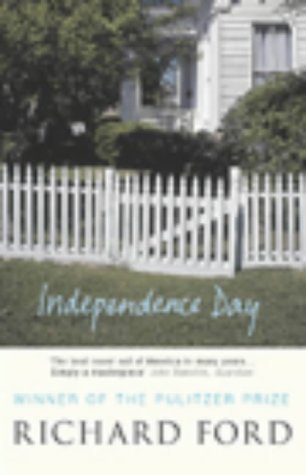
No. 80 on this list. Independence Day
Richard Ford · 1996
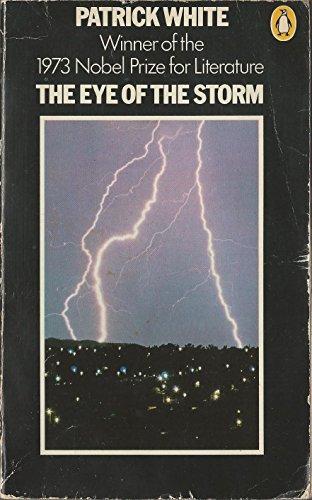
No. 81 on this list. The Eye of the Storm
Patrick White · 1973
No. 82 on this list. The Sandman
Neil Gaiman · 1989
No. 83 on this list. Distant Star
Roberto Bolaño · 1996
Taught in schools: UNAM Escuela Nacional Preparatoria – programas de Literatura (Mexico)
No. 84 on this list. The Tombs of Atuan
Ursula K Le Guin · 1971
No. 85 on this list. The Shipping News
E. Annie Proulx · 1993
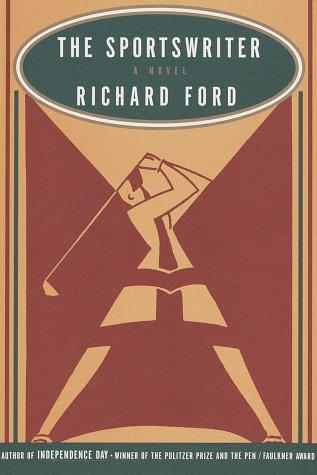
No. 86 on this list. The Sportswriter
Richard Ford · 1986
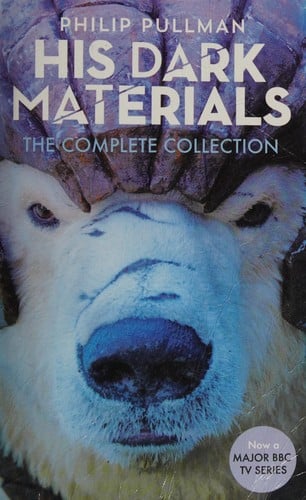
No. 87 on this list. His Dark Materials
Philip Pullman · 1995
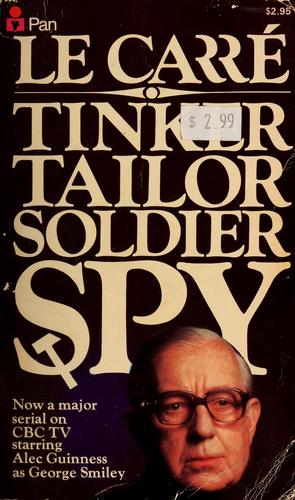
No. 88 on this list. Tinker Tailor Soldier Spy
John le Carré · 1974
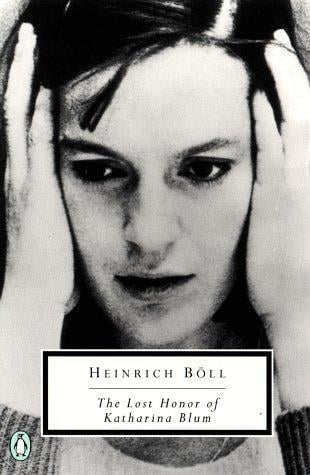
No. 89 on this list. The Lost Honour of Katharina Blum
Heinrich Böll · 1974
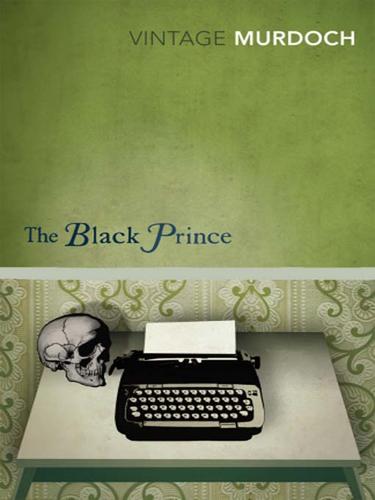
No. 90 on this list. The Black Prince
Iris Murdoch · 1973
No. 91 on this list. Storyteller
Leslie Marmon Silko · 1981
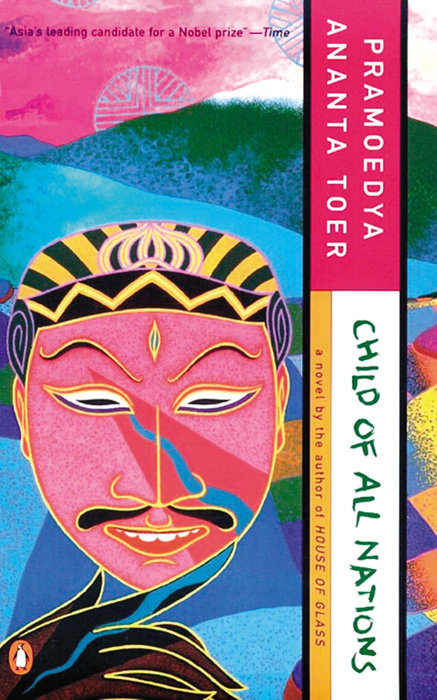
No. 92 on this list. Child of All Nations
Pramoedya Ananta Toer · 1980
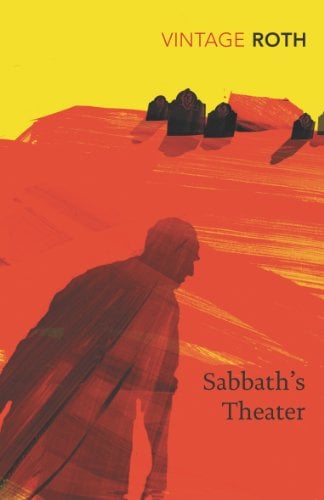
No. 93 on this list. Sabbath's Theater
Philip Roth · 1995
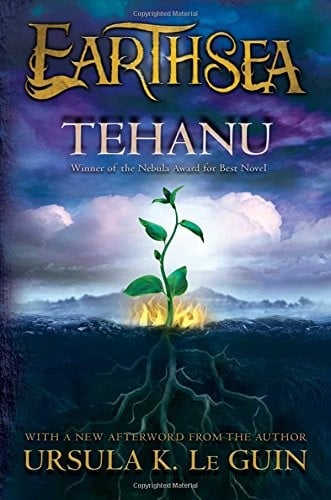
No. 94 on this list. Tehanu
Ursula K Le Guin · 1990
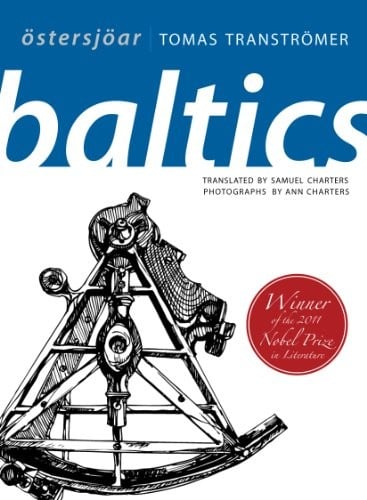
No. 95 on this list. Baltics
Tomas Tranströmer · 1974
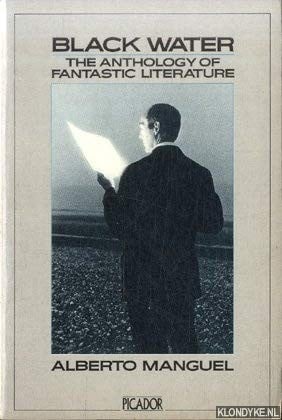
No. 96 on this list. Black Water: The Anthology of Fantastic Literature
Alberto Manguel · 1983
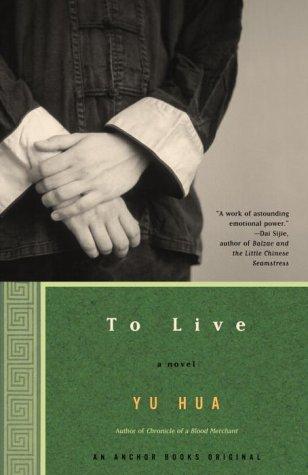
No. 97 on this list. To Live
Yu Hua · 1993
No. 98 on this list. Maps
Nuruddin Farah · 1986
No. 99 on this list. Money: A Suicide Note
Martin Amis · 1984
No. 100 on this list. The Crossing
Cormac McCarthy · 1994
About this list
These 100 books are the highest-scoring eligible moderately difficult books of the late 20th century currently in the catalogue. About 815 hours of reading in all, for the 99 with measured lengths. Difficulty runs from 54 to 61 out of 100 for the middle half of the list; the summit is Paradise at 65.
This list is ranked by literary regard, with a consistent order for equal scores. Membership follows authors and co-authors, not translators or editors. A book is here when ReadingRate files it under Late 20th Century Literature as one of its primary reading domains, and only when its author’s lifetime places it in the period. Catalogue coverage and the historical canon both limit what this list can represent.
When we matched the Canons dataset to our catalogue in October 2026, our canonical-status scores rose with the number of school curricula, publisher series and lists in it that cite a work: the median score was 72 for books one such source cites, 84 at two, 88 at three, 92 at four and 93 at five or more. Prizes are left out of that count. Outside the state curricula, the dataset’s sources choose mostly from what has been translated into English or French, so it is a weaker check on other literatures. Source: Canons (Andrew Piper), CC BY 4.0
Questions people actually ask
- What are the best moderately difficult books of the late 20th century?
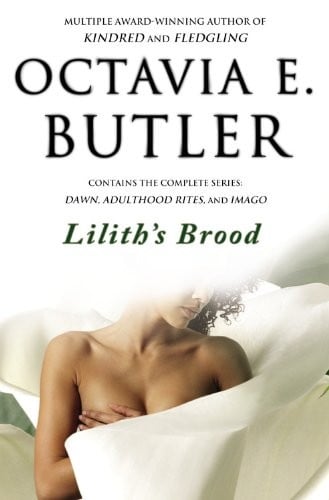
- By literary regard, which weighs canonical status, critical standing and influence: Beloved by Toni Morrison, Collected Poems of W.H. Auden by W.H. Auden, Self-Portrait in a Convex Mirror by John Ashbery, The Gulag Archipelago by Aleksandr Solzhenitsyn and Lilith's Brood by Octavia E. Butler. ReadingRate ranks 100 such books, each with a difficulty score and a reading-time estimate.
- Which moderately difficult books of the late 20th century should I read first?
- Start from difficulty, not from rank. The most approachable books on this list that still carry top literary regard are The Love of a Good Woman by Alice Munro (about 5.9 hours), Collected Poems of W.H. Auden by W.H. Auden and What We Talk About When We Talk About Love by Raymond Carver.
- What are the shortest of the best moderately difficult books of the late 20th century?
- Among the top 25, the shortest are Self-Portrait in a Convex Mirror by John Ashbery (about 1.3 hours), Invisible Cities by Italo Calvino (about 2.2 hours) and Fences by August Wilson (about 2.5 hours), at an average pace of 250 words a minute adjusted for each book's difficulty.
- Which of the best moderately difficult books of the late 20th century are the established classics?
- By canonical status, how firmly a book sits in curricula, anthologies and the canon: Beloved by Toni Morrison, Collected Poems of W.H. Auden by W.H. Auden, Self-Portrait in a Convex Mirror by John Ashbery, The Gulag Archipelago by Aleksandr Solzhenitsyn and The Bluest Eye by Toni Morrison.
- How long would it take to read the top ten?
- About 46 hours for the 9 with measured lengths, at an average pace of 250 words a minute adjusted for each book's difficulty: 23 days at two hours a day. Set your own pace on the page and the list's reading times change to it.
- How hard are moderately difficult books of the late 20th century to read?
- Most of this list sits between 54 and 61 on ReadingRate's 100-point difficulty scale, where 40 to 55 is moderate. The summit is Paradise at 65. Every entry carries its own score, so a reader can pick a great book at a difficulty they will finish.
- How is this list ranked?
- On literary-regard data: how canonically established a work is, its critical standing, and its influence on later writing. It is not a readers’ poll, which is why recent bestsellers rarely appear. Membership follows authors and co-authors, not translators or editors. Lists by country, author, period, theme or difficulty keep to literature (fiction, poetry, drama and philosophy), their novels, poems and plays first and their philosophy after them; a list of a kind of book, such as memoir or criticism, keeps every book of that kind. Every list holds at most three works by one author. A book is here when ReadingRate files it under Late 20th Century Literature as one of its primary reading domains, and only when its author’s lifetime places it in the period.