Hours at an average pace
Showing 100 books
About 459 hours for 100 of 100 books with measured lengths. Estimates use 250 words a minute, adjusted for each book's difficulty. At 2 hours a day, about 230 days for those books.
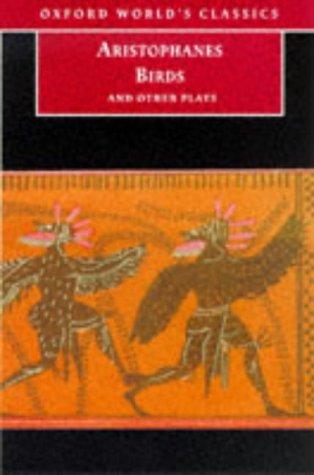
No. 1 on this list. The Birds
Aristophanes · c. 414 BCE
Moderate1.3 hours
Included in: Great Books of the Western World
The Birds is universally recognized as one of Aristophanes' finest comedies and a canonical text of ancient Greek literature, appearing on syllabi for classical literature, comparative literature, and Western civilization courses globally. Slightly less commonly assigned as an entry point than Lysistrata or The Clouds, it is nonetheless required reading in classics programs. The absence of database records reflects a data gap, not genuine obscurity.
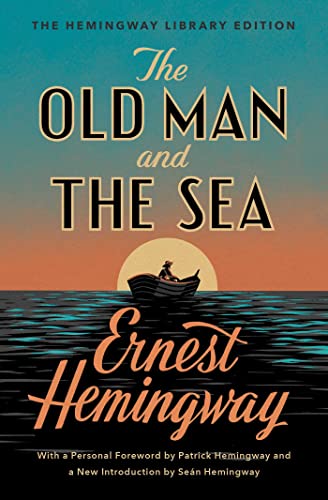
No. 2 on this list. The Old Man and the Sea
Ernest Hemingway · 1952
Moderate1.7 hours
Taught in schools: Kazakh literature curriculum (Kazakhstan)
Included in: Bokklubben World Library
Hemingway reduced fiction to one old man, one marlin, and the Gulf Stream, and proved that a story stripped to its barest elements could carry the weight of a parable about endurance, craft, and the dignity of losing. The novella's final image — the skeleton of the great fish picked clean at the dock — is among the most perfectly earned symbols in American literature.
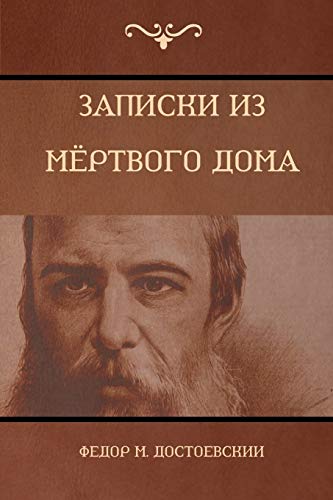
Fyodor Dostoevsky spent four years in a Siberian prison camp after the tsar commuted his death sentence at the last moment. He came out a different writer. The House of the Dead channels that experience through Alexander Petrovich Goryanchikov, a nobleman convicted of murdering his wife, who records the daily life of the katorga — the forced labor camp — with the precision of a naturalist and the unease of someone who cannot stop looking. The other prisoners steal, scheme, perform folk plays, and occasionally show flashes of unexpected grace. Goryanchikov watches all of it without rendering verdicts. The book does not explain what prison does to men; it shows men inside prison, and lets the accumulated detail do the work. Dostoevsky writes with a clinical restraint unusual for him — no murder plots, no philosophical speeches, no epileptic crises. What remains is a documentary of degradation that refuses to moralize, which is exactly what makes the moral weight so heavy. Readers expecting Dostoevsky's trademark feverish psychology will find something quieter here: a sustained act of witness.
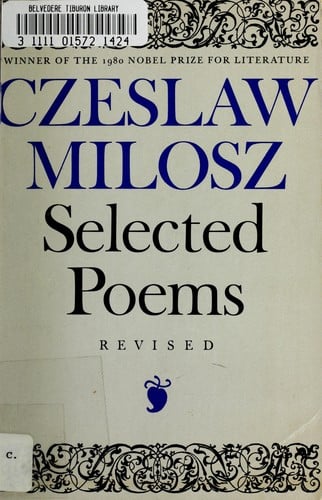
Nobel laureate and one of the most important poets of the twentieth century. Central to Polish literature and increasingly recognized in world poetry.
Nobel laureate and the defining poet of the Anglophone Caribbean. Central to postcolonial literature and increasingly recognized in the broader English-language canon.
Nobel Prize-winning collected poems. The defining Swedish poet of the twentieth century.
Pavese's acknowledged masterpiece and one of the essential Italian novels of the postwar period. Widely translated and taught.
No. 8 on this list. Memed, My Hawk
Yasar Kemal · 1955
Easy5.4 hours
Included in: UNESCO Collection of Representative Works
The foundational novel of modern Turkish literature's international reputation. Widely translated and studied as a masterpiece of Turkish fiction.
No. 9 on this list. Deep Rivers
José María Arguedas · 1958
Easy4 hours
Taught in schools: UNAM Escuela Nacional Preparatoria – programas de Literatura (Mexico)
The central work of indigenist literature in Latin America and a cornerstone of Peruvian fiction.
The First Men in the Moon appears regularly on science fiction studies syllabi and is standard reading in courses on Victorian literature and early genre fiction. It lacks the crossover canonical presence of Wells's The Time Machine or The War of the Worlds, but is consistently included in histories of science fiction and Edwardian literature.
No. 11 on this list. Adam Bede · George Eliot · 1859
Adam Bede appears regularly on Victorian literature and 19th-century British fiction syllabi at universities worldwide, and is the standard entry point to George Eliot's work in courses that cannot assign the longer Middlemarch. It is included in most survey courses of the Victorian novel. Its canonical status within the Eliot corpus is secondary only to Middlemarch and The Mill on the Floss, but within the broader Victorian canon it holds a secure if not dominant position — consistently anthologized, consistently in print, and consistently cited as a foundational work of Victorian realism.
Moderate13 hours
Read nowNo. 12 on this list. Julie, or the New Heloise · Jean-Jacques Rousseau · 1761
The most important French novel before the 19th century and a founding text of Romanticism. Less read today than it deserves, partly due to its length and didactic passages.
Moderate18 hours
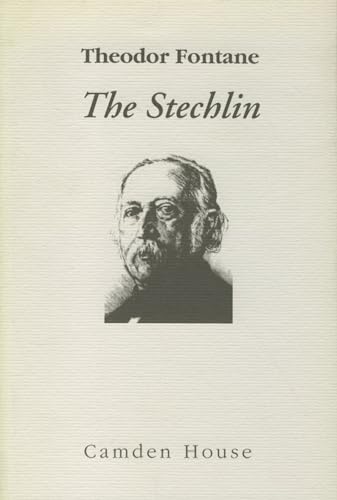
Start this bookNo. 13 on this list. The Stechlin · Theodor Fontane · 1898
Highly regarded in German literature as Fontane's most experimental work. Less widely known internationally than Effi Briest but increasingly appreciated by scholars.
Moderate7.6 hours
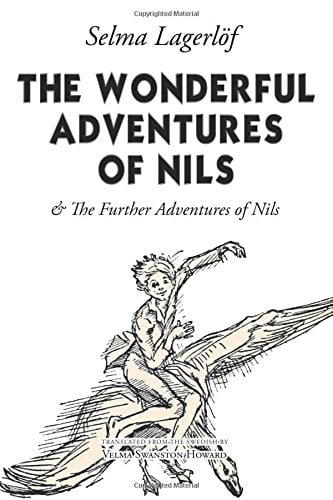
Start this bookNo. 14 on this list. The Wonderful Adventures of Nils · Selma Lagerlöf · 1906
On Le Monde's 100 Books of the Century, with a Wikipedia article in 39 languages. Commissioned as a geography reader for Swedish schools, it is a national classic in Sweden and a children's classic worldwide, though rarely on university syllabi.
Easy9.2 hours
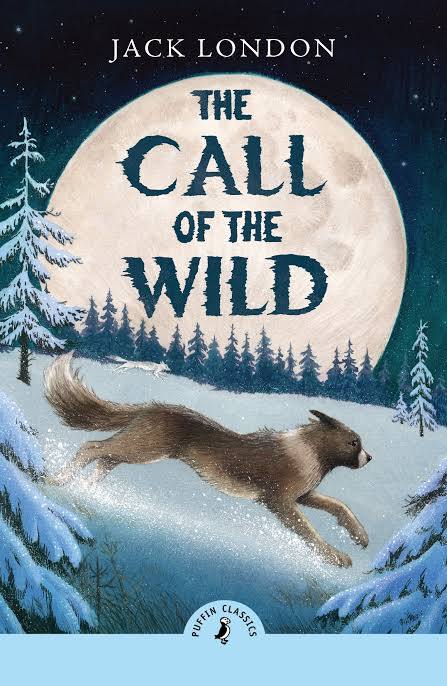
Read nowNo. 15 on this list. The Call of the Wild · Jack London · 1903
Appears on 328 university syllabi according to the Open Syllabus Project, placing it in the 63rd percentile of taught works. Listed on the Modern Library 100 Best Novels. Wikipedia articles exist in 44 languages, and the work remains a fixture of American middle school and high school curricula as well as college courses on naturalism and American literature.
Moderate2 hours
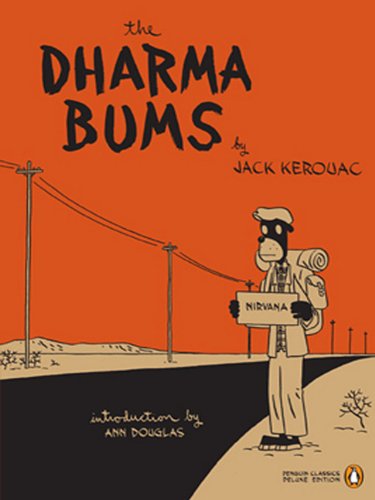
Read nowNo. 16 on this list. The Dharma Bums · Jack Kerouac · 1958
One of the defining texts of the Beat Generation, widely read and taught alongside On the Road. A central document of American counterculture.
Very Easy3.2 hours
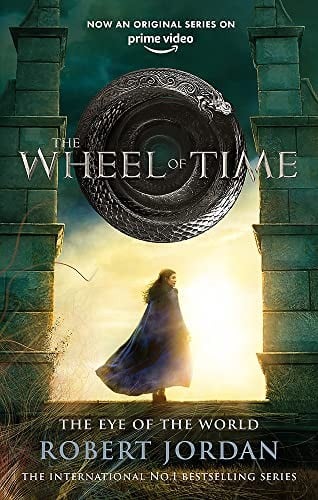
Start this bookNo. 17 on this list. The Eye of the World · Robert Jordan · 1990
The Eye of the World launched one of fantasy's most influential series. While not considered literary fiction, it holds canonical status within the epic fantasy genre, frequently cited alongside Tolkien's work as foundational to modern fantasy.
Easy16 hours
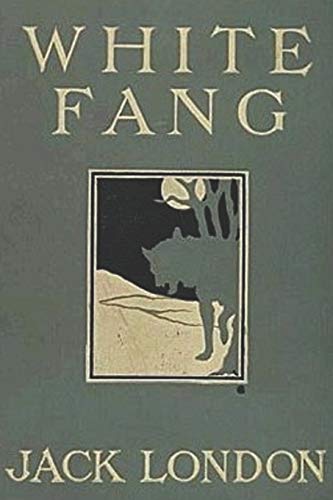
Start this bookNo. 18 on this list. White Fang · Jack London · 1906
Taught in schools: Turkish edebiyat curriculum (Turkey)
One of the most widely read American novels, a staple of school curricula worldwide. A classic of adventure literature.
Very Easy3.4 hours
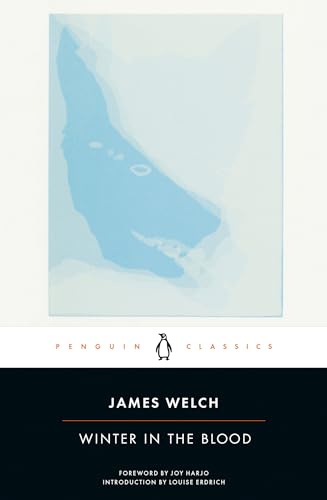
Start this bookNo. 19 on this list. Winter in the Blood · James Welch · 1974
A foundational Native American novel. Widely taught alongside Momaday and Silko.
Easy2.5 hours
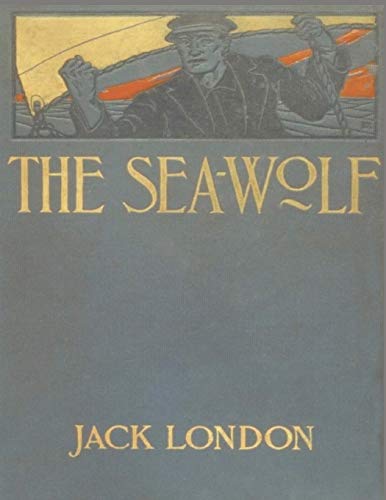
Start this bookNo. 20 on this list. The Sea-Wolf · Jack London · 1904
One of London's most important novels, widely read and adapted. Wolf Larsen is one of the iconic characters of American fiction.
Easy5.1 hours
Start this book
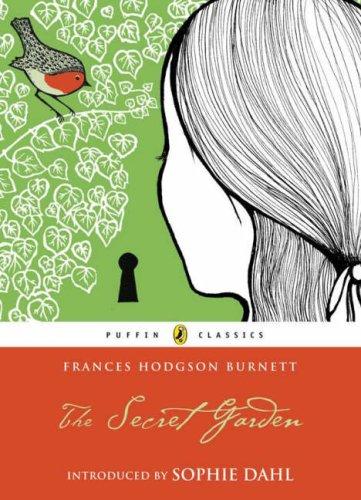
No. 21 on this list. The Secret Garden · Frances Hodgson Burnett · 1911
Taught in schools: Common Core text exemplars (Appendix B) (US)
The Secret Garden has stayed in print since 1911 and remains a staple of children's classics lists and school reading across the English-speaking world. The Common Core State Standards (2010) name it among their text exemplars for upper-elementary grades, and it is regularly set in children's literature courses.
Easy4.6 hours
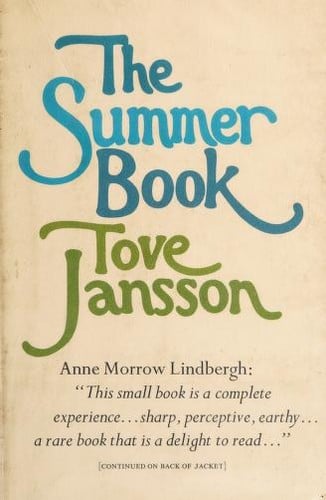
Start this bookNo. 22 on this list. The Summer Book · Tove Jansson · 1972
Increasingly recognized as a Scandinavian masterpiece. A quiet classic with a devoted readership.
Easy1.5 hours
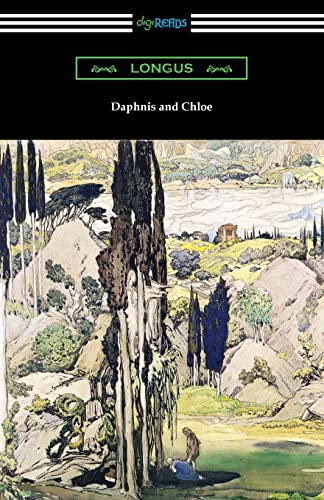
Start this bookNo. 23 on this list. Daphnis and Chloe · Longus
It is the best-known ancient Greek pastoral romance, widely studied in classics courses and often taught beside Heliodorus and the other Greek novels. Its place in the world literature canon is established, though it sits below the great epics and dramas.
Easy1.7 hours
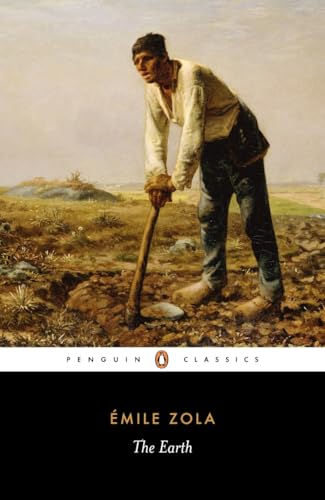
Start this bookNo. 24 on this list. The Earth · Émile Zola · 1887
An important entry in the Rougon-Macquart cycle but less widely read than Germinal, L'Assommoir, or Nana. Valued by scholars of naturalism and rural fiction.
Easy9.8 hours
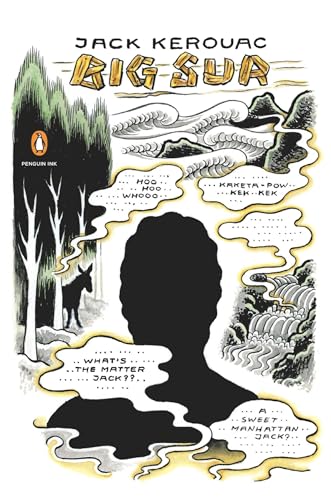
Start this bookNo. 25 on this list. Big Sur · Jack Kerouac · 1962
Increasingly regarded as one of Kerouac's best novels, perhaps his most artistically successful. Less widely known than On the Road but valued by critics.
Easy3.1 hours
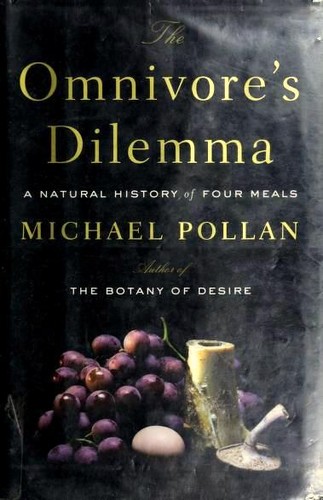
Start this bookNo. 26 on this list. The Omnivore's Dilemma · Michael Pollan · 2006
The Omnivore's Dilemma is widely assigned in environmental studies, food studies, journalism, and American studies courses across universities. It has become the default text for understanding the industrial food system and appears on numerous college reading lists. For nonfiction, its curricular penetration is strong, though it does not reach the ubiquity of literary canon staples.
Moderate9.2 hours
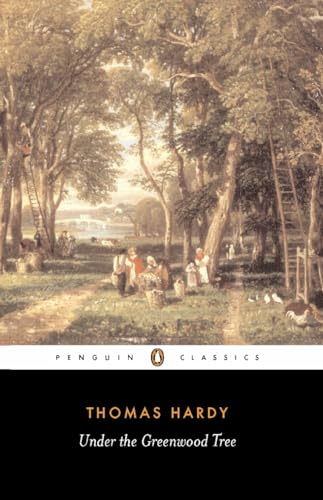
Start this bookNo. 27 on this list. Under the Greenwood Tree · Thomas Hardy · 1872
Under the Greenwood Tree is taught in British literature and Hardy courses as the founding text of his Wessex cycle, but it occupies a supporting role in the canon relative to Tess of the d'Urbervilles or Far from the Madding Crowd. It appears on specialist Hardy syllabi and English pastoral fiction courses rather than general surveys. No syllabus data was found in the database, but the work's position in Hardy's oeuvre and the breadth of Hardy scholarship gives it modest but genuine canonical presence.
Easy3.3 hours
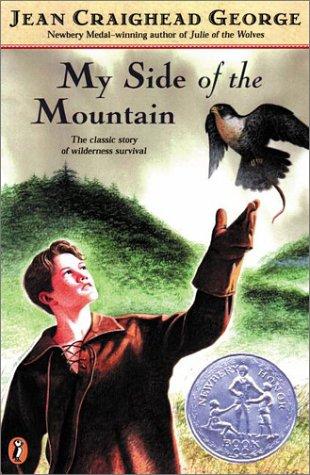
Start this bookNo. 28 on this list. My Side of the Mountain · Jean Craighead George · 1959
Taught in schools: CSEC English B – Caribbean Examinations Council
A Newbery Honor book and one of the most enduring wilderness survival novels for young readers. Continuously in print since 1959.
Very Easy1.7 hours
Start this bookNo. 29 on this list. Indian Summer · Adalbert Stifter · 1857
A landmark of Austrian literature, revered by some (Nietzsche, Thomas Mann) and dismissed by others. Occupies a unique and contested place in the German canon.
Easy14 hours
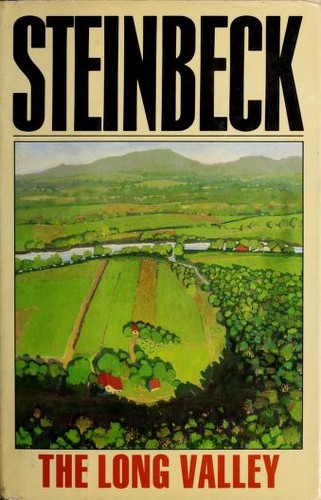
Start this bookNo. 30 on this list. The Long Valley · John Steinbeck · 1938
'The Chrysanthemums' and The Red Pony are widely anthologized and taught in American schools. The collection ranks below Steinbeck's novels like Of Mice and Men.
Moderate4.6 hours
Start this book

No. 31 on this list. Devotions
Mary Oliver · 2017
No. 32 on this list. The Star Diaries
Stanisław Lem · 1957
No. 33 on this list. The Wind from the Plain
Yasar Kemal · 1960
No. 34 on this list. Marianela
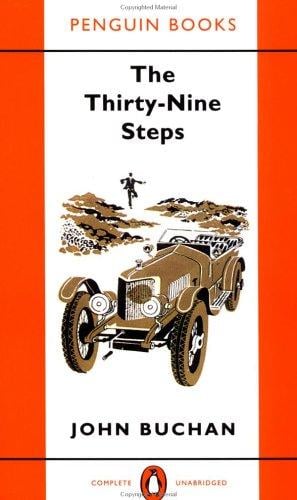
No. 35 on this list. The Thirty-Nine Steps
John Buchan · 1915
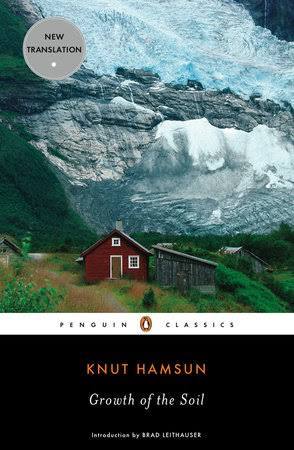
No. 36 on this list. Growth of the Soil
Knut Hamsun · 1917
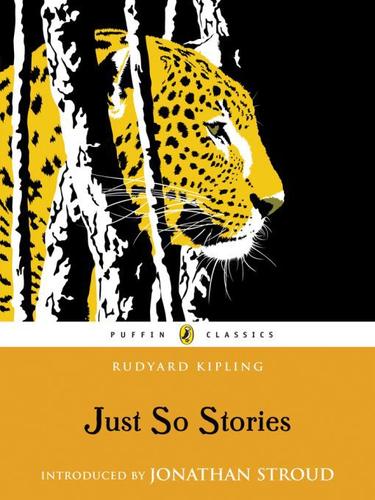
No. 37 on this list. Just So Stories
Rudyard Kipling · 1902
No. 38 on this list. A Happy Boy
Bjørnstjerne Bjørnson · 1860
No. 39 on this list. Before Sunrise
Gerhart Hauptmann · 1930
No. 40 on this list. The Tendrils of the Vine
Colette · 1908
Taught in schools: Programme de français, lycée général et technologique (France)
No. 41 on this list. Arne
Bjørnstjerne Bjørnson · 1858
No. 42 on this list. The Lorax
Dr. Seuss · 1971
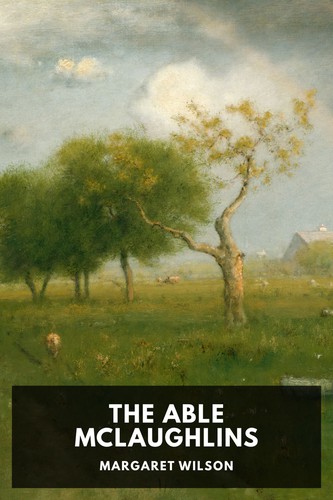
No. 43 on this list. The Able McLaughlins
Margaret Wilson · 1924
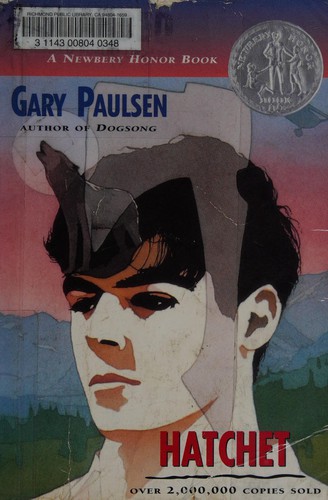
No. 44 on this list. Hatchet
Gary Paulsen · 1987
Taught in schools: Pacific Senior Secondary Certificate – English
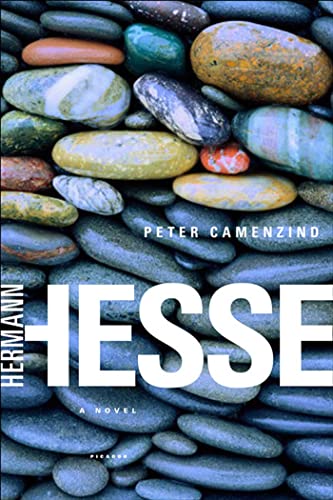
No. 45 on this list. Peter Camenzind
Hermann Hesse · 1904
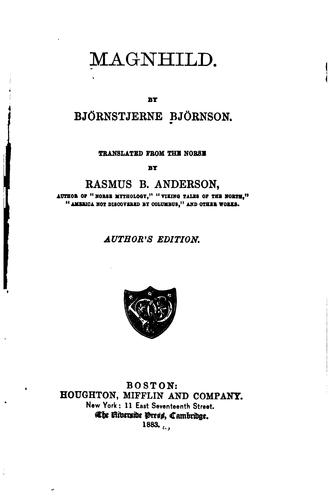
No. 46 on this list. Magnhild
Bjørnstjerne Bjørnson · 1877
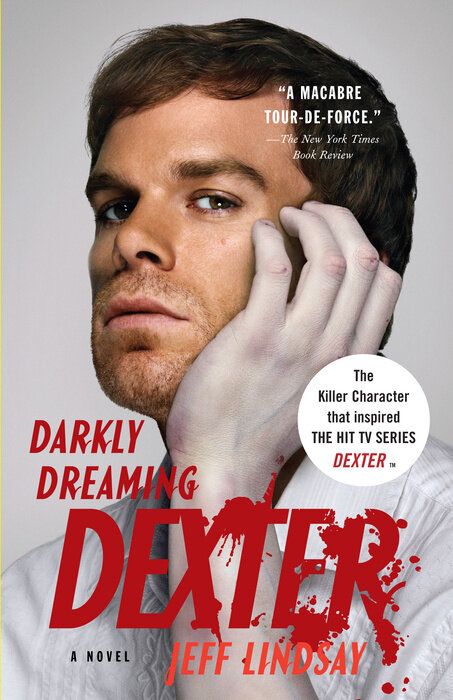
No. 47 on this list. Darkly Dreaming Dexter
Jeff Lindsay · 2004
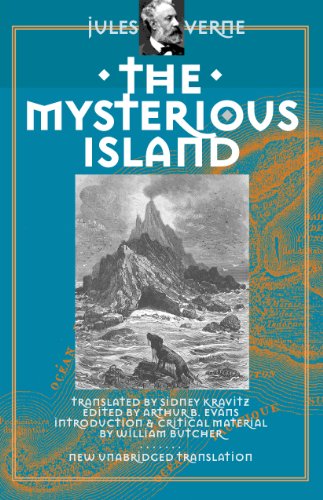
No. 48 on this list. The Mysterious Island
Jules Verne · 1875
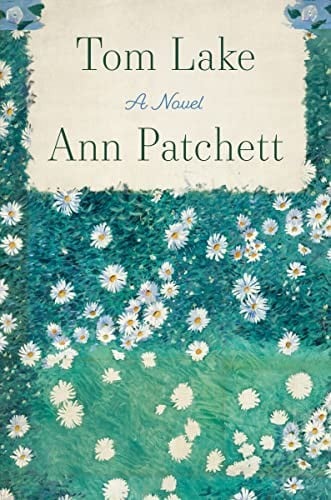
No. 49 on this list. Tom Lake
Ann Patchett · 2023
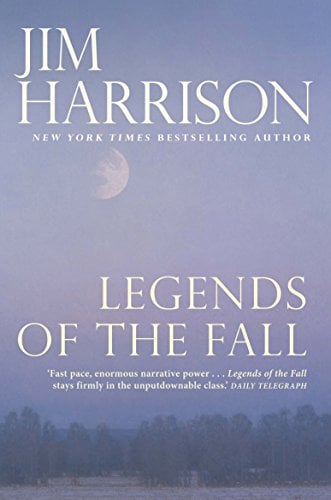
No. 50 on this list. Legends of the Fall
Jim Harrison · 1980
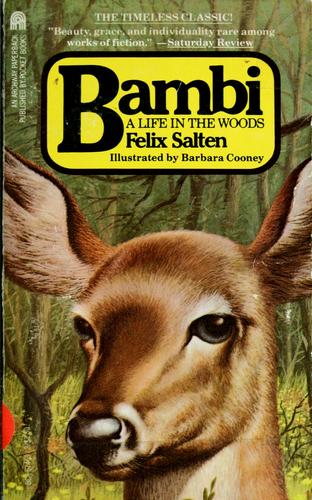
No. 51 on this list. Bambi: A Life in the Woods
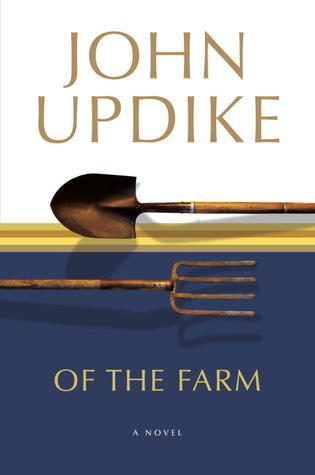
No. 52 on this list. Of the Farm
John Updike · 1965
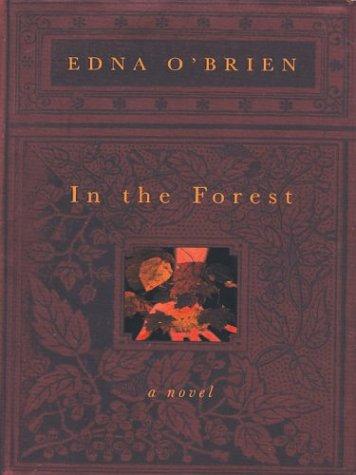
No. 53 on this list. In the Forest
Edna O'Brien · 2002
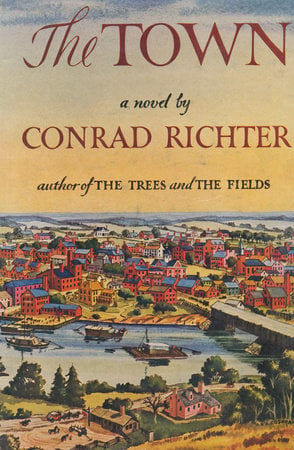
No. 54 on this list. The Town
Conrad Richter · 1951
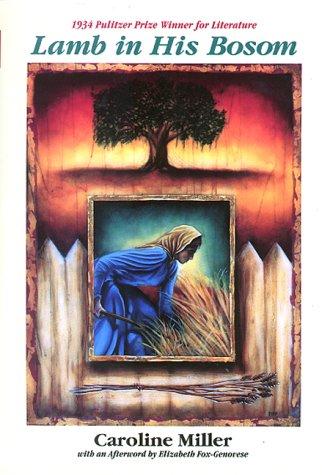
No. 55 on this list. Lamb in His Bosom
Caroline Miller · 1934
No. 56 on this list. Knulp
Hermann Hesse · 1988
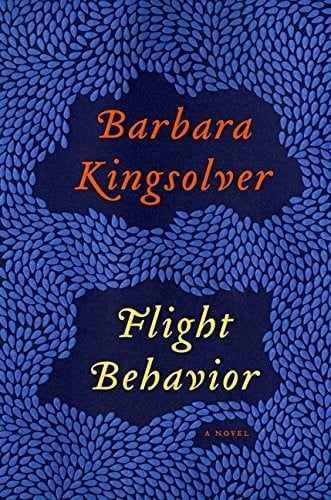
No. 57 on this list. Flight Behavior
Barbara Kingsolver · 2012
No. 58 on this list. Jayber Crow : the life story of Jayber Crow, barber, of the Port William membership, as written by himself
Wendell Berry · 2000
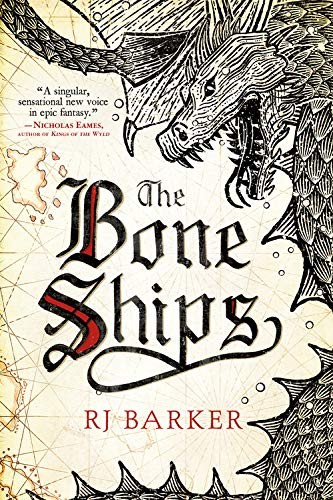
No. 59 on this list. The Bone Ships
R. J. Barker · 2019
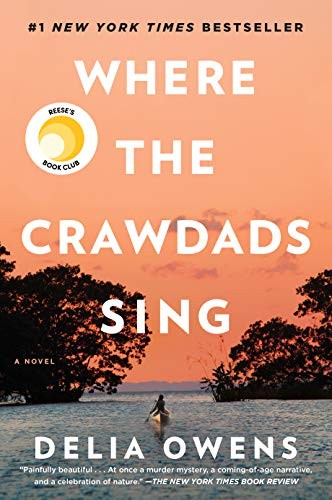
No. 60 on this list. Where the Crawdads Sing
Delia Owens · 2018


No. 61 on this list. Smith of Wootton Major
No. 62 on this list. Hannah Coulter
Wendell Berry · 2005
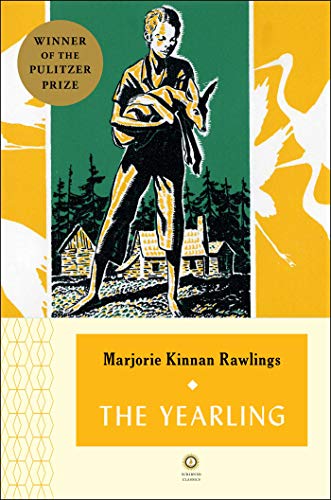
No. 63 on this list. The Yearling
Marjorie Kinnan Rawlings · 1939
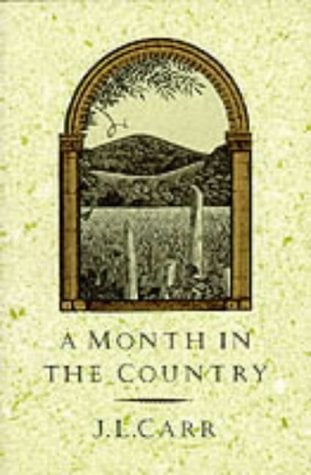
No. 64 on this list. A Month in the Country
J.L. Carr · 1980
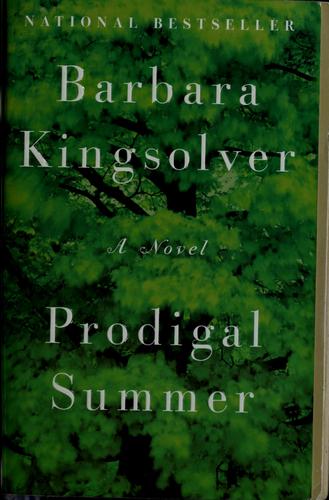
No. 65 on this list. Prodigal Summer
Barbara Kingsolver · 2000
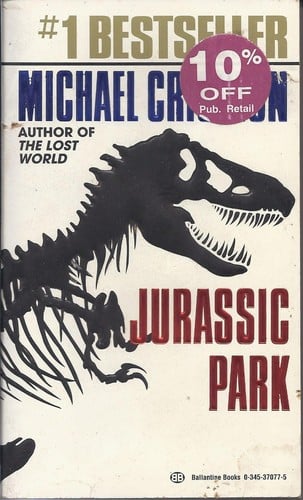
No. 66 on this list. Jurassic Park
Michael Crichton · 1990
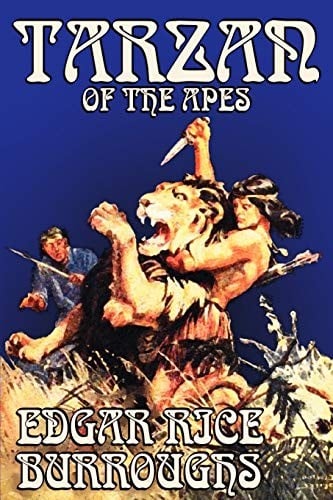
No. 67 on this list. Tarzan of the Apes
Edgar Rice Burroughs · 2003
No. 68 on this list. The Black Swan
Thomas Mann · 1953
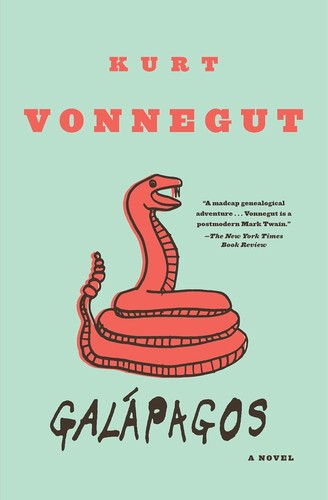
No. 69 on this list. Galapagos
Kurt Vonnegut · 1985
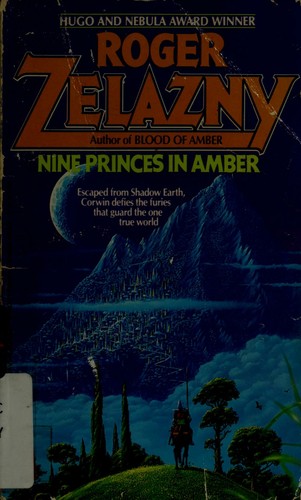
No. 70 on this list. Nine Princes in Amber
Roger Zelazny · 1970

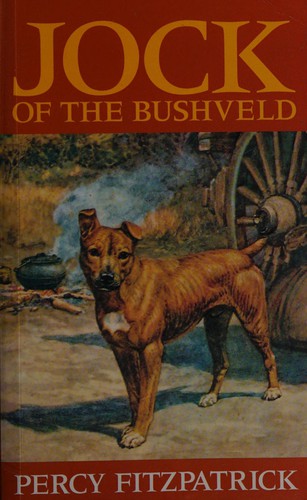
No. 71 on this list. Jock of the Bushveld
J. Percy FitzPatrick · 1907
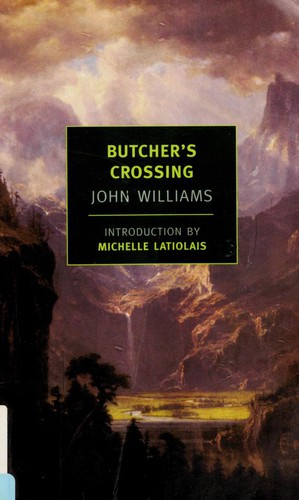
No. 72 on this list. Butcher's Crossing
John Williams · 1960
No. 73 on this list. Faceless Killers
Henning Mankell · 1991
No. 74 on this list. The Rainbow Serpent
Dick Roughsey · 1975
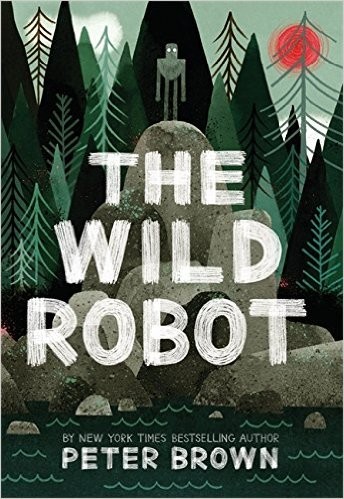
No. 75 on this list. The Wild Robot
Peter Brown · 2016
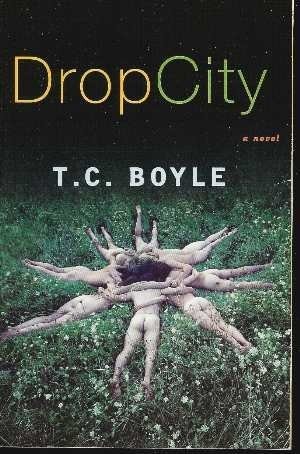
No. 76 on this list. Drop City
T.C. Boyle · 2003
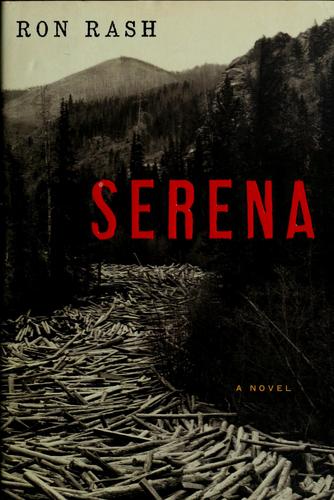
No. 77 on this list. Serena
Ron Rash · 2008
No. 78 on this list. Annabel
Kathleen Winter · 2011
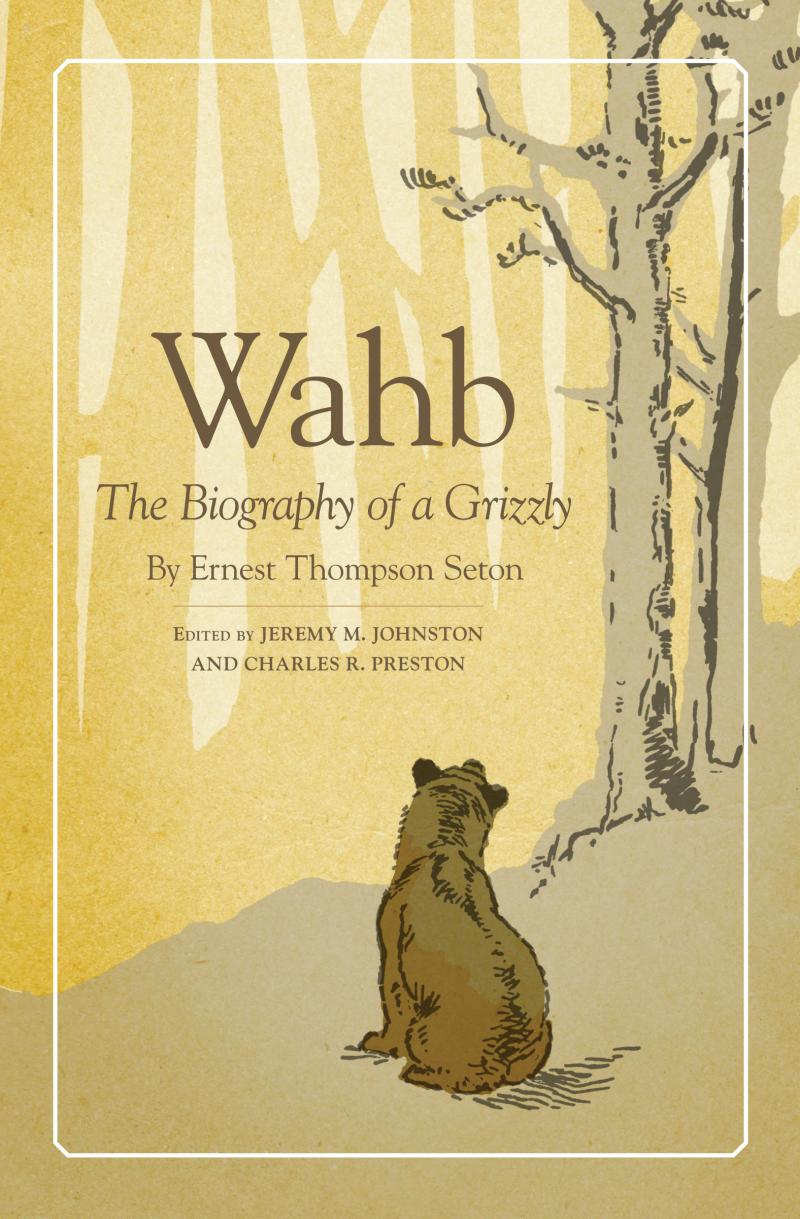
No. 79 on this list. Wahb: The Biography of a Grizzly
Ernest Thompson Seton · 2015
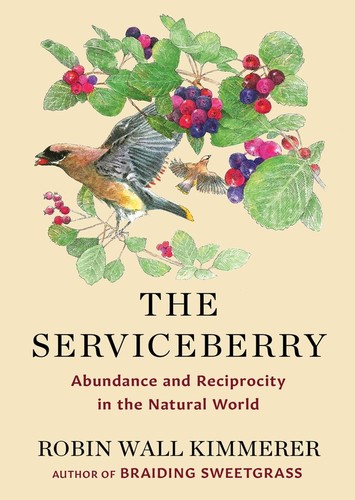
No. 80 on this list. The Serviceberry: Abundance and Reciprocity in the Natural World
Robin Wall Kimmerer · 2024


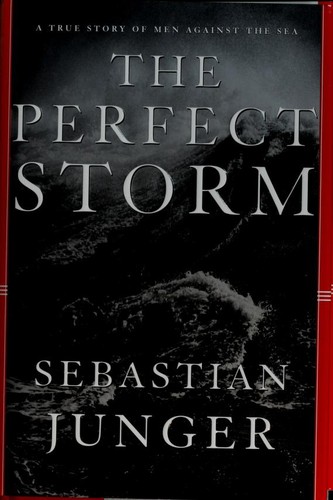
No. 81 on this list. The Perfect Storm
Sebastian Junger · 1997
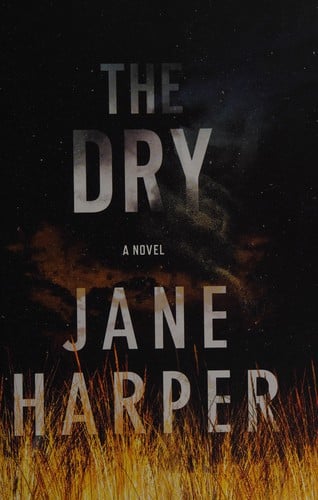
No. 82 on this list. The Dry
Jane Harper · 2016
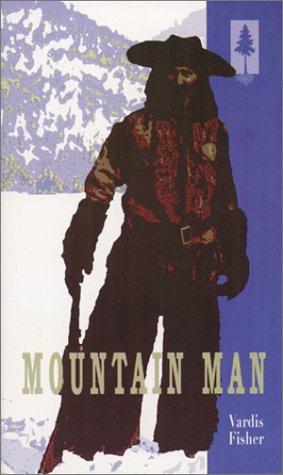
No. 83 on this list. Mountain Man
Vardis Fisher · 1964
No. 84 on this list. Chamber Music
James Joyce · 1907
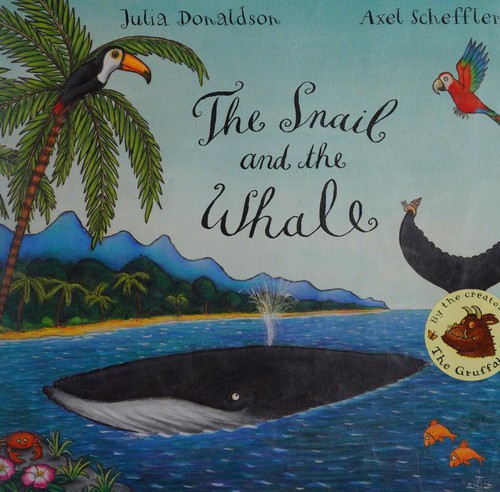
No. 85 on this list. The Snail and the Whale
Julia Donaldson · 2005
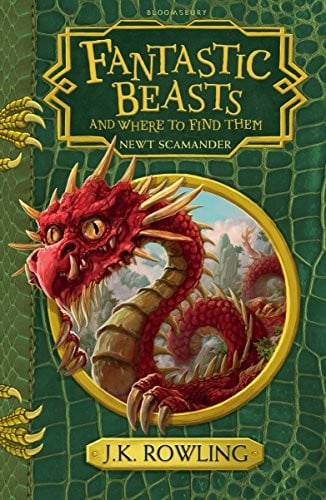
No. 86 on this list. Fantastic Beasts and Where to Find Them
J.K. Rowling · 2001
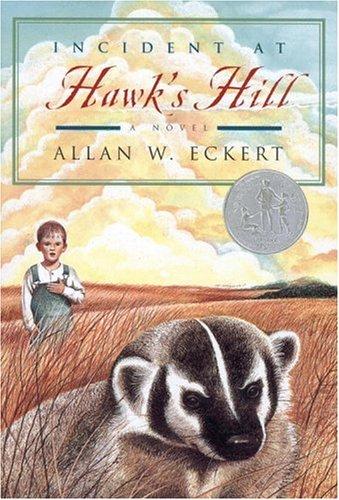
No. 87 on this list. Incident at Hawk's Hill
Allan W. Eckert · 1995
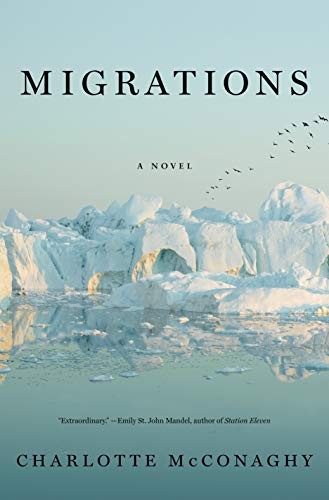
No. 88 on this list. Migrations
Charlotte McConaghy · 2020
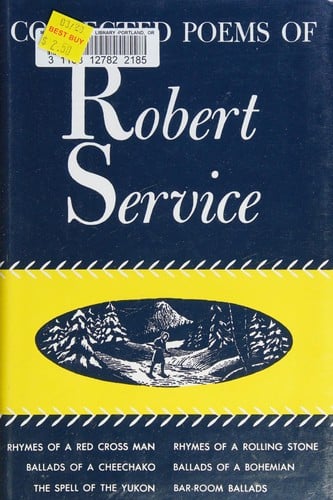
No. 89 on this list. Collected Poems of Robert Service
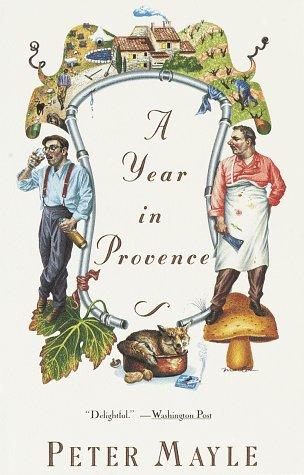
No. 90 on this list. A Year in Provence
Peter Mayle · 1989

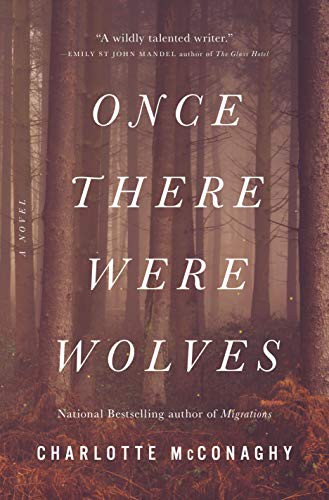
No. 91 on this list. Once There Were Wolves
Charlotte McConaghy · 2021
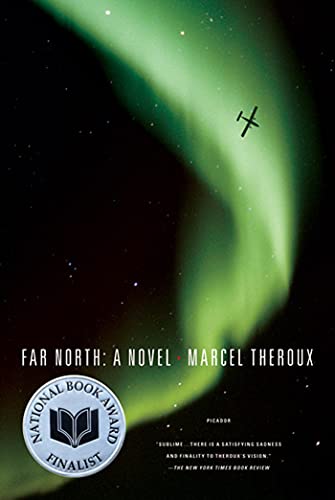
No. 92 on this list. Far North
Marcel Theroux · 2008
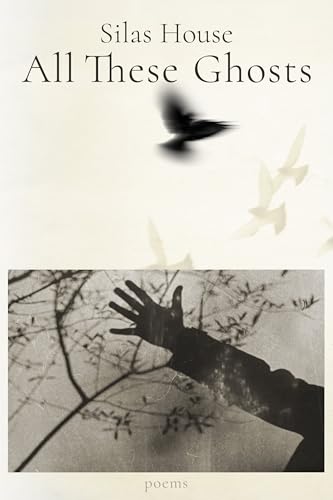
No. 93 on this list. All These Ghosts
Silas House · 2025
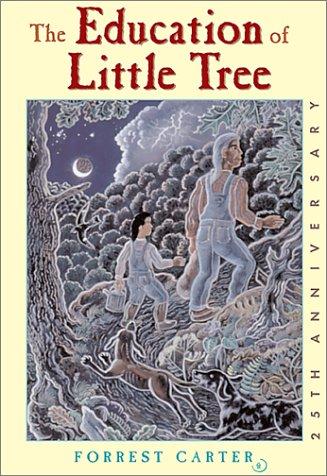
No. 94 on this list. The Education of Little Tree
Forrest Carter · 2001
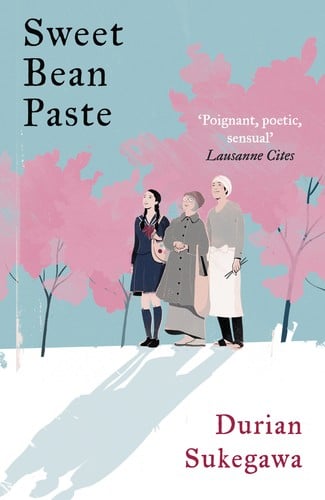
No. 95 on this list. Sweet Bean Paste
Durian Sukegawa · 2017
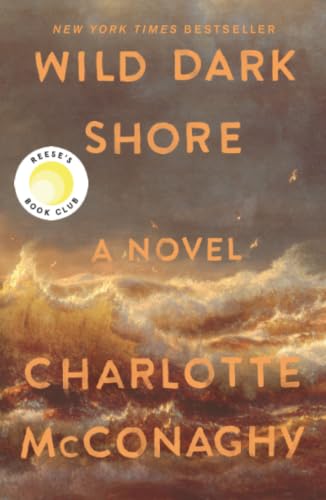
No. 96 on this list. Wild Dark Shore
Charlotte McConaghy · 2025
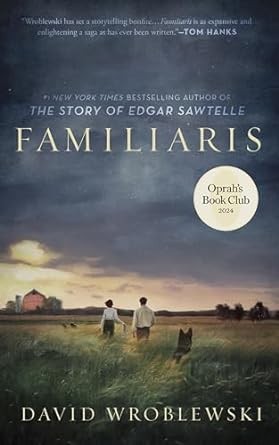
No. 97 on this list. Familiaris
David Wroblewski · 2024
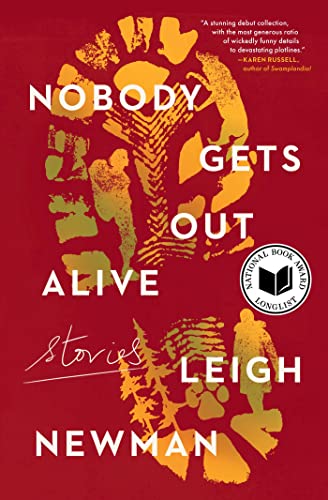
No. 98 on this list. Nobody Gets Out Alive
Leigh Newman · 2022
No. 99 on this list. Island Calling
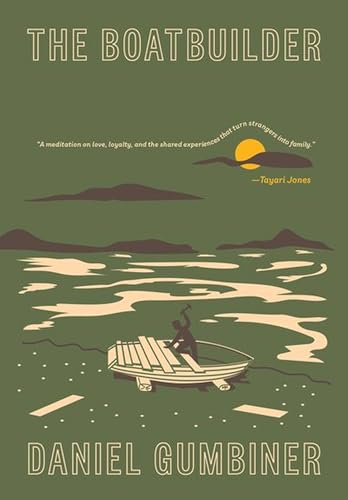
No. 100 on this list. The Boatbuilder
Daniel Gumbiner · 2018

About this list
These 100 books are the highest-scoring eligible easy books about nature and the environment currently in the catalogue. About 459 hours of reading in all. Difficulty runs from 28 to 41 out of 100 for the middle half of the list; the summit is Annabel at 45.
This list is ranked by literary regard, with a consistent order for equal scores. Membership follows authors and co-authors, not translators or editors. A book is here when ReadingRate files it under Nature & Environment as one of its primary reading domains, at a confidence of 0.8 or more. Catalogue coverage and the historical canon both limit what this list can represent.
When we matched the Canons dataset to our catalogue in October 2026, our canonical-status scores rose with the number of school curricula, publisher series and lists in it that cite a work: the median score was 72 for books one such source cites, 84 at two, 88 at three, 92 at four and 93 at five or more. Prizes are left out of that count. Outside the state curricula, the dataset’s sources choose mostly from what has been translated into English or French, so it is a weaker check on other literatures. Source: Canons (Andrew Piper), CC BY 4.0
Questions people actually ask
- What are the best easy books about nature and the environment?
- By literary regard, which weighs canonical status, critical standing and influence: The Birds by Aristophanes, The Old Man and the Sea by Ernest Hemingway, The House of the Dead by Fyodor Dostoevsky, Selected Poems of Czesław Miłosz by Czesław Miłosz and Collected Poems of Derek Walcott by Derek Walcott. ReadingRate ranks 100 such books, each with a difficulty score and a reading-time estimate.
- Which easy books about nature and the environment should I read first?
- Start from difficulty, not from rank. The most approachable books on this list that still carry top literary regard are The Birds by Aristophanes (about 1.3 hours), The Old Man and the Sea by Ernest Hemingway and The Great Enigma: New Collected Poems by Tomas Tranströmer.
- What are the shortest of the best easy books about nature and the environment?
- Among the top 25, the shortest are The Great Enigma: New Collected Poems by Tomas Tranströmer (about 1.1 hours), The Birds by Aristophanes (about 1.3 hours) and The Old Man and the Sea by Ernest Hemingway (about 1.7 hours), at an average pace of 250 words a minute adjusted for each book's difficulty.
- Which of the best easy books about nature and the environment are the established classics?
- By canonical status, how firmly a book sits in curricula, anthologies and the canon: The Birds by Aristophanes, The Old Man and the Sea by Ernest Hemingway, Selected Poems of Czesław Miłosz by Czesław Miłosz, Collected Poems of Derek Walcott by Derek Walcott and The Great Enigma: New Collected Poems by Tomas Tranströmer.
- Can I read any of these easy books about nature and the environment for free?
- 13 of the 100 open in ReadingRate's reader with a free account, from public-domain editions: The House of the Dead, Adam Bede, The Wonderful Adventures of Nils, The Call of the Wild, The Thirty-Nine Steps and 8 more.
- How long would it take to read the top ten?
- About 37 hours, at an average pace of 250 words a minute adjusted for each book's difficulty: 19 days at two hours a day. Set your own pace on the page and the list's reading times change to it.
- How hard are easy books about nature and the environment to read?
- Most of this list sits between 28 and 41 on ReadingRate's 100-point difficulty scale, where 40 to 55 is moderate. The summit is Annabel at 45. Every entry carries its own score, so a reader can pick a great book at a difficulty they will finish.
- How is this list ranked?
- On literary-regard data: how canonically established a work is, its critical standing, and its influence on later writing. It is not a readers’ poll, which is why recent bestsellers rarely appear. Membership follows authors and co-authors, not translators or editors. Lists by country, author, period, theme or difficulty keep to literature (fiction, poetry, drama and philosophy), their novels, poems and plays first and their philosophy after them; a list of a kind of book, such as memoir or criticism, keeps every book of that kind. Every list holds at most three works by one author. A book is here when ReadingRate files it under Nature & Environment as one of its primary reading domains, at a confidence of 0.8 or more.