Hours at an average pace
Showing 100 books
About 1,075 hours for 100 of 100 books with measured lengths. Estimates use 250 words a minute, adjusted for each book's difficulty. At 2 hours a day, about 538 days for those books.
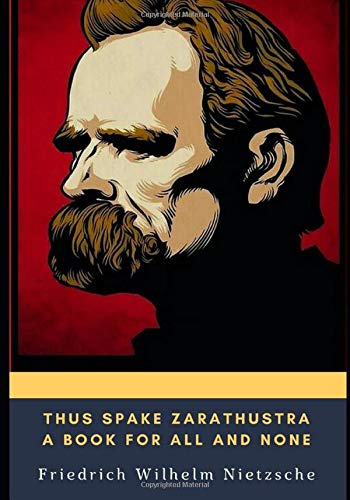
No. 1 on this list. Thus Spake Zarathustra A book for all and none
Difficult13 hours
A standard text in philosophy and German-literature courses, and one of the most widely read works of modern philosophy worldwide. Often the entry point to Nietzsche. It ranks with Notes from Underground in curricula, though less often assigned in full than Crime and Punishment.
Kafka's short fiction is taught in university literature courses worldwide, and 'A Hunger Artist' is among his most frequently anthologized works. It appears in virtually every Kafka collection and features in major short story anthologies. The work has sustained academic and pedagogical attention since its posthumous publication in 1922.
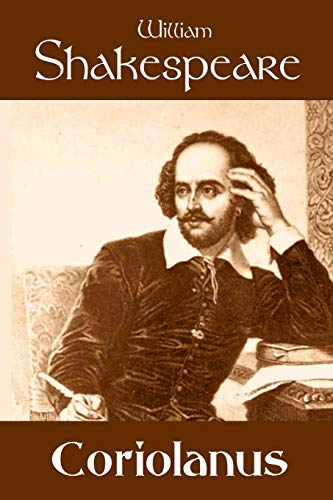
No. 3 on this list. Coriolanus
William Shakespeare · 1608
Challenging2.9 hours
Included in: Great Books of the Western World
Coriolanus is a standard text in Shakespeare curricula and appears on university syllabi in courses on Renaissance drama, political philosophy, and history plays. While taught less frequently than Hamlet, Macbeth, or King Lear, it is required reading in most advanced Shakespeare courses and political drama studies. Its engagement with popular sovereignty and class politics has made it a recurring subject of academic attention.
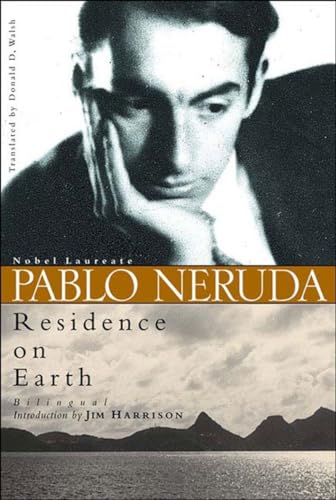
Pablo Neruda wrote the poems of 'Residence on Earth' during his years as a Chilean consul in Burma, Ceylon, and Java — postings that left him profoundly isolated, surrounded by unfamiliar languages and dissolving heat. What came out was a poetry of radical disorientation: rain that rots wood, flesh that smells of brine, clocks that leak time like a wound. The opening poem, 'Galope Muerto,' begins mid-sensation: 'Like ashes, like oceans populating themselves, in the submerged slowness, in the shapeless.' There is no speaker announced, no situation established. The collection works entirely through image — blood, sea, bone, stone — stacked without logical mortar until the pressure of accumulated sensation becomes its own argument. 'Walking Around' describes a man so disgusted by modern life he wants to throw everything away, the umbrellas and the accountants and the stockings. 'Ode with a Lament' addresses an unnamed woman through images of shipwrecks and salt. The later sections shift toward political fury — odes to Madrid under bombardment, to Stalingrad, to Spain's dead — but even the political poems work through elemental image rather than rhetoric. This is poetry that does not explain itself. Readers who need a narrative thread or an argument will find none. Those willing to receive sensation as meaning will encounter one of the most physically intense bodies of verse written in the 20th century.
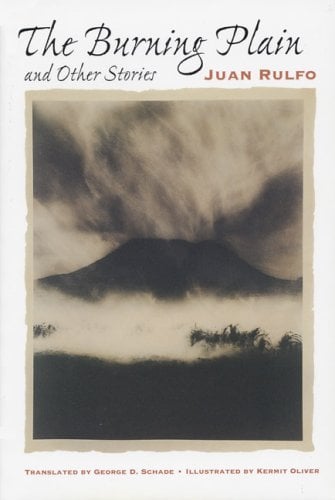
No. 5 on this list. The Burning Plain and Other Stories
Juan Rulfo · 1953
Challenging3.4 hours
Taught in schools: UNAM Escuela Nacional Preparatoria – programas de Literatura (Mexico)
In seventeen stories set across the parched hills of Jalisco, Mexico, Rulfo's peasants carry their dead with them — sometimes literally. A man hauls his father's corpse on his back through the mountains. An old woman refuses to believe her son is a murderer. Soldiers and sharecroppers and abandoned wives speak in short, exact sentences, and the landscape answers with dust and silence. The dead narrate their own stories without announcing they are dead; readers piece it together from the wrong temperature of the prose. Rulfo strips everything from his fiction — backstory, explanation, transitions — until only the essential pressure remains. The Burning Plain was published in 1953, two years before Pedro Páramo, and it shares that novel's method: grief without sentimentality, violence without drama, the supernatural arriving with the matter-of-fact normalness of weather. Gabriel García Márquez said he memorized the entire book and recited it to friends. That is the correct response. These stories end before they explain themselves, in the way that real catastrophe does.
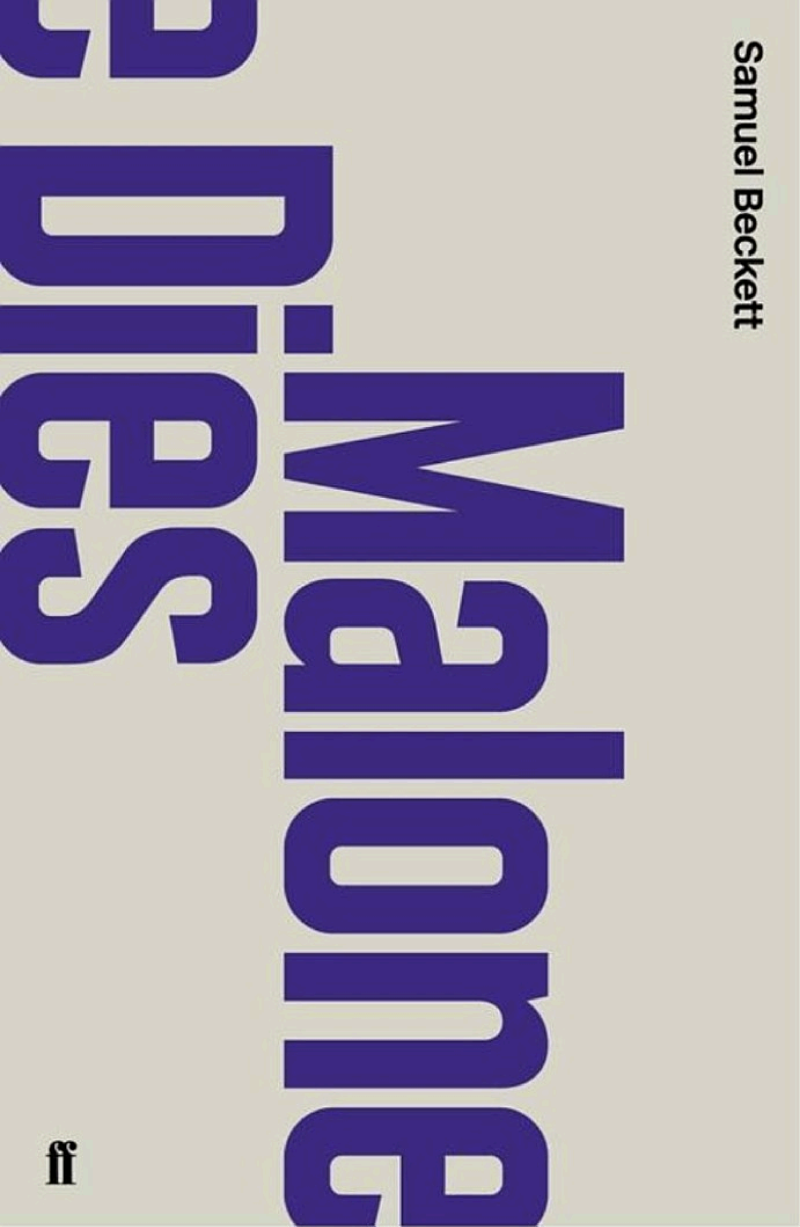
No. 6 on this list. Malone Dies
Samuel Beckett · 1951
Challenging5.7 hours
Included in: Bokklubben World Library
A dying man named Malone lies in bed in a bare room, passing his final days by writing stories in an exercise-book. He announces a plan: to tell himself stories (about a man, a woman, an animal, a thing) and then compile an inventory of his possessions before death arrives. But the stories refuse to cohere. The boy Sapo, plump and plodding, drifts through tedious family scenes and visits to the Lambert farm, where Big Lambert buries his beloved mule and Mrs. Lambert despairs over lentils. Sapo inexplicably becomes Macmann, a vagrant later confined to the asylum of Saint John of God, where he conducts a grotesque romance with his nurse Moll. Between these fragmentary fictions, Malone interrupts constantly to comment on his own dissolution, his soup and chamber-pot, the mysterious hand that feeds him, the exercise-book he salvaged, the pencil with five faces. The stories and the frame narrative bleed together as Malone suspects he's describing himself again, that all his characters are masks for the voice that continues speaking even as narrative collapses. The promised inventory never arrives. Instead, the novel enacts a slow-motion death of story-telling itself, performed with extraordinary comic precision and metaphysical vertigo. Malone circles his own ending in spirals of increasing tightness, neither quite dying nor quite alive, waiting in the dark.
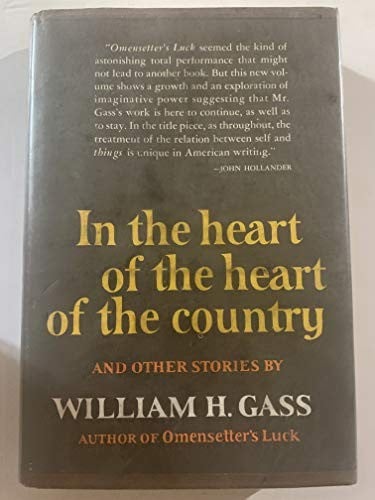
No. 7 on this list. In the Heart of the Heart of the Country
William Gass · 1968
Very Difficult13 hours
In the Heart of the Heart of the Country was first published in 1968 and immediately positioned Gass — alongside Barth, Pynchon, and Coover — as a founding figure of American postmodern fiction. The NYRB Classics reprint with an introduction by Joanna Scott confirms its place in the American literary canon. It is taught in graduate programs in literary fiction and cited in essays on American experimental prose. Its canonical position is more secure in academic contexts than in general readership, placing it below Invisible Man or Blood Meridian but above most of its experimental contemporaries.
Angels in America is taught in American theater, drama, and queer studies programs at universities across the country and is consistently listed among the essential works of 20th-century American literature. Both parts of the play appear regularly on syllabi in literature, political science, and history courses. Its status as a defining document of the AIDS crisis and Reagan-era America makes it required context for anyone studying the period.
Watt arrives at Mr. Knott's house to serve as the new domestic. The house has rules: servants ascend through a hierarchy, each eventually departing as mysteriously as they arrived. Watt's job is simple—serve Mr. Knott's meals, tend the garden, mind the dog. But Watt cannot stop thinking. When a pot appears in Mr. Knott's room, Watt cannot rest until he has considered every possible explanation for its presence. Beckett enumerates: perhaps Mr. Knott put the pot there, or perhaps the pot was always there, or perhaps there is no pot. The permutations multiply across pages. Watt's mind, designed for rational analysis, breaks against the irreducible mystery of Mr. Knott, who changes his appearance, his furniture, his routine, without pattern or purpose. The novel tracks a consciousness collapsing into the asylum where Sam, another inmate, attempts to reconstruct Watt's story from his inverted speech. Beckett wrote it while hiding from the Gestapo, 'a game, a means of staying sane.' The game is rigged against meaning.
Listed on Le Monde's 100 Books of the Century and the Open Syllabus Top 500 for Literature. Wikipedia articles exist in 18 languages. The novel is a fixture in courses on experimental fiction, Oulipo, and twentieth-century French literature, though it remains less widely taught than mainstream canonical works in anglophone curricula.
No. 11 on this list. The Plague of Doves · Louise Erdrich · 2008
Pulitzer Prize finalist (2009) and the first entry in a trilogy whose second volume, The Round House, won the National Book Award. Taught in university courses on contemporary American and Native American literature, with an established academic presence in postcolonial and ethnic studies. Widely regarded as one of Erdrich's most formally accomplished novels.
Difficult14 hours
Start this bookNo. 12 on this list. How It Is · Samuel Beckett · 1961
How It Is appears on advanced modernism and postmodernism syllabi but rarely in broad undergraduate curricula — it is a specialist's Beckett text rather than the entry point (Waiting for Godot or Endgame fill that role). Wikipedia records the work in 6 languages with a 7,787-character article, indicating solid scholarly documentation but not wide popular reach. Among Beckett scholars it is considered essential; among general readers it is largely unknown.
Very Difficult6 hours
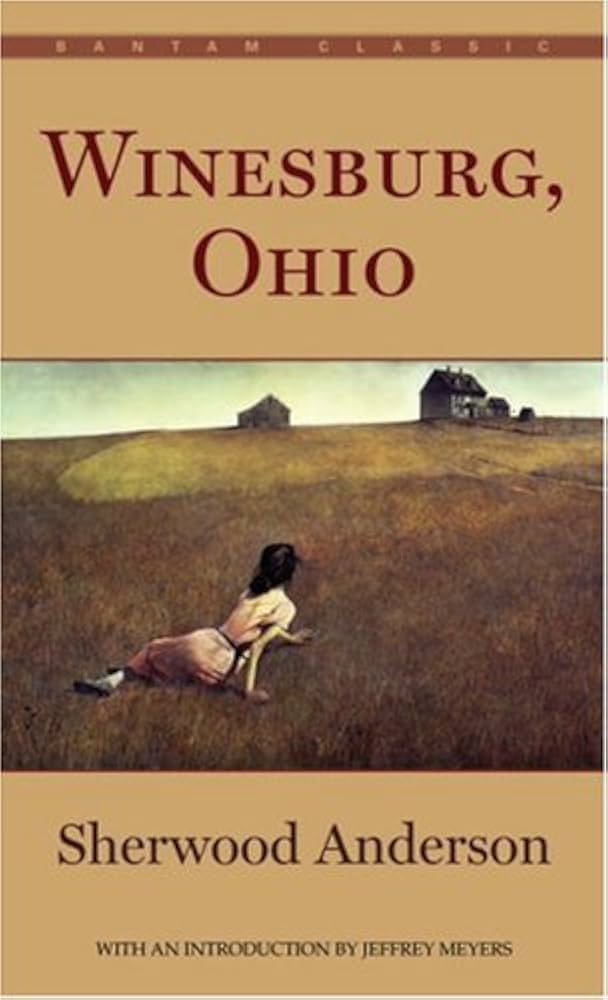
Start this bookNo. 13 on this list. Winesburg, Ohio · Sherwood Anderson · 1919
Appears on 548 university syllabi (68th percentile in the Open Syllabus Project) and is included in the Modern Library 100 Best Novels list. Wikipedia coverage in 15 languages is modest relative to works like The Great Gatsby, but the book has a stable presence in American literature survey courses and has never gone out of print since 1919.
Challenging7.5 hours
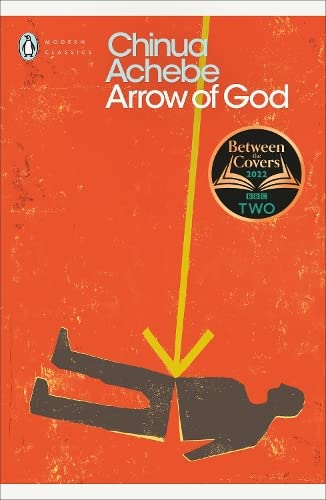
Read nowNo. 14 on this list. Arrow of God · Chinua Achebe · 1964
Taught in schools: CSEC English B – Caribbean Examinations Council
Included in: Heinemann African Writers Series
Arrow of God appears regularly on postcolonial literature, African studies, and world literature syllabi at universities across Europe, North America, and Africa. It is less universally assigned than Things Fall Apart but holds a firm place in courses devoted to African fiction and the novel of colonial encounter. No database records were retrieved, but its continued presence in academic reading lists reflects a strong if not dominant canonical position.
Difficult10 hours
Start this bookNo. 15 on this list. The Winding Stair · William Butler Yeats · 1933
Published in 1933, this collection represents Yeats at the height of his late powers, confronting old age, political disillusionment, and metaphysical yearning through symbols drawn from his occult system A Vision. The tower at Thoor Ballylee becomes a central image: in 'Blood and the Moon' it rises as both Anglo-Irish monument and emblem of consciousness ascending through gyres of history. 'A Dialogue of Self and Soul' stages an internal debate between transcendent renunciation and acceptance of embodied life, concluding with a forceful affirmation of existence that forgives even suffering. The paired Byzantium poems ('Sailing to Byzantium' appears in the earlier Tower volume, but 'Byzantium' here extends the meditation) envision sacred art as escape from biological decay into eternal form. 'Coole Park and Ballylee, 1931' elegizes Lady Gregory's estate and the cultural moment it represented, now dissolving in Ireland's post-revolutionary violence. 'Vacillation' sustains eight sections of philosophical oscillation between worldly and spiritual commitments without final resolution. Throughout, Yeats employs demanding stanzaic forms—ottava rima, terza rima—whose formal strictness contains explosive metaphysical content, creating poetry that is simultaneously architectural and visionary.
Difficult53 min
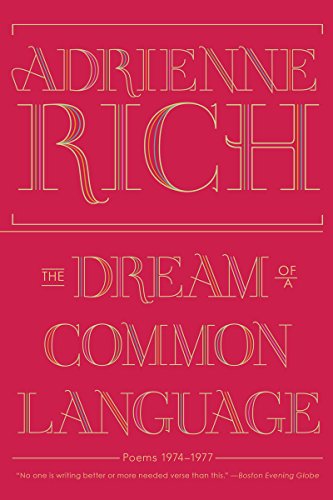
Start this bookNo. 16 on this list. The Dream of a Common Language · Adrienne Rich · 1978
The Dream of a Common Language is taught widely in feminist literary studies, women's poetry, and American poetry courses at the university level. It has no dedicated Wikipedia article in the database but Rich herself is a foundational figure in the canon of late twentieth-century American poetry, and this collection is consistently cited as central to her legacy and to the feminist poetry movement of the 1970s.
Challenging1.1 hours
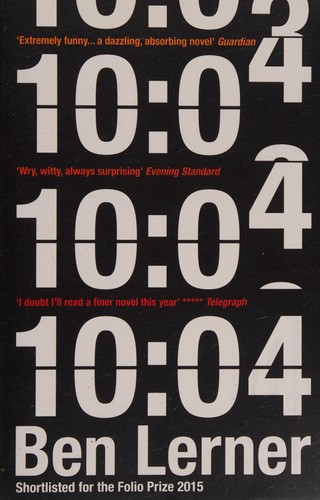
Start this bookNo. 17 on this list. 10:04 · Ben Lerner · 2014
10:04 is widely taught in MFA programs and contemporary American fiction courses and appears on many "best novels of the decade" lists for the 2010s, but it has not yet achieved the settled canonical status of older landmarks. Its reputation is strong within literary and academic circles—particularly in discussions of autofiction and the contemporary American novel—while remaining largely unknown to general readers.
Very Difficult10 hours
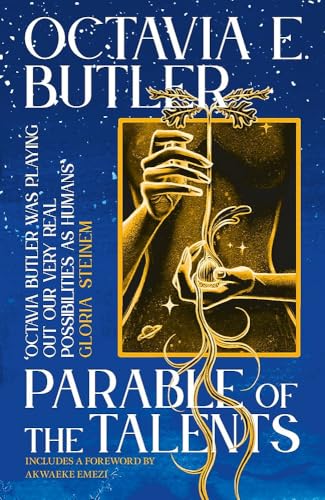
Start this bookNo. 18 on this list. Parable of the Talents · Octavia E. Butler · 1998
Winner of the Nebula Award for Best Novel (1999). Widely taught in speculative fiction, Afrofuturism, and American dystopia courses. The Parable duology is among the most assigned works in contemporary SF syllabi and is firmly canonical within the genre; its canonical standing in broader American literary culture continues to grow.
Challenging13 hours
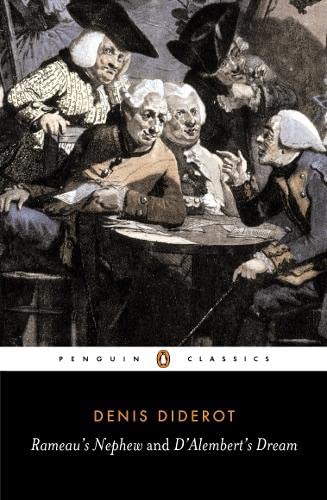
Start this bookNo. 19 on this list. Rameau's Nephew · Denis Diderot · 1805
Included in: Great Books of the Western World
Rameau's Nephew is a fixture in 18th-century French literature and philosophy courses at the university level, though it occupies a more specialist niche than Diderot's Encyclopédie work. It appears on syllabi in French literature, Enlightenment studies, and courses on the dialogue form. Goethe's German translation (1805) was the work's first publication and secured its European reputation; Wikipedia articles exist in around 30 languages.
Difficult6 hours
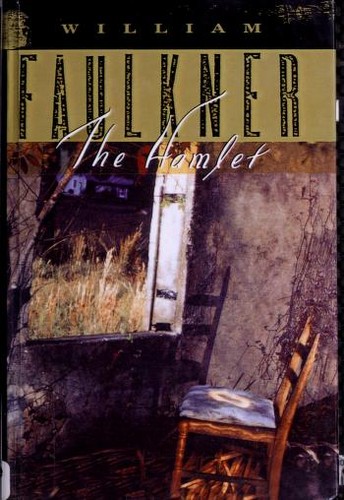
Start this bookNo. 20 on this list. The Hamlet · William Faulkner · 1940
The Hamlet is consistently taught in American modernism and Southern literature courses as a key Faulkner text, though it receives less curriculum attention than The Sound and the Fury or As I Lay Dying. The Snopes trilogy as a whole is recognized as one of American literature's major long-form projects, and The Hamlet is its foundation. It appears on syllabi focused on Faulkner, Southern Gothic, and American regionalism, but has not achieved the broad high-school penetration of Faulkner's most canonical works.
Difficult43 hours
Start this book
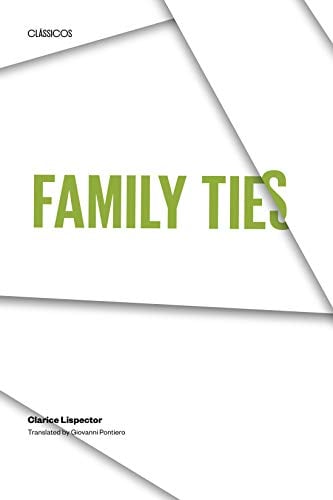
No. 21 on this list. Family Ties · Clarice Lispector · 1960
Family Ties appears regularly on comparative literature and Latin American literature syllabi worldwide, and Lispector is among the most studied Lusophone writers in university world literature courses. No syllabus count was captured in the database, but her work has sustained continuous academic inclusion since the 1960s. Hélène Cixous's book-length critical study of Lispector (The Stream Running Nowhere) cemented the collection's place in the Western literary canon.
Difficult3.6 hours
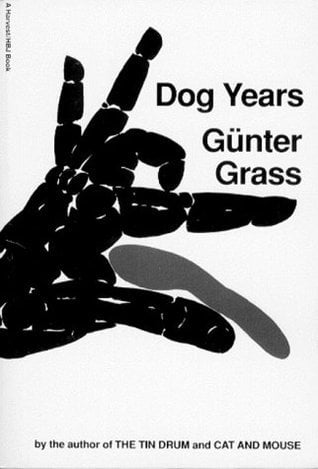
Start this bookNo. 22 on this list. Dog Years · Günter Grass · 1963
Dog Years is the third volume of the Danzig Trilogy and less widely taught than The Tin Drum, which dominates university syllabi. The Wikipedia article is notably short (967 characters), reflecting thinner digital documentation than its companion novels. It remains central to German postwar literature courses and appears on reading lists for Nobel Prize study, but lacks the standalone canonical presence of Grass's earlier work.
Difficult28 hours
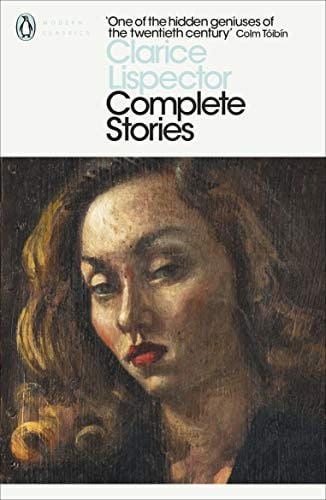
Start this bookNo. 23 on this list. The Complete Stories · Clarice Lispector
Lispector holds a firm place in comparative literature and Latin American literature syllabi globally, and her work appears in women's writing and world literature courses at major universities. No Open Syllabus data is available for this specific collection, but Lispector as an author is consistently included in world literature canons alongside Borges and García Márquez. The 2015 New Directions translation by Katrina Dodson dramatically expanded her anglophone reach and prestige.
Difficult22 hours
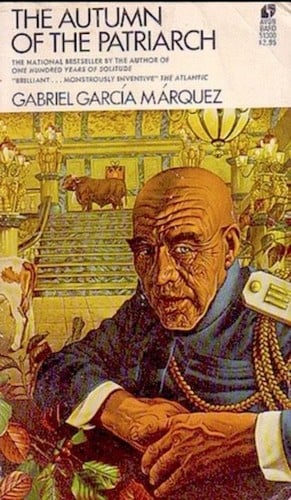
Start this bookNo. 24 on this list. The Autumn of the Patriarch · Gabriel García Márquez · 1975
Appears on 31 university syllabi (37th percentile in Open Syllabus) and has Wikipedia articles in 27 languages. Less universally taught than One Hundred Years of Solitude, it occupies a secondary but established position in the Garcia Marquez canon. Assigned in world literature, Latin American studies, and courses on the dictator novel tradition.
Difficult11 hours
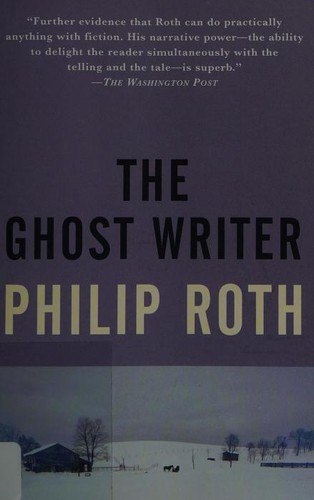
Start this bookNo. 25 on this list. The Ghost Writer · Philip Roth · 1979
The Ghost Writer is taught in American literature and Jewish-American literature courses at the university level, and as the inaugural Nathan Zuckerman novel it anchors one of postwar American fiction's most significant novel sequences. It appears regularly on graduate syllabi for postwar American fiction and meta-fiction, though it is less universally assigned than Roth's Pulitzer-winning American Pastoral.
Difficult5.9 hours
Start this bookNo. 26 on this list. Lanark: A Life in Four Books · Alasdair Gray · 1981
Lanark is widely regarded as the most significant Scottish novel of the twentieth century and appears on many British university literature syllabi, particularly in Scottish literature and postmodern fiction courses. It lacks the global curriculum penetration of Ulysses or Beloved — its reputation is regionally intense rather than internationally ubiquitous. Harold Bloom placed it among essential works of Western literature in The Western Canon.
Difficult31 hours
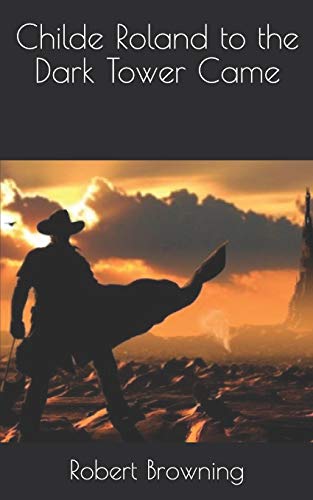
Start this bookNo. 27 on this list. Childe Roland to the Dark Tower Came · Robert Browning · 1855
A fixture of Victorian poetry surveys and Browning units in university curricula, regularly anthologized in collections like the Norton Anthology of English Literature. No syllabus or Wikipedia data was returned by the database for this work, so this score rests on its well-documented standing as one of Browning's most consistently taught single poems, short of universal fixtures like Hamlet or Gatsby.
Challenging11 min
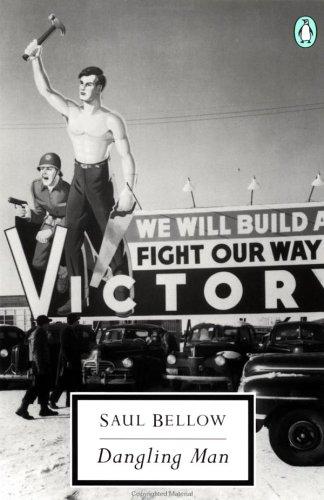
Start this bookNo. 28 on this list. Dangling Man · Saul Bellow · 1944
Dangling Man is taught in Bellow courses and American literature surveys as the novel that launched one of the 20th century's most significant literary careers. It appears regularly in discussions of postwar American fiction and the confessional-intellectual novel. Not as canonical as Herzog or Humboldt's Gift, but securely within the serious literary curriculum as a Bellow debut of historical importance.
Challenging5.5 hours
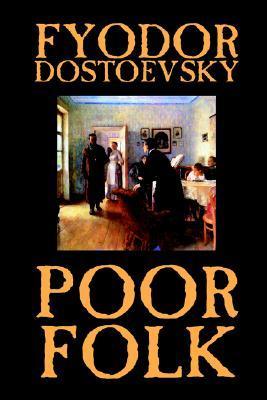
Start this bookNo. 29 on this list. Poor Folk · Fyodor Dostoevsky · 1846
Taught in schools: Kazakh literature curriculum (Kazakhstan)
Poor Folk is taught in Russian literature and world literature courses primarily as the debut work that announced Dostoevsky's arrival, but it lacks the universal curricular presence of Crime and Punishment or The Brothers Karamazov. No syllabus data is available in the database, and the novel occupies a respected but secondary position in the Dostoevsky canon — essential reading for specialists, optional for general courses.
Difficult5.7 hours
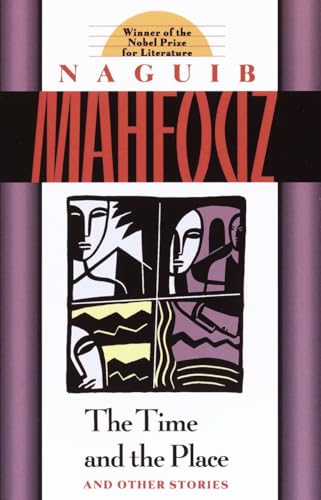
Read nowNo. 30 on this list. The Thief and the Dogs · Naguib Mahfouz · 1961
Taught in schools: Moroccan secondary Arabic literature (Morocco)
A cornerstone of modern Arabic literature, this novel appears regularly in world literature and postcolonial fiction syllabi at universities globally. It is among the most critically discussed of Mahfouz's works outside his Nobel-winning Cairo Trilogy, frequently assigned in Middle Eastern and comparative literature programs as the text where Mahfouz fully embraced modernist form.
Difficult12 hours
Start this book
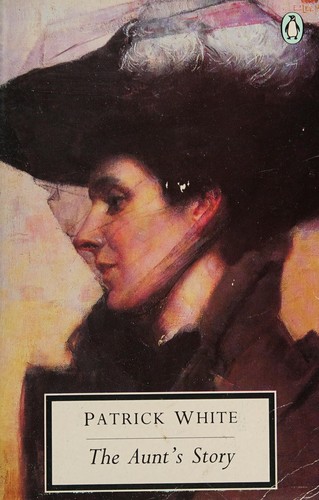
No. 31 on this list. The Aunt's Story
Patrick White · 1948
Taught in schools: CSEC English B – Caribbean Examinations Council
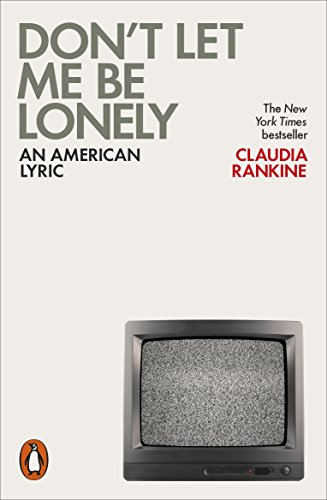
No. 32 on this list. Don't Let Me Be Lonely
Claudia Rankine · 2004
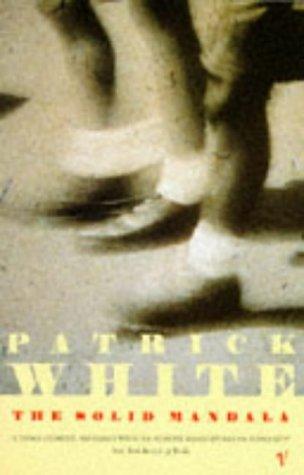
No. 33 on this list. The Solid Mandala
Patrick White · 1966
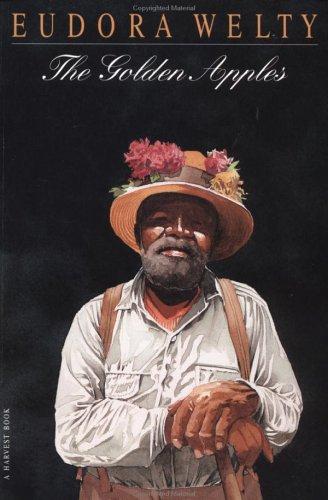
No. 34 on this list. The Golden Apples
Eudora Welty · 1949
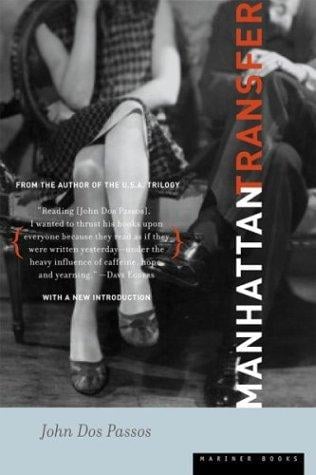
No. 35 on this list. Manhattan Transfer
John Dos Passos · 1925
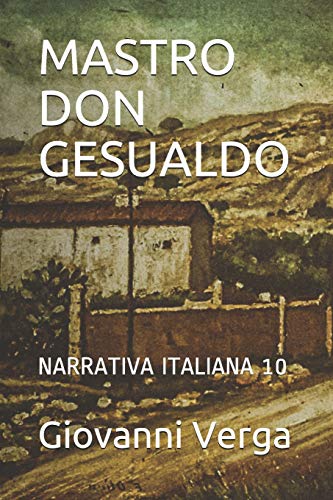
No. 36 on this list. Mastro-don Gesualdo
Giovanni Verga · 1889
Included in: UNESCO Collection of Representative Works
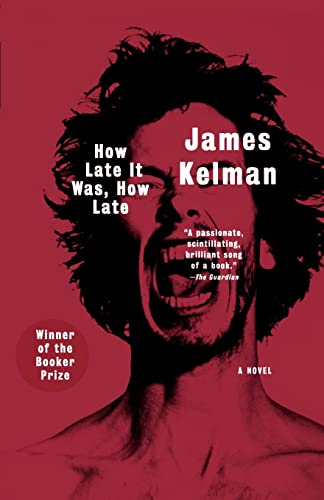
No. 37 on this list. How Late It Was, How Late
James Kelman · 1994
No. 38 on this list. Bouvard and Pécuchet
Gustave Flaubert · 1881
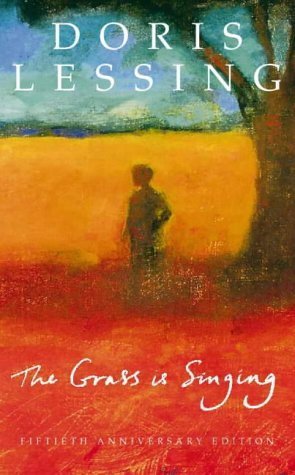
No. 39 on this list. The Grass is Singing
Doris Lessing · 1950
Taught in schools: CSEC English B – Caribbean Examinations Council
Included in: Heinemann African Writers Series
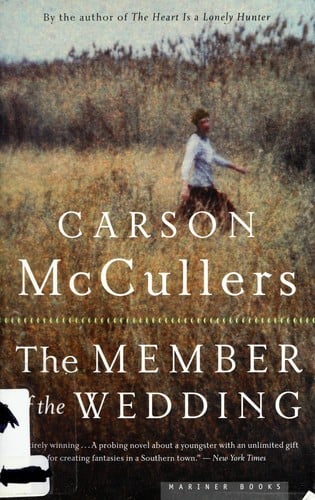
No. 40 on this list. The Member of the Wedding
Carson McCullers · 1946
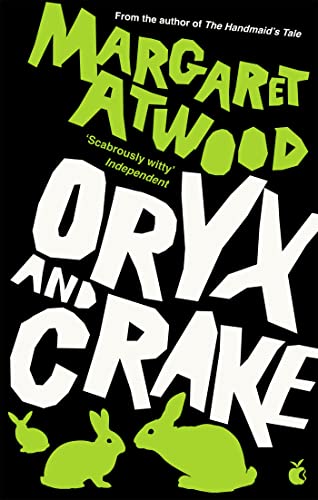
No. 41 on this list. Oryx and Crake
Margaret Atwood · 2003
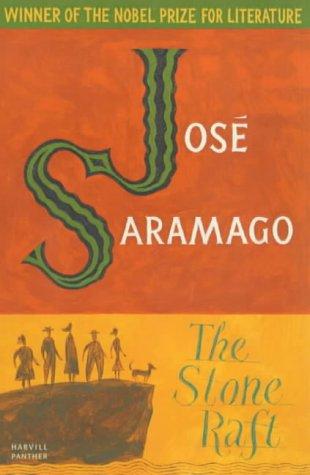
No. 42 on this list. The Stone Raft
José Saramago · 1986
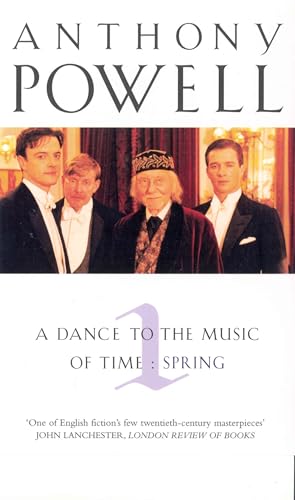
No. 43 on this list. A Dance to the Music of Time
Anthony Powell · 1951
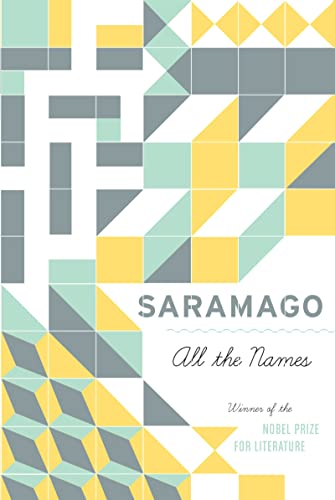
No. 44 on this list. All the Names
José Saramago · 1997
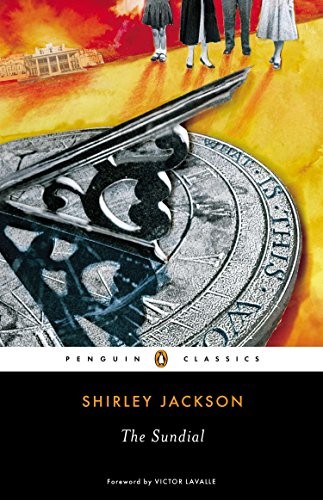
No. 45 on this list. The Sundial
Shirley Jackson · 1958
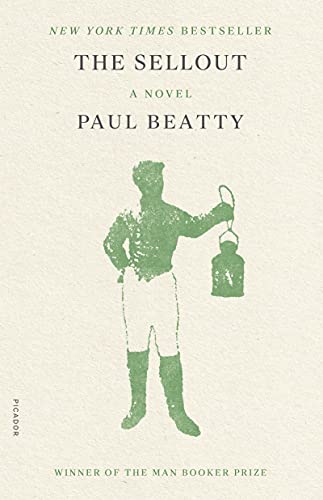
No. 46 on this list. The Sellout
Paul Beatty · 2016
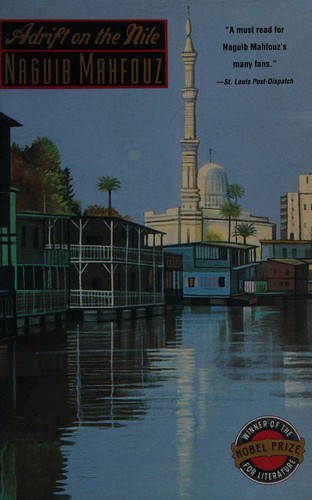
No. 47 on this list. Adrift on the Nile
Naguib Mahfouz · 1966
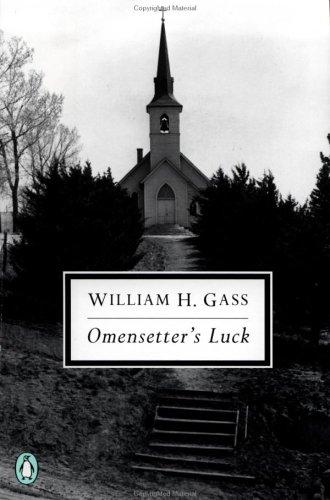
No. 48 on this list. Omensetter's Luck
William Gass · 1966
No. 49 on this list. The Sheltering Sky
Paul Bowles · 1949
No. 50 on this list. Girl with Curious Hair
David Foster Wallace · 1989
No. 51 on this list. The Call of Cthulhu and Other Stories
H.P. Lovecraft · 1928
No. 52 on this list. Riders in the Chariot
Patrick White · 1961
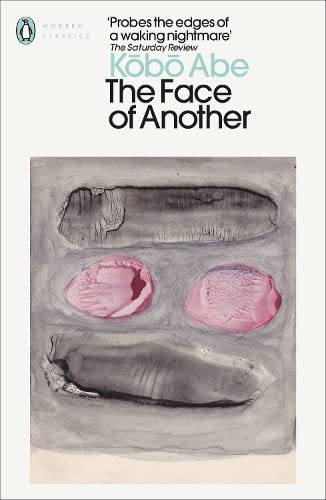
No. 53 on this list. The Face of Another
Kobo Abe · 1964
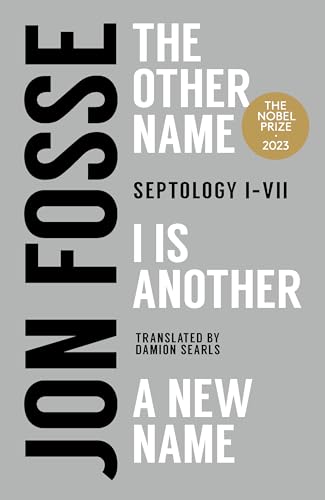
No. 54 on this list. Septology
Jon Fosse · 2019
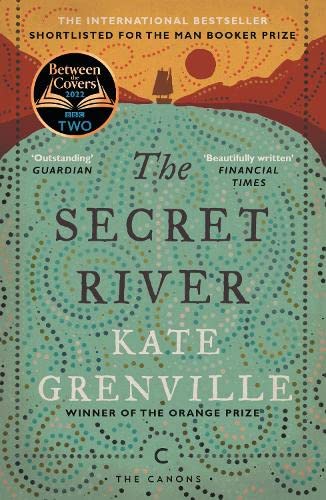
No. 55 on this list. The Secret River
Kate Grenville · 2006
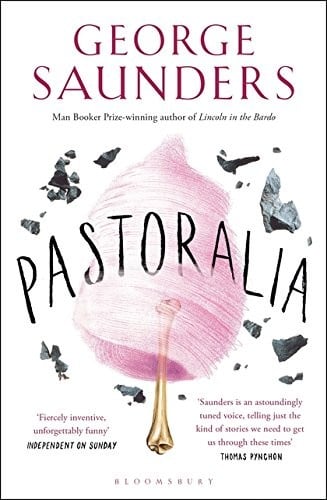
No. 56 on this list. Pastoralia
George Saunders · 2000
No. 57 on this list. Living
Henry Green · 1929
No. 58 on this list. The Toilers of the Sea
Victor Hugo · 1866
No. 59 on this list. The Robber Bride
Margaret Atwood · 1993
No. 60 on this list. Soul Mountain
Gao Xingjian · 1990
No. 61 on this list. NW
Zadie Smith · 2013
No. 62 on this list. Secret Rendezvous
Kobo Abe · 1977
No. 63 on this list. Red Doc>
Anne Carson · 2013
No. 64 on this list. Too Loud a Solitude
Bohumil Hrabal · 1976
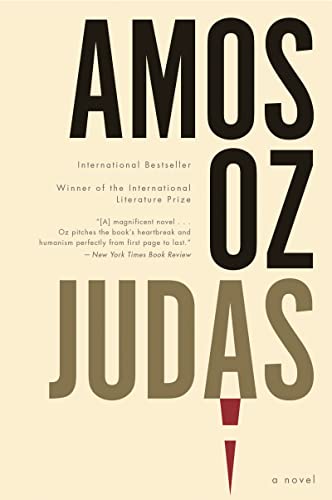
No. 65 on this list. Judas
Amos Oz · 2017
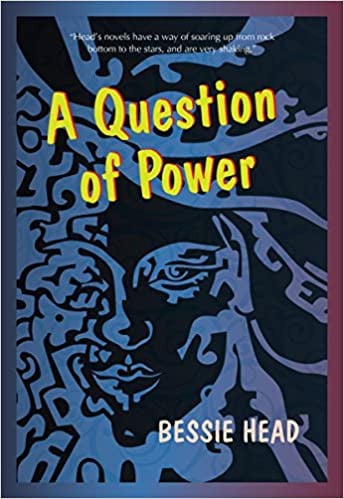
No. 66 on this list. A Question of Power
Bessie Head · 1974
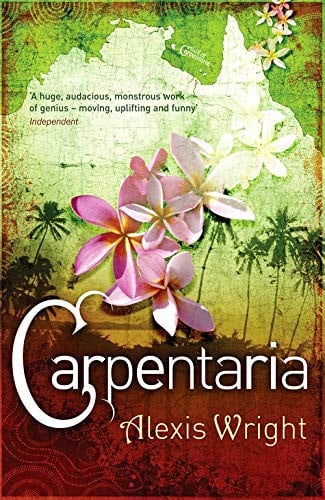
No. 67 on this list. Carpentaria
Alexis Wright · 2006
No. 68 on this list. Harrow
Joy Williams · 2021
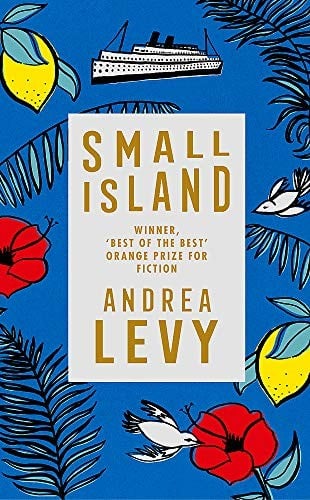
No. 69 on this list. Small Island
Andrea Levy · 2005
Taught in schools: AQA GCSE and A-level English Literature (UK)
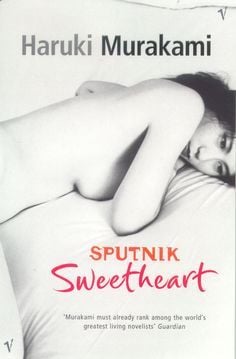
No. 70 on this list. Sputnik Sweetheart
Haruki Murakami · 1999
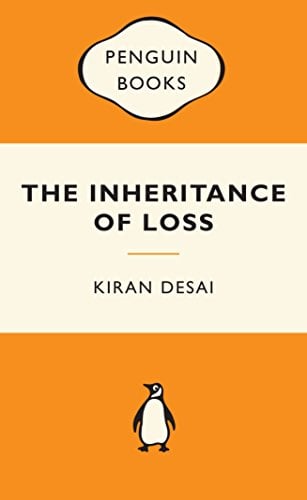
No. 71 on this list. The Inheritance of Loss
Kiran Desai · 2006
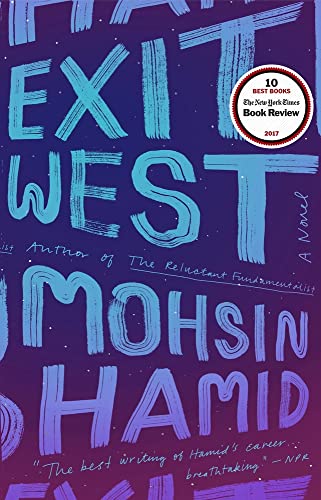
No. 72 on this list. Exit West
Mohsin Hamid · 2017
No. 73 on this list. The House on the Hill
Cesare Pavese · 1948
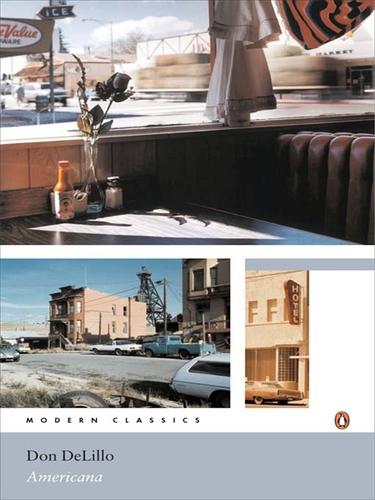
No. 74 on this list. Americana
Don DeLillo · 1971
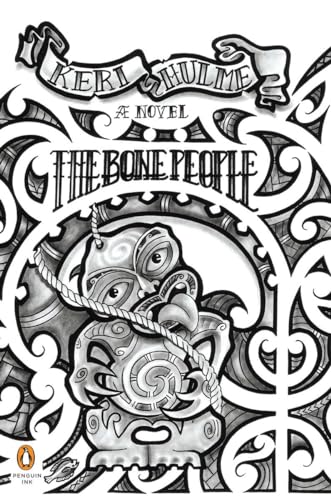
No. 75 on this list. The Bone People
Keri Hulme · 1985
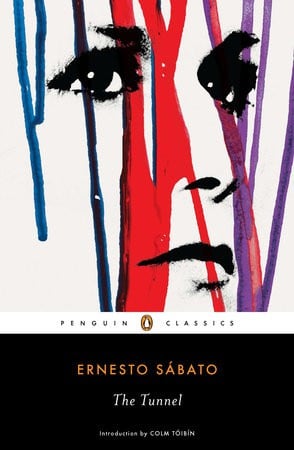
No. 76 on this list. The Tunnel
Ernesto Sabato · 1948
Taught in schools: UNAM Escuela Nacional Preparatoria – programas de Literatura (Mexico)
No. 77 on this list. Morphine
Mikhail Bulgakov · 1927
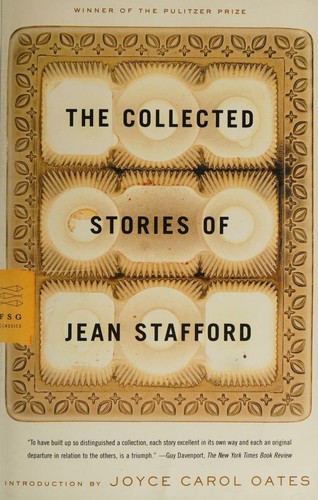
No. 78 on this list. The Collected Stories of Jean Stafford
Jean Stafford · 1970
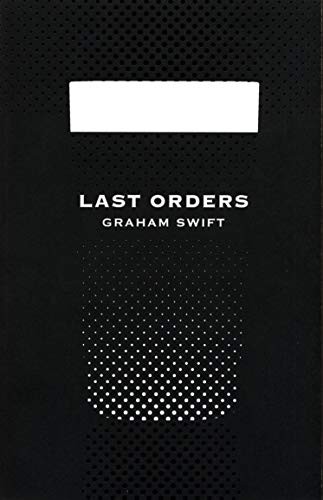
No. 79 on this list. Last Orders
Graham Swift · 1996
No. 80 on this list. The Floating Opera
John Barth · 1956
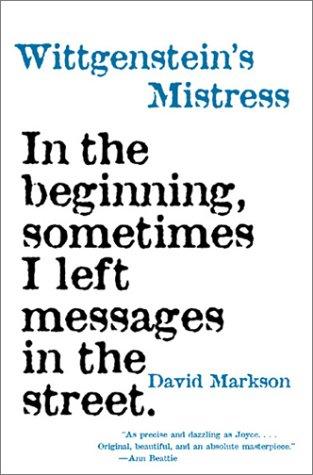
No. 81 on this list. Wittgenstein’s Mistress
David Markson · 1988
No. 82 on this list. I Am Legend
Richard Matheson · 1954
No. 83 on this list. The Last Man
Mary Shelley · 1826
No. 84 on this list. Sacred Hunger
Barry Unsworth · 1992
No. 85 on this list. The Bastard of Istanbul
Elif Shafak · 2006
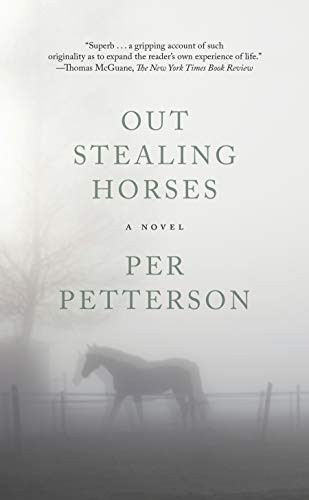
No. 86 on this list. Out Stealing Horses
Per Petterson · 2007
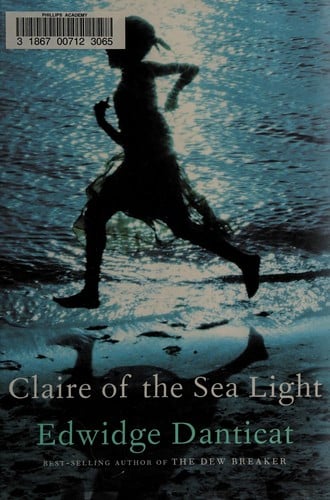
No. 87 on this list. Claire of the Sea Light
Edwidge Danticat · 2013
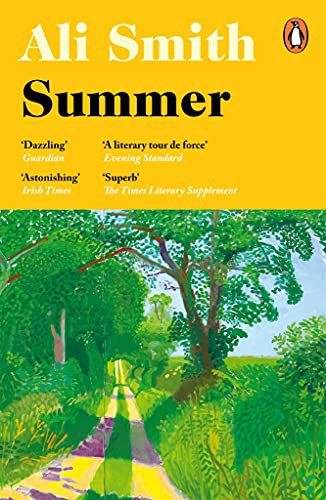
No. 88 on this list. Summer
Ali Smith · 2020
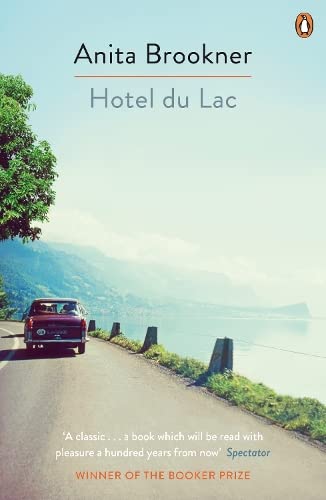
No. 89 on this list. Hotel du Lac
Anita Brookner · 1984
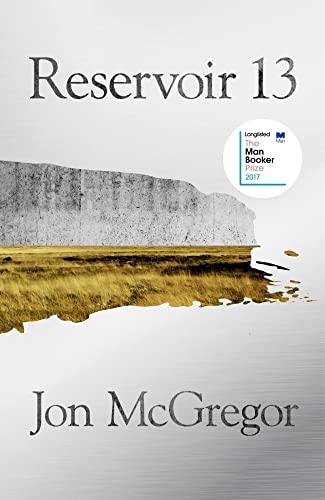
No. 90 on this list. Reservoir 13
Jon McGregor · 2017
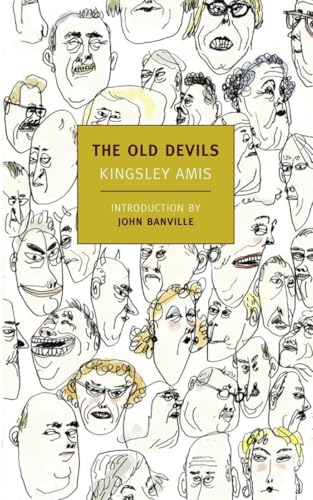
No. 91 on this list. The Old Devils
Kingsley Amis · 1986
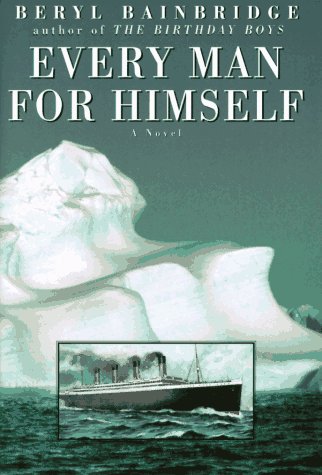
No. 92 on this list. Every Man for Himself
Beryl Bainbridge · 1996
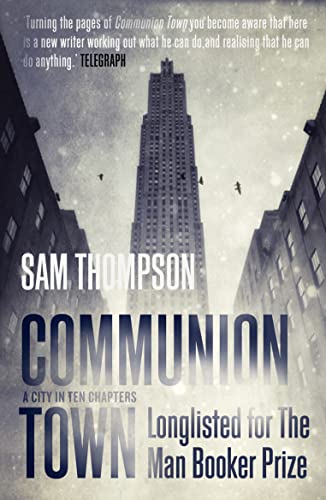
No. 93 on this list. Communion Town
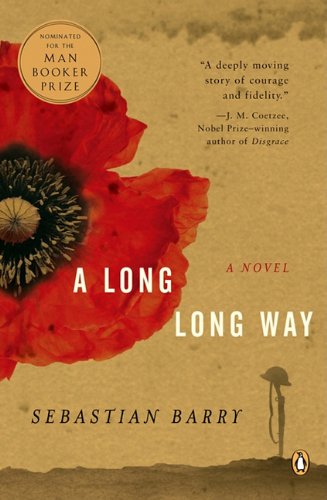
No. 94 on this list. A Long Long Way
Sebastian Barry · 2005
Taught in schools: AQA GCSE and A-level English Literature (UK)
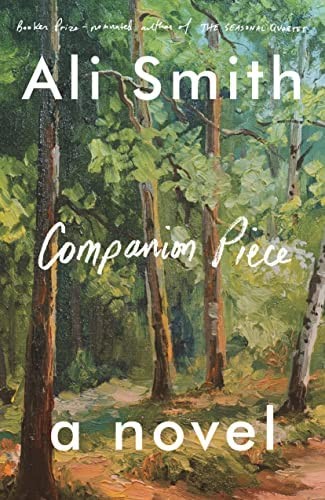
No. 95 on this list. Companion Piece
Ali Smith · 2022
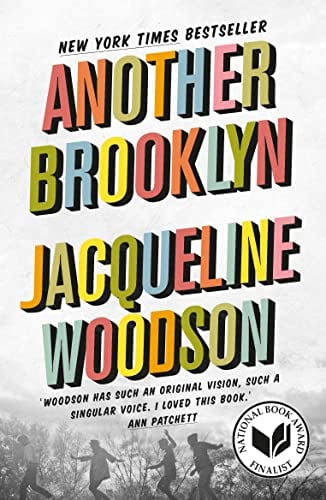
No. 96 on this list. Another Brooklyn
Jacqueline Woodson · 2016
No. 97 on this list. The Big Green Tent
Ludmila Ulitskaya · 2010
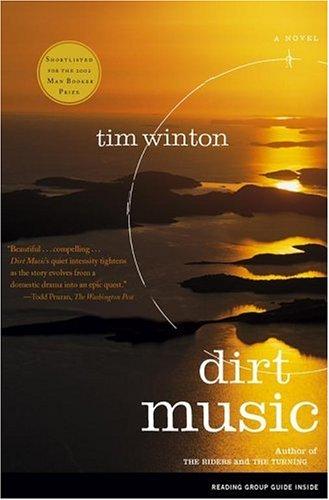
No. 98 on this list. Dirt Music
Tim Winton · 2002
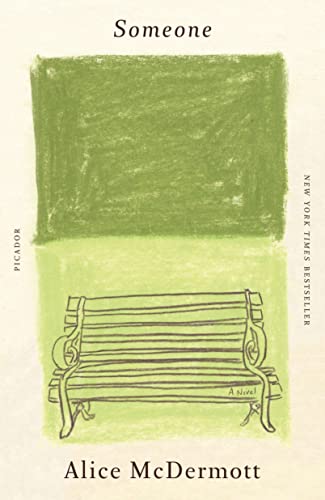
No. 99 on this list. Someone
Alice McDermott · 2013
No. 100 on this list. The House on the Borderland
William Hope Hodgson · 1908
About this list
These 100 books are the highest-scoring eligible challenging books about solitude and connection currently in the catalogue. About 1,075 hours of reading in all. Difficulty runs from 69 to 75 out of 100 for the middle half of the list; the summit is In the Heart of the Heart of the Country at 87.
This list is ranked by literary regard, with a consistent order for equal scores. Membership follows authors and co-authors, not translators or editors. A book is here when ReadingRate files it under Solitude & Connection as one of its primary reading domains, at a confidence of 0.8 or more. Catalogue coverage and the historical canon both limit what this list can represent.
When we matched the Canons dataset to our catalogue in October 2026, our canonical-status scores rose with the number of school curricula, publisher series and lists in it that cite a work: the median score was 72 for books one such source cites, 84 at two, 88 at three, 92 at four and 93 at five or more. Prizes are left out of that count. Outside the state curricula, the dataset’s sources choose mostly from what has been translated into English or French, so it is a weaker check on other literatures. Source: Canons (Andrew Piper), CC BY 4.0
Questions people actually ask
- What are the best challenging books about solitude and connection?
- By literary regard, which weighs canonical status, critical standing and influence: Thus Spake Zarathustra A book for all and none by Friedrich Nietzsche, A Hunger Artist by Franz Kafka, Coriolanus by William Shakespeare, Residence on Earth by Pablo Neruda and The Burning Plain and Other Stories by Juan Rulfo. ReadingRate ranks 100 such books, each with a difficulty score and a reading-time estimate.
- Which challenging books about solitude and connection should I read first?
- Start from difficulty, not from rank. The most approachable books on this list that still carry top literary regard are The Burning Plain and Other Stories by Juan Rulfo (about 3.4 hours), Malone Dies by Samuel Beckett and Winesburg, Ohio by Sherwood Anderson.
- What are the shortest of the best challenging books about solitude and connection?
- Among the top 25, the shortest are The Winding Stair by William Butler Yeats (about 53 min), The Dream of a Common Language by Adrienne Rich (about 1.1 hours) and Family Ties by Clarice Lispector (about 3.6 hours), at an average pace of 250 words a minute adjusted for each book's difficulty.
- Which of the best challenging books about solitude and connection are the established classics?
- By canonical status, how firmly a book sits in curricula, anthologies and the canon: Thus Spake Zarathustra A book for all and none by Friedrich Nietzsche, A Hunger Artist by Franz Kafka, In the Heart of the Heart of the Country by William Gass, Coriolanus by William Shakespeare and Watt by Samuel Beckett.
- Can I read any of these challenging books about solitude and connection for free?
- 7 of the 100 open in ReadingRate's reader with a free account, from public-domain editions: Coriolanus, Winesburg, Ohio, Poor Folk, Manhattan Transfer, Bouvard and Pécuchet and 2 more.
- How long would it take to read the top ten?
- About 95 hours, at an average pace of 250 words a minute adjusted for each book's difficulty: 48 days at two hours a day. Set your own pace on the page and the list's reading times change to it.
- How hard are challenging books about solitude and connection to read?
- Most of this list sits between 69 and 75 on ReadingRate's 100-point difficulty scale, where 40 to 55 is moderate. The summit is In the Heart of the Heart of the Country at 87. Every entry carries its own score, so a reader can pick a great book at a difficulty they will finish.
- How is this list ranked?
- On literary-regard data: how canonically established a work is, its critical standing, and its influence on later writing. It is not a readers’ poll, which is why recent bestsellers rarely appear. Membership follows authors and co-authors, not translators or editors. Lists by country, author, period, theme or difficulty keep to literature (fiction, poetry, drama and philosophy), their novels, poems and plays first and their philosophy after them; a list of a kind of book, such as memoir or criticism, keeps every book of that kind. Every list holds at most three works by one author. A book is here when ReadingRate files it under Solitude & Connection as one of its primary reading domains, at a confidence of 0.8 or more.