Hours at an average pace
Showing 100 books
About 400 hours for 100 of 100 books with measured lengths. Estimates use 250 words a minute, adjusted for each book's difficulty. At 2 hours a day, about 200 days for those books.
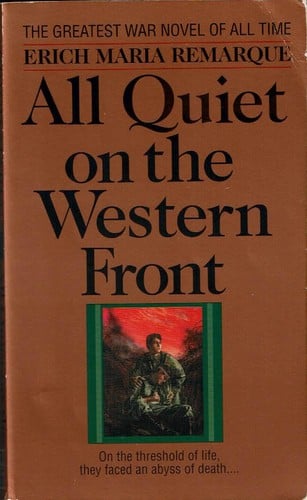
No. 1 on this list. All Quiet on the Western Front
Erich Maria Remarque · 1987
Easy4.3 hours
Taught in schools: AQA GCSE and A-level English Literature (UK)
One of the essential WWI novels, taught in literature and history courses worldwide.
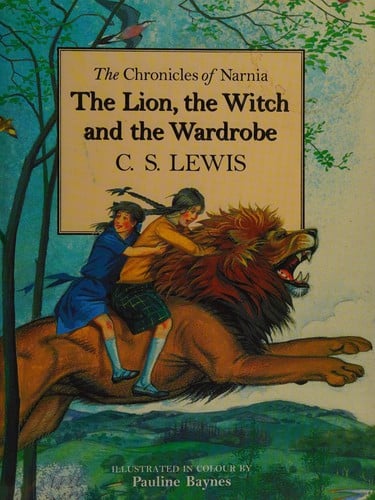
The Lion, the Witch and the Wardrobe is taught in elementary and middle schools worldwide and is considered essential children's literature. It appears on countless reading lists and is often children's introduction to fantasy literature. The Narnia series is foundational to understanding modern fantasy and children's fiction.
No. 3 on this list. The School for Wives
Molière · 1662
Easy1.2 hours
Included in: Great Books of the Western World
A major Molière comedy, regularly performed and studied. Marks the beginning of his mature period and the great querelle it provoked.
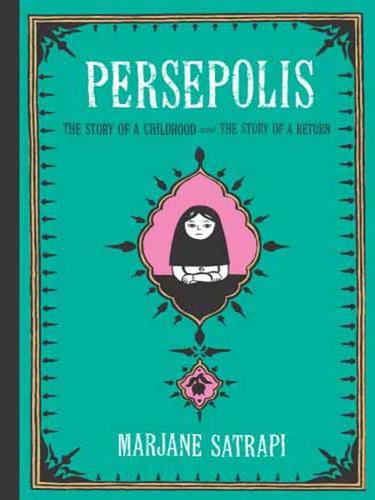
Persepolis is one of the most widely taught graphic narratives in schools and universities, a standard text in courses on memoir, comics and the modern Middle East. It sits beside Art Spiegelman's Maus at the core of the graphic-memoir curriculum.
One of the most admired collections by a Nobel laureate poet. Considered a turning point in Heaney's career and among his finest work.
The diary is a fixture of secondary education worldwide and appears in 72 Wikipedia language editions — on par with The Great Gatsby — reflecting its global canonical reach. Its 133 Open Syllabus appearances (53rd percentile) undercount its true presence, as it is taught most heavily at the pre-university level. Le Monde named it one of the 100 Books of the Century in 1999.
No. 7 on this list. Treasure Island
Robert Louis Stevenson · 1883
Easy4 hours
Taught in schools: Pacific Senior Secondary Certificate – English
Treasure Island is the defining pirate novel in English literature, anthologized and taught to children across the globe since its 1883 publication. Adapted for film, stage, and television dozens of times, it occupies a foundational position in English-language adventure fiction. Though the data signals returned empty, its cultural ubiquity—Black Spot, treasure maps, parrots, Long John Silver—places it firmly in the literary canon.
No. 8 on this list. Pippi Longstocking
Astrid Lindgren · 1945
Very Easy1.2 hours
Taught in schools: Lithuanian literature curriculum (lietuvių kalba ir literatūra)
Included in: Bokklubben World Library
Pippi Longstocking is translated into over 70 languages and has sold more than 140 million copies worldwide, making it one of the most widely distributed children's books ever published. It is standard reading in Swedish schools and appears on canonical children's literature lists across Europe and beyond. While not a fixture of university literature syllabi, it holds an unassailable position in the children's literature canon globally.
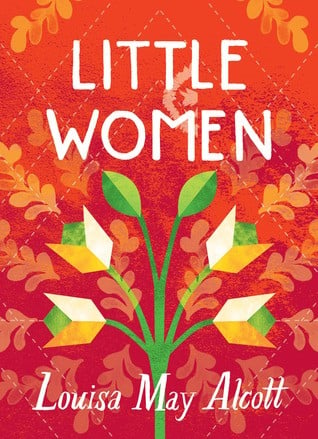
No. 9 on this list. Little Women (Little Women, #1)
Louisa May Alcott · 1868
Easy6.5 hours
Taught in schools: Common Core text exemplars (Appendix B) (US)
The book is a staple of American literature and girlhood reading, widely taught in schools and adapted many times. It ranks below the core canon of Gatsby and Mockingbird in college syllabi.
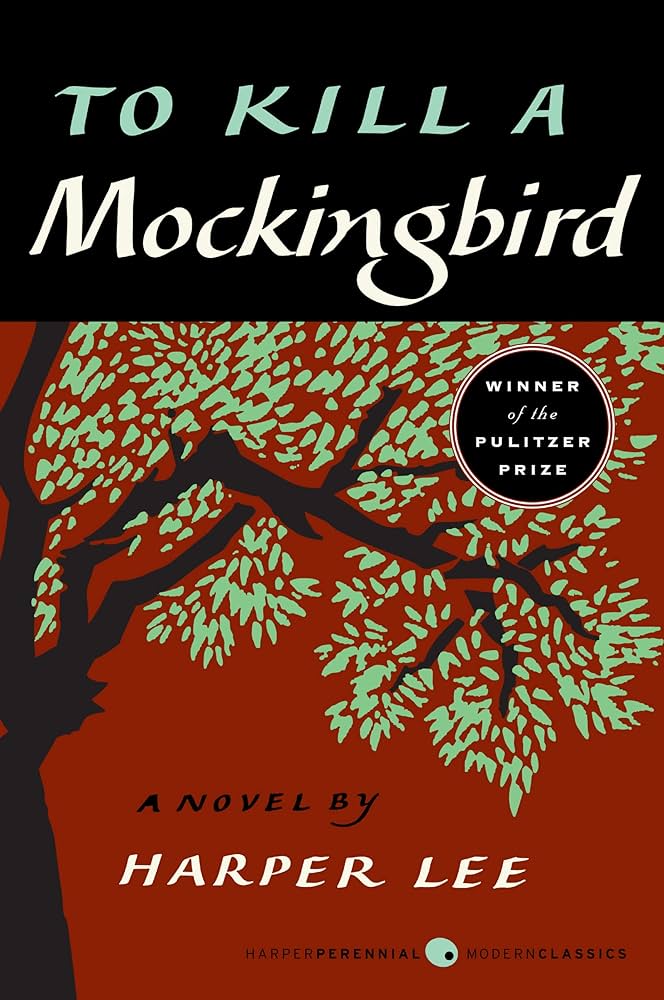
No. 10 on this list. To Kill a Mockingbird
Harper Lee · 1961
Moderate6.3 hours
Taught in schools: Cambridge IGCSE Literature in English (0475), Common Core text exemplars (Appendix B) (US), CSEC English B – Caribbean Examinations Council
Appears on 1,674 university syllabi (80.6th percentile, Open Syllabus Project) and is a fixture of American high school and university English curricula. Wikipedia articles exist in 58 languages with dedicated reception and adaptations sections. Published by four prestige houses — Library of America, Everyman's Library, Penguin Classics, and Penguin Modern Classics — confirming its standing in the Western canon.
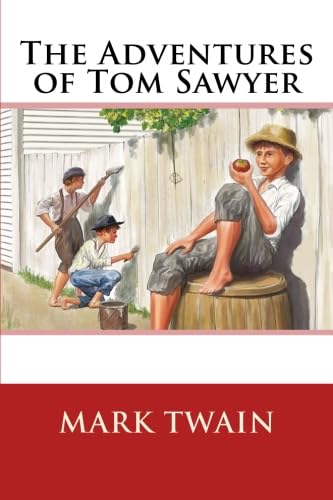
No. 11 on this list. The Adventures of Tom Sawyer · Mark Twain · 1876
Taught in schools: Common Core text exemplars (Appendix B) (US)
The Adventures of Tom Sawyer has been required reading in American middle and high schools for generations and appears on virtually every major list of American literature. Though university curricula tend to favor its sequel Huckleberry Finn, Tom Sawyer remains among the most widely read 19th-century American novels worldwide, with translations across dozens of languages.
Easy4.1 hours
Read nowNo. 12 on this list. The City and the Dogs · Mario Vargas Llosa · 1963
Recognized as one of the founding novels of the Latin American boom and a landmark of Peruvian literature.
Moderate7.7 hours
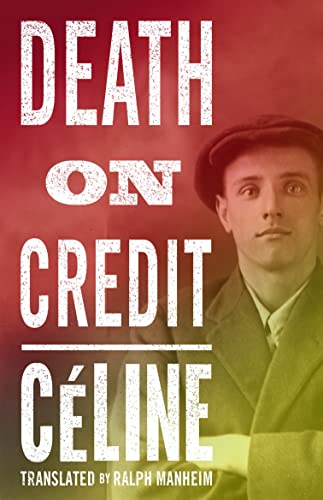
Start this bookNo. 13 on this list. Death on the Installment Plan · Louis-Ferdinand Céline · 1936
Considered one of the great French novels of the twentieth century, though less widely read than Journey to the End of the Night. Central to studies of literary modernism.
Moderate11 hours
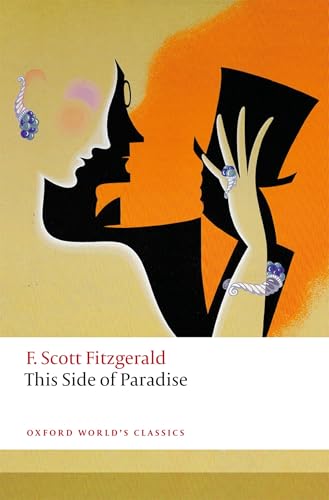
Start this bookNo. 14 on this list. This Side of Paradise · F. Scott Fitzgerald · 1920
Taught in American literature surveys and Fitzgerald-specific courses, but far less frequently than The Great Gatsby, which dominates both high school and university syllabi. This Side of Paradise appears primarily in courses on modernism, the 1920s, or the American bildungsroman. It holds a secure but secondary position in the Fitzgerald canon — the book that made him famous rather than the book that made him permanent.
Easy4.6 hours
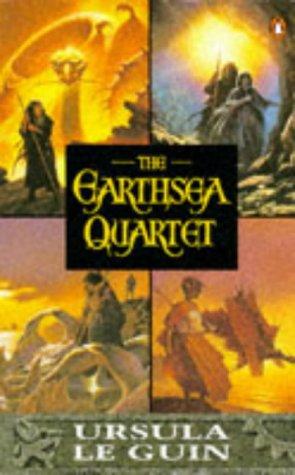
Read nowNo. 15 on this list. The Earthsea Quartet · Ursula K Le Guin · 1968
Across four novels spanning decades, Le Guin builds the archipelago of Earthsea—a world of islands, sailing, and true-name magic where knowing a thing's true name gives power over it. A Wizard of Earthsea follows the young wizard Ged as he releases a shadow-creature and must pursue it across the world. The Tombs of Atuan follows a priestess freed from underground servitude. The Farthest Shore follows Ged, now Archmage, pursuing a wizard who has broken the boundary between life and death. Tehanu, written sixteen years later, returns to Earthsea with a feminist perspective, following the abused child Therru and the former priestess Tenar in a world where women's power has been systematically suppressed. Le Guin's magic system—where speaking a true name is the fundamental magical act—is the most elegant in fantasy. The prose is spare, rhythmic, and precise, closer to myth than novel.
Moderate15 hours
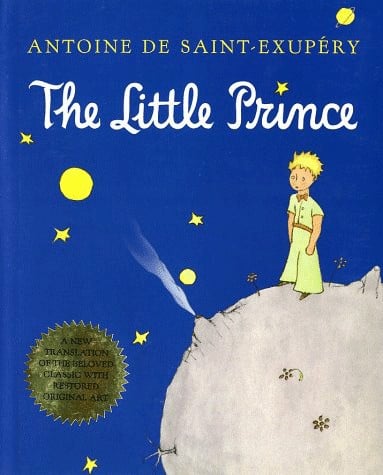
Start this bookNo. 16 on this list. The Little Prince · Antoine de Saint-Exupéry · 1943
Taught in schools: Common Core text exemplars (Appendix B) (US)
One of the most translated books in history with over 300 language editions, making it among the most widely read works of French literature. A staple of French school curricula and taught globally in world literature, philosophy, and children's literature courses. Wikipedia articles exist in well over 100 languages, reflecting universal cultural penetration.
Easy60 min
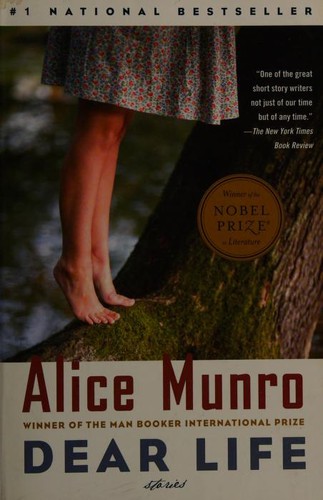
Start this bookNo. 17 on this list. Dear Life · Alice Munro · 2012
Munro's final collection, published the year before her Nobel Prize. Regarded as a fitting capstone to one of the great careers in short fiction.
Easy4.6 hours
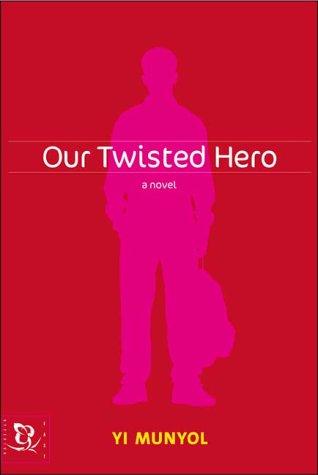
Start this bookNo. 18 on this list. Our Twisted Hero · Yi Munyol · 1987
One of the most widely read and taught works of modern Korean literature, both domestically and in translation.
Easy1.4 hours
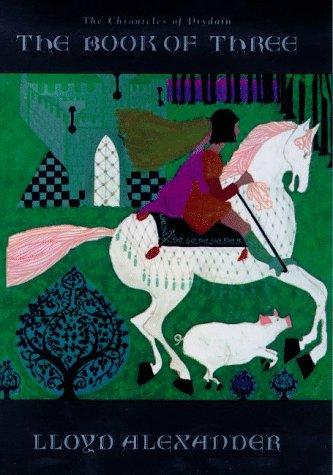
Start this bookNo. 19 on this list. The Book of Three · Lloyd Alexander · 1964
Newbery Medal winner (for The High King). The Chronicles of Prydain are a cornerstone of children's fantasy.
Easy2.3 hours
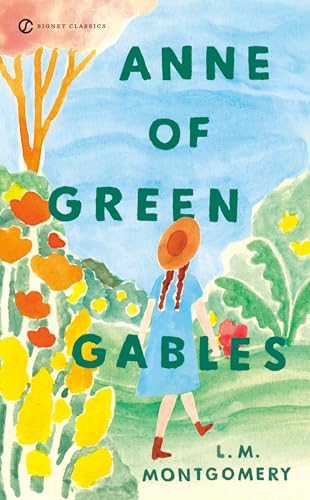
Start this bookNo. 20 on this list. Anne of Green Gables · L.M. Montgomery · 1908
Anne of Green Gables holds a secure place in the literary canon as one of the most enduring works of children's and young adult fiction. First published in 1908, it has never gone out of print, has been translated into over 36 languages, and has sold more than 50 million copies worldwide. It is widely taught in schools across Canada and globally, and its protagonist Anne Shirley has become a mythic icon of Canadian culture — a figure of comparable recognizability to Alice in Wonderland. While it sits firmly in the popular/children's classics tier rather than the prestige 'Great Books' canon, its canonical standing within its genre and cultural sphere is unassailable.
Easy5.7 hours
Start this book
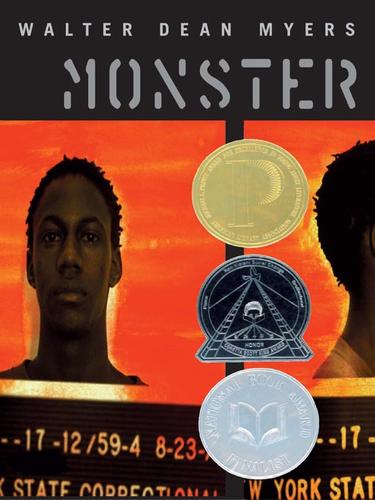
No. 21 on this list. Monster · Walter Dean Myers · 1999
Steve Harmon is sixteen years old and on trial for felony murder. He may have acted as a lookout for a Harlem drugstore robbery that left the owner dead — or he may not have. The question hangs over Walter Dean Myers's 1999 novel, which Steve narrates in the only form that makes sense to him: a screenplay. He writes himself as the protagonist, titles the film Monster — the word the prosecutor used to describe him — and cuts between courtroom scenes and flashback journal entries while his mother cries in the gallery and his lawyer calculates the odds. The form is not a gimmick. A screenplay externalizes action and dialogue while burying interiority in stage directions, and that gap is exactly where Myers puts the book's central problem: we watch Steve perform innocence without ever being certain whether we are watching performance or truth. The trial exposes Harlem's carceral machinery — the way young Black men get classified, processed, and destroyed — but Monster refuses to let that machinery fully explain Steve. He asks, on the last page, who he is. Myers doesn't answer. Readers will spend time after the last page deciding whether that's evasion or honesty, and what it says about how they read a defendant's face.
Easy1.7 hours
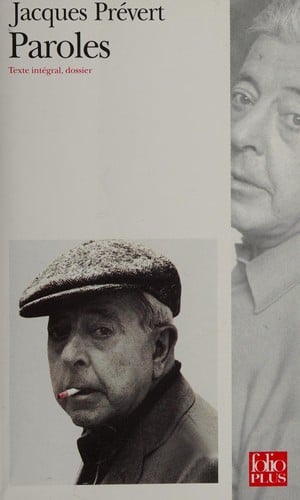
Start this bookNo. 22 on this list. Paroles · Jacques Prévert · 1946
Ranked 16th on Le Monde's 100 Books of the Century, Paroles is one of the best-selling books of French poetry of the twentieth century, and poems such as 'Barbara' and 'Déjeuner du matin' are fixtures of French schooling. It is less often set in university poetry courses than Apollinaire or Éluard.
Easy1.3 hours
Start this bookNo. 23 on this list. Tonio Kröger · Thomas Mann · 1903
One of Mann's most beloved early works and a key text in the literature of the artist's self-understanding.
Moderate1.3 hours
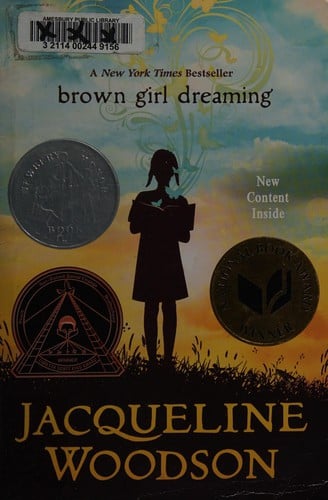
Read nowNo. 24 on this list. Brown Girl Dreaming · Jacqueline Woodson · 2014
Brown Girl Dreaming is standard reading in American middle school and high school curricula, particularly in units on memoir, poetry, and Civil Rights-era literature. It appears on numerous recommended reading lists for young adults and is included in many school districts' required reading programs. Its canonical status is strong within YA and middle-grade education but has not yet reached the broader university literary canon.
Easy1.9 hours
Start this bookNo. 25 on this list. The Eye of the World · Robert Jordan · 1990
The Eye of the World launched one of fantasy's most influential series. While not considered literary fiction, it holds canonical status within the epic fantasy genre, frequently cited alongside Tolkien's work as foundational to modern fantasy.
Easy16 hours
Start this bookNo. 26 on this list. The Old Curiosity Shop · Charles Dickens · 1841
The Old Curiosity Shop appears in every major Dickens collected edition (Penguin Classics, Oxford World's Classics, Chapman and Hall) and is taught in Victorian literature courses at universities worldwide. Nell's death was one of the most discussed literary events of the 19th century, with contemporary accounts of readers in tears on both sides of the Atlantic. It sits below Oliver Twist and Great Expectations in the teaching hierarchy but is a firm fixture of the Dickens canon.
Moderate13 hours
Read nowNo. 27 on this list. Where the Wild Things Are · Maurice Sendak · 1963
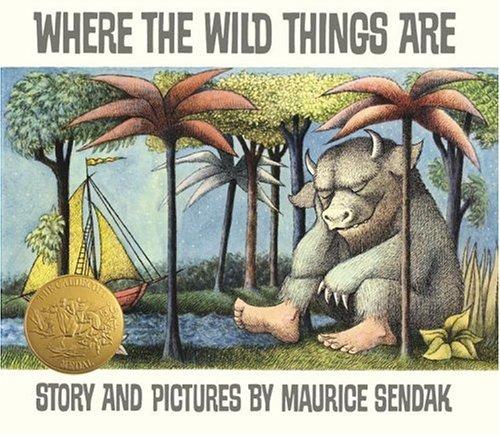
Max puts on his wolf suit and makes mischief of one kind and another until his mother calls him "WILD THING" and sends him to bed without his supper. His room grows into a forest, an ocean tumbles by, and Max sails to the place where the wild things are—huge, yellow-eyed, horn-headed monsters who roar their terrible roars and gnash their terrible teeth. Max tames them with a magic trick of staring into their eyes without blinking, and they make him king of all wild things. The wild rumpus follows: a wordless bacchanal across three double-page spreads of pure, joyous destruction. Then Max smells good things to eat and wants to be where someone loves him best of all. He sails home and finds his supper waiting, still hot. Sendak compressed into 338 words and ten sentences the entire emotional arc of childhood anger: the rage, the fantasy of power, the satiation of wildness, and the return to love. The illustrations expand as Max's fantasy grows—from small vignettes to borderless full pages—and contract as he returns, a visual rhythm that mirrors the emotional one. The book was controversial upon publication for its refusal to punish Max's anger and has since become the most influential picture book of the 20th century.
Very Easy1 min
Start this bookNo. 28 on this list. The Secret Garden · Frances Hodgson Burnett · 1911
Taught in schools: Common Core text exemplars (Appendix B) (US)
The Secret Garden has stayed in print since 1911 and remains a staple of children's classics lists and school reading across the English-speaking world. The Common Core State Standards (2010) name it among their text exemplars for upper-elementary grades, and it is regularly set in children's literature courses.
Easy4.6 hours
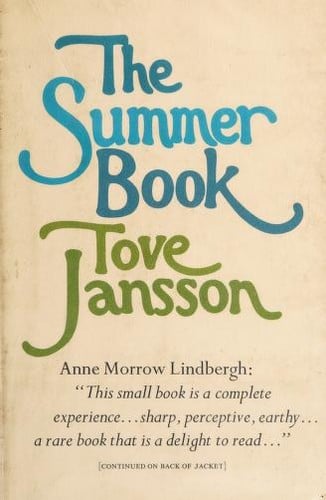
Start this bookNo. 29 on this list. The Summer Book · Tove Jansson · 1972
Increasingly recognized as a Scandinavian masterpiece. A quiet classic with a devoted readership.
Easy1.5 hours
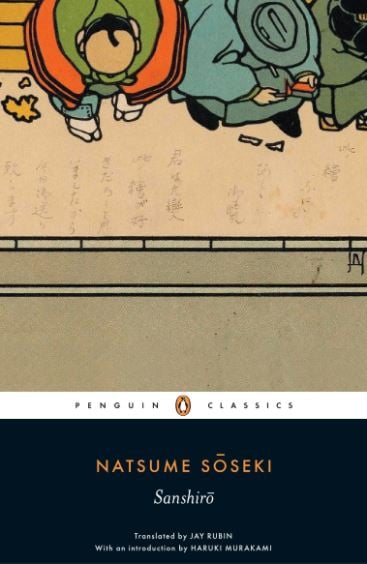
Start this bookNo. 30 on this list. Sanshiro · Natsume Sōseki · 1908
A key Soseki novel and an important document of Meiji-era Japan's encounter with modernity.
Easy4.3 hours
Start this book
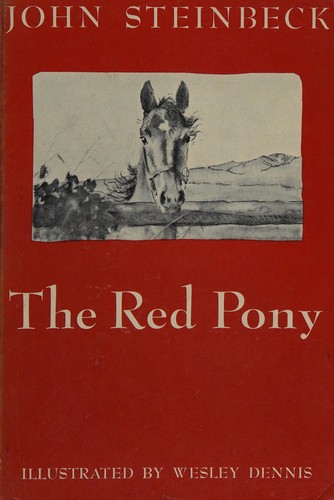
No. 31 on this list. The Red Pony
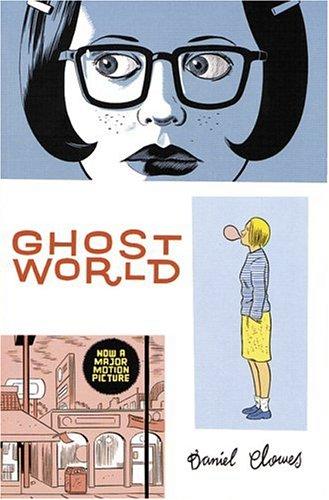
No. 32 on this list. Ghost World
Daniel Clowes · 1997
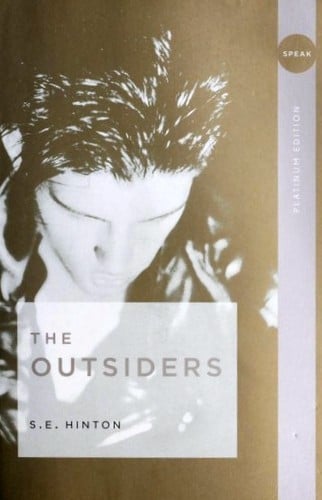
No. 33 on this list. The Outsiders
S.E. Hinton · 1967
Taught in schools: CSEC English B – Caribbean Examinations Council, Pacific Senior Secondary Certificate – English
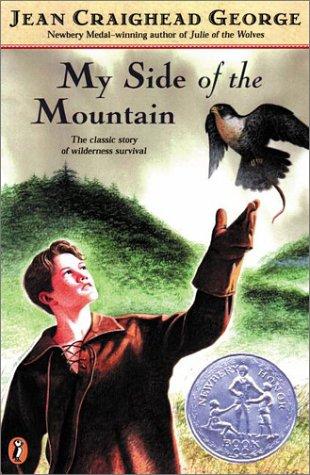
No. 34 on this list. My Side of the Mountain
Jean Craighead George · 1959
Taught in schools: CSEC English B – Caribbean Examinations Council
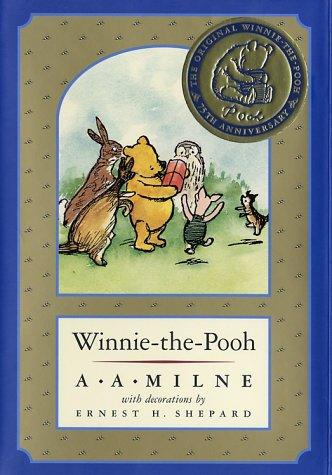
No. 35 on this list. Winnie-the-Pooh
A.A. Milne · 1926
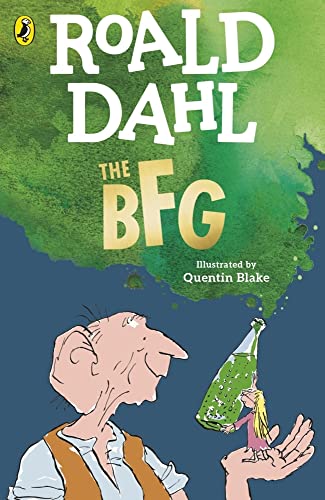
No. 36 on this list. The BFG
Roald Dahl · 1982
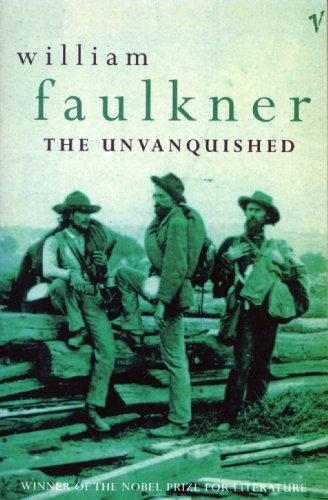
No. 37 on this list. The Unvanquished
William Faulkner · 1938
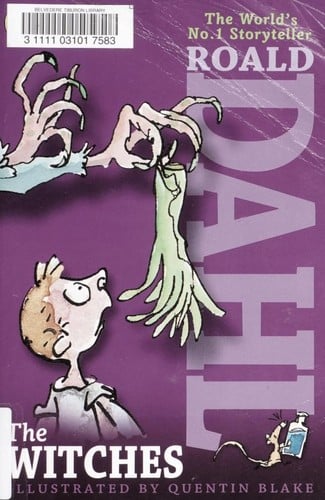
No. 38 on this list. The Witches
Roald Dahl · 1983
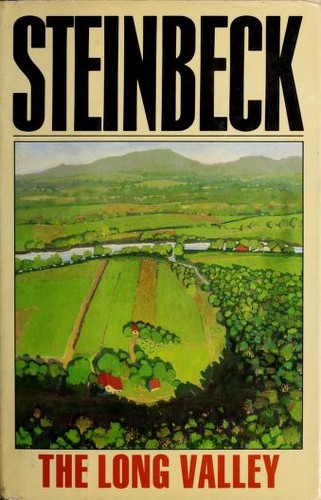
No. 39 on this list. The Long Valley
John Steinbeck · 1938
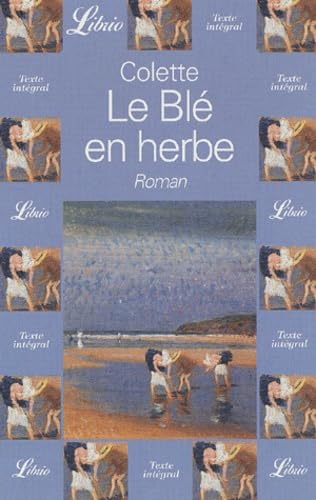
No. 40 on this list. The Ripening Seed
Colette · 1923
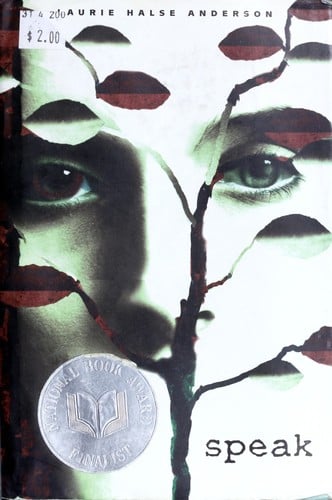
No. 41 on this list. Speak
Laurie Halse Anderson · 1999
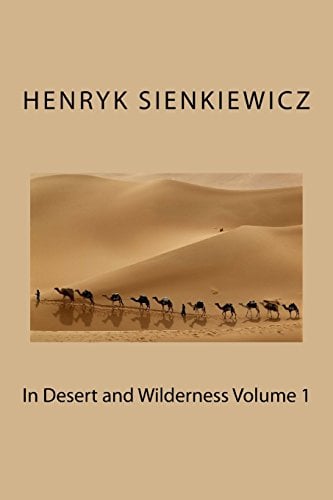
No. 42 on this list. In Desert and Wilderness
Henryk Sienkiewicz · 1911
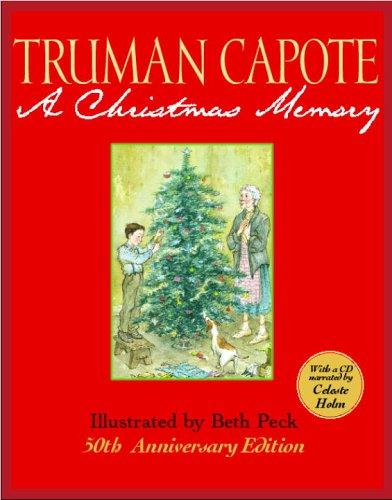
No. 43 on this list. A Christmas Memory
Truman Capote · 1956
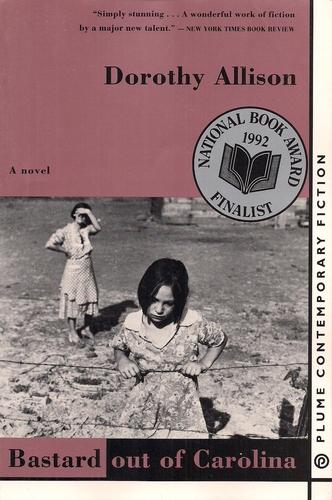
No. 44 on this list. Bastard Out of Carolina
Dorothy Allison · 1992
No. 45 on this list. Marianela
No. 46 on this list. The Last Picture Show
Larry McMurtry · 1966
No. 47 on this list. The Lesson
Toni Cade Bambara · 1972
No. 48 on this list. Are You There God? It's Me, Margaret
Judy Blume · 1970
Taught in schools: CSEC English B – Caribbean Examinations Council
No. 49 on this list. Dandelion Wine
Ray Bradbury · 1957
No. 50 on this list. The Watsons Go to Birmingham - 1963
Christopher Paul Curtis · 1995
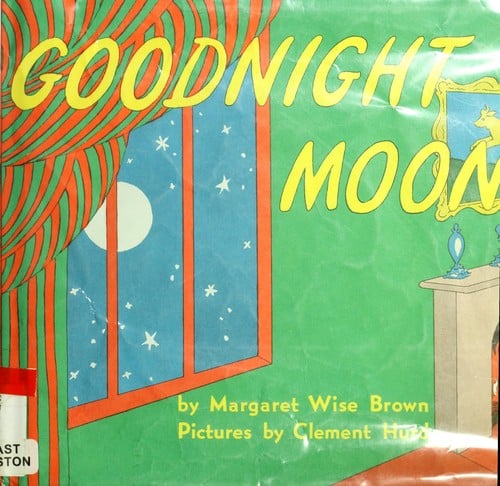
No. 51 on this list. Goodnight Moon
Margaret Wise Brown · 2005
No. 52 on this list. Perelandra
C.S. Lewis · 1943
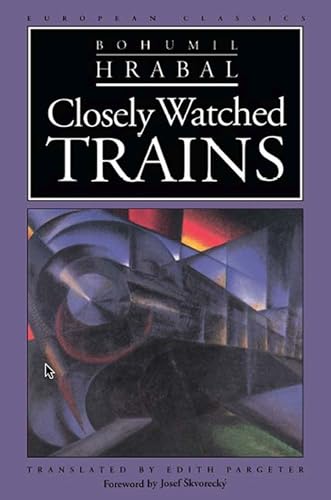
No. 53 on this list. Closely Watched Trains
Bohumil Hrabal · 1965
No. 54 on this list. A Happy Boy
Bjørnstjerne Bjørnson · 1860
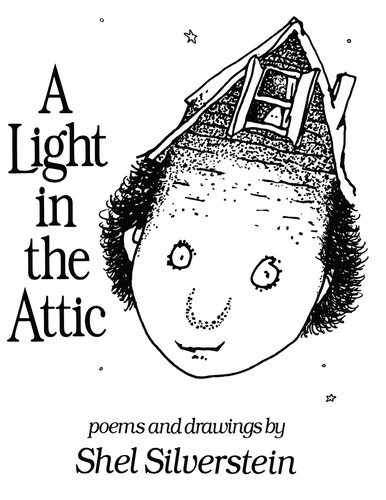
No. 55 on this list. A Light in the Attic
Shel Silverstein · 2002
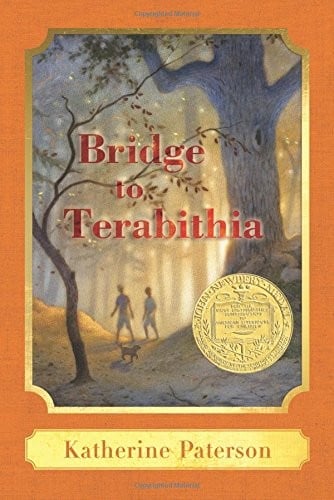
No. 56 on this list. Bridge to Terabithia
Katherine Paterson · 1977
Taught in schools: Lithuanian literature curriculum (lietuvių kalba ir literatūra)
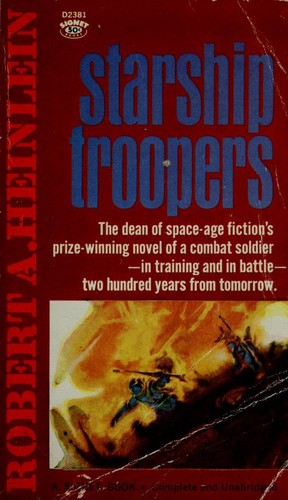
No. 57 on this list. Starship Troopers
Robert A. Heinlein · 1959
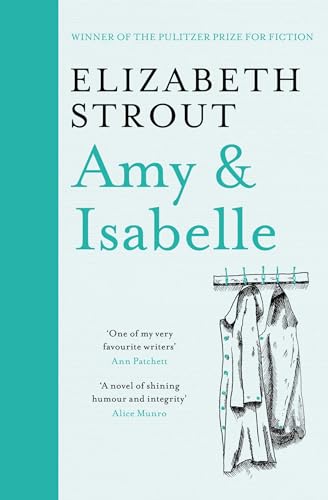
No. 58 on this list. Amy and Isabelle
Elizabeth Strout · 2005
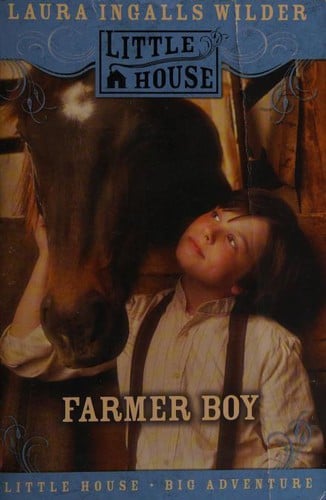
No. 59 on this list. Farmer Boy
Laura Ingalls Wilder · 2007
Taught in schools: CSEC English B – Caribbean Examinations Council
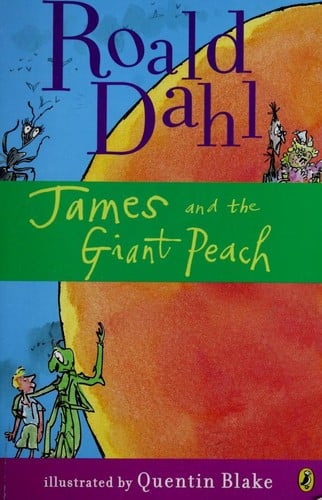
No. 60 on this list. James and the Giant Peach
Roald Dahl · 1961
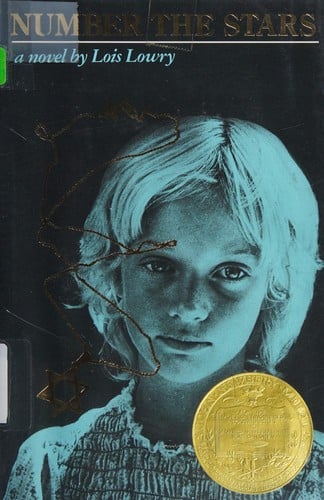
No. 61 on this list. Number the Stars
Lois Lowry · 1989
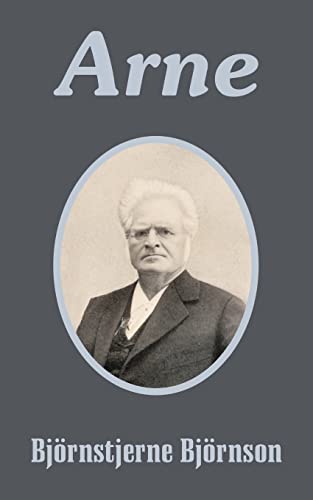
No. 62 on this list. Arne
Bjørnstjerne Bjørnson · 1858
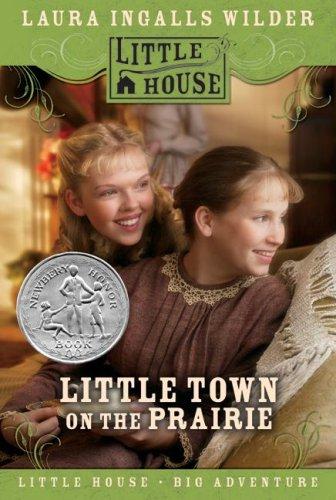
No. 63 on this list. Little Town on the Prairie
Laura Ingalls Wilder · 2007
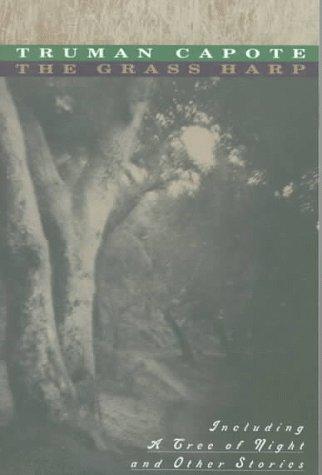
No. 64 on this list. The Grass Harp, Including A Tree of Night and Other Stories
Truman Capote · 1993
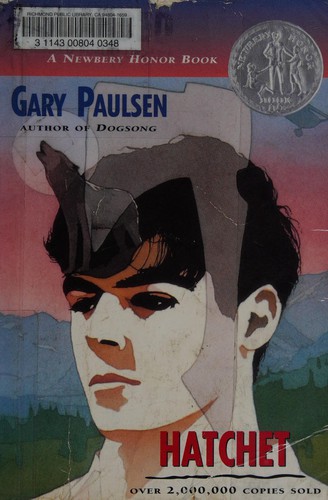
No. 65 on this list. Hatchet
Gary Paulsen · 1987
Taught in schools: Pacific Senior Secondary Certificate – English
No. 66 on this list. Pelle the Conqueror
Martin Andersen Nexø · 1910
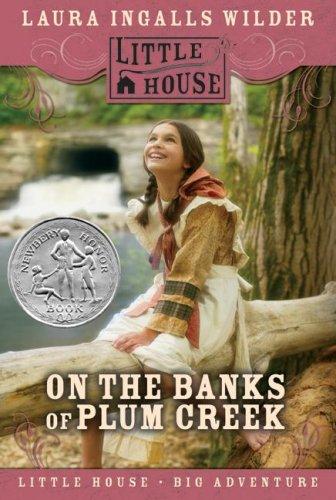
No. 67 on this list. On the Banks of Plum Creek
Laura Ingalls Wilder · 2007
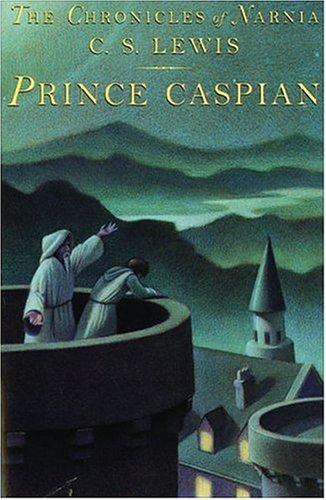
No. 68 on this list. Prince Caspian
C.S. Lewis · 1951
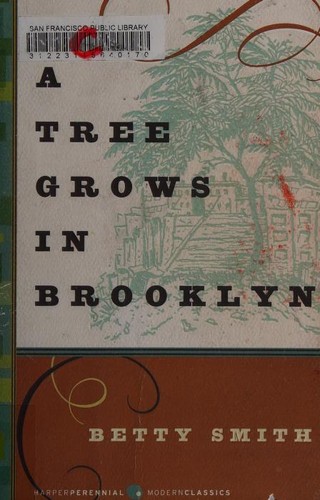
No. 69 on this list. A Tree Grows in Brooklyn
Betty Smith · 1943
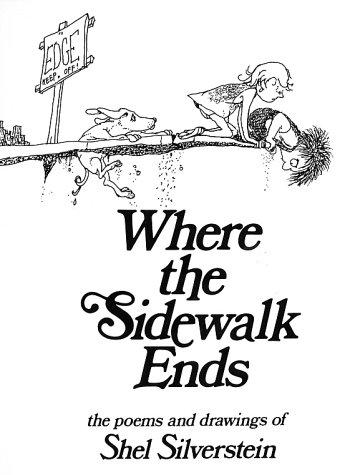
No. 70 on this list. Where the Sidewalk Ends
Shel Silverstein · 2002
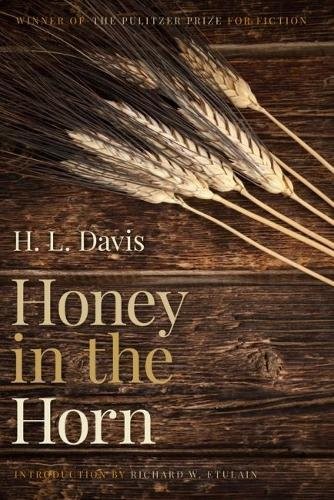
No. 71 on this list. Honey in the Horn
H.L. Davis · 1936
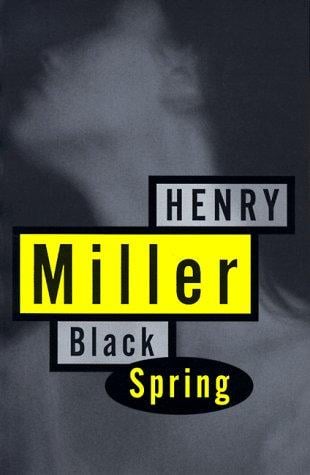
No. 72 on this list. Black Spring
Henry Miller · 1936
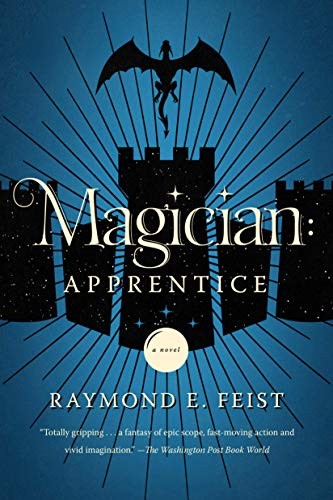
No. 73 on this list. Magician: Apprentice
Raymond E. Feist · 1982
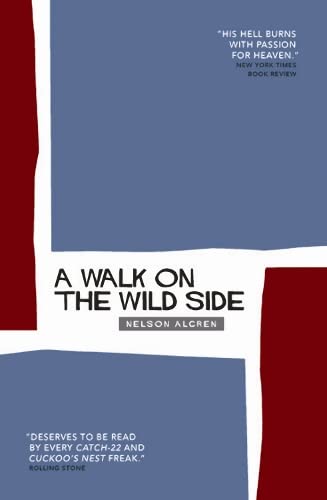
No. 74 on this list. A Walk on the Wild Side
Nelson Algren · 1956
No. 75 on this list. Trance
Christopher Sorrentino · 2005
No. 76 on this list. Children On Their Birthdays
Truman Capote · 1948
No. 77 on this list. Locke & Key
Joe Hill · 2008
No. 78 on this list. The Rebels
Sándor Márai · 1930
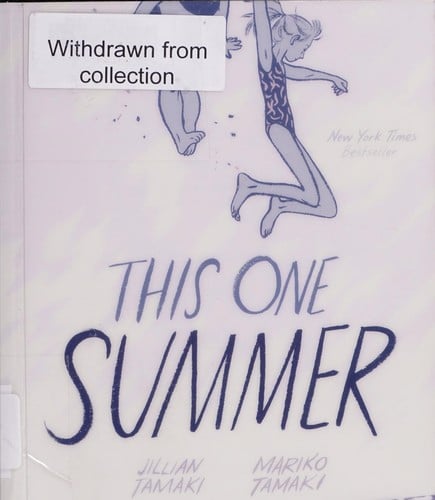
No. 79 on this list. This One Summer
Mariko Tamaki · 2014
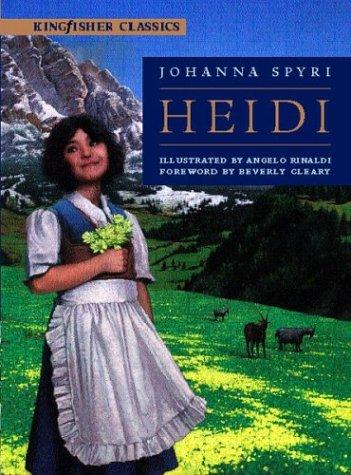
No. 80 on this list. Heidi (Heidi, #1-2)
Johanna Spyri · 2002
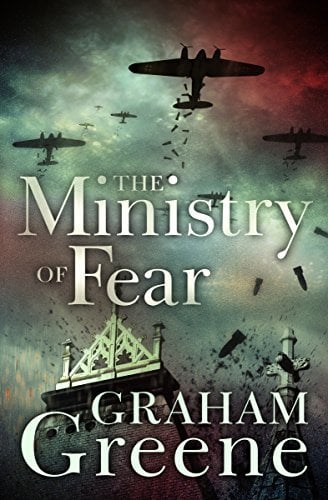
No. 81 on this list. The Ministry of Fear
Graham Greene · 1943
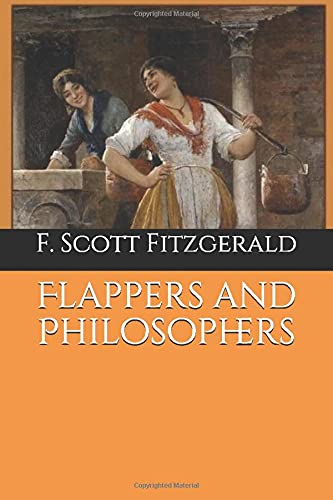
No. 82 on this list. Flappers and Philosophers
F. Scott Fitzgerald · 1920
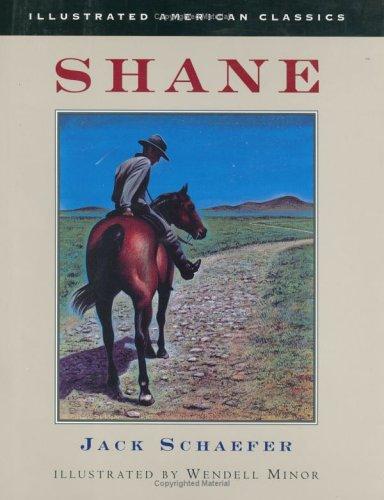
No. 83 on this list. Shane
Jack Schaefer · 2001
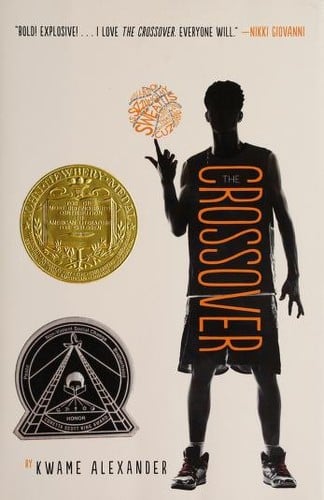
No. 84 on this list. The Crossover
Kwame Alexander · 2014
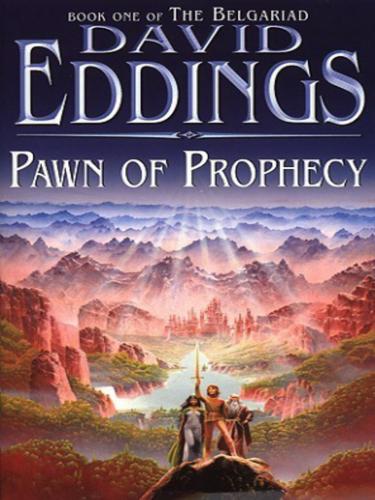
No. 85 on this list. Pawn of Prophecy
David Eddings · 1982
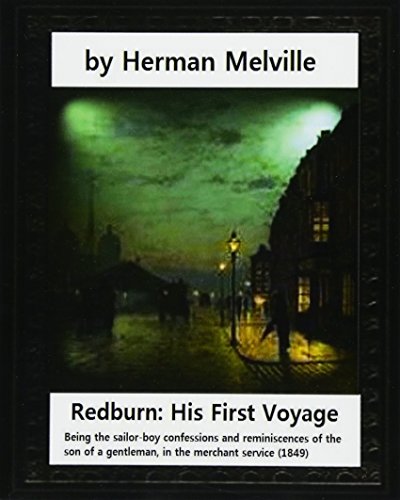
No. 86 on this list. Redburn
Herman Melville · 1849
No. 87 on this list. Ham on Rye
Charles Bukowski · 2007
No. 88 on this list. My Favorite Thing Is Monsters
Emil Ferris · 2017
No. 89 on this list. Smile
Raina Telgemeier · 2010
No. 90 on this list. Swords and Deviltry
Fritz Leiber · 1970
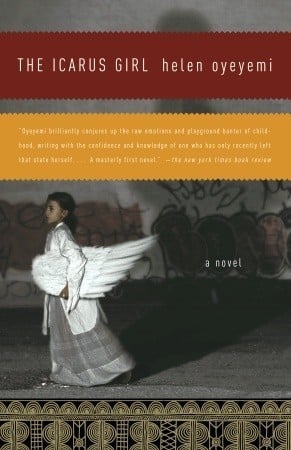
No. 91 on this list. The Icarus Girl
Helen Oyeyemi · 2005
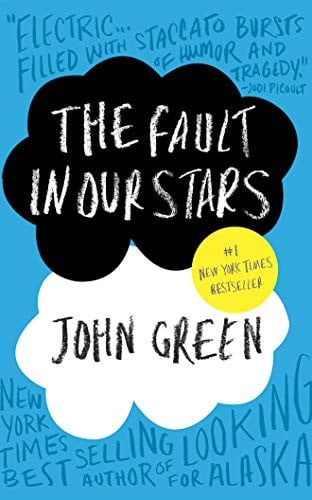
No. 92 on this list. The Fault in Our Stars
John Green · 2012
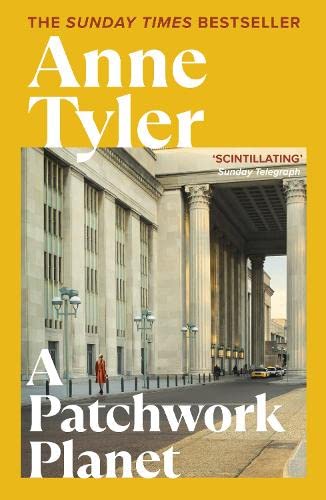
No. 93 on this list. A Patchwork Planet
Anne Tyler · 1999
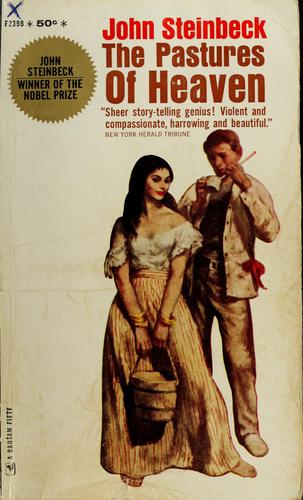
No. 94 on this list. The Pastures of Heaven
John Steinbeck · 1932
No. 95 on this list. Gun Love
Jennifer Clement · 2018
No. 96 on this list. A Lucky Man
Jamel Brinkley · 2018
No. 97 on this list. The Blue Bird
Maurice Maeterlinck · 1908
No. 98 on this list. I Capture the Castle
Dodie Smith · 1948
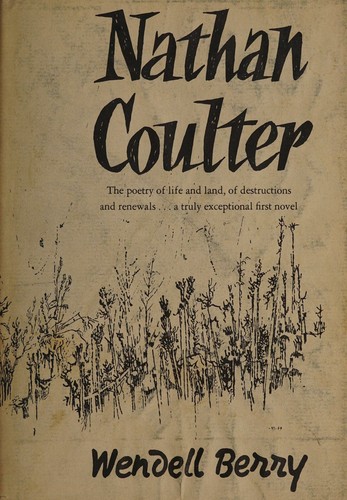
No. 99 on this list. Nathan Coulter
Wendell Berry · 1960
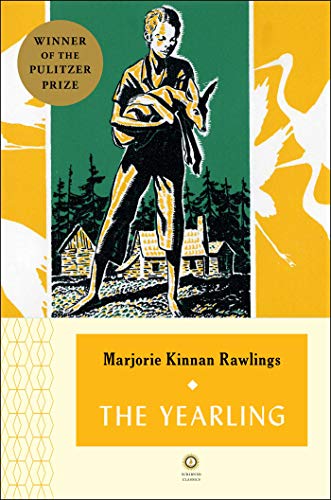
No. 100 on this list. The Yearling
Marjorie Kinnan Rawlings · 1939
About this list
These 100 books are the highest-scoring eligible easy books about youth and innocence currently in the catalogue. About 400 hours of reading in all. Difficulty runs from 28 to 39 out of 100 for the middle half of the list; the summit is The City and the Dogs at 45.
This list is ranked by literary regard, with a consistent order for equal scores. Membership follows authors and co-authors, not translators or editors. A book is here when ReadingRate files it under Youth & Innocence as one of its primary reading domains, at a confidence of 0.8 or more. Catalogue coverage and the historical canon both limit what this list can represent.
When we matched the Canons dataset to our catalogue in October 2026, our canonical-status scores rose with the number of school curricula, publisher series and lists in it that cite a work: the median score was 72 for books one such source cites, 84 at two, 88 at three, 92 at four and 93 at five or more. Prizes are left out of that count. Outside the state curricula, the dataset’s sources choose mostly from what has been translated into English or French, so it is a weaker check on other literatures. Source: Canons (Andrew Piper), CC BY 4.0
Questions people actually ask
- What are the best easy books about youth and innocence?
- By literary regard, which weighs canonical status, critical standing and influence: All Quiet on the Western Front by Erich Maria Remarque, The Lion, the Witch and the Wardrobe by C.S. Lewis, The School for Wives by Molière, Persepolis by Marjane Satrapi and Seeing Things by Seamus Heaney. ReadingRate ranks 100 such books, each with a difficulty score and a reading-time estimate.
- Which easy books about youth and innocence should I read first?
- Start from difficulty, not from rank. The most approachable books on this list that still carry top literary regard are All Quiet on the Western Front by Erich Maria Remarque (about 4.3 hours), The Diary of a Young Girl by Anne Frank and The School for Wives by Molière.
- What are the shortest of the best easy books about youth and innocence?
- Among the top 25, the shortest are Seeing Things by Seamus Heaney (about 57 min), The Little Prince by Antoine de Saint-Exupéry (about 60 min) and Tonio Kröger by Thomas Mann (about 1.3 hours), at an average pace of 250 words a minute adjusted for each book's difficulty.
- Which of the best easy books about youth and innocence are the established classics?
- By canonical status, how firmly a book sits in curricula, anthologies and the canon: All Quiet on the Western Front by Erich Maria Remarque, The Lion, the Witch and the Wardrobe by C.S. Lewis, To Kill a Mockingbird by Harper Lee, The Diary of a Young Girl by Anne Frank and The Little Prince by Antoine de Saint-Exupéry.
- Can I read any of these easy books about youth and innocence for free?
- 11 of the 100 open in ReadingRate's reader with a free account, from public-domain editions: Treasure Island, The Adventures of Tom Sawyer, This Side of Paradise, Tonio Kröger, The Old Curiosity Shop and 6 more.
- How long would it take to read the top ten?
- About 34 hours, at an average pace of 250 words a minute adjusted for each book's difficulty: 18 days at two hours a day. Set your own pace on the page and the list's reading times change to it.
- How hard are easy books about youth and innocence to read?
- Most of this list sits between 28 and 39 on ReadingRate's 100-point difficulty scale, where 40 to 55 is moderate. The summit is The City and the Dogs at 45. Every entry carries its own score, so a reader can pick a great book at a difficulty they will finish.
- How is this list ranked?
- On literary-regard data: how canonically established a work is, its critical standing, and its influence on later writing. It is not a readers’ poll, which is why recent bestsellers rarely appear. Membership follows authors and co-authors, not translators or editors. Lists by country, author, period, theme or difficulty keep to literature (fiction, poetry, drama and philosophy), their novels, poems and plays first and their philosophy after them; a list of a kind of book, such as memoir or criticism, keeps every book of that kind. Every list holds at most three works by one author. A book is here when ReadingRate files it under Youth & Innocence as one of its primary reading domains, at a confidence of 0.8 or more.