Hours at an average pace
Showing 100 books
About 766 hours for 100 of 100 books with measured lengths. Estimates use 250 words a minute, adjusted for each book's difficulty. At 2 hours a day, about 383 days for those books.
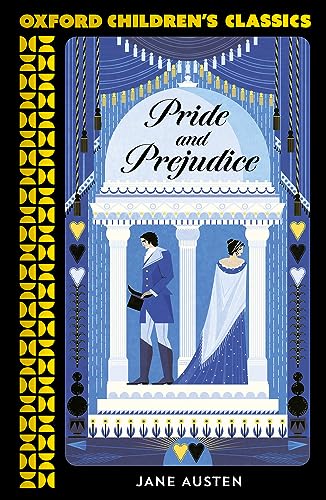
No. 1 on this list. Pride and Prejudice
Jane Austen · 1813
Moderate8.6 hours
Taught in schools: AQA GCSE and A-level English Literature (UK), Cambridge IGCSE Literature in English (0475), Common Core text exemplars (Appendix B) (US)
Included in: Bokklubben World Library
Appears on 2,313 university syllabi — placing it at the 84th percentile of all taught books globally — and Wikipedia covers the novel in 74 languages. Listed in the BBC Big Read Top 100, 1001 Books You Must Read Before You Die, and published in prestige editions by both Penguin Classics and Everyman's Library. One of the most consistently taught novels in English literature.
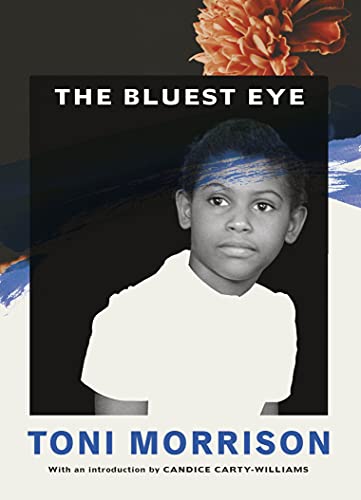
No. 2 on this list. The Bluest Eye
Toni Morrison · 1970
Challenging4.2 hours
Taught in schools: Common Core text exemplars (Appendix B) (US)
While not as universally canonical as Beloved, The Bluest Eye is firmly established in the American literary canon, widely taught in universities, and recognized as a landmark debut that announced a major voice in American letters.
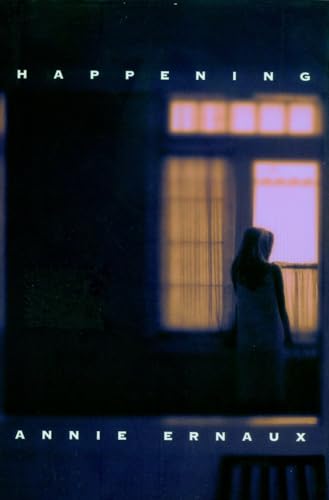
Happening has become one of Ernaux's most discussed and translated works, widely taught in French literature courses at university level and increasingly prominent in Anglophone curricula following her 2022 Nobel Prize. Its frank treatment of illegal abortion in 1960s France grants it significant cultural-historical standing alongside landmark autofictional texts.
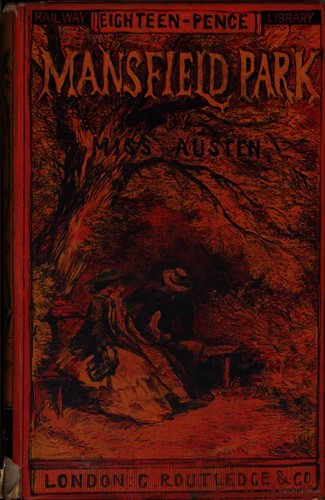
While less universally beloved than Pride and Prejudice, Mansfield Park holds secure canonical status as Austen's most morally complex and tonally difficult novel. Its treatment of slavery, colonialism, and evangelical morality has made it increasingly central to academic study, though it remains somewhat less embraced by general readers than her lighter works.
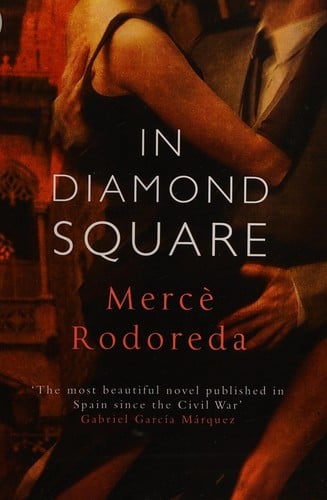
The undisputed masterpiece of twentieth-century Catalan literature. Widely translated and recognized as one of the great European novels of the postwar period.
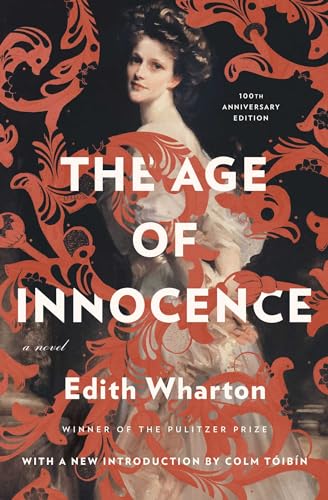
The Age of Innocence is a cornerstone of American literature curricula, taught extensively in courses on American Realism, the Gilded Age, and women's writing. It appears on virtually every list of essential American novels and is a standard text in both high school AP courses and university seminars.
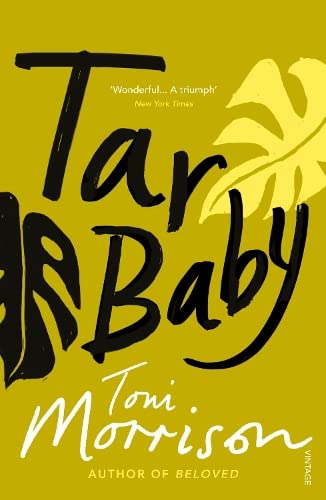
On Isle des Chevaliers, a Caribbean island reshaped by Haitian labor and American money, Valerian Street — a retired Philadelphia candy magnate — cultivates hydrangeas in his greenhouse and avoids his neighbors. His wife Margaret, his butler Sydney and cook Ondine, and his niece Jadine, a model trained in Paris, share the villa in a state of maintained tension. When Son — a Black American fugitive who stowed away on their supply boat — is discovered hiding in the house, he breaks open every unspoken arrangement the household depends on. Morrison uses the folk tale of the tar baby as the novel's armature: Jadine and Son become stuck to each other in a relationship that neither can survive and neither can leave. She embodies what he calls racial betrayal — educated in Europe, photographed in furs, at home nowhere. He embodies what she calls romantic primitivism — a man out of time, faithful to a Black Southern past that she finds suffocating. Morrison writes this conflict without a referee. The Caribbean setting is not backdrop but argument — the swamp, the rain forest, the blind horsemen who ride the hills at night all carry the weight of African spiritual history beneath the colonial surface. The novel ends on a mythic image: Son running toward those horsemen, Jadine flying back to Paris. Morrison offers no verdict on who was right.
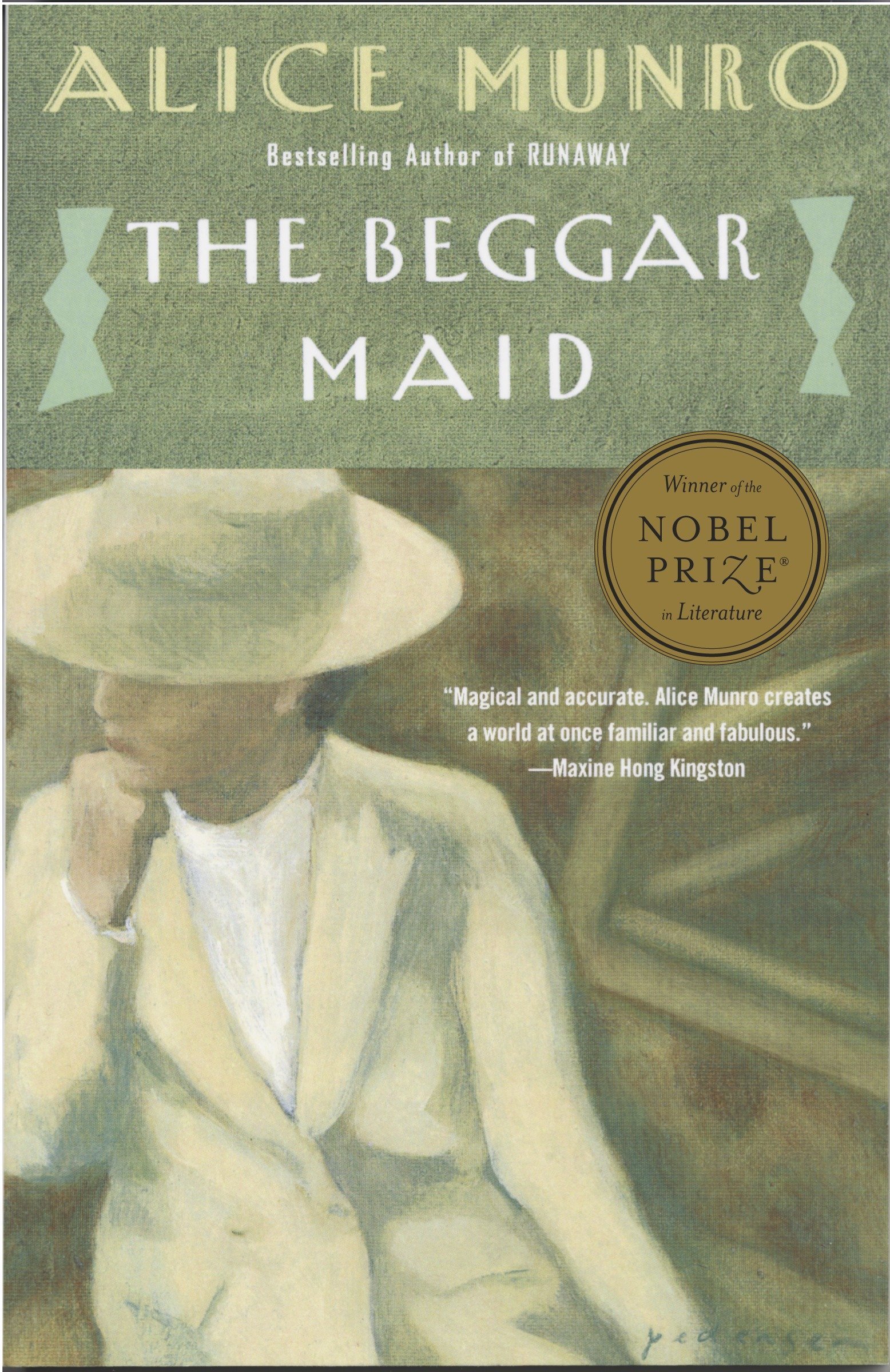
Widely taught in Canadian literature courses and short fiction seminars as exemplary of Munro's mastery and the linked story collection form. The book helped establish Munro's international reputation and remains central to discussions of contemporary short fiction. It's considered essential reading for understanding both Canadian literature and the possibilities of the story cycle.
It is on the Modern Library 100 Best Novels list and on 928 university syllabi, placing it in the 74th percentile. It is a standard text in American literature and Gilded Age courses.
A Man's Place (La Place) is widely taught in French literature courses and is considered one of the defining texts of autofiction. Winner of the Prix Renaudot in 1984, it has been translated into dozens of languages and appears on university reading lists across Europe and North America. Its place in the French literary canon is secure, though its international syllabi presence remains below that of Anglophone equivalents.
No. 11 on this list. Salvage the Bones · Jesmyn Ward · 2011
Salvage the Bones is widely taught in contemporary American literature, African American literature, and Southern literature courses. Its National Book Award win brought it immediate and sustained academic attention, and Ward's subsequent acclaim has only reinforced the book's position on university reading lists. With 400 syllabus appearances it sits in the mid-canonical tier — solidly established but not yet at the frequency of works like Beloved or Their Eyes Were Watching God.
Moderate6 hours
Start this bookNo. 12 on this list. The God of Small Things · Arundhati Roy · 1997
Taught in schools: AQA GCSE and A-level English Literature (UK)
The God of Small Things achieved rapid canonical recognition following its 1997 publication and Booker Prize victory. It became a staple of contemporary literary curricula and global literature syllabi, particularly notable as the first novel by an Indian author to win the Booker in the award's history. Its canonical position reflects both literary merit and cultural significance.
Challenging8.1 hours
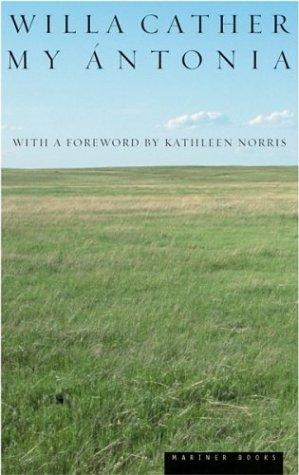
Start this bookNo. 13 on this list. My Antonia · Willa Cather · 1918
My Antonia appears on thousands of university syllabi across American literature, women's literature, and immigrant experience courses. It is included on the Modern Library's 100 Best Novels list and is a fixture in American high school and university curricula, representing the prairie immigrant experience as few other novels do.
Challenging8.4 hours
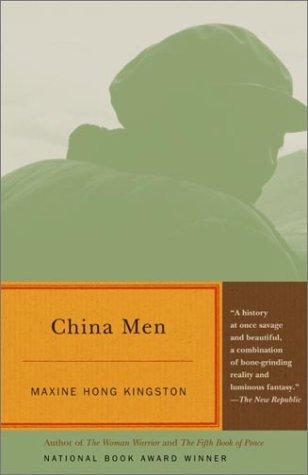
Read nowNo. 14 on this list. China Men · Maxine Hong Kingston · 1980
China Men appears regularly on syllabi in Asian-American literature, women's literature, and American studies courses. It is one of the two books — alongside The Woman Warrior — that established Kingston as the field's foundational figure. The book lacks the universal high school assignment status of Beloved or To Kill a Mockingbird but is a standard text in its academic subfields.
Challenging11 hours
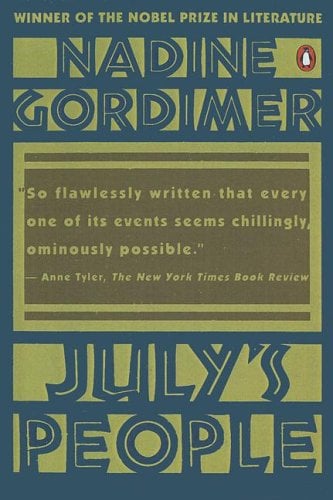
Start this bookNo. 15 on this list. July's People · Nadine Gordimer · 1981
July's People appears on 363 university syllabi (63.99th percentile), placing it firmly in the taught canon for postcolonial, African, and 20th-century literature courses. Its Wikipedia article exists in 4 languages with a dedicated reception section, reflecting sustained scholarly attention. The novel is less broadly assigned than the most canonical texts but is considered essential reading within South African and apartheid-era literature.
Challenging3.8 hours
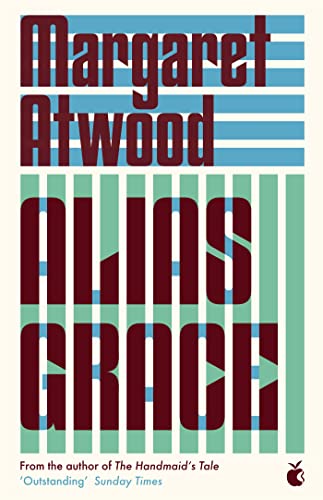
Start this bookNo. 16 on this list. Alias Grace · Margaret Atwood · 1996
Appears on 292 university syllabi (61.6th percentile), making it a regular fixture in Canadian literature, postmodern historical fiction, and feminist literary studies courses. Wikipedia coverage in 8 languages reflects strong domestic reputation and moderate international reach. The 2017 Netflix adaptation renewed its teaching presence in contemporary courses on adaptation and narrative.
Challenging16 hours
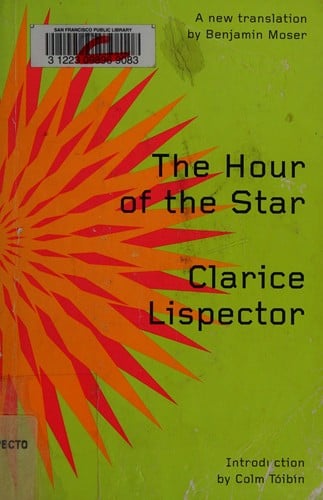
Start this bookNo. 17 on this list. The Hour of the Star · Clarice Lispector · 1977
Widely taught in Latin American literature, world literature, and feminist literary studies courses globally. Lispector is considered the most important Brazilian writer after Machado de Assis, and this is her most accessible and frequently assigned novel. Benjamin Moser's 2011 biography and new New Directions translations significantly expanded her English-language canonical footprint. The novel appears on world literature syllabi in the US, UK, and Europe, and is fundamental to any survey of 20th-century Latin American fiction.
Difficult3.2 hours
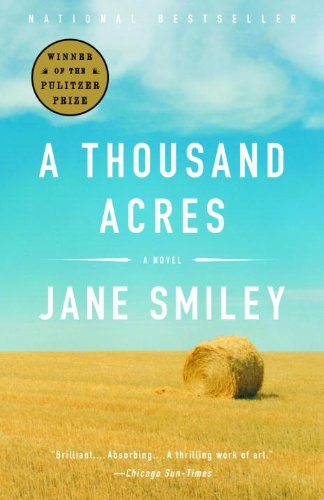
Start this bookNo. 18 on this list. A Thousand Acres · Jane Smiley · 1992
A Thousand Acres won the Pulitzer Prize for Fiction in 1992 and secured major recognition as a contemporary American realist masterpiece. It occupies a prominent place in contemporary literary canon, particularly within discussions of feminist revision of literary inheritance and the domestic novel.
Moderate8.5 hours
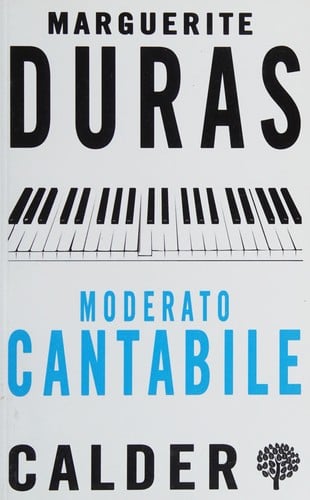
Start this bookNo. 19 on this list. Moderato Cantabile · Marguerite Duras · 1958
Moderato Cantabile is a cornerstone of French postwar literature and the nouveau roman movement, taught widely in French, Francophone, and European literature programs. Though no syllabus data was found in the database, the work is among Duras's most discussed novels and appears consistently in courses on 20th-century French fiction, feminist literature, and literary minimalism. Its canonical status is stronger in Europe than in English-language curricula.
Challenging1.4 hours
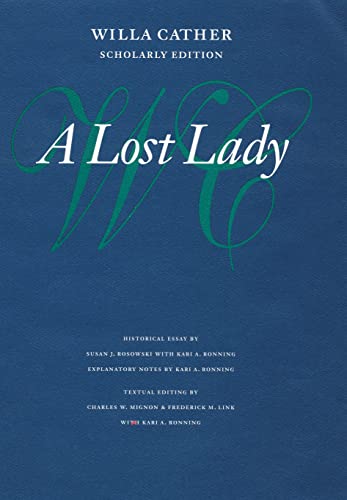
Start this bookNo. 20 on this list. A Lost Lady · Willa Cather · 1923
Included in: Great Books of the Western World
One of Cather's most celebrated novels, widely anthologized and taught. F. Scott Fitzgerald admired it greatly.
Easy2.2 hours
Start this book
No. 21 on this list. Dear Life · Alice Munro · 2012
Munro's final collection, published the year before her Nobel Prize. Regarded as a fitting capstone to one of the great careers in short fiction.
Easy4.6 hours
Start this bookNo. 22 on this list. Half of a Yellow Sun · Chimamanda Ngozi Adichie · 2007
Appears on 835 university syllabi (73rd percentile, Open Syllabus Project), making it a standard text in postcolonial literature, African studies, and diaspora fiction courses. Wikipedia articles exist in 18 languages with a substantial article (38,294 characters) including dedicated reception and adaptations sections, indicating broad but not globally ubiquitous cultural reach.
Challenging14 hours
Start this bookNo. 23 on this list. Adam Bede · George Eliot · 1859
Adam Bede appears regularly on Victorian literature and 19th-century British fiction syllabi at universities worldwide, and is the standard entry point to George Eliot's work in courses that cannot assign the longer Middlemarch. It is included in most survey courses of the Victorian novel. Its canonical status within the Eliot corpus is secondary only to Middlemarch and The Mill on the Floss, but within the broader Victorian canon it holds a secure if not dominant position — consistently anthologized, consistently in print, and consistently cited as a foundational work of Victorian realism.
Moderate13 hours
Read nowNo. 24 on this list. The Accidental · Ali Smith · 2005
The Accidental has achieved recognition as a significant 21st-century British novel, appearing on university syllabi and contemporary fiction reading lists. While not yet established in the permanent canon, it represents Smith's breakthrough to major literary prominence and exemplifies post-2000 experimental domestic fiction. Its status continues to grow with Smith's increasing reputation.
Challenging7.1 hours
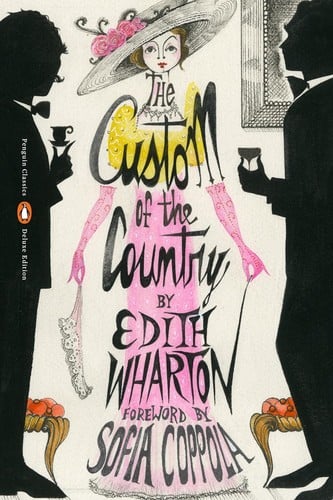
Start this bookNo. 25 on this list. The Custom of the Country · Edith Wharton · 1913
The Custom of the Country appears regularly on university syllabi in American literature, women studies, and social realism courses — though less ubiquitously than The Age of Innocence or The House of Mirth. It features in most critical surveys of the American novel and is routinely included in Wharton retrospectives. Its representation in secondary literature and university curricula places it in the upper tier of canonical American fiction without achieving the course-fixture status of her most-taught work.
Moderate9.8 hours
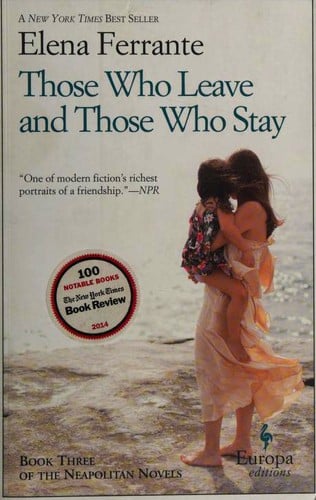
Start this bookNo. 26 on this list. Those Who Leave and Those Who Stay · Elena Ferrante · 2013
The Neapolitan Novels have become required reading in contemporary fiction and world literature courses across Europe and North America, and the series as a whole appears on hundreds of university syllabi. This third volume is less commonly assigned as a standalone text than the series opener, but no major literary conversation about contemporary Italian fiction or female friendship narratives omits it. The series' Wikipedia presence spans 30+ languages, signaling genuine global reach.
Challenging12 hours
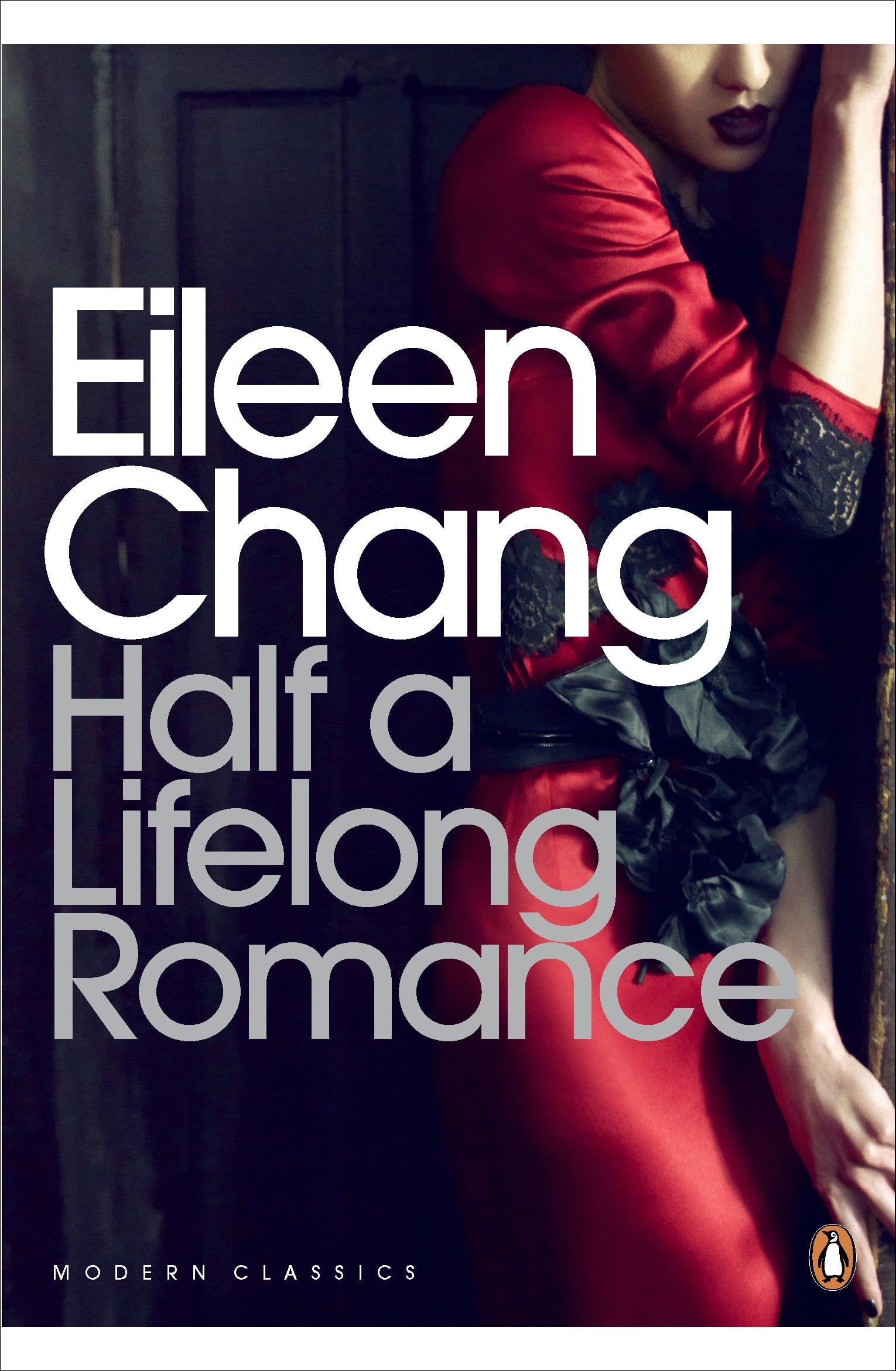
Start this bookNo. 27 on this list. Half a Lifelong Romance · Eileen Chang · 1948
Widely taught in Chinese literature courses at universities across the United States, Taiwan, Hong Kong, and the mainland, and featured in world literature syllabi as a defining work of twentieth-century Chinese fiction. The novel is considered one of Eileen Chang's masterworks and appears on curated lists of essential modern Chinese literature. Its status outside Chinese-language contexts is more specialized than canonical in the Western sense.
Challenging10 hours
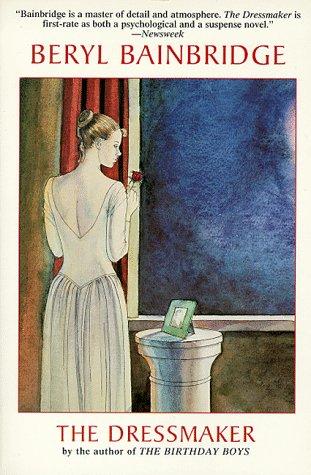
Start this bookNo. 28 on this list. The Dressmaker · Beryl Bainbridge · 1973
Shortlisted for the 1973 Booker Prize and widely regarded as exemplary of Bainbridge's distinctive voice in postwar British fiction. While not achieving the absolute canonical status of genre-defining works, The Dressmaker is consistently included in discussions of late 20th-century British psychological fiction.
Moderate3.2 hours
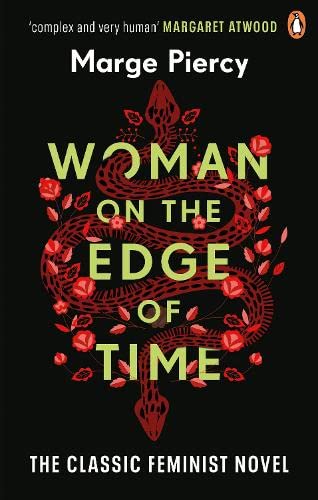
Start this bookNo. 29 on this list. Woman on the Edge of Time · Marge Piercy · 1976
Widely taught in feminist literary studies, utopian fiction, and American literature courses since its 1976 publication, the novel holds a firm place in academic syllabi as a landmark of feminist science fiction. No syllabus count data is available, but its sustained presence across women's studies and speculative fiction curricula for five decades marks it as canonical within those fields, comparable in reach to other key feminist texts of the second wave.
Difficult18 hours
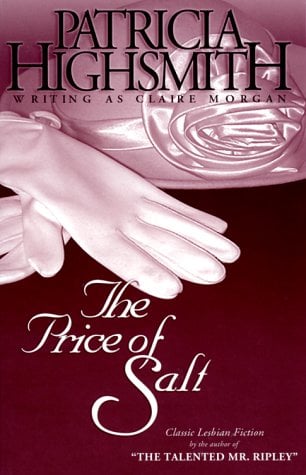
Start this bookNo. 30 on this list. The Price of Salt · Patricia Highsmith · 1952
The Price of Salt — republished as Carol — is regarded as a foundational text in LGBTQ+ literature and appears regularly on university syllabi in queer studies and 20th-century American literature courses. It was named to multiple 'best novels' lists, including TIME's All-TIME 100 Novels, cementing its place as a culturally essential work.
Challenging7.5 hours
Start this book
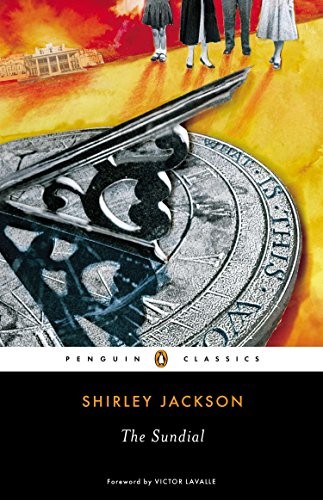
No. 31 on this list. The Sundial
Shirley Jackson · 1958
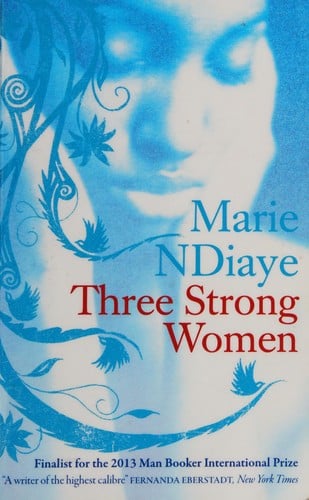
No. 32 on this list. Three Strong Women
Marie NDiaye · 2009
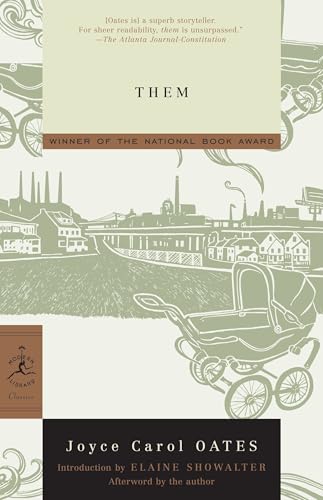
No. 33 on this list. Them
Joyce Carol Oates · 1970
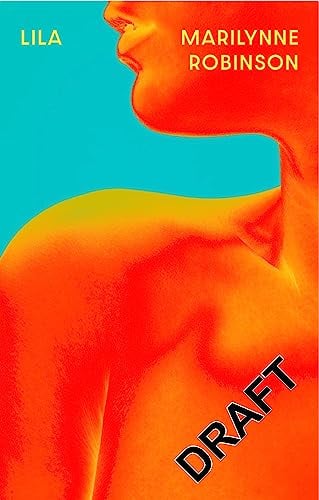
No. 34 on this list. Lila
Marilynne Robinson · 2015
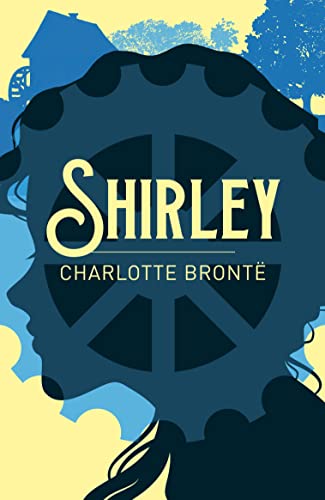
No. 35 on this list. Shirley
Charlotte Brontë · 1849
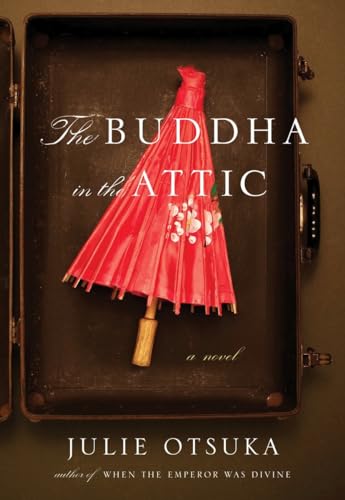
No. 36 on this list. The Buddha in the Attic
Julie Otsuka · 2012
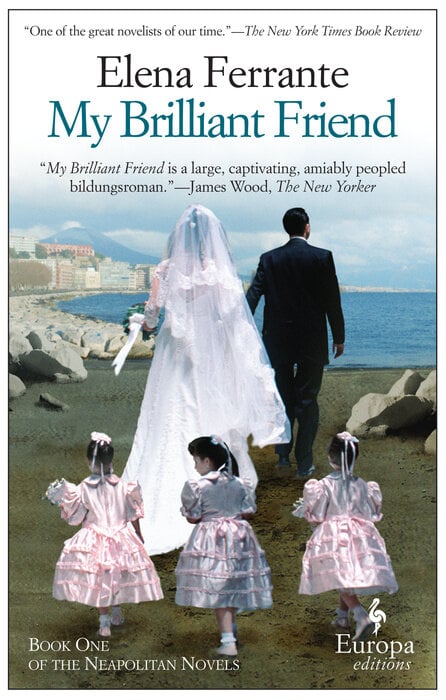
No. 37 on this list. My Brilliant Friend
Elena Ferrante · 2011
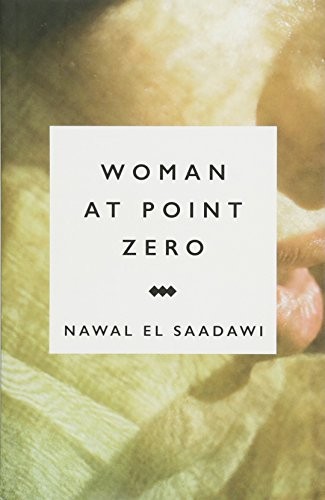
No. 38 on this list. Woman at Point Zero
Nawal El Saadawi · 1975
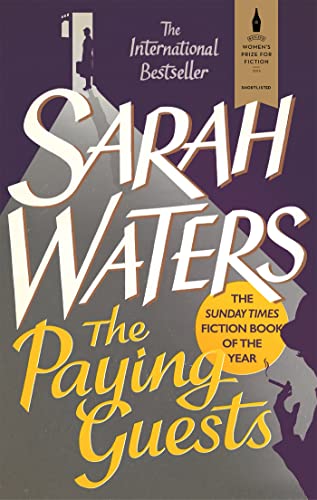
No. 39 on this list. The Paying Guests
Sarah Waters · 2015
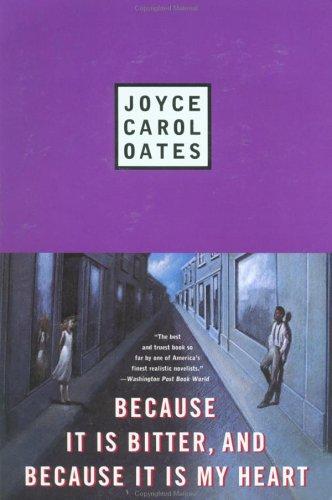
No. 40 on this list. Because It Is Bitter, and Because It Is My Heart
Joyce Carol Oates · 1990
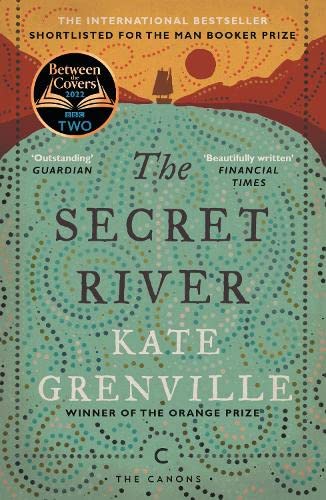
No. 41 on this list. The Secret River
Kate Grenville · 2006
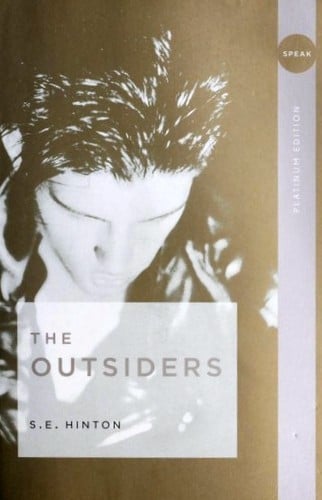
No. 42 on this list. The Outsiders
S.E. Hinton · 1967
Taught in schools: CSEC English B – Caribbean Examinations Council, Pacific Senior Secondary Certificate – English
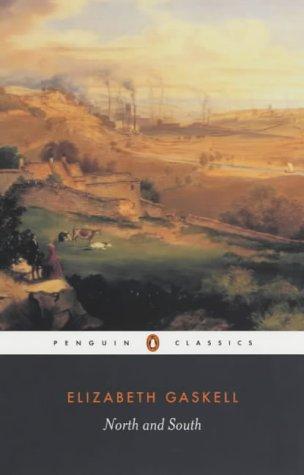
No. 43 on this list. North and South
Elizabeth Gaskell · 1855
Taught in schools: AQA GCSE and A-level English Literature (UK), WJEC/Eduqas GCSE and A-level English Literature (UK)
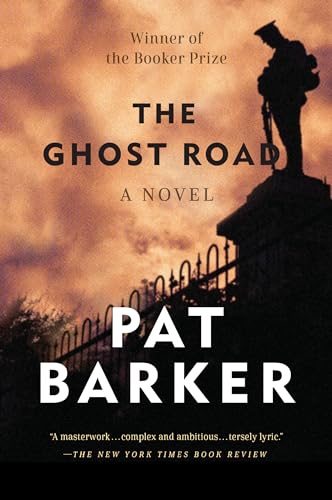
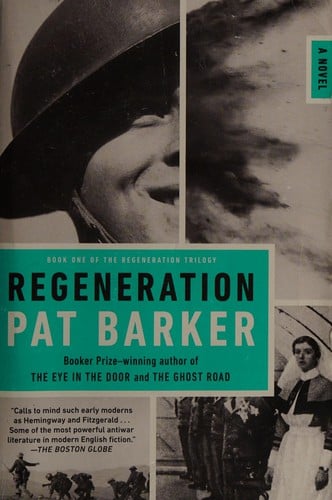
No. 44 on this list. The Ghost Road
Pat Barker · 1995
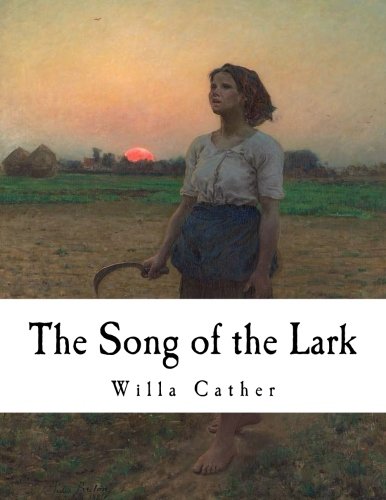
No. 45 on this list. The Song of the Lark
Willa Cather · 1915
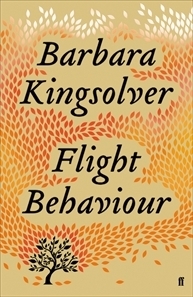
No. 46 on this list. Flight Behaviour
Barbara Kingsolver · 2013
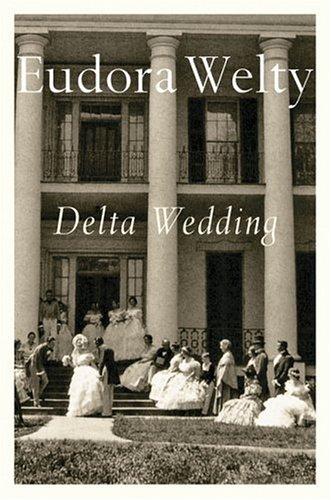
No. 47 on this list. Delta Wedding
Eudora Welty · 1946
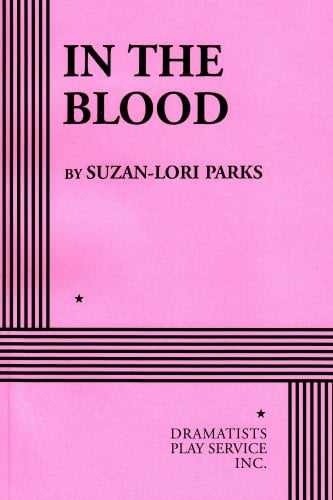
No. 48 on this list. In the Blood
Suzan-Lori Parks · 1999
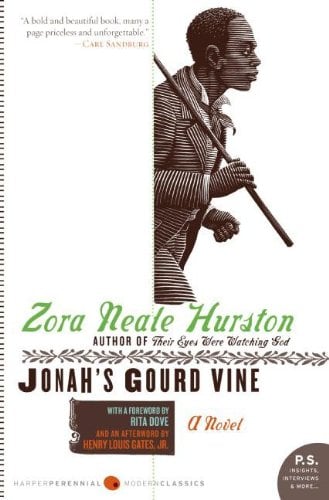
No. 49 on this list. Jonah's Gourd Vine
Zora Neale Hurston · 1934
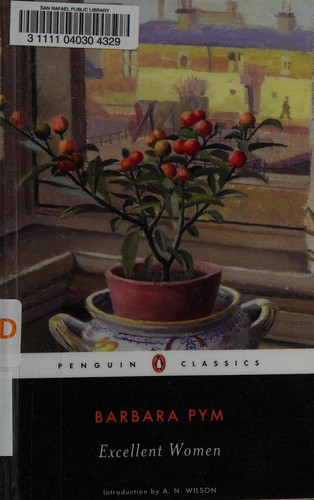
No. 50 on this list. Excellent Women
Barbara Pym · 1952
No. 51 on this list. Regeneration
Pat Barker · 1991
Taught in schools: AQA GCSE and A-level English Literature (UK)
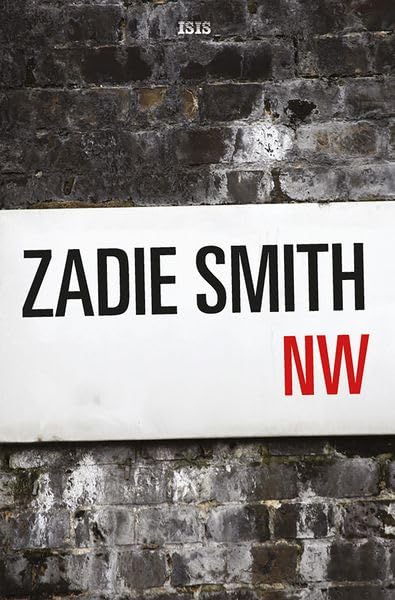
No. 52 on this list. NW
Zadie Smith · 2013
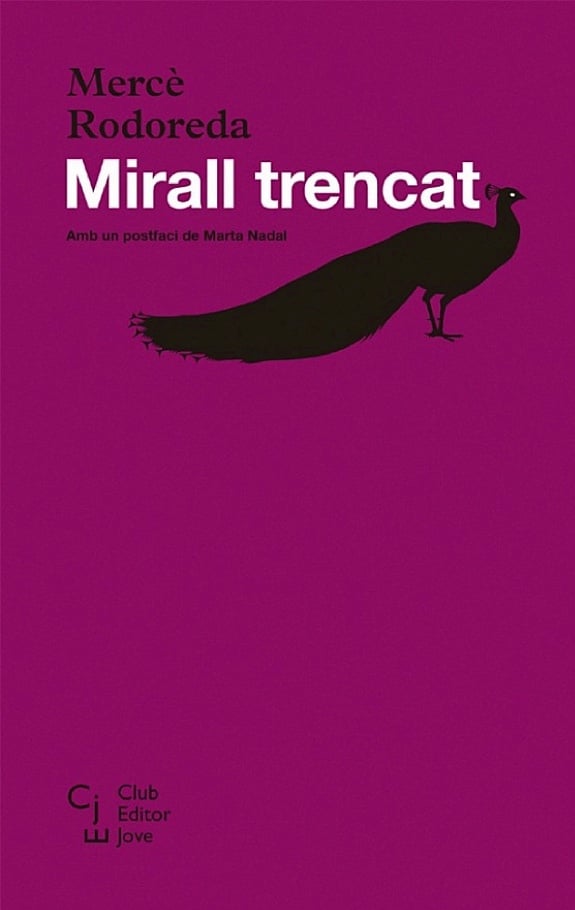
No. 53 on this list. A Broken Mirror
Mercè Rodoreda · 1974
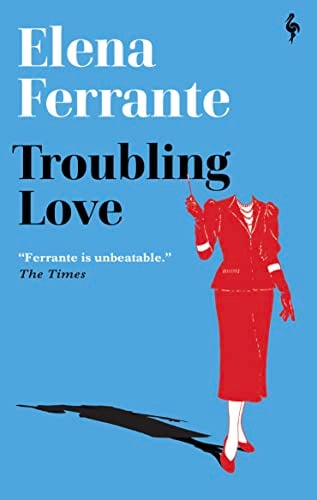
No. 54 on this list. Troubling Love
Elena Ferrante · 1992
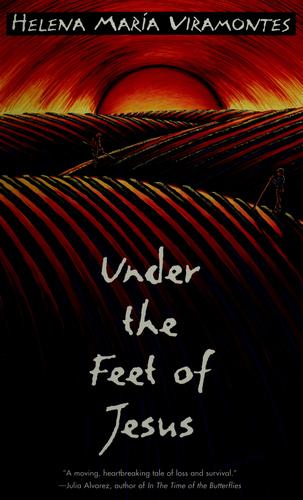
No. 55 on this list. Under the Feet of Jesus
Helena Maria Viramontes · 1995
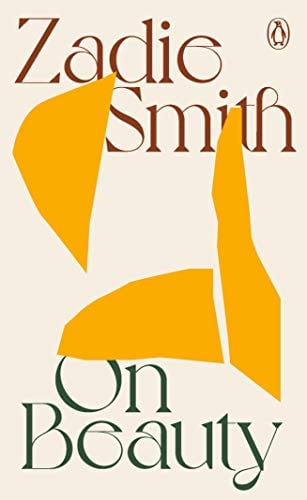
No. 56 on this list. On Beauty
Zadie Smith · 2005
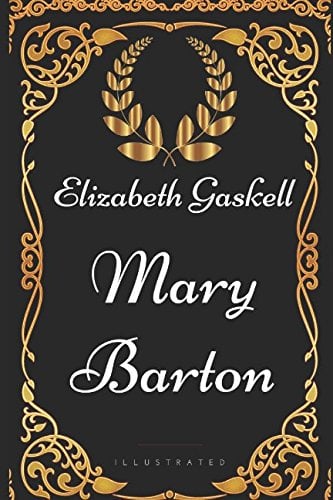
No. 57 on this list. Mary Barton
Elizabeth Gaskell · 1848
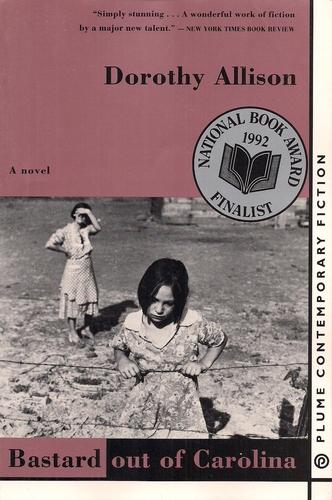
No. 58 on this list. Bastard Out of Carolina
Dorothy Allison · 1992
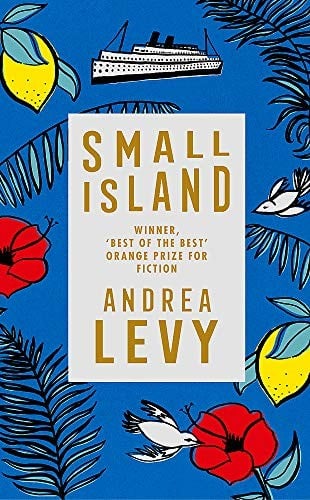
No. 59 on this list. Small Island
Andrea Levy · 2005
Taught in schools: AQA GCSE and A-level English Literature (UK)
No. 60 on this list. The Sea Wall
Marguerite Duras · 1950
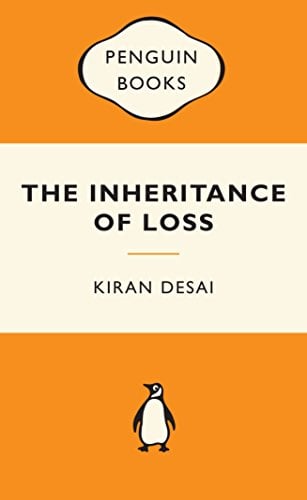
No. 61 on this list. The Inheritance of Loss
Kiran Desai · 2006
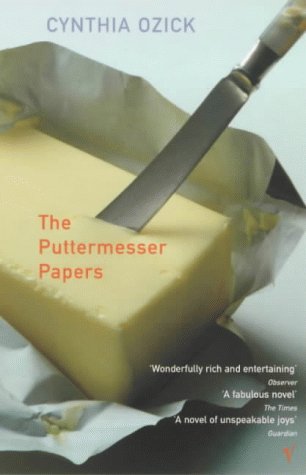
No. 62 on this list. The Puttermesser Papers
Cynthia Ozick · 1997
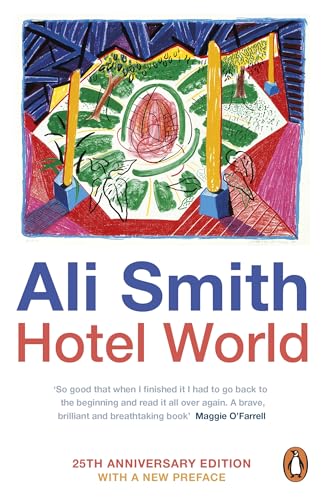
No. 63 on this list. Hotel World
Ali Smith · 2001
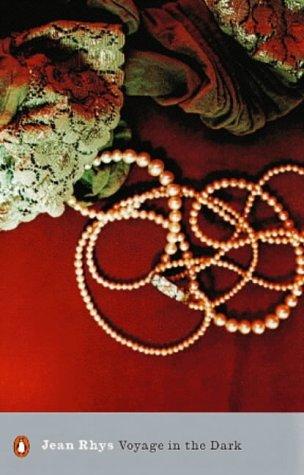
No. 64 on this list. Voyage in the Dark
Jean Rhys · 1934
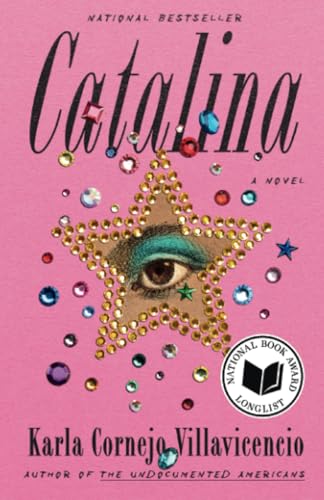
No. 65 on this list. Catalina
Karla Cornejo Villavicencio · 2024
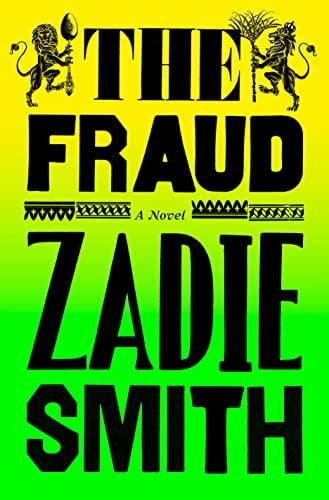
No. 66 on this list. The Fraud
Zadie Smith · 2023
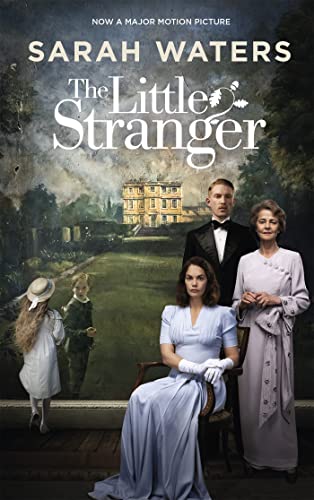
No. 67 on this list. The Little Stranger
Sarah Waters · 2009
Taught in schools: Pearson Edexcel GCSE and A-level English Literature (UK)
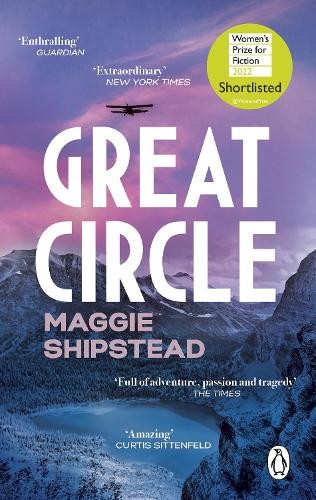
No. 68 on this list. Great Circle
Maggie Shipstead · 2021
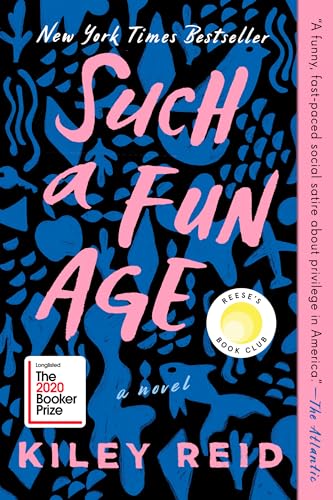
No. 69 on this list. Such a Fun Age
Kiley Reid · 2020
No. 70 on this list. Jerusalem
Selma Lagerlöf · 1901
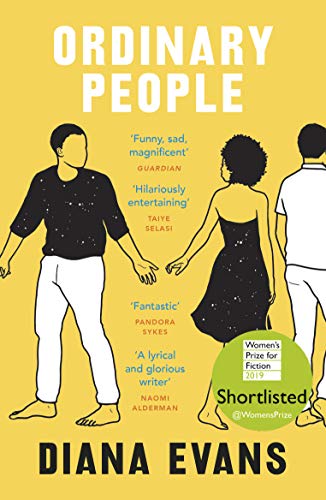
No. 71 on this list. Ordinary People
Diana Evans · 2019
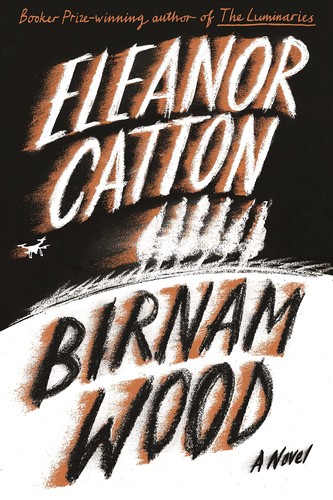
No. 72 on this list. Birnam Wood
Eleanor Catton · 2023
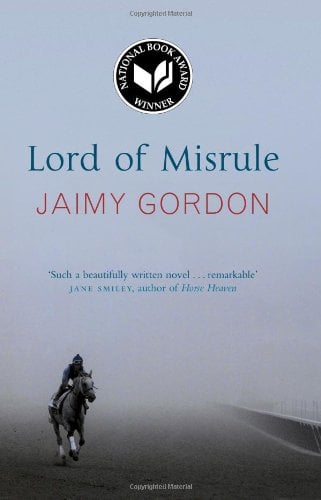
No. 73 on this list. Lord of Misrule
Jaimy Gordon · 2010
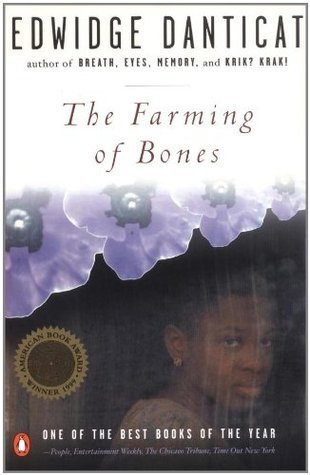
No. 74 on this list. The Farming of Bones
Edwidge Danticat · 1998
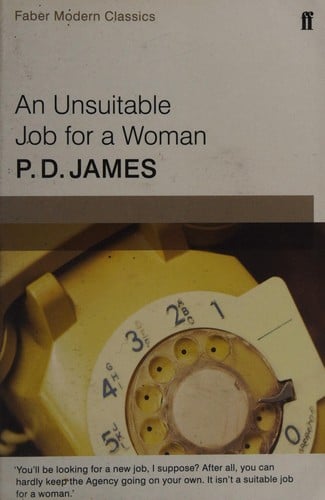
No. 75 on this list. An Unsuitable Job for a Woman
P. D. James · 1972
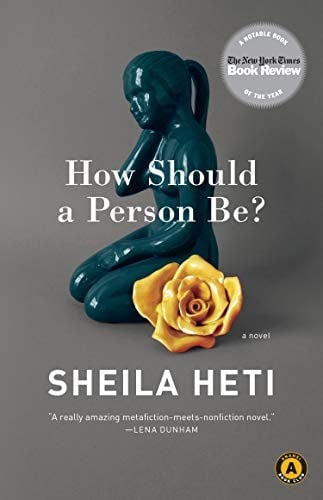
No. 76 on this list. How Should a Person Be?
Sheila Heti · 2012
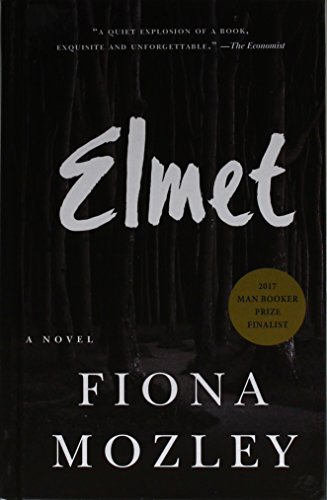
No. 77 on this list. Elmet
Fiona Mozley · 2017
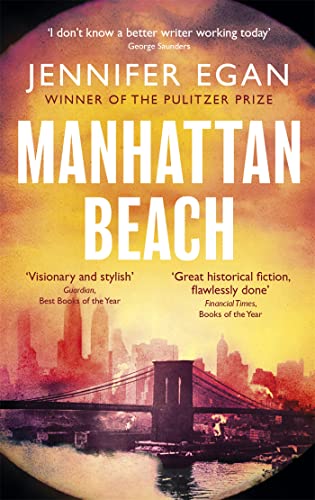
No. 78 on this list. Manhattan Beach
Jennifer Egan · 2017
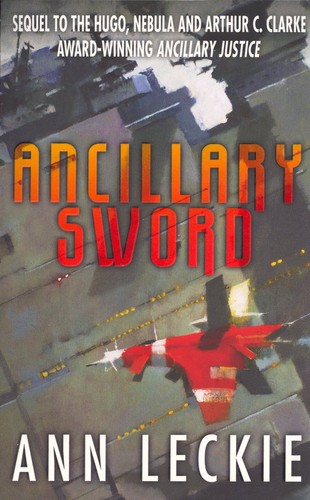
No. 79 on this list. Ancillary Sword
Ann Leckie · 2014
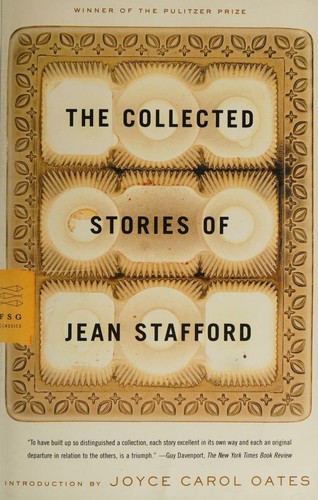
No. 80 on this list. The Collected Stories of Jean Stafford
Jean Stafford · 1970
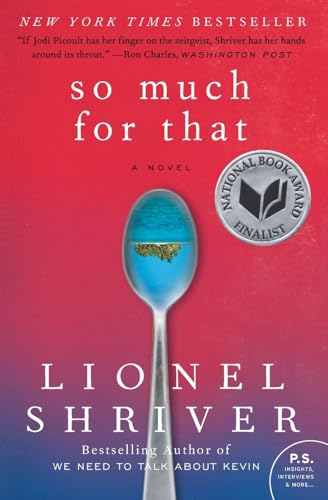
No. 81 on this list. So Much for That
Lionel Shriver · 2010
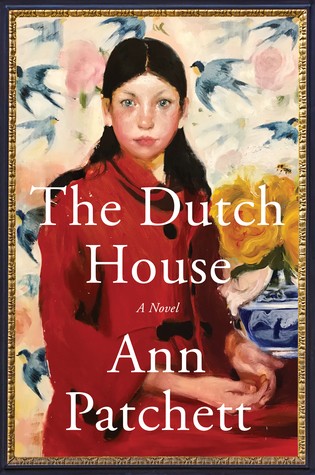
No. 82 on this list. The Dutch House
Ann Patchett · 2019
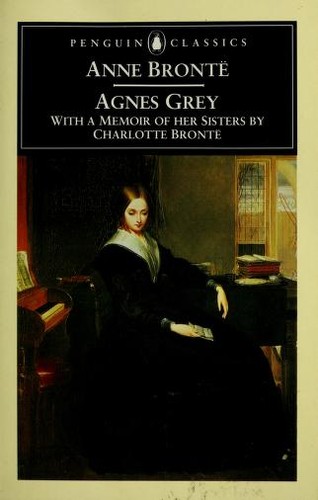
No. 83 on this list. Agnes Grey
Anne Brontë · 1847
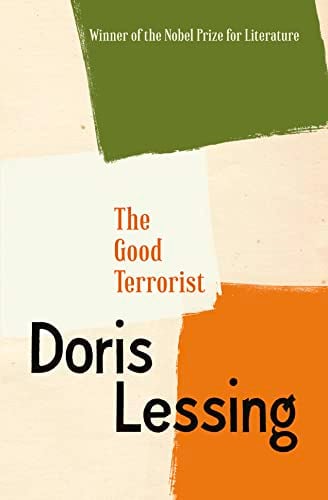
No. 84 on this list. The Good Terrorist
Doris Lessing · 1985
No. 85 on this list. My Name Is Lucy Barton
Elizabeth Strout · 2016
No. 86 on this list. The Road Home
Rose Tremain · 2008
No. 87 on this list. Reeds in the Wind
Grazia Deledda · 1913
No. 88 on this list. A Deadly Education
Naomi Novik · 2020
No. 89 on this list. Injury Time
Beryl Bainbridge · 1977
No. 90 on this list. The News from Paraguay
Lily Tuck · 2004
No. 91 on this list. Restless Dolly Maunder
Kate Grenville · 2024
No. 92 on this list. Barkskins
Annie Proulx · 2016
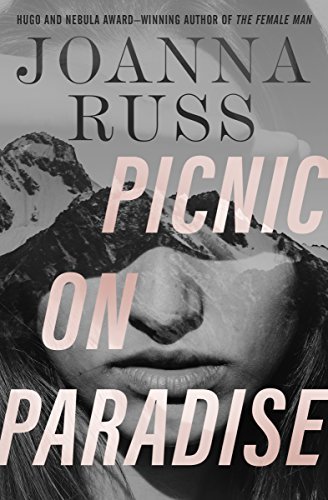
No. 93 on this list. Picnic on Paradise
Joanna Russ · 1968
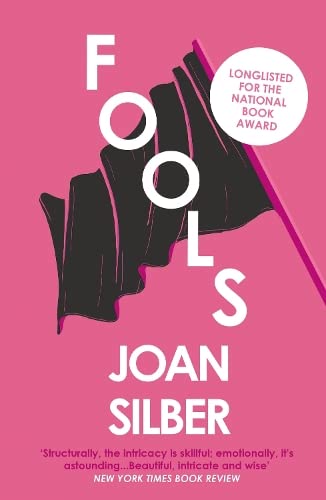
No. 94 on this list. Fools
Joan Silber · 2013
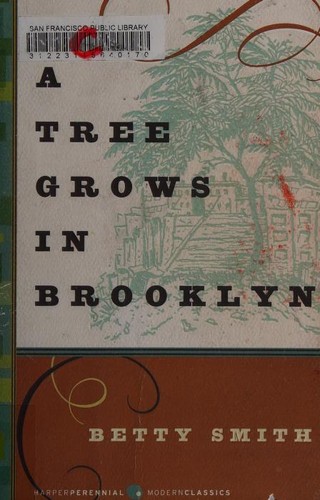
No. 95 on this list. A Tree Grows in Brooklyn
Betty Smith · 1943
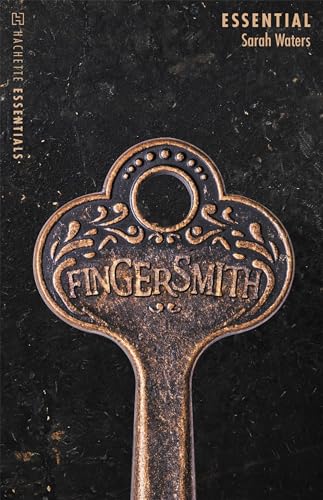
No. 96 on this list. Fingersmith
Sarah Waters · 2002
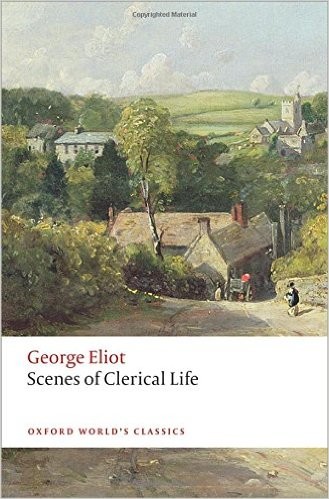
No. 97 on this list. Scenes of Clerical Life
George Eliot · 1858
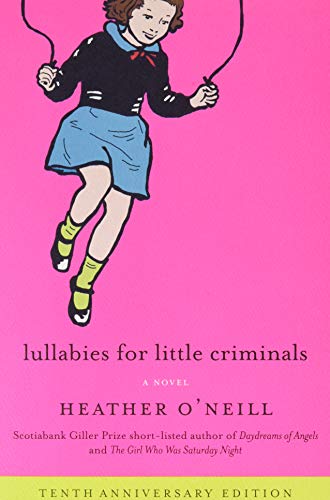
No. 98 on this list. Lullabies for Little Criminals
Heather O'Neill · 2008
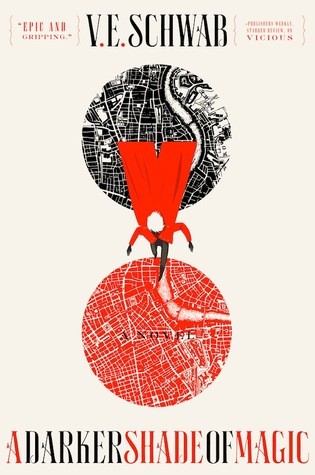
No. 99 on this list. A Darker Shade of Magic
V. E. Schwab · 2015
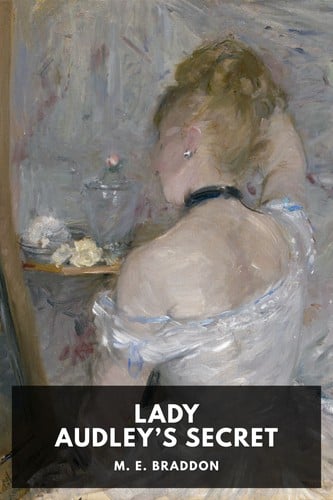
No. 100 on this list. Lady Audley's Secret
Mary Elizabeth Braddon · 1862
Taught in schools: Pearson Edexcel GCSE and A-level English Literature (UK)
About this list
These 100 books are the highest-scoring eligible books about class and inequality by women currently in the catalogue. About 766 hours of reading in all. Difficulty runs from 47 to 61 out of 100 for the middle half of the list; the summit is NW at 78.
This list is ranked by literary regard, with a consistent order for equal scores. Membership follows authors and co-authors, not translators or editors. A book is here when ReadingRate files it under Class & Inequality as one of its primary reading domains, at a confidence of 0.8 or more. Catalogue coverage and the historical canon both limit what this list can represent.
When we matched the Canons dataset to our catalogue in October 2026, our canonical-status scores rose with the number of school curricula, publisher series and lists in it that cite a work: the median score was 72 for books one such source cites, 84 at two, 88 at three, 92 at four and 93 at five or more. Prizes are left out of that count. Outside the state curricula, the dataset’s sources choose mostly from what has been translated into English or French, so it is a weaker check on other literatures. Source: Canons (Andrew Piper), CC BY 4.0
Questions people actually ask
- What are the best books about class and inequality by women?
- By literary regard, which weighs canonical status, critical standing and influence: Pride and Prejudice by Jane Austen, The Bluest Eye by Toni Morrison, Happening by Annie Ernaux, Mansfield Park by Jane Austen and The Time of the Doves by Mercè Rodoreda. ReadingRate ranks 100 such books, each with a difficulty score and a reading-time estimate.
- Which books about class and inequality by women should I read first?
- Start from difficulty, not from rank. The most approachable books on this list that still carry top literary regard are The Time of the Doves by Mercè Rodoreda (about 3 hours), Tar Baby by Toni Morrison and The House of Mirth by Edith Wharton.
- What are the shortest of the best books about class and inequality by women?
- Among the top 25, the shortest are Moderato Cantabile by Marguerite Duras (about 1.4 hours), Happening by Annie Ernaux (about 1.8 hours) and A Man's Place by Annie Ernaux (about 1.5 hours), at an average pace of 250 words a minute adjusted for each book's difficulty.
- Which of the best books about class and inequality by women are the established classics?
- By canonical status, how firmly a book sits in curricula, anthologies and the canon: Pride and Prejudice by Jane Austen, The Bluest Eye by Toni Morrison, The Age of Innocence by Edith Wharton, Mansfield Park by Jane Austen and The Time of the Doves by Mercè Rodoreda.
- Can I read any of these books about class and inequality by women for free?
- 10 of the 100 open in ReadingRate's reader with a free account, from public-domain editions: Pride and Prejudice, Mansfield Park, The Age of Innocence, The House of Mirth, My Antonia and 5 more.
- How long would it take to read the top ten?
- About 59 hours, at an average pace of 250 words a minute adjusted for each book's difficulty: 30 days at two hours a day. Set your own pace on the page and the list's reading times change to it.
- How hard are books about class and inequality by women to read?
- Most of this list sits between 47 and 61 on ReadingRate's 100-point difficulty scale, where 40 to 55 is moderate. The summit is NW at 78. Every entry carries its own score, so a reader can pick a great book at a difficulty they will finish.
- How is this list ranked?
- On literary-regard data: how canonically established a work is, its critical standing, and its influence on later writing. It is not a readers’ poll, which is why recent bestsellers rarely appear. Membership follows authors and co-authors, not translators or editors. Lists by country, author, period, theme or difficulty keep to literature (fiction, poetry, drama and philosophy), their novels, poems and plays first and their philosophy after them; a list of a kind of book, such as memoir or criticism, keeps every book of that kind. Every list holds at most three works by one author. A book is here when ReadingRate files it under Class & Inequality as one of its primary reading domains, at a confidence of 0.8 or more.