Hours at an average pace
Showing 100 books
About 755 hours for 99 of 100 books with measured lengths. Estimates use 250 words a minute, adjusted for each book's difficulty. At 2 hours a day, about 378 days for those books.
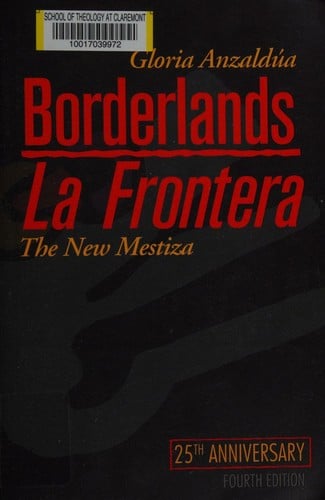
Foundational text of Chicana feminism, border studies, and queer theory. Universally taught in relevant fields.
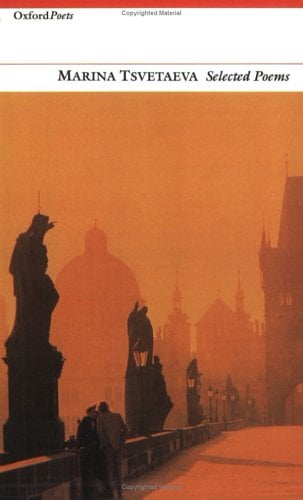
Tsvetaeva is firmly established as one of the four great Russian poets of the twentieth century, alongside Akhmatova, Mandelstam, and Pasternak.
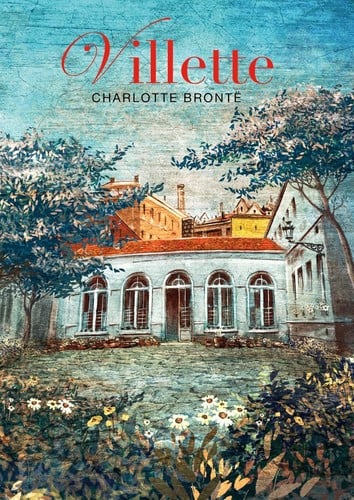
Widely taught in advanced 19th-century literature courses and Victorian fiction seminars, though less ubiquitous than Jane Eyre. Contemporary scholarship increasingly positions Villette as Brontë's most sophisticated novel; it appears regularly on university syllabi in feminist literary criticism and psychological realism tracks.
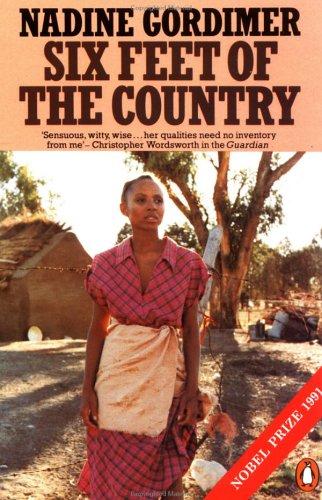
Widely recognized as a cornerstone of post-colonial and South African literature. Appears consistently in university curricula and anthologies of significant twentieth-century short fiction. Represents a crucial moment in articulating apartheid-era social consciousness.
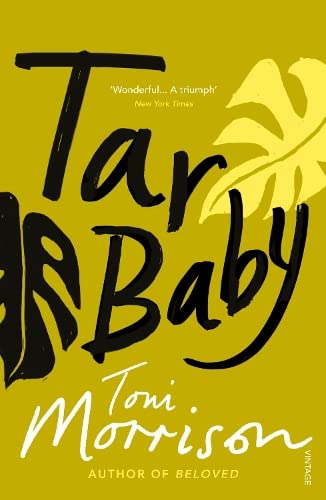
On Isle des Chevaliers, a Caribbean island reshaped by Haitian labor and American money, Valerian Street — a retired Philadelphia candy magnate — cultivates hydrangeas in his greenhouse and avoids his neighbors. His wife Margaret, his butler Sydney and cook Ondine, and his niece Jadine, a model trained in Paris, share the villa in a state of maintained tension. When Son — a Black American fugitive who stowed away on their supply boat — is discovered hiding in the house, he breaks open every unspoken arrangement the household depends on. Morrison uses the folk tale of the tar baby as the novel's armature: Jadine and Son become stuck to each other in a relationship that neither can survive and neither can leave. She embodies what he calls racial betrayal — educated in Europe, photographed in furs, at home nowhere. He embodies what she calls romantic primitivism — a man out of time, faithful to a Black Southern past that she finds suffocating. Morrison writes this conflict without a referee. The Caribbean setting is not backdrop but argument — the swamp, the rain forest, the blind horsemen who ride the hills at night all carry the weight of African spiritual history beneath the colonial surface. The novel ends on a mythic image: Son running toward those horsemen, Jadine flying back to Paris. Morrison offers no verdict on who was right.
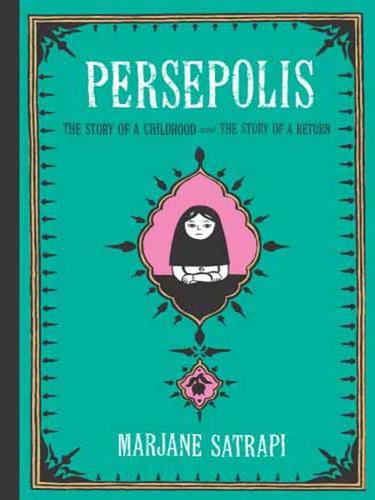
Persepolis is one of the most widely taught graphic narratives in schools and universities, a standard text in courses on memoir, comics and the modern Middle East. It sits beside Art Spiegelman's Maus at the core of the graphic-memoir curriculum.
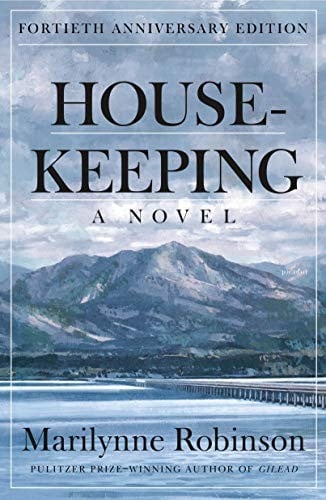
The most beautiful first novel of its generation. Ruth and Lucille's lives in Fingerbone, Idaho, Sylvie's transient existence—Robinson wrote prose like no one else. Core text in American literature courses. The novel launched a major career.
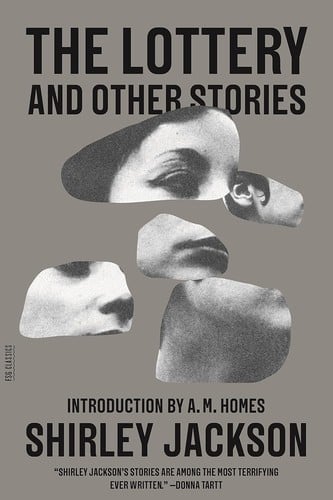
The title story 'The Lottery' is one of the most anthologized and taught short stories in the American canon, appearing in virtually every introduction-to-fiction textbook. The collection itself appears regularly on American short-story syllabi. Jackson's work has experienced a major critical reassessment since the 2010s, elevating her from genre curiosity to recognized American master.
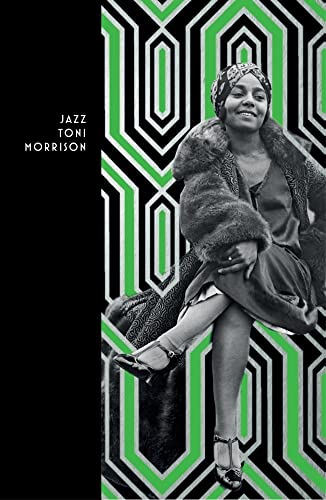
Jazz stands as the middle volume of Morrison's trilogy examining African American history through myth and music. While less taught than Beloved, it appears on graduate syllabi and critical studies of Morrison's work, recognized as an ambitious experiment in narrative voice and jazz-influenced form.
China Men appears regularly on syllabi in Asian-American literature, women's literature, and American studies courses. It is one of the two books — alongside The Woman Warrior — that established Kingston as the field's foundational figure. The book lacks the universal high school assignment status of Beloved or To Kill a Mockingbird but is a standard text in its academic subfields.
No. 11 on this list. Interpreter of Maladies · Jhumpa Lahiri · 2000
Since winning the Pulitzer Prize in 2000, the collection has become a staple of American literature and creative writing curricula, particularly in courses on immigration, diaspora, and the contemporary short story. It occupies a secure position in late-20th-century American literature anthologies and is widely taught in high schools and universities.
Moderate4.1 hours
Start this bookNo. 12 on this list. White Teeth · Zadie Smith · 2002
White Teeth appears on 1,210 university syllabi (77th percentile by Open Syllabus), placing it well above cult favorites like Infinite Jest while falling short of Nobel-author anchors like Beloved. Its Wikipedia article spans 12 languages with dedicated Reception and Adaptations sections, reflecting a book that has entered postcolonial and British literature courses worldwide. Named to TIME's All-TIME 100 Novels list in 2005, it is now a standard text in contemporary fiction and multicultural British literature curricula.
Difficult18 hours
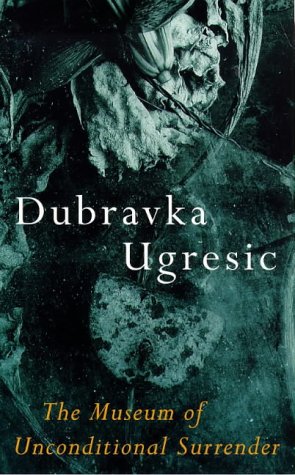
Start this bookNo. 13 on this list. The Museum of Unconditional Surrender · Dubravka Ugrešić · 1997
Ugrešić's most acclaimed novel, widely recognized as a major work of post-Yugoslav literature and contemporary European fiction.
Challenging4.5 hours
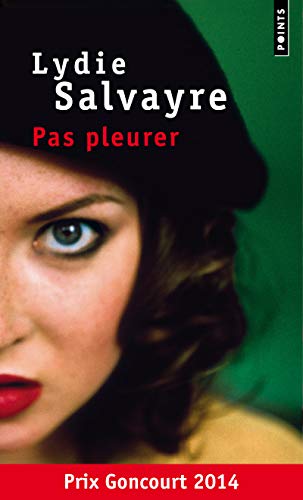
Start this bookNo. 14 on this list. Pas pleurer · Lydie Salvayre · 2014
Winning the Prix Goncourt in 2014 secured Pas pleurer's position in contemporary French literature, though its canonical standing remains emergent rather than established. The novel addresses the enduring literary theme of the Spanish Civil War while contributing to the francophone tradition of linguistic experimentation with exile and bilingualism, placing it in conversation with Camus, Modiano, and postcolonial French writers.
Challenging4.1 hours
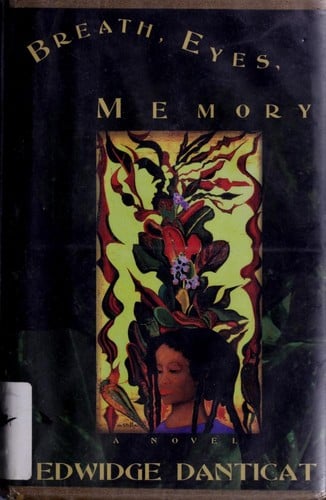
Start this bookNo. 15 on this list. Breath, Eyes, Memory · Edwidge Danticat · 1994
Widely assigned in Caribbean literature, diaspora studies, and postcolonial fiction courses at American universities. Oprah's Book Club selection in 1998 cemented its classroom presence, and it appears consistently on syllabi focused on Haitian-American experience and the literature of trauma. Its reach falls below Nobel-era Caribbean writers like Derek Walcott but well above works with only genre-course placement.
Challenging4.8 hours
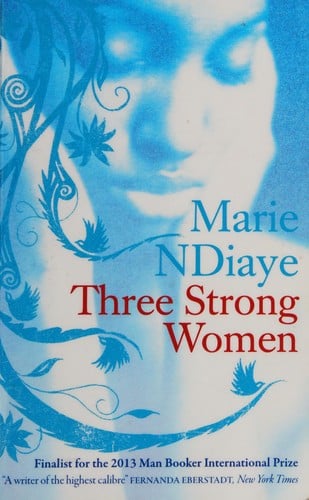
Start this bookNo. 16 on this list. Three Strong Women · Marie NDiaye · 2009
Prix Goncourt winner. Central to contemporary French-language fiction.
Moderate5.5 hours
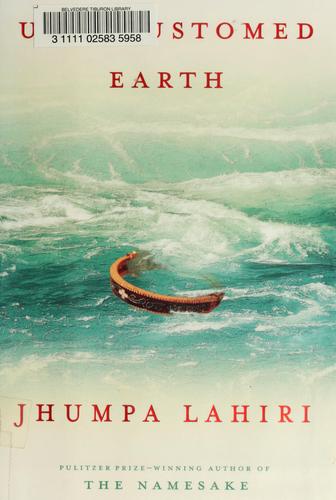
Start this bookNo. 17 on this list. Unaccustomed Earth · Jhumpa Lahiri · 2008
Widely taught in South Asian diaspora literature and contemporary American fiction courses. Not in the 2000+ syllabus tier of Beloved or The Great Gatsby, but a reliable presence in immigrant fiction curricula since publication. The collection appeared on numerous best-of-year lists in 2008.
Moderate7.4 hours
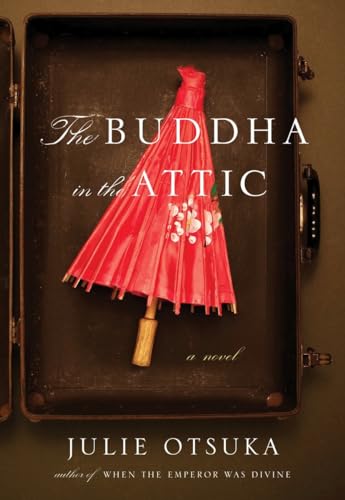
Start this bookNo. 18 on this list. The Buddha in the Attic · Julie Otsuka · 2012
In steerage we compared photographs of our husbands. Handsome men in gray frock coats standing before white picket fences, leaning against Model T Fords. We clutched these images in lockets and tea tins as the boat carried us across the Pacific in 1915. When we arrived, the men on the dock were twenty years older than their pictures. Some of us covered our eyes and turned away. The rest smoothed our kimonos and stepped onto American soil. Otsuka tells the story of Japanese picture brides through a collective "we" voice that accumulates like a litany. One of us was from Kagoshima, one from Hiroshima (which would later explode), one was a former dancing girl who taught us what to expect on our wedding nights. We picked fruit in the Central Valley, scrubbed floors in white women's kitchens, bore children who learned to call us "Mama" with embarrassment. Then came December 1941. The novel ends with our disappearance into internment camps, narrated by the white neighbors who watched us go. You read this book in one sitting, hypnotized by the rhythmic first-person plural that makes individuals visible through repetition rather than distinction.
Challenging2.6 hours
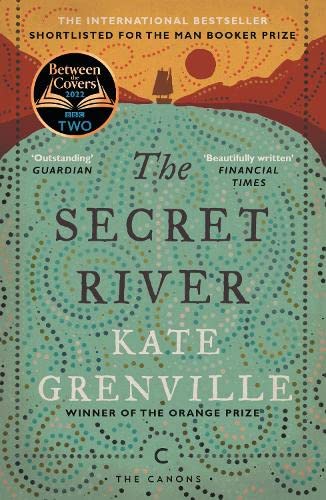
Start this bookNo. 19 on this list. The Secret River · Kate Grenville · 2006
The Secret River (2005) is a modern Australian classic, taught in Australian schools and in university courses on Australian and postcolonial literature. It is among the most widely read Australian novels of the century so far.
Challenging11 hours
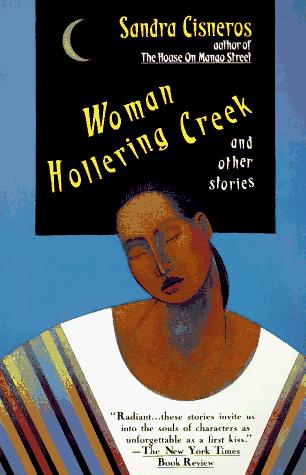
Start this bookNo. 20 on this list. Woman Hollering Creek and Other Stories · Sandra Cisneros · 1991
Widely taught alongside The House on Mango Street. A touchstone of Chicana literature and a landmark of American short fiction.
Easy3.6 hours
Start this book
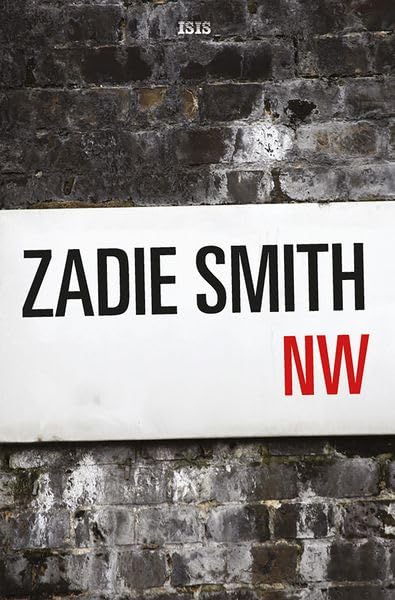
No. 21 on this list. NW · Zadie Smith · 2013
NW is a respected experimental novel by one of Britain's foremost literary voices, but it is not yet canonized. Published in 2012, it received strong reviews and a Women's Prize shortlist, yet it remains overshadowed by White Teeth in Smith's own oeuvre and has not entered standard curricula.
Difficult13 hours
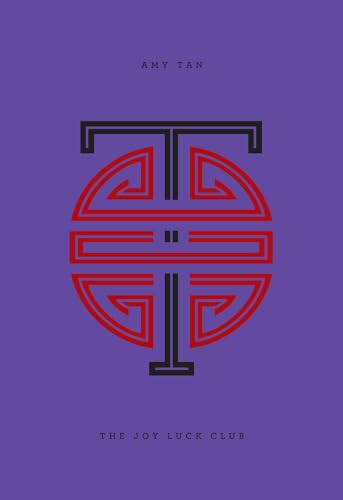
Start this bookNo. 22 on this list. The Joy Luck Club · Amy Tan · 1989
Taught in schools: Common Core text exemplars (Appendix B) (US)
The Joy Luck Club is a fixture of multicultural and Asian-American literature curricula at the high school and university level in the United States. It appears on course reading lists covering immigrant experience, American identity, and women's fiction. Its Wikipedia article exists in multiple languages, reflecting broad international recognition.
Difficult20 hours
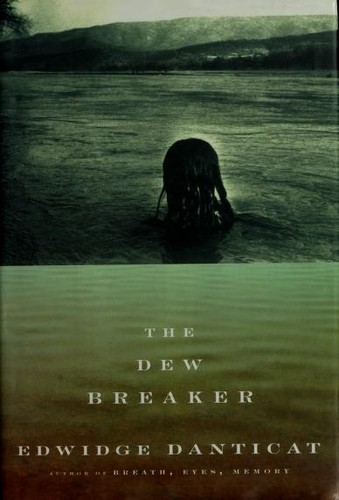
Start this bookNo. 23 on this list. The Dew Breaker · Edwidge Danticat · 2004
The Dew Breaker is regularly assigned in Caribbean diaspora literature, postcolonial studies, and Haitian literature courses at the university level, but it has not achieved the broad adoption of Morrison or Achebe in mainstream American literature curricula. It is a fixture in courses focused on the African diaspora and on immigrant experience in the United States, without reaching the near-universal syllabi presence of canonical anchors like Beloved (85).
Difficult6.6 hours
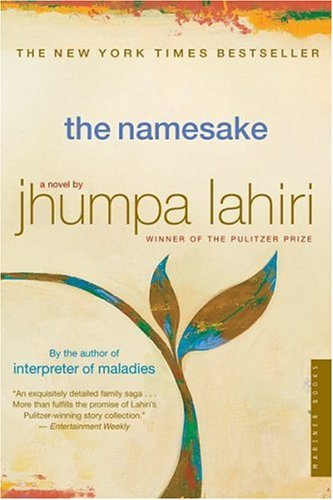
Start this bookNo. 24 on this list. The Namesake · Jhumpa Lahiri · 2004
Taught in schools: Common Core text exemplars (Appendix B) (US)
Appears on 713 university syllabi according to Open Syllabus, placing it at the 71st percentile — a strong showing for contemporary literary fiction. It is a fixture of postcolonial literature, South Asian diaspora studies, and contemporary American fiction courses. Its Wikipedia presence spans only 4 languages, indicating regional rather than global canonical reach.
Challenging7.4 hours
Start this bookNo. 25 on this list. Binti · Nnedi Okofor · 2015
Hugo and Nebula Award winner. A significant work of Africanfuturist fiction, increasingly taught in university courses.
Very Easy1.2 hours
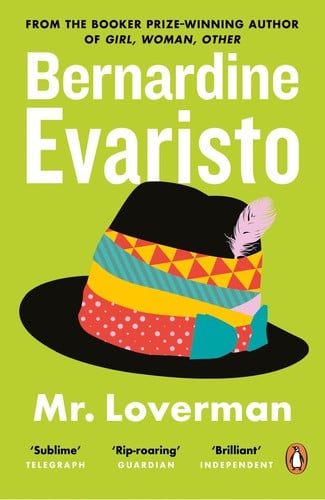
Start this bookNo. 26 on this list. Mr Loverman · Bernardine Evaristo · 2013
Mr Loverman appears on syllabi in postcolonial British literature and diaspora fiction courses, though database signals show limited formal syllabus tracking. Bernardine Evaristo's 2019 Booker Prize win for Girl, Woman, Other significantly raised the novel's academic profile, and it is frequently assigned alongside her other work.
Difficult10 hours
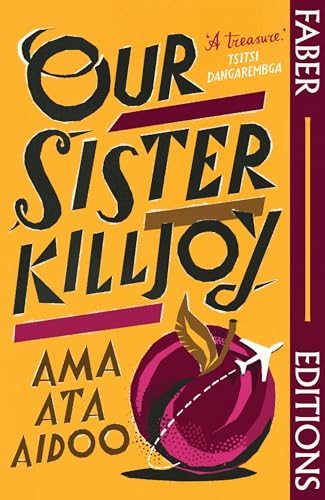
Start this bookNo. 27 on this list. Our Sister Killjoy · Ama Ata Aidoo · 1977
A core text in African literature, postcolonial studies, and feminist literary criticism courses. Less widely assigned than Achebe's Things Fall Apart in general world literature surveys, but essential in any dedicated African women's writing or postcolonial theory course. The Open Syllabus database shows no tracked appearances, but the book's presence in specialized curricula is well-documented in critical literature.
Challenging3.1 hours
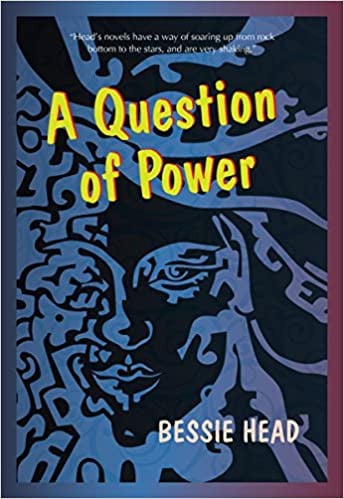
Start this bookNo. 28 on this list. A Question of Power · Bessie Head · 1974
A Question of Power is a fixture in postcolonial literature, African literature, and feminist literature courses worldwide, though it occupies a more specialized niche than canonical Western texts. No automated syllabus data was retrieved, but the novel appears consistently on African literature reading lists and in postcolonial studies curricula.
Challenging7 hours
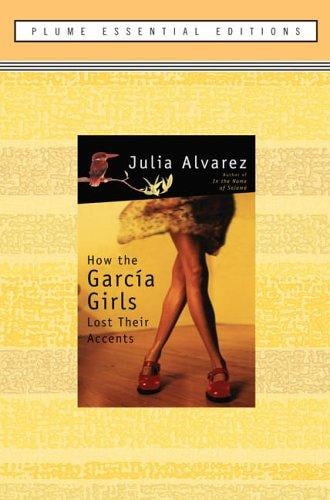
Start this bookNo. 29 on this list. How the Garcia Girls Lost Their Accents · Julia Alvarez · 1991
How the García Girls Lost Their Accents is regularly assigned in American high schools and in college courses on Latino and immigrant literature. With Sandra Cisneros's The House on Mango Street, it is one of the most taught works of Latina fiction.
Very Easy3.6 hours
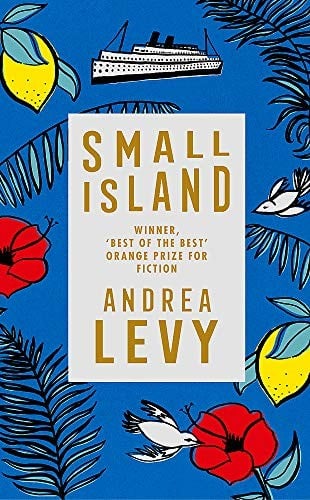
Start this bookNo. 30 on this list. Small Island · Andrea Levy · 2005
Taught in schools: AQA GCSE and A-level English Literature (UK)
Appears on 828 university syllabi (72nd percentile by Open Syllabus), taught primarily in postcolonial literature, Black British literature, and 20th-century British fiction courses. Wikipedia presence spans only 2 languages with a short article, indicating limited global canonical reach beyond English-speaking academic contexts.
Challenging16 hours
Start this book
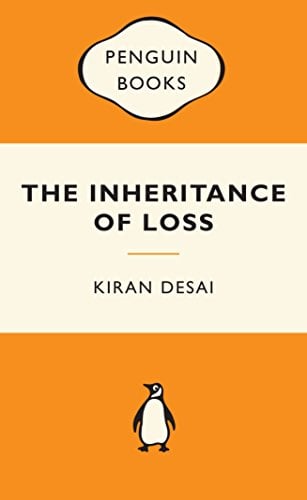
No. 31 on this list. The Inheritance of Loss
Kiran Desai · 2006
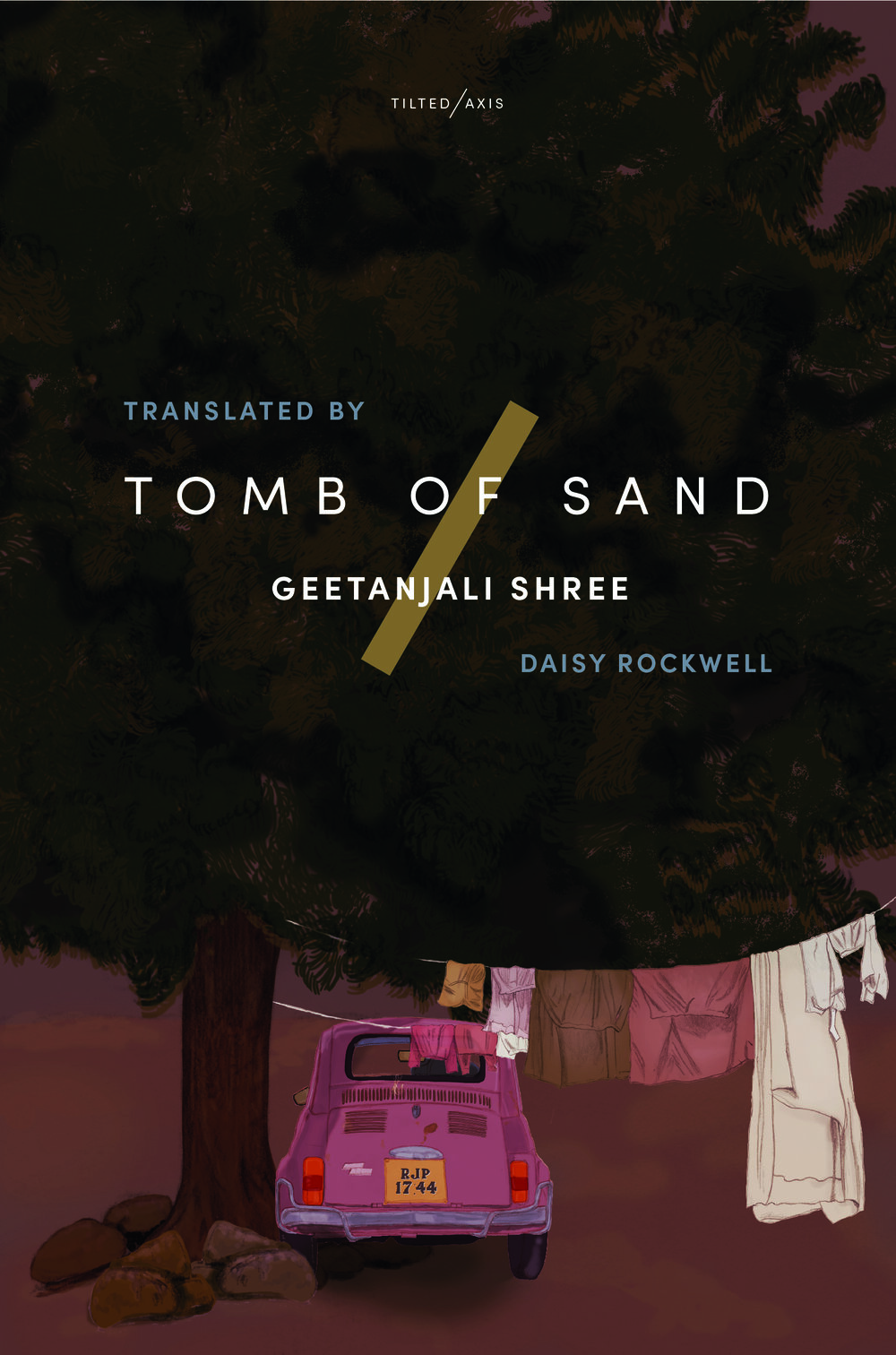
No. 32 on this list. Tomb of Sand
Geetanjali Shree · 2022
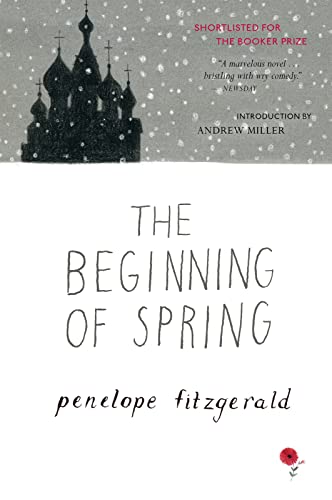
No. 33 on this list. The Beginning of Spring
Penelope Fitzgerald · 1988
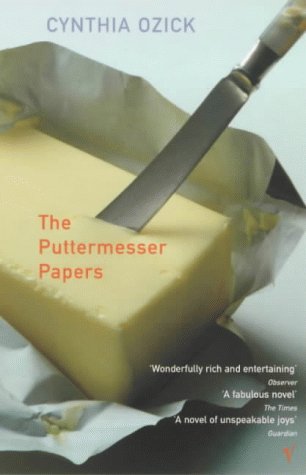
No. 34 on this list. The Puttermesser Papers
Cynthia Ozick · 1997
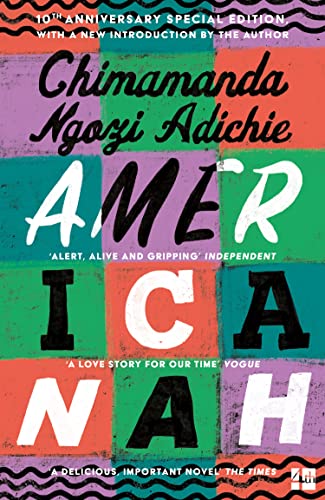
No. 35 on this list. Americanah
Chimamanda Ngozi Adichie · 2014
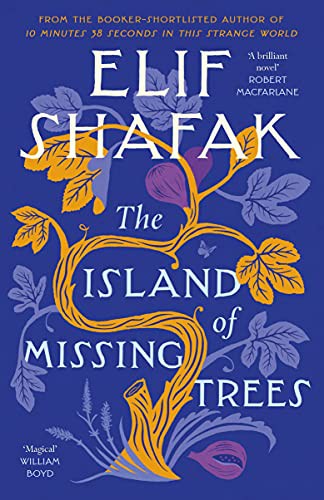
No. 36 on this list. The Island of Missing Trees
Elif Shafak · 2022
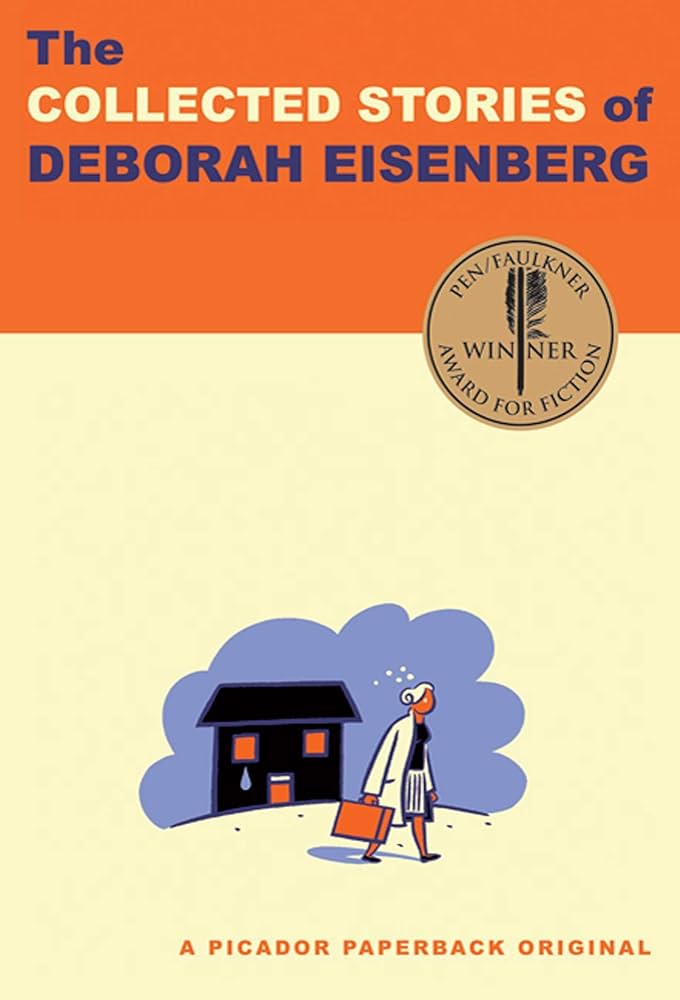
No. 37 on this list. The Collected Stories
Deborah Eisenberg · 2011
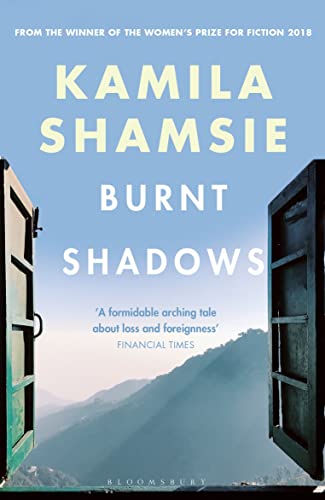
No. 38 on this list. Burnt Shadows
Kamila Shamsie · 2009
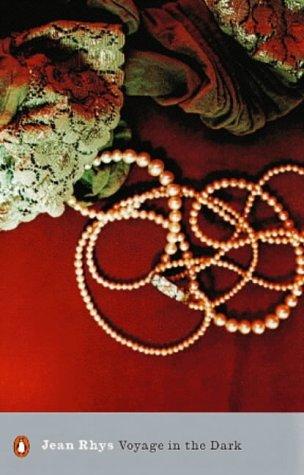
No. 39 on this list. Voyage in the Dark
Jean Rhys · 1934
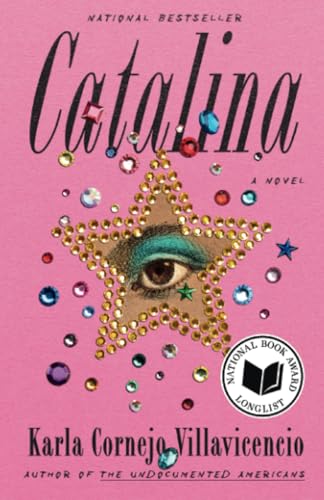
No. 40 on this list. Catalina
Karla Cornejo Villavicencio · 2024
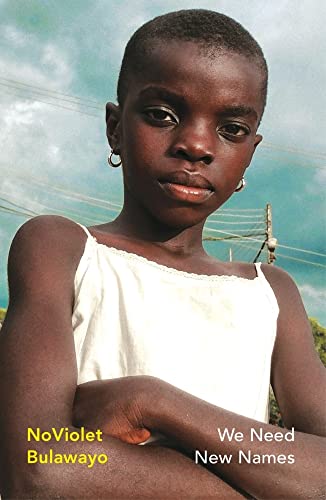
No. 41 on this list. We Need New Names
NoViolet Bulawayo · 2013
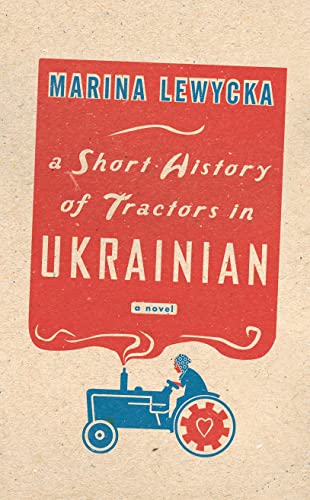
No. 42 on this list. A Short History of Tractors in Ukrainian
Marina Lewycka · 2005
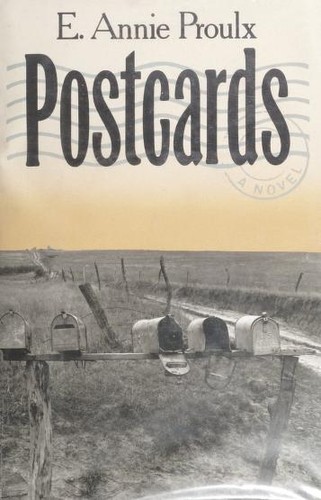
No. 43 on this list. Postcards
E. Annie Proulx · 1993
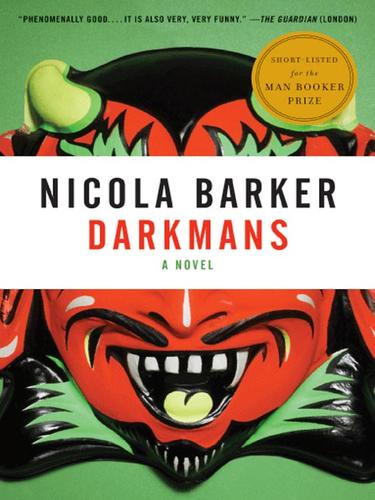
No. 44 on this list. Darkmans
Nicola Barker · 2007
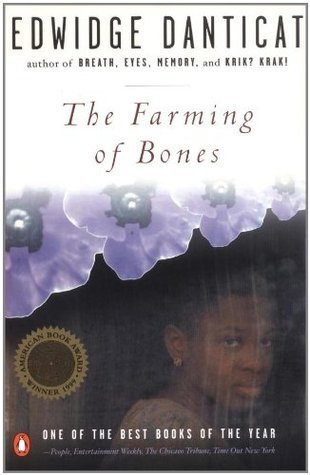
No. 45 on this list. The Farming of Bones
Edwidge Danticat · 1998
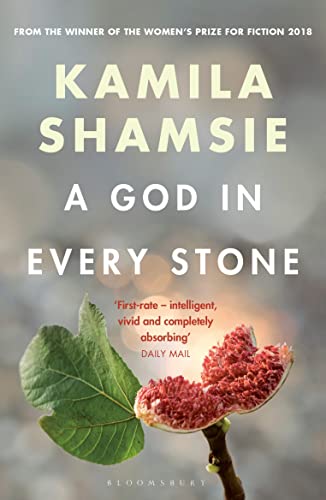
No. 46 on this list. A God in Every Stone
Kamila Shamsie · 2015
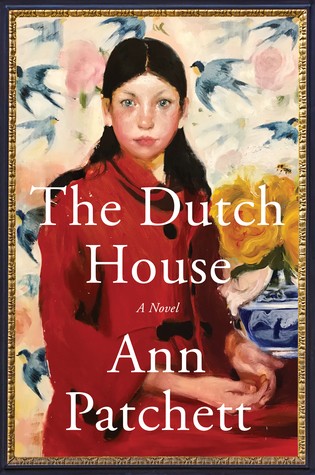
No. 47 on this list. The Dutch House
Ann Patchett · 2019
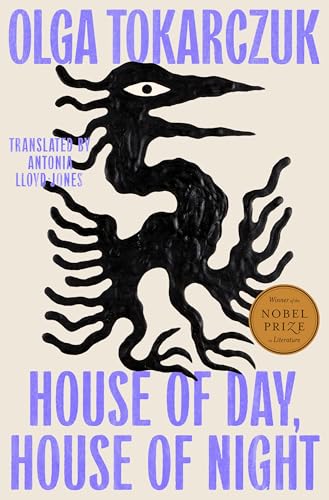
No. 48 on this list. House of Day, House of Night
Olga Tokarczuk · 1998
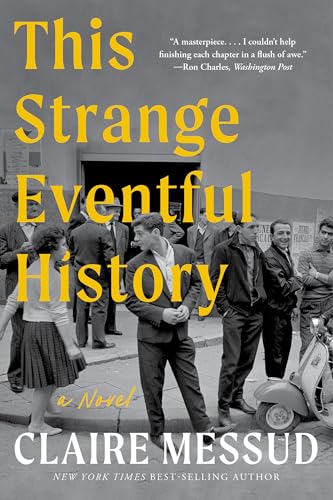
No. 49 on this list. This Strange Eventful History
Claire Messud · 2024
No. 50 on this list. The Road Home
Rose Tremain · 2008
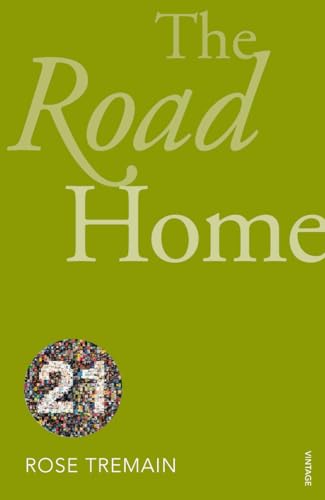
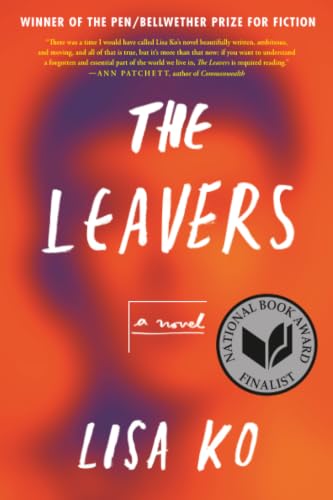
No. 51 on this list. The Leavers
Lisa Ko · 2017
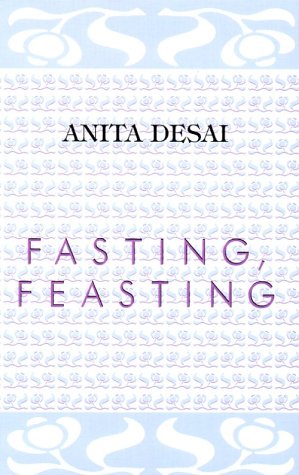
No. 52 on this list. Fasting, Feasting
Anita Desai · 1999
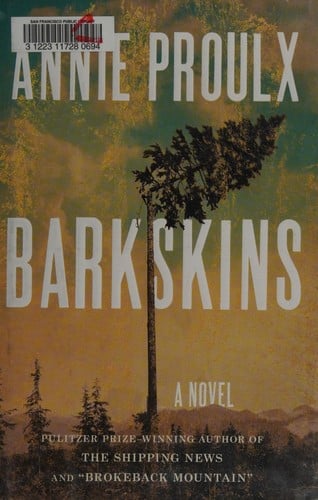
No. 53 on this list. Barkskins
Annie Proulx · 2016
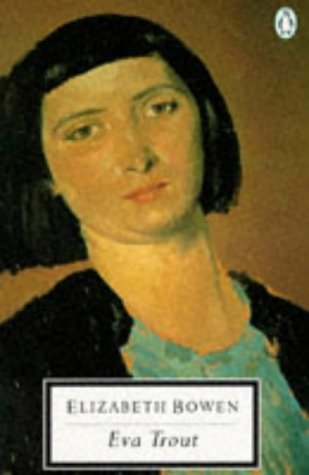
No. 54 on this list. Eva Trout
Elizabeth Bowen · 1970
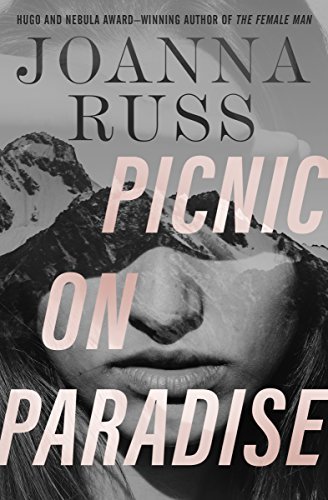
No. 55 on this list. Picnic on Paradise
Joanna Russ · 1968
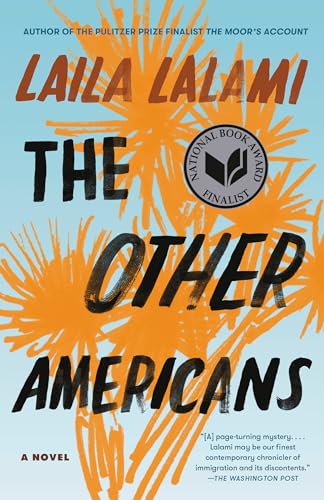
No. 56 on this list. The Other Americans
Laila Lalami · 2019
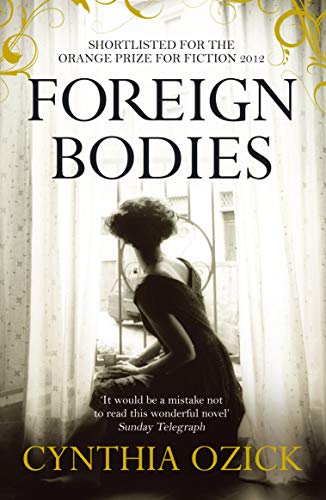
No. 57 on this list. Foreign Bodies
Cynthia Ozick · 2012
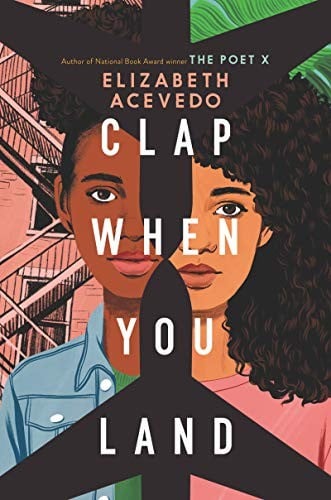
No. 58 on this list. Clap When You Land
Elizabeth Acevedo · 2020
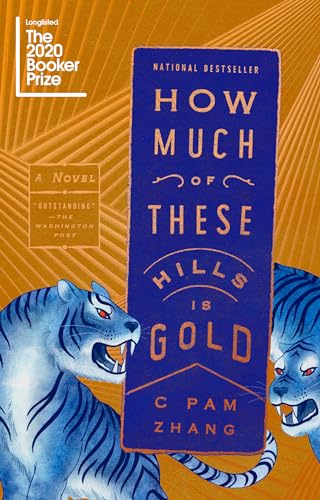
No. 59 on this list. How Much of These Hills Is Gold
C Pam Zhang · 2020
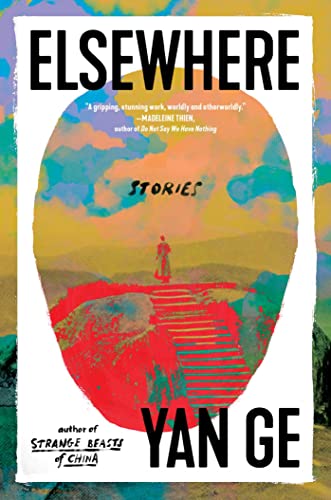
No. 60 on this list. Elsewhere
Yan Ge · 2024
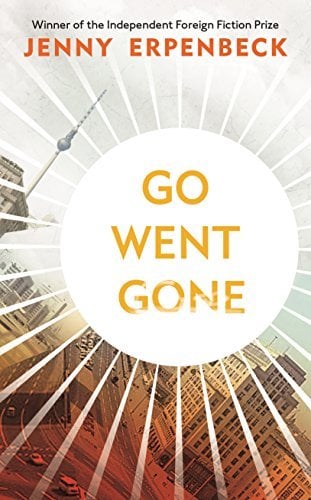
No. 61 on this list. Go, Went, Gone
Jenny Erpenbeck · 2015
No. 62 on this list. Women Without Men: A Novel of Modern Iran
Shahrnush Parsipur · 2004
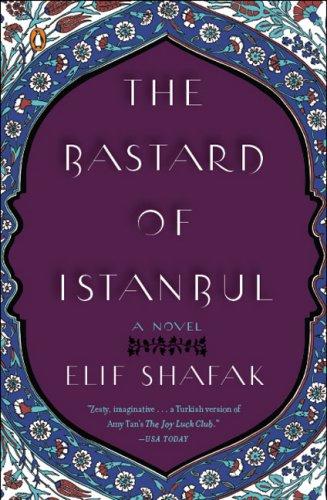
No. 63 on this list. The Bastard of Istanbul
Elif Shafak · 2006
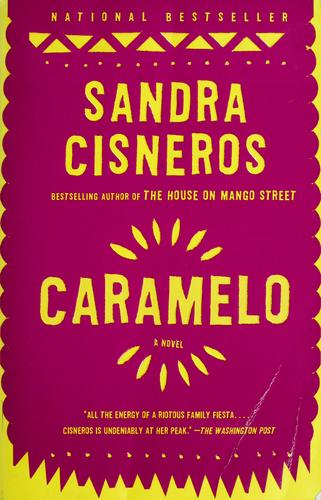
No. 64 on this list. Caramelo
Sandra Cisneros · 2002
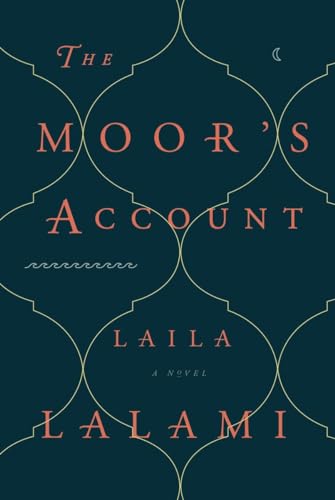
No. 65 on this list. The Moor's Account
Laila Lalami · 2013
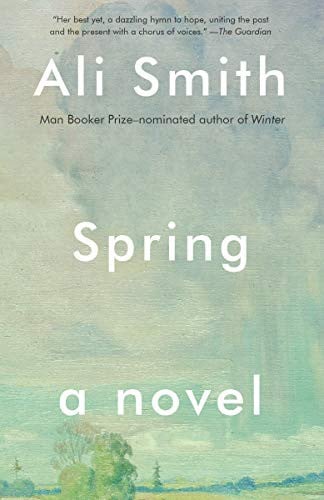
No. 66 on this list. Spring
Ali Smith · 2019
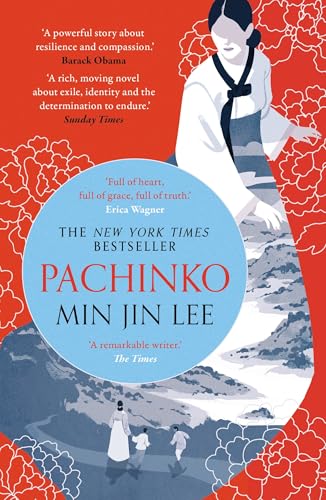
No. 67 on this list. Pachinko
Min Jin Lee · 2017
No. 68 on this list. Die Lücken
Shida Bazyar · 2026
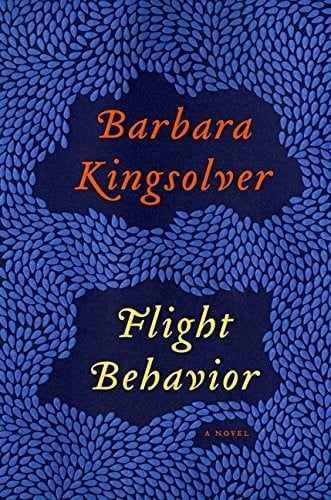
No. 69 on this list. Flight Behavior
Barbara Kingsolver · 2012
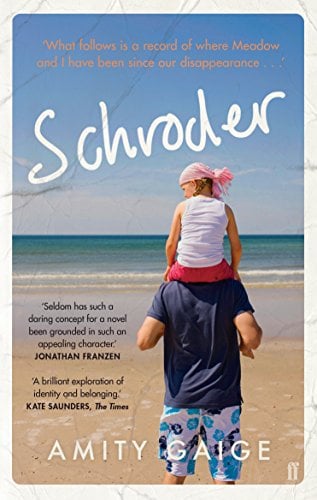
No. 70 on this list. Schroder
Amity Gaige · 2013


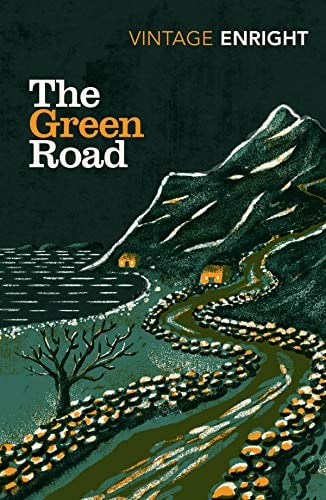
No. 71 on this list. The Green Road
Anne Enright · 2015
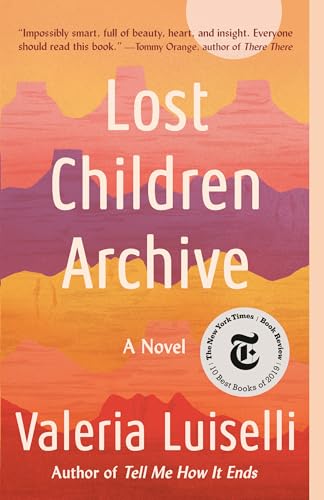
No. 72 on this list. Lost Children Archive
Valeria Luiselli · 2019
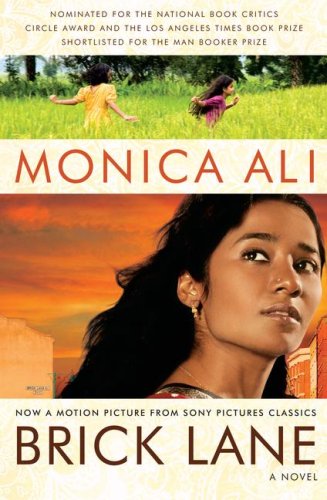
No. 73 on this list. Brick Lane
Monica Ali · 2003
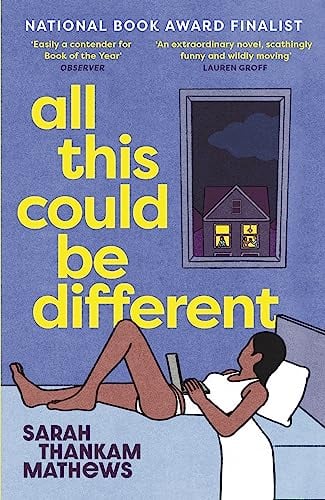
No. 74 on this list. All This Could Be Different
Sarah Thankam Mathews · 2023
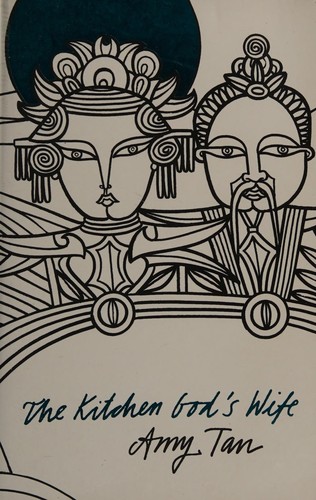
No. 75 on this list. The Kitchen God's Wife
Amy Tan · 1991
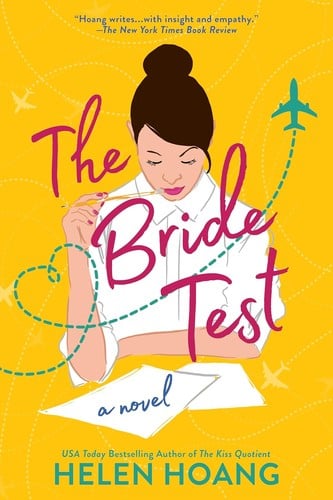
No. 76 on this list. The Bride Test
Helen Hoang · 2019
No. 77 on this list. Memoirs of a Polar Bear
Yoko Tawada · 2011
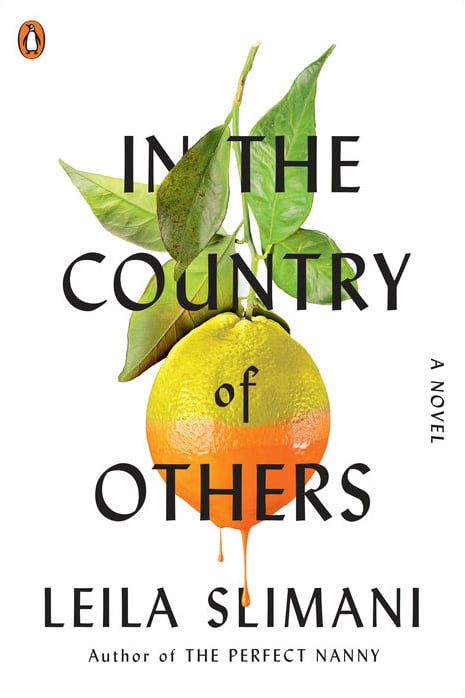
No. 78 on this list. In the Country of Others
Leïla Slimani · 2020
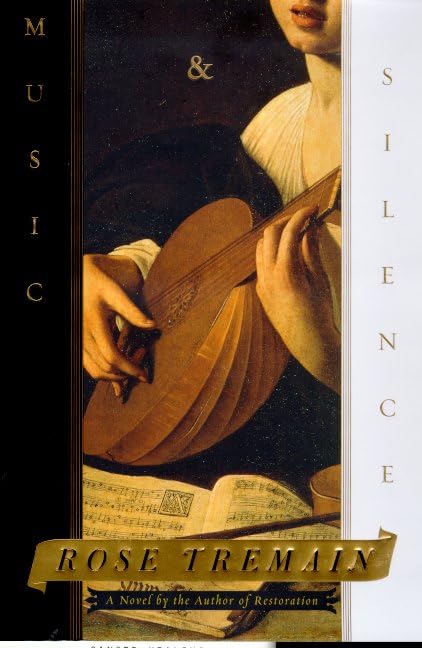
No. 79 on this list. Music & Silence
Rose Tremain · 1999
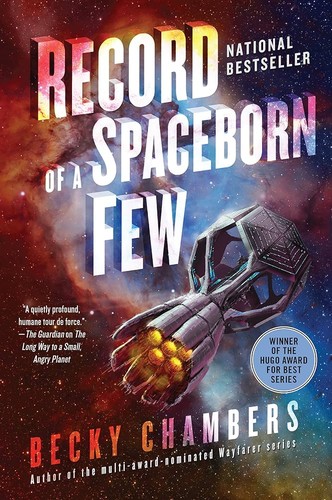
No. 80 on this list. Record of a Spaceborn Few
Becky Chambers · 2018
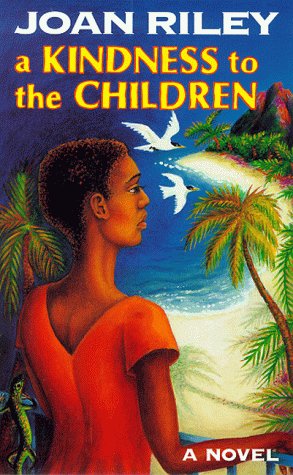
No. 81 on this list. A Kindness to the Children
Joan Riley · 1997
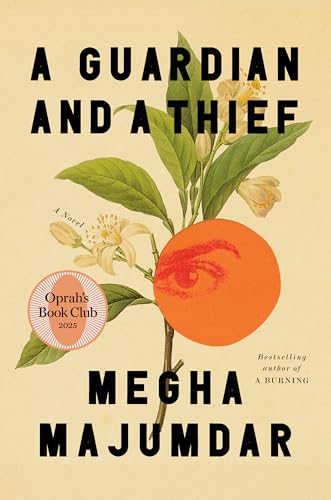
No. 82 on this list. A Guardian and a Thief
Megha Majumdar · 2025
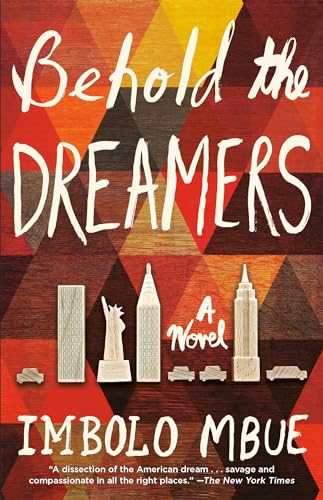
No. 83 on this list. Behold the Dreamers
Imbolo Mbue · 2017
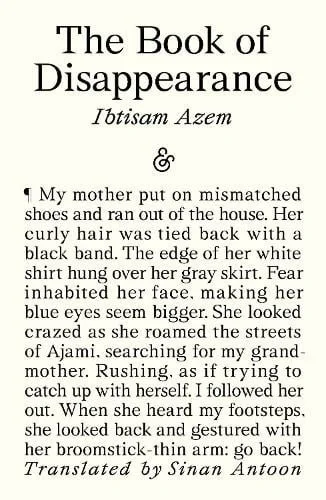
No. 84 on this list. The Book of Disappearance
Adania Shibli · 2025
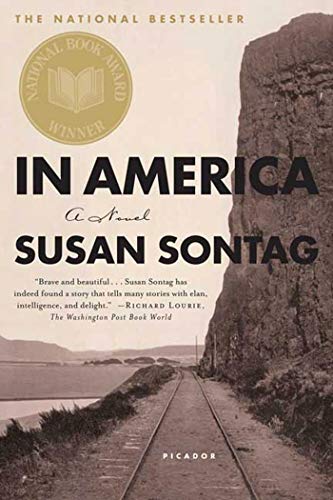
No. 85 on this list. In America
Susan Sontag · 2000
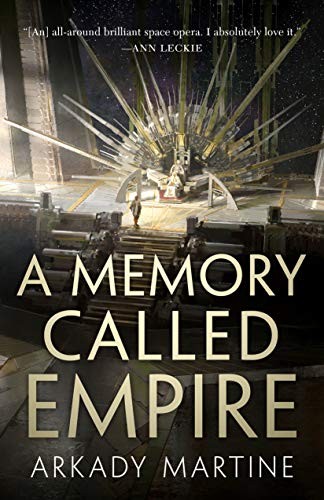
No. 86 on this list. A Memory Called Empire
Arkady Martine · 2019
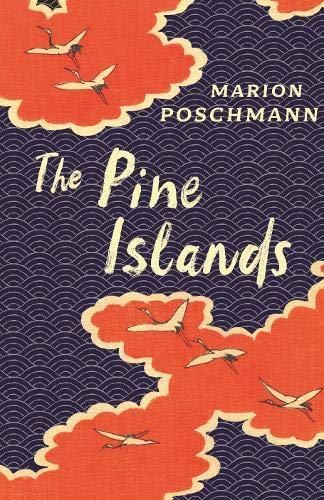
No. 87 on this list. The Pine Islands
Marion Poschmann · 2019
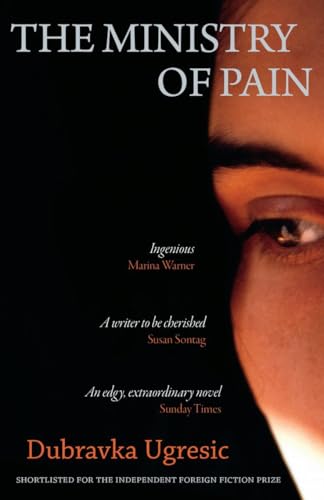
No. 88 on this list. The Ministry of Pain
Dubravka Ugrešić · 2004
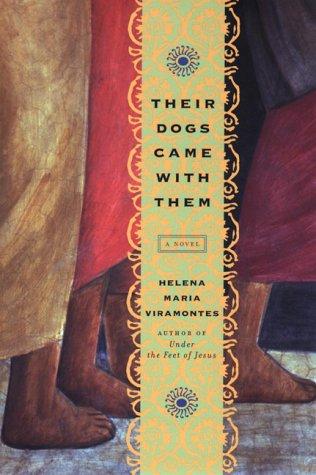
No. 89 on this list. Their Dogs Came with Them
Helena Maria Viramontes · 2007
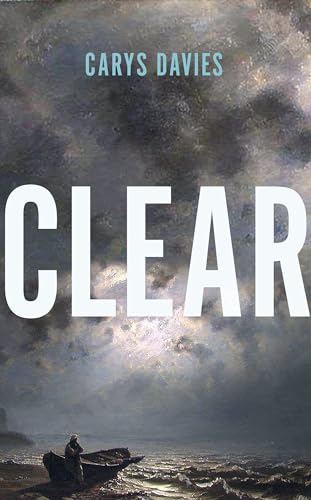
No. 90 on this list. Clear
No. 91 on this list. The Winter Vault
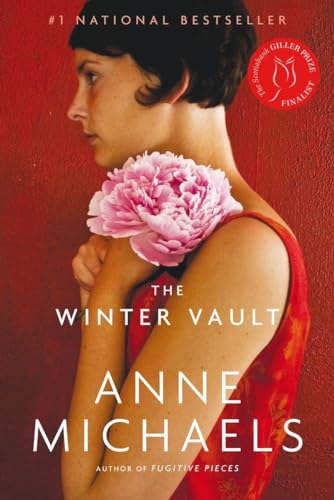
Anne Michaels · 2008
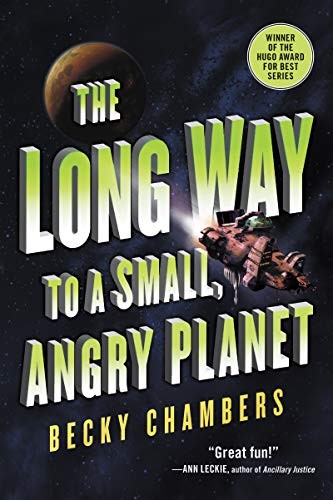
No. 92 on this list. The Long Way to a Small, Angry Planet
Becky Chambers · 2014
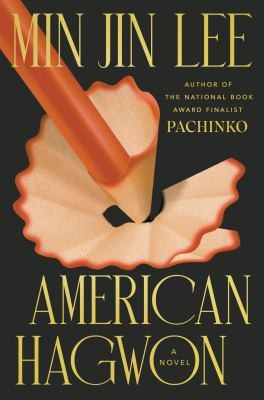
No. 93 on this list. American Hagwon
Min Jin Lee · 2026
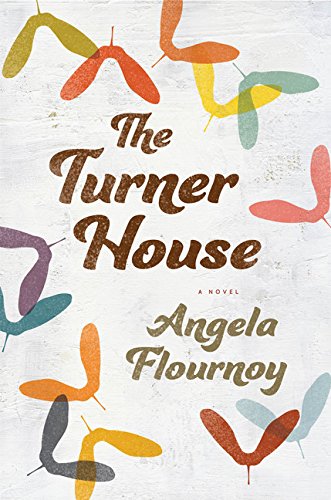
No. 94 on this list. The Turner House
Angela Flournoy · 2015
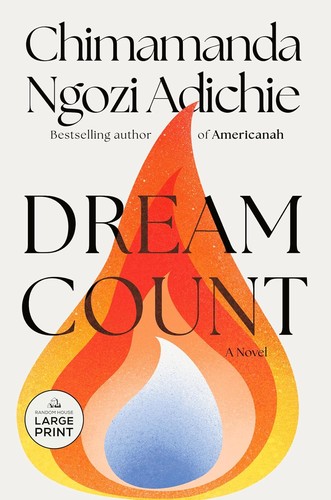
No. 95 on this list. Dream Count
Chimamanda Ngozi Adichie · 2025
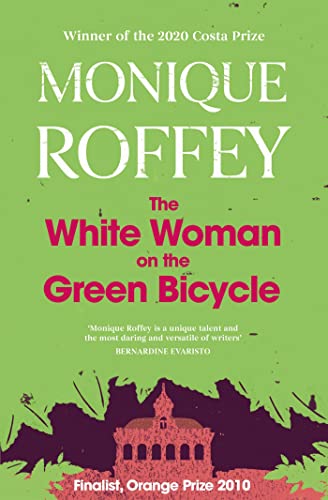
No. 96 on this list. The White Woman on the Green Bicycle
Monique Roffey · 2010
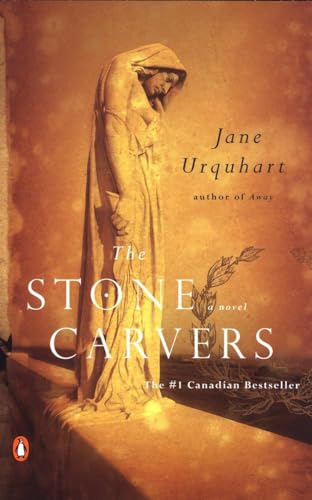
No. 97 on this list. The Stone Carvers
Jane Urquhart · 2001
No. 98 on this list. The Golem and the Jinni
Helene Wecker · 2013
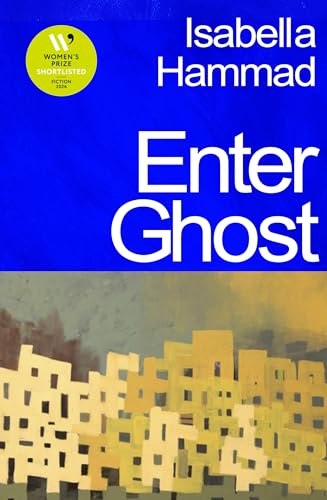
No. 99 on this list. Enter Ghost
Isabella Hammad · 2024
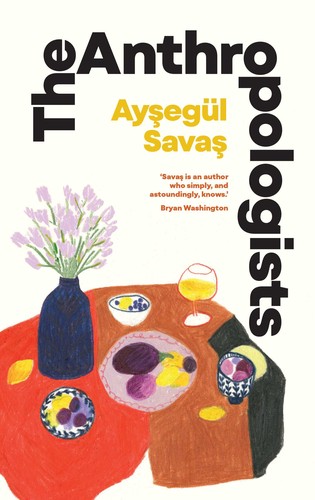
No. 100 on this list. The Anthropologists
Ayşegül Savaş · 2024
About this list
These 100 books are the highest-scoring eligible books about exile and displacement by women currently in the catalogue. About 755 hours of reading in all, for the 99 with measured lengths. Difficulty runs from 46 to 63 out of 100 for the middle half of the list; the summit is NW at 78.
This list is ranked by literary regard, with a consistent order for equal scores. Membership follows authors and co-authors, not translators or editors. A book is here when ReadingRate files it under Exile & Displacement as one of its primary reading domains, at a confidence of 0.8 or more. Catalogue coverage and the historical canon both limit what this list can represent.
When we matched the Canons dataset to our catalogue in October 2026, our canonical-status scores rose with the number of school curricula, publisher series and lists in it that cite a work: the median score was 72 for books one such source cites, 84 at two, 88 at three, 92 at four and 93 at five or more. Prizes are left out of that count. Outside the state curricula, the dataset’s sources choose mostly from what has been translated into English or French, so it is a weaker check on other literatures. Source: Canons (Andrew Piper), CC BY 4.0
Questions people actually ask
- What are the best books about exile and displacement by women?
- By literary regard, which weighs canonical status, critical standing and influence: Borderlands/La Frontera: The New Mestiza by Gloria Anzaldua, Selected Poems of Marina Tsvetaeva by Marina Tsvetaeva, Villette by Charlotte Brontë, Six Feet of the Country by Nadine Gordimer and Tar Baby by Toni Morrison. ReadingRate ranks 100 such books, each with a difficulty score and a reading-time estimate.
- Which books about exile and displacement by women should I read first?
- Start from difficulty, not from rank. The most approachable books on this list that still carry top literary regard are Persepolis by Marjane Satrapi (about 2.2 hours), Borderlands/La Frontera: The New Mestiza by Gloria Anzaldua and Tar Baby by Toni Morrison.
- What are the shortest of the best books about exile and displacement by women?
- Among the top 25, the shortest are Selected Poems of Marina Tsvetaeva by Marina Tsvetaeva (about 1.7 hours), Binti by Nnedi Okofor (about 1.2 hours) and The Buddha in the Attic by Julie Otsuka (about 2.6 hours), at an average pace of 250 words a minute adjusted for each book's difficulty.
- Which of the best books about exile and displacement by women are the established classics?
- By canonical status, how firmly a book sits in curricula, anthologies and the canon: Persepolis by Marjane Satrapi, Borderlands/La Frontera: The New Mestiza by Gloria Anzaldua, Selected Poems of Marina Tsvetaeva by Marina Tsvetaeva, Villette by Charlotte Brontë and Six Feet of the Country by Nadine Gordimer.
- Can I read any of these books about exile and displacement by women for free?
- 1 of the 100 opens in ReadingRate's reader with a free account, from public-domain editions: Villette.
- How long would it take to read the top ten?
- About 59 hours, at an average pace of 250 words a minute adjusted for each book's difficulty: 30 days at two hours a day. Set your own pace on the page and the list's reading times change to it.
- How hard are books about exile and displacement by women to read?
- Most of this list sits between 46 and 63 on ReadingRate's 100-point difficulty scale, where 40 to 55 is moderate. The summit is NW at 78. Every entry carries its own score, so a reader can pick a great book at a difficulty they will finish.
- How is this list ranked?
- On literary-regard data: how canonically established a work is, its critical standing, and its influence on later writing. It is not a readers’ poll, which is why recent bestsellers rarely appear. Membership follows authors and co-authors, not translators or editors. Lists by country, author, period, theme or difficulty keep to literature (fiction, poetry, drama and philosophy), their novels, poems and plays first and their philosophy after them; a list of a kind of book, such as memoir or criticism, keeps every book of that kind. Every list holds at most three works by one author. A book is here when ReadingRate files it under Exile & Displacement as one of its primary reading domains, at a confidence of 0.8 or more.