Hours at an average pace
Showing 100 books
About 700 hours for 100 of 100 books with measured lengths. Estimates use 250 words a minute, adjusted for each book's difficulty. At 2 hours a day, about 350 days for those books.
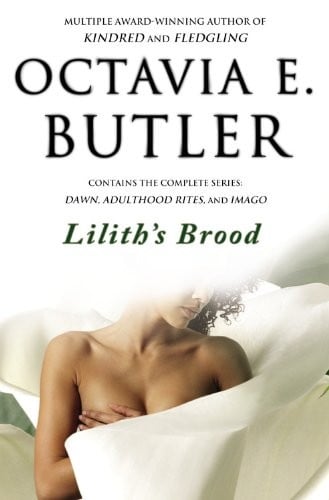
Widely taught in university courses on science fiction and postcolonial literature. A central text of Afrofuturism.
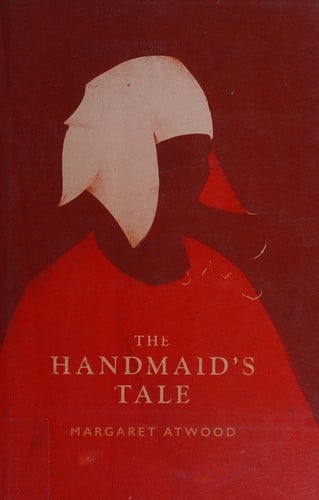
No. 2 on this list. The Handmaid's Tale
Margaret Atwood · 2017
Challenging7.7 hours
Taught in schools: AQA GCSE and A-level English Literature (UK), OCR GCSE and A-level English Literature (UK), Pearson Edexcel GCSE and A-level English Literature (UK)
The novel is a staple of high school and university courses on dystopia and feminist literature. It was shortlisted for the Booker Prize, appears on the 1001 Books list, and is published as a Penguin Modern Classic.
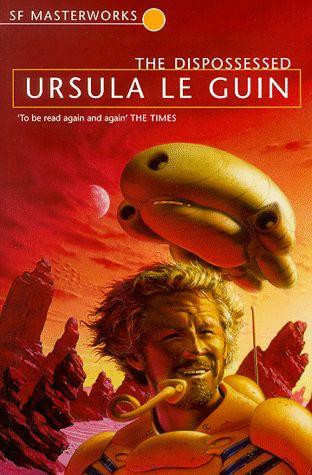
The Dispossessed (1974) is one of the most taught science-fiction novels, read in courses on utopian literature, political philosophy and science fiction alike. It appears on most lists of essential science fiction and in the Library of America's edition of Le Guin's Hainish novels.
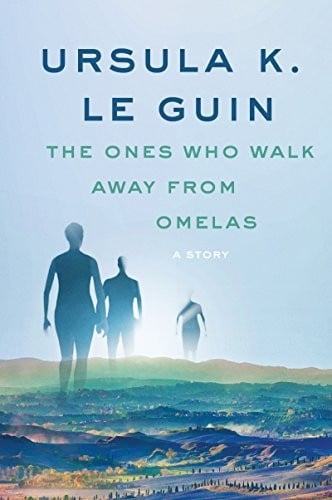
Widely taught in philosophy, ethics, and literature courses globally. Anthologized in hundreds of collections and featured on virtually every 'essential short fiction' list. Its presence in academic syllabi rivals Borges and Kafka in ethics curricula, where it functions as a standard thought-experiment text.
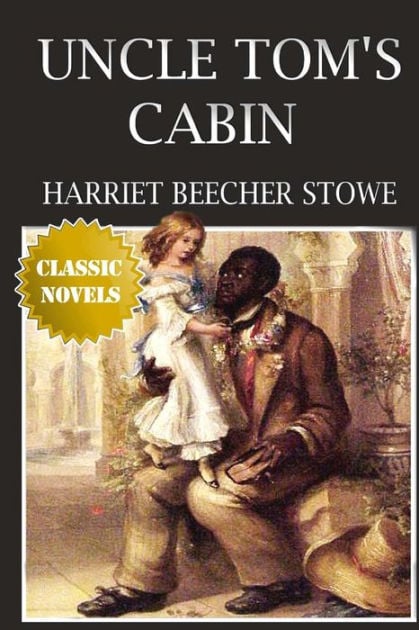
Uncle Tom's Cabin holds essential historical status in American literature and history curricula. Lincoln's alleged remark—'So this is the little lady who started this great war'—marks its political impact. The novel appears on lists of books that changed America, taught in courses on 19th-century literature, abolitionism, and protest fiction. Its canonical position rests on historical consequence more than literary innovation.
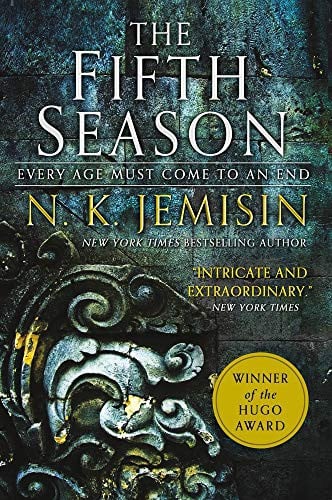
The Fifth Season won the Hugo Award for Best Novel in 2016, the first book in what became an unprecedented trilogy of consecutive Hugo wins for Jemisin—a feat unmatched in the award's history. It appears on contemporary science fiction and fantasy syllabi and in critical discussions of the genre's formal and political possibilities. Its position in the canon is still consolidating, but its influence on subsequent speculative fiction is already evident.
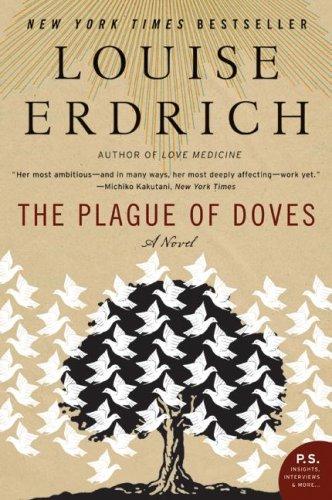
Pulitzer Prize finalist (2009) and the first entry in a trilogy whose second volume, The Round House, won the National Book Award. Taught in university courses on contemporary American and Native American literature, with an established academic presence in postcolonial and ethnic studies. Widely regarded as one of Erdrich's most formally accomplished novels.
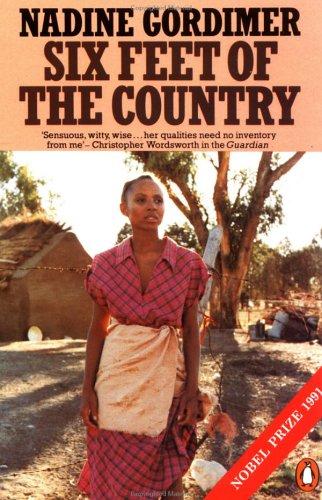
Widely recognized as a cornerstone of post-colonial and South African literature. Appears consistently in university curricula and anthologies of significant twentieth-century short fiction. Represents a crucial moment in articulating apartheid-era social consciousness.
On Isle des Chevaliers, a Caribbean island reshaped by Haitian labor and American money, Valerian Street — a retired Philadelphia candy magnate — cultivates hydrangeas in his greenhouse and avoids his neighbors. His wife Margaret, his butler Sydney and cook Ondine, and his niece Jadine, a model trained in Paris, share the villa in a state of maintained tension. When Son — a Black American fugitive who stowed away on their supply boat — is discovered hiding in the house, he breaks open every unspoken arrangement the household depends on. Morrison uses the folk tale of the tar baby as the novel's armature: Jadine and Son become stuck to each other in a relationship that neither can survive and neither can leave. She embodies what he calls racial betrayal — educated in Europe, photographed in furs, at home nowhere. He embodies what she calls romantic primitivism — a man out of time, faithful to a Black Southern past that she finds suffocating. Morrison writes this conflict without a referee. The Caribbean setting is not backdrop but argument — the swamp, the rain forest, the blind horsemen who ride the hills at night all carry the weight of African spiritual history beneath the colonial surface. The novel ends on a mythic image: Son running toward those horsemen, Jadine flying back to Paris. Morrison offers no verdict on who was right.
The most beautiful first novel of its generation. Ruth and Lucille's lives in Fingerbone, Idaho, Sylvie's transient existence—Robinson wrote prose like no one else. Core text in American literature courses. The novel launched a major career.
No. 11 on this list. The Mill on the Floss · George Eliot · 1860
Taught in schools: AQA GCSE and A-level English Literature (UK)
Firmly established in the Victorian literature curriculum and regularly taught in surveys of 19th-century British fiction. It stands as Eliot's second-most-studied novel after 'Middlemarch,' valued for its feminist themes, psychological depth, and semi-autobiographical portrayal of female intellectual awakening in a restrictive provincial society.
Challenging15 hours
Read nowNo. 12 on this list. The House of Mirth · Edith Wharton · 1905
It is on the Modern Library 100 Best Novels list and on 928 university syllabi, placing it in the 74th percentile. It is a standard text in American literature and Gilded Age courses.
Moderate8.9 hours
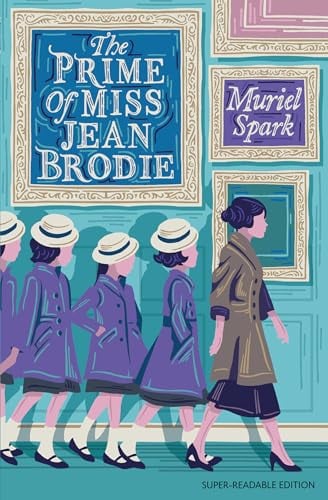
Read nowNo. 13 on this list. The Prime of Miss Jean Brodie · Muriel Spark · 1961
Taught in schools: CSEC English B – Caribbean Examinations Council
Regularly taught in British literature and women's studies courses, considered essential modern Scottish fiction. Appears on A-level syllabi and university 20th-century literature surveys. Not as universally taught as The Great Gatsby, but firmly established in academic curricula focused on postwar British fiction and modernist technique.
Challenging3.5 hours
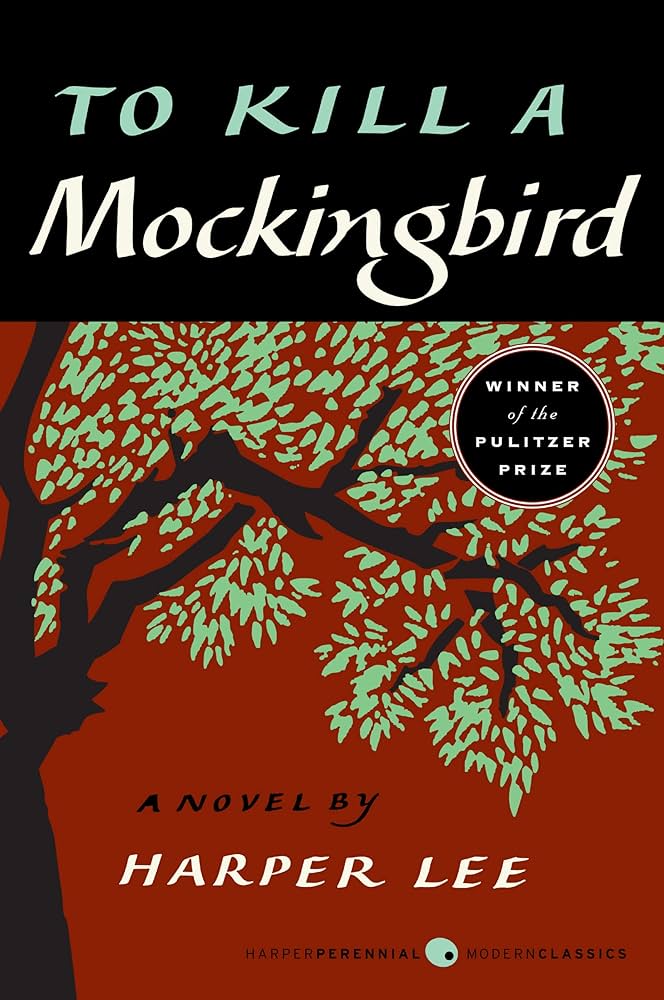
Start this bookNo. 14 on this list. To Kill a Mockingbird · Harper Lee · 1961
Taught in schools: Cambridge IGCSE Literature in English (0475), Common Core text exemplars (Appendix B) (US), CSEC English B – Caribbean Examinations Council
Appears on 1,674 university syllabi (80.6th percentile, Open Syllabus Project) and is a fixture of American high school and university English curricula. Wikipedia articles exist in 58 languages with dedicated reception and adaptations sections. Published by four prestige houses — Library of America, Everyman's Library, Penguin Classics, and Penguin Modern Classics — confirming its standing in the Western canon.
Moderate6.3 hours
Start this bookNo. 15 on this list. The Story of an Hour · Kate Chopin
One of the most anthologized American short stories, taught widely in high school and college courses on American literature and feminist writing. It is a fixture of short fiction curricula.
Moderate35 min
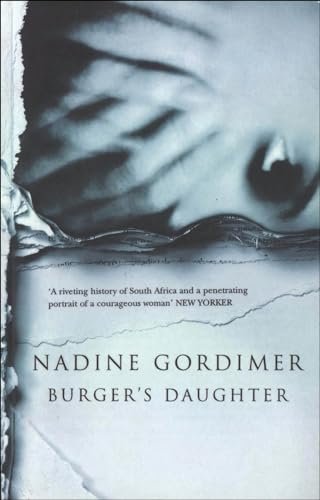
Start this bookNo. 16 on this list. Burger's Daughter · Nadine Gordimer · 1979
Burger's Daughter appears on 68 university syllabi (Open Syllabus Project, 45.8th percentile), placing it firmly in postcolonial and African literature courses though not in the top tier of globally canonical texts. Wikipedia articles exist in 7 languages — modest compared to landmark novels — but the article runs to over 61,000 characters and includes a dedicated reception section, indicating sustained critical discourse.
Challenging13 hours
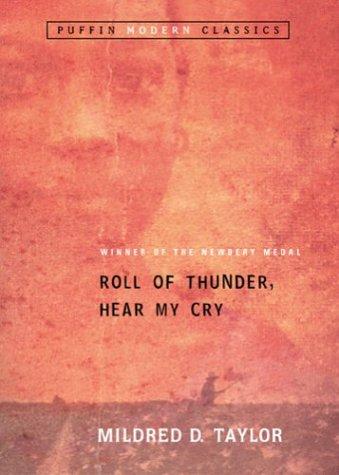
Start this bookNo. 17 on this list. Roll of Thunder, Hear My Cry · Mildred D. Taylor · 1976
Taught in schools: CSEC English B – Caribbean Examinations Council, Singapore-Cambridge GCE O-Level Literature in English (2065)
Newbery Medal winner and a cornerstone of Black children's literature. Widely taught and frequently appears on essential reading lists.
Very Easy2.4 hours
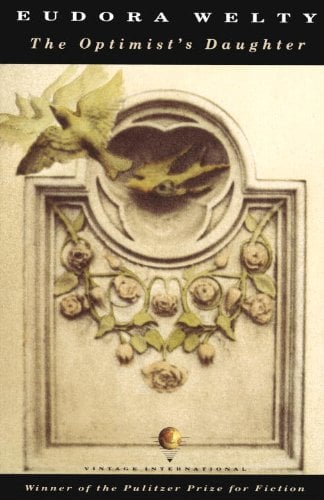
Start this bookNo. 18 on this list. The Optimist's Daughter · Eudora Welty · 1973
The Optimist's Daughter won the Pulitzer Prize for Fiction in 1973 and is widely recognized as a major work of American letters, though it remains less universally anthologized than Welty's other stories. Its place in the canon is secure but somewhat specialized, firmly established in serious literary study.
Moderate2.8 hours
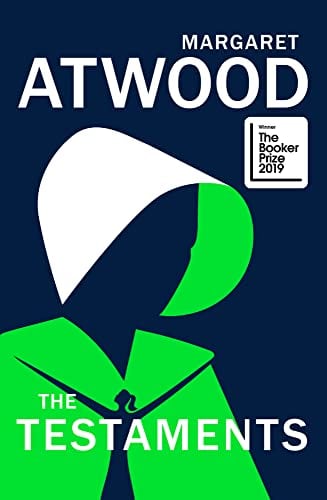
Start this bookNo. 19 on this list. The Testaments · Margaret Atwood · 2019
Co-winner of the Booker Prize in 2019 and a sequel to one of the most taught novels in the English-speaking world. Syllabus adoption is moderate — it appears in some university courses, particularly feminist literature and dystopian fiction, but less frequently than its predecessor. Its canonical status derives substantially from the cultural weight of The Handmaid's Tale rather than independent standing.
Difficult13 hours
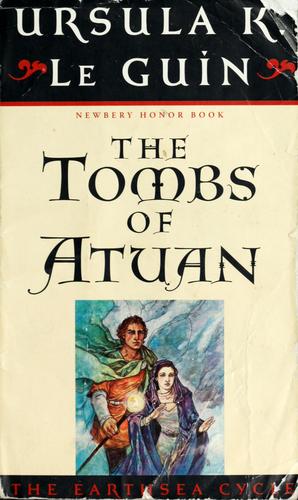
Start this bookNo. 20 on this list. The Tombs of Atuan · Ursula K Le Guin · 1971
The Tombs of Atuan is the second volume of Le Guin's Earthsea Cycle, which has been a staple of middle school and YA curricula for decades. It won the Newbery Honor in 1972. While not as universally taught as the first Earthsea volume or Le Guin's science fiction, it appears regularly in fantasy literature courses and feminist literary criticism syllabi, cementing its place as a significant canonical text within speculative fiction.
Challenging3.4 hours
Start this book

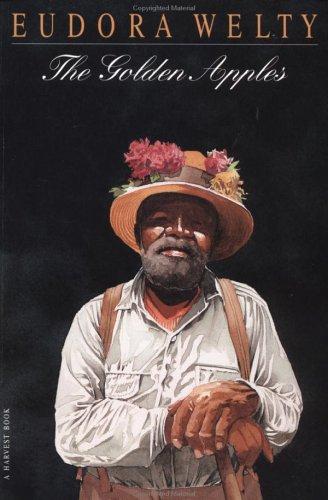
No. 21 on this list. The Golden Apples · Eudora Welty · 1949
Virgie Rainey swallowed a button the day King MacLain came back to Morgana and then fled his own front porch before knocking. That's where Eudora Welty's sequence of seven stories begins—with a gossipy neighbor churning butter and narrating what she barely witnessed. The Golden Apples spans fifty years of life in Morgana, Mississippi: King's twin sons growing up without him, the German piano teacher Miss Eckhart pouring Beethoven into children who will barely remember her, a girl nearly drowning at a summer camp while a boy scout named Loch Morrison watches from the bank with the calculating dispassion of someone taking notes. Welty writes in multiple voices, each distinct—the vernacular monologue of 'Shower of Gold,' the double-stranded telescope-and-memory narration of 'June Recital,' the hallucinatory street-walking of 'Music from Spain'—and all of them circle the same problem: what we owe one another across the distance of separate selves. The book's mythological scaffolding (Perseus, Orpheus, Zeus's golden shower, Yeats's wandering Aengus) operates beneath the surface, surfacing only in charged moments. The final image—Virgie on a courthouse stile in October rain, hearing through it 'the running of the horse and bear, the stroke of the leopard, the dragon's crusty slither'—earns its strangeness. This is literary fiction that demands full attention and rewards rereading.
Difficult12 hours
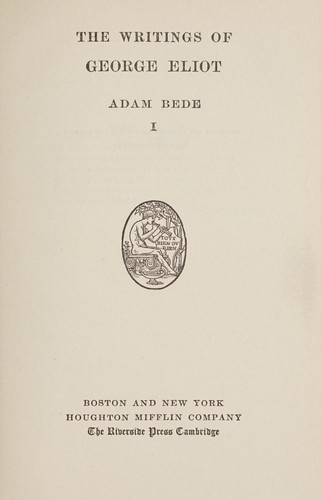
Start this bookNo. 22 on this list. Adam Bede · George Eliot · 1859
Adam Bede appears regularly on Victorian literature and 19th-century British fiction syllabi at universities worldwide, and is the standard entry point to George Eliot's work in courses that cannot assign the longer Middlemarch. It is included in most survey courses of the Victorian novel. Its canonical status within the Eliot corpus is secondary only to Middlemarch and The Mill on the Floss, but within the broader Victorian canon it holds a secure if not dominant position — consistently anthologized, consistently in print, and consistently cited as a foundational work of Victorian realism.
Moderate13 hours
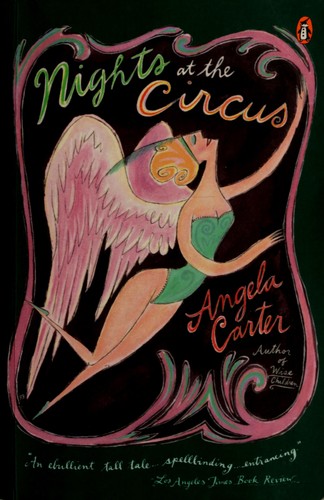
Read nowNo. 23 on this list. Nights at the Circus · Angela Carter · 1984
Nights at the Circus is a regular text in university courses on postmodern, feminist and magical-realist fiction, and probably Angela Carter's most studied novel. It is usually set alongside The Bloody Chamber as the core of her work.
Difficult13 hours
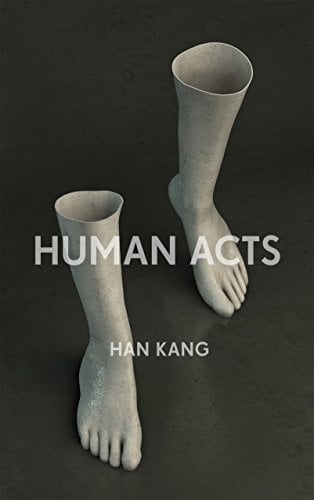
Start this bookNo. 24 on this list. Human Acts · Han Kang · 2014
Han Kang's Nobel Prize in 2024 elevated this novel's global profile significantly, but it appears on only 59 university syllabi (44th percentile in Open Syllabus) and has Wikipedia articles in just 5 languages. Curricular adoption outside Korean literature courses remains limited, though the Nobel will accelerate its integration into world literature programs.
Difficult6.7 hours
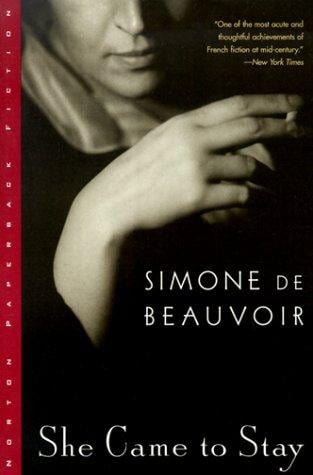
Start this bookNo. 25 on this list. She Came to Stay · Simone de Beauvoir · 1943
She Came to Stay is regularly taught in existentialist literature courses, feminist literary theory courses, and French literature curricula worldwide. It holds a firm position in the de Beauvoir canon alongside The Second Sex and The Mandarins. No database syllabus data was returned, but its presence in standard existentialism syllabi — typically paired with Sartre's Nausea or Camus's The Outsider — establishes it as institutionally canonical.
Challenging11 hours
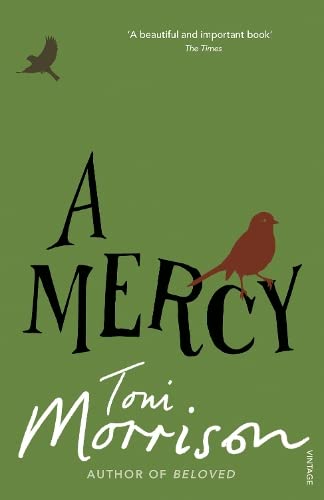
Start this bookNo. 26 on this list. A Mercy · Toni Morrison · 2008
A powerful tragedy distilled into a jewel of a masterpiece by the Nobel Prize--winning author of Beloved and, almost like a prelude to that story, set two centuries earlier.In the 1680s the slave trade was still in its infancy. In the Americas, virulent religious and class divisions, prejudice and oppression were rife, providing the fertile soil in which slavery and race hatred were planted and took root.Jacob is an Anglo-Dutch trader and adventurer, with a small holding in the harsh north. Despite his distaste for dealing in "flesh," he takes a small slave girl in part payment for a bad debt from a plantation owner in Catholic Maryland. This is Florens, "with the hands of a slave and the feet of a Portuguese lady." Florens looks for love, first from Lina, an older servant woman at her new master's house, but later from a handsome blacksmith, an African, never enslaved.There are other voices: Lina, whose tribe was decimated by smallpox; their mistress, Rebekka, herself a victim of religious intolerance back in England; Sorrow, a strange girl who's spent her early years at sea; and finally the devastating voice of Florens' mother. These are all men and women inventing themselves in the wilderness.A Mercy reveals what lies beneath the surface of slavery. But at its heart it is the ambivalent, disturbing story of a mother who casts off her daughter in order to save her, and of a daughter who may never exorcise that abandonment.Acts of mercy may have unforeseen consequences.From the Hardcover edition.
Challenging3.8 hours
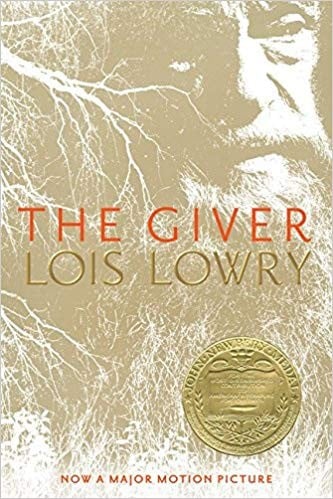
Start this bookNo. 27 on this list. The Giver · Lois Lowry · 1993
The Giver is among the most frequently assigned novels in American middle and high school curricula, appearing on required reading lists across the country for three decades. Its Wikipedia article exists in dozens of languages and it has sold over 12 million copies, reflecting sustained educational and cultural presence far beyond typical children's novels.
Challenging3.4 hours
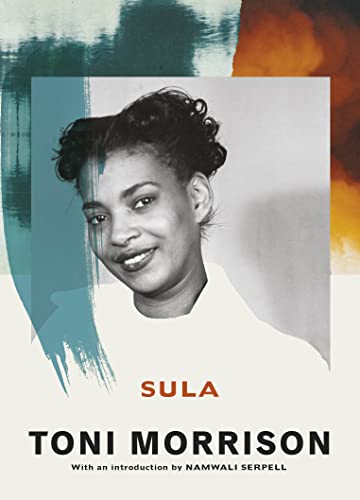
Start this bookNo. 28 on this list. Sula · Toni Morrison · 1973
Two Black women in Ohio—Nel and Sula—grow up together, then apart, their friendship defining and destroying them. Morrison's second novel explores the bonds between women and the boundaries of identity with fierce lyricism.
Challenging3.7 hours
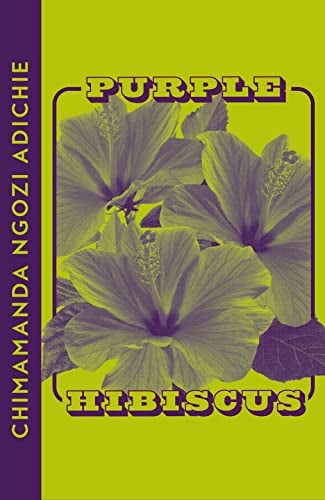
Start this bookNo. 29 on this list. Purple Hibiscus · Chimamanda Ngozi Adichie · 2004
Taught in schools: Leaving Certificate English – NCCA / State Examinations Commission (Ireland)
Appears on 255 university syllabi according to the Open Syllabus Project, placing it in the 60th percentile of taught works. Wikipedia articles exist in 13 languages with a dedicated reception section. The novel is a fixture in postcolonial literature and African fiction courses, though it has not yet reached the ubiquity of authors like Achebe or Morrison in broader curricula.
Challenging7.1 hours
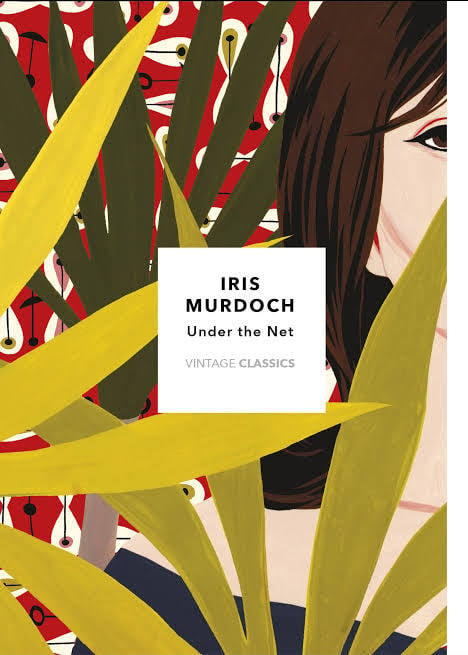
Start this bookNo. 30 on this list. Under the Net · Iris Murdoch · 1954
Ranked 95th on the Modern Library 100 Best Novels, included on TIME's All-TIME 100 Novels, and taught on 141 university syllabi (54th percentile). It is the Murdoch novel most often assigned in courses on postwar British fiction.
Challenging7.8 hours
Start this book
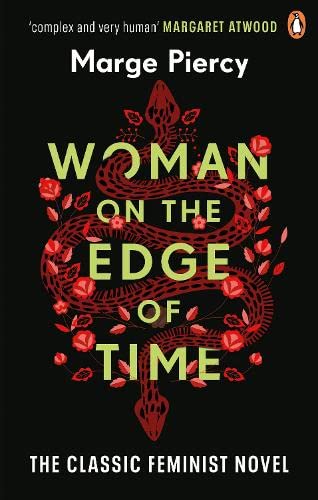
No. 31 on this list. Woman on the Edge of Time
Marge Piercy · 1976
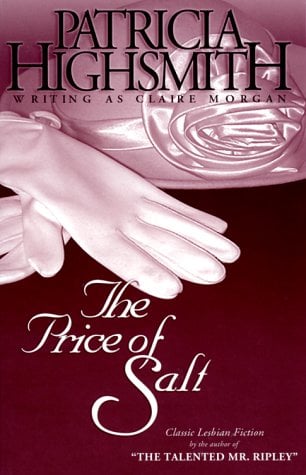
No. 32 on this list. The Price of Salt
Patricia Highsmith · 1952
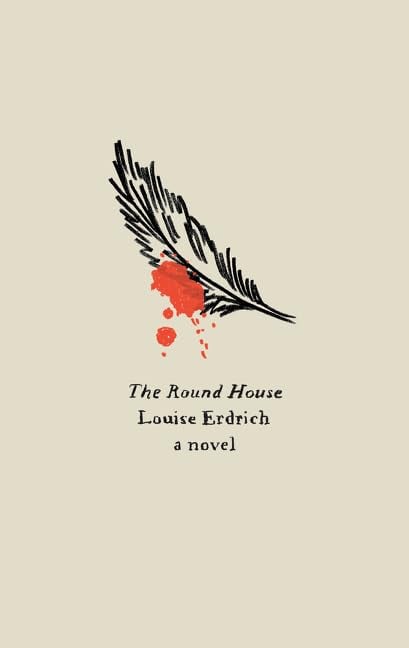
No. 33 on this list. The Round House
Louise Erdrich · 2012
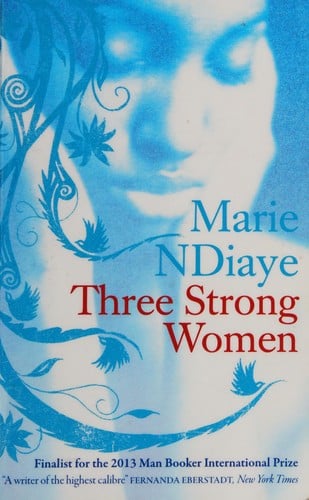
No. 34 on this list. Three Strong Women
Marie NDiaye · 2009
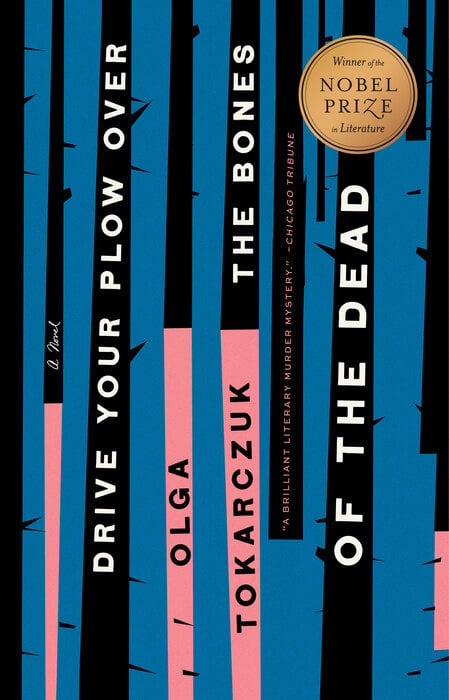
No. 35 on this list. Drive Your Plow Over the Bones of the Dead
Olga Tokarczuk · 2019
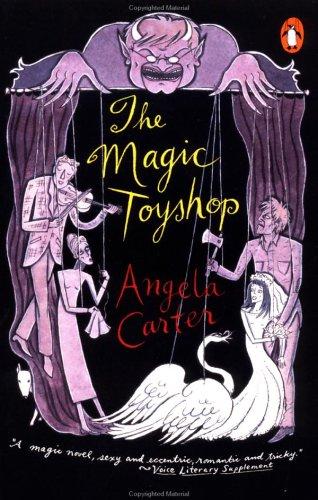
No. 36 on this list. The Magic Toyshop
Angela Carter · 1967
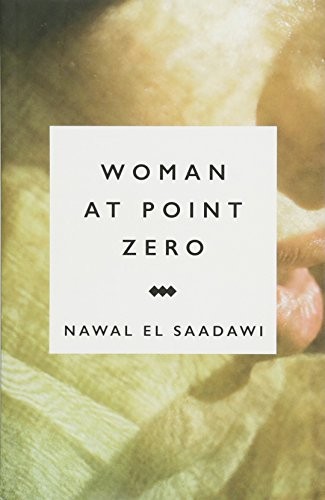
No. 37 on this list. Woman at Point Zero
Nawal El Saadawi · 1975
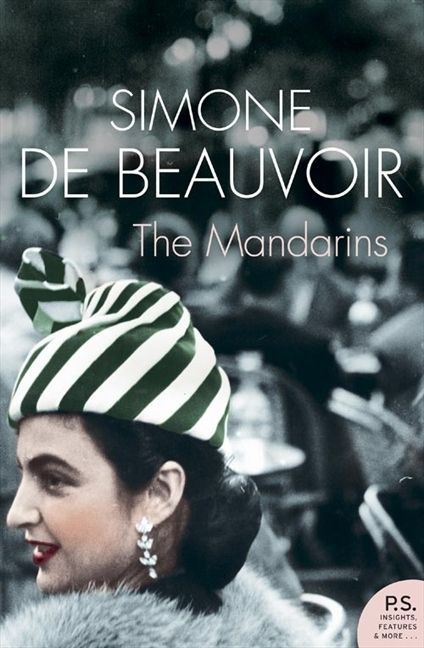
No. 38 on this list. The Mandarins
Simone de Beauvoir · 1954
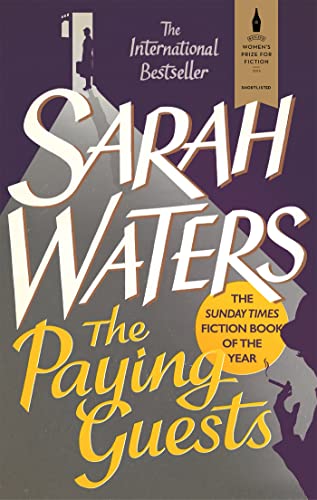
No. 39 on this list. The Paying Guests
Sarah Waters · 2015
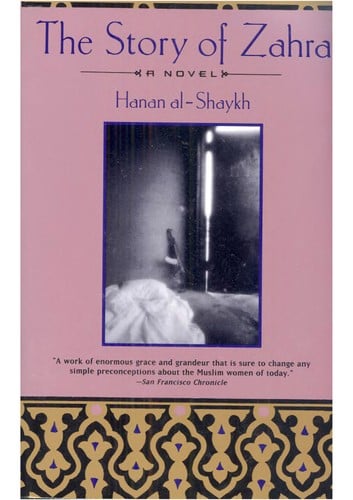
No. 40 on this list. The Story of Zahra
Hanan al-Shaykh · 1980
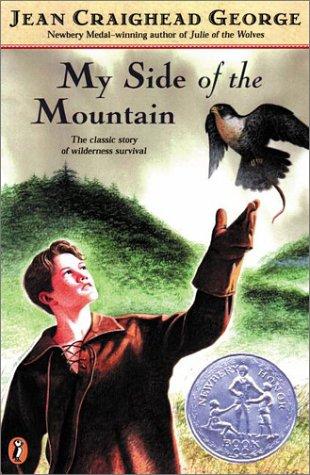
No. 41 on this list. My Side of the Mountain
Jean Craighead George · 1959
Taught in schools: CSEC English B – Caribbean Examinations Council
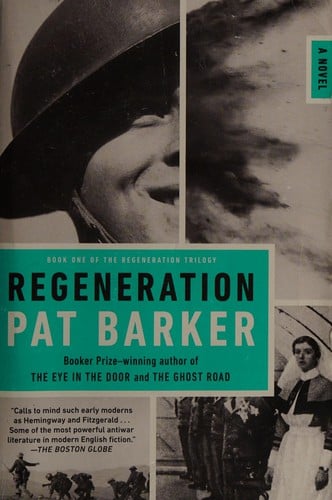
No. 42 on this list. Regeneration
Pat Barker · 1991
Taught in schools: AQA GCSE and A-level English Literature (UK)
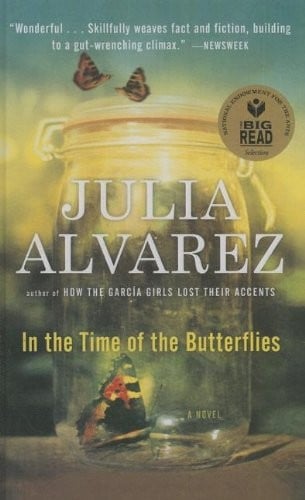
No. 43 on this list. In the Time of the Butterflies
Julia Alvarez · 1994
Taught in schools: UNAM Escuela Nacional Preparatoria – programas de Literatura (Mexico)
No. 44 on this list. Bonjour Tristesse
Françoise Sagan · 1954
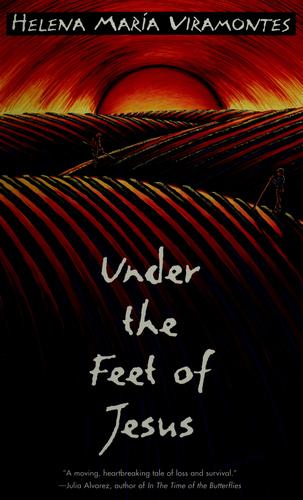
No. 45 on this list. Under the Feet of Jesus
Helena Maria Viramontes · 1995
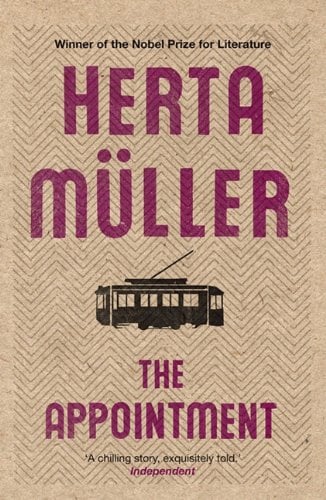
No. 46 on this list. The Appointment
Herta Müller · 1997
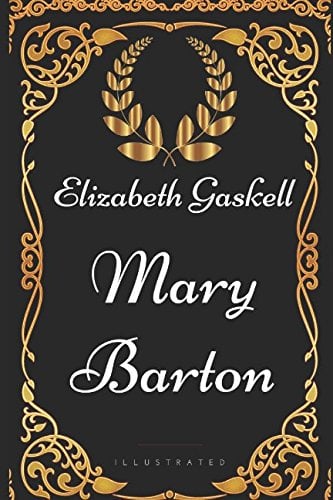
No. 47 on this list. Mary Barton
Elizabeth Gaskell · 1848
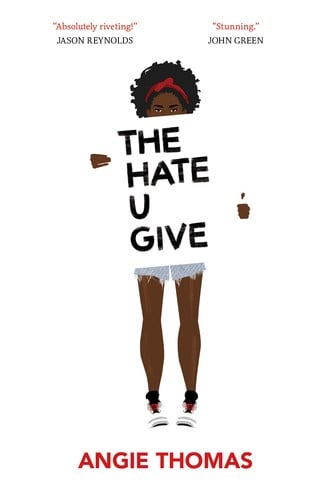
No. 48 on this list. The Hate U Give
Angie Thomas · 2017
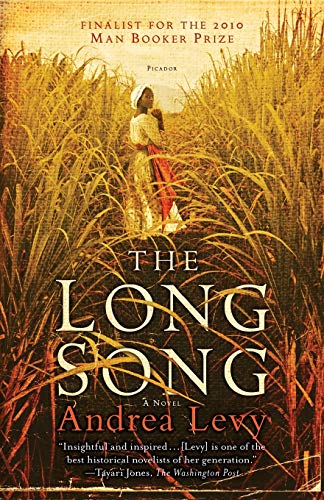
No. 49 on this list. The Long Song
Andrea Levy · 2010
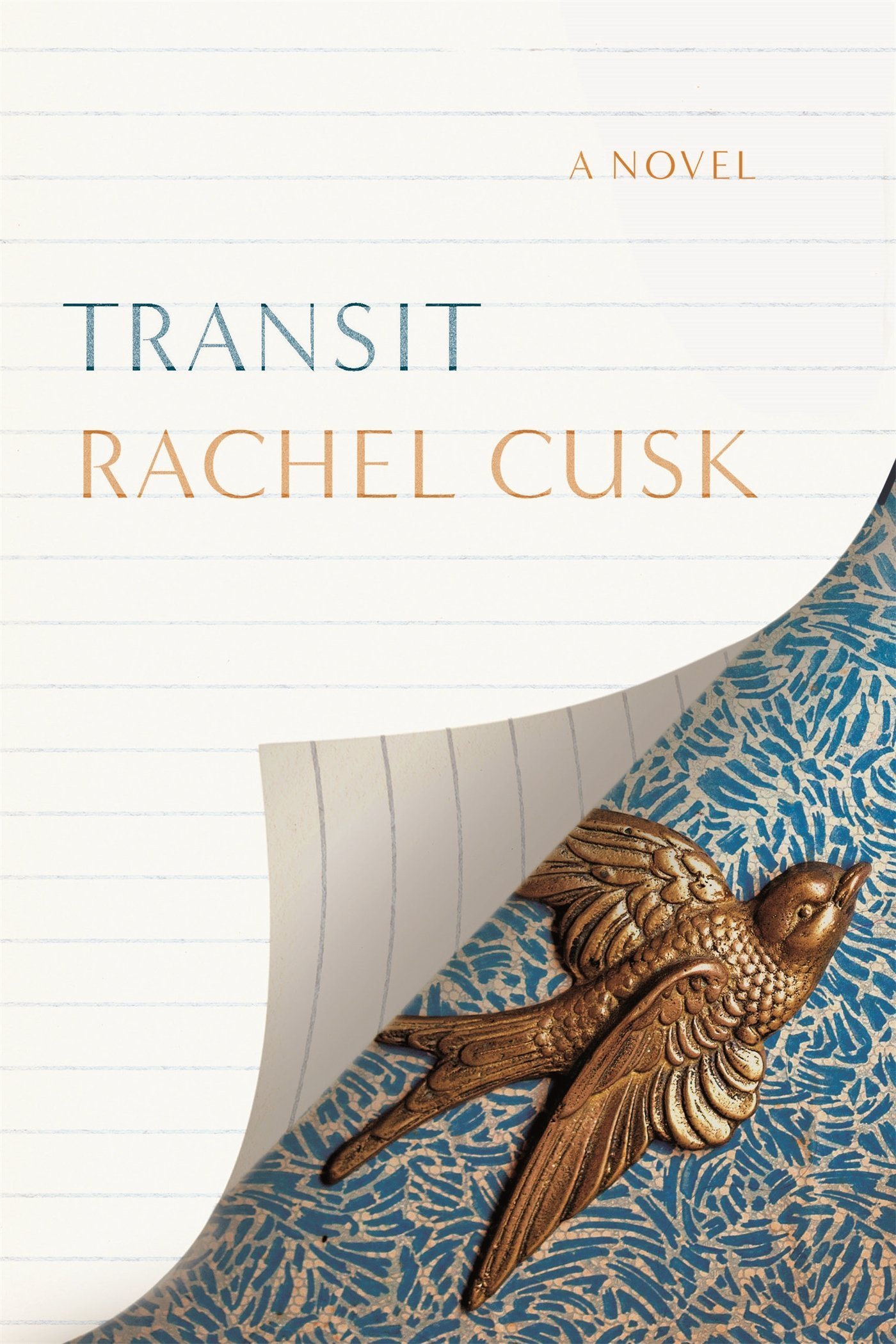
No. 50 on this list. Transit
Rachel Cusk · 2017
No. 51 on this list. Ladder of Years
Anne Tyler · 1996
No. 52 on this list. Burial Rites
Hannah Kent · 2014
No. 53 on this list. The Quick and the Dead
Joy Williams · 2000
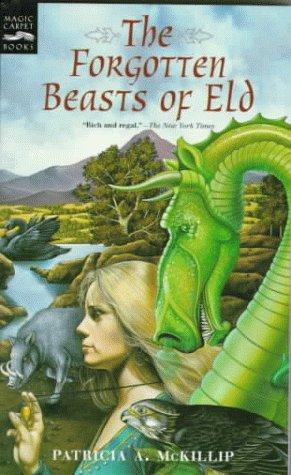
No. 54 on this list. The Forgotten Beasts of Eld
Patricia McKillip · 1974
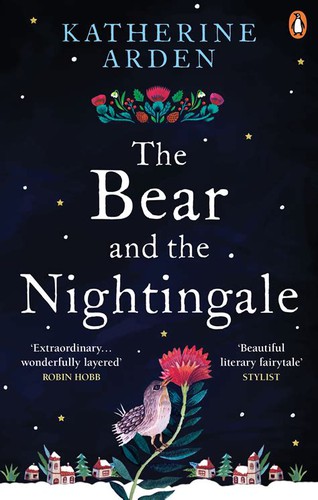
No. 55 on this list. The Bear and the Nightingale
Katherine Arden · 2017
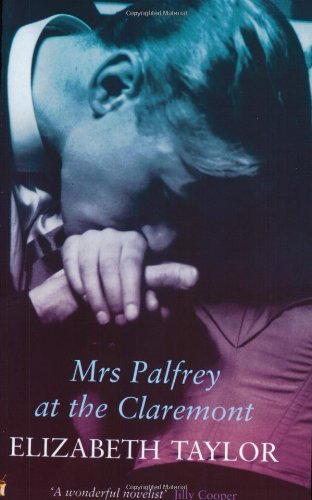
No. 56 on this list. Mrs. Palfrey at the Claremont
Elizabeth Taylor · 1971
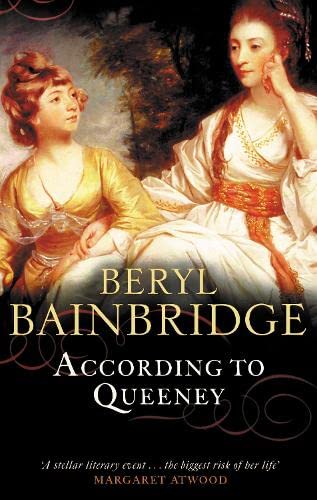
No. 57 on this list. According to Queeney
Beryl Bainbridge · 2001
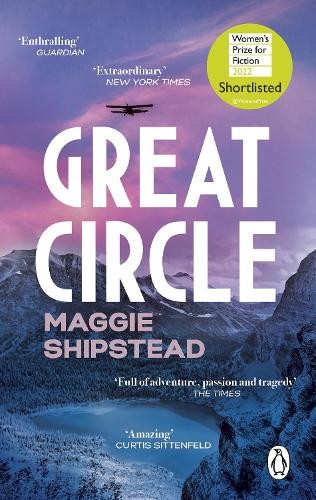
No. 58 on this list. Great Circle
Maggie Shipstead · 2021
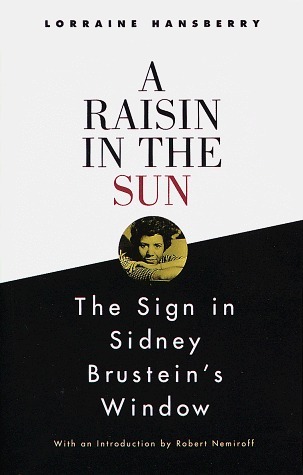
No. 59 on this list. The Sign in Sidney Brustein's Window
Lorraine Hansberry · 1964
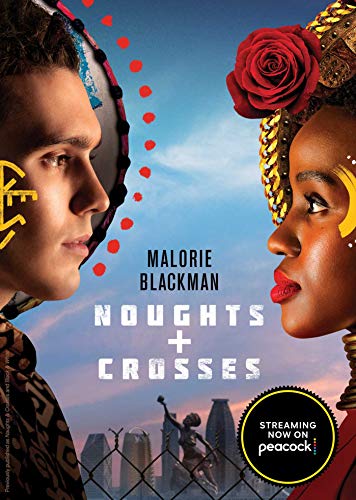
No. 60 on this list. Noughts & Crosses
Malorie Blackman · 2010
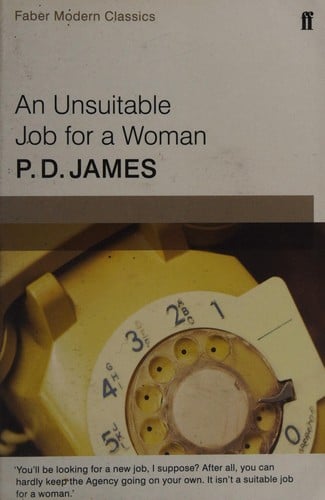
No. 61 on this list. An Unsuitable Job for a Woman
P. D. James · 1972
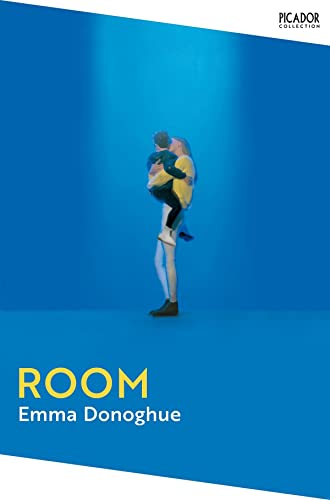
No. 62 on this list. Room
Emma Donoghue · 2010
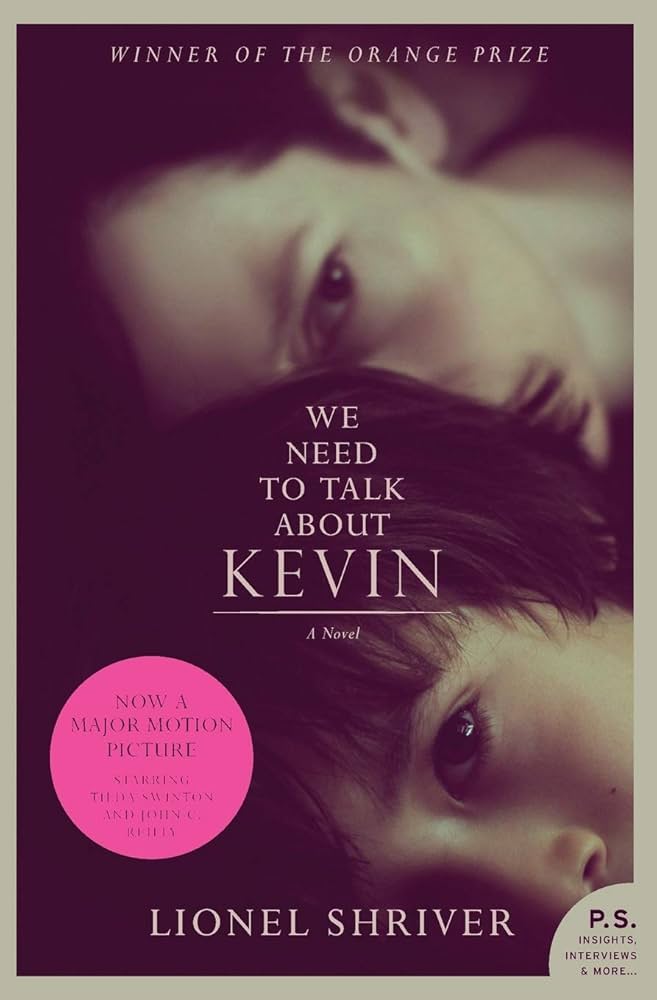
No. 63 on this list. We Need to Talk About Kevin
Lionel Shriver · 2005
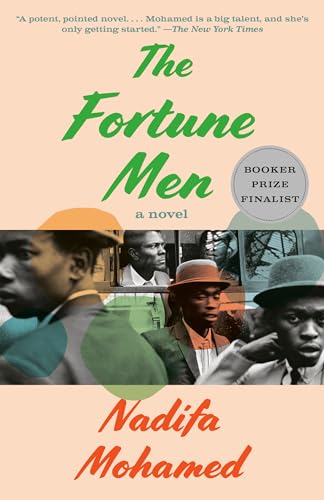
No. 64 on this list. The Fortune Men
Nadifa Mohamed · 2021
No. 65 on this list. Romola
George Eliot · 1863
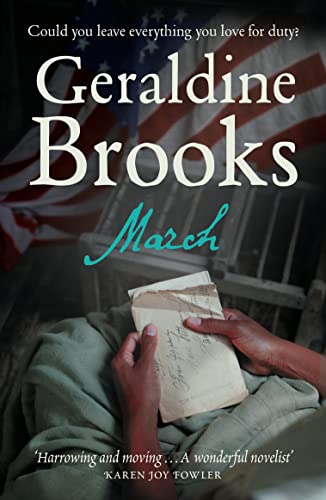
No. 66 on this list. March
Geraldine Brooks · 2006
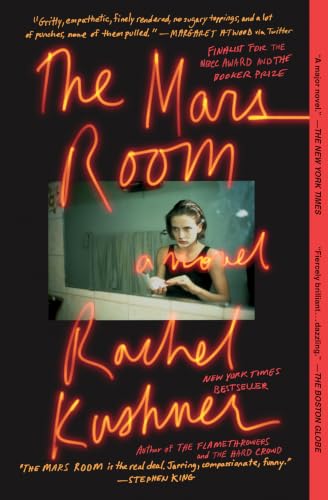
No. 67 on this list. The Mars Room
Rachel Kushner · 2018
No. 68 on this list. The Mother
Grazia Deledda · 1920
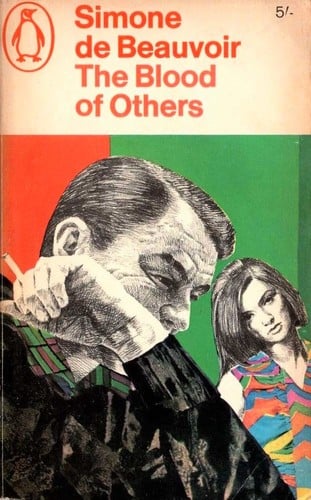
No. 69 on this list. The Blood of Others
Simone de Beauvoir · 1945
No. 70 on this list. Fasting, Feasting
Anita Desai · 1999
No. 71 on this list. Ancillary Justice
Ann Leckie · 2013
No. 72 on this list. Restless Dolly Maunder
Kate Grenville · 2024
No. 73 on this list. Elias Portolu
Grazia Deledda · 1903
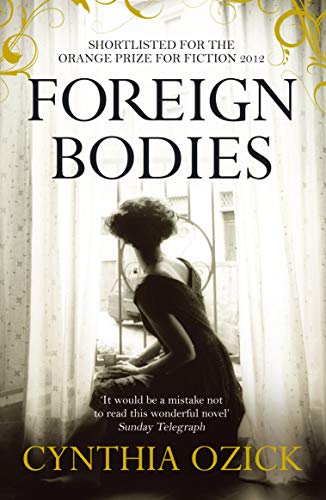
No. 74 on this list. Foreign Bodies
Cynthia Ozick · 2012
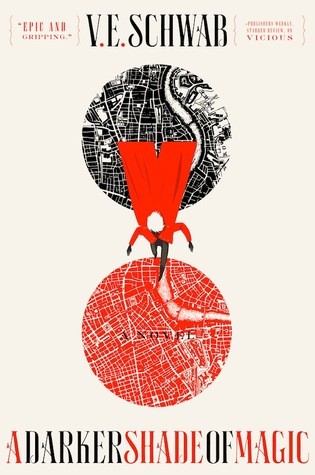
No. 75 on this list. A Darker Shade of Magic
V. E. Schwab · 2015
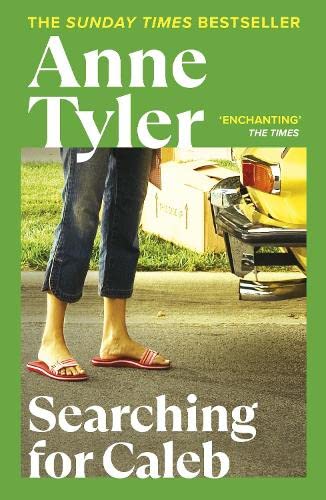
No. 76 on this list. Searching for Caleb
Anne Tyler · 1976
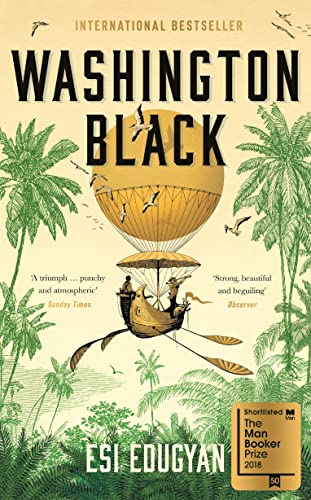
No. 77 on this list. Washington Black
Esi Edugyan · 2018
No. 78 on this list. Let Us Descend
Jesmyn Ward · 2022
No. 79 on this list. Ancillary Mercy
Ann Leckie · 2015
No. 80 on this list. Just Us
Claudia Rankine · 2020
No. 81 on this list. Out
Natsuo Kirino · 1997
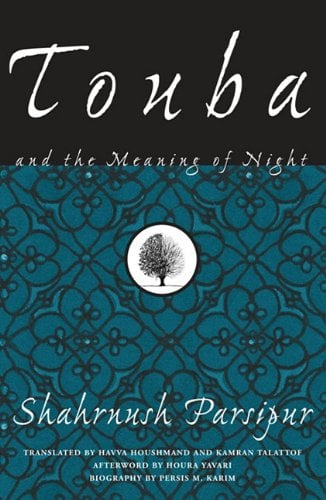
No. 82 on this list. Women Without Men: A Novel of Modern Iran
Shahrnush Parsipur · 2004
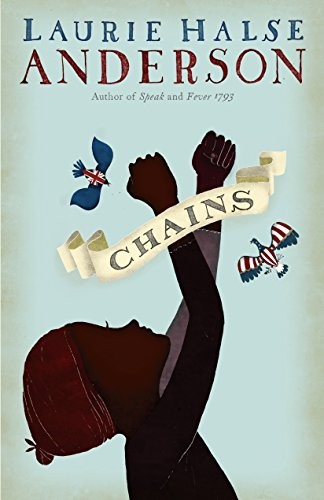
No. 83 on this list. Chains
Laurie Halse Anderson · 2008
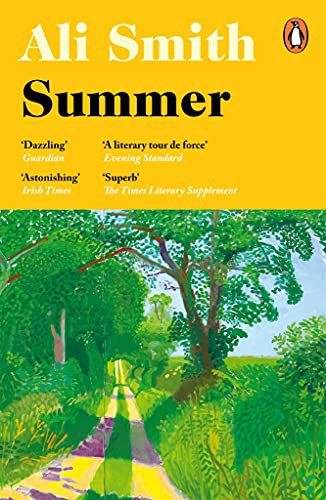
No. 84 on this list. Summer
Ali Smith · 2020
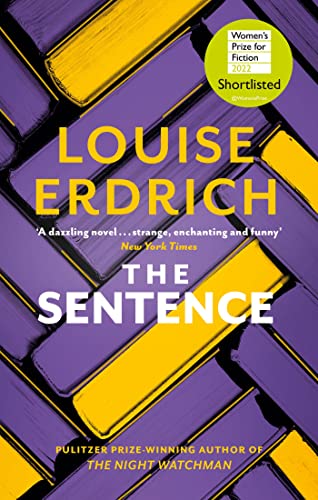
No. 85 on this list. The Sentence
Louise Erdrich · 2022
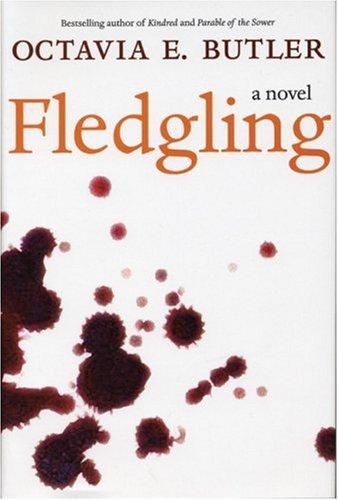
No. 86 on this list. Fledgling
Octavia E. Butler · 2005
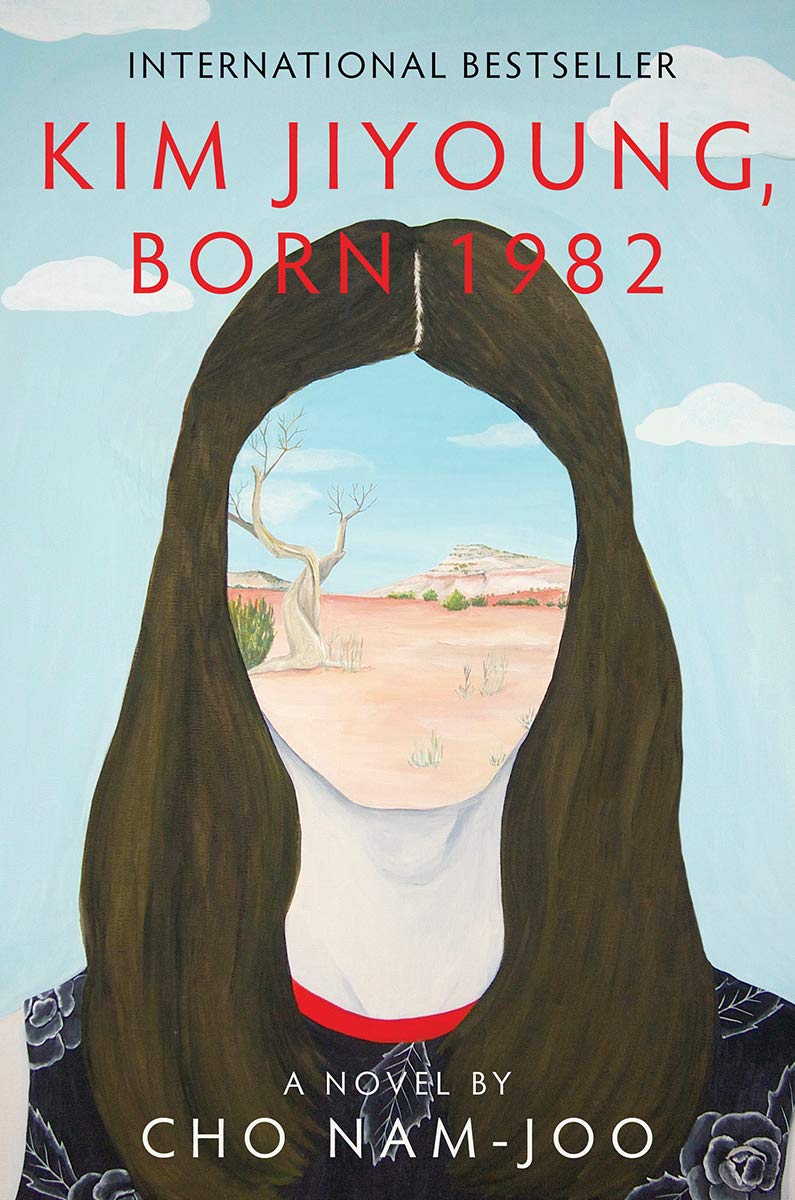
No. 87 on this list. Kim Jiyoung, Born 1982
Cho Nam-Joo · 2016
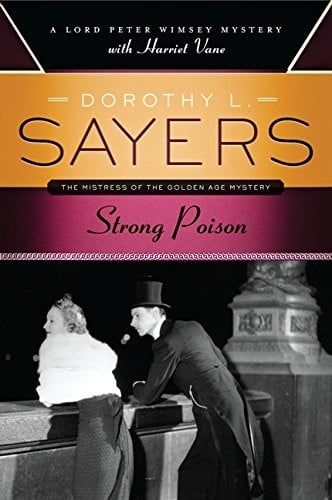
No. 88 on this list. Strong Poison
Dorothy L. Sayers · 1930
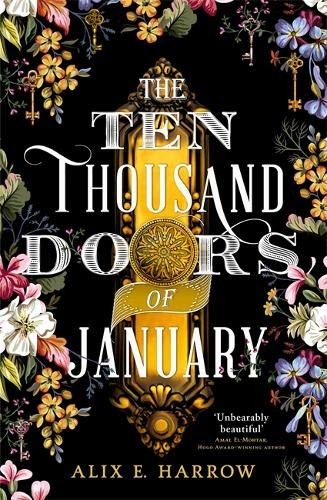
No. 89 on this list. The Ten Thousand Doors of January
Alix E. Harrow · 2019
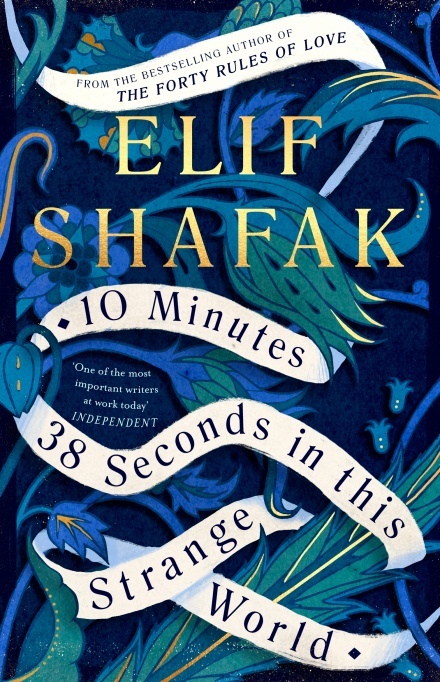
No. 90 on this list. 10 Minutes 38 Seconds in This Strange World
Elif Shafak · 2019

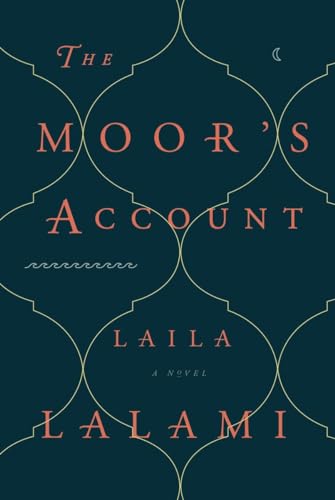
No. 91 on this list. The Moor's Account
Laila Lalami · 2013
No. 92 on this list. Die Lücken
Shida Bazyar · 2026
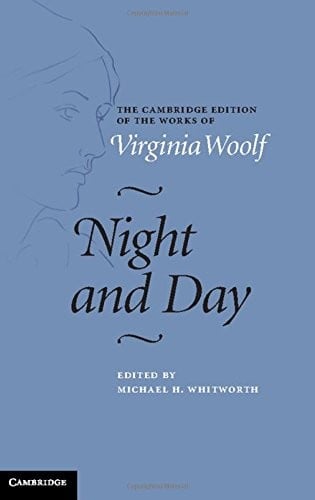
No. 93 on this list. Night and Day
Virginia Woolf · 1919
No. 94 on this list. Women Without Men
Shahrnush Parsipur · 1989
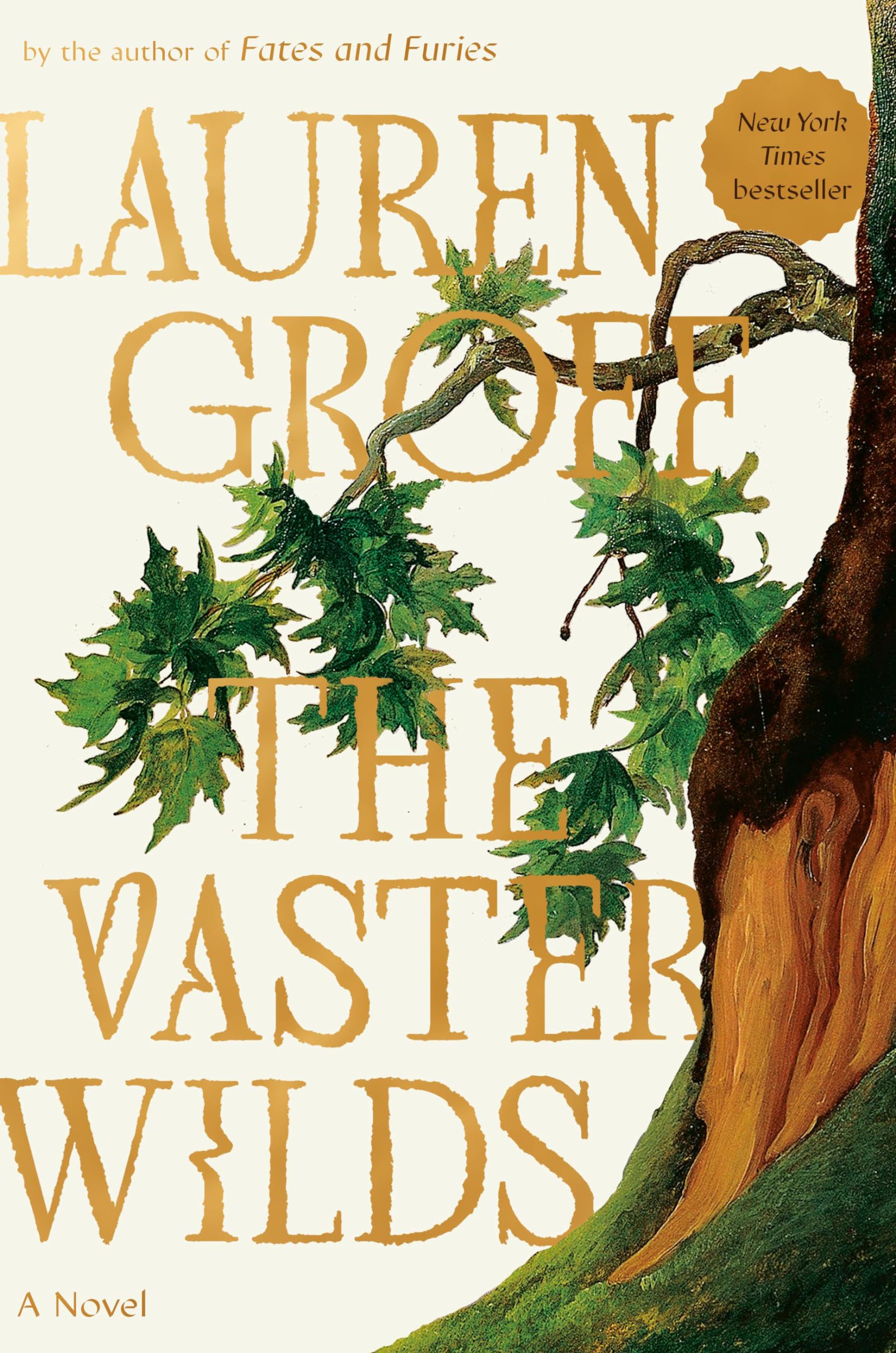
No. 95 on this list. The Vaster Wilds
Lauren Groff · 2023
No. 96 on this list. Free Love
Tessa Hadley · 2021
No. 97 on this list. A Five-Year Sentence
Bernice Rubens · 1978
No. 98 on this list. Gliff
Ali Smith · 2024
No. 99 on this list. Vivre vite
Brigitte Giraud · 2022
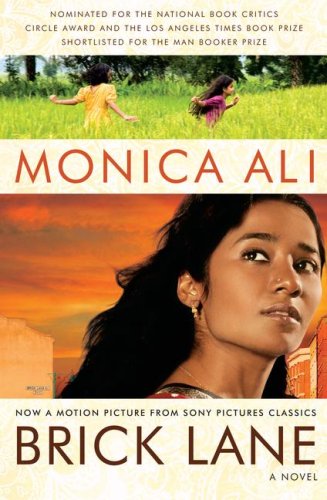
No. 100 on this list. Brick Lane
Monica Ali · 2003

About this list
These 100 books are the highest-scoring eligible books about freedom and justice by women currently in the catalogue. About 700 hours of reading in all. Difficulty runs from 46 to 60 out of 100 for the middle half of the list; the summit is The Fifth Season at 80.
This list is ranked by literary regard, with a consistent order for equal scores. Membership follows authors and co-authors, not translators or editors. A book is here when ReadingRate files it under Freedom & Justice as one of its primary reading domains, at a confidence of 0.8 or more. Catalogue coverage and the historical canon both limit what this list can represent.
When we matched the Canons dataset to our catalogue in October 2026, our canonical-status scores rose with the number of school curricula, publisher series and lists in it that cite a work: the median score was 72 for books one such source cites, 84 at two, 88 at three, 92 at four and 93 at five or more. Prizes are left out of that count. Outside the state curricula, the dataset’s sources choose mostly from what has been translated into English or French, so it is a weaker check on other literatures. Source: Canons (Andrew Piper), CC BY 4.0
Questions people actually ask
- What are the best books about freedom and justice by women?
- By literary regard, which weighs canonical status, critical standing and influence: Lilith's Brood by Octavia E. Butler, The Handmaid's Tale by Margaret Atwood, The Dispossessed by Ursula K Le Guin, The Ones Who Walk Away from Omelas by Ursula K Le Guin and Uncle Tom's Cabin by Harriet Beecher Stowe. ReadingRate ranks 100 such books, each with a difficulty score and a reading-time estimate.
- Which books about freedom and justice by women should I read first?
- Start from difficulty, not from rank. The most approachable books on this list that still carry top literary regard are Uncle Tom's Cabin by Harriet Beecher Stowe (about 11 hours), Tar Baby by Toni Morrison and The House of Mirth by Edith Wharton.
- What are the shortest of the best books about freedom and justice by women?
- Among the top 25, the shortest are The Ones Who Walk Away from Omelas by Ursula K Le Guin (about 40 min), The Story of an Hour by Kate Chopin (about 35 min) and The Prime of Miss Jean Brodie by Muriel Spark (about 3.5 hours), at an average pace of 250 words a minute adjusted for each book's difficulty.
- Which of the best books about freedom and justice by women are the established classics?
- By canonical status, how firmly a book sits in curricula, anthologies and the canon: Uncle Tom's Cabin by Harriet Beecher Stowe, To Kill a Mockingbird by Harper Lee, The Handmaid's Tale by Margaret Atwood, The Story of an Hour by Kate Chopin and Lilith's Brood by Octavia E. Butler.
- Can I read any of these books about freedom and justice by women for free?
- 8 of the 100 open in ReadingRate's reader with a free account, from public-domain editions: Uncle Tom's Cabin, The Mill on the Floss, The House of Mirth, Adam Bede, Romola and 3 more.
- How long would it take to read the top ten?
- About 95 hours, at an average pace of 250 words a minute adjusted for each book's difficulty: 48 days at two hours a day. Set your own pace on the page and the list's reading times change to it.
- How hard are books about freedom and justice by women to read?
- Most of this list sits between 46 and 60 on ReadingRate's 100-point difficulty scale, where 40 to 55 is moderate. The summit is The Fifth Season at 80. Every entry carries its own score, so a reader can pick a great book at a difficulty they will finish.
- How is this list ranked?
- On literary-regard data: how canonically established a work is, its critical standing, and its influence on later writing. It is not a readers’ poll, which is why recent bestsellers rarely appear. Membership follows authors and co-authors, not translators or editors. Lists by country, author, period, theme or difficulty keep to literature (fiction, poetry, drama and philosophy), their novels, poems and plays first and their philosophy after them; a list of a kind of book, such as memoir or criticism, keeps every book of that kind. Every list holds at most three works by one author. A book is here when ReadingRate files it under Freedom & Justice as one of its primary reading domains, at a confidence of 0.8 or more.