Hours at an average pace
Showing 100 books
About 438 hours for 100 of 100 books with measured lengths. Estimates use 250 words a minute, adjusted for each book's difficulty. At 2 hours a day, about 220 days for those books.
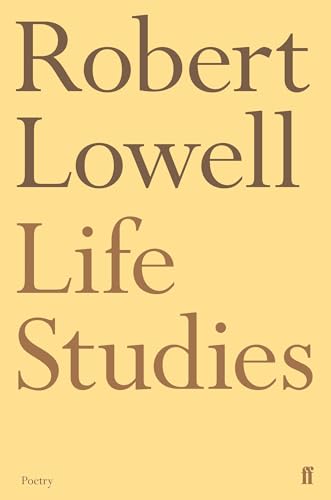
One of the most important collections in postwar American poetry. 'Skunk Hour' alone secures its place in the canon.
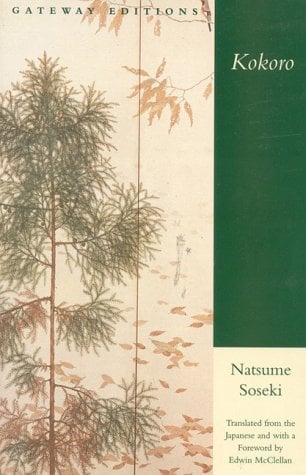
No. 2 on this list. Kokoro
Natsume Sōseki · 1914
Moderate4.5 hours
Included in: UNESCO Collection of Representative Works
Kokoro is universally regarded as the supreme masterpiece of modern Japanese literature and one of the most important novels of the twentieth century in any language. It is the single most commonly assigned novel in Japanese high schools and universities, and appears on literature syllabi worldwide. It has been continuously in print since 1914 and has been translated into dozens of languages. It is a permanent fixture of every serious list of world literature, from the Penguin Classics and Oxford World Classics catalogs to Harold Bloom's discussions of global literary achievement.
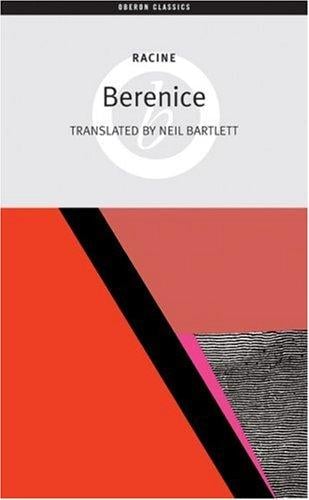
No. 3 on this list. Bérénice
Jean Racine · 1670
Moderate50 min
Included in: Great Books of the Western World
Bérénice is a cornerstone of French classical literature, taught in virtually every French lycée and featured in world literature and drama curricula internationally. Alongside Phèdre and Andromaque, it is one of the three works most associated with Racine's genius and is considered essential reading for anyone studying French neoclassical theatre.
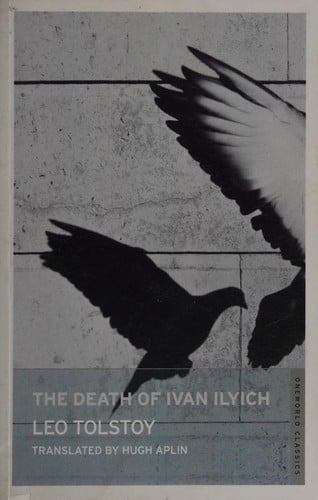
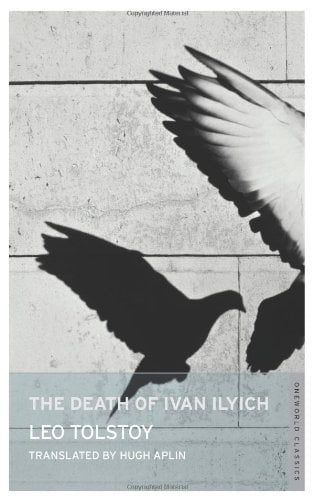
No. 4 on this list. The Death of Ivan Ilyich
Leo Tolstoy · 1886
Moderate1.2 hours
Taught in schools: Hungarian literature curriculum (magyar nyelv és irodalom) (Hungary), Russian FGOS literature standard
Included in: Bokklubben World Library
Universally regarded as one of the greatest novellas ever written. Studied across literature and philosophy courses.
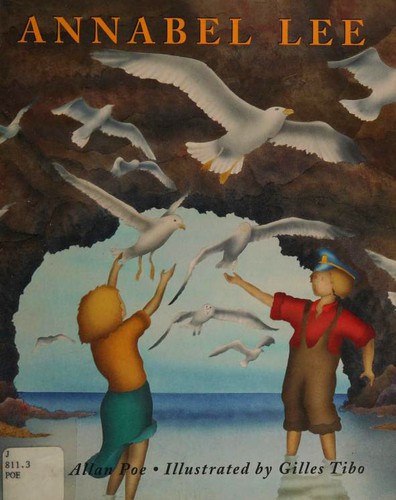
One of the most anthologised poems in American literature and a standard school text.
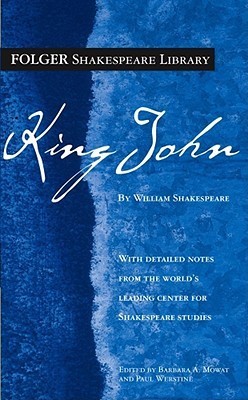
No. 6 on this list. King John
William Shakespeare · 1596
Easy6.4 hours
Included in: Great Books of the Western World
Philip Faulconbridge knows exactly who he is: the illegitimate son of Richard Coeur-de-lion, raised as a Faulconbridge, legitimized by his own choice. King John knows what he wants: the English throne his brother's son Arthur has the better legal claim to. What neither man can control is the play's central force — commodity, Shakespeare's word for self-interest dressed as principle. Around them, King Philip of France swears sacred oaths and breaks them within an act. Cardinal Pandulph maneuvers the papacy's interests through excommunication and alliance. Constance, Arthur's mother, rails at every betrayal with an intensity that makes her grief both righteous and inconvenient. The play traces the political machinery of the Plantagenet world with cold precision: marriage negotiations dissolve wars, papal legates redirect armies, and a child's claim to a throne becomes a reason to have the child killed. Shakespeare sets the Bastard at the center not as hero but as observer — his asides running alongside the action like a mordant commentary on how kings behave when they think no one is watching. The verse shifts register constantly, from formal diplomatic address to earthy soliloquy to Constance's raw lament. King John is among the least-produced of Shakespeare's histories, which has left it free of the interpretive weight that settles on Hamlet or Richard II. Reading it now, the question of who has the right to rule — by birth, by force, by divine sanction, by popular consent — has not become less urgent.
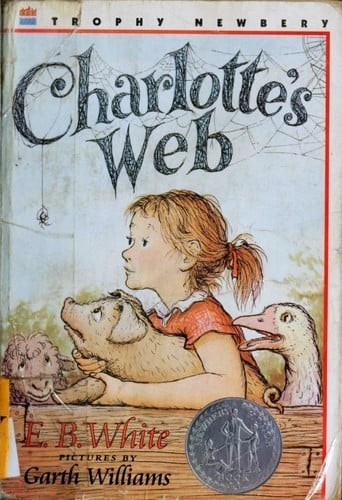
One of the most widely assigned books in American elementary and middle school curricula, read by tens of millions of children since 1952. Appears on virtually every list of essential American children's literature. Wikipedia articles exist in 30+ languages, reflecting global reach across generations.
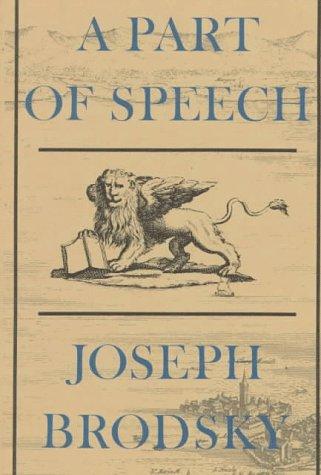
Taught in graduate poetry programs and comparative literature courses at major universities, 'A Part of Speech' is the collection through which Brodsky entered the Western canon. It appears in virtually every major anthology of 20th-century exile and émigré poetry. Not a fixture in broad undergraduate syllabi, but essential in advanced poetry and diaspora literature courses.
No. 9 on this list. Return to Haifa
Ghassan Kanafani · 1969
Easy1.4 hours
Taught in schools: Moroccan secondary Arabic literature (Morocco)
One of the foundational texts of Palestinian literature and one of the most widely read Arabic novellas worldwide.
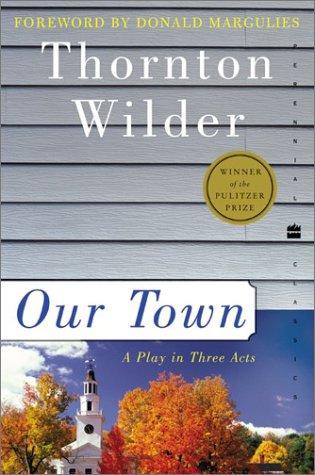
No. 10 on this list. Our Town
Thornton Wilder · 1938
Easy2.8 hours
Taught in schools: Common Core text exemplars (Appendix B) (US), CSEC English B – Caribbean Examinations Council
Our Town is among the most-produced American plays, a staple of high school and college drama and American literature courses. It won the 1938 Pulitzer Prize for Drama and is widely taught as a landmark of twentieth-century American theater.
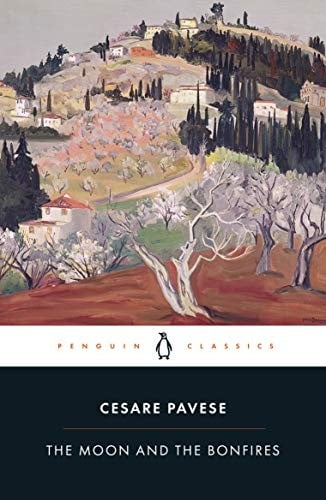
No. 11 on this list. The Moon and the Bonfires · Cesare Pavese · 1950
Pavese's acknowledged masterpiece and one of the essential Italian novels of the postwar period. Widely translated and taught.
Easy3 hours
Start this bookNo. 12 on this list. Night on the Galactic Railroad · Kenji Miyazawa · 1934
One of the most beloved and widely adapted works in Japanese literature. Cultural landmark.
Moderate1.9 hours
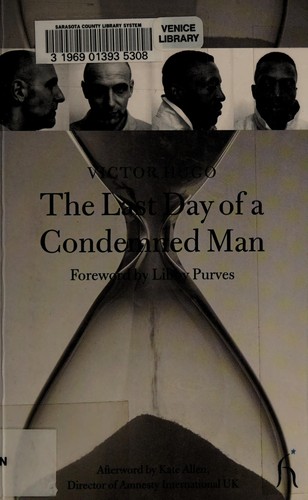
Start this bookNo. 13 on this list. The Last Day of a Condemned Man · Victor Hugo · 1829
A staple of French literature and widely read in translation, it is a key text in debates on the death penalty. It is less taught than Hugo's Les Misérables.
Easy1.8 hours
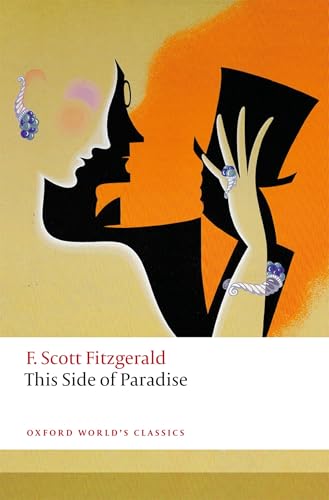
Start this bookNo. 14 on this list. This Side of Paradise · F. Scott Fitzgerald · 1920
Taught in American literature surveys and Fitzgerald-specific courses, but far less frequently than The Great Gatsby, which dominates both high school and university syllabi. This Side of Paradise appears primarily in courses on modernism, the 1920s, or the American bildungsroman. It holds a secure but secondary position in the Fitzgerald canon — the book that made him famous rather than the book that made him permanent.
Easy4.6 hours
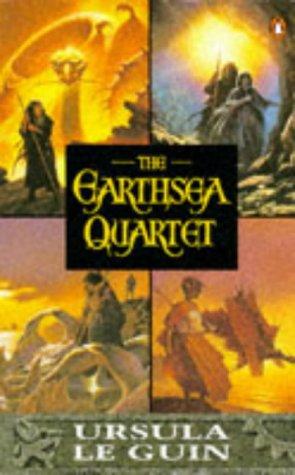
Read nowNo. 15 on this list. The Earthsea Quartet · Ursula K Le Guin · 1968
Across four novels spanning decades, Le Guin builds the archipelago of Earthsea—a world of islands, sailing, and true-name magic where knowing a thing's true name gives power over it. A Wizard of Earthsea follows the young wizard Ged as he releases a shadow-creature and must pursue it across the world. The Tombs of Atuan follows a priestess freed from underground servitude. The Farthest Shore follows Ged, now Archmage, pursuing a wizard who has broken the boundary between life and death. Tehanu, written sixteen years later, returns to Earthsea with a feminist perspective, following the abused child Therru and the former priestess Tenar in a world where women's power has been systematically suppressed. Le Guin's magic system—where speaking a true name is the fundamental magical act—is the most elegant in fantasy. The prose is spare, rhythmic, and precise, closer to myth than novel.
Moderate15 hours
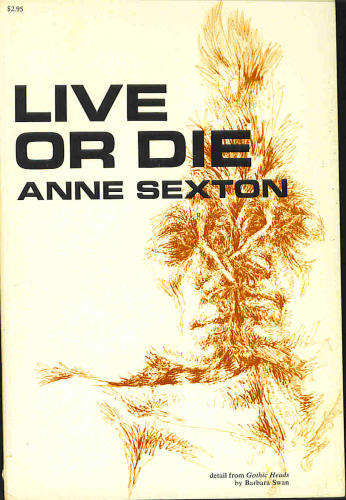
Start this bookNo. 16 on this list. Live or Die · Anne Sexton · 1966
Anne Sexton arranged these thirty-three poems in the order she wrote them — January 1962 to February 1966 — and called the result 'a fever chart for a bad case of melancholy.' Each poem arrives with a date at the bottom, evidence rather than ornament. The collection opens with her father, a wool salesman who drank in his bedroom and died on the road; within pages she has checked herself into a psychiatric ward, addressed Sylvia Plath's corpse ('Thief!— how did you crawl into, crawl down alone into the death I wanted so badly'), mourned a son she never had, and watched her daughter call on God instead of her mother when a horse crushes her foot. Sexton's language stays in the body. She counts out eight pharmaceutical capsules each night, arranges them 'as in the laying on of hands or the black sacrament.' Suicides, she observes, 'have a special language. Like carpenters they want to know which tools. They never ask why build.' The hospital and the suburban kitchen share equal authority. God appears, and Mary, and Judas, and Sylvia, and none of them offer adequate answers. The final poem, 'Live,' turns the collection's entire argument on its axis. Eight Dalmatian puppies survive the pails of water that waited to drown them. 'I am not what I expected. Not an Eichmann. The poison just didn't take.' The fever chart ends with a temperature that isn't, finally, fatal. This is the Pulitzer Prize-winning collection that defined confessional poetry as a form capable of sustaining both unbearable honesty and survival.
Easy43 min
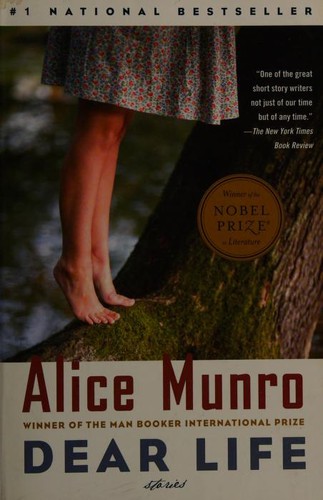
Start this bookNo. 17 on this list. Dear Life · Alice Munro · 2012
Munro's final collection, published the year before her Nobel Prize. Regarded as a fitting capstone to one of the great careers in short fiction.
Easy4.6 hours
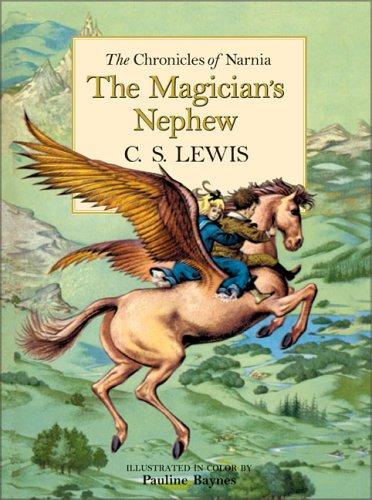
Start this bookNo. 18 on this list. The Magician’s Nephew · C.S. Lewis · 1955
The Chronicles of Narnia rank among the most widely read children's series of the 20th century, with over 100 million copies sold globally. The Magician's Nephew appears on virtually every major 'best children's books' list and is taught in primary schools worldwide. No syllabus data available in the database, but its foundational place in children's literature curricula — particularly in English-speaking countries — establishes strong canonical status within its sphere.
Easy2.3 hours
Start this bookNo. 19 on this list. The Stechlin · Theodor Fontane · 1898
Highly regarded in German literature as Fontane's most experimental work. Less widely known internationally than Effi Briest but increasingly appreciated by scholars.
Moderate7.6 hours
Start this bookNo. 20 on this list. Master and Man · Leo Tolstoy · 1895
Frequently anthologized and taught as one of Tolstoy's finest short works. Its concentrated power and accessible length keep it in regular circulation.
Easy51 min
Read now
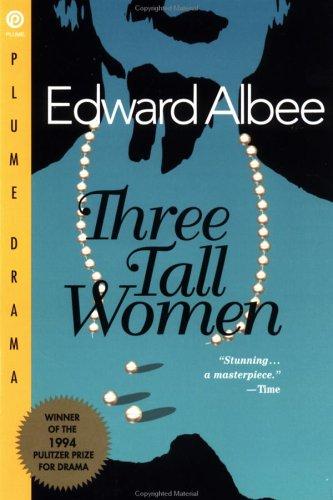
No. 21 on this list. Three Tall Women · Edward Albee · 1991
Pulitzer Prize winner and widely regarded as Albee's late masterpiece. A standard text in American drama courses and regularly revived in major productions.
Moderate1.1 hours
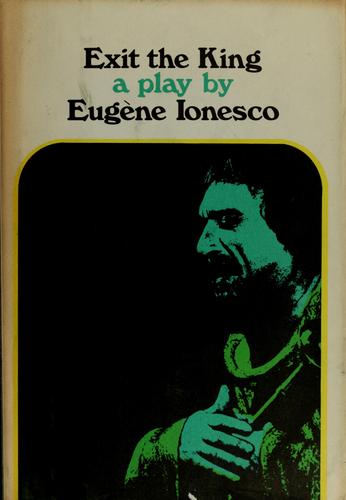
Start this bookNo. 22 on this list. Exit the King · Eugène Ionesco · 1962
Ionesco's most widely performed play and one of the central works of the Theater of the Absurd. Regularly revived in major productions worldwide.
Easy1.1 hours
Start this bookNo. 23 on this list. The Old Curiosity Shop · Charles Dickens · 1841
The Old Curiosity Shop appears in every major Dickens collected edition (Penguin Classics, Oxford World's Classics, Chapman and Hall) and is taught in Victorian literature courses at universities worldwide. Nell's death was one of the most discussed literary events of the 19th century, with contemporary accounts of readers in tears on both sides of the Atlantic. It sits below Oliver Twist and Great Expectations in the teaching hierarchy but is a firm fixture of the Dickens canon.
Moderate13 hours
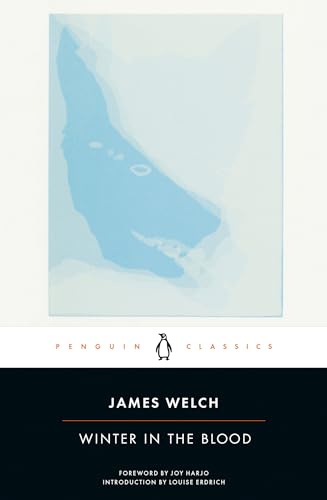
Read nowNo. 24 on this list. Winter in the Blood · James Welch · 1974
A foundational Native American novel. Widely taught alongside Momaday and Silko.
Easy2.5 hours
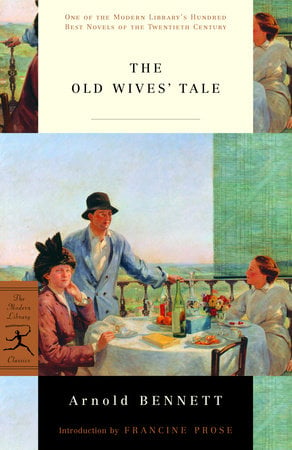
Start this bookNo. 25 on this list. The Old Wives' Tale · Arnold Bennett · 1908
Ranked 87th on the Modern Library 100 Best Novels and regularly taught in courses on Edwardian and realist fiction. It is the Bennett novel most likely to appear on syllabi.
Moderate14 hours
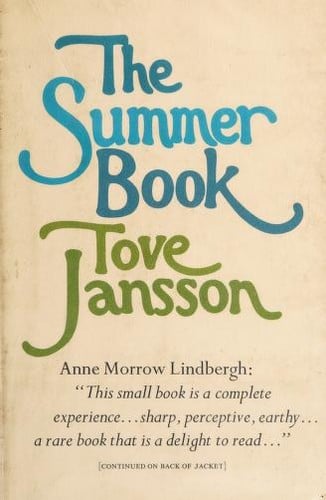
Read nowNo. 26 on this list. The Summer Book · Tove Jansson · 1972
Increasingly recognized as a Scandinavian masterpiece. A quiet classic with a devoted readership.
Easy1.5 hours
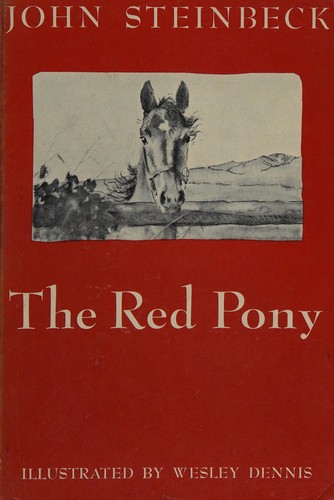
Start this bookNo. 27 on this list. The Red Pony · John Steinbeck
The Red Pony is widely taught in American middle and high schools and sits beside Of Mice and Men in Steinbeck's school canon. It is less central than The Great Gatsby or To Kill a Mockingbird.
Easy1.4 hours
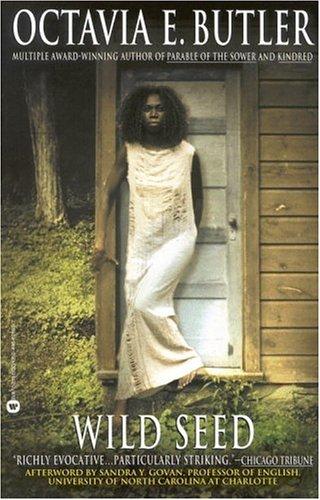
Start this bookNo. 28 on this list. Wild Seed · Octavia E. Butler · 1980
Recognized as one of Butler's finest novels and a major work of Afrofuturist fiction. Widely taught in university courses.
Easy4 hours
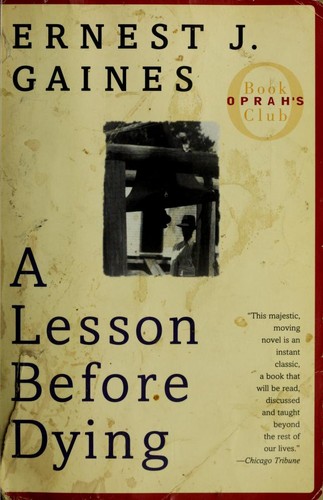
Start this bookNo. 29 on this list. A Lesson Before Dying · Ernest J. Gaines · 1993
The novel is widely assigned in American high school and college courses on African American literature and Southern fiction. It stands below the central canon but well above commercial fiction.
Easy3.9 hours
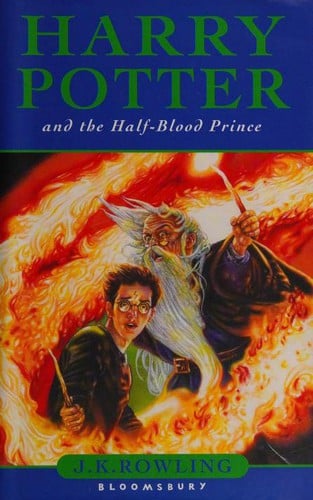
Start this bookNo. 30 on this list. Harry Potter and the Half-Blood Prince · J.K. Rowling · 2005
Not a set text, but among the most widely read novels of the century and increasingly studied as a cultural object.
Easy10 hours
Start this book
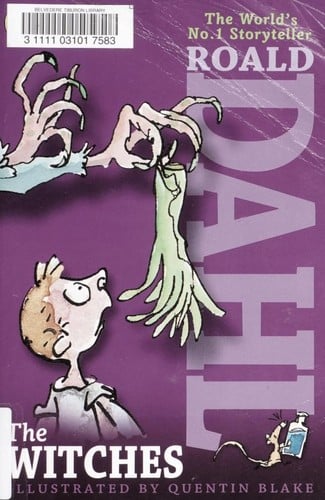
No. 31 on this list. The Witches
Roald Dahl · 1983
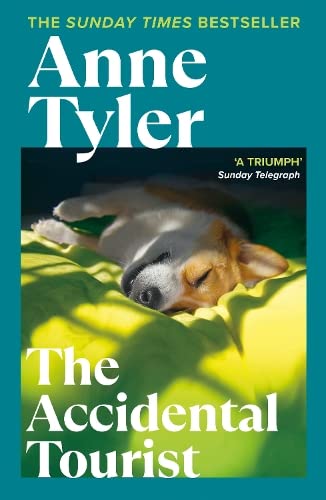
No. 32 on this list. The Accidental Tourist
Anne Tyler · 1985
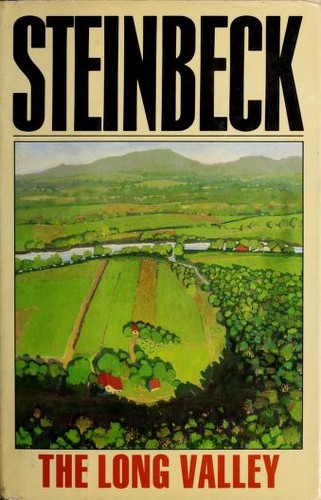
No. 33 on this list. The Long Valley
John Steinbeck · 1938
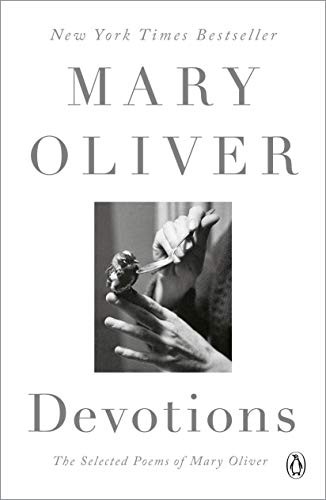
No. 34 on this list. Devotions
Mary Oliver · 2017
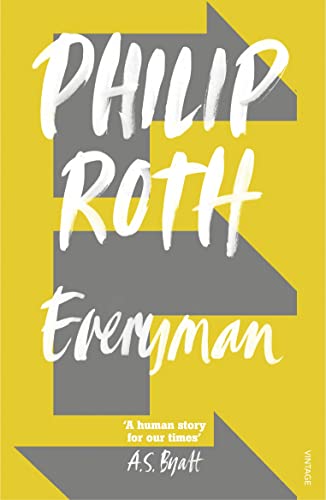
No. 35 on this list. Everyman
Philip Roth · 2007
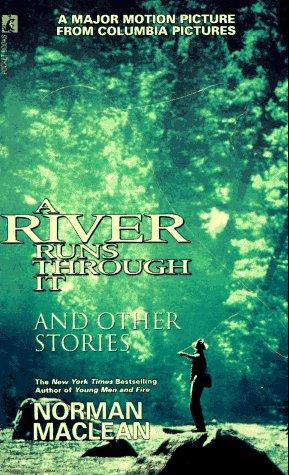
No. 36 on this list. A River Runs Through It and Other Stories
Norman Maclean · 2001
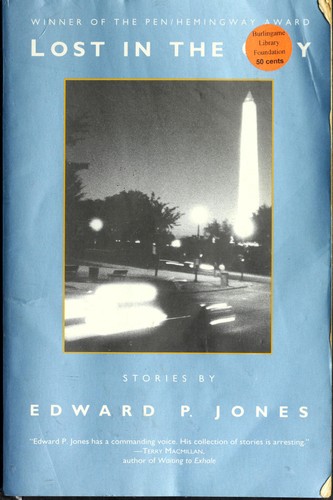
No. 37 on this list. Lost in the City
Edward P. Jones · 1992
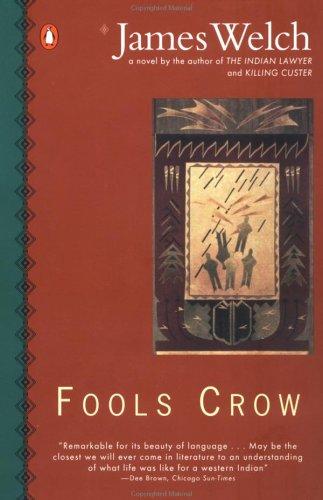
No. 38 on this list. Fools Crow
James Welch · 1986
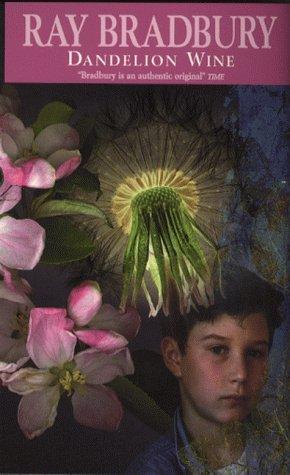
No. 39 on this list. Dandelion Wine
Ray Bradbury · 1957
No. 40 on this list. The Devil
Leo Tolstoy · 1911
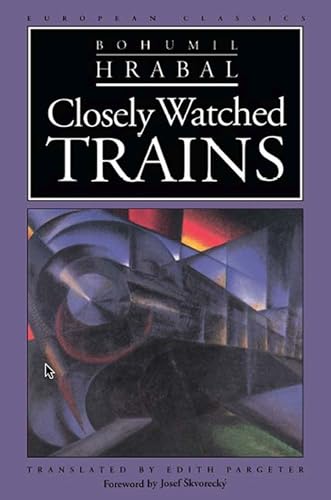
No. 41 on this list. Closely Watched Trains
Bohumil Hrabal · 1965
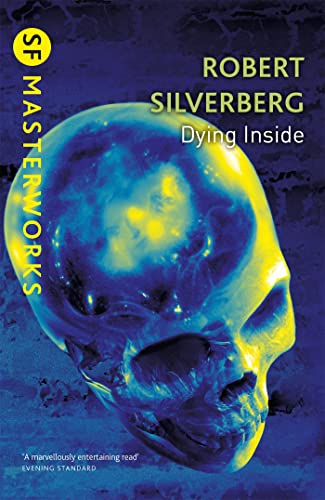
No. 42 on this list. Dying Inside
Robert Silverberg · 1972
No. 43 on this list. All-Star Superman
Grant Morrison · 2011
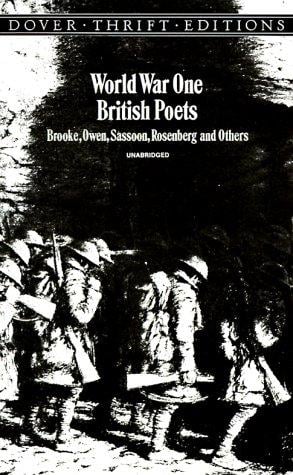
No. 44 on this list. World War One British Poets: Brooke, Owen, Sassoon, Rosenberg and Others
Candace Ward · 1997
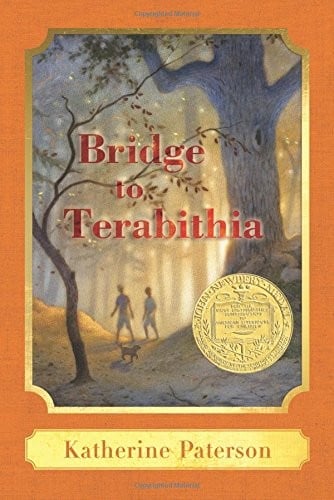
No. 45 on this list. Bridge to Terabithia
Katherine Paterson · 1977
Taught in schools: Lithuanian literature curriculum (lietuvių kalba ir literatūra)
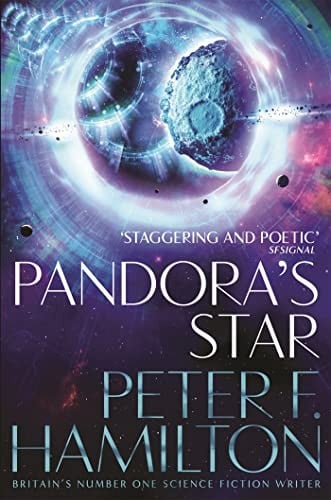
No. 46 on this list. Pandora's Star
Peter F. Hamilton · 2004
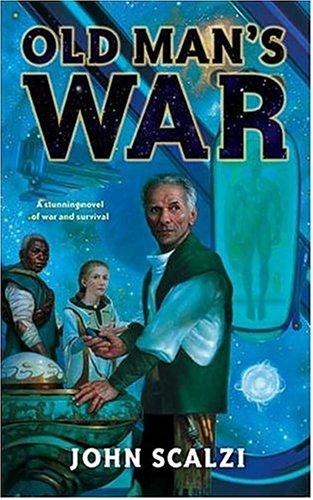
No. 47 on this list. Old Man's War
John Scalzi · 2005
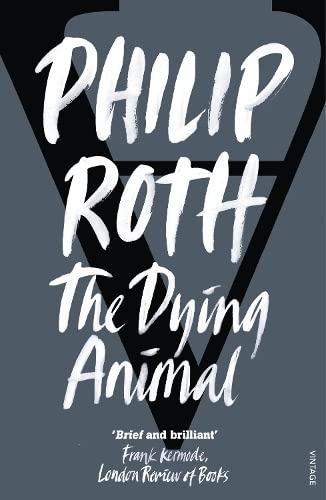
No. 48 on this list. The Dying Animal
Philip Roth · 2001
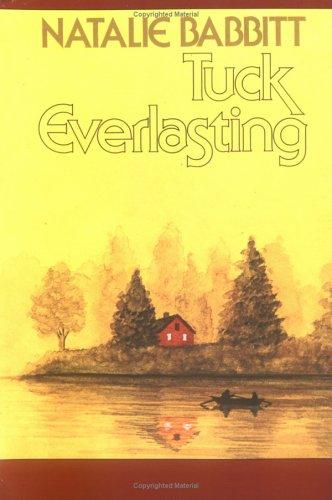
No. 49 on this list. Tuck Everlasting
Natalie Babbitt · 1975
Taught in schools: Common Core text exemplars (Appendix B) (US)
No. 50 on this list. The Last Question
Isaac Asimov · 2007


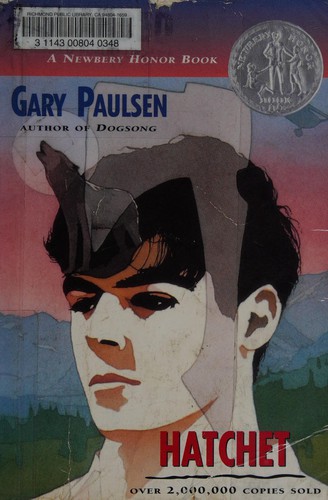
No. 51 on this list. Hatchet
Gary Paulsen · 1987
Taught in schools: Pacific Senior Secondary Certificate – English
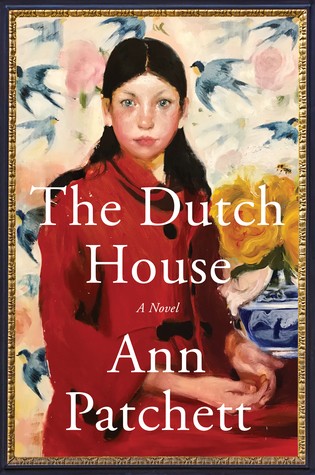
No. 52 on this list. The Dutch House
Ann Patchett · 2019
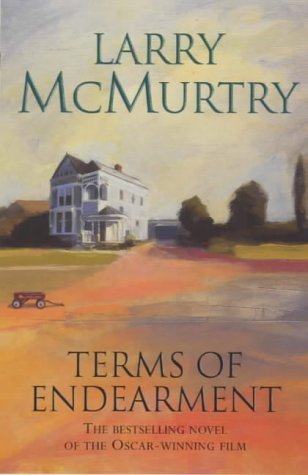
No. 53 on this list. Terms of Endearment
Larry McMurtry · 1975
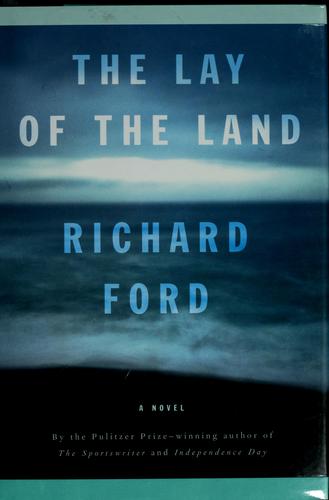
No. 54 on this list. The Lay of the Land
Richard Ford · 2006
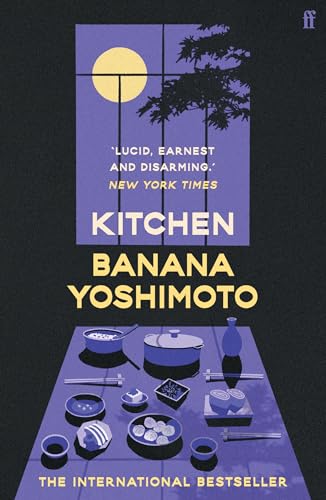
No. 55 on this list. Kitchen
Banana Yoshimoto · 1988
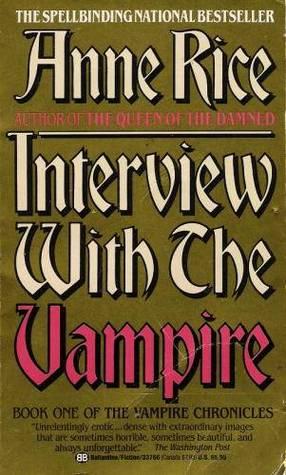
No. 56 on this list. Interview with the Vampire
Anne Rice · 1976
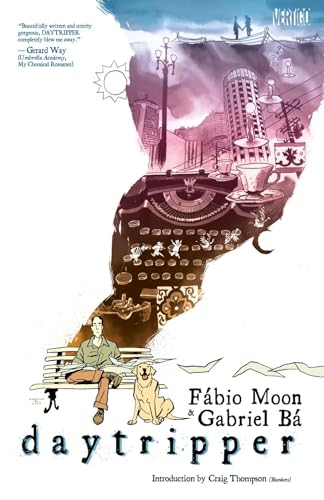
No. 57 on this list. Daytripper
Fábio Moon · 2011
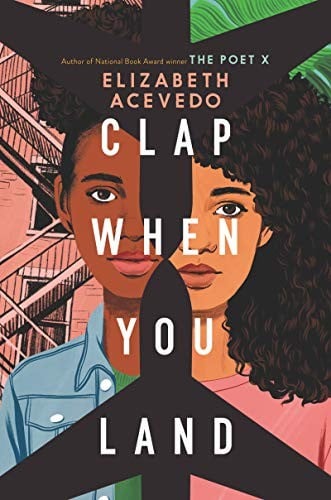
No. 58 on this list. Clap When You Land
Elizabeth Acevedo · 2020
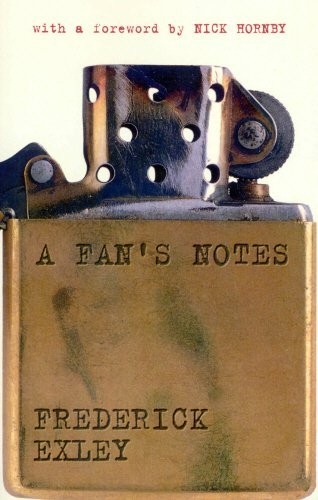
No. 59 on this list. A Fan's Notes
Frederick Exley · 1968
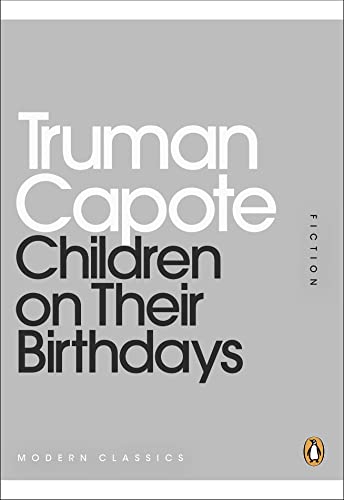
No. 60 on this list. Children On Their Birthdays
Truman Capote · 1948
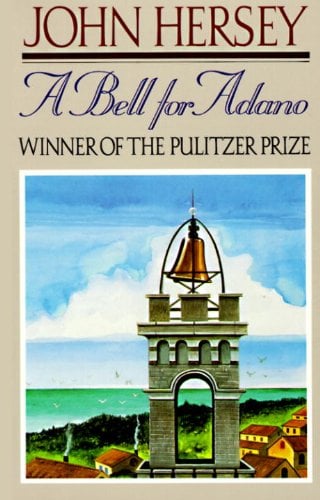
No. 61 on this list. A Bell for Adano
John Hersey · 1945
No. 62 on this list. Prohibido suicidarse en primavera
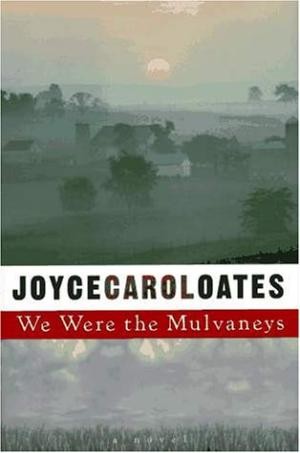
No. 63 on this list. We Were the Mulvaneys
Joyce Carol Oates · 1996
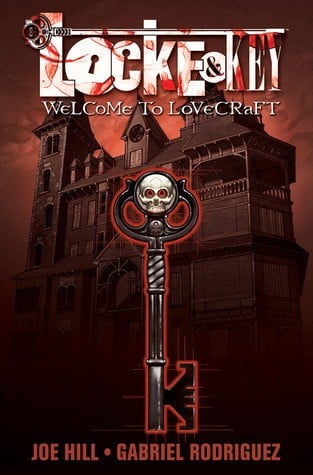
No. 64 on this list. Locke & Key
Joe Hill · 2008
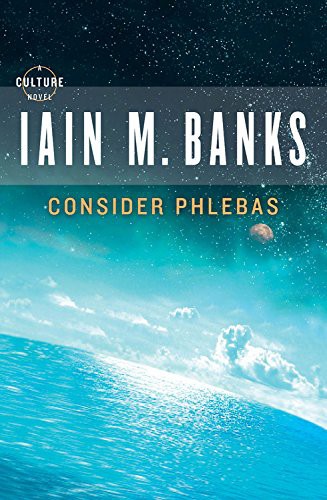
No. 65 on this list. Consider Phlebas
Iain M. Banks · 1987
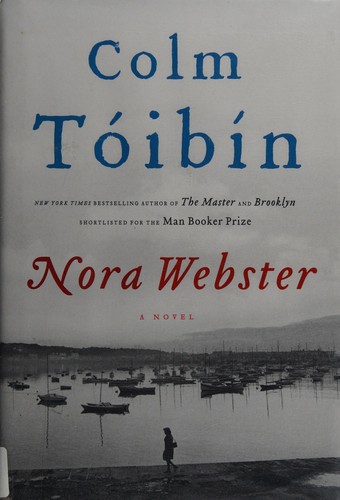
No. 66 on this list. Nora Webster
Colm Tóibín · 2014
No. 67 on this list. This One Summer
Mariko Tamaki · 2014
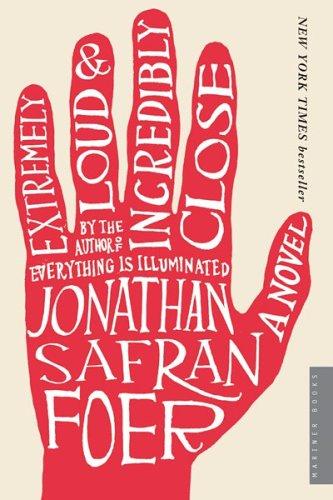
No. 68 on this list. Extremely Loud & Incredibly Close
Jonathan Safran Foer · 2006
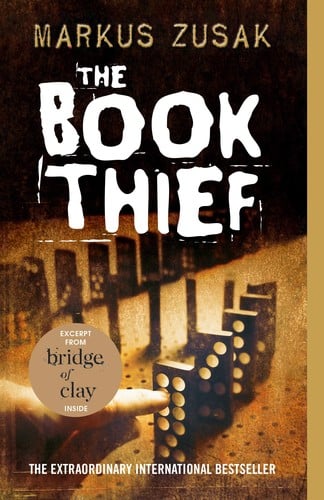
No. 69 on this list. The Book Thief
Markus Zusak · 2005
Taught in schools: Common Core text exemplars (Appendix B) (US)
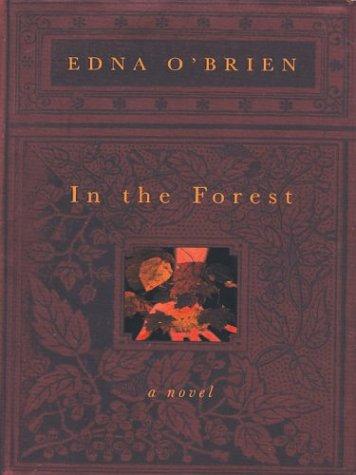
No. 70 on this list. In the Forest
Edna O'Brien · 2002

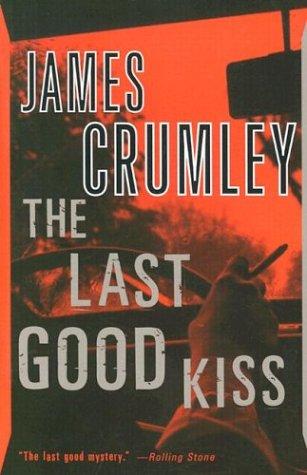
No. 71 on this list. The Last Good Kiss
James Crumley · 1978
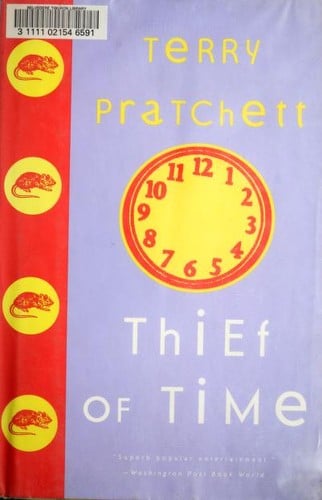
No. 72 on this list. Thief of Time
Terry Pratchett · 2001
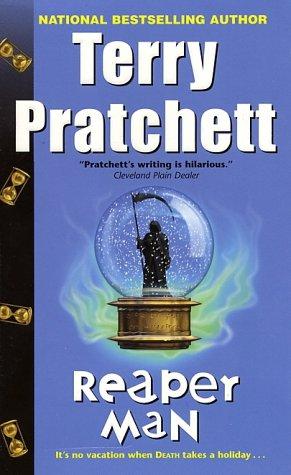
No. 73 on this list. Reaper Man
Terry Pratchett · 1991
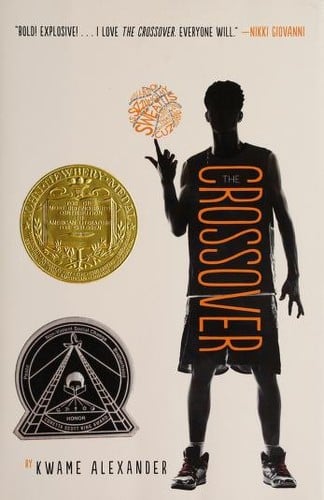
No. 74 on this list. The Crossover
Kwame Alexander · 2014
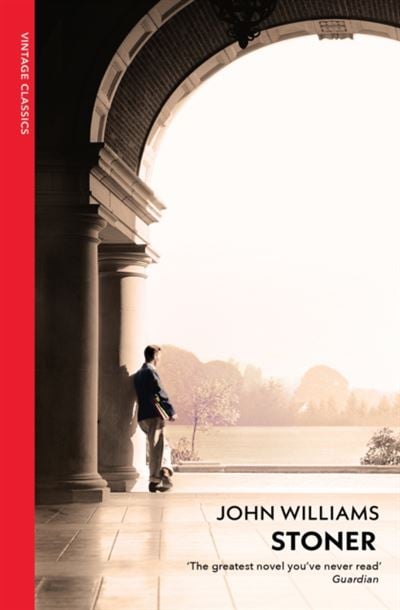
No. 75 on this list. Stoner
John Edward Williams · 1965
No. 76 on this list. Knulp
Hermann Hesse · 1988
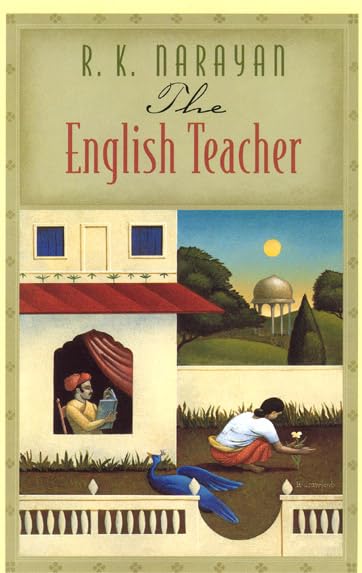
No. 77 on this list. The English Teacher
R.K. Narayan · 1945
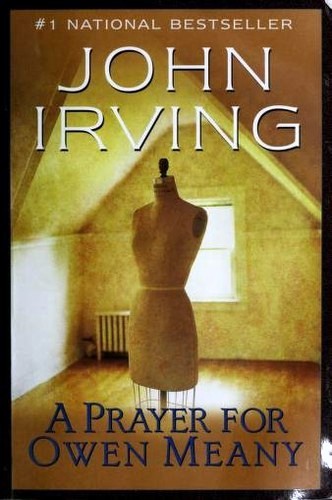
No. 78 on this list. A Prayer for Owen Meany
John Irving · 1989
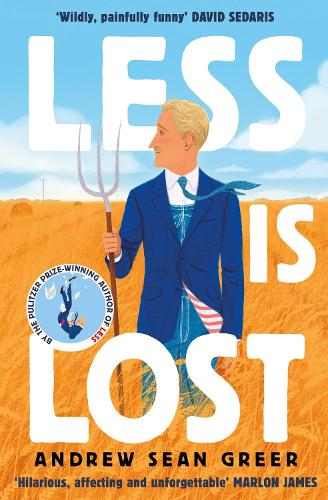
No. 79 on this list. Less Is Lost
Andrew Sean Greer · 2022
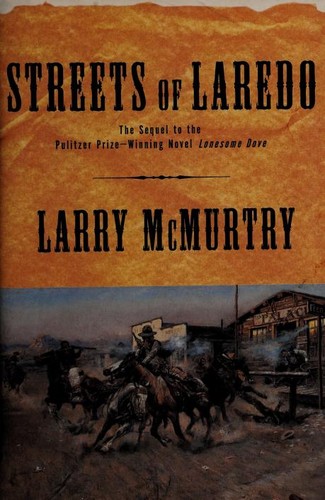
No. 80 on this list. Streets of Laredo
Larry McMurtry · 2000

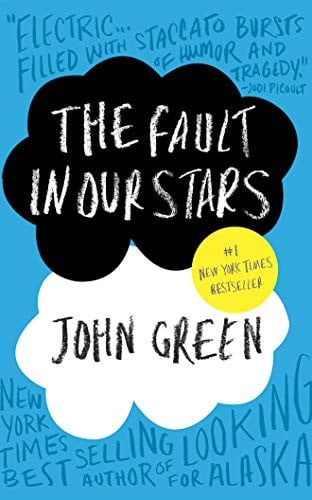
No. 81 on this list. The Fault in Our Stars
John Green · 2012
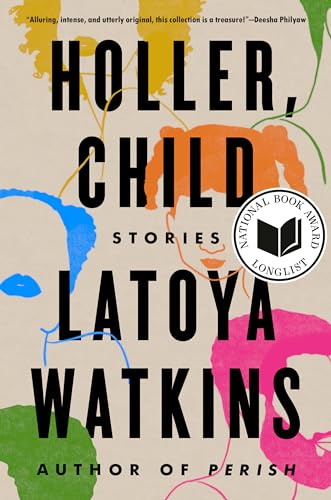
No. 82 on this list. Holler, Child
LaToya Watkins · 2023
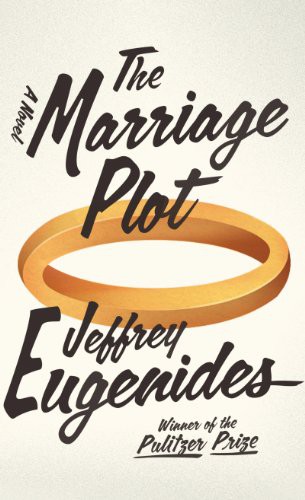
No. 83 on this list. The Marriage Plot
Jeffrey Eugenides · 2011
No. 84 on this list. The Blue Bird
Maurice Maeterlinck · 1908
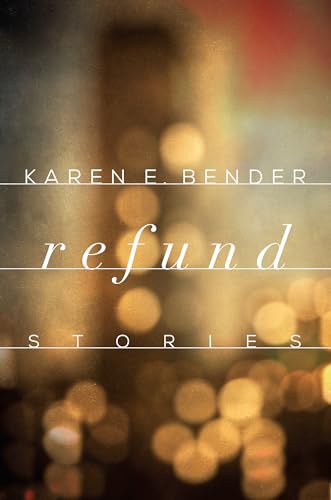
No. 85 on this list. Refund
Karen E. Bender · 2015
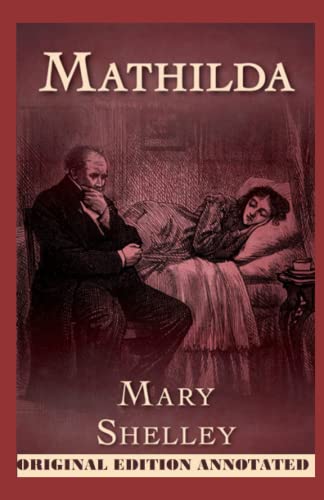
No. 86 on this list. Mathilda
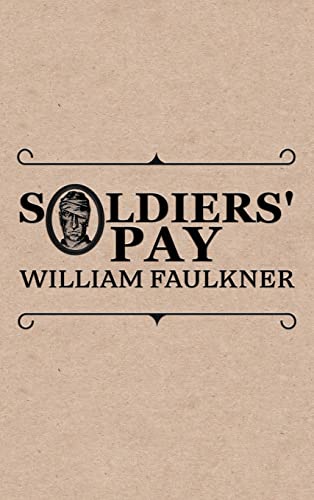
No. 87 on this list. Soldier's Pay
William Faulkner · 1926
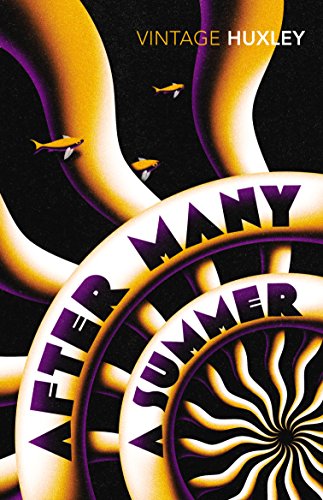
No. 88 on this list. After Many a Summer Dies the Swan
Aldous Huxley · 1939
No. 89 on this list. Get a Life, Chloe Brown
Talia Hibbert · 2019
No. 90 on this list. Parasite Eve
Hideaki Sena · 1995
No. 91 on this list. The Black Swan
Thomas Mann · 1953
No. 92 on this list. Daughter of the Moon Goddess
Sue Lynn Tan · 2022
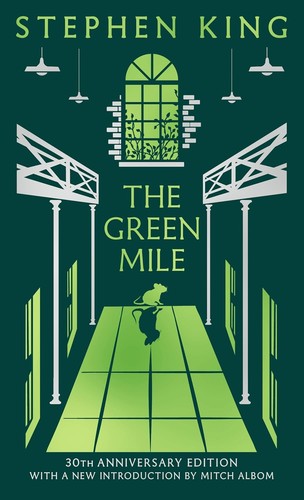
No. 93 on this list. The Green Mile
Stephen King · 1996
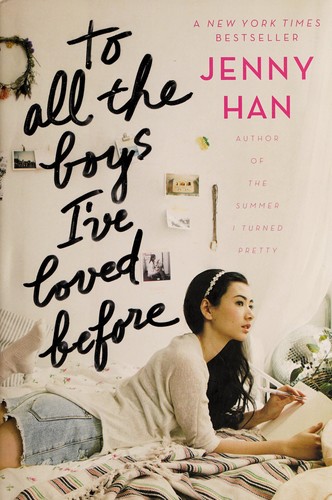
No. 94 on this list. To All the Boys I've Loved Before
Jenny Han · 2014
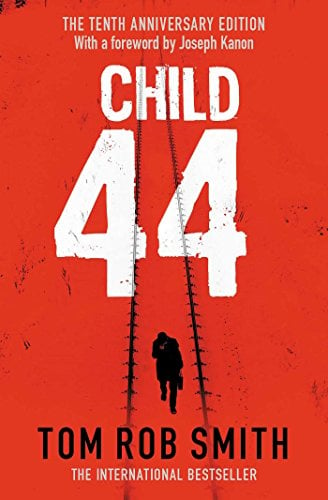
No. 95 on this list. Child 44
Tom Rob Smith · 2008
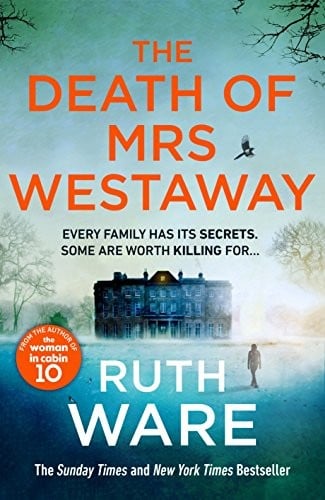
No. 96 on this list. The Death of Mrs. Westaway
Ruth Ware · 2018
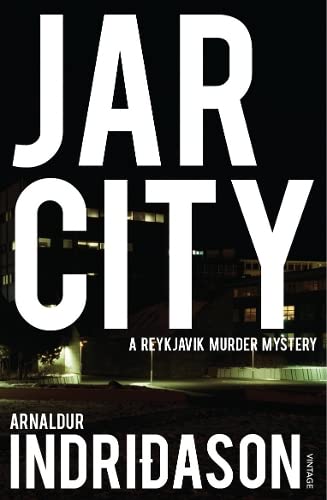
No. 97 on this list. Jar City
Arnaldur Indriðason · 2000
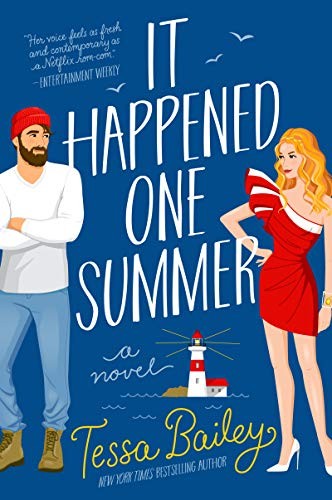
No. 98 on this list. It Happened One Summer
Tessa Bailey · 2021
No. 99 on this list. Pleasures and Days
Marcel Proust · 1896
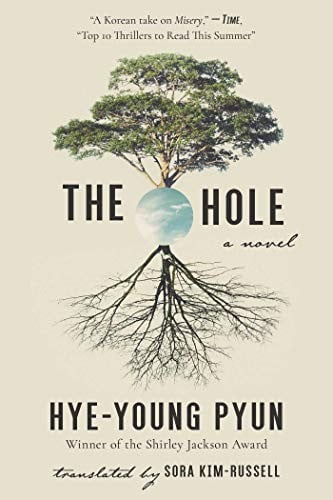
No. 100 on this list. The Hole
Pyun Hye-young · 2016
About this list
These 100 books are the highest-scoring eligible easy books about death and mortality currently in the catalogue. About 438 hours of reading in all. Difficulty runs from 33 to 41 out of 100 for the middle half of the list; the summit is Less Is Lost at 45.
This list is ranked by literary regard, with a consistent order for equal scores. Membership follows authors and co-authors, not translators or editors. A book is here when ReadingRate files it under Death & Mortality as one of its primary reading domains, at a confidence of 0.8 or more. Catalogue coverage and the historical canon both limit what this list can represent.
When we matched the Canons dataset to our catalogue in October 2026, our canonical-status scores rose with the number of school curricula, publisher series and lists in it that cite a work: the median score was 72 for books one such source cites, 84 at two, 88 at three, 92 at four and 93 at five or more. Prizes are left out of that count. Outside the state curricula, the dataset’s sources choose mostly from what has been translated into English or French, so it is a weaker check on other literatures. Source: Canons (Andrew Piper), CC BY 4.0
Questions people actually ask
- What are the best easy books about death and mortality?
- By literary regard, which weighs canonical status, critical standing and influence: Life Studies by Robert Lowell, Kokoro by Natsume Sōseki, Bérénice by Jean Racine, The Death of Ivan Ilyich by Leo Tolstoy and Annabel Lee by Edgar Allan Poe. ReadingRate ranks 100 such books, each with a difficulty score and a reading-time estimate.
- Which easy books about death and mortality should I read first?
- Start from difficulty, not from rank. The most approachable books on this list that still carry top literary regard are Charlotte's Web by E.B. White (about 1.6 hours), Life Studies by Robert Lowell and King John by William Shakespeare.
- What are the shortest of the best easy books about death and mortality?
- Among the top 25, the shortest are A Part of Speech by Joseph Brodsky (about 17 min), Annabel Lee by Edgar Allan Poe (about 24 min) and Bérénice by Jean Racine (about 50 min), at an average pace of 250 words a minute adjusted for each book's difficulty.
- Which of the best easy books about death and mortality are the established classics?
- By canonical status, how firmly a book sits in curricula, anthologies and the canon: Kokoro by Natsume Sōseki, Life Studies by Robert Lowell, Bérénice by Jean Racine, Annabel Lee by Edgar Allan Poe and Charlotte's Web by E.B. White.
- Can I read any of these easy books about death and mortality for free?
- 7 of the 100 open in ReadingRate's reader with a free account, from public-domain editions: King John, This Side of Paradise, Master and Man, The Old Curiosity Shop, The Old Wives' Tale and 2 more.
- How long would it take to read the top ten?
- About 22 hours, at an average pace of 250 words a minute adjusted for each book's difficulty: 12 days at two hours a day. Set your own pace on the page and the list's reading times change to it.
- How hard are easy books about death and mortality to read?
- Most of this list sits between 33 and 41 on ReadingRate's 100-point difficulty scale, where 40 to 55 is moderate. The summit is Less Is Lost at 45. Every entry carries its own score, so a reader can pick a great book at a difficulty they will finish.
- How is this list ranked?
- On literary-regard data: how canonically established a work is, its critical standing, and its influence on later writing. It is not a readers’ poll, which is why recent bestsellers rarely appear. Membership follows authors and co-authors, not translators or editors. Lists by country, author, period, theme or difficulty keep to literature (fiction, poetry, drama and philosophy), their novels, poems and plays first and their philosophy after them; a list of a kind of book, such as memoir or criticism, keeps every book of that kind. Every list holds at most three works by one author. A book is here when ReadingRate files it under Death & Mortality as one of its primary reading domains, at a confidence of 0.8 or more.