Hours at an average pace
Showing 100 books
About 849 hours for 100 of 100 books with measured lengths. Estimates use 250 words a minute, adjusted for each book's difficulty. At 2 hours a day, about 425 days for those books.
No. 1 on this list. Eclogues
Virgil · c. 37 BCE
Challenging58 min
Included in: Great Books of the Western World
The Eclogues are required reading in classical studies curricula worldwide, appearing on thousands of university syllabi in Latin, comparative literature, and humanities courses. They are among the most translated and discussed poems from antiquity, with Wikipedia articles in over 50 languages and continuous scholarly attention spanning two millennia. Eclogue IV alone has generated centuries of theological and literary debate.
No. 2 on this list. As You Like It
William Shakespeare · 1600
Moderate1.6 hours
Taught in schools: CSEC English B – Caribbean Examinations Council, WBCHSE English and Alternative English syllabuses (India)
Included in: Great Books of the Western World
As You Like It appears on thousands of university syllabi worldwide and is regularly staged by major theater companies. Its central monologue — 'All the world's a stage' — is among the most quoted passages in English literature, cementing its place in the core Shakespeare canon alongside Hamlet and Midsummer Night's Dream.
No. 3 on this list. A House for Mr. Biswas
V.S. Naipaul · 1961
Moderate13 hours
Taught in schools: CSEC English B – Caribbean Examinations Council
Naipaul tracked one man's forty-year struggle to own a house of his own in colonial Trinidad, and by treating that modest ambition with the gravity of epic, wrote the definitive novel about the immigrant's war between dignity and dispossession. Mr. Biswas's defeats are so granular and so cumulative that the house, when it finally comes, means more than any literary symbol has a right to.
No. 4 on this list. Coriolanus
William Shakespeare · 1608
Challenging2.9 hours
Included in: Great Books of the Western World
Coriolanus is a standard text in Shakespeare curricula and appears on university syllabi in courses on Renaissance drama, political philosophy, and history plays. While taught less frequently than Hamlet, Macbeth, or King Lear, it is required reading in most advanced Shakespeare courses and political drama studies. Its engagement with popular sovereignty and class politics has made it a recurring subject of academic attention.
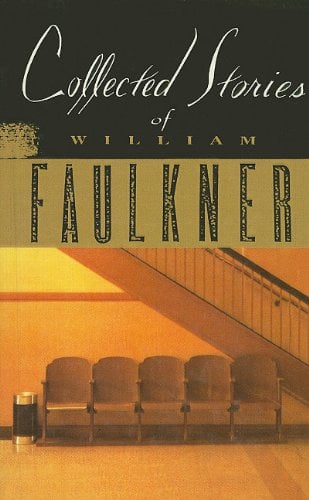
Collected Stories won the National Book Award in 1951 and remains central to American short fiction canon. These stories appear regularly in anthologies and academic syllabi. While perhaps overshadowed by Faulkner's novels, the collection represents an essential component of his Yoknapatawpha saga and demonstrates his mastery across forms.
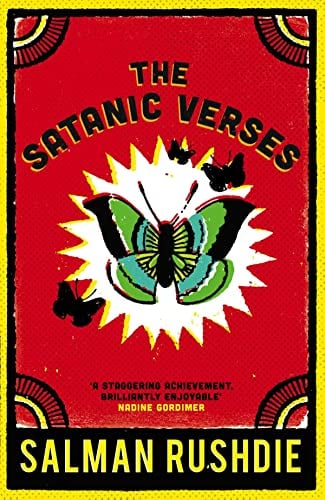
The Satanic Verses occupies singular position in late-twentieth-century literature due to the fatwa issued by Ayatollah Khomeini, making it perhaps the most internationally controversial novel of its era. Beyond the political firestorm, it stands as landmark postcolonial fiction and exemplar of British multicultural literature. The novel appears on standard lists of essential postmodern works and remains central to discussions of migration, identity, and religion in global fiction. Its notoriety ensures permanent place in literary and political history.
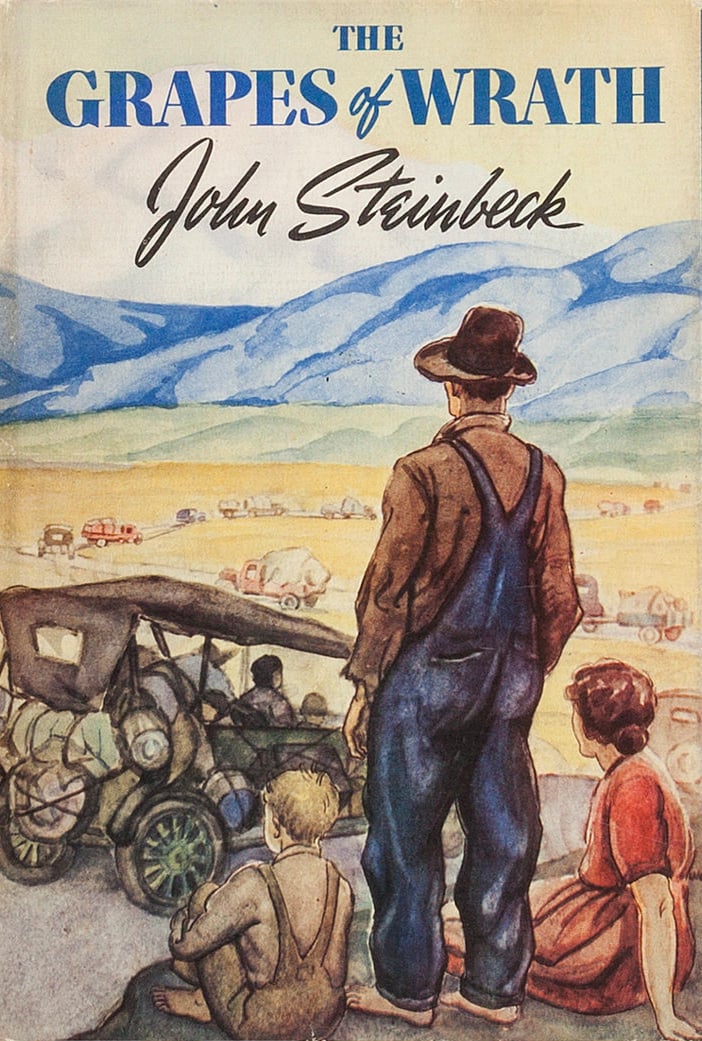
No. 7 on this list. The Grapes of Wrath
John Steinbeck · 1939
Challenging13 hours
Taught in schools: Common Core text exemplars (Appendix B) (US), OCR GCSE and A-level English Literature (UK), Pacific Senior Secondary Certificate – English
Appears on 727 university syllabi (Open Syllabus Project, 71.5th percentile) and has Wikipedia articles in 58 languages. Listed on the Modern Library 100 Best Novels, TIME's All-TIME 100 Novels, Le Monde's 100 Books of the Century, and the BBC Big Read Top 100, establishing it as a fixture of American literary curricula.
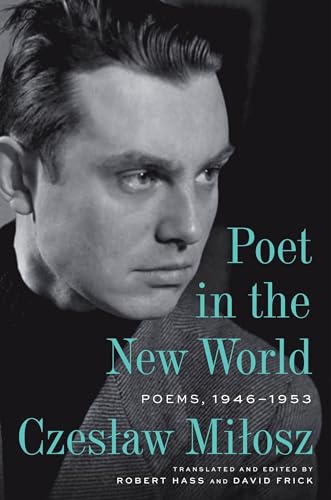
Nobel laureate and one of the most important poets of the twentieth century. Central to Polish literature and increasingly recognized in world poetry.
Nobel laureate and the defining poet of the Anglophone Caribbean. Central to postcolonial literature and increasingly recognized in the broader English-language canon.
Pnin occupies established position in 20th-century literature curricula, taught as representative Nabokov and exemplary modernist treatment of exile. While less universally assigned than Lolita or Pale Fire, the novel appears regularly in Russian-American literature, American modernism, and displaced-person studies courses.
No. 11 on this list. Joseph and His Brothers · Thomas Mann · 1943
Joseph and His Brothers appears regularly on European and world literature curricula, particularly in German literature courses and modernism seminars. It features on multiple 'greatest novels' lists including Le Monde's 100 Books of the Century. The tetralogy is less frequently taught than Mann's shorter works (Death in Venice, The Magic Mountain) owing to its length, but its canonical standing within the Mann oeuvre and 20th-century literature broadly is secure. The database shows no syllabus or Wikipedia data, but scholarly consensus places this among the defining works of European modernism.
Challenging68 hours
Start this bookNo. 12 on this list. Life & Times of Michael K · J.M. Coetzee · 1983
Taught in schools: UNAM Escuela Nacional Preparatoria – programas de Literatura (Mexico)
Life and Times of Michael K won the Booker Prize in 1983 and stands as a foundational text in postcolonial literature. Its examination of apartheid South Africa, individual resistance, and the ethics of fiction has secured its place in literary canons alongside Coetzee's other major works. Frequently taught in universities and cited in critical literature.
Challenging5.2 hours
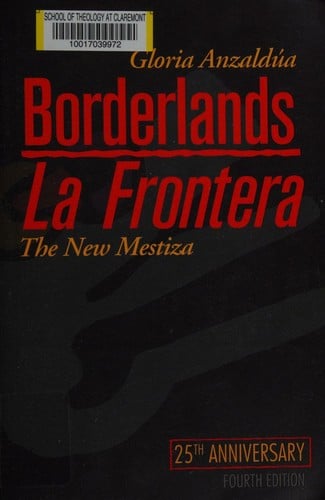
Start this bookNo. 13 on this list. Borderlands/La Frontera: The New Mestiza · Gloria Anzaldua · 1987
Foundational text of Chicana feminism, border studies, and queer theory. Universally taught in relevant fields.
Easy2.7 hours
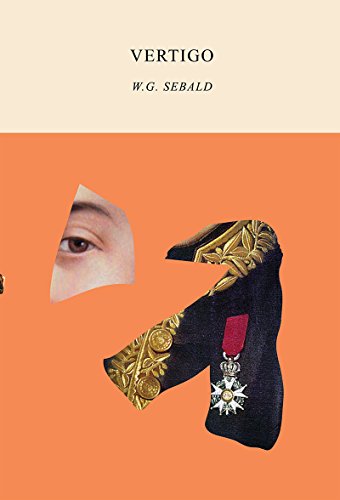
Start this bookNo. 14 on this list. Vertigo · W.G. Sebald · 1990
A narrator wanders through northern Italy in the late 1980s, haunted by a sense that the same catastrophe keeps arriving in different costume. He sits in a Verona archive reading newspapers from 1913—the year before everything collapsed—and finds himself unable to leave. In the second section, a figure called Dr K. travels from Vienna to Venice to Riva, conducting a doomed romance with a girl from Genoa and hearing, at a sanatorium dinner table, a general's theory that battles are decided by specific gravity, not willpower. These two time periods—the narrator's present and Franz Kafka's 1913—are laid over each other until they become one.\n\nSebald writes long, unhurried paragraphs that gather subordinate clauses the way rivers gather tributaries: you are always moving forward but the channel keeps widening. Photographs appear without captions. Characters arrive and dissolve. The dead hunter Gracchus, lost between worlds because a helmsman was distracted, recurs as the book's organizing myth—a figure for anyone unable to depart this life entirely.\n\nVertigo is Sebald's first book, the one in which his method first becomes fully itself: a narrator walking through landscapes saturated with historical catastrophe, finding that the past is not behind us but slightly displaced sideways, still happening, still unresolved. The final image is Samuel Pepys's fire seen from a dream of mountain passes—the city burning, pigeons dead on the pavement, the question 'Is this the end of time?' floating unanswered.
Difficult8.1 hours
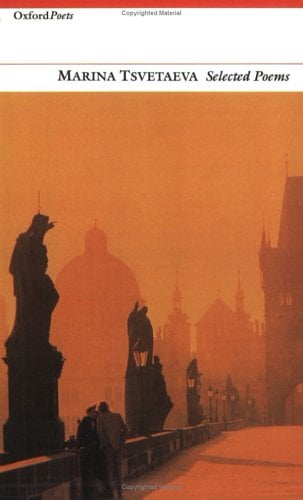
Start this bookNo. 15 on this list. Selected Poems of Marina Tsvetaeva · Marina Tsvetaeva
Tsvetaeva is firmly established as one of the four great Russian poets of the twentieth century, alongside Akhmatova, Mandelstam, and Pasternak.
Moderate1.7 hours
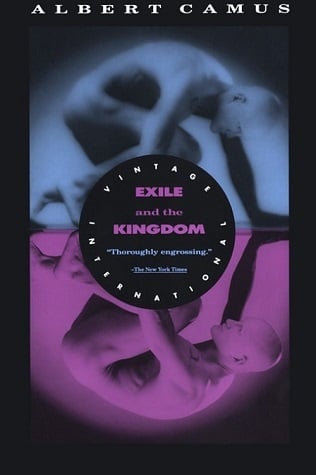
Start this bookNo. 16 on this list. Exile and the Kingdom · Albert Camus · 1957
While less central to Camus's legacy than 'The Stranger' or 'The Plague,' the collection maintains secure canonical status as his final fiction published during his lifetime. It appears regularly in world literature curricula and critical studies of existentialism, though its story format and thematic subtlety place it slightly below his more famous novels.
Challenging3.8 hours
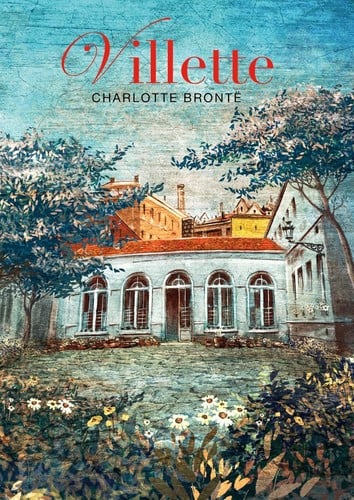
Start this bookNo. 17 on this list. Villette · Charlotte Brontë · 1853
Widely taught in advanced 19th-century literature courses and Victorian fiction seminars, though less ubiquitous than Jane Eyre. Contemporary scholarship increasingly positions Villette as Brontë's most sophisticated novel; it appears regularly on university syllabi in feminist literary criticism and psychological realism tracks.
Challenging15 hours
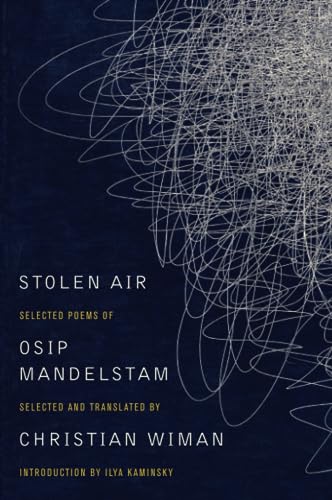
Read nowNo. 18 on this list. Selected Poems of Osip Mandelstam · Osip Mandelstam
Mandelstam's poetry is taught in world literature and comparative modernism courses globally, and he appears in virtually every anthology of 20th-century poetry. This specific 2022 bilingual edition by Ian Probstein (Academic Studies Press) is a scholarly translation with narrower syllabus presence than the poet's overall reputation warrants. The work as an anthology of Mandelstam's selected poems sits at the center of the Russian modernist canon.
Difficult5.6 hours
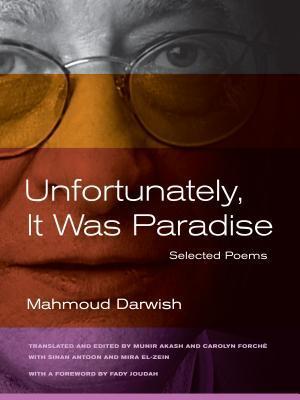
Start this bookNo. 19 on this list. Unfortunately, It Was Paradise · Mahmoud Darwish · 2003
No syllabus data was found in the database for this English translation, but the Arabic originals anchor Darwish as the most-taught Arab poet in world literature and comparative literature courses globally. This collection, published by University of California Press and with a foreword by poet Fady Joudah, is the only comprehensive selected poems in English spanning his entire career. It is widely assigned in Middle Eastern studies, postcolonial literature, and translation studies programs.
Difficult3.8 hours
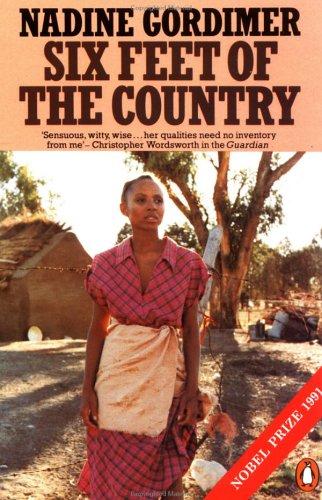
Start this bookNo. 20 on this list. Six Feet of the Country · Nadine Gordimer · 1956
Widely recognized as a cornerstone of post-colonial and South African literature. Appears consistently in university curricula and anthologies of significant twentieth-century short fiction. Represents a crucial moment in articulating apartheid-era social consciousness.
Moderate4.1 hours
Start this book
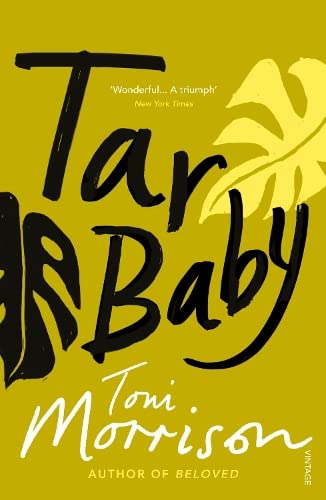
No. 21 on this list. Tar Baby · Toni Morrison · 1981
On Isle des Chevaliers, a Caribbean island reshaped by Haitian labor and American money, Valerian Street — a retired Philadelphia candy magnate — cultivates hydrangeas in his greenhouse and avoids his neighbors. His wife Margaret, his butler Sydney and cook Ondine, and his niece Jadine, a model trained in Paris, share the villa in a state of maintained tension. When Son — a Black American fugitive who stowed away on their supply boat — is discovered hiding in the house, he breaks open every unspoken arrangement the household depends on. Morrison uses the folk tale of the tar baby as the novel's armature: Jadine and Son become stuck to each other in a relationship that neither can survive and neither can leave. She embodies what he calls racial betrayal — educated in Europe, photographed in furs, at home nowhere. He embodies what she calls romantic primitivism — a man out of time, faithful to a Black Southern past that she finds suffocating. Morrison writes this conflict without a referee. The Caribbean setting is not backdrop but argument — the swamp, the rain forest, the blind horsemen who ride the hills at night all carry the weight of African spiritual history beneath the colonial surface. The novel ends on a mythic image: Son running toward those horsemen, Jadine flying back to Paris. Morrison offers no verdict on who was right.
Moderate6.7 hours
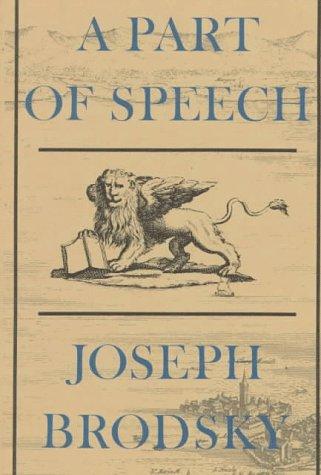
Start this bookNo. 22 on this list. A Part of Speech · Joseph Brodsky · 1977
Taught in graduate poetry programs and comparative literature courses at major universities, 'A Part of Speech' is the collection through which Brodsky entered the Western canon. It appears in virtually every major anthology of 20th-century exile and émigré poetry. Not a fixture in broad undergraduate syllabi, but essential in advanced poetry and diaspora literature courses.
Moderate17 min
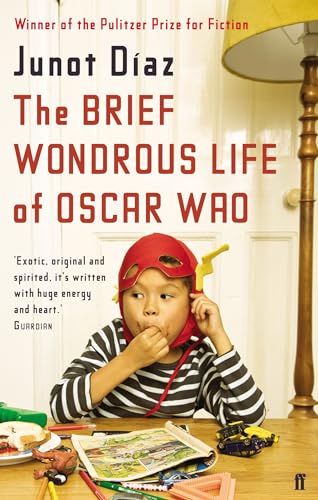
Start this bookNo. 23 on this list. The Brief Wondrous Life of Oscar Wao · Junot Diaz · 2008
Things have never been easy for Oscar. A ghetto nerd living with his Dominican family in New Jersey, he's sweet but disastrously overweight. He dreams of becoming the next J. R. R. Tolkien and he keeps falling hopelessly in love. Poor Oscar may never get what he wants, thanks to the Fuku - the curse that has haunted his family for generations. With dazzling energy and insight Díaz immerses us in the tumultuous lives of Oscar, his runaway sister Lola, their beautiful mother Belicia, and in the family's uproarious journey from the Dominican Republic to the US and back. Rendered with uncommon warmth and humour, The Brief Wondrous Life of Oscar Wao is a literary triumph, that confirms Junot Díaz as one of the most exciting writers of our time.
Moderate6.4 hours
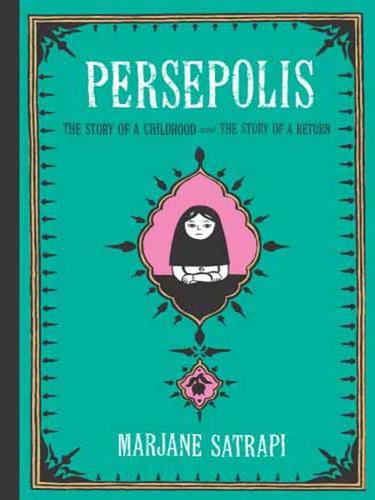
Start this bookNo. 24 on this list. Persepolis · Marjane Satrapi · 2000
Persepolis is one of the most widely taught graphic narratives in schools and universities, a standard text in courses on memoir, comics and the modern Middle East. It sits beside Art Spiegelman's Maus at the core of the graphic-memoir curriculum.
Easy2.2 hours
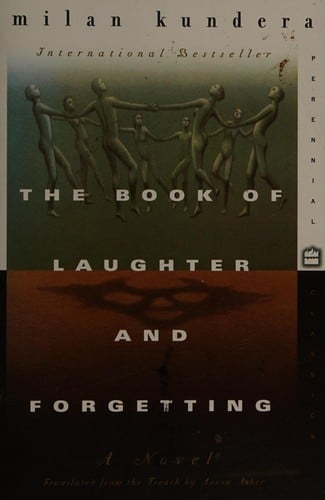
Start this bookNo. 25 on this list. The Book of Laughter and Forgetting · Milan Kundera · 1979
Considered one of Kundera's two or three masterworks alongside The Unbearable Lightness of Being and The Joke. Widely taught in European literature and exile literature courses. No syllabus data appears in the database (0 recorded appearances) but the book's critical standing and continuous print life across forty-five years establish it firmly in the postwar literary canon.
Challenging5.6 hours
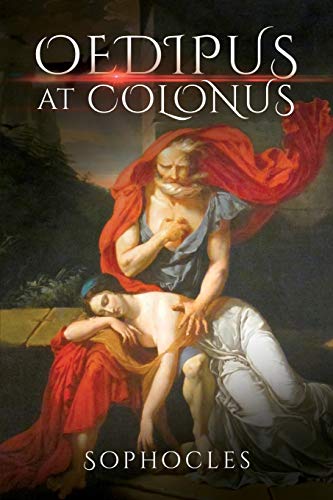
Start this bookNo. 26 on this list. Oedipus at Colonus · Sophocles · c. 401 BCE
Included in: Great Books of the Western World
The final play of one of the three great Athenian tragedians, completing the Theban cycle that includes Oedipus Rex and Antigone.
Moderate1.2 hours
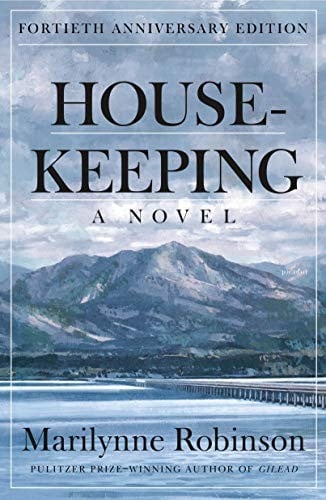
Read nowNo. 27 on this list. Housekeeping · Marilynne Robinson · 1980
The most beautiful first novel of its generation. Ruth and Lucille's lives in Fingerbone, Idaho, Sylvie's transient existence—Robinson wrote prose like no one else. Core text in American literature courses. The novel launched a major career.
Challenging4.7 hours
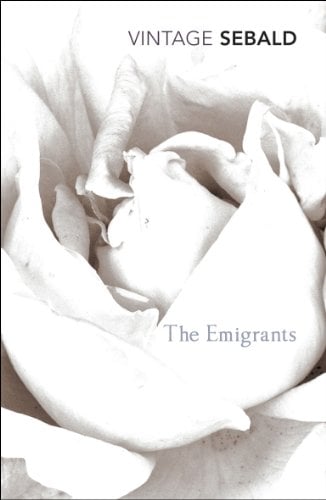
Start this bookNo. 28 on this list. The Emigrants · W.G. Sebald · 1992
The Emigrants is widely taught in contemporary world literature, post-WWII German literature, and Holocaust literature courses, though it lacks the mass-curriculum presence of more canonical texts. It appears regularly on 'best novels of the 20th century' lists — including The Guardian's 100 Best Novels in English — and is considered essential reading in serious literary circles. Its canonical status is high within literary academia but limited compared to texts like Beloved or One Hundred Years of Solitude.
Difficult7.6 hours
Start this bookNo. 29 on this list. Fasti · Ovid · 8
Fasti is a core text in Latin studies curricula and appears in most classical literature courses treating Augustan Rome, though it sits in the shadow of Ovid's Metamorphoses and Virgil's Aeneid in breadth of teaching. The Oxford World's Classics edition by Anne and Peter Wiseman (2011, revised 2013) marks its standing as a prestige canonical work. It is not among the most-taught Latin texts in translation courses but is standard reading for specialists.
Challenging6.9 hours
Read nowNo. 30 on this list. The Lottery and Other Stories · Shirley Jackson · 1949
The title story 'The Lottery' is one of the most anthologized and taught short stories in the American canon, appearing in virtually every introduction-to-fiction textbook. The collection itself appears regularly on American short-story syllabi. Jackson's work has experienced a major critical reassessment since the 2010s, elevating her from genre curiosity to recognized American master.
Moderate5.3 hours
Start this book
No. 31 on this list. Tropic of Cancer
Henry Miller · 1934
No. 32 on this list. Tristia
Ovid · 12
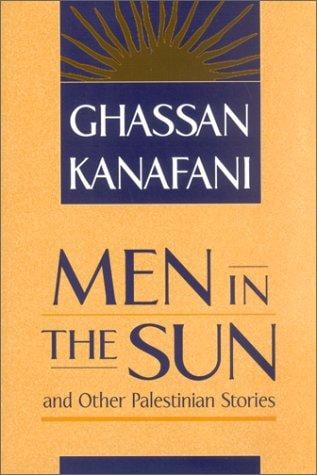
No. 33 on this list. Men in the Sun
Ghassan Kanafani · 1963
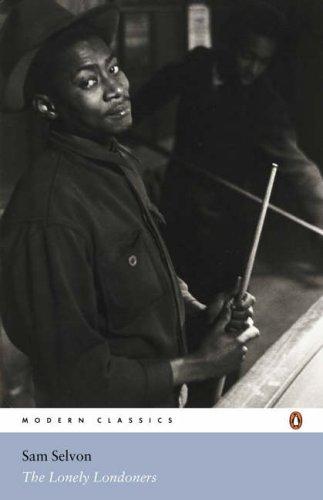
No. 34 on this list. The Lonely Londoners
Sam Selvon · 1956
Taught in schools: Pearson Edexcel GCSE and A-level English Literature (UK)
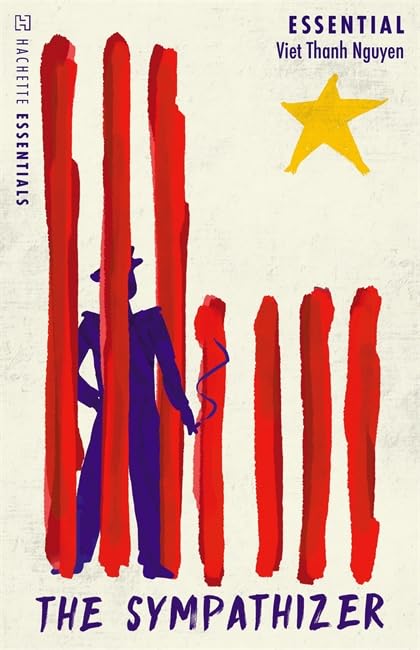
No. 35 on this list. The Sympathizer
Viet Thanh Nguyen · 2015
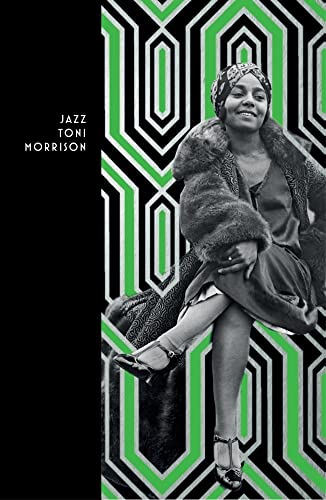
No. 36 on this list. Jazz
Toni Morrison · 1992
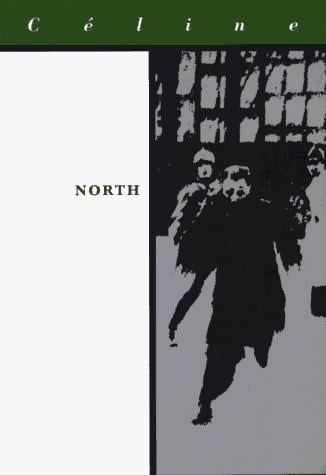
No. 37 on this list. North
Louis-Ferdinand Céline · 1972
No. 38 on this list. Return to Haifa
Ghassan Kanafani · 1969
Taught in schools: Moroccan secondary Arabic literature (Morocco)
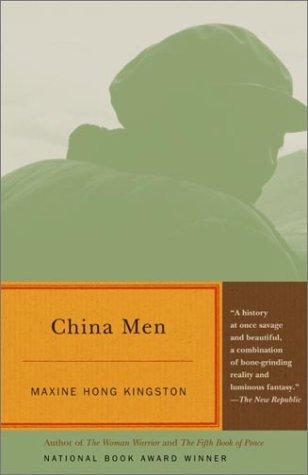
No. 39 on this list. China Men
Maxine Hong Kingston · 1980
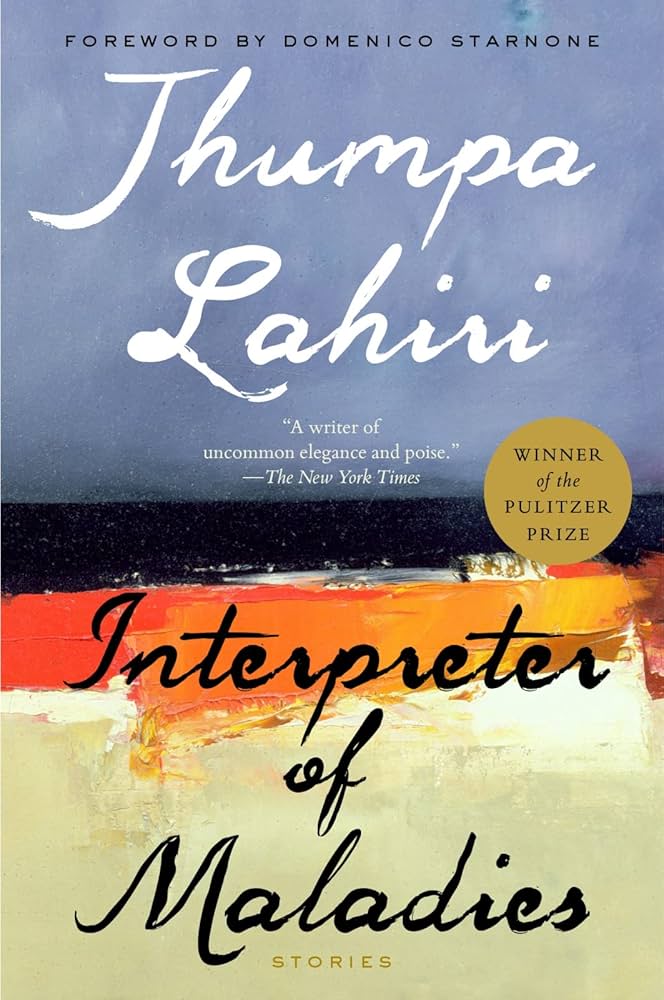
No. 40 on this list. Interpreter of Maladies
Jhumpa Lahiri · 2000
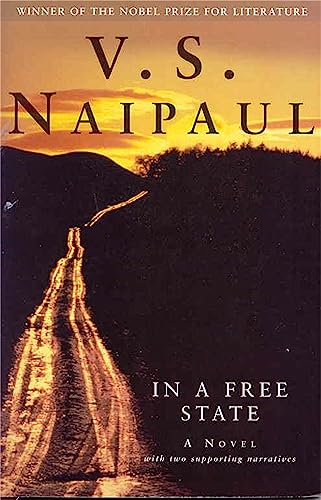
No. 41 on this list. In a Free State
V.S. Naipaul · 1971
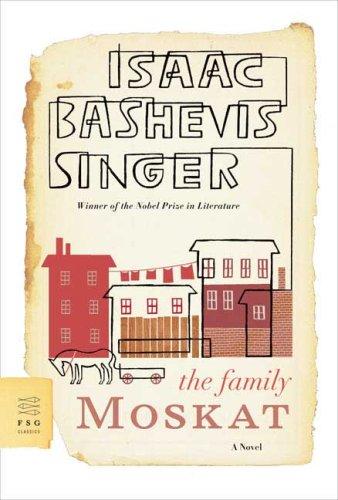
No. 42 on this list. The Family Moskat
Isaac Bashevis Singer · 1950
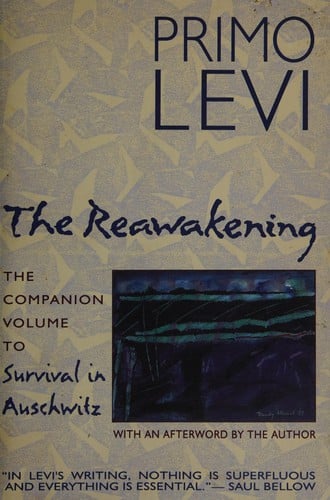
No. 43 on this list. The Truce
Primo Levi · 1963
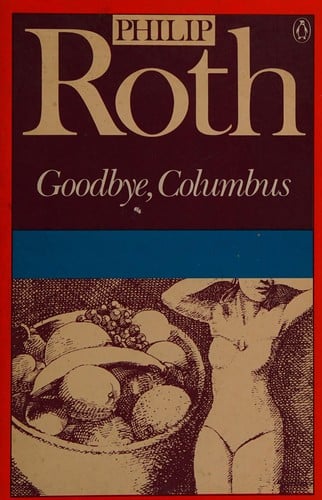
No. 44 on this list. Goodbye, Columbus
Philip Roth · 1960
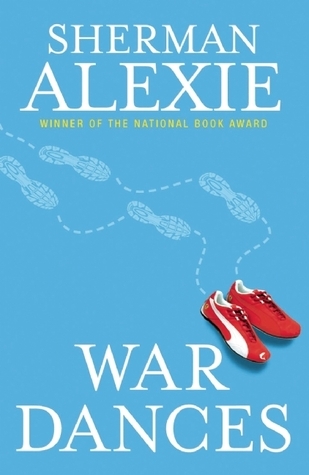
No. 45 on this list. War Dances
Sherman Alexie · 2010
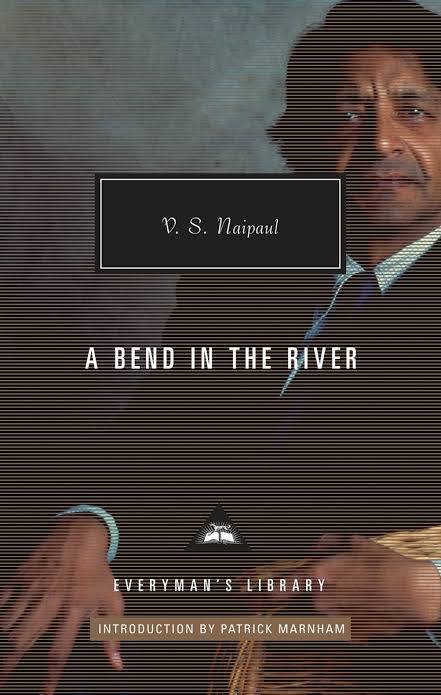
No. 46 on this list. A Bend in the River
V.S. Naipaul · 1979
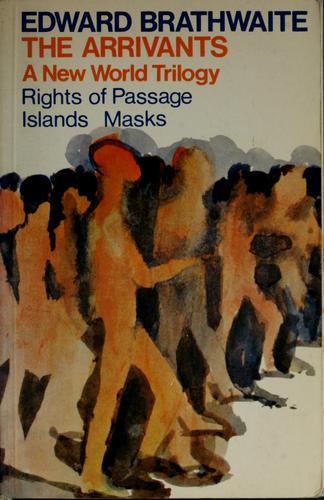
No. 47 on this list. The Arrivants
Kamau Brathwaite · 1973
Taught in schools: CSEC English B – Caribbean Examinations Council
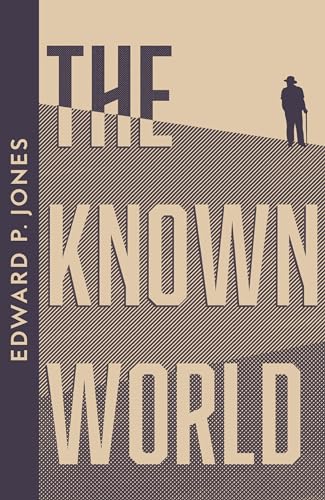
No. 48 on this list. The Known World
Edward P. Jones · 2004
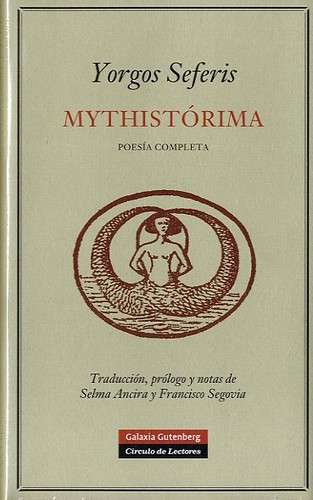
No. 49 on this list. Mythistorima
Giorgos Seferis · 1935
No. 50 on this list. Count Julian
Juan Goytisolo · 1970
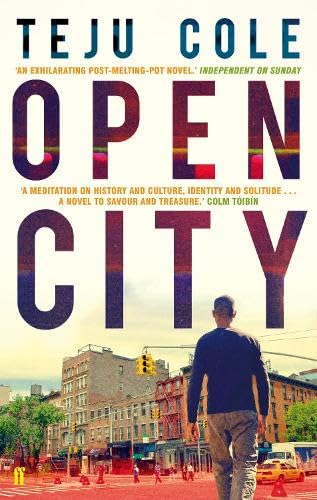
No. 51 on this list. Open City
Teju Cole · 2011
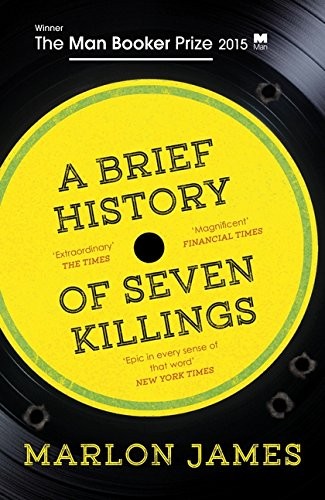
No. 52 on this list. A Brief History of Seven Killings
Marlon James · 2015
No. 53 on this list. Distant Star
Roberto Bolaño · 1996
Taught in schools: UNAM Escuela Nacional Preparatoria – programas de Literatura (Mexico)
No. 54 on this list. Дар
Vladimir Nabokov · 1938
No. 55 on this list. White Teeth
Zadie Smith · 2002
No. 56 on this list. Manhattan Transfer
John Dos Passos · 1925
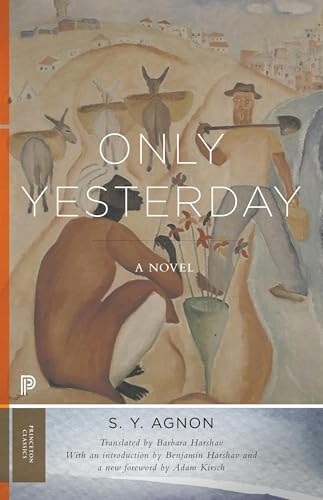
No. 57 on this list. Only Yesterday
Shmuel Yosef Agnon · 1945
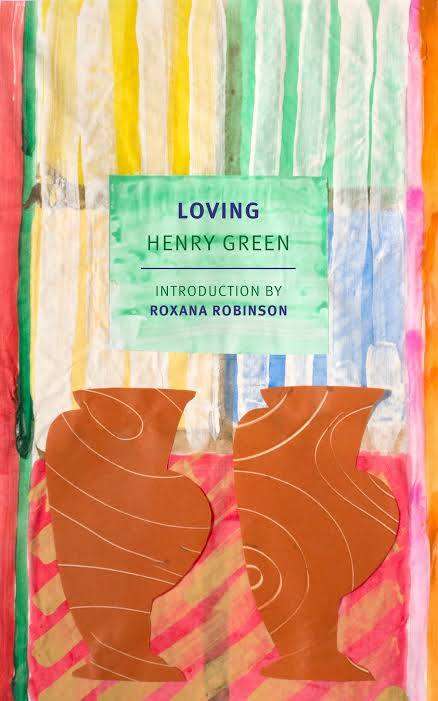
No. 58 on this list. Loving
Henry Green · 1945
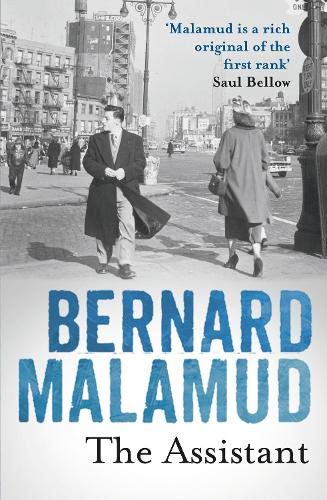
No. 59 on this list. The Assistant
Bernard Malamud · 1957
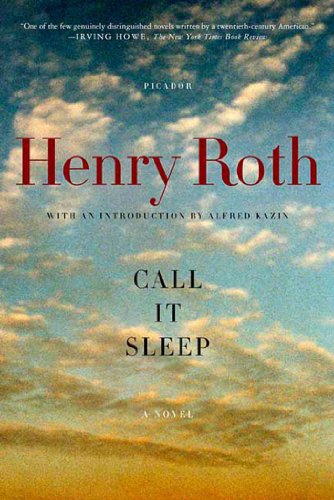
No. 60 on this list. Call It Sleep
Henry Roth · 1934
No. 61 on this list. Amerika
Franz Kafka · 1927
No. 62 on this list. The Jungle
Upton Sinclair · 1906
No. 63 on this list. Last Evenings on Earth
Roberto Bolaño · 2006
No. 64 on this list. Anil's Ghost
Michael Ondaatje · 2000
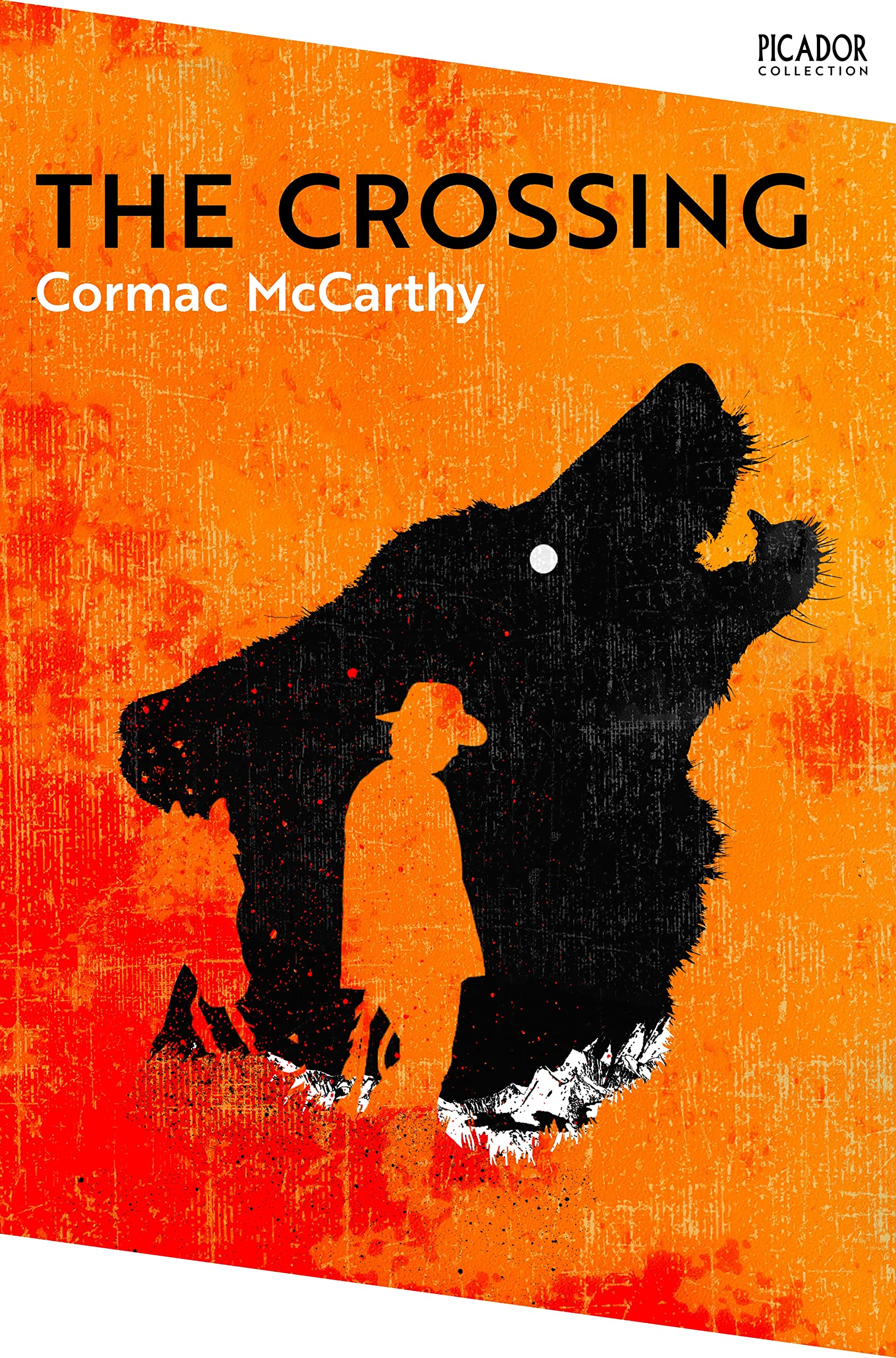
No. 65 on this list. The Crossing
Cormac McCarthy · 1994
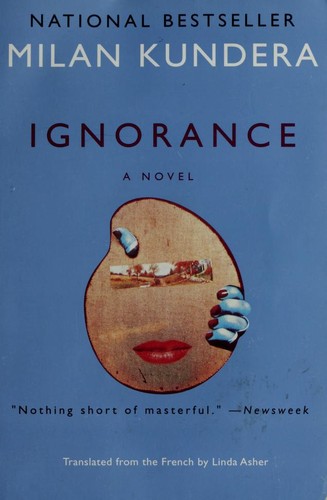
No. 66 on this list. Ignorance
Milan Kundera · 2000
No. 67 on this list. The Museum of Unconditional Surrender
Dubravka Ugrešić · 1997
No. 68 on this list. Trans-Atlantyk
Witold Gombrowicz · 1953
No. 69 on this list. Pas pleurer
Lydie Salvayre · 2014
No. 70 on this list. Breath, Eyes, Memory
Edwidge Danticat · 1994
No. 71 on this list. A Guest for the Night
Shmuel Yosef Agnon · 1939
No. 72 on this list. Three Strong Women
Marie NDiaye · 2009
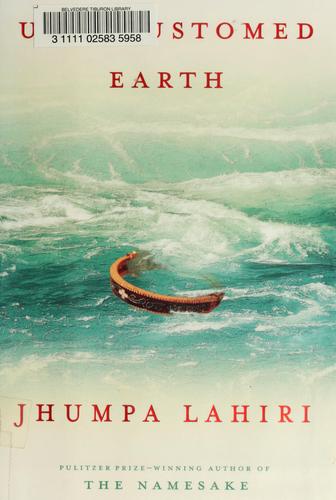
No. 73 on this list. Unaccustomed Earth
Jhumpa Lahiri · 2008
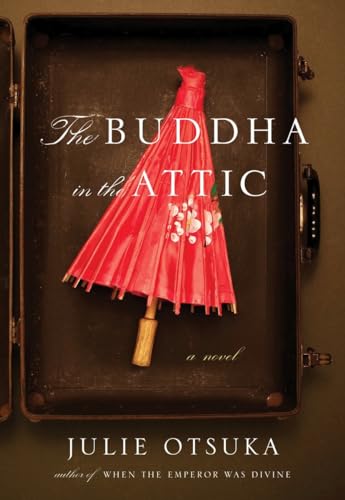
No. 74 on this list. The Buddha in the Attic
Julie Otsuka · 2012
No. 75 on this list. A Distant Shore
Caryl Phillips · 2003
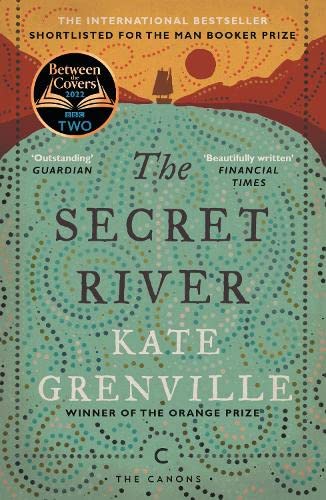
No. 76 on this list. The Secret River
Kate Grenville · 2006
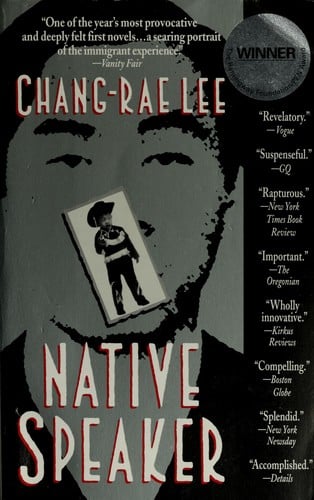
No. 77 on this list. Native Speaker
Chang-rae Lee · 1995
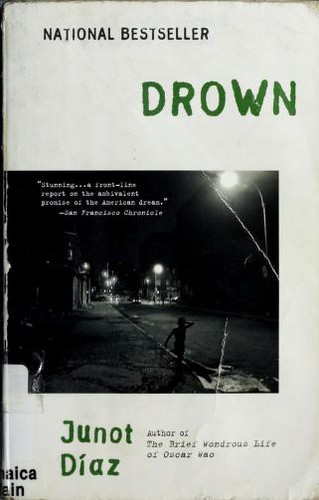
No. 78 on this list. Drown
Junot Diaz · 1996
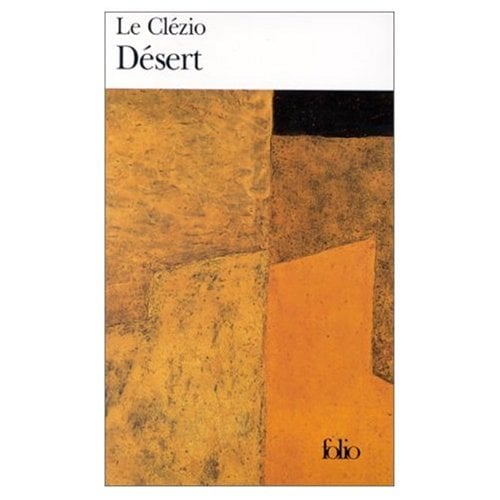
No. 79 on this list. Desert
J.M.G. Le Clézio · 1980
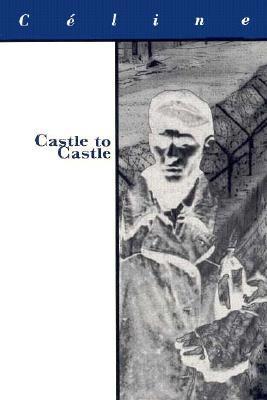
No. 80 on this list. Castle to Castle
Louis-Ferdinand Céline · 1957
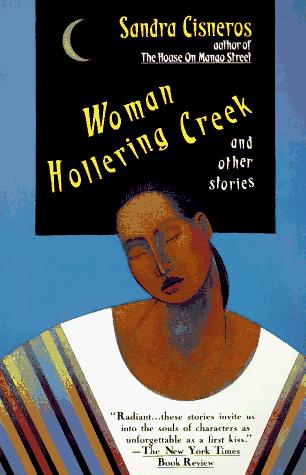
No. 81 on this list. Woman Hollering Creek and Other Stories
Sandra Cisneros · 1991
No. 82 on this list. NW
Zadie Smith · 2013
No. 83 on this list. The Joy Luck Club
Amy Tan · 1989
Taught in schools: Common Core text exemplars (Appendix B) (US)
No. 84 on this list. Desertion
Abdulrazak Gurnah · 2005
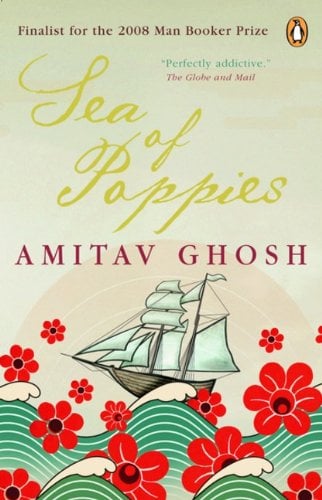
No. 85 on this list. Sea of Poppies
Amitav Ghosh · 2008
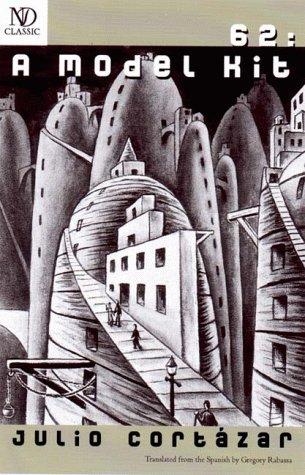
No. 86 on this list. 62: A Model Kit
Julio Cortázar · 1968
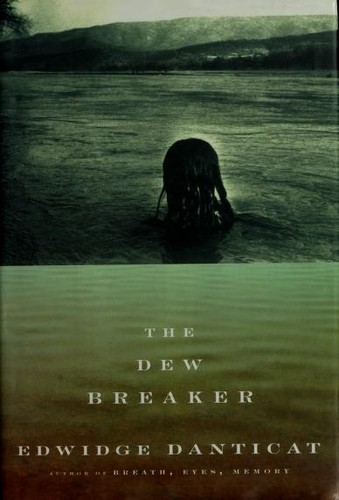
No. 87 on this list. The Dew Breaker
Edwidge Danticat · 2004
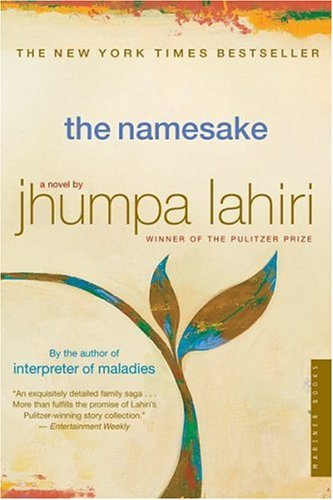
No. 88 on this list. The Namesake
Jhumpa Lahiri · 2004
Taught in schools: Common Core text exemplars (Appendix B) (US)
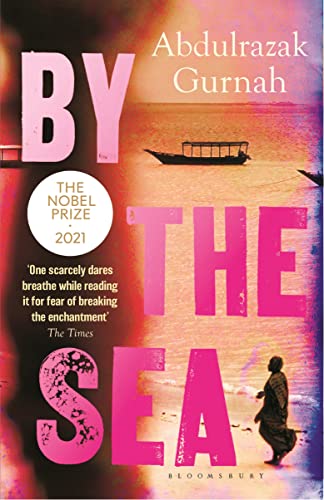
No. 89 on this list. By the Sea
Abdulrazak Gurnah · 2001
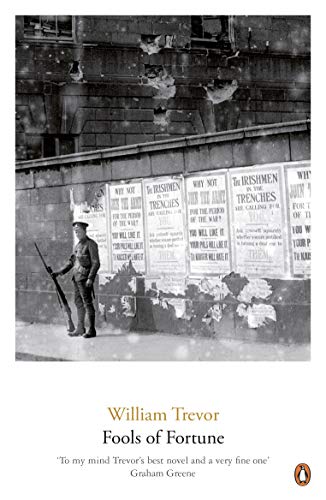
No. 90 on this list. Fools of Fortune
William Trevor · 1983
No. 91 on this list. Binti
Nnedi Okofor · 2015
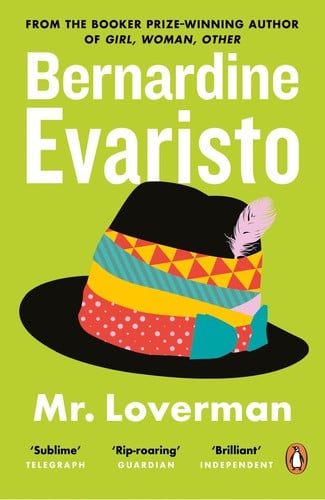
No. 92 on this list. Mr Loverman
Bernardine Evaristo · 2013
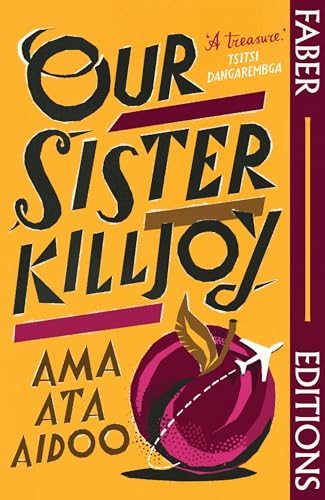
No. 93 on this list. Our Sister Killjoy
Ama Ata Aidoo · 1977
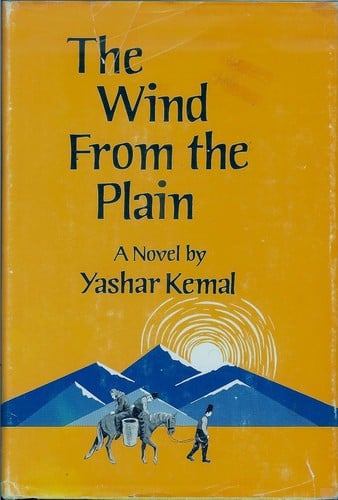
No. 94 on this list. The Wind from the Plain
Yasar Kemal · 1960
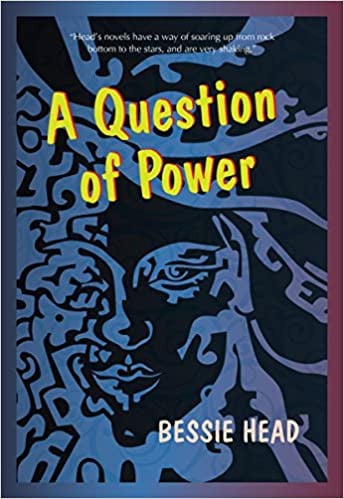
No. 95 on this list. A Question of Power
Bessie Head · 1974
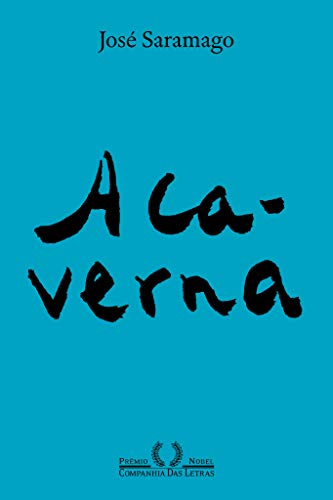
No. 96 on this list. The Cave
José Saramago · 2000
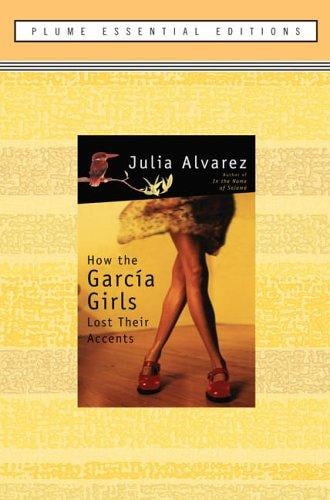
No. 97 on this list. How the Garcia Girls Lost Their Accents
Julia Alvarez · 1991
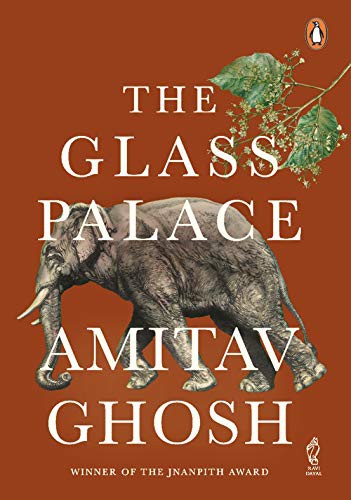
No. 98 on this list. The Glass Palace
Amitav Ghosh · 2000
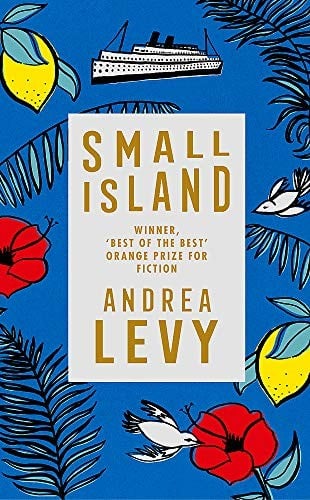
No. 99 on this list. Small Island
Andrea Levy · 2005
Taught in schools: AQA GCSE and A-level English Literature (UK)
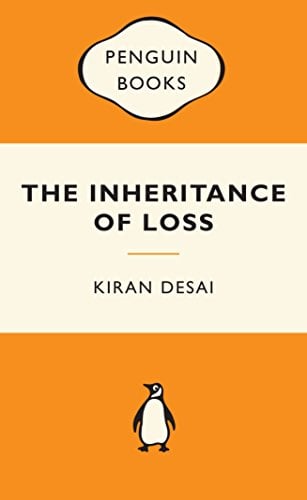
No. 100 on this list. The Inheritance of Loss
Kiran Desai · 2006
About this list
These 100 books are the highest-scoring eligible books about exile and displacement currently in the catalogue. About 849 hours of reading in all. Difficulty runs from 49 to 67 out of 100 for the middle half of the list; the summit is 62: A Model Kit at 87.
This list is ranked by literary regard, with a consistent order for equal scores. Membership follows authors and co-authors, not translators or editors. A book is here when ReadingRate files it under Exile & Displacement as one of its primary reading domains, at a confidence of 0.8 or more. Catalogue coverage and the historical canon both limit what this list can represent.
When we matched the Canons dataset to our catalogue in October 2026, our canonical-status scores rose with the number of school curricula, publisher series and lists in it that cite a work: the median score was 72 for books one such source cites, 84 at two, 88 at three, 92 at four and 93 at five or more. Prizes are left out of that count. Outside the state curricula, the dataset’s sources choose mostly from what has been translated into English or French, so it is a weaker check on other literatures. Source: Canons (Andrew Piper), CC BY 4.0
Questions people actually ask
- What are the best books about exile and displacement?
- By literary regard, which weighs canonical status, critical standing and influence: Eclogues by Virgil, As You Like It by William Shakespeare, A House for Mr. Biswas by V.S. Naipaul, Coriolanus by William Shakespeare and Collected Stories by William Faulkner. ReadingRate ranks 100 such books, each with a difficulty score and a reading-time estimate.
- Which books about exile and displacement should I read first?
- Start from difficulty, not from rank. The most approachable books on this list that still carry top literary regard are Persepolis by Marjane Satrapi (about 2.2 hours), Men in the Sun by Ghassan Kanafani and Borderlands/La Frontera: The New Mestiza by Gloria Anzaldua.
- What are the shortest of the best books about exile and displacement?
- Among the top 25, the shortest are A Part of Speech by Joseph Brodsky (about 17 min), Eclogues by Virgil (about 58 min) and As You Like It by William Shakespeare (about 1.6 hours), at an average pace of 250 words a minute adjusted for each book's difficulty.
- Which of the best books about exile and displacement are the established classics?
- By canonical status, how firmly a book sits in curricula, anthologies and the canon: Eclogues by Virgil, The Satanic Verses by Salman Rushdie, As You Like It by William Shakespeare, A House for Mr. Biswas by V.S. Naipaul and Collected Stories by William Faulkner.
- Can I read any of these books about exile and displacement for free?
- 7 of the 100 open in ReadingRate's reader with a free account, from public-domain editions: Eclogues, As You Like It, Coriolanus, Villette, Oedipus at Colonus and 2 more.
- How long would it take to read the top ten?
- About 92 hours, at an average pace of 250 words a minute adjusted for each book's difficulty: 46 days at two hours a day. Set your own pace on the page and the list's reading times change to it.
- How hard are books about exile and displacement to read?
- Most of this list sits between 49 and 67 on ReadingRate's 100-point difficulty scale, where 40 to 55 is moderate. The summit is 62: A Model Kit at 87. Every entry carries its own score, so a reader can pick a great book at a difficulty they will finish.
- How is this list ranked?
- On literary-regard data: how canonically established a work is, its critical standing, and its influence on later writing. It is not a readers’ poll, which is why recent bestsellers rarely appear. Membership follows authors and co-authors, not translators or editors. Lists by country, author, period, theme or difficulty keep to literature (fiction, poetry, drama and philosophy), their novels, poems and plays first and their philosophy after them; a list of a kind of book, such as memoir or criticism, keeps every book of that kind. Every list holds at most three works by one author. A book is here when ReadingRate files it under Exile & Displacement as one of its primary reading domains, at a confidence of 0.8 or more.