Hours at an average pace
Showing 100 books
About 1,703 hours for 99 of 100 books with measured lengths. Estimates use 250 words a minute, adjusted for each book's difficulty. At 2 hours a day, about 852 days for those books.
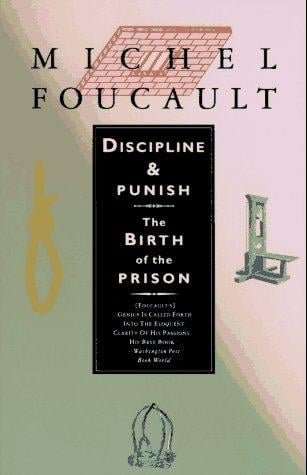
Discipline and Punish is required reading in sociology, criminology, philosophy, cultural studies, history, and literary theory courses worldwide. It appears on thousands of university syllabi across disciplines, making it comparable in canonical weight to the most taught works of 20th-century thought. It is considered foundational for understanding modern social institutions across every field of the humanities and social sciences.
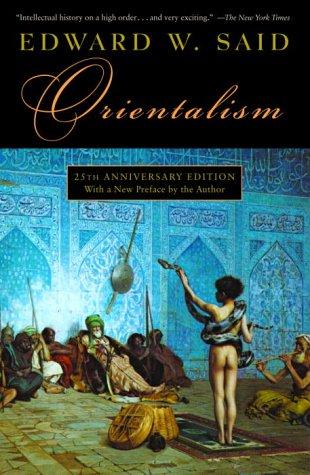
Orientalism is required reading in postcolonial studies, comparative literature, cultural studies, history, and Middle Eastern studies curricula worldwide. It appears on thousands of university syllabi across disciplines and is considered foundational to the field of postcolonial criticism. No academic in the humanities can avoid engagement with Said's argument, making it one of the most canonical critical texts of the late 20th century.
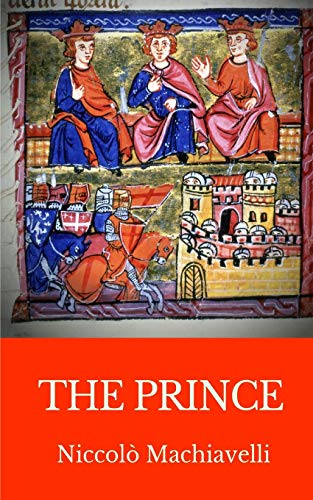
The Prince is required reading in political science, philosophy, history, and humanities curricula worldwide and is among the most widely assigned non-fiction texts in higher education. It appears on every syllabus for political philosophy and political theory, from introductory undergraduate courses to graduate seminars. Few texts of any era command this breadth of curricular presence.
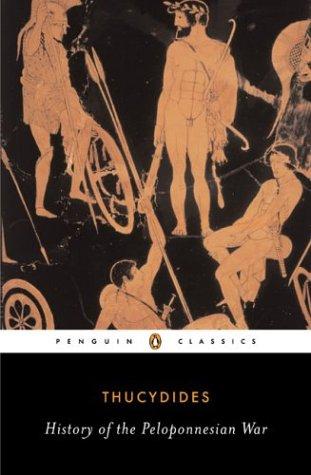
A foundation text of Western thought, assigned across classics, history, political science and international relations, and a fixture of Great Books programs. The U.S. Naval War College has built its strategy teaching around it since the 1970s.
No. 5 on this list. The History of Sexuality, Volume 1: An Introduction
Michel Foucault · 1976
Difficult7 hours
Required reading in virtually every university gender studies, cultural theory, sociology, and philosophy program in the Western world. No database syllabus data was retrieved, but this text is among the most universally assigned in humanities education globally, appearing on curricula alongside Derrida and Althusser as a foundational poststructuralist text. It is considered indispensable entry-level reading for anyone studying sexuality, power, or discourse.
No. 6 on this list. The Declaration of Independence / The Constitution of the United States
Founding Fathers · 1998
Moderate2 hours
The Declaration and the Constitution are taught in American schools from primary grades through law school and appear in civics and history courses everywhere. They are among the most reprinted and studied texts in the English-speaking world.
No. 7 on this list. Madness and Civilization: A History of Insanity in the Age of Reason
Michel Foucault · 1961
Difficult11 hours
Madness and Civilization is one of the most widely assigned texts in the humanities, appearing on syllabi in philosophy, history, sociology, psychology, and cultural studies departments worldwide. It is a foundational text of post-structuralism and critical theory, and its presence in university curricula has been continuous since the 1960s. It is routinely listed among the most important nonfiction works of the twentieth century.
The foundation of Chinese historiography, required in Chinese secondary education and standard in world-history and classical-literature curricula.
The foundational text of American constitutional theory, cited by the Supreme Court.
No. 10 on this list. City of God
Augustine of Hippo · 426
Challenging40 hours
Included in: Great Books of the Western World
City of God is foundational to Western civilization, taught in every university theology, philosophy, and medieval studies program globally. It appears on syllabi across disciplines—history, political theory, religious studies, philosophy—and has been continuously in print and in commentary since the 5th century. The Wikipedia data showing only 5 languages likely reflects a disambiguation page rather than the work's actual encyclopedic presence.
No. 11 on this list. The Decline and Fall of the Roman Empire · Edward Gibbon · 1776
Published in six volumes between 1776 and 1789, it has stayed in print ever since and is a set text in courses on historiography, the Enlightenment and English prose. It appears on every major list of essential works of history in English.
Moderate75 hours
Read nowNo. 12 on this list. The Protestant Ethic and the Spirit of Capitalism · Max Weber · 1905
One of the founding texts of sociology, taught in introductory and theory courses alongside Marx and Durkheim and assigned across history, economics and religious studies. It ranked fourth in the International Sociological Association's 1998 poll of the books of the century.
Challenging16 hours
Read nowNo. 13 on this list. The Souls of Black Folk · W. E. B. Du Bois · 1903
Required reading in American universities across sociology, African American studies, history, and literature departments, appearing on more syllabi than almost any other work of American nonfiction. Continuously in print since 1903, it appears on virtually every list of essential American books and is considered foundational to American intellectual history.
Challenging6.3 hours
Read nowNo. 14 on this list. Discourses on Livy · Niccolò Machiavelli · 1531
Niccolò Machiavelli spent the last decade of his life under house arrest, banned from Florence's political world, and wrote the Discourses on Livy as a systematic attempt to teach what he could no longer practice. Working through Titus Livy's history of Rome book by book, Machiavelli extracts from each episode a principle of republican governance — how to found a city, sustain a republic, manage armies, treat conquered peoples, handle conspiracies, and survive the inevitable corruption of institutions. The argument runs to 142 chapters across three books, each one a small essay: he states a thesis, marshals Roman examples, and delivers a verdict. Machiavelli's Rome is not an idealized past but a working laboratory. When he recommends that a new republic must sometimes execute its founding families, or that a prince should appear virtuous rather than be virtuous, he is not being provocative — he is being precise. The Discourses is the longer and more theoretically ambitious of his two major works, and the one where his commitment to republican liberty is explicit rather than implied. Readers accustomed to political philosophy as abstract theory will find this text unusual: it thinks in cases, in generals, in the specific behavior of specific tribunes during specific sieges. The Victorian translation adds a layer of archaic syntax to the Renaissance argument. What emerges is a political science conducted before the term existed — unsentimental, empirical, and still asking questions no subsequent political thinker has fully answered.
Moderate8.3 hours
Read nowNo. 15 on this list. The Arcades Project · Walter Benjamin
The Arcades Project is required reading in virtually every critical theory, cultural studies, and German Studies graduate program worldwide. Benjamin's concepts — the dialectical image, the flâneur, the wish-image, Jetztzeit — have become foundational vocabulary in the humanities. The book anchors syllabi in fields as disparate as architecture, urban studies, film theory, and literary criticism, making it one of the most cross-disciplinary canonical texts of the 20th century.
Very Difficult84 hours
Start this bookNo. 16 on this list. The United States Constitution · Founding Fathers · 2011
The Constitution is the founding document of the United States and is taught at every level of American education, in history, civics, law and political theory. It is among the most widely taught texts in the world, though this particular free edition is just one copy of it.
Moderate1.6 hours
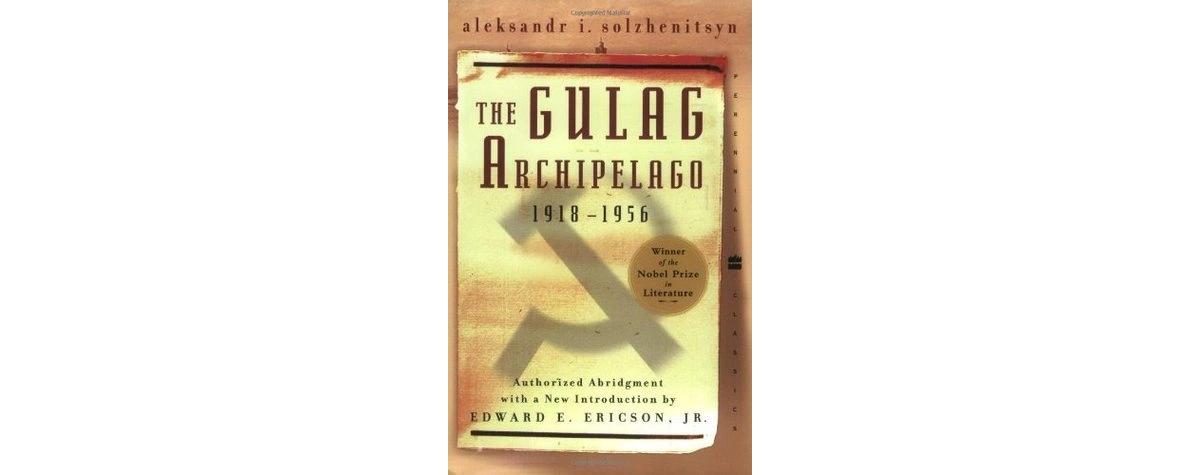
Start this bookNo. 17 on this list. The Gulag Archipelago · Aleksandr Solzhenitsyn · 1973
Solzhenitsyn documented the Soviet forced-labor system with the evidentiary mass of a prosecutor and the moral witness of a survivor, compiling testimony from over two hundred prisoners into a work that made the word "gulag" part of every language. The book did more to delegitimize the Soviet state than any political movement of its era.
Challenging
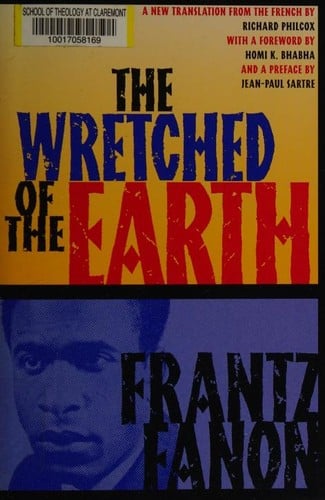
Start this bookNo. 18 on this list. The Wretched of the Earth · Frantz Fanon · 1961
The Wretched of the Earth appears on syllabi in postcolonial studies, African studies, political philosophy, sociology, and literary theory programs worldwide — among the most-assigned theoretical texts of the 20th century. Its Wikipedia article exists in over 40 languages. It is routinely listed alongside Fanon's Black Skin, White Masks as required reading for anyone working in fields touching on race, colonialism, or global politics.
Challenging7.7 hours
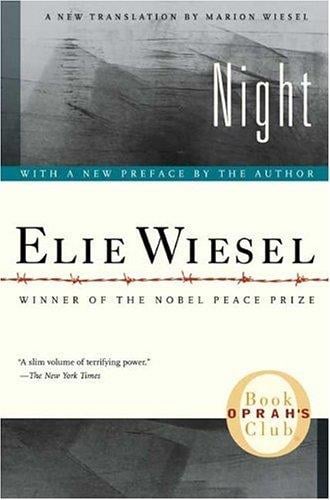
Start this bookNo. 19 on this list. Night · Elie Wiesel · 1960
Required reading in most American and European secondary schools and universities, taught in Holocaust studies, World Literature, and human rights courses worldwide. One of the most assigned memoirs of the 20th century, with Wikipedia coverage in over 80 languages. No major literary prize database entry was found, but its curriculum presence is among the highest of any memoir in the Western canon.
Moderate2.6 hours
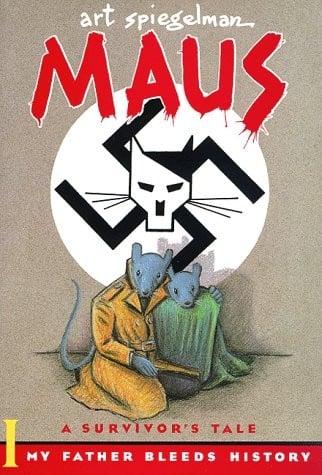
Start this bookNo. 20 on this list. Maus I: A Survivor's Tale: My Father Bleeds History · Art Spiegelman · 1991
Maus is widely taught in schools and universities as a central Holocaust text and as the key work of the graphic novel, and it won a Pulitzer Prize special award in 1992 for the combined work. It is now standard in comics studies and memory studies.
Easy2.2 hours
Start this book
No. 21 on this list. The Origins of Totalitarianism · Hannah Arendt · 1951
One of the most influential works of political philosophy of the twentieth century, required reading in political science, philosophy, and history curricula worldwide. Central to understanding modern political thought.
Challenging28 hours
Start this bookNo. 22 on this list. Parallel Lives · Plutarch · 100
Parallel Lives is among the most foundational texts of Western classical education, central to curricula in classics, ancient history, philosophy, and political thought for over two millennia. Shakespeare drew directly on it for Julius Caesar, Antony and Cleopatra, Coriolanus, and Timon of Athens; Montaigne read it constantly; Rousseau credited it with forming his character. Wikipedia articles exist in 37 languages, reflecting its global recognition as a canonical text of antiquity.
Moderate47 hours
Start this bookNo. 23 on this list. The Old Man and the Sea · Ernest Hemingway · 1953
Taught in schools: Kazakh literature curriculum (Kazakhstan)
Included in: Bokklubben World Library
Hemingway reduced fiction to one old man, one marlin, and the Gulf Stream, and proved that a story stripped to its barest elements could carry the weight of a parable about endurance, craft, and the dignity of losing. The novella's final image — the skeleton of the great fish picked clean at the dock — is among the most perfectly earned symbols in American literature.
Moderate1.7 hours
Start this bookNo. 24 on this list. The Story of Art · E.H. Gombrich · 1950
One of the most assigned art history textbooks globally, continuously in print since 1950 and translated into more than 30 languages. A fixture in introductory art history courses at universities worldwide, it has sold millions of copies and remains the default entry point for the discipline.
Easy8.6 hours
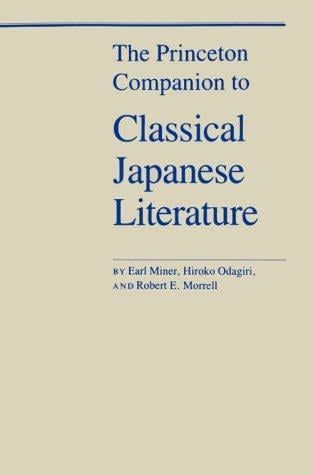
Start this bookNo. 25 on this list. The Princeton Companion to Classical Japanese Literature · Earl Miner · 1985
The standard English-language reference for classical Japanese literature; no comparable work has appeared since publication.
Challenging18 hours
Start this bookNo. 26 on this list. The American Renaissance: Art and Expression in the Age of Emerson and Whitman · F.O. Matthiessen · 1941
American Renaissance is credited with naming and founding the field — the 1850-55 period is still called 'the American Renaissance' because of this book, and it remains standard graduate reading in American literature and American Studies programs. It sits alongside Edmund Wilson's Patriotic Gore as one of the two or three books that created the discipline it now anchors.
Challenging21 hours
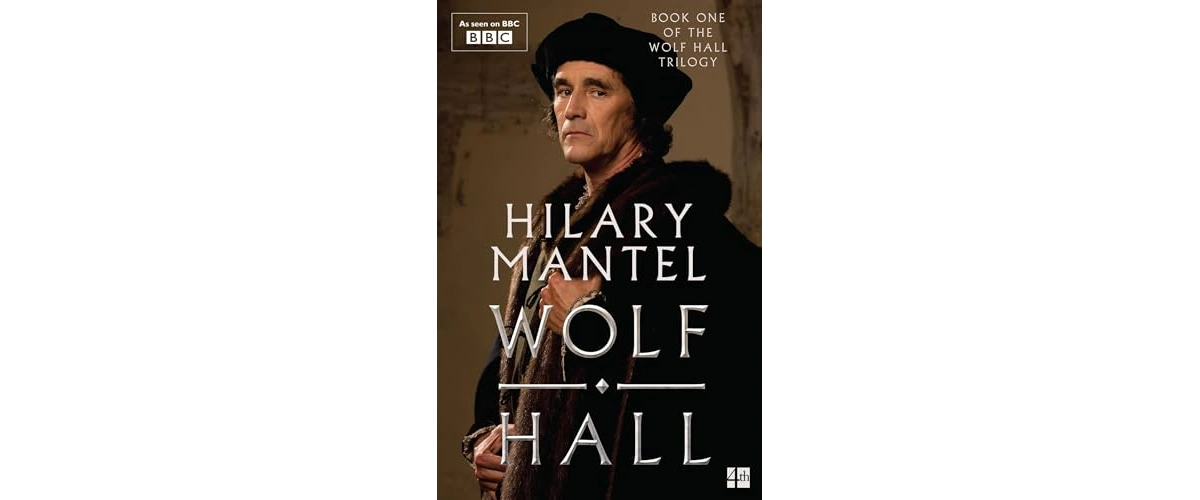
Start this bookNo. 27 on this list. Wolf Hall · Hilary Mantel · 2009
The historical novel that changed the genre's literary status. Thomas Cromwell's rise, rendered in present tense and close third person, made Tudor politics feel immediate. Core text in contemporary fiction and historical fiction courses.
Challenging18 hours
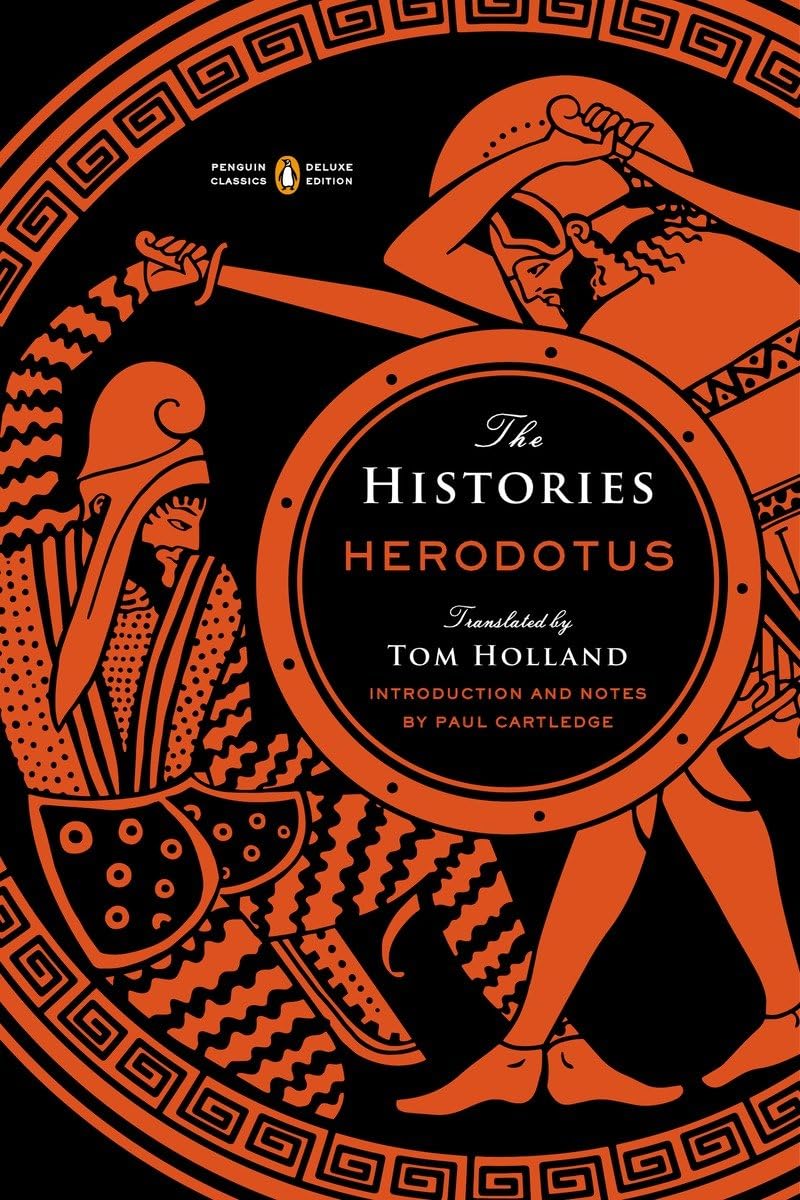
Start this bookNo. 28 on this list. The Histories · Herodotus · c. 430 BCE
Herodotus traveled from Egypt to Scythia, interviewed locals, and wrote down everything—the Persian Wars, the customs of distant peoples, talking foxes, flying snakes—inventing both history and ethnography in a single narrative. Cicero called him the father of history; the label has never been seriously challenged.
Moderate22 hours
Read nowNo. 29 on this list. The Complete Maus · Art Spiegelman · 2003
Widely taught in universities and high schools as the defining Holocaust graphic memoir, Maus appears on hundreds of literature and history syllabi worldwide. It is listed on virtually every major 'essential reading' and 'greatest books' compilation that includes graphic literature, from the Modern Library to Time's All-TIME 100 Novels. While not on syllabi at the scale of Fitzgerald or Austen, it holds unique canonical status as the book that forced academia to take comics seriously.
Challenging2.8 hours
Start this bookNo. 30 on this list. The Lives of the Artists · Giorgio Vasari · 1550
Required reading in virtually every art history curriculum worldwide, from introductory surveys to graduate seminars. Vasari's Lives appears on syllabi for Renaissance studies, Western civilization, and art historiography courses across Europe and North America. It is the foundational text of the discipline — no course on Italian Renaissance art omits it.
Easy17 hours
Start this book
No. 31 on this list. Argonauts of the Western Pacific
Bronisław Malinowski · 1922
No. 32 on this list. Hiroshima
John Hersey · 1946
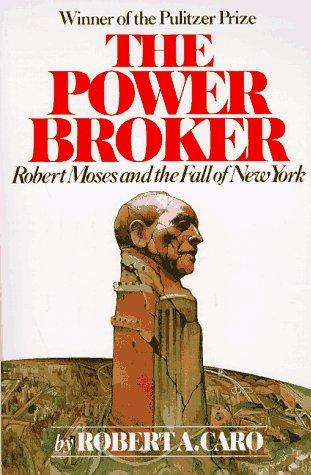
No. 33 on this list. The Power Broker
Robert A. Caro · 1974
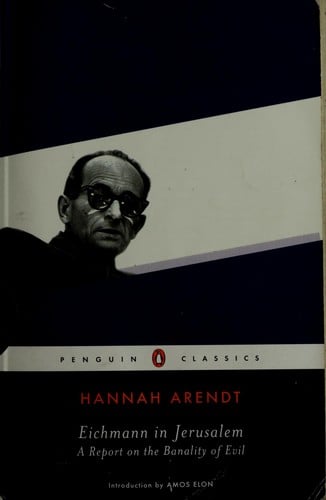
No. 34 on this list. Eichmann in Jerusalem
Hannah Arendt · 1963
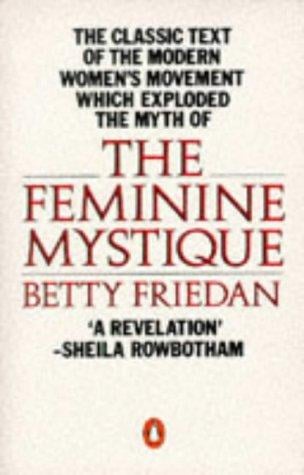
No. 35 on this list. The Feminine Mystique
Betty Friedan · 1963
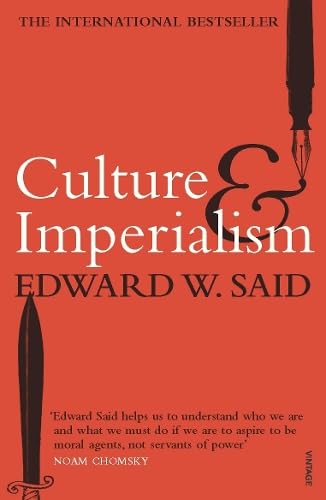
No. 36 on this list. Culture and Imperialism
Edward Said · 1993
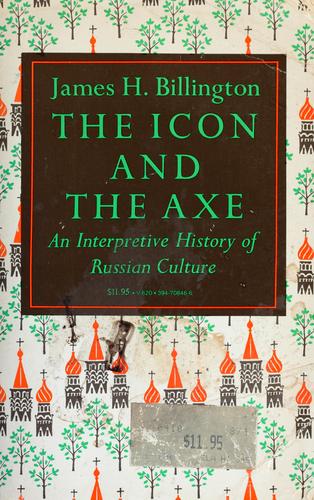
No. 37 on this list. The Icon and the Axe: An Interpretive History of Russian Culture
James Billington · 1966
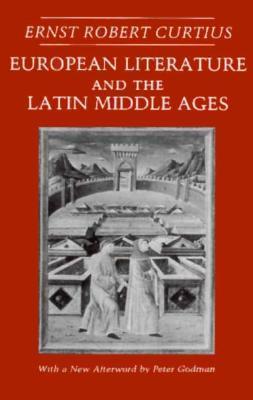
No. 38 on this list. European Literature and the Latin Middle Ages
Ernst Robert Curtius · 1948
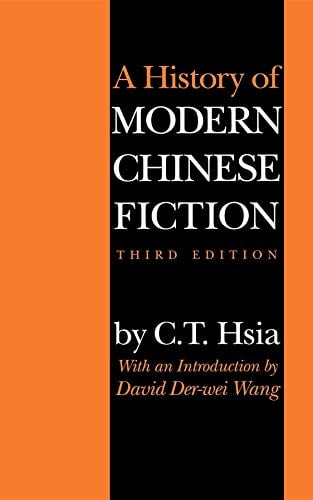
No. 39 on this list. A History of Modern Chinese Fiction
C. T. Hsia · 1961
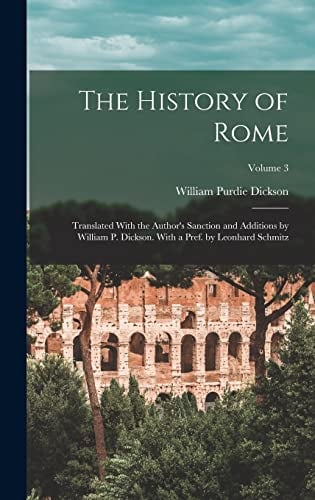
No. 40 on this list. The History of Rome
Theodor Mommsen · 1902
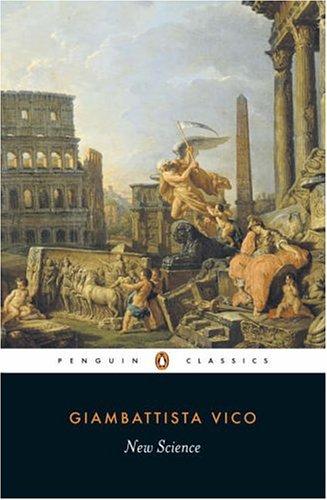
No. 41 on this list. New Science
Giambattista Vico · 1725
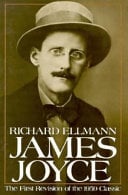
No. 42 on this list. James Joyce
Richard Ellmann · 1959
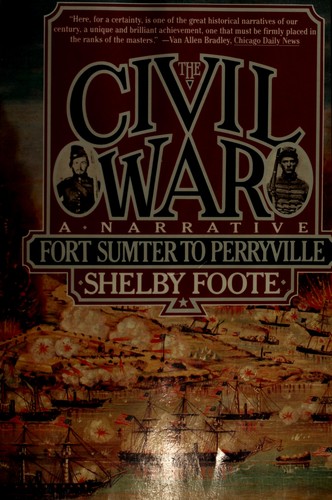
No. 43 on this list. The Civil War: A Narrative, Volume 1
Shelby Foote · 1958
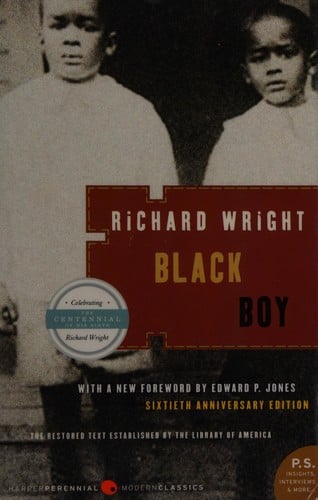
No. 44 on this list. Black Boy
Richard Wright · 1945
No. 45 on this list. The Road to Serfdom
Friedrich Hayek · 1944
No. 46 on this list. Black Reconstruction in America
W. E. B. Du Bois · 1935
No. 47 on this list. The Open Society and Its Enemies
Karl Popper · 1945
No. 48 on this list. Ain't I a Woman
bell hooks · 1981
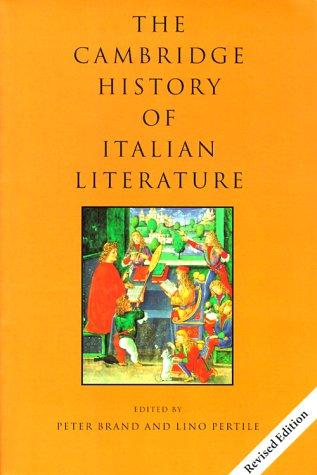
No. 49 on this list. The Cambridge History of Italian Literature
Peter Brand · 1996
No. 50 on this list. A History of Korean Literature
Peter H. Lee · 2003
No. 51 on this list. Women, Race & Class
Angela Davis · 1981
No. 52 on this list. Homage to Catalonia
George Orwell · 1938
No. 53 on this list. The Cambridge History of Russian Literature
Charles Moser · 1989
No. 54 on this list. Postwar
Tony Judt · 2005
No. 55 on this list. The Great Age of Chinese Poetry: The High T'ang
Stephen Owen · 1981
No. 56 on this list. Guns, Germs, and Steel
Jared Diamond · 1997
No. 57 on this list. The Sutra of Princess Pari: A Study of the Korean Shamanist Epic
Gi-Wook Shin · 1999
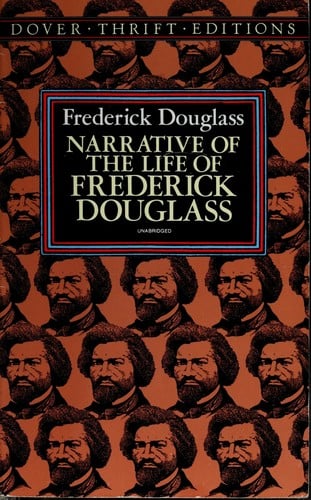
No. 58 on this list. Narrative of the Life of Frederick Douglass
Frederick Douglass · 1845
No. 59 on this list. The Discovery of India
Jawaharlal Nehru · 1946
No. 60 on this list. An Introduction to Spanish-American Literature
Jean Franco · 1969
No. 61 on this list. The Muqaddimah
Ibn Khaldun · 1377
Included in: UNESCO Collection of Representative Works
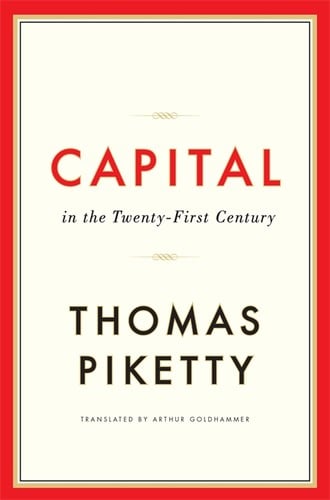
No. 62 on this list. Capital in the Twenty-First Century
Thomas Piketty · 2013
No. 63 on this list. A History of Modern Japanese Literature
Yoshida Seiichi · 1985
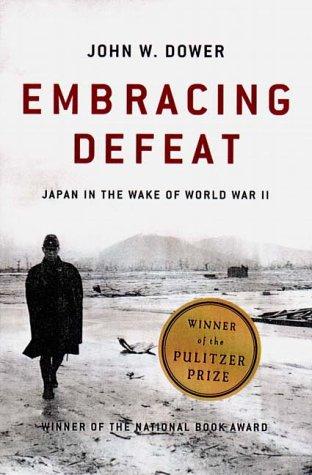
No. 64 on this list. Embracing Defeat
John W. Dower · 1999
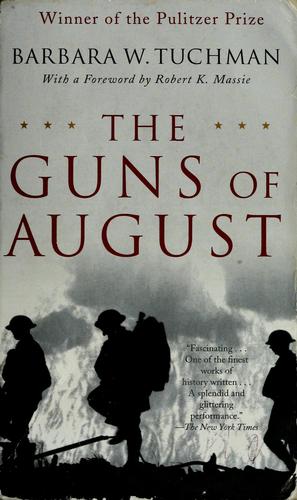
No. 65 on this list. The Guns of August
Barbara W. Tuchman · 1962
No. 66 on this list. The Right Stuff
Tom Wolfe · 1979
No. 67 on this list. The Cambridge History of Spanish Literature
David Thatcher Gies · 2004
No. 68 on this list. The Masters and the Slaves: A Study in the Development of Brazilian Civilization
Gilberto Freyre · 1933
No. 69 on this list. The Travels of Marco Polo
Marco Polo · 1300
No. 70 on this list. Alexander Hamilton
Ron Chernow · 2004
No. 71 on this list. The Path To Power
Robert A. Caro · 1982
No. 72 on this list. The Mismeasure of Man
Stephen Jay Gould · 1981
No. 73 on this list. The Literature of the Sagas
W. P. Ker · 1930
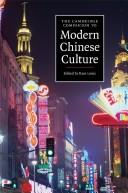
No. 74 on this list. The Cambridge Companion to Modern Japanese Literature
Dennis Washburn · 2010
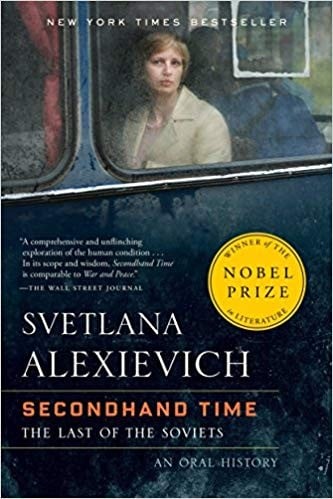
No. 75 on this list. Secondhand Time
Svetlana Alexievich · 2013
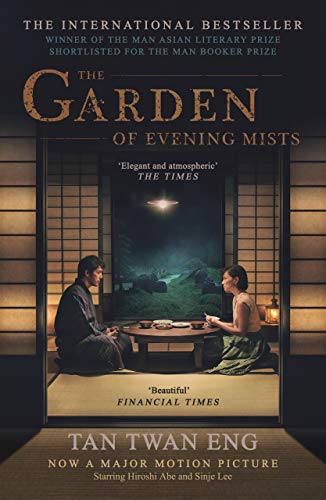
No. 76 on this list. The Garden of Evening Mists
Tan Twan Eng · 2013
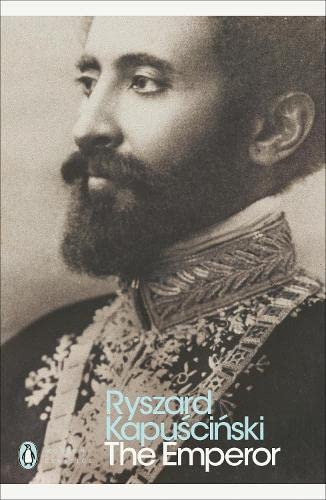
No. 77 on this list. The Emperor
Ryszard Kapuściński · 1978
No. 78 on this list. Incidents in the Life of a Slave Girl
Harriet Ann Jacobs · 1861
No. 79 on this list. The Warmth of Other Suns
Isabel Wilkerson · 2010
No. 80 on this list. The Stranger's Child
Alan Hollinghurst · 2011
No. 81 on this list. Seeing Like a State
James C. Scott · 1998
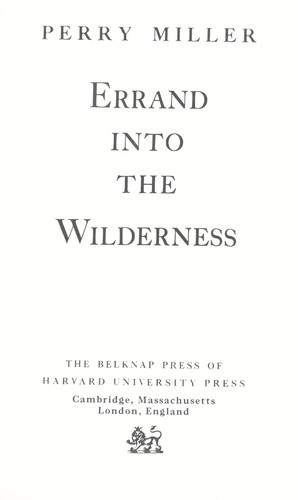
No. 82 on this list. Errand into the Wilderness
Perry Miller · 1956
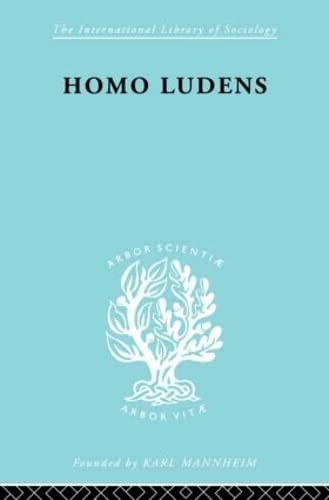
No. 83 on this list. Homo Ludens
Johan Huizinga · 1938
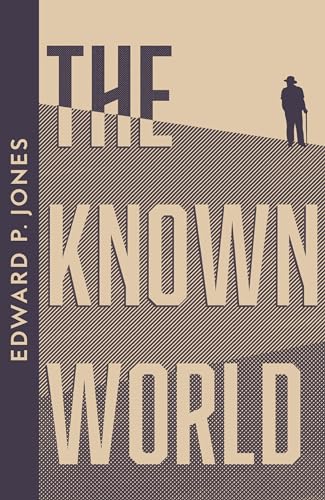
No. 84 on this list. The Known World
Edward P. Jones · 2004
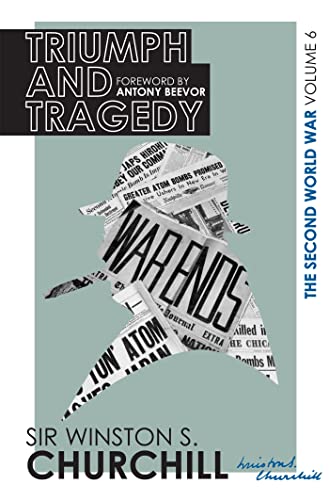
No. 85 on this list. The Second World War
Winston Churchill · 1948
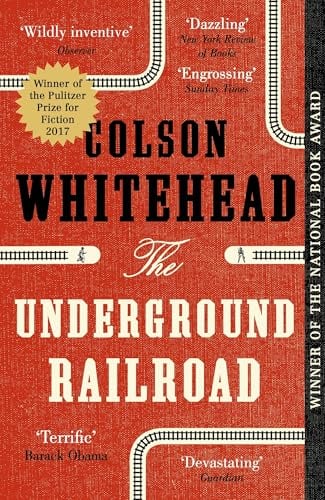
No. 86 on this list. The Underground Railroad
Colson Whitehead · 2016
Taught in schools: Leaving Certificate English – NCCA / State Examinations Commission (Ireland)
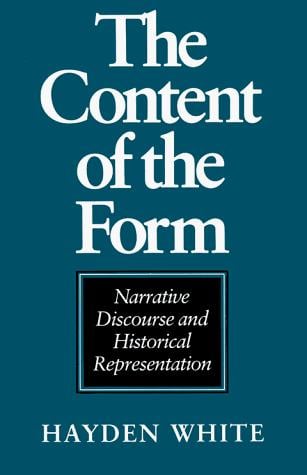
No. 87 on this list. The Content of the Form: Narrative Discourse and Historical Representation
Hayden White · 1987
No. 88 on this list. A History of Japanese Literature
Donald Keene · 1976
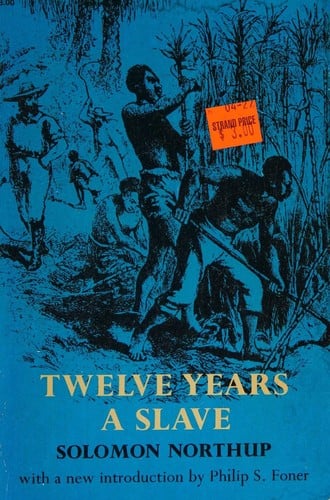
No. 89 on this list. Twelve Years a Slave
Solomon Northup · 1853
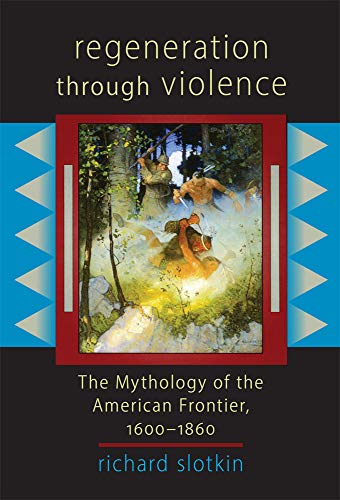
No. 90 on this list. Regeneration Through Violence: The Mythology of the American Frontier, 1600–1860
Richard Slotkin · 1973
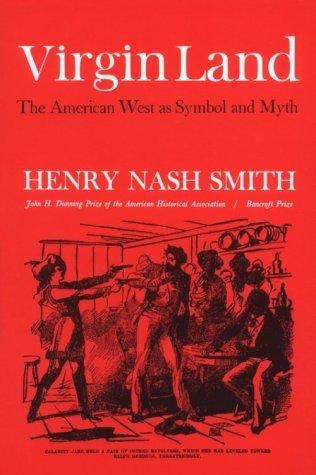
No. 91 on this list. Virgin Land: The American West as Symbol and Myth
Henry Nash Smith · 1950
No. 92 on this list. A History of Italian Literature
Ernest Hatch Wilkins · 1954
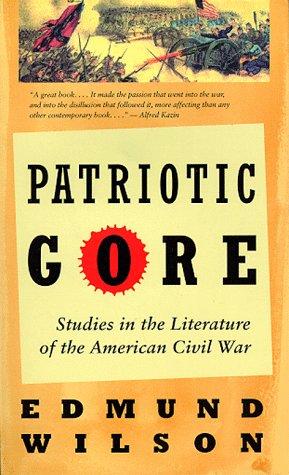
No. 93 on this list. Patriotic Gore: Studies in the Literature of the American Civil War
Edmund Wilson · 1962
No. 94 on this list. The Diary of Samuel Pepys
No. 95 on this list. Black Lamb and Grey Falcon
Rebecca West · 1941
No. 96 on this list. The Wounded Heart: Writing on Chosŏn-Era Korean Fiction
Michael D. Shin · 2010
No. 97 on this list. The Feminization of American Culture
Ann Douglas · 1977
No. 98 on this list. On the Natural History of Destruction
W.G. Sebald · 1999
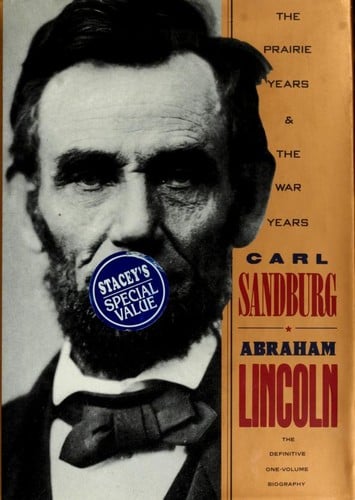
No. 99 on this list. Abraham Lincoln: The Prairie Years and the War Years
Carl Sandburg · 1899
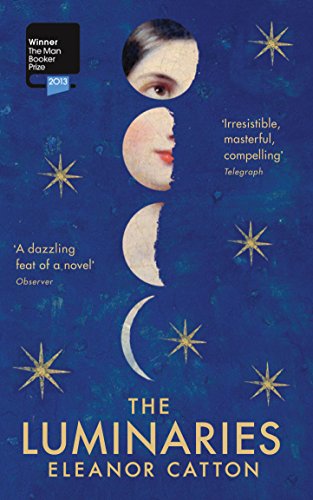
No. 100 on this list. The Luminaries
Eleanor Catton · 2013
About this list
These 100 books are the highest-scoring eligible history books currently in the catalogue. By literary regard, it opens with Discipline and Punish, Orientalism and The Prince. About 1,703 hours of reading in all, for the 99 with measured lengths. Difficulty runs from 41 to 62 out of 100 for the middle half of the list; the summit is The Arcades Project at 87.
This list is ranked by literary regard, with a consistent order for equal scores. Membership follows authors and co-authors, not translators or editors. Catalogue coverage and the historical canon both limit what this list can represent, and genre labels are the catalogue’s own, gathered into broader kinds.
When we matched the Canons dataset to our catalogue in October 2026, our canonical-status scores rose with the number of school curricula, publisher series and lists in it that cite a work: the median score was 72 for books one such source cites, 84 at two, 88 at three, 92 at four and 93 at five or more. Prizes are left out of that count. Outside the state curricula, the dataset’s sources choose mostly from what has been translated into English or French, so it is a weaker check on other literatures. Source: Canons (Andrew Piper), CC BY 4.0
Questions people actually ask
- What are the best history books?
- By literary regard, which weighs canonical status, critical standing and influence, Discipline and Punish, Orientalism, The Prince, The Peloponnesian War and The History of Sexuality, Volume 1: An Introduction lead. ReadingRate ranks 100 such books, each with a difficulty score and a reading-time estimate.
- Where should I start with history books?
- Start from difficulty, not from rank. The most approachable books on this list that still carry top literary regard are Narrative of the Life of Frederick Douglass by Frederick Douglass (about 2 hours), Maus I: A Survivor's Tale: My Father Bleeds History by Art Spiegelman and Ain't I a Woman by bell hooks.
- How hard are history books to read?
- Most of this list sits between 41 and 62 on ReadingRate's 100-point difficulty scale, where 40 to 55 is moderate. The summit is The Arcades Project at 87. Every entry carries its own score, so a reader can pick a great book at a difficulty they will finish.
- How is this list ranked?
- On literary-regard data: how canonically established a work is, its critical standing, and its influence on later writing. It is not a readers’ poll, which is why recent bestsellers rarely appear. Membership follows authors and co-authors, not translators or editors. A list that is not a genre list keeps to literature (fiction, poetry, drama and philosophy), with philosophy taking no more than one slot in five while there is literature left to rank; every list holds at most three works by one author.