Hours at an average pace
Showing 100 books
About 1,183 hours for 99 of 100 books with measured lengths. Estimates use 250 words a minute, adjusted for each book's difficulty. At 2 hours a day, about 592 days for those books.
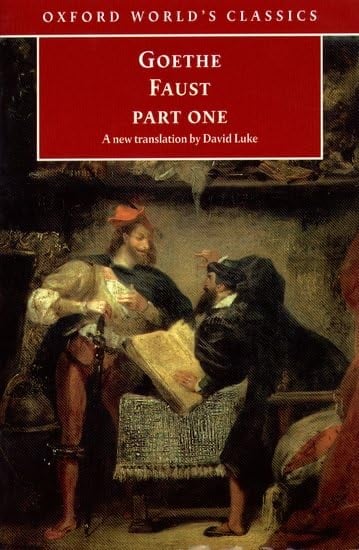
No. 1 on this list. Faust
Johann Wolfgang von Goethe · 1832
Challenging3.9 hours
Taught in schools: Turkish edebiyat curriculum (Turkey)
Included in: Bokklubben World Library, Great Books of the Western World
Goethe spent sixty years building a dramatic poem in which a scholar sells his soul not for pleasure but for the experience of a moment worth stopping time for. The work became the central myth of modernity: the idea that striving itself, not arrival, is what redeems a human life.
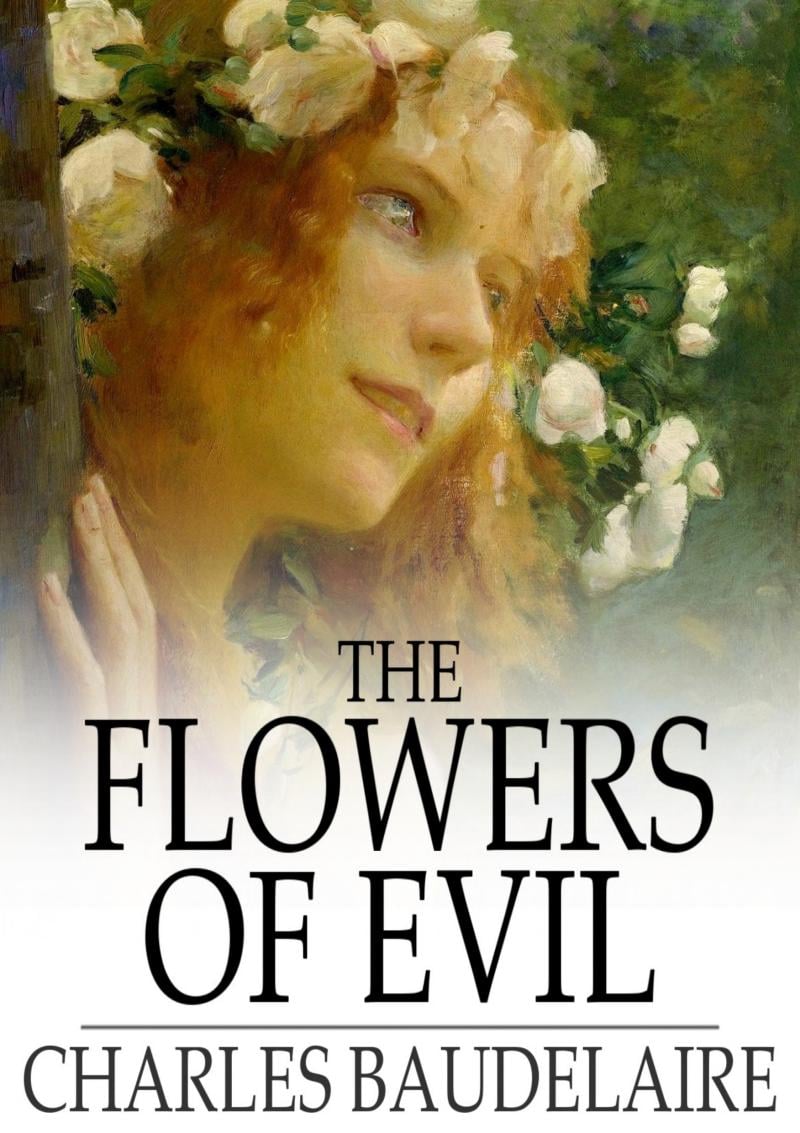
Les Fleurs du mal is a foundation of modern poetry, taught across French literature, comparative literature and poetry courses worldwide. Its 1857 obscenity trial is part of literary history.
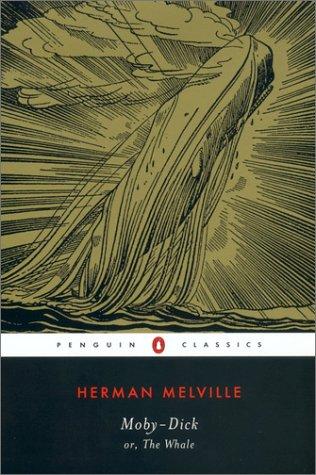
Moby-Dick is a cornerstone of American literature courses and is regularly called the Great American Novel. It is taught in high schools, colleges and graduate seminars.
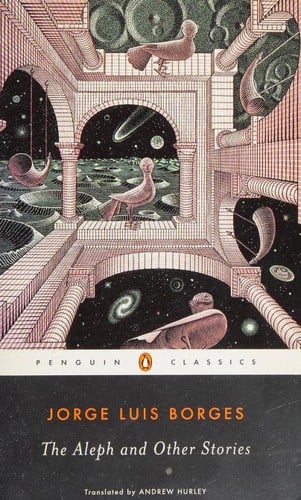
No. 4 on this list. The Aleph
Jorge Luis Borges · 1949
Difficult7.8 hours
Taught in schools: Literatura, Diseño Curricular – Provincia de Buenos Aires (Argentina), UNAM Escuela Nacional Preparatoria – programas de Literatura (Mexico)
Borges and his short fiction appear on university syllabi worldwide — in world literature, Latin American literature, postmodernism, and comparative literature courses. 'The Aleph,' 'The Circular Ruins,' and 'Death and the Compass' are among the most frequently anthologized stories in the Western canon. Though no formal syllabus count is available in the database, Borges is standard reading at virtually every English-language university.
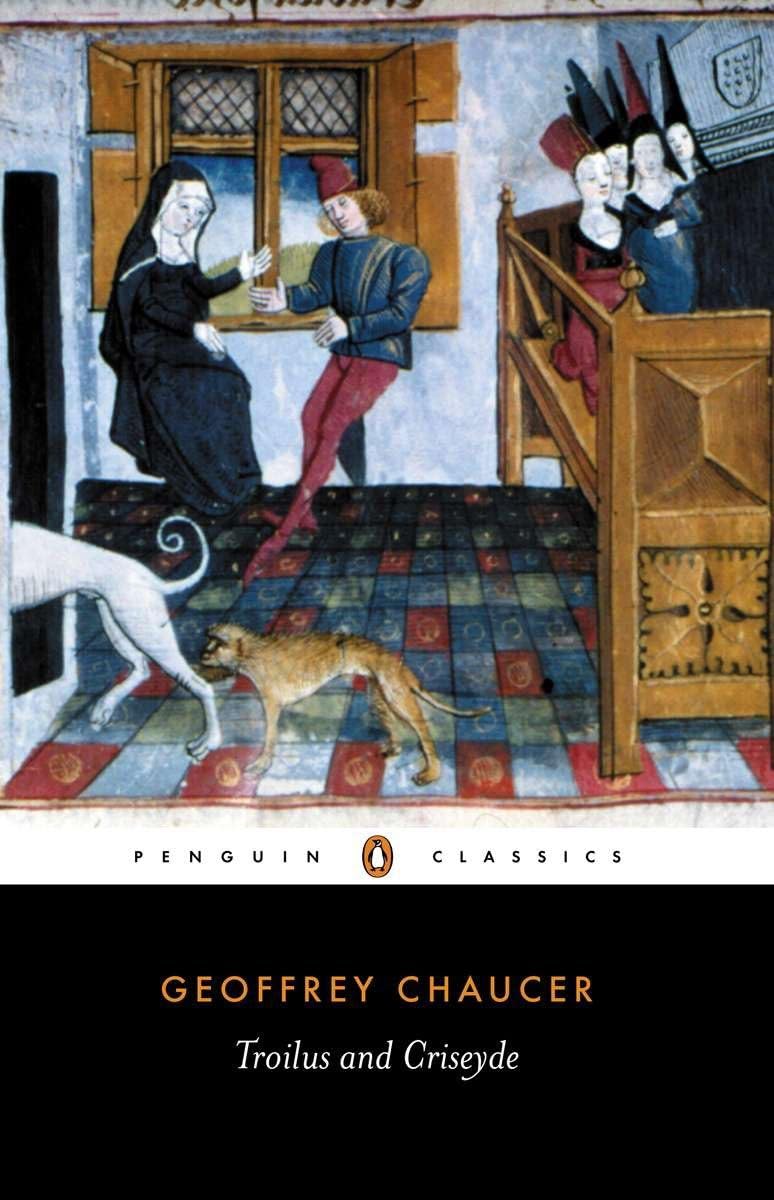
No. 5 on this list. Troilus and Criseyde
Geoffrey Chaucer · 1385
Difficult9.3 hours
Included in: Great Books of the Western World
Required reading in virtually every medieval English literature curriculum, taught across English, Comparative Literature, and Medieval Studies programs at universities worldwide. Though Open Syllabus data is unavailable here, Chaucer courses built around this text are standard at every major university with an English department. It holds a place among the most-studied long poems in the English language.
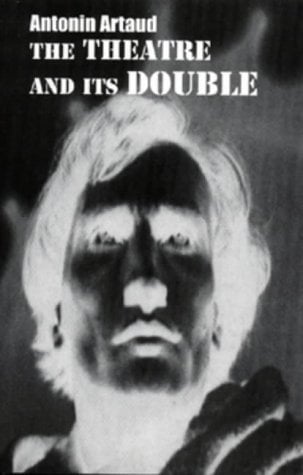
Listed among Le Monde's 100 Books of the Century (1999) and the Open Syllabus Top 500 in Literature, with Wikipedia presence in 10 languages. The Theatre and Its Double is essential reading in theatre studies programs worldwide. Published by NYRB Classics. Every contemporary theatre practitioner and scholar encounters Artaud's theories in courses on performance studies, avant-garde theatre, modernism, and cultural theory.
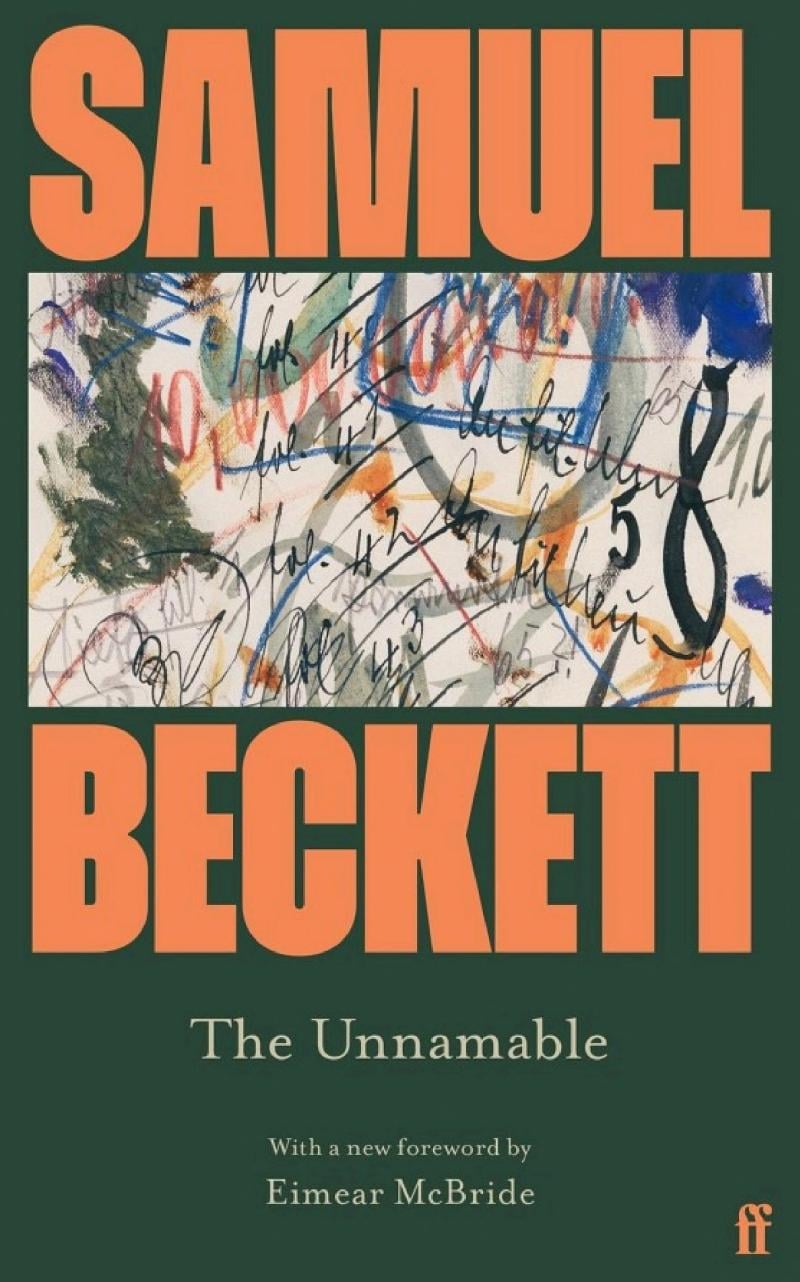
No. 7 on this list. The Unnamable
Samuel Beckett · 1953
Difficult27 hours
Included in: Bokklubben World Library
The Unnamable is taught in advanced modernism, postmodernism, and philosophy-of-language courses at universities worldwide, though less universally than Waiting for Godot. It anchors the Beckett Trilogy, which is among the canonical texts of twentieth-century literature in English and French. The Wikipedia and syllabus data signals appear underreported for this work.
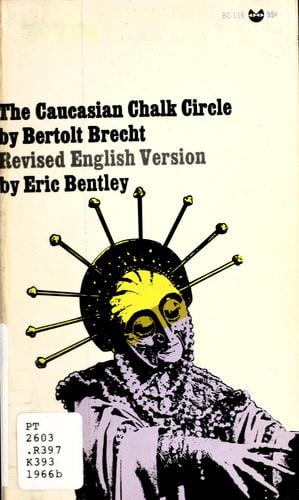
The Caucasian Chalk Circle is among the most-taught plays in university drama and literature curricula worldwide, standard on syllabi alongside Mother Courage and The Good Person of Szechwan. It appears in secondary school programs across Europe and is a fixture of Western dramatic canon, placing it well above mid-century works that lack similar educational penetration.
Taught widely in French literature and in courses on modern poetry, symbolism and the origins of the avant-garde. It is a central text of French modernism, though it appears less often in general curricula than major novels.
Life of Galileo is a cornerstone of the Brechtian canon and a fixture on university syllabi worldwide — taught in drama programs, literature departments, and philosophy of science courses alike. Brecht's five-scene structure and the figure of Galileo recanting before the Inquisition appear in virtually every survey of modern drama, placing this work well above mid-tier literary status.
No. 11 on this list. Voss · Patrick White · 1957
Voss is recognized as a cornerstone of Australian literature and a major work of postcolonial fiction. It consistently appears in scholarly discussions of antipodean identity, imperial mythology, and mid-century modernism. The novel has maintained critical attention since publication and is standard curriculum in Australian and Commonwealth literary studies.
Challenging16 hours
Start this bookNo. 12 on this list. The Kreutzer Sonata · Leo Tolstoy · 1889
The Kreutzer Sonata holds a firm place in university curricula for Russian literature, world literature, and gender studies courses. While less taught than Anna Karenina or War and Peace, it appears consistently as required reading in Tolstoy surveys and 19th-century European fiction courses. Its inclusion in countless 'essential Tolstoy' and world literature reading lists reflects its canonical standing.
Difficult7.5 hours
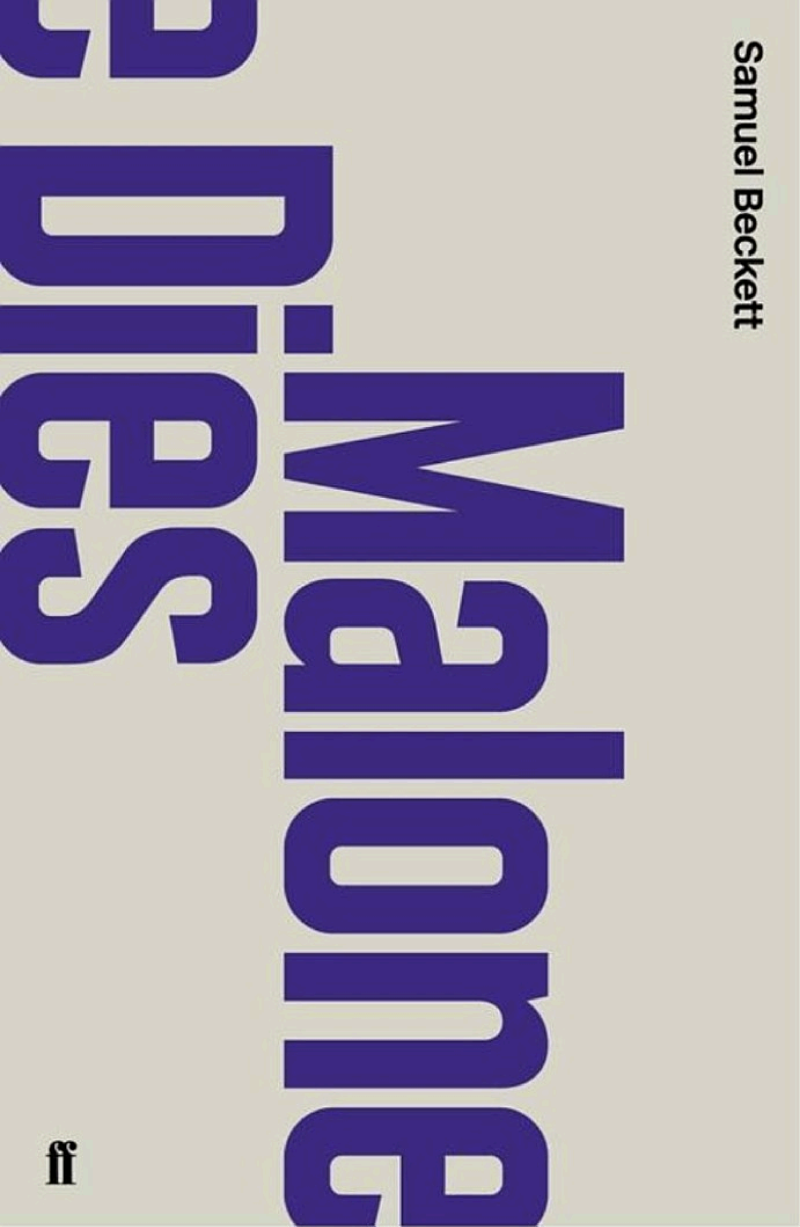
Read nowNo. 13 on this list. Malone Dies · Samuel Beckett · 1951
Included in: Bokklubben World Library
A dying man named Malone lies in bed in a bare room, passing his final days by writing stories in an exercise-book. He announces a plan: to tell himself stories (about a man, a woman, an animal, a thing) and then compile an inventory of his possessions before death arrives. But the stories refuse to cohere. The boy Sapo, plump and plodding, drifts through tedious family scenes and visits to the Lambert farm, where Big Lambert buries his beloved mule and Mrs. Lambert despairs over lentils. Sapo inexplicably becomes Macmann, a vagrant later confined to the asylum of Saint John of God, where he conducts a grotesque romance with his nurse Moll. Between these fragmentary fictions, Malone interrupts constantly to comment on his own dissolution, his soup and chamber-pot, the mysterious hand that feeds him, the exercise-book he salvaged, the pencil with five faces. The stories and the frame narrative bleed together as Malone suspects he's describing himself again, that all his characters are masks for the voice that continues speaking even as narrative collapses. The promised inventory never arrives. Instead, the novel enacts a slow-motion death of story-telling itself, performed with extraordinary comic precision and metaphysical vertigo. Malone circles his own ending in spirals of increasing tightness, neither quite dying nor quite alive, waiting in the dark.
Challenging5.7 hours
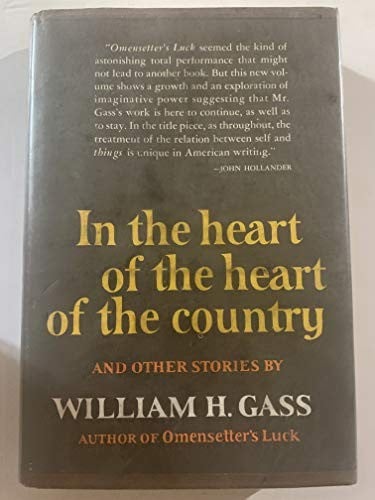
Start this bookNo. 14 on this list. In the Heart of the Heart of the Country · William Gass · 1968
In the Heart of the Heart of the Country was first published in 1968 and immediately positioned Gass — alongside Barth, Pynchon, and Coover — as a founding figure of American postmodern fiction. The NYRB Classics reprint with an introduction by Joanna Scott confirms its place in the American literary canon. It is taught in graduate programs in literary fiction and cited in essays on American experimental prose. Its canonical position is more secure in academic contexts than in general readership, placing it below Invisible Man or Blood Meridian but above most of its experimental contemporaries.
Very Difficult13 hours
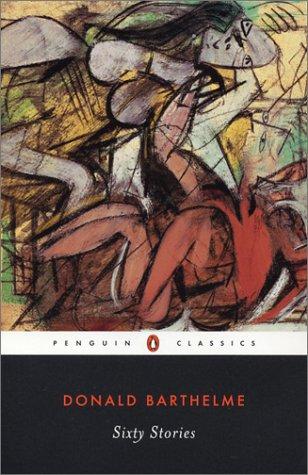
Start this bookNo. 15 on this list. Sixty Stories · Donald Barthelme · 1981
The essential Barthelme collection and one of the most important story collections in American literature. A standard text in creative writing and contemporary literature courses.
Challenging12 hours
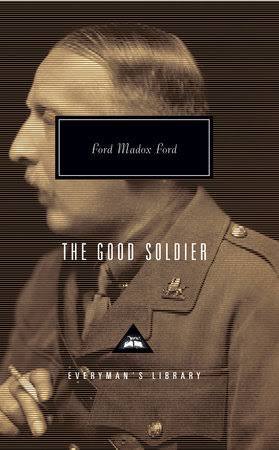
Start this bookNo. 16 on this list. The Good Soldier · Ford Madox Ford · 1915
Appears on 473 university syllabi (67th percentile in Open Syllabus), placing it firmly in the modernist teaching canon alongside Conrad and early Lawrence. Listed on the Modern Library 100 Best Novels. A standard text in courses on British modernism and narrative technique, though less universally assigned than Woolf or Joyce.
Challenging7 hours
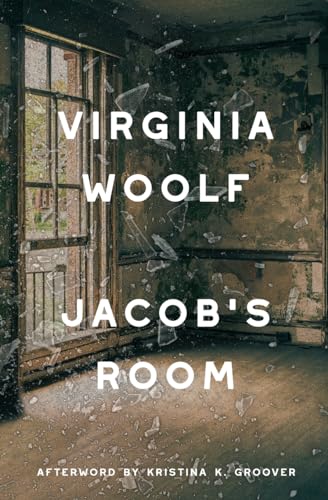
Read nowNo. 17 on this list. Jacob's Room · Virginia Woolf · 1922
Jacob's Room appears on virtually every university syllabus covering modernist British literature, Woolf's work, or the literature of WWI. As Woolf's first fully experimental novel, it holds a foundational position in the modernist canon — taught alongside Mrs. Dalloway and To the Lighthouse in most Woolf courses. Its canonical status is somewhat lower than Woolf's later masterworks, which overshadow it in general survey courses.
Difficult6.8 hours
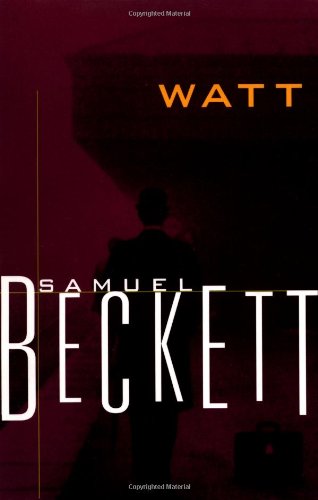
Read nowNo. 18 on this list. Watt · Samuel Beckett · 1953
Watt arrives at Mr. Knott's house to serve as the new domestic. The house has rules: servants ascend through a hierarchy, each eventually departing as mysteriously as they arrived. Watt's job is simple—serve Mr. Knott's meals, tend the garden, mind the dog. But Watt cannot stop thinking. When a pot appears in Mr. Knott's room, Watt cannot rest until he has considered every possible explanation for its presence. Beckett enumerates: perhaps Mr. Knott put the pot there, or perhaps the pot was always there, or perhaps there is no pot. The permutations multiply across pages. Watt's mind, designed for rational analysis, breaks against the irreducible mystery of Mr. Knott, who changes his appearance, his furniture, his routine, without pattern or purpose. The novel tracks a consciousness collapsing into the asylum where Sam, another inmate, attempts to reconstruct Watt's story from his inverted speech. Beckett wrote it while hiding from the Gestapo, 'a game, a means of staying sane.' The game is rigged against meaning.
Difficult11 hours
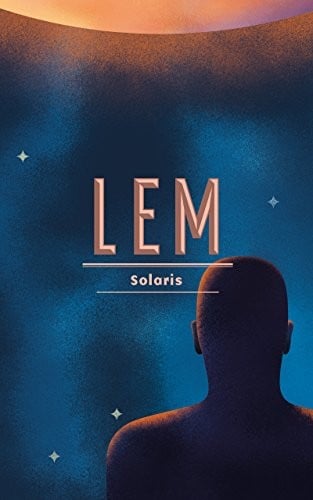
Start this bookNo. 19 on this list. Solaris · Stanisław Lem · 1961
Solaris is the most canonically recognized work of Eastern European science fiction, taught in SF studies, philosophy of science, and world literature courses at universities across Europe, North America, and East Asia. Its Wikipedia article exists in over 50 languages. The Tarkovsky film adaptation (1972) cemented its cultural standing. Within speculative fiction it holds a position equivalent to Ulysses in modernist literature — the work against which all philosophical SF is measured.
Challenging6.4 hours
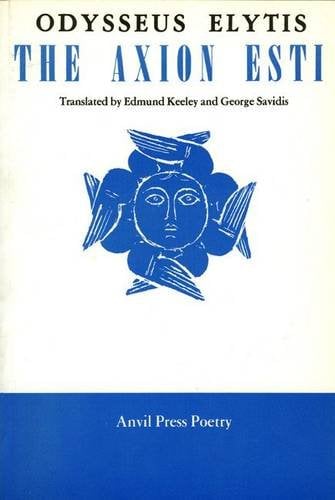
Start this bookNo. 20 on this list. The Axion Esti · Odysseas Elytis · 1959
The Axion Esti stands as the central work of modern Greek poetry and one of the most significant long poems of the 20th century. It holds canonical status in Greek literature comparable to The Waste Land in English, widely taught in Greek schools and universities. The work's international recognition increased substantially after Elytis received the Nobel Prize in Literature (1979), though it remains less widely read outside Greece than other Nobel-honored poetry.
Challenging38 min
Start this book
No. 21 on this list. Thus Spoke Zarathustra · Friedrich Nietzsche · 1885
Major philosophical and literary text; influenced twentieth-century thought.
Challenging12 hours
Start this bookNo. 22 on this list. His Master's Voice · Stanisław Lem · 1968
His Master's Voice holds a firm canonical position within science fiction studies and Eastern European literature curricula, though it remains outside the mainstream Western literary canon. No syllabus data appears in the database, but the novel is consistently cited in SF critical histories as one of Lem's three or four most important works alongside Solaris and The Cyberiad. It appears in translations across at least 20 languages and features on 'essential SF' lists compiled by critics, not algorithms.
Difficult9.3 hours
Start this bookNo. 23 on this list. Arrow of God · Chinua Achebe · 1964
Taught in schools: CSEC English B – Caribbean Examinations Council
Included in: Heinemann African Writers Series
Arrow of God appears regularly on postcolonial literature, African studies, and world literature syllabi at universities across Europe, North America, and Africa. It is less universally assigned than Things Fall Apart but holds a firm place in courses devoted to African fiction and the novel of colonial encounter. No database records were retrieved, but its continued presence in academic reading lists reflects a strong if not dominant canonical position.
Difficult10 hours
Start this bookNo. 24 on this list. Arcadia · Tom Stoppard · 1993
Arcadia is widely regarded as one of the finest English-language plays of the twentieth century and appears on drama syllabi at most anglophone universities. The play lacks the database signals (no syllabus count, no Wikipedia data retrieved), but from general knowledge it is a fixture of British drama courses and has been continuously staged in London and New York since its 1993 premiere. It ranks below Hamlet or Waiting for Godot in canonical weight but above most contemporary drama.
Difficult2.9 hours
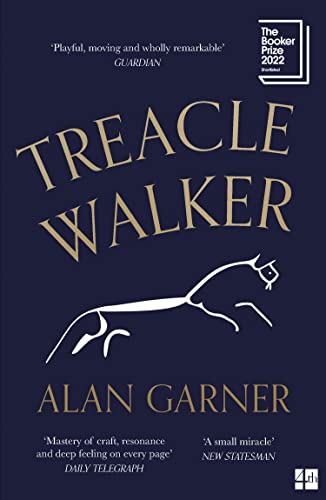
Start this bookNo. 25 on this list. Treacle Walker · Alan Garner · 2022
Published in 2021, Treacle Walker is too recent for canonical judgment, but Garner's lifelong integration of British folklore into literary fiction gives it strong claims. As his late-career distillation of myth, archaeology, and language, it consolidates his reputation as a major British fantasist.
Challenging1.5 hours
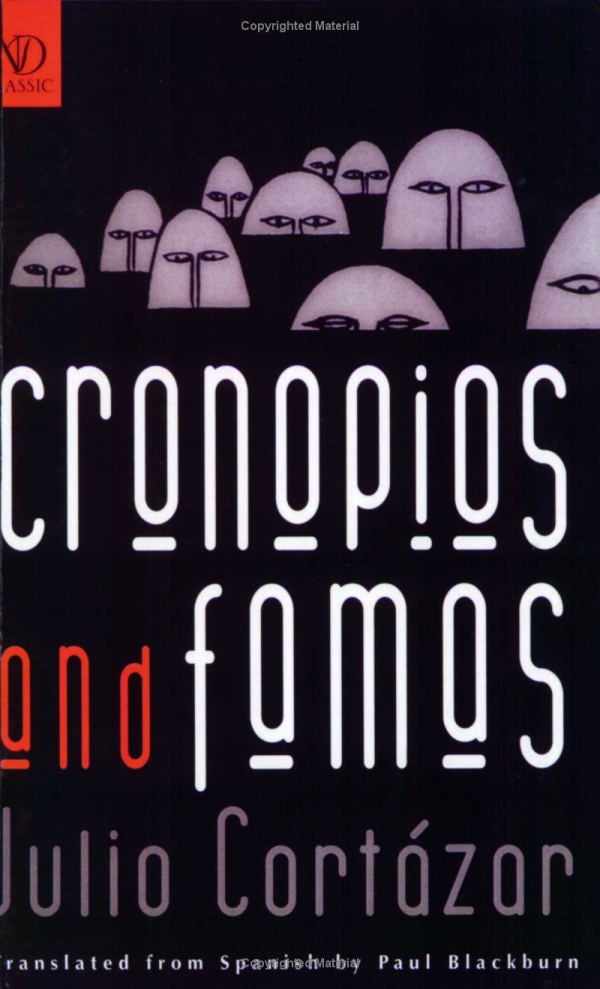
Start this bookNo. 26 on this list. Cronopios and Famas · Julio Cortázar · 1962
Taught in schools: Literatura, Diseño Curricular – Provincia de Buenos Aires (Argentina), UNAM Escuela Nacional Preparatoria – programas de Literatura (Mexico)
Julio Cortázar divides humanity into three species. The Famas are prudent, meticulous, and thorough — when traveling, one fama inspects the hotel, one files a report with the police, one copies the list of emergency doctors. The Cronopios are wet, green, disordered, and joyful — they find all hotels full, miss every train, and dream that huge parties are being given in the city to which they are invited. The Esperanzas wait for things to come to them. In sixty-odd miniatures, Cortázar demonstrates what happens when these types collide: a cronopio appointed Director General of Radio Diffusion immediately translates all broadcasts into Romanian; a fama who wants wood chops down a eucalyptus tree without noticing it screams. Before the creature taxonomy begins, an 'Instruction Manual' opens the book with deadpan procedural guides — how to cry, how to sing, how to be afraid — that use the earnest register of a technical manual to make observations about alienation and habit. 'Instructions on How to Climb a Staircase' explains in meticulous detail how to lift one foot, then the other, as if this has never been done before. The writing is compact and funny and strange, each piece its own sealed logic, ending on the precisely wrong note. Cortázar invented a form here that nobody else has quite replicated: philosophical comedy delivered in the voice of a very serious bureaucrat who has gone slightly mad.
Difficult3.1 hours
Start this bookNo. 27 on this list. The Winding Stair · William Butler Yeats · 1933
Published in 1933, this collection represents Yeats at the height of his late powers, confronting old age, political disillusionment, and metaphysical yearning through symbols drawn from his occult system A Vision. The tower at Thoor Ballylee becomes a central image: in 'Blood and the Moon' it rises as both Anglo-Irish monument and emblem of consciousness ascending through gyres of history. 'A Dialogue of Self and Soul' stages an internal debate between transcendent renunciation and acceptance of embodied life, concluding with a forceful affirmation of existence that forgives even suffering. The paired Byzantium poems ('Sailing to Byzantium' appears in the earlier Tower volume, but 'Byzantium' here extends the meditation) envision sacred art as escape from biological decay into eternal form. 'Coole Park and Ballylee, 1931' elegizes Lady Gregory's estate and the cultural moment it represented, now dissolving in Ireland's post-revolutionary violence. 'Vacillation' sustains eight sections of philosophical oscillation between worldly and spiritual commitments without final resolution. Throughout, Yeats employs demanding stanzaic forms—ottava rima, terza rima—whose formal strictness contains explosive metaphysical content, creating poetry that is simultaneously architectural and visionary.
Difficult53 min
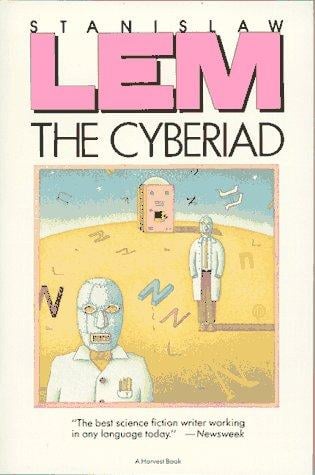
Start this bookNo. 28 on this list. The Cyberiad · Stanisław Lem · 1965
Trurl and Klapaucius are constructors — engineers of impossible things — who travel the universe building machines that write poetry, create dragons out of probability, and kidnap kings using algorithms. In the opening story, Trurl builds a machine that can make anything starting with the letter N. When it begins making Nothing — not ordinary nothing, but dynamic, aggressive Nothingness — it starts erasing the world one item at a time: the gruncheons go, then the pritons, then the zits, and the sky acquires holes that have never healed. Stanisław Lem writes fairy tales about robots, but the fairy tales are philosophical arguments in disguise. Each of the fifteen linked adventures runs a thought experiment: what happens when collective intelligence exceeds the scale at which militarism makes sense? Can a machine write great poetry if civilization wrote the poet? What does it mean to exist inside a simulation you cannot distinguish from reality? The deadpan fable narrator treats catastrophe and cosmic comedy with identical gravity, and the gap between that voice and what is actually happening is where all the meaning lives. The Cyberiad reads as slapstick adventure on the surface — Trurl escaping dungeon after dungeon with improbable ingenuity — and as philosophy underneath, where questions about consciousness, creation, and the purpose of intelligence are never resolved. Lem gives you both pleasures at once, and the math jokes are genuine.
Challenging8.4 hours
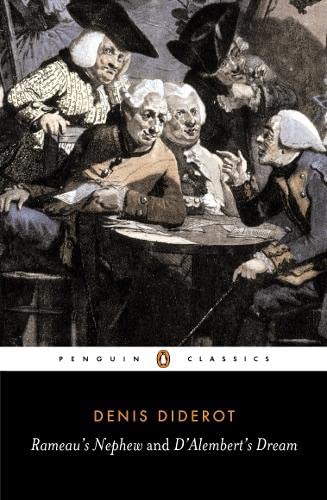
Start this bookNo. 29 on this list. Rameau's Nephew · Denis Diderot · 1805
Included in: Great Books of the Western World
Rameau's Nephew is a fixture in 18th-century French literature and philosophy courses at the university level, though it occupies a more specialist niche than Diderot's Encyclopédie work. It appears on syllabi in French literature, Enlightenment studies, and courses on the dialogue form. Goethe's German translation (1805) was the work's first publication and secured its European reputation; Wikipedia articles exist in around 30 languages.
Difficult6 hours
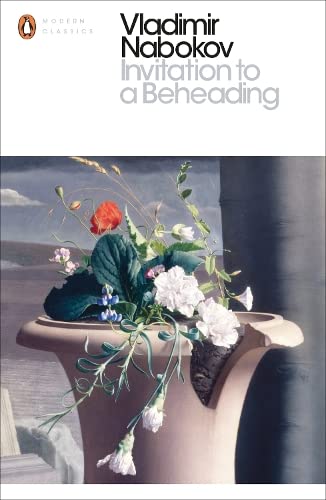
Start this bookNo. 30 on this list. Invitation to a Beheading · Vladimir Nabokov · 1936
Invitation to a Beheading is consistently included in surveys of essential 20th-century European fiction and appears in Russian literature and modernist fiction courses worldwide. It features on Modern Library's lists and is considered one of Nabokov's major pre-American works; while less universally assigned than Lolita or Pale Fire, it is firmly inside the literary canon's second tier.
Difficult7 hours
Start this book
No. 31 on this list. The Man in the High Castle
Philip K. Dick · 1962
No. 32 on this list. Family Ties
Clarice Lispector · 1960
No. 33 on this list. The Complete Stories
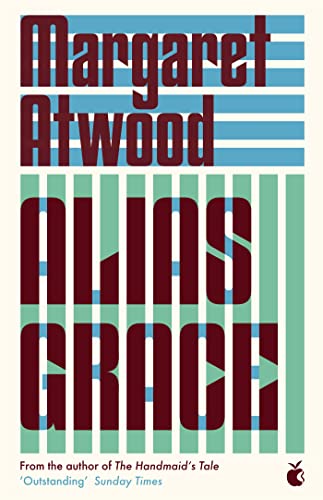
No. 34 on this list. Alias Grace
Margaret Atwood · 1996
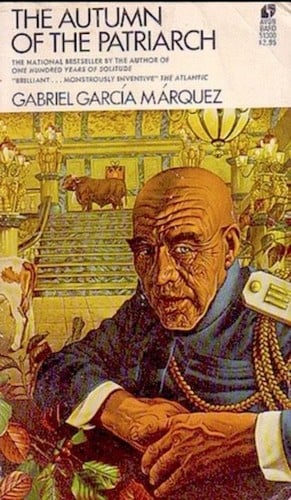
No. 35 on this list. The Autumn of the Patriarch
Gabriel García Márquez · 1975
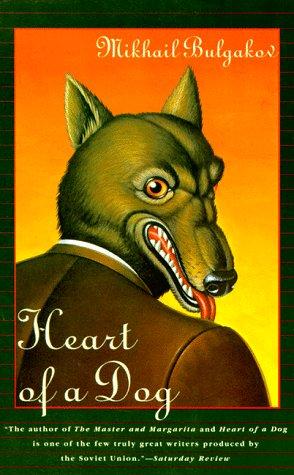
No. 36 on this list. Heart of a Dog
Mikhail Bulgakov · 1925
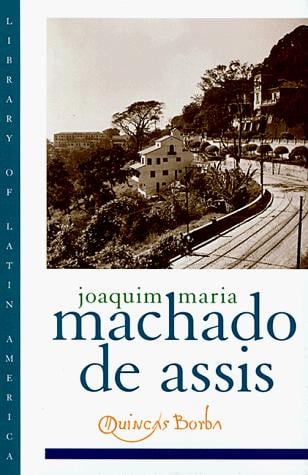
No. 37 on this list. Quincas Borba
Machado de Assis · 1891
Included in: Biblioteca Ayacucho, UNESCO Collection of Representative Works
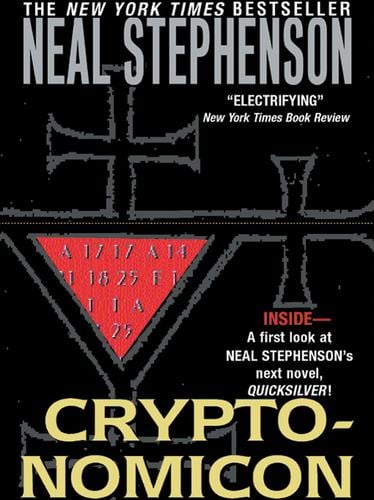
No. 38 on this list. Cryptonomicon
Neal Stephenson · 1999
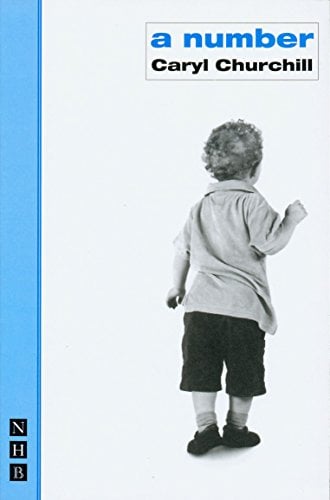
No. 39 on this list. A Number
Caryl Churchill · 2002
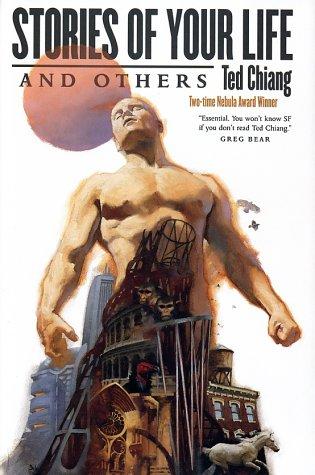
No. 40 on this list. Stories of Your Life and Others
Ted Chiang · 2002
No. 41 on this list. The Solid Mandala
Patrick White · 1966
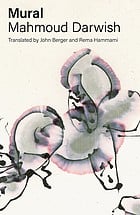
No. 42 on this list. Mural
Mahmoud Darwish · 2024
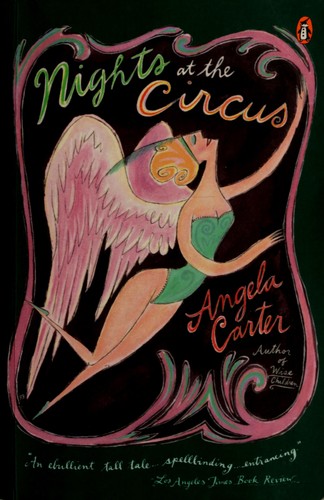
No. 43 on this list. Nights at the Circus
Angela Carter · 1984
No. 44 on this list. The Sea, The Sea
Iris Murdoch · 1978
No. 45 on this list. Bouvard and Pécuchet
Gustave Flaubert · 1881
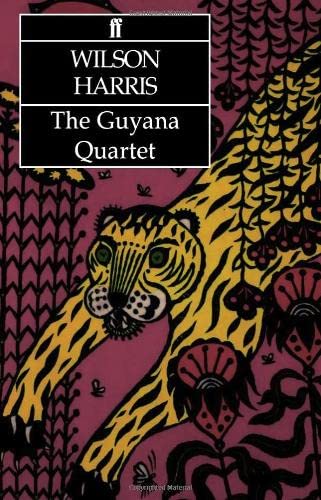
No. 46 on this list. The Guyana Quartet
Wilson Harris · 1985
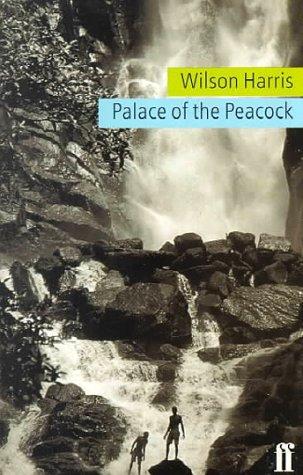
No. 47 on this list. Palace of the Peacock
Wilson Harris · 1960
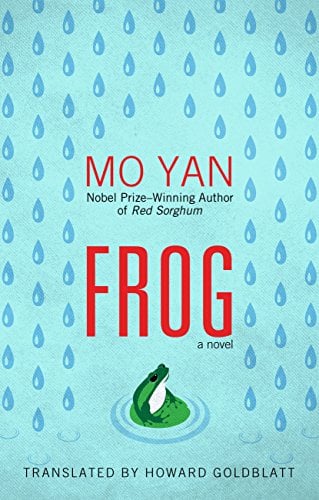
No. 48 on this list. Frog
Mo Yan · 2009
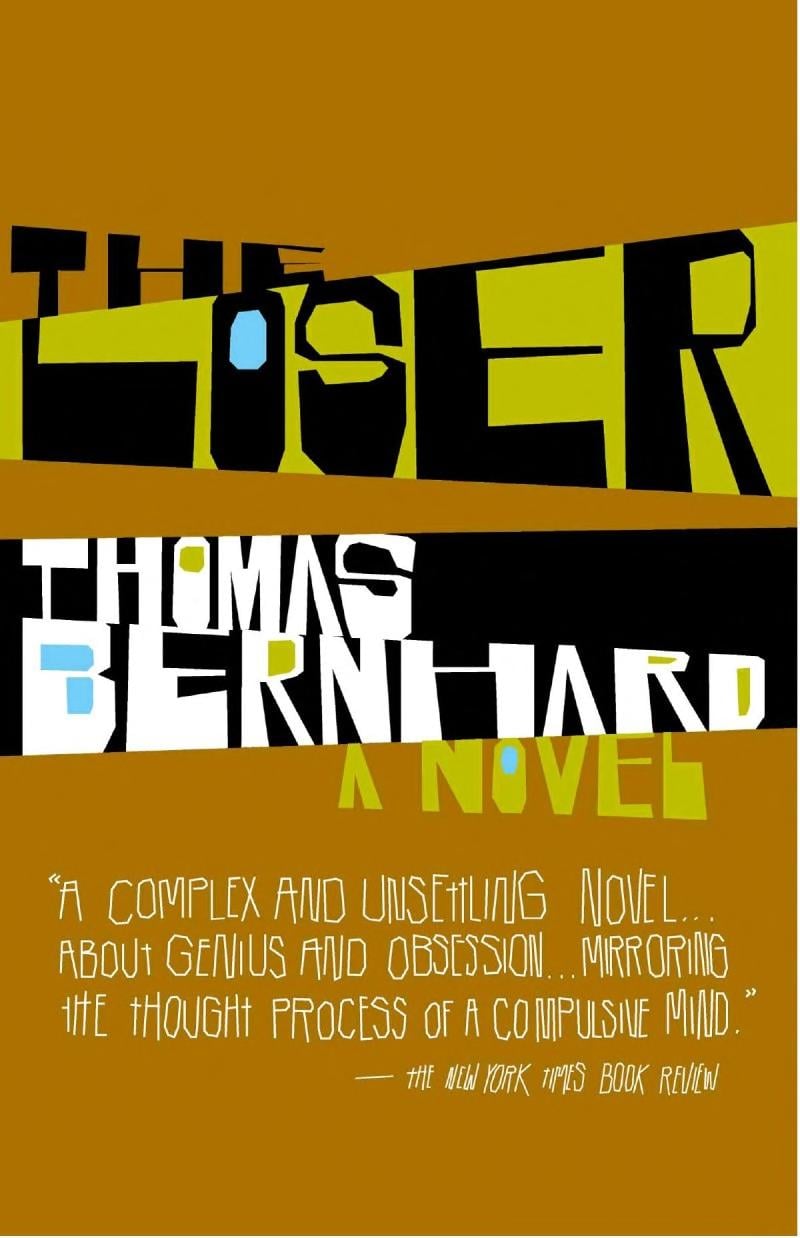
No. 49 on this list. The Loser
Thomas Bernhard · 2013
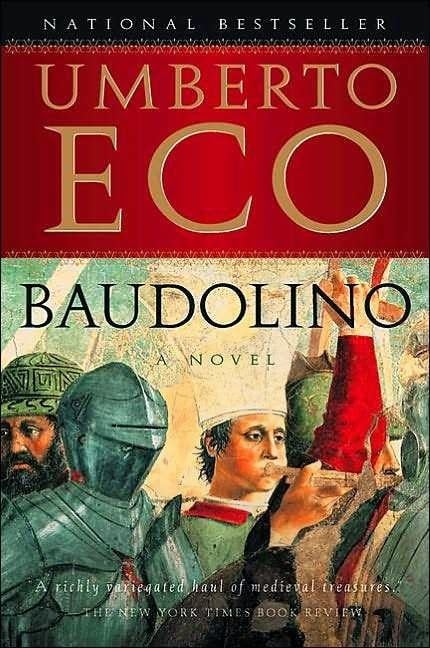
No. 50 on this list. Baudolino
Umberto Eco · 2000

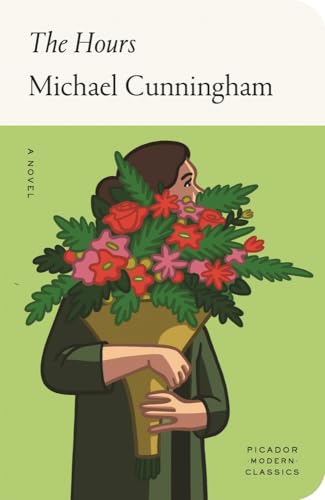
No. 51 on this list. The Hours
Michael Cunningham · 1999
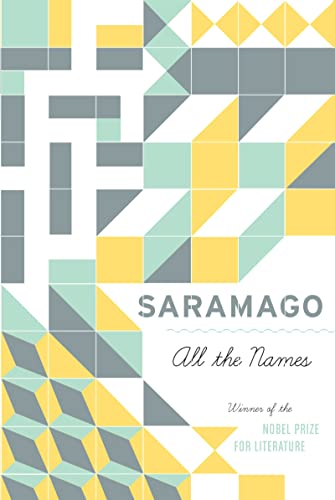
No. 52 on this list. All the Names
José Saramago · 1997
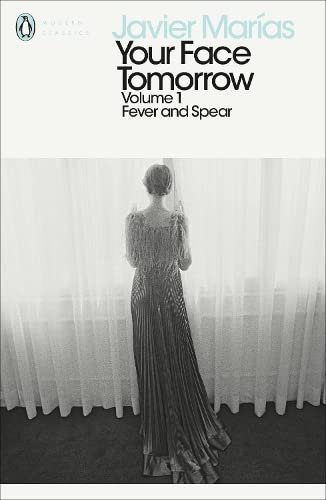
No. 53 on this list. Your Face Tomorrow: Fever and Spear
Javier Marías · 2002
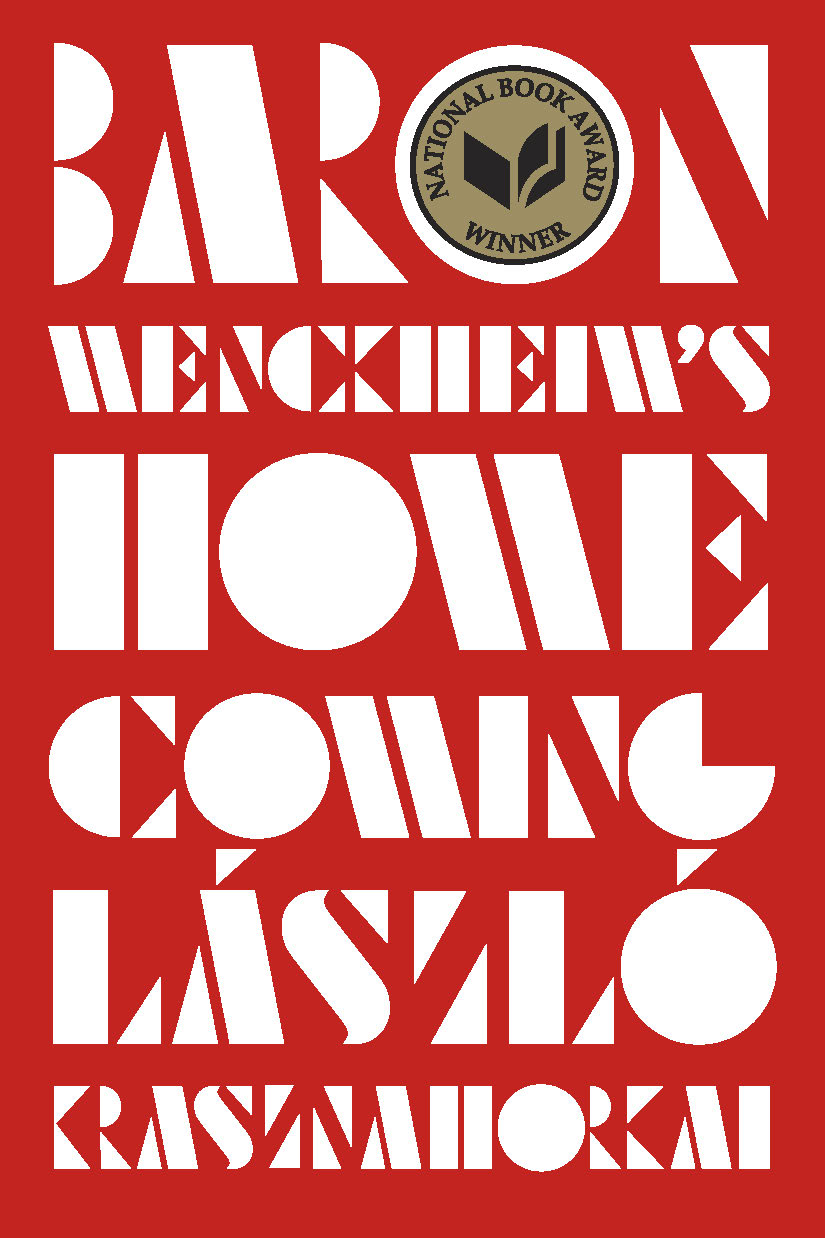
No. 54 on this list. Baron Wenckheim's Homecoming
László Krasznahorkai · 2016
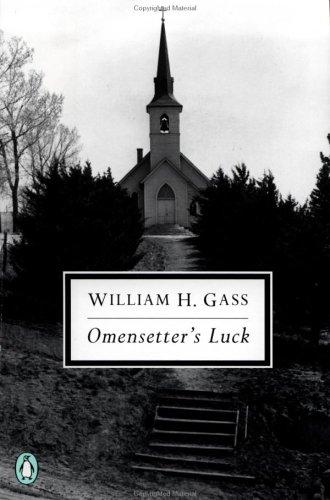
No. 55 on this list. Omensetter's Luck
William Gass · 1966
No. 56 on this list. The Trilogy
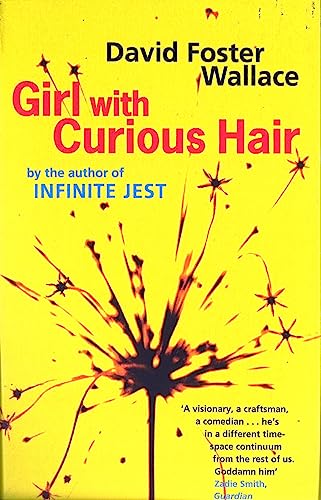
No. 57 on this list. Girl with Curious Hair
David Foster Wallace · 1989
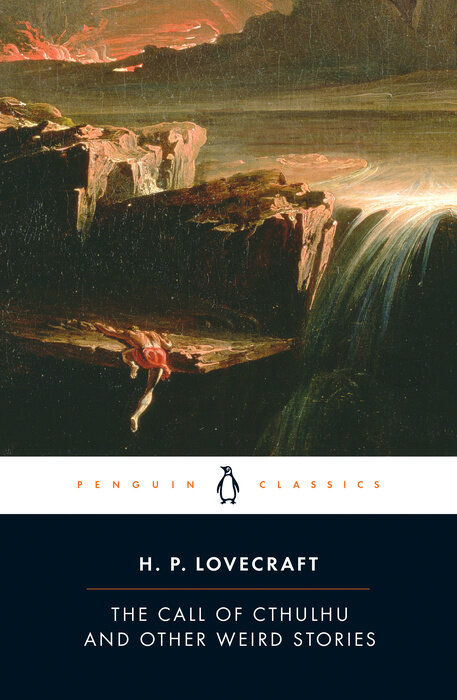
No. 58 on this list. The Call of Cthulhu and Other Stories
H.P. Lovecraft · 1928
No. 59 on this list. Investigations of a Dog
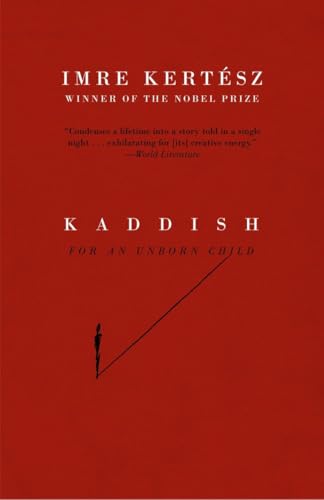
No. 60 on this list. Kaddish for an Unborn Child
Imre Kertész · 1990
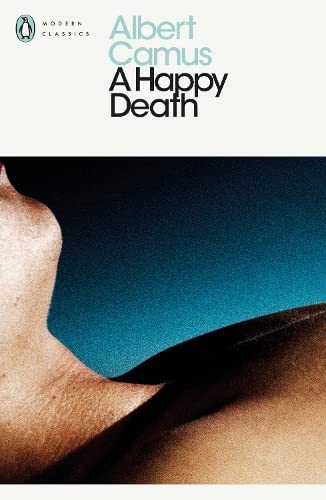
No. 61 on this list. A Happy Death
Albert Camus · 1971
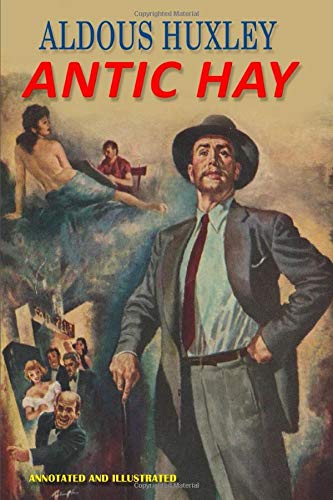
No. 62 on this list. Antic Hay
Aldous Huxley · 1923
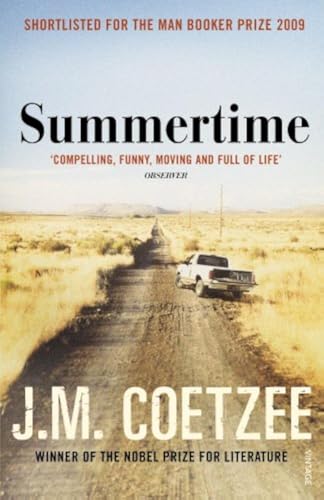
No. 63 on this list. Summertime
J.M. Coetzee · 2009
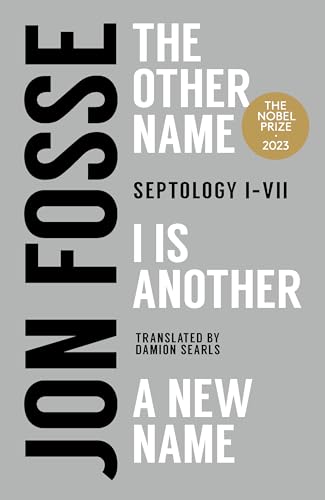
No. 64 on this list. Septology
Jon Fosse · 2019
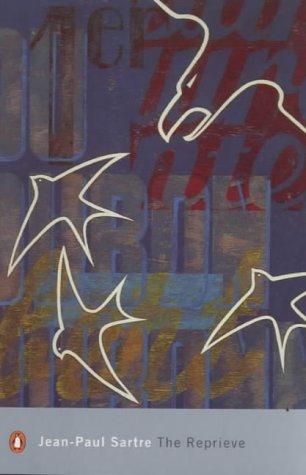
No. 65 on this list. The Reprieve
Jean-Paul Sartre · 1945
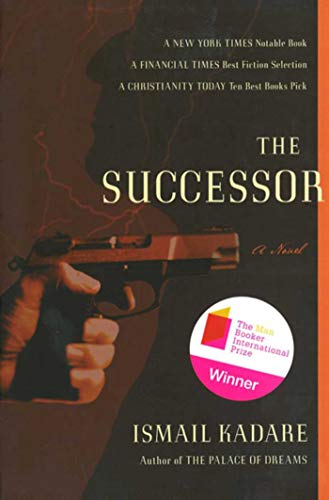
No. 66 on this list. The Successor
Ismail Kadare · 2003
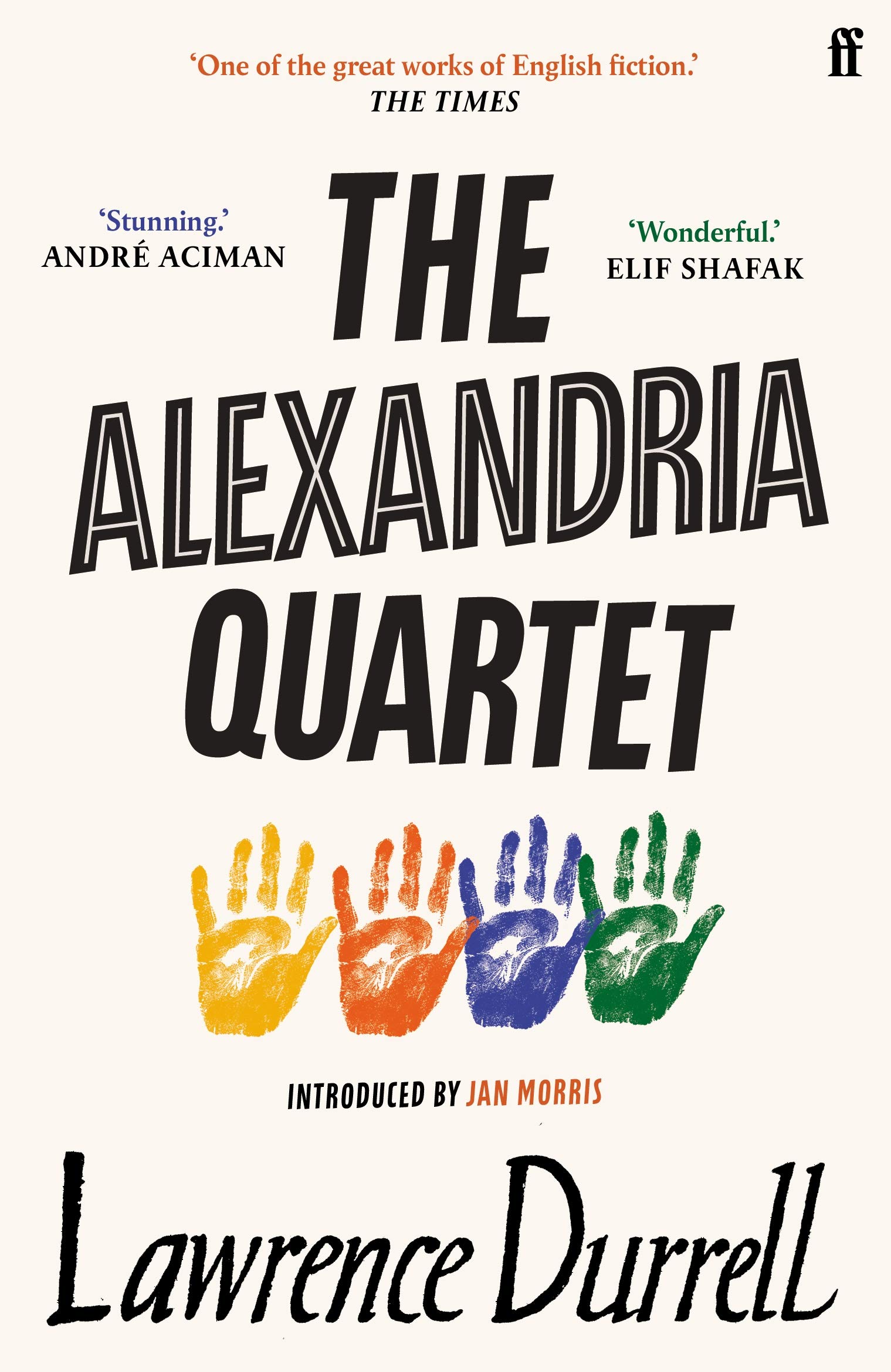
No. 67 on this list. The Alexandria Quartet
Lawrence Durrell · 1960
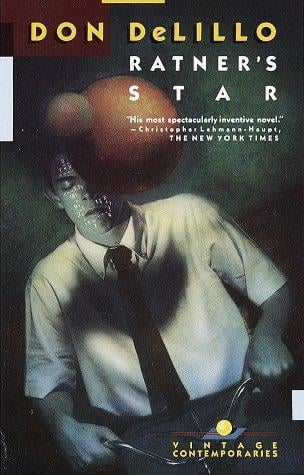
No. 68 on this list. Ratner's Star
Don DeLillo · 1976
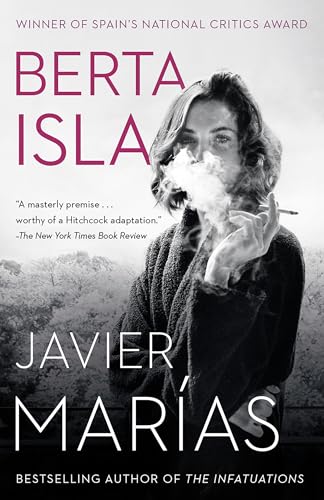
No. 69 on this list. Berta Isla
Javier Marías · 2018
No. 70 on this list. A Lover's Complaint
William Shakespeare · 1609
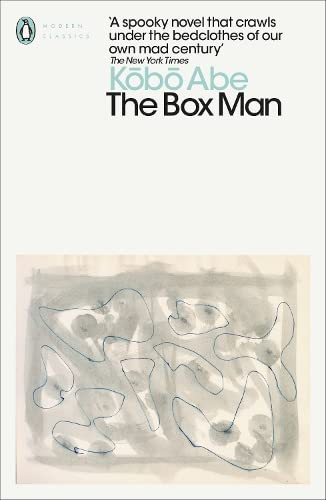
No. 71 on this list. The Box Man
Kobo Abe · 1973
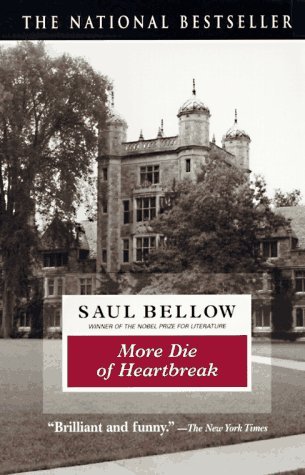
No. 72 on this list. More Die of Heartbreak
Saul Bellow · 1987
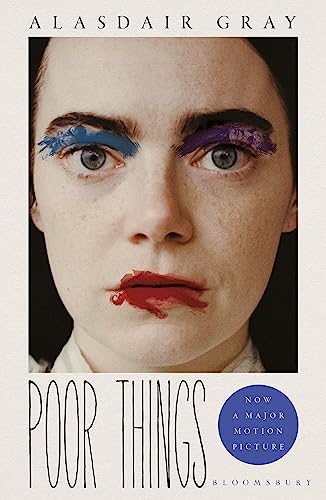
No. 73 on this list. Poor Things
Alasdair Gray · 1992
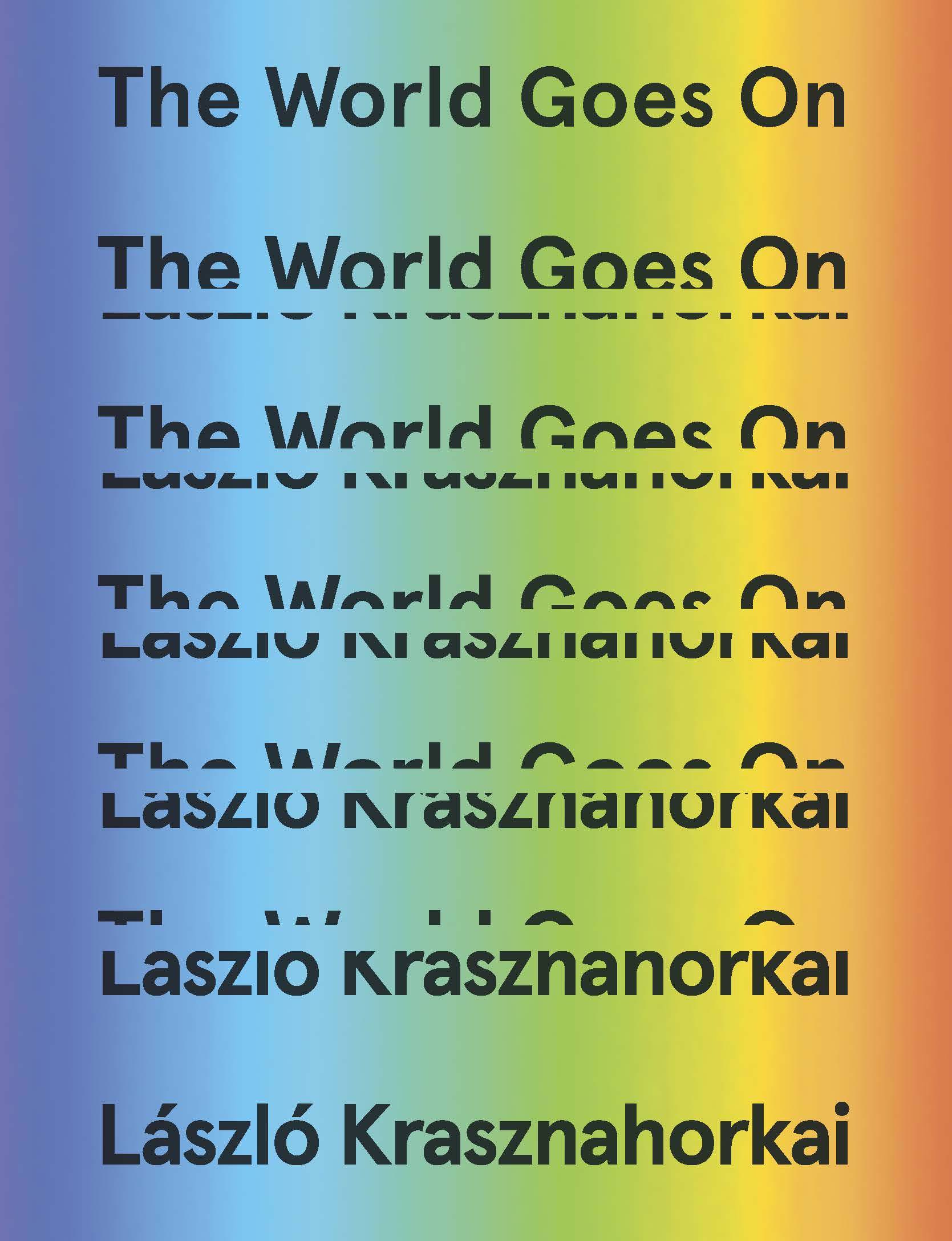
No. 74 on this list. The World Goes On
László Krasznahorkai · 2018
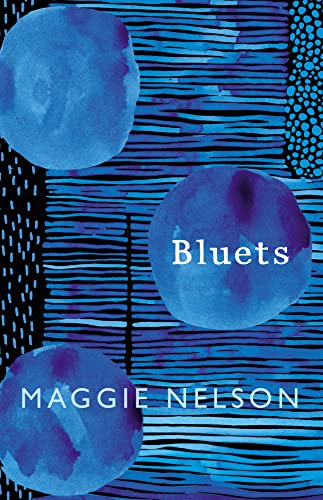
No. 75 on this list. Bluets
Maggie Nelson · 2009
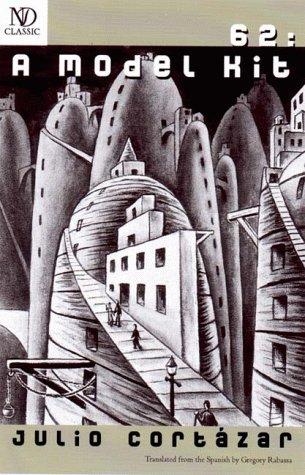
No. 76 on this list. 62: A Model Kit
Julio Cortázar · 1968
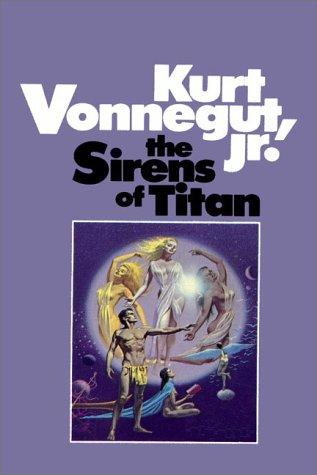
No. 77 on this list. The Sirens of Titan
Kurt Vonnegut · 1959
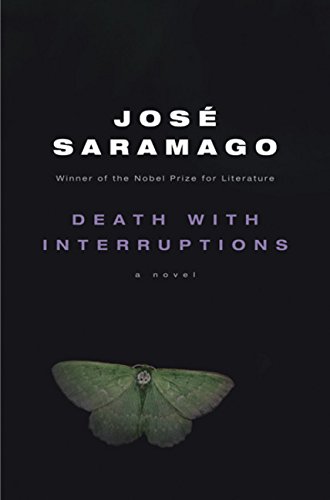
No. 78 on this list. Death with Interruptions
José Saramago · 2005
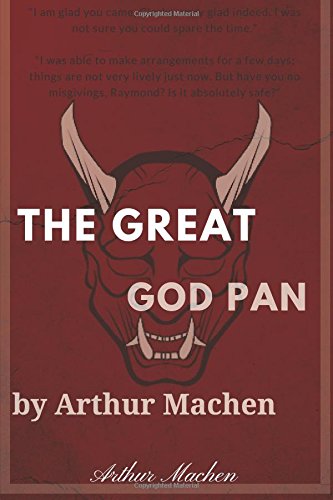
No. 79 on this list. The Great God Pan
Arthur Machen · 1894
No. 80 on this list. Harrow
Joy Williams · 2021
No. 81 on this list. The Inheritance of Loss
Kiran Desai · 2006
No. 82 on this list. Pincher Martin
William Golding · 1956
No. 83 on this list. An Episode in the Life of a Landscape Painter
César Aira · 2000
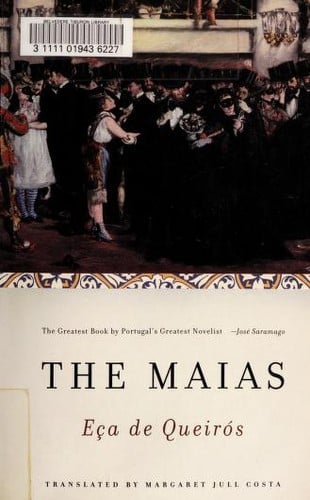
No. 84 on this list. The Maias
José Maria de Eça de Queirós · 1888
Included in: UNESCO Collection of Representative Works
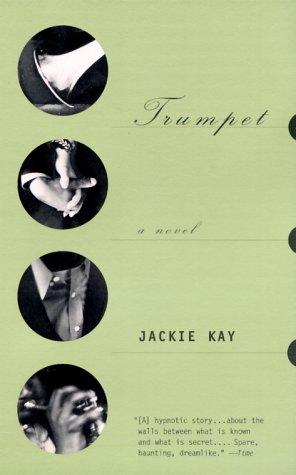
No. 85 on this list. Trumpet
Jackie Kay · 1998
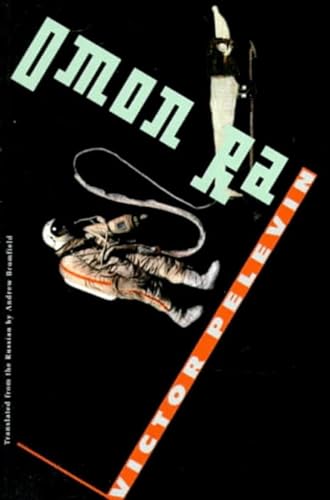
No. 86 on this list. Omon Ra
Viktor Pelevin · 1992
No. 87 on this list. Morphine
Mikhail Bulgakov · 1927
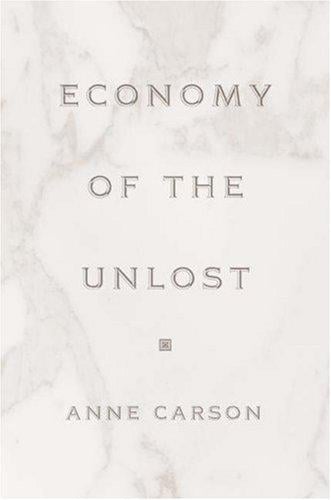
No. 88 on this list. Economy of the Unlost
Anne Carson · 1999
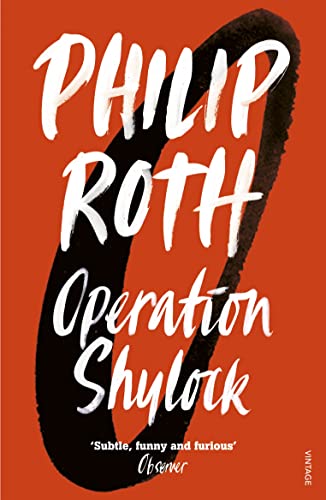
No. 89 on this list. Operation Shylock
Philip Roth · 1994
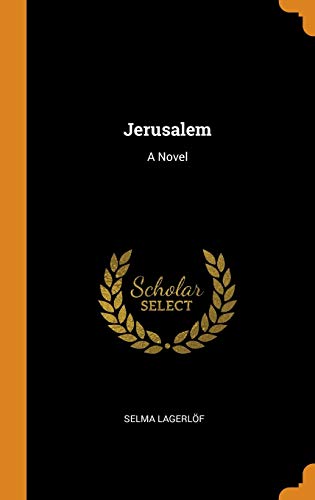
No. 90 on this list. Jerusalem
Selma Lagerlöf · 1901
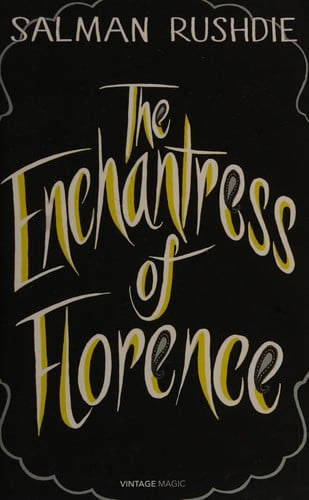
No. 91 on this list. The Enchantress of Florence
Salman Rushdie · 2008
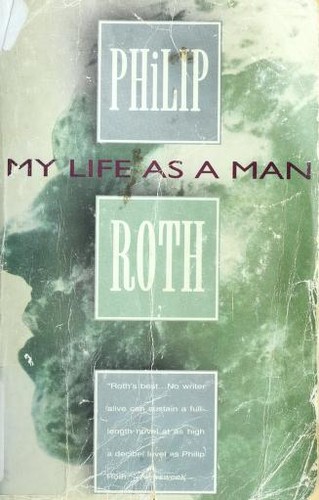
No. 92 on this list. My Life as a Man
Philip Roth · 1974
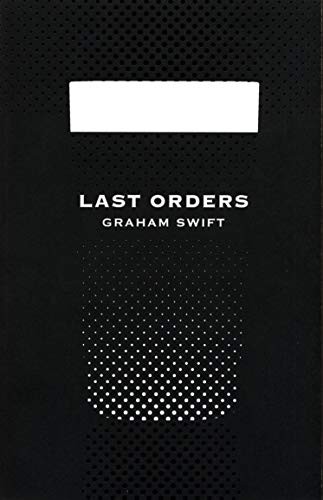
No. 93 on this list. Last Orders
Graham Swift · 1996
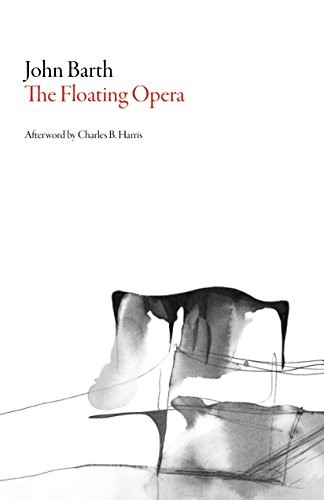
No. 94 on this list. The Floating Opera
John Barth · 1956
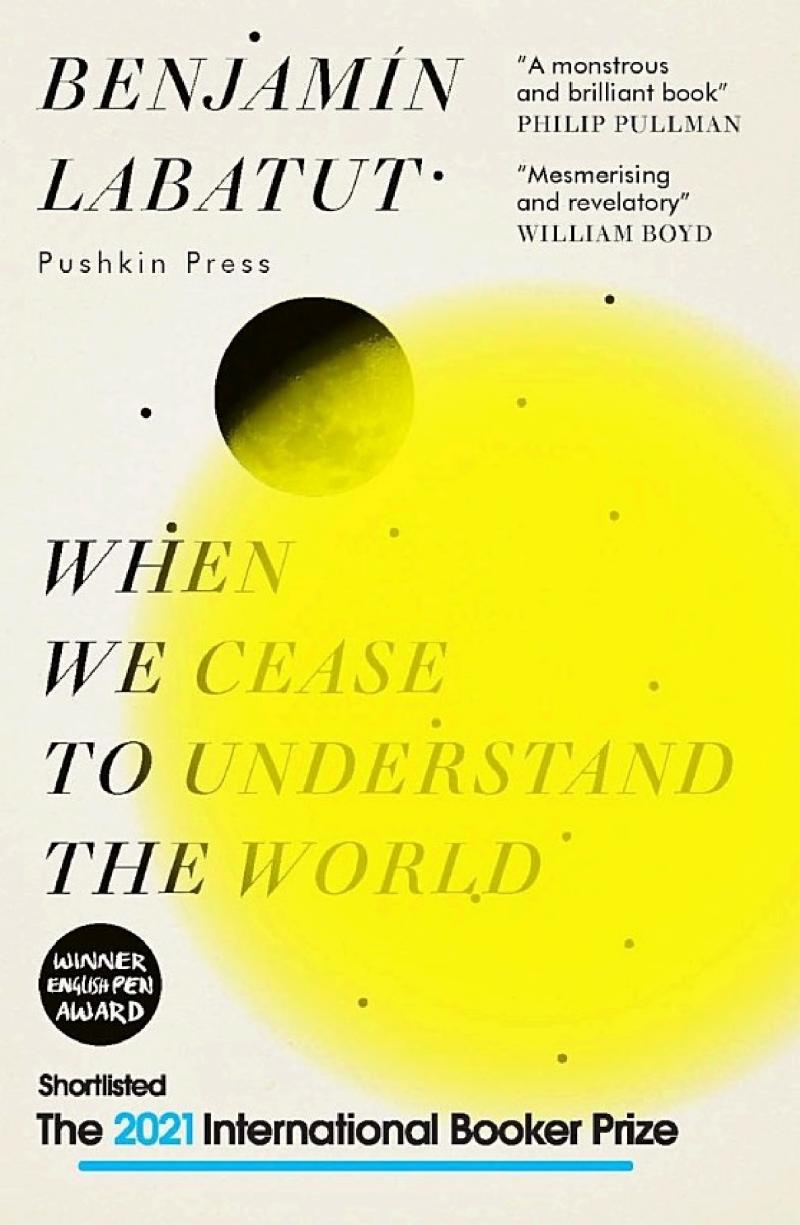
No. 95 on this list. When We Cease to Understand the World
Benjamin Labatut · 2021
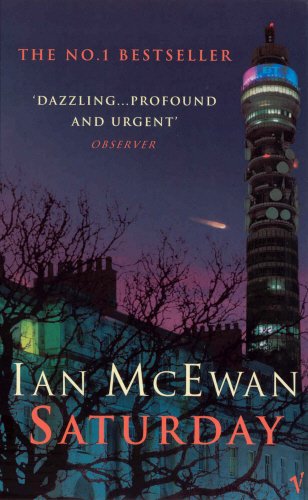
No. 96 on this list. Saturday
Ian McEwan · 2005
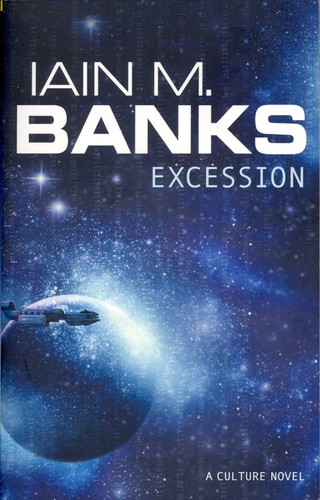
No. 97 on this list. Excession
Iain M. Banks · 1996
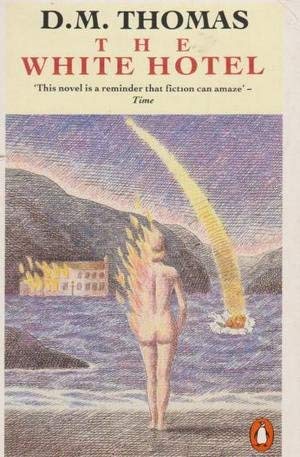
No. 98 on this list. The White Hotel
D.M. Thomas · 1981
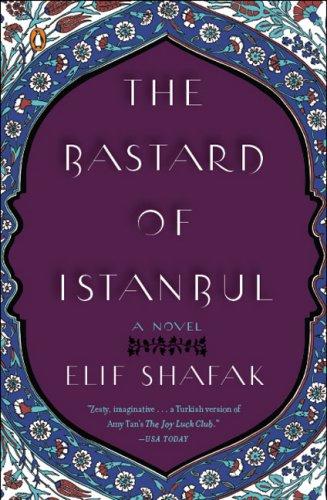
No. 99 on this list. The Bastard of Istanbul
Elif Shafak · 2006
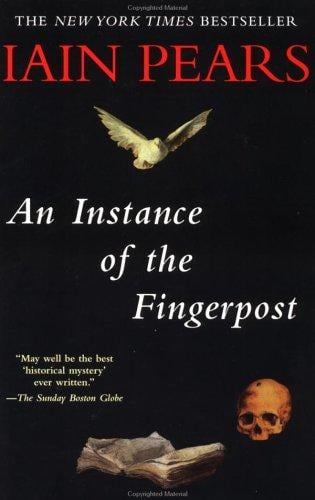
No. 100 on this list. An Instance of the Fingerpost
Iain Pears · 1997
About this list
These 100 books are the highest-scoring eligible challenging books about knowledge and truth currently in the catalogue. About 1,183 hours of reading in all, for the 99 with measured lengths. Difficulty runs from 68 to 75 out of 100 for the middle half of the list; the summit is In the Heart of the Heart of the Country at 87.
This list is ranked by literary regard, with a consistent order for equal scores. Membership follows authors and co-authors, not translators or editors. A book is here when ReadingRate files it under Knowledge & Truth as one of its primary reading domains, at a confidence of 0.8 or more. Catalogue coverage and the historical canon both limit what this list can represent.
When we matched the Canons dataset to our catalogue in October 2026, our canonical-status scores rose with the number of school curricula, publisher series and lists in it that cite a work: the median score was 72 for books one such source cites, 84 at two, 88 at three, 92 at four and 93 at five or more. Prizes are left out of that count. Outside the state curricula, the dataset’s sources choose mostly from what has been translated into English or French, so it is a weaker check on other literatures. Source: Canons (Andrew Piper), CC BY 4.0
Questions people actually ask
- What are the best challenging books about knowledge and truth?
- By literary regard, which weighs canonical status, critical standing and influence: Faust by Johann Wolfgang von Goethe, The Flowers of Evil by Charles Baudelaire, Moby-Dick or, The Whale by Herman Melville, The Aleph by Jorge Luis Borges and Troilus and Criseyde by Geoffrey Chaucer. ReadingRate ranks 100 such books, each with a difficulty score and a reading-time estimate.
- Which challenging books about knowledge and truth should I read first?
- Start from difficulty, not from rank. The most approachable books on this list that still carry top literary regard are The Good Soldier by Ford Madox Ford (about 7 hours), Malone Dies by Samuel Beckett and Sixty Stories by Donald Barthelme.
- What are the shortest of the best challenging books about knowledge and truth?
- Among the top 25, the shortest are The Axion Esti by Odysseas Elytis (about 38 min), A Season in Hell by Arthur Rimbaud (about 1.1 hours) and Treacle Walker by Alan Garner (about 1.5 hours), at an average pace of 250 words a minute adjusted for each book's difficulty.
- Which of the best challenging books about knowledge and truth are the established classics?
- By canonical status, how firmly a book sits in curricula, anthologies and the canon: Faust by Johann Wolfgang von Goethe, Moby-Dick or, The Whale by Herman Melville, The Flowers of Evil by Charles Baudelaire, The Aleph by Jorge Luis Borges and Troilus and Criseyde by Geoffrey Chaucer.
- Can I read any of these challenging books about knowledge and truth for free?
- 8 of the 100 open in ReadingRate's reader with a free account, from public-domain editions: Faust, Troilus and Criseyde, The Kreutzer Sonata, The Good Soldier, Jacob's Room and 3 more.
- How long would it take to read the top ten?
- About 104 hours, at an average pace of 250 words a minute adjusted for each book's difficulty: 52 days at two hours a day. Set your own pace on the page and the list's reading times change to it.
- How hard are challenging books about knowledge and truth to read?
- Most of this list sits between 68 and 75 on ReadingRate's 100-point difficulty scale, where 40 to 55 is moderate. The summit is In the Heart of the Heart of the Country at 87. Every entry carries its own score, so a reader can pick a great book at a difficulty they will finish.
- How is this list ranked?
- On literary-regard data: how canonically established a work is, its critical standing, and its influence on later writing. It is not a readers’ poll, which is why recent bestsellers rarely appear. Membership follows authors and co-authors, not translators or editors. Lists by country, author, period, theme or difficulty keep to literature: fiction, poetry and drama, with no philosophy, criticism or theory. A list of a kind of book, such as philosophy, memoir or criticism, keeps every book of that kind. Every list holds at most three works by one author. A book is here when ReadingRate files it under Knowledge & Truth as one of its primary reading domains, at a confidence of 0.8 or more.