Hours at an average pace
Showing 100 books
About 488 hours for 99 of 100 books with measured lengths. Estimates use 250 words a minute, adjusted for each book's difficulty. At 2 hours a day, about 245 days for those books.
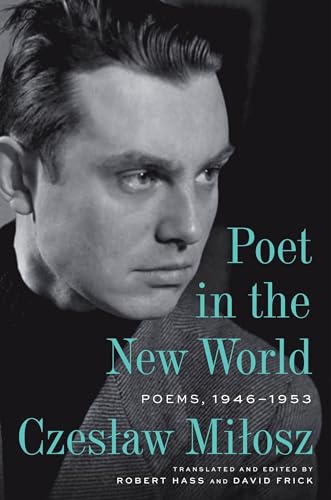
Nobel laureate and one of the most important poets of the twentieth century. Central to Polish literature and increasingly recognized in world poetry.
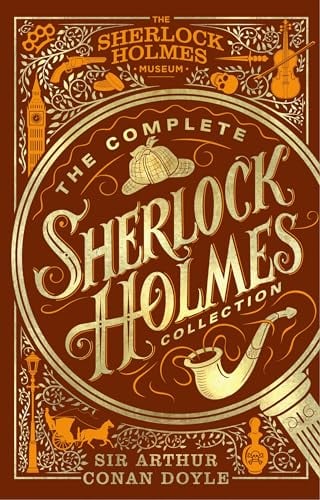
Holmes is a staple of English-language literature, taught widely in detective fiction and Victorian literature courses, and the stories are among the most-translated in the world. They are taught less as high literature than The Great Gatsby but are universally recognized.
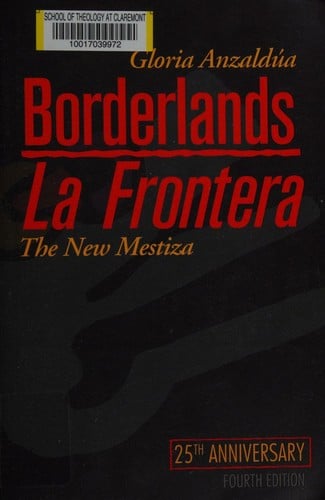
Foundational text of Chicana feminism, border studies, and queer theory. Universally taught in relevant fields.
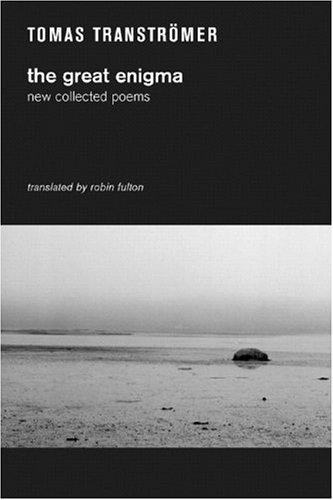
Nobel Prize-winning collected poems. The defining Swedish poet of the twentieth century.
No. 5 on this list. The School for Wives
Molière · 1662
Easy1.2 hours
Included in: Great Books of the Western World
A major Molière comedy, regularly performed and studied. Marks the beginning of his mature period and the great querelle it provoked.
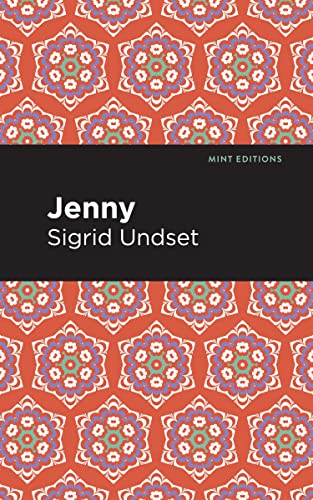
Jenny holds significant status in Scandinavian literary history as an early psychological realist novel examining female artistic ambition and sexuality with unprecedented frankness. Its 1911 publication sparked controversy and established Undset as a major voice before her Nobel-winning Kristin Lavransdatter trilogy. While less universally canonical than her medieval epics, Jenny remains essential for understanding early 20th-century Nordic modernism and appears regularly in Norwegian literary curricula and scholarship on women's writing.
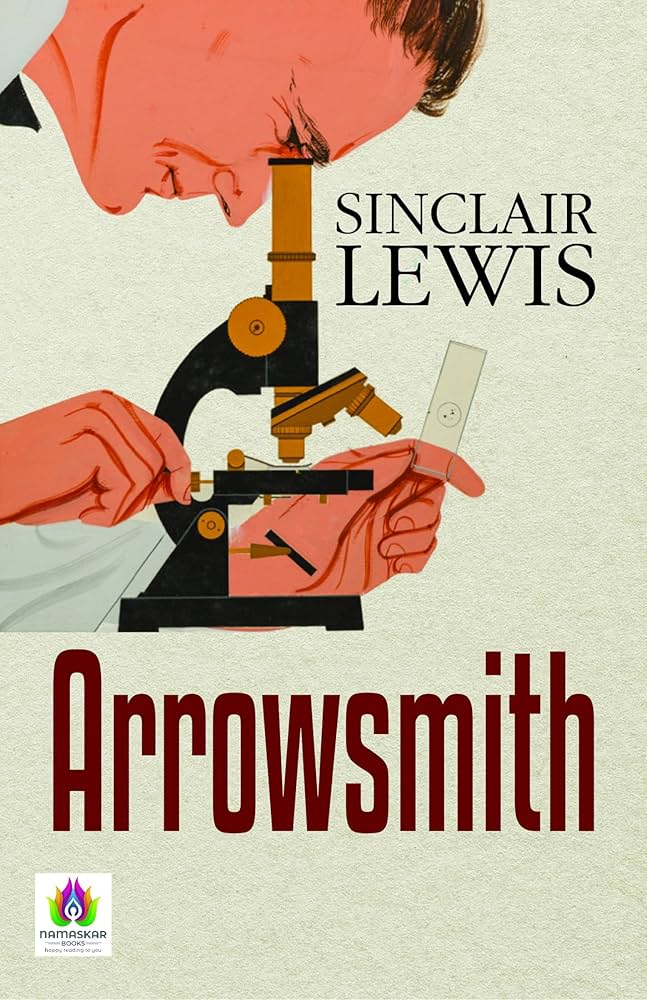
Martin Arrowsmith, an idealistic young doctor, struggles to maintain his scientific integrity as he moves from small-town practice to research laboratories to public health work. At every turn, commercialism, politics, and human weakness threaten to corrupt his quest for truth. Lewis's novel about the conflict between pure science and institutional pressure won the Pulitzer Prize (which he famously declined).
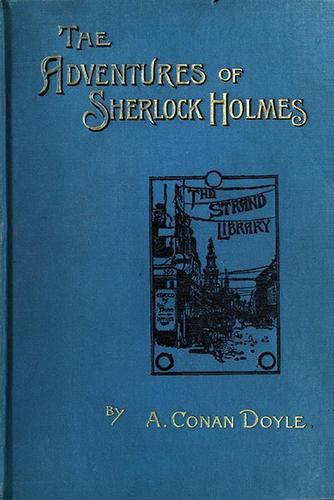
The Adventures of Sherlock Holmes is one of the most widely read and recognized works of detective fiction in any language. Holmes is arguably the most famous fictional character after Hamlet. The stories appear in English literature surveys, genre studies, and Victorian literature courses. While not taught with the same frequency as canonical literary novels, the collection's cultural ubiquity and historical importance to the detective genre give it strong canonical standing. Wikipedia articles exist in dozens of languages, and the stories remain continuously in print worldwide.
A fixture in SF studies, environmental humanities, and postcolonial literature courses at universities worldwide. Le Guin's work overall is more canonically established than this single novella — it appears regularly on SF syllabi and ecocriticism reading lists, taught alongside texts like Octavia Butler's Kindred and Kim Stanley Robinson's Mars trilogy, though without the 2000+ syllabus presence of Beloved or The Great Gatsby.
No. 10 on this list. Botchan
Natsume Sōseki · 1906
Easy2.1 hours
Included in: UNESCO Collection of Representative Works
The most widely read novel in Japanese literature. A national cultural touchstone for over a century.
No. 11 on this list. Deep Rivers · José María Arguedas · 1958
Taught in schools: UNAM Escuela Nacional Preparatoria – programas de Literatura (Mexico)
The central work of indigenist literature in Latin America and a cornerstone of Peruvian fiction.
Easy4 hours
Start this bookNo. 12 on this list. The Golden Pot · E.T.A. Hoffmann · 1814
One of the masterpieces of German Romanticism and Hoffmann's most celebrated tale. Widely studied in German literature courses.
Moderate1.9 hours
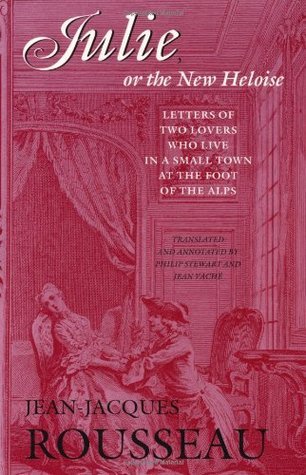
Start this bookNo. 13 on this list. Julie, or the New Heloise · Jean-Jacques Rousseau · 1761
The most important French novel before the 19th century and a founding text of Romanticism. Less read today than it deserves, partly due to its length and didactic passages.
Moderate18 hours
Start this bookNo. 14 on this list. The Learned Ladies · Molière · 1672
A significant Molière play, regularly included in collected editions and periodically revived. Less universally performed than Tartuffe or The Misanthrope.
Easy1.2 hours
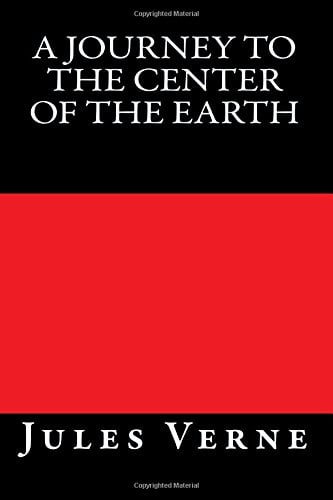
Start this bookNo. 15 on this list. Journey to the Center of the Earth · Jules Verne · 1864
A foundational text of 19th-century adventure fiction and proto-science fiction, taught in French literature and science fiction history courses worldwide. No syllabus data is available in the database, but Verne's novel is widely considered essential reading in genre history. It appears on most curated lists of classic science fiction and has remained in continuous print for over 160 years.
Easy4.3 hours
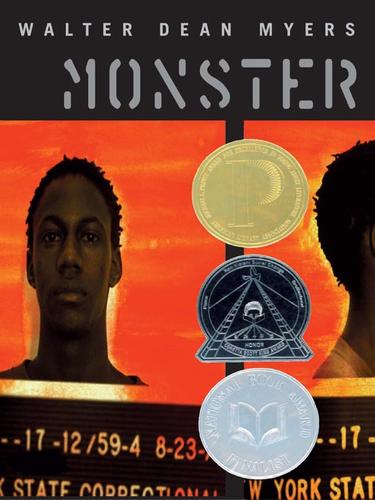
Start this bookNo. 16 on this list. Monster · Walter Dean Myers · 1999
Steve Harmon is sixteen years old and on trial for felony murder. He may have acted as a lookout for a Harlem drugstore robbery that left the owner dead — or he may not have. The question hangs over Walter Dean Myers's 1999 novel, which Steve narrates in the only form that makes sense to him: a screenplay. He writes himself as the protagonist, titles the film Monster — the word the prosecutor used to describe him — and cuts between courtroom scenes and flashback journal entries while his mother cries in the gallery and his lawyer calculates the odds. The form is not a gimmick. A screenplay externalizes action and dialogue while burying interiority in stage directions, and that gap is exactly where Myers puts the book's central problem: we watch Steve perform innocence without ever being certain whether we are watching performance or truth. The trial exposes Harlem's carceral machinery — the way young Black men get classified, processed, and destroyed — but Monster refuses to let that machinery fully explain Steve. He asks, on the last page, who he is. Myers doesn't answer. Readers will spend time after the last page deciding whether that's evasion or honesty, and what it says about how they read a defendant's face.
Easy1.7 hours
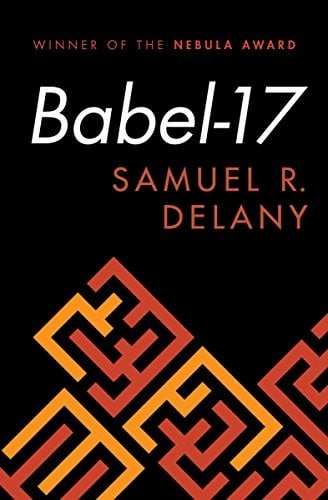
Start this bookNo. 17 on this list. Babel-17 · Samuel R. Delany · 1966
Babel-17 won the 1966 Nebula Award for Best Novel (tied with Flowers for Algernon) and appears on most SF core reading lists and New Wave SF curricula. It has limited presence on general literature university syllabi but is widely taught in SF-specific academic courses. Its canonical status is high within the genre and modest outside it.
Moderate3.8 hours
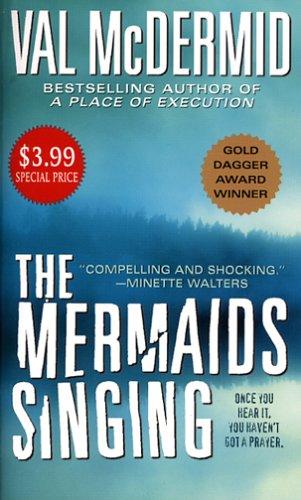
Start this bookNo. 18 on this list. The Mermaids Singing · Val McDermid · 1995
Gold Dagger winner. Launched one of crime fiction's most acclaimed series.
Easy6.5 hours
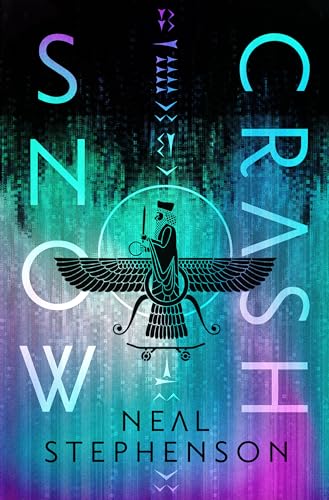
Start this bookNo. 19 on this list. Snow Crash · Neal Stephenson · 1992
Appears on 231 university syllabi (59th percentile in Open Syllabus) and was named to TIME's All-TIME 100 Novels (2005). It is a standard text in science fiction, cyberpunk and digital-culture courses, with a Wikipedia article in 20 languages.
Easy9.6 hours
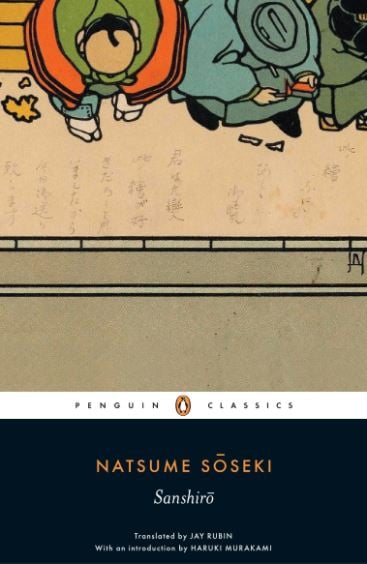
Start this bookNo. 20 on this list. Sanshiro · Natsume Sōseki · 1908
A key Soseki novel and an important document of Meiji-era Japan's encounter with modernity.
Easy4.3 hours
Start this book
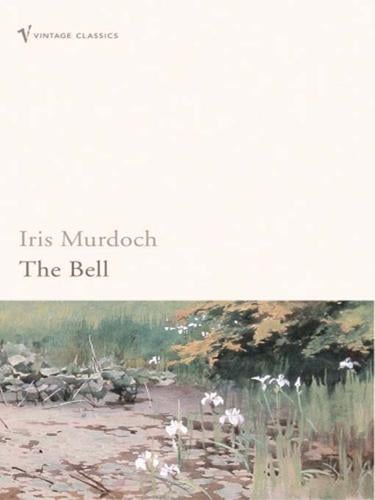
No. 21 on this list. The Bell · Iris Murdoch · 1958
Widely considered one of Murdoch's finest novels. Frequently taught and anthologized, it is often the entry point for new readers of her work.
Easy5.7 hours
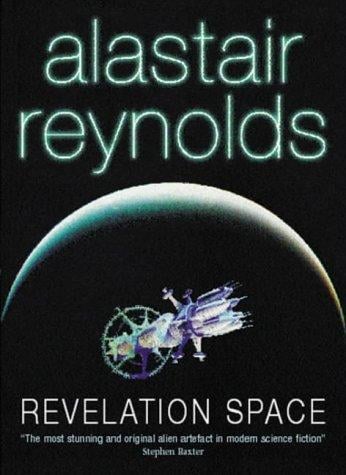
Start this bookNo. 22 on this list. Revelation Space · Alastair Reynolds · 2000
BSFA winner, a landmark of British hard space opera. Launched a major series.
Moderate11 hours
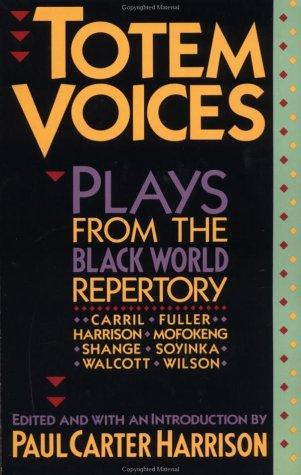
Start this bookNo. 23 on this list. Ti-Jean and His Brothers · Derek Walcott · 1958
A foundational work of Caribbean drama, widely taught in postcolonial literature courses. Less known outside that context than Walcott's poetry.
Easy1.4 hours
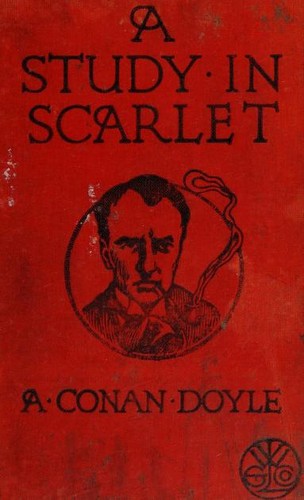
Start this bookNo. 24 on this list. A Study in Scarlet · Arthur Conan Doyle · 1887
A Study in Scarlet is the foundational text of Sherlock Holmes, one of the most globally recognized fictional characters. It appears regularly in detective fiction and popular literature courses, and the Holmes canon as a whole is considered essential reading in genre studies. The novel's cultural saturation is enormous even if formal literary syllabi treat it as genre rather than literary fiction.
Easy2.3 hours
Read nowNo. 25 on this list. Indian Summer · Adalbert Stifter · 1857
A landmark of Austrian literature, revered by some (Nietzsche, Thomas Mann) and dismissed by others. Occupies a unique and contested place in the German canon.
Easy14 hours
Start this bookNo. 26 on this list. Spin · Robert Charles Wilson · 2005
Hugo winner, widely praised. One of the best SF novels of the 2000s.
Moderate6.9 hours
Start this bookNo. 27 on this list. Everyman · Philip Roth · 2007
The book won the 2007 PEN/Faulkner Award. It is regularly taught in contemporary American literature courses and in courses on aging, yet it sits below Roth's major works such as Portnoy's Complaint and American Pastoral in the syllabus ranking. It has a Wikipedia page in 4 languages.
Moderate2.5 hours
Start this bookNo. 28 on this list. The Star Diaries · Stanisław Lem · 1957
Well-known in European literary tradition but less widely taught in anglophone curricula than Solaris or The Cyberiad.
Moderate5.5 hours
Start this bookNo. 29 on this list. Binti · Nnedi Okofor · 2015
Hugo and Nebula Award winner. A significant work of Africanfuturist fiction, increasingly taught in university courses.
Very Easy1.2 hours
Start this bookNo. 30 on this list. Marianela · Benito Pérez Galdós
One of Galdós's best-known novels and a standard text in Spanish literature courses, though less central than his Fortunata and Jacinta.
Easy4.2 hours
Start this book
No. 31 on this list. The Ultimate Hitchhiker’s Guide to the Galaxy (Hitchhiker's Guide to the Galaxy, #1-5)
Douglas Adams · 2002
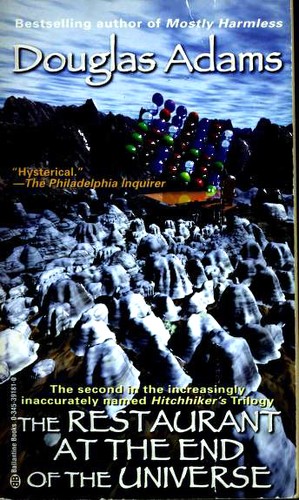
No. 32 on this list. The Restaurant at the End of the Universe
Douglas Adams · 1980
No. 33 on this list. All-Star Superman
Grant Morrison · 2011
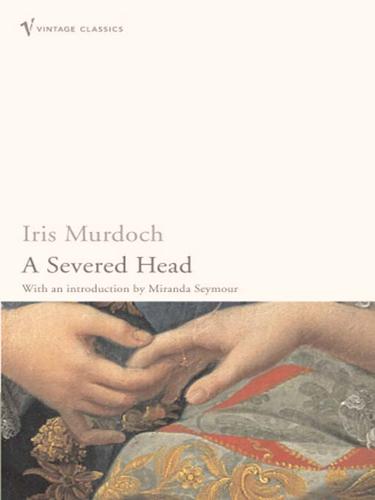
No. 34 on this list. A Severed Head
Iris Murdoch · 1961
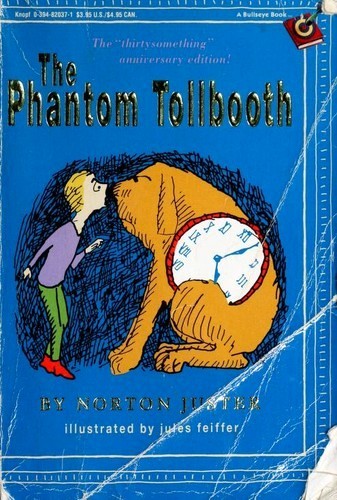
No. 35 on this list. The Phantom Tollbooth
Norton Juster · 1961
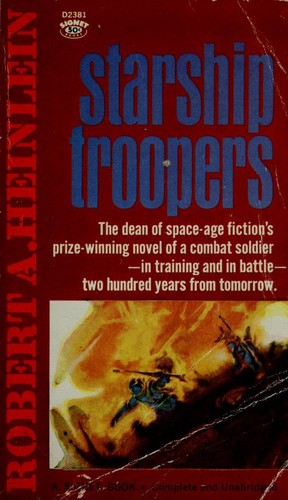
No. 36 on this list. Starship Troopers
Robert A. Heinlein · 1959
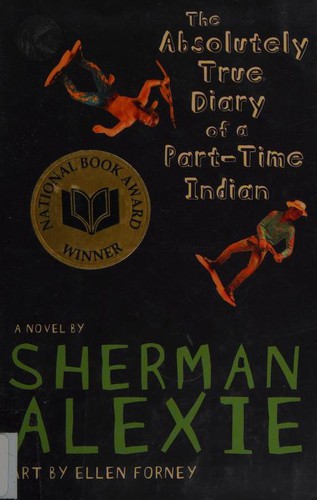
No. 37 on this list. The Absolutely True Diary of a Part-Time Indian
Sherman Alexie · 2007
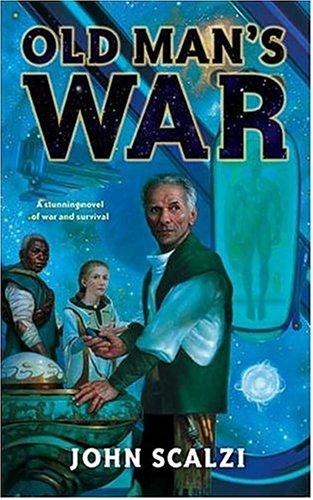
No. 38 on this list. Old Man's War
John Scalzi · 2005
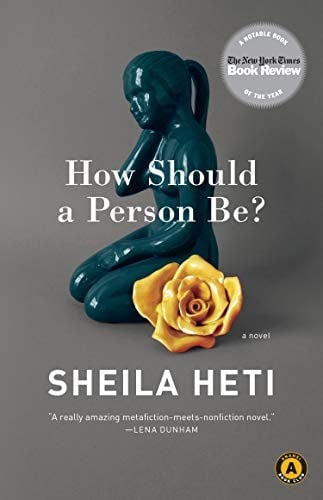
No. 39 on this list. How Should a Person Be?
Sheila Heti · 2012
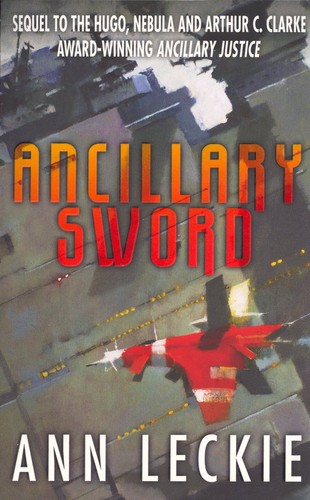
No. 40 on this list. Ancillary Sword
Ann Leckie · 2014


No. 41 on this list. The Last Question
Isaac Asimov · 2007
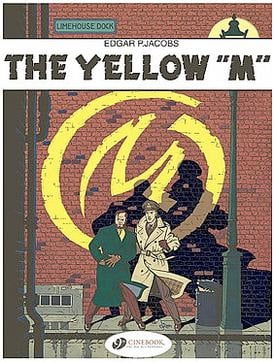
No. 42 on this list. Blake and Mortimer
Edgar P. Jacobs · 1946
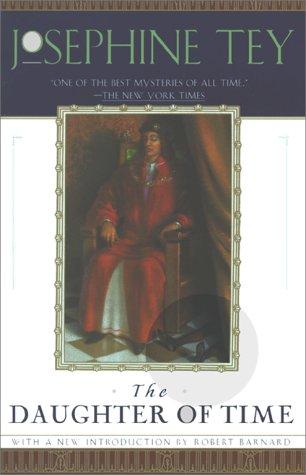
No. 43 on this list. The Daughter of Time
Josephine Tey · 1951
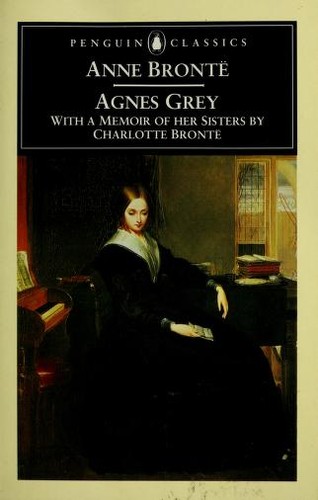
No. 44 on this list. Agnes Grey
Anne Brontë · 1847
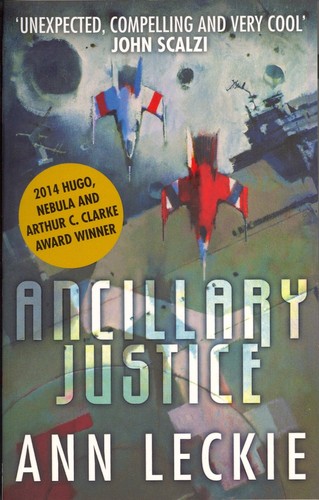
No. 45 on this list. Ancillary Justice
Ann Leckie · 2013
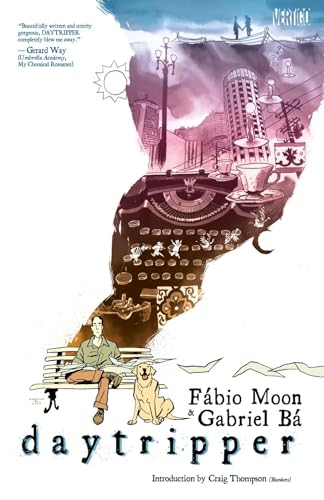
No. 46 on this list. Daytripper
Fábio Moon · 2011
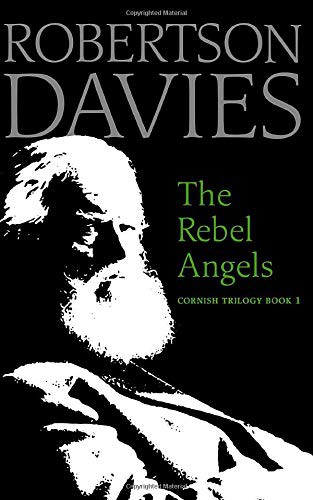
No. 47 on this list. The Rebel Angels
Robertson Davies · 1981
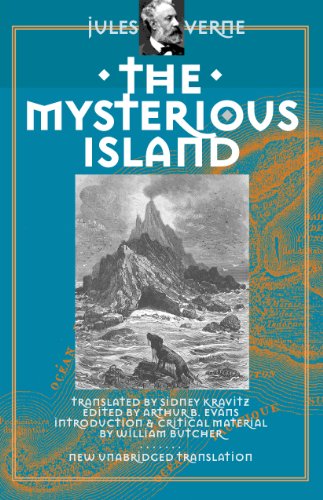
No. 48 on this list. The Mysterious Island
Jules Verne · 1875
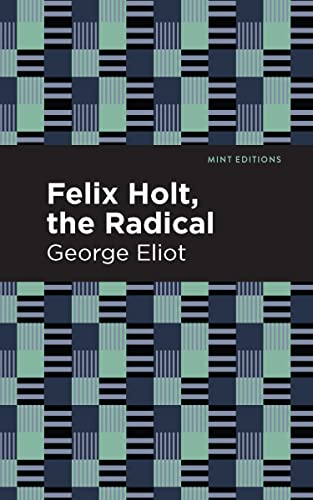
No. 49 on this list. Felix Holt, the Radical
George Eliot · 1866
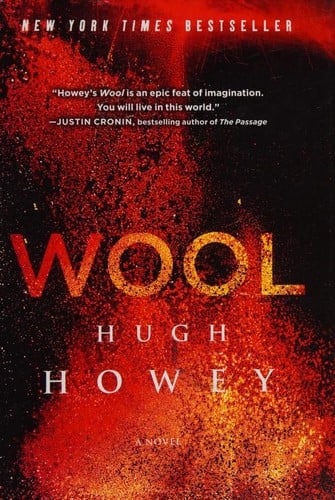
No. 50 on this list. Wool
Hugh Howey · 2011

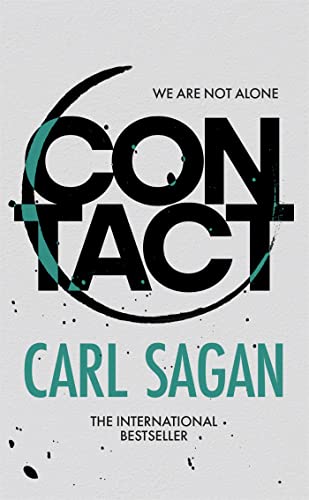
No. 51 on this list. Contact
Carl Sagan · 1985
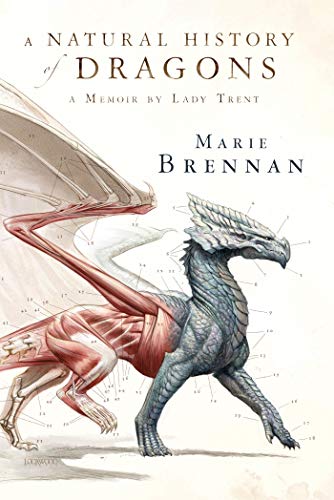
No. 52 on this list. A Natural History of Dragons
Marie Brennan · 2013
No. 53 on this list. Prohibido suicidarse en primavera
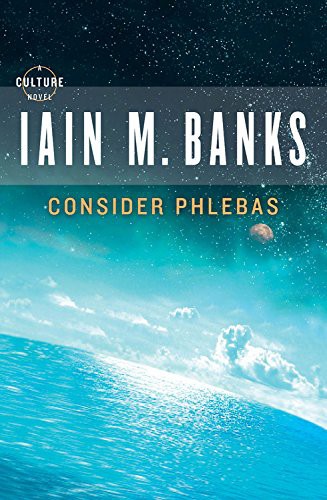
No. 54 on this list. Consider Phlebas
Iain M. Banks · 1987
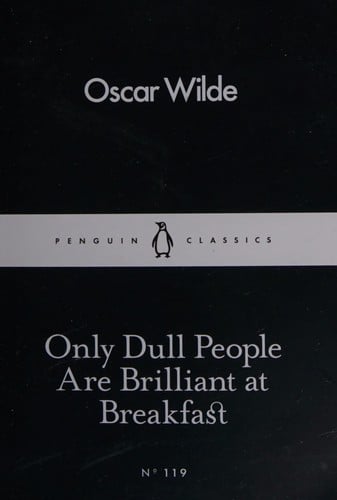
No. 55 on this list. Only Dull People Are Brilliant at Breakfast
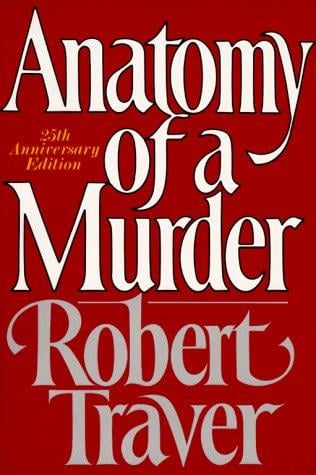
No. 56 on this list. Anatomy of a Murder
Robert Traver · 1958
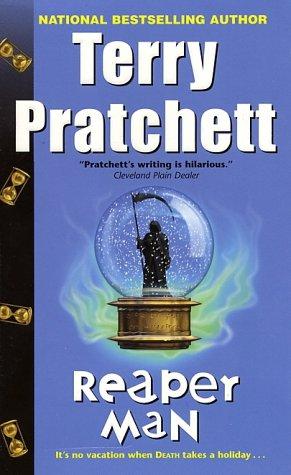
No. 57 on this list. Reaper Man
Terry Pratchett · 1991
No. 58 on this list. Knulp
Hermann Hesse · 1988
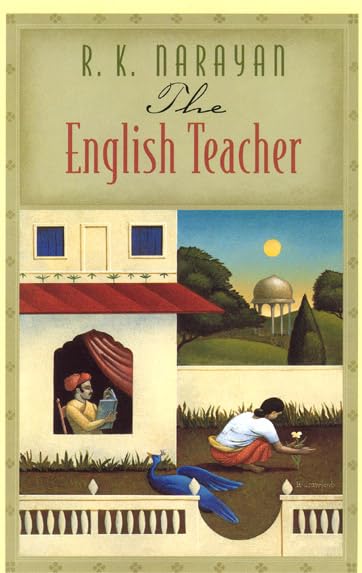
No. 59 on this list. The English Teacher
R.K. Narayan · 1945
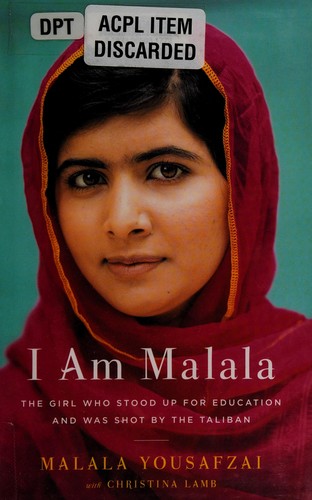
No. 60 on this list. I Am Malala: The Story of the Girl Who Stood Up for Education and Was Shot by the Taliban
Malala Yousafzai · 2013


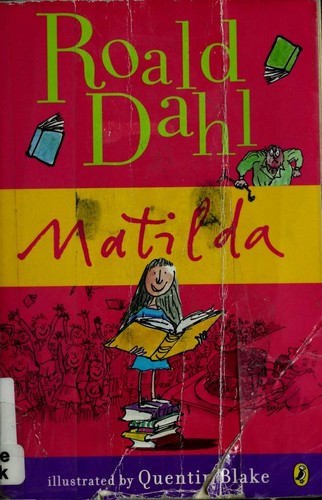
No. 61 on this list. Matilda
Roald Dahl · 1988
Taught in schools: CSEC English B – Caribbean Examinations Council
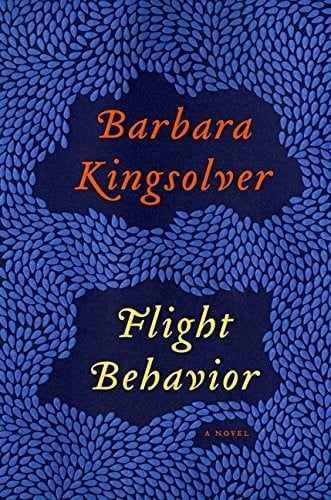
No. 62 on this list. Flight Behavior
Barbara Kingsolver · 2012
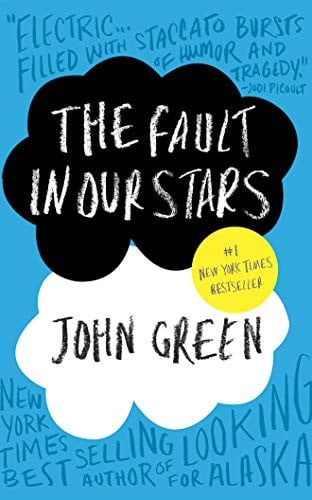
No. 63 on this list. The Fault in Our Stars
John Green · 2012
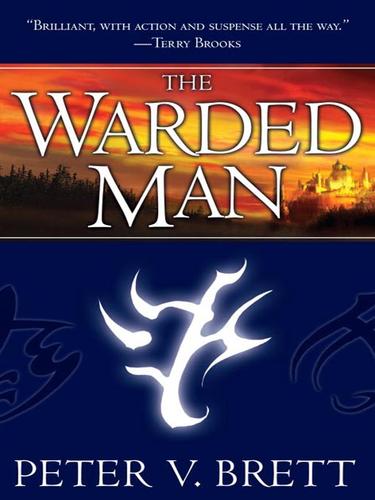
No. 64 on this list. The Warded Man
Peter V. Brett · 2008
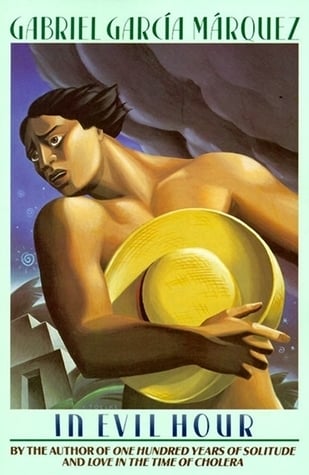
No. 65 on this list. In Evil Hour
Gabriel García Márquez · 1962
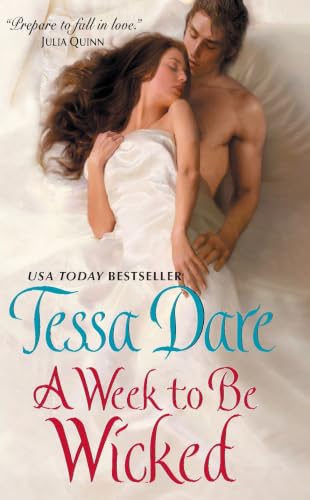
No. 66 on this list. A Week to Be Wicked
Tessa Dare · 2012
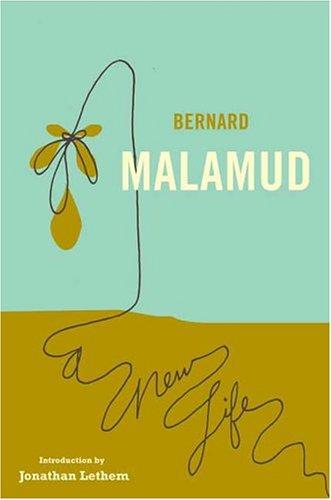
No. 67 on this list. A New Life
Bernard Malamud · 1961
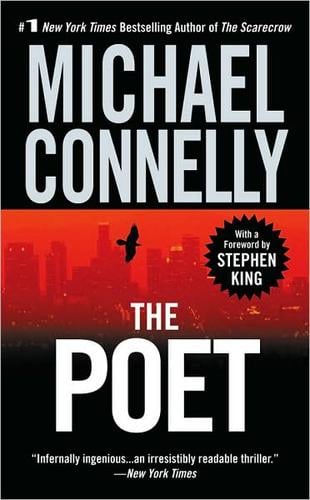
No. 68 on this list. The Poet
Michael Connelly · 1996
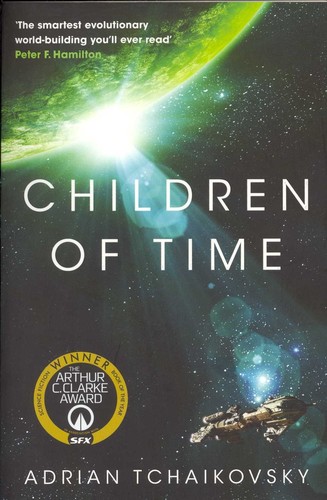
No. 69 on this list. Children of Time
Adrian Tchaikovsky · 2015
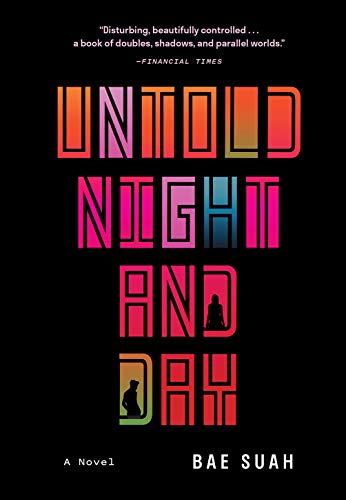
No. 70 on this list. Untold Night and Day
Bae Suah · 2013
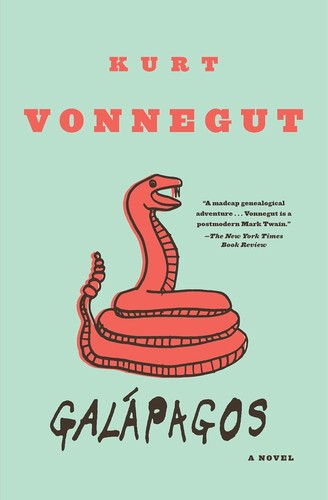
No. 71 on this list. Galapagos
Kurt Vonnegut · 1985
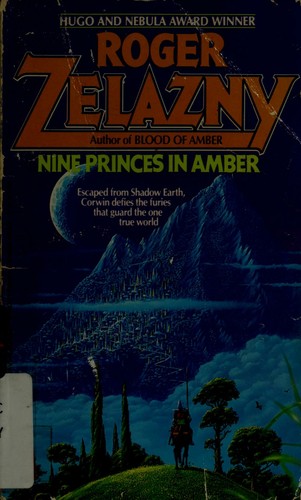
No. 72 on this list. Nine Princes in Amber
Roger Zelazny · 1970
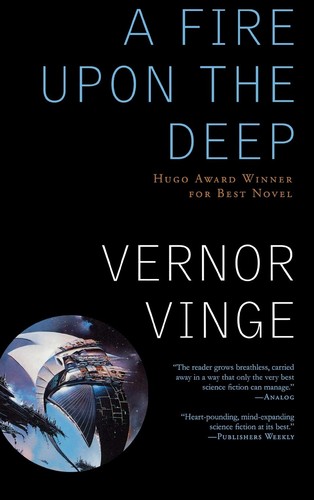
No. 73 on this list. A Fire Upon the Deep
Vernor Vinge · 1992
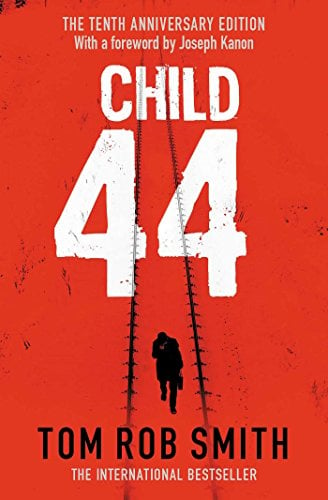
No. 74 on this list. Child 44
Tom Rob Smith · 2008
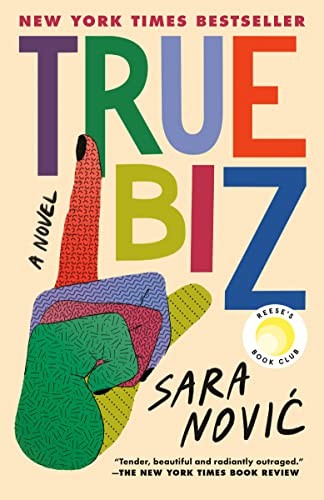
No. 75 on this list. True Biz
Sara Novic · 2022
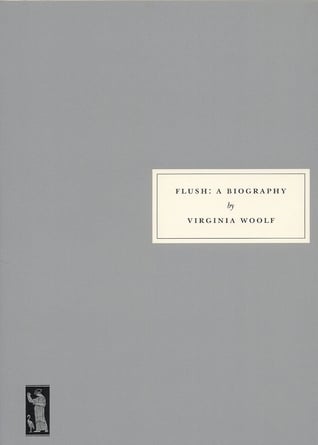
No. 76 on this list. Flush: A Biography
Virginia Woolf · 1933
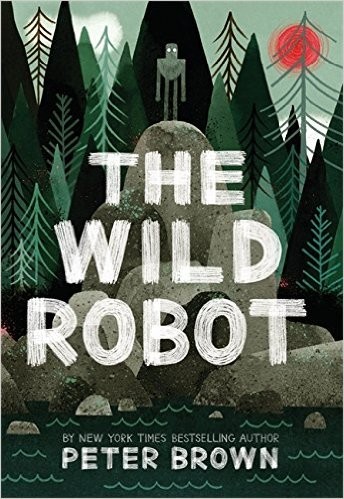
No. 77 on this list. The Wild Robot
Peter Brown · 2016
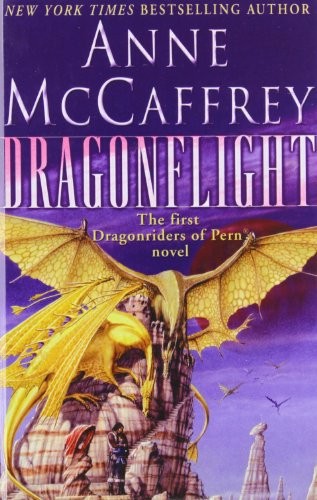
No. 78 on this list. Dragonflight
Anne McCaffrey · 1968
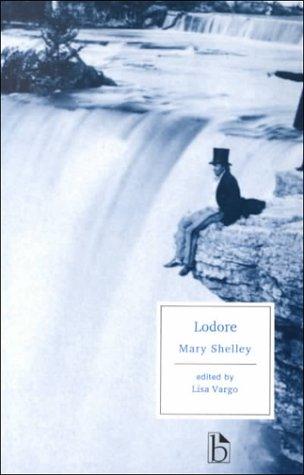
No. 79 on this list. Lodore
Mary Shelley · 1835
No. 80 on this list. The Shape of Water
Andrea Camilleri · 1994
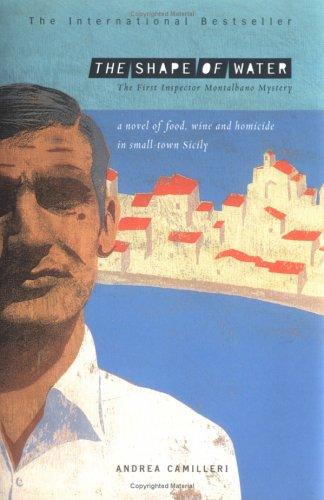
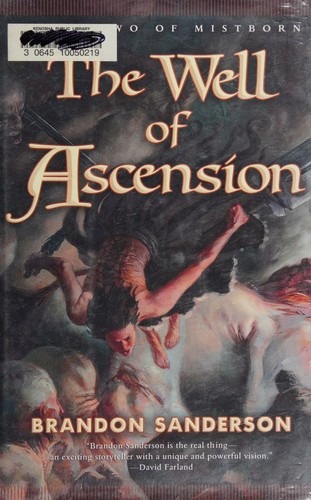
No. 81 on this list. The Well of Ascension
Brandon Sanderson · 2007
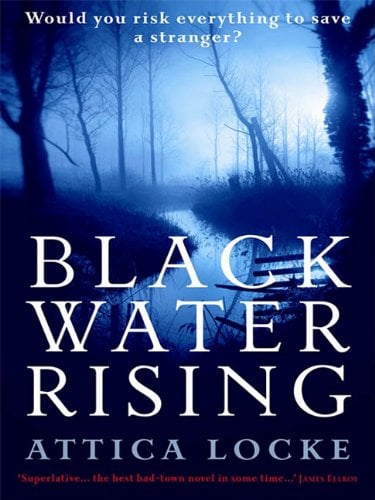
No. 82 on this list. Black Water Rising
Attica Locke · 2010
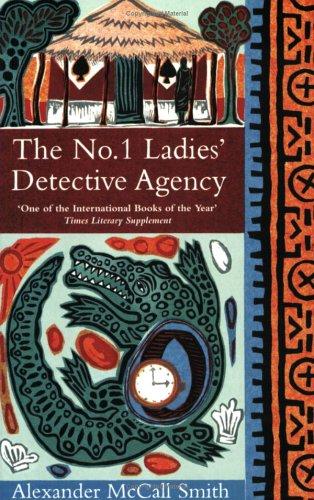
No. 83 on this list. The No. 1 Ladies' Detective Agency
Alexander McCall Smith · 1998
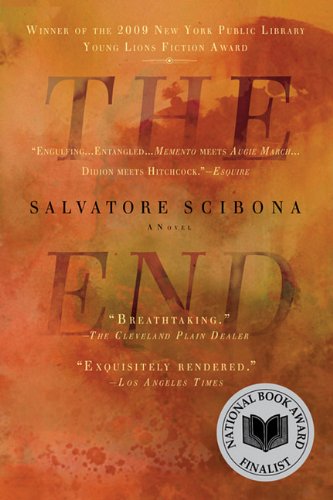
No. 84 on this list. The End
Salvatore Scibona · 2008
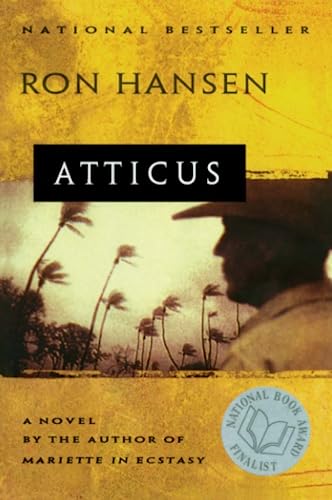
No. 85 on this list. Atticus
Ron Hansen · 1996
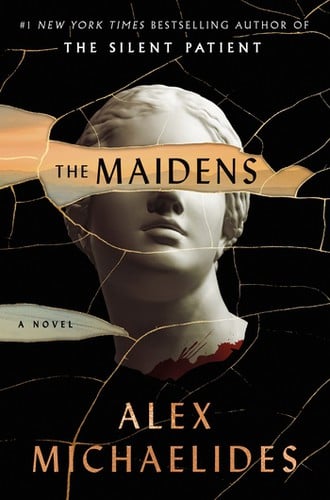
No. 86 on this list. The Maidens
Alex Michaelides · 2021
No. 87 on this list. Two on a Tower
Thomas Hardy · 1882
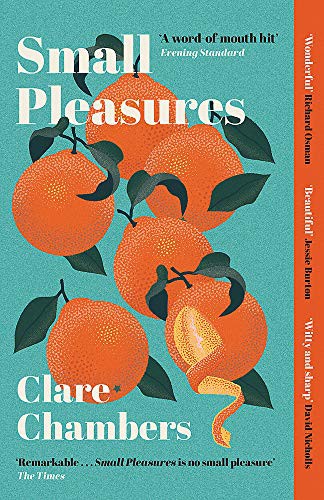
No. 88 on this list. Small Pleasures
Clare Chambers · 2020
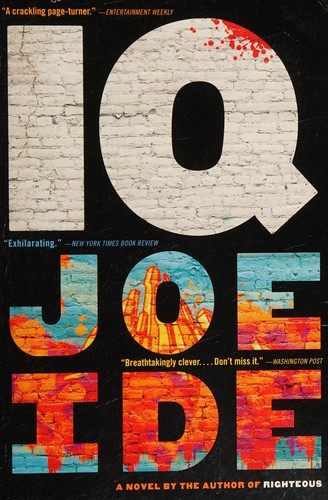
No. 89 on this list. IQ
Joe Ide · 2016
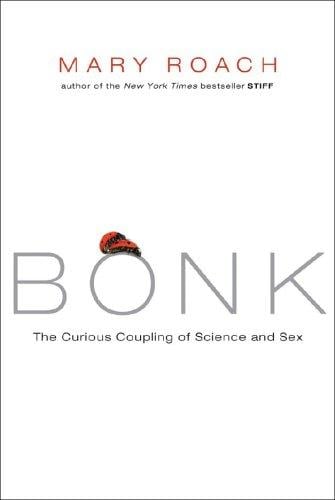
No. 90 on this list. Bonk
Mary Roach · 2008
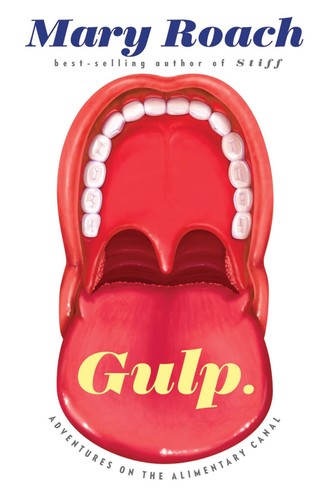
No. 91 on this list. Gulp
Mary Roach · 2013
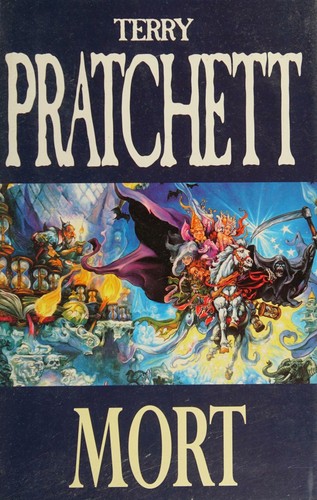
No. 92 on this list. Mort
Terry Pratchett · 1987
No. 93 on this list. Eight O'Clock in the Morning
Ray Faraday Nelson · 1963
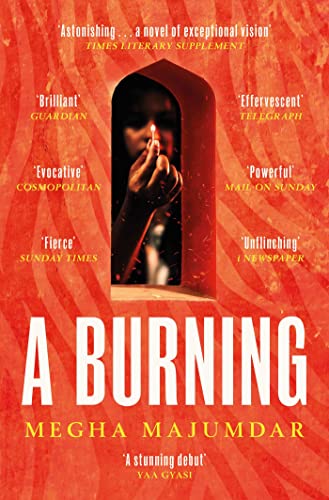
No. 94 on this list. A Burning
Megha Majumdar · 2020
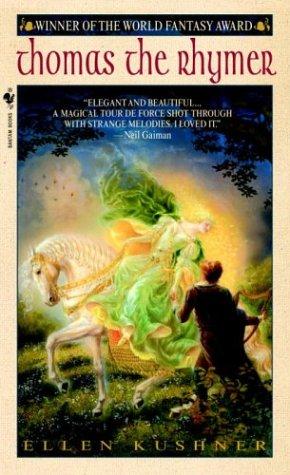
No. 95 on this list. Thomas the Rhymer
Ellen Kushner · 1990
No. 96 on this list. The Ickabog
J.K. Rowling · 2020
No. 97 on this list. Sadie
Courtney Summers · 2018
No. 98 on this list. A Death in Tokyo
Keigo Higashino · 2022
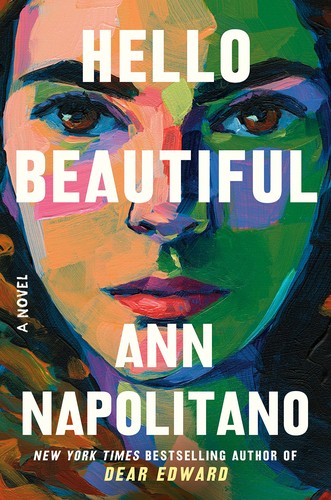
No. 99 on this list. Hello Beautiful
Ann Napolitano · 2023
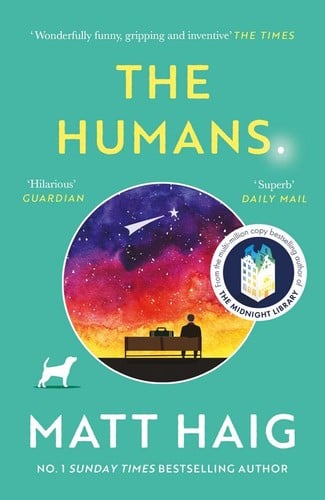
No. 100 on this list. The Humans
Matt Haig · 2014


About this list
These 100 books are the highest-scoring eligible easy books about knowledge and truth currently in the catalogue. About 488 hours of reading in all, for the 99 with measured lengths. Difficulty runs from 31 to 41 out of 100 for the middle half of the list; the summit is Arrowsmith at 45.
This list is ranked by literary regard, with a consistent order for equal scores. Membership follows authors and co-authors, not translators or editors. A book is here when ReadingRate files it under Knowledge & Truth as one of its primary reading domains, at a confidence of 0.8 or more. Catalogue coverage and the historical canon both limit what this list can represent.
When we matched the Canons dataset to our catalogue in October 2026, our canonical-status scores rose with the number of school curricula, publisher series and lists in it that cite a work: the median score was 72 for books one such source cites, 84 at two, 88 at three, 92 at four and 93 at five or more. Prizes are left out of that count. Outside the state curricula, the dataset’s sources choose mostly from what has been translated into English or French, so it is a weaker check on other literatures. Source: Canons (Andrew Piper), CC BY 4.0
Questions people actually ask
- What are the best easy books about knowledge and truth?
- By literary regard, which weighs canonical status, critical standing and influence: Selected Poems of Czesław Miłosz by Czesław Miłosz, The Complete Sherlock Holmes by Arthur Conan Doyle, Borderlands/La Frontera: The New Mestiza by Gloria Anzaldua, The Great Enigma: New Collected Poems by Tomas Tranströmer and The School for Wives by Molière. ReadingRate ranks 100 such books, each with a difficulty score and a reading-time estimate.
- Which easy books about knowledge and truth should I read first?
- Start from difficulty, not from rank. The most approachable books on this list that still carry top literary regard are The School for Wives by Molière (about 1.2 hours), The Complete Sherlock Holmes by Arthur Conan Doyle and Borderlands/La Frontera: The New Mestiza by Gloria Anzaldua.
- What are the shortest of the best easy books about knowledge and truth?
- Among the top 25, the shortest are The Great Enigma: New Collected Poems by Tomas Tranströmer (about 1.1 hours), The School for Wives by Molière (about 1.2 hours) and The Learned Ladies by Molière (about 1.2 hours), at an average pace of 250 words a minute adjusted for each book's difficulty.
- Which of the best easy books about knowledge and truth are the established classics?
- By canonical status, how firmly a book sits in curricula, anthologies and the canon: Selected Poems of Czesław Miłosz by Czesław Miłosz, The Great Enigma: New Collected Poems by Tomas Tranströmer, The Complete Sherlock Holmes by Arthur Conan Doyle, Borderlands/La Frontera: The New Mestiza by Gloria Anzaldua and The School for Wives by Molière.
- Can I read any of these easy books about knowledge and truth for free?
- 7 of the 100 open in ReadingRate's reader with a free account, from public-domain editions: Jenny, Arrowsmith, The Adventures of Sherlock Holmes, Botchan, A Study in Scarlet and 2 more.
- How long would it take to read the top ten?
- About 38 hours, at an average pace of 250 words a minute adjusted for each book's difficulty: 20 days at two hours a day. Set your own pace on the page and the list's reading times change to it.
- How hard are easy books about knowledge and truth to read?
- Most of this list sits between 31 and 41 on ReadingRate's 100-point difficulty scale, where 40 to 55 is moderate. The summit is Arrowsmith at 45. Every entry carries its own score, so a reader can pick a great book at a difficulty they will finish.
- How is this list ranked?
- On literary-regard data: how canonically established a work is, its critical standing, and its influence on later writing. It is not a readers’ poll, which is why recent bestsellers rarely appear. Membership follows authors and co-authors, not translators or editors. Lists by country, author, period, theme or difficulty keep to literature (fiction, poetry, drama and philosophy), their novels, poems and plays first and their philosophy after them; a list of a kind of book, such as memoir or criticism, keeps every book of that kind. Every list holds at most three works by one author. A book is here when ReadingRate files it under Knowledge & Truth as one of its primary reading domains, at a confidence of 0.8 or more.