Hours at an average pace
Showing 100 books
About 787 hours for 100 of 100 books with measured lengths. Estimates use 250 words a minute, adjusted for each book's difficulty. At 2 hours a day, about 394 days for those books.
No. 1 on this list. Hamlet
William Shakespeare · 1601
Challenging3.1 hours
Taught in schools: Uzbek adabiyot curriculum (Uzbekistan)
Included in: Bokklubben World Library, Great Books of the Western World, UNESCO Collection of Representative Works
Shakespeare invented the modern soliloquy here: a mind watching itself think, stalling, doubting, performing. Every fictional character who hesitates before acting is Hamlet's descendant.
No. 2 on this list. Don Quixote
Miguel de Cervantes · 1605
Challenging32 hours
Taught in schools: Hungarian literature curriculum (magyar nyelv és irodalom) (Hungary), Literatura, Diseño Curricular – Provincia de Buenos Aires (Argentina), Montenegrin literature curriculum (crnogorski jezik i književnost) (Montenegro)
Included in: Bokklubben World Library, Great Books of the Western World
271 syllabus appearances (60.8th percentile) undersells its actual canonical weight. Don Quixote appears on virtually every Western canon list ever compiled, from Harold Bloom's to university core curricula worldwide. It is routinely called the first modern novel and the foundational work of Western fiction. Its relatively lower syllabus count likely reflects the novel's 900+ page length making it harder to assign in survey courses.
No. 3 on this list. Moby-Dick
Herman Melville · 1851
Difficult26 hours
Included in: Bokklubben World Library, Great Books of the Western World
Melville poured cetology, Shakespearean soliloquy, sermon, sea shanty, and metaphysical dread into one whaling voyage, creating a book that operates simultaneously as adventure novel, encyclopedia, and prose poem about obsession. Nothing in American literature before or since has this range of register in a single work.
No. 4 on this list. On the Nature of Things
Lucretius · c. 55 BCE
Moderate5.5 hours
Included in: Great Books of the Western World
De Rerum Natura is one of the most significant surviving texts from antiquity, taught in classics, philosophy, and history of science programs at universities worldwide. It represents the fullest extant exposition of Epicurean atomism in any language and appears on virtually every list of essential classical works. Its rediscovery by Poggio Bracciolini in 1417 is credited with catalyzing Renaissance intellectual culture.
One of the most important collections in postwar American poetry. 'Skunk Hour' alone secures its place in the canon.
No. 6 on this list. A Streetcar Named Desire
Tennessee Williams · 1947
Challenging2.3 hours
Taught in schools: AQA GCSE and A-level English Literature (UK), Cambridge IGCSE Literature in English (0475), UNAM Escuela Nacional Preparatoria – programas de Literatura (Mexico)
Required reading in virtually every American literature curriculum, from high school through university, and among the most-produced plays in the American theater canon. It appears on nearly every 'great American plays' list alongside Death of a Salesman, and has been continuously performed since its 1947 Broadway premiere.
No. 7 on this list. Ariel
Sylvia Plath · 1965
Difficult2.4 hours
Taught in schools: AQA GCSE and A-level English Literature (UK)
Ariel is standard reading across American and British university literature and women's studies curricula, appearing on thousands of syllabi. The collection is included on virtually every 'essential 20th century poetry' list and occupies a permanent position in the confessional poetry canon. Its Wikipedia article exists in over 30 languages, and it has been continuously in print since its 1965 publication.
No. 8 on this list. The Bacchae
Euripides · c. 405 BCE
Moderate1.3 hours
Included in: Great Books of the Western World, Oxford World's Classics
One of 18 surviving tragedies from Euripides, performed continuously since antiquity. Central to Greek drama syllabi worldwide, frequently translated and adapted (including Dionysus in 69, The Bacchae 2.1). Essential text for understanding both Greek tragedy's development and the cultural conflicts of 5th-century Athens. Influenced later treatments of divine-human conflict from Ovid's Metamorphoses to modern drama.
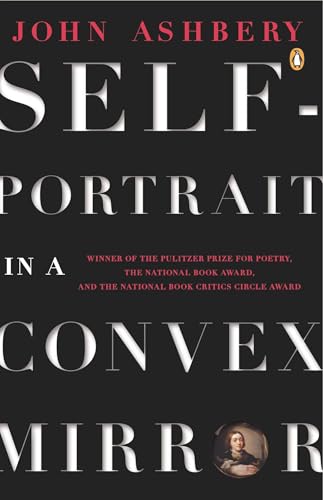
Won the Pulitzer Prize, National Book Award, and National Book Critics Circle Award — the only book to win all three. Central to the American poetry canon.
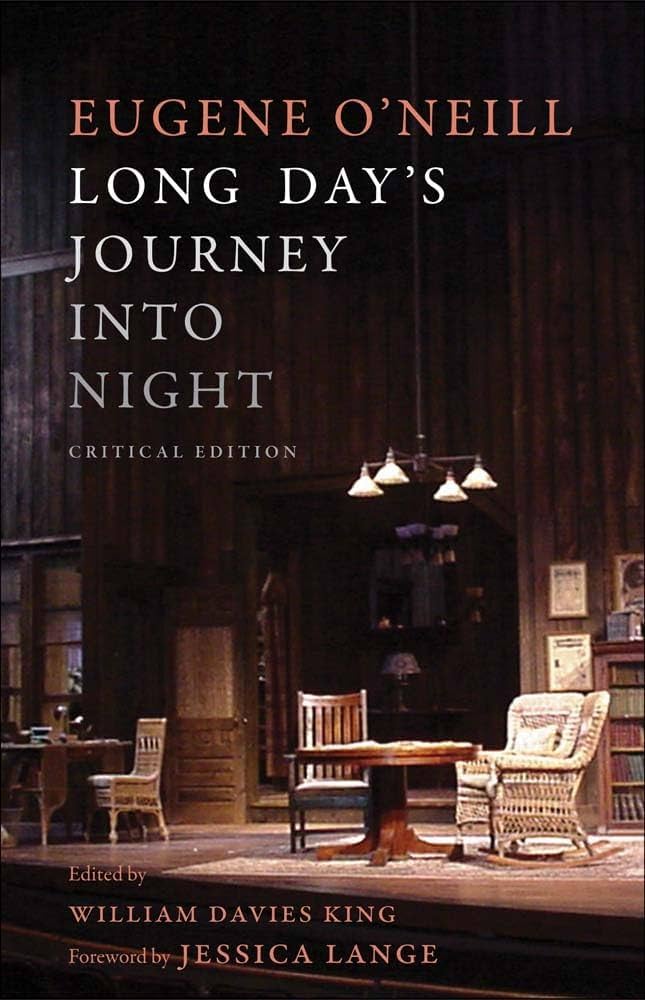
O'Neill dramatized his own family — the morphine-addicted mother, the alcoholic father, the doomed brother — with such lacerating honesty that he ordered the play sealed until twenty-five years after his death. The result is the most autobiographically raw masterpiece in American theater, a four-act cycle of blame and forgiveness that never grants its characters the relief of a resolution.
No. 11 on this list. A Dream Play · August Strindberg · 1902
Recognized as one of the most important and innovative plays in Western drama. A foundational text of expressionism and the avant-garde theatre.
Moderate2.1 hours
Start this bookNo. 12 on this list. Mrs. Dalloway · Virginia Woolf · 1925
Taught in schools: OCR GCSE and A-level English Literature (UK), Pearson Edexcel GCSE and A-level English Literature (UK)
Included in: Bokklubben World Library
Appears on 4,254 university syllabi according to the Open Syllabus Project, placing it at the 90.7th percentile of all taught texts — above Beloved's range and approaching The Great Gatsby's 3,500+ appearances. Listed on TIME's All-TIME 100 Novels (2005) and in 1001 Books You Must Read Before You Die. Wikipedia articles in 35 languages with an adaptations section confirm broad global reach.
Challenging7.1 hours
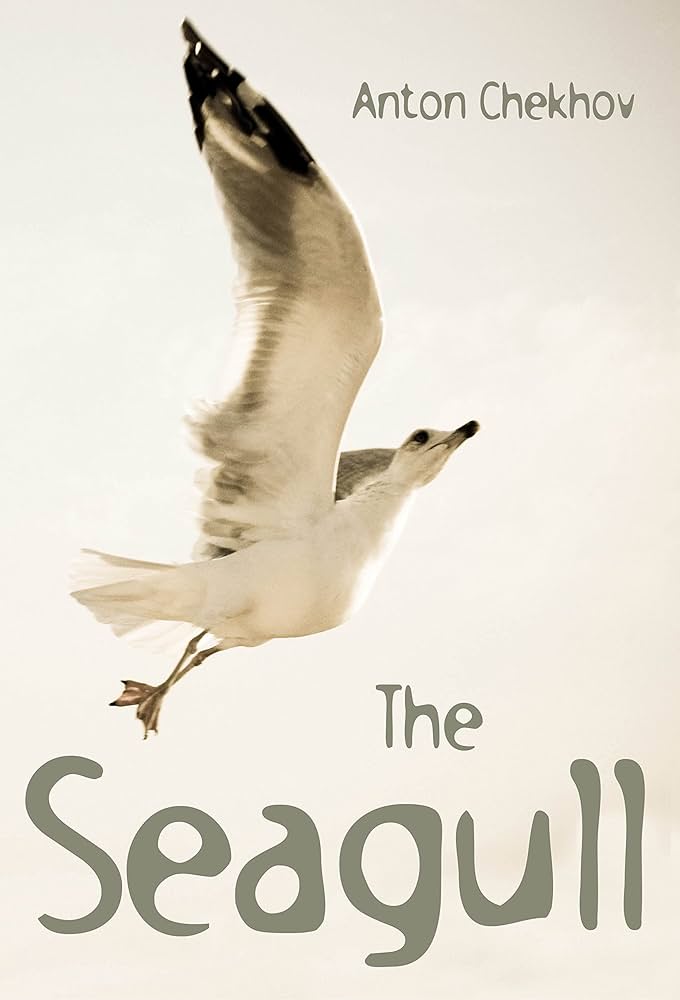
Read nowNo. 13 on this list. The Seagull · Anton Chekhov · 1896
Taught in schools: Hungarian literature curriculum (magyar nyelv és irodalom) (Hungary), Russian FGOS literature standard
One of Chekhov's four major plays and a permanent part of the world repertory and of drama syllabi. Its 1898 Moscow Art Theatre revival is the founding event of that theatre, which still carries a seagull on its curtain.
Challenging2.1 hours
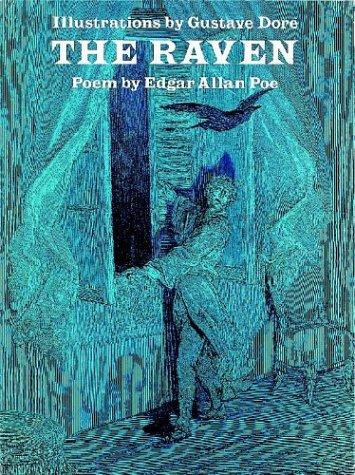
Read nowNo. 14 on this list. The Raven · Edgar Allan Poe · 1845
Taught in schools: Common Core text exemplars (Appendix B) (US)
It is among the most anthologized American poems and a staple of school and college literature courses. It is widely taught alongside Poe's tales.
Moderate1.1 hours
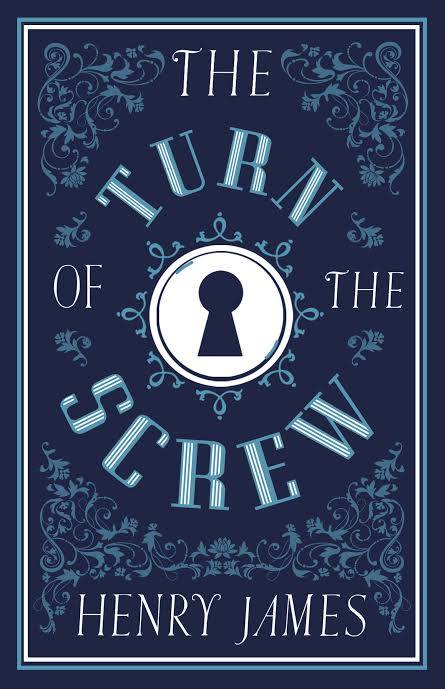
Start this bookNo. 15 on this list. The Turn of the Screw · Henry James · 1898
Taught in schools: CSEC English B – Caribbean Examinations Council
Essential Gothic literature and James studies text; widely taught in ghost story, Victorian, and modernist courses; definitive example of narrative ambiguity and unreliable narration.
Difficult5.5 hours
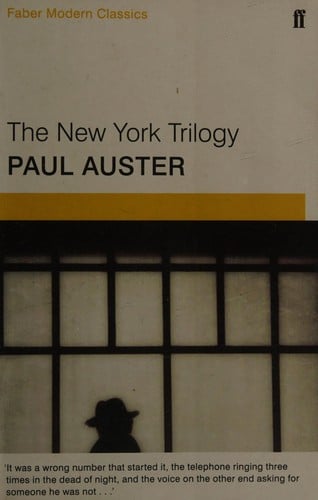
Read nowNo. 16 on this list. The New York Trilogy · Paul Auster · 1987
The New York Trilogy stands as the defining work of American postmodern noir and one of the most influential experimental novels of the 1980s. It appears consistently on syllabi for postmodern fiction, metafiction, and American literature courses, and is cited as a foundational text in discussions of the detective genre's literary transformation. Published in the US by Penguin Books (1987 combined edition), it has remained continuously in print for four decades. It appears on numerous "greatest novels" lists and is central to critical discourse on identity, authorship, and the limitations of language in contemporary fiction.
Very Difficult19 hours
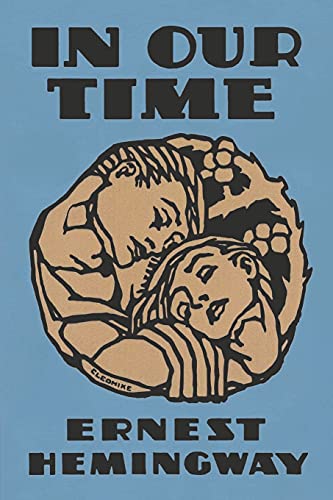
Start this bookNo. 17 on this list. In Our Time · Ernest Hemingway · 1925
In Our Time is widely taught in American literature survey courses as the foundational text of Hemingway's iceberg style. It appears on thousands of university syllabi and is the required starting point for understanding modernist short fiction in America. The Modern Library and most major American literature curricula treat it as essential.
Challenging17 min
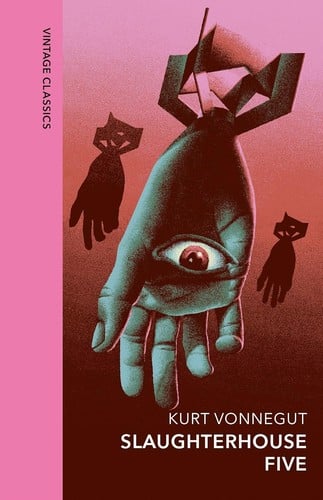
Start this bookNo. 18 on this list. Slaughterhouse-Five · Kurt Vonnegut · 1999
One of the most widely taught American novels of the twentieth century, in high school and university courses on war literature and postmodern fiction. Its 1969 text is the standard for anti-war reading lists.
Moderate3.5 hours
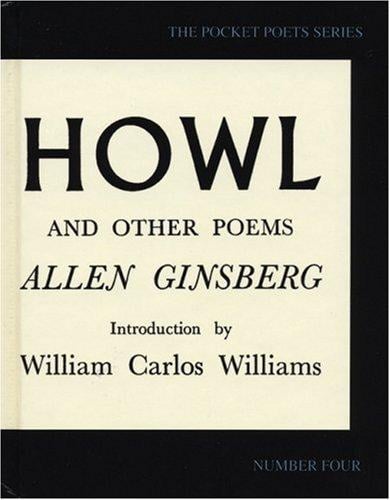
Start this bookNo. 19 on this list. Howl and Other Poems · Allen Ginsberg · 1956
"Howl" appears on syllabi across American literature, Beat literature, 20th-century poetry, and cultural studies courses at universities worldwide. It is included in virtually every major American poetry anthology and is among the handful of postwar poems recognizable by name to a general educated audience. The 1957 obscenity trial cemented its cultural position as a defining document of the era.
Challenging43 min
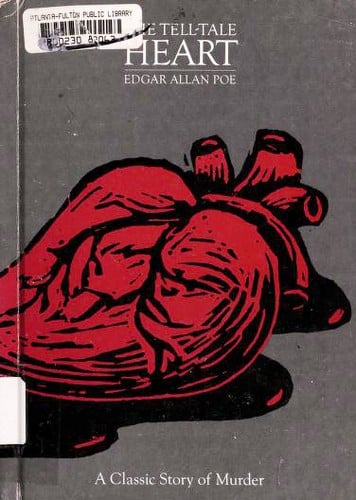
Start this bookNo. 20 on this list. The Tell-Tale Heart · Edgar Allan Poe · 1843
Taught in schools: Pacific Senior Secondary Certificate – English
It is recommended reading in the Pacific Senior Secondary Certificate English curriculum and is among the most widely taught American short stories in schools worldwide, comparable to Gatsby's classroom ubiquity in its own form.
Moderate32 min
Start this book
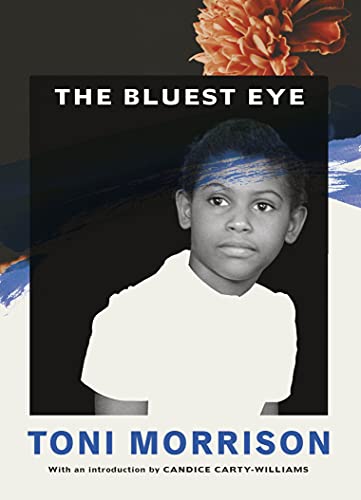
No. 21 on this list. The Bluest Eye · Toni Morrison · 1970
Taught in schools: Common Core text exemplars (Appendix B) (US)
While not as universally canonical as Beloved, The Bluest Eye is firmly established in the American literary canon, widely taught in universities, and recognized as a landmark debut that announced a major voice in American letters.
Challenging4.2 hours
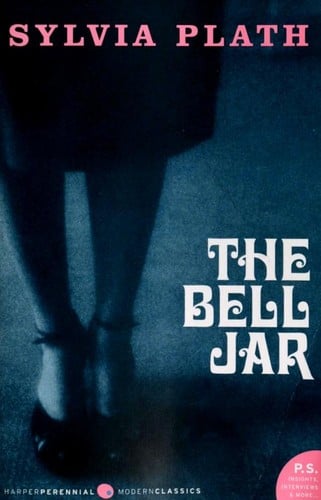
Start this bookNo. 22 on this list. The Bell Jar · Sylvia Plath · 1963
The Bell Jar is required reading in virtually every American women's literature and confessional writing course, and appears widely in high school curricula addressing mental health and mid-century American life. It holds a secure place on Modern Library and similar essential reading lists, and remains one of the most assigned novels in discussions of feminist literary history.
Challenging6.4 hours
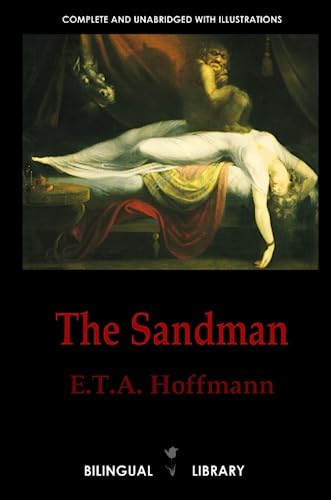
Start this bookNo. 23 on this list. The Sandman · E.T.A. Hoffmann · 1816
The Sandman is canonical in German literature courses, Romantic literature surveys, Gothic fiction studies, and psychoanalytic literary criticism worldwide. Freud's 1919 essay 'The Uncanny' uses it as the central specimen, ensuring its presence on psychoanalysis and literary theory syllabi for over a century. While it lacks the broad English-language curriculum presence of Frankenstein or Great Expectations, it is effectively required reading in any serious study of German Romanticism, the Gothic tradition, or the history of uncanny fiction.
Difficult1.8 hours
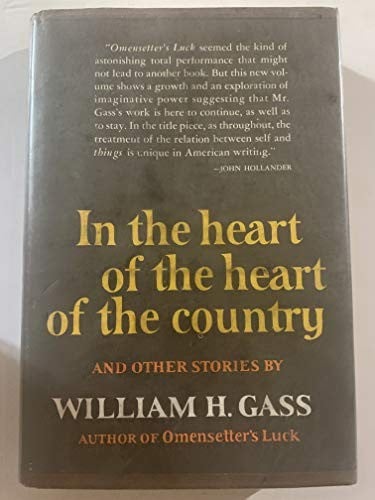
Start this bookNo. 24 on this list. In the Heart of the Heart of the Country · William Gass · 1968
In the Heart of the Heart of the Country was first published in 1968 and immediately positioned Gass — alongside Barth, Pynchon, and Coover — as a founding figure of American postmodern fiction. The NYRB Classics reprint with an introduction by Joanna Scott confirms its place in the American literary canon. It is taught in graduate programs in literary fiction and cited in essays on American experimental prose. Its canonical position is more secure in academic contexts than in general readership, placing it below Invisible Man or Blood Meridian but above most of its experimental contemporaries.
Very Difficult13 hours
Start this bookNo. 25 on this list. Paradise · Toni Morrison · 1999
As Morrison's seventh novel following her 1993 Nobel Prize, Paradise occupies secure canonical position. It completes Morrison's loose trilogy with Beloved and Jazz, cementing her exploration of African American historical trauma. The novel appears regularly on graduate syllabi and receives sustained scholarly attention. While perhaps less taught than Beloved or Song of Solomon, it represents mature-period Morrison at peak powers and contributes essential perspectives on black utopian communities, gender conflict, and religious violence.
Challenging10 hours
Start this bookNo. 26 on this list. One Flew Over the Cuckoo's Nest · Ken Kesey · 1962
Taught in schools: AQA GCSE and A-level English Literature (UK)
The novel stands as a defining countercultural text of the 1960s, regularly taught in high schools and universities. Its critique of institutional conformity and exploration of sanity as social construct secured permanent placement in American literary canon. The work shaped cultural conversation about psychiatric power and individual freedom.
Challenging8.3 hours
Start this bookNo. 27 on this list. Benito Cereno · Herman Melville · 1855
One of the most taught American novellas, central to literary discussions of race, slavery, and narrative perspective.
Moderate1.7 hours
Start this bookNo. 28 on this list. Exercises in Style · Raymond Queneau · 1947
A cornerstone text of postwar French avant-garde literature and the OuLiPo tradition, widely assigned in literary theory and creative writing courses. Not a household classic in the manner of Camus but firmly enshrined in academic and experimental-fiction canons worldwide.
Challenging2.1 hours
Start this bookNo. 29 on this list. V. · Thomas Pynchon · 1963
V. appears on hundreds of university syllabi in American literature, postmodernism, and world fiction courses, and is consistently ranked among the essential American novels of the twentieth century by critics and scholars. It appears on the Modern Library 100 Best Novels list and Time magazine's All-TIME 100 Novels. Less universally assigned than Pynchon's Gravity's Rainbow in terms of academic prestige, but the more frequently taught first novel in postmodern American fiction sequences.
Difficult25 hours
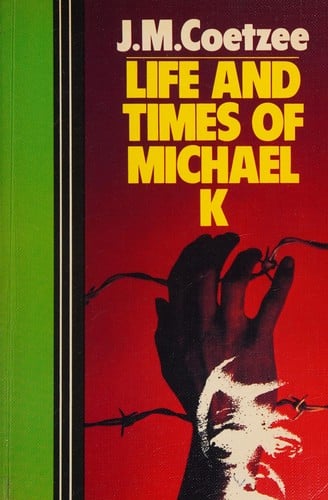
Start this bookNo. 30 on this list. Life & Times of Michael K · J.M. Coetzee · 1983
Taught in schools: UNAM Escuela Nacional Preparatoria – programas de Literatura (Mexico)
Life and Times of Michael K won the Booker Prize in 1983 and stands as a foundational text in postcolonial literature. Its examination of apartheid South Africa, individual resistance, and the ethics of fiction has secured its place in literary canons alongside Coetzee's other major works. Frequently taught in universities and cited in critical literature.
Challenging5.2 hours
Start this book
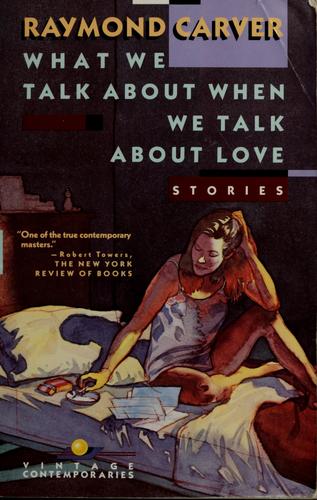
No. 31 on this list. What We Talk About When We Talk About Love
Raymond Carver · 1981
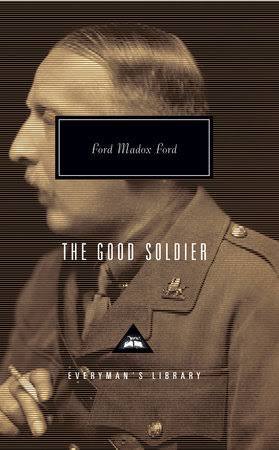
No. 32 on this list. The Good Soldier
Ford Madox Ford · 1915
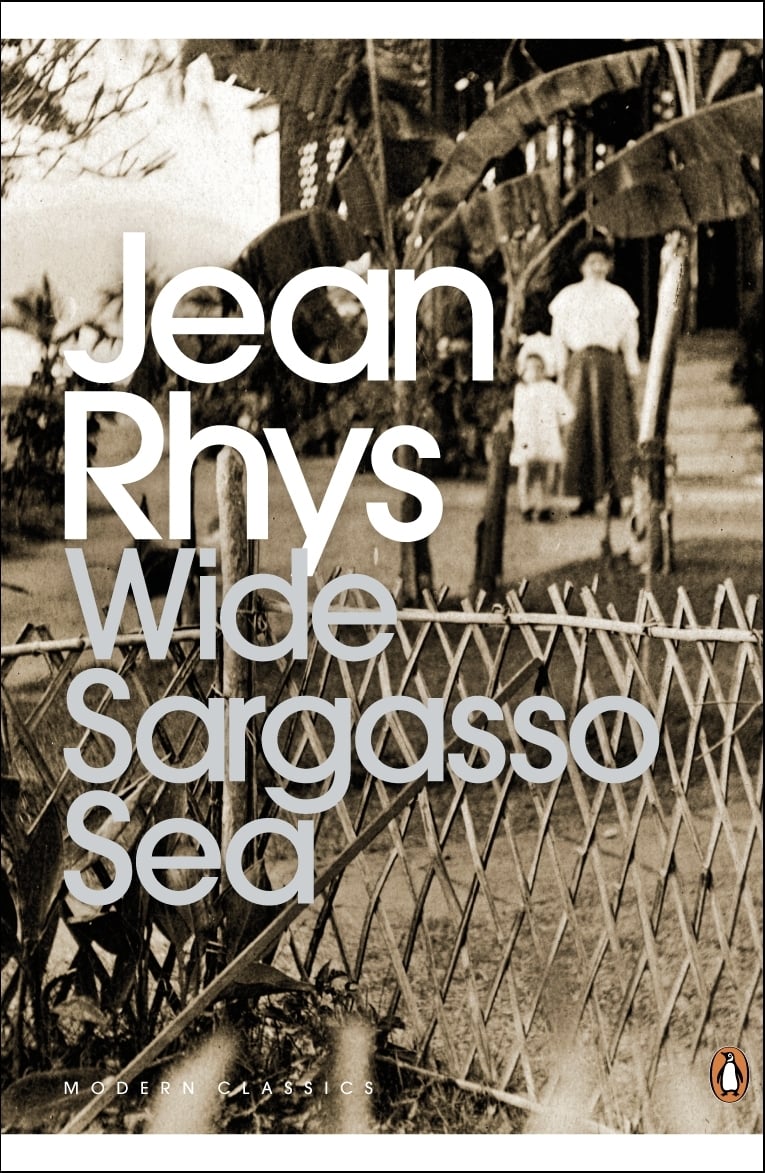
No. 33 on this list. Wide Sargasso Sea
Jean Rhys · 1966
Taught in schools: CSEC English B – Caribbean Examinations Council, WJEC/Eduqas GCSE and A-level English Literature (UK)
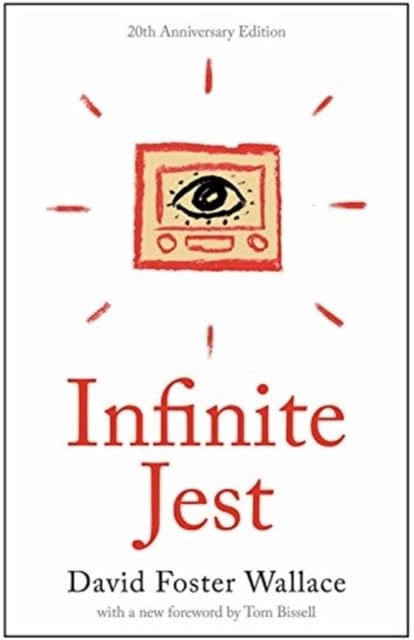
No. 34 on this list. Infinite Jest
David Foster Wallace · 1996
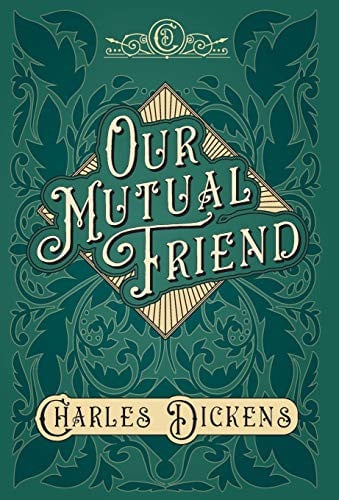
No. 35 on this list. Our Mutual Friend
Charles Dickens · 1865
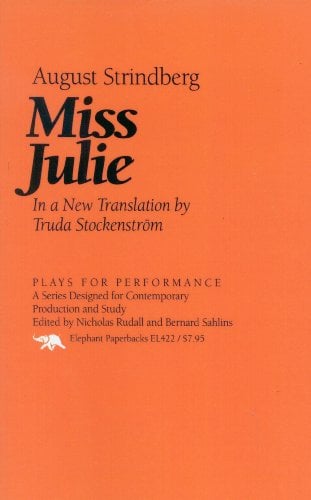
No. 36 on this list. Miss Julie
August Strindberg · 1888
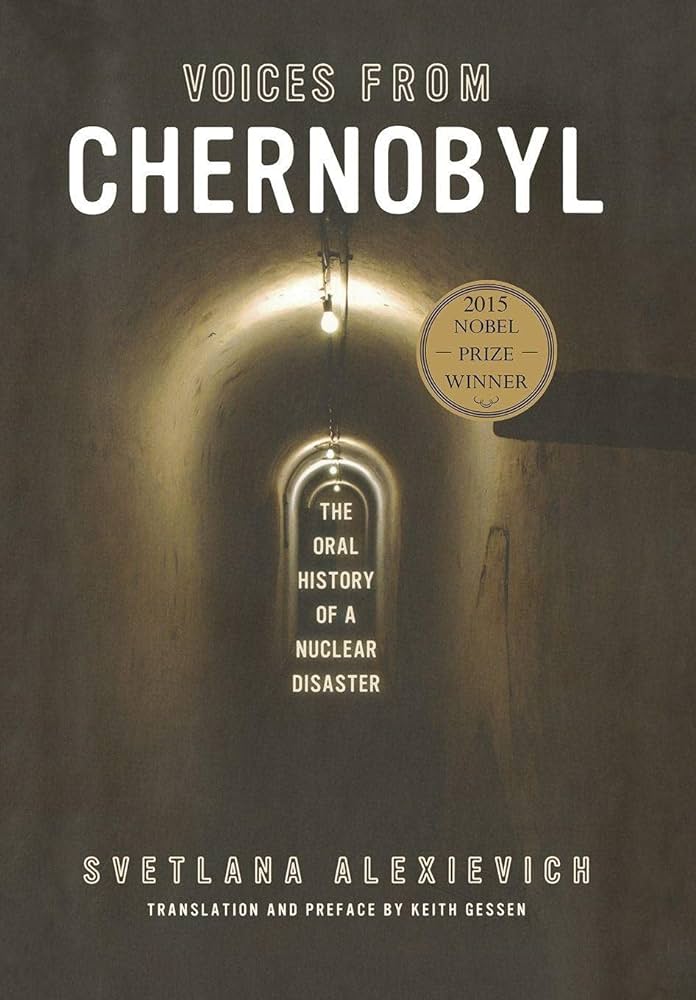
No. 37 on this list. Voices from Chernobyl
Svetlana Alexievich · 1997
No. 38 on this list. Independent People
Halldór Laxness · 1934
Included in: Bokklubben World Library
No. 39 on this list. The Queen of Spades
Alexander Pushkin · 1834
No. 40 on this list. The Flanders Road
Claude Simon · 1960
No. 41 on this list. The Mystery of Edwin Drood
Charles Dickens · 1870
No. 42 on this list. A Grain of Wheat
Ngugi wa Thiong'o · 1967
Included in: Heinemann African Writers Series
No. 43 on this list. Vertigo
W.G. Sebald · 1990
No. 44 on this list. Watt
Samuel Beckett · 1953
No. 45 on this list. The Haunting of Hill House
Shirley Jackson · 1959
No. 46 on this list. Salammbô
Gustave Flaubert · 1862
No. 47 on this list. Eugénie Grandet
Honoré de Balzac · 1833
No. 48 on this list. Childhood
Leo Tolstoy · 1852
No. 49 on this list. Life A User's Manual
Georges Perec · 1978
No. 50 on this list. The Setting Sun
Osamu Dazai · 1947
No. 51 on this list. Ill Seen Ill Said
Samuel Beckett · 1981
No. 52 on this list. Field Work
Seamus Heaney · 1979
Taught in schools: WJEC/Eduqas GCSE and A-level English Literature (UK)
No. 53 on this list. The Day of the Locust
Nathanael West · 1939
No. 54 on this list. The Yellow Wall-Paper
Charlotte Perkins Gilman · 1892
No. 55 on this list. Ward No. 6
Anton Chekhov · 1892
No. 56 on this list. The Notebooks of Malte Laurids Brigge
Rainer Maria Rilke · 1910
No. 57 on this list. The Gambler
Fyodor Dostoevsky · 1867
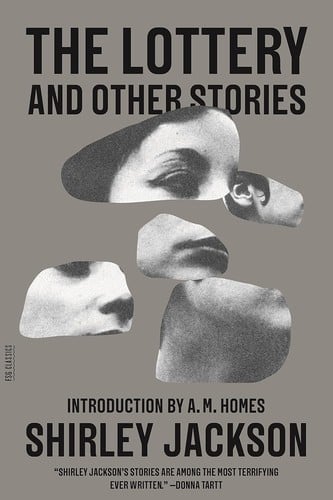
No. 58 on this list. The Lottery and Other Stories
Shirley Jackson · 1949
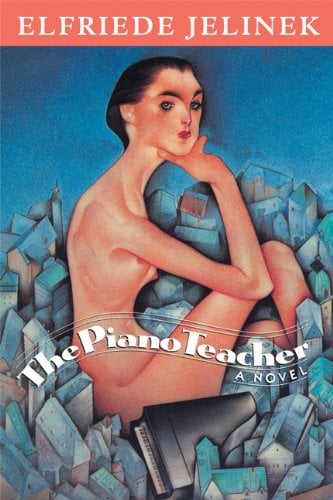
No. 59 on this list. The Piano Teacher
Elfriede Jelinek · 1983
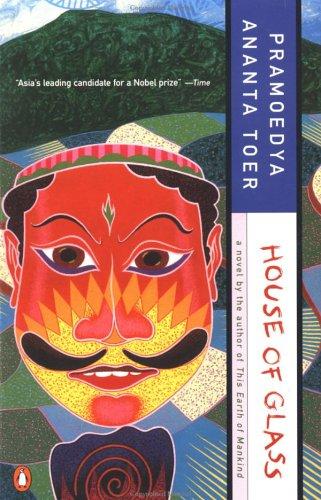
No. 60 on this list. House of Glass
Pramoedya Ananta Toer · 1988
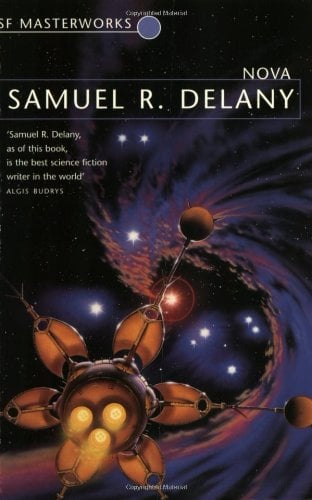
No. 61 on this list. Nova
Samuel R. Delany · 1968
No. 62 on this list. Aura
Carlos Fuentes · 1962
No. 63 on this list. Treacle Walker
Alan Garner · 2022
No. 64 on this list. Cronopios and Famas
Julio Cortázar · 1962
Taught in schools: Literatura, Diseño Curricular – Provincia de Buenos Aires (Argentina), UNAM Escuela Nacional Preparatoria – programas de Literatura (Mexico)
No. 65 on this list. Play It as It Lays
Joan Didion · 1970
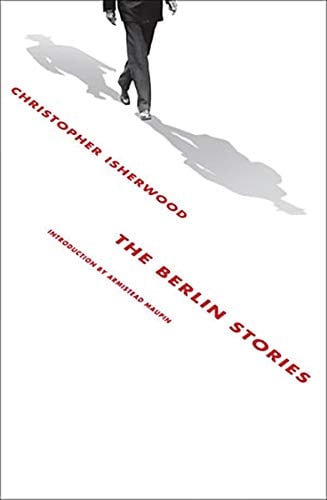
No. 66 on this list. The Berlin Stories
Christopher Isherwood · 1945
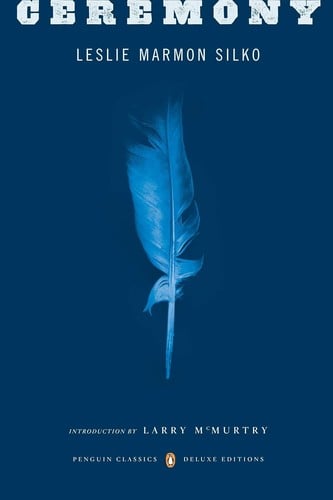
No. 67 on this list. Ceremony
Leslie Marmon Silko · 1977
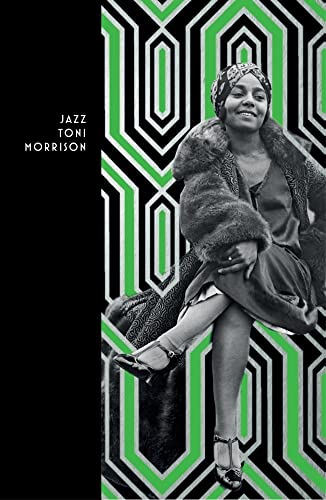
No. 68 on this list. Jazz
Toni Morrison · 1992
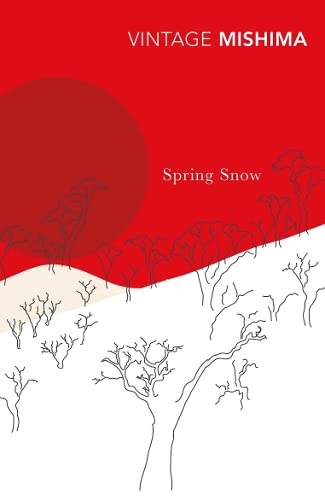
No. 69 on this list. Spring Snow
Yukio Mishima · 1969
Included in: UNESCO Collection of Representative Works
No. 70 on this list. Return to Haifa
Ghassan Kanafani · 1969
Taught in schools: Moroccan secondary Arabic literature (Morocco)
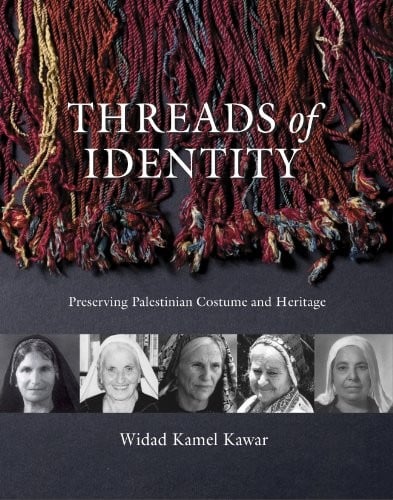
No. 71 on this list. The Father
August Strindberg · 1887
No. 72 on this list. The Unwomanly Face of War
Svetlana Alexievich · 1985
Taught in schools: Lithuanian literature curriculum (lietuvių kalba ir literatūra), UNAM Escuela Nacional Preparatoria – programas de Literatura (Mexico)
No. 73 on this list. Family Ties
Clarice Lispector · 1960
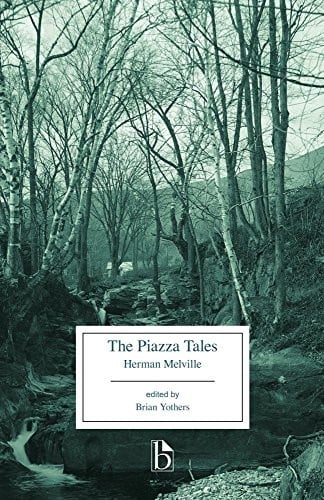
No. 74 on this list. The Piazza Tales
Herman Melville · 1856
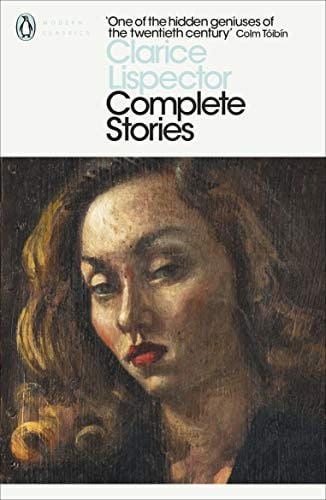
No. 75 on this list. The Complete Stories
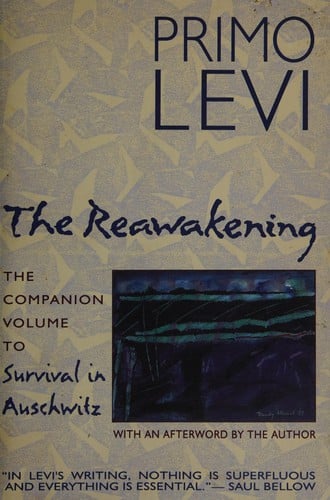
No. 76 on this list. The Truce
Primo Levi · 1963
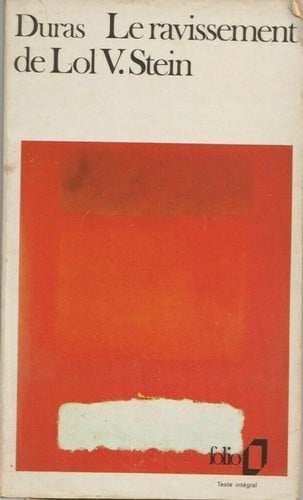
No. 77 on this list. The Ravishing of Lol Stein
Marguerite Duras · 1964
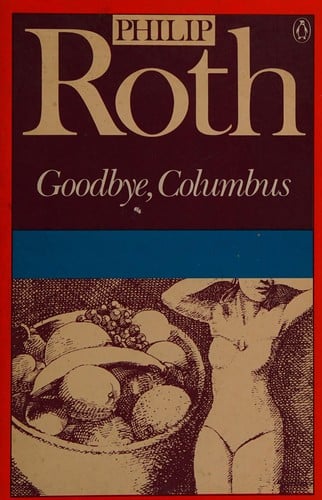
No. 78 on this list. Goodbye, Columbus
Philip Roth · 1960
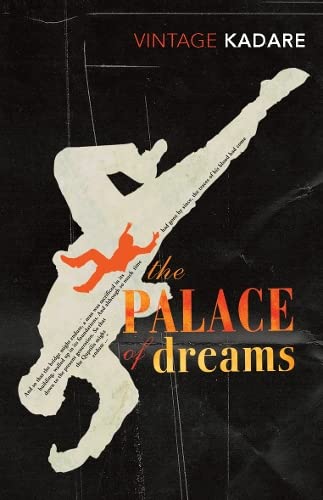
No. 79 on this list. The Palace of Dreams
Ismail Kadare · 1981
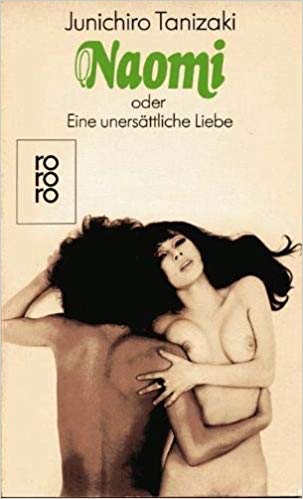
No. 80 on this list. Naomi
Jun'ichirō Tanizaki · 1924
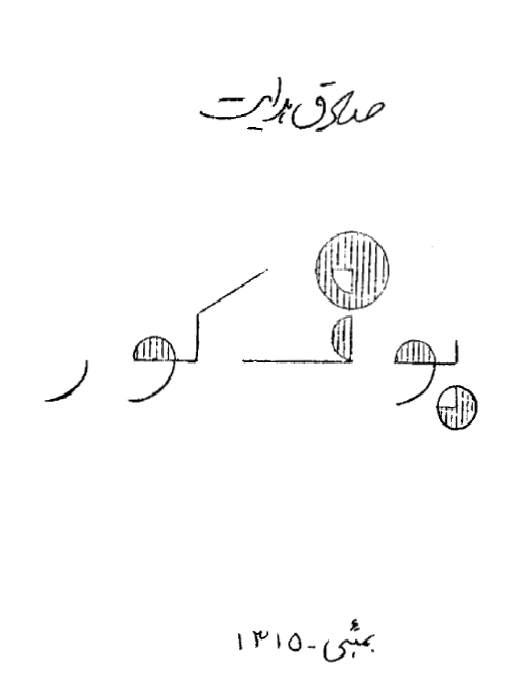
No. 81 on this list. The Blind Owl
Sadegh Hedayat · 1937
No. 82 on this list. Dangling Man
Saul Bellow · 1944
No. 83 on this list. Quincas Borba
Machado de Assis · 1891
Included in: Biblioteca Ayacucho, UNESCO Collection of Representative Works
No. 84 on this list. The Word for World Is Forest
Ursula K Le Guin · 1972
No. 85 on this list. Pierre and Jean
Guy de Maupassant · 1888
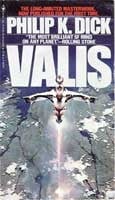
No. 86 on this list. VALIS
Philip K. Dick · 1981
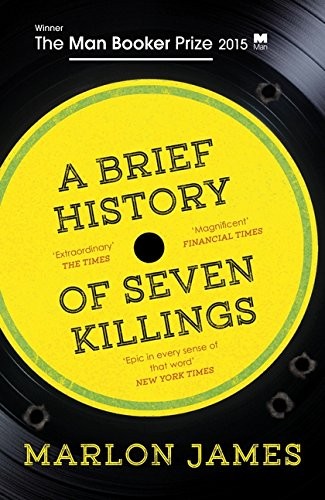
No. 87 on this list. A Brief History of Seven Killings
Marlon James · 2015
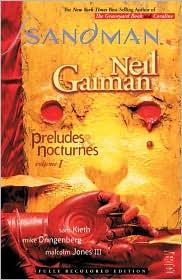
No. 88 on this list. The Sandman
Neil Gaiman · 1989
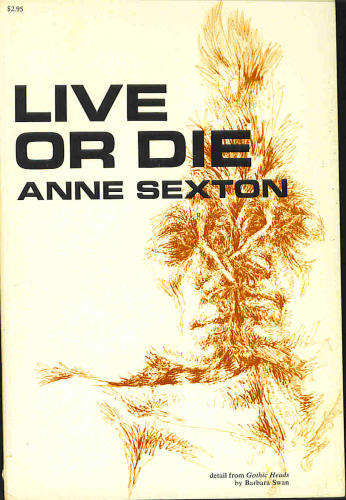
No. 89 on this list. Live or Die
Anne Sexton · 1966
No. 90 on this list. The Land at the End of the World
Antonio Lobo Antunes · 1979
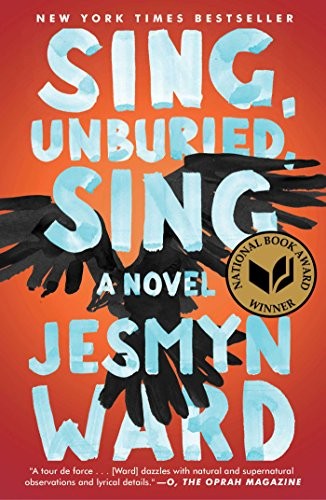
No. 91 on this list. Sing, Unburied, Sing
Jesmyn Ward · 2018
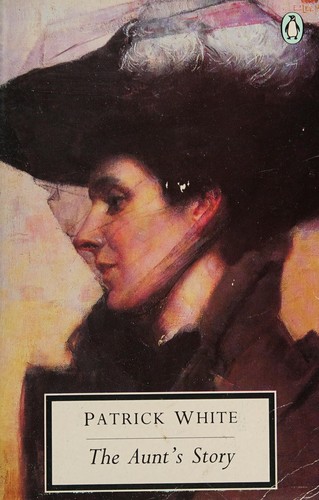
No. 92 on this list. The Aunt's Story
Patrick White · 1948
Taught in schools: CSEC English B – Caribbean Examinations Council
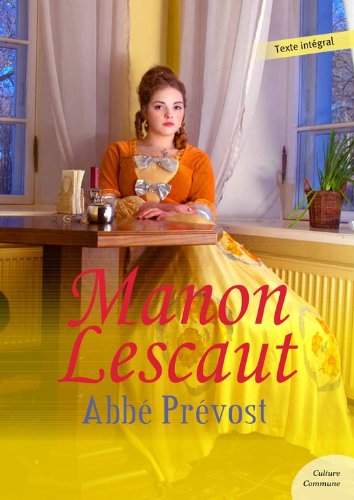
No. 93 on this list. Manon Lescaut
Abbé Prévost · 1731
Taught in schools: Programme de français, lycée général et technologique (France)
No. 94 on this list. The Accidental
Ali Smith · 2005
No. 95 on this list. The Nickel Boys
Colson Whitehead · 2019
No. 96 on this list. Tenth of December
George Saunders · 2013
No. 97 on this list. The Volcano Lover: A Romance
Susan Sontag · 1992
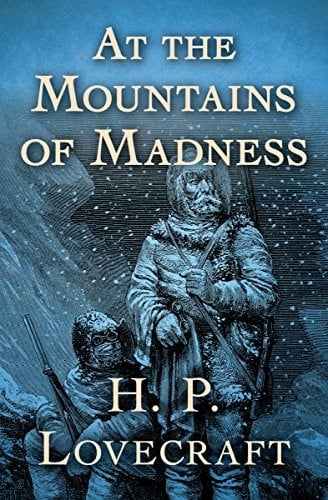
No. 98 on this list. At the Mountains of Madness
H.P. Lovecraft · 1936
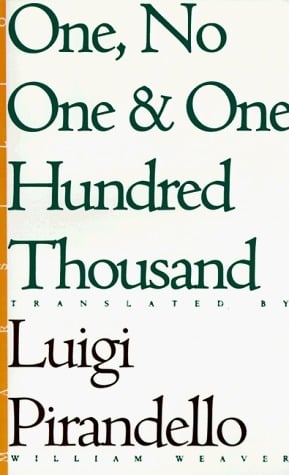
No. 99 on this list. One, No One and One Hundred Thousand
Luigi Pirandello · 1926
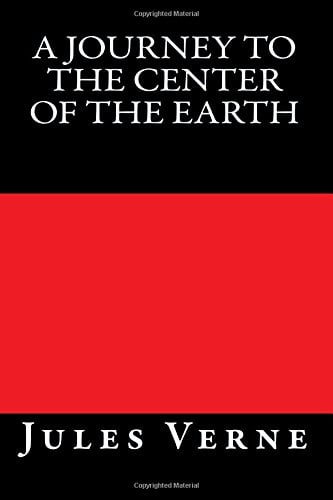
No. 100 on this list. Journey to the Center of the Earth
Jules Verne · 1864
About this list
These 100 books are the highest-scoring eligible books about madness and the mind currently in the catalogue. About 787 hours of reading in all. Difficulty runs from 54 to 71 out of 100 for the middle half of the list; the summit is The New York Trilogy at 87.
This list is ranked by literary regard, with a consistent order for equal scores. Membership follows authors and co-authors, not translators or editors. A book is here when ReadingRate files it under Madness & the Mind as one of its primary reading domains, at a confidence of 0.8 or more. Catalogue coverage and the historical canon both limit what this list can represent.
When we matched the Canons dataset to our catalogue in October 2026, our canonical-status scores rose with the number of school curricula, publisher series and lists in it that cite a work: the median score was 72 for books one such source cites, 84 at two, 88 at three, 92 at four and 93 at five or more. Prizes are left out of that count. Outside the state curricula, the dataset’s sources choose mostly from what has been translated into English or French, so it is a weaker check on other literatures. Source: Canons (Andrew Piper), CC BY 4.0
Questions people actually ask
- What are the best books about madness and the mind?
- By literary regard, which weighs canonical status, critical standing and influence: Hamlet by William Shakespeare, Don Quixote by Miguel de Cervantes, Moby-Dick by Herman Melville, On the Nature of Things by Lucretius and Life Studies by Robert Lowell. ReadingRate ranks 100 such books, each with a difficulty score and a reading-time estimate.
- Which books about madness and the mind should I read first?
- Start from difficulty, not from rank. The most approachable books on this list that still carry top literary regard are Life Studies by Robert Lowell (about 3 hours), The Tell-Tale Heart by Edgar Allan Poe and The Raven by Edgar Allan Poe.
- What are the shortest of the best books about madness and the mind?
- Among the top 25, the shortest are In Our Time by Ernest Hemingway (about 17 min), Howl and Other Poems by Allen Ginsberg (about 43 min) and The Tell-Tale Heart by Edgar Allan Poe (about 32 min), at an average pace of 250 words a minute adjusted for each book's difficulty.
- Which of the best books about madness and the mind are the established classics?
- By canonical status, how firmly a book sits in curricula, anthologies and the canon: Hamlet by William Shakespeare, Moby-Dick by Herman Melville, Don Quixote by Miguel de Cervantes, The Bacchae by Euripides and Long Day's Journey into Night by Eugene O'Neill.
- Can I read any of these books about madness and the mind for free?
- 14 of the 100 open in ReadingRate's reader with a free account, from public-domain editions: Hamlet, Moby-Dick, The Bacchae, Mrs. Dalloway, The Seagull and 9 more.
- How long would it take to read the top ten?
- About 81 hours, at an average pace of 250 words a minute adjusted for each book's difficulty: 41 days at two hours a day. Set your own pace on the page and the list's reading times change to it.
- How hard are books about madness and the mind to read?
- Most of this list sits between 54 and 71 on ReadingRate's 100-point difficulty scale, where 40 to 55 is moderate. The summit is The New York Trilogy at 87. Every entry carries its own score, so a reader can pick a great book at a difficulty they will finish.
- How is this list ranked?
- On literary-regard data: how canonically established a work is, its critical standing, and its influence on later writing. It is not a readers’ poll, which is why recent bestsellers rarely appear. Membership follows authors and co-authors, not translators or editors. Lists by country, author, period, theme or difficulty keep to literature (fiction, poetry, drama and philosophy), their novels, poems and plays first and their philosophy after them; a list of a kind of book, such as memoir or criticism, keeps every book of that kind. Every list holds at most three works by one author. A book is here when ReadingRate files it under Madness & the Mind as one of its primary reading domains, at a confidence of 0.8 or more.