Hours at an average pace
Showing 100 books
About 1,180 hours for 100 of 100 books with measured lengths. Estimates use 250 words a minute, adjusted for each book's difficulty. At 2 hours a day, about 591 days for those books.
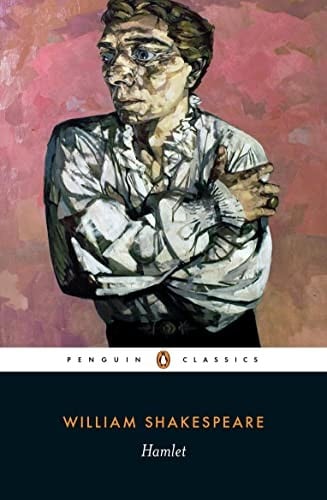
No. 1 on this list. Hamlet
William Shakespeare · 1601
Challenging3.1 hours
Taught in schools: Uzbek adabiyot curriculum (Uzbekistan)
Included in: Bokklubben World Library, Great Books of the Western World, UNESCO Collection of Representative Works
Shakespeare invented the modern soliloquy here: a mind watching itself think, stalling, doubting, performing. Every fictional character who hesitates before acting is Hamlet's descendant.
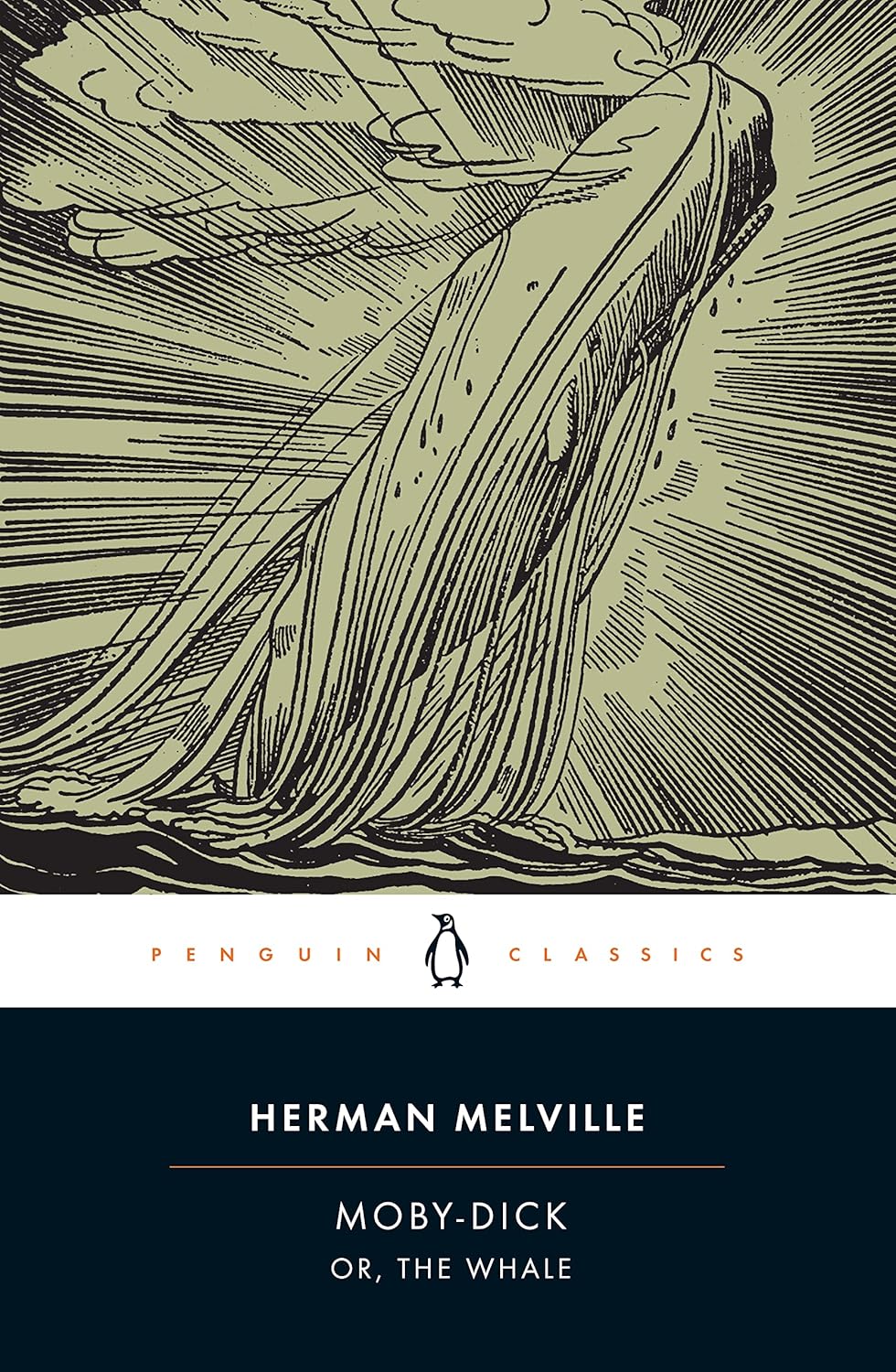
No. 2 on this list. Moby-Dick
Herman Melville · 1851
Difficult26 hours
Included in: Bokklubben World Library, Great Books of the Western World
Melville poured cetology, Shakespearean soliloquy, sermon, sea shanty, and metaphysical dread into one whaling voyage, creating a book that operates simultaneously as adventure novel, encyclopedia, and prose poem about obsession. Nothing in American literature before or since has this range of register in a single work.
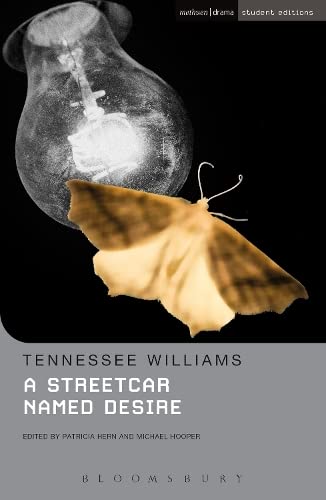
No. 3 on this list. A Streetcar Named Desire
Tennessee Williams · 1947
Challenging2.3 hours
Taught in schools: AQA GCSE and A-level English Literature (UK), Cambridge IGCSE Literature in English (0475), UNAM Escuela Nacional Preparatoria – programas de Literatura (Mexico)
Required reading in virtually every American literature curriculum, from high school through university, and among the most-produced plays in the American theater canon. It appears on nearly every 'great American plays' list alongside Death of a Salesman, and has been continuously performed since its 1947 Broadway premiere.
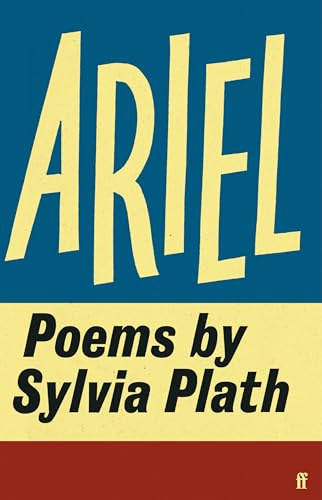
No. 4 on this list. Ariel
Sylvia Plath · 1965
Difficult2.4 hours
Taught in schools: AQA GCSE and A-level English Literature (UK)
Ariel is standard reading across American and British university literature and women's studies curricula, appearing on thousands of syllabi. The collection is included on virtually every 'essential 20th century poetry' list and occupies a permanent position in the confessional poetry canon. Its Wikipedia article exists in over 30 languages, and it has been continuously in print since its 1965 publication.
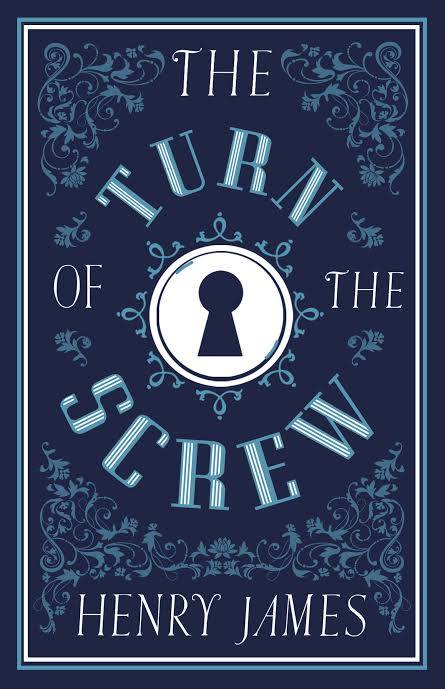
No. 5 on this list. The Turn of the Screw
Henry James · 1898
Difficult5.5 hours
Taught in schools: CSEC English B – Caribbean Examinations Council
Essential Gothic literature and James studies text; widely taught in ghost story, Victorian, and modernist courses; definitive example of narrative ambiguity and unreliable narration.
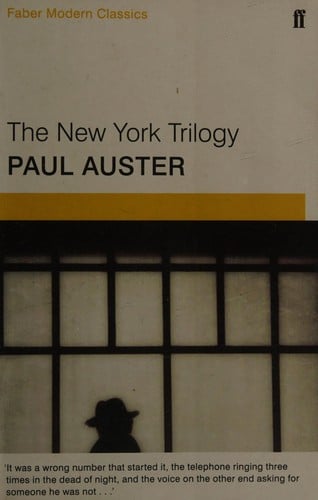
The New York Trilogy stands as the defining work of American postmodern noir and one of the most influential experimental novels of the 1980s. It appears consistently on syllabi for postmodern fiction, metafiction, and American literature courses, and is cited as a foundational text in discussions of the detective genre's literary transformation. Published in the US by Penguin Books (1987 combined edition), it has remained continuously in print for four decades. It appears on numerous "greatest novels" lists and is central to critical discourse on identity, authorship, and the limitations of language in contemporary fiction.
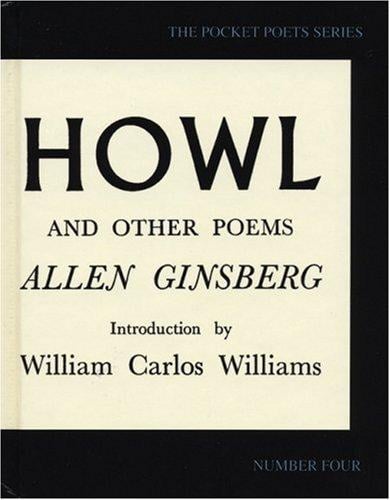
"Howl" appears on syllabi across American literature, Beat literature, 20th-century poetry, and cultural studies courses at universities worldwide. It is included in virtually every major American poetry anthology and is among the handful of postwar poems recognizable by name to a general educated audience. The 1957 obscenity trial cemented its cultural position as a defining document of the era.
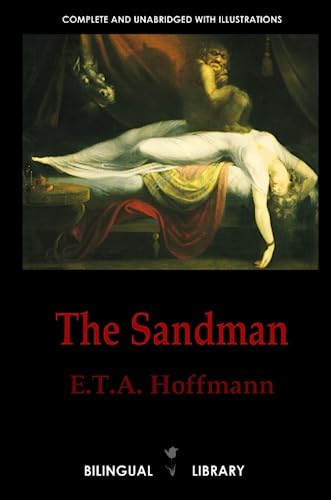
The Sandman is canonical in German literature courses, Romantic literature surveys, Gothic fiction studies, and psychoanalytic literary criticism worldwide. Freud's 1919 essay 'The Uncanny' uses it as the central specimen, ensuring its presence on psychoanalysis and literary theory syllabi for over a century. While it lacks the broad English-language curriculum presence of Frankenstein or Great Expectations, it is effectively required reading in any serious study of German Romanticism, the Gothic tradition, or the history of uncanny fiction.
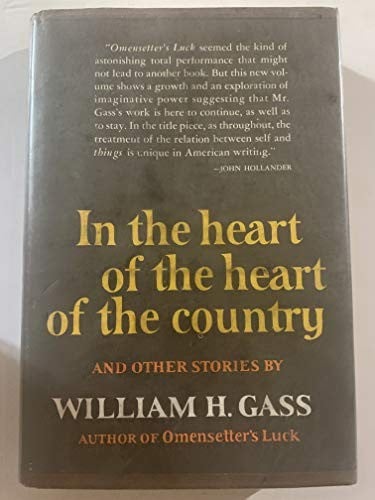
No. 9 on this list. In the Heart of the Heart of the Country
William Gass · 1968
Very Difficult13 hours
In the Heart of the Heart of the Country was first published in 1968 and immediately positioned Gass — alongside Barth, Pynchon, and Coover — as a founding figure of American postmodern fiction. The NYRB Classics reprint with an introduction by Joanna Scott confirms its place in the American literary canon. It is taught in graduate programs in literary fiction and cited in essays on American experimental prose. Its canonical position is more secure in academic contexts than in general readership, placing it below Invisible Man or Blood Meridian but above most of its experimental contemporaries.
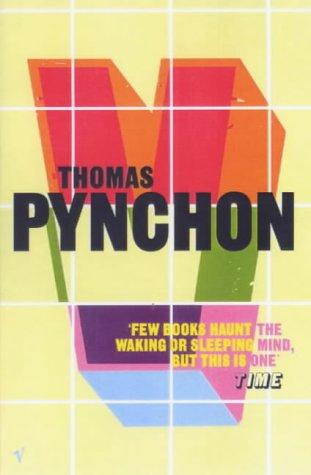
V. appears on hundreds of university syllabi in American literature, postmodernism, and world fiction courses, and is consistently ranked among the essential American novels of the twentieth century by critics and scholars. It appears on the Modern Library 100 Best Novels list and Time magazine's All-TIME 100 Novels. Less universally assigned than Pynchon's Gravity's Rainbow in terms of academic prestige, but the more frequently taught first novel in postmodern American fiction sequences.
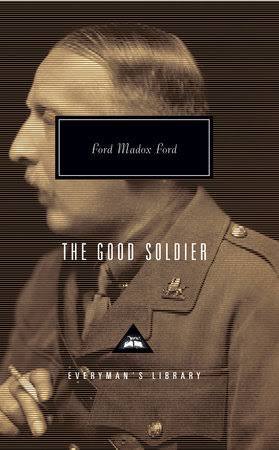
No. 11 on this list. The Good Soldier · Ford Madox Ford · 1915
Appears on 473 university syllabi (67th percentile in Open Syllabus), placing it firmly in the modernist teaching canon alongside Conrad and early Lawrence. Listed on the Modern Library 100 Best Novels. A standard text in courses on British modernism and narrative technique, though less universally assigned than Woolf or Joyce.
Challenging7 hours
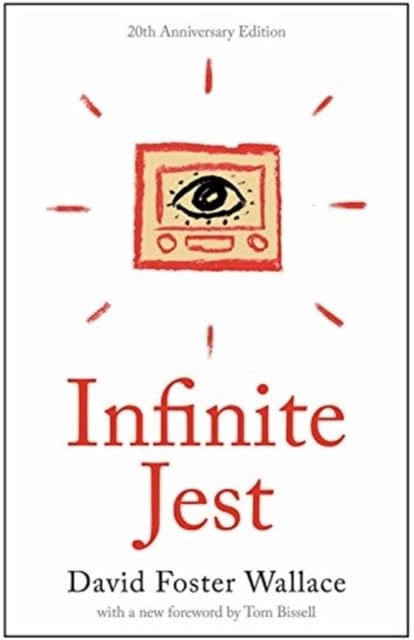
Read nowNo. 12 on this list. Infinite Jest · David Foster Wallace · 1996
A gargantuan, mind-altering comedy about the Pursuit of Happiness in America Set in an addicts' halfway house and a tennis academy, and featuring the most endearingly screwed-up family to come along in recent fiction, Infinite Jest explores essential questions about what entertainment is and why it has come to so dominate our lives; about how our desire for entertainment affects our need to connect with other people; and about what the pleasures we choose say about who we are. Equal parts philosophical quest and screwball comedy, Infinite Jest bends every rule of fiction without sacrificing for a moment its own entertainment value. It is an exuberant, uniquely American exploration of the passions that make us human - and one of those rare books that renew the idea of what a novel can do.
Difficult70 hours
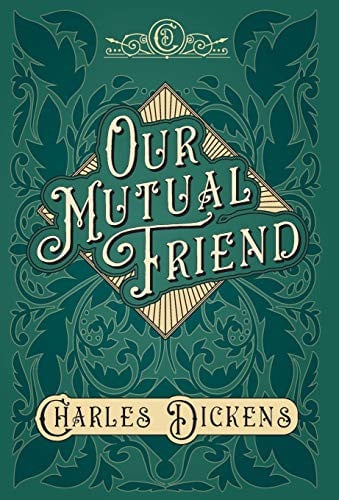
Start this bookNo. 13 on this list. Our Mutual Friend · Charles Dickens · 1865
Our Mutual Friend is a fixture of Victorian literature courses at universities worldwide, typically assigned alongside Great Expectations and Bleak House in advanced English studies. Wikipedia articles for the novel exist in dozens of languages, reflecting its global canonical standing. It consistently appears on critics' lists of Dickens's greatest works and in syllabi covering 19th-century social fiction.
Difficult35 hours
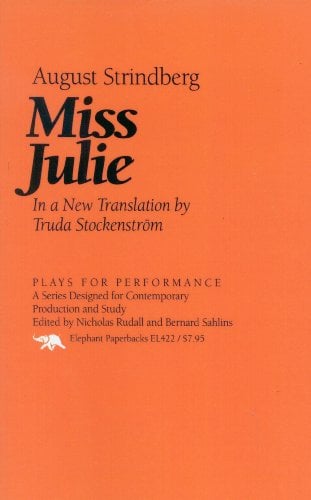
Read nowNo. 14 on this list. Miss Julie · August Strindberg · 1888
Miss Julie is required reading in virtually every drama curriculum globally and taught widely in comparative literature and theatre history courses. It is one of a handful of nineteenth-century plays — alongside works by Ibsen and Chekhov — that appear on nearly every list of essential modern drama. No syllabus data was available in the database, but its presence in world theatre canons is unambiguous.
Challenging2 hours
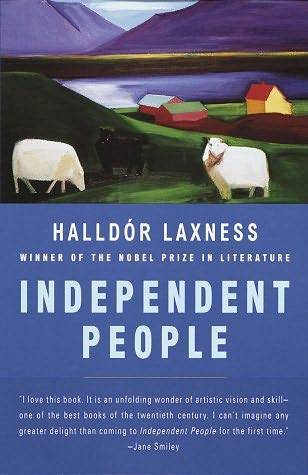
Start this bookNo. 15 on this list. Independent People · Halldór Laxness · 1934
Included in: Bokklubben World Library
Wikipedia presence in only 9 languages and no Open Syllabus appearances indicate it is not widely taught outside Scandinavia. However, Independent People appears regularly on canonical world literature lists, including Time magazine's All-TIME 100 Novels, and is considered Laxness's defining work — the novel most associated with his 1955 Nobel Prize.
Difficult24 hours
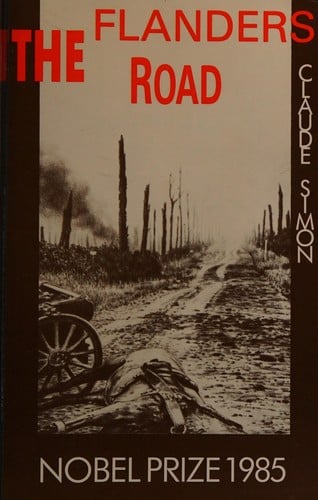
Start this bookNo. 16 on this list. The Flanders Road · Claude Simon · 1960
Nobel laureate's masterpiece. Essential in nouveau roman studies.
Challenging8.1 hours
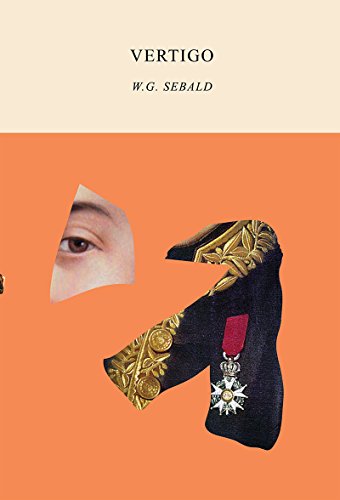
Start this bookNo. 17 on this list. Vertigo · W.G. Sebald · 1990
A narrator wanders through northern Italy in the late 1980s, haunted by a sense that the same catastrophe keeps arriving in different costume. He sits in a Verona archive reading newspapers from 1913—the year before everything collapsed—and finds himself unable to leave. In the second section, a figure called Dr K. travels from Vienna to Venice to Riva, conducting a doomed romance with a girl from Genoa and hearing, at a sanatorium dinner table, a general's theory that battles are decided by specific gravity, not willpower. These two time periods—the narrator's present and Franz Kafka's 1913—are laid over each other until they become one.\n\nSebald writes long, unhurried paragraphs that gather subordinate clauses the way rivers gather tributaries: you are always moving forward but the channel keeps widening. Photographs appear without captions. Characters arrive and dissolve. The dead hunter Gracchus, lost between worlds because a helmsman was distracted, recurs as the book's organizing myth—a figure for anyone unable to depart this life entirely.\n\nVertigo is Sebald's first book, the one in which his method first becomes fully itself: a narrator walking through landscapes saturated with historical catastrophe, finding that the past is not behind us but slightly displaced sideways, still happening, still unresolved. The final image is Samuel Pepys's fire seen from a dream of mountain passes—the city burning, pigeons dead on the pavement, the question 'Is this the end of time?' floating unanswered.
Difficult8.1 hours
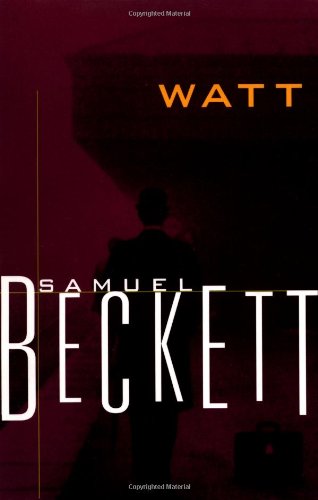
Start this bookNo. 18 on this list. Watt · Samuel Beckett · 1953
Watt arrives at Mr. Knott's house to serve as the new domestic. The house has rules: servants ascend through a hierarchy, each eventually departing as mysteriously as they arrived. Watt's job is simple—serve Mr. Knott's meals, tend the garden, mind the dog. But Watt cannot stop thinking. When a pot appears in Mr. Knott's room, Watt cannot rest until he has considered every possible explanation for its presence. Beckett enumerates: perhaps Mr. Knott put the pot there, or perhaps the pot was always there, or perhaps there is no pot. The permutations multiply across pages. Watt's mind, designed for rational analysis, breaks against the irreducible mystery of Mr. Knott, who changes his appearance, his furniture, his routine, without pattern or purpose. The novel tracks a consciousness collapsing into the asylum where Sam, another inmate, attempts to reconstruct Watt's story from his inverted speech. Beckett wrote it while hiding from the Gestapo, 'a game, a means of staying sane.' The game is rigged against meaning.
Difficult11 hours
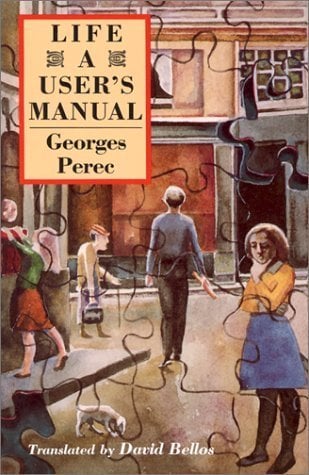
Start this bookNo. 19 on this list. Life A User's Manual · Georges Perec · 1978
Listed on Le Monde's 100 Books of the Century and the Open Syllabus Top 500 for Literature. Wikipedia articles exist in 18 languages. The novel is a fixture in courses on experimental fiction, Oulipo, and twentieth-century French literature, though it remains less widely taught than mainstream canonical works in anglophone curricula.
Difficult21 hours
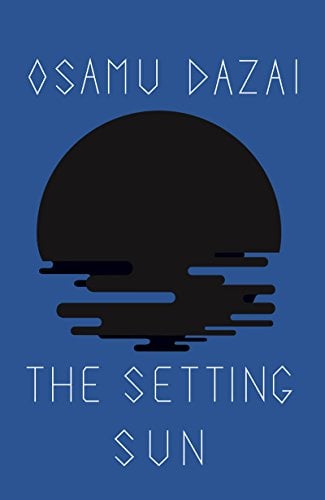
Start this bookNo. 20 on this list. The Setting Sun · Osamu Dazai · 1947
A cornerstone of postwar Japanese literature, widely taught in Japanese and world literature courses internationally. The word 'shayozoku' ('people of the setting sun') entered the Japanese language from this novel's publication in 1947, marking its immediate cultural impact. Donald Keene's 1956 English translation established it as essential reading in Western Japanese literature curricula.
Difficult4.7 hours
Start this book
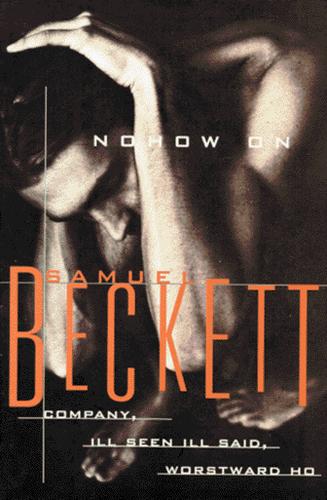
No. 21 on this list. Ill Seen Ill Said · Samuel Beckett · 1981
An old woman lives alone in a stone cabin at the edge of a formless landscape. She watches Venus rise and the moon whiten the stones. She makes her slow way to a tomb bearing flowers. Twelve figures linger always in the distance — still, or receding — and she never sees one come toward her. A narrating eye watches her, reports what it sees, then immediately doubts its own report. 'Ill seen' is both title and method: Beckett spent his late career stripping the novel to whatever cannot be further removed, and Ill Seen Ill Said is among the most extreme results. There is no plot and almost no character in the usual sense — only perception failing to fix its object, language circling what it cannot say. The woman seems to be dying, or has always been dying, or is a figment the narrator cannot quite relinquish. A buttonhook trembles on its nail throughout; the stones encroach on the pastures year by year; and at the last a voice says: 'Know happiness.' At eighty-odd pages this is Beckett at his most concentrated — difficult, beautiful, and utterly unlike anything else.
Difficult5 hours
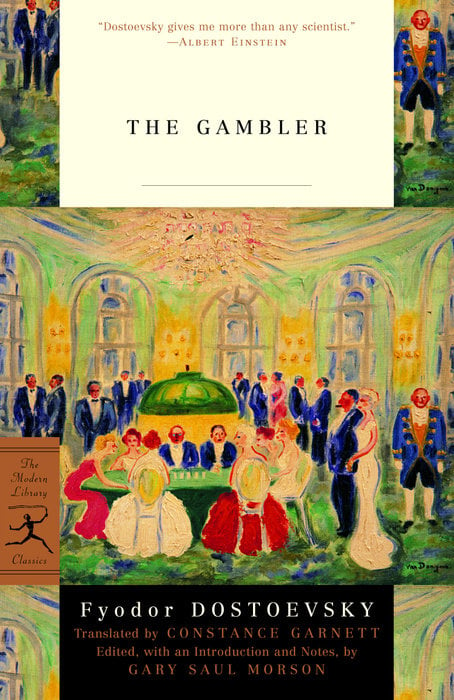
Start this bookNo. 22 on this list. The Gambler · Fyodor Dostoevsky · 1867
The Gambler is a recognized work within the Dostoevsky canon, taught in comparative literature and Russian literature courses worldwide. It occupies a firm place in the study of 19th-century fiction and the psychology of addiction, though it is consistently overshadowed by Dostoevsky's longer novels on general syllabi. No Wikipedia data was returned, but the novella's inclusion in major collected editions and its translation into dozens of languages confirms steady canonical standing.
Difficult6.8 hours
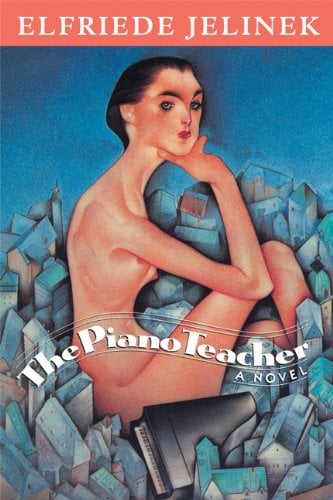
Read nowNo. 23 on this list. The Piano Teacher · Elfriede Jelinek · 1983
The Piano Teacher is widely taught in European universities — particularly in German-language literature, feminist literary criticism, and comparative literature courses — though this database captures 0 syllabus appearances and only a stub Wikipedia article. The novel's canonical standing in German-language and feminist literary studies is well established; its international profile is significant but narrower than Anglophone canonical texts at the same level of critical regard.
Difficult11 hours
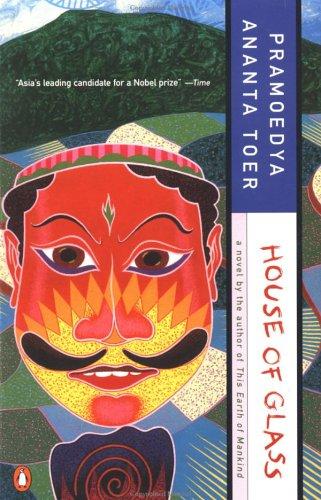
Start this bookNo. 24 on this list. House of Glass · Pramoedya Ananta Toer · 1988
House of Glass is the concluding volume of the Buru Quartet, which is universally regarded as the most important work of Indonesian literature and one of the defining anticolonial novels of the twentieth century. It appears on numerous world literature reading lists and is taught at universities across Southeast Asia, Europe, and North America, though its presence in Western canons is less robust than its literary standing merits.
Difficult20 hours
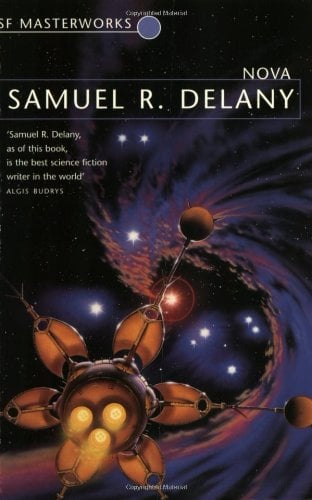
Start this bookNo. 25 on this list. Nova · Samuel R. Delany · 1968
Nova holds a firm place in the SF literary canon, included in the SF Masterworks series and cited as a defining text of the New Wave movement. Its standing is strong within genre criticism but has not fully crossed into mainstream literary canonization.
Difficult9.9 hours
Start this bookNo. 26 on this list. Aura · Carlos Fuentes · 1962
Aura is assigned in Latin American literature courses across universities globally and anthologized alongside Pedro Paramo and One Hundred Years of Solitude as a defining text of the Latin American Boom. Its brevity makes it a frequent entry point for students encountering Fuentes or magical realism. It does not appear on as many syllabi as García Márquez's major novels but is among the most-taught works in comparative world literature curricula.
Difficult1.4 hours
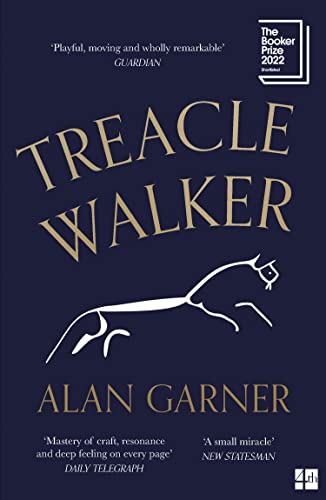
Start this bookNo. 27 on this list. Treacle Walker · Alan Garner · 2022
Published in 2021, Treacle Walker is too recent for canonical judgment, but Garner's lifelong integration of British folklore into literary fiction gives it strong claims. As his late-career distillation of myth, archaeology, and language, it consolidates his reputation as a major British fantasist.
Challenging1.5 hours
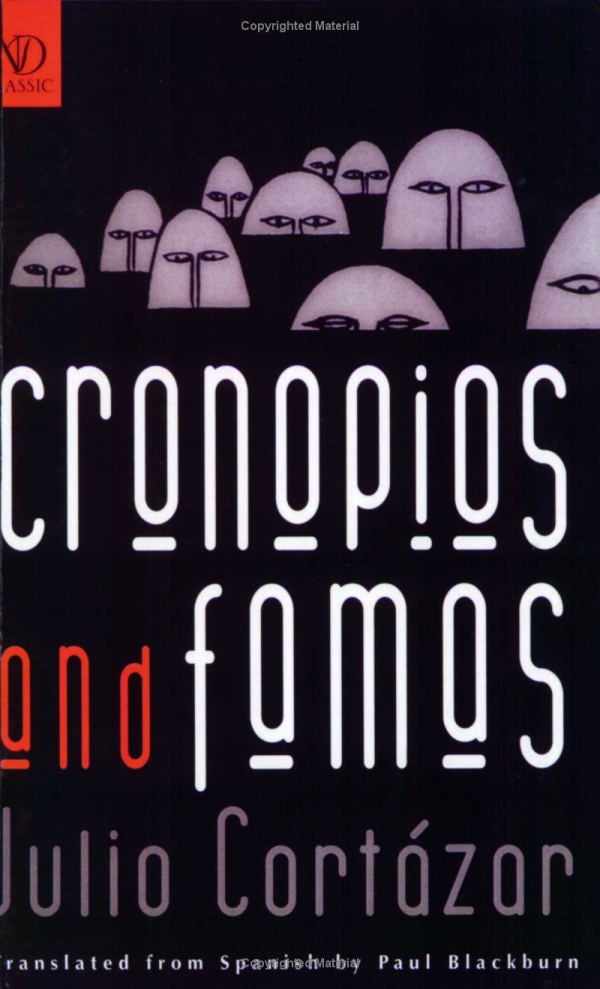
Start this bookNo. 28 on this list. Cronopios and Famas · Julio Cortázar · 1962
Taught in schools: Literatura, Diseño Curricular – Provincia de Buenos Aires (Argentina), UNAM Escuela Nacional Preparatoria – programas de Literatura (Mexico)
Julio Cortázar divides humanity into three species. The Famas are prudent, meticulous, and thorough — when traveling, one fama inspects the hotel, one files a report with the police, one copies the list of emergency doctors. The Cronopios are wet, green, disordered, and joyful — they find all hotels full, miss every train, and dream that huge parties are being given in the city to which they are invited. The Esperanzas wait for things to come to them. In sixty-odd miniatures, Cortázar demonstrates what happens when these types collide: a cronopio appointed Director General of Radio Diffusion immediately translates all broadcasts into Romanian; a fama who wants wood chops down a eucalyptus tree without noticing it screams. Before the creature taxonomy begins, an 'Instruction Manual' opens the book with deadpan procedural guides — how to cry, how to sing, how to be afraid — that use the earnest register of a technical manual to make observations about alienation and habit. 'Instructions on How to Climb a Staircase' explains in meticulous detail how to lift one foot, then the other, as if this has never been done before. The writing is compact and funny and strange, each piece its own sealed logic, ending on the precisely wrong note. Cortázar invented a form here that nobody else has quite replicated: philosophical comedy delivered in the voice of a very serious bureaucrat who has gone slightly mad.
Difficult3.1 hours
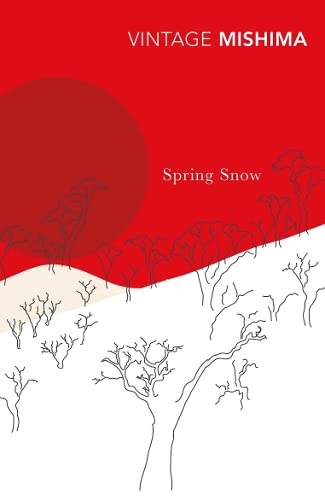
Start this bookNo. 29 on this list. Spring Snow · Yukio Mishima · 1969
Included in: UNESCO Collection of Representative Works
Spring Snow is the first volume of Mishima's Sea of Fertility tetralogy and is regularly taught in world literature and Japanese literature courses at universities globally. While no database syllabus data was retrieved, the novel is widely regarded as one of the essential works of 20th-century Japanese literature and appears frequently on recommended reading lists for modern world fiction.
Difficult14 hours
Start this bookNo. 30 on this list. The Father · August Strindberg · 1887
No syllabus or Wikipedia data was returned by automated signals, but 'The Father' is widely anthologized in world drama collections and taught in comparative literature and theatre history courses alongside Ibsen. It is one of Strindberg's two most canonical plays, a fixture of naturalist drama curricula internationally.
Challenging4.1 hours
Start this book
No. 31 on this list. Family Ties
Clarice Lispector · 1960
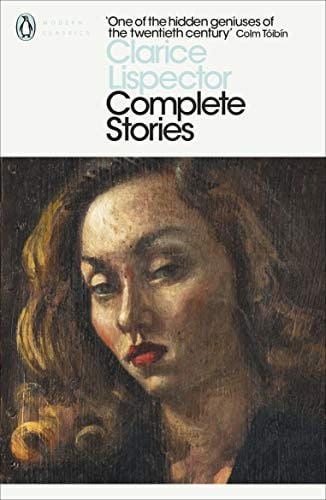
No. 32 on this list. The Complete Stories
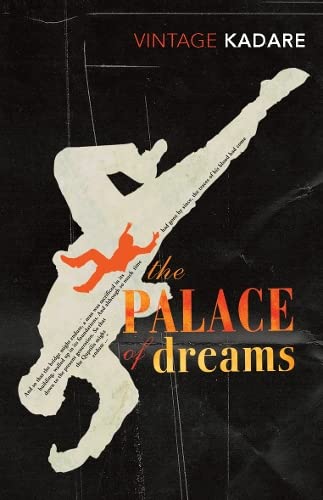
No. 33 on this list. The Palace of Dreams
Ismail Kadare · 1981
No. 34 on this list. Naomi
Jun'ichirō Tanizaki · 1924
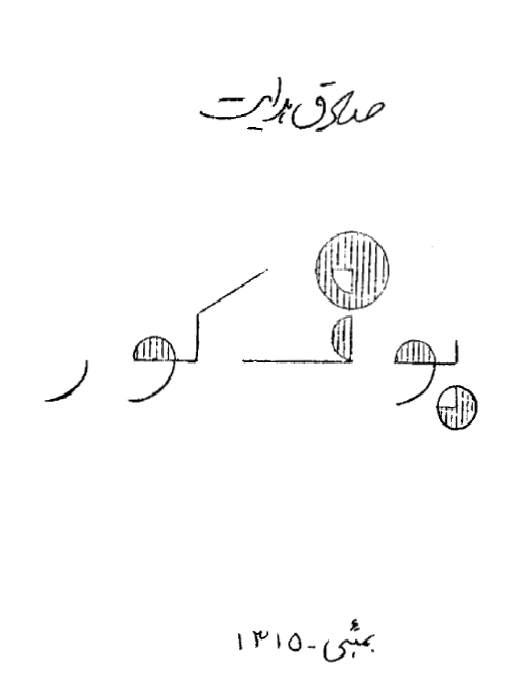
No. 35 on this list. The Blind Owl
Sadegh Hedayat · 1937
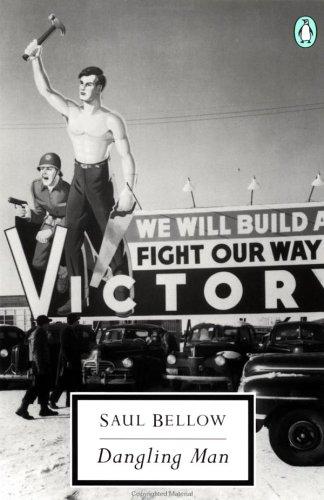
No. 36 on this list. Dangling Man
Saul Bellow · 1944
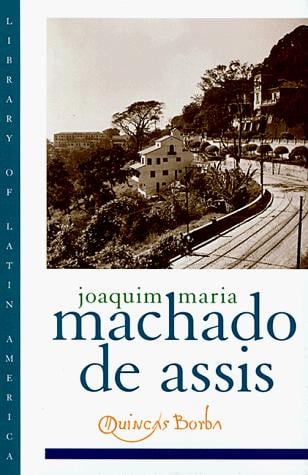
No. 37 on this list. Quincas Borba
Machado de Assis · 1891
Included in: Biblioteca Ayacucho, UNESCO Collection of Representative Works
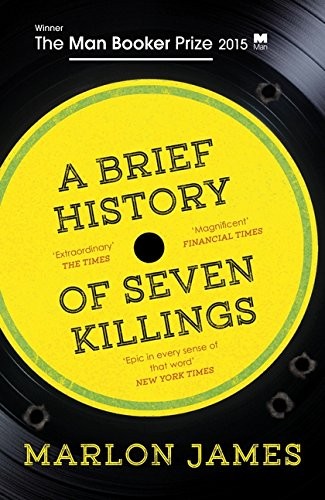
No. 38 on this list. A Brief History of Seven Killings
Marlon James · 2015
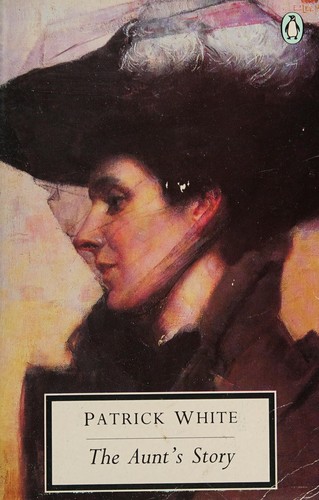
No. 39 on this list. The Aunt's Story
Patrick White · 1948
Taught in schools: CSEC English B – Caribbean Examinations Council
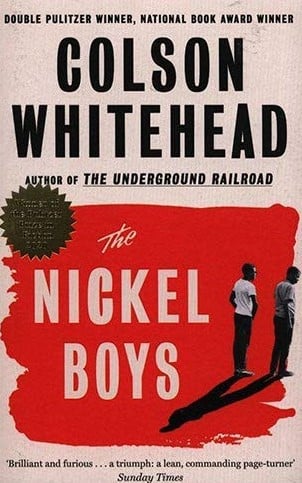
No. 40 on this list. The Nickel Boys
Colson Whitehead · 2019

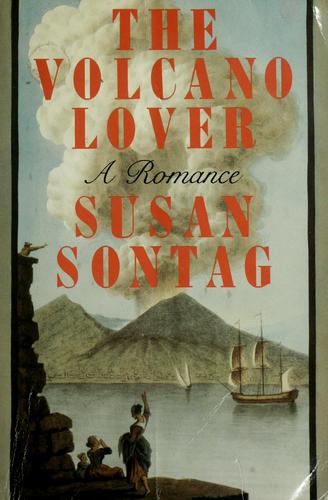
No. 41 on this list. The Volcano Lover: A Romance
Susan Sontag · 1992
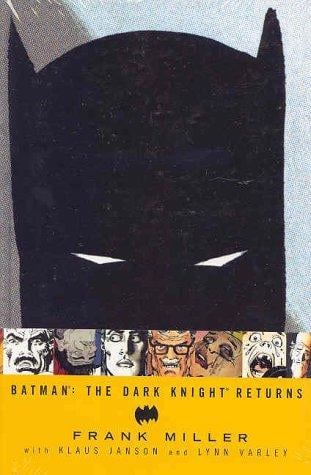
No. 42 on this list. Batman: The Dark Knight Returns
Frank Miller · 1986
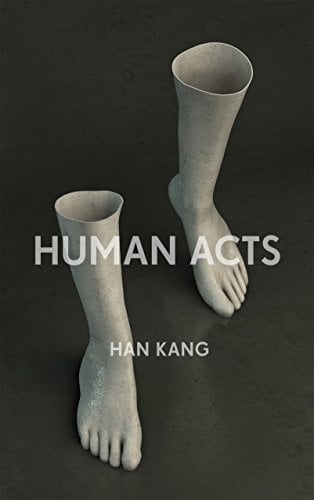
No. 43 on this list. Human Acts
Han Kang · 2014
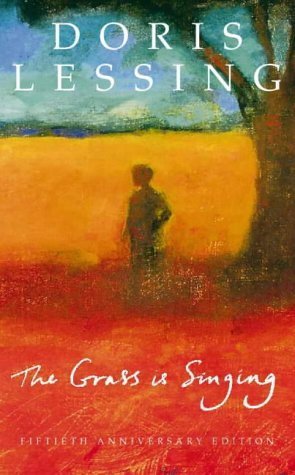
No. 44 on this list. The Grass is Singing
Doris Lessing · 1950
Taught in schools: CSEC English B – Caribbean Examinations Council
Included in: Heinemann African Writers Series
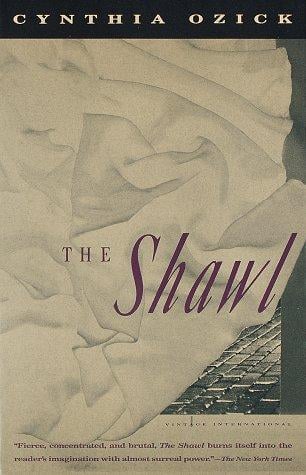
No. 45 on this list. The Shawl
Cynthia Ozick · 1989
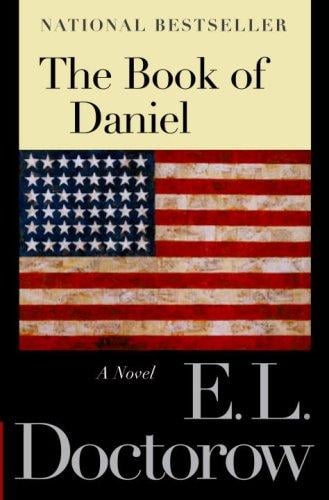
No. 46 on this list. The Book of Daniel
E.L. Doctorow · 1971
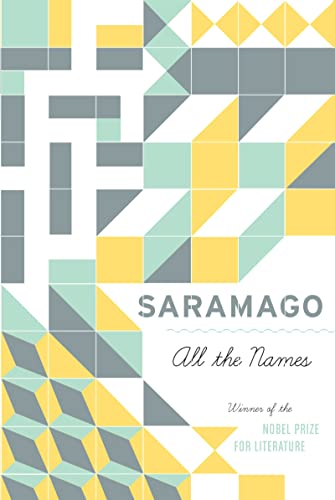
No. 47 on this list. All the Names
José Saramago · 1997
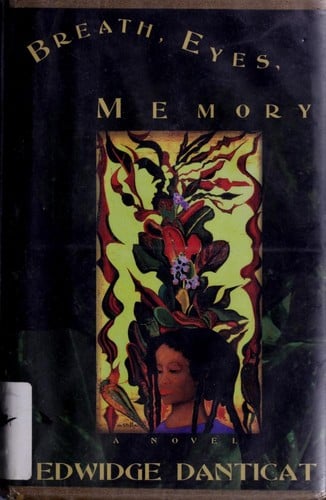
No. 48 on this list. Breath, Eyes, Memory
Edwidge Danticat · 1994
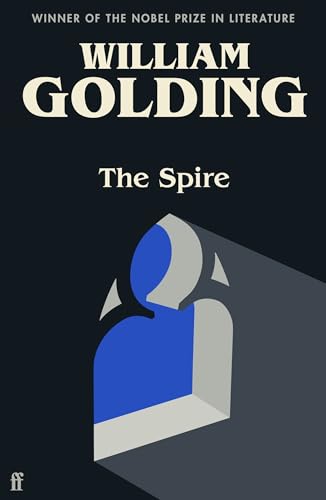
No. 49 on this list. The Spire
William Golding · 1964
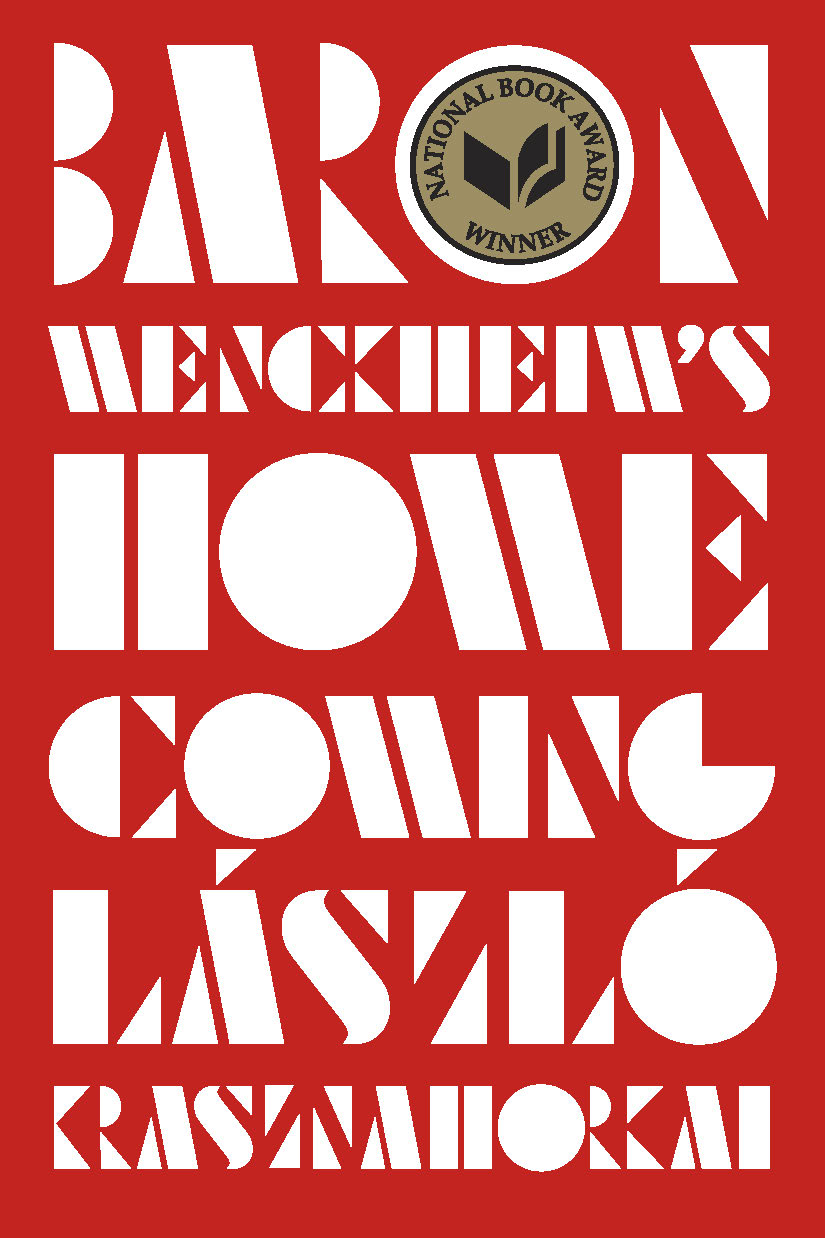
No. 50 on this list. Baron Wenckheim's Homecoming
László Krasznahorkai · 2016
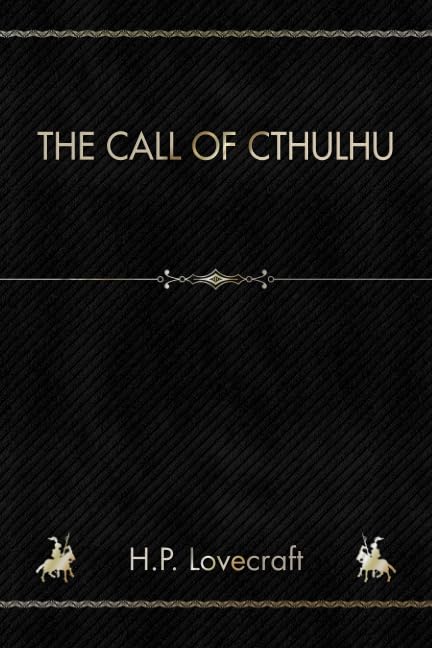
No. 51 on this list. The Call of Cthulhu and Other Stories
H.P. Lovecraft · 1928
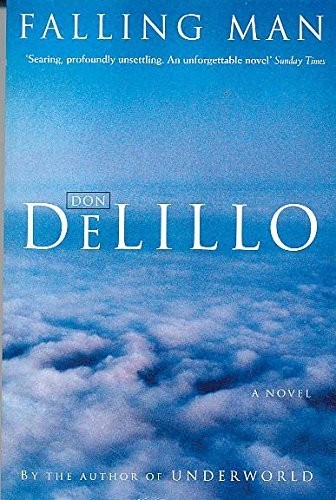
No. 52 on this list. Falling Man
Don DeLillo · 2007
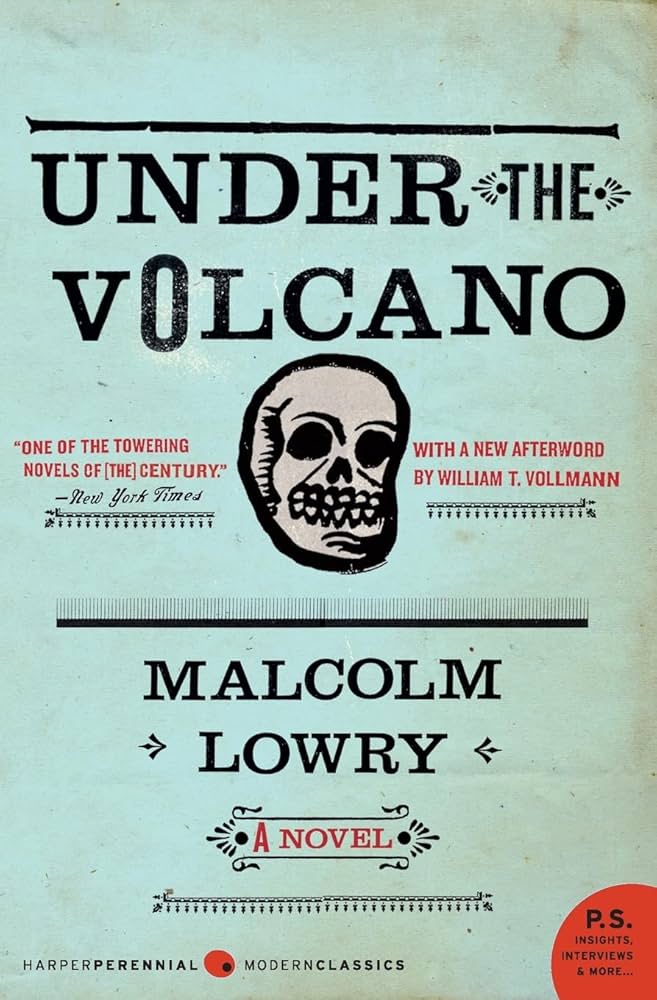
No. 53 on this list. Under the Volcano
Malcolm Lowry · 1947
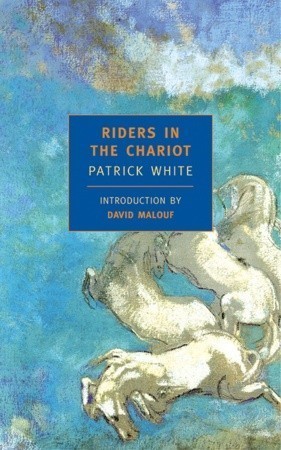
No. 54 on this list. Riders in the Chariot
Patrick White · 1961
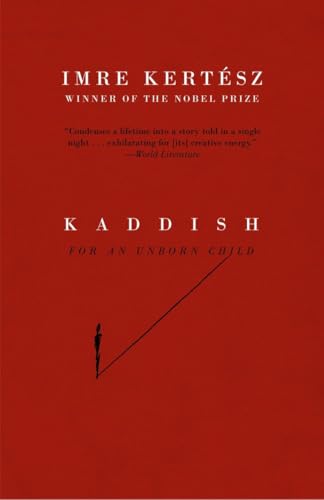
No. 55 on this list. Kaddish for an Unborn Child
Imre Kertész · 1990
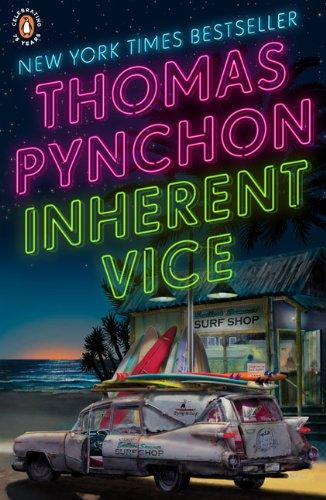
No. 56 on this list. Inherent Vice
Thomas Pynchon · 2009
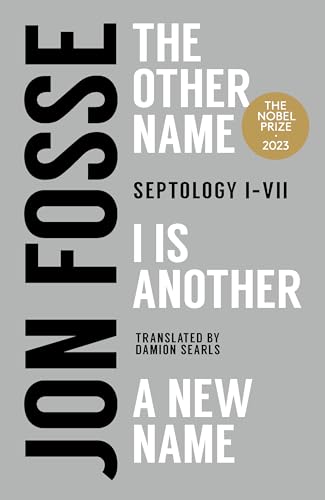
No. 57 on this list. Septology
Jon Fosse · 2019
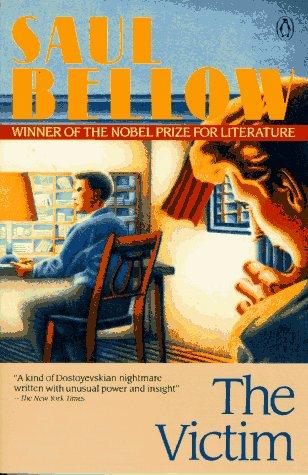
No. 58 on this list. The Victim
Saul Bellow · 1947
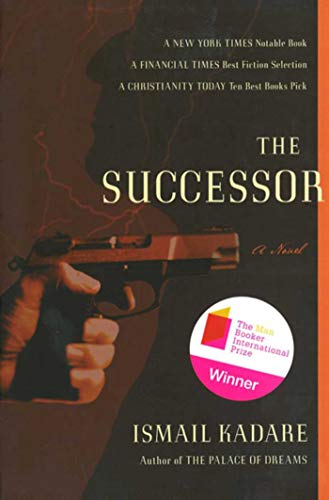
No. 59 on this list. The Successor
Ismail Kadare · 2003
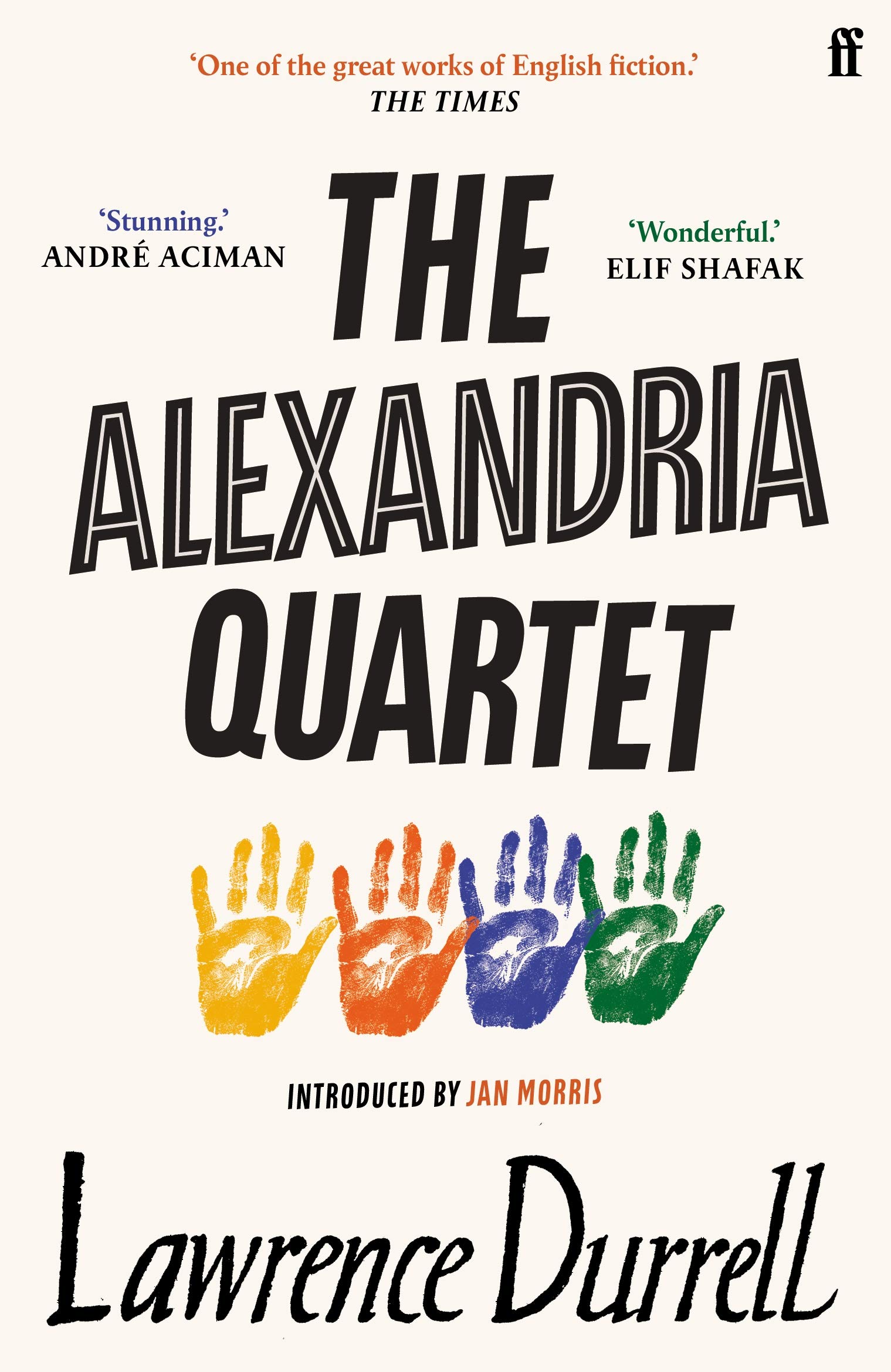
No. 60 on this list. The Alexandria Quartet
Lawrence Durrell · 1960
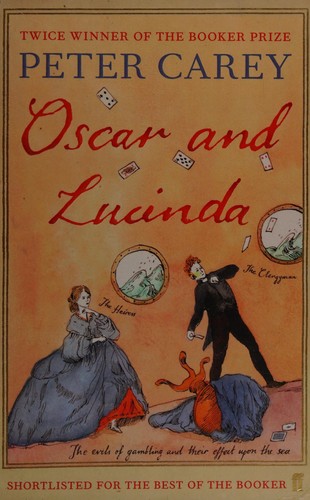
No. 61 on this list. Oscar and Lucinda
Peter Carey · 1988
No. 62 on this list. The Kindly Ones
Jonathan Littell · 2006
No. 63 on this list. The Ghost Road
Pat Barker · 1995
No. 64 on this list. A Fringe of Leaves
Patrick White · 1976
No. 65 on this list. More Die of Heartbreak
Saul Bellow · 1987
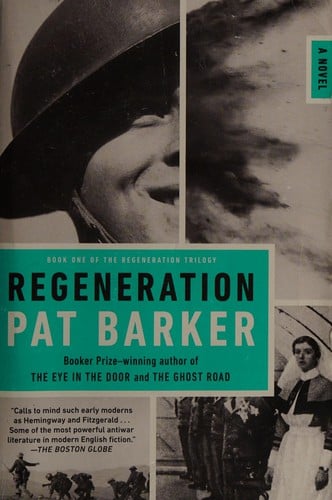
No. 66 on this list. Regeneration
Pat Barker · 1991
Taught in schools: AQA GCSE and A-level English Literature (UK)
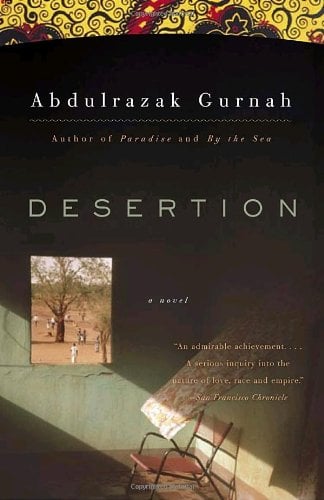
No. 67 on this list. Desertion
Abdulrazak Gurnah · 2005
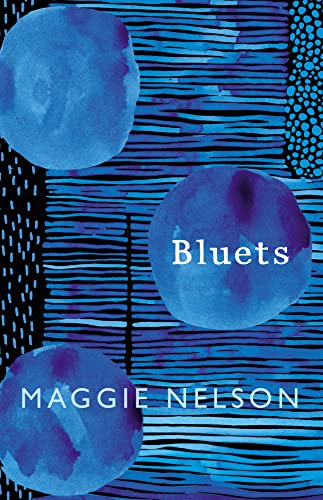
No. 68 on this list. Bluets
Maggie Nelson · 2009
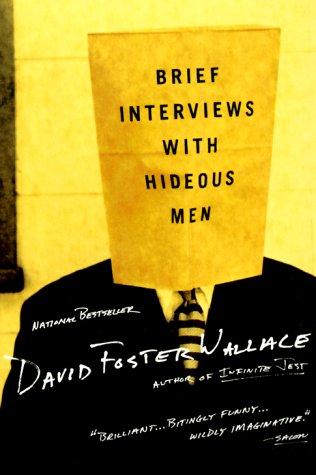
No. 69 on this list. Brief Interviews with Hideous Men
David Foster Wallace · 1999
No. 70 on this list. The Dew Breaker
Edwidge Danticat · 2004
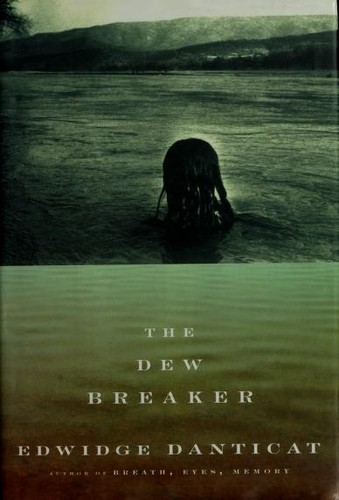
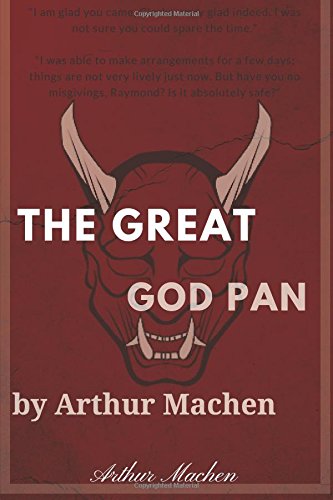
No. 71 on this list. The Great God Pan
Arthur Machen · 1894
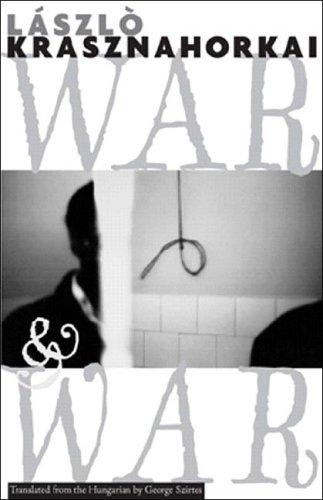
No. 72 on this list. War and War
László Krasznahorkai · 1999
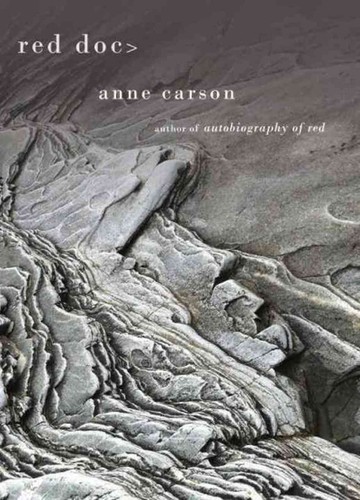
No. 73 on this list. Red Doc>
Anne Carson · 2013
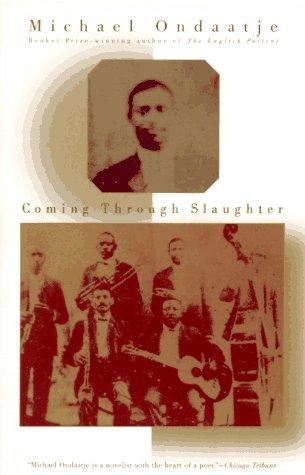
No. 74 on this list. Coming Through Slaughter
Michael Ondaatje · 1976
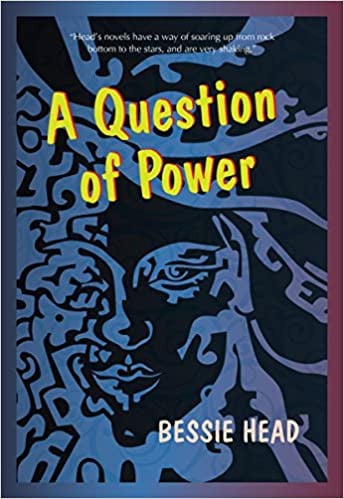
No. 75 on this list. A Question of Power
Bessie Head · 1974
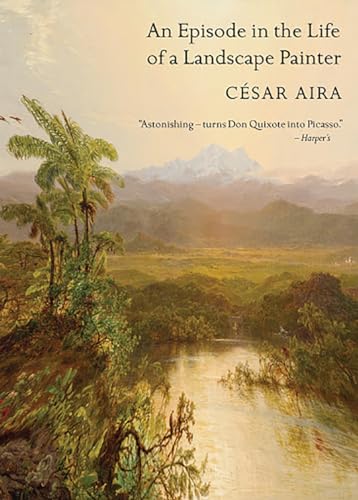
No. 76 on this list. An Episode in the Life of a Landscape Painter
César Aira · 2000
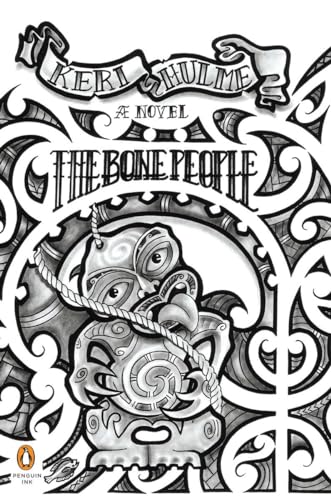
No. 77 on this list. The Bone People
Keri Hulme · 1985
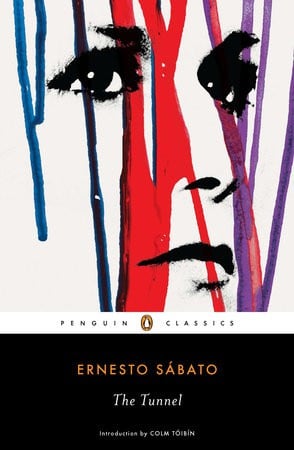
No. 78 on this list. The Tunnel
Ernesto Sabato · 1948
Taught in schools: UNAM Escuela Nacional Preparatoria – programas de Literatura (Mexico)
No. 79 on this list. Morphine
Mikhail Bulgakov · 1927
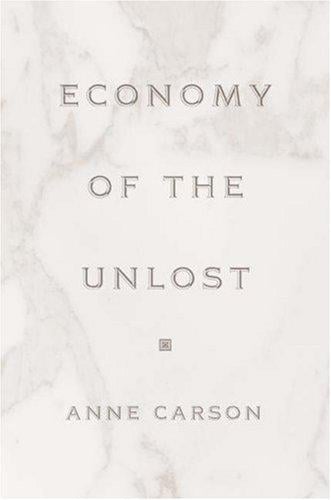
No. 80 on this list. Economy of the Unlost
Anne Carson · 1999
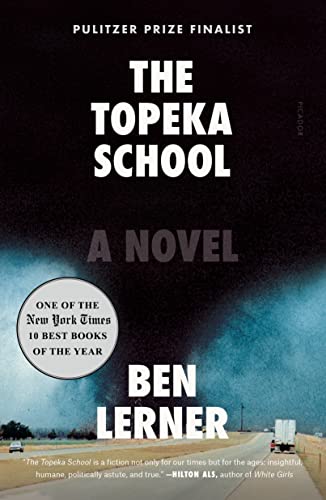
No. 81 on this list. The Topeka School
Ben Lerner · 2019
No. 82 on this list. Jerusalem
Selma Lagerlöf · 1901
No. 83 on this list. Umbrella
Will Self · 2012
No. 84 on this list. My Life as a Man
Philip Roth · 1974
No. 85 on this list. Amulet
Roberto Bolaño · 1999
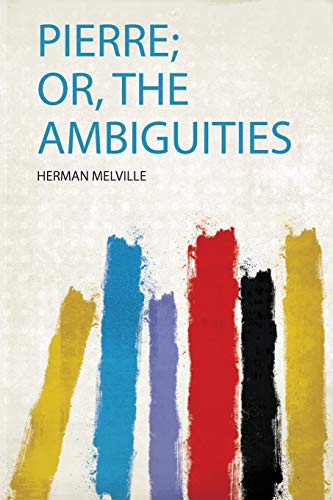
No. 86 on this list. Pierre
Herman Melville · 1852
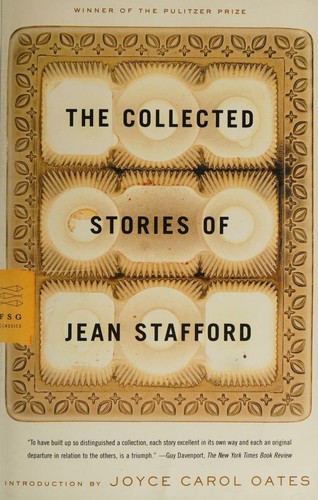
No. 87 on this list. The Collected Stories of Jean Stafford
Jean Stafford · 1970
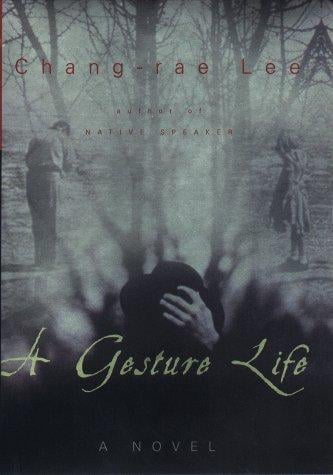
No. 88 on this list. A Gesture Life
Chang-rae Lee · 1999
No. 89 on this list. Party Going
Henry Green · 1939
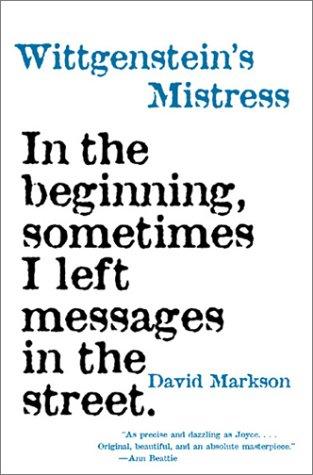
No. 90 on this list. Wittgenstein’s Mistress
David Markson · 1988
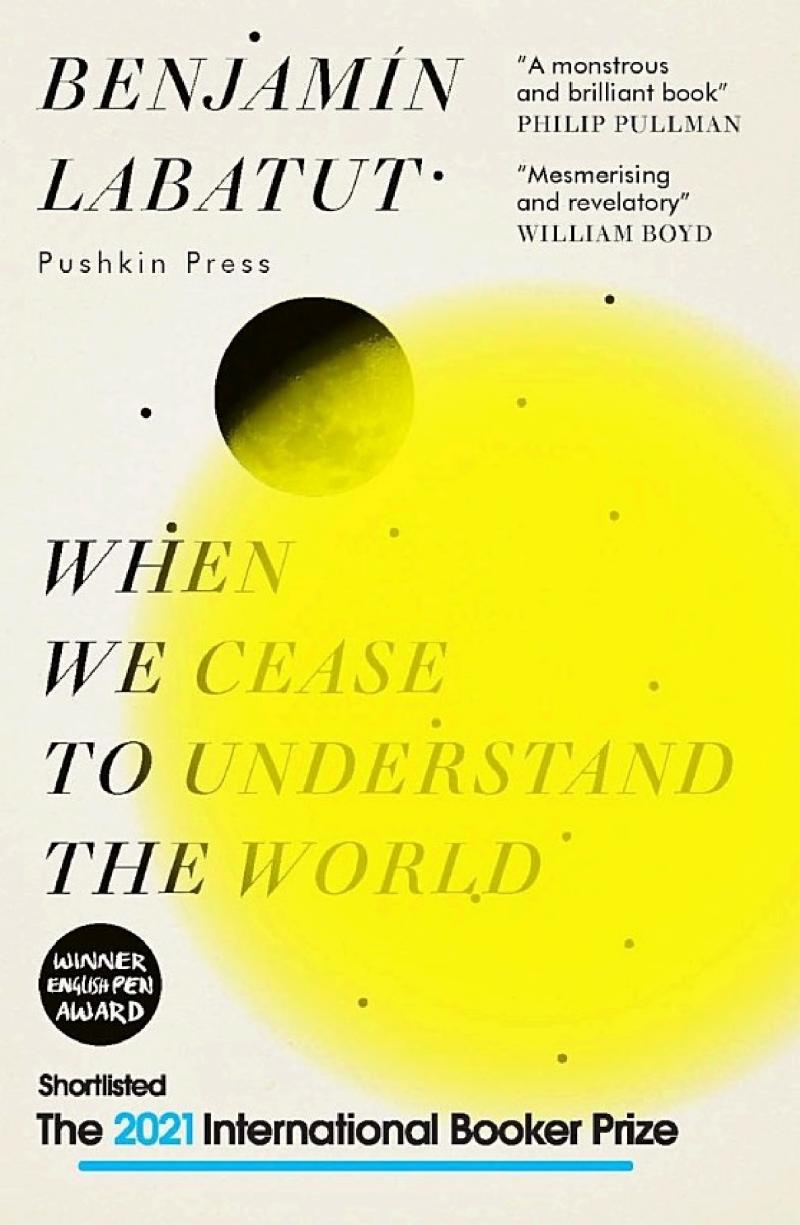
No. 91 on this list. When We Cease to Understand the World
Benjamin Labatut · 2021
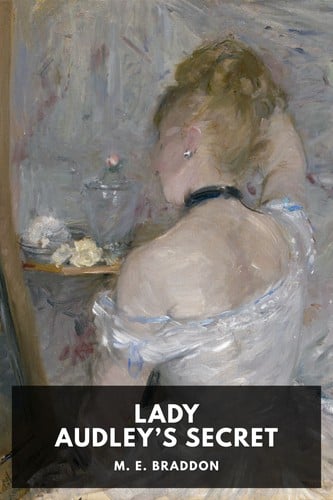
No. 92 on this list. Lady Audley's Secret
Mary Elizabeth Braddon · 1862
Taught in schools: Pearson Edexcel GCSE and A-level English Literature (UK)
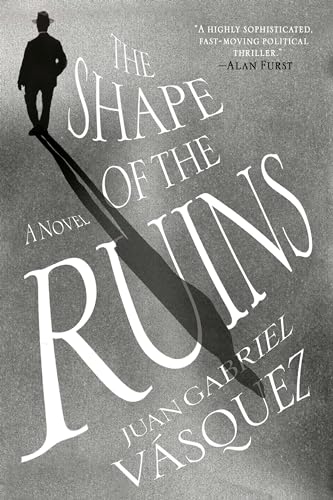
No. 93 on this list. The Shape of the Ruins
Juan Gabriel Vásquez · 2019
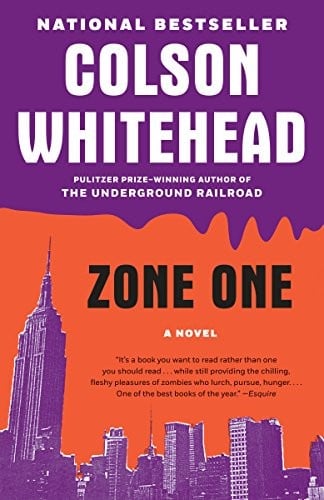
No. 94 on this list. Zone One
Colson Whitehead · 2011
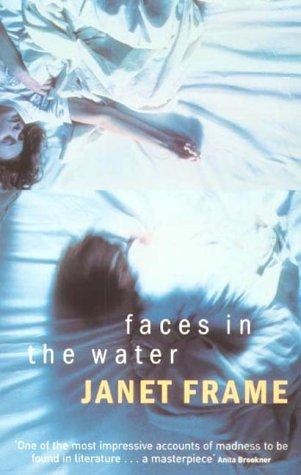
No. 95 on this list. Faces in the Water
Janet Frame · 1961
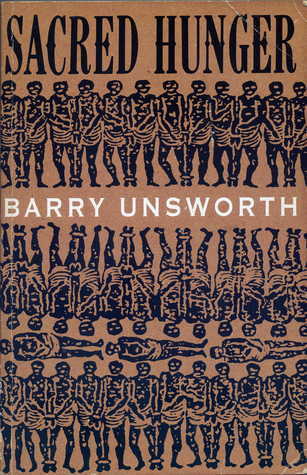
No. 96 on this list. Sacred Hunger
Barry Unsworth · 1992
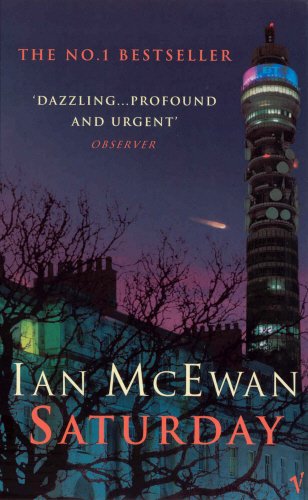
No. 97 on this list. Saturday
Ian McEwan · 2005
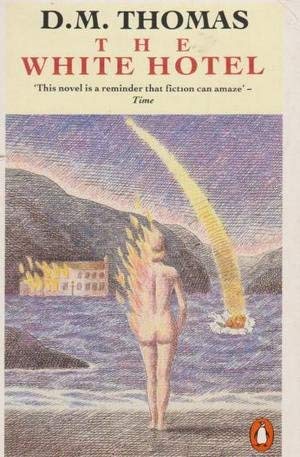
No. 98 on this list. The White Hotel
D.M. Thomas · 1981
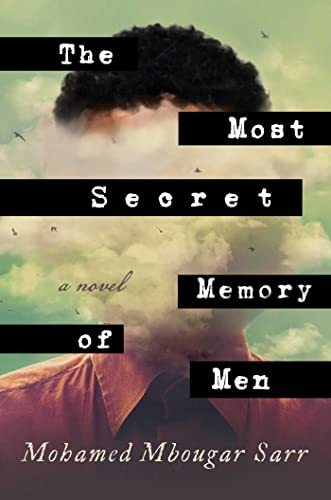
No. 99 on this list. The Most Secret Memory of Men
Mohamed Mbougar Sarr · 2021
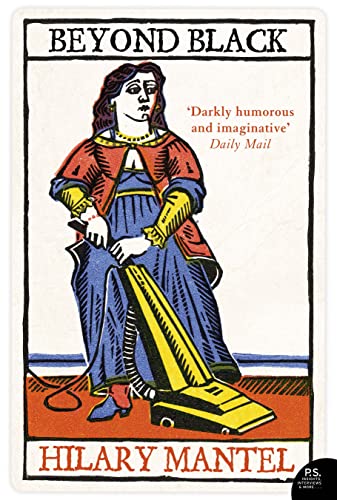
No. 100 on this list. Beyond Black
Hilary Mantel · 2005
About this list
These 100 books are the highest-scoring eligible challenging books about madness and the mind currently in the catalogue. About 1,180 hours of reading in all. Difficulty runs from 69 to 75 out of 100 for the middle half of the list; the summit is The New York Trilogy at 87.
This list is ranked by literary regard, with a consistent order for equal scores. Membership follows authors and co-authors, not translators or editors. A book is here when ReadingRate files it under Madness & the Mind as one of its primary reading domains, at a confidence of 0.8 or more. Catalogue coverage and the historical canon both limit what this list can represent.
When we matched the Canons dataset to our catalogue in October 2026, our canonical-status scores rose with the number of school curricula, publisher series and lists in it that cite a work: the median score was 72 for books one such source cites, 84 at two, 88 at three, 92 at four and 93 at five or more. Prizes are left out of that count. Outside the state curricula, the dataset’s sources choose mostly from what has been translated into English or French, so it is a weaker check on other literatures. Source: Canons (Andrew Piper), CC BY 4.0
Questions people actually ask
- What are the best challenging books about madness and the mind?
- By literary regard, which weighs canonical status, critical standing and influence: Hamlet by William Shakespeare, Moby-Dick by Herman Melville, A Streetcar Named Desire by Tennessee Williams, Ariel by Sylvia Plath and The Turn of the Screw by Henry James. ReadingRate ranks 100 such books, each with a difficulty score and a reading-time estimate.
- Which challenging books about madness and the mind should I read first?
- Start from difficulty, not from rank. The most approachable books on this list that still carry top literary regard are The Good Soldier by Ford Madox Ford (about 7 hours), Miss Julie by August Strindberg and Aura by Carlos Fuentes.
- What are the shortest of the best challenging books about madness and the mind?
- Among the top 25, the shortest are Howl and Other Poems by Allen Ginsberg (about 43 min), The Sandman by E.T.A. Hoffmann (about 1.8 hours) and Ariel by Sylvia Plath (about 2.4 hours), at an average pace of 250 words a minute adjusted for each book's difficulty.
- Which of the best challenging books about madness and the mind are the established classics?
- By canonical status, how firmly a book sits in curricula, anthologies and the canon: Hamlet by William Shakespeare, Moby-Dick by Herman Melville, A Streetcar Named Desire by Tennessee Williams, Ariel by Sylvia Plath and The New York Trilogy by Paul Auster.
- Can I read any of these challenging books about madness and the mind for free?
- 7 of the 100 open in ReadingRate's reader with a free account, from public-domain editions: Hamlet, Moby-Dick, The Turn of the Screw, The Good Soldier, Our Mutual Friend and 2 more.
- How long would it take to read the top ten?
- About 98 hours, at an average pace of 250 words a minute adjusted for each book's difficulty: 49 days at two hours a day. Set your own pace on the page and the list's reading times change to it.
- How hard are challenging books about madness and the mind to read?
- Most of this list sits between 69 and 75 on ReadingRate's 100-point difficulty scale, where 40 to 55 is moderate. The summit is The New York Trilogy at 87. Every entry carries its own score, so a reader can pick a great book at a difficulty they will finish.
- How is this list ranked?
- On literary-regard data: how canonically established a work is, its critical standing, and its influence on later writing. It is not a readers’ poll, which is why recent bestsellers rarely appear. Membership follows authors and co-authors, not translators or editors. Lists by country, author, period, theme or difficulty keep to literature (fiction, poetry, drama and philosophy), their novels, poems and plays first and their philosophy after them; a list of a kind of book, such as memoir or criticism, keeps every book of that kind. Every list holds at most three works by one author. A book is here when ReadingRate files it under Madness & the Mind as one of its primary reading domains, at a confidence of 0.8 or more.