Hours at an average pace
Showing 100 books
About 496 hours for 100 of 100 books with measured lengths. Estimates use 250 words a minute, adjusted for each book's difficulty. At 2 hours a day, about 249 days for those books.
A major work of American poetry. 'Harlem' alone has achieved a canonical status rivaling any single American poem of the twentieth century.
Nobel laureate and the defining poet of the Anglophone Caribbean. Central to postcolonial literature and increasingly recognized in the broader English-language canon.
Uncle Tom's Cabin holds essential historical status in American literature and history curricula. Lincoln's alleged remark—'So this is the little lady who started this great war'—marks its political impact. The novel appears on lists of books that changed America, taught in courses on 19th-century literature, abolitionism, and protest fiction. Its canonical position rests on historical consequence more than literary innovation.
No. 4 on this list. This Earth of Mankind
Pramoedya Ananta Toer · 1980
Easy6.4 hours
Taught in schools: Indonesian sastra curriculum
The most important work of Indonesian literature. Perennial Nobel candidate.
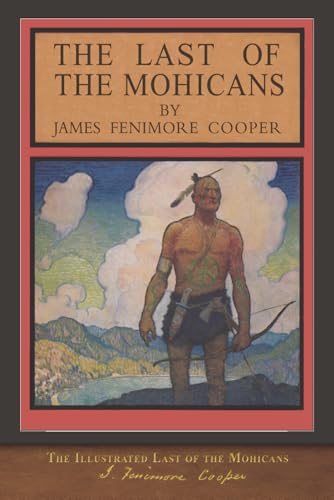
Taught widely in American literature courses as the founding frontier romance, though its racial attitudes complicate its classroom status. It stands slightly below the staples such as Gatsby.
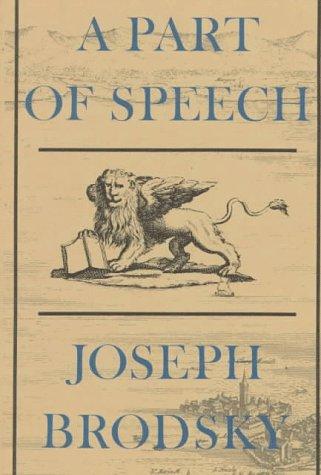
Taught in graduate poetry programs and comparative literature courses at major universities, 'A Part of Speech' is the collection through which Brodsky entered the Western canon. It appears in virtually every major anthology of 20th-century exile and émigré poetry. Not a fixture in broad undergraduate syllabi, but essential in advanced poetry and diaspora literature courses.
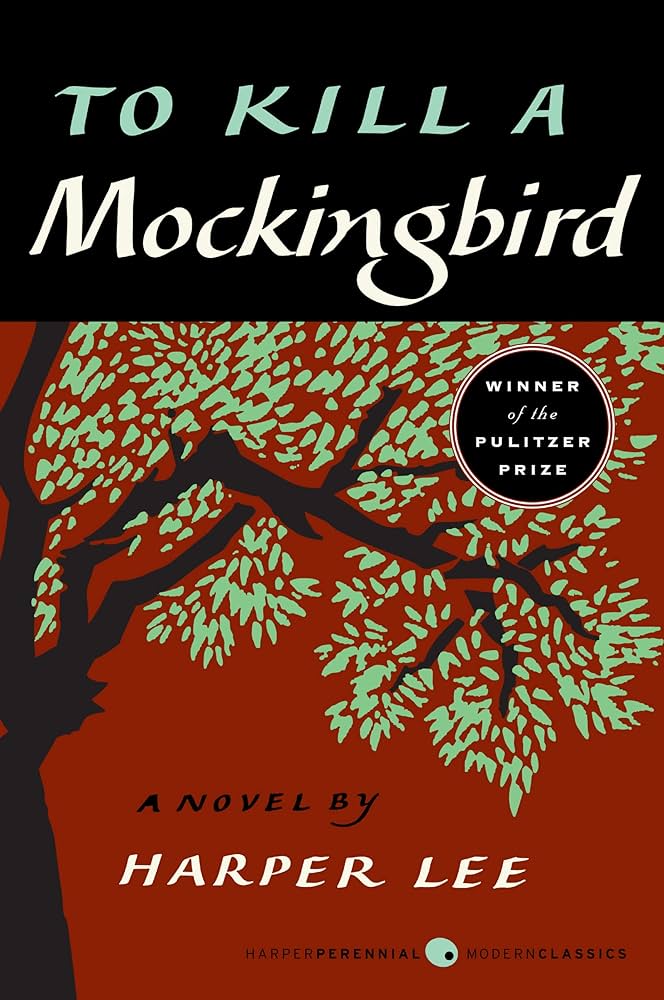
No. 7 on this list. To Kill a Mockingbird
Harper Lee · 1961
Moderate6.3 hours
Taught in schools: Cambridge IGCSE Literature in English (0475), Common Core text exemplars (Appendix B) (US), CSEC English B – Caribbean Examinations Council
Appears on 1,674 university syllabi (80.6th percentile, Open Syllabus Project) and is a fixture of American high school and university English curricula. Wikipedia articles exist in 58 languages with dedicated reception and adaptations sections. Published by four prestige houses — Library of America, Everyman's Library, Penguin Classics, and Penguin Modern Classics — confirming its standing in the Western canon.
One of the most important plays in South African theatrical history and a central work of anti-apartheid literature. Widely performed and taught internationally.
No. 9 on this list. Roll of Thunder, Hear My Cry
Mildred D. Taylor · 1976
Very Easy2.4 hours
Taught in schools: CSEC English B – Caribbean Examinations Council, Singapore-Cambridge GCE O-Level Literature in English (2065)
Newbery Medal winner and a cornerstone of Black children's literature. Widely taught and frequently appears on essential reading lists.
A fixture in SF studies, environmental humanities, and postcolonial literature courses at universities worldwide. Le Guin's work overall is more canonically established than this single novella — it appears regularly on SF syllabi and ecocriticism reading lists, taught alongside texts like Octavia Butler's Kindred and Kim Stanley Robinson's Mars trilogy, though without the 2000+ syllabus presence of Beloved or The Great Gatsby.
No. 11 on this list. Deep Rivers · José María Arguedas · 1958
Taught in schools: UNAM Escuela Nacional Preparatoria – programas de Literatura (Mexico)
The central work of indigenist literature in Latin America and a cornerstone of Peruvian fiction.
Easy4 hours
Start this bookNo. 12 on this list. The Blue Lotus · Hergé · 1936
Ranked 18th in Le Monde's 100 Books of the Century, above many canonical novels, and has Wikipedia articles in 40 languages. It is the Tintin album most discussed in comics studies and is widely read across Europe.
Easy26 min
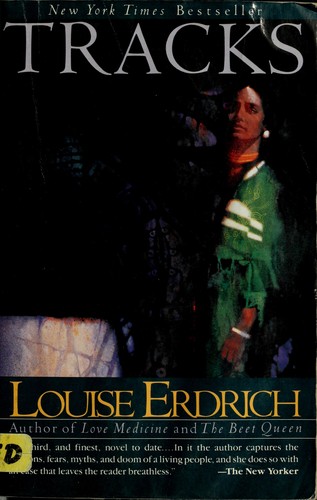
Start this bookNo. 13 on this list. Tracks · Louise Erdrich · 1988
A central work in Erdrich's interconnected cycle and widely taught in American literature courses. Considered one of her strongest early novels.
Moderate4.1 hours
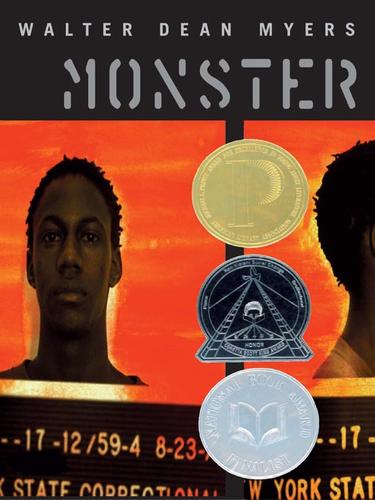
Start this bookNo. 14 on this list. Monster · Walter Dean Myers · 1999
Steve Harmon is sixteen years old and on trial for felony murder. He may have acted as a lookout for a Harlem drugstore robbery that left the owner dead — or he may not have. The question hangs over Walter Dean Myers's 1999 novel, which Steve narrates in the only form that makes sense to him: a screenplay. He writes himself as the protagonist, titles the film Monster — the word the prosecutor used to describe him — and cuts between courtroom scenes and flashback journal entries while his mother cries in the gallery and his lawyer calculates the odds. The form is not a gimmick. A screenplay externalizes action and dialogue while burying interiority in stage directions, and that gap is exactly where Myers puts the book's central problem: we watch Steve perform innocence without ever being certain whether we are watching performance or truth. The trial exposes Harlem's carceral machinery — the way young Black men get classified, processed, and destroyed — but Monster refuses to let that machinery fully explain Steve. He asks, on the last page, who he is. Myers doesn't answer. Readers will spend time after the last page deciding whether that's evasion or honesty, and what it says about how they read a defendant's face.
Easy1.7 hours
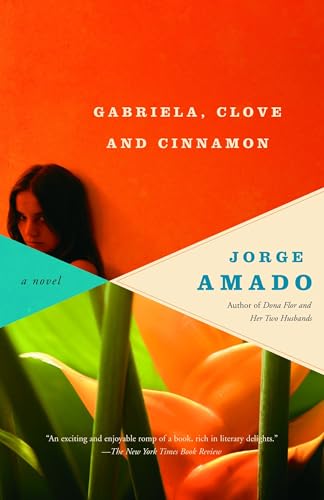
Start this bookNo. 15 on this list. Gabriela, Clove and Cinnamon · Jorge Amado · 1958
Gabriela is among the defining works of Brazilian literature and appears regularly on Latin American literature syllabi worldwide. It established Jorge Amado's international reputation and is one of the most-translated Brazilian novels ever published. While not as universally taught as García Márquez, it occupies a secure place in world literature curricula.
Moderate9.3 hours
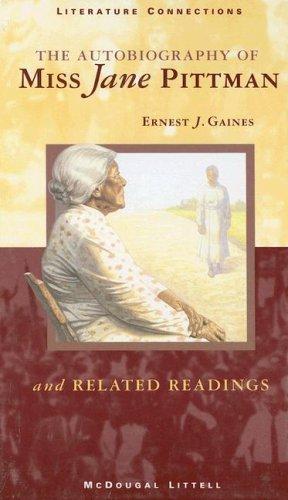
Start this bookNo. 16 on this list. The Autobiography of Miss Jane Pittman · Ernest J. Gaines · 1982
The novel is widely taught in American high schools and colleges as a key text of African American and Southern literature, and it is a staple of civil rights curricula, though below the top canon.
Easy4.1 hours
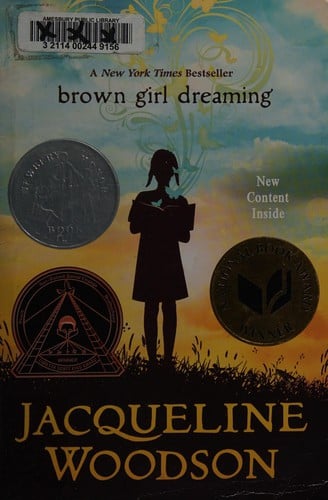
Start this bookNo. 17 on this list. Brown Girl Dreaming · Jacqueline Woodson · 2014
Brown Girl Dreaming is standard reading in American middle school and high school curricula, particularly in units on memoir, poetry, and Civil Rights-era literature. It appears on numerous recommended reading lists for young adults and is included in many school districts' required reading programs. Its canonical status is strong within YA and middle-grade education but has not yet reached the broader university literary canon.
Easy1.9 hours
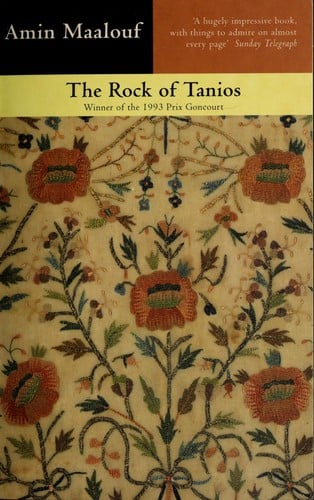
Start this bookNo. 18 on this list. The Rock of Tanios · Amin Maalouf · 1993
Prix Goncourt winner. Important work of Francophone and Lebanese literature.
Easy4.3 hours
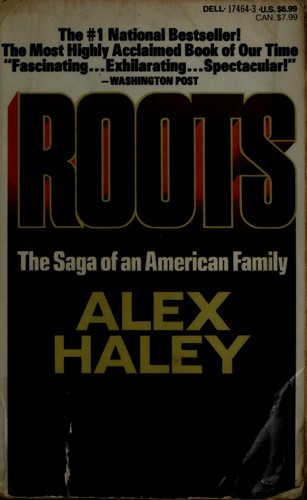
Start this bookNo. 19 on this list. Roots: The Saga of an American Family · Alex Haley · 1976
Roots is widely taught in American history and literature courses, and the 1977 miniseries made it a national event. It is a staple of African American literature curricula, though less universal than Beloved.
Easy11 hours
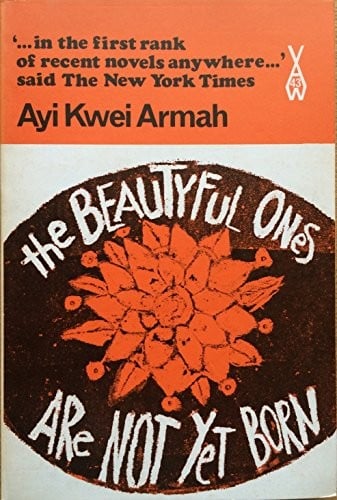
Start this bookNo. 20 on this list. The Beautyful Ones Are Not Yet Born · Ayi Kwei Armah · 1968
Included in: Heinemann African Writers Series
A founding text of postcolonial African fiction. Widely taught.
Moderate3.8 hours
Start this book
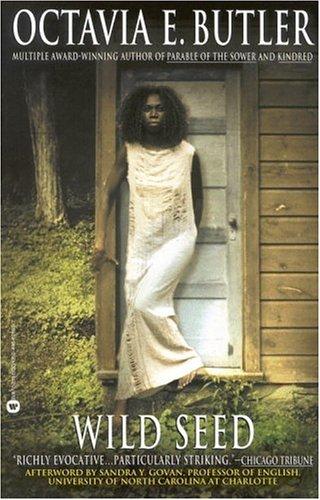
No. 21 on this list. Wild Seed · Octavia E. Butler · 1980
Recognized as one of Butler's finest novels and a major work of Afrofuturist fiction. Widely taught in university courses.
Easy4 hours
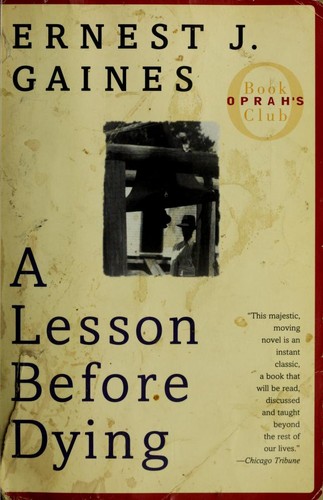
Start this bookNo. 22 on this list. A Lesson Before Dying · Ernest J. Gaines · 1993
The novel is widely assigned in American high school and college courses on African American literature and Southern fiction. It stands below the central canon but well above commercial fiction.
Easy3.9 hours
Start this bookNo. 23 on this list. Ti-Jean and His Brothers · Derek Walcott · 1958
A foundational work of Caribbean drama, widely taught in postcolonial literature courses. Less known outside that context than Walcott's poetry.
Easy1.4 hours
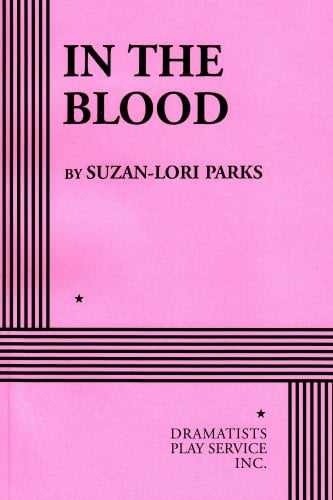
Start this bookNo. 24 on this list. In the Blood · Suzan-Lori Parks · 1999
Widely taught in American drama and African American literature courses. Recognized as one of Parks's major works and a significant contemporary American play.
Moderate1.3 hours
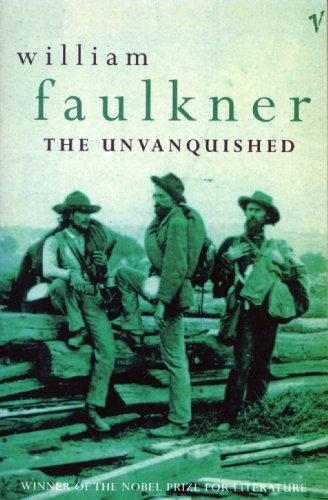
Start this bookNo. 25 on this list. The Unvanquished · William Faulkner · 1938
The Unvanquished is a recognized part of Faulkner's Yoknapatawpha cycle, taught in American literature courses as an accessible entry point into Faulkner's work and as a study of Civil War-era Southern society. It is less canonically prominent than The Sound and the Fury, As I Lay Dying, or Absalom, Absalom!, and the database shows 0 Open Syllabus appearances, suggesting its current academic footprint is modest. Still, as a work by a Nobel Prize winner with an enduring place in the Faulkner corpus, it sits comfortably in the 60–70 range.
Moderate4.4 hours
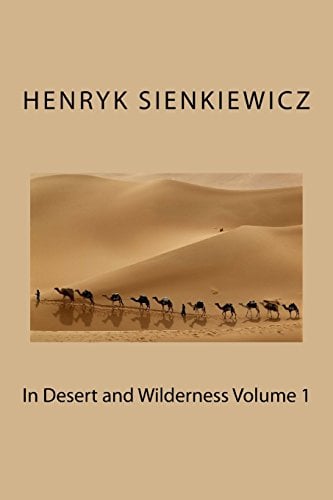
Start this bookNo. 26 on this list. In Desert and Wilderness · Henryk Sienkiewicz · 1911
While not achieving the universal canonical status of Sienkiewicz's Quo Vadis, In Desert and Wilderness maintains strong regional canonical status in Poland and Central Europe as a beloved young adult classic. The novel appears regularly in Polish school curricula and remains in print across multiple languages. Its adventure narrative and historical setting have sustained readership for over a century, though it lacks the worldwide recognition of works like Treasure Island or The Jungle Book that occupy similar generic territory.
Easy7.1 hours
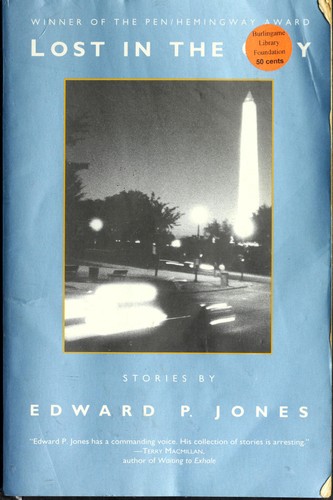
Read nowNo. 27 on this list. Lost in the City · Edward P. Jones · 1992
The nation's capital that serves as the setting for the stories in Edward P. Jones's prizewinning collection, Lost in the City, lies far from the city of historic monuments and national politicians. Jones takes the reader beyond that world into the lives of African American men and women who work against the constant threat of loss to maintain a sense of hope. From "The Girl Who Raised Pigeons" to the well-to-do career woman awakened in the night by a phone call that will take her on a journey back to the past, the characters in these stories forge bonds of community as they struggle against the limits of their city to stave off the loss of family, friends, memories, and, ultimately, themselves. Critically acclaimed upon publication, Lost in the City introduced Jones as an undeniable talent, a writer whose unaffected style is not only evocative and forceful but also filled with insight and poignancy.
Moderate4 hours
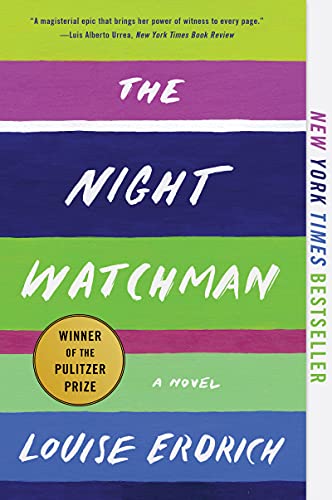
Start this bookNo. 28 on this list. The Night Watchman · Louise Erdrich · 2021
Ranked by literary regard among eligible works in the current catalogue. This position reflects the available catalogue evidence.
Moderate7.3 hours
Start this bookNo. 29 on this list. Binti · Nnedi Okofor · 2015
Hugo and Nebula Award winner. A significant work of Africanfuturist fiction, increasingly taught in university courses.
Very Easy1.2 hours
Start this bookNo. 30 on this list. The Studs Lonigan Trilogy · James T. Farrell · 1935
Ranked on the Modern Library 100 Best Novels (1998) and collected by the Library of America, it remains the standard example of American urban naturalism. It is taught less than it was at mid-century.
Moderate22 hours
Start this book
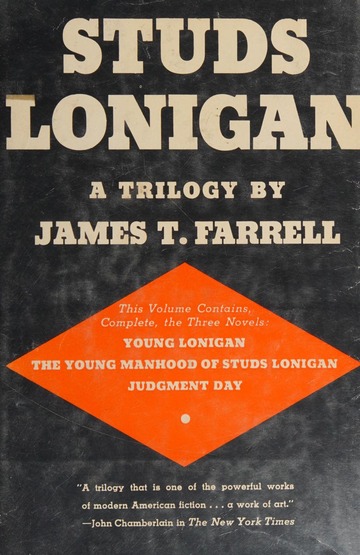
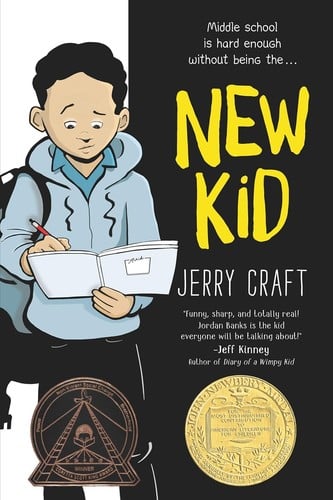
No. 31 on this list. New Kid
Jerry Craft · 2019
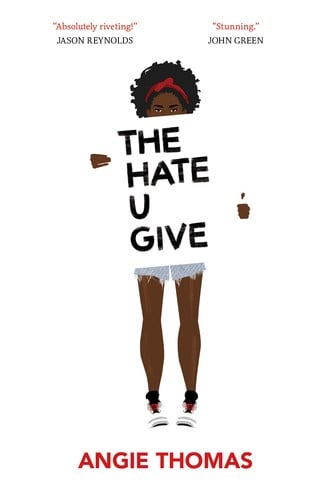
No. 32 on this list. The Hate U Give
Angie Thomas · 2017
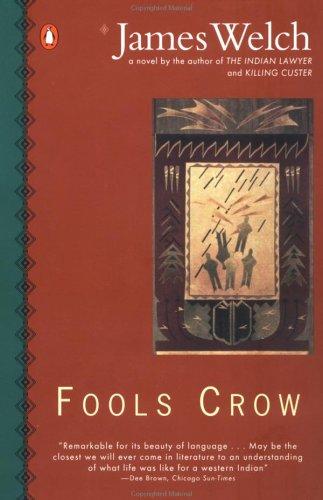
No. 33 on this list. Fools Crow
James Welch · 1986
No. 34 on this list. A Gathering of Old Men
Ernest J. Gaines · 1992
No. 35 on this list. The Watsons Go to Birmingham - 1963
Christopher Paul Curtis · 1995
No. 36 on this list. A Town Like Alice
Nevil Shute · 1950
No. 37 on this list. Voyage in the Dark
Jean Rhys · 1934
No. 38 on this list. The City of Brass
S.A. Chakraborty · 2017
No. 39 on this list. A Dry White Season
André Brink · 1979
No. 40 on this list. Number the Stars
Lois Lowry · 1989

No. 41 on this list. The Empress of Salt and Fortune
Nghi Vo · 2020
No. 42 on this list. Laughing Boy
Oliver La Farge · 1930
No. 43 on this list. Following the Equator
Mark Twain · 1897
No. 44 on this list. That Deadman Dance
Kim Scott · 2010
No. 45 on this list. Afterlives
Abdulrazak Gurnah · 2020
No. 46 on this list. Indignation
Philip Roth · 2008
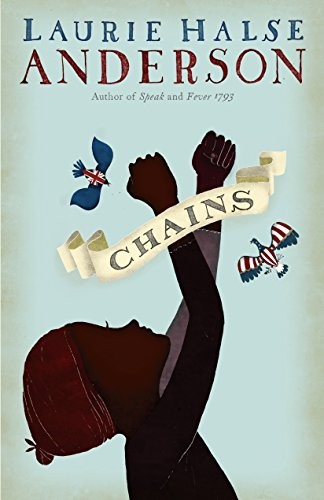
No. 47 on this list. Chains
Laurie Halse Anderson · 2008
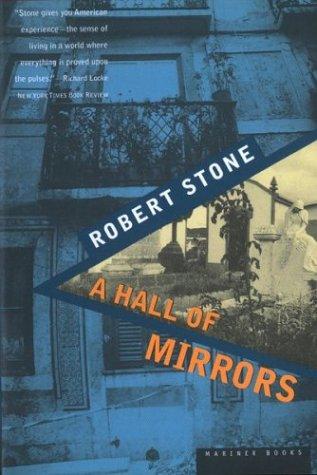
No. 48 on this list. A Hall of Mirrors
Robert Stone · 1967
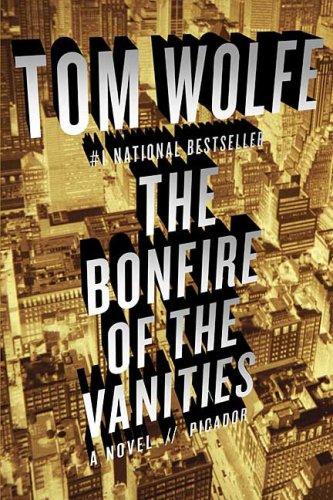
No. 49 on this list. The Bonfire of the Vanities
Tom Wolfe · 1987
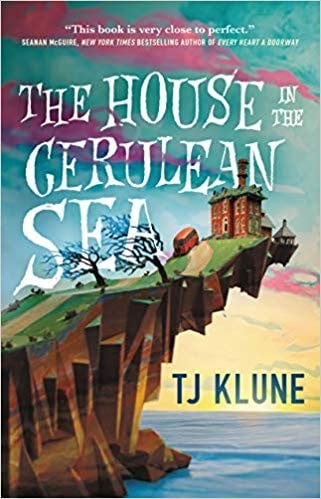
No. 50 on this list. The House in the Cerulean Sea
TJ Klune · 2020
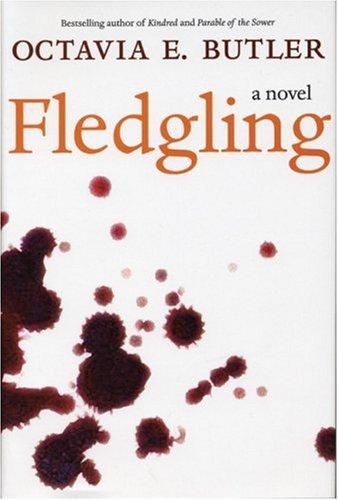
No. 51 on this list. Fledgling
Octavia E. Butler · 2005
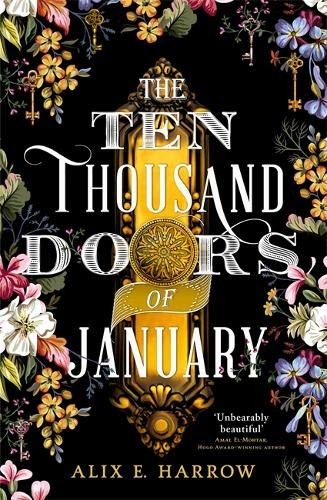
No. 52 on this list. The Ten Thousand Doors of January
Alix E. Harrow · 2019
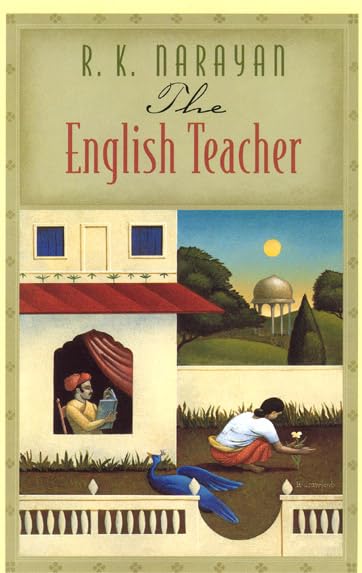
No. 53 on this list. The English Teacher
R.K. Narayan · 1945
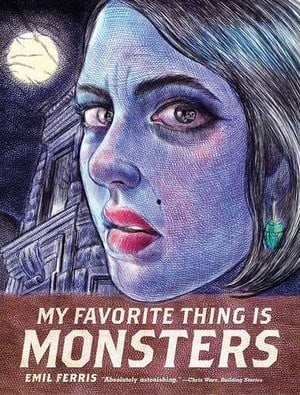
No. 54 on this list. My Favorite Thing Is Monsters
Emil Ferris · 2017
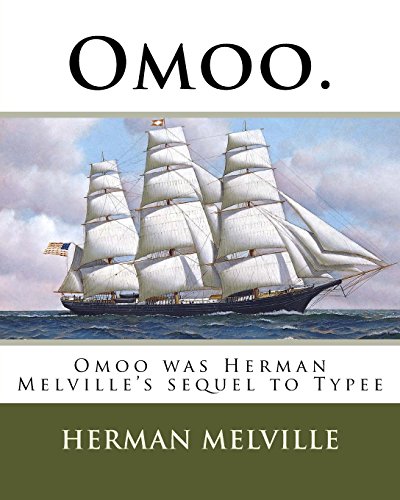
No. 55 on this list. Omoo
Herman Melville · 1847
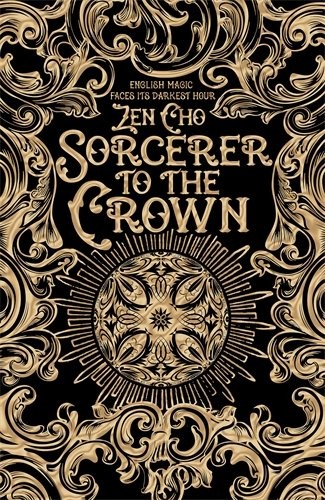
No. 56 on this list. Sorcerer to the Crown
Zen Cho · 2015
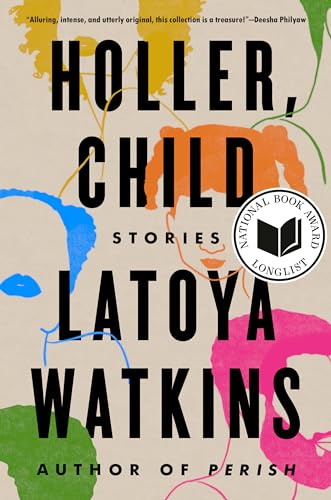
No. 57 on this list. Holler, Child
LaToya Watkins · 2023
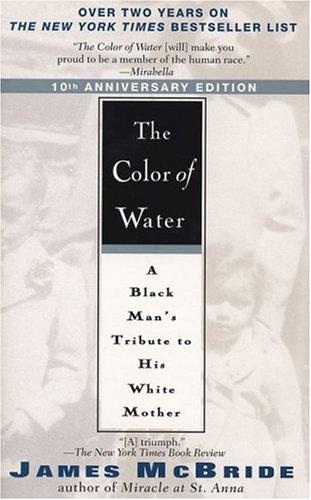
No. 58 on this list. The Color of Water
James McBride · 1996
No. 59 on this list. A Lucky Man
Jamel Brinkley · 2018
No. 60 on this list. If I Had Two Wings
Randall Kenan · 2020
No. 61 on this list. A Kind of Freedom
Margaret Wilkerson Sexton · 2017
No. 62 on this list. The Water Dancer
Ta-Nehisi Coates · 2019
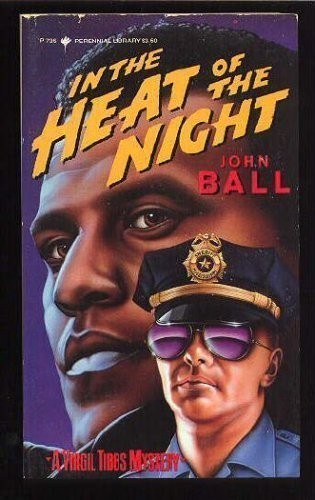
No. 63 on this list. In the Heat of the Night
John Ball · 1965
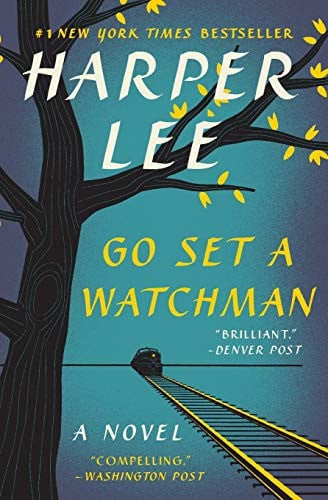
No. 64 on this list. Go Set a Watchman
Harper Lee · 2015
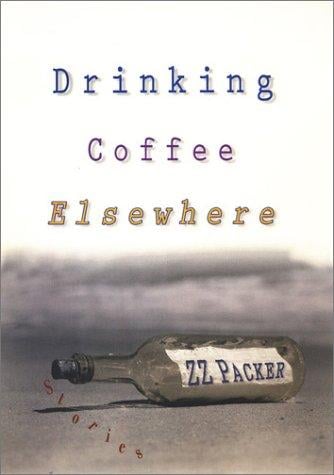
No. 65 on this list. Drinking Coffee Elsewhere
ZZ Packer · 2003
No. 66 on this list. The Far Pavilions
M.M. Kaye · 1978
No. 67 on this list. The Cay
Theodore Taylor · 1969
Taught in schools: CSEC English B – Caribbean Examinations Council, Pacific Senior Secondary Certificate – English
No. 68 on this list. Lawd Today!
Richard Wright · 1963
No. 69 on this list. Sounder
William H. Armstrong · 1995
Taught in schools: CSEC English B – Caribbean Examinations Council
No. 70 on this list. Eleanor & Park
Rainbow Rowell · 2013
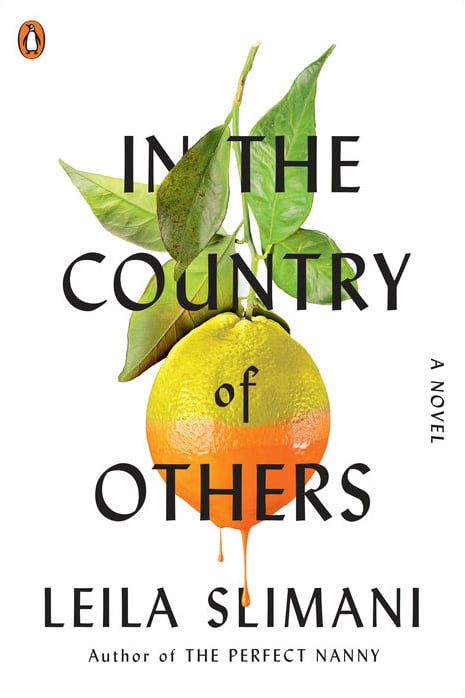
No. 71 on this list. In the Country of Others
Leïla Slimani · 2020
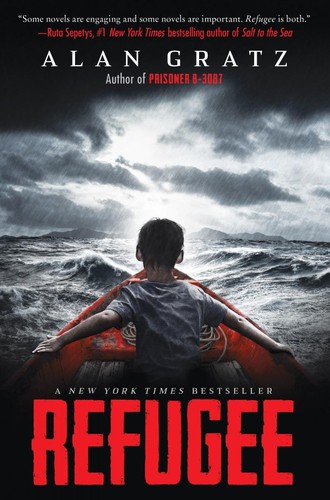
No. 72 on this list. Refugee
Alan Gratz · 2017
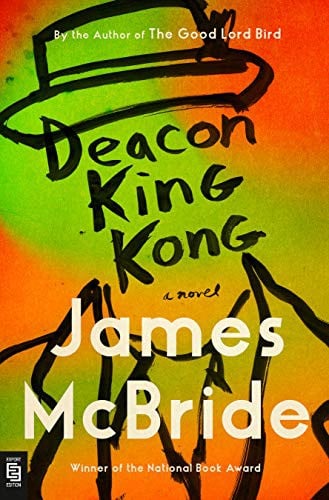
No. 73 on this list. Deacon King Kong
James McBride · 2020
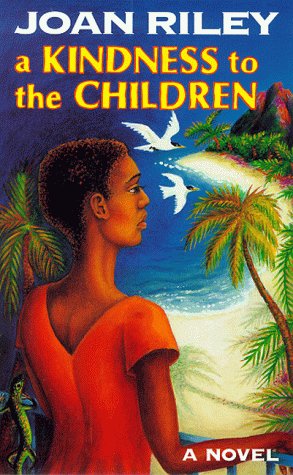
No. 74 on this list. A Kindness to the Children
Joan Riley · 1997
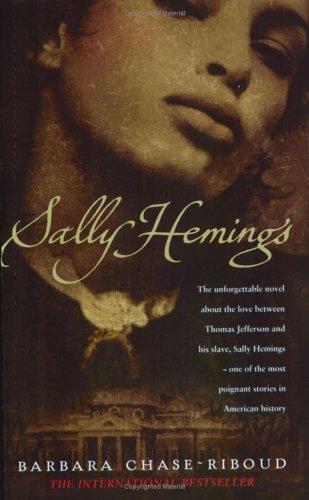
No. 75 on this list. Sally Hemings
Barbara Chase-Riboud · 2002
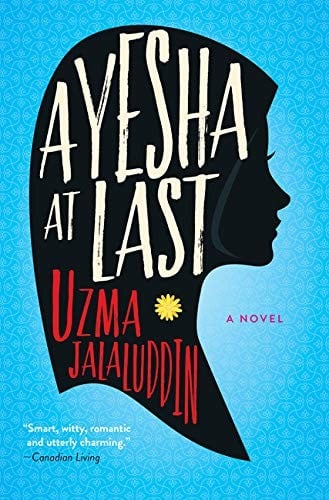
No. 76 on this list. Ayesha at Last
Uzma Jalaluddin · 2018
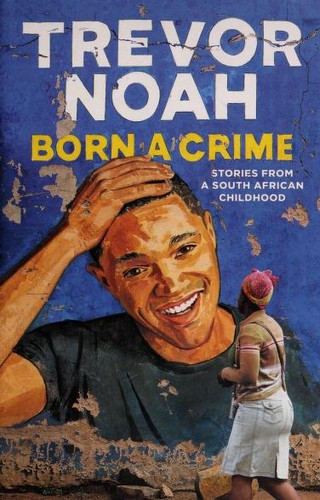
No. 77 on this list. Born a Crime: Stories from a South African Childhood
Trevor Noah · 2016
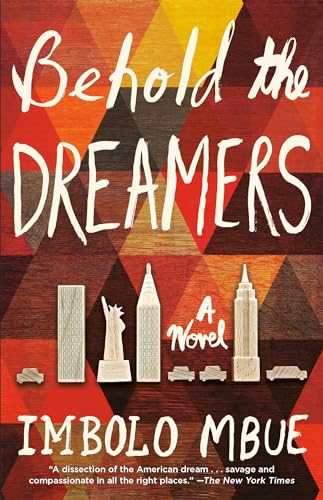
No. 78 on this list. Behold the Dreamers
Imbolo Mbue · 2017
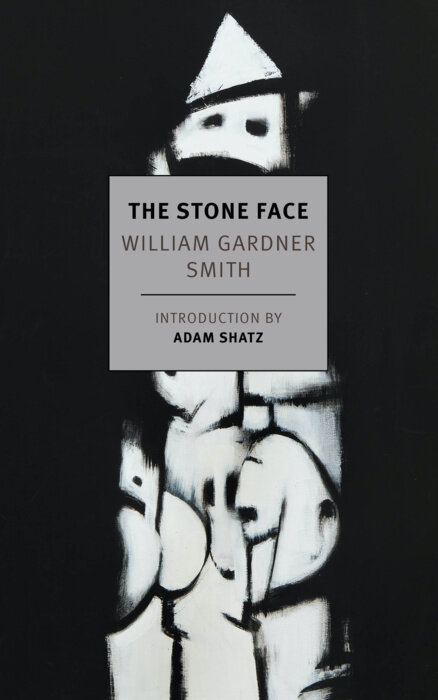
No. 79 on this list. The Stone Face
William Gardner Smith · 1975
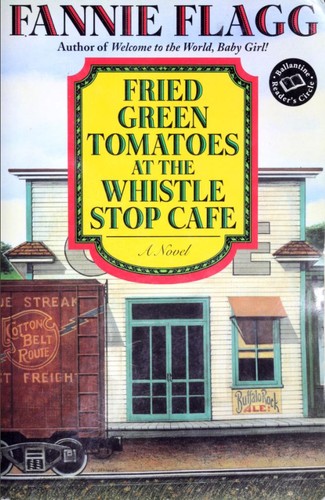
No. 80 on this list. Fried Green Tomatoes at the Whistle Stop Cafe
Fannie Flagg · 1987
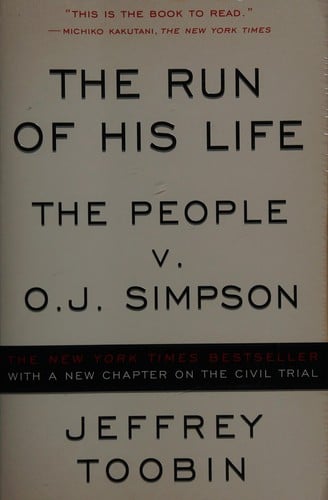
No. 81 on this list. The Run of His Life
Jeffrey Toobin · 1996
No. 82 on this list. Wake: The Hidden History of Women-Led Slave Revolts
Rebecca Hall · 2021
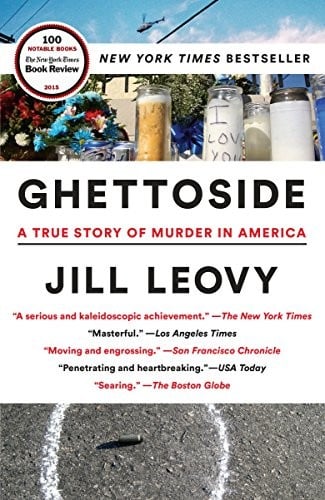
No. 83 on this list. Ghettoside
Jill Leovy · 2015
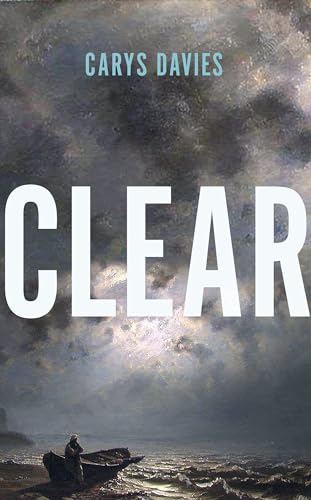
No. 84 on this list. Clear
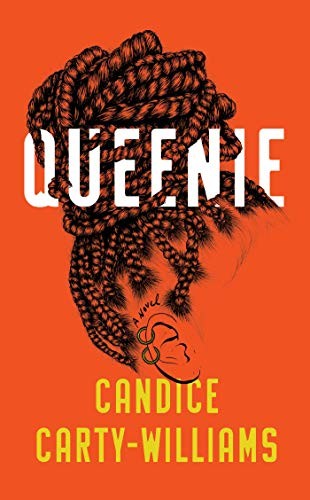
No. 85 on this list. Queenie
Candice Carty-Williams · 2019
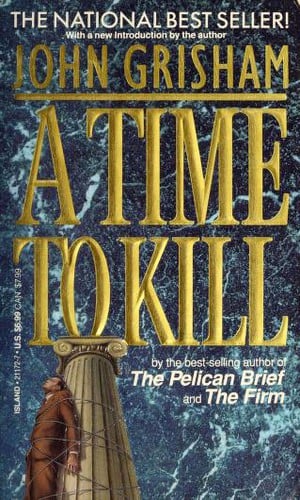
No. 86 on this list. A Time to Kill
John Grisham · 1989
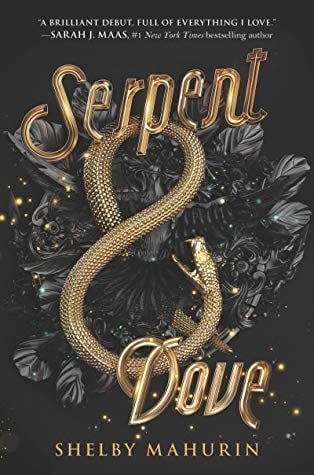
No. 87 on this list. Serpent & Dove
Shelby Mahurin · 2019
No. 88 on this list. Sag Harbor
Colson Whitehead · 2009
No. 89 on this list. Black Water Rising
Attica Locke · 2010
No. 90 on this list. Die Wunden unserer Brüder: Roman (German Edition)
Joseph Andras · 2017


No. 91 on this list. The Road to Wanting
Wendy Law-Yone · 2011
No. 92 on this list. Friday Black
Nana Kwame Adjei-Brenyah · 2018
No. 93 on this list. The Bat
Jo Nesbø · 1997
No. 94 on this list. The Help
Kathryn Stockett · 2009
Taught in schools: AQA GCSE and A-level English Literature (UK)
No. 95 on this list. Olga Dies Dreaming
Xochitl Gonzalez · 2022
No. 96 on this list. IQ
Joe Ide · 2016
No. 97 on this list. The Searchers
Alan LeMay · 1987
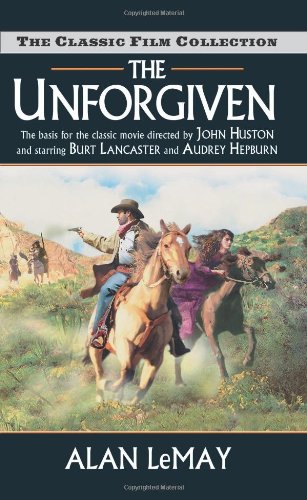
No. 98 on this list. The Unforgiven (The Classic Film Collection)
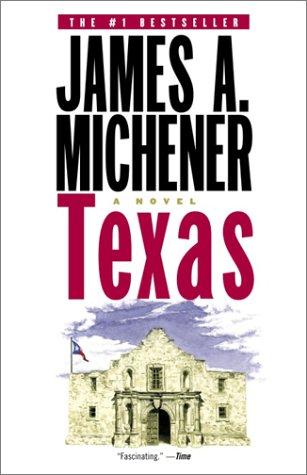
No. 99 on this list. Texas
James A. Michener · 2002
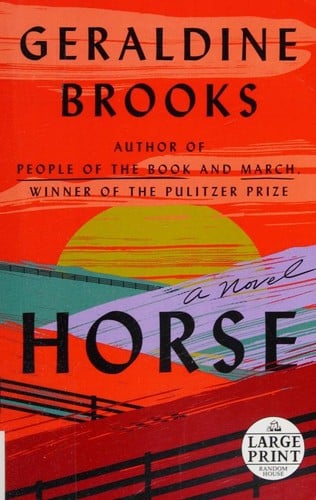
No. 100 on this list. Horse
Geraldine Brooks · 2022

About this list
These 100 books are the highest-scoring eligible easy books about race and colonialism currently in the catalogue. About 496 hours of reading in all. Difficulty runs from 29 to 41 out of 100 for the middle half of the list; the summit is Collected Poems of Derek Walcott at 45.
This list is ranked by literary regard, with a consistent order for equal scores. Membership follows authors and co-authors, not translators or editors. A book is here when ReadingRate files it under Race & Colonialism as one of its primary reading domains, at a confidence of 0.8 or more. Catalogue coverage and the historical canon both limit what this list can represent.
When we matched the Canons dataset to our catalogue in October 2026, our canonical-status scores rose with the number of school curricula, publisher series and lists in it that cite a work: the median score was 72 for books one such source cites, 84 at two, 88 at three, 92 at four and 93 at five or more. Prizes are left out of that count. Outside the state curricula, the dataset’s sources choose mostly from what has been translated into English or French, so it is a weaker check on other literatures. Source: Canons (Andrew Piper), CC BY 4.0
Questions people actually ask
- What are the best easy books about race and colonialism?
- By literary regard, which weighs canonical status, critical standing and influence: Montage of a Dream Deferred by Langston Hughes, Collected Poems of Derek Walcott by Derek Walcott, Uncle Tom's Cabin by Harriet Beecher Stowe, This Earth of Mankind by Pramoedya Ananta Toer and The Last of the Mohicans by James Fenimore Cooper. ReadingRate ranks 100 such books, each with a difficulty score and a reading-time estimate.
- Which easy books about race and colonialism should I read first?
- Start from difficulty, not from rank. The most approachable books on this list that still carry top literary regard are This Earth of Mankind by Pramoedya Ananta Toer (about 6.4 hours), Montage of a Dream Deferred by Langston Hughes and The Last of the Mohicans by James Fenimore Cooper.
- What are the shortest of the best easy books about race and colonialism?
- Among the top 25, the shortest are A Part of Speech by Joseph Brodsky (about 17 min), Montage of a Dream Deferred by Langston Hughes (about 18 min) and The Blue Lotus by Hergé (about 26 min), at an average pace of 250 words a minute adjusted for each book's difficulty.
- Which of the best easy books about race and colonialism are the established classics?
- By canonical status, how firmly a book sits in curricula, anthologies and the canon: Uncle Tom's Cabin by Harriet Beecher Stowe, To Kill a Mockingbird by Harper Lee, Montage of a Dream Deferred by Langston Hughes, Collected Poems of Derek Walcott by Derek Walcott and This Earth of Mankind by Pramoedya Ananta Toer.
- Can I read any of these easy books about race and colonialism for free?
- 3 of the 100 open in ReadingRate's reader with a free account, from public-domain editions: Uncle Tom's Cabin, In Desert and Wilderness and Following the Equator.
- How long would it take to read the top ten?
- About 46 hours, at an average pace of 250 words a minute adjusted for each book's difficulty: 24 days at two hours a day. Set your own pace on the page and the list's reading times change to it.
- How hard are easy books about race and colonialism to read?
- Most of this list sits between 29 and 41 on ReadingRate's 100-point difficulty scale, where 40 to 55 is moderate. The summit is Collected Poems of Derek Walcott at 45. Every entry carries its own score, so a reader can pick a great book at a difficulty they will finish.
- How is this list ranked?
- On literary-regard data: how canonically established a work is, its critical standing, and its influence on later writing. It is not a readers’ poll, which is why recent bestsellers rarely appear. Membership follows authors and co-authors, not translators or editors. Lists by country, author, period, theme or difficulty keep to literature (fiction, poetry, drama and philosophy), their novels, poems and plays first and their philosophy after them; a list of a kind of book, such as memoir or criticism, keeps every book of that kind. Every list holds at most three works by one author. A book is here when ReadingRate files it under Race & Colonialism as one of its primary reading domains, at a confidence of 0.8 or more.