Hours at an average pace
Showing 100 books
About 679 hours for 100 of 100 books with measured lengths. Estimates use 250 words a minute, adjusted for each book's difficulty. At 2 hours a day, about 340 days for those books.
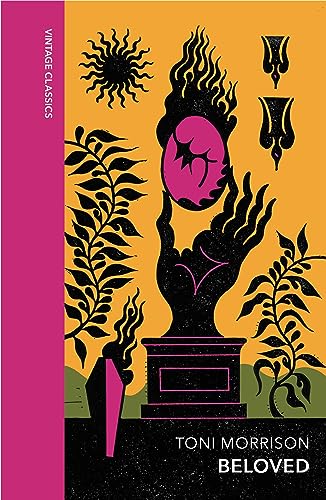
No. 1 on this list. Beloved
Toni Morrison · 1988
Challenging7.4 hours
Taught in schools: Pearson Edexcel GCSE and A-level English Literature (UK)
Included in: Bokklubben World Library
Morrison made the ghost of a murdered child literal — she moves into the house, eats all the food, demands everything — and in doing so found the only form adequate to represent what slavery did to the interior lives of the people who survived it. The novel forced American fiction to reckon with a history it had aestheticized or avoided.
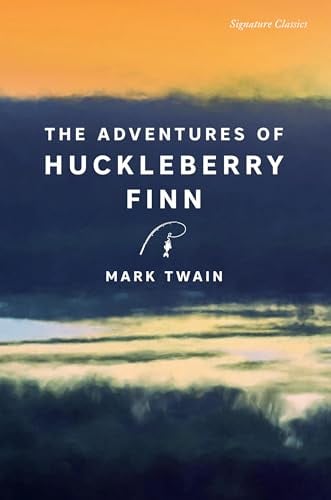
No. 2 on this list. Adventures of Huckleberry Finn
Mark Twain · 1884
Moderate7.5 hours
Taught in schools: Pearson Edexcel GCSE and A-level English Literature (UK)
Included in: Bokklubben World Library, Great Books of the Western World
Adventures of Huckleberry Finn is taught in virtually every American high school and university American literature course, and is among the most debated and analyzed works in the American canon. Its Wikipedia article spans 62 languages with a dedicated reception section, reflecting global critical discourse sustained for over 140 years. Ernest Hemingway's declaration that all modern American literature comes from this one book cemented its place as the foundational American novel.
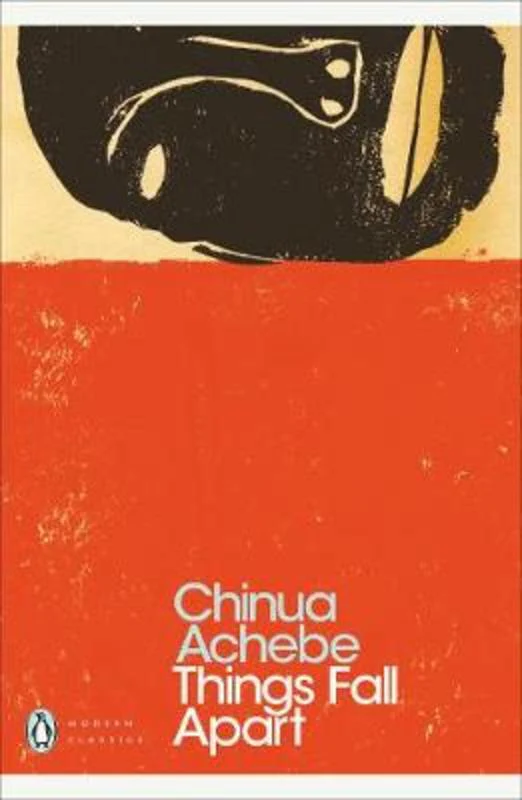
No. 3 on this list. Things Fall Apart
Chinua Achebe · 1958
Moderate3.3 hours
Taught in schools: Cambridge IGCSE Literature in English (0475), Common Core text exemplars (Appendix B) (US), CSEC English B – Caribbean Examinations Council
Included in: Bokklubben World Library, Heinemann African Writers Series
Achebe told the story of colonialism from the inside of an Igbo village rather than from a European ship, and in doing so dismantled a century of Western fiction that had treated Africa as scenery. The novel created the template for postcolonial literature in English.
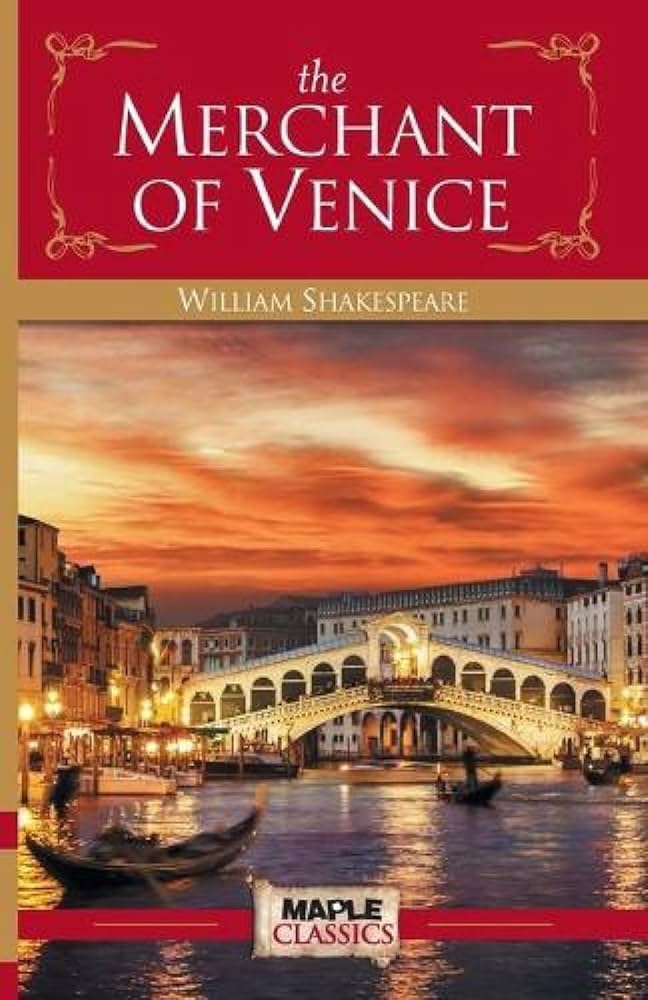
No. 4 on this list. The Merchant of Venice
William Shakespeare · 1600
Challenging3.9 hours
Taught in schools: Pacific Senior Secondary Certificate – English, Pearson Edexcel GCSE and A-level English Literature (UK)
Included in: Great Books of the Western World
The Merchant of Venice appears on university syllabi worldwide in courses on Shakespeare, Renaissance drama, and — increasingly — courses on race, religion, antisemitism, and law and literature. It is a permanent fixture in secondary school curricula across the English-speaking world. The figure of Shylock has made it one of the most discussed and ethically contested plays in the canon.
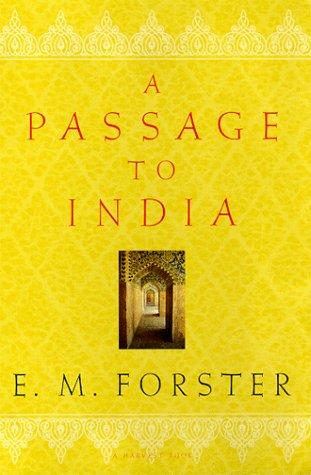
Forster sent an Englishwoman and an Indian doctor into the Marabar Caves and made what did or did not happen there into a parable for the impossibility of genuine human connection across the gulf of empire. The novel's refusal to resolve its central mystery is its most honest statement about what colonialism does to perception itself.
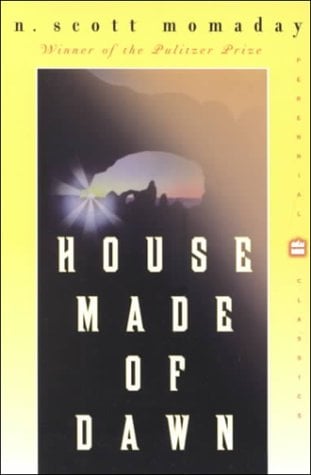
House Made of Dawn appears on virtually every Native American literature syllabus and most American literature surveys covering the post-1960 period. It is the foundational text of the Native American literary renaissance and required reading in courses on multicultural American literature, modernism, and postwar fiction.
No. 7 on this list. The Tempest
William Shakespeare · 1611
Challenging2 hours
Taught in schools: Pearson Edexcel GCSE and A-level English Literature (UK), UNAM Escuela Nacional Preparatoria – programas de Literatura (Mexico), WJEC/Eduqas GCSE and A-level English Literature (UK)
Included in: Great Books of the Western World
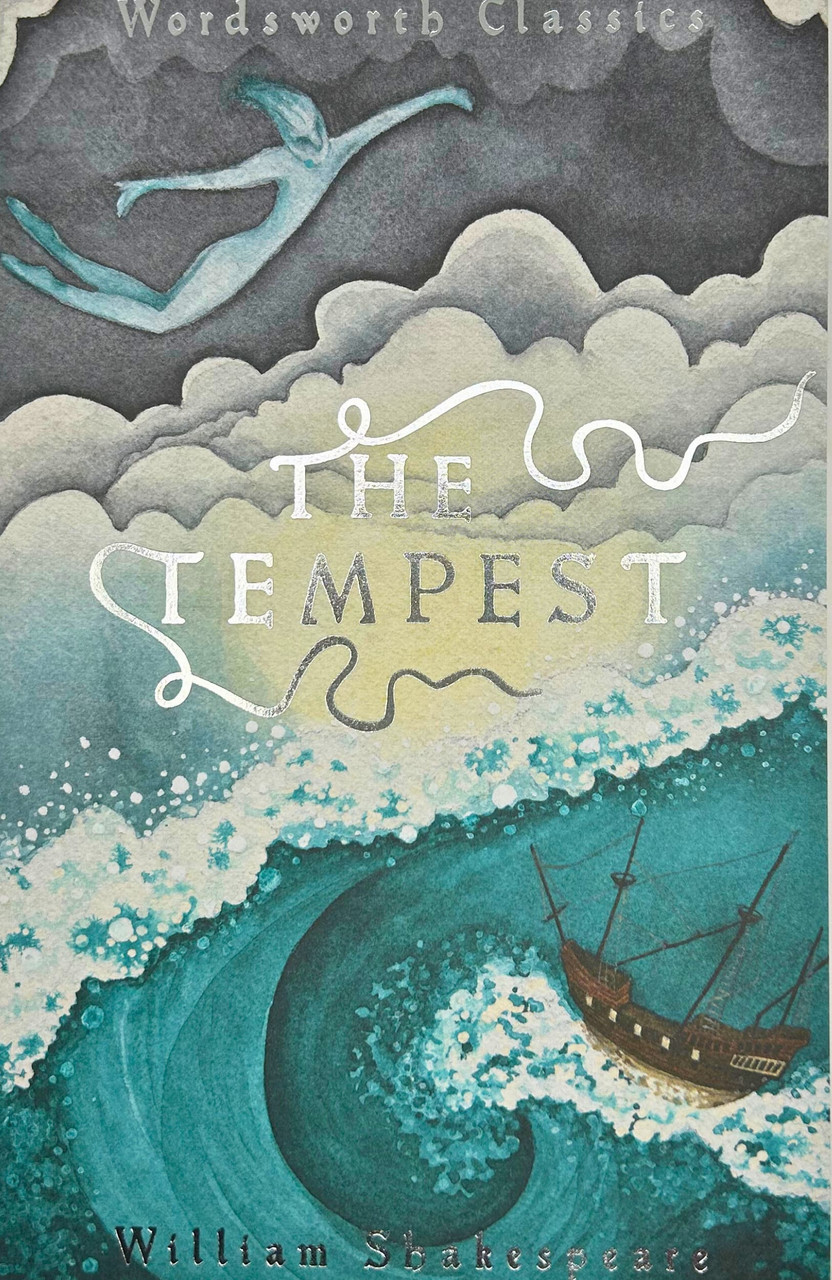
Prospero's island stages Shakespeare's final reckoning with his own art—the magician who conjures storms, manipulates lovers, and then drowns his book. Caliban's "Be not afeard; the isle is full of noises" is the most haunting speech given to a character the play calls a monster.
No. 8 on this list. Noli Me Tangere
José Rizal · 1887
Challenging13 hours
Included in: Biblioteca Ayacucho, UNESCO Collection of Representative Works
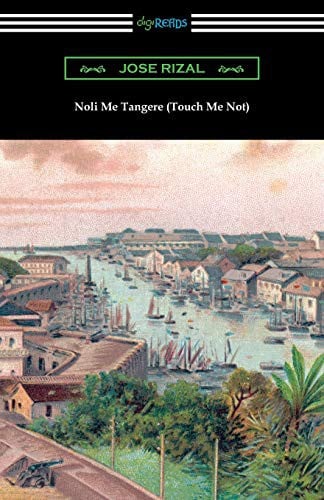
Required reading in all Philippine schools by law, Noli Me Tangere holds a uniquely institutionalized canonical status — one of the few novels anywhere in the world with a legal mandate for teaching. It appears on world literature and postcolonial studies syllabi globally, and its Wikipedia article exists in dozens of languages reflecting its reach across Southeast Asia and the broader diaspora.
Published in 2024, James immediately entered literary conversation by directly engaging Twain's canonical Adventures of Huckleberry Finn. Educators across the country now integrate it into curricula alongside Twain's original, positioning it as essential counter-narrative to American literary canon. Its Pulitzer Prize and National Book Award signal rapid canonization, though its ultimate standing requires more temporal distance to fully assess.
Go Down, Moses is recognized as central to American modernism and Southern gothic literature. It appears consistently in university curricula and major literary anthologies. While not achieving the absolute canonical singularity of Faulkner's The Sound and the Fury or Absalom, Absalom!, it commands secure canonical standing within American letters.
No. 11 on this list. The Bluest Eye · Toni Morrison · 1970
Taught in schools: Common Core text exemplars (Appendix B) (US)
While not as universally canonical as Beloved, The Bluest Eye is firmly established in the American literary canon, widely taught in universities, and recognized as a landmark debut that announced a major voice in American letters.
Challenging4.2 hours
Start this bookNo. 12 on this list. Benito Cereno · Herman Melville · 1855
One of the most taught American novellas, central to literary discussions of race, slavery, and narrative perspective.
Moderate1.7 hours
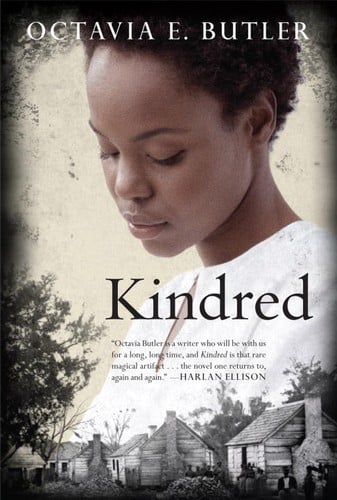
Start this bookNo. 13 on this list. Kindred · Octavia E. Butler · 1979
Taught in schools: CSEC English B – Caribbean Examinations Council
Kindred is required reading in African American literature, American history, and science fiction courses at universities across the United States and internationally. It appears on the Modern Library's reader list of the 100 best novels and is frequently paired with primary sources on American slavery. Octavia Butler is the first science fiction writer to receive a MacArthur Fellowship, and Kindred is her most assigned work.
Challenging9.1 hours
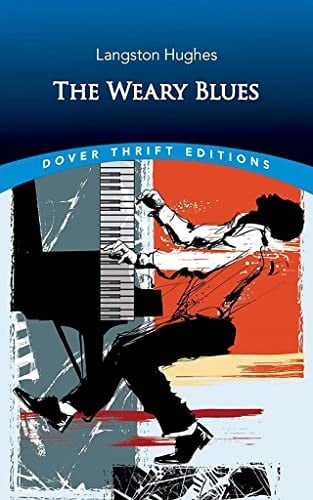
Start this bookNo. 14 on this list. The Weary Blues · Langston Hughes · 1926
Hughes's debut collection is a standard text in American literature and African American studies courses. Individual poems like 'The Negro Speaks of Rivers' and 'The Weary Blues' appear in virtually every major poetry anthology. The collection anchors Harlem Renaissance units at universities across the country, representing a canonical status below the most-taught novels but above most poetry collections.
Moderate29 min
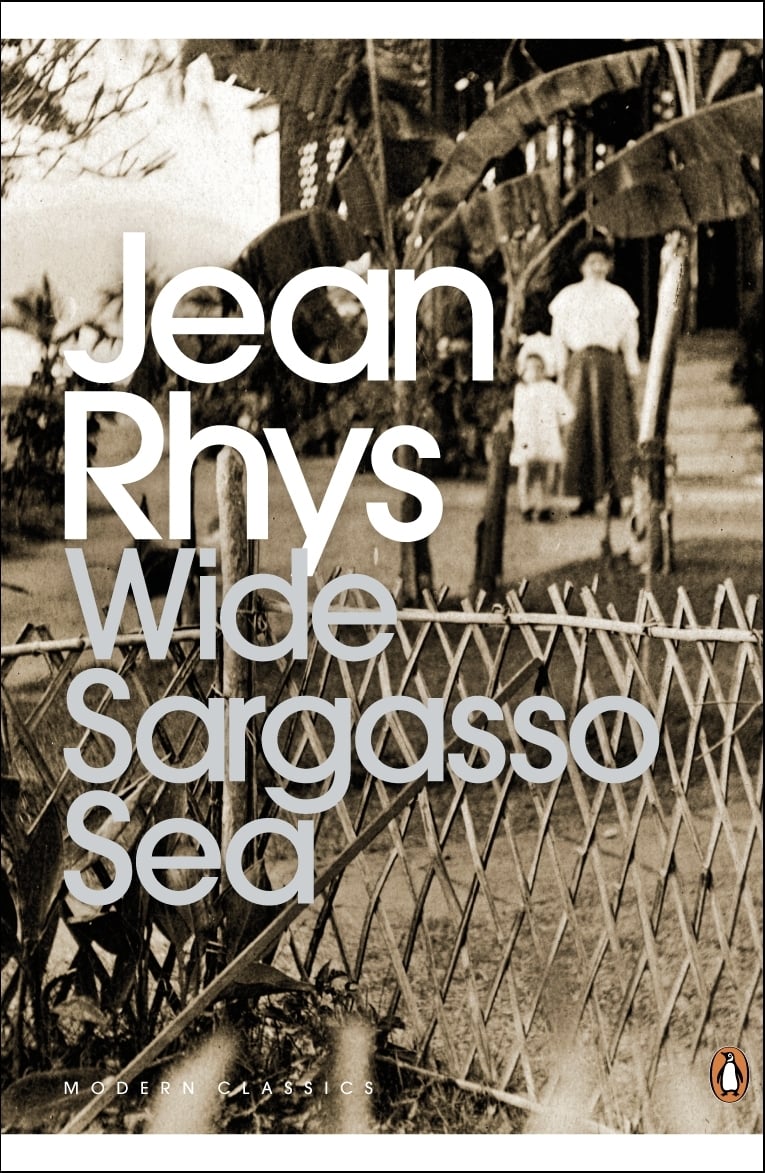
Start this bookNo. 15 on this list. Wide Sargasso Sea · Jean Rhys · 1966
Taught in schools: CSEC English B – Caribbean Examinations Council, WJEC/Eduqas GCSE and A-level English Literature (UK)
The postcolonial revision that changed how we read Jane Eyre. Antoinette/Bertha's story—the madwoman in the attic given voice—became essential feminist and postcolonial criticism. Core text in Caribbean literature and courses on literary rewriting.
Challenging4.3 hours
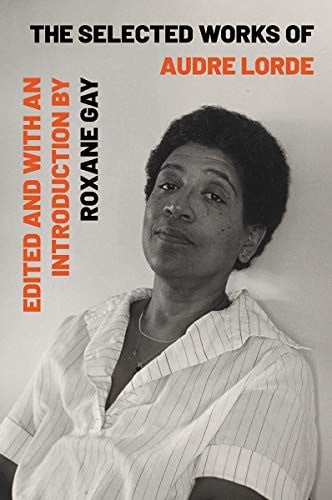
Start this bookNo. 16 on this list. The Selected Works of Audre Lorde · Audre Lorde · 2020
Lorde is taught across literature, gender studies and Black studies.
Challenging7.3 hours
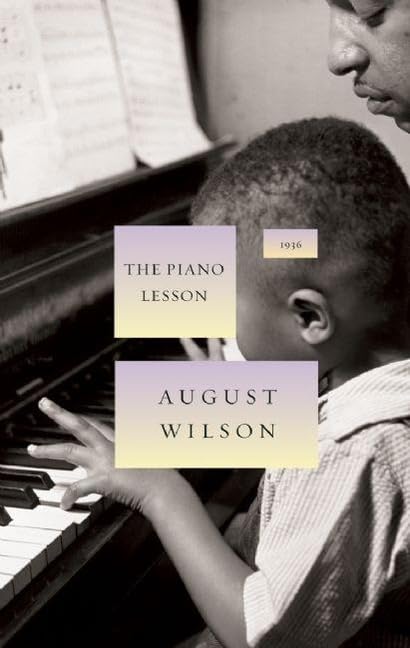
Start this bookNo. 17 on this list. The Piano Lesson · August Wilson · 1987
The Piano Lesson is a fixture in American drama and literature courses, taught alongside O'Neill, Miller, and Williams as a canonical American play. It is the centerpiece of August Wilson's ten-play Pittsburgh Cycle, a sequence now treated as essential reading in university drama programs. Its Pulitzer Prize win and sustained presence in curricula place it well above mid-tier literary works.
Challenging2.9 hours
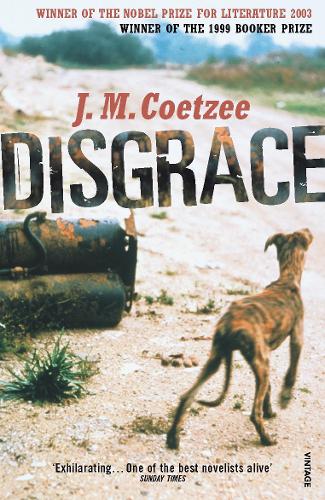
Start this bookNo. 18 on this list. Disgrace · J.M. Coetzee · 1999
Appears on approximately 1,020 university syllabi according to the Open Syllabus Project, placing it at the 75th percentile of taught texts—significant presence in postcolonial literature, world fiction, and contemporary novel courses. A Wikipedia article in 19 languages confirms global reach. Standard in courses on Southern African literature and in postcolonial studies globally.
Challenging5.2 hours
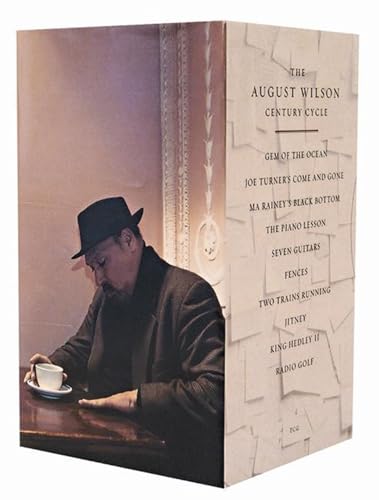
Start this bookNo. 19 on this list. Fences · August Wilson · 1985
Fences appears regularly on university syllabi in American drama, African American literature, and theater history courses. It is one of the two plays — alongside Death of a Salesman — most frequently assigned when teaching 20th-century American drama. The 2016 film adaptation brought it to wider global audiences, and it remains central to any serious survey of postwar American theater.
Challenging2.5 hours
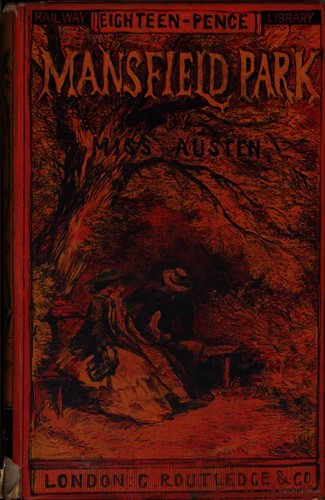
Start this bookNo. 20 on this list. Mansfield Park · Jane Austen · 1814
While less universally beloved than Pride and Prejudice, Mansfield Park holds secure canonical status as Austen's most morally complex and tonally difficult novel. Its treatment of slavery, colonialism, and evangelical morality has made it increasingly central to academic study, though it remains somewhat less embraced by general readers than her lighter works.
Moderate11 hours
Read now
No. 21 on this list. A Grain of Wheat · Ngugi wa Thiong'o · 1967
Included in: Heinemann African Writers Series
Major postcolonial novel; widely taught in African and world literature.
Challenging6.5 hours
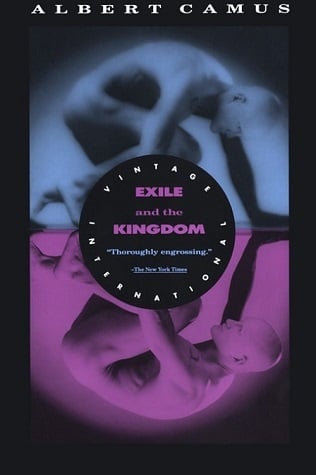
Start this bookNo. 22 on this list. Exile and the Kingdom · Albert Camus · 1957
While less central to Camus's legacy than 'The Stranger' or 'The Plague,' the collection maintains secure canonical status as his final fiction published during his lifetime. It appears regularly in world literature curricula and critical studies of existentialism, though its story format and thematic subtlety place it slightly below his more famous novels.
Challenging3.8 hours
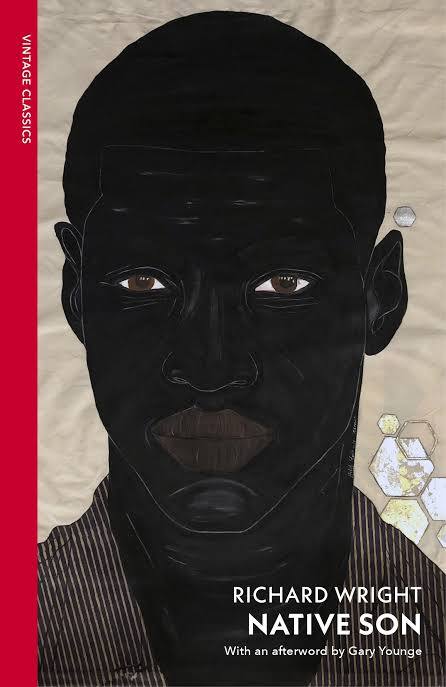
Start this bookNo. 23 on this list. Native Son · Richard Wright
Taught in schools: CSEC English B – Caribbean Examinations Council
Appears on 1,009 university syllabi (75th percentile in the Open Syllabus Project), placing it firmly in the American literary canon. Listed on both the TIME All-TIME 100 Novels and the Modern Library 100 Best Novels, confirming sustained institutional endorsement across decades.
Challenging12 hours
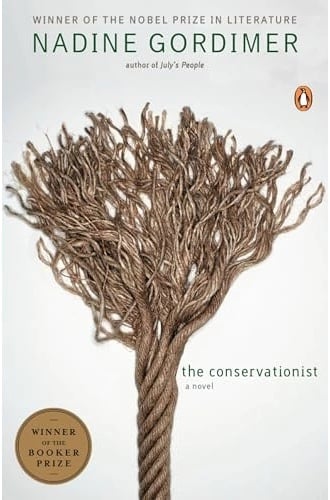
Start this bookNo. 24 on this list. The Conservationist · Nadine Gordimer · 1974
Mehring, a wealthy Johannesburg industrialist, has purchased a farm outside the city—less for profit than as refuge from his collapsing marriage, his estranged radical son, and his unsatisfying affair. When a dead Black man is found on his land, hastily buried by police who cannot identify the body, Mehring treats it as bureaucratic nuisance rather than moral crisis. He prides himself on being a progressive landowner who pays fair wages and respects his workers, yet his liberalism cannot acknowledge the corpse as ancestral claim or historical reckoning. Gordimer narrates through Mehring's evasive consciousness, her prose registering the minutiae of farm management—cattle diseases, pasture conditions, labor arrangements—while circling obsessively around the burial site he tries to forget. The narrative crosscuts between his weekend visits and the farm's rhythms in his absence, where workers Jacobus and Solomon maintain routines inflected by meanings Mehring cannot access. When floods exhume the body, the workers perform proper burial rites, restoring him to the land in ceremonies that supersede Mehring's title deeds. Gordimer withholds resolution: Mehring remains uncomprehending, his ownership revealed as legal fiction layered atop deeper claims the novel anatomizes but does not resolve.
Challenging7.2 hours
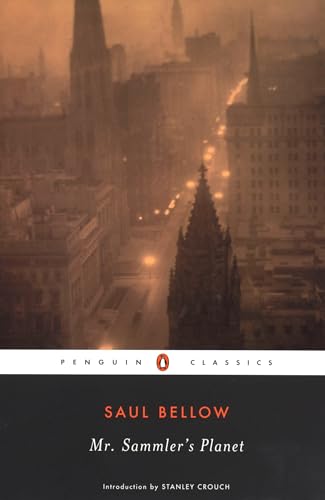
Start this bookNo. 25 on this list. Mr. Sammler's Planet · Saul Bellow · 1971
Winner of the 1971 National Book Award, the novel secured Bellow's position as America's preeminent intellectual novelist. It appears regularly on 20th-century American fiction syllabi and maintains strong presence in academic discourse on postwar Jewish-American literature. While not achieving the iconic status of 'Herzog' or 'Humboldt's Gift,' it remains central to Bellow's major-period reputation and discussions of Holocaust literature's second generation.
Challenging7.7 hours
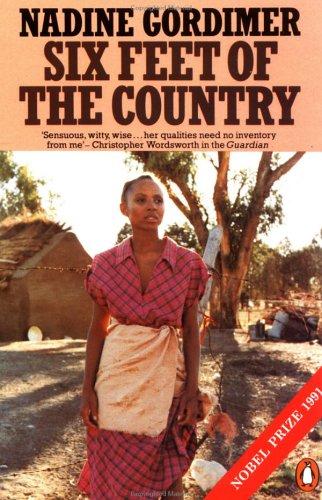
Start this bookNo. 26 on this list. Six Feet of the Country · Nadine Gordimer · 1956
Widely recognized as a cornerstone of post-colonial and South African literature. Appears consistently in university curricula and anthologies of significant twentieth-century short fiction. Represents a crucial moment in articulating apartheid-era social consciousness.
Moderate4.1 hours
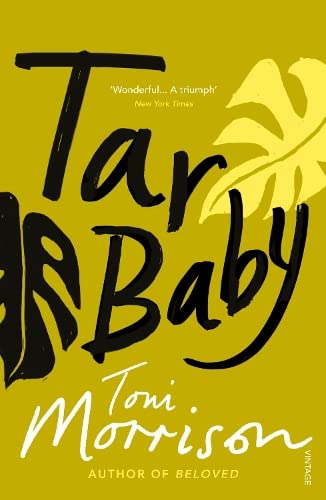
Start this bookNo. 27 on this list. Tar Baby · Toni Morrison · 1981
On Isle des Chevaliers, a Caribbean island reshaped by Haitian labor and American money, Valerian Street — a retired Philadelphia candy magnate — cultivates hydrangeas in his greenhouse and avoids his neighbors. His wife Margaret, his butler Sydney and cook Ondine, and his niece Jadine, a model trained in Paris, share the villa in a state of maintained tension. When Son — a Black American fugitive who stowed away on their supply boat — is discovered hiding in the house, he breaks open every unspoken arrangement the household depends on. Morrison uses the folk tale of the tar baby as the novel's armature: Jadine and Son become stuck to each other in a relationship that neither can survive and neither can leave. She embodies what he calls racial betrayal — educated in Europe, photographed in furs, at home nowhere. He embodies what she calls romantic primitivism — a man out of time, faithful to a Black Southern past that she finds suffocating. Morrison writes this conflict without a referee. The Caribbean setting is not backdrop but argument — the swamp, the rain forest, the blind horsemen who ride the hills at night all carry the weight of African spiritual history beneath the colonial surface. The novel ends on a mythic image: Son running toward those horsemen, Jadine flying back to Paris. Morrison offers no verdict on who was right.
Moderate6.7 hours
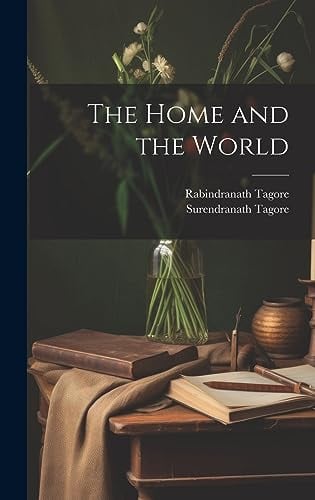
Start this bookNo. 28 on this list. The Home and the World · Rabindranath Tagore · 1916
The Home and the World is one of Tagore's most celebrated novels and a staple of postcolonial literature syllabi worldwide. Written by the first non-European Nobel laureate, it occupies a significant position in the global literary canon, particularly in discussions of Indian literature, nationalism, and modernity. Satyajit Ray's 1984 film adaptation further cemented its cultural status. It appears in 7 Wikipedia languages and has remained continuously in print for over a century.
Challenging5.2 hours
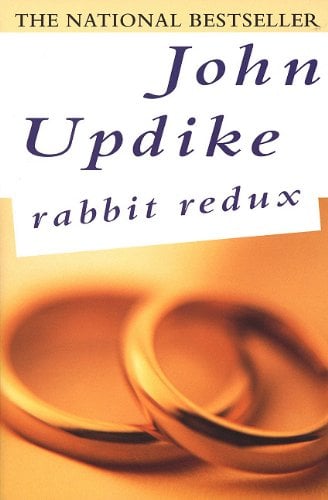
Read nowNo. 29 on this list. Rabbit Redux · John Updike · 1971
The Rabbit Angstrom tetralogy is a fixture of American literature courses at the university level, regularly anthologized and assigned alongside Bellow, Roth, and Cheever as representative of postwar American fiction. Rabbit Redux specifically appears on syllabi examining Vietnam-era literature and American masculinity. The series commands a Wikipedia presence in dozens of languages as a defining work of late-20th-century American realism.
Challenging10 hours
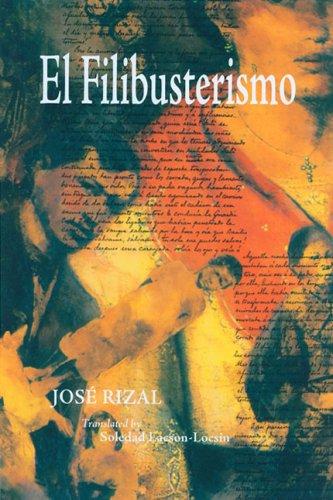
Start this bookNo. 30 on this list. El Filibusterismo · José Rizal · 1891
Included in: UNESCO Collection of Representative Works
El Filibusterismo holds canonical status as the Philippine national novel alongside Noli Me Tangere—required by law in Philippine schools—and is recognized globally as a foundational postcolonial text written before the term existed. Rizal was executed by Spanish colonial authorities partly on the basis of having written it, cementing its status as literature that changed history.
Challenging8.9 hours
Start this book
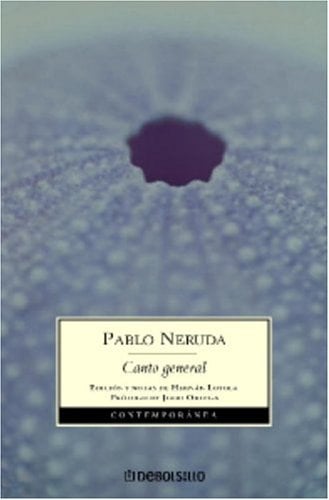
No. 31 on this list. Canto General
Pablo Neruda · 1950
Taught in schools: Literatura, Diseño Curricular – Provincia de Buenos Aires (Argentina), UNAM Escuela Nacional Preparatoria – programas de Literatura (Mexico)
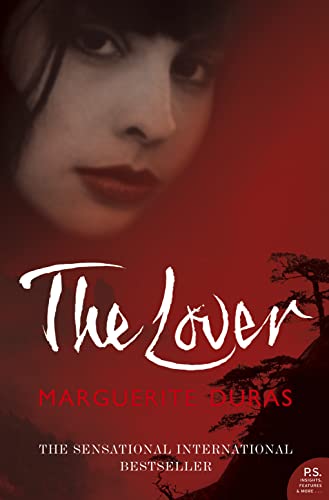
No. 32 on this list. The Lover
Marguerite Duras · 1984
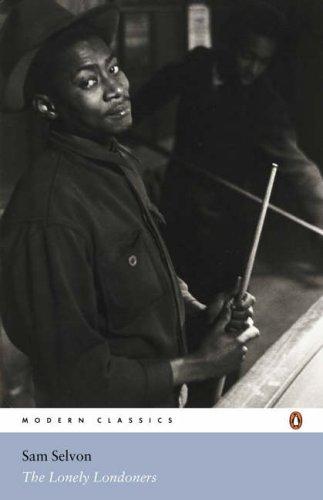
No. 33 on this list. The Lonely Londoners
Sam Selvon · 1956
Taught in schools: Pearson Edexcel GCSE and A-level English Literature (UK)
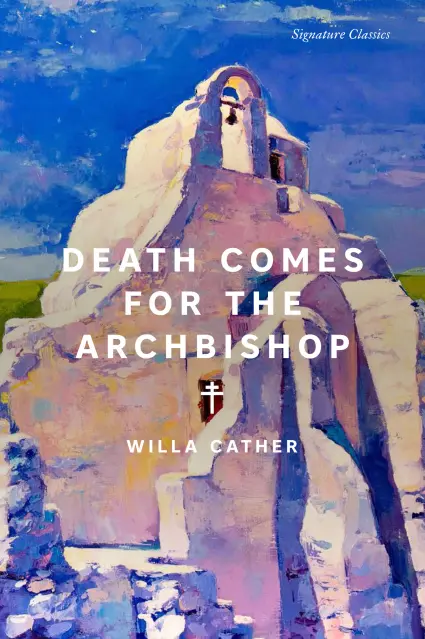
No. 34 on this list. Death Comes for the Archbishop
Willa Cather · 1927
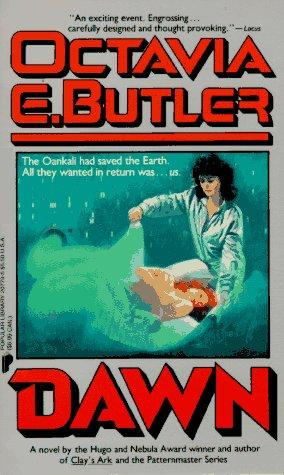
No. 35 on this list. Dawn
Octavia E. Butler · 1987
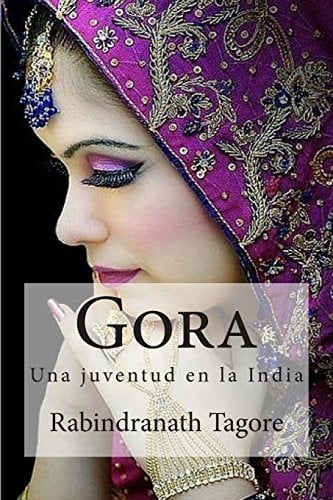
No. 36 on this list. Gora
Rabindranath Tagore · 1910
Taught in schools: Turkish edebiyat curriculum (Turkey)
Included in: UNESCO Collection of Representative Works
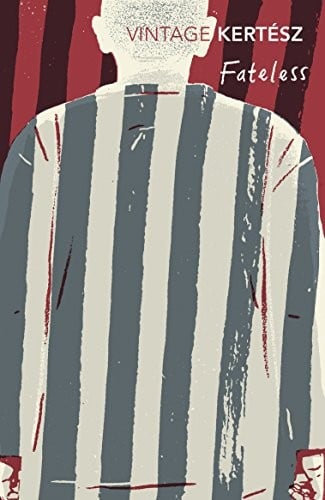
No. 37 on this list. Fatelessness
Imre Kertész · 1975
Taught in schools: Hungarian literature curriculum (magyar nyelv és irodalom) (Hungary)
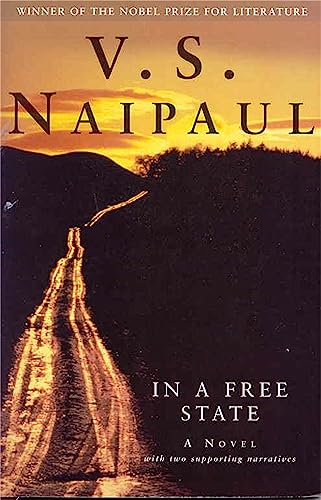
No. 38 on this list. In a Free State
V.S. Naipaul · 1971
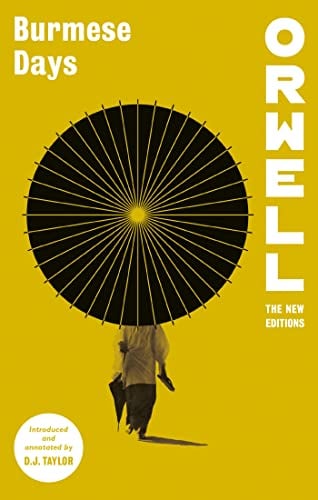
No. 39 on this list. Burmese Days
George Orwell · 1934
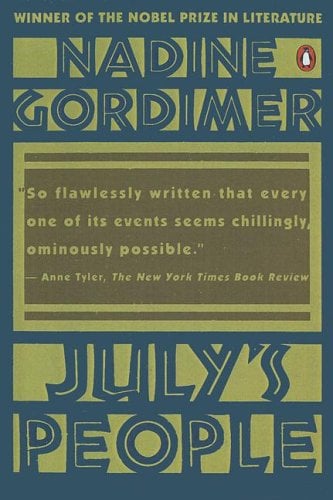
No. 40 on this list. July's People
Nadine Gordimer · 1981
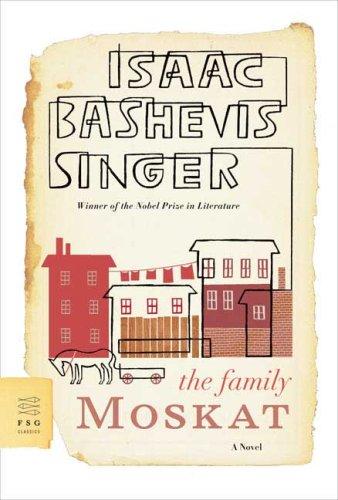
No. 41 on this list. The Family Moskat
Isaac Bashevis Singer · 1950
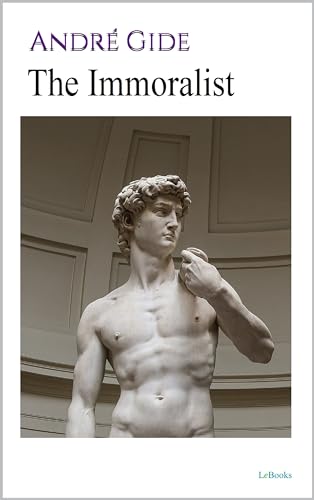
No. 42 on this list. The Immoralist
André Gide · 1902
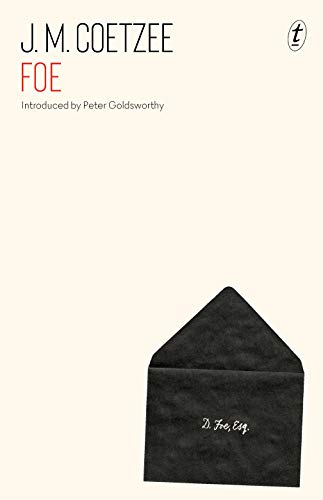
No. 43 on this list. Foe
J.M. Coetzee · 1986
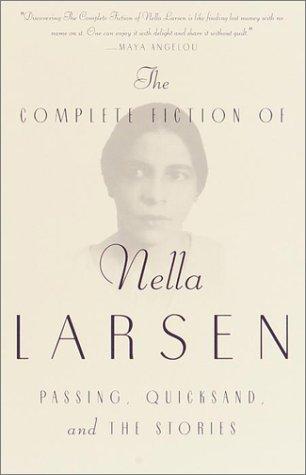
No. 44 on this list. The Complete Fiction of Nella Larsen: Passing, Quicksand, and The Stories
Nella Larsen · 2001
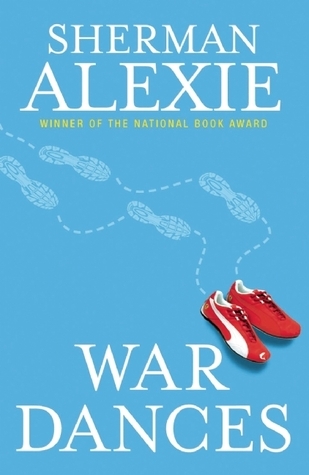
No. 45 on this list. War Dances
Sherman Alexie · 2010
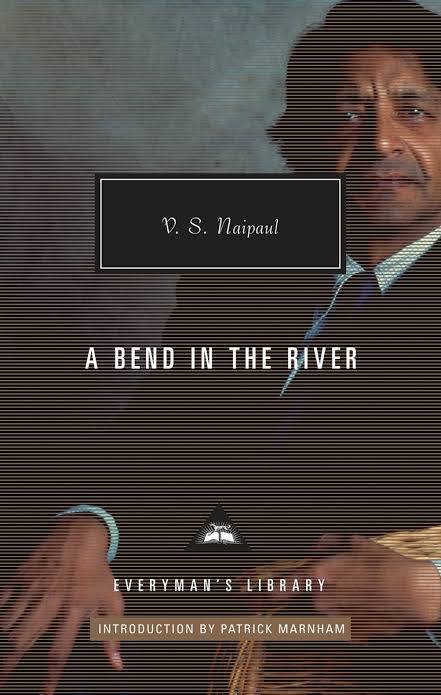
No. 46 on this list. A Bend in the River
V.S. Naipaul · 1979
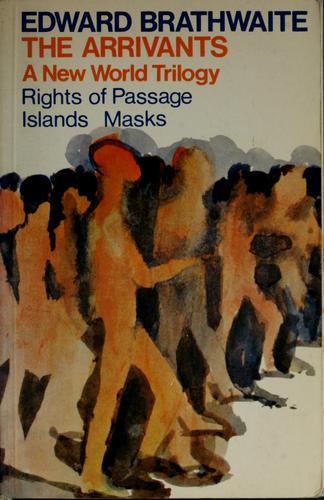
No. 47 on this list. The Arrivants
Kamau Brathwaite · 1973
Taught in schools: CSEC English B – Caribbean Examinations Council
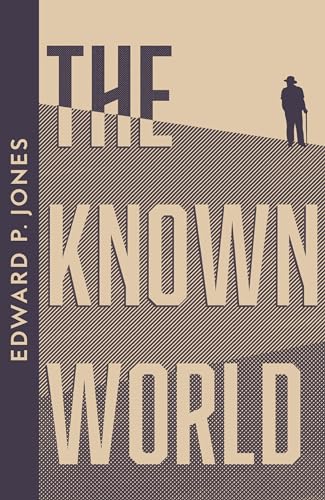
No. 48 on this list. The Known World
Edward P. Jones · 2004
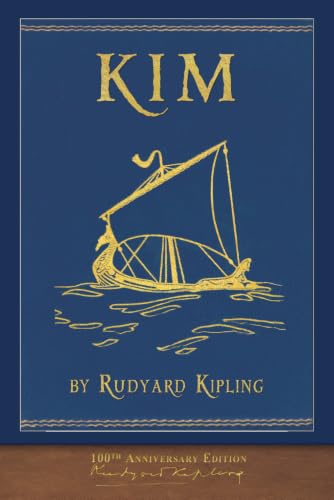
No. 49 on this list. Kim
Rudyard Kipling · 1901
No. 50 on this list. Topdog/Underdog
Suzan-Lori Parks · 2001

No. 51 on this list. The Confessions of Nat Turner
William Styron · 1968
No. 52 on this list. Storyteller
Leslie Marmon Silko · 1981
No. 53 on this list. The River Between
Ngugi wa Thiong'o · 1965
Taught in schools: CSEC English B – Caribbean Examinations Council
Included in: Heinemann African Writers Series
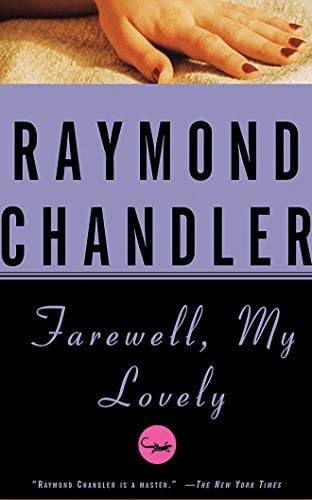
No. 54 on this list. Farewell, My Lovely
Raymond Chandler · 1940
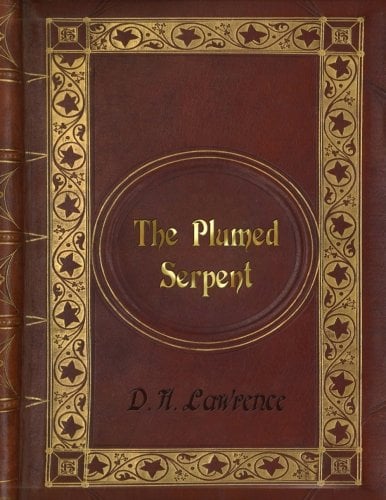
No. 55 on this list. The Plumed Serpent
D.H. Lawrence · 1926
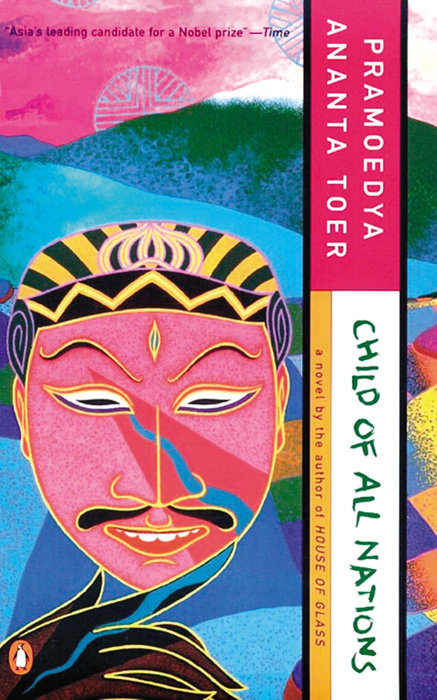
No. 56 on this list. Child of All Nations
Pramoedya Ananta Toer · 1980
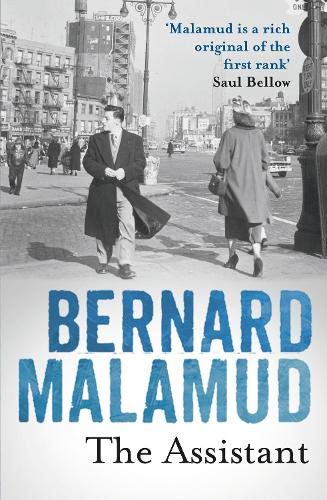
No. 57 on this list. The Assistant
Bernard Malamud · 1957
No. 58 on this list. Call It Sleep
Henry Roth · 1934
No. 59 on this list. The Satin Slipper
Paul Claudel · 1929
No. 60 on this list. Enemies, A Love Story
Isaac Bashevis Singer · 1966
No. 61 on this list. Last Evenings on Earth
Roberto Bolaño · 2006
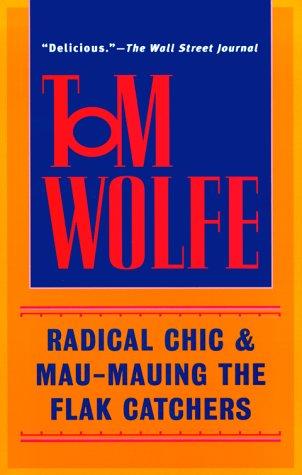
No. 62 on this list. Radical Chic & Mau-Mauing the Flak Catchers
Tom Wolfe · 1970
No. 63 on this list. Garden, Ashes
Danilo Kiš · 1965
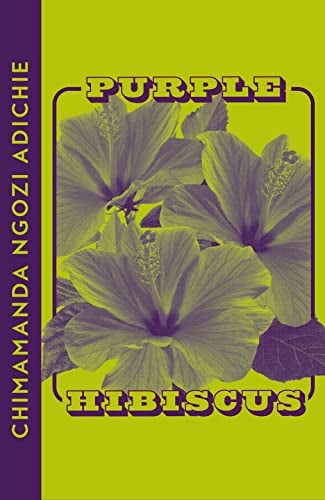
No. 64 on this list. Purple Hibiscus
Chimamanda Ngozi Adichie · 2004
Taught in schools: Leaving Certificate English – NCCA / State Examinations Commission (Ireland)
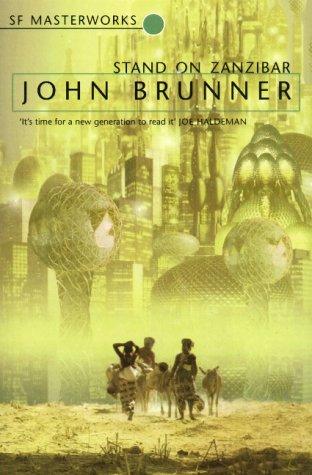
No. 65 on this list. Stand on Zanzibar
John Brunner · 1968
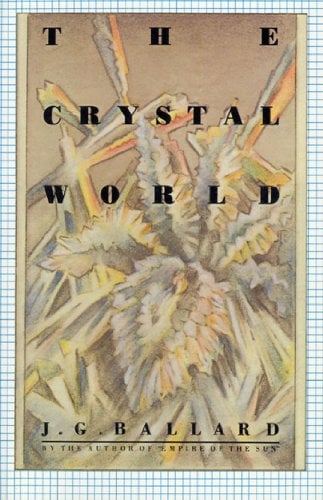
No. 66 on this list. The Crystal World
J.G. Ballard · 1966
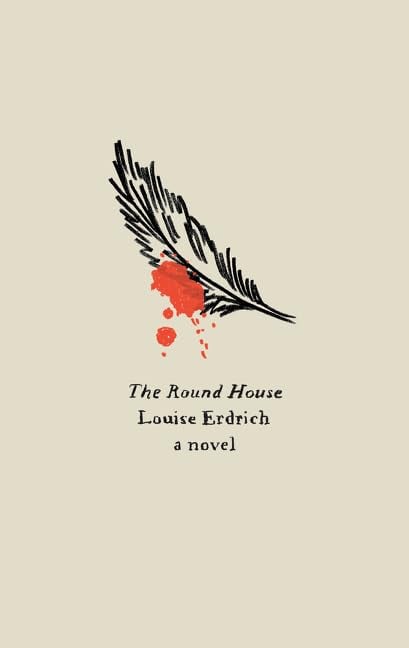
No. 67 on this list. The Round House
Louise Erdrich · 2012
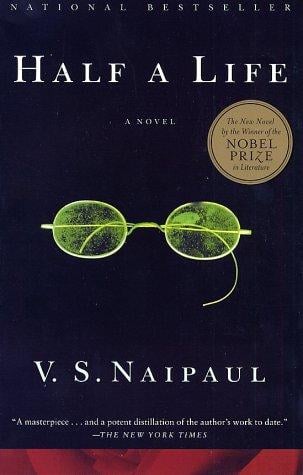
No. 68 on this list. Half a Life
V.S. Naipaul · 2001
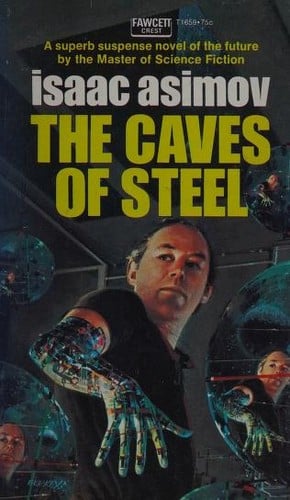
No. 69 on this list. The Caves of Steel
Isaac Asimov · 1954
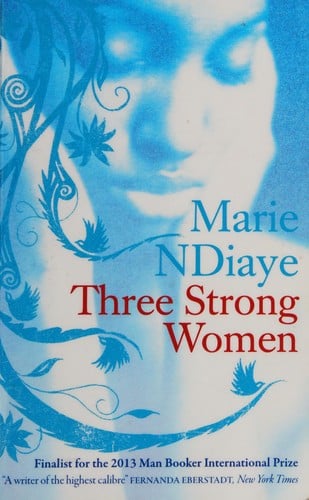
No. 70 on this list. Three Strong Women
Marie NDiaye · 2009
No. 71 on this list. Footsteps
Pramoedya Ananta Toer · 1985
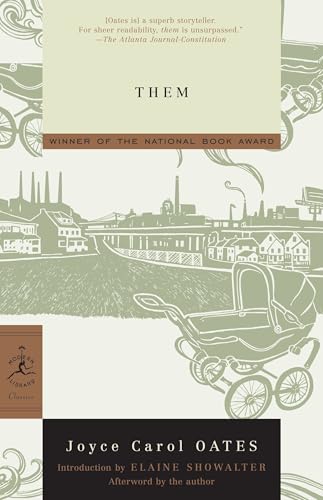
No. 72 on this list. Them
Joyce Carol Oates · 1970
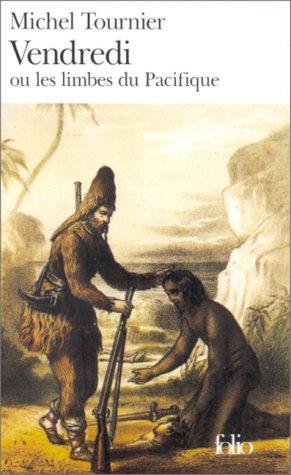
No. 73 on this list. Friday, or, The Other Island
Michel Tournier · 1967
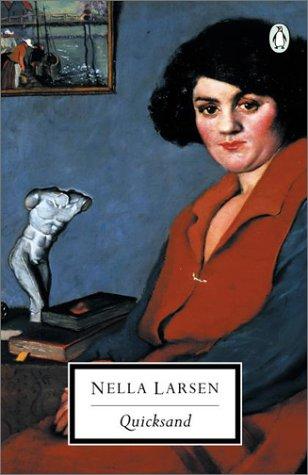
No. 74 on this list. Quicksand
Nella Larsen · 2002
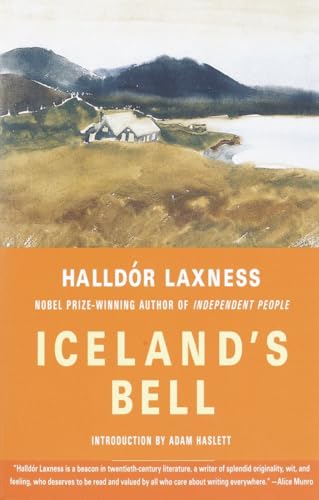
No. 75 on this list. Iceland's Bell
Halldór Laxness · 1943
Included in: UNESCO Collection of Representative Works
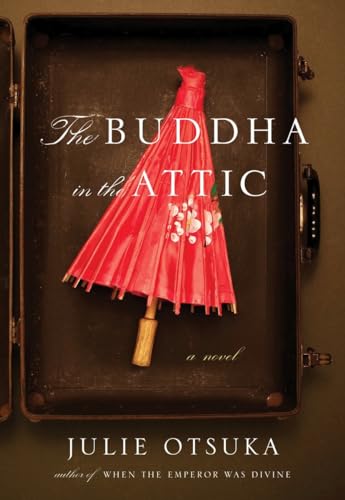
No. 76 on this list. The Buddha in the Attic
Julie Otsuka · 2012
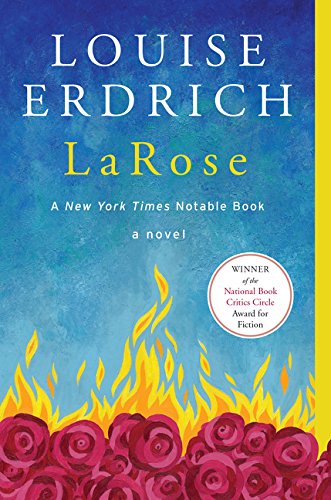
No. 77 on this list. LaRose
Louise Erdrich · 2016
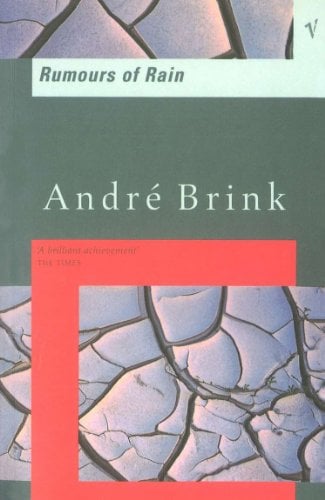
No. 78 on this list. Rumours of Rain
André Brink · 1978
No. 79 on this list. Pudd'nhead Wilson
Mark Twain · 1894
No. 80 on this list. Woman at Point Zero
Nawal El Saadawi · 1975
No. 81 on this list. No Longer at Ease
Chinua Achebe · 1960
Taught in schools: Pacific Senior Secondary Certificate – English
Included in: Heinemann African Writers Series
No. 82 on this list. A Distant Shore
Caryl Phillips · 2003
No. 83 on this list. Annie John
Jamaica Kincaid · 1985
Taught in schools: CSEC English B – Caribbean Examinations Council
No. 84 on this list. The Ballad of the Salty Sea
Hugo Pratt · 1967
No. 85 on this list. The Silence of the Girls
Pat Barker · 2019
Taught in schools: Leaving Certificate English – NCCA / State Examinations Commission (Ireland)
No. 86 on this list. The Promised Land
Władysław Reymont · 1899
No. 87 on this list. Delta Wedding
Eudora Welty · 1946
No. 88 on this list. Not Without Laughter
Langston Hughes · 1930
No. 89 on this list. Desert
J.M.G. Le Clézio · 1980
No. 90 on this list. The Dean's December
Saul Bellow · 1982
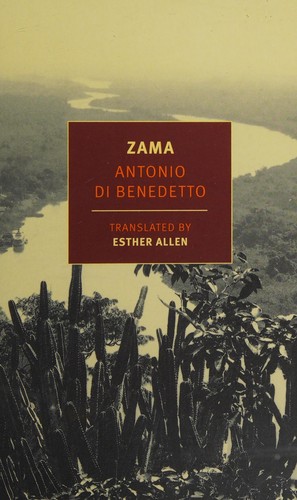
No. 91 on this list. Zama
Antonio di Benedetto · 1956
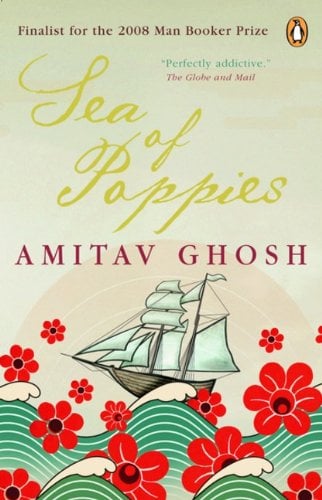
No. 92 on this list. Sea of Poppies
Amitav Ghosh · 2008
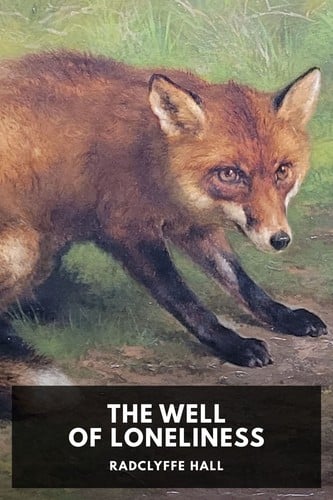
No. 93 on this list. The Well of Loneliness
Radclyffe Hall · 1928
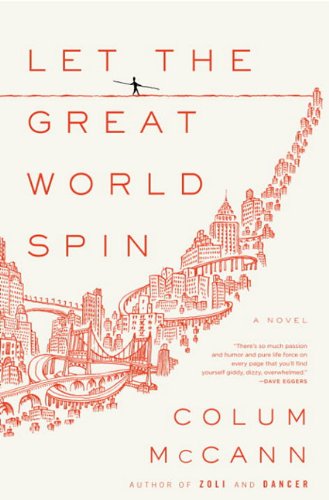
No. 94 on this list. Let the Great World Spin
Colum McCann · 2009
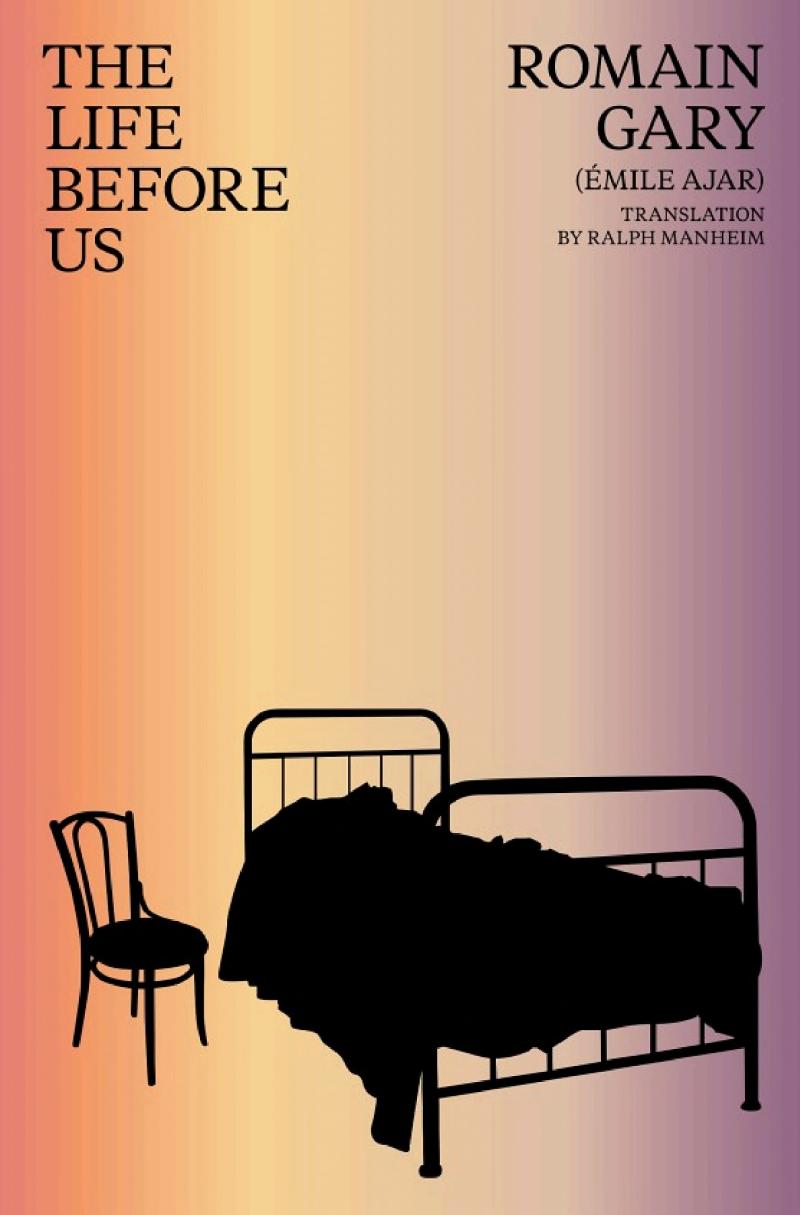
No. 95 on this list. The Life Before Us
Émile Ajar (Romain Gary) · 1975
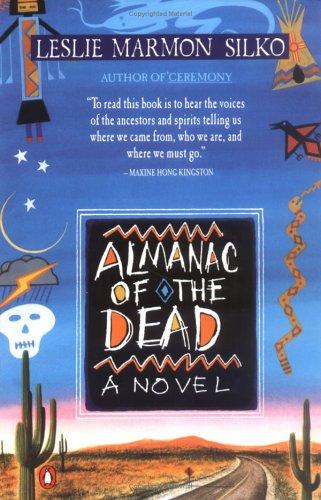
No. 96 on this list. Almanac of the Dead
Leslie Marmon Silko · 1991
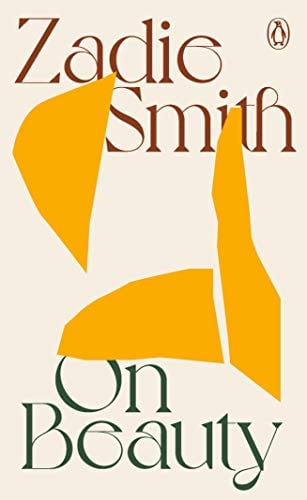
No. 97 on this list. On Beauty
Zadie Smith · 2005
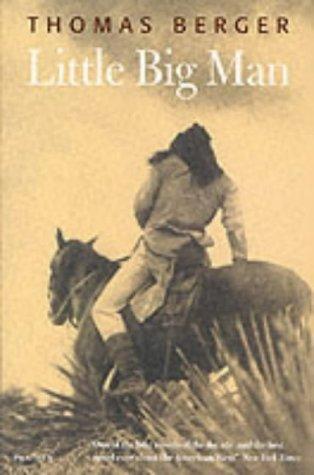
No. 98 on this list. Little Big Man
Thomas Berger · 1999
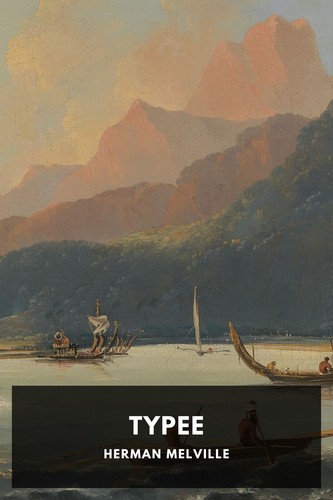
No. 99 on this list. Typee
Herman Melville · 1846
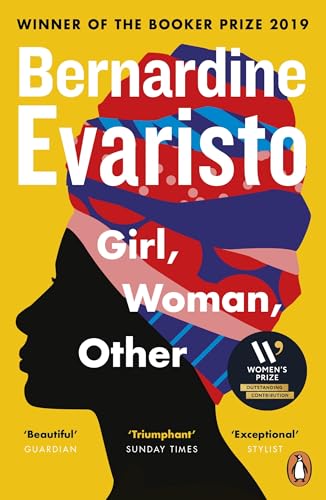
No. 100 on this list. Girl, Woman, Other
Bernardine Evaristo · 2019
About this list
These 100 books are the highest-scoring eligible moderately difficult books about race and colonialism currently in the catalogue. About 679 hours of reading in all. Difficulty runs from 52 to 60 out of 100 for the middle half of the list; the summit is Fences at 64.
This list is ranked by literary regard, with a consistent order for equal scores. Membership follows authors and co-authors, not translators or editors. A book is here when ReadingRate files it under Race & Colonialism as one of its primary reading domains, at a confidence of 0.8 or more. Catalogue coverage and the historical canon both limit what this list can represent.
When we matched the Canons dataset to our catalogue in October 2026, our canonical-status scores rose with the number of school curricula, publisher series and lists in it that cite a work: the median score was 72 for books one such source cites, 84 at two, 88 at three, 92 at four and 93 at five or more. Prizes are left out of that count. Outside the state curricula, the dataset’s sources choose mostly from what has been translated into English or French, so it is a weaker check on other literatures. Source: Canons (Andrew Piper), CC BY 4.0
Questions people actually ask
- What are the best moderately difficult books about race and colonialism?
- By literary regard, which weighs canonical status, critical standing and influence: Beloved by Toni Morrison, Adventures of Huckleberry Finn by Mark Twain, Things Fall Apart by Chinua Achebe, The Merchant of Venice by William Shakespeare and A Passage to India by E.M. Forster. ReadingRate ranks 100 such books, each with a difficulty score and a reading-time estimate.
- Which moderately difficult books about race and colonialism should I read first?
- Start from difficulty, not from rank. The most approachable books on this list that still carry top literary regard are Things Fall Apart by Chinua Achebe (about 3.3 hours), The Weary Blues by Langston Hughes and Tar Baby by Toni Morrison.
- What are the shortest of the best moderately difficult books about race and colonialism?
- Among the top 25, the shortest are The Weary Blues by Langston Hughes (about 29 min), Benito Cereno by Herman Melville (about 1.7 hours) and The Tempest by William Shakespeare (about 2 hours), at an average pace of 250 words a minute adjusted for each book's difficulty.
- Which of the best moderately difficult books about race and colonialism are the established classics?
- By canonical status, how firmly a book sits in curricula, anthologies and the canon: Beloved by Toni Morrison, Adventures of Huckleberry Finn by Mark Twain, Things Fall Apart by Chinua Achebe, The Merchant of Venice by William Shakespeare and The Tempest by William Shakespeare.
- Can I read any of these moderately difficult books about race and colonialism for free?
- 11 of the 100 open in ReadingRate's reader with a free account, from public-domain editions: Adventures of Huckleberry Finn, The Merchant of Venice, A Passage to India, The Tempest, Mansfield Park and 6 more.
- How long would it take to read the top ten?
- About 63 hours, at an average pace of 250 words a minute adjusted for each book's difficulty: 32 days at two hours a day. Set your own pace on the page and the list's reading times change to it.
- How hard are moderately difficult books about race and colonialism to read?
- Most of this list sits between 52 and 60 on ReadingRate's 100-point difficulty scale, where 40 to 55 is moderate. The summit is Fences at 64. Every entry carries its own score, so a reader can pick a great book at a difficulty they will finish.
- How is this list ranked?
- On literary-regard data: how canonically established a work is, its critical standing, and its influence on later writing. It is not a readers’ poll, which is why recent bestsellers rarely appear. Membership follows authors and co-authors, not translators or editors. Lists by country, author, period, theme or difficulty keep to literature (fiction, poetry, drama and philosophy), their novels, poems and plays first and their philosophy after them; a list of a kind of book, such as memoir or criticism, keeps every book of that kind. Every list holds at most three works by one author. A book is here when ReadingRate files it under Race & Colonialism as one of its primary reading domains, at a confidence of 0.8 or more.