
Hours at an average pace
Showing 100 books
About 673 hours for 97 of 100 books with measured lengths. Estimates use 250 words a minute, adjusted for each book's difficulty. At 2 hours a day, about 337 days for those books.
A Nobel-winning author's first novel, taught widely in German and world literature courses as the model family chronicle.
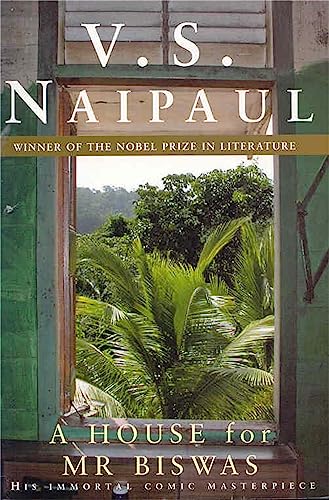
No. 2 on this list. A House for Mr. Biswas
V.S. Naipaul · 1961
Moderate13 hours
Taught in schools: CSEC English B – Caribbean Examinations Council
Naipaul tracked one man's forty-year struggle to own a house of his own in colonial Trinidad, and by treating that modest ambition with the gravity of epic, wrote the definitive novel about the immigrant's war between dignity and dispossession. Mr. Biswas's defeats are so granular and so cumulative that the house, when it finally comes, means more than any literary symbol has a right to.
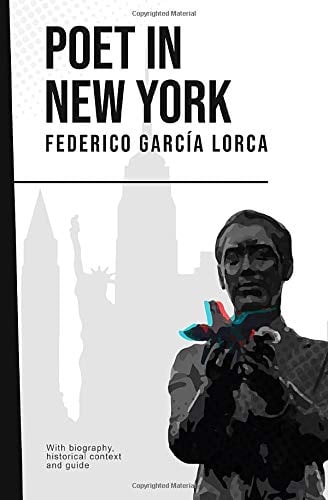
One of the major poetry collections of the twentieth century and a landmark of Spanish-language surrealism.
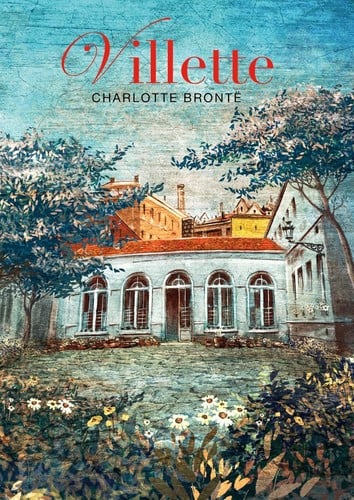
Widely taught in advanced 19th-century literature courses and Victorian fiction seminars, though less ubiquitous than Jane Eyre. Contemporary scholarship increasingly positions Villette as Brontë's most sophisticated novel; it appears regularly on university syllabi in feminist literary criticism and psychological realism tracks.
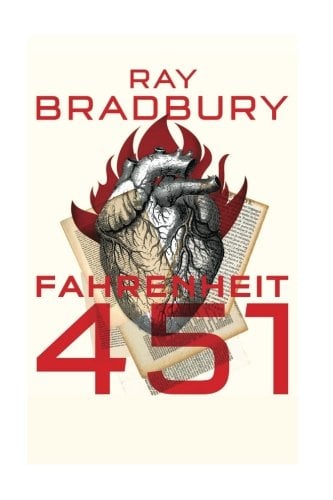
No. 5 on this list. Fahrenheit 451
Ray Bradbury · 1953
Moderate3.6 hours
Taught in schools: Common Core text exemplars (Appendix B) (US), Pacific Senior Secondary Certificate – English
Guy Montag burns books for a living. In Bradbury's 1953 novel, firemen don't put out fires — they start them, torching any house where books are found. Montag has done this for years without question, until a teenage neighbor named Clarisse asks him if he's happy. He realizes he isn't. The world Bradbury builds runs on distraction: giant wall-screen televisions, radio "seashells" plugged into ears at all hours, and the constant roar of speed. Nobody reads. Nobody thinks too long about anything. The firemen exist not because books are dangerous but because the majority found them uncomfortable, and discomfort is the one thing this society refuses to tolerate. Bradbury writes in a poetic, image-saturated style — sentences that flare and crackle the way the fires do. The abstraction is real: this is a novel about censorship, conformity, and the slow voluntary surrender of the mind, not just a plot about a man who changes his job. The phoenix appears as a recurring symbol; so does fire itself, destroyer and renewer at once. What Montag finds at the edge of the city — people who have memorized entire books, becoming the books themselves — is one of the more striking images in American science fiction.
Appears on 241 university syllabi (59th percentile, Open Syllabus Project) and is listed on the Modern Library 100 Best Novels. Wikipedia coverage in 11 languages is modest for a major English novel, suggesting strong Anglophone canonical status that has not fully globalized.
It is a standard in American literature courses and part of Twain's core canon with Huckleberry Finn. It is taught less often than Gatsby but widely, as a founding time-travel satire.
No. 8 on this list. The Notebooks of Malte Laurids Brigge
Rainer Maria Rilke · 1910
Challenging6 hours
Die Aufzeichnungen des Malte Laurids Brigge is on Le Monde's 100 Books of the Century, with Wikipedia articles in 14 languages. It is taught as a founding text of modernist prose in German and comparative literature courses.
The Home and the World is one of Tagore's most celebrated novels and a staple of postcolonial literature syllabi worldwide. Written by the first non-European Nobel laureate, it occupies a significant position in the global literary canon, particularly in discussions of Indian literature, nationalism, and modernity. Satyajit Ray's 1984 film adaptation further cemented its cultural status. It appears in 7 Wikipedia languages and has remained continuously in print for over a century.
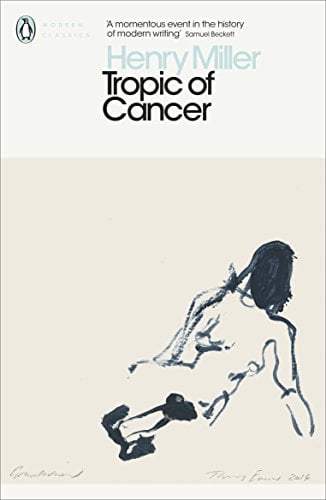
Tropic of Cancer holds established position in modernist and 20th-century literature curricula, taught in courses on American modernism, expatriate literature, and the experimental novel. Recognized as significant but not universally required reading at all levels like Gatsby or 1984; more niche canonical status within specific literary traditions.
No. 11 on this list. The Rainbow · D.H. Lawrence · 1915
The Rainbow is firmly established in the English literary canon as one of Lawrence's major novels and a landmark of early modernism. It appears on the Modern Library 100 Best Novels list, is a staple of university curricula covering British modernism, and is widely recognized as a foundational text in the novel of sexuality and consciousness.
Challenging16 hours
Read nowNo. 12 on this list. Saint Joan · George Bernard Shaw · 1923
Included in: Great Books of the Western World
In 1429, Joan, an illiterate seventeen-year-old peasant girl from Domrémy, arrives at the castle of Vaucouleurs claiming that saints' voices command her to crown the Dauphin and drive the English from France. Through sheer conviction, she persuades the skeptical Captain Robert de Baudricourt to send her to Chinon, where she astounds the French court. The weak Dauphin Charles, his cynical Archbishop, and the capable soldier Dunois all find themselves swept along by her extraordinary certainty. Joan leads French forces to lift the siege of Orleans and sees Charles crowned at Rheims, but her military boldness and claim to direct divine guidance threaten both Church hierarchy and feudal nobility. The English Earl of Warwick and the French Bishop Cauchon, neither villains nor fools, recognize that Joan's proto-Protestant insistence on individual conscience and her proto-nationalist loyalty to France above feudal allegiances endanger their entire world order. At her trial for heresy, Joan faces judges who believe sincerely that they serve God by destroying her. She recants briefly under threat of burning, then reclaims her voices and goes to the stake. Twenty-five years later, in Charles's dream, the rehabilitated and eventually canonized Joan asks when the world will be ready to receive its saints—and receives only silence.
Moderate4 hours
Read nowNo. 13 on this list. From Hell · Alan Moore · 1999
Widely regarded as one of the greatest graphic novels ever produced. A staple of comics criticism and increasingly taught in university courses.
Moderate8 hours
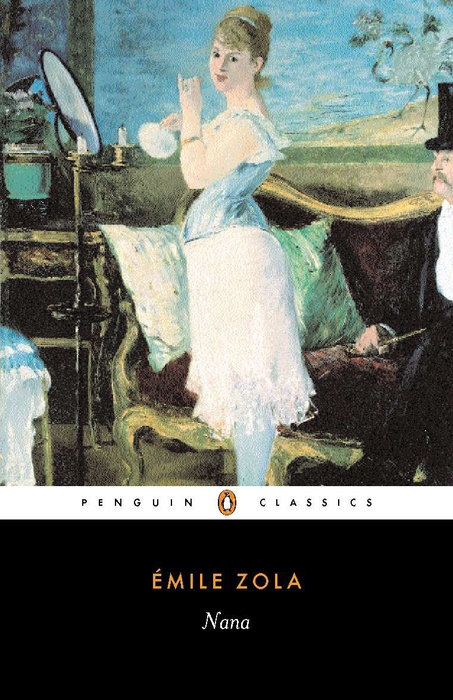
Start this bookNo. 14 on this list. Nana · Émile Zola · 1880
Nana stands as a defining text of literary naturalism and a cornerstone of French 19th-century fiction. As the ninth novel in Zola's ambitious Rougon-Macquart cycle, it regularly appears in French literature curricula and surveys of European realism. While perhaps less universally assigned than Germinal or L'Assommoir, it remains essential to understanding naturalism, Second Empire social critique, and Zola's literary project.
Moderate12 hours
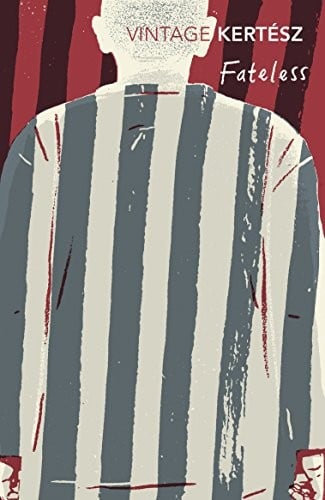
Read nowNo. 15 on this list. Fatelessness · Imre Kertész · 1975
Taught in schools: Hungarian literature curriculum (magyar nyelv és irodalom) (Hungary)
Fatelessness holds significant canonical status within Holocaust literature and Central European fiction, frequently taught in university courses on trauma literature and twentieth-century European novels. While not as universally assigned as Wiesel or Levi, it represents a crucial counter-narrative in Holocaust literature, challenging redemptive and metaphysical interpretations of the camps.
Challenging4.6 hours
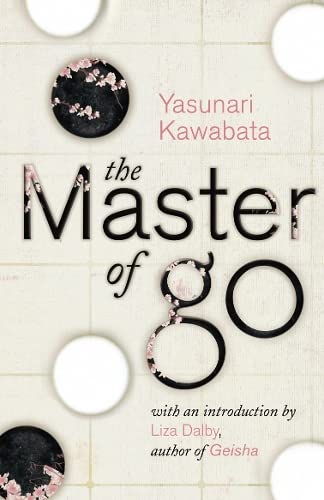
Start this bookNo. 16 on this list. The Master of Go · Yasunari Kawabata · 1954
Regularly taught in Japanese literature and world literature courses at university level, though less ubiquitous than Kawabata's Snow Country. Recognized as one of the key texts for understanding 20th-century Japanese prose and the aesthetic of mono no aware. Its inclusion in Nobel Prize retrospectives solidified its place in the world literature canon.
Challenging3.7 hours
Start this bookNo. 17 on this list. Man and Superman · George Bernard Shaw · 1903
Man and Superman appears on 86 university syllabi (48th percentile by Open Syllabus data) and holds Wikipedia articles in 9 languages. It is taught in drama and modern literature courses but sits behind Pygmalion and Major Barbara in Shaw's own canon. The Wikipedia article includes dedicated Reception and Adaptations sections, indicating sustained critical discourse.
Challenging6.5 hours
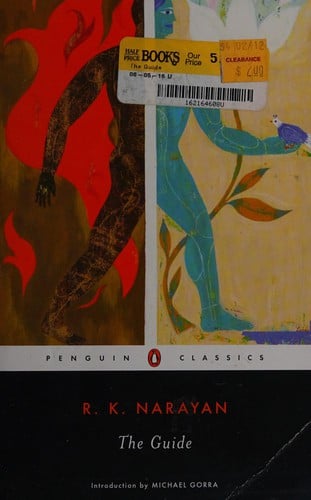
Read nowNo. 18 on this list. The Guide · R.K. Narayan · 1958
Taught in schools: CSEC English B – Caribbean Examinations Council
The Guide is the central text of Indian English fiction before Rushdie and appears regularly in postcolonial, South Asian, and world literature courses. It was the first novel in English to win the Sahitya Akademi Award, India's national literary prize. Wikipedia articles in multiple languages; the 1965 Bollywood film adaptation signals deep cultural penetration within India.
Challenging7 hours
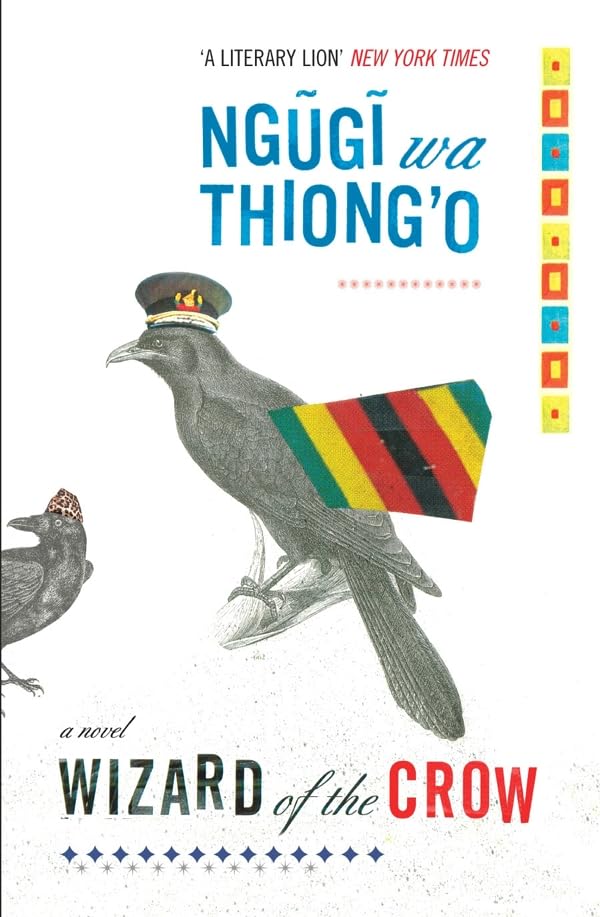
Start this bookNo. 19 on this list. The River Between · Ngugi wa Thiong'o · 1965
Taught in schools: CSEC English B – Caribbean Examinations Council
Included in: Heinemann African Writers Series
A foundational text of African literature, The River Between appears regularly on postcolonial literature syllabi across universities in Africa, Europe, and North America. Written while Ngugi was still a student at Makerere University, it has accumulated canonical status as one of the earliest East African novels to address colonialism's cultural violence directly. It is consistently paired with Things Fall Apart in survey courses as a defining document of the African literary tradition.
Challenging4.2 hours
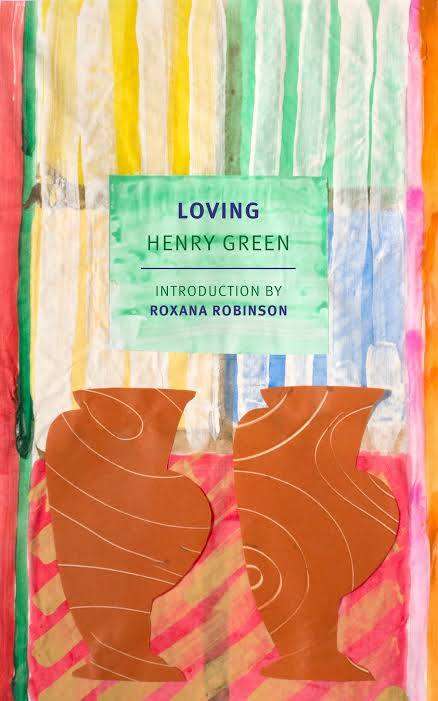
Start this bookNo. 20 on this list. Loving · Henry Green · 1945
Ranked 89th on the Modern Library 100 Best Novels and included on TIME's All-TIME 100 Novels, with Wikipedia articles in 10 languages. It is taught in courses on modernist and wartime British fiction, though less widely than Woolf or Waugh.
Moderate5.1 hours
Start this book
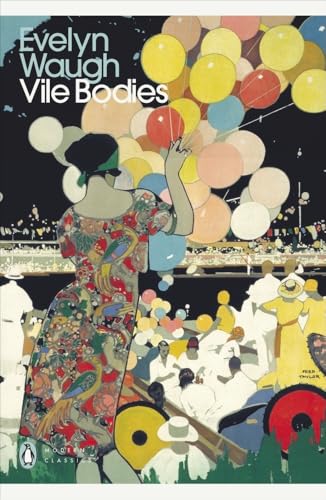
No. 21 on this list. Vile Bodies · Evelyn Waugh · 1930
Vile Bodies is one of Waugh's most celebrated early novels and appears regularly on British literature syllabi and 'best of 20th century' lists. It lacks the mass-taught status of Brideshead Revisited but is considered essential reading for interwar British fiction. The Modern Library includes Waugh among major 20th-century novelists, and the novel appears in numerous canonical surveys of satirical fiction.
Moderate4.3 hours
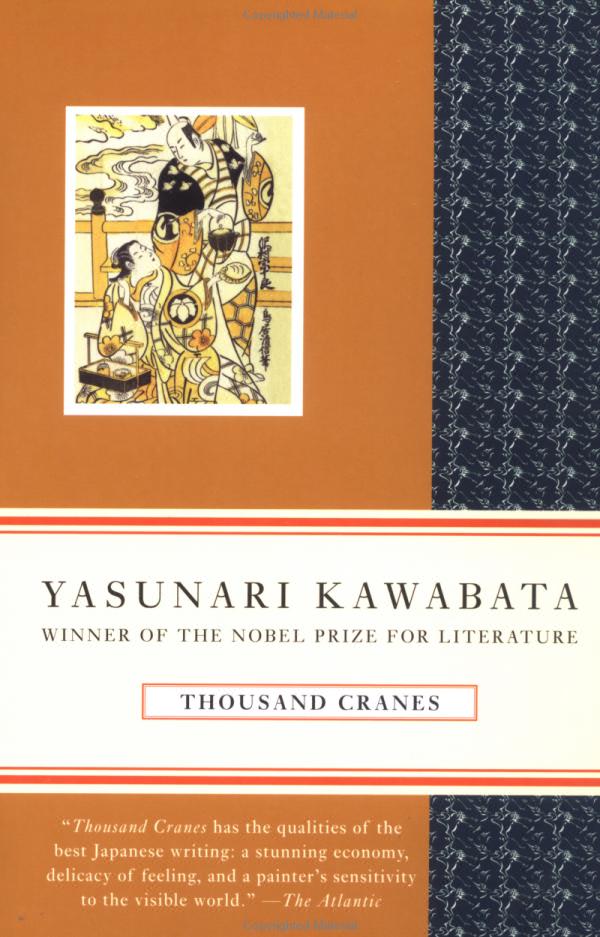
Start this bookNo. 22 on this list. Thousand Cranes · Yasunari Kawabata · 1949
Included in: UNESCO Collection of Representative Works
Thousand Cranes was explicitly cited in Kawabata's 1968 Nobel Prize in Literature, cementing its canonical status. It appears regularly in Japanese literature surveys and courses on Japanese aesthetics. While Snow Country may be more famous internationally, Thousand Cranes is recognized as essential Kawabata, embodying mono no aware and the intersection of tradition with post-war disillusionment.
Challenging2.2 hours
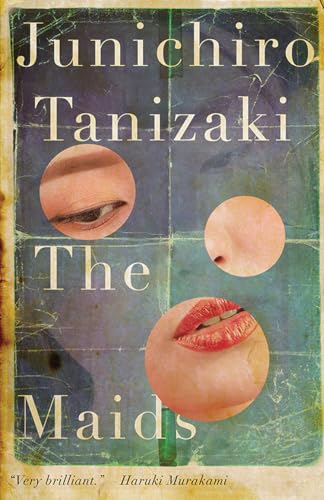
Start this bookNo. 23 on this list. The Makioka Sisters · Jun'ichirō Tanizaki · 1948
Included in: UNESCO Collection of Representative Works
The Makioka Sisters appears regularly on university world literature and Japanese literature syllabi, and is included in most critical surveys of the 20th-century novel. No syllabus count data is available, but the novel's inclusion in the Modern Library and its reputation as essential reading in Japanese fiction courses place it firmly in the upper tier of world literature canon. It is less universally taught than Western fixtures but central to any serious study of modern Japanese prose.
Moderate14 hours
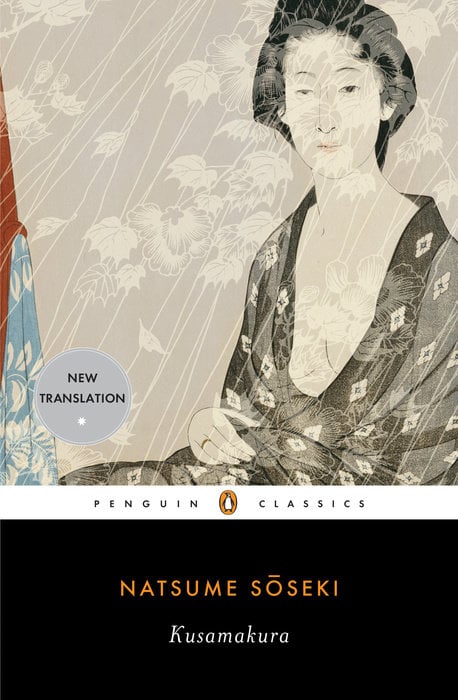
Start this bookNo. 24 on this list. Kusamakura · Natsume Sōseki · 1906
Included in: UNESCO Collection of Representative Works
Kusamakura occupies a firm place in the Japanese literary canon as one of Soseki's key early works, but its presence in world literature syllabi is limited. It appears in Japanese literature survey courses and occasionally in comparative aesthetics seminars. Outside Japan, it is known primarily to specialists and readers who seek it out through Soseki's broader reputation.
Challenging3.4 hours
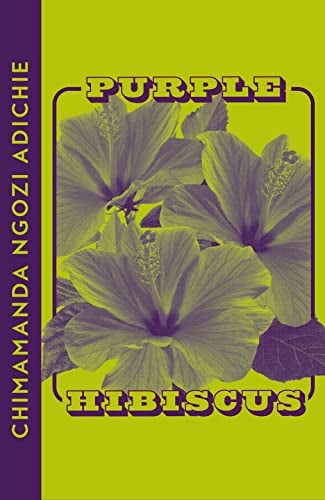
Read nowNo. 25 on this list. Purple Hibiscus · Chimamanda Ngozi Adichie · 2004
Taught in schools: Leaving Certificate English – NCCA / State Examinations Commission (Ireland)
Appears on 255 university syllabi according to the Open Syllabus Project, placing it in the 60th percentile of taught works. Wikipedia articles exist in 13 languages with a dedicated reception section. The novel is a fixture in postcolonial literature and African fiction courses, though it has not yet reached the ubiquity of authors like Achebe or Morrison in broader curricula.
Challenging7.1 hours
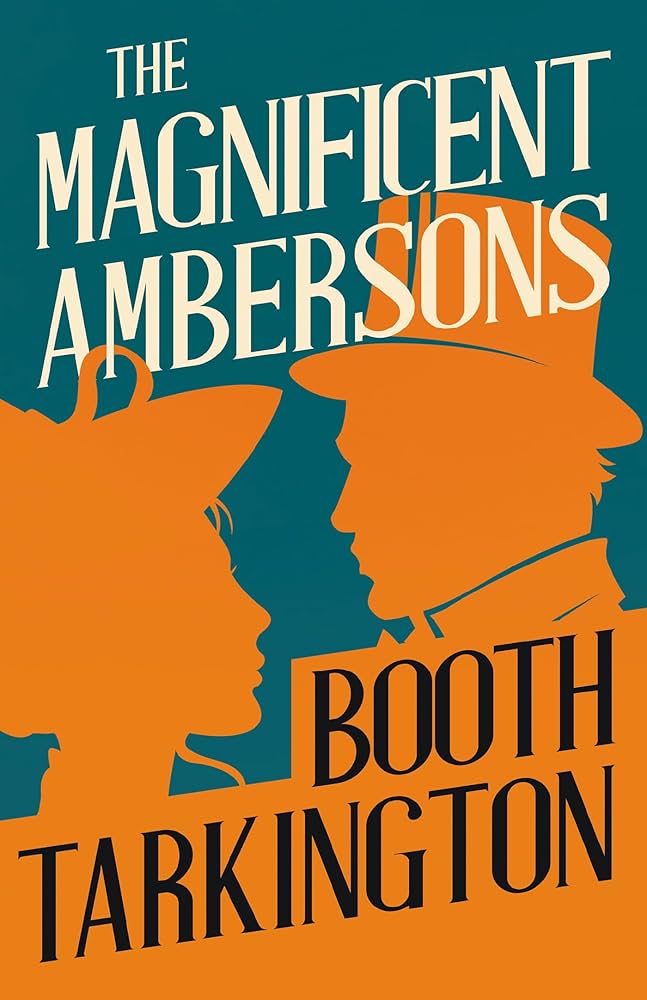
Start this bookNo. 26 on this list. The Magnificent Ambersons · Booth Tarkington · 1919
The great American novel of industrial change. The Amberson family's decline as automobiles transform their Midwestern city anticipated America's 20th century. Core text in American literature courses. Orson Welles's 1942 film adaptation is legendary.
Moderate6.6 hours
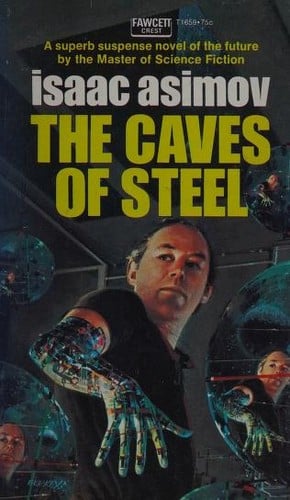
Read nowNo. 27 on this list. The Caves of Steel · Isaac Asimov · 1954
The Caves of Steel appears on university syllabi in science fiction literature courses and sits on nearly every canonical SF reading list, including the Science Fiction Encyclopedia's foundational texts. It lacks the cross-disciplinary syllabus presence of mainstream literary fiction but holds a secure place in the SF canon that has been stable for decades.
Moderate4.6 hours
Start this bookNo. 28 on this list. Footsteps · Pramoedya Ananta Toer · 1985
The Buru Quartet holds a firm place in world literature and postcolonial studies curricula globally, though individual volumes like Footsteps are less universally taught than the quartet's opener, This Earth of Mankind. The series appears widely on Southeast Asian and postcolonial literature syllabi, with Pramoedya recognized as the preeminent Indonesian novelist of the 20th century. No formal syllabus or Wikipedia data was found in the database, but Pramoedya's broader literary footprint is well-documented across major encyclopedic and academic sources.
Challenging13 hours
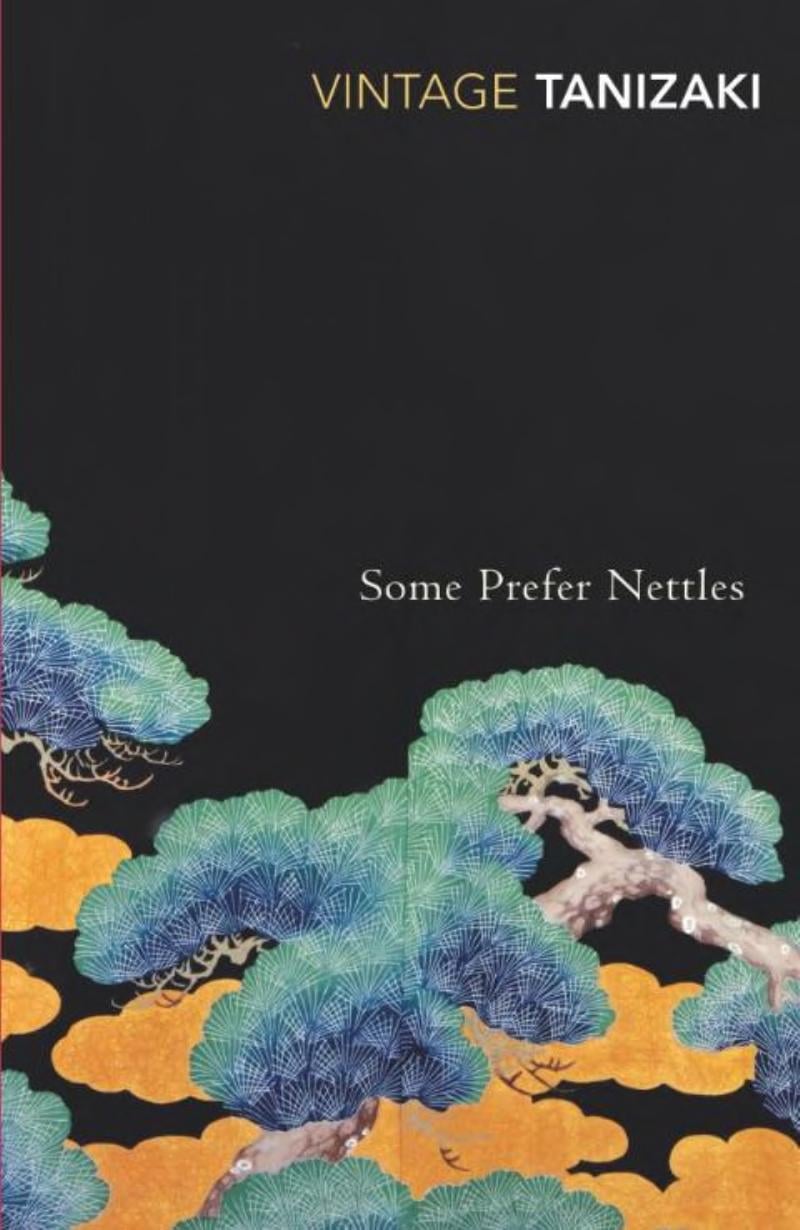
Start this bookNo. 29 on this list. Some Prefer Nettles · Jun'ichirō Tanizaki · 1929
Some Prefer Nettles is among Tanizaki's most-taught works in East Asian and world literature courses, included in Penguin Classics and Modern Library editions. It is a standard text in comparative modernism syllabi examining East-West cultural collision. While not as widely taught as European canonical novels, it occupies a secure position in global literary education.
Challenging4.3 hours
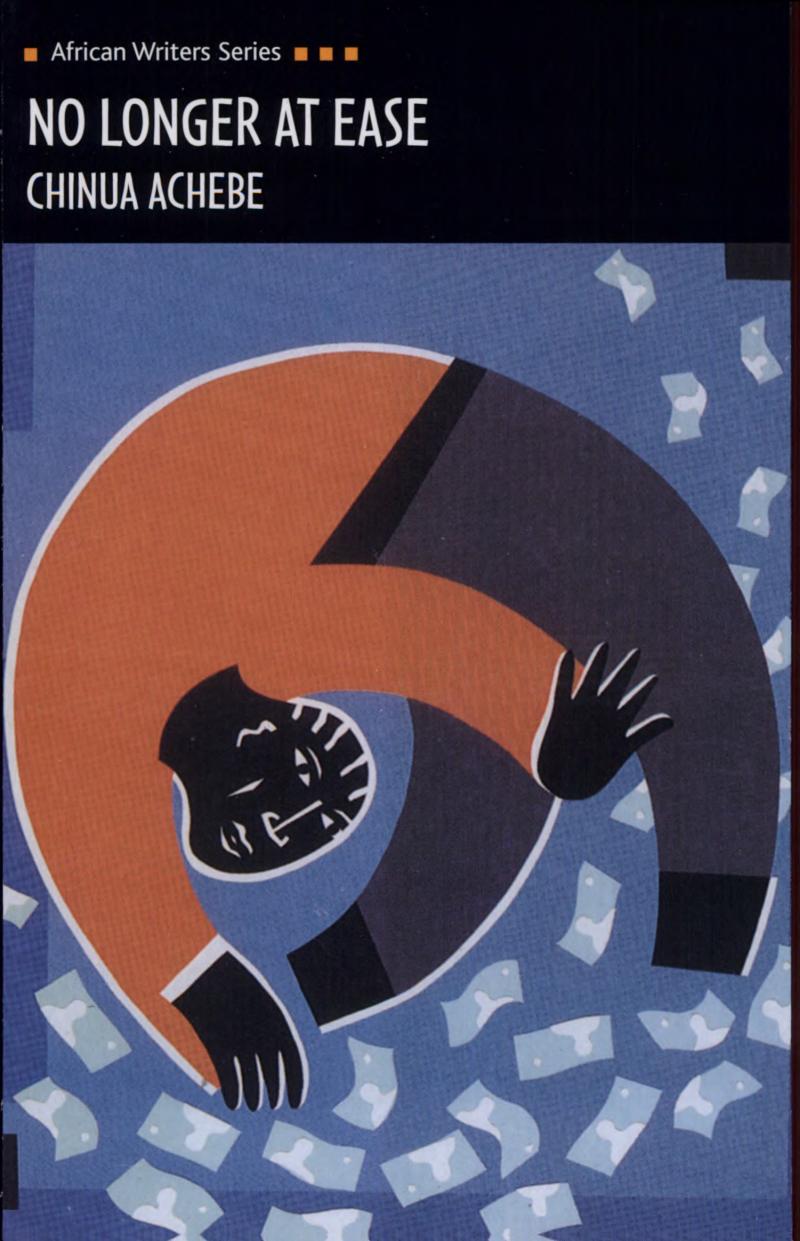
Start this bookNo. 30 on this list. No Longer at Ease · Chinua Achebe · 1960
Taught in schools: Pacific Senior Secondary Certificate – English
Included in: Heinemann African Writers Series
No Longer at Ease is widely taught in African literature, postcolonial studies, and world literature courses as a standard companion to Things Fall Apart. Part of the Heinemann African Writers Series and regularly assigned across anglophone African and diaspora universities. Not at the level of Things Fall Apart's global reach but solidly canonical within postcolonial literature.
Moderate3.2 hours
Start this book
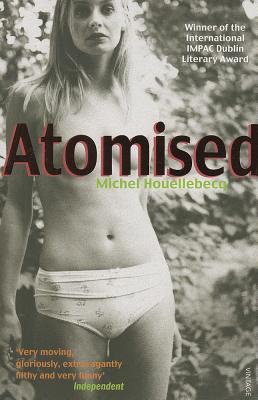
No. 31 on this list. Atomised
Michel Houellebecq · 2002
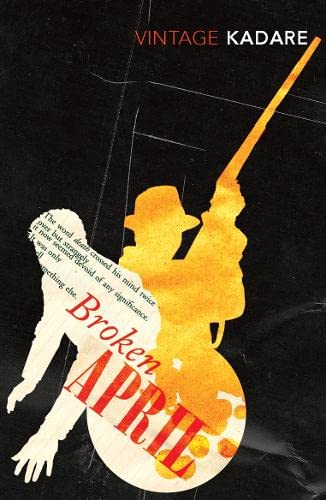
No. 32 on this list. Broken April
Ismail Kadare · 1978
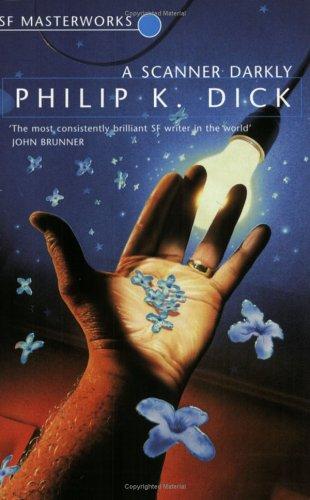
No. 33 on this list. A Scanner Darkly
Philip K. Dick · 1977
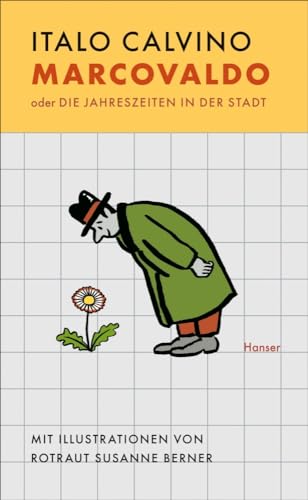
No. 34 on this list. Marcovaldo
Italo Calvino · 1963
No. 35 on this list. Wayfarers
Knut Hamsun · 1927
No. 36 on this list. G.
John Berger · 1972
No. 37 on this list. Flow My Tears, the Policeman Said
Philip K. Dick · 1974
No. 38 on this list. Wilhelm Meister's Journeyman Years
Johann Wolfgang von Goethe · 1821
No. 39 on this list. Love and Information
Caryl Churchill · 2012
No. 40 on this list. Primeval and Other Times
Olga Tokarczuk · 1996
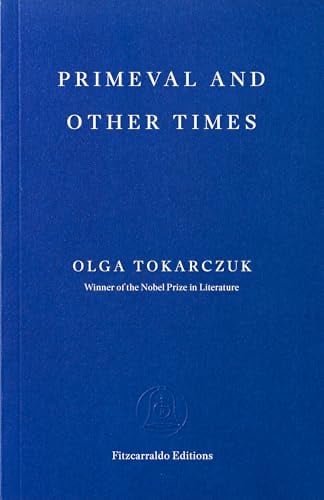
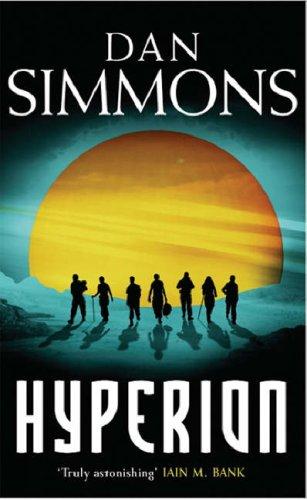
No. 41 on this list. Hyperion
Dan Simmons · 1989
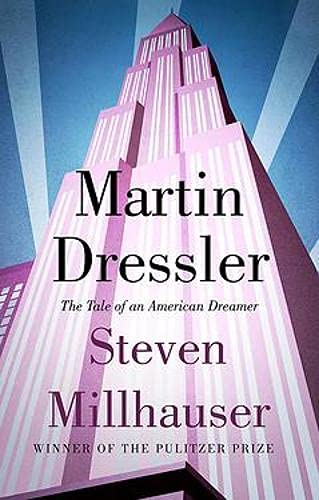
No. 42 on this list. Martin Dressler
Steven Millhauser · 1997
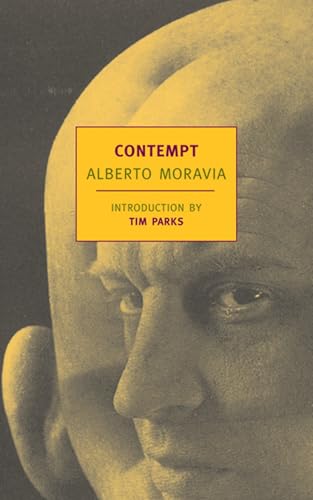
No. 43 on this list. Contempt
Alberto Moravia · 1954
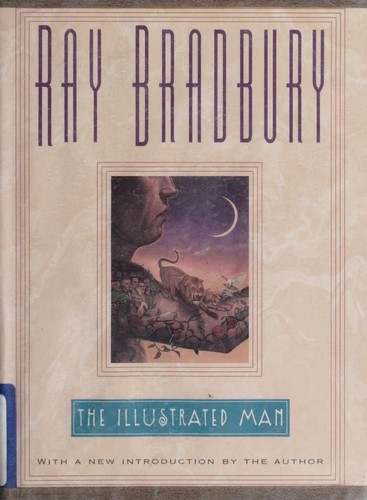
No. 44 on this list. The Illustrated Man
Ray Bradbury · 1951
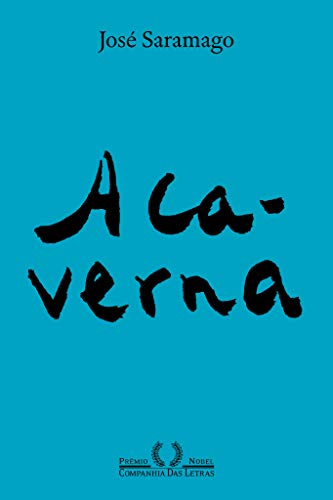
No. 45 on this list. The Cave
José Saramago · 2000
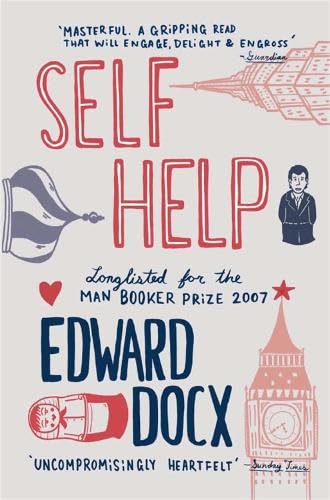
No. 46 on this list. Self Help
Edward Docx · 2007
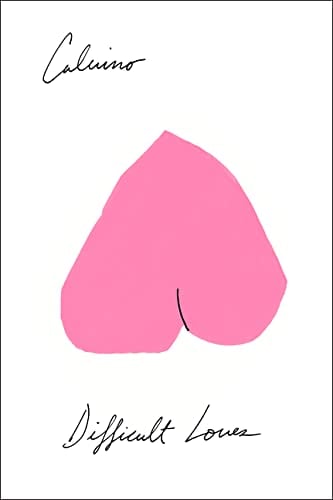
No. 47 on this list. Difficult Loves
Italo Calvino · 1970
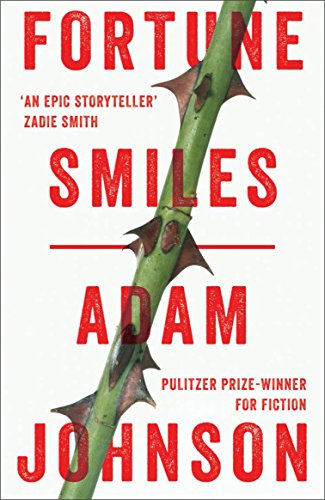
No. 48 on this list. Fortune Smiles
Adam Johnson · 2015
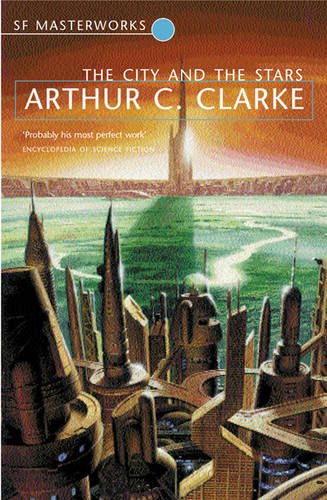
No. 49 on this list. The City and the Stars
Arthur C. Clarke · 1956
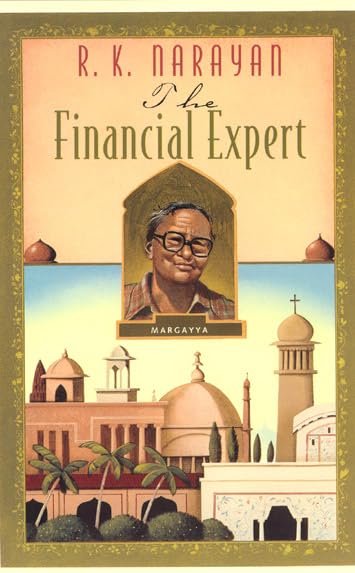
No. 50 on this list. The Financial Expert
R.K. Narayan · 1952
No. 51 on this list. Battle-Pieces and Aspects of the War
Herman Melville · 1866
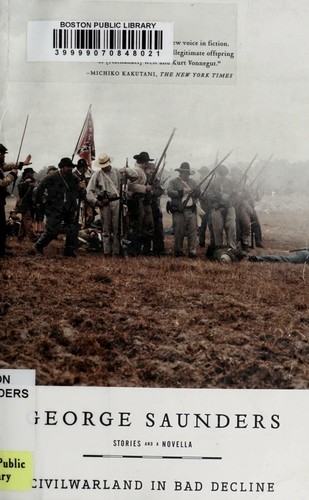
No. 52 on this list. CivilWarLand in Bad Decline
George Saunders · 1996
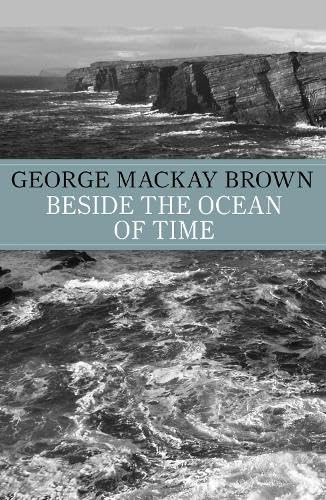
No. 53 on this list. Beside the Ocean of Time
George Mackay Brown · 1994
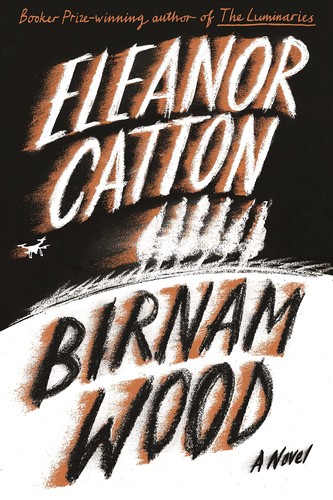
No. 54 on this list. Birnam Wood
Eleanor Catton · 2023
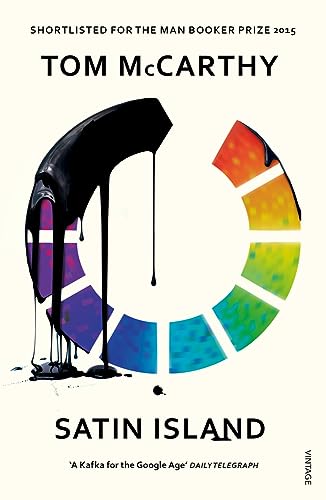
No. 55 on this list. Satin Island
Tom McCarthy · 2015
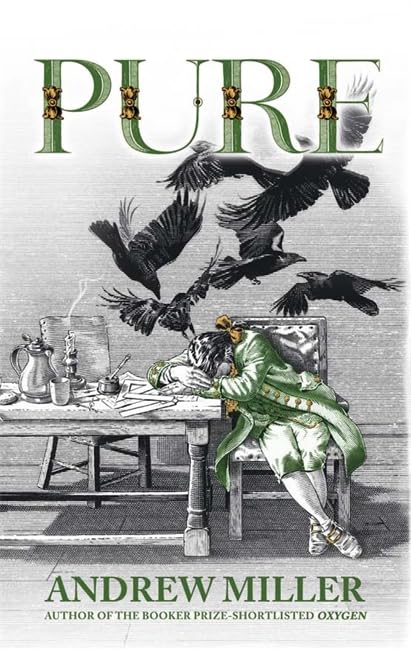
No. 56 on this list. Pure
Andrew Miller · 2011
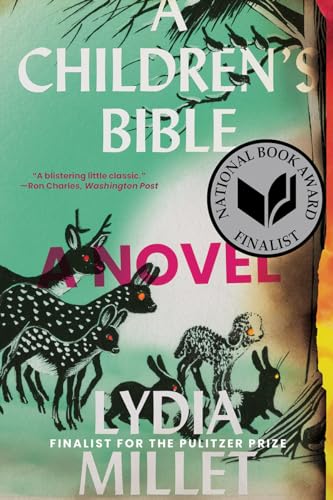
No. 57 on this list. A Children's Bible
Lydia Millet · 2020
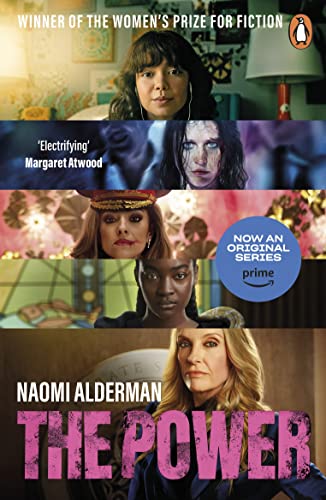
No. 58 on this list. The Power
Naomi Alderman · 2017
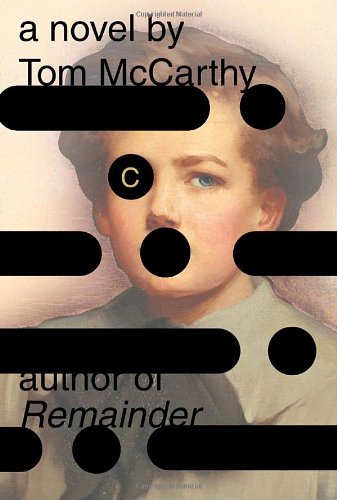
No. 59 on this list. C
Tom McCarthy · 2010
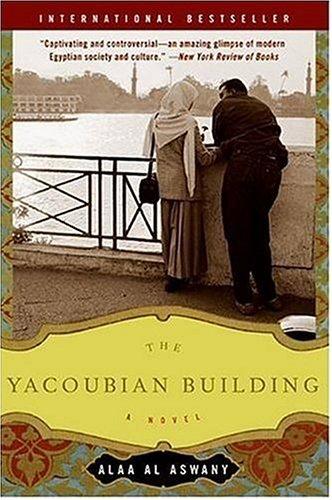
No. 60 on this list. The Yacoubian Building
Alaa Al Aswany · 2002
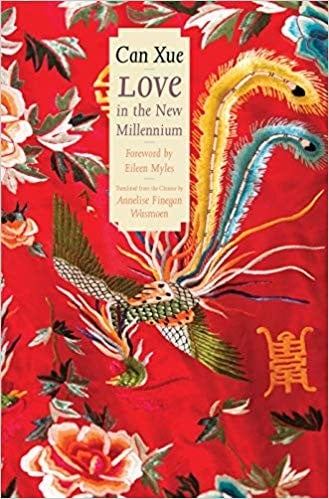
No. 61 on this list. Love in the New Millennium
Can Xue · 2013
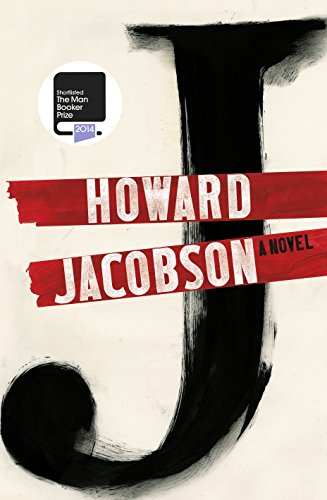
No. 62 on this list. J
Howard Jacobson · 2014
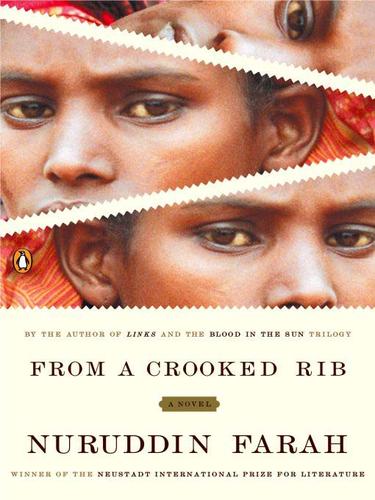
No. 63 on this list. From a Crooked Rib
Nuruddin Farah · 1970
Included in: Heinemann African Writers Series
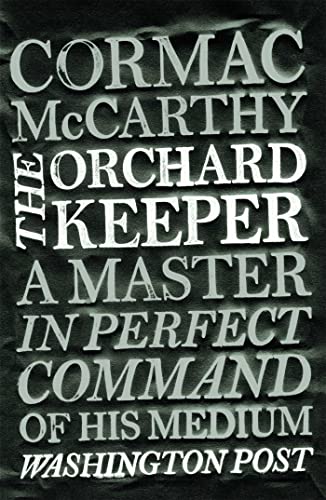
No. 64 on this list. The Orchard Keeper
Cormac McCarthy · 1965
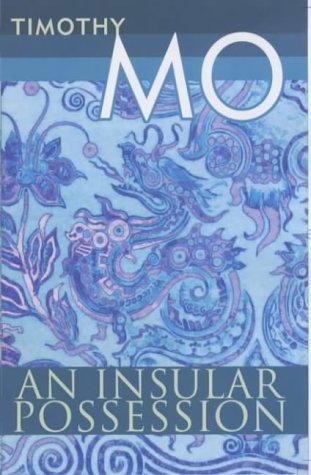
No. 65 on this list. An Insular Possession
Timothy Mo · 1986
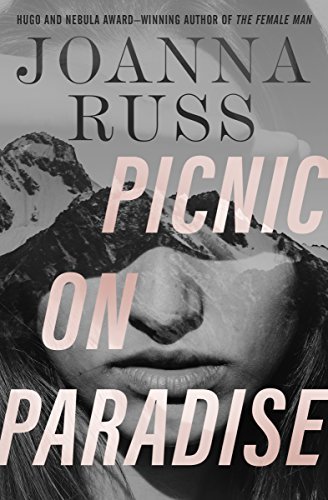
No. 66 on this list. Picnic on Paradise
Joanna Russ · 1968
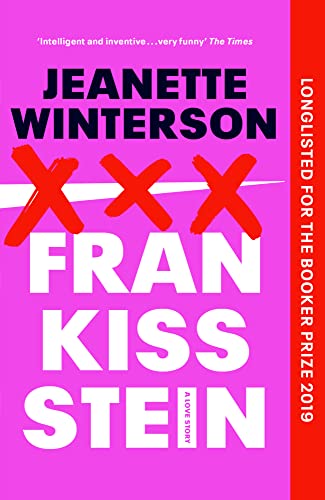
No. 67 on this list. Frankissstein
Jeanette Winterson · 2019
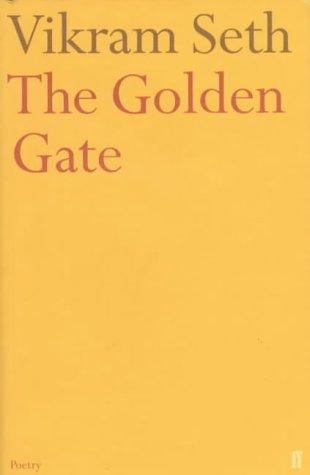
No. 68 on this list. The Golden Gate
Vikram Seth · 1986
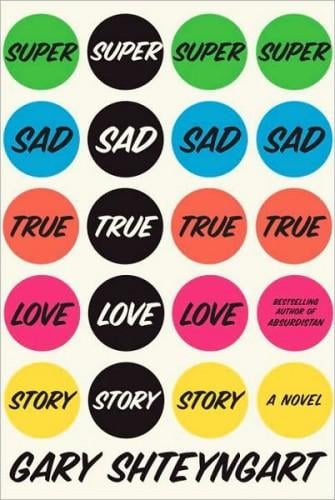
No. 69 on this list. Super Sad True Love Story
Gary Shteyngart · 2001
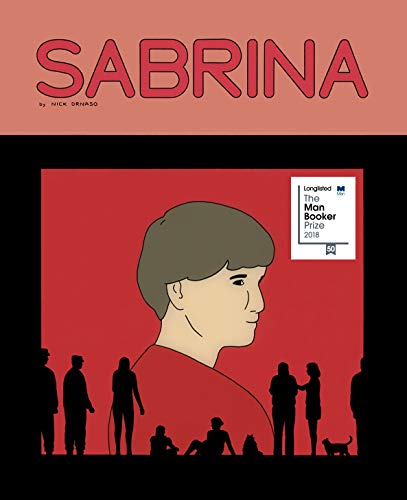
No. 70 on this list. Sabrina
Nick Drnaso · 2018
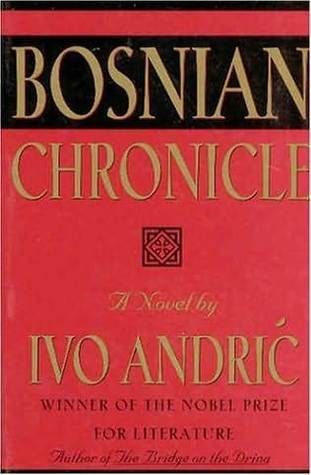
No. 71 on this list. Bosnian Chronicle
Ivo Andrić · 1945
No. 72 on this list. Pylon
William Faulkner · 1935
No. 73 on this list. Running Dog
Don DeLillo · 1978
No. 74 on this list. Sleep Donation
Karen Russell · 2022
No. 75 on this list. No One Is Talking About This
Patricia Lockwood · 2021
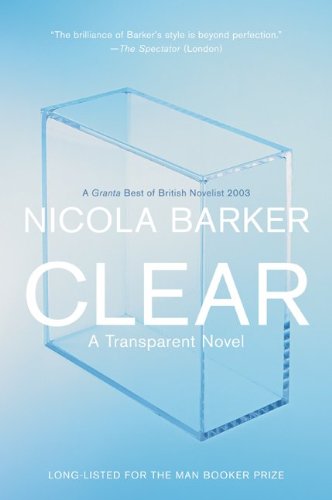
No. 76 on this list. Clear: A Transparent Novel
Nicola Barker · 2004
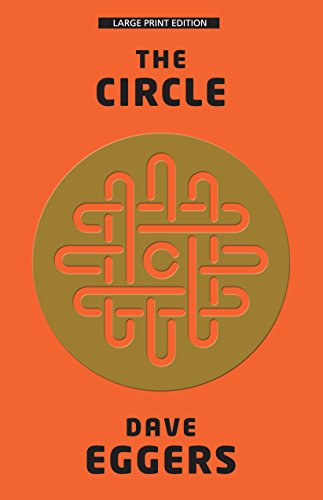
No. 77 on this list. The Circle
Dave Eggers · 2013
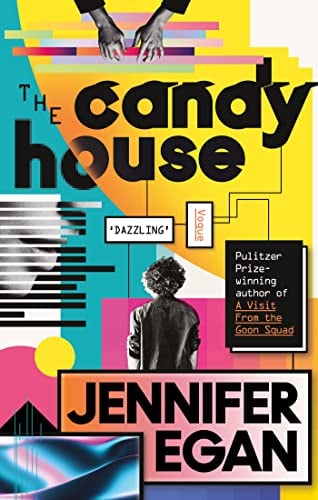
No. 78 on this list. The Candy House
Jennifer Egan · 2022
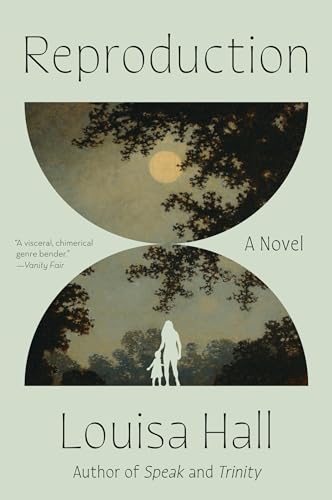
No. 79 on this list. Reproduction
Louisa Hall · 2022
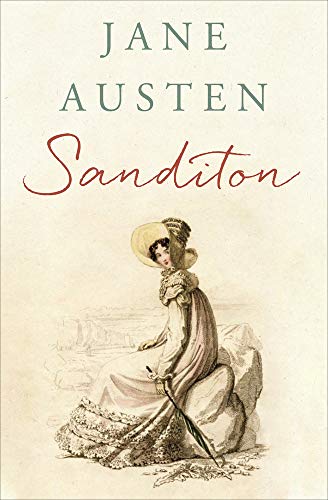
No. 80 on this list. Sanditon
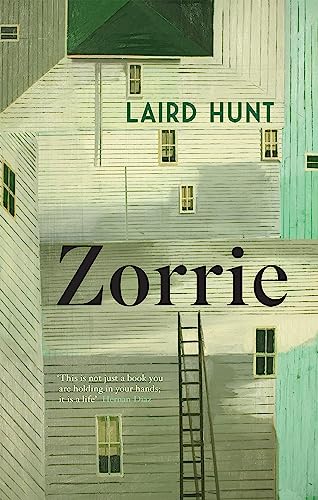
No. 81 on this list. Zorrie
Laird Hunt · 2021
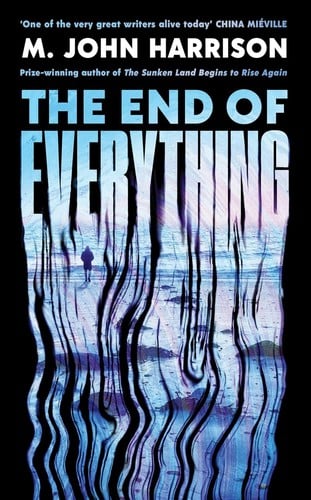
No. 82 on this list. The End of Everything
M. John Harrison · 2026
No. 83 on this list. The Long Journey
Johannes V. Jensen · 1908
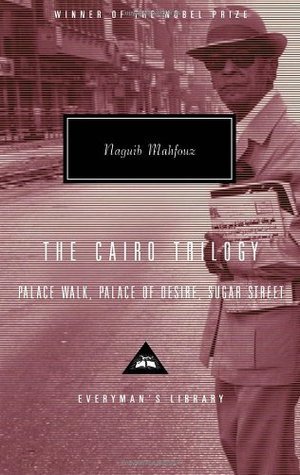
No. 84 on this list. Sugar Street
Naguib Mahfouz · 1957
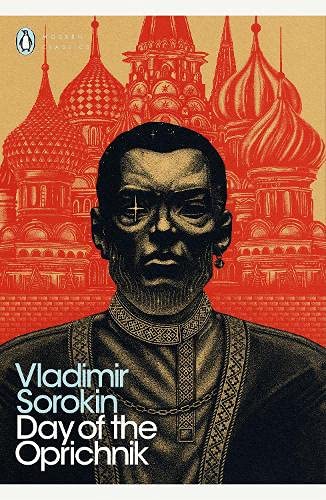
No. 85 on this list. The Day of the Oprichnik
Vladimir Sorokin · 2006
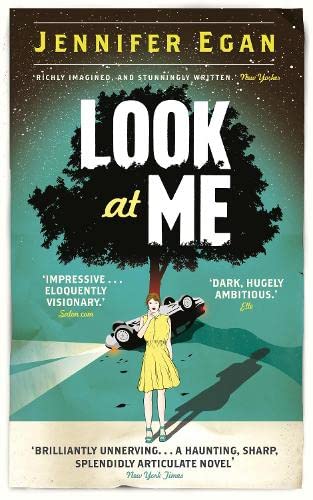
No. 86 on this list. Look at Me
Jennifer Egan · 2001
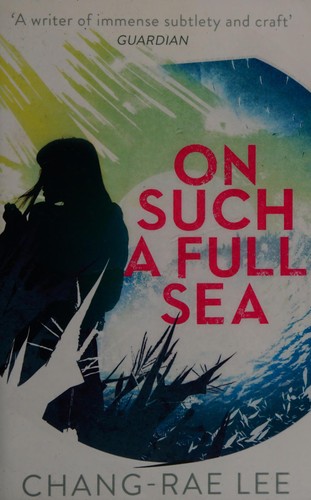
No. 87 on this list. On Such a Full Sea
Chang-rae Lee · 2014
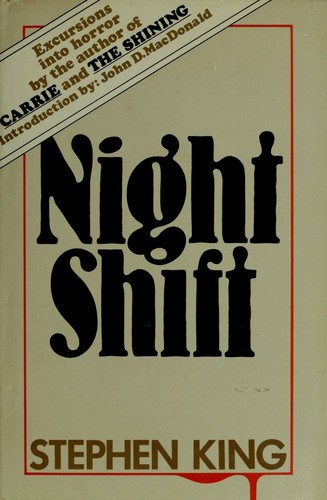
No. 88 on this list. Night Shift
Stephen King · 1978
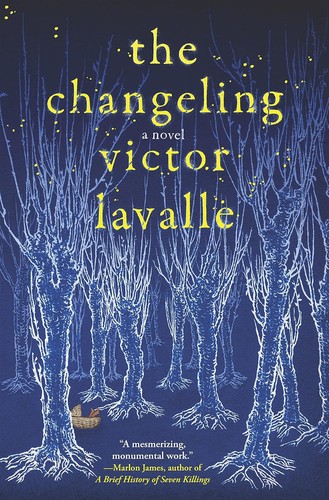
No. 89 on this list. The Changeling
Victor LaValle · 2017
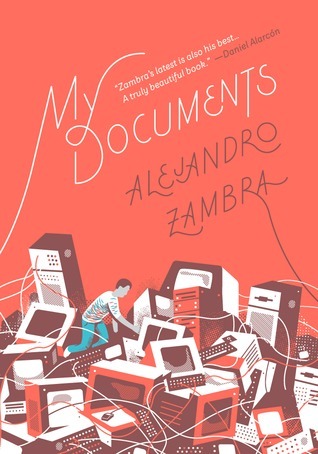
No. 90 on this list. My Documents
Alejandro Zambra · 2013
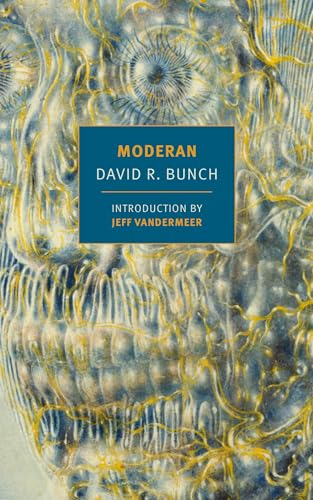
No. 91 on this list. Moderan
David R. Bunch · 1971
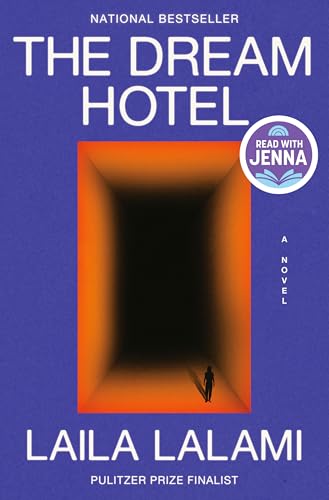
No. 92 on this list. The Dream Hotel
Laila Lalami · 2025
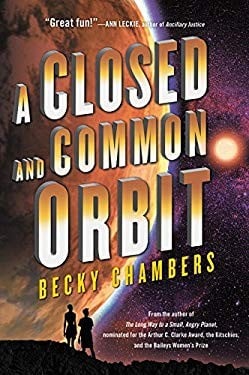
No. 93 on this list. A Closed and Common Orbit
Becky Chambers · 2016
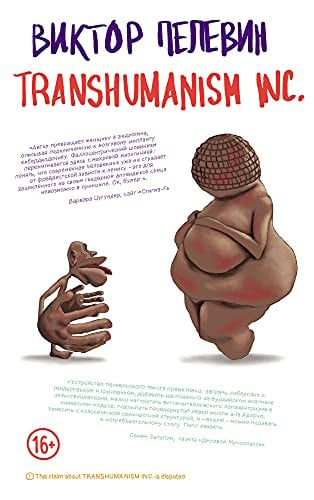
No. 94 on this list. Transhumanism Inc.
Viktor Pelevin · 2021
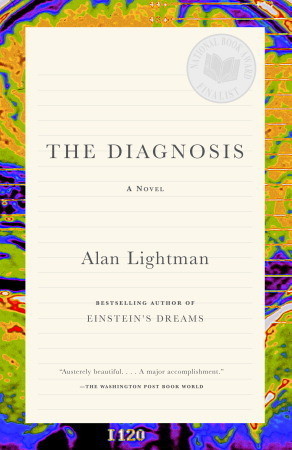
No. 95 on this list. The Diagnosis
Alan Lightman · 2000
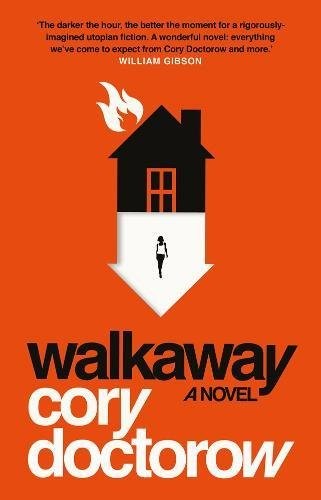
No. 96 on this list. Walkaway
Cory Doctorow · 2017
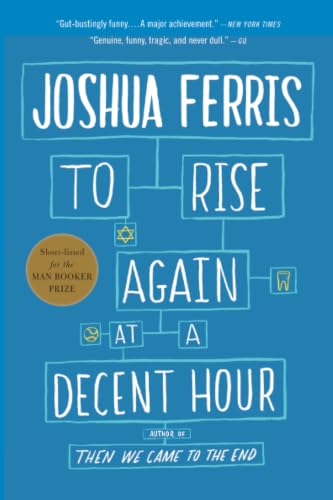
No. 97 on this list. To Rise Again at a Decent Hour
Joshua Ferris · 2014
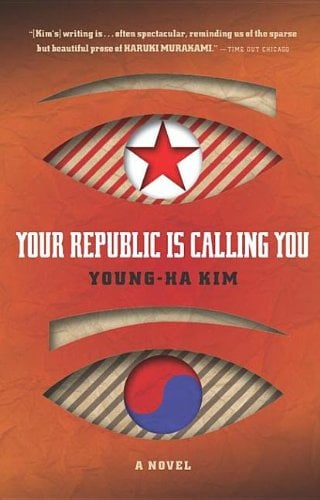
No. 98 on this list. Your Republic Is Calling You
Kim Young-ha · 2006
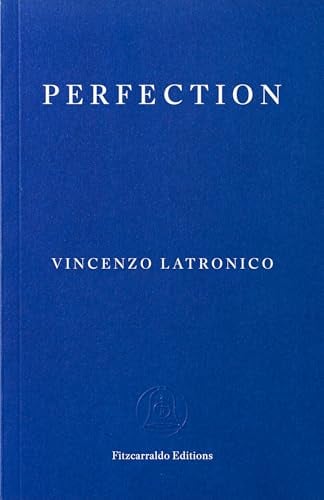
No. 99 on this list. Perfection
Vincenzo Latronico · 2022
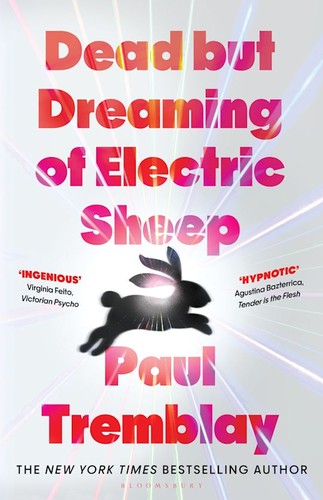
No. 100 on this list. Dead but Dreaming of Electric Sheep
Paul Tremblay · 2026
About this list
These 100 books are the highest-scoring eligible moderately difficult books about technology and modernity currently in the catalogue. About 673 hours of reading in all, for the 97 with measured lengths. Difficulty runs from 51 to 60 out of 100 for the middle half of the list; the summit is Satin Island at 65.
This list is ranked by literary regard, with a consistent order for equal scores. Membership follows authors and co-authors, not translators or editors. A book is here when ReadingRate files it under Technology & Modernity as one of its primary reading domains, at a confidence of 0.8 or more. Catalogue coverage and the historical canon both limit what this list can represent.
When we matched the Canons dataset to our catalogue in October 2026, our canonical-status scores rose with the number of school curricula, publisher series and lists in it that cite a work: the median score was 72 for books one such source cites, 84 at two, 88 at three, 92 at four and 93 at five or more. Prizes are left out of that count. Outside the state curricula, the dataset’s sources choose mostly from what has been translated into English or French, so it is a weaker check on other literatures. Source: Canons (Andrew Piper), CC BY 4.0
Questions people actually ask
- What are the best moderately difficult books about technology and modernity?
- By literary regard, which weighs canonical status, critical standing and influence: Buddenbrooks: The Decline of a Family by Thomas Mann, A House for Mr. Biswas by V.S. Naipaul, Poet in New York by Federico García Lorca, Villette by Charlotte Brontë and Fahrenheit 451 by Ray Bradbury. ReadingRate ranks 100 such books, each with a difficulty score and a reading-time estimate.
- Which moderately difficult books about technology and modernity should I read first?
- Start from difficulty, not from rank. The most approachable books on this list that still carry top literary regard are A House for Mr. Biswas by V.S. Naipaul (about 13 hours), Buddenbrooks: The Decline of a Family by Thomas Mann and A Connecticut Yankee in King Arthur's Court by Mark Twain.
- What are the shortest of the best moderately difficult books about technology and modernity?
- Among the top 25, the shortest are Poet in New York by Federico García Lorca (about 58 min), Thousand Cranes by Yasunari Kawabata (about 2.2 hours) and Kusamakura by Natsume Sōseki (about 3.4 hours), at an average pace of 250 words a minute adjusted for each book's difficulty.
- Which of the best moderately difficult books about technology and modernity are the established classics?
- By canonical status, how firmly a book sits in curricula, anthologies and the canon: Buddenbrooks: The Decline of a Family by Thomas Mann, A House for Mr. Biswas by V.S. Naipaul, Fahrenheit 451 by Ray Bradbury, Poet in New York by Federico García Lorca and Villette by Charlotte Brontë.
- Can I read any of these moderately difficult books about technology and modernity for free?
- 12 of the 100 open in ReadingRate's reader with a free account, from public-domain editions: Villette, Women in Love, A Connecticut Yankee in King Arthur's Court, The Home and the World, The Rainbow and 7 more.
- How long would it take to read the top ten?
- About 91 hours, at an average pace of 250 words a minute adjusted for each book's difficulty: 46 days at two hours a day. Set your own pace on the page and the list's reading times change to it.
- How hard are moderately difficult books about technology and modernity to read?
- Most of this list sits between 51 and 60 on ReadingRate's 100-point difficulty scale, where 40 to 55 is moderate. The summit is Satin Island at 65. Every entry carries its own score, so a reader can pick a great book at a difficulty they will finish.
- How is this list ranked?
- On literary-regard data: how canonically established a work is, its critical standing, and its influence on later writing. It is not a readers’ poll, which is why recent bestsellers rarely appear. Membership follows authors and co-authors, not translators or editors. Lists by country, author, period, theme or difficulty keep to literature (fiction, poetry, drama and philosophy), their novels, poems and plays first and their philosophy after them; a list of a kind of book, such as memoir or criticism, keeps every book of that kind. Every list holds at most three works by one author. A book is here when ReadingRate files it under Technology & Modernity as one of its primary reading domains, at a confidence of 0.8 or more.