Hours at an average pace
Showing 100 books
About 457 hours for 100 of 100 books with measured lengths. Estimates use 250 words a minute, adjusted for each book's difficulty. At 2 hours a day, about 229 days for those books.
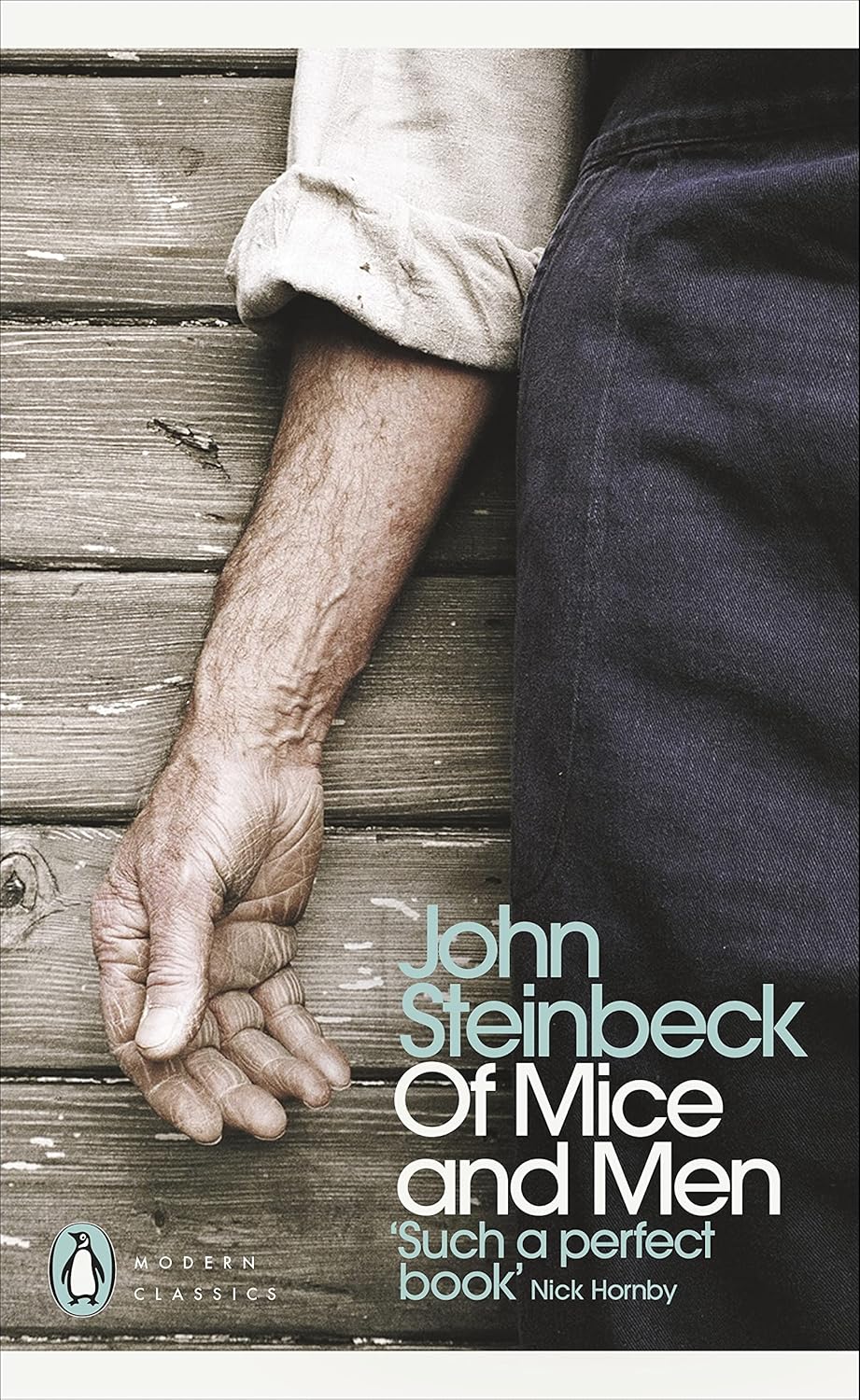
No. 1 on this list. Of Mice and Men
John Steinbeck · 1937
Easy1.7 hours
Taught in schools: Pacific Senior Secondary Certificate – English, Turkish edebiyat curriculum (Turkey)
One of the most taught works in American secondary and post-secondary education, with 548 syllabus appearances placing it in the top tier of assigned literature. Included in Library of America, Penguin Classics, Everyman's Library, and Penguin Modern Classics. Appears on the BBC Big Read Top 100 and 1001 Books You Must Read Before You Die. Its status as core American literary reading is unquestioned.
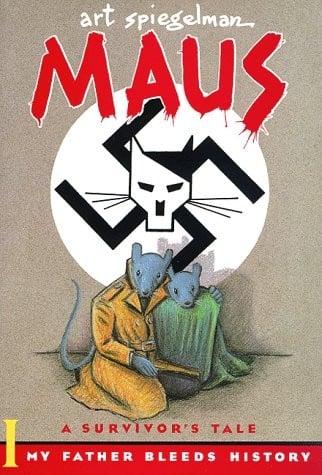
No. 2 on this list. Maus I: A Survivor's Tale: My Father Bleeds History
Art Spiegelman · 1991
Easy2.2 hours
Maus is widely taught in schools and universities as a central Holocaust text and as the key work of the graphic novel, and it won a Pulitzer Prize special award in 1992 for the combined work. It is now standard in comics studies and memory studies.
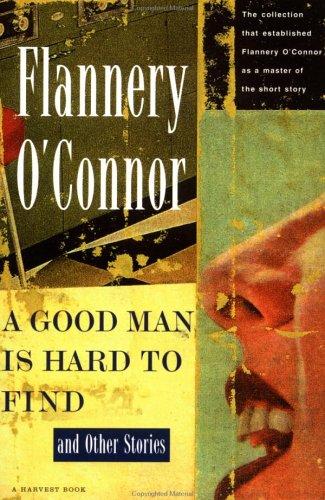
One of the most important short story collections in American literature. The title story alone is among the most widely taught and analyzed works of American fiction.
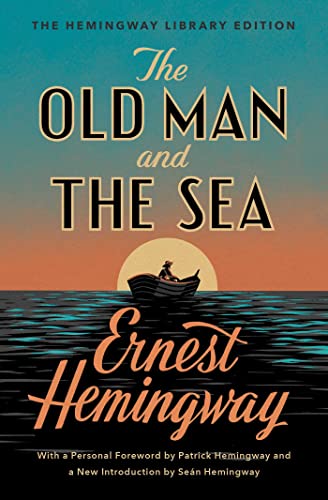
No. 4 on this list. The Old Man and the Sea
Ernest Hemingway · 1952
Moderate1.7 hours
Taught in schools: Kazakh literature curriculum (Kazakhstan)
Included in: Bokklubben World Library
Hemingway reduced fiction to one old man, one marlin, and the Gulf Stream, and proved that a story stripped to its barest elements could carry the weight of a parable about endurance, craft, and the dignity of losing. The novella's final image — the skeleton of the great fish picked clean at the dock — is among the most perfectly earned symbols in American literature.
One of the most anthologised poems in American literature and a standard school text.
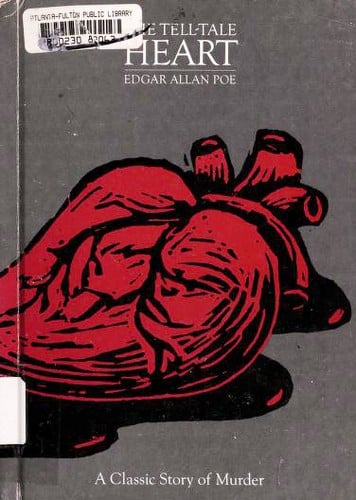
No. 6 on this list. The Tell-Tale Heart
Edgar Allan Poe · 1843
Moderate32 min
Taught in schools: Pacific Senior Secondary Certificate – English
It is recommended reading in the Pacific Senior Secondary Certificate English curriculum and is among the most widely taught American short stories in schools worldwide, comparable to Gatsby's classroom ubiquity in its own form.
One of the most widely taught early American short stories, regularly anthologized in school and college readers. It sits beside Rip Van Winkle as a foundation of American literature.
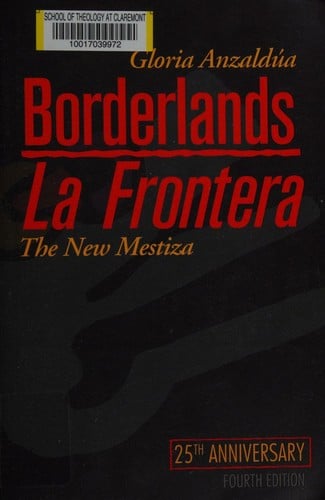
Foundational text of Chicana feminism, border studies, and queer theory. Universally taught in relevant fields.
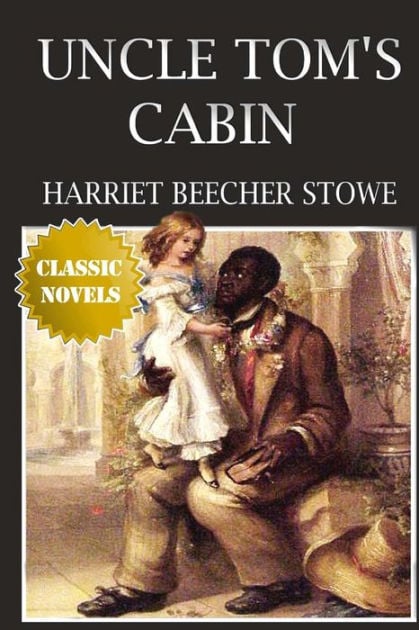
Uncle Tom's Cabin holds essential historical status in American literature and history curricula. Lincoln's alleged remark—'So this is the little lady who started this great war'—marks its political impact. The novel appears on lists of books that changed America, taught in courses on 19th-century literature, abolitionism, and protest fiction. Its canonical position rests on historical consequence more than literary innovation.
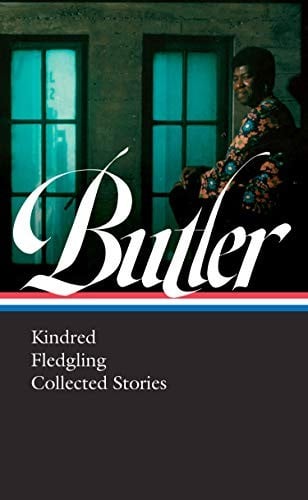
No. 10 on this list. Octavia E. Butler: Kindred, Fledgling, Collected Stories
Octavia E. Butler · 2021
Easy13 hours
The Library of America volume itself confirms Butler's canonical entry. Kindred is widely taught in American literature, Black studies and science fiction courses.
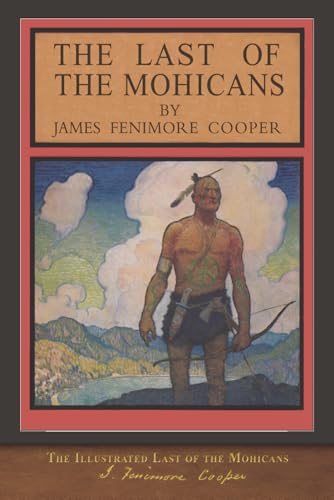
No. 11 on this list. The Last of the Mohicans · James Fenimore Cooper · 1826
Taught widely in American literature courses as the founding frontier romance, though its racial attitudes complicate its classroom status. It stands slightly below the staples such as Gatsby.
Moderate9.1 hours
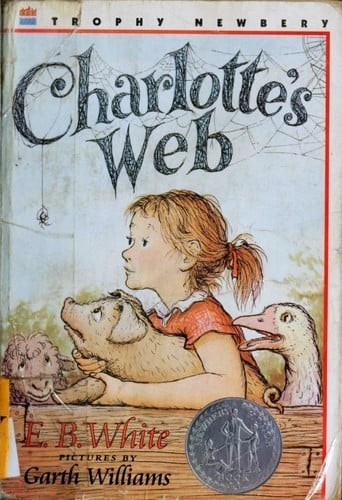
Start this bookNo. 12 on this list. Charlotte's Web · E.B. White · 1952
One of the most widely assigned books in American elementary and middle school curricula, read by tens of millions of children since 1952. Appears on virtually every list of essential American children's literature. Wikipedia articles exist in 30+ languages, reflecting global reach across generations.
Very Easy1.6 hours
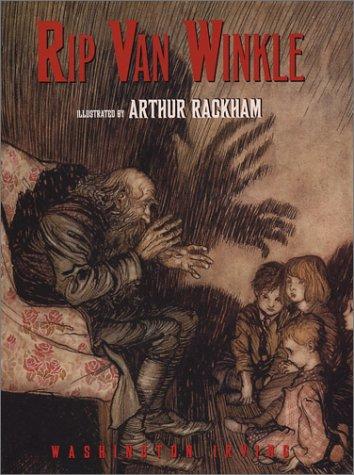
Start this bookNo. 13 on this list. Rip Van Winkle · Washington Irving · 1819
Rip Van Winkle is a staple of American literature anthologies and school curricula, the founding American short story alongside 'The Legend of Sleepy Hollow'. It is taught more widely than most short fiction, though less than Gatsby.
Easy58 min
Start this bookNo. 14 on this list. A Part of Speech · Joseph Brodsky · 1977
Taught in graduate poetry programs and comparative literature courses at major universities, 'A Part of Speech' is the collection through which Brodsky entered the Western canon. It appears in virtually every major anthology of 20th-century exile and émigré poetry. Not a fixture in broad undergraduate syllabi, but essential in advanced poetry and diaspora literature courses.
Moderate17 min
Start this bookNo. 15 on this list. Meditations in an Emergency · Frank O'Hara · 1957
An important early New York School text, though less widely known than Lunch Poems. Its reputation has grown as O'Hara's stature has increased.
Easy23 min
Start this bookNo. 16 on this list. The Journalist and the Murderer · Janet Malcolm · 1990
The Journalist and the Murderer is a staple of journalism school curricula across North America and is widely assigned in media ethics, creative nonfiction, and literary journalism courses. Its opening sentence is among the most frequently quoted lines in American nonfiction. While it does not appear on general literary canons as broadly as major novels, within its domain — journalism studies and media ethics — it is as close to required reading as any single text.
Easy2.5 hours
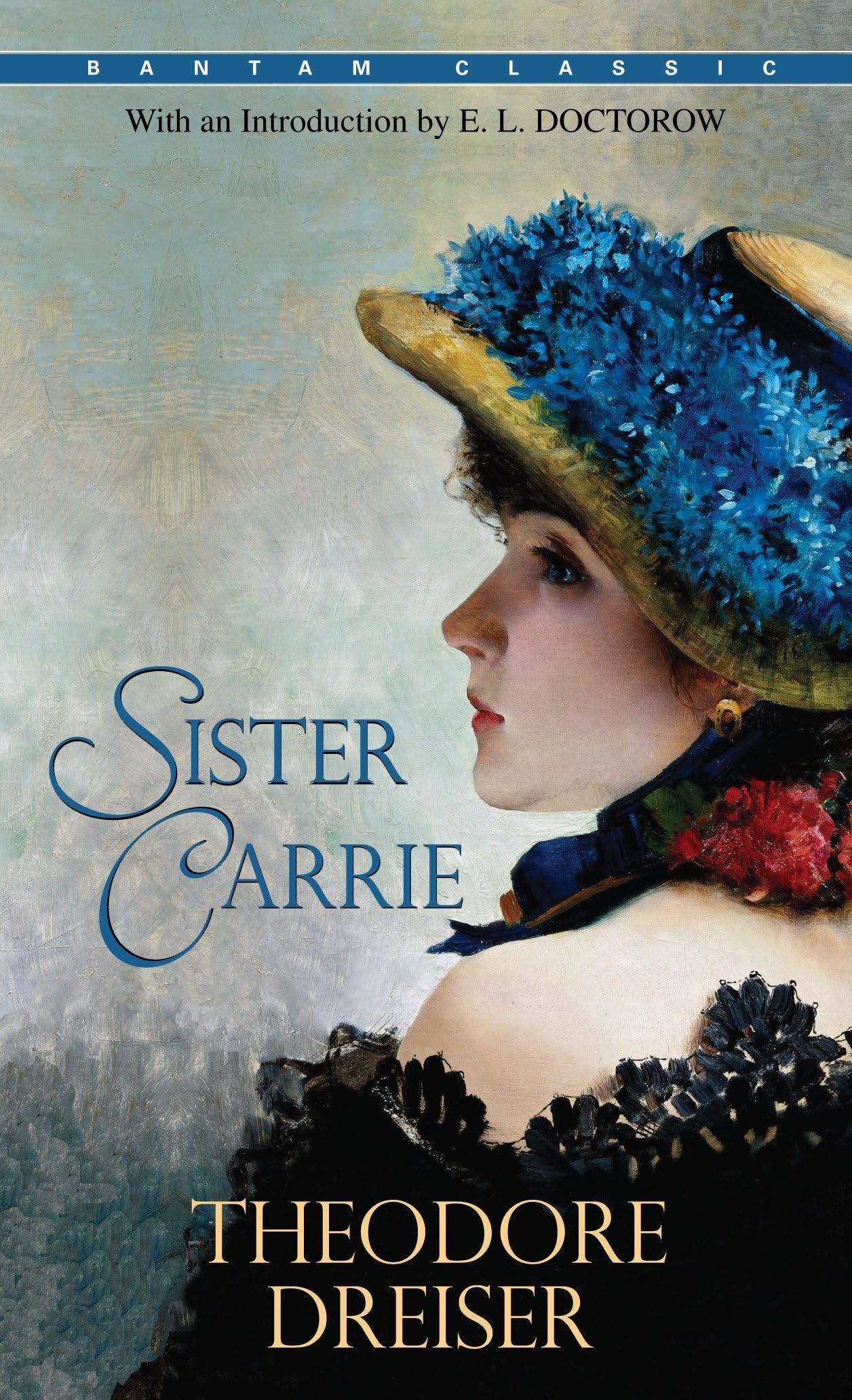
Start this bookNo. 17 on this list. Sister Carrie · Theodore Dreiser · 1900
Appears on 1,040 university syllabi and sits on the Modern Library 100 Best Novels list. It is a standard text for American naturalism and the Gilded Age city.
Easy9.4 hours
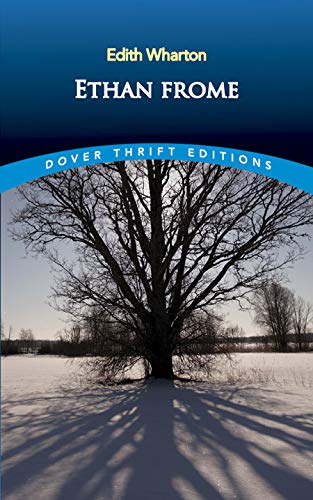
Read nowNo. 18 on this list. Ethan Frome · Edith Wharton · 1911
One of the most widely assigned American novels, a staple of high school and college curricula. A central text of American literary realism.
Easy1.7 hours
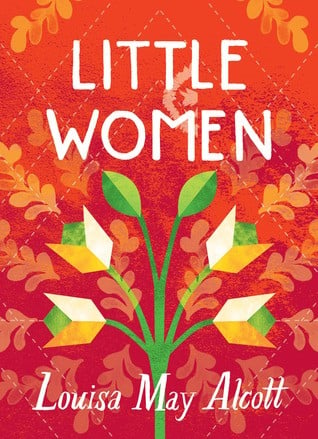
Start this bookNo. 19 on this list. Little Women (Little Women, #1) · Louisa May Alcott · 1868
Taught in schools: Common Core text exemplars (Appendix B) (US)
The book is a staple of American literature and girlhood reading, widely taught in schools and adapted many times. It ranks below the core canon of Gatsby and Mockingbird in college syllabi.
Easy6.5 hours
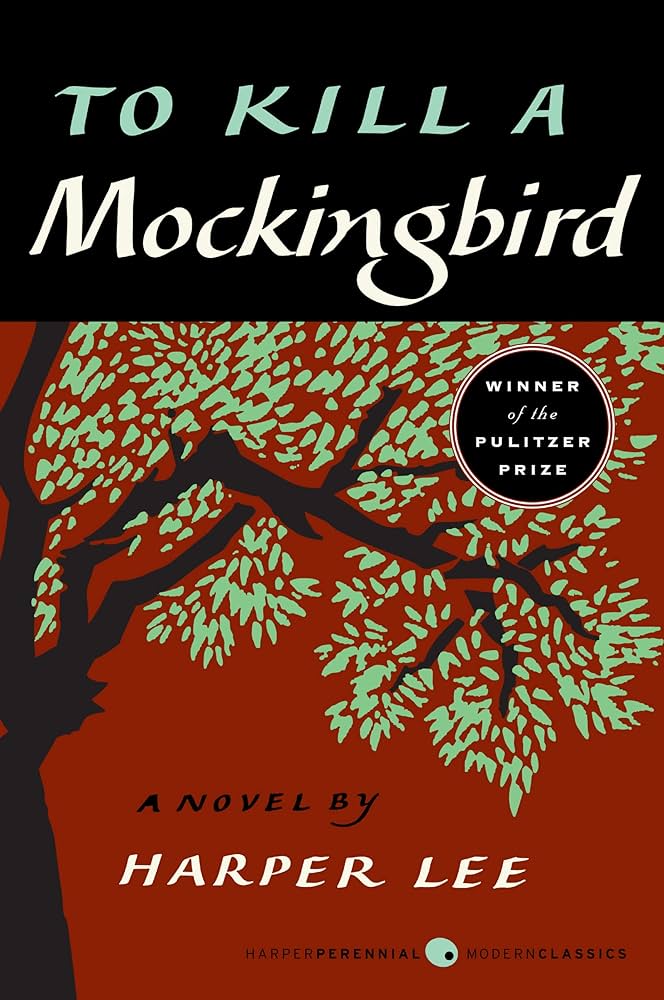
Start this bookNo. 20 on this list. To Kill a Mockingbird · Harper Lee · 1960
Taught in schools: Cambridge IGCSE Literature in English (0475), Common Core text exemplars (Appendix B) (US), CSEC English B – Caribbean Examinations Council
Appears on 1,674 university syllabi (80.6th percentile, Open Syllabus Project) and is a fixture of American high school and university English curricula. Wikipedia articles exist in 58 languages with dedicated reception and adaptations sections. Published by four prestige houses — Library of America, Everyman's Library, Penguin Classics, and Penguin Modern Classics — confirming its standing in the Western canon.
Moderate6.3 hours
Start this book
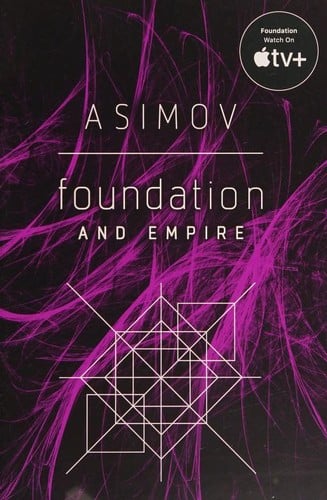
No. 21 on this list. Foundation and Empire · Isaac Asimov · 1952
Central volume of the Foundation trilogy, one of the most important works in science fiction history. The Mule is one of the genre's iconic characters.
Easy3.6 hours
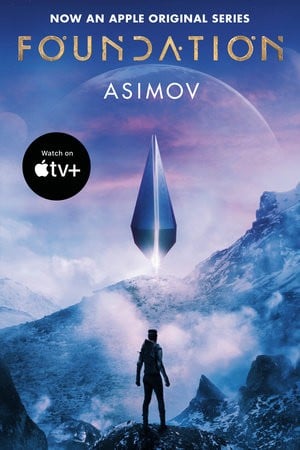
Start this bookNo. 22 on this list. Foundation · Isaac Asimov · 1951
Foundation occupies an unambiguous place in the science fiction canon and appears on university SF course syllabi worldwide, though it sits outside the standard literary curriculum that places Gatsby or 1984 on nearly every English department reading list. The 1966 Hugo Award for 'Best All-Time Series' — a category created specifically for this occasion — signals the field's recognition of its foundational status. Its influence on the genre is taught wherever science fiction is studied seriously.
Easy3.6 hours
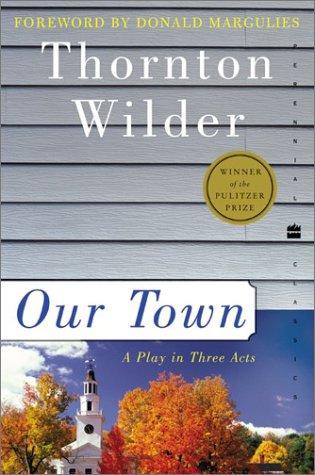
Start this bookNo. 23 on this list. Our Town · Thornton Wilder · 1938
Taught in schools: Common Core text exemplars (Appendix B) (US), CSEC English B – Caribbean Examinations Council
Our Town is among the most-produced American plays, a staple of high school and college drama and American literature courses. It won the 1938 Pulitzer Prize for Drama and is widely taught as a landmark of twentieth-century American theater.
Easy2.8 hours
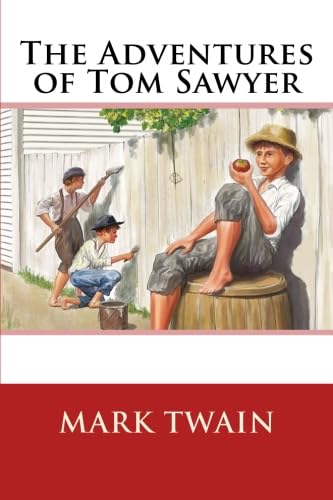
Start this bookNo. 24 on this list. The Adventures of Tom Sawyer · Mark Twain · 1876
Taught in schools: Common Core text exemplars (Appendix B) (US)
The Adventures of Tom Sawyer has been required reading in American middle and high schools for generations and appears on virtually every major list of American literature. Though university curricula tend to favor its sequel Huckleberry Finn, Tom Sawyer remains among the most widely read 19th-century American novels worldwide, with translations across dozens of languages.
Easy4.1 hours
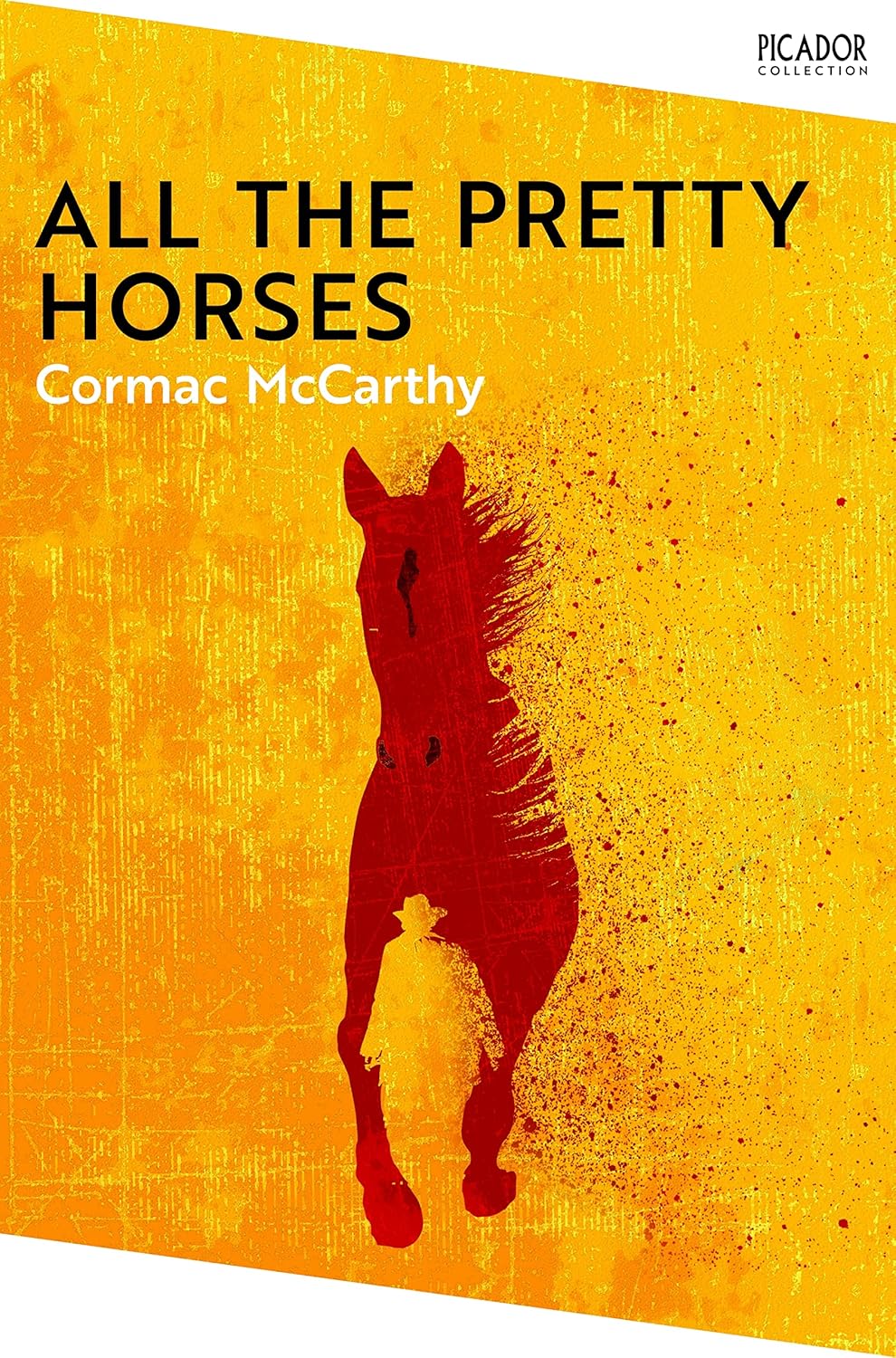
Read nowNo. 25 on this list. All the Pretty Horses · Cormac McCarthy · 1992
All the Pretty Horses appears on 403 university syllabi according to Open Syllabus data, placing it at the 65th percentile — a strong showing that reflects consistent presence in American literature courses at the undergraduate level. It is the most accessible entry point to McCarthy's work and the most commonly taught, but its Wikipedia presence in only 2 languages indicates limited global footprint compared to truly canonical American novels. It occupies a firm regional and national canonical position without reaching the universal status of The Great Gatsby or To Kill a Mockingbird.
Moderate6.2 hours
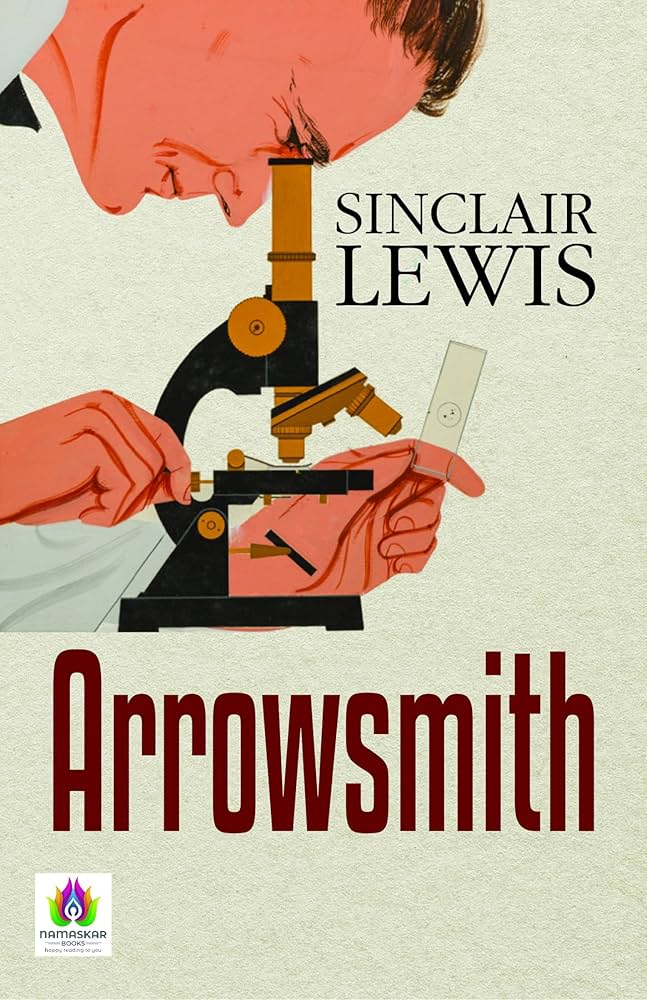
Start this bookNo. 26 on this list. Arrowsmith · Sinclair Lewis · 1925
Martin Arrowsmith, an idealistic young doctor, struggles to maintain his scientific integrity as he moves from small-town practice to research laboratories to public health work. At every turn, commercialism, politics, and human weakness threaten to corrupt his quest for truth. Lewis's novel about the conflict between pure science and institutional pressure won the Pulitzer Prize (which he famously declined).
Moderate11 hours
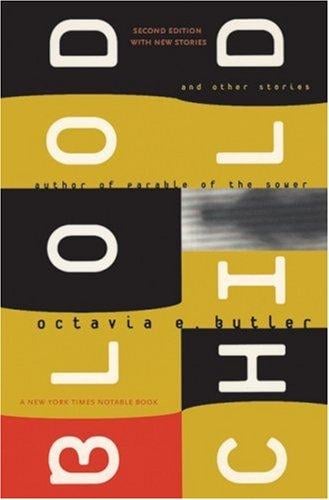
Read nowNo. 27 on this list. Bloodchild and Other Stories · Octavia E. Butler · 2005
'Bloodchild' is widely anthologized and taught in science fiction, race and gender courses. Butler's place on reading lists is strong but below the core canon.
Easy3.6 hours
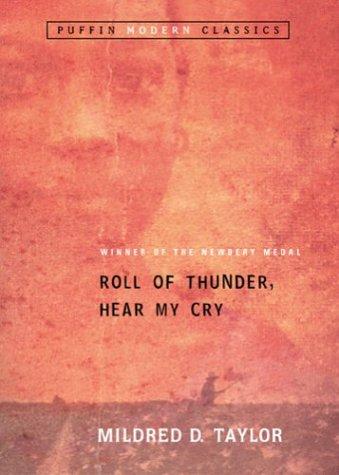
Start this bookNo. 28 on this list. Roll of Thunder, Hear My Cry · Mildred D. Taylor · 1976
Taught in schools: CSEC English B – Caribbean Examinations Council, Singapore-Cambridge GCE O-Level Literature in English (2065)
Newbery Medal winner and a cornerstone of Black children's literature. Widely taught and frequently appears on essential reading lists.
Very Easy2.4 hours
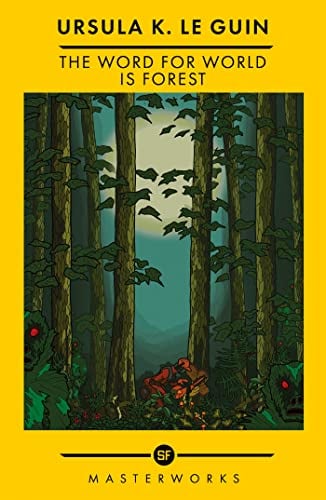
Start this bookNo. 29 on this list. The Word for World Is Forest · Ursula K Le Guin · 1972
A fixture in SF studies, environmental humanities, and postcolonial literature courses at universities worldwide. Le Guin's work overall is more canonically established than this single novella — it appears regularly on SF syllabi and ecocriticism reading lists, taught alongside texts like Octavia Butler's Kindred and Kim Stanley Robinson's Mars trilogy, though without the 2000+ syllabus presence of Beloved or The Great Gatsby.
Moderate2.5 hours
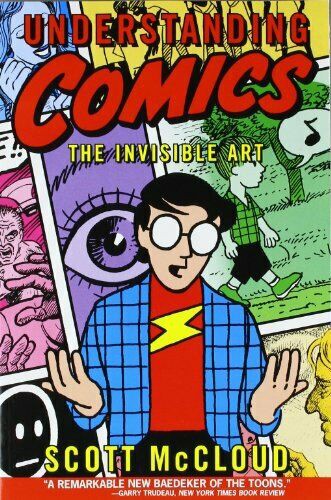
Start this bookNo. 30 on this list. Understanding Comics · Scott McCloud · 1993
Scott McCloud's Understanding Comics: The Invisible Art (1993), a book-length essay drawn as a comic, is the standard introduction to comics theory. It is assigned in nearly every comics studies course and widely in design and media programs.
Easy1.2 hours
Start this book
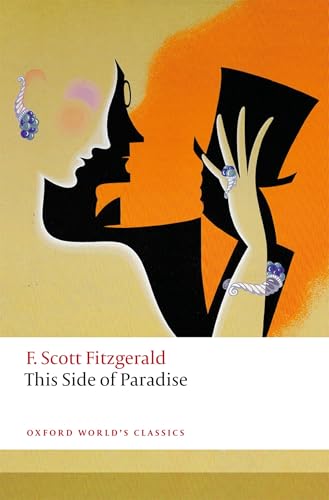
No. 31 on this list. This Side of Paradise
F. Scott Fitzgerald · 1920
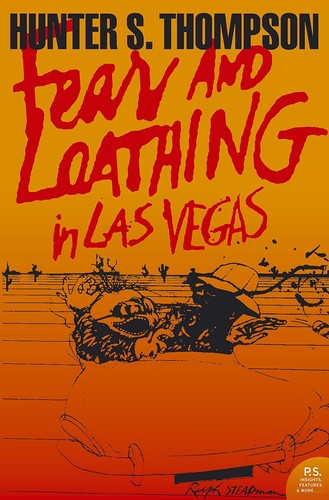
No. 32 on this list. Fear and Loathing in Las Vegas: A Savage Journey to the Heart of the American Dream
Hunter S. Thompson · 1998
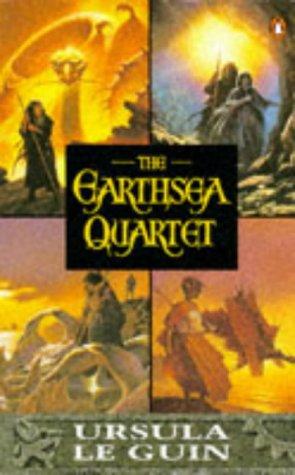
No. 33 on this list. The Earthsea Quartet
Ursula K Le Guin · 1968
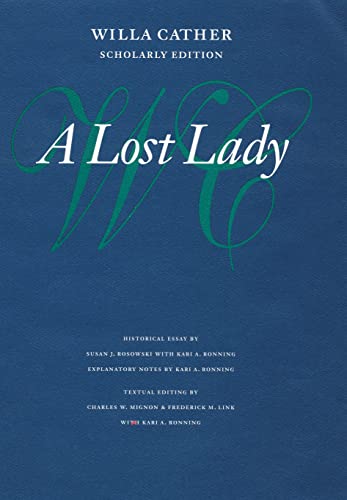
No. 34 on this list. A Lost Lady
Willa Cather · 1923
Included in: Great Books of the Western World
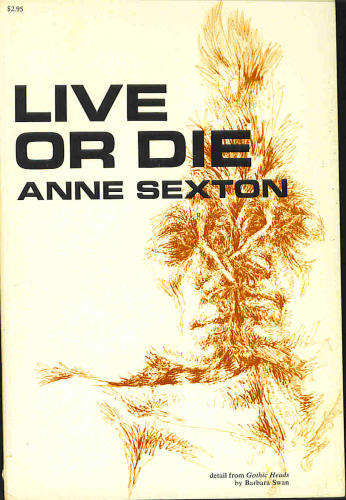
No. 35 on this list. Live or Die
Anne Sexton · 1966
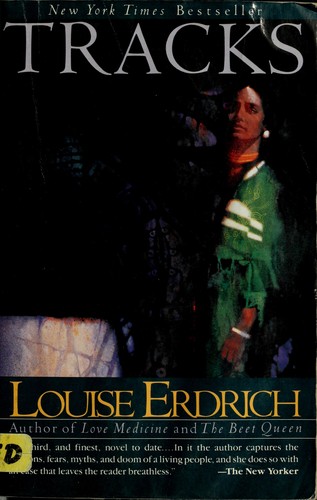
No. 36 on this list. Tracks
Louise Erdrich · 1988
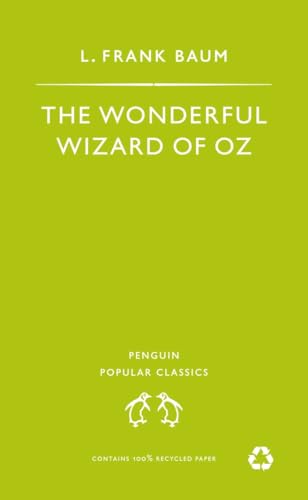
No. 37 on this list. The Wonderful Wizard of Oz
L. Frank Baum · 1900
Taught in schools: Common Core text exemplars (Appendix B) (US)
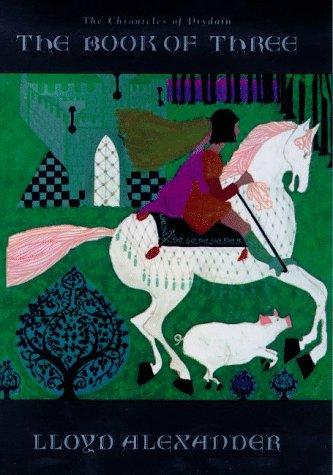
No. 38 on this list. The Book of Three
Lloyd Alexander · 1964
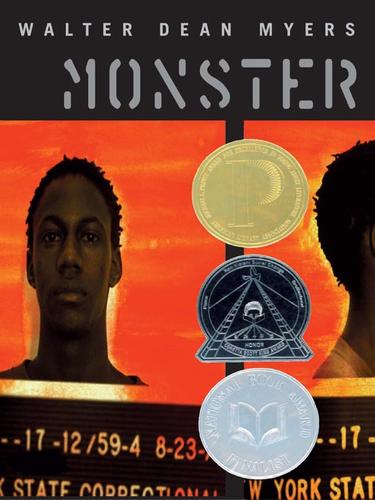
No. 39 on this list. Monster
Walter Dean Myers · 1999
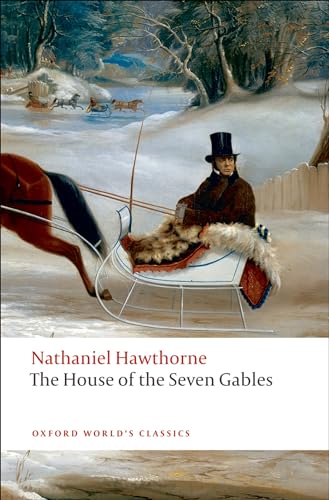
No. 40 on this list. The House of the Seven Gables
Nathaniel Hawthorne · 1851
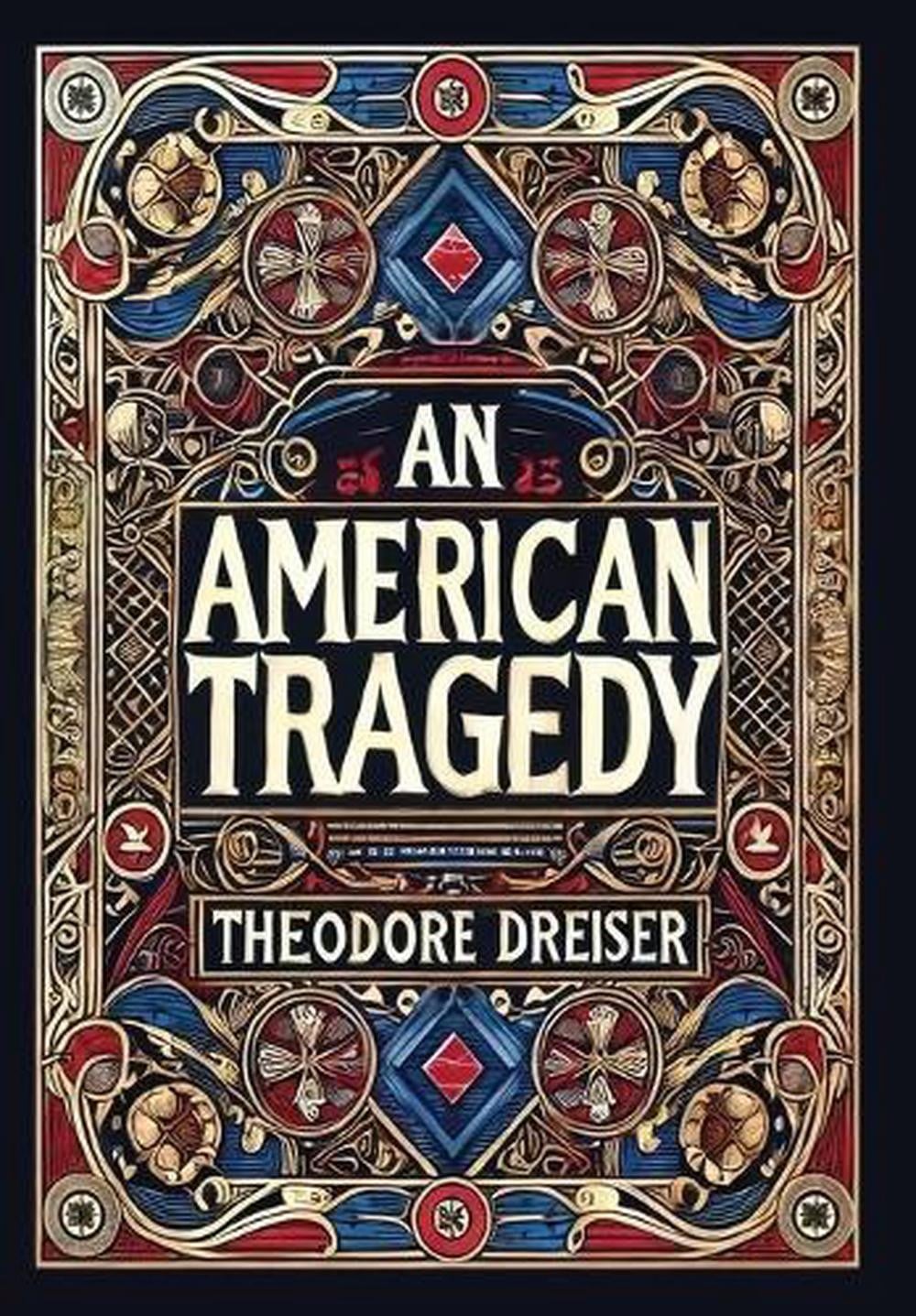
No. 41 on this list. An American Tragedy
Theodore Dreiser · 1925
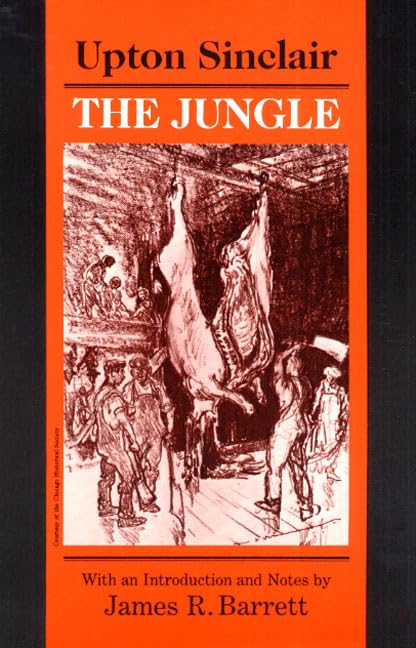
No. 42 on this list. The Jungle
Upton Sinclair · 1906
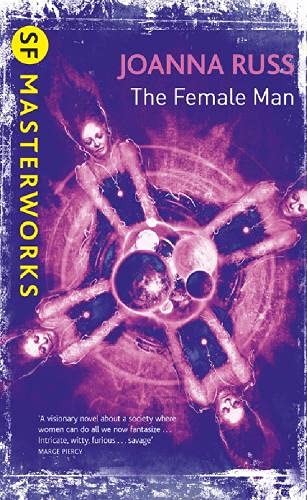
No. 43 on this list. The Female Man
Joanna Russ · 1975
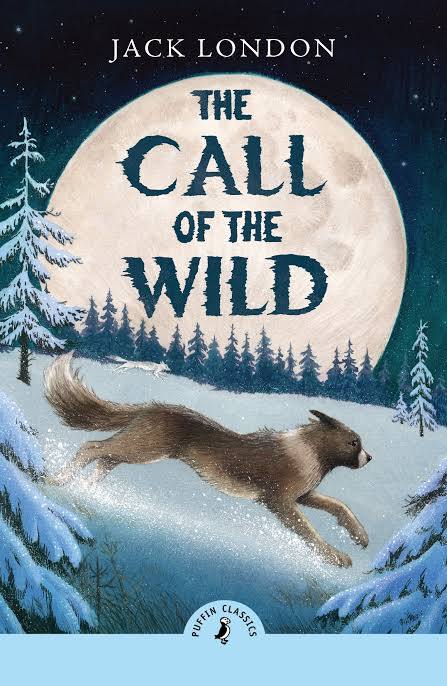
No. 44 on this list. The Call of the Wild
Jack London · 1903
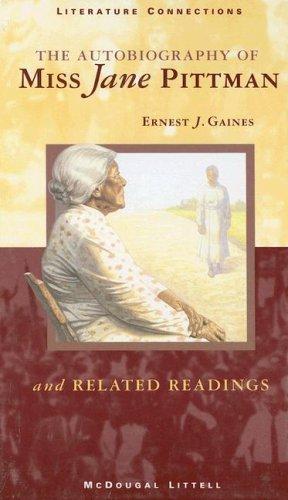
No. 45 on this list. The Autobiography of Miss Jane Pittman
Ernest J. Gaines · 1982
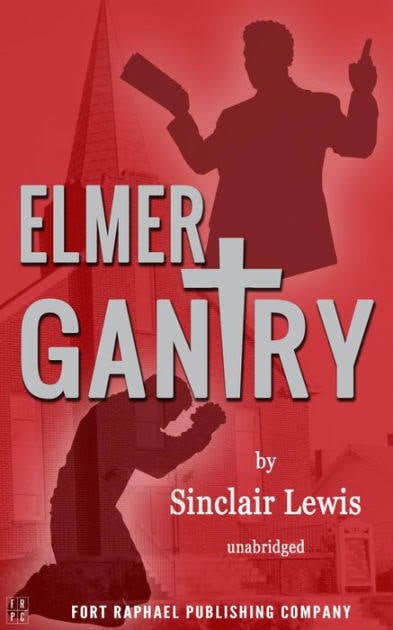
No. 46 on this list. Elmer Gantry
Sinclair Lewis · 1927
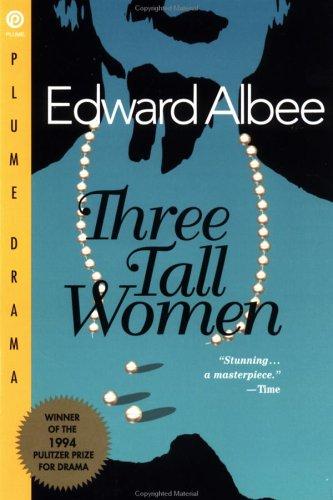
No. 47 on this list. Three Tall Women
Edward Albee · 1991
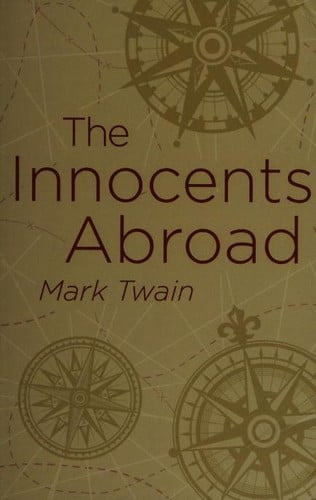
No. 48 on this list. The Innocents Abroad
Mark Twain · 1869
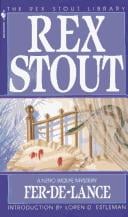
No. 49 on this list. Fer-de-Lance
Rex Stout · 1934
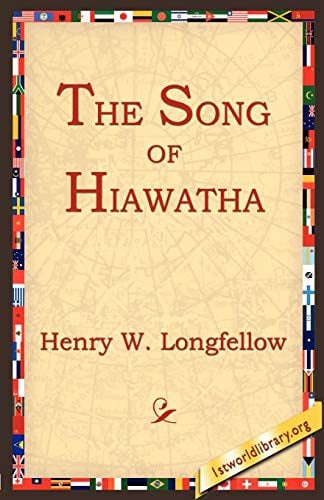
No. 50 on this list. The Song of Hiawatha
Henry Wadsworth Longfellow · 2004
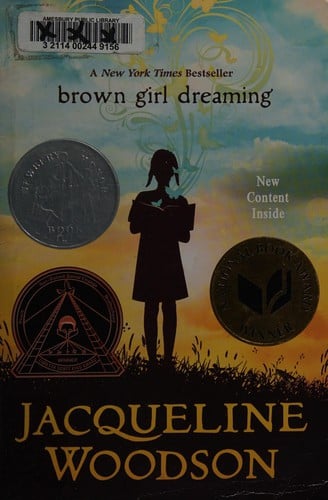
No. 51 on this list. Brown Girl Dreaming
Jacqueline Woodson · 2014
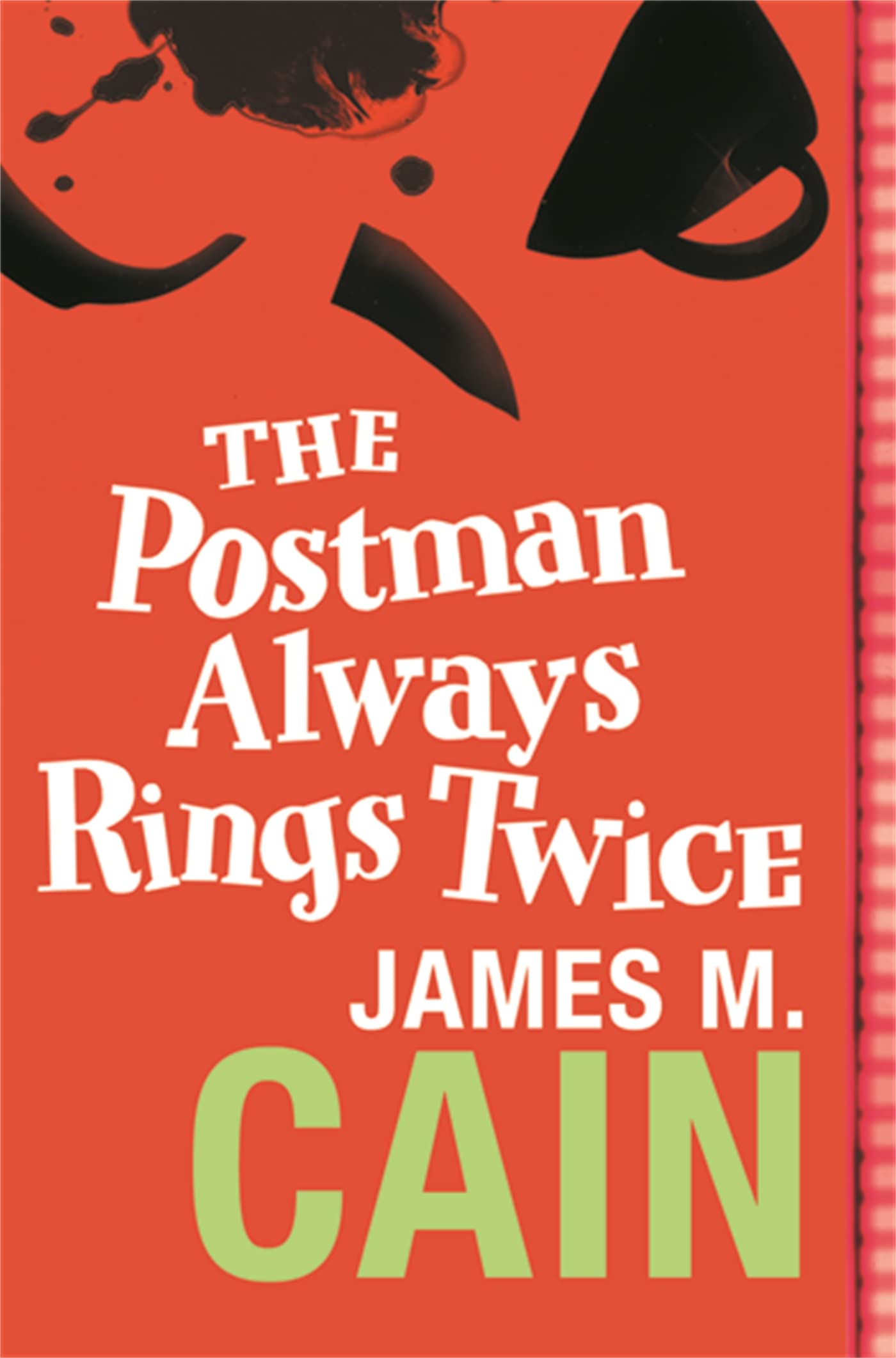
No. 52 on this list. The Postman Always Rings Twice
James M. Cain · 1934
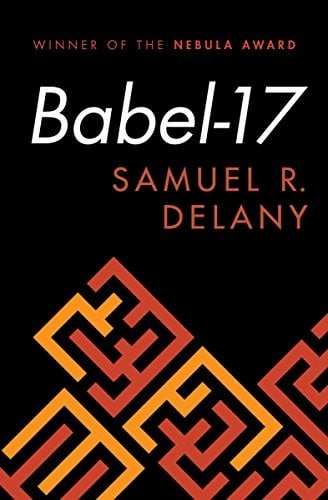
No. 53 on this list. Babel-17
Samuel R. Delany · 1966
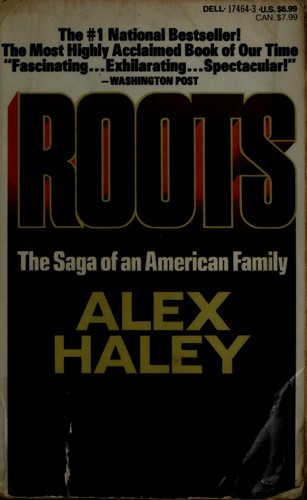
No. 54 on this list. Roots: The Saga of an American Family
Alex Haley · 1976
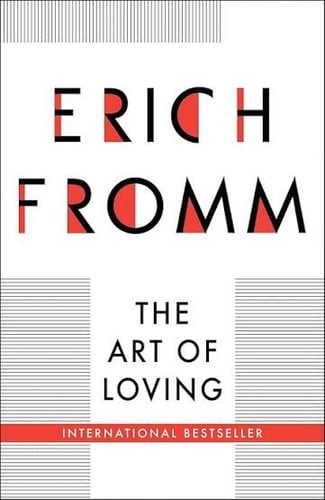
No. 55 on this list. The Art of Loving
Erich Fromm · 1956
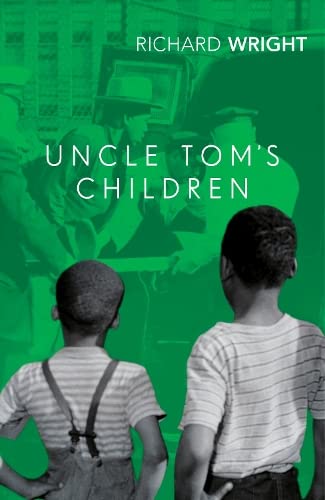
No. 56 on this list. Uncle Tom's Children
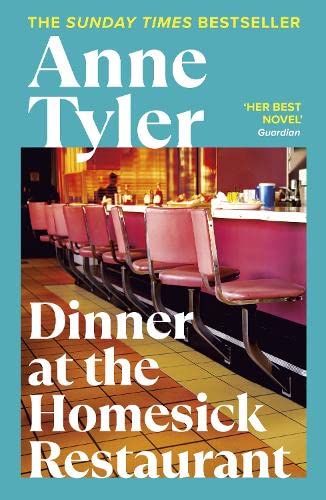
No. 57 on this list. Dinner at the Homesick Restaurant
Anne Tyler · 1982
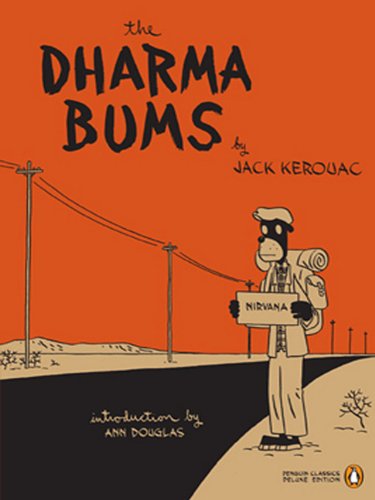
No. 58 on this list. The Dharma Bums
Jack Kerouac · 1958
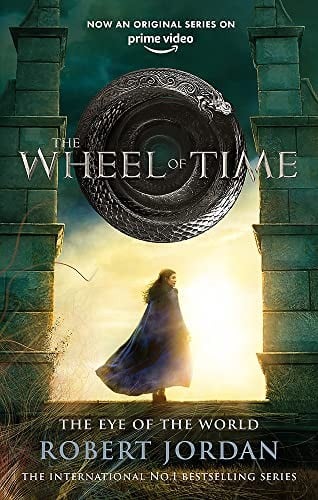
No. 59 on this list. The Eye of the World
Robert Jordan · 1990
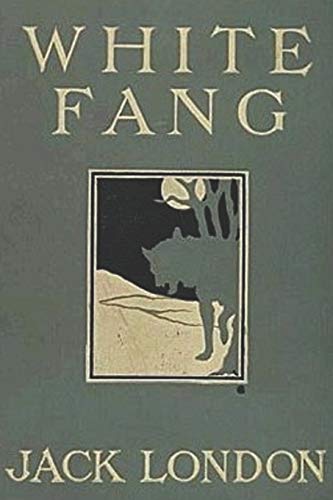
No. 60 on this list. White Fang
Jack London · 1906
Taught in schools: Turkish edebiyat curriculum (Turkey)
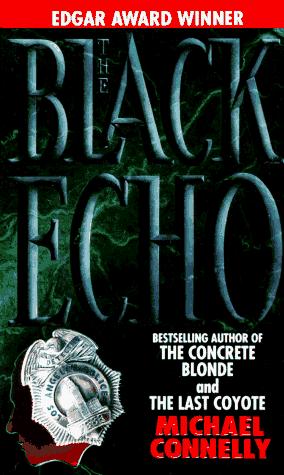
No. 61 on this list. The Black Echo
Michael Connelly · 1992
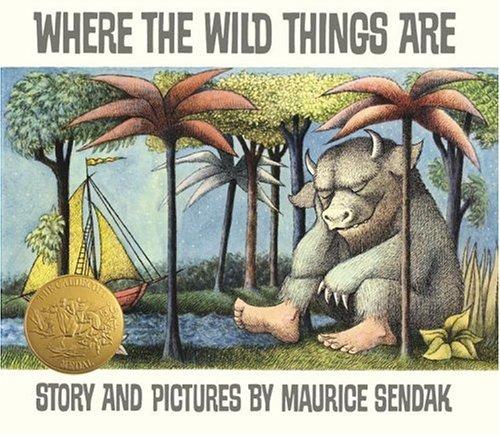
No. 62 on this list. Where the Wild Things Are
Maurice Sendak · 1963
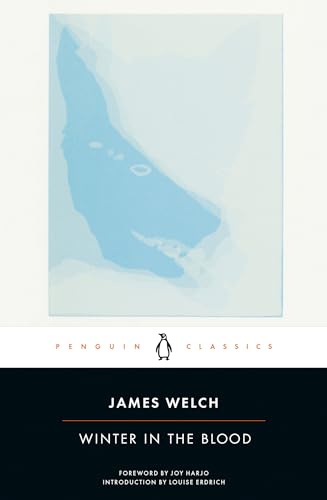
No. 63 on this list. Winter in the Blood
James Welch · 1974
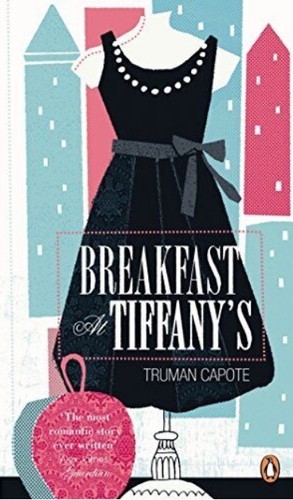
No. 64 on this list. Breakfast at Tiffany’s and Three Stories
Truman Capote · 1993
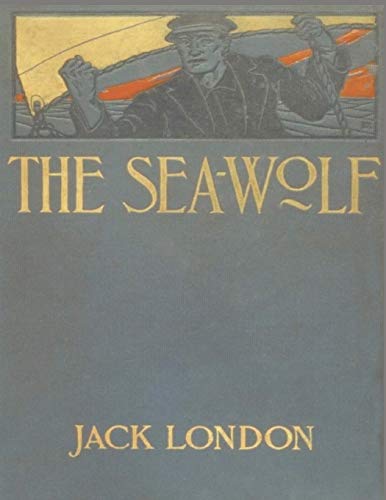
No. 65 on this list. The Sea-Wolf
Jack London · 1904
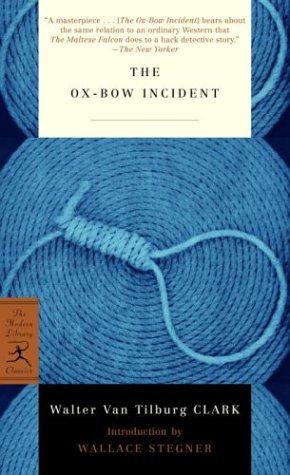
No. 66 on this list. The Ox-Bow Incident
Walter Van Tilburg Clark · 1940
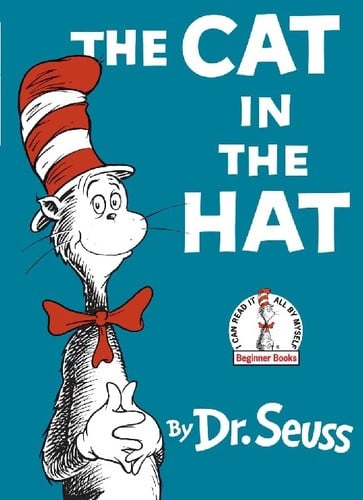
No. 67 on this list. The Cat in the Hat
Dr. Seuss · 1957
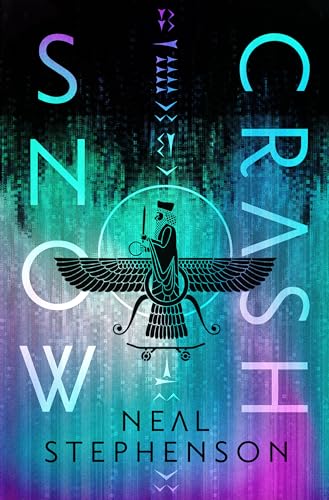
No. 68 on this list. Snow Crash
Neal Stephenson · 1992
No. 69 on this list. The Secret Garden
Frances Hodgson Burnett · 1911
Taught in schools: Common Core text exemplars (Appendix B) (US)
No. 70 on this list. The File on H.
Ismail Kadare · 1981
No. 71 on this list. Big Sur
Jack Kerouac · 1962
No. 72 on this list. The Red Pony
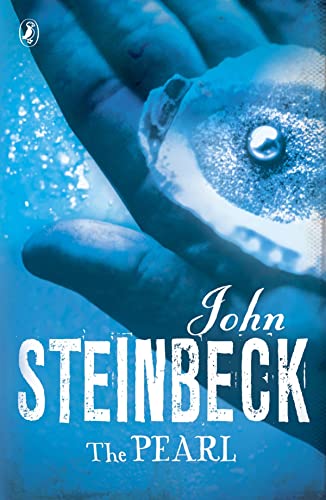
No. 73 on this list. The Pearl
John Steinbeck · 1947
Taught in schools: Pacific Senior Secondary Certificate – English
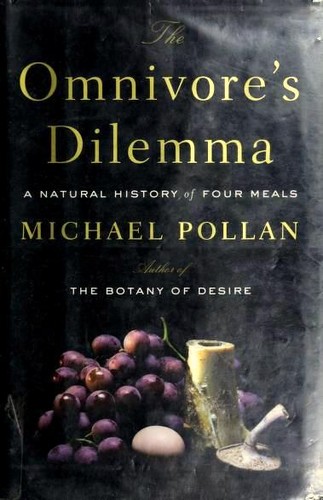
No. 74 on this list. The Omnivore's Dilemma
Michael Pollan · 2006
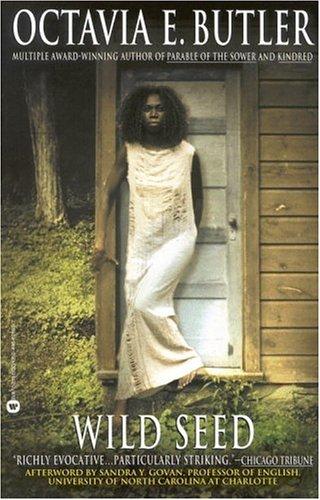
No. 75 on this list. Wild Seed
Octavia E. Butler · 1980
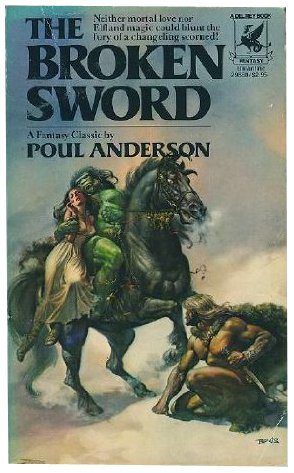
No. 76 on this list. The Broken Sword
Poul Anderson · 1954
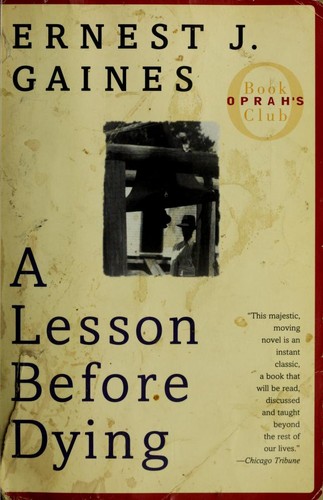
No. 77 on this list. A Lesson Before Dying
Ernest J. Gaines · 1993
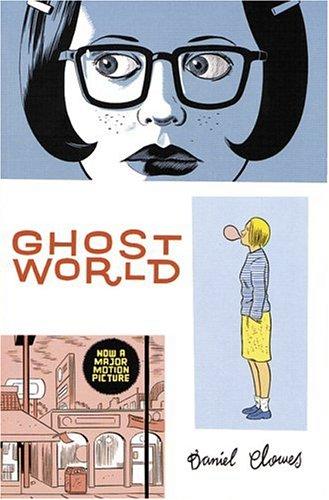
No. 78 on this list. Ghost World
Daniel Clowes · 1997
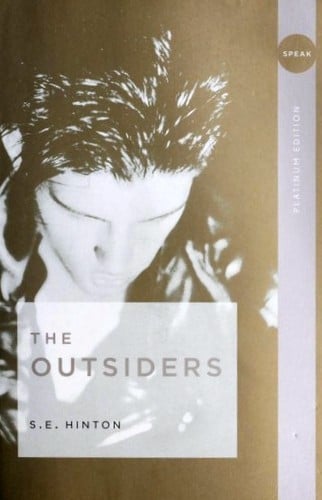
No. 79 on this list. The Outsiders
S.E. Hinton · 1967
Taught in schools: CSEC English B – Caribbean Examinations Council, Pacific Senior Secondary Certificate – English
No. 80 on this list. Look Homeward, Angel
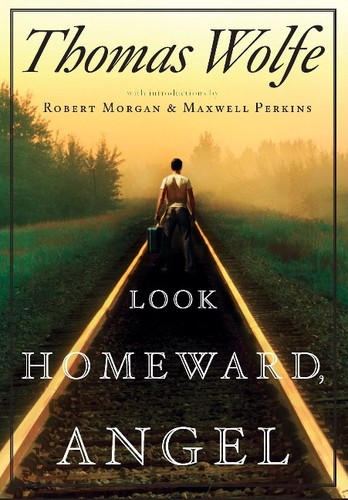
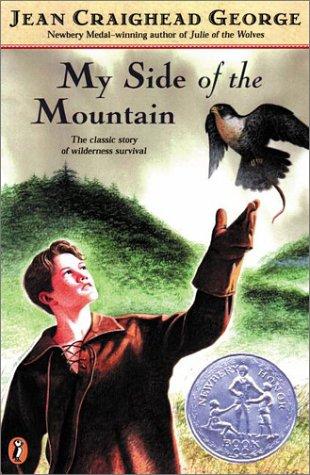
No. 81 on this list. My Side of the Mountain
Jean Craighead George · 1959
Taught in schools: CSEC English B – Caribbean Examinations Council
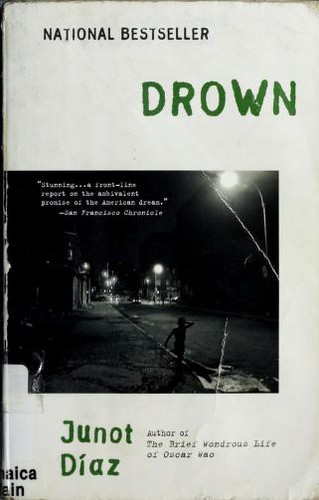
No. 82 on this list. Drown
Junot Diaz · 1996
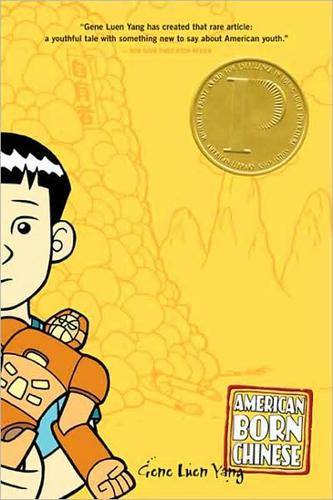
No. 83 on this list. American Born Chinese
Gene Luen Yang · 2006
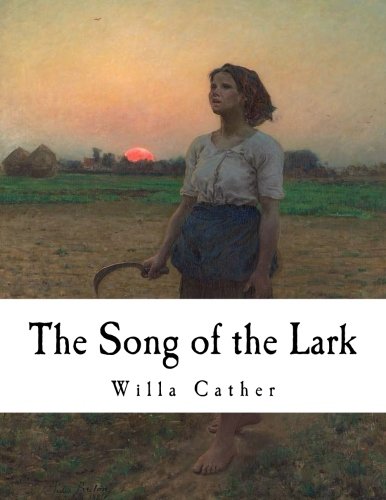
No. 84 on this list. The Song of the Lark
Willa Cather · 1915
No. 85 on this list. In the Blood
Suzan-Lori Parks · 1999
No. 86 on this list. Gone with the Wind
No. 87 on this list. The Unvanquished
William Faulkner · 1938
No. 88 on this list. Appointment in Samarra
John O'Hara · 1934
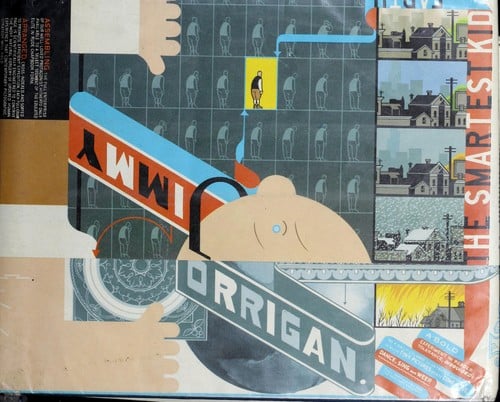
No. 89 on this list. Jimmy Corrigan, the Smartest Kid on Earth
Chris Ware · 2000
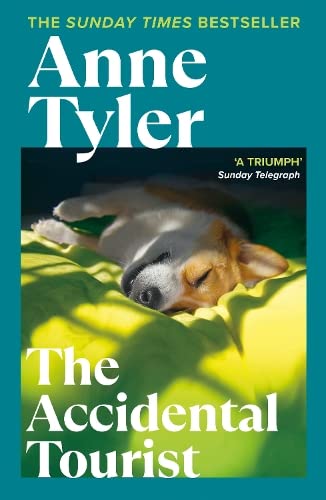
No. 90 on this list. The Accidental Tourist
Anne Tyler · 1985
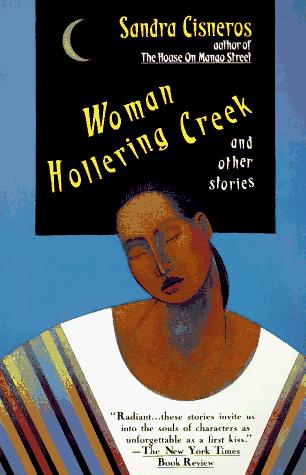
No. 91 on this list. Woman Hollering Creek and Other Stories
Sandra Cisneros · 1991
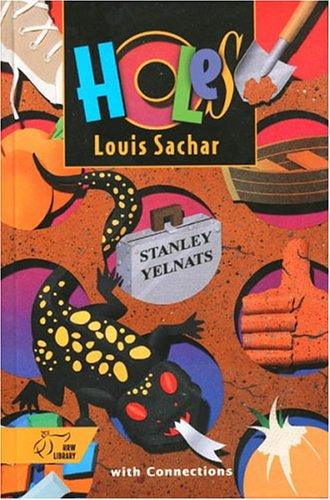
No. 92 on this list. Holes
Louis Sachar · 1998
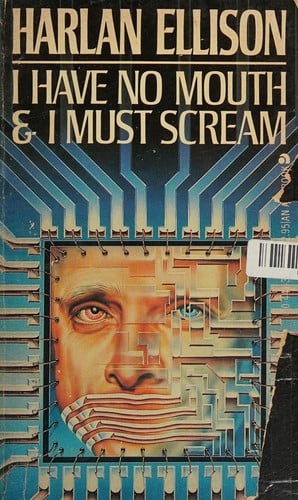
No. 93 on this list. I Have No Mouth & I Must Scream
Harlan Ellison · 1967
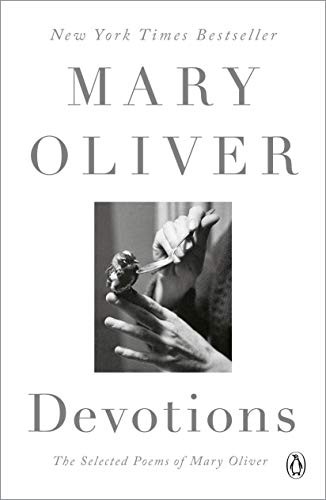
No. 94 on this list. Devotions
Mary Oliver · 2017
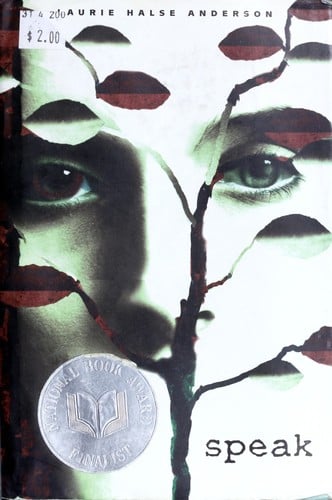
No. 95 on this list. Speak
Laurie Halse Anderson · 1999
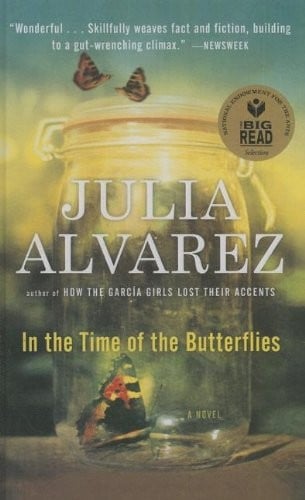
No. 96 on this list. In the Time of the Butterflies
Julia Alvarez · 1994
Taught in schools: UNAM Escuela Nacional Preparatoria – programas de Literatura (Mexico)
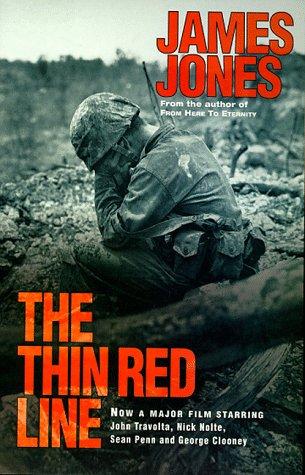
No. 97 on this list. The Thin Red Line
James Jones · 1998
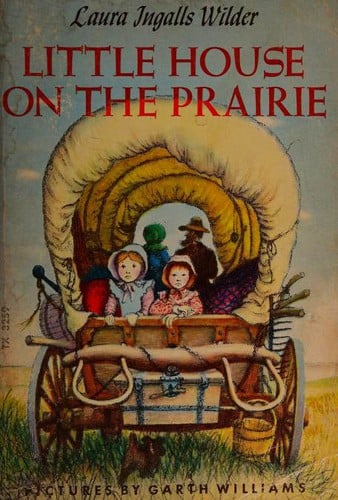
No. 98 on this list. Little House on the Prairie
Laura Ingalls Wilder · 1935
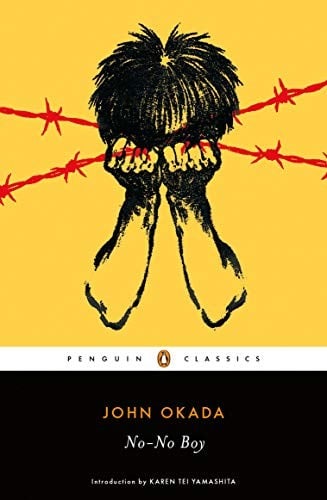
No. 99 on this list. No-No Boy
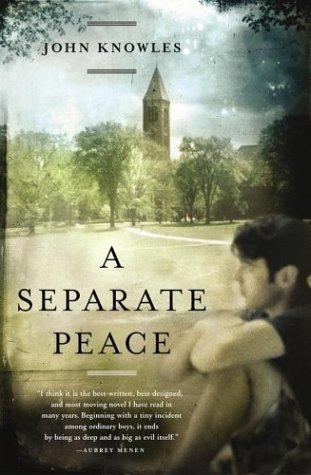
No. 100 on this list. A Separate Peace
John Knowles · 2003
About this list
These 100 books are the highest-scoring eligible easy books from the United States currently in the catalogue. About 457 hours of reading in all. Difficulty runs from 29 to 41 out of 100 for the middle half of the list; the summit is Gone with the Wind at 45.
This list is ranked by literary regard, with a consistent order for equal scores. Membership follows authors and co-authors, not translators or editors. Catalogue coverage and the historical canon both limit what this list can represent.
When we matched the Canons dataset to our catalogue in October 2026, our canonical-status scores rose with the number of school curricula, publisher series and lists in it that cite a work: the median score was 72 for books one such source cites, 84 at two, 88 at three, 92 at four and 93 at five or more. Prizes are left out of that count. Outside the state curricula, the dataset’s sources choose mostly from what has been translated into English or French, so it is a weaker check on other literatures. Source: Canons (Andrew Piper), CC BY 4.0
Questions people actually ask
- What are the best easy books from the United States?
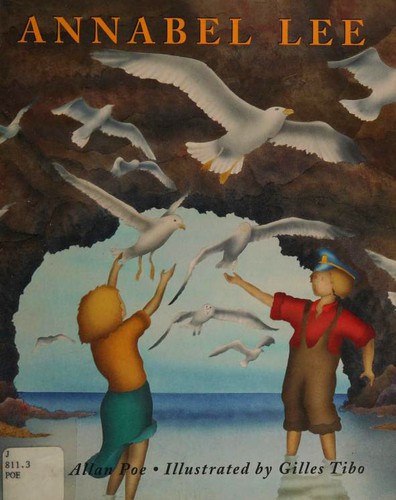
- By literary regard, which weighs canonical status, critical standing and influence: Of Mice and Men by John Steinbeck, Maus I: A Survivor's Tale: My Father Bleeds History by Art Spiegelman, A Good Man Is Hard to Find by Flannery O'Connor, The Old Man and the Sea by Ernest Hemingway and Annabel Lee by Edgar Allan Poe. ReadingRate ranks 100 such books, each with a difficulty score and a reading-time estimate.
- Which easy books from the United States should I read first?
- Start from difficulty, not from rank. The most approachable books on this list that still carry top literary regard are Charlotte's Web by E.B. White (about 1.6 hours), Maus I: A Survivor's Tale: My Father Bleeds History by Art Spiegelman and The Journalist and the Murderer by Janet Malcolm.
- What are the shortest of the best easy books from the United States?
- Among the top 25, the shortest are A Part of Speech by Joseph Brodsky (about 17 min), Annabel Lee by Edgar Allan Poe (about 24 min) and Meditations in an Emergency by Frank O'Hara (about 23 min), at an average pace of 250 words a minute adjusted for each book's difficulty.
- Which of the best easy books from the United States are the established classics?
- By canonical status, how firmly a book sits in curricula, anthologies and the canon: Of Mice and Men by John Steinbeck, The Old Man and the Sea by Ernest Hemingway, Uncle Tom's Cabin by Harriet Beecher Stowe, A Good Man Is Hard to Find by Flannery O'Connor and To Kill a Mockingbird by Harper Lee.
- Can I read any of these easy books from the United States for free?
- 9 of the 100 open in ReadingRate's reader with a free account, from public-domain editions: Uncle Tom's Cabin, Sister Carrie, The Adventures of Tom Sawyer, Arrowsmith, This Side of Paradise and 4 more.
- How long would it take to read the top ten?
- About 38 hours, at an average pace of 250 words a minute adjusted for each book's difficulty: 20 days at two hours a day. Set your own pace on the page and the list's reading times change to it.
- How hard are easy books from the United States to read?
- Most of this list sits between 29 and 41 on ReadingRate's 100-point difficulty scale, where 40 to 55 is moderate. The summit is Gone with the Wind at 45. Every entry carries its own score, so a reader can pick a great book at a difficulty they will finish.
- How is this list ranked?
- On literary-regard data: how canonically established a work is, its critical standing, and its influence on later writing. It is not a readers’ poll, which is why recent bestsellers rarely appear. Membership follows authors and co-authors, not translators or editors. Lists by country, author, period, theme or difficulty keep to literature: fiction, poetry and drama, with no philosophy, criticism or theory. A list of a kind of book, such as philosophy, memoir or criticism, keeps every book of that kind. Every list holds at most three works by one author.