Hours at an average pace
Showing 100 books
About 975 hours for 100 of 100 books with measured lengths. Estimates use 250 words a minute, adjusted for each book's difficulty. At 2 hours a day, about 488 days for those books.
No. 1 on this list. In Search of Lost Time
Marcel Proust · 1913
Difficult25 hours
Included in: Bokklubben World Library, Great Books of the Western World
In Search of Lost Time appears on 223 university syllabi and registers at the 58.7th percentile in the Open Syllabus Project — a significant presence for a seven-volume novel typically taught in translation and only in specialized courses. It appears on virtually every 'greatest novels' list (Modern Library, Le Monde, Time), and is treated as the central work of French modernism in comparative literature programs worldwide.
No. 2 on this list. Eclogues
Virgil · c. 37 BCE
Challenging58 min
Included in: Great Books of the Western World
The Eclogues are required reading in classical studies curricula worldwide, appearing on thousands of university syllabi in Latin, comparative literature, and humanities courses. They are among the most translated and discussed poems from antiquity, with Wikipedia articles in over 50 languages and continuous scholarly attention spanning two millennia. Eclogue IV alone has generated centuries of theological and literary debate.
Yeats is on virtually every Anglophone university literature syllabus. 'The Second Coming,' 'Easter 1916,' 'Sailing to Byzantium,' and 'The Lake Isle of Innisfree' are among the most widely anthologized and taught poems in the English language. The Collected Poems is treated as an essential text in Irish, British, and American literary curricula alike, with sustained presence in over a century of anthologies.
No. 4 on this list. Antony and Cleopatra
William Shakespeare · 1607
Challenging2.7 hours
Taught in schools: WJEC/Eduqas GCSE and A-level English Literature (UK)
Included in: Great Books of the Western World
Antony and Cleopatra appears on virtually every Shakespeare survey and major tragedy course in English-speaking universities. It is included in all complete works editions — Oxford, Arden, Folger, Norton — and features on most 'essential Shakespeare' reading lists. While taught less frequently than Hamlet or King Lear, it holds permanent status as one of the four or five major late tragedies.
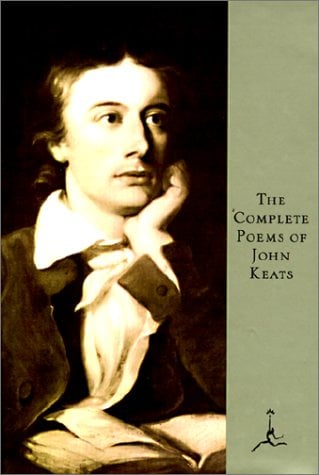
No modern syllabus or award-tracking data applies to a poet who died in 1821, but Keats's odes are among the most anthologized and taught poems in the English language, a fixture of every survey of Romantic and British literature. His Wikipedia presence is extensive and translated into dozens of languages, on par with the other major Romantics.
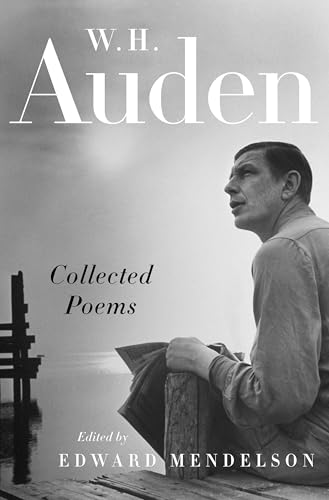
One of the most important English-language poets of the twentieth century, central to the modern canon alongside Yeats and Eliot.
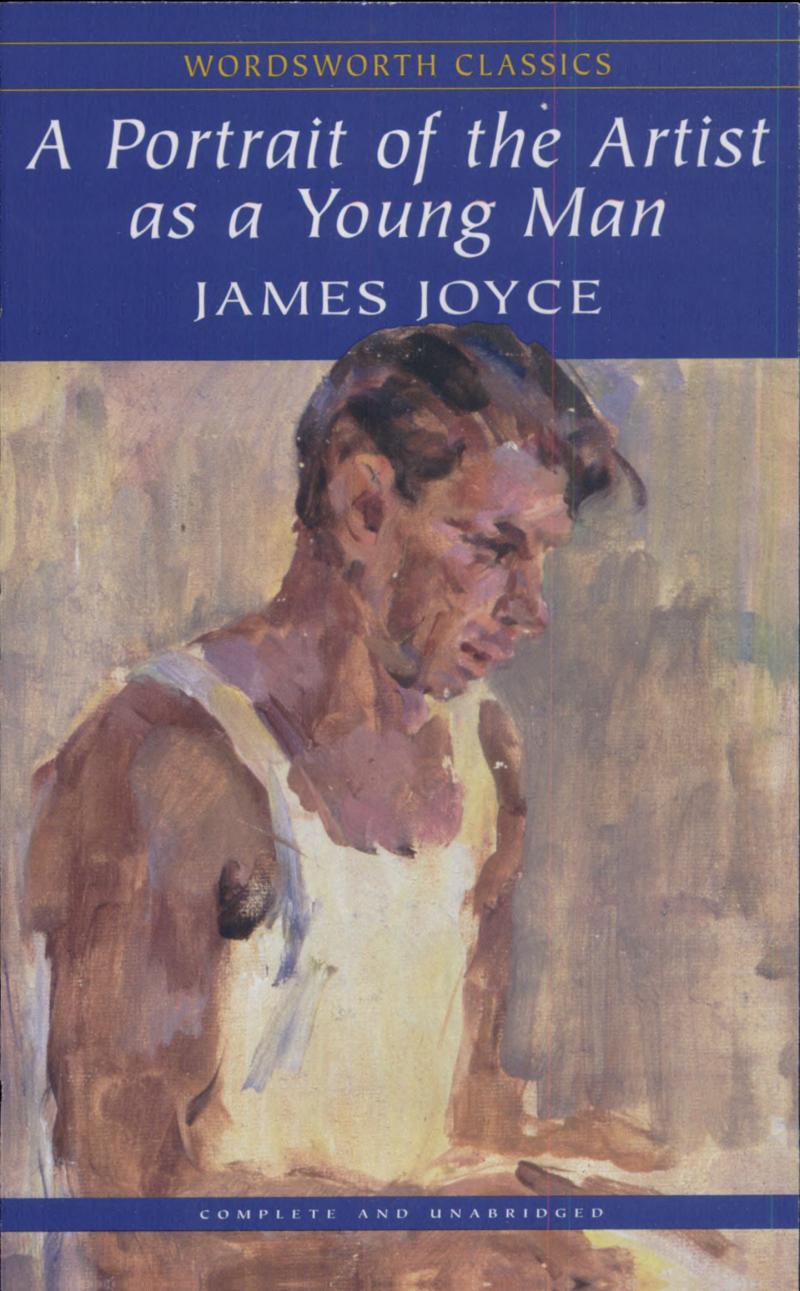
No. 7 on this list. A Portrait of the Artist as a Young Man
James Joyce · 1916
Difficult11 hours
Included in: Great Books of the Western World
Appears on 3,243 university syllabi according to the Open Syllabus Project (87.8th percentile), placing it in the company of the most-taught literary novels in English. Featured on the Modern Library 100 Best Novels, 1001 Books You Must Read Before You Die, and available in 40 Wikipedia languages — a global footprint that confirms its standing as a fixture of the Anglo-Irish modernist curriculum.
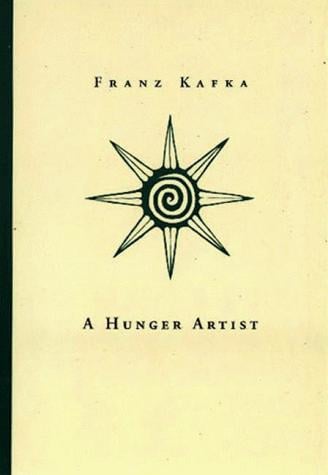
Kafka's short fiction is taught in university literature courses worldwide, and 'A Hunger Artist' is among his most frequently anthologized works. It appears in virtually every Kafka collection and features in major short story anthologies. The work has sustained academic and pedagogical attention since its posthumous publication in 1922.
Happy Days anchors modernist and postmodern drama syllabi internationally alongside Waiting for Godot and Endgame. It is taught in theatre, English literature, and philosophy programs across Europe and North America. Wikipedia covers it in over 40 languages. It is among the most-assigned Beckett plays and appears on virtually every postwar drama reading list.
Won the Pulitzer Prize, National Book Award, and National Book Critics Circle Award — the only book to win all three. Central to the American poetry canon.
No. 11 on this list. Peer Gynt · Henrik Ibsen · 1867
Peer Gynt is a cornerstone of the Scandinavian theatrical canon and is regularly staged worldwide, from the National Theatre to major European opera houses. Edvard Grieg's 1876 incidental music gave the work cultural reach extending far beyond theatre audiences. It appears on world drama syllabi internationally and is central to any survey of 19th-century European literature.
Challenging4 hours
Start this bookNo. 12 on this list. The Lady with the Dog · Anton Chekhov · 1899
Taught in schools: Russian FGOS literature standard
Among the most anthologized and taught short stories in any language, a staple of fiction courses and writing workshops. It is frequently named as the greatest short story ever written.
Challenging32 min
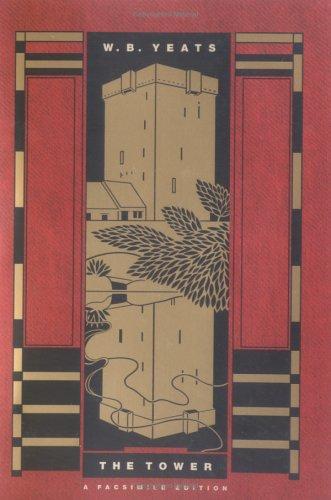
Read nowNo. 13 on this list. The Tower · William Butler Yeats · 1928
Yeats wrote the poems in this collection in his sixties, and the proximity of death stripped his verse of Celtic twilight and replaced it with granite: "Sailing to Byzantium," "Leda and the Swan," and "Among School Children" are here, each one forging private obsession into formal perfection. The volume represents the rare case of a major poet reaching his peak decades after his reputation was already secured.
Challenging40 min
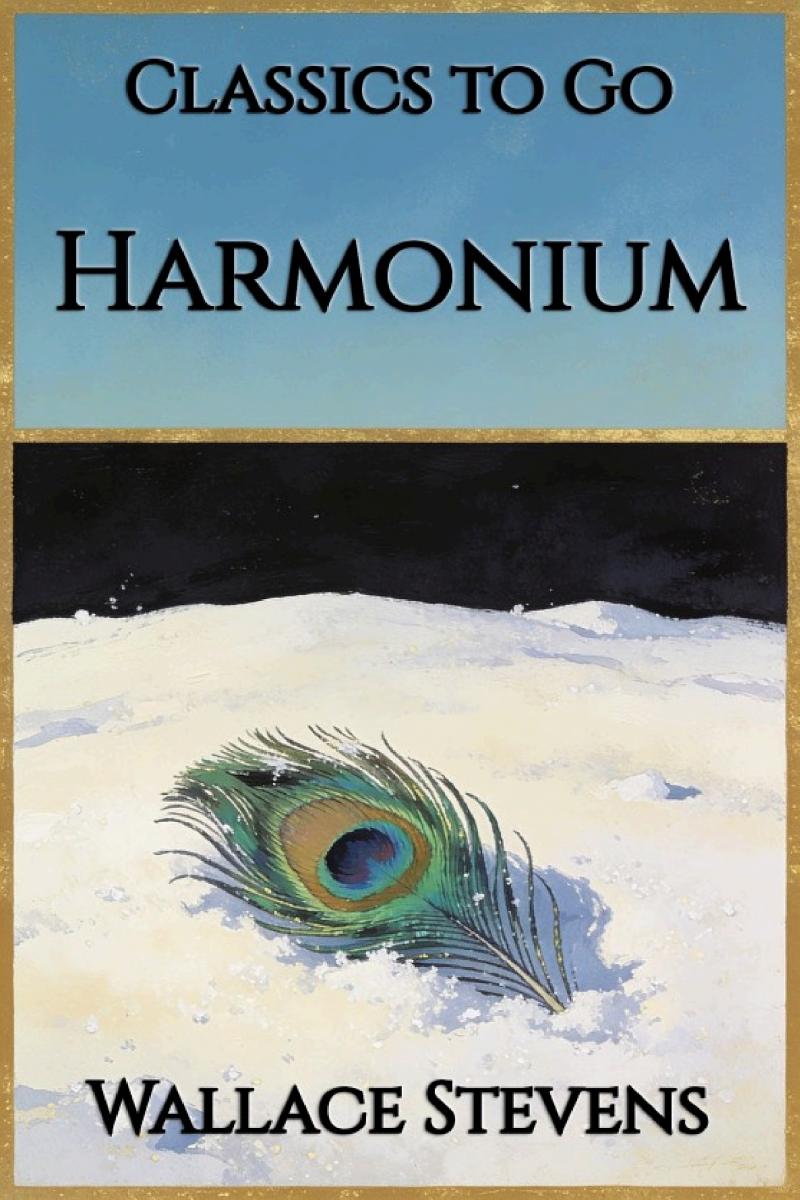
Read nowNo. 14 on this list. Harmonium · Wallace Stevens · 1923
Harmonium appears on thousands of university poetry syllabi and is a fixture of American modernism courses. It is regularly listed among the foundational texts of American poetry, alongside Whitman's Leaves of Grass and Eliot's Prufrock — despite the database showing no captured syllabus appearances, Stevens's place in the academic canon is among the most secure of any twentieth-century American poet.
Difficult2.1 hours
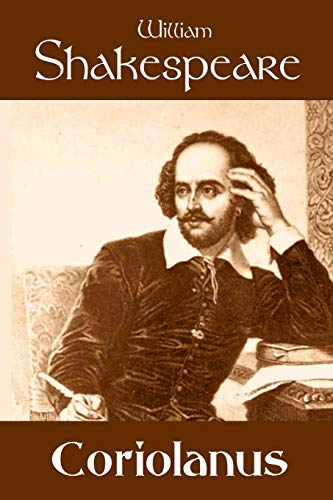
Start this bookNo. 15 on this list. Coriolanus · William Shakespeare · 1608
Included in: Great Books of the Western World
Coriolanus is a standard text in Shakespeare curricula and appears on university syllabi in courses on Renaissance drama, political philosophy, and history plays. While taught less frequently than Hamlet, Macbeth, or King Lear, it is required reading in most advanced Shakespeare courses and political drama studies. Its engagement with popular sovereignty and class politics has made it a recurring subject of academic attention.
Challenging2.9 hours
Read nowNo. 16 on this list. Lost Illusions · Honoré de Balzac · 1843
Lost Illusions is the centrepiece of Balzac's La Comédie humaine and a standard text in French literature and in courses on the nineteenth-century European novel. Xavier Giannoli's 2021 film adaptation brought it new readers.
Challenging18 hours
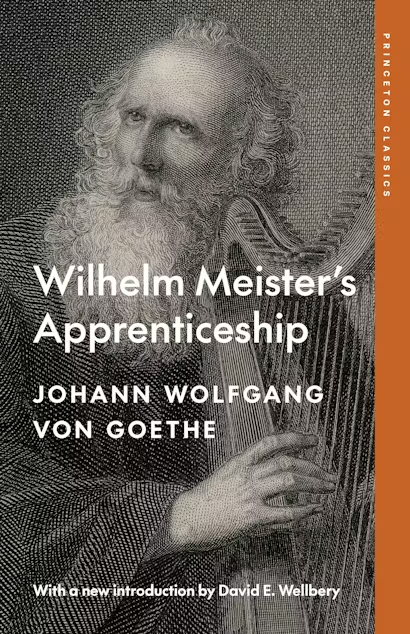
Read nowNo. 17 on this list. Wilhelm Meister's Apprenticeship · Johann Wolfgang von Goethe · 1796
Wilhelm Meister's Apprenticeship is taught in comparative literature and world literature courses globally, and is considered essential reading for understanding the development of European prose fiction. Its position as the founding text of the Bildungsroman places it on syllabi wherever German literature or the novel as a form is studied seriously. No database signals were available, but its literary-historical importance is universally acknowledged.
Challenging19 hours
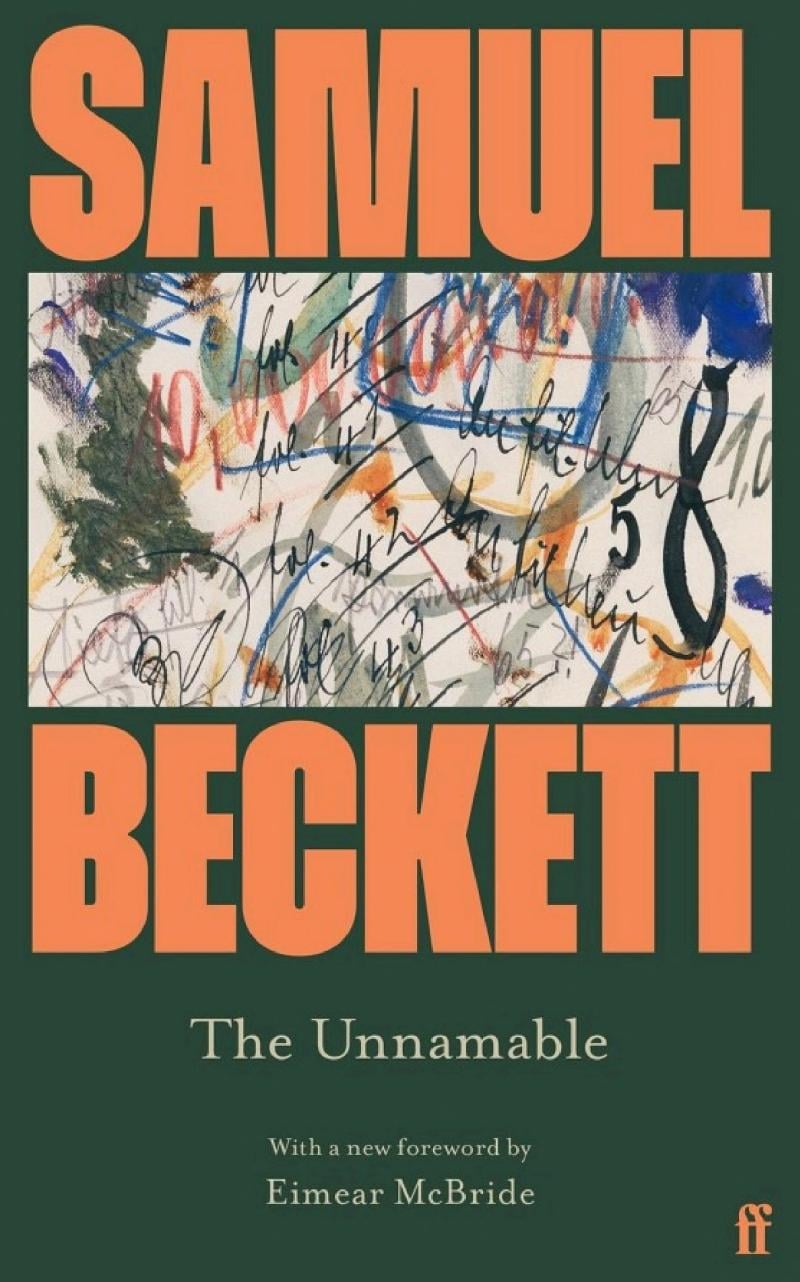
Read nowNo. 18 on this list. The Unnamable · Samuel Beckett · 1953
Included in: Bokklubben World Library
The Unnamable is taught in advanced modernism, postmodernism, and philosophy-of-language courses at universities worldwide, though less universally than Waiting for Godot. It anchors the Beckett Trilogy, which is among the canonical texts of twentieth-century literature in English and French. The Wikipedia and syllabus data signals appear underreported for this work.
Difficult27 hours
Start this bookNo. 19 on this list. The Taming of the Shrew · William Shakespeare · 1594
Taught in schools: AQA GCSE and A-level English Literature (UK)
Included in: Great Books of the Western World
The Taming of the Shrew is a standard text in Shakespeare curricula and features regularly on university syllabi in courses on Renaissance comedy, gender, and marriage. It is among the most frequently performed Shakespeare comedies and is a near-universal assignment in courses on women in literature and feminist Shakespeare criticism. Its controversial content has, paradoxically, kept it central to academic discussion.
Moderate4.2 hours
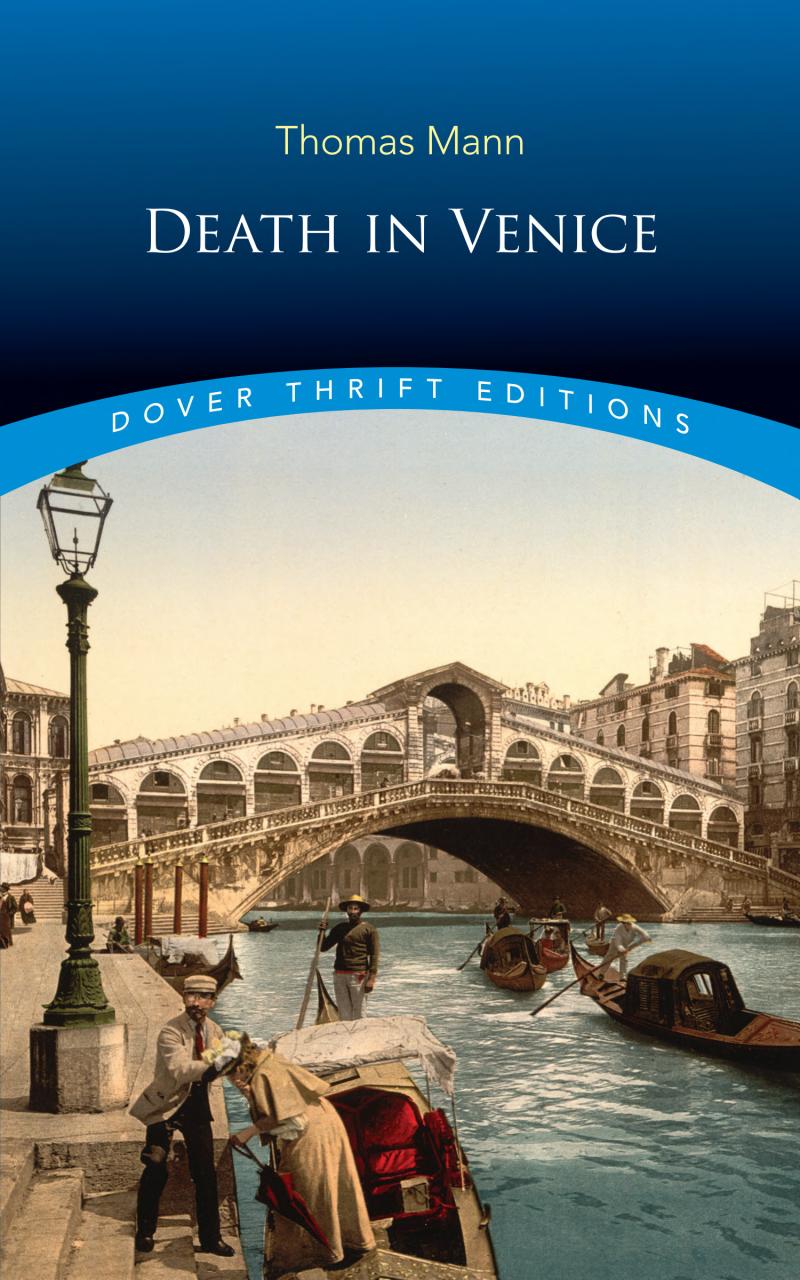
Read nowNo. 20 on this list. Death in Venice · Thomas Mann · 1912
Included in: Great Books of the Western World
Death in Venice appears on virtually every German literature, European modernism, and queer theory university syllabus taught in the English-speaking world. It is a standard text in comparative literature programs alongside Kafka's Metamorphosis and Rilke's Duino Elegies. Wikipedia maintains articles on the novella in over 50 languages, and it features on most 'essential modern literature' lists.
Challenging11 hours
Read now
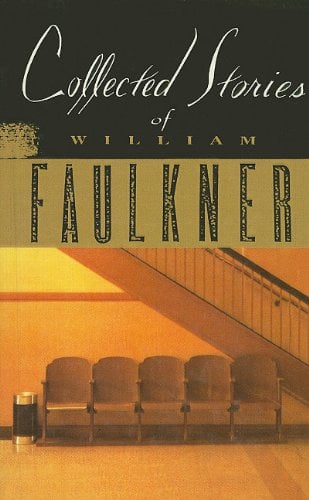
No. 21 on this list. Collected Stories · William Faulkner · 1951
Collected Stories won the National Book Award in 1951 and remains central to American short fiction canon. These stories appear regularly in anthologies and academic syllabi. While perhaps overshadowed by Faulkner's novels, the collection represents an essential component of his Yoknapatawpha saga and demonstrates his mastery across forms.
Challenging22 hours
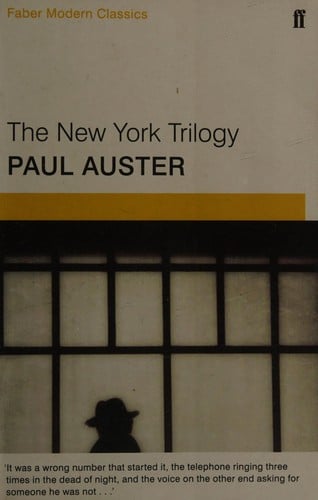
Start this bookNo. 22 on this list. The New York Trilogy · Paul Auster · 1987
The New York Trilogy stands as the defining work of American postmodern noir and one of the most influential experimental novels of the 1980s. It appears consistently on syllabi for postmodern fiction, metafiction, and American literature courses, and is cited as a foundational text in discussions of the detective genre's literary transformation. Published in the US by Penguin Books (1987 combined edition), it has remained continuously in print for four decades. It appears on numerous "greatest novels" lists and is central to critical discourse on identity, authorship, and the limitations of language in contemporary fiction.
Very Difficult19 hours
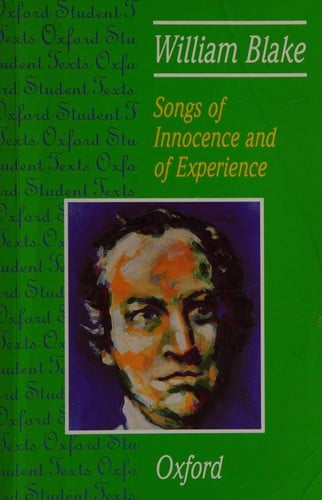
Start this bookNo. 23 on this list. Songs of Innocence and of Experience · William Blake · 1794
Taught in schools: AQA GCSE and A-level English Literature (UK)
Blake etched, printed, and hand-colored each plate himself, fusing lyric poetry with visual art in a form no one had attempted before. The paired "Lamb" and "Tyger" compress an entire theology into forty-four lines: innocence asks who made you; experience asks how dare He.
Challenging46 min
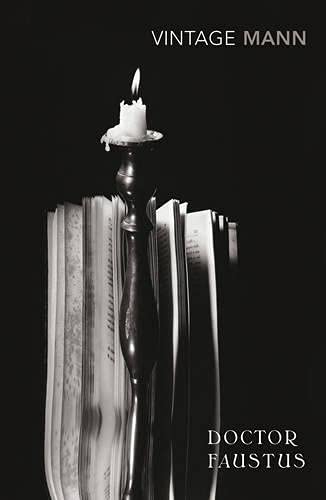
Read nowNo. 24 on this list. Doctor Faustus · Thomas Mann · 1947
Routinely cited as Mann magnum opus and the great novel of German catastrophe. Taught as essential modernist text.
Difficult34 hours
Start this bookNo. 25 on this list. Paterson · William Carlos Williams · 1963
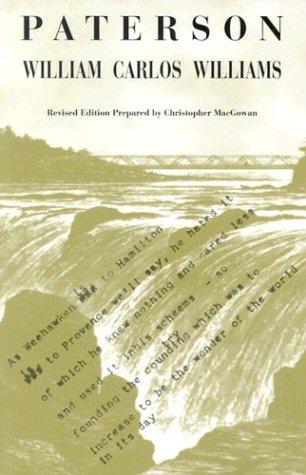
Paterson is anthologized in every major American poetry collection (Norton, Heath, Library of America) and taught in American modernism, long poem, and 20th-century poetry courses at virtually every research university. It is one of the defining long poems of the American century, alongside The Waste Land, The Cantos, and Four Quartets. While less widely taught than Shakespeare or Fitzgerald, it occupies a canonical position in American literary studies comparable to Beloved (85).
Difficult10 hours
Start this bookNo. 26 on this list. Shakuntala · Kalidasa · 400
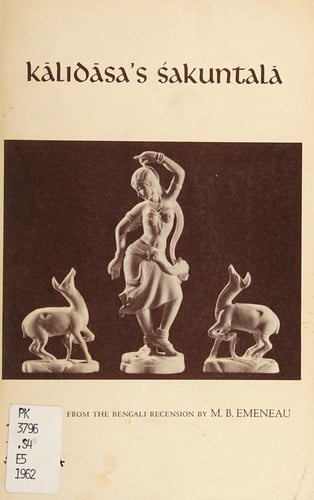
Supreme Sanskrit drama; first Indian text to reach European audience.
Moderate4.5 hours
Start this bookNo. 27 on this list. Amores · Ovid · c. 16 BCE
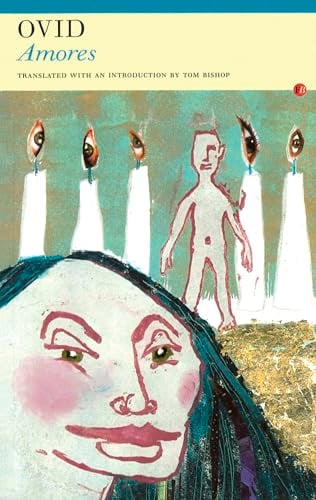
Ovid is twenty years old and Corinna will not open her door. So begins the Amores — forty-nine love elegies written in the 20s BCE by a Roman poet who understood, from the first poem, that wit is more powerful than sincerity. Cupid, he explains in Elegy I, stole a foot from his heroic hexameter and turned his epic into love poetry against his will. This is Ovid's characteristic move: mock complaint that reveals total mastery. The Amores catalogues an affair with the unnamed mistress Corinna — bribing her doorkeeper, watching her comb her ruined hair, mourning her parrot with the same hyperbolic grief he'd spend on a person, catching her in adultery and immediately forgiving her because she denied it too beautifully. Each poem is a rhetorical performance: Ovid argues, apostrophizes, invokes mythology, reverses himself, and lands a final turn with the timing of a practised comedian. He invented the mode of the suffering lover who is too articulate to suffer. Reading the Amores is to watch the cleverest poet in Rome construct the template that Petrarch would use a millennium later, and that has governed love poetry ever since — which is to say, Ovid built the room everyone else still lives in.
Moderate2 hours
Read nowNo. 28 on this list. Collected Poems of Derek Walcott · Derek Walcott · 1986
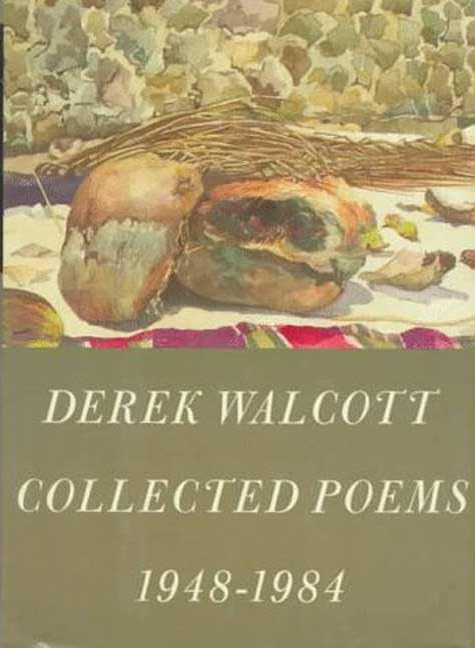
Nobel laureate and the defining poet of the Anglophone Caribbean. Central to postcolonial literature and increasingly recognized in the broader English-language canon.
Moderate6.2 hours
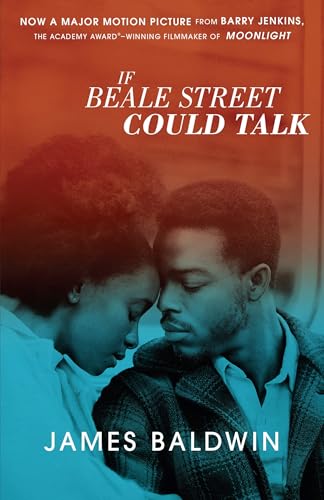
Start this bookNo. 29 on this list. If Beale Street Could Talk · James Baldwin · 1974
Firmly embedded in the American literary canon, the novel appears on major school and university syllabi, was adapted into an Academy Award-winning 2018 film, and is routinely included in retrospectives of 20th-century African American literature. Its status as one of Baldwin's essential works is uncontested.
Challenging4.2 hours
Start this bookNo. 30 on this list. Malone Dies · Samuel Beckett · 1951
Included in: Bokklubben World Library
A dying man named Malone lies in bed in a bare room, passing his final days by writing stories in an exercise-book. He announces a plan: to tell himself stories (about a man, a woman, an animal, a thing) and then compile an inventory of his possessions before death arrives. But the stories refuse to cohere. The boy Sapo, plump and plodding, drifts through tedious family scenes and visits to the Lambert farm, where Big Lambert buries his beloved mule and Mrs. Lambert despairs over lentils. Sapo inexplicably becomes Macmann, a vagrant later confined to the asylum of Saint John of God, where he conducts a grotesque romance with his nurse Moll. Between these fragmentary fictions, Malone interrupts constantly to comment on his own dissolution, his soup and chamber-pot, the mysterious hand that feeds him, the exercise-book he salvaged, the pencil with five faces. The stories and the frame narrative bleed together as Malone suspects he's describing himself again, that all his characters are masks for the voice that continues speaking even as narrative collapses. The promised inventory never arrives. Instead, the novel enacts a slow-motion death of story-telling itself, performed with extraordinary comic precision and metaphysical vertigo. Malone circles his own ending in spirals of increasing tightness, neither quite dying nor quite alive, waiting in the dark.
Challenging5.7 hours
Start this book
No. 31 on this list. The Book of the Duchess
Geoffrey Chaucer · 1368
No. 32 on this list. Dombey and Son
Charles Dickens · 1848
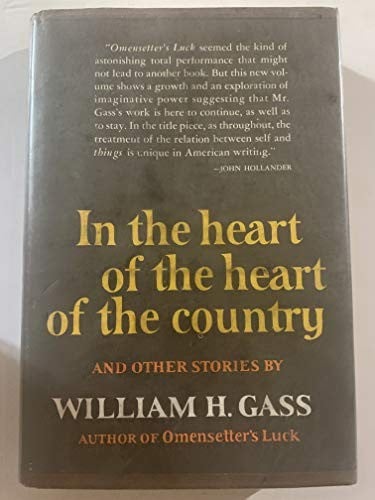
No. 33 on this list. In the Heart of the Heart of the Country
William Gass · 1968
No. 34 on this list. Benito Cereno
Herman Melville · 1855
No. 35 on this list. Exercises in Style
Raymond Queneau · 1947
No. 36 on this list. Spring and All
William Carlos Williams · 1923
No. 37 on this list. Life & Times of Michael K
J.M. Coetzee · 1983
Taught in schools: UNAM Escuela Nacional Preparatoria – programas de Literatura (Mexico)
No. 38 on this list. Sixty Stories
Donald Barthelme · 1981
No. 39 on this list. The Good Soldier
Ford Madox Ford · 1915
No. 40 on this list. The Weary Blues
Langston Hughes · 1926
No. 41 on this list. Our Mutual Friend
Charles Dickens · 1865
No. 42 on this list. Sons and Lovers
D.H. Lawrence · 1913
Included in: Bokklubben World Library
No. 43 on this list. The Auroras of Autumn
Wallace Stevens · 1950
No. 44 on this list. The Master Builder
Included in: Great Books of the Western World
No. 45 on this list. Humboldt's Gift
Saul Bellow · 1976
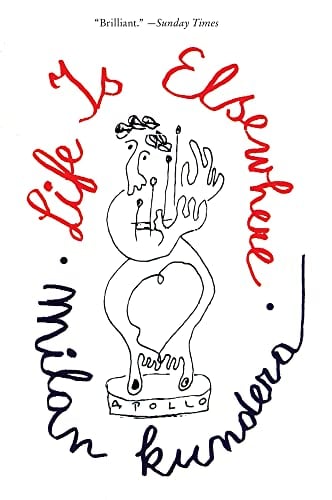
No. 46 on this list. Life Is Elsewhere
Milan Kundera · 1973
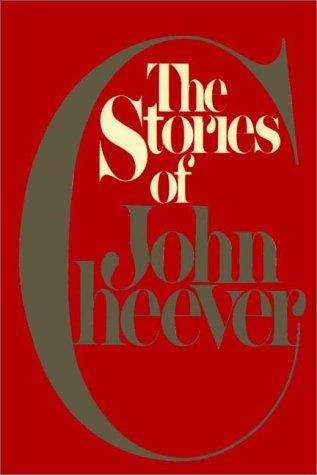
No. 47 on this list. The Stories of John Cheever
John Cheever · 1979
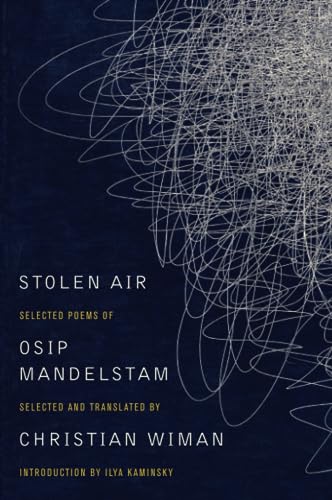
No. 48 on this list. Selected Poems of Osip Mandelstam
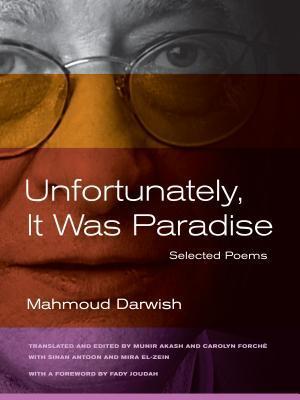
No. 49 on this list. Unfortunately, It Was Paradise
Mahmoud Darwish · 2003
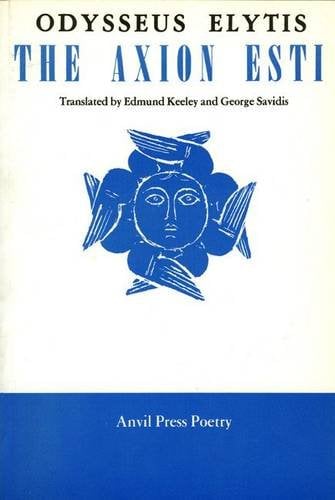
No. 50 on this list. The Axion Esti
Odysseas Elytis · 1959
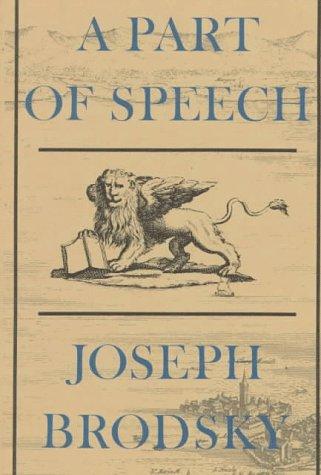
No. 51 on this list. A Part of Speech
Joseph Brodsky · 1977
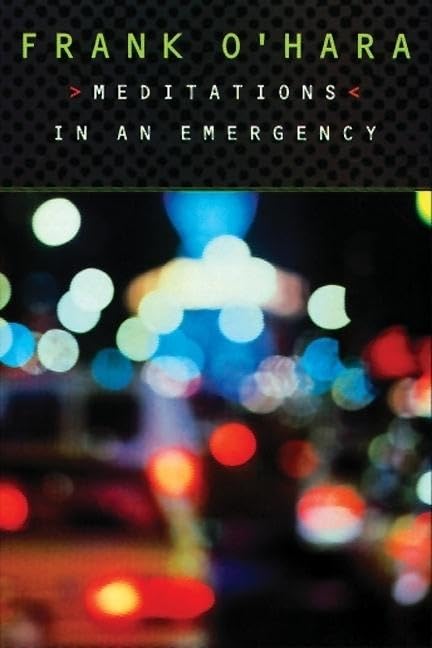
No. 52 on this list. Meditations in an Emergency
Frank O'Hara · 1957
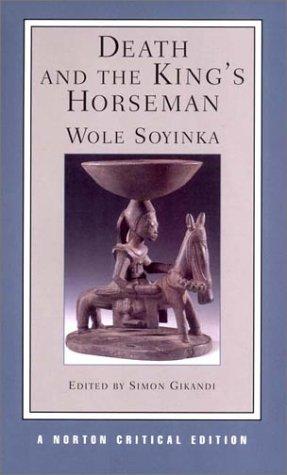
No. 53 on this list. Death and the King's Horseman
Wole Soyinka · 1975
Taught in schools: Common Core text exemplars (Appendix B) (US)
No. 54 on this list. The Day of the Locust
Nathanael West · 1939
No. 55 on this list. The Savage Detectives
Roberto Bolaño · 1998
Taught in schools: UNAM Escuela Nacional Preparatoria – programas de Literatura (Mexico)
No. 56 on this list. My Name Is Red
Orhan Pamuk · 2003
No. 57 on this list. The Emigrants
W.G. Sebald · 1992
No. 58 on this list. Fasti
Ovid · 8
No. 59 on this list. Tristia
Ovid · 12
No. 60 on this list. Nova
Samuel R. Delany · 1968
No. 61 on this list. Cronopios and Famas
Julio Cortázar · 1962
Taught in schools: Literatura, Diseño Curricular – Provincia de Buenos Aires (Argentina), UNAM Escuela Nacional Preparatoria – programas de Literatura (Mexico)
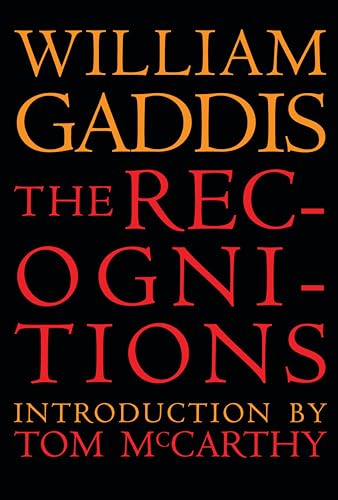
No. 62 on this list. The Recognitions
William Gaddis · 1955
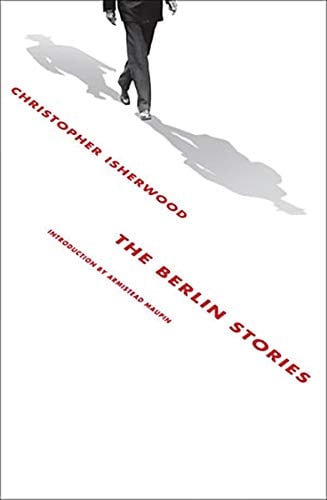
No. 63 on this list. The Berlin Stories
Christopher Isherwood · 1945
No. 64 on this list. Sizwe Bansi Is Dead
Athol Fugard · 1972
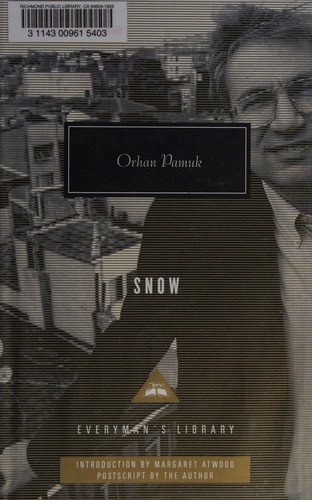
No. 65 on this list. Snow
Orhan Pamuk · 2002
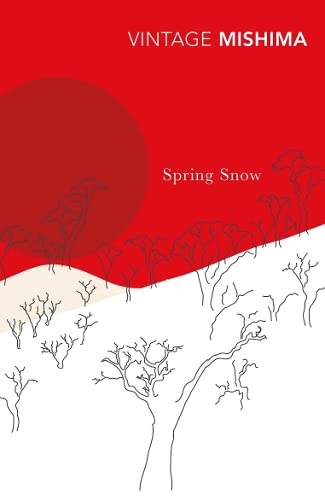
No. 66 on this list. Spring Snow
Yukio Mishima · 1969
Included in: UNESCO Collection of Representative Works
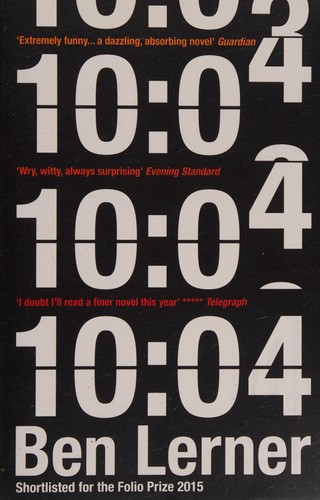
No. 67 on this list. 10:04
Ben Lerner · 2014
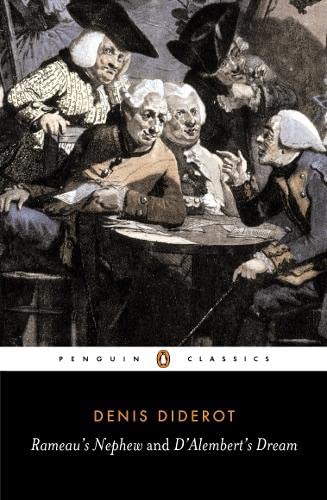
No. 68 on this list. Rameau's Nephew
Denis Diderot · 1805
Included in: Great Books of the Western World
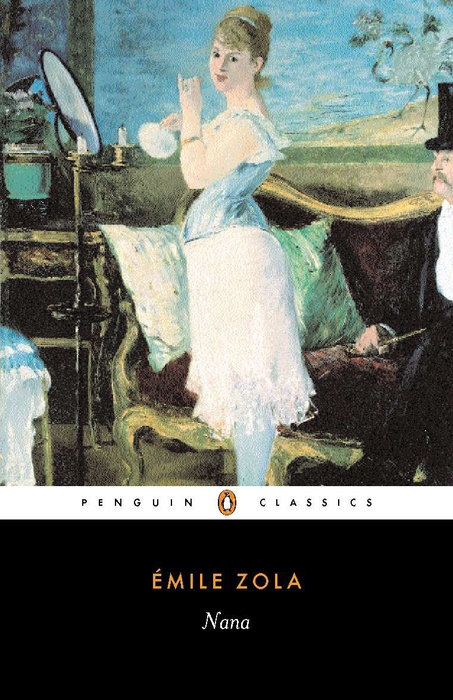
No. 69 on this list. Nana
Émile Zola · 1880
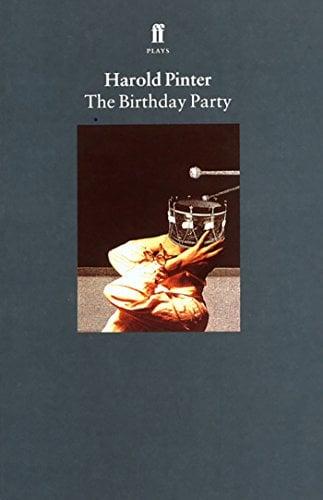
No. 70 on this list. The Birthday Party
Harold Pinter · 1957
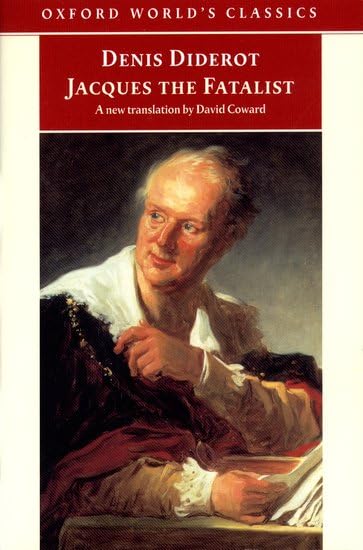
No. 71 on this list. Jacques the Fatalist and His Master
Denis Diderot · 1796
Included in: Bokklubben World Library
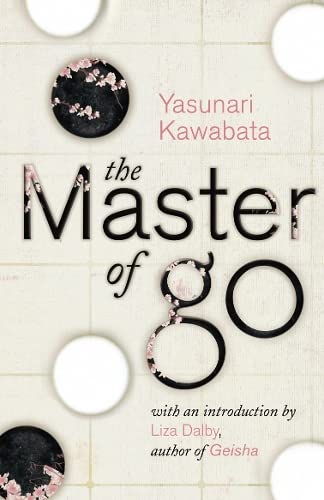
No. 72 on this list. The Master of Go
Yasunari Kawabata · 1954
No. 73 on this list. Divan of Hafez
Hafez · 1390
No. 74 on this list. The Ghost Writer
Philip Roth · 1979
No. 75 on this list. Lanark: A Life in Four Books
Alasdair Gray · 1981
No. 76 on this list. Youth
Leo Tolstoy · 1857
No. 77 on this list. The Arrivants
Kamau Brathwaite · 1973
Taught in schools: CSEC English B – Caribbean Examinations Council
No. 78 on this list. The Lost Steps
Alejo Carpentier · 1953
No. 79 on this list. Snow Country
Yasunari Kawabata · 1935
No. 80 on this list. Count Julian
Juan Goytisolo · 1970
No. 81 on this list. Slowness
Milan Kundera · 1995
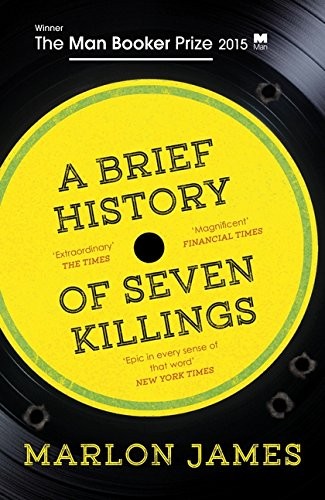
No. 82 on this list. A Brief History of Seven Killings
Marlon James · 2015
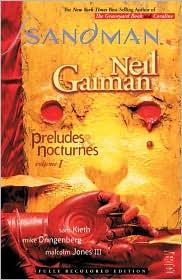
No. 83 on this list. The Sandman
Neil Gaiman · 1989
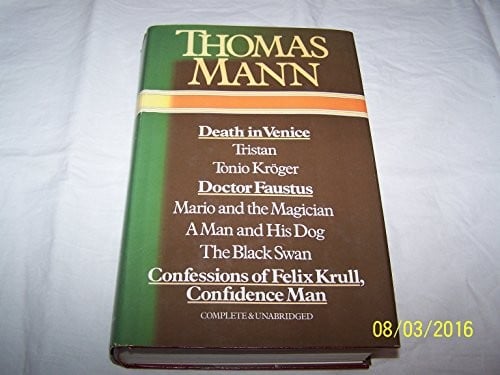
No. 84 on this list. The Confessions of Felix Krull
Thomas Mann · 1954
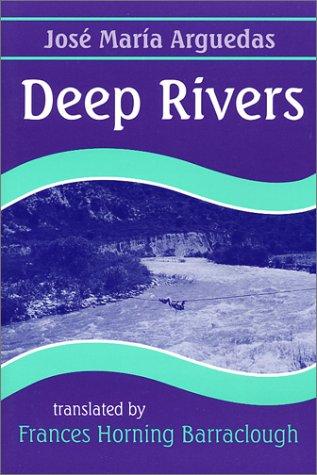
No. 85 on this list. Deep Rivers
José María Arguedas · 1958
Taught in schools: UNAM Escuela Nacional Preparatoria – programas de Literatura (Mexico)
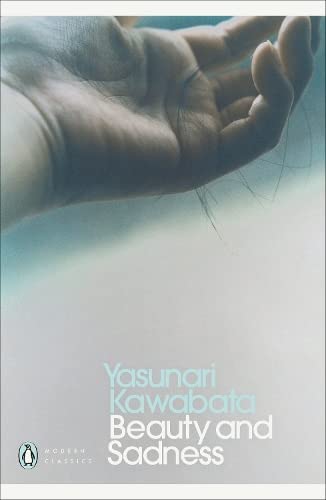
No. 86 on this list. Beauty and Sadness
Yasunari Kawabata · 1965
No. 87 on this list. Distant Star
Roberto Bolaño · 1996
Taught in schools: UNAM Escuela Nacional Preparatoria – programas de Literatura (Mexico)
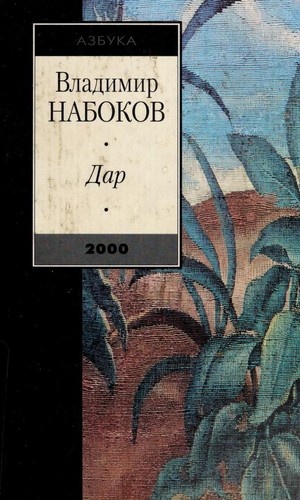
No. 88 on this list. Дар
Vladimir Nabokov · 1938
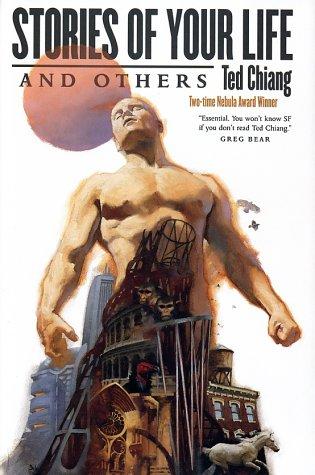
No. 89 on this list. Stories of Your Life and Others
Ted Chiang · 2002
No. 90 on this list. The Golden Pot
E.T.A. Hoffmann · 1814
No. 91 on this list. True History
Lucian · 180
No. 92 on this list. His Dark Materials
Philip Pullman · 1995
No. 93 on this list. The Guide
R.K. Narayan · 1958
Taught in schools: CSEC English B – Caribbean Examinations Council
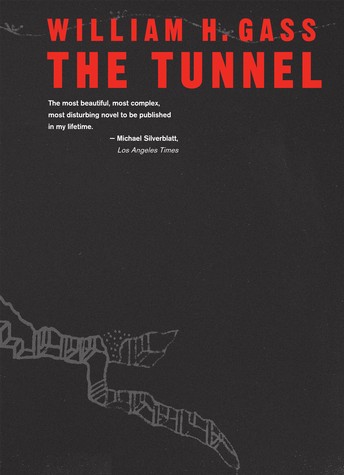
No. 94 on this list. The Tunnel
William Gass · 1995
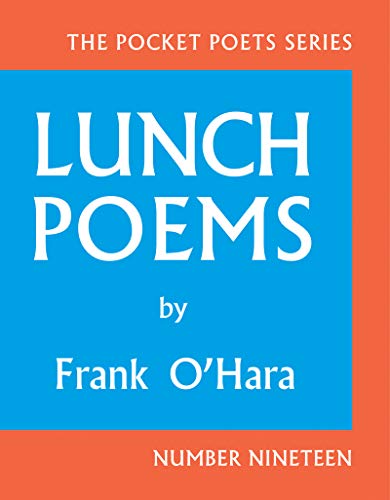
No. 95 on this list. Lunch Poems
Frank O'Hara · 1964
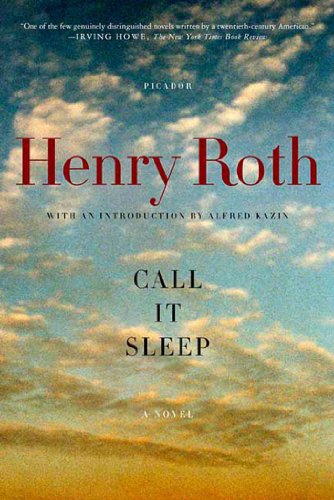
No. 96 on this list. Call It Sleep
Henry Roth · 1934
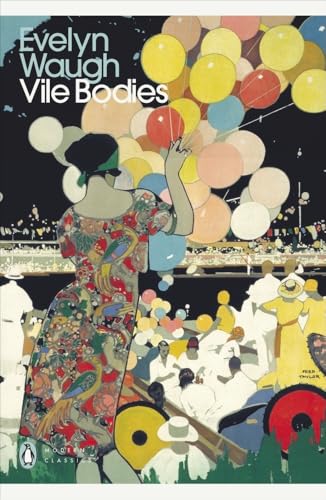
No. 97 on this list. Vile Bodies
Evelyn Waugh · 1930
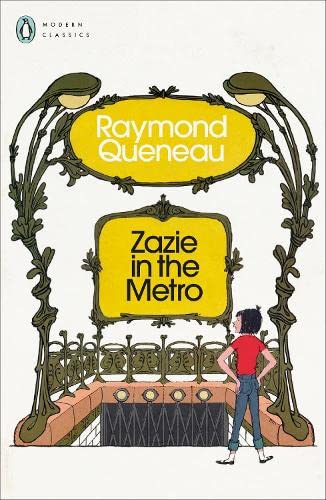
No. 98 on this list. Zazie in the Metro
Raymond Queneau · 1959
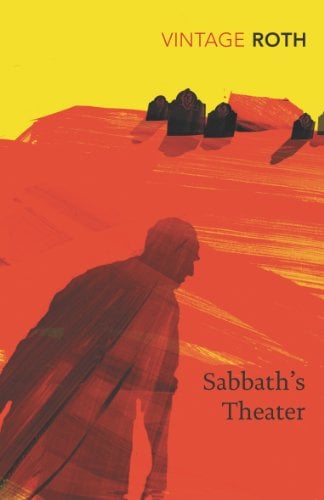
No. 99 on this list. Sabbath's Theater
Philip Roth · 1995
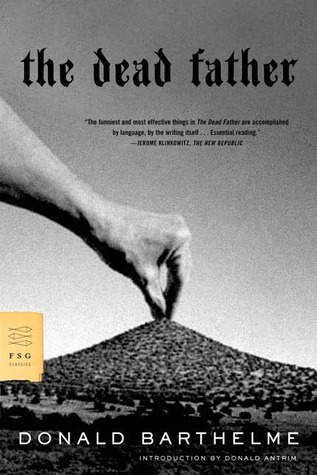
No. 100 on this list. The Dead Father
Donald Barthelme · 1975
About this list
These 100 books are the highest-scoring eligible books about art and creativity by men currently in the catalogue. About 975 hours of reading in all. Difficulty runs from 54 to 71 out of 100 for the middle half of the list; the summit is The New York Trilogy at 87.
This list is ranked by literary regard, with a consistent order for equal scores. Membership follows authors and co-authors, not translators or editors. A book is here when ReadingRate files it under Art & Creativity as one of its primary reading domains, at a confidence of 0.8 or more. Catalogue coverage and the historical canon both limit what this list can represent.
When we matched the Canons dataset to our catalogue in October 2026, our canonical-status scores rose with the number of school curricula, publisher series and lists in it that cite a work: the median score was 72 for books one such source cites, 84 at two, 88 at three, 92 at four and 93 at five or more. Prizes are left out of that count. Outside the state curricula, the dataset’s sources choose mostly from what has been translated into English or French, so it is a weaker check on other literatures. Source: Canons (Andrew Piper), CC BY 4.0
Questions people actually ask
- What are the best books about art and creativity by men?
- By literary regard, which weighs canonical status, critical standing and influence: In Search of Lost Time by Marcel Proust, Eclogues by Virgil, Collected Poems of W.B. Yeats by William Butler Yeats, Antony and Cleopatra by William Shakespeare and Complete Poems by John Keats. ReadingRate ranks 100 such books, each with a difficulty score and a reading-time estimate.
- Which books about art and creativity by men should I read first?
- Start from difficulty, not from rank. The most approachable books on this list that still carry top literary regard are Meditations in an Emergency by Frank O'Hara (about 23 min), A Part of Speech by Joseph Brodsky and Collected Poems of Derek Walcott by Derek Walcott.
- What are the shortest of the best books about art and creativity by men?
- Among the top 25, the shortest are The Lady with the Dog by Anton Chekhov (about 32 min), Songs of Innocence and of Experience by William Blake (about 46 min) and The Tower by William Butler Yeats (about 40 min), at an average pace of 250 words a minute adjusted for each book's difficulty.
- Which of the best books about art and creativity by men are the established classics?
- By canonical status, how firmly a book sits in curricula, anthologies and the canon: Eclogues by Virgil, Collected Poems of W.B. Yeats by William Butler Yeats, In Search of Lost Time by Marcel Proust, Complete Poems by John Keats and Antony and Cleopatra by William Shakespeare.
- Can I read any of these books about art and creativity by men for free?
- 20 of the 100 open in ReadingRate's reader with a free account, from public-domain editions: In Search of Lost Time, Eclogues, Antony and Cleopatra, A Portrait of the Artist as a Young Man, The Lady with the Dog and 15 more.
- How long would it take to read the top ten?
- About 72 hours, at an average pace of 250 words a minute adjusted for each book's difficulty: 37 days at two hours a day. Set your own pace on the page and the list's reading times change to it.
- How hard are books about art and creativity by men to read?
- Most of this list sits between 54 and 71 on ReadingRate's 100-point difficulty scale, where 40 to 55 is moderate. The summit is The New York Trilogy at 87. Every entry carries its own score, so a reader can pick a great book at a difficulty they will finish.
- How is this list ranked?
- On literary-regard data: how canonically established a work is, its critical standing, and its influence on later writing. It is not a readers’ poll, which is why recent bestsellers rarely appear. Membership follows authors and co-authors, not translators or editors. Lists by country, author, period, theme or difficulty keep to literature (fiction, poetry, drama and philosophy), their novels, poems and plays first and their philosophy after them; a list of a kind of book, such as memoir or criticism, keeps every book of that kind. Every list holds at most three works by one author. A book is here when ReadingRate files it under Art & Creativity as one of its primary reading domains, at a confidence of 0.8 or more.