Hours at an average pace
Showing 100 books
About 574 hours for 99 of 100 books with measured lengths. Estimates use 250 words a minute, adjusted for each book's difficulty. At 2 hours a day, about 288 days for those books.
No. 1 on this list. Ariel
Sylvia Plath · 1965
Difficult2.4 hours
Taught in schools: AQA GCSE and A-level English Literature (UK)
Ariel is standard reading across American and British university literature and women's studies curricula, appearing on thousands of syllabi. The collection is included on virtually every 'essential 20th century poetry' list and occupies a permanent position in the confessional poetry canon. Its Wikipedia article exists in over 30 languages, and it has been continuously in print since its 1965 publication.
No. 2 on this list. To the Lighthouse
Virginia Woolf · 1927
Difficult7.4 hours
Included in: Bokklubben World Library, Great Books of the Western World
To the Lighthouse appears on 2,429 university syllabi according to Open Syllabus (84.6th percentile), placing it in the same tier as Beloved (85th). It holds places on the Modern Library 100 Best Novels (1998), TIME's All-TIME 100 Novels (2005), 1001 Books You Must Read Before You Die (2006), and is published by both Everyman's Library and Penguin Modern Classics. Wikipedia articles exist in 35 languages.
No. 3 on this list. Mrs. Dalloway
Virginia Woolf · 1925
Challenging7.1 hours
Taught in schools: OCR GCSE and A-level English Literature (UK), Pearson Edexcel GCSE and A-level English Literature (UK)
Included in: Bokklubben World Library
Appears on 4,254 university syllabi according to the Open Syllabus Project, placing it at the 90.7th percentile of all taught texts — above Beloved's range and approaching The Great Gatsby's 3,500+ appearances. Listed on TIME's All-TIME 100 Novels (2005) and in 1001 Books You Must Read Before You Die. Wikipedia articles in 35 languages with an adaptations section confirm broad global reach.
Geography III is among the most taught American poetry collections of the postwar era, with poems like 'One Art' and 'In the Waiting Room' appearing on countless university syllabi. Though the database shows no syllabus entries — likely a data gap — the collection is a fixture in American poetry surveys and is included on numerous 'essential American poetry' reading lists. It won the 1976 National Book Critics Circle Award, one of American letters' most respected honors.
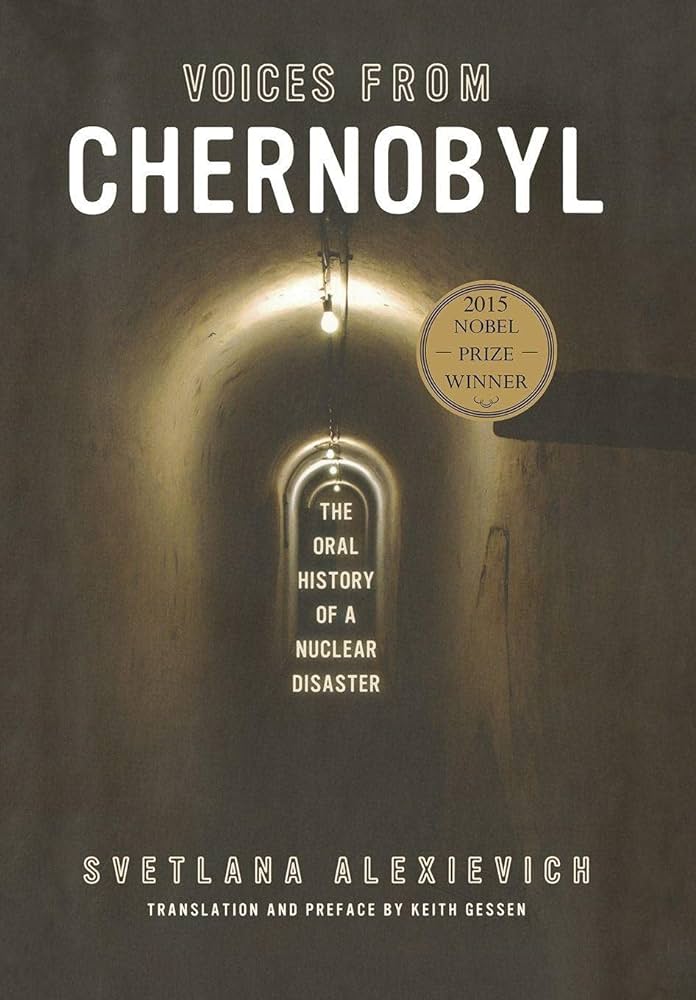
Widely recognized as the definitive literary account of Chernobyl and a landmark of documentary literature. The 2015 Nobel Prize in Literature elevated its status, establishing Alexievich's polyphonic method as a major formal innovation. Required reading in post-Soviet studies and increasingly taught in world literature curricula. Its documentary approach has influenced contemporary non-fiction globally.
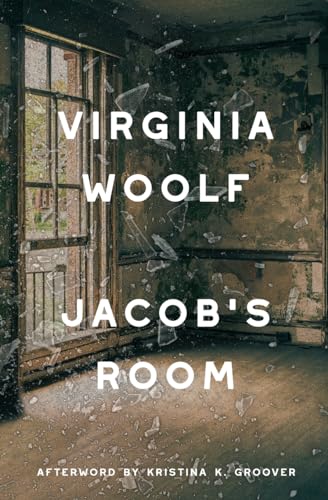
Jacob's Room appears on virtually every university syllabus covering modernist British literature, Woolf's work, or the literature of WWI. As Woolf's first fully experimental novel, it holds a foundational position in the modernist canon — taught alongside Mrs. Dalloway and To the Lighthouse in most Woolf courses. Its canonical status is somewhat lower than Woolf's later masterworks, which overshadow it in general survey courses.
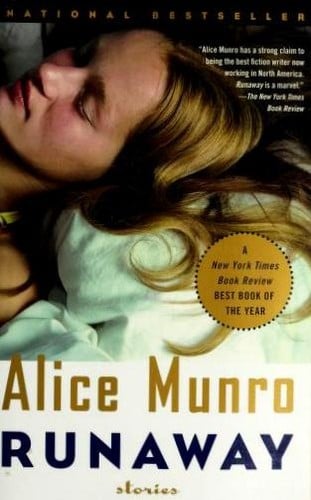
One of Munro's most celebrated collections, frequently cited as the peak of her mature work. Winner of the Giller Prize and numerous international honors.
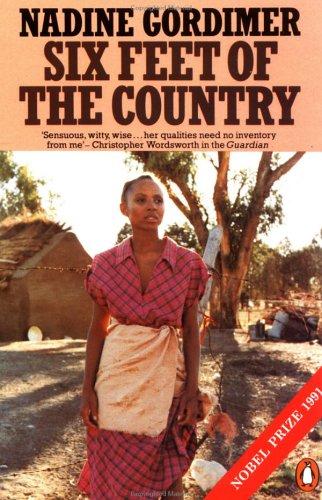
Widely recognized as a cornerstone of post-colonial and South African literature. Appears consistently in university curricula and anthologies of significant twentieth-century short fiction. Represents a crucial moment in articulating apartheid-era social consciousness.
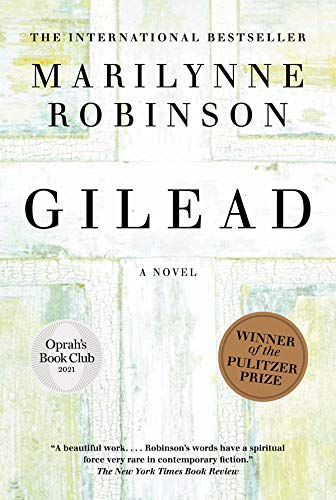
Gilead won the Pulitzer Prize for Fiction and sits firmly within the American literary canon. It appears on university syllabi and in lists of essential contemporary American literature, securing Robinson's place among 21st-century literary institutions. However, it lacks the canonical inevitability of works like Gatsby or Beloved.
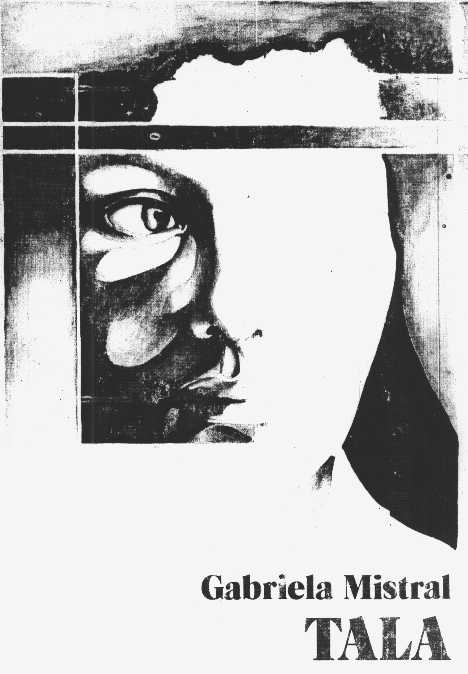
Gabriela Mistral published Tala in 1938, donating the Chilean royalties to Basque refugee children. The book begins with her mother's death and never fully recovers from it. The speaker travels from that private grief outward — through the Andes, across indigenous cosmologies, into devotional prayer — without finding a resting place. The poems name things from the Andean and Pacific world with the precision of someone recording what might disappear: the chirimoya, the quetzal, the salt flats, the bones of the desert. Mistral fuses Catholic liturgical language with Quechua and Nahuatl mythological figures, treating the Virgin Mary and Coatlicue as companions in the same devotional space. The effect is a religious poetry unlike any European model — the grief is too large for any single tradition to hold. Reading Tala requires tolerance for the lyric's essential withholding: these poems don't explain themselves, and the grief doesn't resolve. What accumulates is a voice of extraordinary authority, grieving in several languages at once, in exile from a country she would not return to for years. Mistral won the Nobel Prize in 1945 — the first Latin American to do so — and Tala is the collection that most fully earns it.
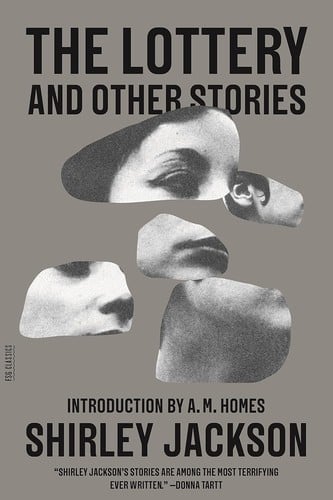
No. 11 on this list. The Lottery and Other Stories · Shirley Jackson · 1949
The title story 'The Lottery' is one of the most anthologized and taught short stories in the American canon, appearing in virtually every introduction-to-fiction textbook. The collection itself appears regularly on American short-story syllabi. Jackson's work has experienced a major critical reassessment since the 2010s, elevating her from genre curiosity to recognized American master.
Moderate5.3 hours
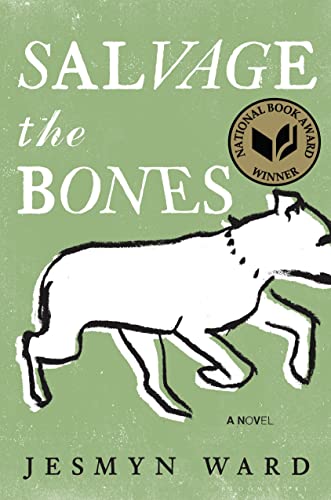
Start this bookNo. 12 on this list. Salvage the Bones · Jesmyn Ward · 2011
Salvage the Bones is widely taught in contemporary American literature, African American literature, and Southern literature courses. Its National Book Award win brought it immediate and sustained academic attention, and Ward's subsequent acclaim has only reinforced the book's position on university reading lists. With 400 syllabus appearances it sits in the mid-canonical tier — solidly established but not yet at the frequency of works like Beloved or Their Eyes Were Watching God.
Moderate6 hours
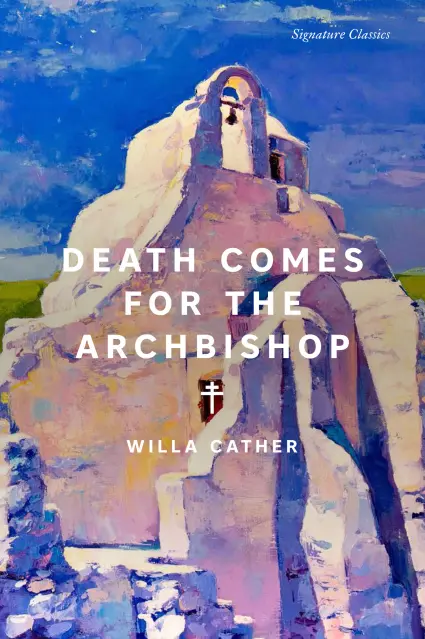
Start this bookNo. 13 on this list. Death Comes for the Archbishop · Willa Cather · 1927
The great American novel of Southwestern landscape and faith. Bishop Latour's decades in New Mexico became meditation on vocation, place, and mortality. Core text in American literature courses.
Moderate4.5 hours
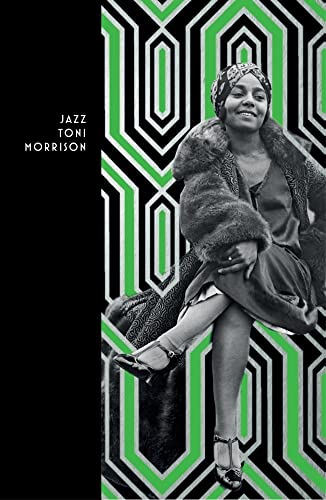
Read nowNo. 14 on this list. Jazz · Toni Morrison · 1992
Jazz stands as the middle volume of Morrison's trilogy examining African American history through myth and music. While less taught than Beloved, it appears on graduate syllabi and critical studies of Morrison's work, recognized as an ambitious experiment in narrative voice and jazz-influenced form.
Challenging5.9 hours
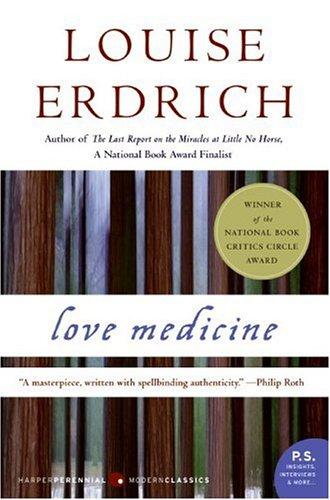
Start this bookNo. 15 on this list. Love Medicine · Louise Erdrich · 1984
Love Medicine appears on hundreds of university syllabi in American literature, Native American literature, and multicultural fiction courses, making it one of the most-taught works of Indigenous American fiction. It is frequently included in survey courses covering post-1960s American literature, and Erdrich's debut has maintained continuous academic attention for four decades. Its canonical standing falls below that of Morrison's Beloved but well above cult literary works.
Difficult10 hours
Start this bookNo. 16 on this list. The Story of an Hour · Kate Chopin
One of the most anthologized American short stories, taught widely in high school and college courses on American literature and feminist writing. It is a fixture of short fiction curricula.
Moderate35 min
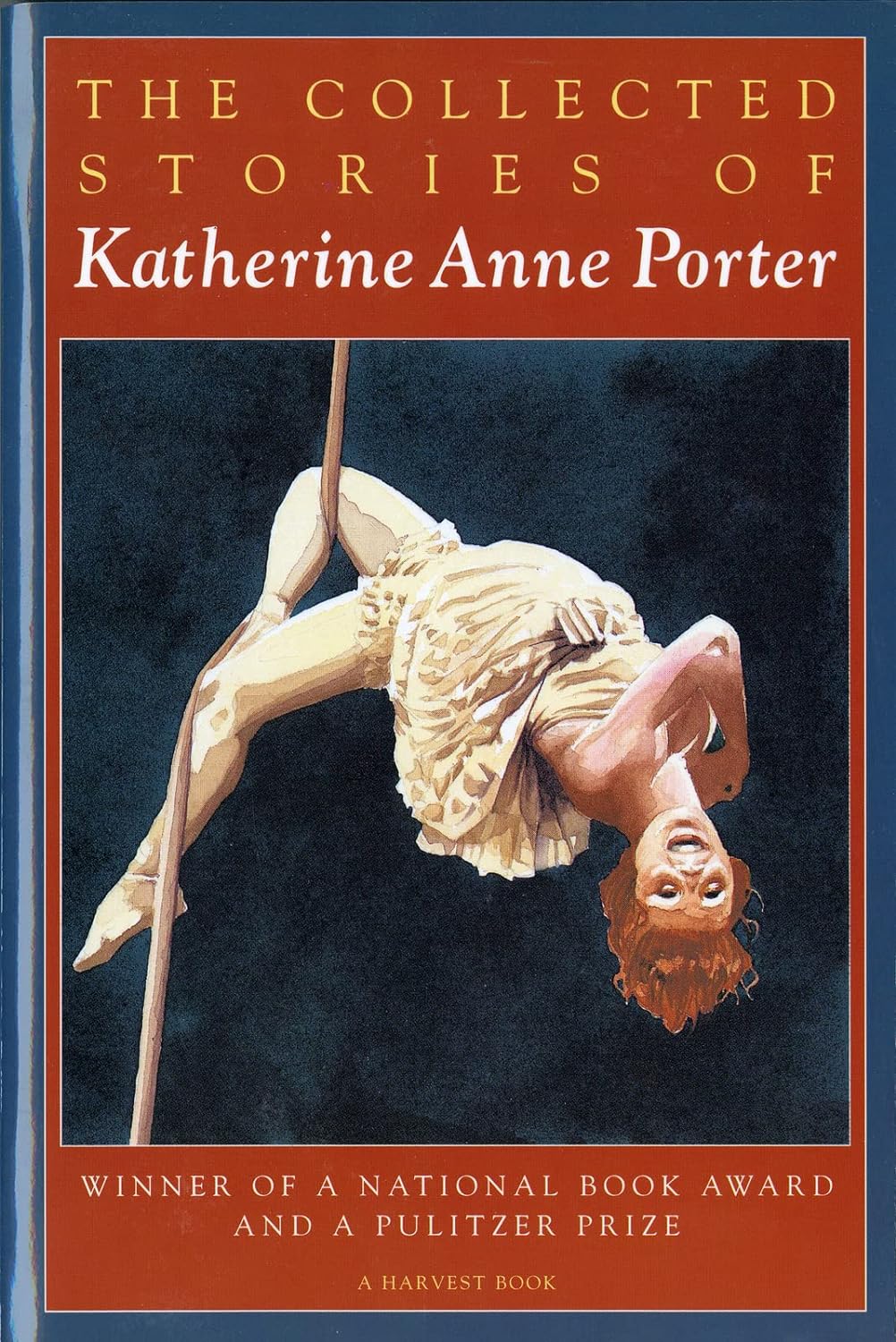
Start this bookNo. 17 on this list. The Collected Stories of Katherine Anne Porter · Katherine Anne Porter · 1966
Stories such as 'Flowering Judas', 'The Jilting of Granny Weatherall' and 'Pale Horse, Pale Rider' are standard in American literature anthologies and short-story courses. The Library of America collected the stories in 2008.
Challenging20 hours
Start this bookNo. 18 on this list. The Ravishing of Lol Stein · Marguerite Duras · 1964
On Le Monde's 100 Books of the Century, Le Ravissement de Lol V. Stein is a standard text in French literature courses and in feminist and psychoanalytic criticism. It is less widely read in English than The Lover.
Challenging3.7 hours
Start this bookNo. 19 on this list. Selected Poems of Wisława Szymborska · Wisława Szymborska · 1998
Szymborska is a staple of world poetry courses and a Nobel laureate, and this collection is the standard English edition of her work. Its place is secure, though below Hamlet or Gatsby in universal syllabus presence.
Moderate2.4 hours
Start this bookNo. 20 on this list. 4.48 Psychosis · Sarah Kane · 2000
Recognized as one of the most important plays of the late twentieth century and Kane's masterpiece. Widely performed, translated, and studied internationally.
Challenging22 min
Start this book

No. 21 on this list. Moderato Cantabile · Marguerite Duras · 1958
Moderato Cantabile is a cornerstone of French postwar literature and the nouveau roman movement, taught widely in French, Francophone, and European literature programs. Though no syllabus data was found in the database, the work is among Duras's most discussed novels and appears consistently in courses on 20th-century French fiction, feminist literature, and literary minimalism. Its canonical status is stronger in Europe than in English-language curricula.
Challenging1.4 hours
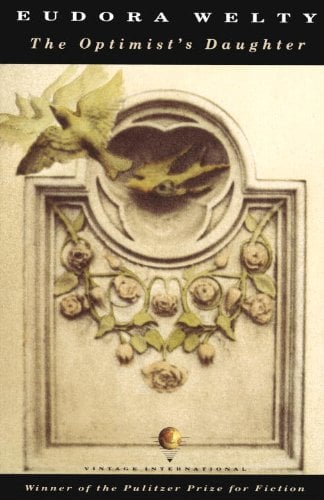
Start this bookNo. 22 on this list. The Optimist's Daughter · Eudora Welty · 1973
The Optimist's Daughter won the Pulitzer Prize for Fiction in 1973 and is widely recognized as a major work of American letters, though it remains less universally anthologized than Welty's other stories. Its place in the canon is secure but somewhat specialized, firmly established in serious literary study.
Moderate2.8 hours
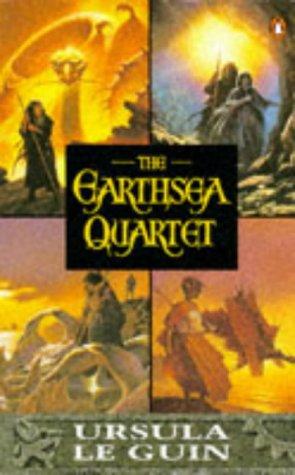
Start this bookNo. 23 on this list. The Earthsea Quartet · Ursula K Le Guin · 1968
Across four novels spanning decades, Le Guin builds the archipelago of Earthsea—a world of islands, sailing, and true-name magic where knowing a thing's true name gives power over it. A Wizard of Earthsea follows the young wizard Ged as he releases a shadow-creature and must pursue it across the world. The Tombs of Atuan follows a priestess freed from underground servitude. The Farthest Shore follows Ged, now Archmage, pursuing a wizard who has broken the boundary between life and death. Tehanu, written sixteen years later, returns to Earthsea with a feminist perspective, following the abused child Therru and the former priestess Tenar in a world where women's power has been systematically suppressed. Le Guin's magic system—where speaking a true name is the fundamental magical act—is the most elegant in fantasy. The prose is spare, rhythmic, and precise, closer to myth than novel.
Moderate15 hours
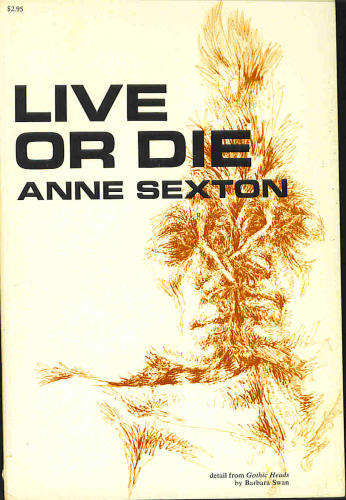
Start this bookNo. 24 on this list. Live or Die · Anne Sexton · 1966
Anne Sexton arranged these thirty-three poems in the order she wrote them — January 1962 to February 1966 — and called the result 'a fever chart for a bad case of melancholy.' Each poem arrives with a date at the bottom, evidence rather than ornament. The collection opens with her father, a wool salesman who drank in his bedroom and died on the road; within pages she has checked herself into a psychiatric ward, addressed Sylvia Plath's corpse ('Thief!— how did you crawl into, crawl down alone into the death I wanted so badly'), mourned a son she never had, and watched her daughter call on God instead of her mother when a horse crushes her foot. Sexton's language stays in the body. She counts out eight pharmaceutical capsules each night, arranges them 'as in the laying on of hands or the black sacrament.' Suicides, she observes, 'have a special language. Like carpenters they want to know which tools. They never ask why build.' The hospital and the suburban kitchen share equal authority. God appears, and Mary, and Judas, and Sylvia, and none of them offer adequate answers. The final poem, 'Live,' turns the collection's entire argument on its axis. Eight Dalmatian puppies survive the pails of water that waited to drown them. 'I am not what I expected. Not an Eichmann. The poison just didn't take.' The fever chart ends with a temperature that isn't, finally, fatal. This is the Pulitzer Prize-winning collection that defined confessional poetry as a form capable of sustaining both unbearable honesty and survival.
Easy43 min
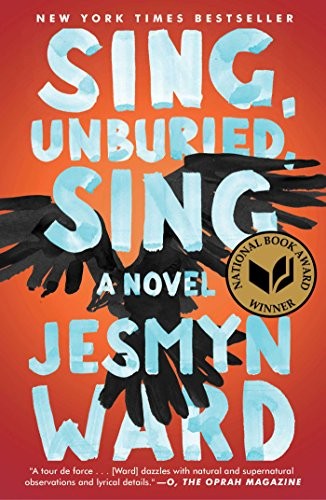
Start this bookNo. 25 on this list. Sing, Unburied, Sing · Jesmyn Ward · 2018
Sing, Unburied, Sing appears on 71 university syllabi — a solid midrange presence, placing it in the 46th percentile of works in the database. It is widely taught in contemporary American literature, Southern literature, and African American literature courses, though it has not yet achieved the deep canonical entrenchment of Morrison or Faulkner. Its teaching presence reflects a novel still being absorbed into the curriculum in the decade since its 2017 publication, with significant room for that footprint to grow.
Challenging6 hours
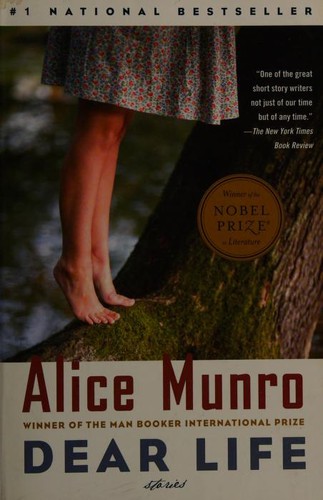
Start this bookNo. 26 on this list. Dear Life · Alice Munro · 2012
Munro's final collection, published the year before her Nobel Prize. Regarded as a fitting capstone to one of the great careers in short fiction.
Easy4.6 hours
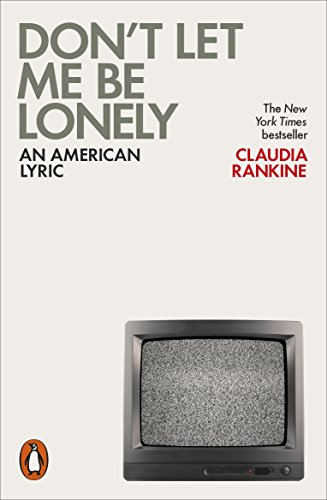
Start this bookNo. 27 on this list. Don't Let Me Be Lonely · Claudia Rankine · 2004
Don't Let Me Be Lonely is taught widely in contemporary American poetry courses, hybrid-genre writing seminars, and courses on race and American literature, though no syllabus data was returned by the database. Rankine's later book Citizen eclipsed it in mainstream visibility, but this volume is recognized as the formal and thematic origin of her "American Lyric" project. It occupies a firm position in serious literary syllabi without approaching the ubiquity of canonical novels.
Difficult2.7 hours
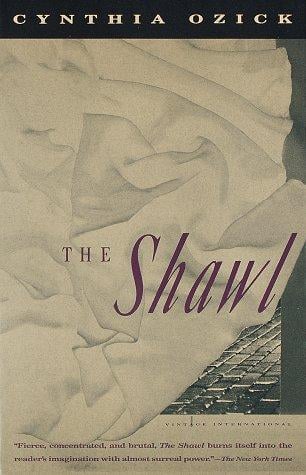
Start this bookNo. 28 on this list. The Shawl · Cynthia Ozick · 1989
The Shawl is a fixture in Holocaust literature courses and Jewish-American literature syllabi at American universities, and 'The Shawl' story is one of the most anthologized short pieces in postwar American fiction. Its canonical status within its domain is high; it does not, however, appear on the broadest general literature reading lists with the frequency of Morrison or Fitzgerald.
Challenging1.7 hours
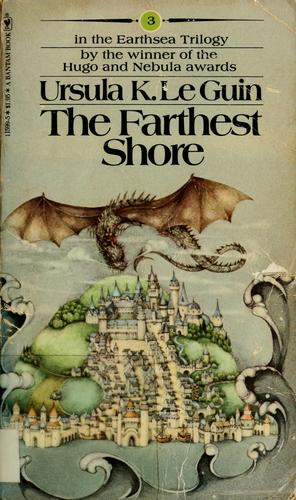
Start this bookNo. 29 on this list. The Farthest Shore · Ursula K Le Guin · 1972
The Earthsea cycle appears widely on science fiction and speculative fiction syllabi, and this third volume, the National Book Award winner for 1973, is firmly part of that canon. It is less commonly assigned than A Wizard of Earthsea but holds strong placement in fantasy literature courses and children's/YA literature curricula. Its Wikipedia article exists in over fifteen languages, indicating sustained international recognition.
Challenging5.8 hours
Start this bookNo. 30 on this list. The Museum of Unconditional Surrender · Dubravka Ugrešić · 1997
Ugrešić's most acclaimed novel, widely recognized as a major work of post-Yugoslav literature and contemporary European fiction.
Challenging4.5 hours
Start this book
No. 31 on this list. We Are All Completely Beside Ourselves
Karen Joy Fowler · 2014
No. 32 on this list. Hamnet
Maggie O'Farrell · 2020
Taught in schools: Leaving Certificate English – NCCA / State Examinations Commission (Ireland)
No. 33 on this list. Memento Mori
Muriel Spark · 1959
No. 34 on this list. Nox
Anne Carson · 2010
No. 35 on this list. Unaccustomed Earth
Jhumpa Lahiri · 2008
No. 36 on this list. LaRose
Louise Erdrich · 2016
No. 37 on this list. The Goldfinch
Donna Tartt · 2014
No. 38 on this list. Moon Tiger
Penelope Lively · 1987
No. 39 on this list. The Summer Book
Tove Jansson · 1972
No. 40 on this list. Wild Seed
Octavia E. Butler · 1980
No. 41 on this list. The Ghost Road
Pat Barker · 1995
No. 42 on this list. Harry Potter and the Half-Blood Prince
J.K. Rowling · 2005
No. 43 on this list. The Accidental Tourist
Anne Tyler · 1985
No. 44 on this list. The Days of Abandonment
Elena Ferrante · 2002
No. 45 on this list. The Driver's Seat
Muriel Spark · 1970
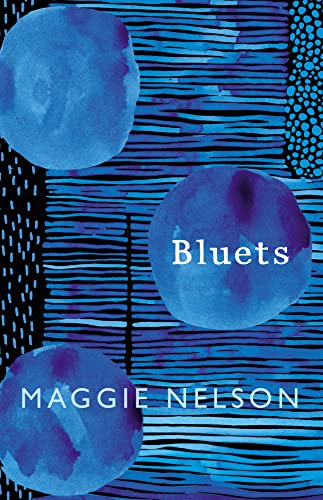
No. 46 on this list. Bluets
Maggie Nelson · 2009
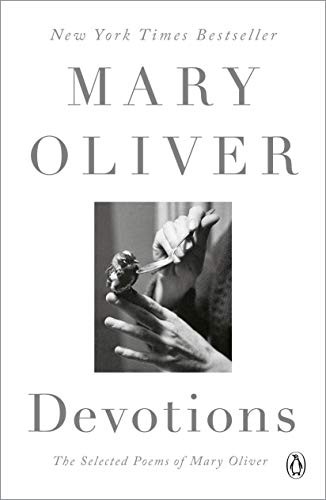
No. 47 on this list. Devotions
Mary Oliver · 2017
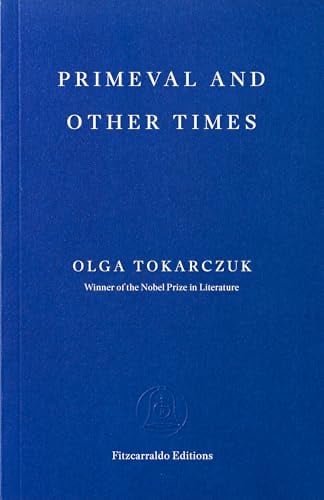
No. 48 on this list. Primeval and Other Times
Olga Tokarczuk · 1996
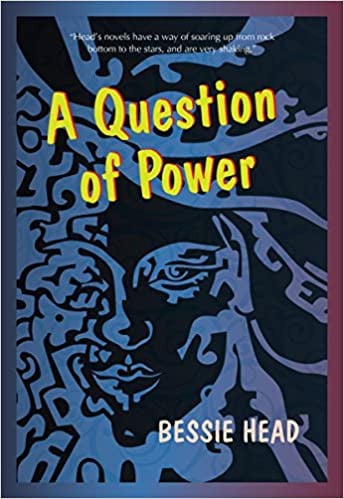
No. 49 on this list. A Question of Power
Bessie Head · 1974
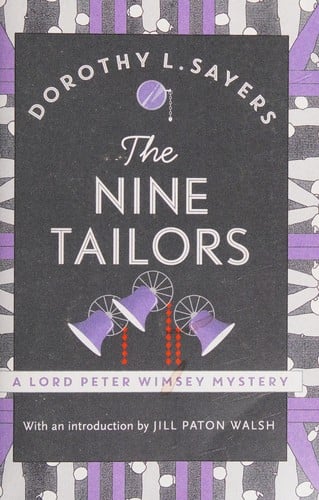
No. 50 on this list. The Nine Tailors
Dorothy L. Sayers · 1934
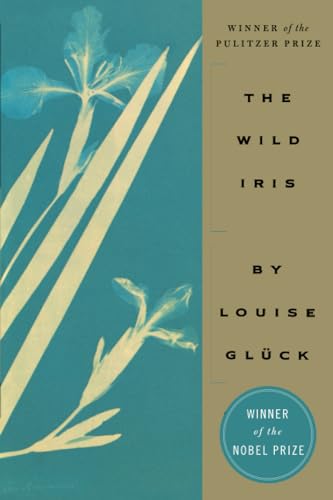
No. 51 on this list. The Wild Iris
Louise Glück · 1992
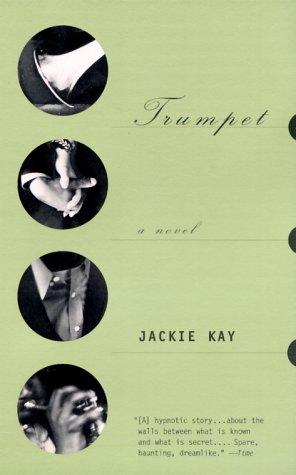
No. 52 on this list. Trumpet
Jackie Kay · 1998
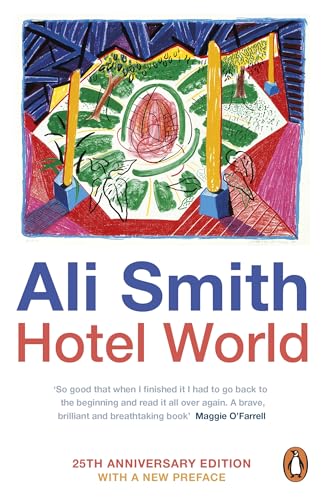
No. 53 on this list. Hotel World
Ali Smith · 2001
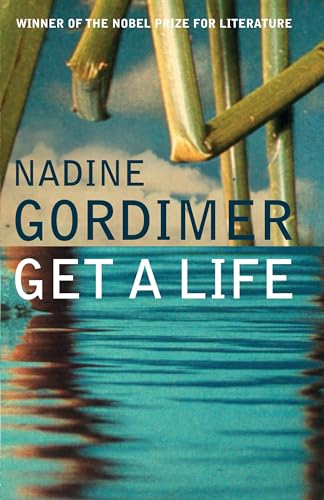
No. 54 on this list. Get a Life
Nadine Gordimer · 2006
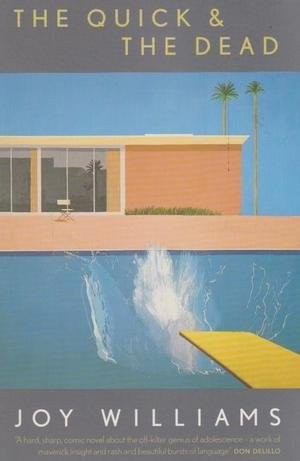
No. 55 on this list. The Quick and the Dead
Joy Williams · 2000
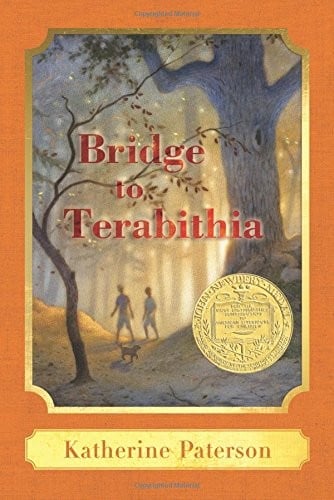
No. 56 on this list. Bridge to Terabithia
Katherine Paterson · 1977
Taught in schools: Lithuanian literature curriculum (lietuvių kalba ir literatūra)
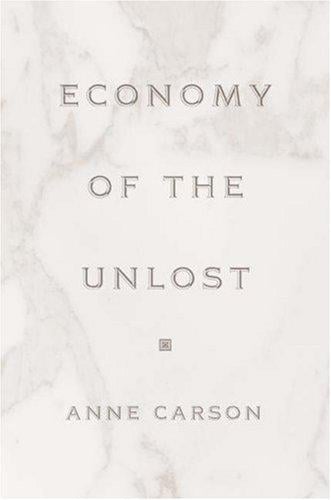
No. 57 on this list. Economy of the Unlost
Anne Carson · 1999
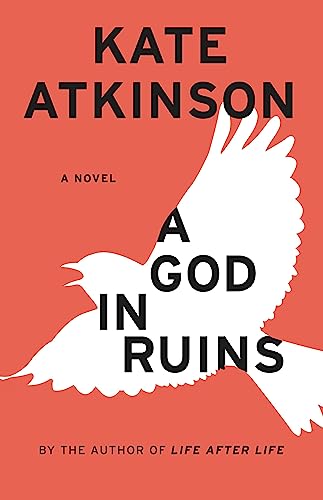
No. 58 on this list. A God in Ruins
Kate Atkinson · 2015
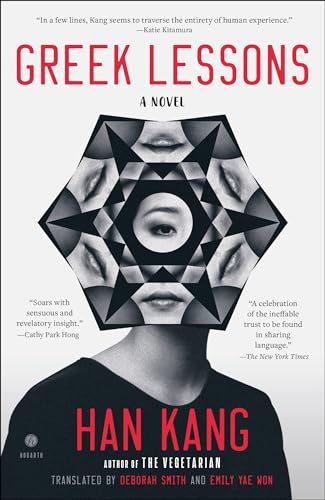
No. 59 on this list. Greek Lessons
Han Kang · 2011
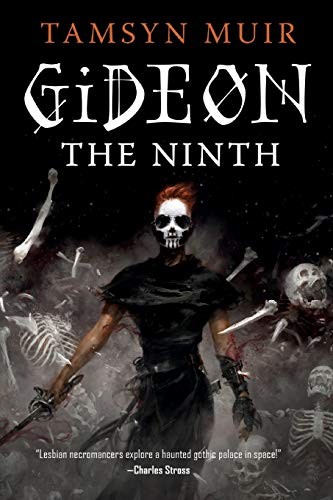
No. 60 on this list. Gideon the Ninth
Tamsyn Muir · 2019
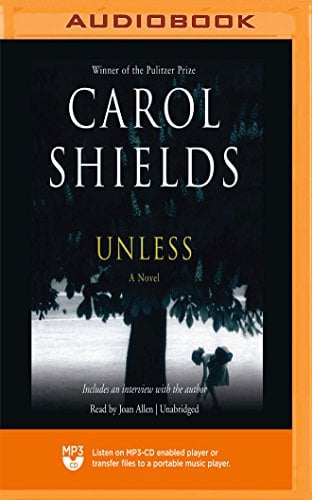
No. 61 on this list. Unless
Carol Shields · 2002
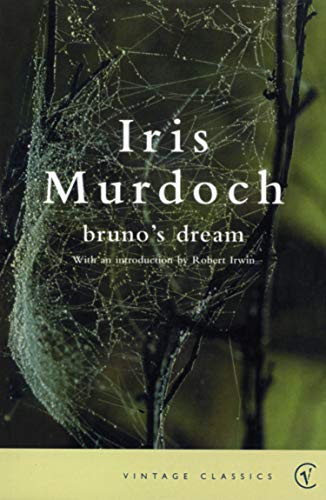
No. 62 on this list. Bruno's Dream
Iris Murdoch · 1970
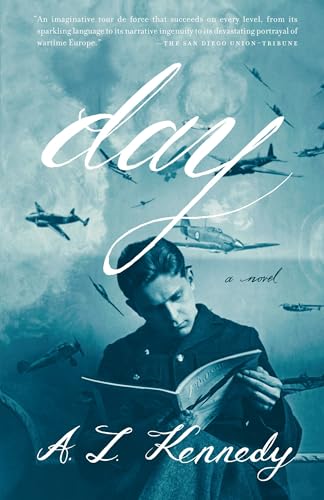
No. 63 on this list. Day
A.L. Kennedy · 2007
No. 64 on this list. The Tiger's Wife
Tea Obreht · 2011
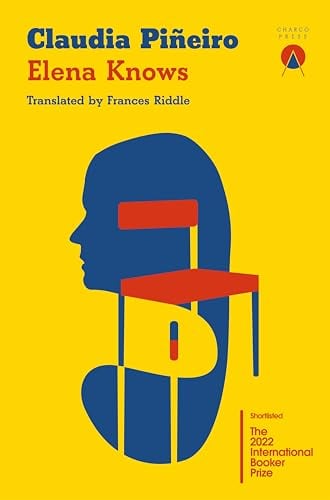
No. 65 on this list. Elena Knows
Claudia Piñeiro · 2022
Taught in schools: Leaving Certificate English – NCCA / State Examinations Commission (Ireland)
No. 66 on this list. Jerusalem
Selma Lagerlöf · 1901
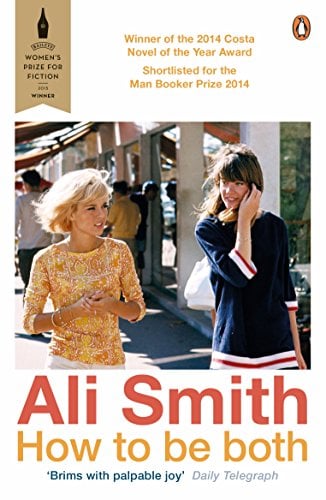
No. 67 on this list. How to Be Both
Ali Smith · 2014
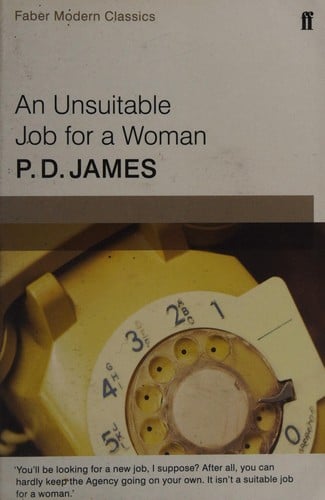
No. 68 on this list. An Unsuitable Job for a Woman
P. D. James · 1972
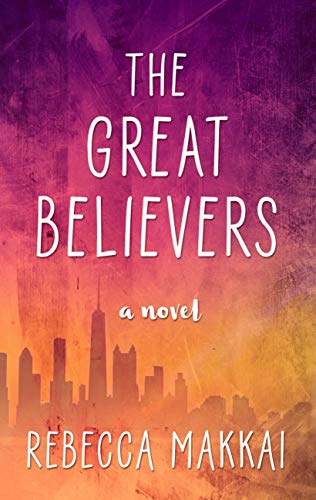
No. 69 on this list. The Great Believers
Rebecca Makkai · 2019
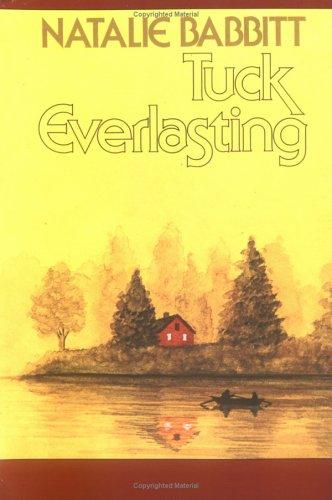
No. 70 on this list. Tuck Everlasting
Natalie Babbitt · 1975
Taught in schools: Common Core text exemplars (Appendix B) (US)

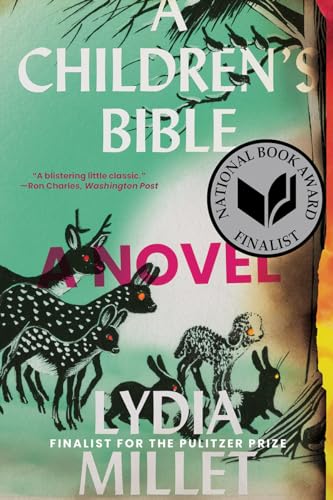
No. 71 on this list. A Children's Bible
Lydia Millet · 2020
No. 72 on this list. Charming Billy
Alice McDermott · 1998
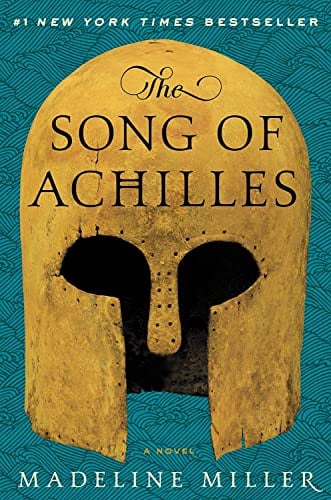
No. 73 on this list. The Song of Achilles
Madeline Miller · 2012
No. 74 on this list. Don't Look Now
Daphne du Maurier · 1971
No. 75 on this list. The Friend
Sigrid Nunez · 2018
No. 76 on this list. So Much for That
Lionel Shriver · 2010
No. 77 on this list. The Fortune Men
Nadifa Mohamed · 2021
No. 78 on this list. That Night
Alice McDermott · 1987
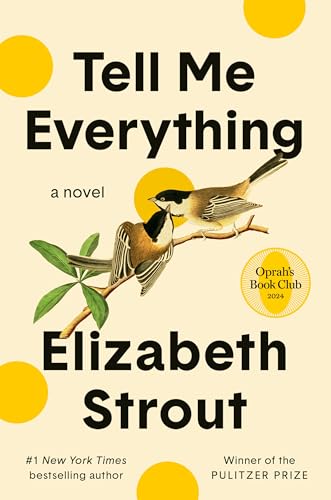
No. 79 on this list. Tell Me Everything
Elizabeth Strout · 2025
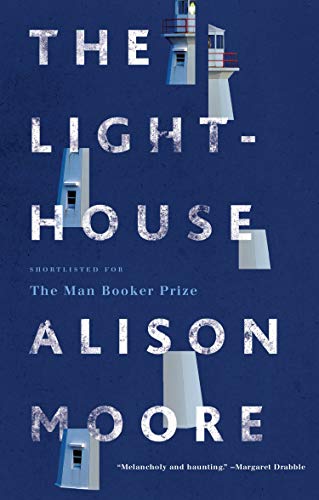
No. 80 on this list. The Lighthouse
Alison Moore · 2012
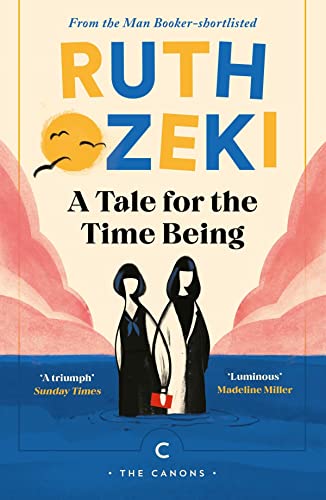
No. 81 on this list. A Tale for the Time Being
Ruth Ozeki · 2013
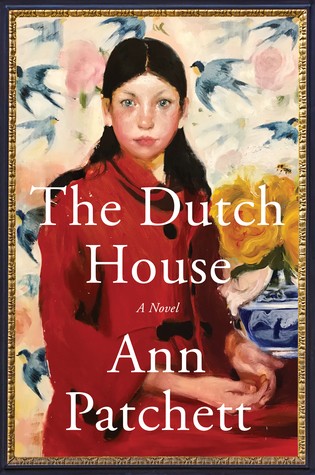
No. 82 on this list. The Dutch House
Ann Patchett · 2019
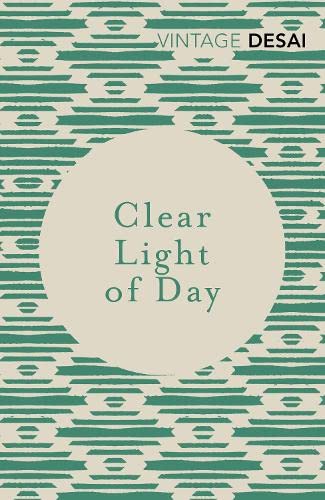
No. 83 on this list. Clear Light of Day
Anita Desai · 1980
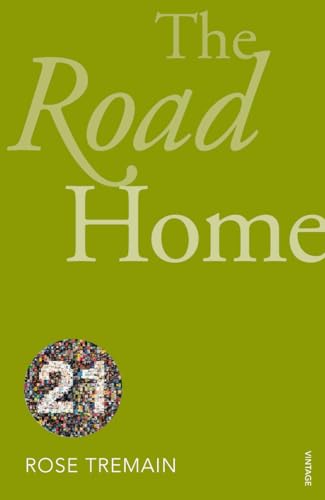
No. 84 on this list. The Road Home
Rose Tremain · 2008
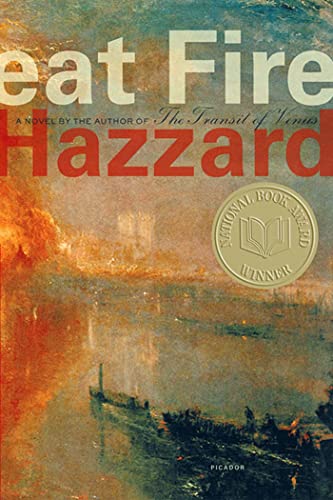
No. 85 on this list. The Great Fire
Shirley Hazzard · 2004
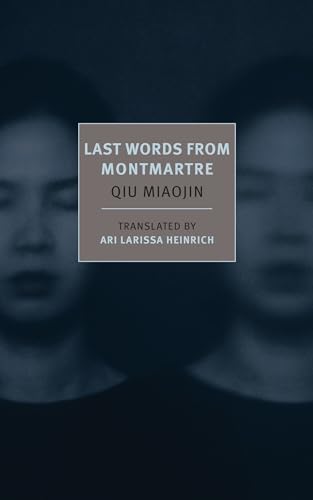
No. 86 on this list. Last Words from Montmartre
Qiu Miaojin · 1996
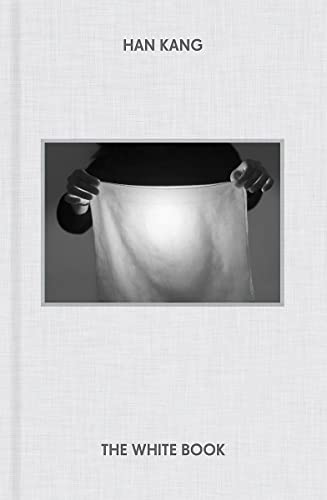
No. 87 on this list. The White Book
Han Kang · 2018
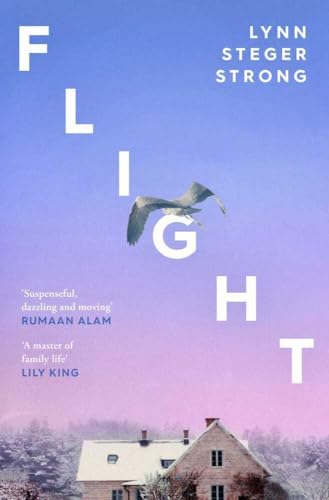
No. 88 on this list. Flight
Lynn Steger Strong · 2022
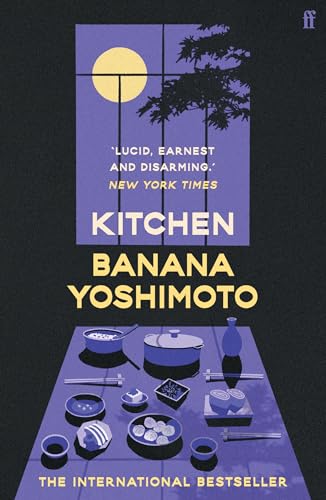
No. 89 on this list. Kitchen
Banana Yoshimoto · 1988
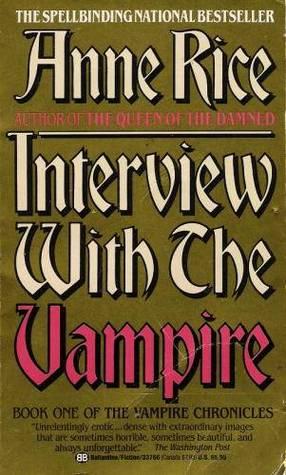
No. 90 on this list. Interview with the Vampire
Anne Rice · 1976
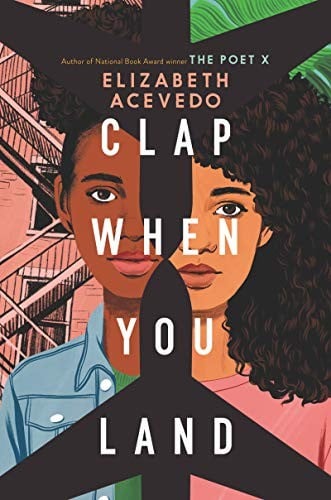
No. 91 on this list. Clap When You Land
Elizabeth Acevedo · 2020
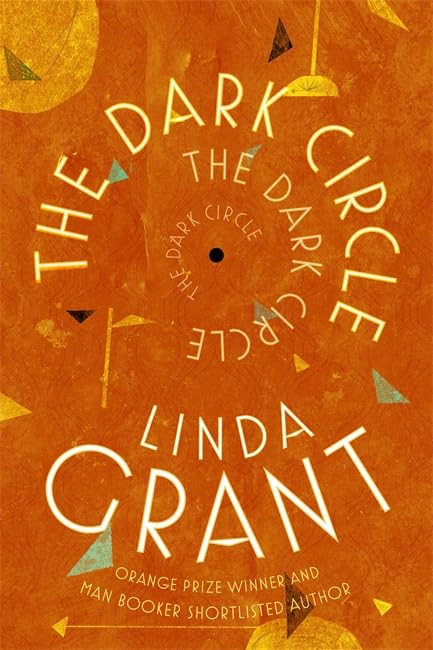
No. 92 on this list. The Dark Circle
Linda Grant · 2017
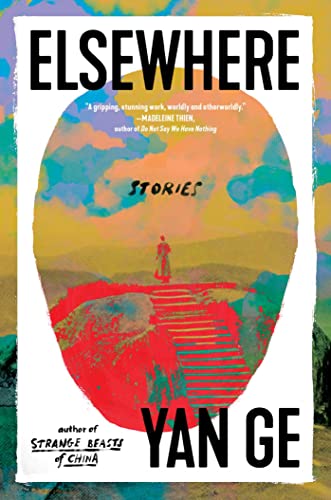
No. 93 on this list. Elsewhere
Yan Ge · 2024
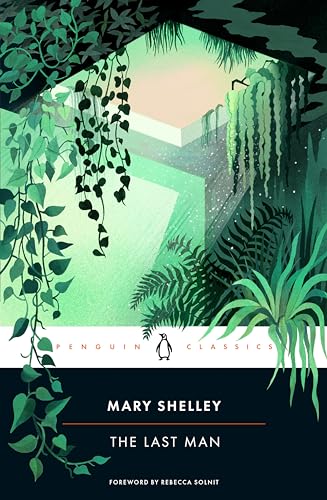
No. 94 on this list. The Last Man
Mary Shelley · 1826
No. 95 on this list. Women Without Men: A Novel of Modern Iran
Shahrnush Parsipur · 2004
No. 96 on this list. Her Fearful Symmetry
Audrey Niffenegger · 2010
No. 97 on this list. Fugitive Pieces
Anne Michaels · 1997
No. 98 on this list. Disappearing Earth
Julia Phillips · 2019
No. 99 on this list. We Were the Mulvaneys
Joyce Carol Oates · 1996
No. 100 on this list. The Gathering
Anne Enright · 2007

About this list
These 100 books are the highest-scoring eligible books about death and mortality by women currently in the catalogue. About 574 hours of reading in all, for the 99 with measured lengths. Difficulty runs from 48 to 60 out of 100 for the middle half of the list; the summit is Geography III at 78.
This list is ranked by literary regard, with a consistent order for equal scores. Membership follows authors and co-authors, not translators or editors. A book is here when ReadingRate files it under Death & Mortality as one of its primary reading domains, at a confidence of 0.8 or more. Catalogue coverage and the historical canon both limit what this list can represent.
When we matched the Canons dataset to our catalogue in October 2026, our canonical-status scores rose with the number of school curricula, publisher series and lists in it that cite a work: the median score was 72 for books one such source cites, 84 at two, 88 at three, 92 at four and 93 at five or more. Prizes are left out of that count. Outside the state curricula, the dataset’s sources choose mostly from what has been translated into English or French, so it is a weaker check on other literatures. Source: Canons (Andrew Piper), CC BY 4.0
Questions people actually ask
- What are the best books about death and mortality by women?
- By literary regard, which weighs canonical status, critical standing and influence: Ariel by Sylvia Plath, To the Lighthouse by Virginia Woolf, Mrs. Dalloway by Virginia Woolf, Geography III by Elizabeth Bishop and Voices from Chernobyl by Svetlana Alexievich. ReadingRate ranks 100 such books, each with a difficulty score and a reading-time estimate.
- Which books about death and mortality by women should I read first?
- Start from difficulty, not from rank. The most approachable books on this list that still carry top literary regard are Runaway by Alice Munro (about 5.5 hours), The Lottery and Other Stories by Shirley Jackson and Gilead by Marilynne Robinson.
- What are the shortest of the best books about death and mortality by women?
- Among the top 25, the shortest are Geography III by Elizabeth Bishop (about 37 min), 4.48 Psychosis by Sarah Kane (about 22 min) and The Story of an Hour by Kate Chopin (about 35 min), at an average pace of 250 words a minute adjusted for each book's difficulty.
- Which of the best books about death and mortality by women are the established classics?
- By canonical status, how firmly a book sits in curricula, anthologies and the canon: Ariel by Sylvia Plath, To the Lighthouse by Virginia Woolf, Mrs. Dalloway by Virginia Woolf, The Story of an Hour by Kate Chopin and Geography III by Elizabeth Bishop.
- Can I read any of these books about death and mortality by women for free?
- 6 of the 100 open in ReadingRate's reader with a free account, from public-domain editions: To the Lighthouse, Mrs. Dalloway, Jacob's Room, Death Comes for the Archbishop, Jerusalem and 1 more.
- How long would it take to read the top ten?
- About 52 hours, at an average pace of 250 words a minute adjusted for each book's difficulty: 27 days at two hours a day. Set your own pace on the page and the list's reading times change to it.
- How hard are books about death and mortality by women to read?
- Most of this list sits between 48 and 60 on ReadingRate's 100-point difficulty scale, where 40 to 55 is moderate. The summit is Geography III at 78. Every entry carries its own score, so a reader can pick a great book at a difficulty they will finish.
- How is this list ranked?
- On literary-regard data: how canonically established a work is, its critical standing, and its influence on later writing. It is not a readers’ poll, which is why recent bestsellers rarely appear. Membership follows authors and co-authors, not translators or editors. Lists by country, author, period, theme or difficulty keep to literature (fiction, poetry, drama and philosophy), their novels, poems and plays first and their philosophy after them; a list of a kind of book, such as memoir or criticism, keeps every book of that kind. Every list holds at most three works by one author. A book is here when ReadingRate files it under Death & Mortality as one of its primary reading domains, at a confidence of 0.8 or more.