Hours at an average pace
Showing 100 books
About 805 hours for 100 of 100 books with measured lengths. Estimates use 250 words a minute, adjusted for each book's difficulty. At 2 hours a day, about 403 days for those books.
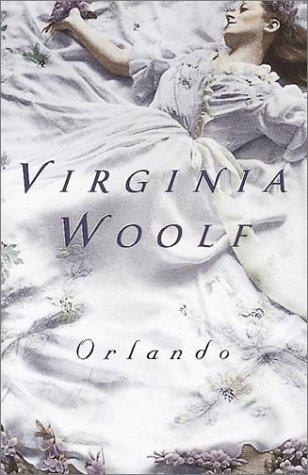
No. 1 on this list. Orlando
Virginia Woolf · 1928
Moderate5.2 hours
Taught in schools: UNAM Escuela Nacional Preparatoria – programas de Literatura (Mexico)
Orlando appears on university syllabi worldwide in modernist literature, gender studies, feminist theory, and LGBTQ+ studies courses — one of the few novels to anchor multiple disciplines simultaneously. It features on Modern Library's 100 Best Novels list and is discussed in virtually every survey of 20th-century British fiction. Woolf's stature guarantees its place in the canon regardless of pedagogical fashion.
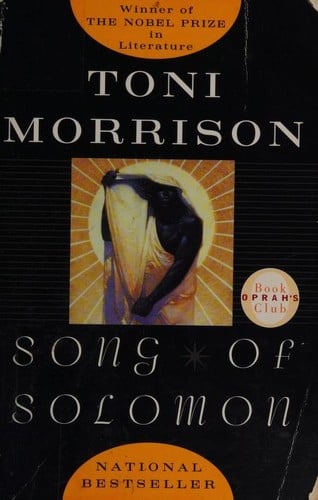
Morrison sent a young Black man on a mythic quest through four generations of his family's buried history, fusing African-American folklore, biblical allusion, and the cadences of blues and gospel into a narrative structure no American novel had attempted before. The novel proved that flight — literal and metaphorical — could carry the full weight of Black American experience from slavery to self-knowledge.
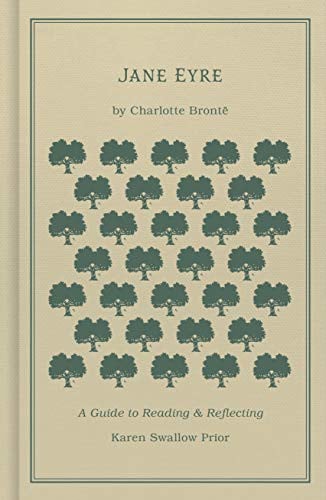
No. 3 on this list. Jane Eyre
Charlotte Brontë · 1847
Moderate13 hours
Taught in schools: AQA GCSE and A-level English Literature (UK), Common Core text exemplars (Appendix B) (US), CSEC English B – Caribbean Examinations Council
Appears on 6,194 university syllabi according to Open Syllabus — placing it at the 94.8th percentile — and its Wikipedia article spans 59 languages with dedicated Reception and Adaptations sections. Jane Eyre is a fixture of Victorian literature courses worldwide and features on both the Open Syllabus Top 500 Literature list and the BBC Big Read Top 100.
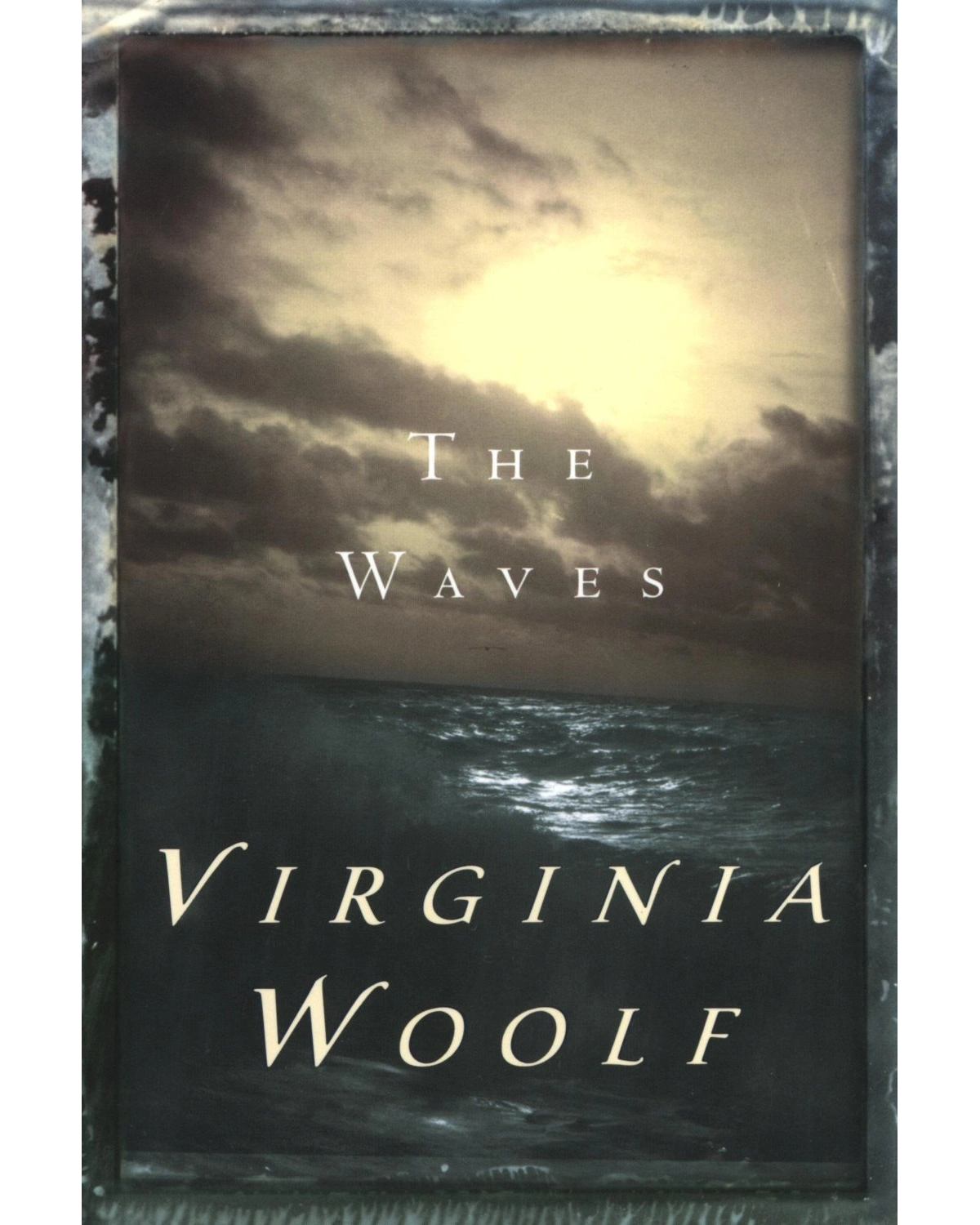
Recognized as Woolf's most ambitious experiment. Central to modernist studies.
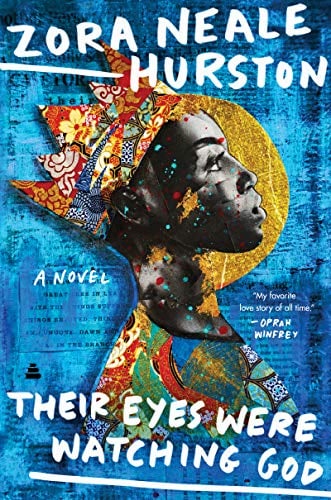
No. 5 on this list. Their Eyes Were Watching God
Zora Neale Hurston · 1937
Challenging5.3 hours
Taught in schools: Common Core text exemplars (Appendix B) (US)
Appears on 3,011 university syllabi according to the Open Syllabus Project (86.97th percentile), placing it among the most-taught American novels. Featured on TIME's All-TIME 100 Novels list and published in prestigious Library of America and Everyman's Library editions — markers of sustained institutional recognition. Available in 9 Wikipedia languages, reflecting global reach in academic and literary circles.
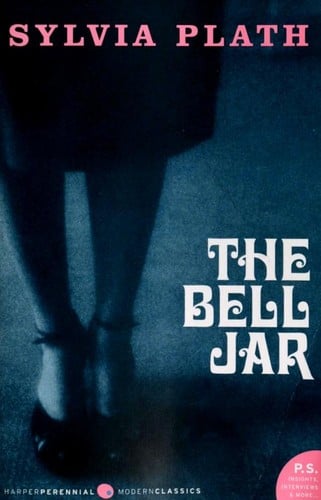
The Bell Jar is required reading in virtually every American women's literature and confessional writing course, and appears widely in high school curricula addressing mental health and mid-century American life. It holds a secure place on Modern Library and similar essential reading lists, and remains one of the most assigned novels in discussions of feminist literary history.
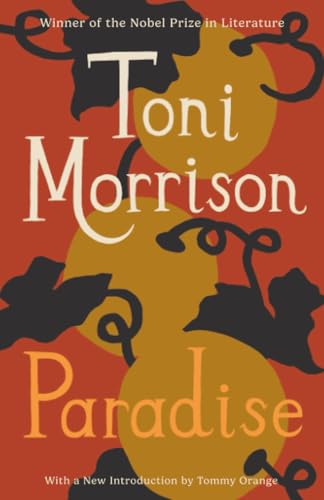
As Morrison's seventh novel following her 1993 Nobel Prize, Paradise occupies secure canonical position. It completes Morrison's loose trilogy with Beloved and Jazz, cementing her exploration of African American historical trauma. The novel appears regularly on graduate syllabi and receives sustained scholarly attention. While perhaps less taught than Beloved or Song of Solomon, it represents mature-period Morrison at peak powers and contributes essential perspectives on black utopian communities, gender conflict, and religious violence.
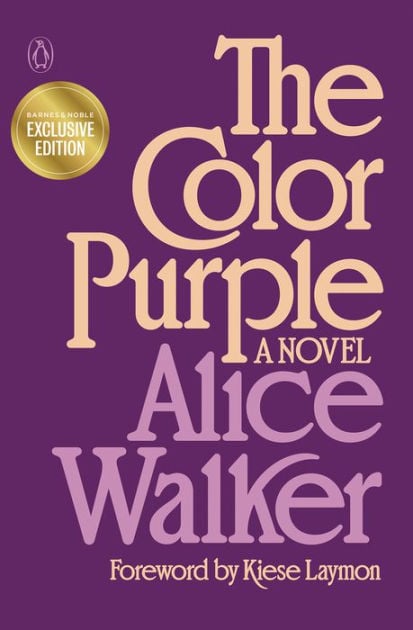
No. 8 on this list. The Color Purple
Alice Walker · 1983
Moderate4.6 hours
Taught in schools: AQA GCSE and A-level English Literature (UK), CSEC English B – Caribbean Examinations Council, Pearson Edexcel GCSE and A-level English Literature (UK)
Appears on 1,185 university syllabi according to Open Syllabus (76.8th percentile), making it a fixture of American literature, women's studies, and African American studies courses. Wikipedia articles in 22 languages reflect its global reach. Consistently listed in essential American fiction surveys, and the 1985 Spielberg film expanded its cultural footprint far beyond academic settings.
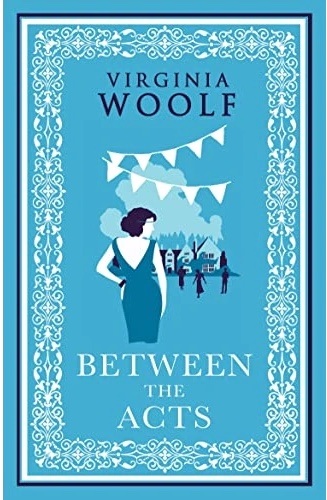
It is a summer afternoon in June 1939, six weeks before England declares war. At Pointz Hall, a country house in the English south, the Oliver family — old Bartholomew, his daughter-in-law Isa, his son Giles, and his sister Lucy Swithin — gathers for the annual village pageant. The guests arrive: Mrs. Manresa, radiant and reckless; William Dodge, a clerk with a damaged secret. Miss La Trobe, the pageant's director, crouches behind a tree and curses the wind. The pageant runs through English history — Chaucer, Elizabeth I, the Victorians — using village actors, a sputtering gramophone, and a script always threatening to collapse. The audience half-follows, gossips about the vicar, and files out for tea. Meanwhile Isa carries an unspoken passion for a man in grey she has met only twice. Giles seethes at his own inaction as catastrophe approaches. Lucy broods on prehistory and fish. Woolf gives her final novel no plot to resolve. The pageant ends; the audience disperses; the gramophone gurgles "Unity — Dispersity" and stops mid-word. That evening, after the strangers leave, Isa and Giles are alone together for the first time all day — and the novel ends on two words: "They spoke." What came before those words, in the charged silences between the day's acts, is Woolf's entire subject: fragmented desires, incomplete sentences, and the swallows that have returned every summer since before civilization, and may return when it is gone.
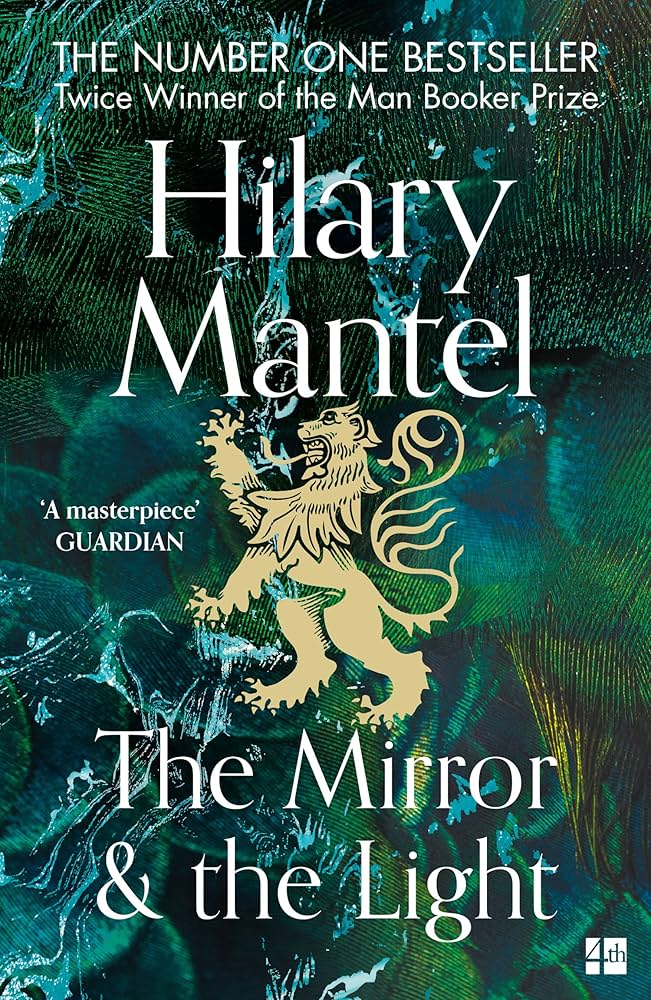
The final book in the Thomas Cromwell trilogy, following Cromwell from Jane Seymours death to his own execution.
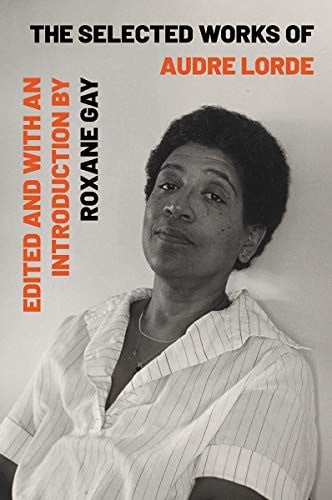
No. 11 on this list. The Selected Works of Audre Lorde · Audre Lorde · 2020
Lorde is taught across literature, gender studies and Black studies.
Challenging7.3 hours
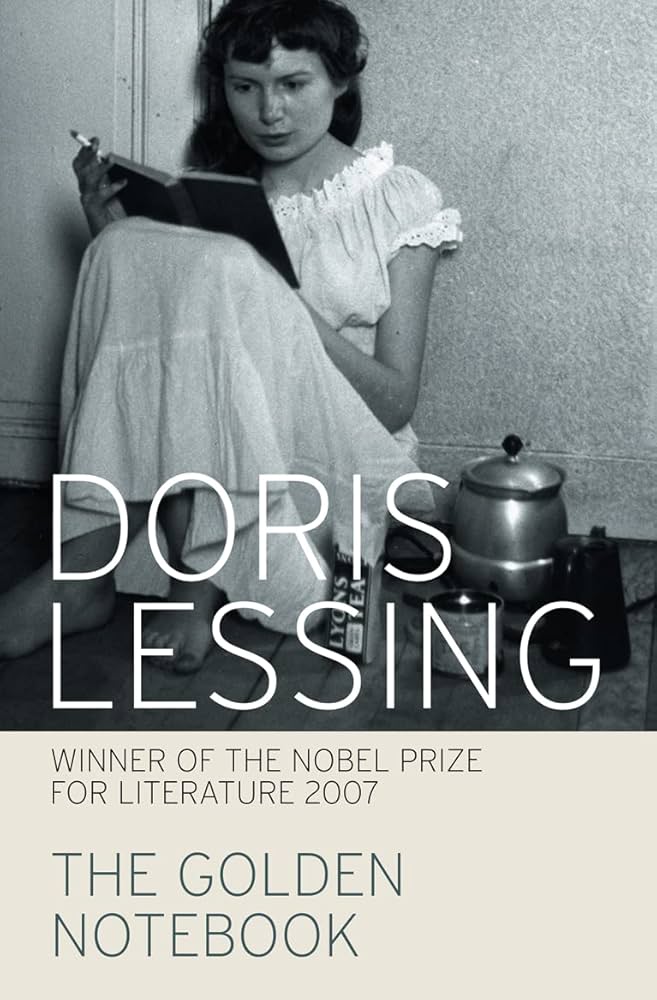
Start this bookNo. 12 on this list. The Golden Notebook · Doris Lessing · 1962
Included in: Bokklubben World Library
The Golden Notebook appears on 139 university syllabi according to the Open Syllabus Project (53rd percentile) and is listed in Open Syllabus's Top 500 Literature titles. It appears on TIME's All-TIME 100 Novels list (2005) and holds Wikipedia articles in 20 languages. It is a standard text in women's literature, postcolonial literature, and 20th-century British fiction courses, though not at the frequency of The Great Gatsby or To Kill a Mockingbird.
Difficult28 hours
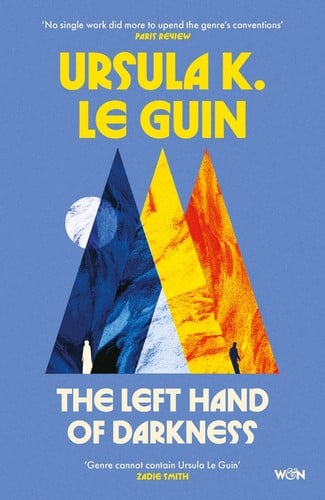
Start this bookNo. 13 on this list. The Left Hand of Darkness · Ursula K Le Guin · 1969
Genly Ai, a human envoy from a galactic coalition called the Ekumen, arrives on the planet Gethen to invite its people into interstellar fellowship. The planet is locked in an ice age, and its inhabitants possess a biology that would reshape how any visitor understands human nature: Gethenians have no fixed sex, spending most of each month in a neuter state before entering 'kemmer,' a brief fertile period during which they become randomly male or female. Genly must navigate the treacherous politics of two rival nations, Karhide and Orgoreyn, while struggling against his own deeply ingrained assumptions about gender. His most important relationship is with Estraven, a disgraced Karhidish politician whose motives Genly cannot read through the fog of his own gendered expectations. Their harrowing journey across an arctic ice sheet strips away politics, culture, and prejudice, forcing a communion between two beings who must learn to see each other without the categories that have shaped their perceptions. Le Guin constructs the novel as a mosaic of voices: Genly's diplomatic report, Estraven's spare journal, Gethenian myths and legends, and anthropological field notes, each offering a partial and unreliable perspective on a world that resists totalizing description. The prose is crystalline and unhurried, moving between political intrigue, philosophical reflection, and passages of extraordinary landscape writing as the two travelers cross the Gobrin Ice. The embedded myths refract the novel's central concerns with duality, betrayal, and the inseparability of light and darkness.
Challenging7.4 hours
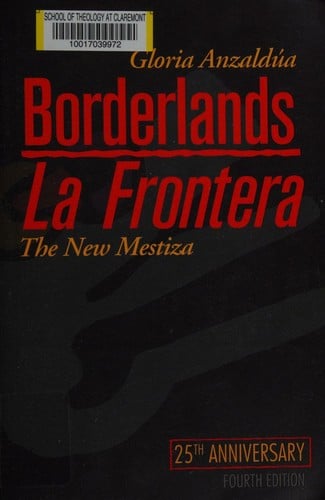
Start this bookNo. 14 on this list. Borderlands/La Frontera: The New Mestiza · Gloria Anzaldua · 1987
Foundational text of Chicana feminism, border studies, and queer theory. Universally taught in relevant fields.
Easy2.7 hours
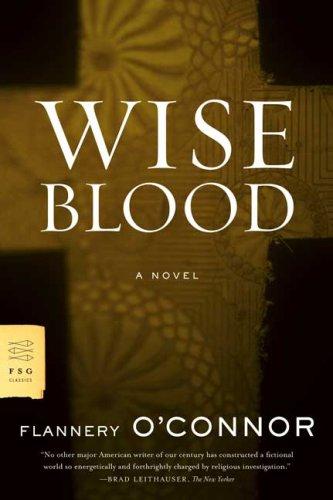
Start this bookNo. 15 on this list. Wise Blood · Flannery O'Connor · 1952
A landmark of Southern Gothic fiction and American literature, widely taught and critically analyzed. One of the defining novels of postwar American fiction.
Moderate3.5 hours
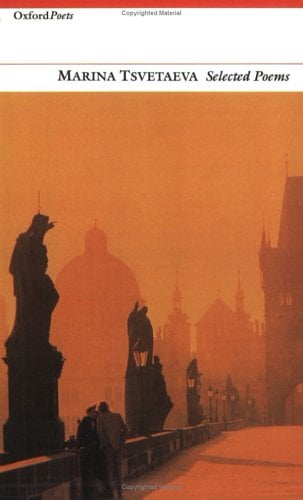
Start this bookNo. 16 on this list. Selected Poems of Marina Tsvetaeva · Marina Tsvetaeva
Tsvetaeva is firmly established as one of the four great Russian poets of the twentieth century, alongside Akhmatova, Mandelstam, and Pasternak.
Moderate1.7 hours
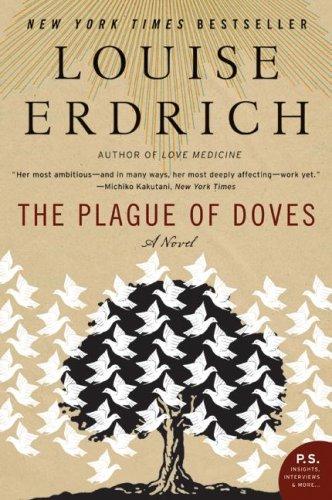
Start this bookNo. 17 on this list. The Plague of Doves · Louise Erdrich · 2008
Pulitzer Prize finalist (2009) and the first entry in a trilogy whose second volume, The Round House, won the National Book Award. Taught in university courses on contemporary American and Native American literature, with an established academic presence in postcolonial and ethnic studies. Widely regarded as one of Erdrich's most formally accomplished novels.
Difficult14 hours
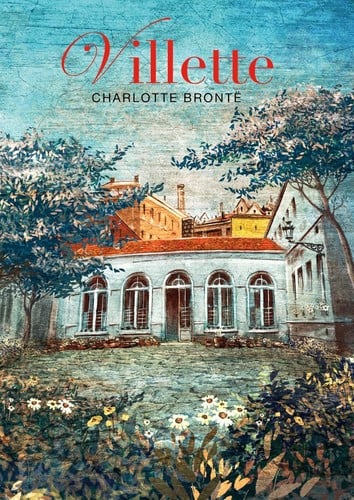
Start this bookNo. 18 on this list. Villette · Charlotte Brontë · 1853
Widely taught in advanced 19th-century literature courses and Victorian fiction seminars, though less ubiquitous than Jane Eyre. Contemporary scholarship increasingly positions Villette as Brontë's most sophisticated novel; it appears regularly on university syllabi in feminist literary criticism and psychological realism tracks.
Challenging15 hours
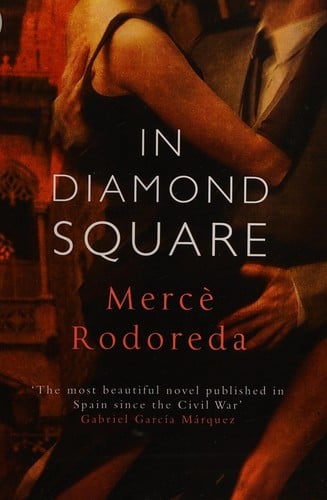
Read nowNo. 19 on this list. The Time of the Doves · Mercè Rodoreda · 1962
The undisputed masterpiece of twentieth-century Catalan literature. Widely translated and recognized as one of the great European novels of the postwar period.
Easy3 hours
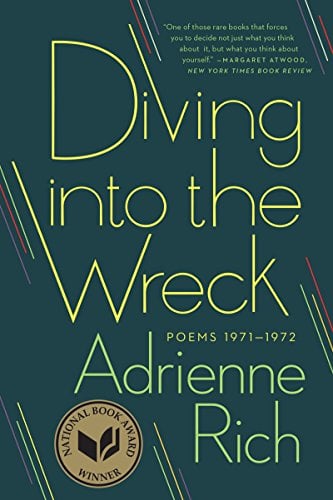
Start this bookNo. 20 on this list. Diving into the Wreck · Adrienne Rich · 1973
The title poem appears in virtually every major American poetry anthology and is standard reading in feminist literature, American poetry, and contemporary poetry courses. The collection sits firmly in the literary canon, comparable to Beloved (85) in academic reach if not in the broadest syllabi. No database data was returned, but Rich's place in American poetry curricula is well established.
Difficult47 min
Start this book
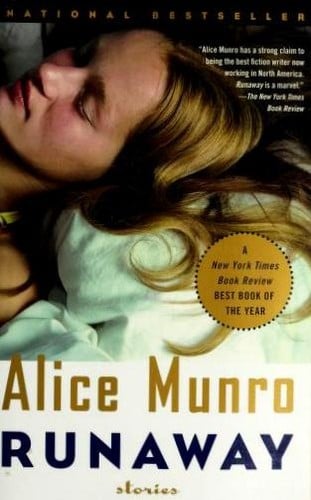
No. 21 on this list. Runaway · Alice Munro · 2004
One of Munro's most celebrated collections, frequently cited as the peak of her mature work. Winner of the Giller Prize and numerous international honors.
Moderate5.5 hours
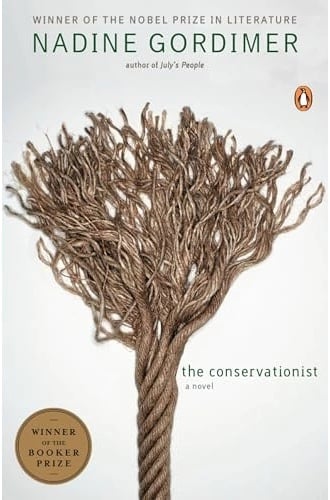
Start this bookNo. 22 on this list. The Conservationist · Nadine Gordimer · 1974
Mehring, a wealthy Johannesburg industrialist, has purchased a farm outside the city—less for profit than as refuge from his collapsing marriage, his estranged radical son, and his unsatisfying affair. When a dead Black man is found on his land, hastily buried by police who cannot identify the body, Mehring treats it as bureaucratic nuisance rather than moral crisis. He prides himself on being a progressive landowner who pays fair wages and respects his workers, yet his liberalism cannot acknowledge the corpse as ancestral claim or historical reckoning. Gordimer narrates through Mehring's evasive consciousness, her prose registering the minutiae of farm management—cattle diseases, pasture conditions, labor arrangements—while circling obsessively around the burial site he tries to forget. The narrative crosscuts between his weekend visits and the farm's rhythms in his absence, where workers Jacobus and Solomon maintain routines inflected by meanings Mehring cannot access. When floods exhume the body, the workers perform proper burial rites, restoring him to the land in ceremonies that supersede Mehring's title deeds. Gordimer withholds resolution: Mehring remains uncomprehending, his ownership revealed as legal fiction layered atop deeper claims the novel anatomizes but does not resolve.
Challenging7.2 hours
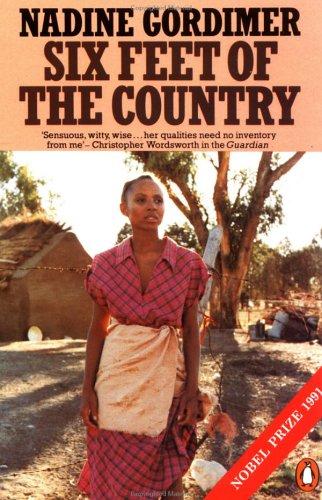
Start this bookNo. 23 on this list. Six Feet of the Country · Nadine Gordimer · 1956
Widely recognized as a cornerstone of post-colonial and South African literature. Appears consistently in university curricula and anthologies of significant twentieth-century short fiction. Represents a crucial moment in articulating apartheid-era social consciousness.
Moderate4.1 hours
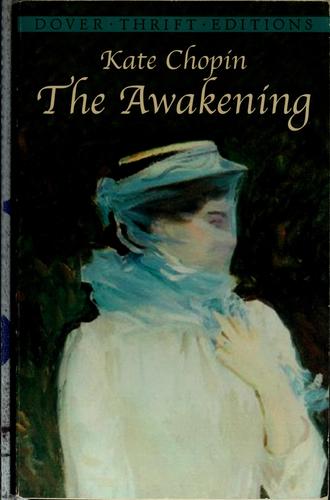
Start this bookNo. 24 on this list. The Awakening · Kate Chopin · 1899
Taught in schools: AQA GCSE and A-level English Literature (UK)
Required reading in virtually every American literature survey course and a fixture on feminist literary syllabi. The novel was suppressed and dismissed as scandalous at publication in 1899, then recovered and canonized in the 1960s–70s by feminist critics; it now appears on thousands of university syllabi and is considered one of the foundational texts of American women's literature.
Challenging4.5 hours
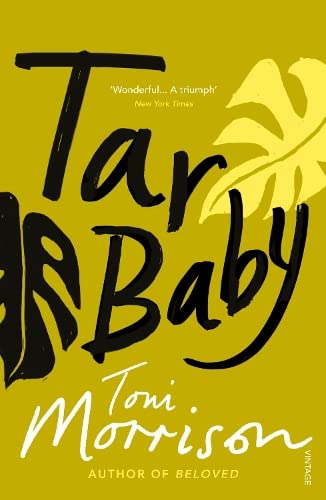
Read nowNo. 25 on this list. Tar Baby · Toni Morrison · 1981
On Isle des Chevaliers, a Caribbean island reshaped by Haitian labor and American money, Valerian Street — a retired Philadelphia candy magnate — cultivates hydrangeas in his greenhouse and avoids his neighbors. His wife Margaret, his butler Sydney and cook Ondine, and his niece Jadine, a model trained in Paris, share the villa in a state of maintained tension. When Son — a Black American fugitive who stowed away on their supply boat — is discovered hiding in the house, he breaks open every unspoken arrangement the household depends on. Morrison uses the folk tale of the tar baby as the novel's armature: Jadine and Son become stuck to each other in a relationship that neither can survive and neither can leave. She embodies what he calls racial betrayal — educated in Europe, photographed in furs, at home nowhere. He embodies what she calls romantic primitivism — a man out of time, faithful to a Black Southern past that she finds suffocating. Morrison writes this conflict without a referee. The Caribbean setting is not backdrop but argument — the swamp, the rain forest, the blind horsemen who ride the hills at night all carry the weight of African spiritual history beneath the colonial surface. The novel ends on a mythic image: Son running toward those horsemen, Jadine flying back to Paris. Morrison offers no verdict on who was right.
Moderate6.7 hours
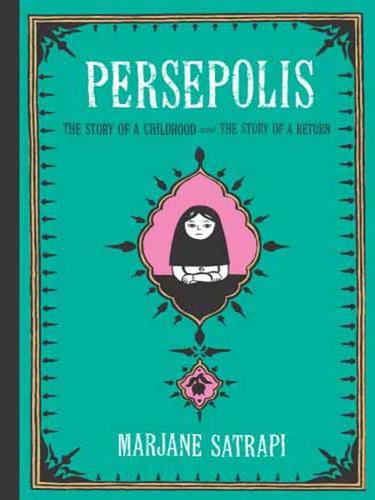
Start this bookNo. 26 on this list. Persepolis · Marjane Satrapi · 2000
Persepolis is one of the most widely taught graphic narratives in schools and universities, a standard text in courses on memoir, comics and the modern Middle East. It sits beside Art Spiegelman's Maus at the core of the graphic-memoir curriculum.
Easy2.2 hours
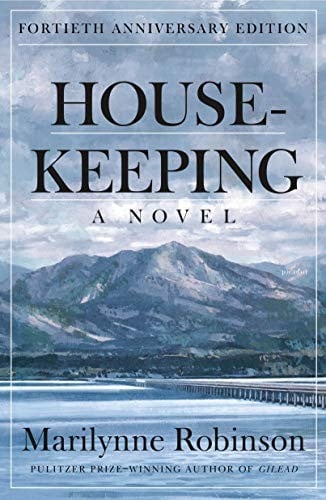
Start this bookNo. 27 on this list. Housekeeping · Marilynne Robinson · 1980
The most beautiful first novel of its generation. Ruth and Lucille's lives in Fingerbone, Idaho, Sylvie's transient existence—Robinson wrote prose like no one else. Core text in American literature courses. The novel launched a major career.
Challenging4.7 hours
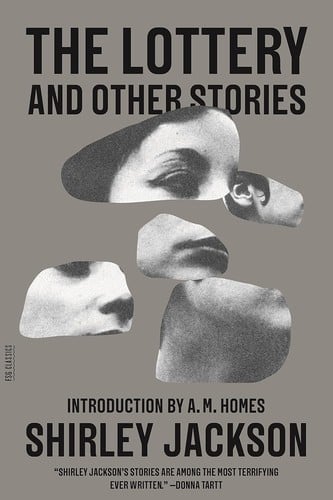
Start this bookNo. 28 on this list. The Lottery and Other Stories · Shirley Jackson · 1949
The title story 'The Lottery' is one of the most anthologized and taught short stories in the American canon, appearing in virtually every introduction-to-fiction textbook. The collection itself appears regularly on American short-story syllabi. Jackson's work has experienced a major critical reassessment since the 2010s, elevating her from genre curiosity to recognized American master.
Moderate5.3 hours
Start this bookNo. 29 on this list. The Mill on the Floss · George Eliot · 1860
Taught in schools: AQA GCSE and A-level English Literature (UK)
Firmly established in the Victorian literature curriculum and regularly taught in surveys of 19th-century British fiction. It stands as Eliot's second-most-studied novel after 'Middlemarch,' valued for its feminist themes, psychological depth, and semi-autobiographical portrayal of female intellectual awakening in a restrictive provincial society.
Challenging15 hours
Read nowNo. 30 on this list. The House on Mango Street · Sandra Cisneros · 1984
Taught in schools: CSEC English B – Caribbean Examinations Council, Pacific Senior Secondary Certificate – English
One of the most widely taught works in American secondary and university curricula, particularly in Chicano/Latino literature, women's studies, and multicultural American literature courses. It has appeared on thousands of syllabi since the 1980s and is included on numerous lists of essential American literary texts, placing it firmly in the secondary canon alongside works like Beloved.
Moderate1.4 hours
Start this book
No. 31 on this list. The Passion According to G.H.
Clarice Lispector · 1964
Taught in schools: FUVEST leituras obrigatórias (USP vestibular) (Brazil)
No. 32 on this list. A Wizard of Earthsea
Ursula K Le Guin · 1968
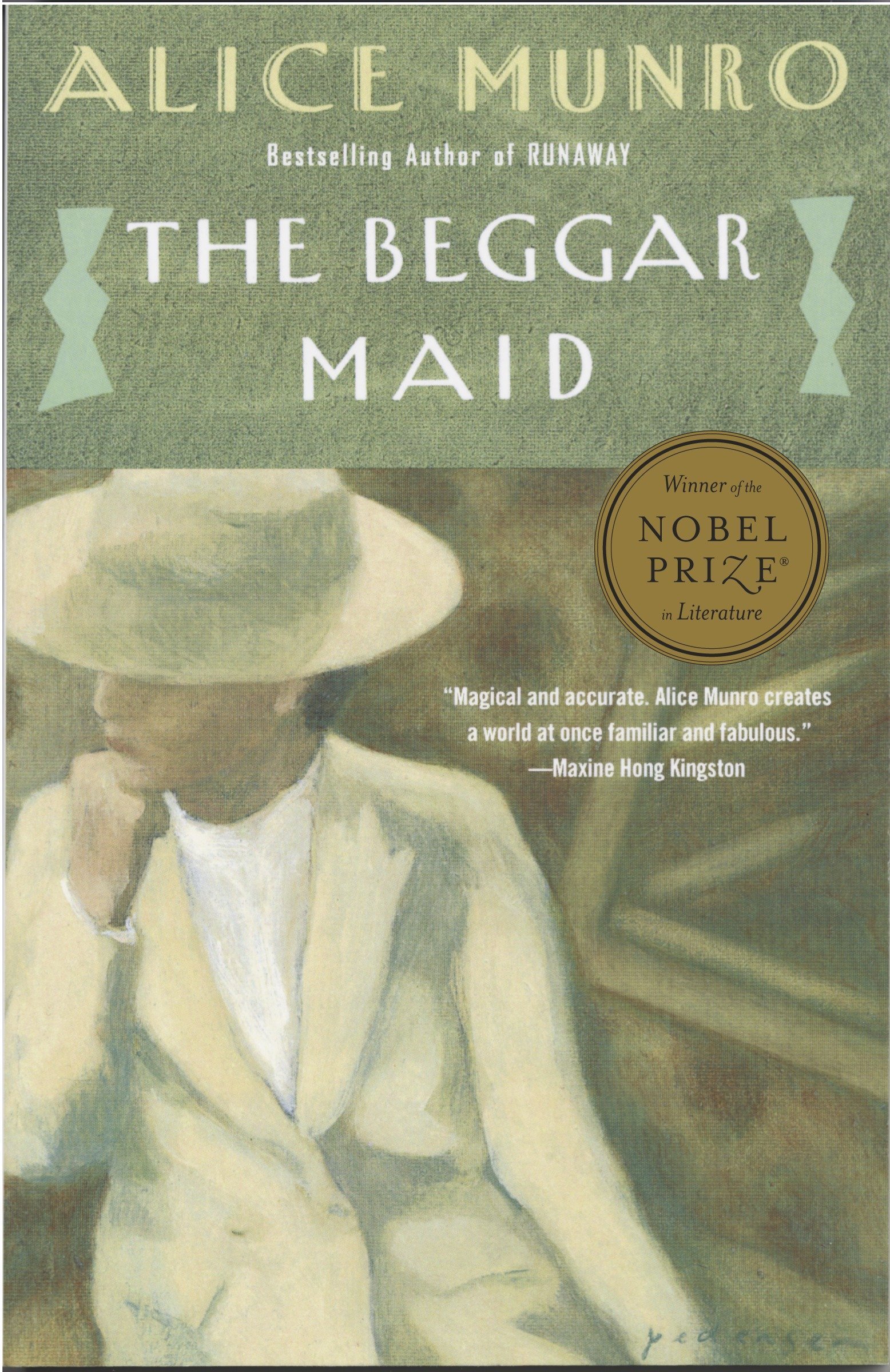
No. 33 on this list. The Beggar Maid
Alice Munro · 1980
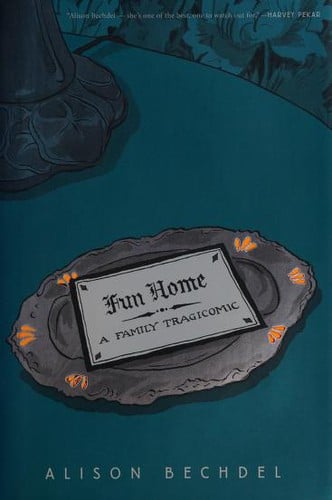
No. 34 on this list. Fun Home
Alison Bechdel · 2006
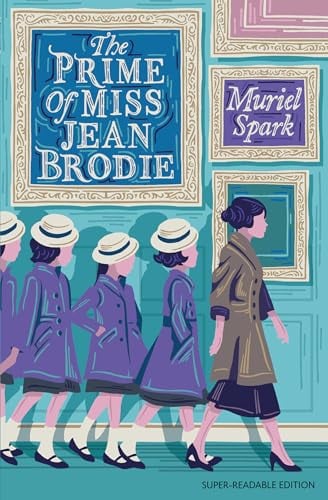
No. 35 on this list. The Prime of Miss Jean Brodie
Muriel Spark · 1961
Taught in schools: CSEC English B – Caribbean Examinations Council
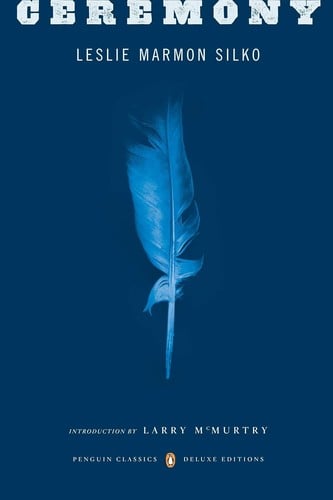
No. 36 on this list. Ceremony
Leslie Marmon Silko · 1977
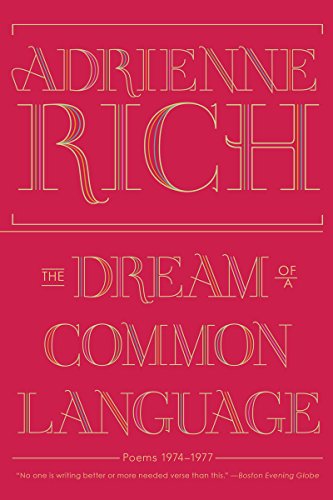
No. 37 on this list. The Dream of a Common Language
Adrienne Rich · 1978
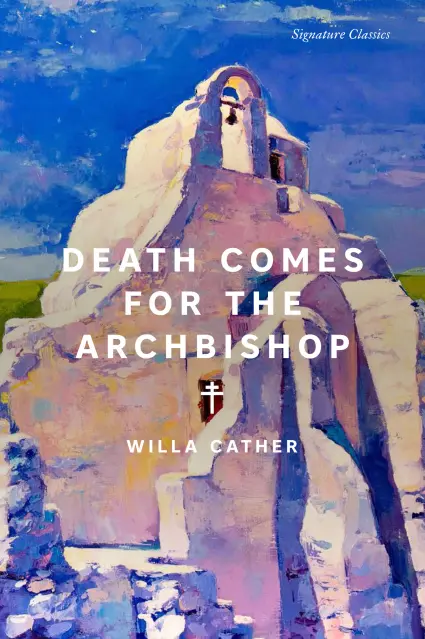
No. 38 on this list. Death Comes for the Archbishop
Willa Cather · 1927
No. 39 on this list. My Antonia
Willa Cather · 1918
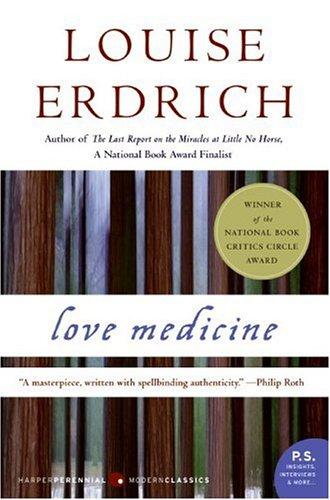
No. 40 on this list. Love Medicine
Louise Erdrich · 1984
No. 41 on this list. The Story of an Hour
No. 42 on this list. China Men
Maxine Hong Kingston · 1980
No. 43 on this list. Interpreter of Maladies
Jhumpa Lahiri · 2000
No. 44 on this list. Surfacing
Margaret Atwood · 1972
No. 45 on this list. Burger's Daughter
Nadine Gordimer · 1979
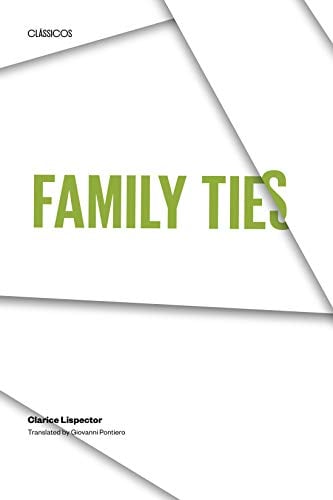
No. 46 on this list. Family Ties
Clarice Lispector · 1960
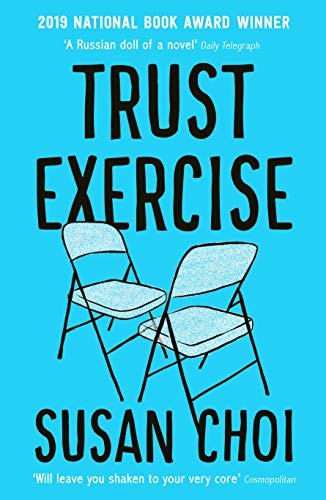
No. 47 on this list. Trust Exercise
Susan Choi · 2019
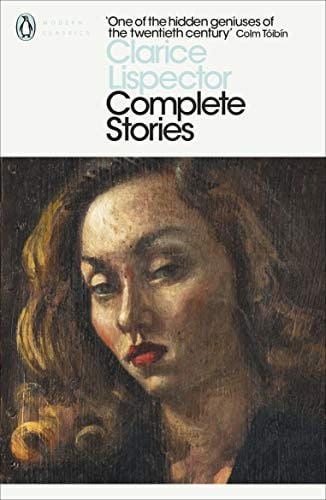
No. 48 on this list. The Complete Stories
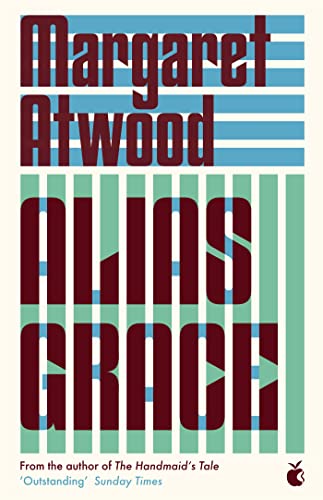
No. 49 on this list. Alias Grace
Margaret Atwood · 1996
No. 50 on this list. A Thousand Acres
Jane Smiley · 1992

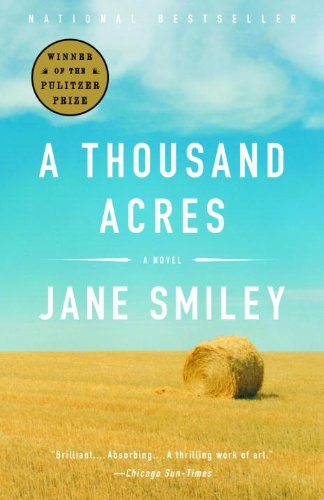
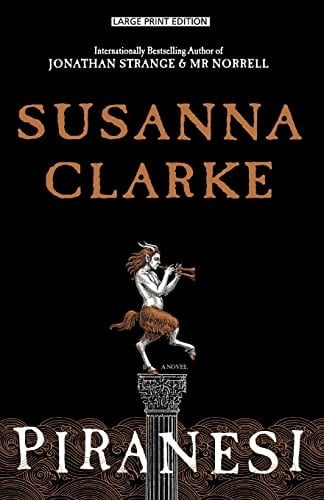
No. 51 on this list. Piranesi
Susanna Clarke · 2021
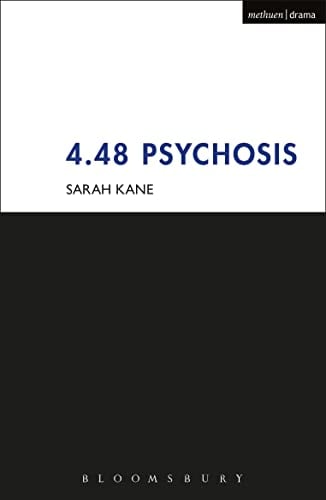
No. 52 on this list. 4.48 Psychosis
Sarah Kane · 2000
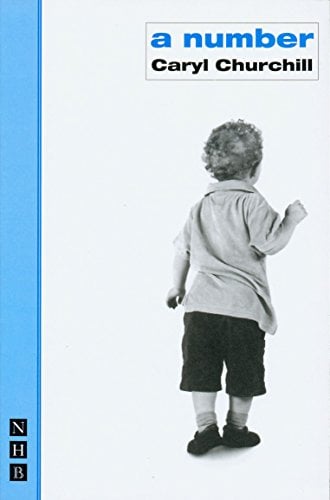
No. 53 on this list. A Number
Caryl Churchill · 2002
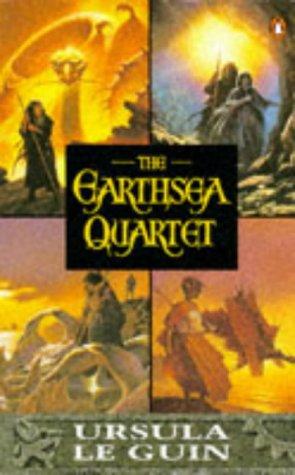
No. 54 on this list. The Earthsea Quartet
Ursula K Le Guin · 1968
No. 55 on this list. A Lost Lady
Willa Cather · 1923
Included in: Great Books of the Western World
No. 56 on this list. Tracks
Louise Erdrich · 1988
No. 57 on this list. Daniel Deronda
George Eliot · 1876
No. 58 on this list. Don't Let Me Be Lonely
Claudia Rankine · 2004
No. 59 on this list. Half of a Yellow Sun
Chimamanda Ngozi Adichie · 2007
No. 60 on this list. Adam Bede
George Eliot · 1859
No. 61 on this list. The Accidental
Ali Smith · 2005
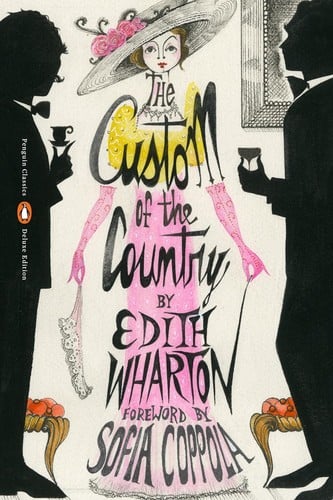
No. 62 on this list. The Custom of the Country
Edith Wharton · 1913
No. 63 on this list. Topdog/Underdog
Suzan-Lori Parks · 2001
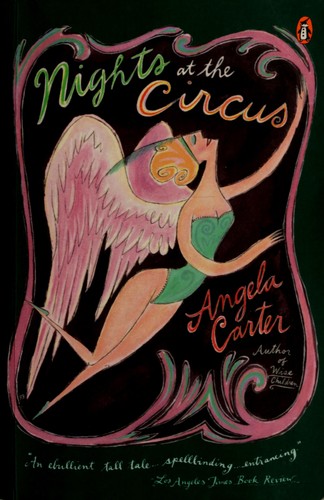
No. 64 on this list. Nights at the Circus
Angela Carter · 1984
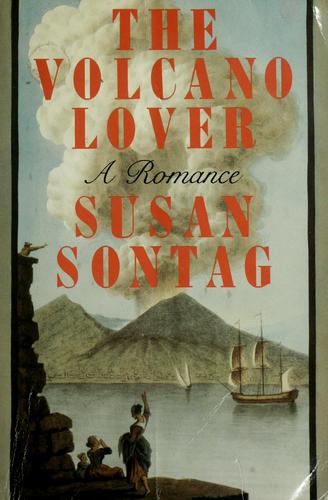
No. 65 on this list. The Volcano Lover: A Romance
Susan Sontag · 1992
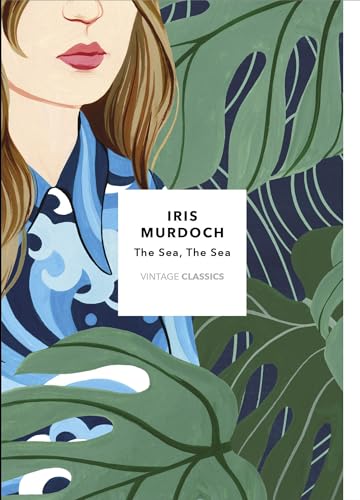
No. 66 on this list. The Sea, The Sea
Iris Murdoch · 1978
No. 67 on this list. Storyteller
Leslie Marmon Silko · 1981
No. 68 on this list. Lust, Caution
Eileen Chang · 1979
No. 69 on this list. The Female Man
Joanna Russ · 1975
No. 70 on this list. She Came to Stay
Simone de Beauvoir · 1943

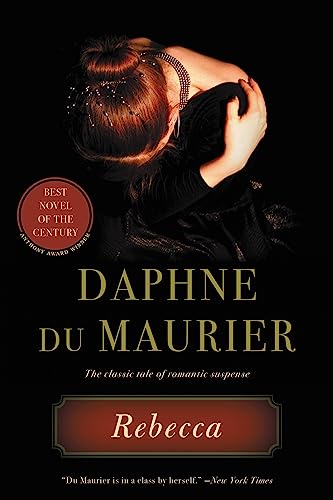
No. 71 on this list. Rebecca
Daphne du Maurier · 1938
Taught in schools: AQA GCSE and A-level English Literature (UK)
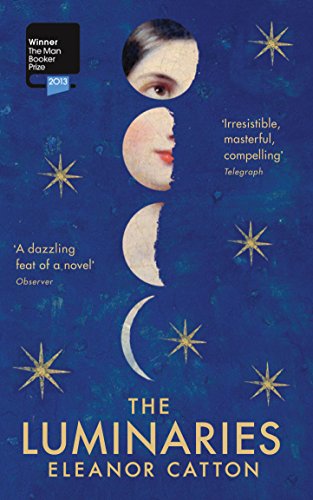
No. 72 on this list. The Luminaries
Eleanor Catton · 2013
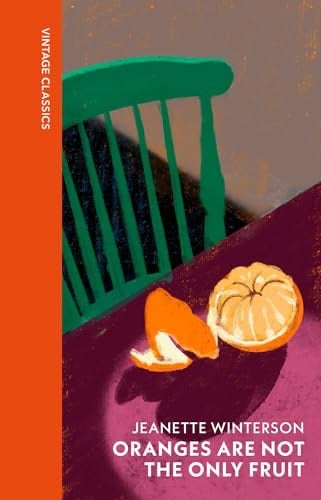
No. 73 on this list. Oranges Are Not the Only Fruit
Jeanette Winterson · 1985
Taught in schools: AQA GCSE and A-level English Literature (UK), WJEC/Eduqas GCSE and A-level English Literature (UK)
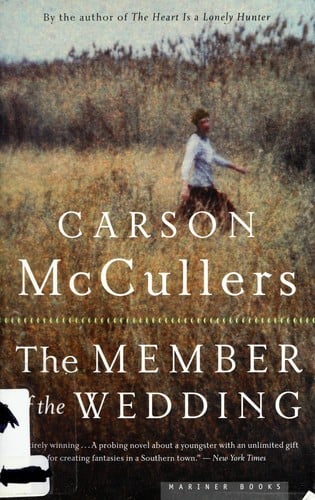
No. 74 on this list. The Member of the Wedding
Carson McCullers · 1946
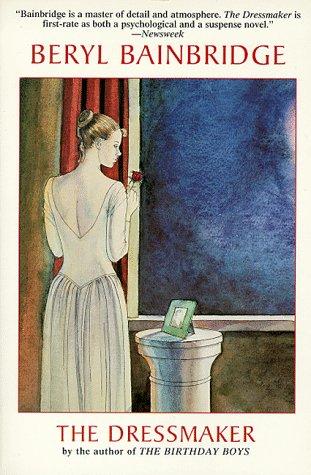
No. 75 on this list. The Dressmaker
Beryl Bainbridge · 1973
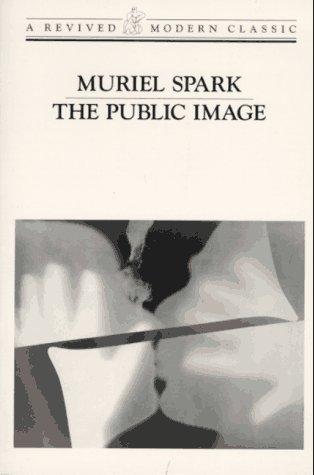
No. 76 on this list. The Public Image
Muriel Spark · 1969
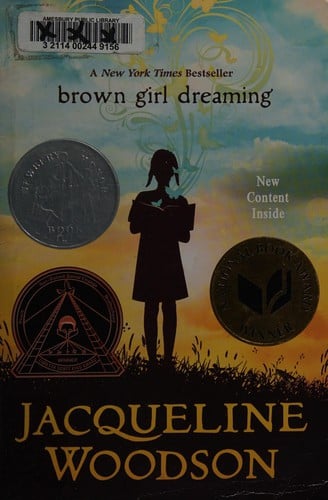
No. 77 on this list. Brown Girl Dreaming
Jacqueline Woodson · 2014
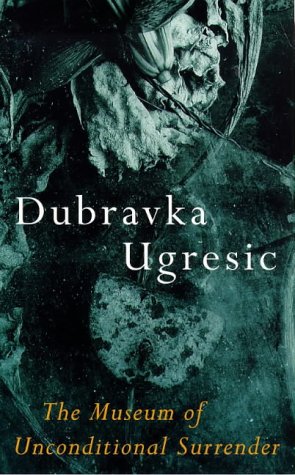
No. 78 on this list. The Museum of Unconditional Surrender
Dubravka Ugrešić · 1997
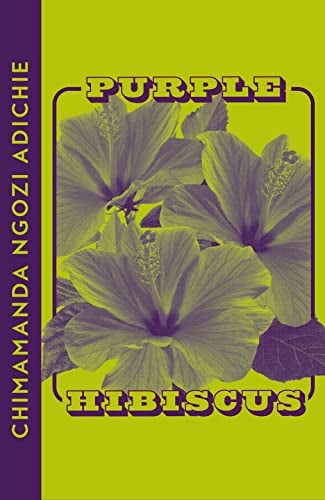
No. 79 on this list. Purple Hibiscus
Chimamanda Ngozi Adichie · 2004
Taught in schools: Leaving Certificate English – NCCA / State Examinations Commission (Ireland)
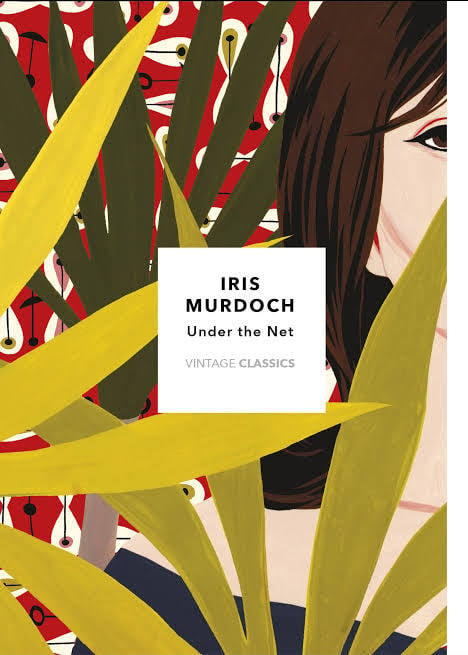
No. 80 on this list. Under the Net
Iris Murdoch · 1954
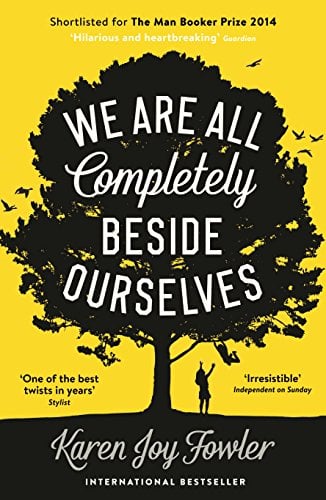
No. 81 on this list. We Are All Completely Beside Ourselves
Karen Joy Fowler · 2014
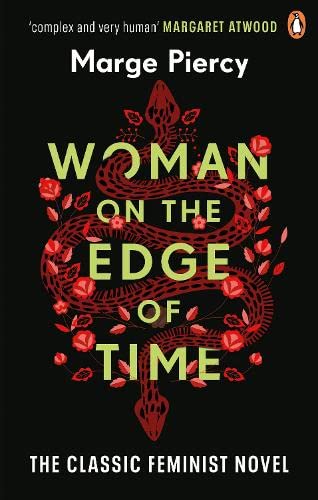
No. 82 on this list. Woman on the Edge of Time
Marge Piercy · 1976
No. 83 on this list. The Price of Salt
Patricia Highsmith · 1952
No. 84 on this list. Breath, Eyes, Memory
Edwidge Danticat · 1994
No. 85 on this list. The Woman Destroyed
Simone de Beauvoir · 1967
No. 86 on this list. The Sundial
Shirley Jackson · 1958
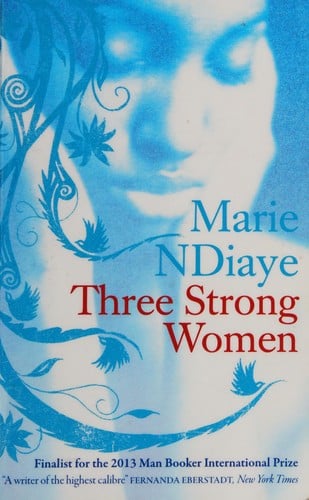
No. 87 on this list. Three Strong Women
Marie NDiaye · 2009
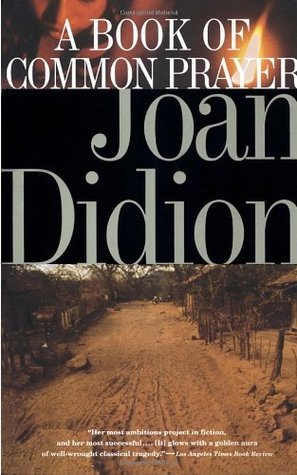
No. 88 on this list. A Book of Common Prayer
Joan Didion · 1977
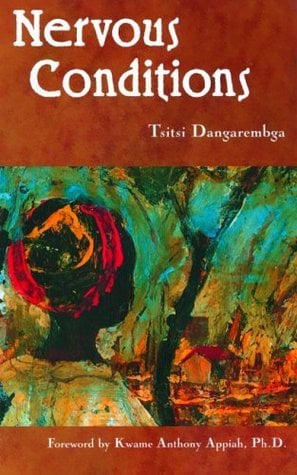
No. 89 on this list. Nervous Conditions
Tsitsi Dangarembga · 1988
Taught in schools: Lesotho literature in English
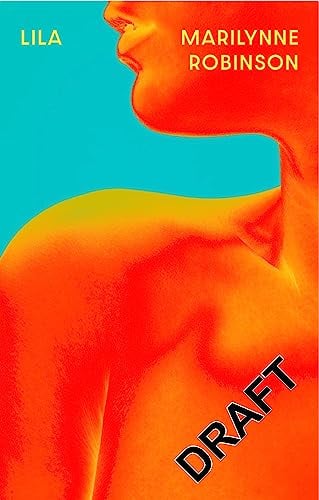
No. 90 on this list. Lila
Marilynne Robinson · 2015
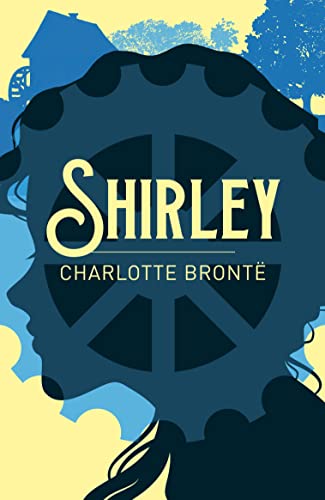
No. 91 on this list. Shirley
Charlotte Brontë · 1849
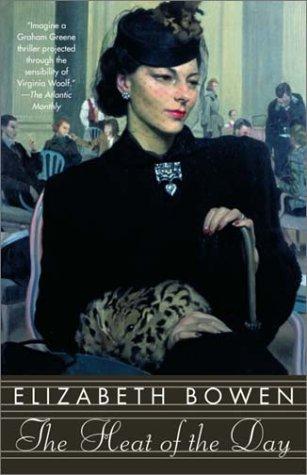
No. 92 on this list. The Heat of the Day
Elizabeth Bowen · 1948
No. 93 on this list. Unaccustomed Earth
Jhumpa Lahiri · 2008
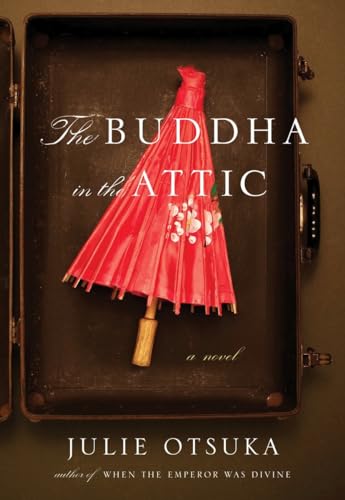
No. 94 on this list. The Buddha in the Attic
Julie Otsuka · 2012
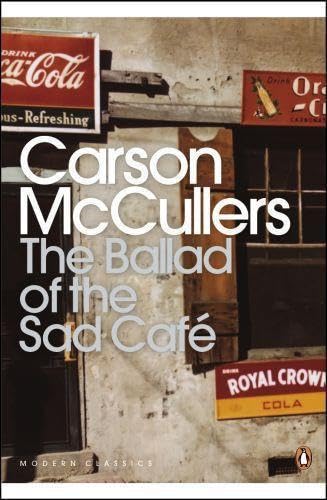
No. 95 on this list. The Ballad of the Sad Café
Carson McCullers · 1951
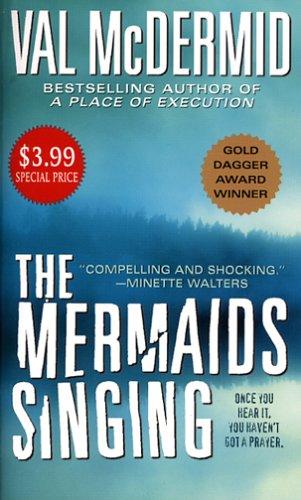
No. 96 on this list. The Mermaids Singing
Val McDermid · 1995
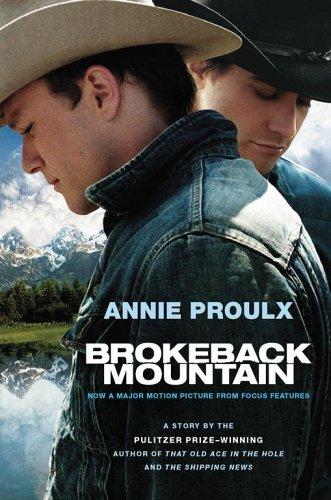
No. 97 on this list. Brokeback Mountain
Annie Proulx · 2005
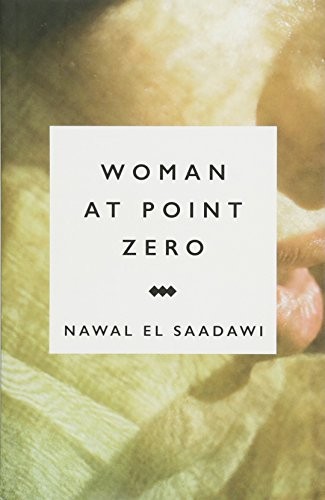
No. 98 on this list. Woman at Point Zero
Nawal El Saadawi · 1975
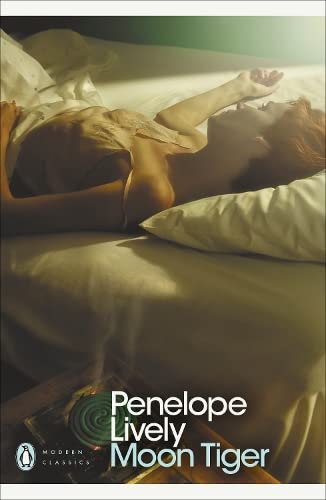
No. 99 on this list. Moon Tiger
Penelope Lively · 1987
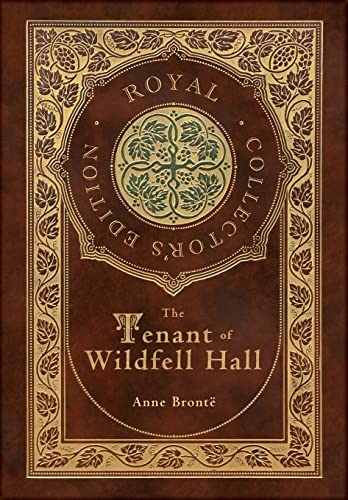
No. 100 on this list. The Tenant of Wildfell Hall
Anne Brontë · 1848
Taught in schools: AQA GCSE and A-level English Literature (UK), Leaving Certificate English – NCCA / State Examinations Commission (Ireland)
About this list
These 100 books are the highest-scoring eligible books about identity and the self by women currently in the catalogue. About 805 hours of reading in all. Difficulty runs from 51 to 68 out of 100 for the middle half of the list; the summit is The Volcano Lover: A Romance at 79.
This list is ranked by literary regard, with a consistent order for equal scores. Membership follows authors and co-authors, not translators or editors. A book is here when ReadingRate files it under Identity & Self as one of its primary reading domains, at a confidence of 0.8 or more. Catalogue coverage and the historical canon both limit what this list can represent.
When we matched the Canons dataset to our catalogue in October 2026, our canonical-status scores rose with the number of school curricula, publisher series and lists in it that cite a work: the median score was 72 for books one such source cites, 84 at two, 88 at three, 92 at four and 93 at five or more. Prizes are left out of that count. Outside the state curricula, the dataset’s sources choose mostly from what has been translated into English or French, so it is a weaker check on other literatures. Source: Canons (Andrew Piper), CC BY 4.0
Questions people actually ask
- What are the best books about identity and the self by women?
- By literary regard, which weighs canonical status, critical standing and influence: Orlando by Virginia Woolf, Song of Solomon by Toni Morrison, Jane Eyre by Charlotte Brontë, The Waves by Virginia Woolf and Their Eyes Were Watching God by Zora Neale Hurston. ReadingRate ranks 100 such books, each with a difficulty score and a reading-time estimate.
- Which books about identity and the self by women should I read first?
- Start from difficulty, not from rank. The most approachable books on this list that still carry top literary regard are The Time of the Doves by Mercè Rodoreda (about 3 hours), Persepolis by Marjane Satrapi and Borderlands/La Frontera: The New Mestiza by Gloria Anzaldua.
- What are the shortest of the best books about identity and the self by women?
- Among the top 25, the shortest are Diving into the Wreck by Adrienne Rich (about 47 min), Selected Poems of Marina Tsvetaeva by Marina Tsvetaeva (about 1.7 hours) and Borderlands/La Frontera: The New Mestiza by Gloria Anzaldua (about 2.7 hours), at an average pace of 250 words a minute adjusted for each book's difficulty.
- Which of the best books about identity and the self by women are the established classics?
- By canonical status, how firmly a book sits in curricula, anthologies and the canon: Jane Eyre by Charlotte Brontë, Orlando by Virginia Woolf, Song of Solomon by Toni Morrison, The Waves by Virginia Woolf and Their Eyes Were Watching God by Zora Neale Hurston.
- Can I read any of these books about identity and the self by women for free?
- 9 of the 100 open in ReadingRate's reader with a free account, from public-domain editions: Jane Eyre, Villette, The Awakening, The Mill on the Floss, Death Comes for the Archbishop and 4 more.
- How long would it take to read the top ten?
- About 91 hours, at an average pace of 250 words a minute adjusted for each book's difficulty: 46 days at two hours a day. Set your own pace on the page and the list's reading times change to it.
- How hard are books about identity and the self by women to read?
- Most of this list sits between 51 and 68 on ReadingRate's 100-point difficulty scale, where 40 to 55 is moderate. The summit is The Volcano Lover: A Romance at 79. Every entry carries its own score, so a reader can pick a great book at a difficulty they will finish.
- How is this list ranked?
- On literary-regard data: how canonically established a work is, its critical standing, and its influence on later writing. It is not a readers’ poll, which is why recent bestsellers rarely appear. Membership follows authors and co-authors, not translators or editors. Lists by country, author, period, theme or difficulty keep to literature (fiction, poetry, drama and philosophy), their novels, poems and plays first and their philosophy after them; a list of a kind of book, such as memoir or criticism, keeps every book of that kind. Every list holds at most three works by one author. A book is here when ReadingRate files it under Identity & Self as one of its primary reading domains, at a confidence of 0.8 or more.