Hours at an average pace
Showing 100 books
About 748 hours for 99 of 100 books with measured lengths. Estimates use 250 words a minute, adjusted for each book's difficulty. At 2 hours a day, about 375 days for those books.
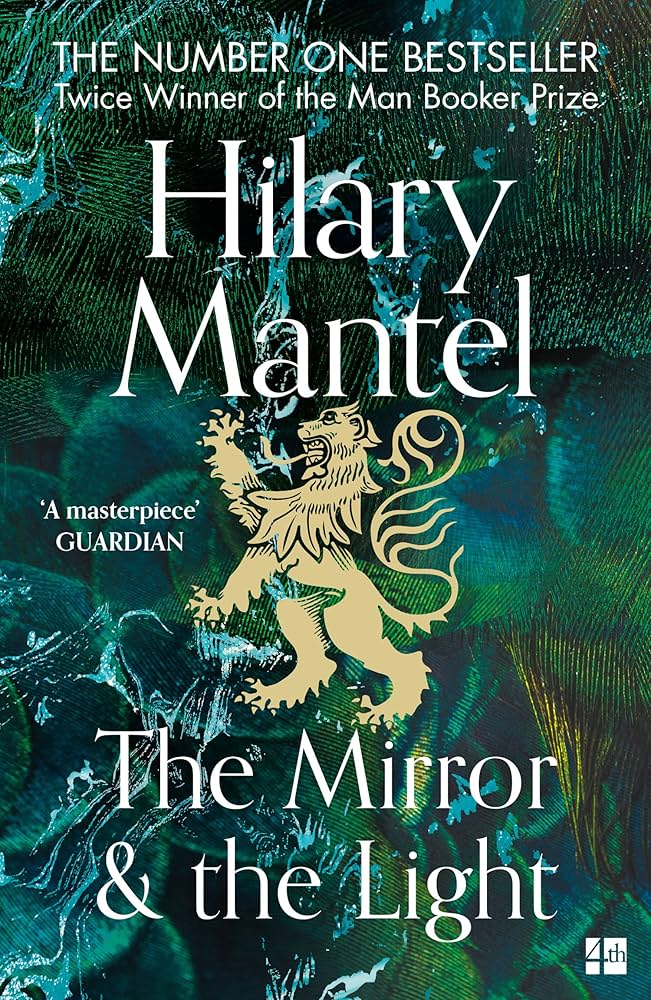
The final book in the Thomas Cromwell trilogy, following Cromwell from Jane Seymours death to his own execution.
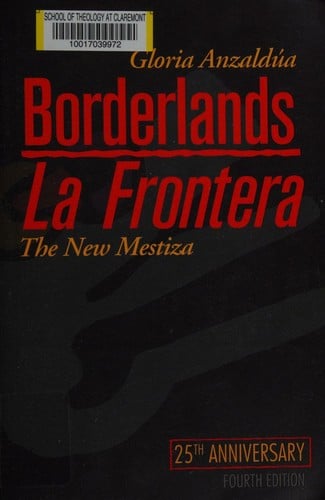
Foundational text of Chicana feminism, border studies, and queer theory. Universally taught in relevant fields.
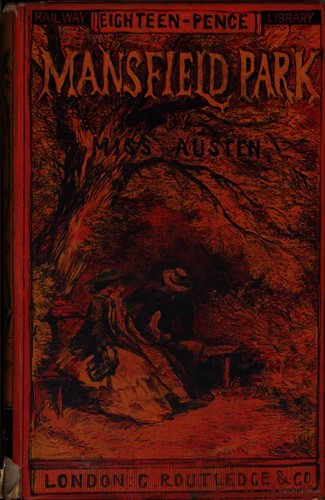
While less universally beloved than Pride and Prejudice, Mansfield Park holds secure canonical status as Austen's most morally complex and tonally difficult novel. Its treatment of slavery, colonialism, and evangelical morality has made it increasingly central to academic study, though it remains somewhat less embraced by general readers than her lighter works.
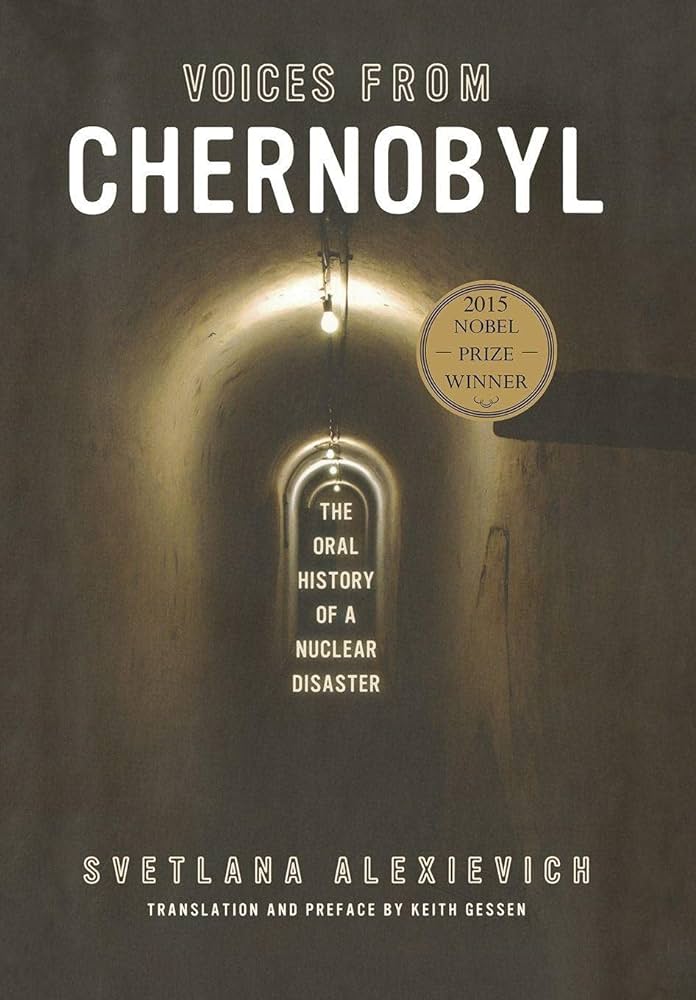
Widely recognized as the definitive literary account of Chernobyl and a landmark of documentary literature. The 2015 Nobel Prize in Literature elevated its status, establishing Alexievich's polyphonic method as a major formal innovation. Required reading in post-Soviet studies and increasingly taught in world literature curricula. Its documentary approach has influenced contemporary non-fiction globally.
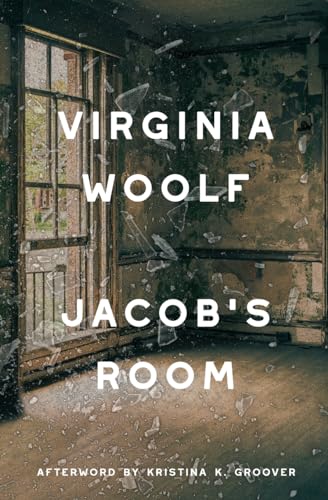
Jacob's Room appears on virtually every university syllabus covering modernist British literature, Woolf's work, or the literature of WWI. As Woolf's first fully experimental novel, it holds a foundational position in the modernist canon — taught alongside Mrs. Dalloway and To the Lighthouse in most Woolf courses. Its canonical status is somewhat lower than Woolf's later masterworks, which overshadow it in general survey courses.
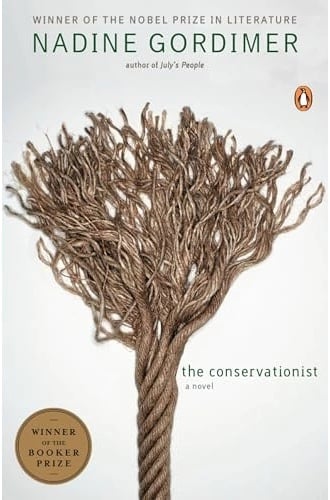
Mehring, a wealthy Johannesburg industrialist, has purchased a farm outside the city—less for profit than as refuge from his collapsing marriage, his estranged radical son, and his unsatisfying affair. When a dead Black man is found on his land, hastily buried by police who cannot identify the body, Mehring treats it as bureaucratic nuisance rather than moral crisis. He prides himself on being a progressive landowner who pays fair wages and respects his workers, yet his liberalism cannot acknowledge the corpse as ancestral claim or historical reckoning. Gordimer narrates through Mehring's evasive consciousness, her prose registering the minutiae of farm management—cattle diseases, pasture conditions, labor arrangements—while circling obsessively around the burial site he tries to forget. The narrative crosscuts between his weekend visits and the farm's rhythms in his absence, where workers Jacobus and Solomon maintain routines inflected by meanings Mehring cannot access. When floods exhume the body, the workers perform proper burial rites, restoring him to the land in ceremonies that supersede Mehring's title deeds. Gordimer withholds resolution: Mehring remains uncomprehending, his ownership revealed as legal fiction layered atop deeper claims the novel anatomizes but does not resolve.
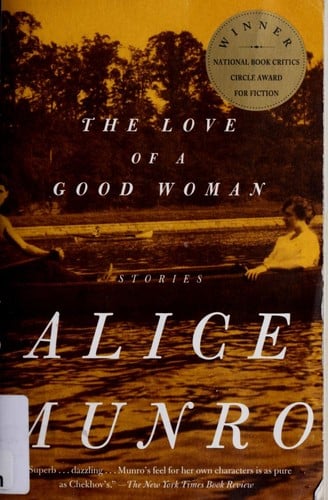
One of Munro's most celebrated collections, winner of the Giller Prize and the National Book Critics Circle Award. The title story is often cited as her finest single work.
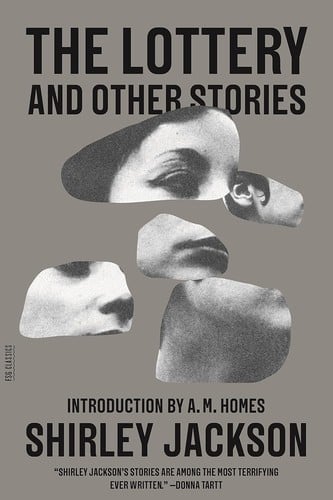
The title story 'The Lottery' is one of the most anthologized and taught short stories in the American canon, appearing in virtually every introduction-to-fiction textbook. The collection itself appears regularly on American short-story syllabi. Jackson's work has experienced a major critical reassessment since the 2010s, elevating her from genre curiosity to recognized American master.
No. 9 on this list. The Mill on the Floss
George Eliot · 1860
Challenging15 hours
Taught in schools: AQA GCSE and A-level English Literature (UK)
Firmly established in the Victorian literature curriculum and regularly taught in surveys of 19th-century British fiction. It stands as Eliot's second-most-studied novel after 'Middlemarch,' valued for its feminist themes, psychological depth, and semi-autobiographical portrayal of female intellectual awakening in a restrictive provincial society.
Widely taught in Canadian literature courses and short fiction seminars as exemplary of Munro's mastery and the linked story collection form. The book helped establish Munro's international reputation and remains central to discussions of contemporary short fiction. It's considered essential reading for understanding both Canadian literature and the possibilities of the story cycle.
No. 11 on this list. The Prime of Miss Jean Brodie · Muriel Spark · 1961
Taught in schools: CSEC English B – Caribbean Examinations Council
Regularly taught in British literature and women's studies courses, considered essential modern Scottish fiction. Appears on A-level syllabi and university 20th-century literature surveys. Not as universally taught as The Great Gatsby, but firmly established in academic curricula focused on postwar British fiction and modernist technique.
Challenging3.5 hours
Start this bookNo. 12 on this list. Family Ties · Clarice Lispector · 1960
Family Ties appears regularly on comparative literature and Latin American literature syllabi worldwide, and Lispector is among the most studied Lusophone writers in university world literature courses. No syllabus count was captured in the database, but her work has sustained continuous academic inclusion since the 1960s. Hélène Cixous's book-length critical study of Lispector (The Stream Running Nowhere) cemented the collection's place in the Western literary canon.
Difficult3.6 hours
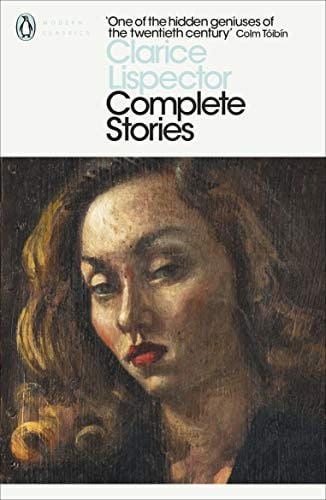
Start this bookNo. 13 on this list. The Complete Stories · Clarice Lispector
Lispector holds a firm place in comparative literature and Latin American literature syllabi globally, and her work appears in women's writing and world literature courses at major universities. No Open Syllabus data is available for this specific collection, but Lispector as an author is consistently included in world literature canons alongside Borges and García Márquez. The 2015 New Directions translation by Katrina Dodson dramatically expanded her anglophone reach and prestige.
Difficult22 hours
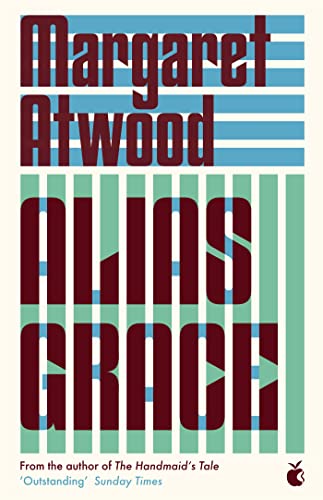
Start this bookNo. 14 on this list. Alias Grace · Margaret Atwood · 1996
Appears on 292 university syllabi (61.6th percentile), making it a regular fixture in Canadian literature, postmodern historical fiction, and feminist literary studies courses. Wikipedia coverage in 8 languages reflects strong domestic reputation and moderate international reach. The 2017 Netflix adaptation renewed its teaching presence in contemporary courses on adaptation and narrative.
Challenging16 hours
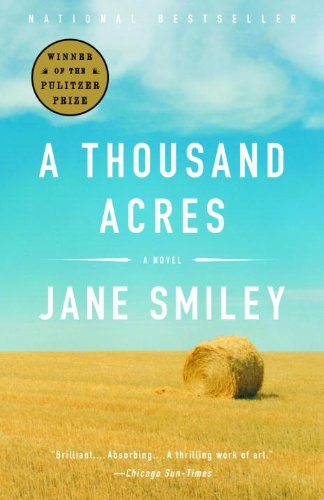
Start this bookNo. 15 on this list. A Thousand Acres · Jane Smiley · 1992
A Thousand Acres won the Pulitzer Prize for Fiction in 1992 and secured major recognition as a contemporary American realist masterpiece. It occupies a prominent place in contemporary literary canon, particularly within discussions of feminist revision of literary inheritance and the domestic novel.
Moderate8.5 hours
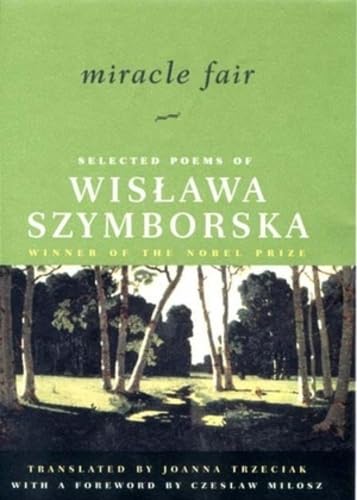
Start this bookNo. 16 on this list. Selected Poems of Wisława Szymborska · Wisława Szymborska · 1998
Szymborska is a staple of world poetry courses and a Nobel laureate, and this collection is the standard English edition of her work. Its place is secure, though below Hamlet or Gatsby in universal syllabus presence.
Moderate2.4 hours
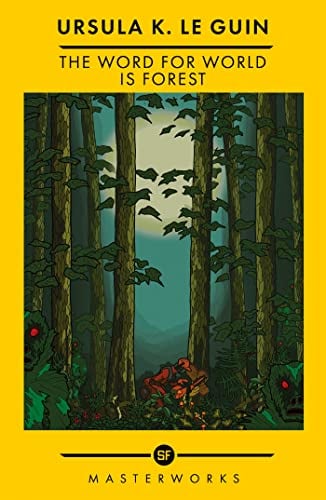
Start this bookNo. 17 on this list. The Word for World Is Forest · Ursula K Le Guin · 1972
A fixture in SF studies, environmental humanities, and postcolonial literature courses at universities worldwide. Le Guin's work overall is more canonically established than this single novella — it appears regularly on SF syllabi and ecocriticism reading lists, taught alongside texts like Octavia Butler's Kindred and Kim Stanley Robinson's Mars trilogy, though without the 2000+ syllabus presence of Beloved or The Great Gatsby.
Moderate2.5 hours
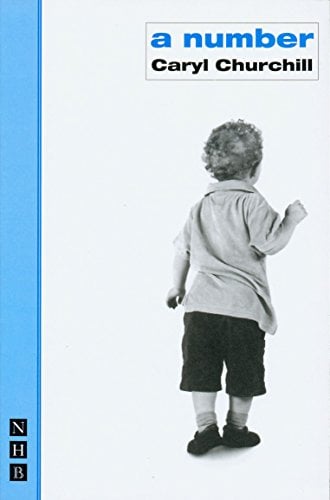
Start this bookNo. 18 on this list. A Number · Caryl Churchill · 2002
One of Churchill's most frequently performed plays and a standard text in contemporary drama courses. Widely recognized as a landmark of twenty-first-century theater.
Difficult58 min
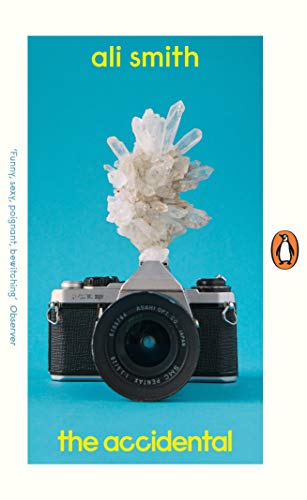
Start this bookNo. 19 on this list. The Accidental · Ali Smith · 2005
The Accidental has achieved recognition as a significant 21st-century British novel, appearing on university syllabi and contemporary fiction reading lists. While not yet established in the permanent canon, it represents Smith's breakthrough to major literary prominence and exemplifies post-2000 experimental domestic fiction. Its status continues to grow with Smith's increasing reputation.
Challenging7.1 hours
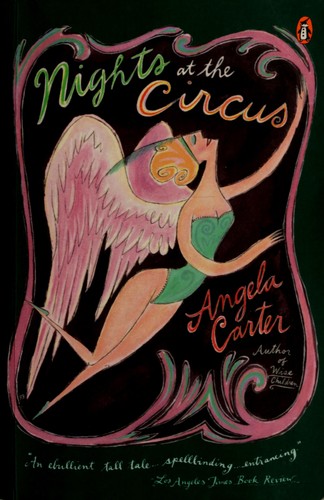
Start this bookNo. 20 on this list. Nights at the Circus · Angela Carter · 1984
Nights at the Circus is a regular text in university courses on postmodern, feminist and magical-realist fiction, and probably Angela Carter's most studied novel. It is usually set alongside The Bloody Chamber as the core of her work.
Difficult13 hours
Start this book
No. 21 on this list. The Sea, The Sea · Iris Murdoch · 1978
Winner of the Booker Prize in 1978 and widely regarded as one of Iris Murdoch's finest novels. Wikipedia articles exist in 9 languages. While not as universally assigned as postwar American canon fixtures, it appears regularly in British literature and philosophy-and-fiction courses.
Difficult29 hours
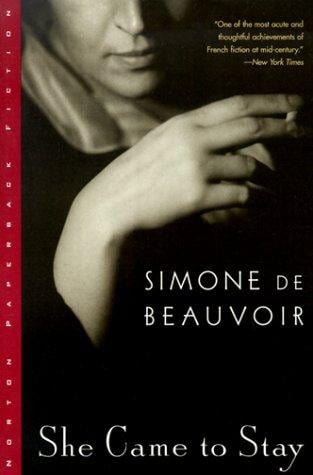
Start this bookNo. 22 on this list. She Came to Stay · Simone de Beauvoir · 1943
She Came to Stay is regularly taught in existentialist literature courses, feminist literary theory courses, and French literature curricula worldwide. It holds a firm position in the de Beauvoir canon alongside The Second Sex and The Mandarins. No database syllabus data was returned, but its presence in standard existentialism syllabi — typically paired with Sartre's Nausea or Camus's The Outsider — establishes it as institutionally canonical.
Challenging11 hours
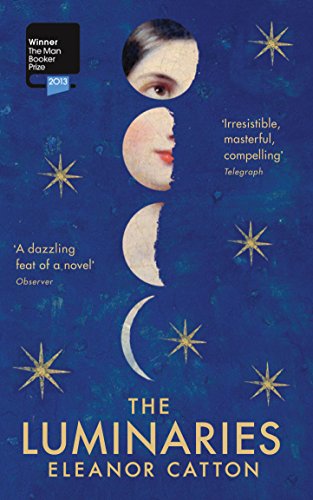
Start this bookNo. 23 on this list. The Luminaries · Eleanor Catton · 2013
The Luminaries is a 2013 Booker Prize winner with 9 Wikipedia language editions and documented critical reception and adaptation sections. It is widely reviewed and taught in contemporary fiction courses, particularly in New Zealand and postcolonial literary contexts. However, its canonical standing remains early-stage: scholar citation counts are negligible, syllabus presence is limited compared to mid-20th-century Booker winners, and it has not yet accumulated the critical apparatus of fully canonical works. The Booker win places it above most contemporary literary fiction but its 2013 publication date means academic canonization is ongoing.
Challenging22 hours
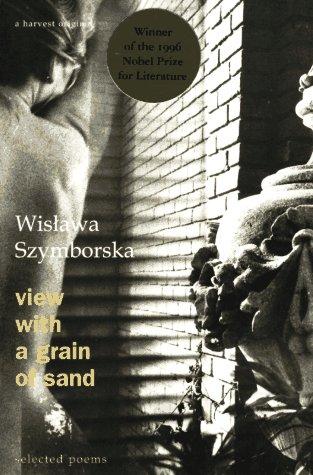
Start this bookNo. 24 on this list. View with a Grain of Sand · Wisława Szymborska · 1995
Szymborska's poems are deceptively simple, their philosophical depths hidden beneath conversational surfaces. She writes about clouds and dreams and history, about the way reality keeps escaping our categories. 'We know ourselves only / as far as we've been tested.' This collection gathers work from across her career, establishing her as one of the essential voices of twentieth-century poetry. She won the Nobel Prize in 1996 for poems that are funny, humble, and vast.
Challenging43 min
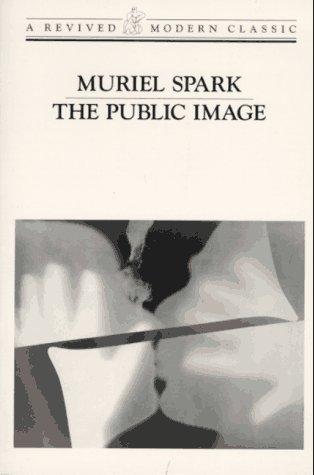
Start this bookNo. 25 on this list. The Public Image · Muriel Spark · 1969
Spark ranks #8 in The Times' '50 greatest British writers since 1945' and her work 'helped change the face of fiction in the English language.' While The Prime of Miss Jean Brodie achieved masterpiece status, The Public Image secured Booker Prize shortlisting (1969) and enduring critical attention. The novella demonstrates Spark's distinctive genius without achieving her most celebrated work's iconic cultural penetration.
Moderate2.5 hours
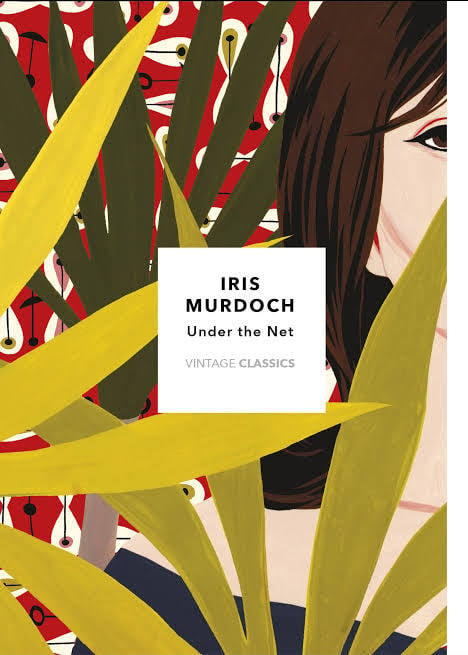
Start this bookNo. 26 on this list. Under the Net · Iris Murdoch · 1954
Ranked 95th on the Modern Library 100 Best Novels, included on TIME's All-TIME 100 Novels, and taught on 141 university syllabi (54th percentile). It is the Murdoch novel most often assigned in courses on postwar British fiction.
Challenging7.8 hours
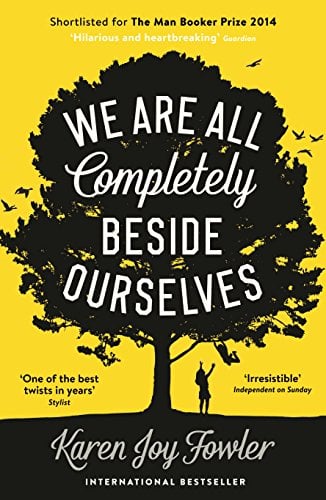
Start this bookNo. 27 on this list. We Are All Completely Beside Ourselves · Karen Joy Fowler · 2014
Won the 2014 PEN/Faulkner Award for Fiction and appeared on numerous year-end best book lists, establishing it as a significant 21st-century literary novel. The book entered academic discourse around animal studies, narrative ethics, and contemporary fiction's engagement with science. While too recent for canonical permanence, it occupies a strong position in discussions of literary fiction addressing interspecies relationships and family trauma.
Challenging6.7 hours
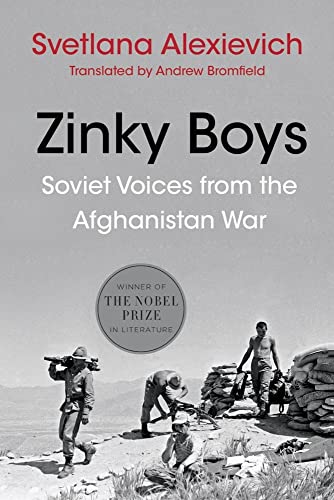
Start this bookNo. 28 on this list. Zinky Boys · Svetlana Alexievich · 1991
Zinky Boys is taught in courses on Soviet literature, oral history methodology, war literature, and post-communist memory across European and North American universities. No database data is available for this specific title's syllabus appearances, but Alexievich's work as a whole gained canonical status after her 2015 Nobel Prize, and Zinky Boys is among her most cited individual works alongside Chernobyl Prayer and The Unwomanly Face of War.
Moderate5.1 hours
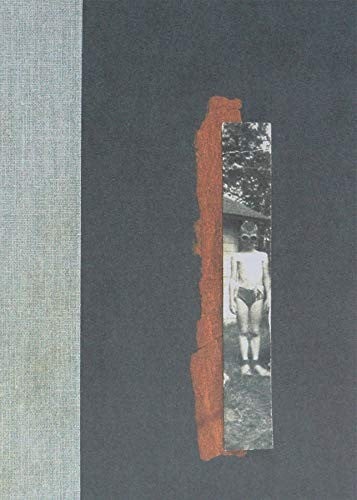
Start this bookNo. 29 on this list. Nox · Anne Carson · 2010
Nox has become a touchstone of contemporary poetry and book-art courses, and Carson's Nobel Prize in Literature in 2026 raises its standing further. It remains a niche text compared with the major canon.
Moderate
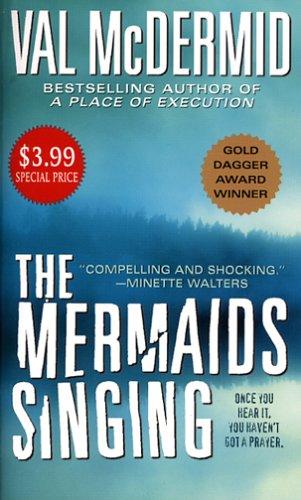
Start this bookNo. 30 on this list. The Mermaids Singing · Val McDermid · 1995
Gold Dagger winner. Launched one of crime fiction's most acclaimed series.
Easy6.5 hours
Start this book

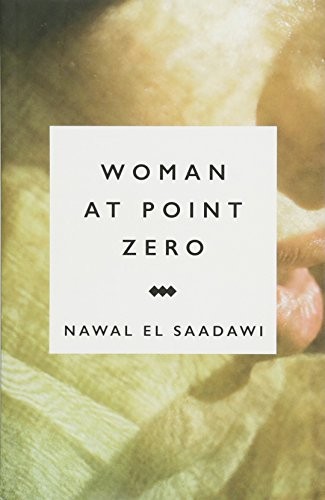
No. 31 on this list. Woman at Point Zero
Nawal El Saadawi · 1975
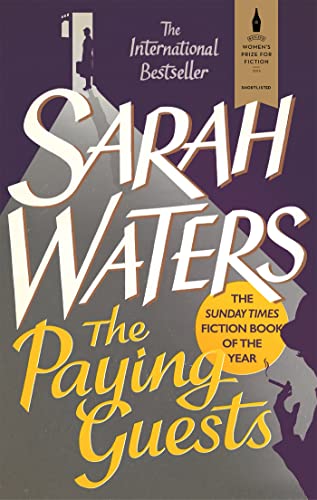
No. 32 on this list. The Paying Guests
Sarah Waters · 2015
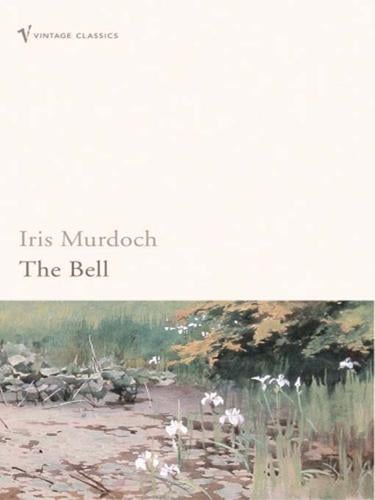
No. 33 on this list. The Bell
Iris Murdoch · 1958
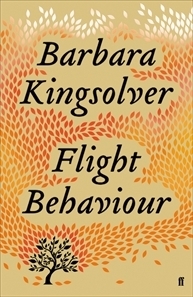
No. 34 on this list. Flight Behaviour
Barbara Kingsolver · 2013
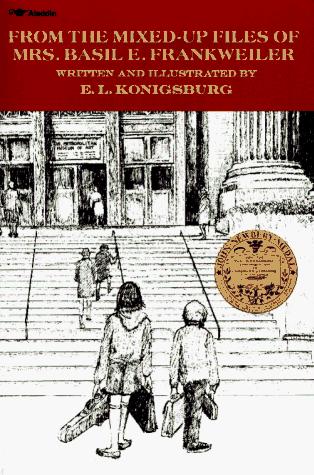
No. 35 on this list. From the Mixed-Up Files of Mrs. Basil E. Frankweiler
E.L. Konigsburg · 1967
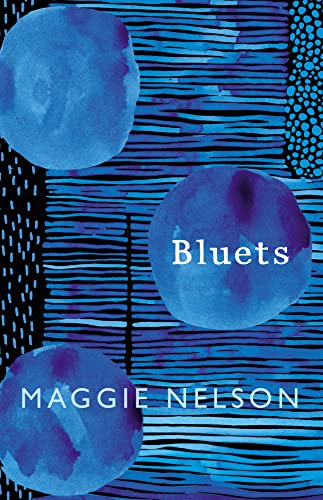
No. 36 on this list. Bluets
Maggie Nelson · 2009
No. 37 on this list. The Beauty of the Husband
Anne Carson · 2001
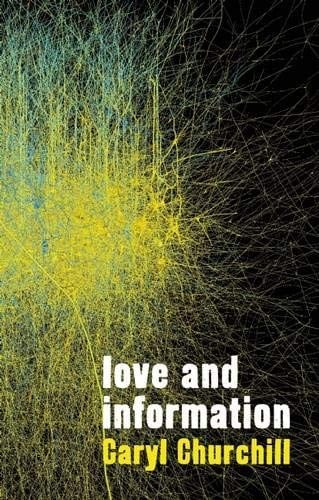
No. 38 on this list. Love and Information
Caryl Churchill · 2012
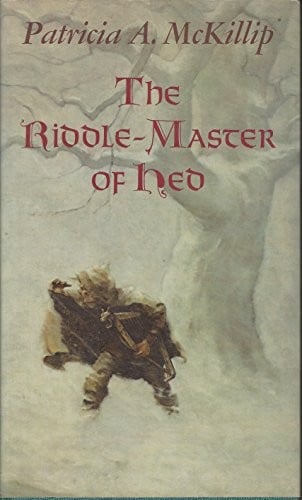
No. 39 on this list. The Riddle-Master of Hed
Patricia A. McKillip · 1976
No. 40 on this list. Binti
Nnedi Okofor · 2015

No. 41 on this list. Harrow
Joy Williams · 2021
No. 42 on this list. The Inheritance of Loss
Kiran Desai · 2006
No. 43 on this list. The Sirian Experiments
Doris Lessing · 1981
No. 44 on this list. Trumpet
Jackie Kay · 1998
No. 45 on this list. The Carpathians
Janet Frame · 1988
No. 46 on this list. Burial Rites
Hannah Kent · 2014
No. 47 on this list. The Collected Stories
Deborah Eisenberg · 2011
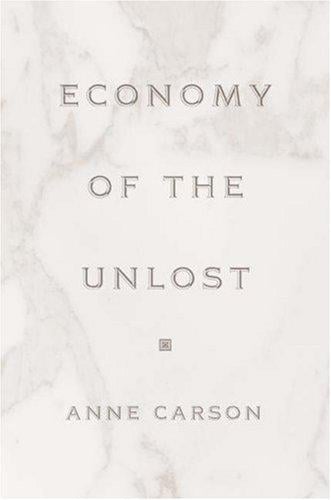
No. 48 on this list. Economy of the Unlost
Anne Carson · 1999
No. 49 on this list. Transcendent Kingdom
Madeline Miller · 2021
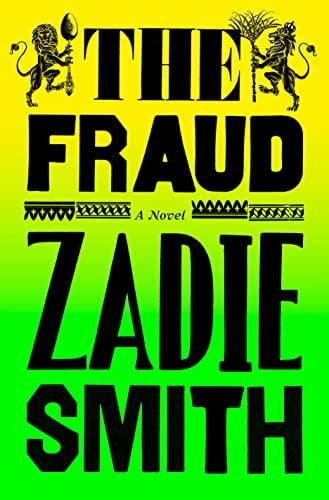
No. 50 on this list. The Fraud
Zadie Smith · 2023

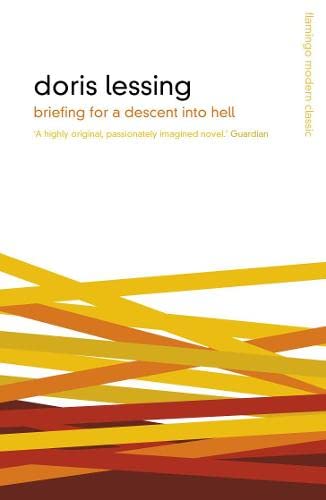
No. 51 on this list. Briefing for a Descent into Hell
Doris Lessing · 1971
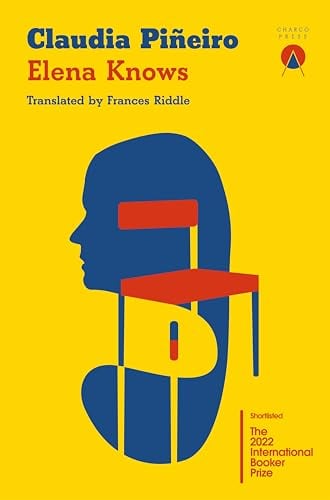
No. 52 on this list. Elena Knows
Claudia Piñeiro · 2022
Taught in schools: Leaving Certificate English – NCCA / State Examinations Commission (Ireland)
No. 53 on this list. Jerusalem
Selma Lagerlöf · 1901
No. 54 on this list. How Should a Person Be?
Sheila Heti · 2012
No. 55 on this list. Room
Emma Donoghue · 2010
No. 56 on this list. Ancillary Sword
Ann Leckie · 2014
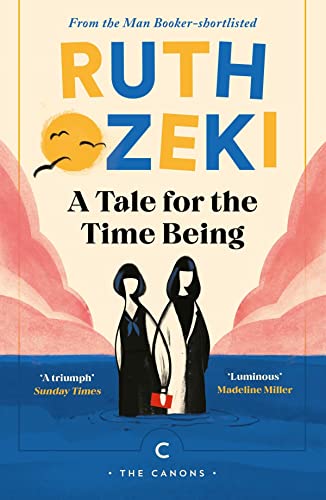
No. 57 on this list. A Tale for the Time Being
Ruth Ozeki · 2013
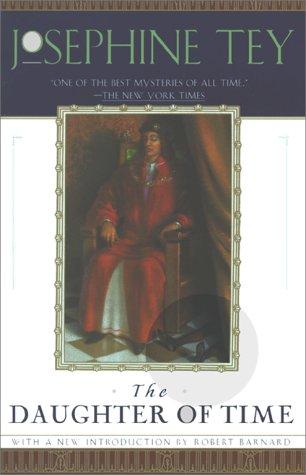
No. 58 on this list. The Daughter of Time
Josephine Tey · 1951
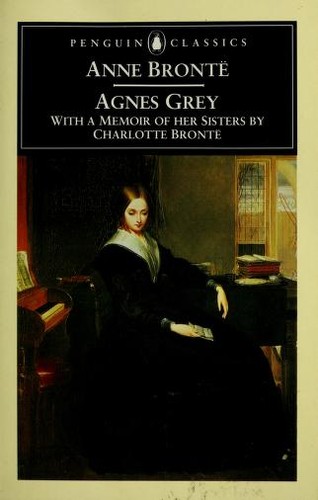
No. 59 on this list. Agnes Grey
Anne Brontë · 1847
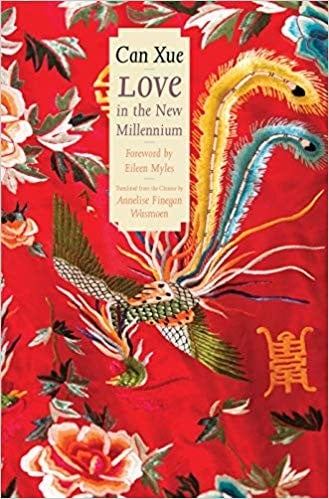
No. 60 on this list. Love in the New Millennium
Can Xue · 2013
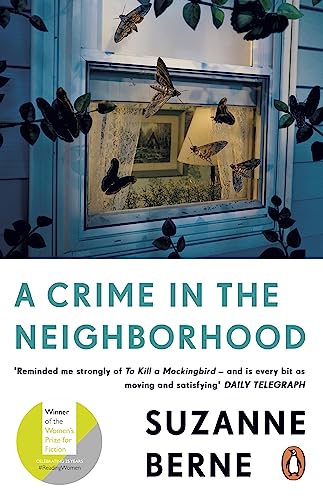
No. 61 on this list. A Crime in the Neighbourhood
Suzanne Berne · 2000
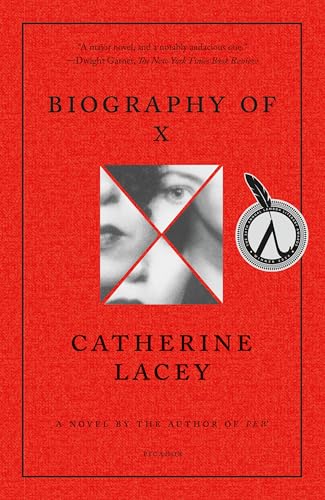
No. 62 on this list. Biography of X
Catherine Lacey · 2023
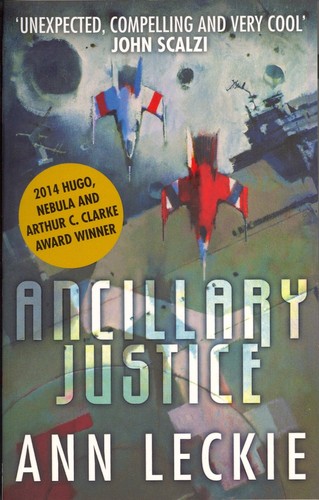
No. 63 on this list. Ancillary Justice
Ann Leckie · 2013
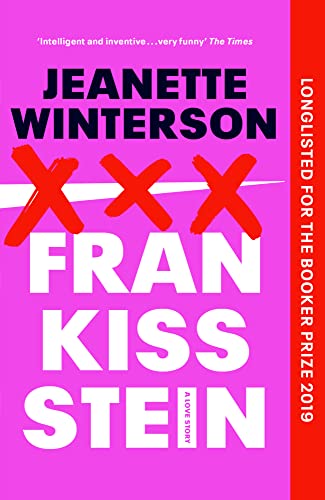
No. 64 on this list. Frankissstein
Jeanette Winterson · 2019
No. 65 on this list. Felix Holt, the Radical
George Eliot · 1866
No. 66 on this list. A Natural History of Dragons
Marie Brennan · 2013
No. 67 on this list. The Last Lover
Can Xue · 2005
No. 68 on this list. The Bastard of Istanbul
Elif Shafak · 2006
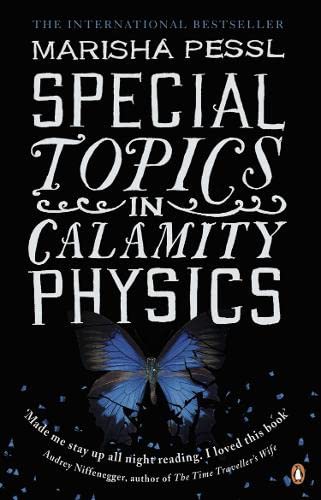
No. 69 on this list. Special Topics in Calamity Physics
Marisha Pessl · 2007
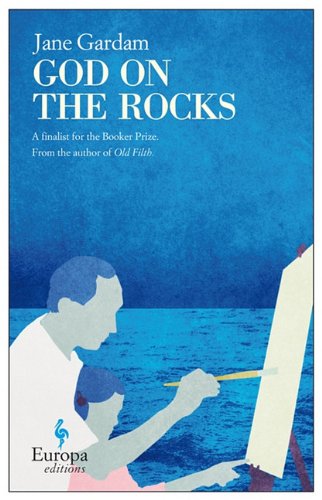
No. 70 on this list. God on the Rocks
Jane Gardam · 1978
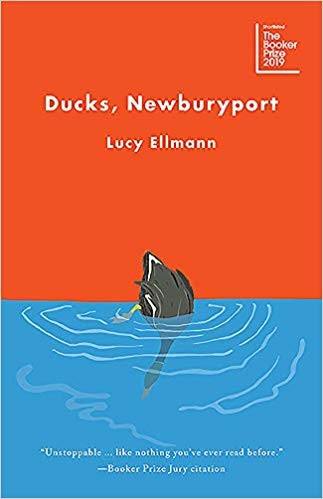
No. 71 on this list. Ducks, Newburyport
Lucy Ellmann · 2019
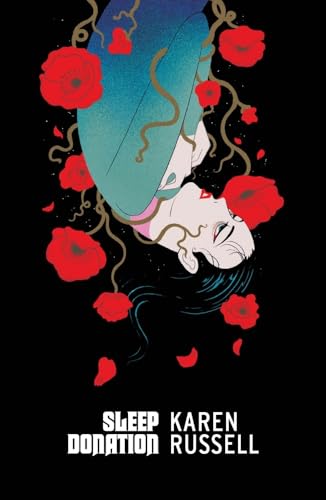
No. 72 on this list. Sleep Donation
Karen Russell · 2022
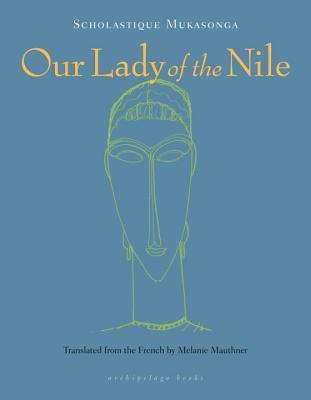
No. 73 on this list. Our Lady of the Nile
Scholastique Mukasonga · 2012
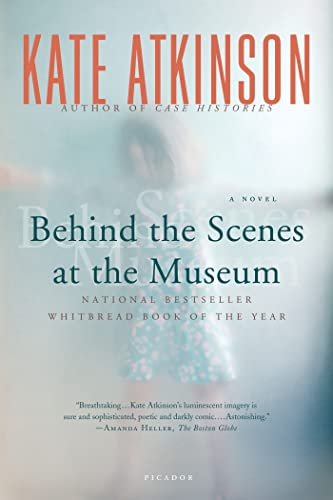
No. 74 on this list. Behind the Scenes at the Museum
Kate Atkinson · 1995
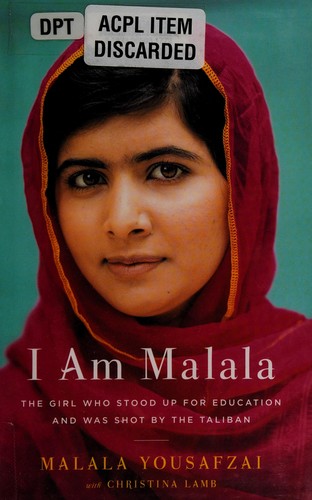
No. 75 on this list. I Am Malala: The Story of the Girl Who Stood Up for Education and Was Shot by the Taliban
Malala Yousafzai · 2013
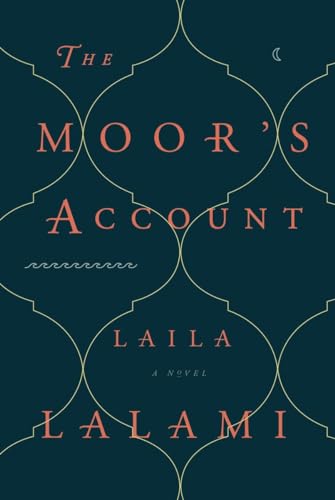
No. 76 on this list. The Moor's Account
Laila Lalami · 2013
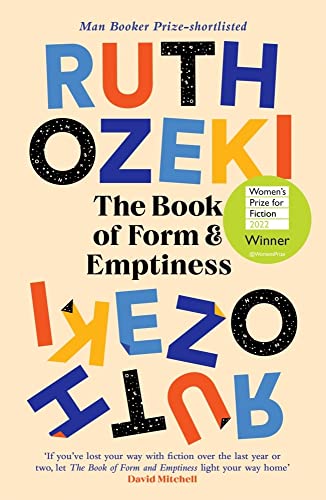
No. 77 on this list. The Book of Form and Emptiness
Ruth Ozeki · 2022
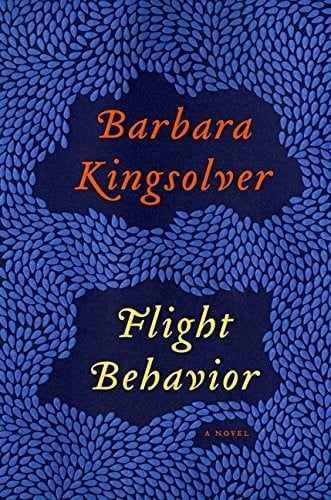
No. 78 on this list. Flight Behavior
Barbara Kingsolver · 2012
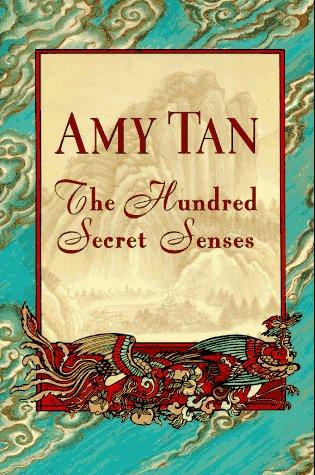
No. 79 on this list. The Hundred Secret Senses
Amy Tan · 1995
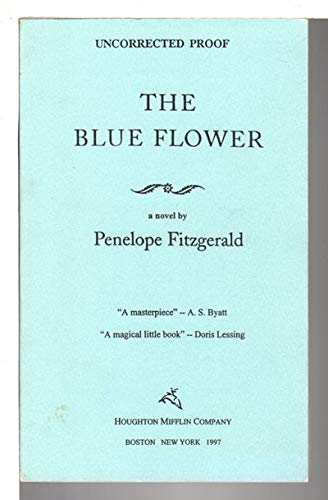
No. 80 on this list. The Blue Flower
Penelope Fitzgerald · 1998
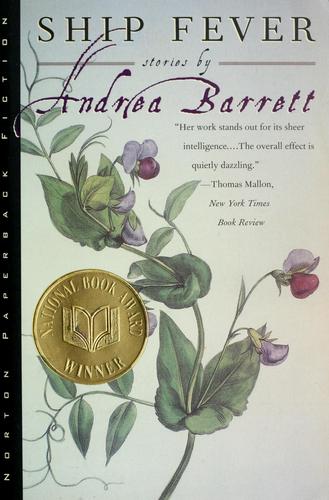
No. 81 on this list. Ship Fever
Andrea Barrett · 1996
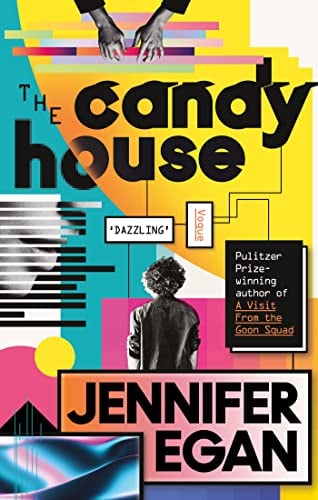
No. 82 on this list. The Candy House
Jennifer Egan · 2022
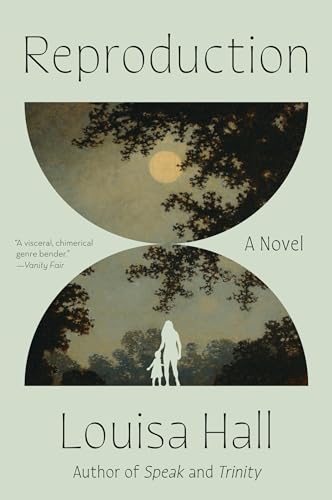
No. 83 on this list. Reproduction
Louisa Hall · 2022
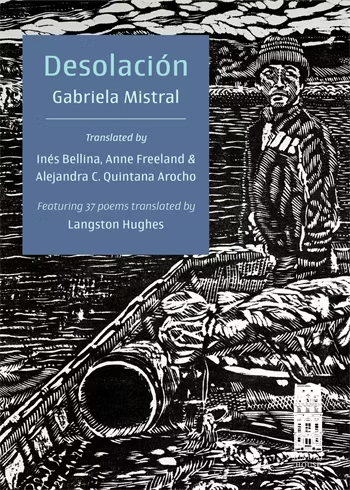
No. 84 on this list. Desolation
Gabriela Mistral · 1936
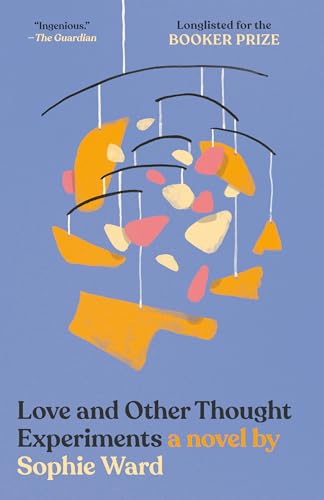
No. 85 on this list. Love and Other Thought Experiments
Sophie Ward · 2020
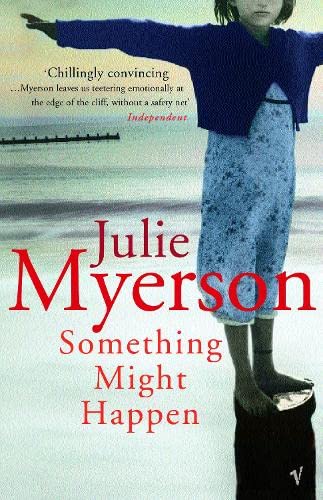
No. 86 on this list. Something Might Happen
Julie Myerson · 2003
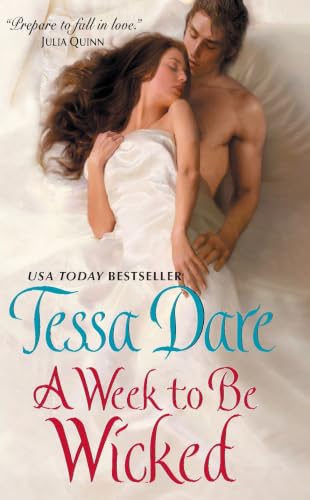
No. 87 on this list. A Week to Be Wicked
Tessa Dare · 2012
No. 88 on this list. Memoirs of a Polar Bear
Yoko Tawada · 2011
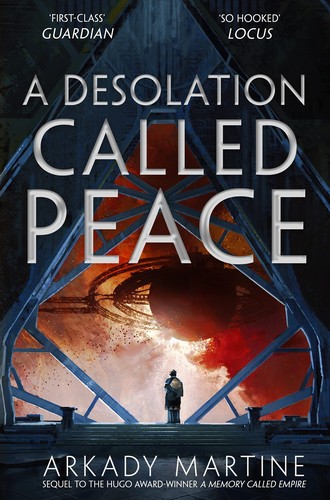
No. 89 on this list. A Desolation Called Peace
Arkady Martine · 2021
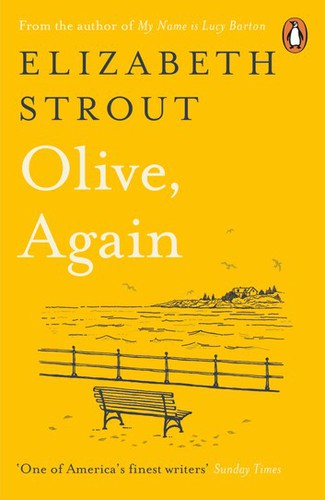
No. 90 on this list. Olive, Again
Elizabeth Strout · 2021
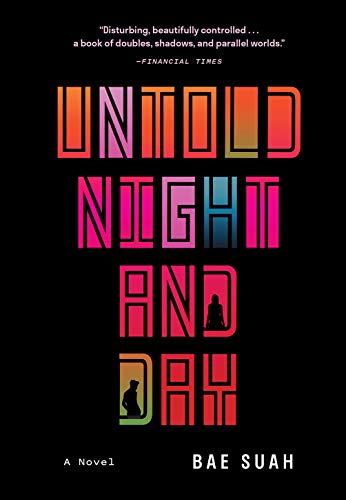
No. 91 on this list. Untold Night and Day
Bae Suah · 2013
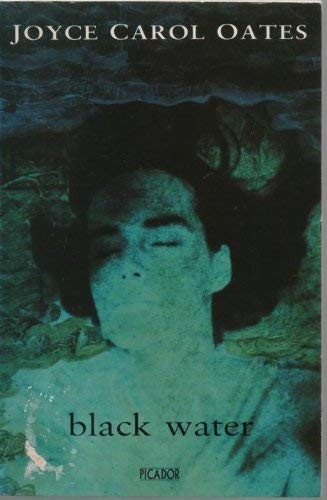
No. 92 on this list. Black Water
Joyce Carol Oates · 1992
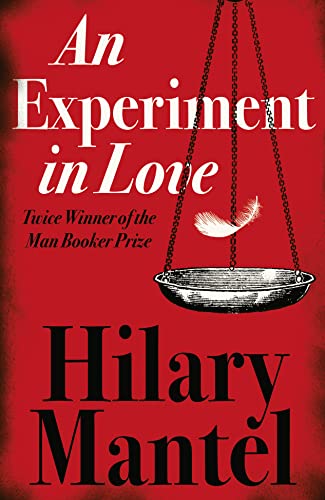
No. 93 on this list. An Experiment in Love
Hilary Mantel · 1996
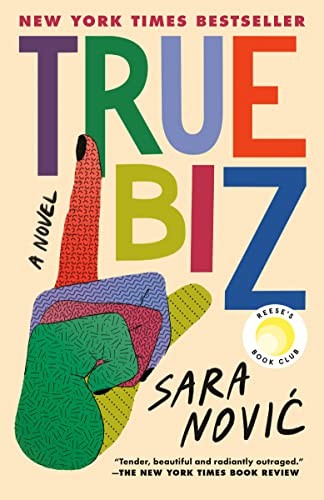
No. 94 on this list. True Biz
Sara Novic · 2022
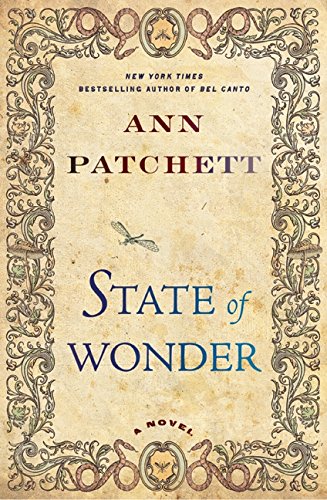
No. 95 on this list. State of Wonder
Ann Patchett · 2012
No. 96 on this list. Flush: A Biography
Virginia Woolf · 1933
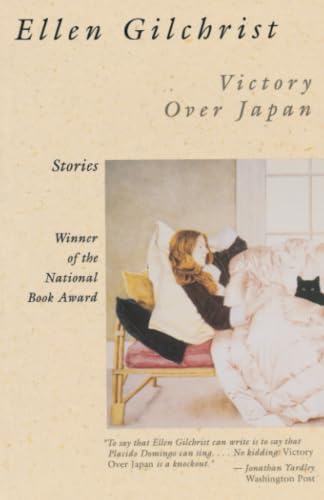
No. 97 on this list. Victory Over Japan
Ellen Gilchrist · 1984
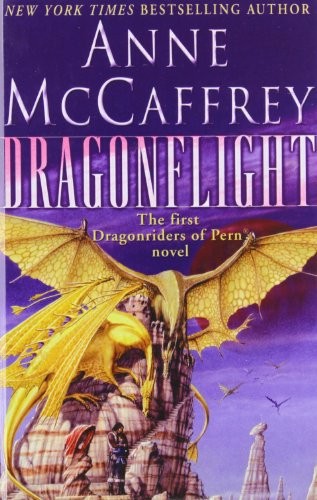
No. 98 on this list. Dragonflight
Anne McCaffrey · 1968
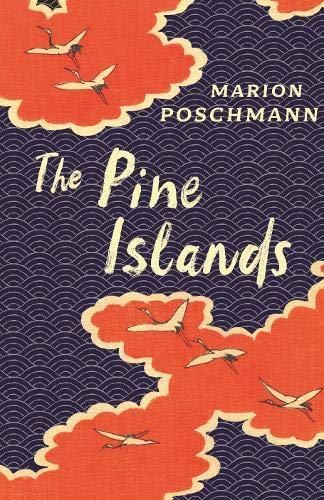
No. 99 on this list. The Pine Islands
Marion Poschmann · 2019
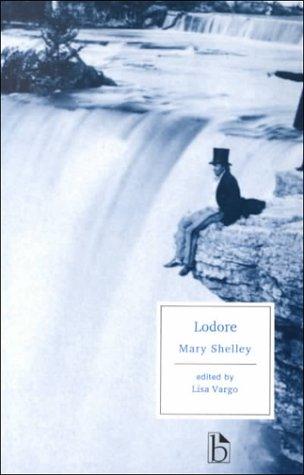
No. 100 on this list. Lodore
Mary Shelley · 1835
About this list
These 100 books are the highest-scoring eligible books about knowledge and truth by women currently in the catalogue. About 748 hours of reading in all, for the 99 with measured lengths. Difficulty runs from 46 to 62 out of 100 for the middle half of the list; the summit is Black Water at 82.
This list is ranked by literary regard, with a consistent order for equal scores. Membership follows authors and co-authors, not translators or editors. A book is here when ReadingRate files it under Knowledge & Truth as one of its primary reading domains, at a confidence of 0.8 or more. Catalogue coverage and the historical canon both limit what this list can represent.
When we matched the Canons dataset to our catalogue in October 2026, our canonical-status scores rose with the number of school curricula, publisher series and lists in it that cite a work: the median score was 72 for books one such source cites, 84 at two, 88 at three, 92 at four and 93 at five or more. Prizes are left out of that count. Outside the state curricula, the dataset’s sources choose mostly from what has been translated into English or French, so it is a weaker check on other literatures. Source: Canons (Andrew Piper), CC BY 4.0
Questions people actually ask
- What are the best books about knowledge and truth by women?
- By literary regard, which weighs canonical status, critical standing and influence: The Mirror and the Light by Hilary Mantel, Borderlands/La Frontera: The New Mestiza by Gloria Anzaldua, Mansfield Park by Jane Austen, Voices from Chernobyl by Svetlana Alexievich and Jacob's Room by Virginia Woolf. ReadingRate ranks 100 such books, each with a difficulty score and a reading-time estimate.
- Which books about knowledge and truth by women should I read first?
- Start from difficulty, not from rank. The most approachable books on this list that still carry top literary regard are Borderlands/La Frontera: The New Mestiza by Gloria Anzaldua (about 2.7 hours), The Love of a Good Woman by Alice Munro and The Lottery and Other Stories by Shirley Jackson.
- What are the shortest of the best books about knowledge and truth by women?
- Among the top 25, the shortest are A Number by Caryl Churchill (about 58 min), View with a Grain of Sand by Wisława Szymborska (about 43 min) and Family Ties by Clarice Lispector (about 3.6 hours), at an average pace of 250 words a minute adjusted for each book's difficulty.
- Which of the best books about knowledge and truth by women are the established classics?
- By canonical status, how firmly a book sits in curricula, anthologies and the canon: Mansfield Park by Jane Austen, Borderlands/La Frontera: The New Mestiza by Gloria Anzaldua, Voices from Chernobyl by Svetlana Alexievich, The Lottery and Other Stories by Shirley Jackson and Jacob's Room by Virginia Woolf.
- Can I read any of these books about knowledge and truth by women for free?
- 6 of the 100 open in ReadingRate's reader with a free account, from public-domain editions: Mansfield Park, Jacob's Room, The Mill on the Floss, Jerusalem, Felix Holt, the Radical and 1 more.
- How long would it take to read the top ten?
- About 87 hours, at an average pace of 250 words a minute adjusted for each book's difficulty: 44 days at two hours a day. Set your own pace on the page and the list's reading times change to it.
- How hard are books about knowledge and truth by women to read?
- Most of this list sits between 46 and 62 on ReadingRate's 100-point difficulty scale, where 40 to 55 is moderate. The summit is Black Water at 82. Every entry carries its own score, so a reader can pick a great book at a difficulty they will finish.
- How is this list ranked?
- On literary-regard data: how canonically established a work is, its critical standing, and its influence on later writing. It is not a readers’ poll, which is why recent bestsellers rarely appear. Membership follows authors and co-authors, not translators or editors. Lists by country, author, period, theme or difficulty keep to literature (fiction, poetry, drama and philosophy), their novels, poems and plays first and their philosophy after them; a list of a kind of book, such as memoir or criticism, keeps every book of that kind. Every list holds at most three works by one author. A book is here when ReadingRate files it under Knowledge & Truth as one of its primary reading domains, at a confidence of 0.8 or more.