Hours at an average pace
Showing 100 books
About 896 hours for 100 of 100 books with measured lengths. Estimates use 250 words a minute, adjusted for each book's difficulty. At 2 hours a day, about 449 days for those books.
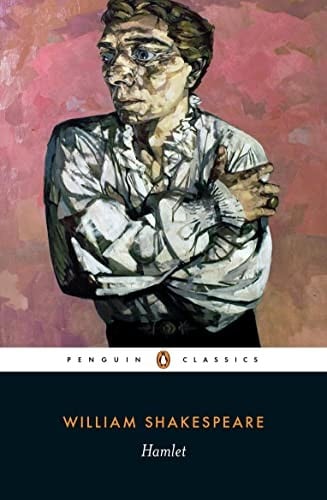
No. 1 on this list. Hamlet
William Shakespeare · 1601
Challenging3.1 hours
Taught in schools: Uzbek adabiyot curriculum (Uzbekistan)
Included in: Bokklubben World Library, Great Books of the Western World, UNESCO Collection of Representative Works
Shakespeare invented the modern soliloquy here: a mind watching itself think, stalling, doubting, performing. Every fictional character who hesitates before acting is Hamlet's descendant.
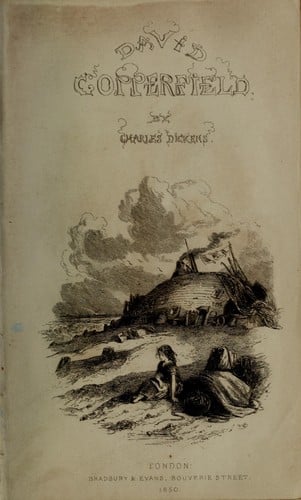
No. 2 on this list. David Copperfield
Charles Dickens · 1850
Moderate24 hours
Taught in schools: WJEC/Eduqas GCSE and A-level English Literature (UK)
David Copperfield is firmly established in the Western literary canon as one of Dickens's supreme achievements and a defining example of the Victorian Bildungsroman. It remains widely taught, studied, and adapted across cultures.
No. 3 on this list. Twelfth Night
William Shakespeare · 1602
Challenging1.8 hours
Taught in schools: AQA GCSE and A-level English Literature (UK), CAPE Literatures in English – Caribbean Examinations Council, Pearson Edexcel GCSE and A-level English Literature (UK)
Included in: Great Books of the Western World
Twelfth Night is among the most widely taught and performed Shakespeare comedies and a near-universal fixture in secondary school and university Shakespeare curricula. Its themes of disguise, gender ambiguity, and unrequited love have made it a central text in gender studies, queer theory, and Renaissance drama courses. It appears on more syllabi than any other Shakespeare comedy except perhaps A Midsummer Night's Dream.
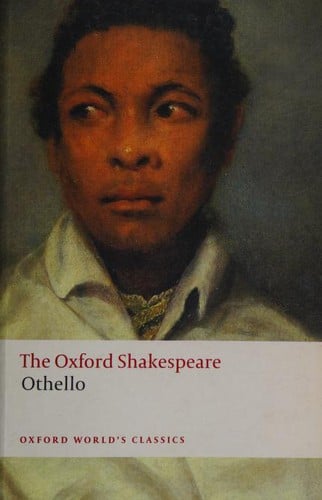
No. 4 on this list. Othello
William Shakespeare · 1603
Challenging2.2 hours
Taught in schools: AQA GCSE and A-level English Literature (UK), CAPE Literatures in English – Caribbean Examinations Council, Pacific Senior Secondary Certificate – English
Included in: Bokklubben World Library, Great Books of the Western World
Shakespeare took a love story between a Black general and a Venetian noblewoman and destroyed it through the most precisely engineered manipulation in dramatic literature — Iago's campaign unfolds with the logic of a chess game, each move exploiting a specific vulnerability. The play remains the most penetrating study of how jealousy, once planted, manufactures its own evidence.
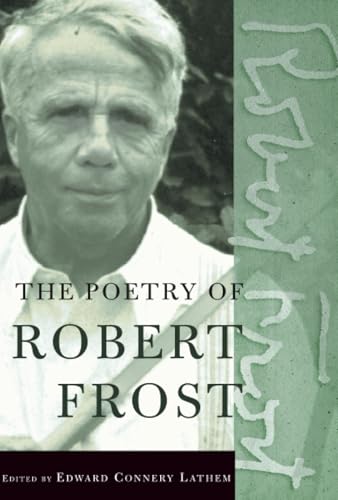
Frost appears on virtually every American high school and university English curriculum. 'The Road Not Taken,' 'Mending Wall,' and 'Stopping by Woods on a Snowy Evening' are among the most-taught poems in the English language, and the Collected Poems is the standard edition used in academic settings. His work is a fixture of the canon in a way shared by almost no other 20th-century American poet.
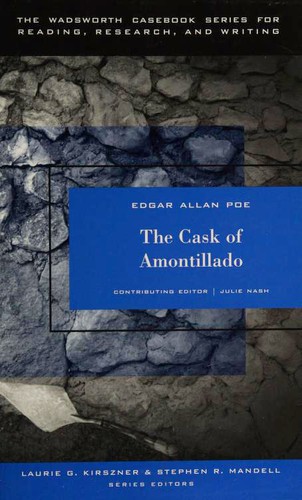
One of the most anthologised short stories in English and a standard school text.
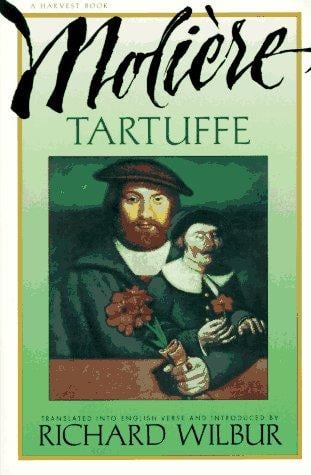
No. 7 on this list. Tartuffe
Molière · 1669
Moderate1.3 hours
Taught in schools: Hungarian literature curriculum (magyar nyelv és irodalom) (Hungary)
Included in: Great Books of the Western World
Tartuffe is required reading in French literature, comparative literature, and theater history courses at virtually every major university. It is among the most-performed French plays internationally and appears on nearly all canonical drama reading lists alongside Racine and Corneille. The play has been in continuous repertoire since 1669 and is central to any study of Western comedy.
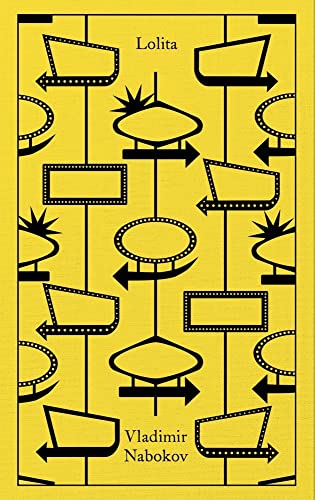
No. 8 on this list. Lolita
Vladimir Nabokov · 1955
Challenging11 hours
Included in: Bokklubben World Library
Nabokov gave a monster the most beautiful prose in the English language and dared the reader to be seduced by it, producing the most disturbing test case for the relationship between aesthetic pleasure and moral judgment. Humbert Humbert's sentences are so exquisite that noticing your own enchantment becomes the novel's real subject.
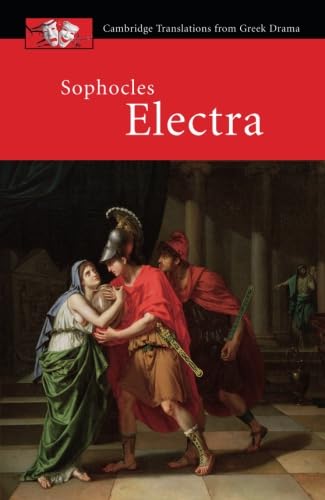
No. 9 on this list. Electra
Sophocles · c. 410 BCE
Moderate50 min
Included in: Great Books of the Western World
Electra is required reading in virtually every university classics and comparative literature program. All seven of Sophocles' surviving plays form the backbone of Western classical studies, and Electra — alongside Oedipus Rex and Antigone — is among the most taught. It appears on syllabi across departments from literature to philosophy to theater.
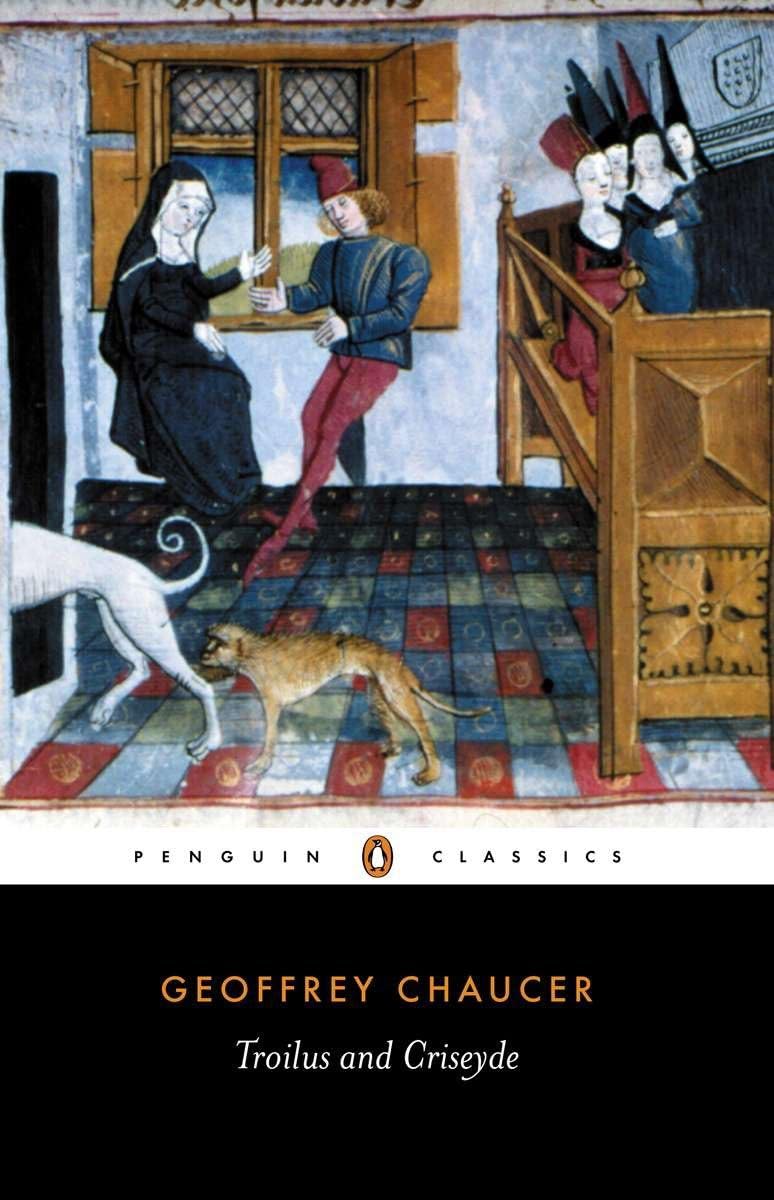
No. 10 on this list. Troilus and Criseyde
Geoffrey Chaucer · 1385
Difficult9.3 hours
Included in: Great Books of the Western World
Required reading in virtually every medieval English literature curriculum, taught across English, Comparative Literature, and Medieval Studies programs at universities worldwide. Though Open Syllabus data is unavailable here, Chaucer courses built around this text are standard at every major university with an English department. It holds a place among the most-studied long poems in the English language.
No. 11 on this list. Three Sisters · Anton Chekhov · 1901
Taught in schools: Hungarian literature curriculum (magyar nyelv és irodalom) (Hungary), Russian FGOS literature standard
Taught in every course on modern drama and staged continuously by major companies since its 1901 Moscow Art Theatre premiere. The sisters' longing for Moscow is one of the best-known situations in world theatre.
Challenging2.4 hours
Read nowNo. 12 on this list. The Lady with the Dog · Anton Chekhov · 1899
Taught in schools: Russian FGOS literature standard
Among the most anthologized and taught short stories in any language, a staple of fiction courses and writing workshops. It is frequently named as the greatest short story ever written.
Challenging32 min
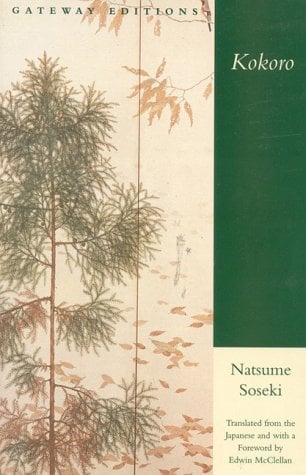
Read nowNo. 13 on this list. Kokoro · Natsume Sōseki · 1914
Included in: UNESCO Collection of Representative Works
Kokoro is universally regarded as the supreme masterpiece of modern Japanese literature and one of the most important novels of the twentieth century in any language. It is the single most commonly assigned novel in Japanese high schools and universities, and appears on literature syllabi worldwide. It has been continuously in print since 1914 and has been translated into dozens of languages. It is a permanent fixture of every serious list of world literature, from the Penguin Classics and Oxford World Classics catalogs to Harold Bloom's discussions of global literary achievement.
Moderate4.5 hours
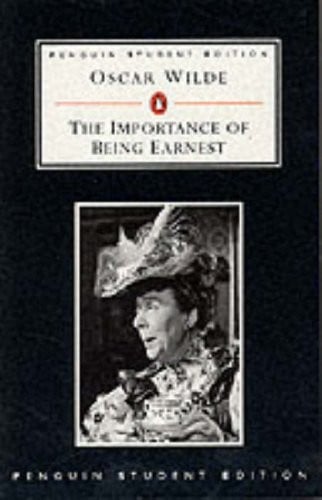
Start this bookNo. 14 on this list. The Importance of Being Earnest · Oscar Wilde · 1893
Taught in schools: AQA GCSE and A-level English Literature (UK), Common Core text exemplars (Appendix B) (US), CSEC English B – Caribbean Examinations Council
Ranked by literary regard among eligible works in the current catalogue. This position reflects the available catalogue evidence.
Moderate1.9 hours
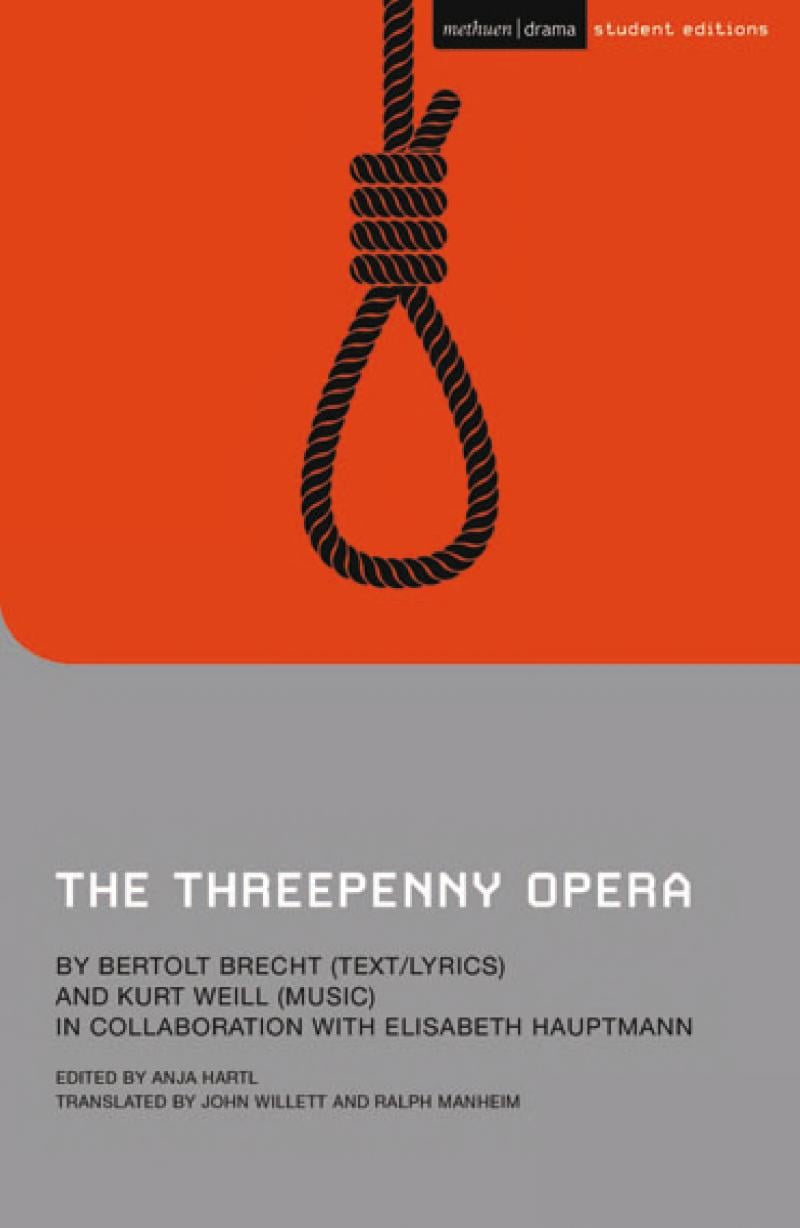
Start this bookNo. 15 on this list. The Threepenny Opera · Bertolt Brecht · 1928
Die Dreigroschenoper premiered in Berlin on August 28, 1928, and became one of the most performed plays of the 20th century, with productions on every inhabited continent. It is core curriculum in theatre studies, German literature, European modernism, and political theory courses worldwide. No syllabus data appears in the database, but the play's canonical standing is among the highest in 20th-century drama.
Challenging2.1 hours
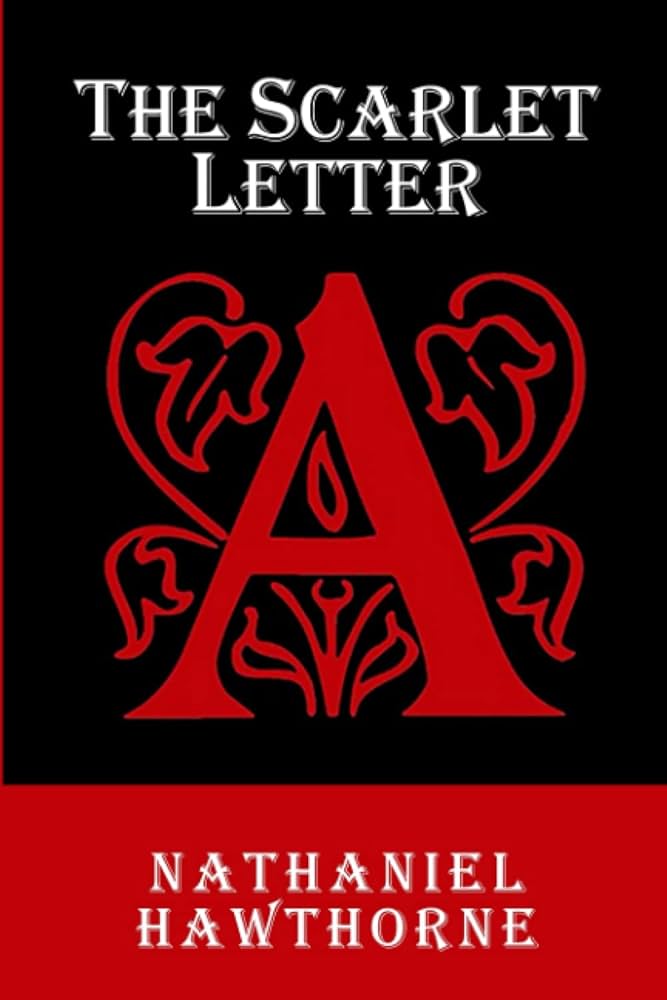
Start this bookNo. 16 on this list. The Scarlet Letter · Nathaniel Hawthorne · 1850
Taught in schools: Common Core text exemplars (Appendix B) (US), CSEC English B – Caribbean Examinations Council
Appears on 1,893 university syllabi (Open Syllabus, 81.9th percentile), a fixture of American literature courses and AP high school curricula across the United States. Wikipedia articles exist in 38 languages, and the work has continuous presence in American literary education since its 1850 publication.
Difficult9.4 hours
Read nowNo. 17 on this list. The Miser · Molière · 1668
Taught in schools: Lektury obowiązkowe – Polish national reading list (Poland), UNAM Escuela Nacional Preparatoria – programas de Literatura (Mexico)
Included in: Great Books of the Western World
The Miser is a staple of French literature and world theater curricula across universities globally, ranking among the most performed and studied comedies of the Western canon. While no syllabus count is in the database, it appears consistently on comparative literature, French studies, and drama course lists. Its presence in world literature anthologies across dozens of languages reflects its canonical standing.
Moderate1.4 hours
Start this bookNo. 18 on this list. Buddenbrooks: The Decline of a Family · Thomas Mann
A Nobel-winning author's first novel, taught widely in German and world literature courses as the model family chronicle.
Moderate15 hours
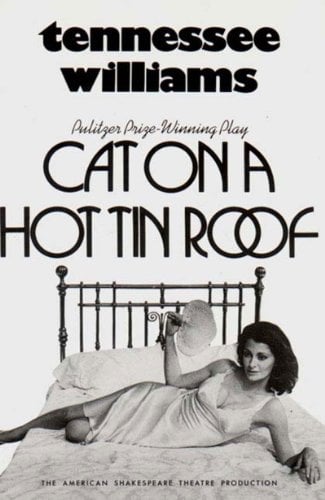
Start this bookNo. 19 on this list. Cat on a Hot Tin Roof · Tennessee Williams · 1955
Taught in schools: AQA GCSE and A-level English Literature (UK)
Cat on a Hot Tin Roof won the 1955 Pulitzer Prize for Drama and is taught in American literature and theater courses across the country, standing alongside A Streetcar Named Desire as the twin peaks of Williams's canon. The 1958 film adaptation with Paul Newman and Elizabeth Taylor brought it to global audiences, cementing its place in the broader cultural record. It appears on virtually every syllabus covering American drama.
Challenging5.5 hours
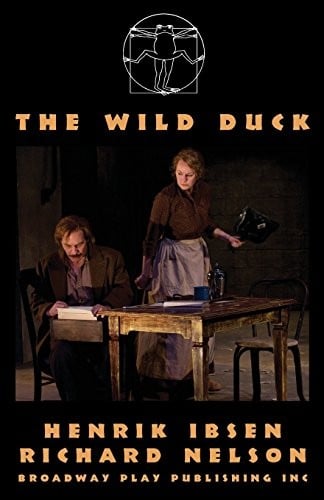
Start this bookNo. 20 on this list. The Wild Duck · Henrik Ibsen · 1884
Taught in schools: Hungarian literature curriculum (magyar nyelv és irodalom) (Hungary)
Included in: Great Books of the Western World
The Wild Duck is a cornerstone of the Western dramatic canon, taught in virtually every university drama program and included in all standard collections of world theater. Though the database returns no syllabus count, Ibsen is the most taught non-English-language playwright in English-speaking universities, and this play—alongside Hedda Gabler and A Doll's House—appears on every major drama syllabus. It is consistently ranked among Ibsen's finest works and among the ten most important plays of the nineteenth century.
Moderate2.2 hours
Start this book

No. 21 on this list. The Imaginary Invalid · Molière · 1673
Included in: Great Books of the Western World
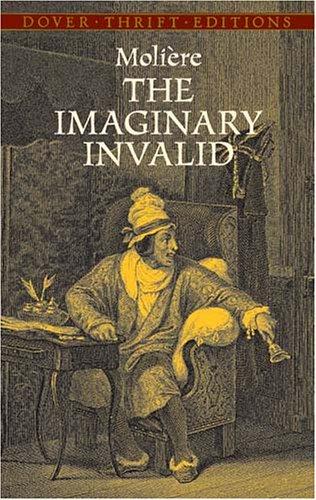
Argan sits in his Paris bedroom tallying his apothecary bills, convinced he is dying. He is not dying. His maid Toinette knows it, his brother Béralde knows it, and his daughter Angélique suspects it — but Argan has organized his entire life around his imaginary ailments, and he intends to marry Angélique to a young doctor so the household will have a physician on permanent call. Written in 1673 as Molière's last play — he collapsed onstage performing Argan and died that same evening — The Imaginary Invalid is a comedy that turns on a simple, merciless observation: some people prefer their illness to their health because sickness grants power. Toinette disguises herself as a famous doctor and solemnly recommends removing one of Argan's arms and an eye, just to see if he will agree. He almost does. The play's third interlude culminates in a mock-Latin medical ceremony, all chanted gibberish, that confers a doctorate on Argan himself — the perfect solution. Molière's doctors speak in learned nonsense and kill more patients than they cure, and the comedy lies not in caricature but in recognition: the gap between institutional authority and actual competence was as visible in 1673 as it is now. Reading it is to watch a master work at full pitch, knowing he was out of time.
Moderate1.4 hours
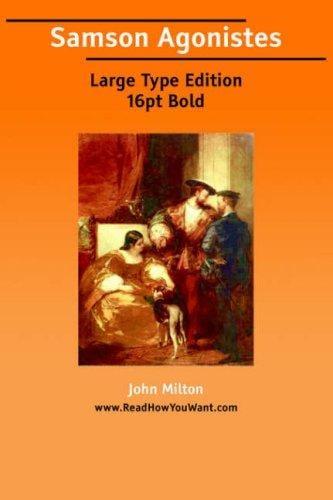
Start this bookNo. 22 on this list. Samson Agonistes · John Milton · 1671
Included in: Great Books of the Western World
Samson Agonistes is required reading in virtually every English Renaissance and early modern literature course at the university level, paired with Paradise Lost and Paradise Regained as the triad of Milton's major late works. It appears on countless syllabi and is included in every major anthology of English literature. While less universally taught than Paradise Lost, it holds a firm place in the upper tier of the seventeenth-century canon.
Challenging1.1 hours
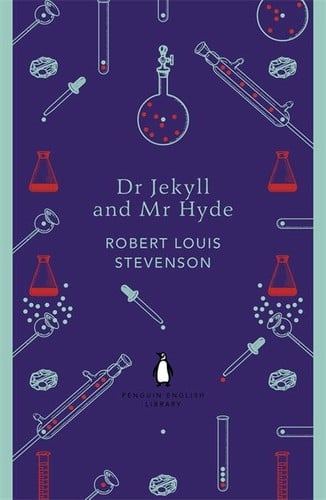
Start this bookNo. 23 on this list. The Strange Case of Dr Jekyll and Mr Hyde · Robert Louis Stevenson · 1886
Taught in schools: AQA GCSE and A-level English Literature (UK), OCR GCSE and A-level English Literature (UK)
One of the most widely taught Victorian texts in English literature curricula at every level, from secondary school to university. The phrase 'Jekyll and Hyde' has entered common English as a synonym for dual personality. The novella appears on virtually every list of essential 19th-century fiction and is a fixture in Gothic literature, Victorian studies, and psychology-and-literature courses worldwide.
Challenging1.9 hours
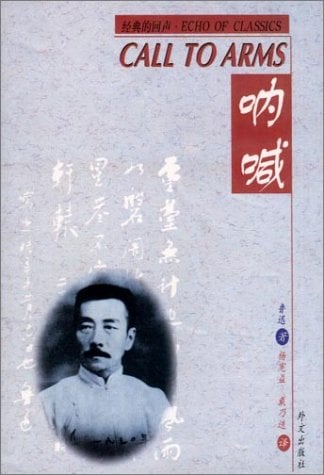
Read nowNo. 24 on this list. Call to Arms · Lu Xun · 1923
Lu Xun compressed the anguish of a civilization in crisis into stories so concentrated they read like detonations — a madman who discovers that Confucian morality is a euphemism for cannibalism, a revolutionary beheaded while the crowd scrambles for bread dipped in his blood. These stories broke Chinese fiction free from classical convention and became the foundational texts of modern Chinese literature.
Challenging4.4 hours
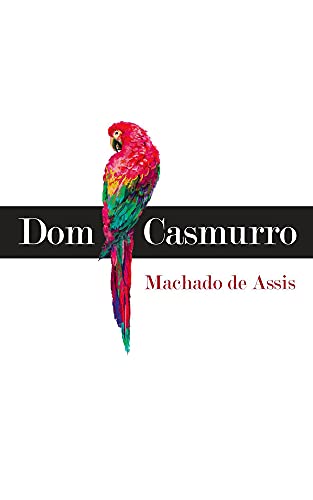
Start this bookNo. 25 on this list. Dom Casmurro · Machado de Assis · 1899
Taught in schools: FUVEST leituras obrigatórias (USP vestibular) (Brazil)
Bentinho grows up next door to Capitu in 1850s Rio de Janeiro, separated from her only by a wall and his mother's vow to make him a priest. He becomes Dom Casmurro — the stubborn recluse — and narrates his life from old age: the childhood infatuation, the years at seminary, the marriage, the friendship with Escobar, and the suspicion that eventually destroys everything. Capitu's eyes — described early on as 'the eyes of the undertow,' oblique and restless — fix themselves in the reader's mind and never quite let go. Machado de Assis structures the entire novel around what the narrator refuses to see clearly: Bento's account of his wife's betrayal reads equally as the self-portrait of a man who destroyed his marriage through jealousy. The 148 short chapters move fast, packed with digressions about opera, Roman history, and Shakespeare — the narrator is endlessly distracting himself from what he cannot face. Whether Capitu was guilty is the wrong question; the right one is why Bento needs her to be. Published in 1899, this is one of the first and still one of the finest unreliable narrator novels in any language, and the question it refuses to answer has occupied Brazilian readers for over a century.
Difficult9.5 hours
Start this bookNo. 26 on this list. The Kreutzer Sonata · Leo Tolstoy · 1889
The Kreutzer Sonata holds a firm place in university curricula for Russian literature, world literature, and gender studies courses. While less taught than Anna Karenina or War and Peace, it appears consistently as required reading in Tolstoy surveys and 19th-century European fiction courses. Its inclusion in countless 'essential Tolstoy' and world literature reading lists reflects its canonical standing.
Difficult7.5 hours
Read nowNo. 27 on this list. Go Down, Moses · William Faulkner · 1942
Go Down, Moses is recognized as central to American modernism and Southern gothic literature. It appears consistently in university curricula and major literary anthologies. While not achieving the absolute canonical singularity of Faulkner's The Sound and the Fury or Absalom, Absalom!, it commands secure canonical standing within American letters.
Challenging9.1 hours
Start this bookNo. 28 on this list. The Iceman Cometh · Eugene O'Neill · 1946
The Iceman Cometh appears in the Open Syllabus Top 500 Literature list and holds Library of America and NYRB Classics editions — markers of canonical permanence in American letters. It is taught in virtually every American drama survey and appears on most 'great American plays' lists alongside Long Day's Journey into Night. Wikipedia carries the play in only 5 languages, reflecting the global reach of drama (versus fiction) rather than lesser standing; within American literary culture, The Iceman Cometh is firmly canonical.
Challenging5.5 hours
Start this bookNo. 29 on this list. Philoctetes · Sophocles · c. 409 BCE
Included in: Great Books of the Western World
Philoctetes is a fixture in university courses on Greek drama and classical literature worldwide, taught alongside the other surviving Sophoclean tragedies. While it receives less classroom attention than Oedipus Rex or Antigone, it is consistently included in surveys of ancient Greek theater and world literature curricula. Its place in the Western canon is secure, grounded in its 2,400-year history of continuous scholarly attention.
Challenging56 min
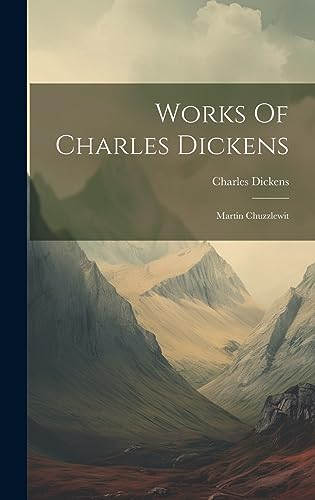
Read nowNo. 30 on this list. Martin Chuzzlewit · Charles Dickens · 1844
Martin Chuzzlewit holds a secure but second-tier position in the Dickens canon, taught regularly in Victorian literature courses and included on most serious Dickens reading lists, though it receives less classroom attention than Bleak House, Great Expectations, or David Copperfield. Dickens himself considered it his best work up to that point. The novel is available in numerous editions including Penguin Classics and Oxford World's Classics, and its key characters—Pecksniff, Sairey Gamp—remain cultural reference points.
Challenging24 hours
Read now
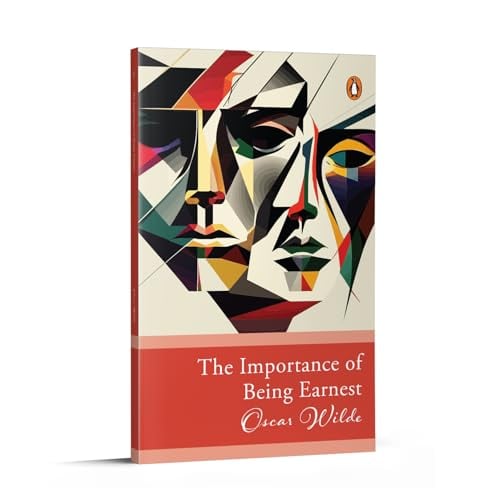
No. 31 on this list. The Importance of Being Earnest and Other Plays
Oscar Wilde · 1898
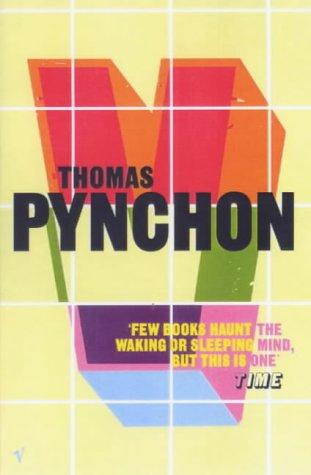
No. 32 on this list. V.
Thomas Pynchon · 1963
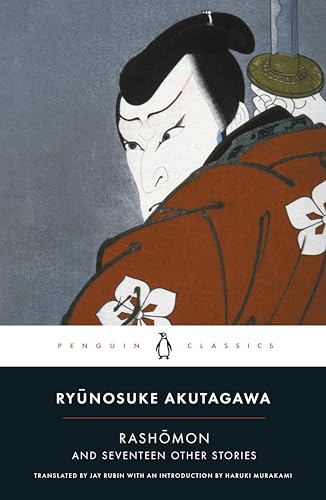
No. 33 on this list. Rashomon and Seventeen Other Stories
Ryūnosuke Akutagawa · 1915
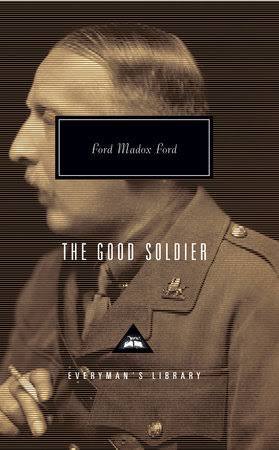
No. 34 on this list. The Good Soldier
Ford Madox Ford · 1915
No. 35 on this list. Britannicus
Jean Racine · 1669
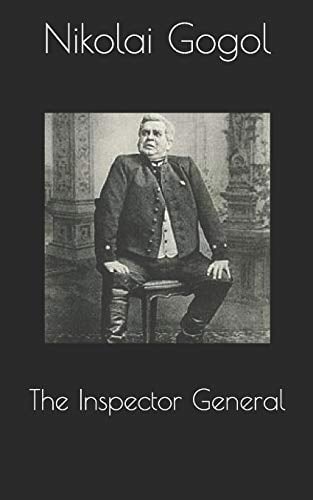
No. 36 on this list. The Inspector General
Nikolai Gogol · 1836
No. 37 on this list. Herzog
Saul Bellow · 1965
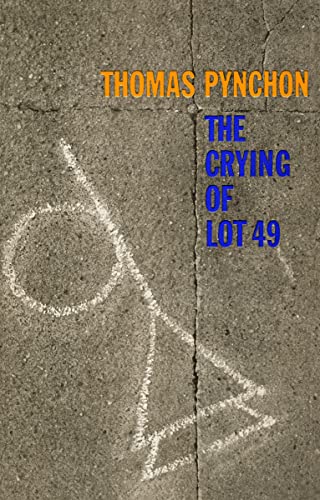
No. 38 on this list. The Crying of Lot 49
Thomas Pynchon · 1966
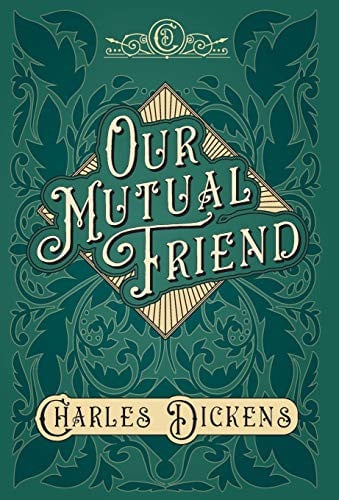
No. 39 on this list. Our Mutual Friend
Charles Dickens · 1865
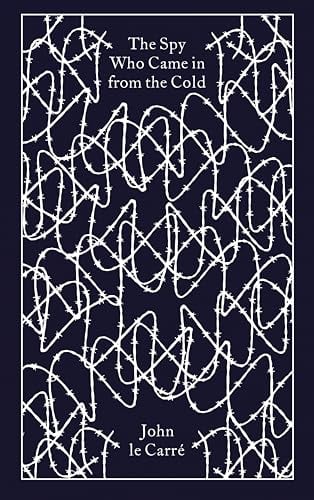
No. 40 on this list. The Spy Who Came in from the Cold
John le Carré · 1963
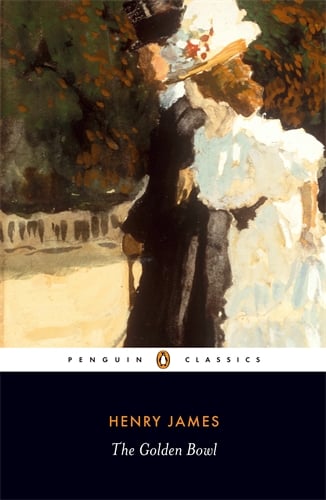
No. 41 on this list. The Golden Bowl
Henry James · 1904
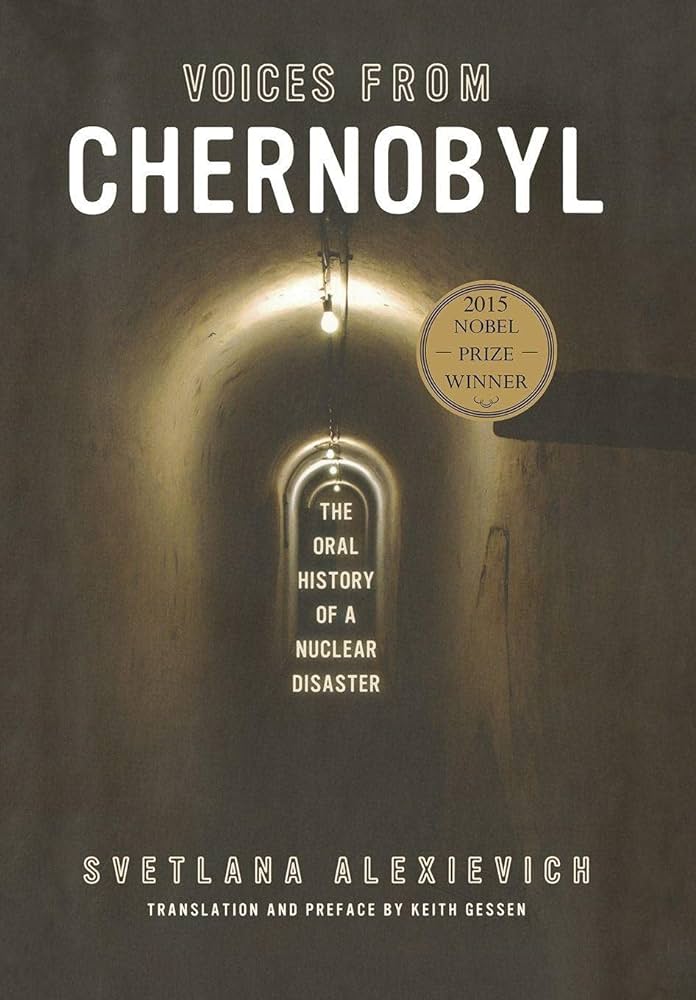
No. 42 on this list. Voices from Chernobyl
Svetlana Alexievich · 1997
No. 43 on this list. A Grain of Wheat
Ngugi wa Thiong'o · 1967
Included in: Heinemann African Writers Series
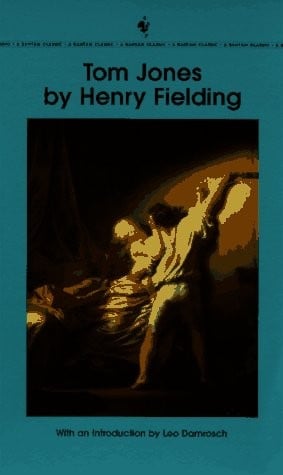
No. 44 on this list. Tom Jones
Henry Fielding · 1749
Included in: Great Books of the Western World
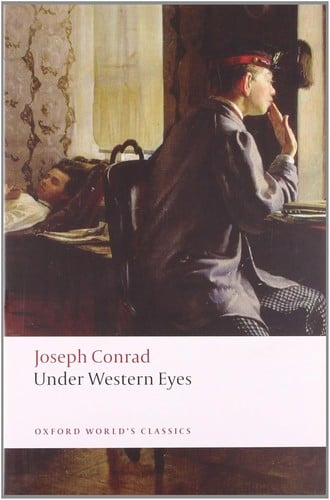
No. 45 on this list. Under Western Eyes
Joseph Conrad · 1911
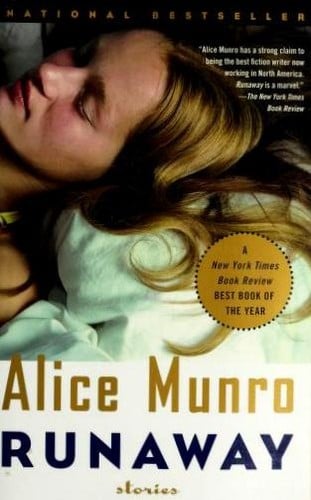
No. 46 on this list. Runaway
Alice Munro · 2004
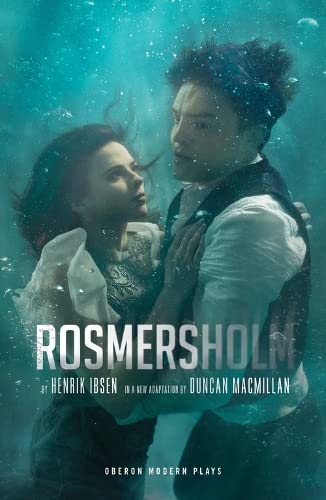
No. 47 on this list. Rosmersholm
Henrik Ibsen · 1886
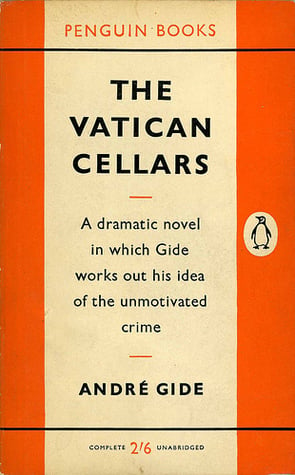
No. 48 on this list. The Vatican Cellars
André Gide · 1914
No. 49 on this list. Athalie
Jean Racine · 1691
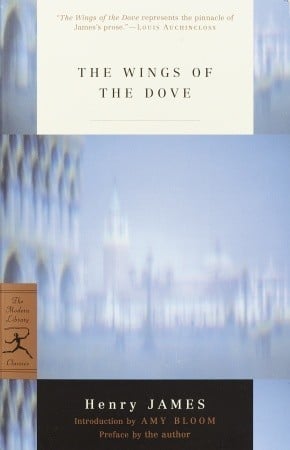
No. 50 on this list. The Wings of the Dove
Henry James · 1902
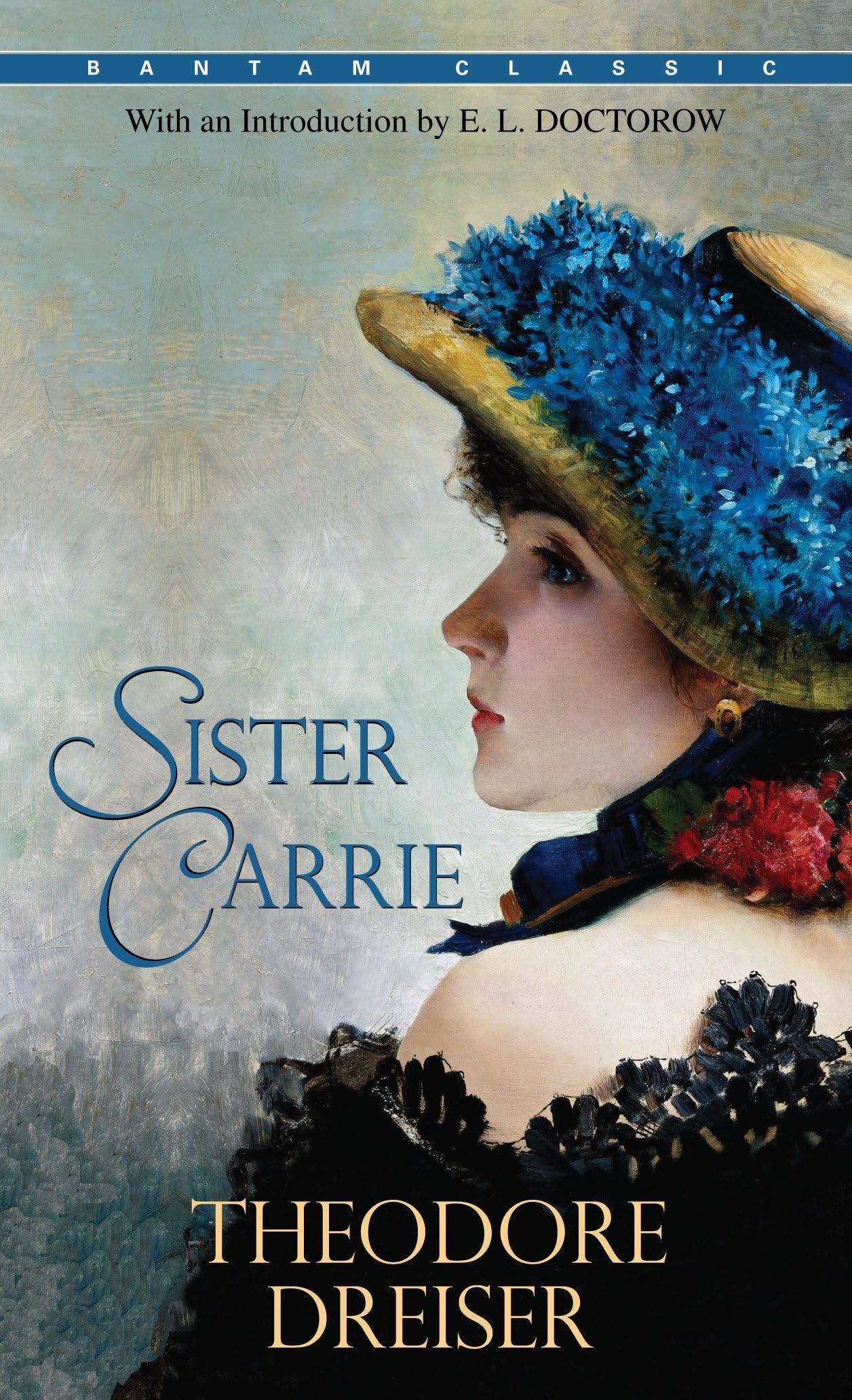
No. 51 on this list. Sister Carrie
Theodore Dreiser · 1900
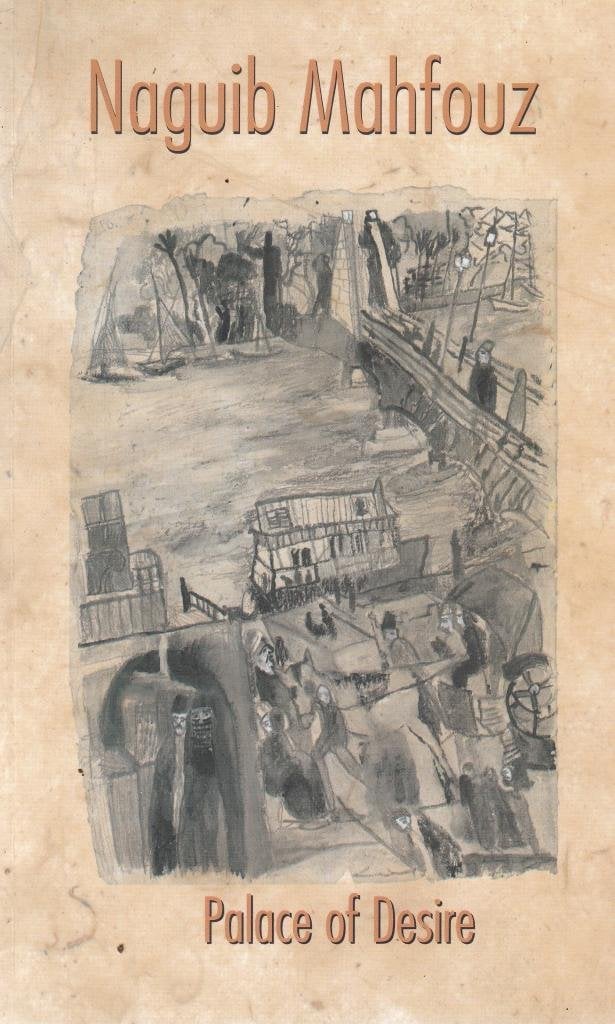
No. 52 on this list. Palace of Desire
Naguib Mahfouz · 1957
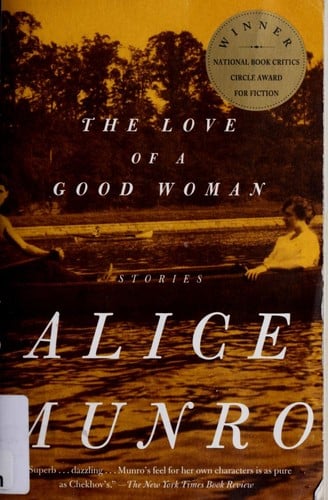
No. 53 on this list. The Love of a Good Woman
Alice Munro · 1998
No. 54 on this list. The First Circle
Aleksandr Solzhenitsyn · 1968
No. 55 on this list. Ward No. 6
Anton Chekhov · 1892
No. 56 on this list. The Cossacks
Leo Tolstoy · 1863
No. 57 on this list. The Home and the World
Rabindranath Tagore · 1916
No. 58 on this list. The Moonstone
Wilkie Collins · 1868
Taught in schools: AQA GCSE and A-level English Literature (UK), Pearson Edexcel GCSE and A-level English Literature (UK)
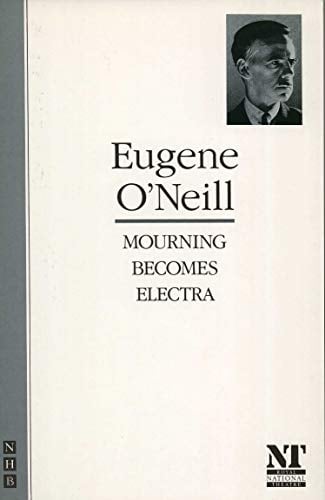
No. 59 on this list. Mourning Becomes Electra
Eugene O'Neill · 1931
Included in: Great Books of the Western World
No. 60 on this list. Washington Square
Henry James · 1880
No. 61 on this list. Exemplary Novels
Miguel de Cervantes · 1613
No. 62 on this list. House of Glass
Pramoedya Ananta Toer · 1988
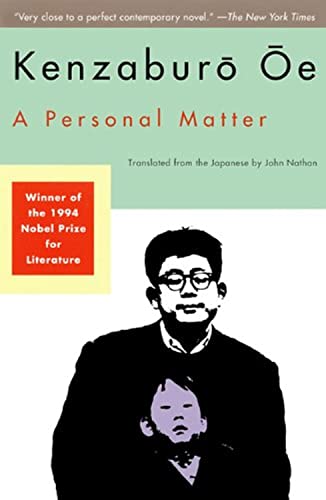
No. 63 on this list. A Personal Matter
Kenzaburō Ōe · 1964
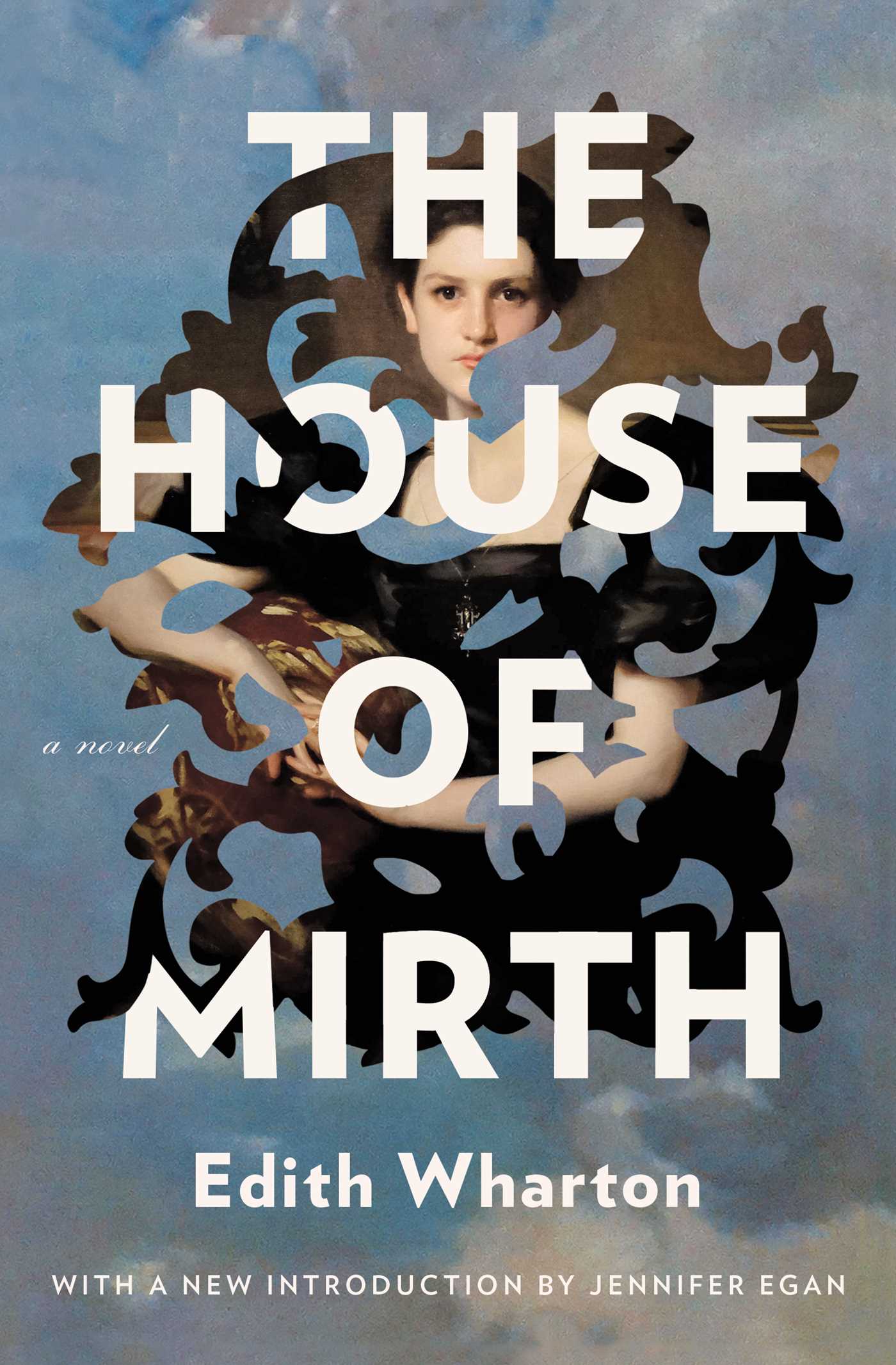
No. 64 on this list. The House of Mirth
Edith Wharton · 1905
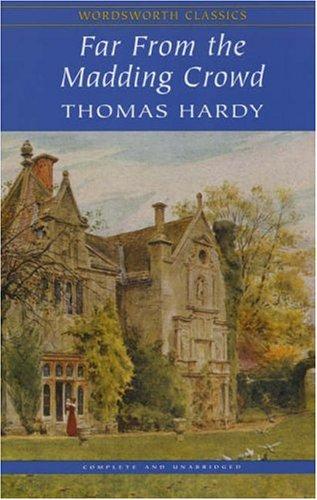
No. 65 on this list. Far from the Madding Crowd
Thomas Hardy · 1874
Taught in schools: CSEC English B – Caribbean Examinations Council
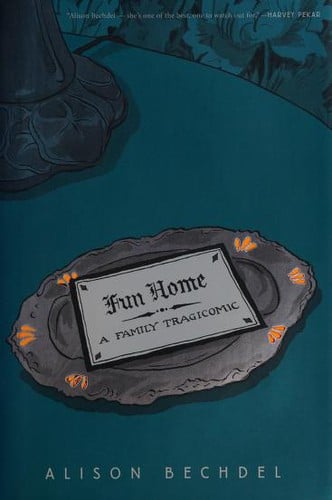
No. 66 on this list. Fun Home
Alison Bechdel · 2006
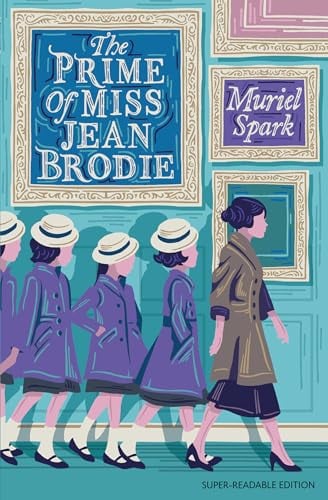
No. 67 on this list. The Prime of Miss Jean Brodie
Muriel Spark · 1961
Taught in schools: CSEC English B – Caribbean Examinations Council
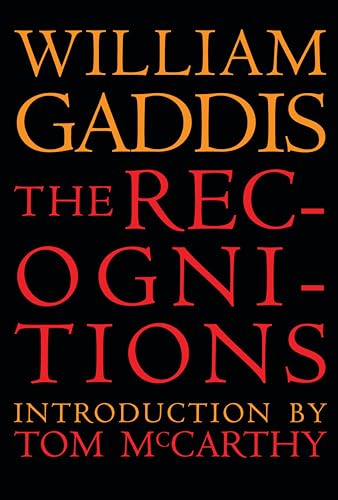
No. 68 on this list. The Recognitions
William Gaddis · 1955
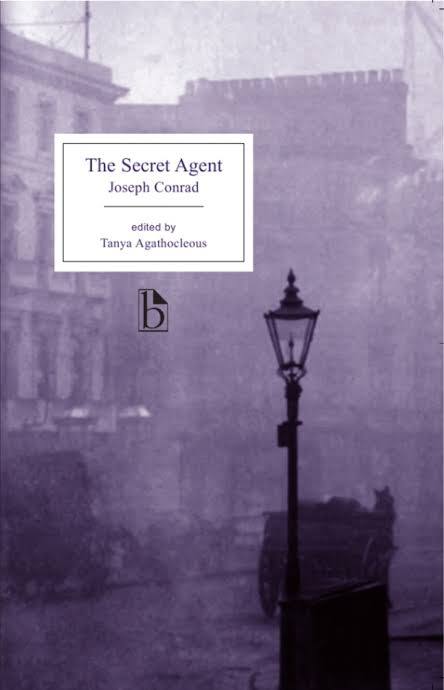
No. 69 on this list. The Secret Agent
Joseph Conrad · 1907
Taught in schools: WJEC/Eduqas GCSE and A-level English Literature (UK)
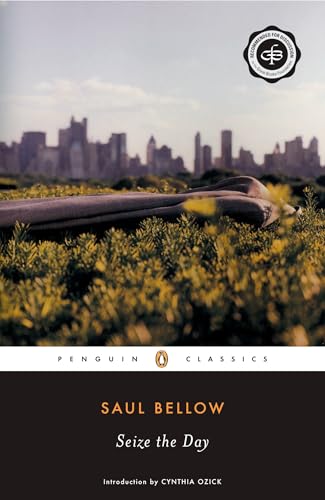
No. 70 on this list. Seize the Day
Saul Bellow · 1956
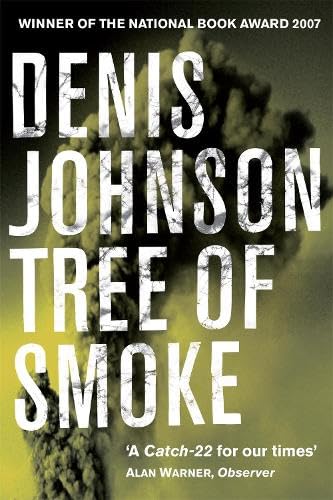
No. 71 on this list. Tree of Smoke
Denis Johnson · 2007
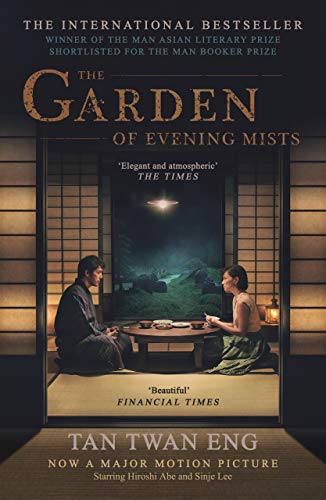
No. 72 on this list. The Garden of Evening Mists
Tan Twan Eng · 2013
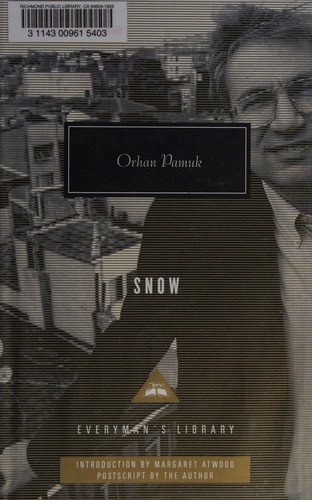
No. 73 on this list. Snow
Orhan Pamuk · 2002
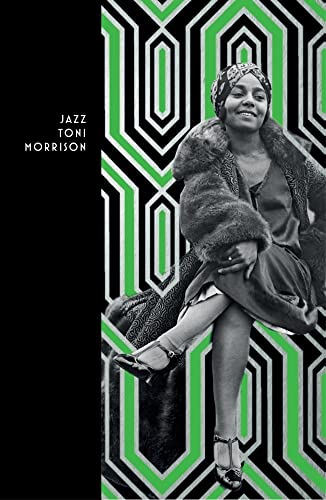
No. 74 on this list. Jazz
Toni Morrison · 1992
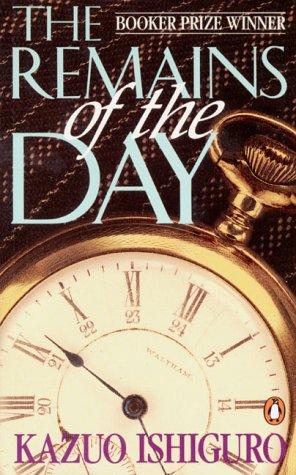
No. 75 on this list. The Remains of the Day
Kazuo Ishiguro · 1989
Taught in schools: AQA GCSE and A-level English Literature (UK), WJEC/Eduqas GCSE and A-level English Literature (UK)
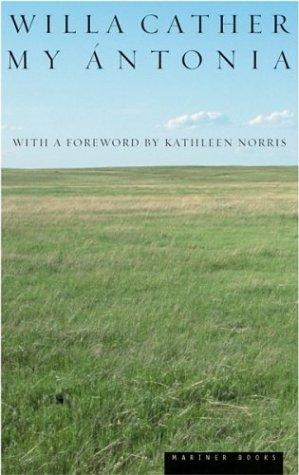
No. 76 on this list. My Antonia
Willa Cather · 1918
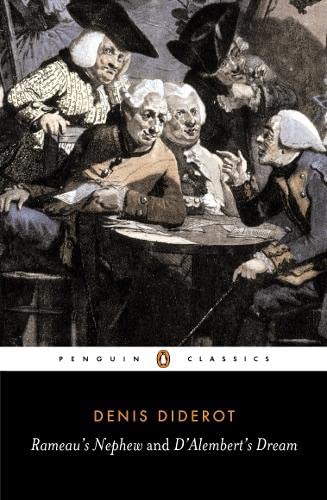
No. 77 on this list. Rameau's Nephew
Denis Diderot · 1805
Included in: Great Books of the Western World
No. 78 on this list. The Story of an Hour
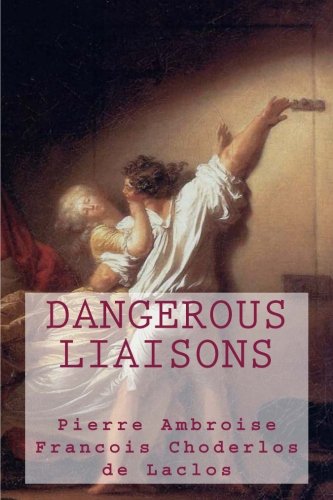
No. 79 on this list. Dangerous Liaisons
Pierre Choderlos de Laclos · 1782
No. 80 on this list. The Father
August Strindberg · 1887

No. 81 on this list. The Maltese Falcon
Dashiell Hammett · 1930
No. 82 on this list. A Man of the People
Chinua Achebe · 1966
Taught in schools: Pacific Senior Secondary Certificate – English
Included in: Heinemann African Writers Series
No. 83 on this list. The Piazza Tales
Herman Melville · 1856
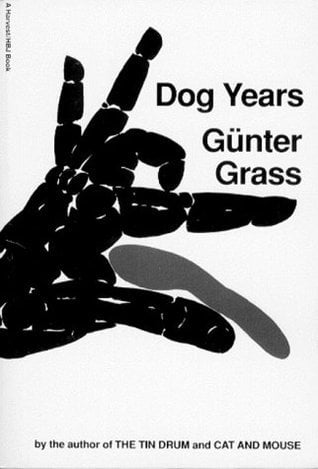
No. 84 on this list. Dog Years
Günter Grass · 1963
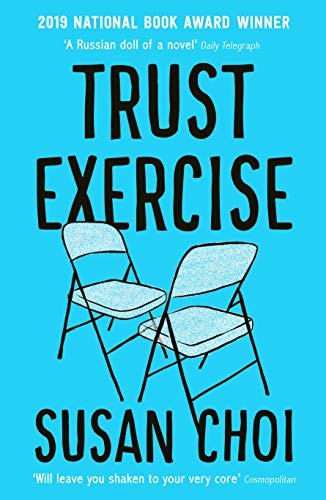
No. 85 on this list. Trust Exercise
Susan Choi · 2019
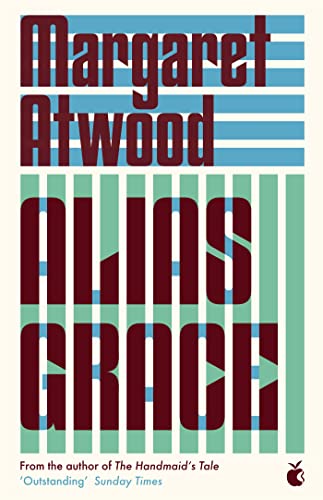
No. 86 on this list. Alias Grace
Margaret Atwood · 1996
No. 87 on this list. Divan of Hafez
Hafez · 1390
No. 88 on this list. Jenny
Sigrid Undset · 1911
No. 89 on this list. Petals of Blood
Ngugi wa Thiong'o · 1977
Included in: Heinemann African Writers Series
No. 90 on this list. The Sign of Four
Arthur Conan Doyle · 1889
Taught in schools: AQA GCSE and A-level English Literature (UK)
No. 91 on this list. Quincas Borba
Machado de Assis · 1891
Included in: Biblioteca Ayacucho, UNESCO Collection of Representative Works
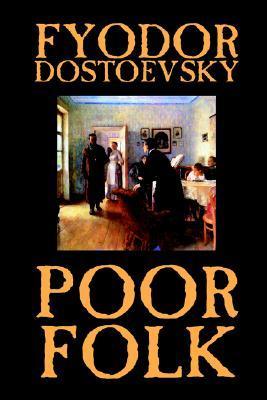
No. 92 on this list. Poor Folk
Fyodor Dostoevsky · 1846
Taught in schools: Kazakh literature curriculum (Kazakhstan)
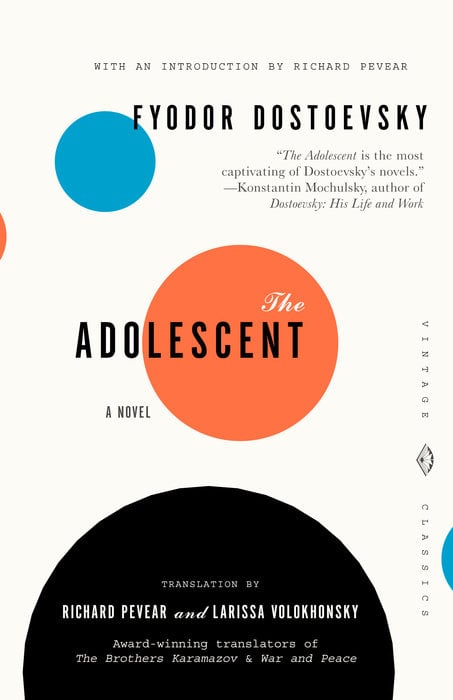
No. 93 on this list. The Adolescent
Fyodor Dostoevsky · 1875
Taught in schools: Russian FGOS literature standard
No. 94 on this list. A Tomb for Boris Davidovich
Danilo Kiš · 1976
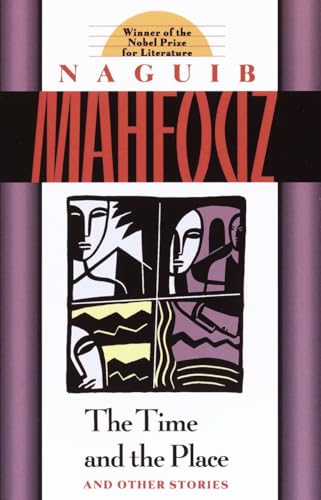
No. 95 on this list. The Thief and the Dogs
Naguib Mahfouz · 1961
Taught in schools: Moroccan secondary Arabic literature (Morocco)
No. 96 on this list. Pierre and Jean
Guy de Maupassant · 1888
No. 97 on this list. Pornografia
Witold Gombrowicz · 1960
No. 98 on this list. The Counterfeiters
André Gide · 1925
No. 99 on this list. Count Julian
Juan Goytisolo · 1970
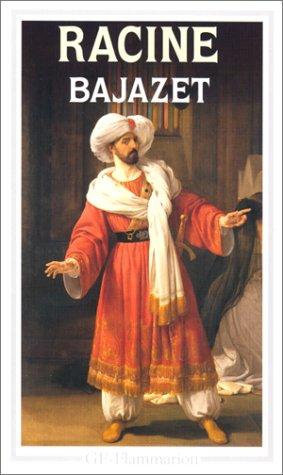
No. 100 on this list. Bajazet
Jean Racine · 1672
About this list
These 100 books are the highest-scoring eligible books about deception and secrets currently in the catalogue. About 896 hours of reading in all. Difficulty runs from 52 to 68 out of 100 for the middle half of the list; the summit is The Recognitions at 85.
This list is ranked by literary regard, with a consistent order for equal scores. Membership follows authors and co-authors, not translators or editors. A book is here when ReadingRate files it under Deception & Secrets as one of its primary reading domains, at a confidence of 0.8 or more. Catalogue coverage and the historical canon both limit what this list can represent.
When we matched the Canons dataset to our catalogue in October 2026, our canonical-status scores rose with the number of school curricula, publisher series and lists in it that cite a work: the median score was 72 for books one such source cites, 84 at two, 88 at three, 92 at four and 93 at five or more. Prizes are left out of that count. Outside the state curricula, the dataset’s sources choose mostly from what has been translated into English or French, so it is a weaker check on other literatures. Source: Canons (Andrew Piper), CC BY 4.0
Questions people actually ask
- What are the best books about deception and secrets?
- By literary regard, which weighs canonical status, critical standing and influence: Hamlet by William Shakespeare, David Copperfield by Charles Dickens, Twelfth Night by William Shakespeare, Othello by William Shakespeare and Collected Poems by Robert Frost. ReadingRate ranks 100 such books, each with a difficulty score and a reading-time estimate.
- Which books about deception and secrets should I read first?
- Start from difficulty, not from rank. The most approachable books on this list that still carry top literary regard are Sister Carrie by Theodore Dreiser (about 9.4 hours), Kokoro by Natsume Sōseki and The Importance of Being Earnest and Other Plays by Oscar Wilde.
- What are the shortest of the best books about deception and secrets?
- Among the top 25, the shortest are The Lady with the Dog by Anton Chekhov (about 32 min), The Cask of Amontillado by Edgar Allan Poe (about 34 min) and Electra by Sophocles (about 50 min), at an average pace of 250 words a minute adjusted for each book's difficulty.
- Which of the best books about deception and secrets are the established classics?
- By canonical status, how firmly a book sits in curricula, anthologies and the canon: Hamlet by William Shakespeare, Kokoro by Natsume Sōseki, Othello by William Shakespeare, David Copperfield by Charles Dickens and Twelfth Night by William Shakespeare.
- Can I read any of these books about deception and secrets for free?
- 30 of the 100 open in ReadingRate's reader with a free account, from public-domain editions: Hamlet, David Copperfield, Twelfth Night, Othello, Electra and 25 more.
- How long would it take to read the top ten?
- About 60 hours, at an average pace of 250 words a minute adjusted for each book's difficulty: 30 days at two hours a day. Set your own pace on the page and the list's reading times change to it.
- How hard are books about deception and secrets to read?
- Most of this list sits between 52 and 68 on ReadingRate's 100-point difficulty scale, where 40 to 55 is moderate. The summit is The Recognitions at 85. Every entry carries its own score, so a reader can pick a great book at a difficulty they will finish.
- How is this list ranked?
- On literary-regard data: how canonically established a work is, its critical standing, and its influence on later writing. It is not a readers’ poll, which is why recent bestsellers rarely appear. Membership follows authors and co-authors, not translators or editors. Lists by country, author, period, theme or difficulty keep to literature (fiction, poetry, drama and philosophy), their novels, poems and plays first and their philosophy after them; a list of a kind of book, such as memoir or criticism, keeps every book of that kind. Every list holds at most three works by one author. A book is here when ReadingRate files it under Deception & Secrets as one of its primary reading domains, at a confidence of 0.8 or more.