Hours at an average pace
Showing 100 books
About 632 hours for 100 of 100 books with measured lengths. Estimates use 250 words a minute, adjusted for each book's difficulty. At 2 hours a day, about 317 days for those books.
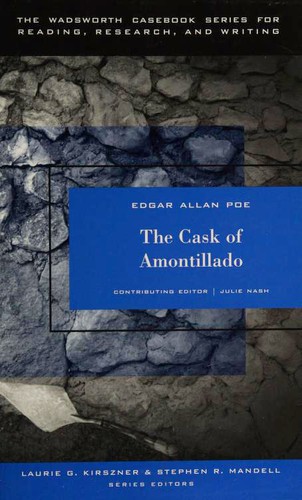
One of the most anthologised short stories in English and a standard school text.
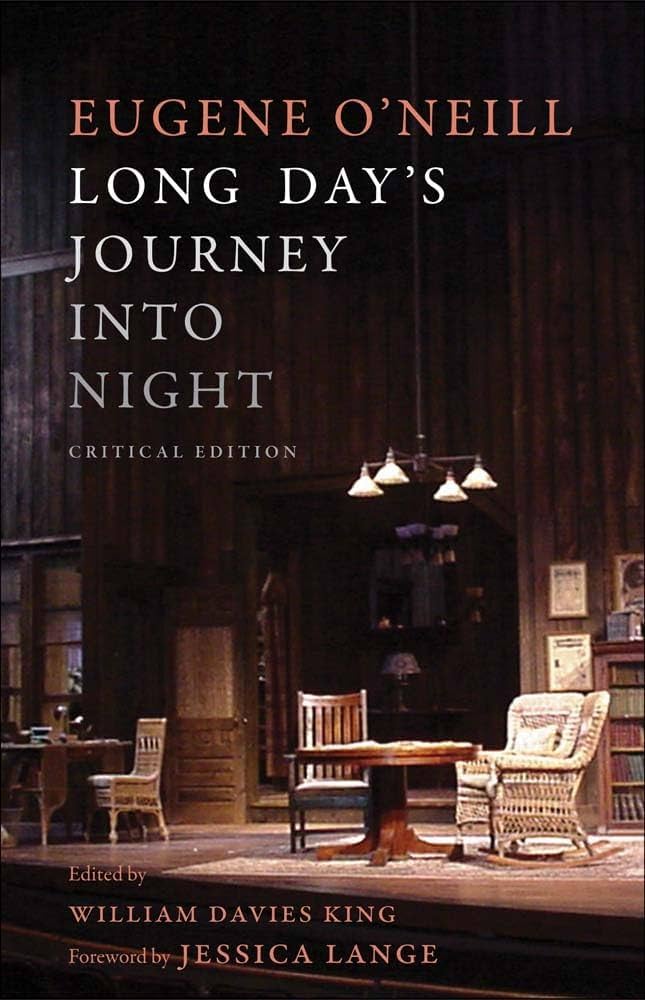
O'Neill dramatized his own family — the morphine-addicted mother, the alcoholic father, the doomed brother — with such lacerating honesty that he ordered the play sealed until twenty-five years after his death. The result is the most autobiographically raw masterpiece in American theater, a four-act cycle of blame and forgiveness that never grants its characters the relief of a resolution.
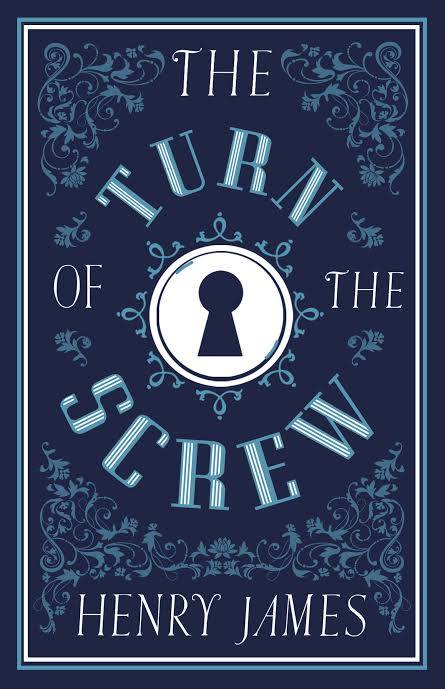
No. 3 on this list. The Turn of the Screw
Henry James · 1898
Difficult5.5 hours
Taught in schools: CSEC English B – Caribbean Examinations Council
Essential Gothic literature and James studies text; widely taught in ghost story, Victorian, and modernist courses; definitive example of narrative ambiguity and unreliable narration.
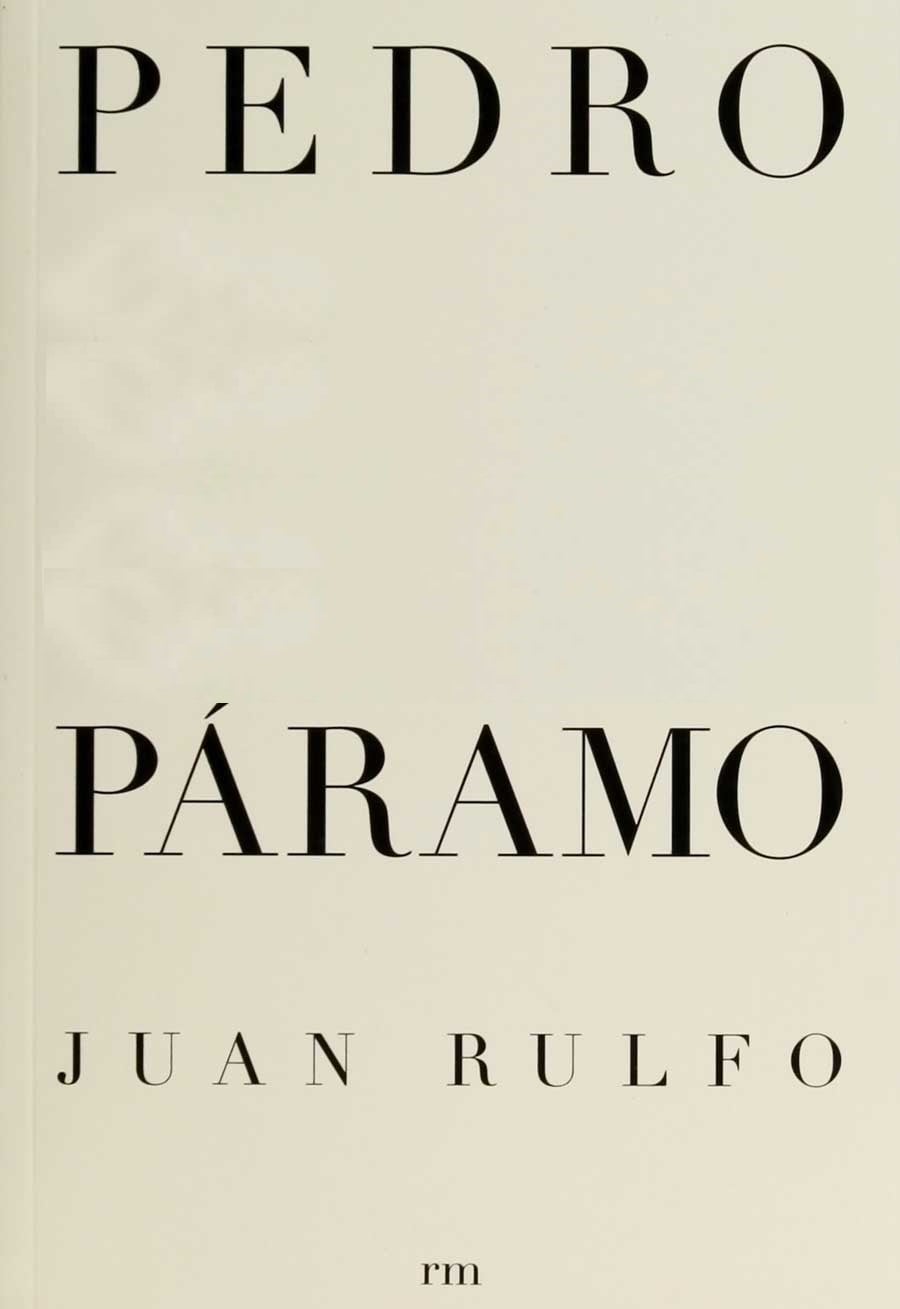
No. 4 on this list. Pedro Páramo
Juan Rulfo · 1955
Difficult3.6 hours
Taught in schools: Literatura, Diseño Curricular – Provincia de Buenos Aires (Argentina), UNAM Escuela Nacional Preparatoria – programas de Literatura (Mexico)
Included in: Bokklubben World Library
Pedro Páramo is the foundational text of Latin American modernism, present in nearly every world literature curriculum globally. Its Wikipedia article spans 26 languages. García Márquez credited it with teaching him how to write One Hundred Years of Solitude — a direct line of influence that alone ensures canonical permanence. Penguin Modern Classics published it in 1961.
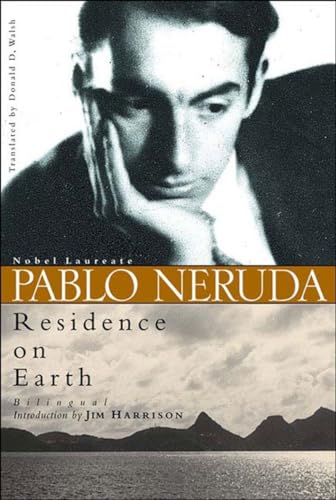
Pablo Neruda wrote the poems of 'Residence on Earth' during his years as a Chilean consul in Burma, Ceylon, and Java — postings that left him profoundly isolated, surrounded by unfamiliar languages and dissolving heat. What came out was a poetry of radical disorientation: rain that rots wood, flesh that smells of brine, clocks that leak time like a wound. The opening poem, 'Galope Muerto,' begins mid-sensation: 'Like ashes, like oceans populating themselves, in the submerged slowness, in the shapeless.' There is no speaker announced, no situation established. The collection works entirely through image — blood, sea, bone, stone — stacked without logical mortar until the pressure of accumulated sensation becomes its own argument. 'Walking Around' describes a man so disgusted by modern life he wants to throw everything away, the umbrellas and the accountants and the stockings. 'Ode with a Lament' addresses an unnamed woman through images of shipwrecks and salt. The later sections shift toward political fury — odes to Madrid under bombardment, to Stalingrad, to Spain's dead — but even the political poems work through elemental image rather than rhetoric. This is poetry that does not explain itself. Readers who need a narrative thread or an argument will find none. Those willing to receive sensation as meaning will encounter one of the most physically intense bodies of verse written in the 20th century.
No. 6 on this list. The Strange Case of Dr Jekyll and Mr Hyde
Robert Louis Stevenson · 1886
Challenging1.9 hours
Taught in schools: AQA GCSE and A-level English Literature (UK), OCR GCSE and A-level English Literature (UK)
One of the most widely taught Victorian texts in English literature curricula at every level, from secondary school to university. The phrase 'Jekyll and Hyde' has entered common English as a synonym for dual personality. The novella appears on virtually every list of essential 19th-century fiction and is a fixture in Gothic literature, Victorian studies, and psychology-and-literature courses worldwide.
No. 7 on this list. The Tell-Tale Heart
Edgar Allan Poe · 1843
Moderate32 min
Taught in schools: Pacific Senior Secondary Certificate – English
It is recommended reading in the Pacific Senior Secondary Certificate English curriculum and is among the most widely taught American short stories in schools worldwide, comparable to Gatsby's classroom ubiquity in its own form.
No. 8 on this list. The Picture of Dorian Gray
Challenging8 hours
Taught in schools: AQA GCSE and A-level English Literature (UK), Pearson Edexcel GCSE and A-level English Literature (UK)
Included in: Oxford World's Classics
The Picture of Dorian Gray is standard reading in Victorian literature and aesthetic movement curricula worldwide. Though the database shows only 16 syllabus appearances due to limited data collection, the novel appears on virtually every canonical survey of English literature and has been in continuous print since 1890. It anchors discussions of aestheticism, decadence, and Victorian moral philosophy in university courses across the globe.
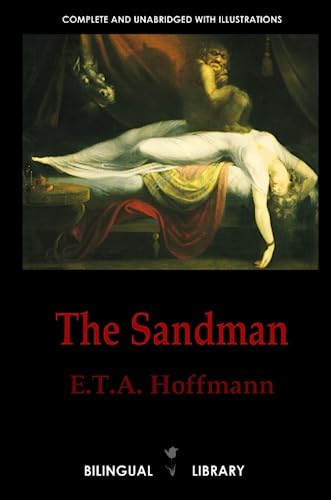
The Sandman is canonical in German literature courses, Romantic literature surveys, Gothic fiction studies, and psychoanalytic literary criticism worldwide. Freud's 1919 essay 'The Uncanny' uses it as the central specimen, ensuring its presence on psychoanalysis and literary theory syllabi for over a century. While it lacks the broad English-language curriculum presence of Frankenstein or Great Expectations, it is effectively required reading in any serious study of German Romanticism, the Gothic tradition, or the history of uncanny fiction.
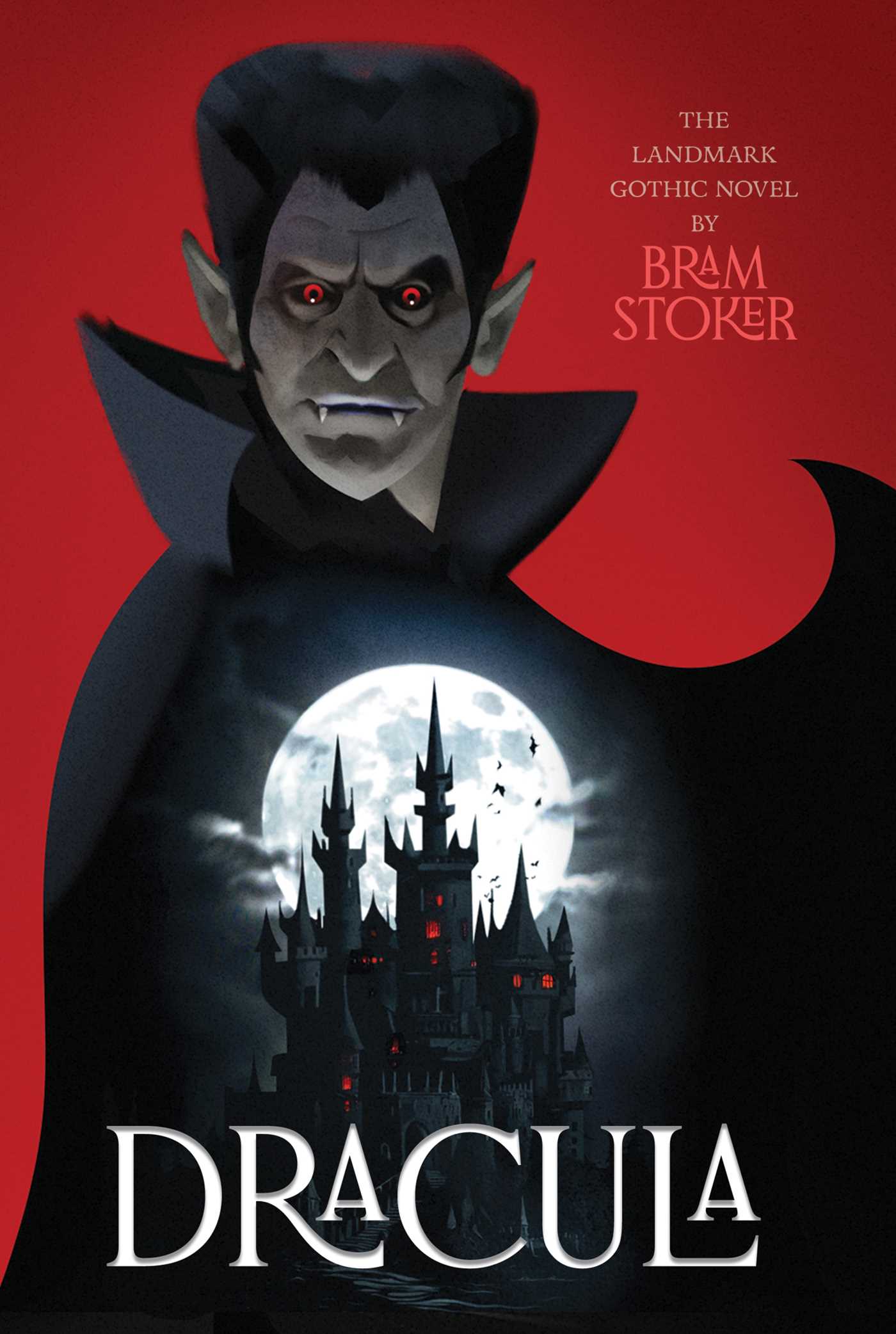
No. 10 on this list. Dracula
Bram Stoker · 1897
Moderate11 hours
Taught in schools: CSEC English B – Caribbean Examinations Council, Leaving Certificate English – NCCA / State Examinations Commission (Ireland), OCR GCSE and A-level English Literature (UK)
Included in: Bibliothèque de la Pléiade
Among the most famous novels ever written. Created the modern vampire and generated endless adaptation.
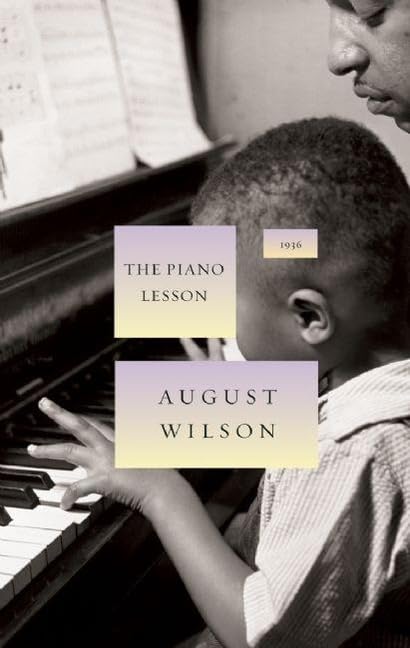
No. 11 on this list. The Piano Lesson · August Wilson · 1987
The Piano Lesson is a fixture in American drama and literature courses, taught alongside O'Neill, Miller, and Williams as a canonical American play. It is the centerpiece of August Wilson's ten-play Pittsburgh Cycle, a sequence now treated as essential reading in university drama programs. Its Pulitzer Prize win and sustained presence in curricula place it well above mid-tier literary works.
Challenging2.9 hours
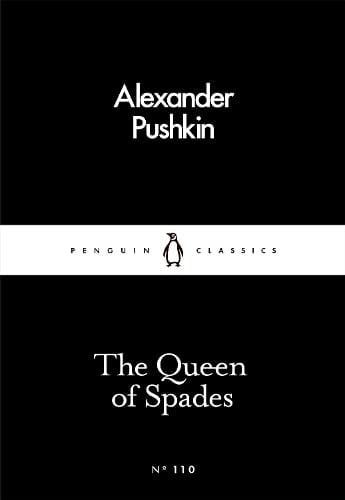
Start this bookNo. 12 on this list. The Queen of Spades · Alexander Pushkin · 1834
The Queen of Spades is a cornerstone of Russian literature curricula worldwide and one of the most-taught short fictions in Slavic studies programs. The Wikipedia article appears in 16 languages, reflecting significant global reach for a short story. Pushkin's tale is included in virtually every survey of Russian literature and in many world literature anthologies alongside Chekhov and Gogol.
Moderate32 min
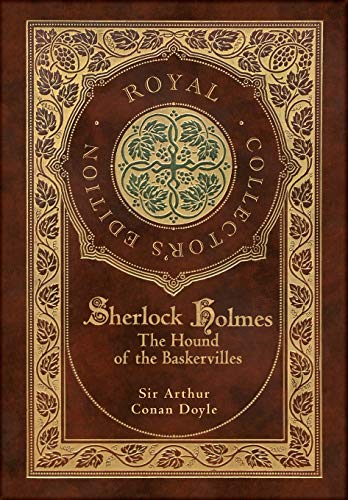
Start this bookNo. 13 on this list. The Hound of the Baskervilles · Arthur Conan Doyle · 1902
Taught in schools: CSEC English B – Caribbean Examinations Council
Sir Charles Baskerville dies on the Dartmoor moors, terror on his face, a giant hound's footprints nearby. A family curse tells of a spectral hound hunting the Baskervilles since the seventeenth century. Dr. Watson investigates while Holmes stays in London—or so it seems. The moor is fog-bound, treacherous, Gothic; the solution is pure Holmesian reason. Doyle killed Holmes at Reichenbach Falls in 1893 and resisted resurrection. This novel, serialized in 1901-02, is set before the death and doesn't quite bring Holmes back. But the public devoured it, and Holmes returned in full the following year. The Hound works both as mystery and Gothic atmosphere—the moor becomes a character, the hound hovers between supernatural and rational explanation until the last act. This is Doyle's most novelistic Holmes story, and many readers consider it the best.
Easy3.5 hours
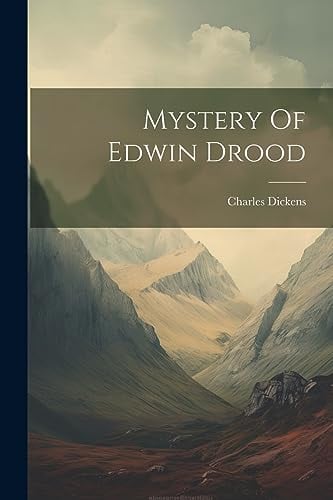
Read nowNo. 14 on this list. The Mystery of Edwin Drood · Charles Dickens · 1870
The Mystery of Edwin Drood appears regularly on Victorian literature and Dickens course syllabi at universities worldwide, taught both as a late Dickens text and as a unique object — a canonical novel frozen in its own incompletion. The unfinished mystery has been a pedagogical touchstone for discussions of narrative, authorship, and closure since Dickens's death. Its Wikipedia article exists in over 40 languages and includes dedicated sections on adaptations and reception, indicating significant global cultural reach beyond English-language scholarship.
Challenging6.9 hours
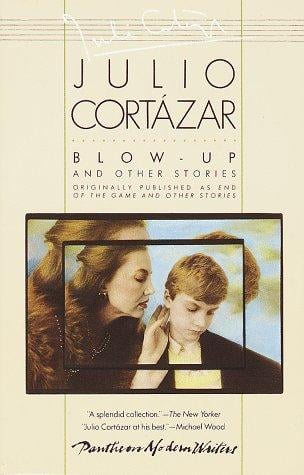
Read nowNo. 15 on this list. Blow-Up and Other Stories · Julio Cortázar · 1967
A landmark collection in Latin American literature and Cortázar's most widely read short fiction in English. The title story is anthologized constantly.
Moderate5.8 hours
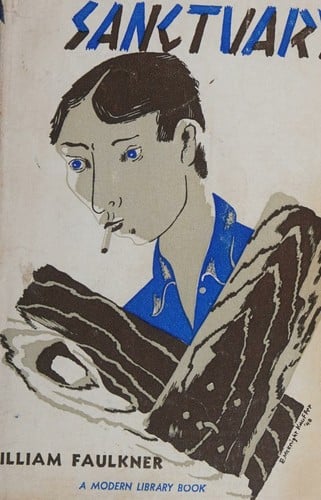
Start this bookNo. 16 on this list. Sanctuary · William Faulkner · 1931
Taught in schools: CSEC English B – Caribbean Examinations Council
Sanctuary appears on 92 university syllabi (49th percentile on Open Syllabus) and Wikipedia carries articles in 29 languages. Library of America and NYRB Classics both publish it in prestige editions. It is taught consistently in American modernism and Southern Gothic courses, though overshadowed on syllabi by The Sound and the Fury and As I Lay Dying.
Challenging7.4 hours
Start this bookNo. 17 on this list. Mourning Becomes Electra · Eugene O'Neill · 1931
Included in: Great Books of the Western World
Widely regarded as O'Neill's masterwork alongside 'Long Day's Journey Into Night' and a defining achievement of American theater. The trilogy appears consistently in academic curricula for American drama and 20th-century literature. It represents the apex of O'Neill's ambitious attempt to transplant Greek tragedy onto American soil, and its exploration of psychological realism through classical form remains influential. While perhaps less universally known than some novels, it holds unquestioned status as a landmark of serious American theatrical literature.
Challenging4.4 hours
Start this bookNo. 18 on this list. Aura · Carlos Fuentes · 1962
Aura is assigned in Latin American literature courses across universities globally and anthologized alongside Pedro Paramo and One Hundred Years of Solitude as a defining text of the Latin American Boom. Its brevity makes it a frequent entry point for students encountering Fuentes or magical realism. It does not appear on as many syllabi as García Márquez's major novels but is among the most-taught works in comparative world literature curricula.
Difficult1.4 hours
Start this bookNo. 19 on this list. Hawksmoor · Peter Ackroyd · 1985
Hawksmoor holds significant position in postmodern British fiction and is widely taught in university literature courses. While not quite at the level of Ulysses or Beloved, it is consistently included in surveys of contemporary British literature and discussions of historiographic metafiction. The novel appears regularly on critical reading lists for postmodernism, Gothic revival, and late 20th-century British fiction, establishing its place in the extended literary canon.
Challenging9.4 hours
Start this bookNo. 20 on this list. The Blind Owl · Sadegh Hedayat · 1937
The Blind Owl is the most celebrated Persian-language novel of the twentieth century and the foundational text of Iranian modernist fiction, required reading in Iranian high schools and universities for generations. Its Wikipedia article exists in over 30 languages. In Western academic contexts it appears regularly on world literature syllabi, though with nothing like the penetration of canonical European modernist texts.
Difficult4.4 hours
Start this book
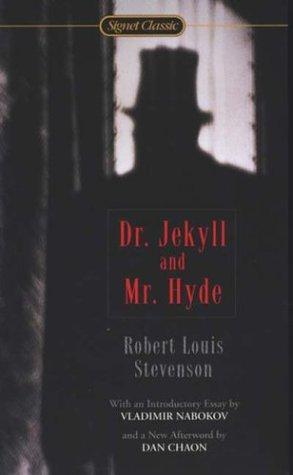
No. 21 on this list. Dr. Jekyll and Mr. Hyde · Robert Louis Stevenson
Taught in schools: CSEC English B – Caribbean Examinations Council, Pearson Edexcel GCSE and A-level English Literature (UK)
No syllabus or Wikipedia data has been collected for this record yet, but the novella is a fixture of English curricula from secondary school through university, and "Jekyll and Hyde" has become common shorthand for a divided personality—cultural saturation on par with Frankenstein and Dracula.
Moderate1.7 hours
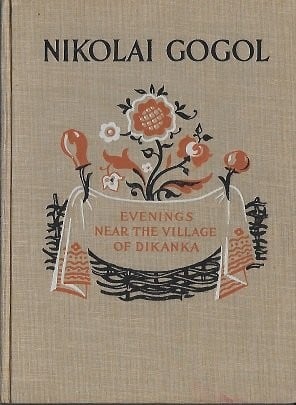
Start this bookNo. 22 on this list. Evenings on a Farm Near Dikanka · Nikolai Gogol · 1832
Evenings on a Farm Near Dikanka is a foundational text in Russian and Ukrainian literary history, appearing in Slavic literature and comparative folklore curricula worldwide. While it lacks the global syllabus penetration of Gogol's later Dead Souls or The Overcoat — works more central to realism courses — it is the required starting point for any study of Gogol's development. The book is likely in the 60th–70th percentile of canonical teaching across world literature programs.
Moderate5.8 hours
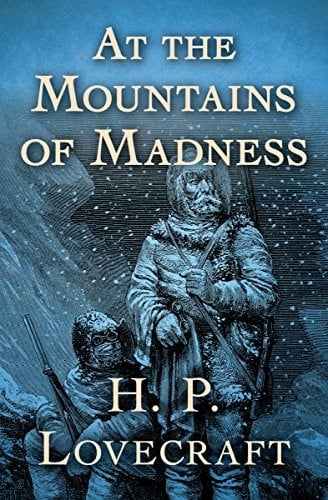
Start this bookNo. 23 on this list. At the Mountains of Madness · H.P. Lovecraft · 1936
A cornerstone of weird fiction and cosmic horror, widely taught in genre studies and horror literature courses. No verified syllabus data was found in the database, but the work is considered essential reading within its genre and is referenced in virtually every discussion of Lovecraft's legacy and the horror tradition he established.
Challenging3.5 hours
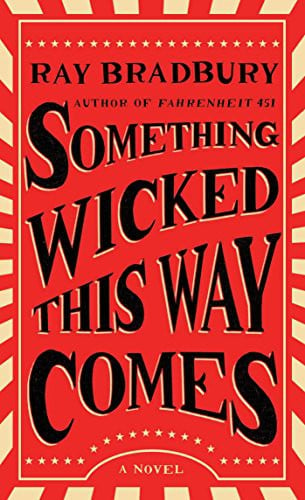
Start this bookNo. 24 on this list. Something Wicked This Way Comes · Ray Bradbury · 1962
Widely taught in American high school and university courses, particularly in science fiction and American literature surveys. It appears on numerous authoritative lists — including the Modern Library's reader poll — and is frequently cited as essential Bradbury alongside 'Fahrenheit 451.' No syllabus data was captured, but its classroom presence is well-documented.
Challenging5.7 hours
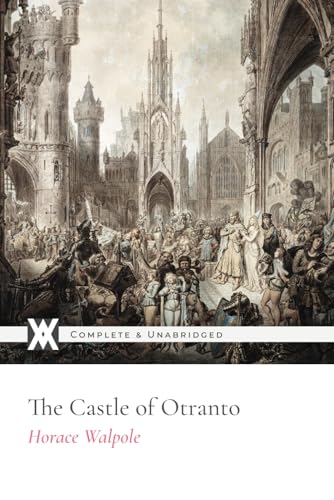
Start this bookNo. 25 on this list. The Castle of Otranto · Horace Walpole · 1764
The Castle of Otranto appears regularly on syllabi for 18th-century literature, Romanticism, and Gothic studies courses at universities worldwide. It is the mandatory founding text for any serious study of the Gothic genre. Its canonical presence is disciplinary rather than universal — standard in literary history surveys but not assigned with the frequency of Austen or Defoe.
Easy2.1 hours
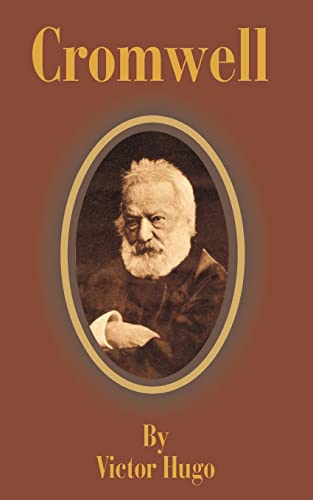
Start this bookNo. 26 on this list. Cromwell · Victor Hugo · 1827
The play is rarely read; the preface is one of the most important documents in French literary history. Its canonical status rests almost entirely on the theoretical manifesto.
Moderate4.2 hours
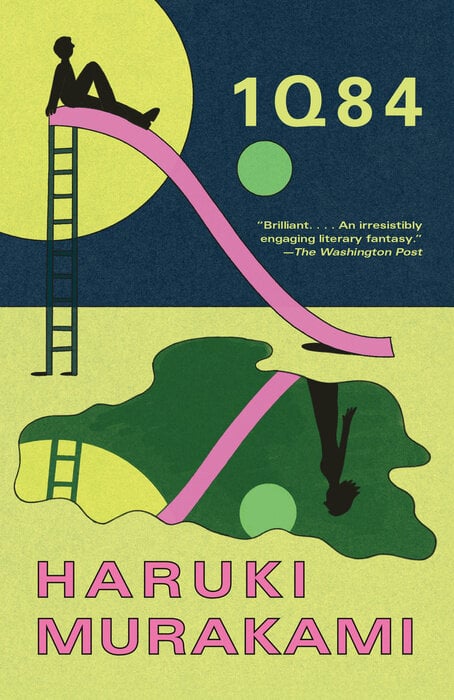
Start this bookNo. 27 on this list. 1Q84 · Haruki Murakami · 2009
1Q84 is considered Murakami's most ambitious work and appears on contemporary world literature syllabi and essential Murakami reading lists globally. No syllabus data was available in the database, but the novel's scope, its explicit engagement with Orwell, and its place in Murakami's career place it above mid-tier literary fiction. It is not at the level of canonical anchors like Ulysses or Beloved, but it is required reading for anyone studying contemporary Japanese literary fiction.
Challenging32 hours
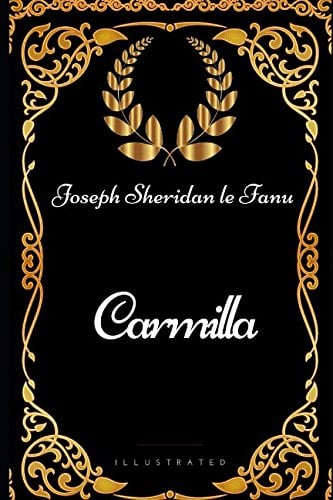
Start this bookNo. 28 on this list. Carmilla · Sheridan Le Fanu · 1872
Carmilla is a fixture in Gothic literature and vampire fiction courses, recognized as the foundational pre-Dracula vampire text and a landmark of Victorian horror. Its Wikipedia article spans 40+ languages, and it appears regularly on 'essential horror' and 'Gothic fiction' reading lists. Less broadly canonical than Frankenstein or Dracula but firmly established within the Gothic literary tradition.
Challenging2.2 hours
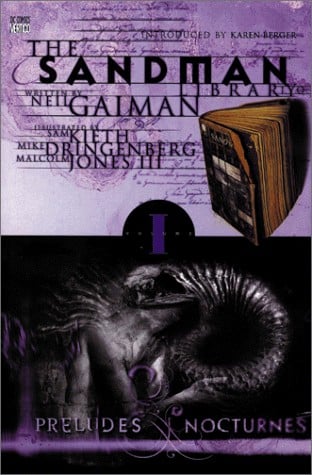
Start this bookNo. 29 on this list. The Sandman, Vol. 1: Preludes & Nocturnes · Neil Gaiman · 1998
Sandman is widely taught in graphic novel and popular fiction courses, and this first volume is the standard entry point, though not yet a fixture of mainstream literary syllabi.
Moderate4 hours
Start this bookNo. 30 on this list. The Call of Cthulhu and Other Stories · H.P. Lovecraft · 1928
Francis Wayland Thurston inherits his granduncle's papers and finds himself assembling, from scattered notes and newspaper clippings, evidence of something vast and ancient stirring beneath the Pacific. That is the structure of 'The Call of Cthulhu': not a story told but a dossier accumulated, each document pushing the narrator — and the reader — one step closer to a conclusion that cannot be survived with sanity intact. H.P. Lovecraft wrote most of these stories in the 1920s from a boarding house in Providence, Rhode Island, and they read like dispatches from a man genuinely convinced of humanity's cosmic irrelevance. His narrators are professors, antiquarians, and artists — educated men whose reason becomes the instrument of their undoing. The more they understand, the worse it gets. What makes Lovecraft distinctive is what he refuses to show. Cthulhu is never described so precisely that you can picture it. The horror lives in the gap between what the narrator can report and what the reader's imagination fills in. Sentences spiral into qualifications; adjectives pile up ('eldritch,' 'non-Euclidean,' 'cyclopean') because no single word will do. This collection gathers the core Mythos stories — 'The Dunwich Horror,' 'The Shadow over Innsmouth,' 'The Outsider' — that established a template for supernatural dread that horror writers still work against or within. Read them at night, alone.
Difficult17 hours
Start this book
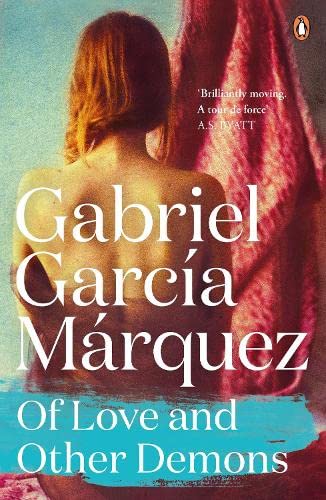
No. 31 on this list. Of Love and Other Demons
Gabriel García Márquez · 1994
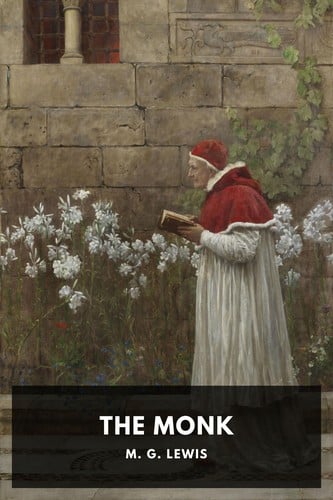
No. 32 on this list. The Monk
Matthew Gregory Lewis · 1796
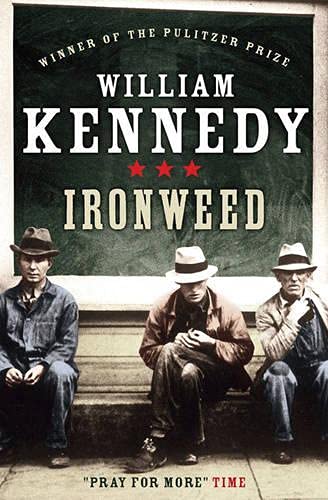
No. 33 on this list. Ironweed
William Kennedy · 1984
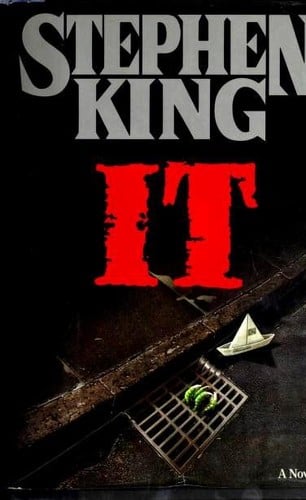
No. 34 on this list. It
Stephen King · 1986
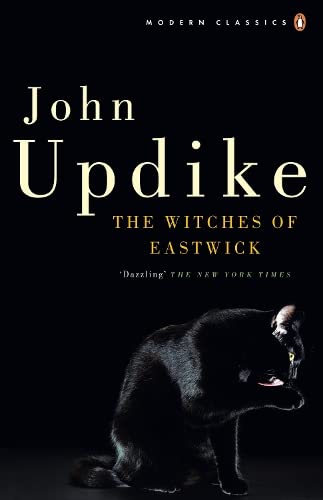
No. 35 on this list. The Witches of Eastwick
John Updike · 1984
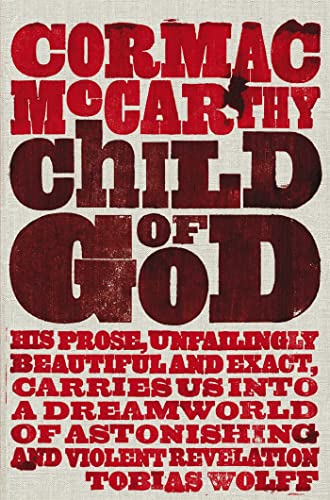
No. 36 on this list. Child of God
Cormac McCarthy · 1973
No. 37 on this list. The Sandman, Vol. 2: The Doll's House
Neil Gaiman · 1995
No. 38 on this list. Black Hole
Charles Burns · 2005
No. 39 on this list. Kafka on the Shore
Haruki Murakami · 2001
No. 40 on this list. 62: A Model Kit
Julio Cortázar · 1968
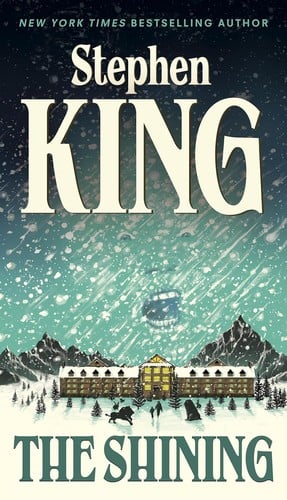
No. 41 on this list. The Shining
Stephen King · 1977
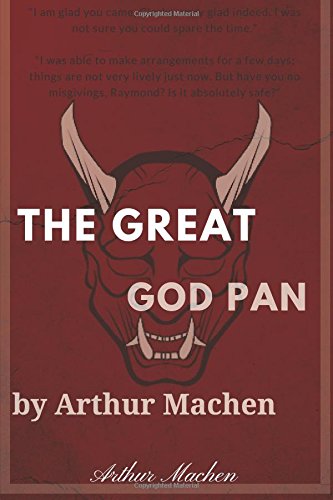
No. 42 on this list. The Great God Pan
Arthur Machen · 1894
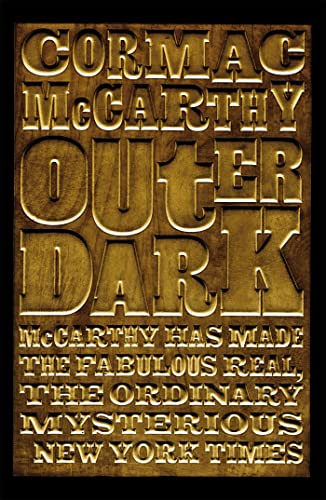
No. 43 on this list. Outer Dark
Cormac McCarthy · 1968
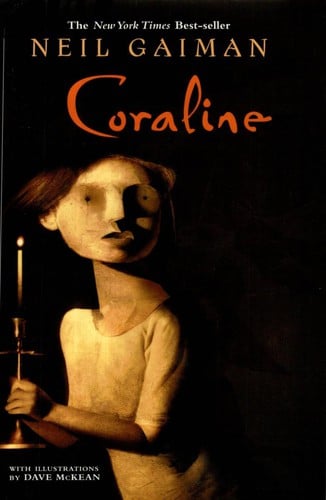
No. 44 on this list. Coraline
Neil Gaiman · 2002
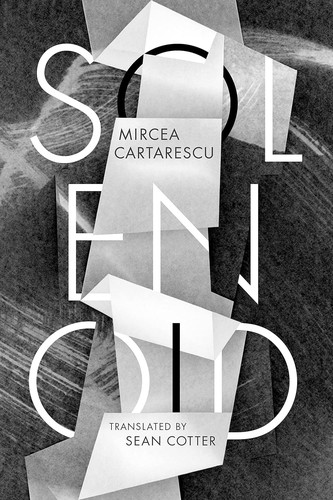
No. 45 on this list. Solenoid
Mircea Cărtărescu · 2025
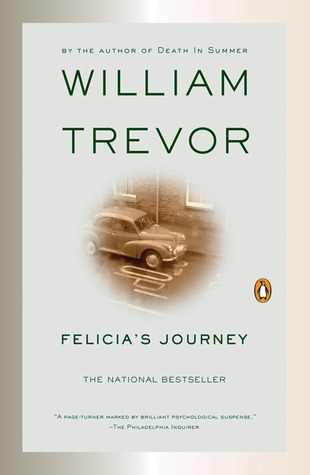
No. 46 on this list. Felicia's Journey
William Trevor · 1994
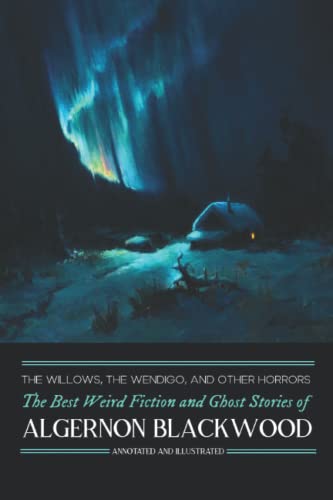
No. 47 on this list. The Willows
Algernon Blackwood · 1907
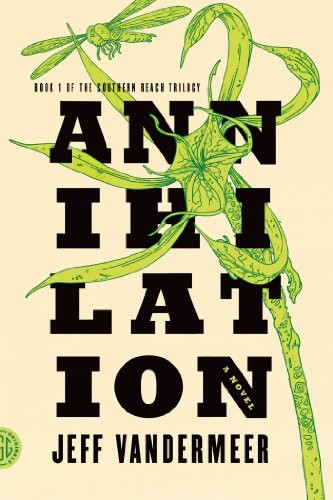
No. 48 on this list. Annihilation
Jeff VanderMeer · 2014
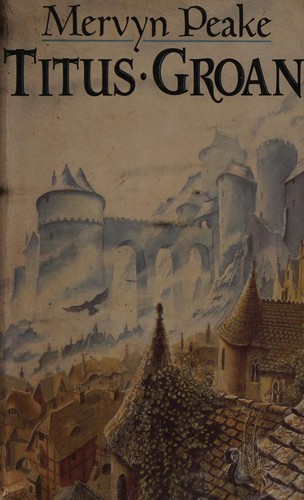
No. 49 on this list. Titus Groan
Mervyn Peake · 1946
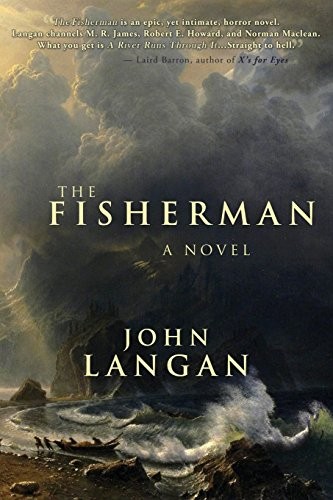
No. 50 on this list. The Fisherman
John Langan · 2016
No. 51 on this list. Ghosts
César Aira · 1990
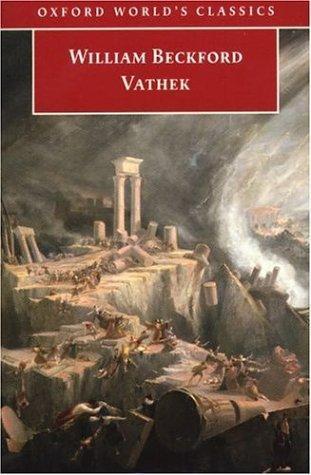
No. 52 on this list. Vathek
William Beckford · 1786
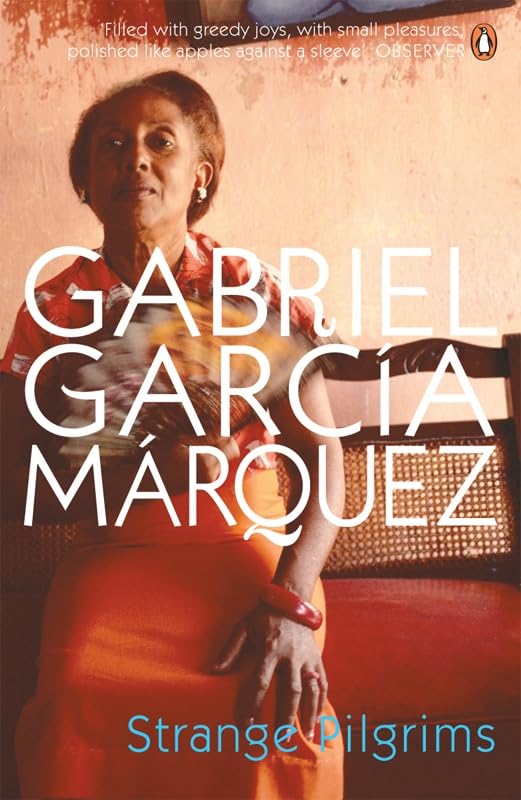
No. 53 on this list. Strange Pilgrims
Gabriel García Márquez · 1992
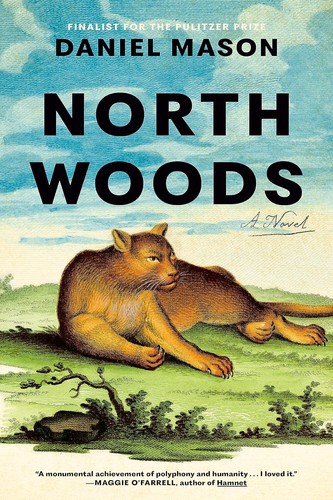
No. 54 on this list. North Woods
Daniel Mason · 2023
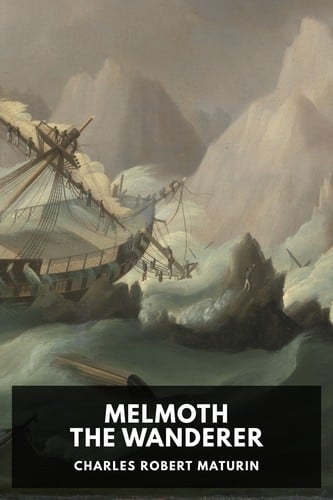
No. 55 on this list. Melmoth the Wanderer
Charles Maturin · 1820
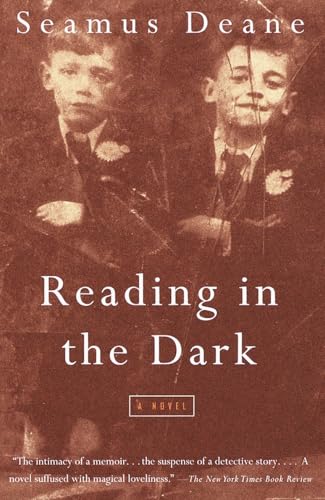
No. 56 on this list. Reading in the Dark
Seamus Deane · 1996
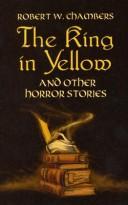
No. 57 on this list. The King in Yellow
Robert W. Chambers · 1895
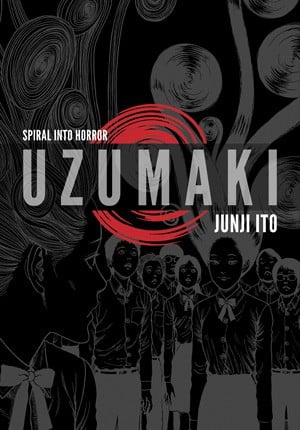
No. 58 on this list. Uzumaki
Junji Ito · 1998
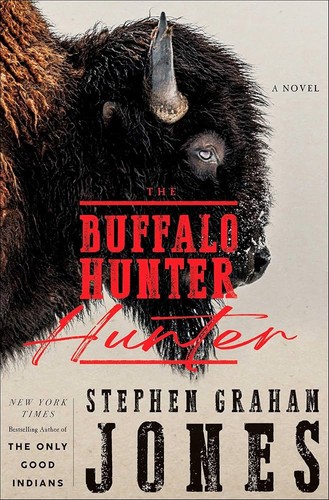
No. 59 on this list. The Buffalo Hunter Hunter
Stephen Graham Jones · 2025
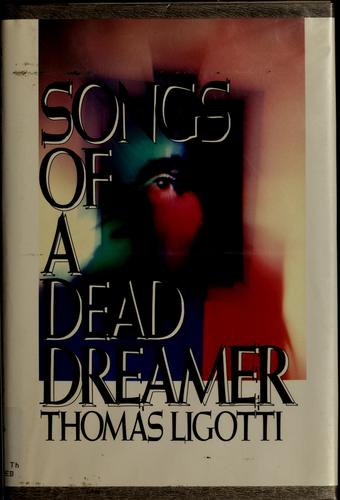
No. 60 on this list. Songs of a Dead Dreamer
Thomas Ligotti · 1986
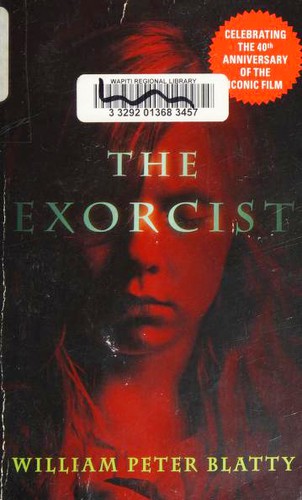
No. 61 on this list. The Exorcist
William Peter Blatty · 1971
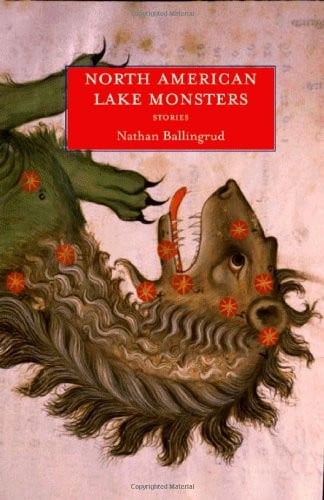
No. 62 on this list. North American Lake Monsters
Nathan Ballingrud · 2013
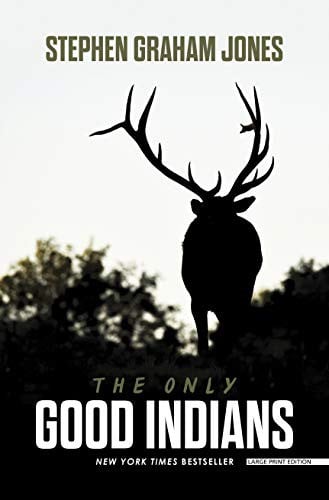
No. 63 on this list. The Only Good Indians
Stephen Graham Jones · 2020
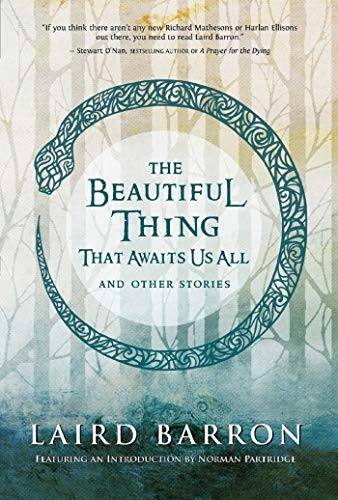
No. 64 on this list. The Beautiful Thing That Awaits Us All
Laird Barron · 2013
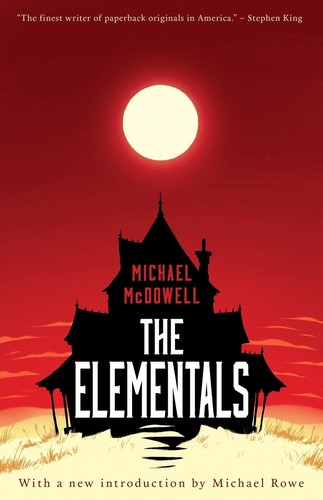
No. 65 on this list. The Elementals
Michael McDowell · 1981
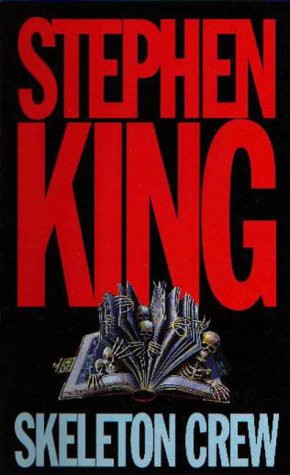
No. 66 on this list. Skeleton Crew
Stephen King · 1985
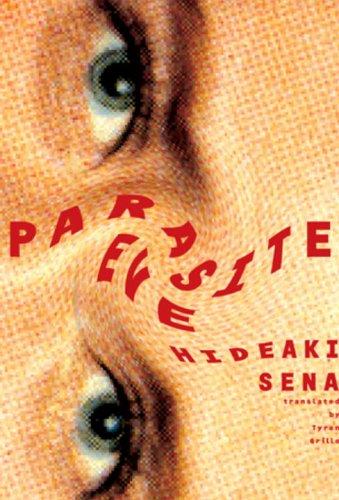
No. 67 on this list. Parasite Eve
Hideaki Sena · 1995
No. 68 on this list. The House on the Borderland
William Hope Hodgson · 1908
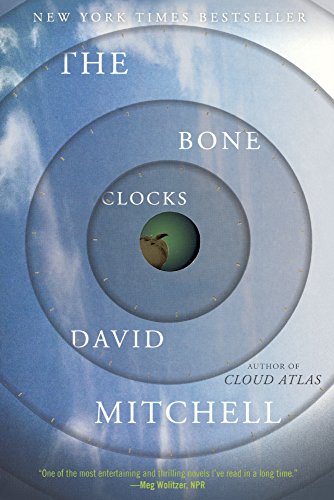
No. 69 on this list. The Bone Clocks
David Mitchell · 2014
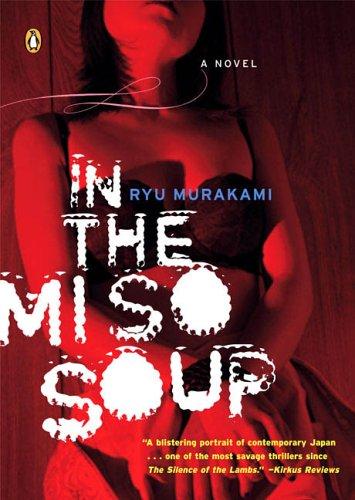
No. 70 on this list. In the Miso Soup
Ryū Murakami · 1997
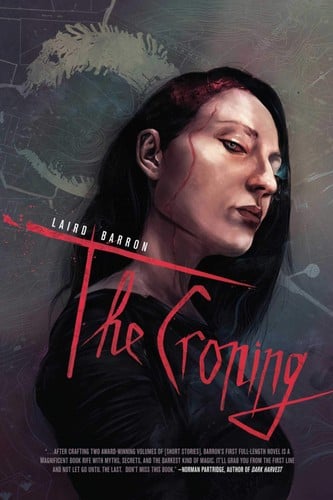
No. 71 on this list. The Croning
Laird Barron · 2012
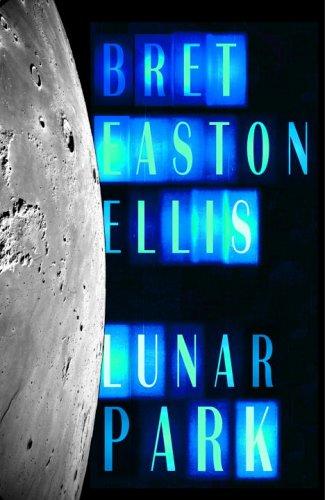
No. 72 on this list. Lunar Park
Bret Easton Ellis · 2005
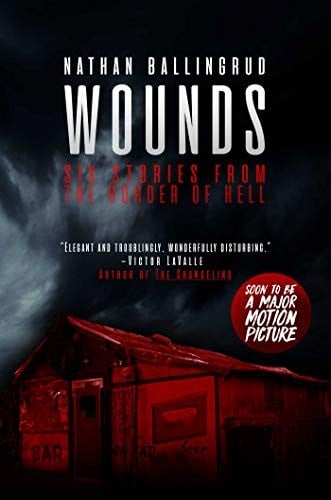
No. 73 on this list. Wounds: Six Stories from the Border of Hell
Nathan Ballingrud · 2019
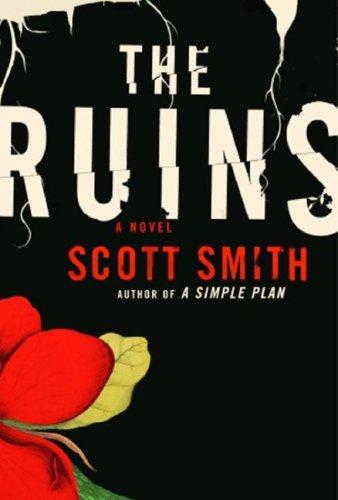
No. 74 on this list. The Ruins
Scott Smith · 2006
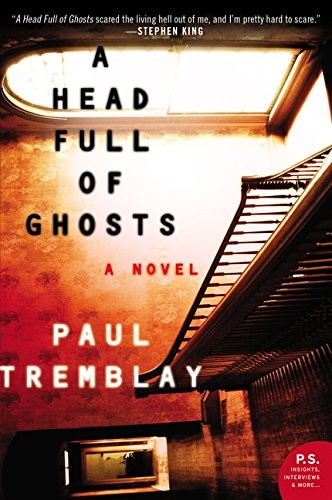
No. 75 on this list. A Head Full of Ghosts
Paul Tremblay · 2015
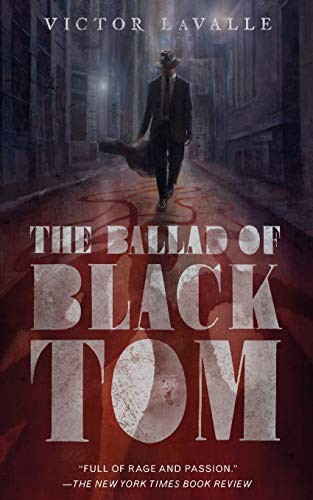
No. 76 on this list. The Ballad of Black Tom
Victor LaValle · 2016
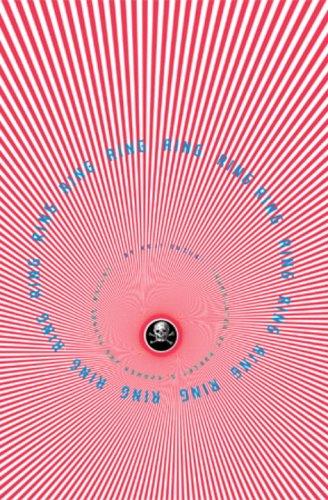
No. 77 on this list. Ring
Koji Suzuki · 1991
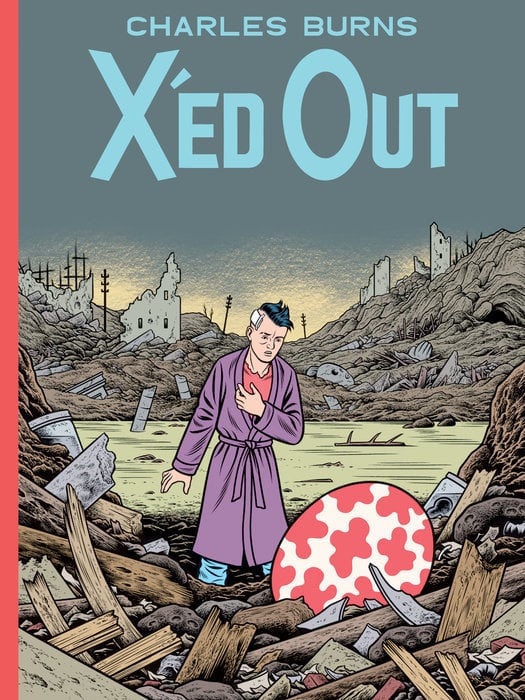
No. 78 on this list. X'ed Out (Pantheon Graphic Library)
Charles Burns · 2010
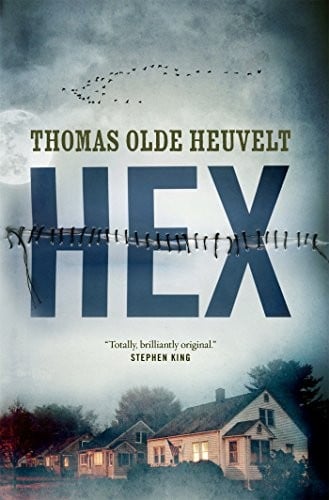
No. 79 on this list. Hex
Thomas Olde Heuvelt · 2013
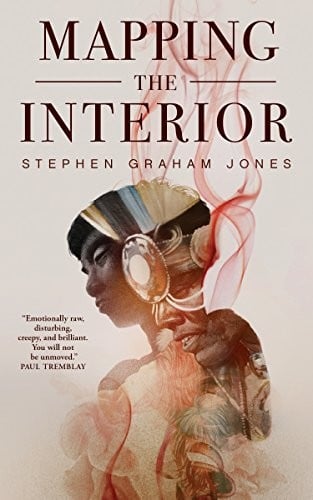
No. 80 on this list. Mapping the Interior
Stephen Graham Jones · 2017
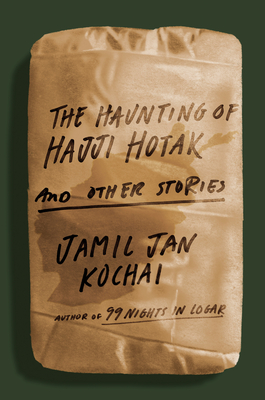
No. 81 on this list. The Haunting of Hajji Hotak
Jamil Jan Kochai · 2022
No. 82 on this list. The Terror
Dan Simmons · 2007
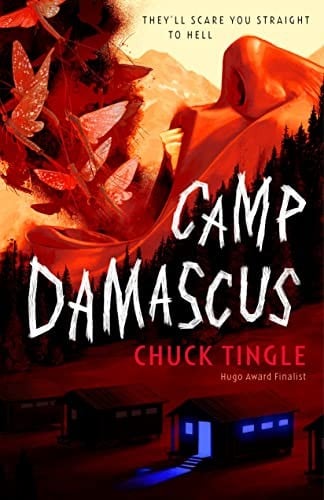
No. 83 on this list. Camp Damascus
Chuck Tingle · 2023
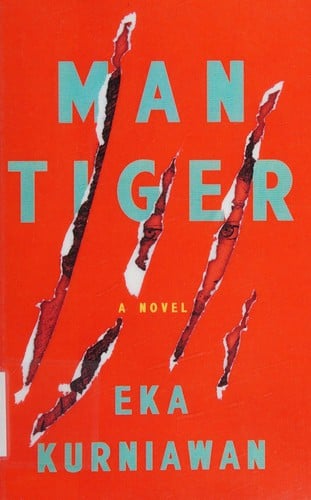
No. 84 on this list. Man Tiger
Eka Kurniawan · 2004
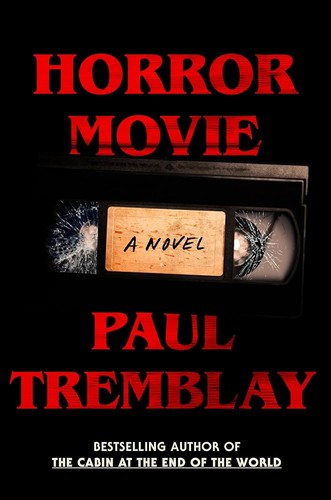
No. 85 on this list. Horror Movie
Paul Tremblay · 2024
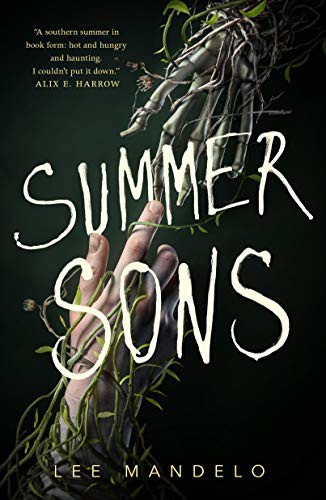
No. 86 on this list. Summer Sons
Lee Mandelo · 2021
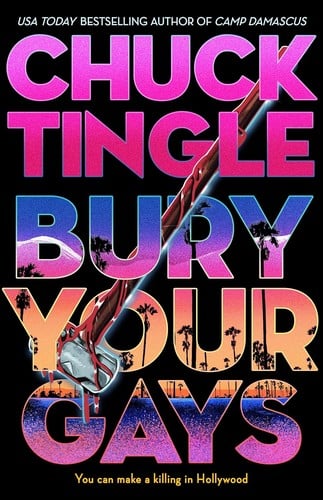
No. 87 on this list. Bury Your Gays
Chuck Tingle · 2024
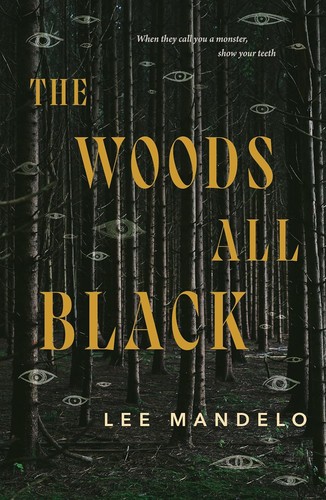
No. 88 on this list. The Woods All Black
Lee Mandelo · 2024
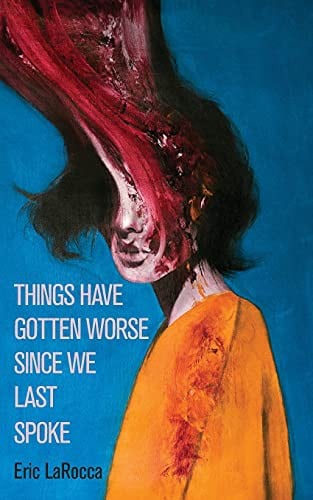
No. 89 on this list. Things Have Gotten Worse Since We Last Spoke
Eric LaRocca · 2021
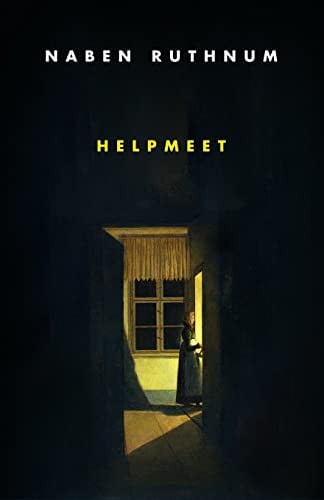
No. 90 on this list. Helpmeet
Naben Ruthnum · 2022

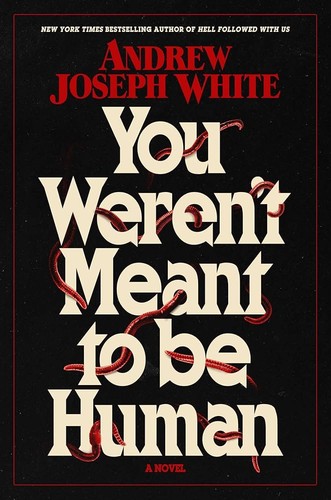
No. 91 on this list. You Weren't Meant to Be Human
Andrew Joseph White · 2025
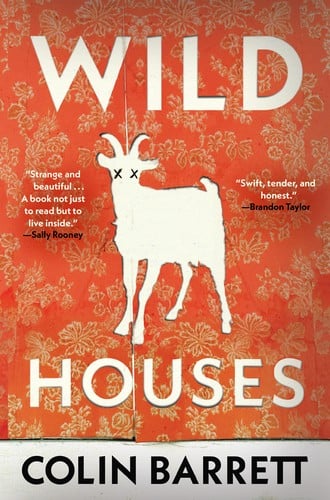
No. 92 on this list. Wild Houses
Colin Barrett · 2024
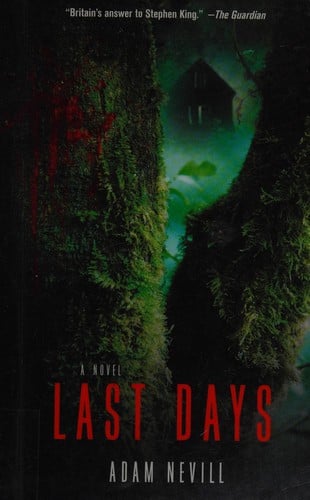
No. 93 on this list. Last Days
Adam L.G. Nevill · 2012
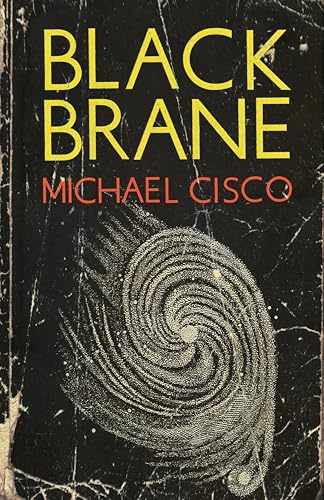
No. 94 on this list. Black Brane
Michael Cisco · 2025
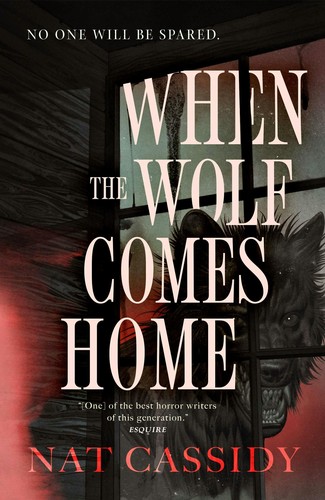
No. 95 on this list. When the Wolf Comes Home
Nat Cassidy · 2025
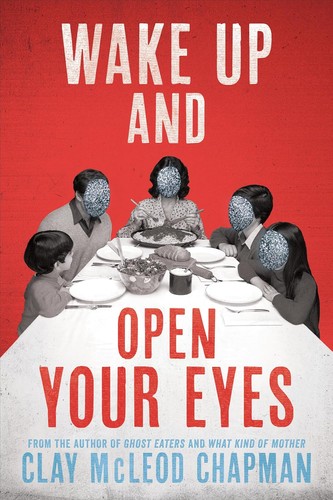
No. 96 on this list. Wake Up and Open Your Eyes
Clay McLeod Chapman · 2025
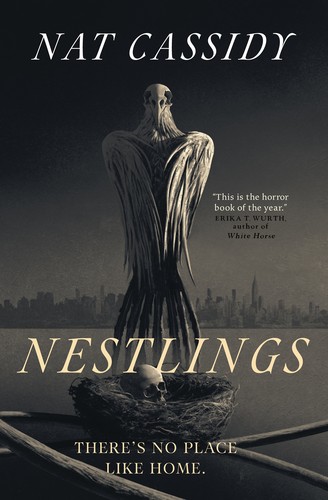
No. 97 on this list. Nestlings
Nat Cassidy · 2023
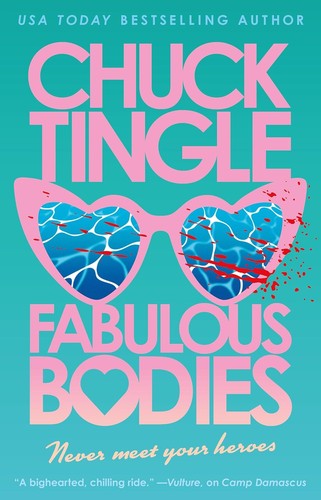
No. 98 on this list. Fabulous Bodies
Chuck Tingle · 2026
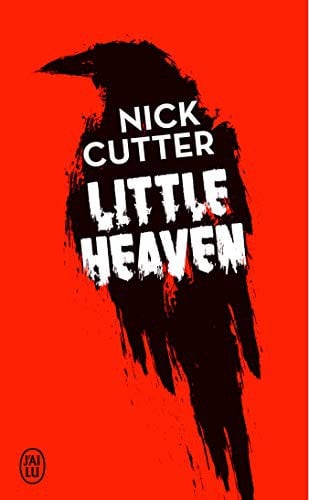
No. 99 on this list. Little Heaven
Nick Cutter · 2017
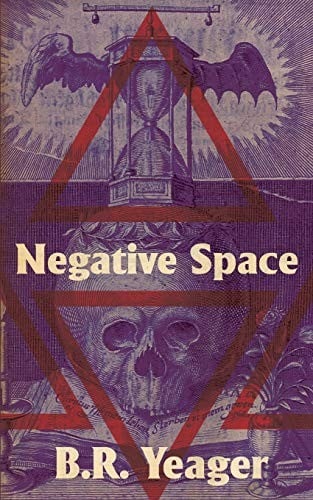
No. 100 on this list. Negative Space
B.R. Yeager · 2020
About this list
These 100 books are the highest-scoring eligible supernatural and gothic books by men currently in the catalogue. About 632 hours of reading in all. Difficulty runs from 44 to 63 out of 100 for the middle half of the list; the summit is 62: A Model Kit at 87.
This list is ranked by literary regard, with a consistent order for equal scores. Membership follows authors and co-authors, not translators or editors. A book is here when ReadingRate files it under The Supernatural & Gothic as one of its primary reading domains, at a confidence of 0.8 or more. Catalogue coverage and the historical canon both limit what this list can represent.
When we matched the Canons dataset to our catalogue in October 2026, our canonical-status scores rose with the number of school curricula, publisher series and lists in it that cite a work: the median score was 72 for books one such source cites, 84 at two, 88 at three, 92 at four and 93 at five or more. Prizes are left out of that count. Outside the state curricula, the dataset’s sources choose mostly from what has been translated into English or French, so it is a weaker check on other literatures. Source: Canons (Andrew Piper), CC BY 4.0
Questions people actually ask
- What are the best supernatural and gothic books by men?
- By literary regard, which weighs canonical status, critical standing and influence: The Cask of Amontillado by Edgar Allan Poe, Long Day's Journey into Night by Eugene O'Neill, The Turn of the Screw by Henry James, Pedro Páramo by Juan Rulfo and Residence on Earth by Pablo Neruda. ReadingRate ranks 100 such books, each with a difficulty score and a reading-time estimate.
- Which supernatural and gothic books by men should I read first?
- Start from difficulty, not from rank. The most approachable books on this list that still carry top literary regard are The Hound of the Baskervilles by Arthur Conan Doyle (about 3.5 hours), The Tell-Tale Heart by Edgar Allan Poe and The Queen of Spades by Alexander Pushkin.
- What are the shortest of the best supernatural and gothic books by men?
- Among the top 25, the shortest are The Cask of Amontillado by Edgar Allan Poe (about 34 min), The Tell-Tale Heart by Edgar Allan Poe (about 32 min) and The Queen of Spades by Alexander Pushkin (about 32 min), at an average pace of 250 words a minute adjusted for each book's difficulty.
- Which of the best supernatural and gothic books by men are the established classics?
- By canonical status, how firmly a book sits in curricula, anthologies and the canon: Long Day's Journey into Night by Eugene O'Neill, Dracula by Bram Stoker, The Cask of Amontillado by Edgar Allan Poe, The Strange Case of Dr Jekyll and Mr Hyde by Robert Louis Stevenson and The Picture of Dorian Gray by Oscar Wilde.
- Can I read any of these supernatural and gothic books by men for free?
- 6 of the 100 open in ReadingRate's reader with a free account, from public-domain editions: The Turn of the Screw, The Strange Case of Dr Jekyll and Mr Hyde, Dracula, The Hound of the Baskervilles, The Mystery of Edwin Drood and 1 more.
- How long would it take to read the top ten?
- About 45 hours, at an average pace of 250 words a minute adjusted for each book's difficulty: 23 days at two hours a day. Set your own pace on the page and the list's reading times change to it.
- How hard are supernatural and gothic books by men to read?
- Most of this list sits between 44 and 63 on ReadingRate's 100-point difficulty scale, where 40 to 55 is moderate. The summit is 62: A Model Kit at 87. Every entry carries its own score, so a reader can pick a great book at a difficulty they will finish.
- How is this list ranked?
- On literary-regard data: how canonically established a work is, its critical standing, and its influence on later writing. It is not a readers’ poll, which is why recent bestsellers rarely appear. Membership follows authors and co-authors, not translators or editors. Lists by country, author, period, theme or difficulty keep to literature (fiction, poetry, drama and philosophy), their novels, poems and plays first and their philosophy after them; a list of a kind of book, such as memoir or criticism, keeps every book of that kind. Every list holds at most three works by one author. A book is here when ReadingRate files it under The Supernatural & Gothic as one of its primary reading domains, at a confidence of 0.8 or more.