Hours at an average pace
Showing 100 books
About 594 hours for 100 of 100 books with measured lengths. Estimates use 250 words a minute, adjusted for each book's difficulty. At 2 hours a day, about 298 days for those books.
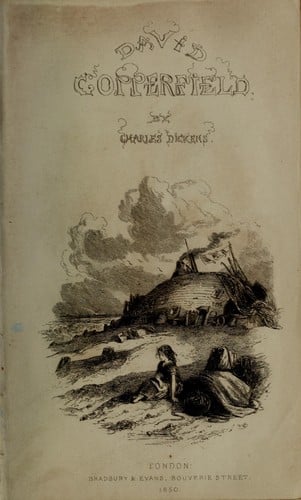
No. 1 on this list. David Copperfield
Charles Dickens · 1850
Moderate24 hours
Taught in schools: WJEC/Eduqas GCSE and A-level English Literature (UK)
David Copperfield is firmly established in the Western literary canon as one of Dickens's supreme achievements and a defining example of the Victorian Bildungsroman. It remains widely taught, studied, and adapted across cultures.
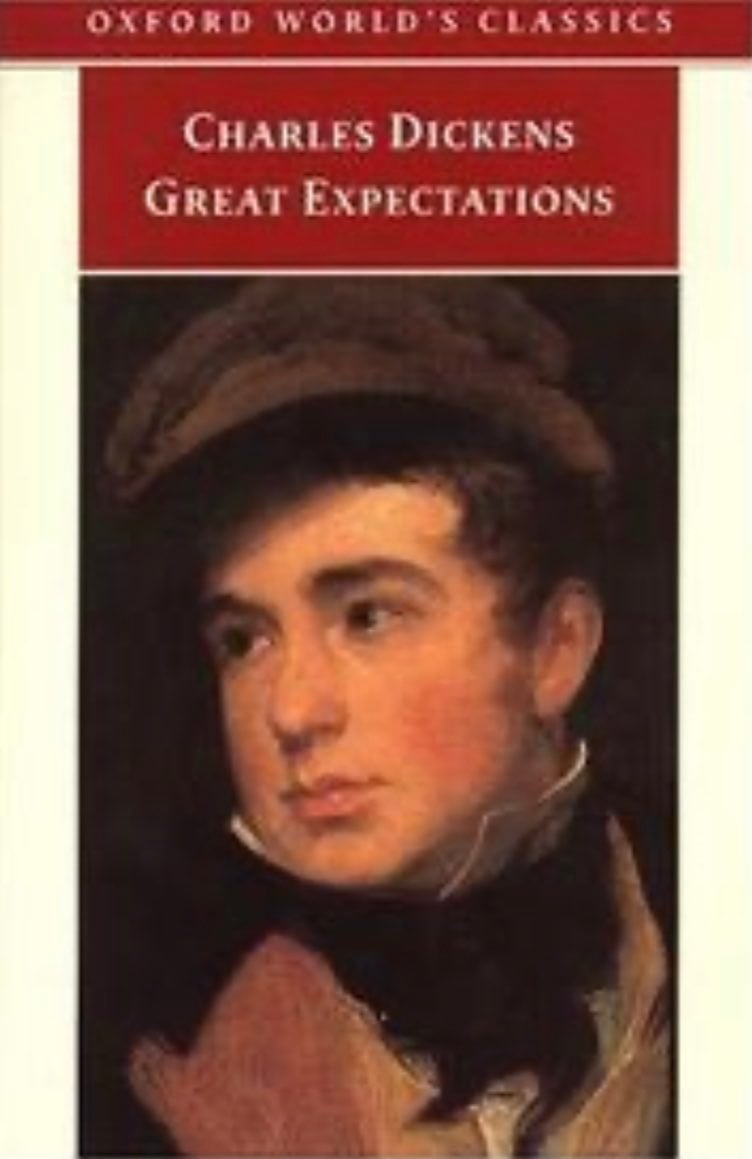
No. 2 on this list. Great Expectations
Charles Dickens · 1861
Moderate12 hours
Taught in schools: AQA GCSE and A-level English Literature (UK), OCR GCSE and A-level English Literature (UK), Pearson Edexcel GCSE and A-level English Literature (UK)
Included in: Bokklubben World Library
Dickens tracked Pip's journey from a Kent forge to London's moneyed drawing rooms to expose the way class aspiration corrodes character — then made the reader complicit in Pip's snobbery before pulling back the curtain on who his true benefactor was. It is his most psychologically honest novel, and the one where his plotting matches his moral intelligence.
No. 3 on this list. The Winter's Tale
William Shakespeare · 1611
Challenging1.9 hours
Included in: Great Books of the Western World
A standard text in university Shakespeare courses worldwide, The Winter's Tale is taught as part of the late romances alongside The Tempest and Pericles. While it ranks below the major tragedies in curriculum frequency, it is required reading in virtually all advanced Shakespeare courses and appears regularly in comparative drama syllabi globally.
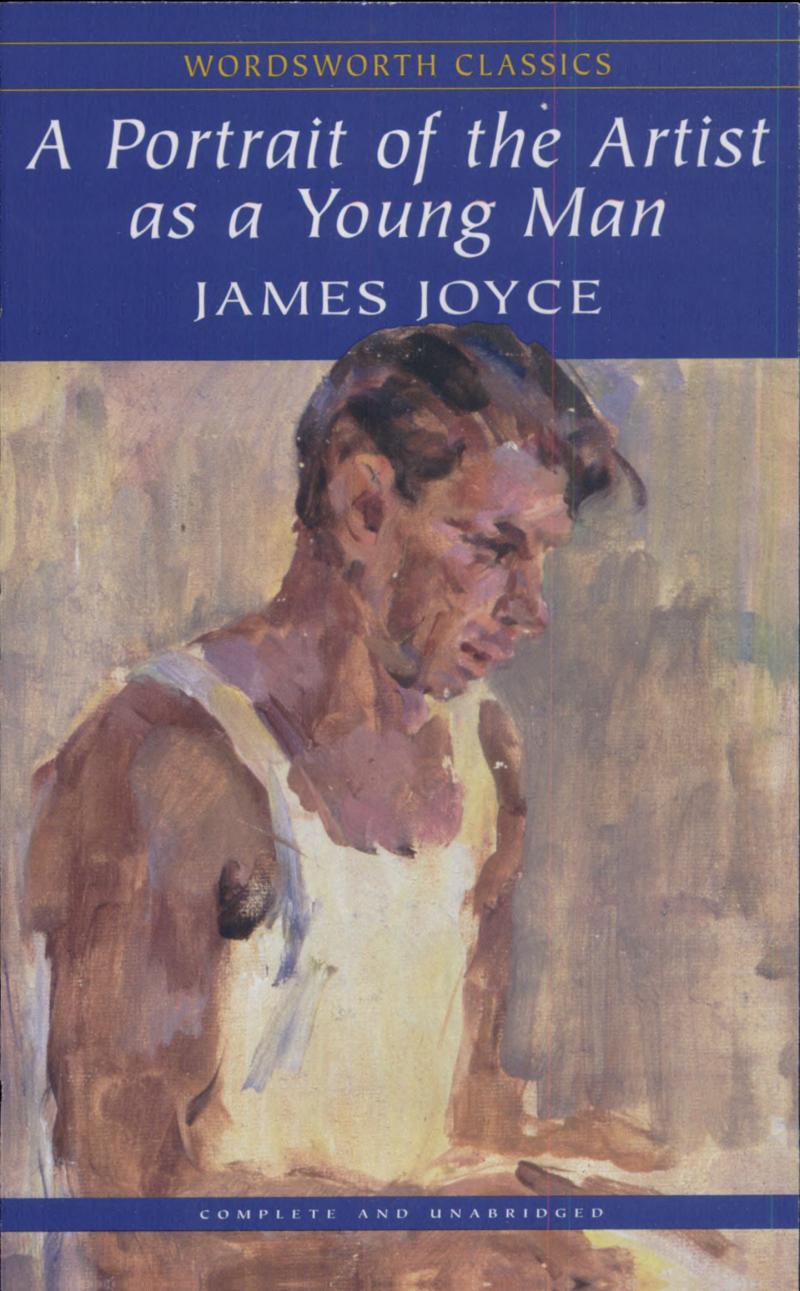
No. 4 on this list. A Portrait of the Artist as a Young Man
James Joyce · 1916
Difficult11 hours
Included in: Great Books of the Western World
Appears on 3,243 university syllabi according to the Open Syllabus Project (87.8th percentile), placing it in the company of the most-taught literary novels in English. Featured on the Modern Library 100 Best Novels, 1001 Books You Must Read Before You Die, and available in 40 Wikipedia languages — a global footprint that confirms its standing as a fixture of the Anglo-Irish modernist curriculum.
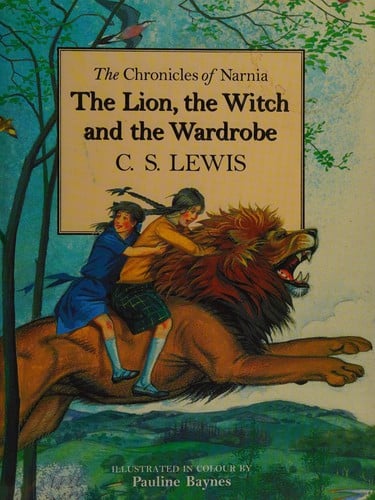
The Lion, the Witch and the Wardrobe is taught in elementary and middle schools worldwide and is considered essential children's literature. It appears on countless reading lists and is often children's introduction to fantasy literature. The Narnia series is foundational to understanding modern fantasy and children's fiction.
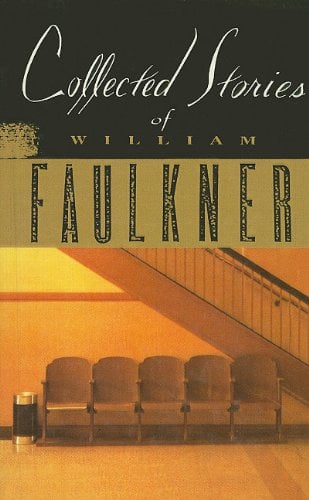
Collected Stories won the National Book Award in 1951 and remains central to American short fiction canon. These stories appear regularly in anthologies and academic syllabi. While perhaps overshadowed by Faulkner's novels, the collection represents an essential component of his Yoknapatawpha saga and demonstrates his mastery across forms.
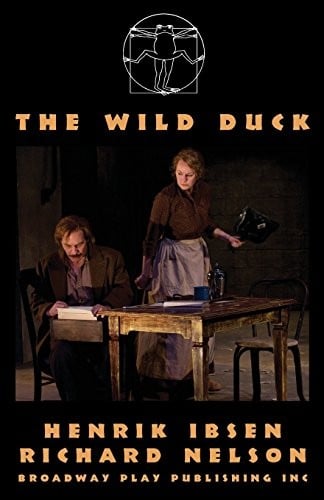
No. 7 on this list. The Wild Duck
Henrik Ibsen · 1884
Moderate2.2 hours
Taught in schools: Hungarian literature curriculum (magyar nyelv és irodalom) (Hungary)
Included in: Great Books of the Western World
The Wild Duck is a cornerstone of the Western dramatic canon, taught in virtually every university drama program and included in all standard collections of world theater. Though the database returns no syllabus count, Ibsen is the most taught non-English-language playwright in English-speaking universities, and this play—alongside Hedda Gabler and A Doll's House—appears on every major drama syllabus. It is consistently ranked among Ibsen's finest works and among the ten most important plays of the nineteenth century.
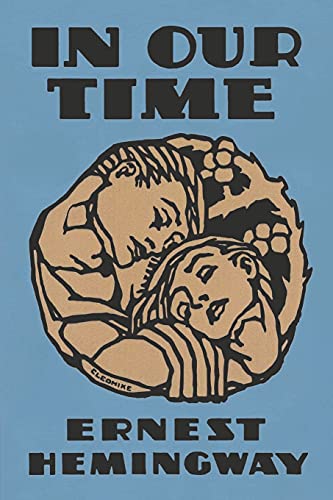
In Our Time is widely taught in American literature survey courses as the foundational text of Hemingway's iceberg style. It appears on thousands of university syllabi and is the required starting point for understanding modernist short fiction in America. The Modern Library and most major American literature curricula treat it as essential.
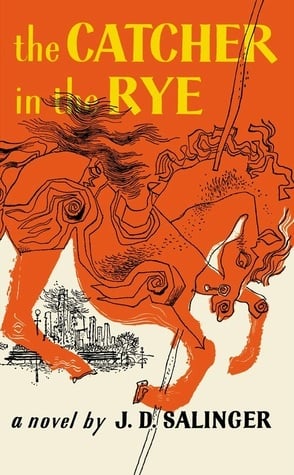
No. 9 on this list. The Catcher in the Rye
J.D. Salinger · 1951
Challenging5.7 hours
Taught in schools: CSEC English B – Caribbean Examinations Council, Montenegrin literature curriculum (crnogorski jezik i književnost) (Montenegro)
Appears on 1,046 university syllabi (75th percentile per Open Syllabus) and has Wikipedia articles in 66 languages, placing it among the most-taught American novels. Listed on the Modern Library 100 Best Novels, TIME All-TIME 100 Novels, and Le Monde's 100 Books of the Century — a fixture in American high school and university curricula since its 1951 publication.
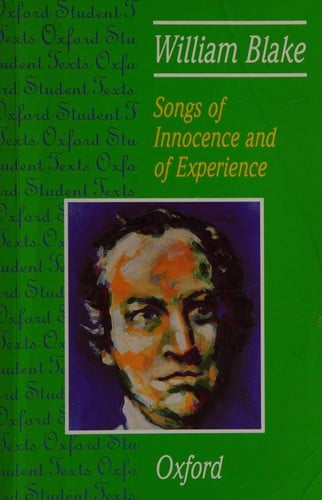
No. 10 on this list. Songs of Innocence and of Experience
William Blake · 1794
Challenging46 min
Taught in schools: AQA GCSE and A-level English Literature (UK)
Blake etched, printed, and hand-colored each plate himself, fusing lyric poetry with visual art in a form no one had attempted before. The paired "Lamb" and "Tyger" compress an entire theology into forty-four lines: innocence asks who made you; experience asks how dare He.
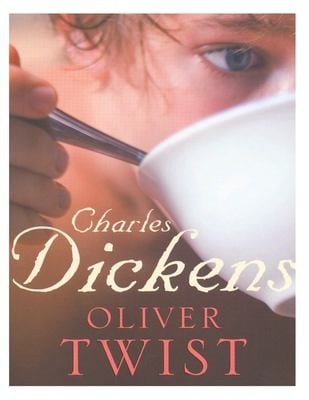
No. 11 on this list. Oliver Twist · Charles Dickens · 1838
Taught in schools: AQA GCSE and A-level English Literature (UK), Hungarian literature curriculum (magyar nyelv és irodalom) (Hungary)
One of Dickens's most famous novels; established his reputation as a social critic.
Moderate11 hours
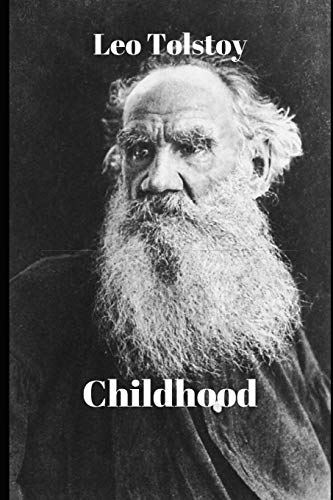
Read nowNo. 12 on this list. Childhood · Leo Tolstoy · 1852
Tolstoy's first published work, it appears in Russian literature and comparative literature courses worldwide, though far less frequently than War and Peace or Anna Karenina. The autobiographical trilogy is standard reading in surveys of 19th-century Russian fiction and studies of the Bildungsroman tradition.
Challenging10 hours
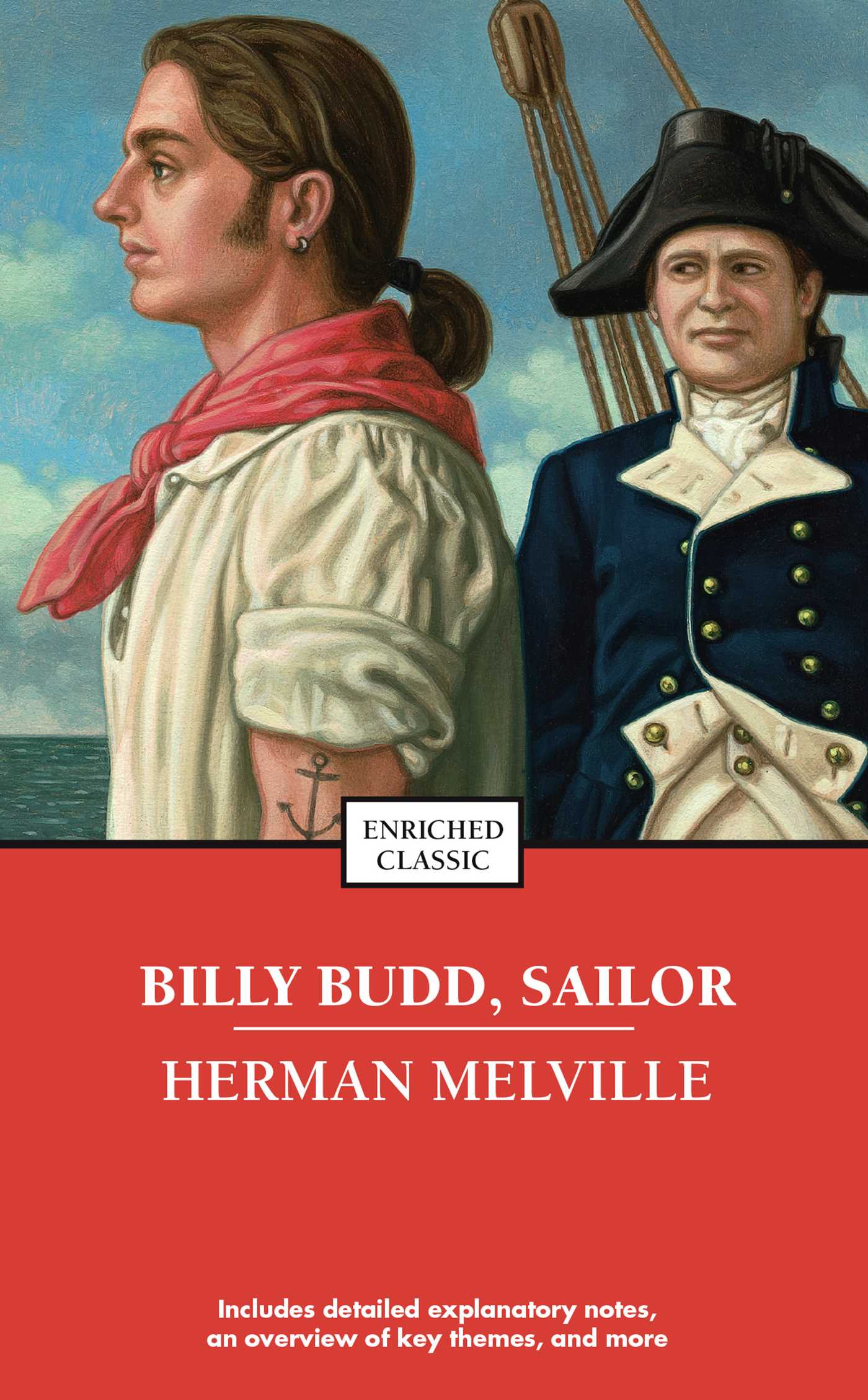
Read nowNo. 13 on this list. Billy Budd, Sailor · Herman Melville
Taught in schools: Common Core text exemplars (Appendix B) (US)
Billy Budd is a fixture in American literature courses, canonized alongside Moby-Dick as one of Melville's essential works and one of the foundational American novellas. Although the data signals show no tracked syllabus entries in this database, the text has been continuously taught at university level since its rediscovery in the 1920s and appears on virtually every American literature syllabus covering the 19th century. It is frequently included on lists of great American fiction.
Difficult3.3 hours
Read nowNo. 14 on this list. The School for Wives · Molière · 1662
Included in: Great Books of the Western World
A major Molière comedy, regularly performed and studied. Marks the beginning of his mature period and the great querelle it provoked.
Easy1.2 hours
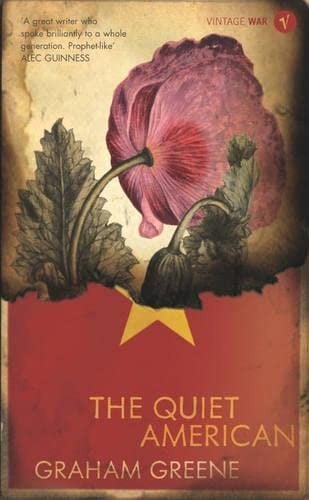
Start this bookNo. 15 on this list. The Quiet American · Graham Greene · 1955
The Quiet American appears on the Modern Library 100 Best Novels and TIME's All-TIME 100 Novels lists and is taught regularly in postcolonial literature, Cold War fiction, and 20th-century British novel courses worldwide. Its prophetic critique of American intervention in Vietnam has made it a fixture in both literary and political science curricula. No syllabus or Wikipedia data was returned from the database, but its standing as a canonical text in world literature is established by critical consensus.
Difficult6.8 hours
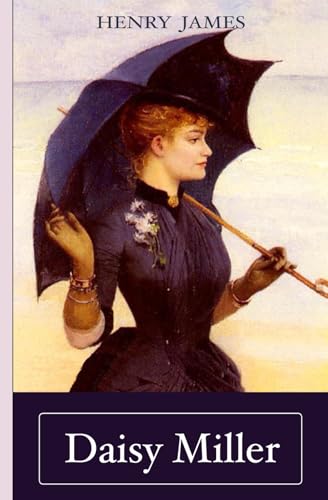
Start this bookNo. 16 on this list. Daisy Miller · Henry James · 1878
A fixture of American literature syllabi and 19th-century fiction courses, Daisy Miller appears in virtually every survey of American letters. Though database signals are absent, its status as one of James's most accessible and widely taught works is firmly established. It is consistently anthologized alongside canonical American fiction of the period.
Challenging2 hours
Start this bookNo. 17 on this list. Death of a Naturalist · Seamus Heaney · 1966
Appears on 106 university syllabi (50th percentile in Open Syllabus), indicating solid but not ubiquitous academic adoption. The Wikipedia article on the collection includes a dedicated reception section. As a debut collection, it is often taught in conjunction with Heaney's broader career rather than in isolation.
Moderate22 min
Start this bookNo. 18 on this list. Seeing Things · Seamus Heaney · 1991
One of the most admired collections by a Nobel laureate poet. Considered a turning point in Heaney's career and among his finest work.
Moderate57 min
Start this bookNo. 19 on this list. What Maisie Knew · Henry James · 1897
Taught in schools: Pearson Edexcel GCSE and A-level English Literature (UK)
Ranked by literary regard among eligible works in the current catalogue. This position reflects the available catalogue evidence.
Challenging8.9 hours
Start this bookNo. 20 on this list. Washington Square · Henry James · 1880
Washington Square appears on hundreds of university syllabi in American literature and 19th-century fiction courses, recognized as one of James's most accessible and frequently taught works. It maintains a place on numerous canonical reading lists and is considered essential for understanding the American social novel.
Challenging5.2 hours
Start this book
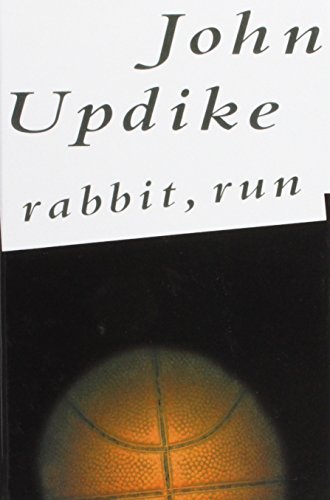
No. 21 on this list. Rabbit, Run · John Updike · 1960
Widely recognized as a defining postwar American novel and frequently taught in literature courses. The book established Updike as a major voice and launched the Rabbit series that would chronicle American life across four decades, securing its place in the American literary canon.
Challenging7.4 hours
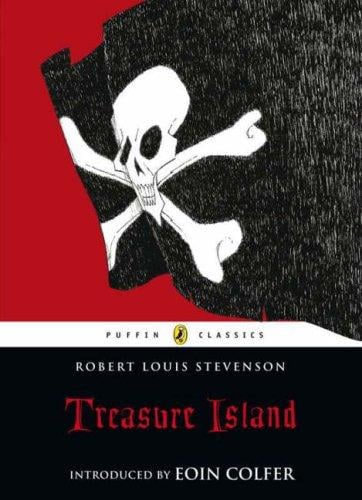
Start this bookNo. 22 on this list. Treasure Island · Robert Louis Stevenson · 1883
Taught in schools: Pacific Senior Secondary Certificate – English
Treasure Island is the defining pirate novel in English literature, anthologized and taught to children across the globe since its 1883 publication. Adapted for film, stage, and television dozens of times, it occupies a foundational position in English-language adventure fiction. Though the data signals returned empty, its cultural ubiquity—Black Spot, treasure maps, parrots, Long John Silver—places it firmly in the literary canon.
Easy4 hours
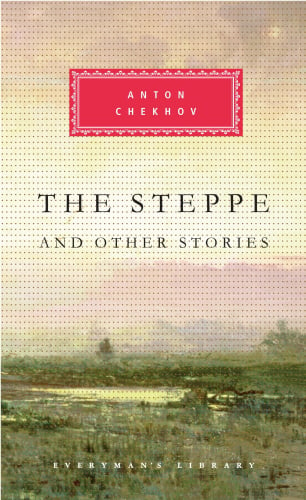
Read nowNo. 23 on this list. The Steppe · Anton Chekhov · 1888
The Steppe (1888) is Chekhov's first major serious literary work and a recognized milestone in the novella form. It is widely anthologized and studied, though it occupies a secondary position within the Chekhov canon compared to his most famous short stories and plays (The Cherry Orchard, Three Sisters, The Lady with the Dog). It appears on Russian literature syllabi regularly but is not as universally assigned as Chekhov's dramatic works.
Moderate2.5 hours
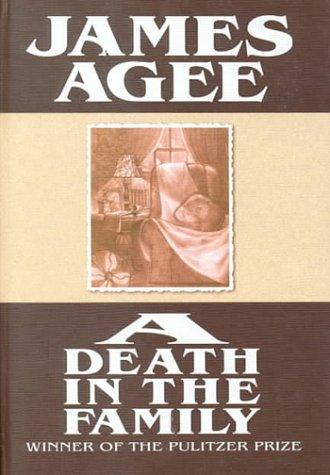
Start this bookNo. 24 on this list. A Death in the Family · James Agee · 1958
Agee's novel appears in serious American literature curricula, particularly in modernist and 20th-century surveys. Not universally taught at secondary level like Gatsby or Mockingbird, but firmly canonical in academic contexts. Pulitzer Prize recognition anchors its standing. Taught regularly but primarily in college-level courses rather than as universal requirement.
Moderate6.5 hours
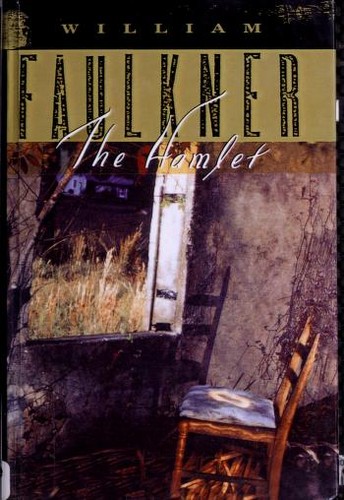
Start this bookNo. 25 on this list. The Hamlet · William Faulkner · 1940
The Hamlet is consistently taught in American modernism and Southern literature courses as a key Faulkner text, though it receives less curriculum attention than The Sound and the Fury or As I Lay Dying. The Snopes trilogy as a whole is recognized as one of American literature's major long-form projects, and The Hamlet is its foundation. It appears on syllabi focused on Faulkner, Southern Gothic, and American regionalism, but has not achieved the broad high-school penetration of Faulkner's most canonical works.
Difficult43 hours
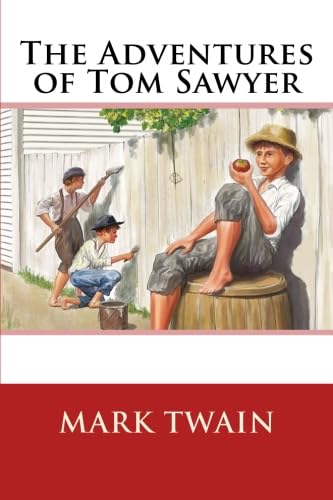
Start this bookNo. 26 on this list. The Adventures of Tom Sawyer · Mark Twain · 1876
Taught in schools: Common Core text exemplars (Appendix B) (US)
The Adventures of Tom Sawyer has been required reading in American middle and high schools for generations and appears on virtually every major list of American literature. Though university curricula tend to favor its sequel Huckleberry Finn, Tom Sawyer remains among the most widely read 19th-century American novels worldwide, with translations across dozens of languages.
Easy4.1 hours
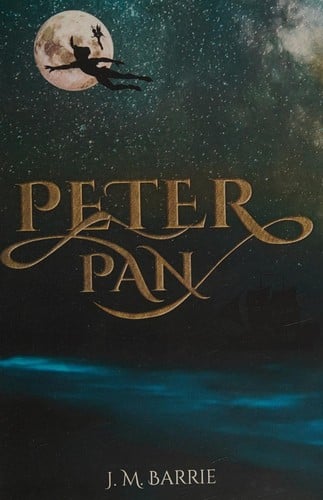
Read nowNo. 27 on this list. Peter Pan · J.M. Barrie · 1911
Peter Pan is a fixture in children's literature curricula worldwide and appears in Wikipedia editions across 70+ languages, signaling its global cultural reach. The story originated as a 1904 stage play before the 1911 novel, giving it over a century of continuous readership, adaptation, and study. It appears regularly on university syllabi in courses covering children's literature, British modernism, and the cultural construction of childhood.
Challenging3.5 hours
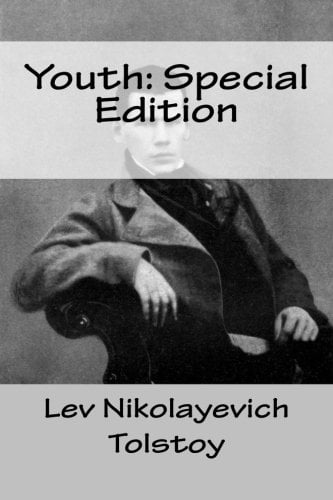
Start this bookNo. 28 on this list. Youth · Leo Tolstoy · 1857
Part of Tolstoy's autobiographical trilogy (Childhood, Boyhood, Youth), widely assigned in Russian literature courses and comparative literature programs. As a standalone text, it appears less frequently on Western syllabi than War and Peace or Anna Karenina, though the trilogy collectively is considered essential early Tolstoy.
Challenging5 hours
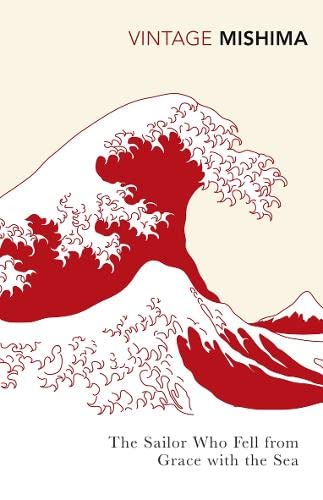
Read nowNo. 29 on this list. The Sailor Who Fell from Grace with the Sea · Yukio Mishima · 1963
Taught regularly in university world literature and Japanese literature courses globally. Appears on syllabi alongside Kawabata and Abe as an entry point to postwar Japanese fiction. Not in the ubiquitous tier of Kafka or Fitzgerald, but firmly established in academic curricula across Europe, North America, and East Asia.
Challenging3.8 hours
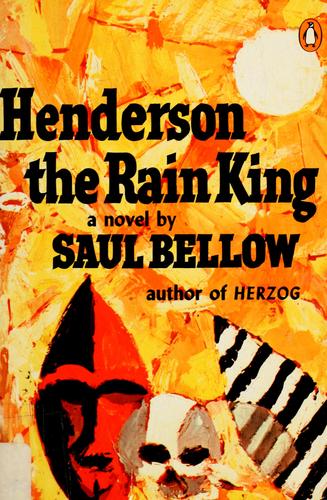
Start this bookNo. 30 on this list. Henderson the Rain King · Saul Bellow · 1959
Ranked 21st on the Modern Library 100 Best Novels and included in 1001 Books You Must Read Before You Die. It is taught less often than Herzog or Seize the Day.
Challenging11 hours
Start this book
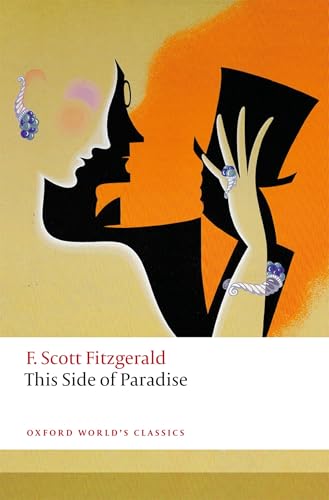
No. 31 on this list. This Side of Paradise
F. Scott Fitzgerald · 1920
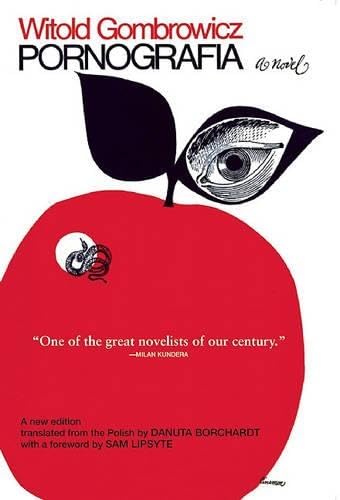
No. 32 on this list. Pornografia
Witold Gombrowicz · 1960
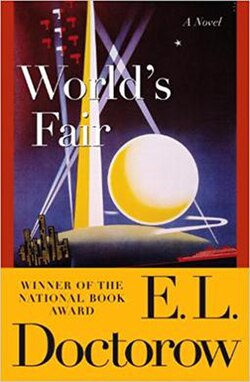
No. 33 on this list. World's Fair
E.L. Doctorow · 1986
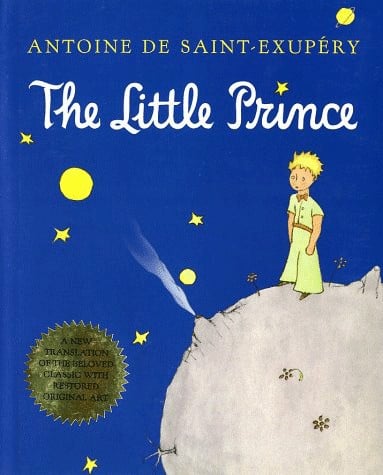
No. 34 on this list. The Little Prince
Antoine de Saint-Exupéry · 1943
Taught in schools: Common Core text exemplars (Appendix B) (US)
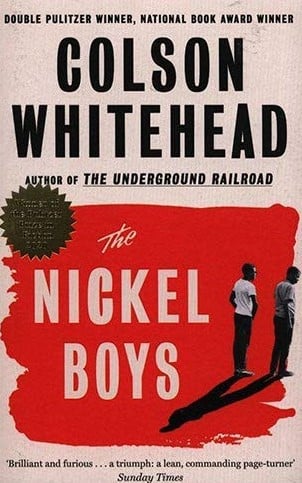
No. 35 on this list. The Nickel Boys
Colson Whitehead · 2019
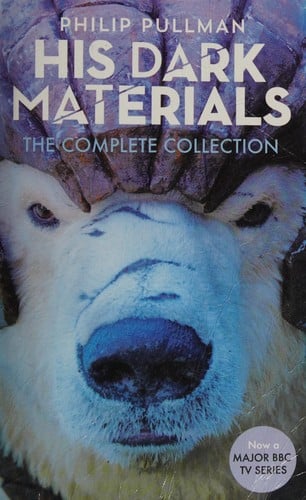
No. 36 on this list. His Dark Materials
Philip Pullman · 1995
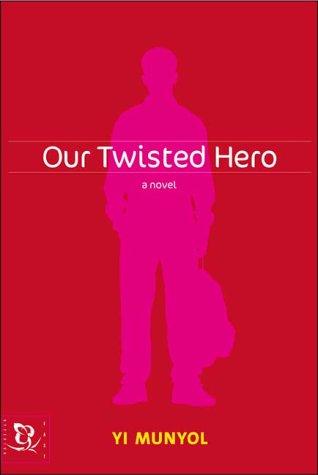
No. 37 on this list. Our Twisted Hero
Yi Munyol · 1987
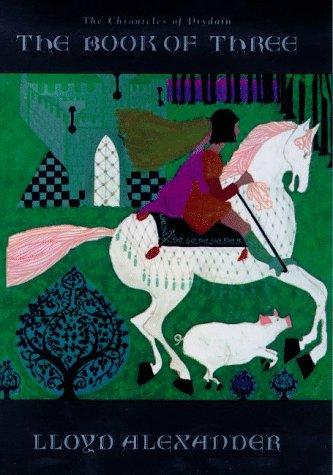
No. 38 on this list. The Book of Three
Lloyd Alexander · 1964
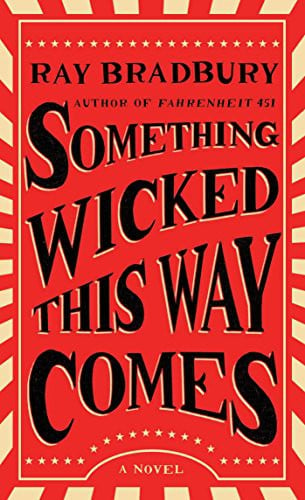
No. 39 on this list. Something Wicked This Way Comes
Ray Bradbury · 1962
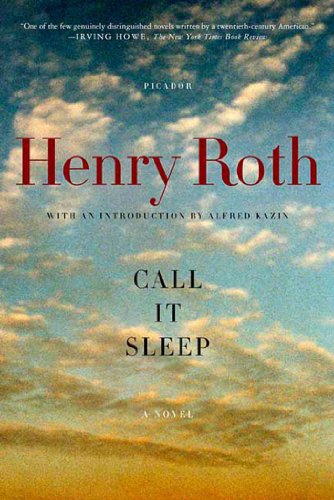
No. 40 on this list. Call It Sleep
Henry Roth · 1934
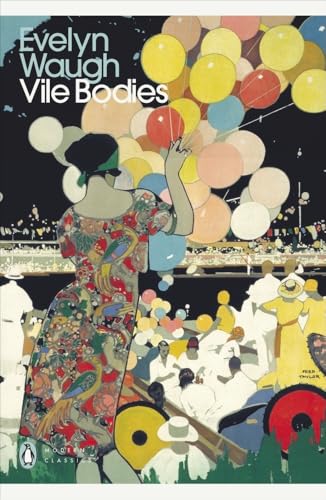
No. 41 on this list. Vile Bodies
Evelyn Waugh · 1930
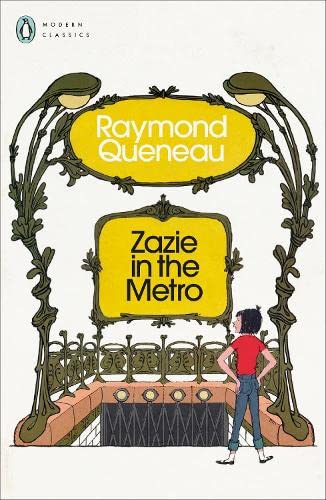
No. 42 on this list. Zazie in the Metro
Raymond Queneau · 1959
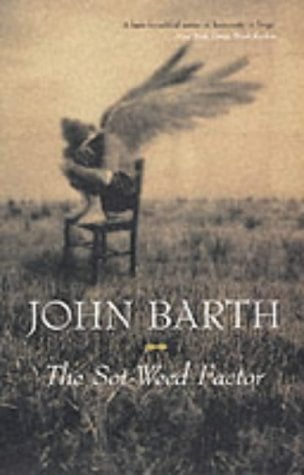
No. 43 on this list. The Sot-Weed Factor
John Barth · 1960
No. 44 on this list. Demian
Hermann Hesse · 1919
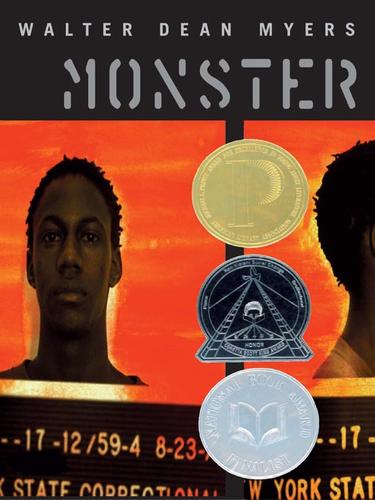
No. 45 on this list. Monster
Walter Dean Myers · 1999
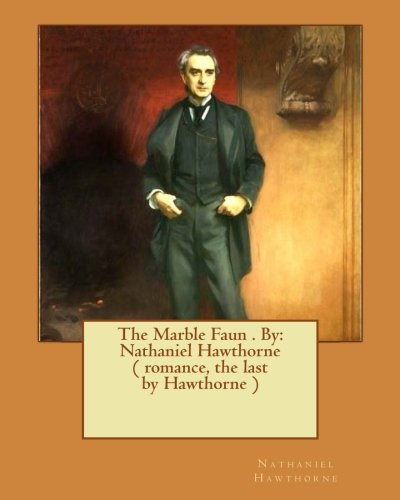
No. 46 on this list. The Marble Faun
Nathaniel Hawthorne · 1860
No. 47 on this list. Ninety-Three
Victor Hugo · 1874
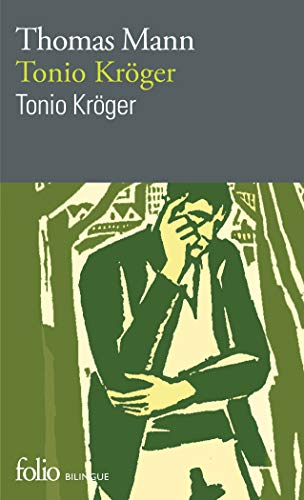
No. 48 on this list. Tonio Kröger
Thomas Mann · 1903
No. 49 on this list. Garden, Ashes
Danilo Kiš · 1965
No. 50 on this list. The Mysterious Stranger
Mark Twain · 1916
No. 51 on this list. Nip the Buds, Shoot the Kids
Kenzaburō Ōe · 1958
No. 52 on this list. Omensetter's Luck
William Gass · 1966
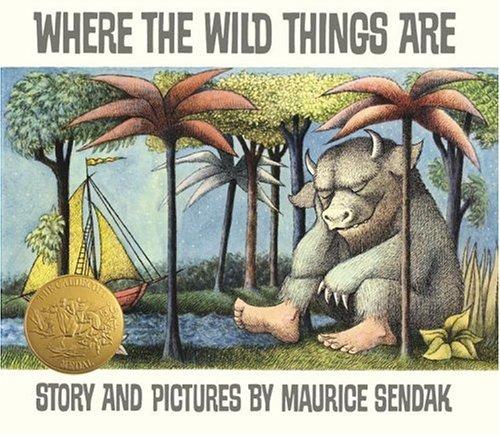
No. 53 on this list. Where the Wild Things Are
Maurice Sendak · 1963
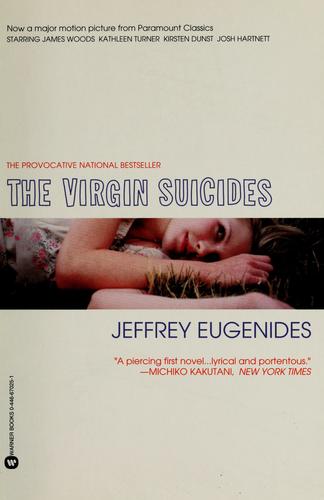
No. 54 on this list. The Virgin Suicides
Jeffrey Eugenides · 1993
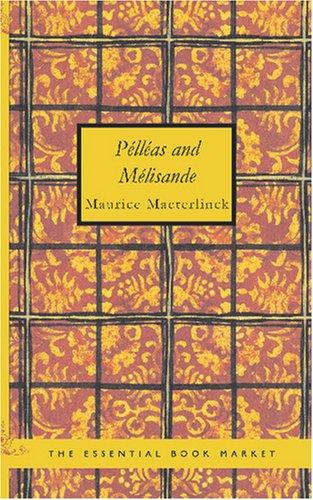
No. 55 on this list. Pelleas and Melisande
Maurice Maeterlinck · 1893
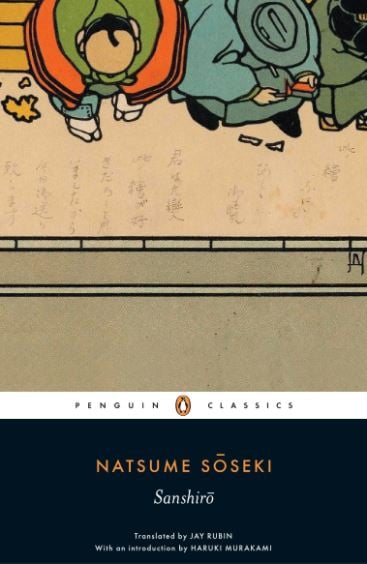
No. 56 on this list. Sanshiro
Natsume Sōseki · 1908
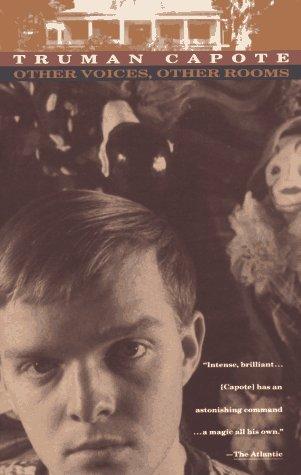
No. 57 on this list. Other Voices, Other Rooms
Truman Capote · 1994
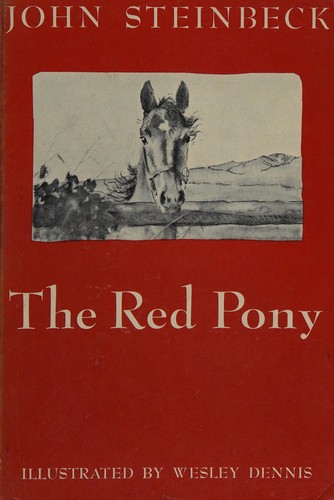
No. 58 on this list. The Red Pony
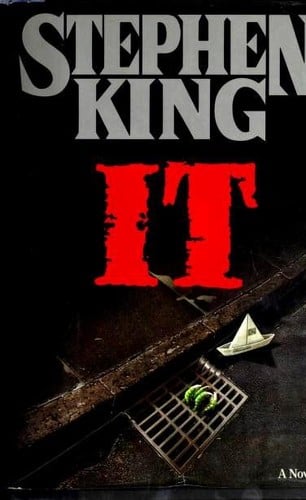
No. 59 on this list. It
Stephen King · 1986
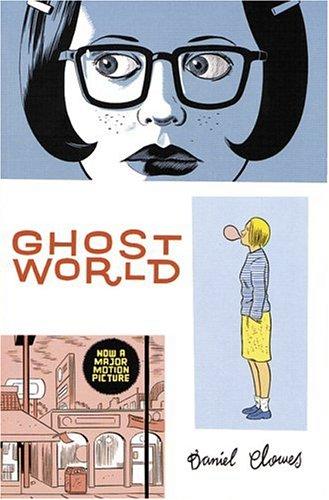
No. 60 on this list. Ghost World
Daniel Clowes · 1997
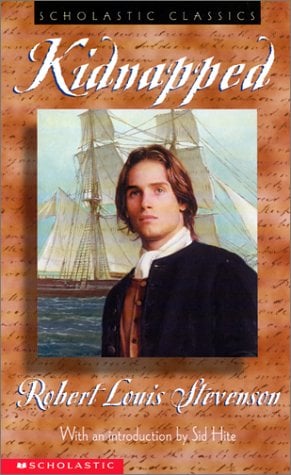
No. 61 on this list. Kidnapped
Robert Louis Stevenson · 1886
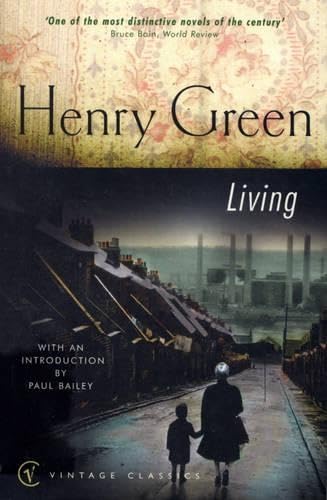
No. 62 on this list. Living
Henry Green · 1929
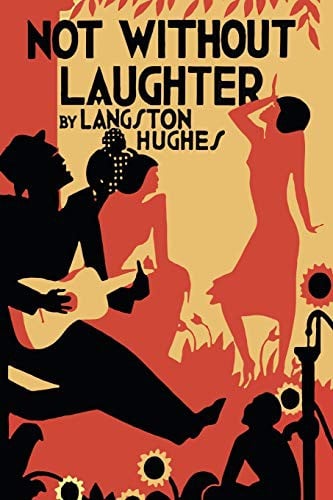
No. 63 on this list. Not Without Laughter
Langston Hughes · 1930
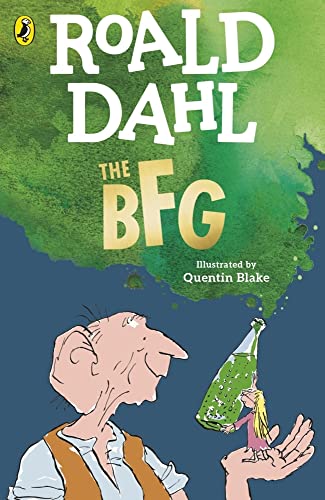
No. 64 on this list. The BFG
Roald Dahl · 1982
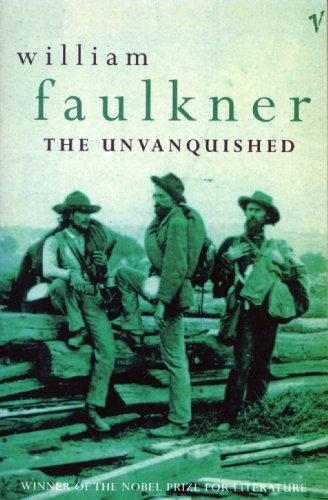
No. 65 on this list. The Unvanquished
William Faulkner · 1938
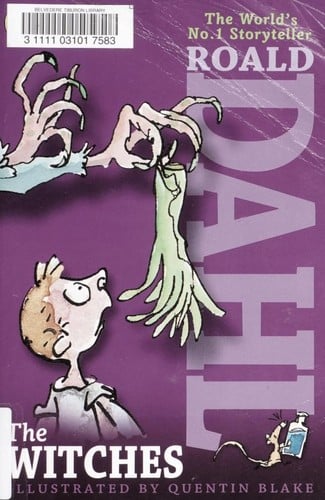
No. 66 on this list. The Witches
Roald Dahl · 1983
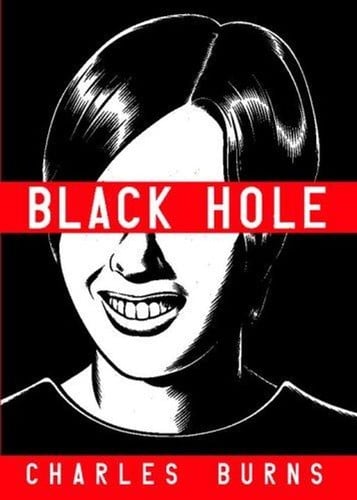
No. 67 on this list. Black Hole
Charles Burns · 2005
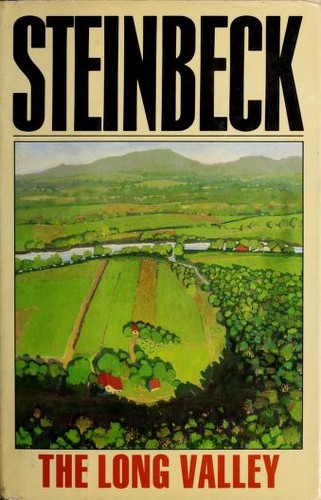
No. 68 on this list. The Long Valley
John Steinbeck · 1938
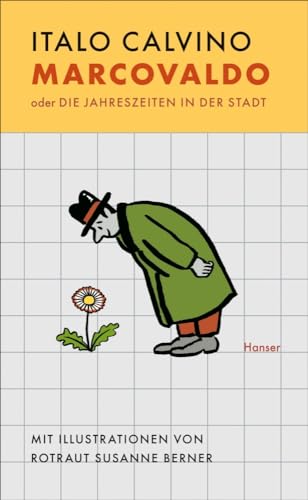
No. 69 on this list. Marcovaldo
Italo Calvino · 1963
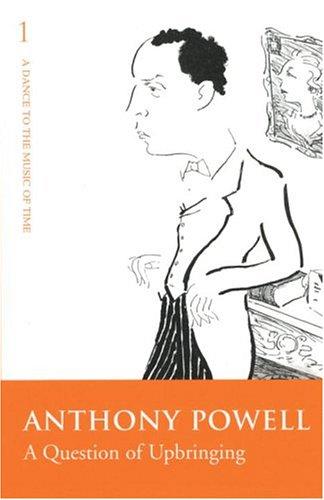
No. 70 on this list. A Question of Upbringing
Anthony Powell · 1951
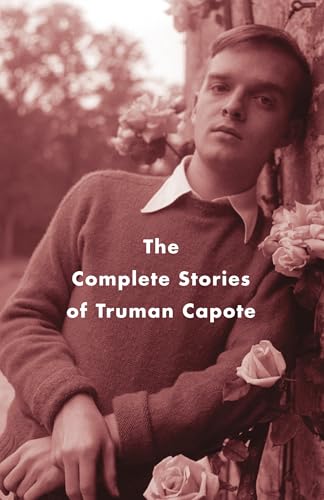
No. 71 on this list. The Complete Stories of Truman Capote
Truman Capote · 2004
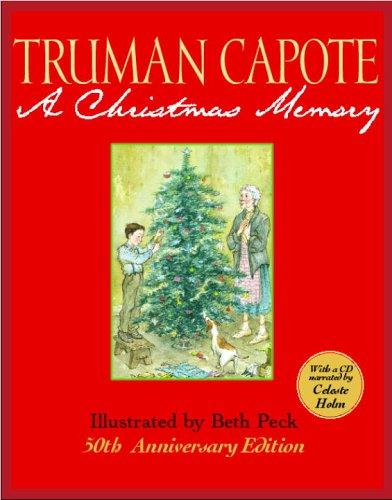
No. 72 on this list. A Christmas Memory
Truman Capote · 1956
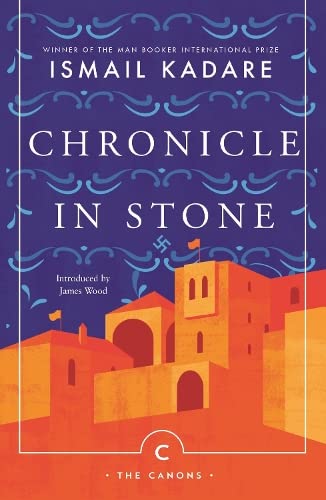
No. 73 on this list. Chronicle in Stone
Ismail Kadare · 1971
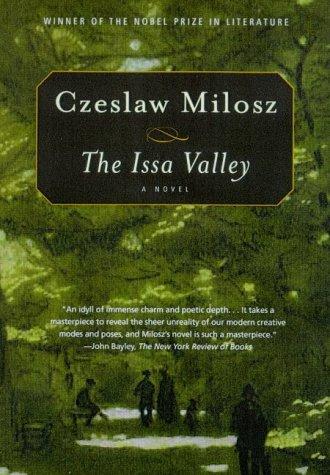
No. 74 on this list. The Issa Valley
Czesław Miłosz · 1955
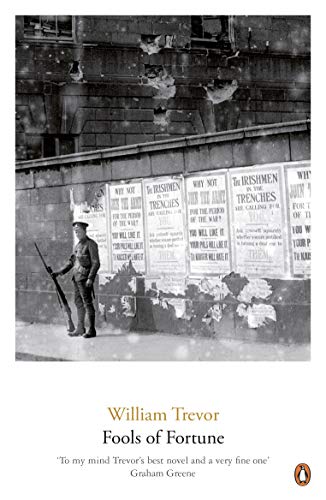
No. 75 on this list. Fools of Fortune
William Trevor · 1983
No. 76 on this list. Marianela
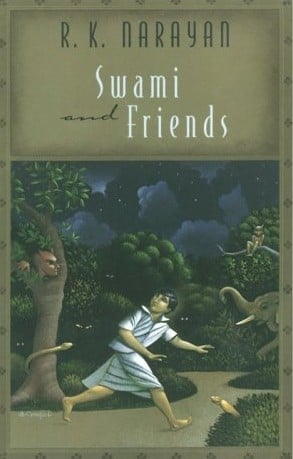
No. 77 on this list. Swami and Friends
R.K. Narayan · 1935
No. 78 on this list. The Painted Bird
Jerzy Kosinski · 1965
No. 79 on this list. The Last Picture Show
Larry McMurtry · 1966
No. 80 on this list. The Child in Time
Ian McEwan · 1987
No. 81 on this list. Elbow Room
James Alan McPherson · 1978
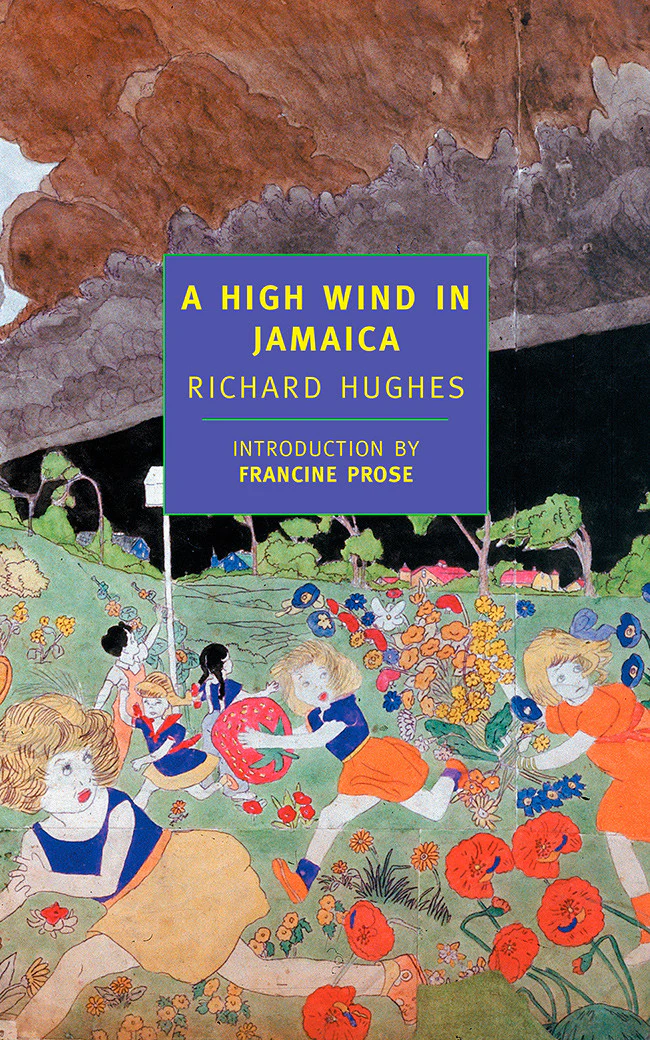
No. 82 on this list. A High Wind in Jamaica
Richard Hughes · 1929
Taught in schools: CSEC English B – Caribbean Examinations Council
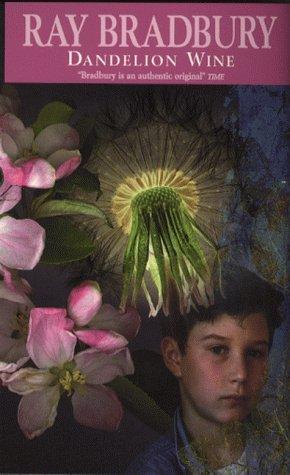
No. 83 on this list. Dandelion Wine
Ray Bradbury · 1957
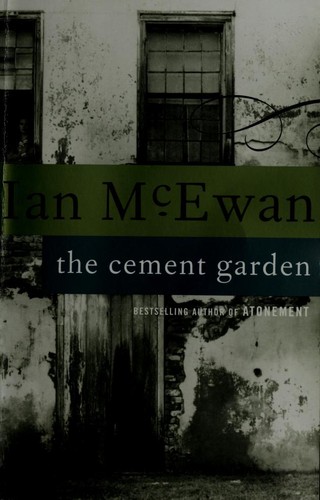
No. 84 on this list. The Cement Garden
Ian McEwan · 1978
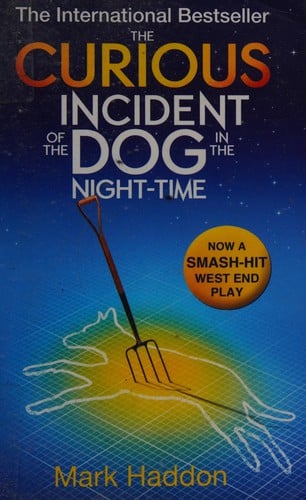
No. 85 on this list. The Curious Incident of the Dog in the Night-Time
Mark Haddon · 2003
No. 86 on this list. Perelandra
C.S. Lewis · 1943
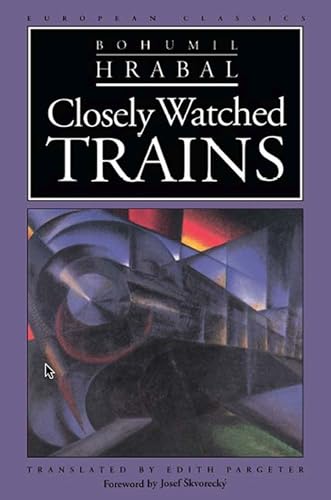
No. 87 on this list. Closely Watched Trains
Bohumil Hrabal · 1965
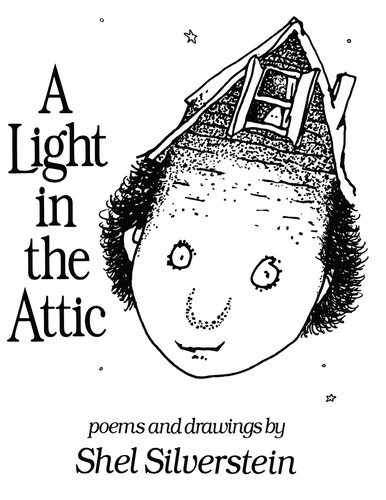
No. 88 on this list. A Light in the Attic
Shel Silverstein · 2002
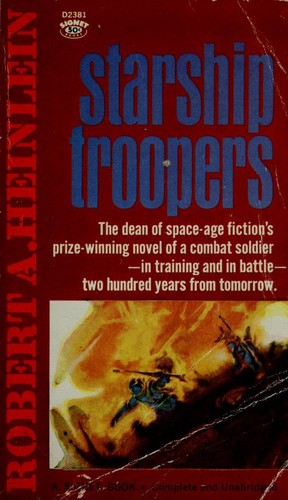
No. 89 on this list. Starship Troopers
Robert A. Heinlein · 1959
No. 90 on this list. Coraline
Neil Gaiman · 2002
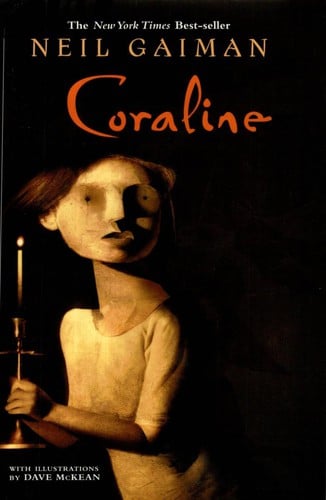
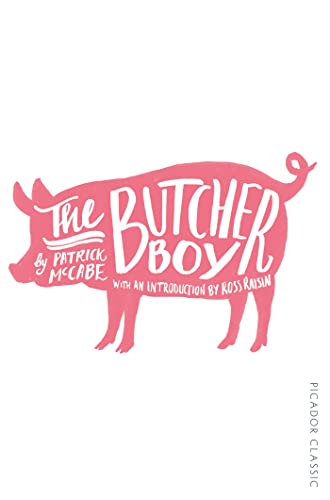
No. 91 on this list. The Butcher Boy
Patrick McCabe · 1992
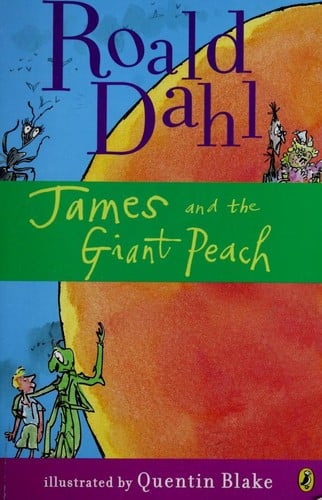
No. 92 on this list. James and the Giant Peach
Roald Dahl · 1961
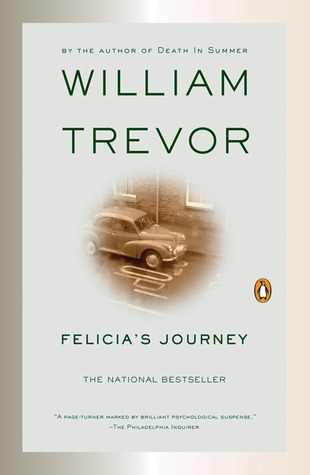
No. 93 on this list. Felicia's Journey
William Trevor · 1994
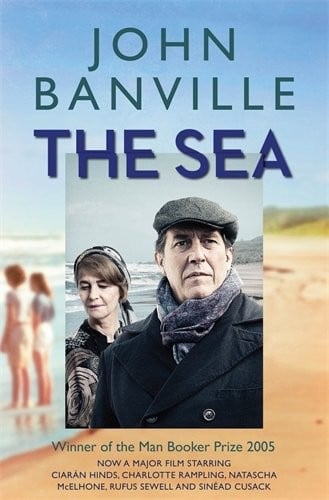
No. 94 on this list. The Sea
John Banville · 2005
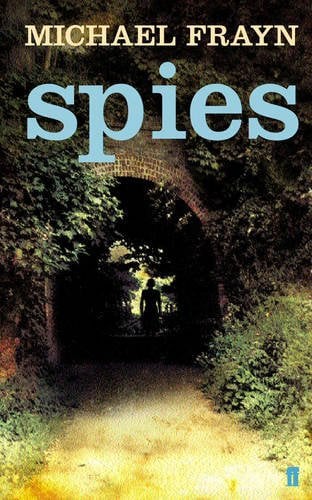
No. 95 on this list. Spies
Michael Frayn · 2002
Taught in schools: AQA GCSE and A-level English Literature (UK)
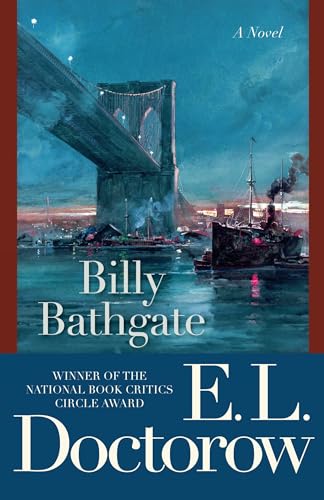
No. 96 on this list. Billy Bathgate
E.L. Doctorow · 1990
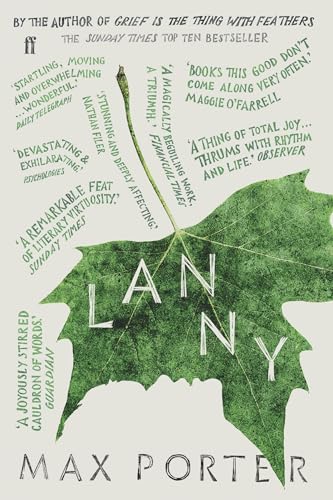
No. 97 on this list. Lanny
Max Porter · 2019
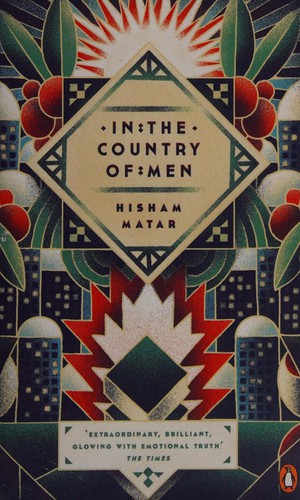
No. 98 on this list. In the Country of Men
Hisham Matar · 2006
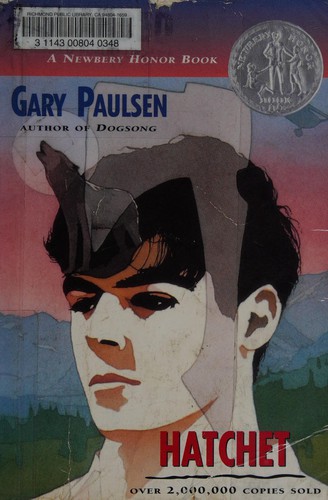
No. 99 on this list. Hatchet
Gary Paulsen · 1987
Taught in schools: Pacific Senior Secondary Certificate – English
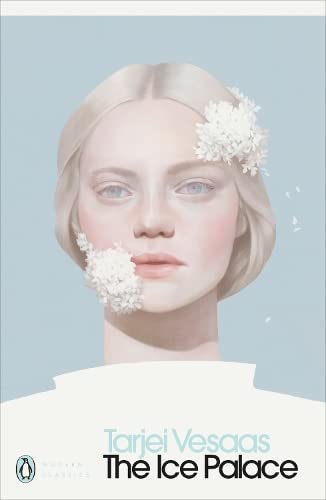
No. 100 on this list. The Ice Palace
Tarjei Vesaas · 1963
Included in: UNESCO Collection of Representative Works
About this list
These 100 books are the highest-scoring eligible books about youth and innocence by men currently in the catalogue. About 594 hours of reading in all. Difficulty runs from 43 to 60 out of 100 for the middle half of the list; the summit is Omensetter's Luck at 81.
This list is ranked by literary regard, with a consistent order for equal scores. Membership follows authors and co-authors, not translators or editors. A book is here when ReadingRate files it under Youth & Innocence as one of its primary reading domains, at a confidence of 0.8 or more. Catalogue coverage and the historical canon both limit what this list can represent.
When we matched the Canons dataset to our catalogue in October 2026, our canonical-status scores rose with the number of school curricula, publisher series and lists in it that cite a work: the median score was 72 for books one such source cites, 84 at two, 88 at three, 92 at four and 93 at five or more. Prizes are left out of that count. Outside the state curricula, the dataset’s sources choose mostly from what has been translated into English or French, so it is a weaker check on other literatures. Source: Canons (Andrew Piper), CC BY 4.0
Questions people actually ask
- What are the best books about youth and innocence by men?
- By literary regard, which weighs canonical status, critical standing and influence: David Copperfield by Charles Dickens, Great Expectations by Charles Dickens, The Winter's Tale by William Shakespeare, A Portrait of the Artist as a Young Man by James Joyce and The Lion, the Witch and the Wardrobe by C.S. Lewis. ReadingRate ranks 100 such books, each with a difficulty score and a reading-time estimate.
- Which books about youth and innocence by men should I read first?
- Start from difficulty, not from rank. The most approachable books on this list that still carry top literary regard are The School for Wives by Molière (about 1.2 hours), The Lion, the Witch and the Wardrobe by C.S. Lewis and Treasure Island by Robert Louis Stevenson.
- What are the shortest of the best books about youth and innocence by men?
- Among the top 25, the shortest are In Our Time by Ernest Hemingway (about 17 min), Death of a Naturalist by Seamus Heaney (about 22 min) and Songs of Innocence and of Experience by William Blake (about 46 min), at an average pace of 250 words a minute adjusted for each book's difficulty.
- Which of the best books about youth and innocence by men are the established classics?
- By canonical status, how firmly a book sits in curricula, anthologies and the canon: Great Expectations by Charles Dickens, David Copperfield by Charles Dickens, The Lion, the Witch and the Wardrobe by C.S. Lewis, The Winter's Tale by William Shakespeare and A Portrait of the Artist as a Young Man by James Joyce.
- Can I read any of these books about youth and innocence by men for free?
- 16 of the 100 open in ReadingRate's reader with a free account, from public-domain editions: David Copperfield, Great Expectations, The Winter's Tale, A Portrait of the Artist as a Young Man, Songs of Innocence and of Experience and 11 more.
- How long would it take to read the top ten?
- About 82 hours, at an average pace of 250 words a minute adjusted for each book's difficulty: 42 days at two hours a day. Set your own pace on the page and the list's reading times change to it.
- How hard are books about youth and innocence by men to read?
- Most of this list sits between 43 and 60 on ReadingRate's 100-point difficulty scale, where 40 to 55 is moderate. The summit is Omensetter's Luck at 81. Every entry carries its own score, so a reader can pick a great book at a difficulty they will finish.
- How is this list ranked?
- On literary-regard data: how canonically established a work is, its critical standing, and its influence on later writing. It is not a readers’ poll, which is why recent bestsellers rarely appear. Membership follows authors and co-authors, not translators or editors. Lists by country, author, period, theme or difficulty keep to literature (fiction, poetry, drama and philosophy), their novels, poems and plays first and their philosophy after them; a list of a kind of book, such as memoir or criticism, keeps every book of that kind. Every list holds at most three works by one author. A book is here when ReadingRate files it under Youth & Innocence as one of its primary reading domains, at a confidence of 0.8 or more.