Hours at an average pace
Showing 100 books
About 726 hours for 99 of 100 books with measured lengths. Estimates use 250 words a minute, adjusted for each book's difficulty. At 2 hours a day, about 364 days for those books.
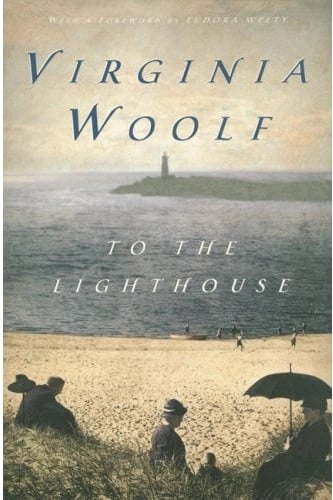
No. 1 on this list. To the Lighthouse
Virginia Woolf · 1927
Difficult7.4 hours
Included in: Bokklubben World Library, Great Books of the Western World
To the Lighthouse appears on 2,429 university syllabi according to Open Syllabus (84.6th percentile), placing it in the same tier as Beloved (85th). It holds places on the Modern Library 100 Best Novels (1998), TIME's All-TIME 100 Novels (2005), 1001 Books You Must Read Before You Die (2006), and is published by both Everyman's Library and Penguin Modern Classics. Wikipedia articles exist in 35 languages.
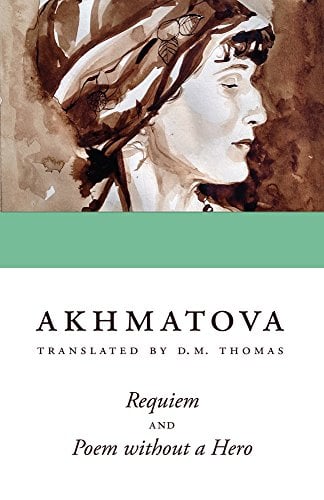
Requiem and Poem Without a Hero are canonical texts of 20th-century Russian literature and essential documents of Stalinist-era witness poetry — required reading in Russian literature courses worldwide. No database records appear for this English translation's syllabus presence, but the works are universally taught in courses on Soviet literature, women's writing, and poetry of witness. The Wikipedia absence in this database likely reflects a data gap rather than actual obscurity: Akhmatova's works are foundational to Russian studies curricula.
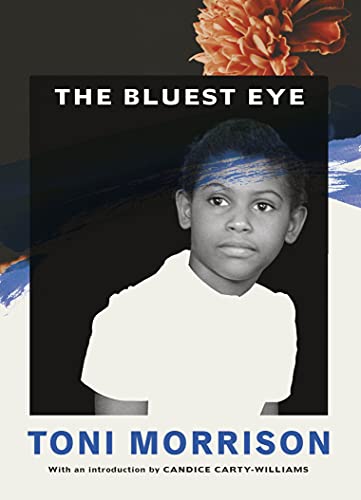
No. 3 on this list. The Bluest Eye
Toni Morrison · 1970
Challenging4.2 hours
Taught in schools: Common Core text exemplars (Appendix B) (US)
While not as universally canonical as Beloved, The Bluest Eye is firmly established in the American literary canon, widely taught in universities, and recognized as a landmark debut that announced a major voice in American letters.
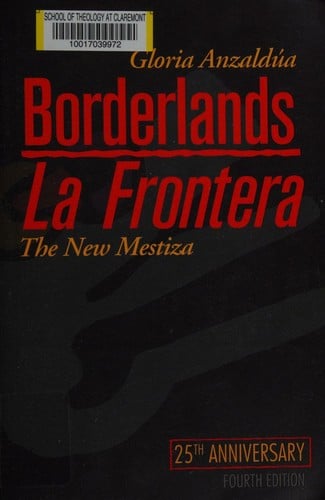
Foundational text of Chicana feminism, border studies, and queer theory. Universally taught in relevant fields.
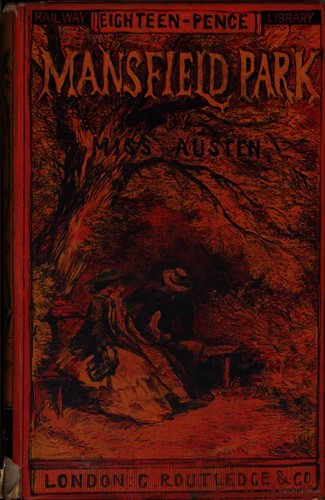
While less universally beloved than Pride and Prejudice, Mansfield Park holds secure canonical status as Austen's most morally complex and tonally difficult novel. Its treatment of slavery, colonialism, and evangelical morality has made it increasingly central to academic study, though it remains somewhat less embraced by general readers than her lighter works.
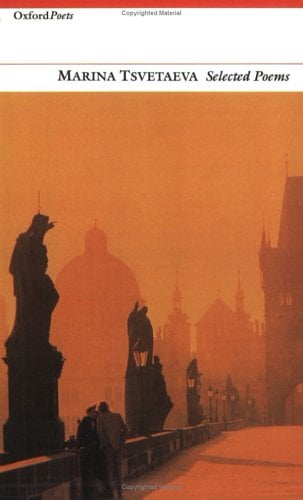
Tsvetaeva is firmly established as one of the four great Russian poets of the twentieth century, alongside Akhmatova, Mandelstam, and Pasternak.
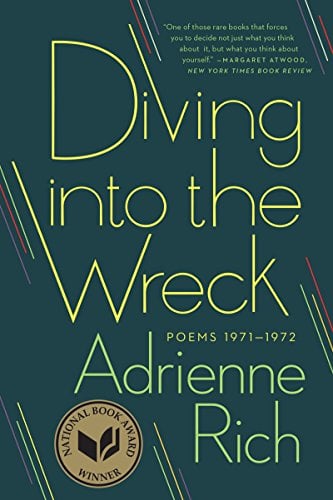
The title poem appears in virtually every major American poetry anthology and is standard reading in feminist literature, American poetry, and contemporary poetry courses. The collection sits firmly in the literary canon, comparable to Beloved (85) in academic reach if not in the broadest syllabi. No database data was returned, but Rich's place in American poetry curricula is well established.
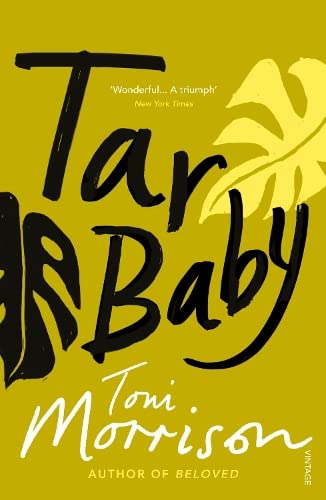
On Isle des Chevaliers, a Caribbean island reshaped by Haitian labor and American money, Valerian Street — a retired Philadelphia candy magnate — cultivates hydrangeas in his greenhouse and avoids his neighbors. His wife Margaret, his butler Sydney and cook Ondine, and his niece Jadine, a model trained in Paris, share the villa in a state of maintained tension. When Son — a Black American fugitive who stowed away on their supply boat — is discovered hiding in the house, he breaks open every unspoken arrangement the household depends on. Morrison uses the folk tale of the tar baby as the novel's armature: Jadine and Son become stuck to each other in a relationship that neither can survive and neither can leave. She embodies what he calls racial betrayal — educated in Europe, photographed in furs, at home nowhere. He embodies what she calls romantic primitivism — a man out of time, faithful to a Black Southern past that she finds suffocating. Morrison writes this conflict without a referee. The Caribbean setting is not backdrop but argument — the swamp, the rain forest, the blind horsemen who ride the hills at night all carry the weight of African spiritual history beneath the colonial surface. The novel ends on a mythic image: Son running toward those horsemen, Jadine flying back to Paris. Morrison offers no verdict on who was right.
After Randall Jarrell's landmark 1965 introduction rescued it from obscurity, the novel achieved masterpiece status, appearing on TIME's 100 Best English-language Novels 1923-2005. It remains continuously in print and features prominently in Women's Studies curricula. However, it lacks the universal recognition of Fitzgerald, Joyce, or Faulkner, occupying a tier below absolute canonical dominance despite critical consensus on its brilliance.
The unnamed narrator of Água Viva is a painter who has turned to words — not to tell a story but to capture the precise texture of the present moment before it slips away. She writes to an unnamed 'you': about caves lined with bats, about a rose that lasted a week because it felt admired, about wild horses in mountain meadows, about the body as a typewriter that demands and demands. There are no chapters, no plot, no characters other than this voice and its recipient. What accumulates instead is a philosophy of the instant: Lispector's attempt to seize the 'is' of things, the 'it' that exists just below language, just beyond thought. The sentences move from fragments to long meditative surges, from declarations of joy to confessions of terror to sudden hallelujahs. Reading it feels less like following a narrative and more like listening to someone think out loud with total commitment and no safety net. It is one of the strangest books in the Brazilian canon — neither novel nor essay nor prose poem but all three at once, vibrating at the frequency of consciousness itself.
No. 11 on this list. The Beggar Maid · Alice Munro · 1980
Widely taught in Canadian literature courses and short fiction seminars as exemplary of Munro's mastery and the linked story collection form. The book helped establish Munro's international reputation and remains central to discussions of contemporary short fiction. It's considered essential reading for understanding both Canadian literature and the possibilities of the story cycle.
Moderate5.7 hours
Start this bookNo. 12 on this list. The House of Mirth · Edith Wharton · 1905
It is on the Modern Library 100 Best Novels list and on 928 university syllabi, placing it in the 74th percentile. It is a standard text in American literature and Gilded Age courses.
Moderate8.9 hours
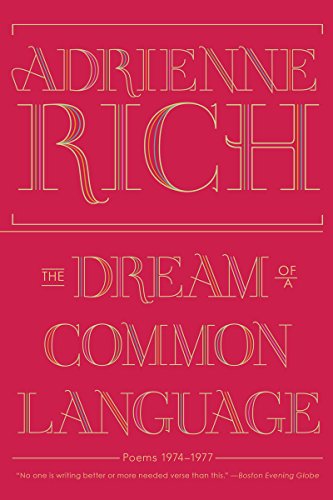
Read nowNo. 13 on this list. The Dream of a Common Language · Adrienne Rich · 1978
The Dream of a Common Language is taught widely in feminist literary studies, women's poetry, and American poetry courses at the university level. It has no dedicated Wikipedia article in the database but Rich herself is a foundational figure in the canon of late twentieth-century American poetry, and this collection is consistently cited as central to her legacy and to the feminist poetry movement of the 1970s.
Challenging1.1 hours
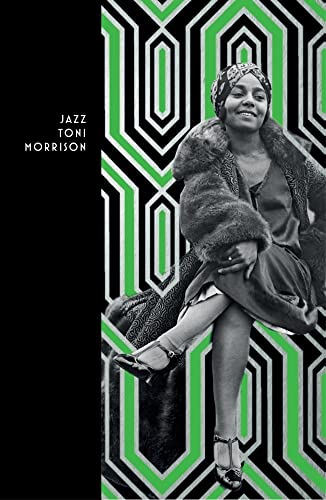
Start this bookNo. 14 on this list. Jazz · Toni Morrison · 1992
Jazz stands as the middle volume of Morrison's trilogy examining African American history through myth and music. While less taught than Beloved, it appears on graduate syllabi and critical studies of Morrison's work, recognized as an ambitious experiment in narrative voice and jazz-influenced form.
Challenging5.9 hours
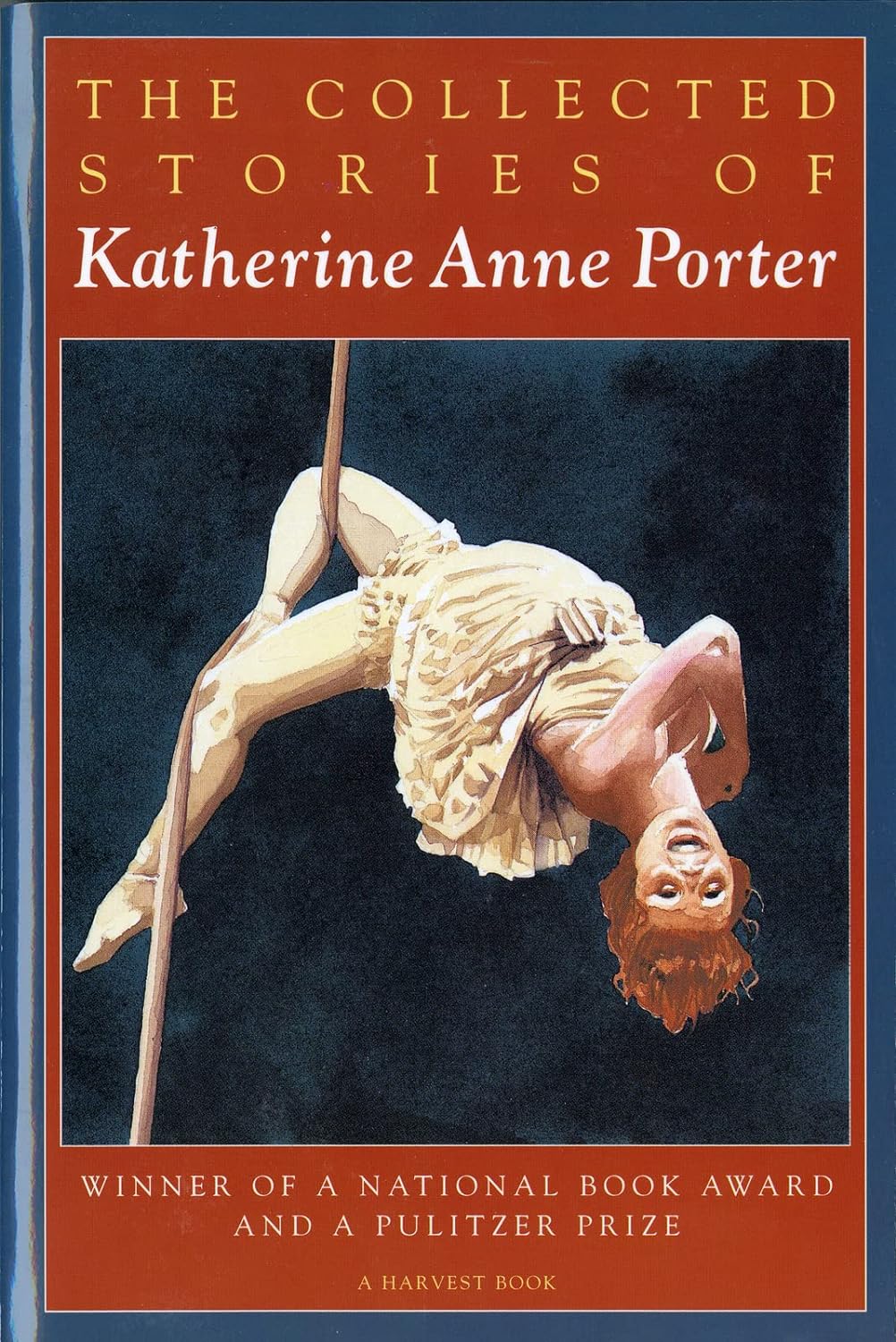
Start this bookNo. 15 on this list. The Collected Stories of Katherine Anne Porter · Katherine Anne Porter · 1966
Stories such as 'Flowering Judas', 'The Jilting of Granny Weatherall' and 'Pale Horse, Pale Rider' are standard in American literature anthologies and short-story courses. The Library of America collected the stories in 2008.
Challenging20 hours
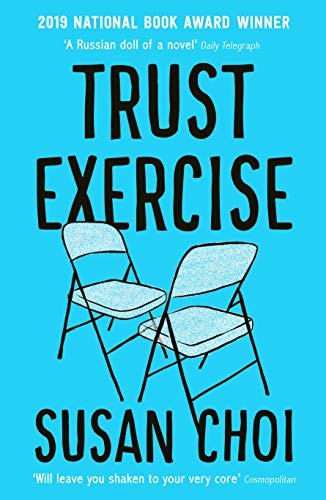
Start this bookNo. 16 on this list. Trust Exercise · Susan Choi · 2019
Won the 2019 National Book Award, establishing Choi as a significant contemporary voice. The novel represents a major contribution to metafictional literature and MeToo-era examinations of institutional abuse. While too recent for full canonical assessment, it has quickly entered graduate syllabi and is widely taught in creative writing programs as exemplary contemporary metafiction.
Challenging7.9 hours
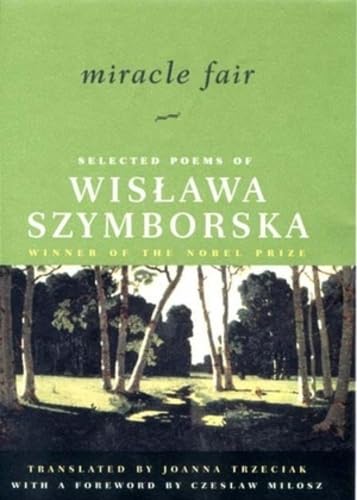
Start this bookNo. 17 on this list. Selected Poems of Wisława Szymborska · Wisława Szymborska · 1998
Szymborska is a staple of world poetry courses and a Nobel laureate, and this collection is the standard English edition of her work. Its place is secure, though below Hamlet or Gatsby in universal syllabus presence.
Moderate2.4 hours
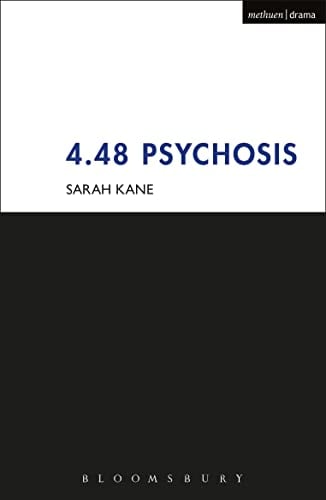
Start this bookNo. 18 on this list. 4.48 Psychosis · Sarah Kane · 2000
Recognized as one of the most important plays of the late twentieth century and Kane's masterpiece. Widely performed, translated, and studied internationally.
Challenging22 min
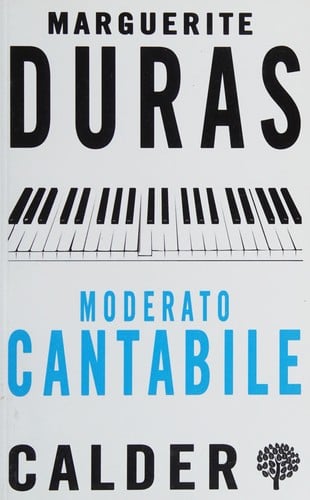
Start this bookNo. 19 on this list. Moderato Cantabile · Marguerite Duras · 1958
Moderato Cantabile is a cornerstone of French postwar literature and the nouveau roman movement, taught widely in French, Francophone, and European literature programs. Though no syllabus data was found in the database, the work is among Duras's most discussed novels and appears consistently in courses on 20th-century French fiction, feminist literature, and literary minimalism. Its canonical status is stronger in Europe than in English-language curricula.
Challenging1.4 hours
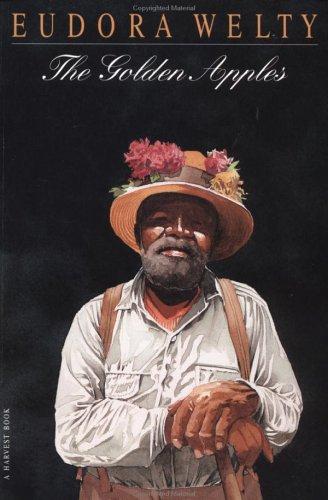
Start this bookNo. 20 on this list. The Golden Apples · Eudora Welty · 1949
Virgie Rainey swallowed a button the day King MacLain came back to Morgana and then fled his own front porch before knocking. That's where Eudora Welty's sequence of seven stories begins—with a gossipy neighbor churning butter and narrating what she barely witnessed. The Golden Apples spans fifty years of life in Morgana, Mississippi: King's twin sons growing up without him, the German piano teacher Miss Eckhart pouring Beethoven into children who will barely remember her, a girl nearly drowning at a summer camp while a boy scout named Loch Morrison watches from the bank with the calculating dispassion of someone taking notes. Welty writes in multiple voices, each distinct—the vernacular monologue of 'Shower of Gold,' the double-stranded telescope-and-memory narration of 'June Recital,' the hallucinatory street-walking of 'Music from Spain'—and all of them circle the same problem: what we owe one another across the distance of separate selves. The book's mythological scaffolding (Perseus, Orpheus, Zeus's golden shower, Yeats's wandering Aengus) operates beneath the surface, surfacing only in charged moments. The final image—Virgie on a courthouse stile in October rain, hearing through it 'the running of the horse and bear, the stroke of the leopard, the dragon's crusty slither'—earns its strangeness. This is literary fiction that demands full attention and rewards rereading.
Difficult12 hours
Start this book
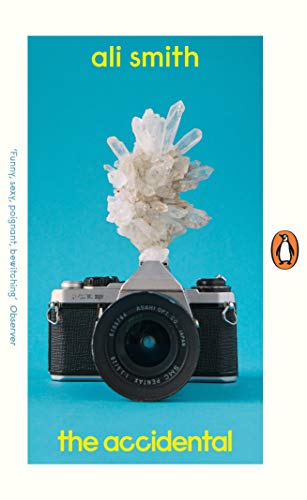
No. 21 on this list. The Accidental · Ali Smith · 2005
The Accidental has achieved recognition as a significant 21st-century British novel, appearing on university syllabi and contemporary fiction reading lists. While not yet established in the permanent canon, it represents Smith's breakthrough to major literary prominence and exemplifies post-2000 experimental domestic fiction. Its status continues to grow with Smith's increasing reputation.
Challenging7.1 hours
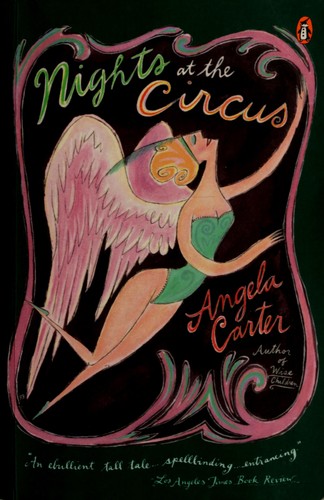
Start this bookNo. 22 on this list. Nights at the Circus · Angela Carter · 1984
Nights at the Circus is a regular text in university courses on postmodern, feminist and magical-realist fiction, and probably Angela Carter's most studied novel. It is usually set alongside The Bloody Chamber as the core of her work.
Difficult13 hours
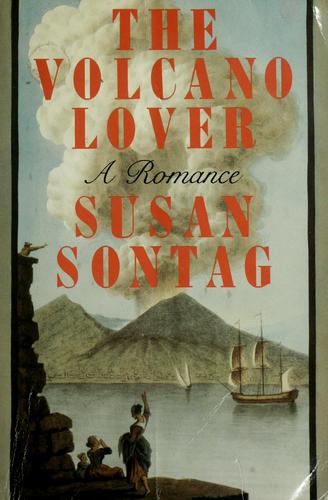
Start this bookNo. 23 on this list. The Volcano Lover: A Romance · Susan Sontag · 1992
The Volcano Lover is widely regarded as Sontag's major contribution to fiction and appears regularly on university syllabi in American literature, postmodern fiction, and historical novel courses. It is not, however, a stable university-assigned classic on the order of the novels it engages with, and its canonical position remains tied to Sontag's broader intellectual reputation rather than independent of it.
Difficult19 hours
Start this bookNo. 24 on this list. Storyteller · Leslie Marmon Silko · 1981
Storyteller appears on hundreds of university syllabi in Native American literature, American literature, and women's studies courses, making it required reading in its subfield. It is consistently cited among the essential works of Indigenous American writing and is included in major survey anthologies of American literature. While not at the saturation level of Beloved (85) or The Great Gatsby (95), it is a fixture in any serious Native American literature curriculum.
Challenging4.9 hours
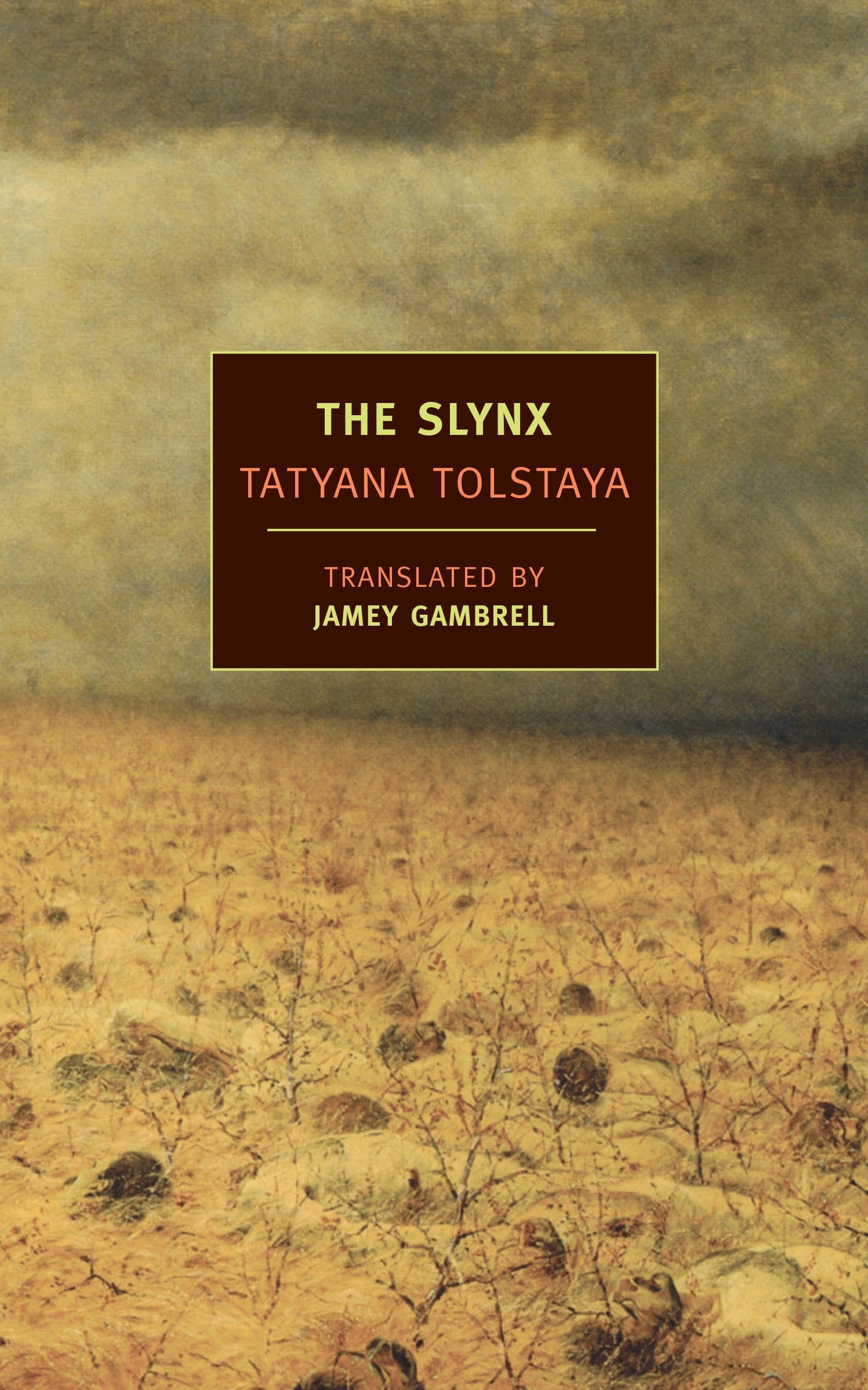
Start this bookNo. 25 on this list. The Slynx · Tatyana Tolstaya · 2000
The Slynx is a significant work in contemporary Russian literature and has been translated into over a dozen languages. It appears in courses on post-Soviet fiction, Russian satire, and dystopian literature but has not achieved the wide curricular presence of classics. In Russia, its reception has been mixed — praised by some as the most important Russian novel of the post-Soviet era, critiqued by others as too familiar in its anti-utopian framework. Its canonical status is still consolidating two decades after publication.
Very Difficult16 hours
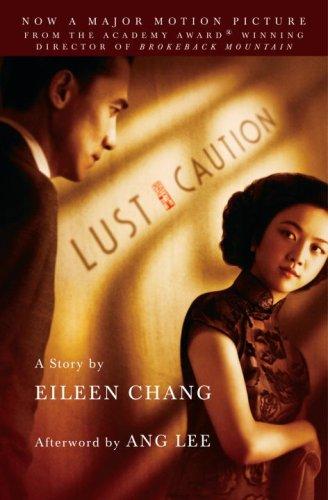
Start this bookNo. 26 on this list. Lust, Caution · Eileen Chang · 1979
Lust, Caution holds a firm place in the canon of modern Chinese literature, regarded as one of Eileen Chang's most psychologically penetrating works. Its stature was significantly amplified internationally following Ang Lee's acclaimed 2007 film adaptation, which drew global attention to Chang's fiction and cemented the novella's place among essential works of twentieth-century Chinese literature.
Difficult1.6 hours
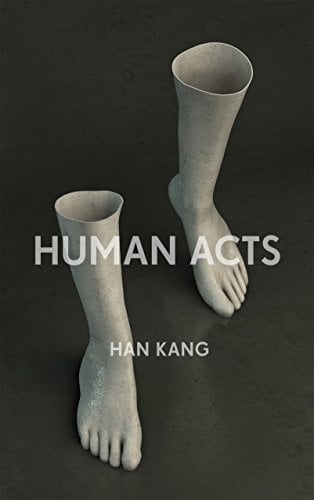
Start this bookNo. 27 on this list. Human Acts · Han Kang · 2014
Han Kang's Nobel Prize in 2024 elevated this novel's global profile significantly, but it appears on only 59 university syllabi (44th percentile in Open Syllabus) and has Wikipedia articles in just 5 languages. Curricular adoption outside Korean literature courses remains limited, though the Nobel will accelerate its integration into world literature programs.
Difficult6.7 hours
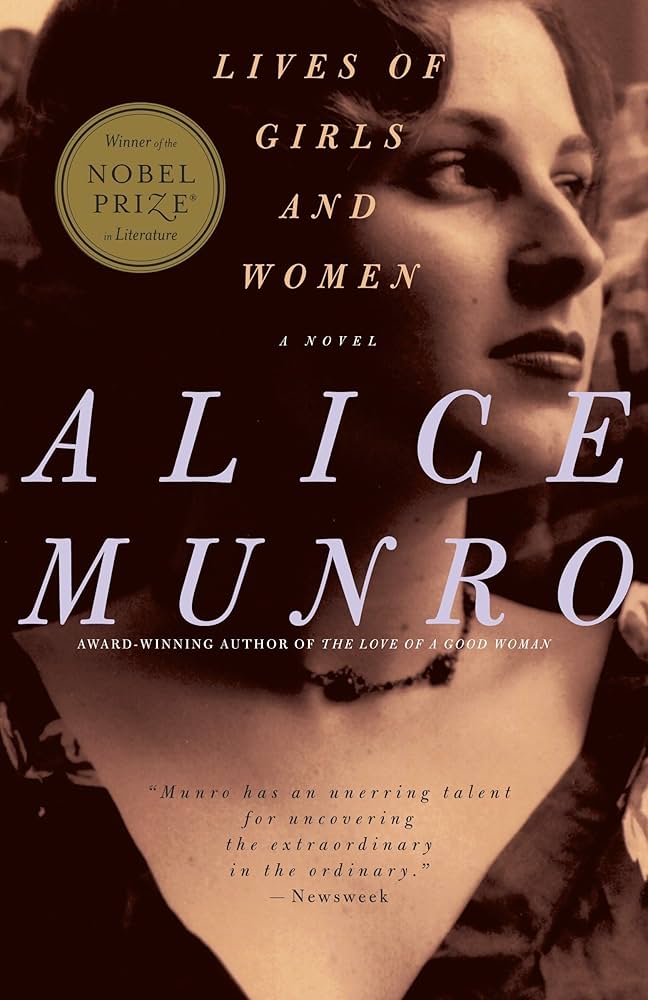
Start this bookNo. 28 on this list. Lives of Girls and Women · Alice Munro · 1971
Standard text in Canadian literature courses and women's fiction studies. Taught alongside Margaret Atwood and Margaret Laurence as foundational Canadian women's writing. Appears on reading lists for feminist bildungsroman and short story cycle studies, though less globally canonical than Munro's later collections.
Moderate6.3 hours
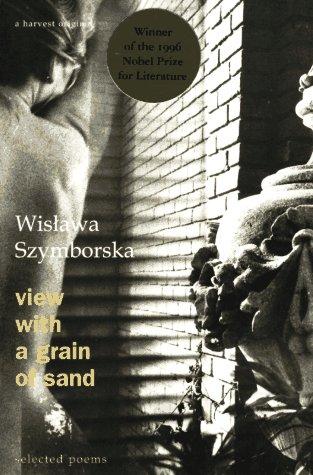
Start this bookNo. 29 on this list. View with a Grain of Sand · Wisława Szymborska · 1995
Szymborska's poems are deceptively simple, their philosophical depths hidden beneath conversational surfaces. She writes about clouds and dreams and history, about the way reality keeps escaping our categories. 'We know ourselves only / as far as we've been tested.' This collection gathers work from across her career, establishing her as one of the essential voices of twentieth-century poetry. She won the Nobel Prize in 1996 for poems that are funny, humble, and vast.
Challenging43 min
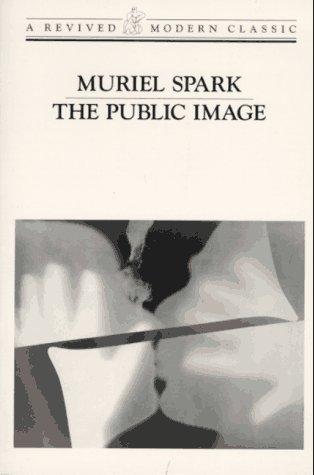
Start this bookNo. 30 on this list. The Public Image · Muriel Spark · 1969
Spark ranks #8 in The Times' '50 greatest British writers since 1945' and her work 'helped change the face of fiction in the English language.' While The Prime of Miss Jean Brodie achieved masterpiece status, The Public Image secured Booker Prize shortlisting (1969) and enduring critical attention. The novella demonstrates Spark's distinctive genius without achieving her most celebrated work's iconic cultural penetration.
Moderate2.5 hours
Start this book
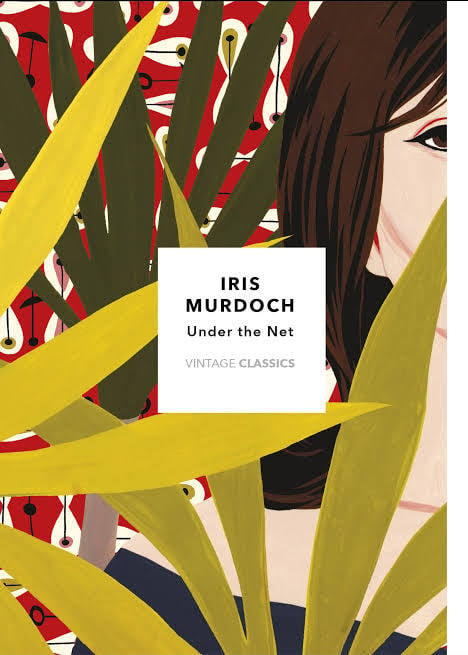
No. 31 on this list. Under the Net
Iris Murdoch · 1954
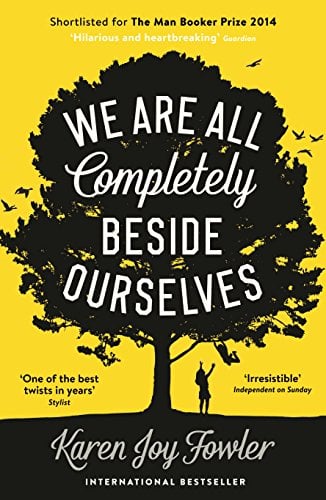
No. 32 on this list. We Are All Completely Beside Ourselves
Karen Joy Fowler · 2014
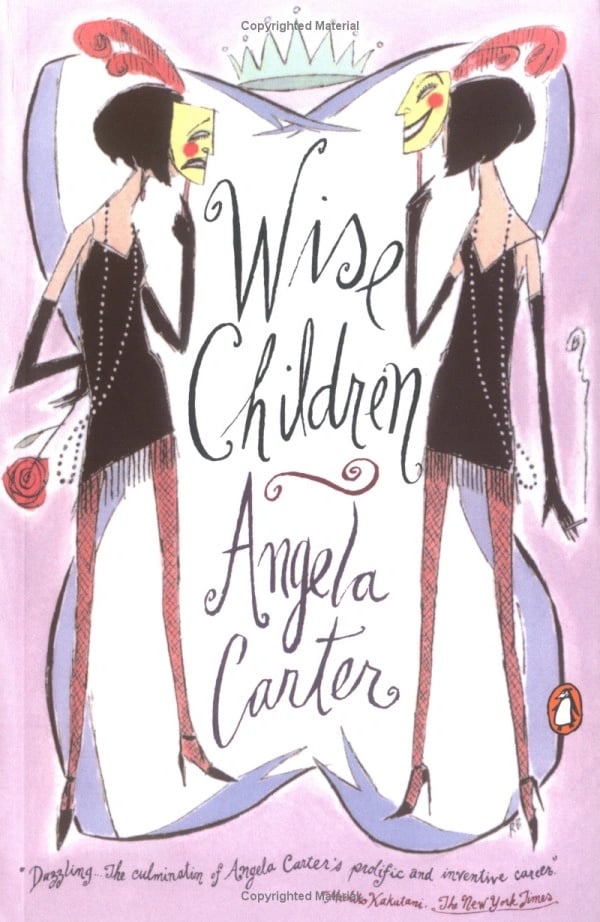
No. 33 on this list. Wise Children
Angela Carter · 1991
Taught in schools: AQA GCSE and A-level English Literature (UK)
No. 34 on this list. Nox
Anne Carson · 2010
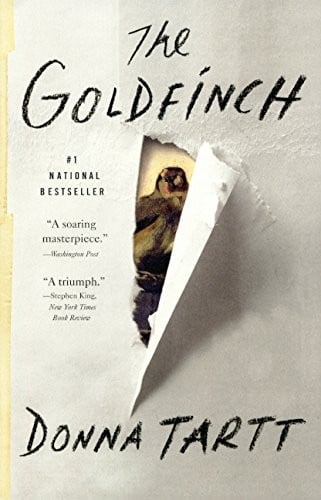
No. 35 on this list. The Goldfinch
Donna Tartt · 2014
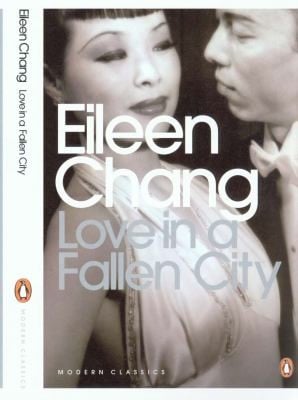
No. 36 on this list. Love in a Fallen City
Eileen Chang · 1943
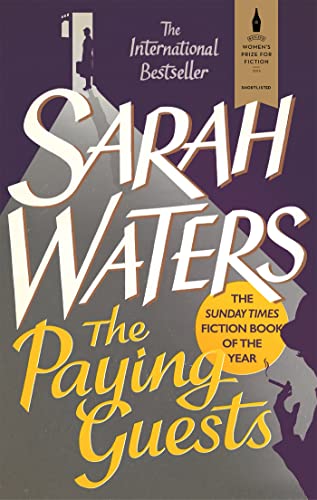
No. 37 on this list. The Paying Guests
Sarah Waters · 2015
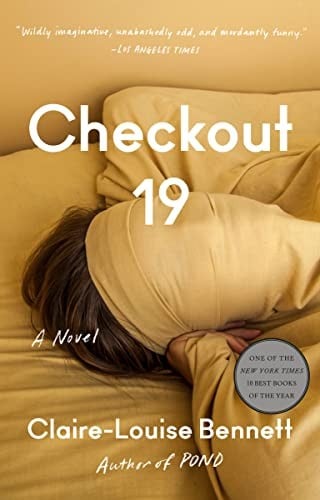
No. 38 on this list. Checkout 19
Claire-Louise Bennett · 2022
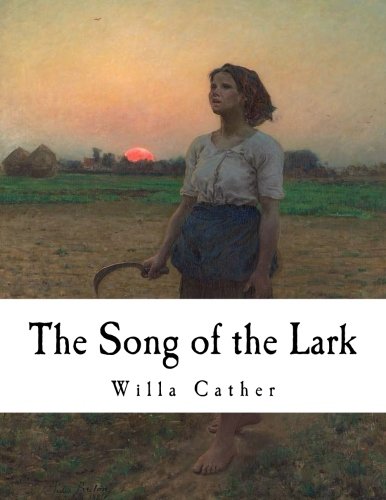
No. 39 on this list. The Song of the Lark
Willa Cather · 1915
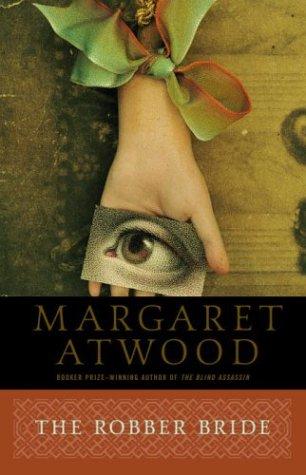
No. 40 on this list. The Robber Bride
Margaret Atwood · 1993
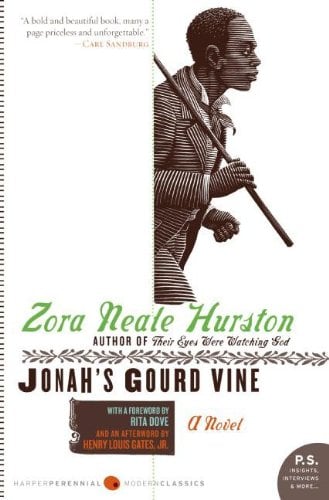
No. 41 on this list. Jonah's Gourd Vine
Zora Neale Hurston · 1934
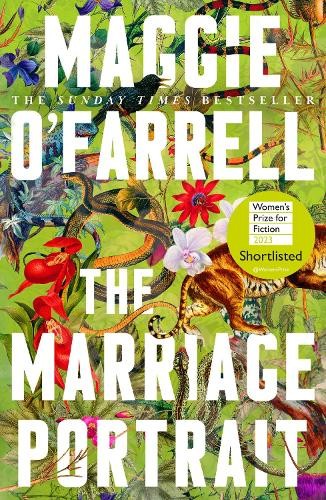
No. 42 on this list. The Marriage Portrait
Maggie O'Farrell · 2023
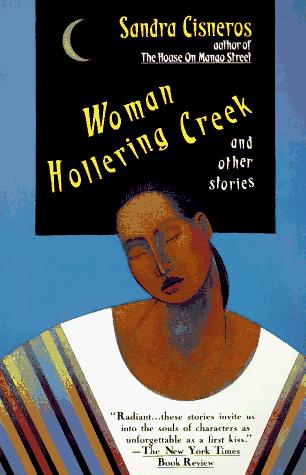
No. 43 on this list. Woman Hollering Creek and Other Stories
Sandra Cisneros · 1991
No. 44 on this list. NW
Zadie Smith · 2013
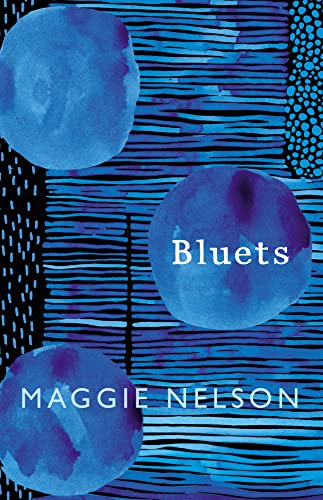
No. 45 on this list. Bluets
Maggie Nelson · 2009
No. 46 on this list. The Beauty of the Husband
Anne Carson · 2001
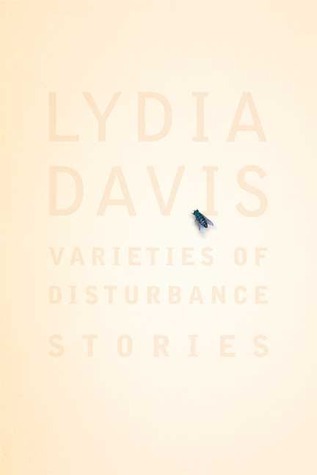
No. 47 on this list. Varieties of Disturbance
Lydia Davis · 2007
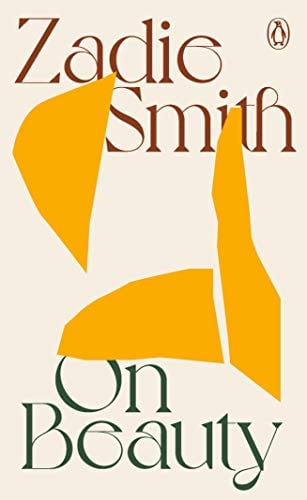
No. 48 on this list. On Beauty
Zadie Smith · 2005
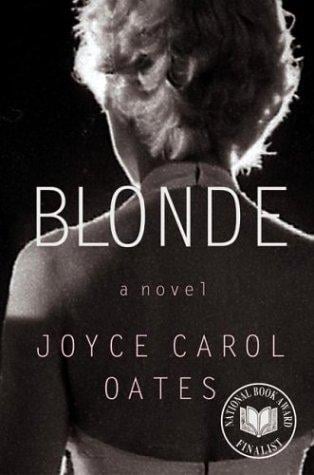
No. 49 on this list. Blonde
Joyce Carol Oates · 2000
No. 50 on this list. Tripmaster Monkey: His Fake Book
Maxine Hong Kingston · 1989

No. 51 on this list. How the Garcia Girls Lost Their Accents
Julia Alvarez · 1991
No. 52 on this list. Station Eleven
Emily St. John Mandel · 2014
No. 53 on this list. Carpentaria
Alexis Wright · 2006
No. 54 on this list. The Sirian Experiments
Doris Lessing · 1981
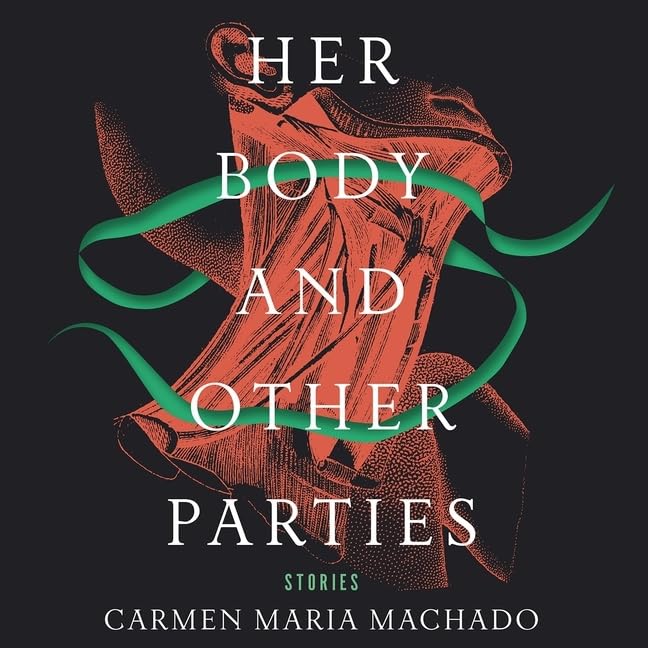
No. 55 on this list. Her Body and Other Parties
Carmen Maria Machado · 2017
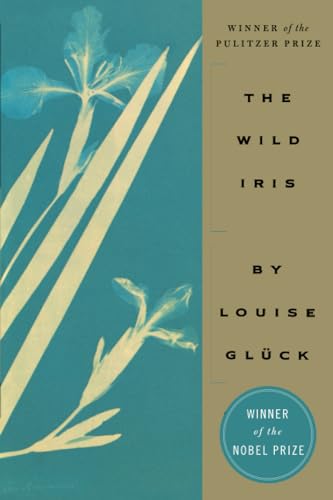
No. 56 on this list. The Wild Iris
Louise Glück · 1992
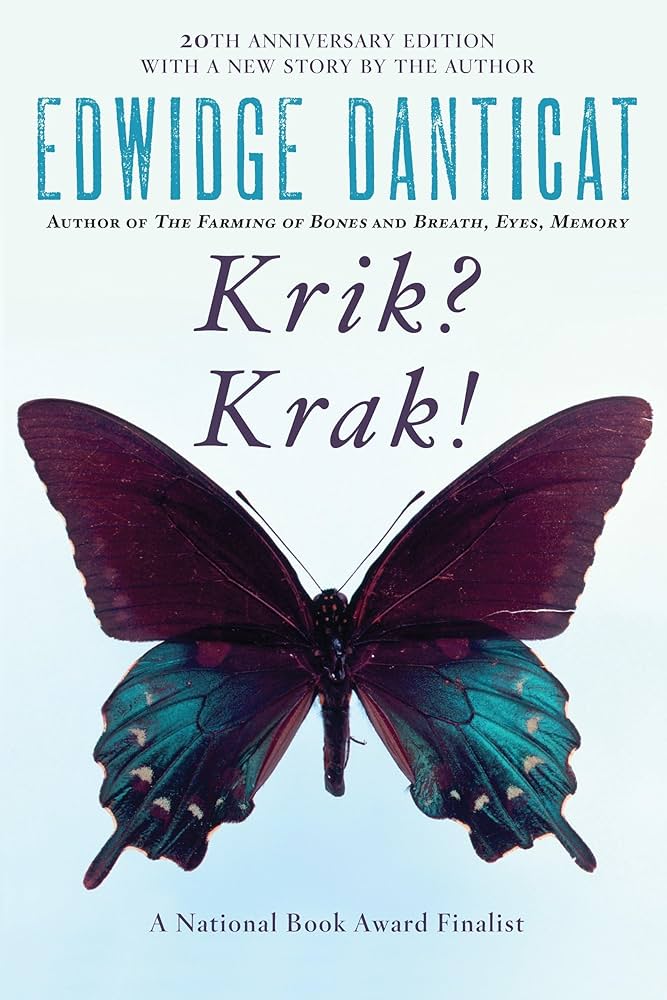
No. 57 on this list. Krik? Krak!
Edwidge Danticat · 1995
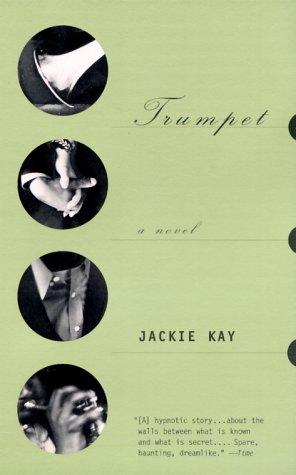
No. 58 on this list. Trumpet
Jackie Kay · 1998
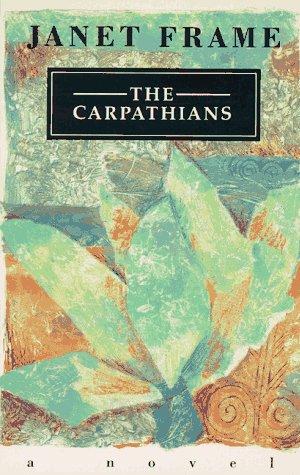
No. 59 on this list. The Carpathians
Janet Frame · 1988
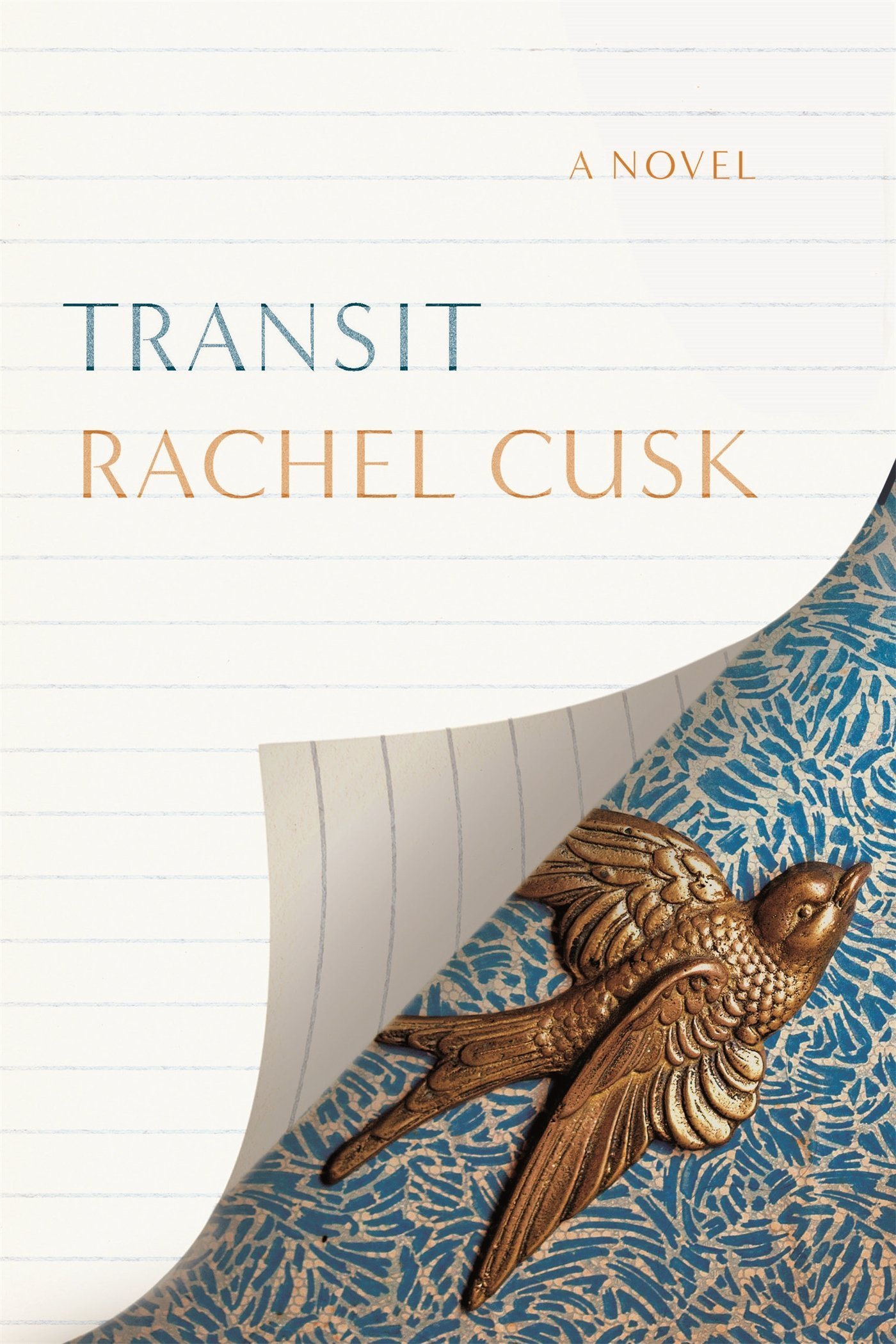
No. 60 on this list. Transit
Rachel Cusk · 2017
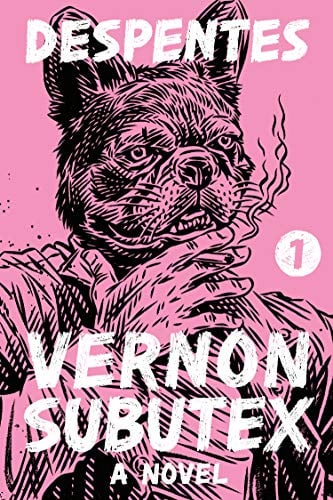
No. 61 on this list. Vernon Subutex 1
Virginie Despentes · 2018
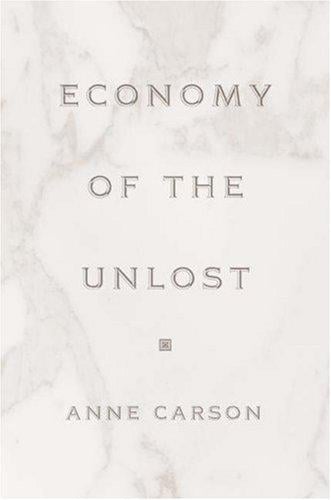
No. 62 on this list. Economy of the Unlost
Anne Carson · 1999
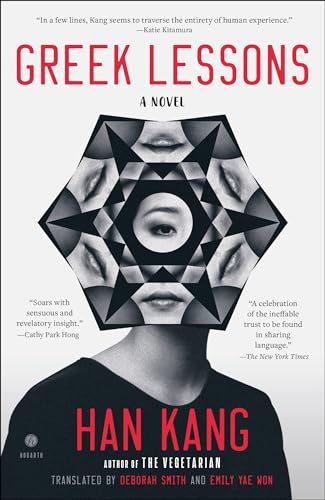
No. 63 on this list. Greek Lessons
Han Kang · 2011
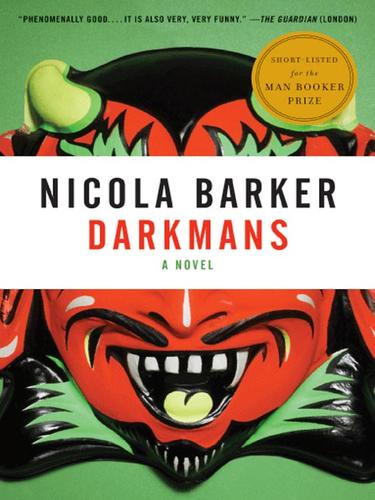
No. 64 on this list. Darkmans
Nicola Barker · 2007
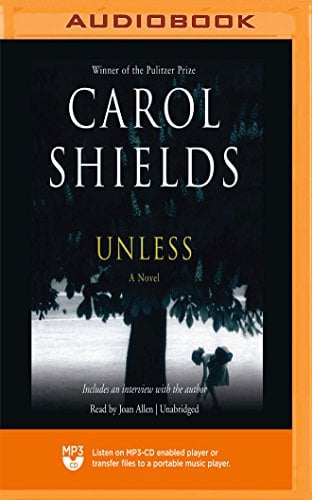
No. 65 on this list. Unless
Carol Shields · 2002
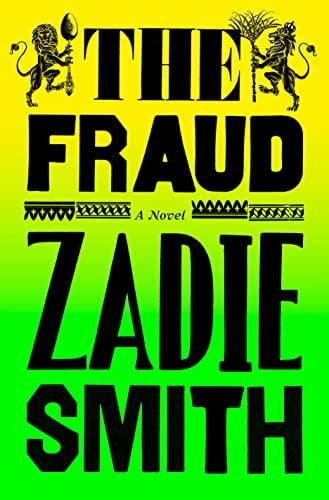
No. 66 on this list. The Fraud
Zadie Smith · 2023
No. 67 on this list. According to Queeney
Beryl Bainbridge · 2001
No. 68 on this list. The Tiger's Wife
Tea Obreht · 2011
No. 69 on this list. Bel Canto
Ann Patchett · 2003
No. 70 on this list. Jerusalem
Selma Lagerlöf · 1901
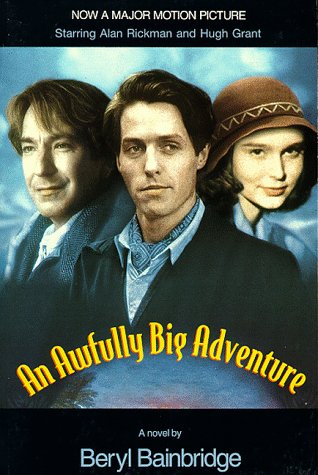
No. 71 on this list. An Awfully Big Adventure
Beryl Bainbridge · 1990
No. 72 on this list. How Should a Person Be?
Sheila Heti · 2012
No. 73 on this list. Room
Emma Donoghue · 2010
No. 74 on this list. The Great Believers
Rebecca Makkai · 2019
No. 75 on this list. The Hand That First Held Mine
Maggie O'Farrell · 2010
No. 76 on this list. The Visiting Privilege
Joy Williams · 2015
No. 77 on this list. The Wren, The Wren
Anne Enright · 2024
No. 78 on this list. Second Place
Rachel Cusk · 2021
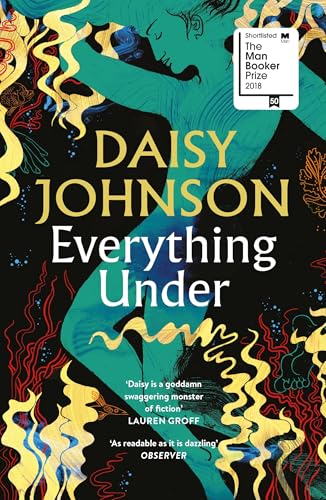
No. 79 on this list. Everything Under
Daisy Johnson · 2018
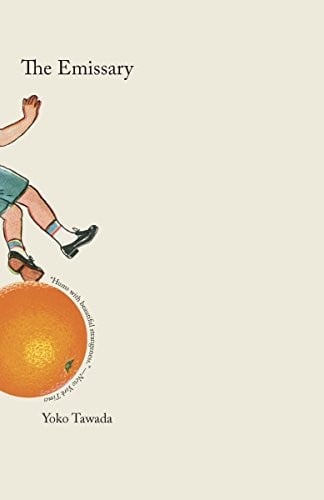
No. 80 on this list. The Emissary
Yoko Tawada · 2014
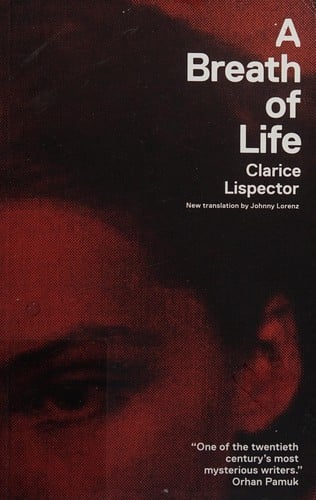
No. 81 on this list. A Breath of Life
Clarice Lispector · 1978
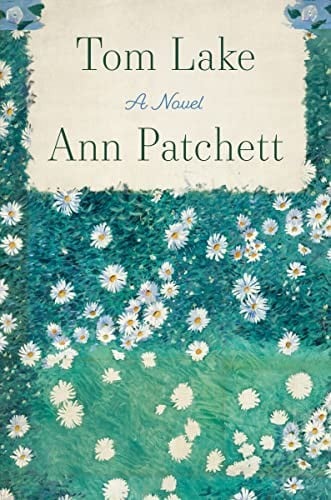
No. 82 on this list. Tom Lake
Ann Patchett · 2023
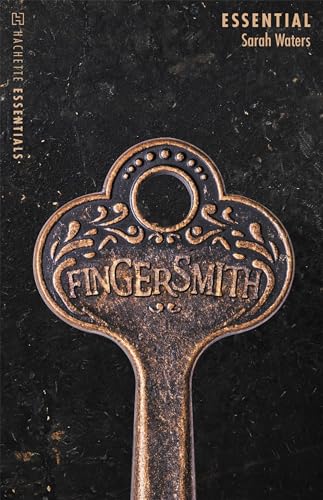
No. 83 on this list. Fingersmith
Sarah Waters · 2002
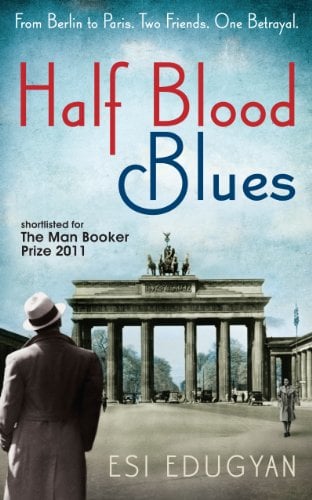
No. 84 on this list. Half Blood Blues
Esi Edugyan · 2011
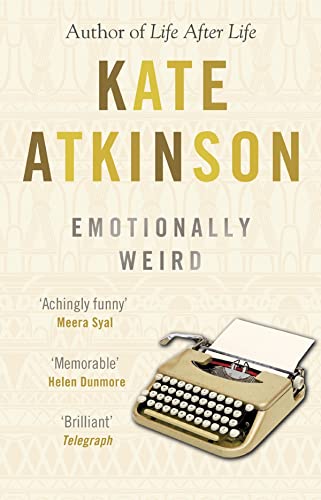
No. 85 on this list. Emotionally Weird
Kate Atkinson · 2000
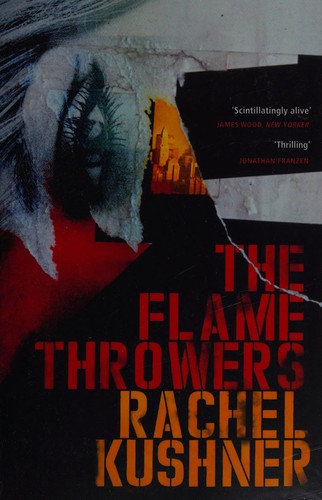
No. 86 on this list. The Flamethrowers
Rachel Kushner · 2015
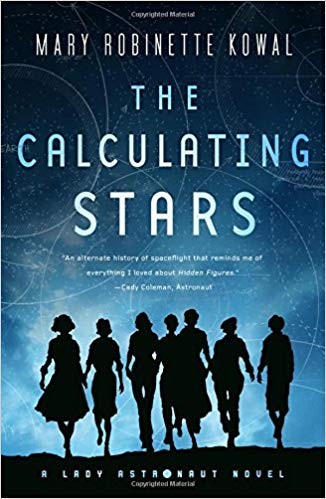
No. 87 on this list. The Calculating Stars
Mary Robinette Kowal · 2018
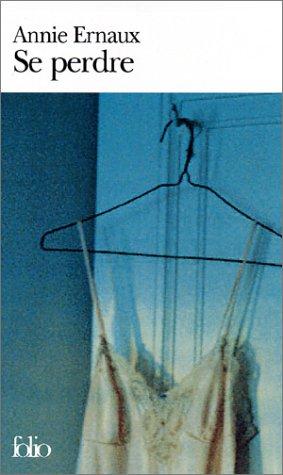
No. 88 on this list. Getting Lost
Annie Ernaux · 2001
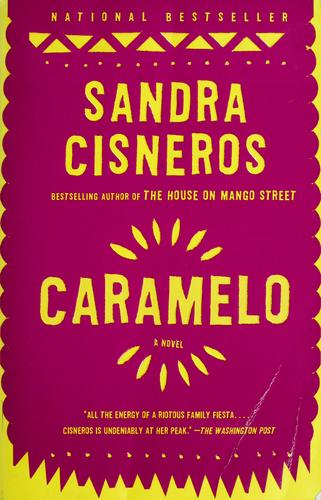
No. 89 on this list. Caramelo
Sandra Cisneros · 2002
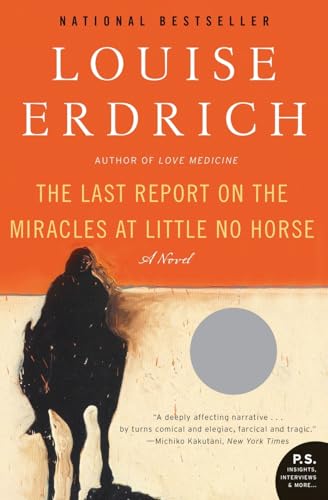
No. 90 on this list. The Last Report on the Miracles at Little No Horse
Louise Erdrich · 2001
No. 91 on this list. Summer
Ali Smith · 2020
No. 92 on this list. Motherhood
Sheila Heti · 2018
No. 93 on this list. The Ten Thousand Doors of January
Alix E. Harrow · 2019
No. 94 on this list. Sweet Lamb of Heaven
Lydia Millet · 2016
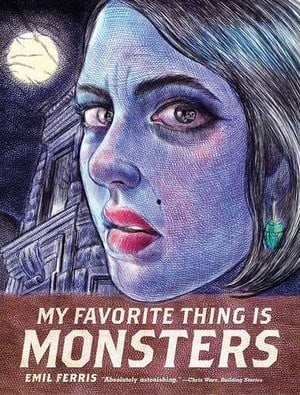
No. 95 on this list. My Favorite Thing Is Monsters
Emil Ferris · 2017
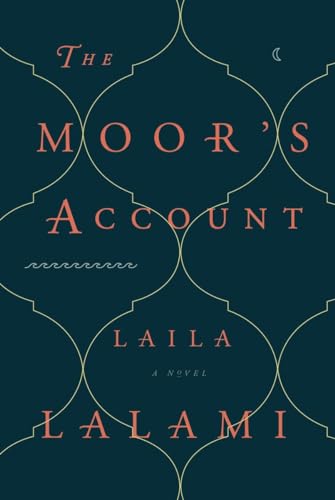
No. 96 on this list. The Moor's Account
Laila Lalami · 2013
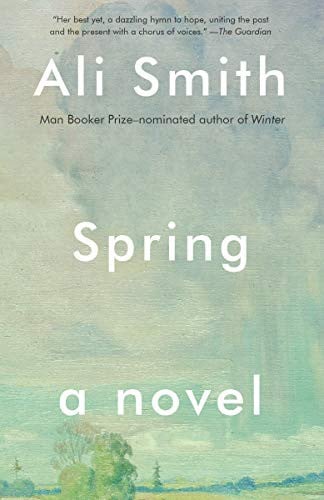
No. 97 on this list. Spring
Ali Smith · 2019
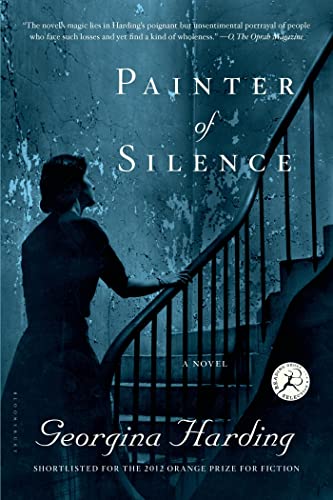
No. 98 on this list. Painter of Silence
Georgina Harding · 2012
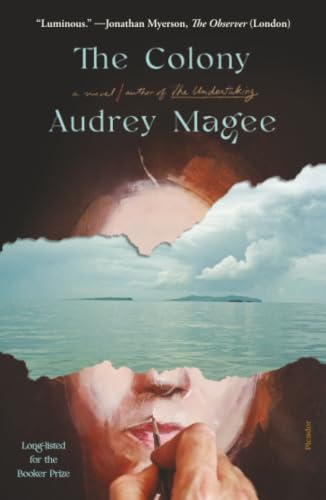
No. 99 on this list. The Colony
Audrey Magee · 2022
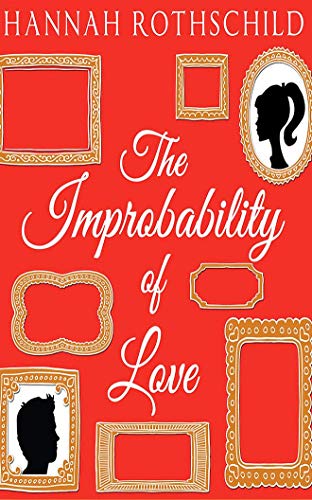
No. 100 on this list. The Improbability of Love
Hannah Rothschild · 2016
About this list
These 100 books are the highest-scoring eligible books about art and creativity by women currently in the catalogue. About 726 hours of reading in all, for the 99 with measured lengths. Difficulty runs from 52 to 65 out of 100 for the middle half of the list; the summit is The Slynx at 85.
This list is ranked by literary regard, with a consistent order for equal scores. Membership follows authors and co-authors, not translators or editors. A book is here when ReadingRate files it under Art & Creativity as one of its primary reading domains, at a confidence of 0.8 or more. Catalogue coverage and the historical canon both limit what this list can represent.
When we matched the Canons dataset to our catalogue in October 2026, our canonical-status scores rose with the number of school curricula, publisher series and lists in it that cite a work: the median score was 72 for books one such source cites, 84 at two, 88 at three, 92 at four and 93 at five or more. Prizes are left out of that count. Outside the state curricula, the dataset’s sources choose mostly from what has been translated into English or French, so it is a weaker check on other literatures. Source: Canons (Andrew Piper), CC BY 4.0
Questions people actually ask
- What are the best books about art and creativity by women?
- By literary regard, which weighs canonical status, critical standing and influence: To the Lighthouse by Virginia Woolf, Poem Without a Hero by Anna Akhmatova, The Bluest Eye by Toni Morrison, Borderlands/La Frontera: The New Mestiza by Gloria Anzaldua and Mansfield Park by Jane Austen. ReadingRate ranks 100 such books, each with a difficulty score and a reading-time estimate.
- Which books about art and creativity by women should I read first?
- Start from difficulty, not from rank. The most approachable books on this list that still carry top literary regard are Borderlands/La Frontera: The New Mestiza by Gloria Anzaldua (about 2.7 hours), Tar Baby by Toni Morrison and Selected Poems of Marina Tsvetaeva by Marina Tsvetaeva.
- What are the shortest of the best books about art and creativity by women?
- Among the top 25, the shortest are 4.48 Psychosis by Sarah Kane (about 22 min), Diving into the Wreck by Adrienne Rich (about 47 min) and The Dream of a Common Language by Adrienne Rich (about 1.1 hours), at an average pace of 250 words a minute adjusted for each book's difficulty.
- Which of the best books about art and creativity by women are the established classics?
- By canonical status, how firmly a book sits in curricula, anthologies and the canon: The Bluest Eye by Toni Morrison, To the Lighthouse by Virginia Woolf, Mansfield Park by Jane Austen, The Man Who Loved Children by Christina Stead and Poem Without a Hero by Anna Akhmatova.
- Can I read any of these books about art and creativity by women for free?
- 4 of the 100 open in ReadingRate's reader with a free account, from public-domain editions: To the Lighthouse, Mansfield Park, The House of Mirth and Jerusalem.
- How long would it take to read the top ten?
- About 54 hours, at an average pace of 250 words a minute adjusted for each book's difficulty: 28 days at two hours a day. Set your own pace on the page and the list's reading times change to it.
- How hard are books about art and creativity by women to read?
- Most of this list sits between 52 and 65 on ReadingRate's 100-point difficulty scale, where 40 to 55 is moderate. The summit is The Slynx at 85. Every entry carries its own score, so a reader can pick a great book at a difficulty they will finish.
- How is this list ranked?
- On literary-regard data: how canonically established a work is, its critical standing, and its influence on later writing. It is not a readers’ poll, which is why recent bestsellers rarely appear. Membership follows authors and co-authors, not translators or editors. Lists by country, author, period, theme or difficulty keep to literature (fiction, poetry, drama and philosophy), their novels, poems and plays first and their philosophy after them; a list of a kind of book, such as memoir or criticism, keeps every book of that kind. Every list holds at most three works by one author. A book is here when ReadingRate files it under Art & Creativity as one of its primary reading domains, at a confidence of 0.8 or more.