Hours at an average pace
Showing 100 books
About 912 hours for 100 of 100 books with measured lengths. Estimates use 250 words a minute, adjusted for each book's difficulty. At 2 hours a day, about 457 days for those books.
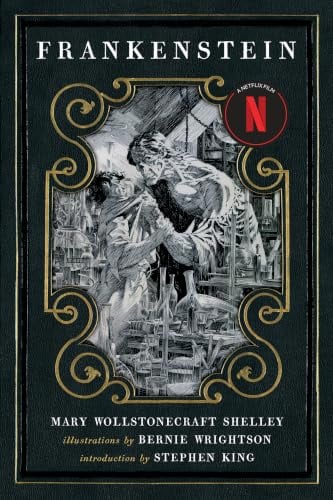
No. 1 on this list. Frankenstein
Mary Shelley · 1818
Challenging8.8 hours
Taught in schools: AQA GCSE and A-level English Literature (UK), CSEC English B – Caribbean Examinations Council, Pearson Edexcel GCSE and A-level English Literature (UK)
Included in: Bibliothèque de la Pléiade
Frankenstein appears on 6,955 university syllabi according to the Open Syllabus Project, placing it in the 96th percentile of all tracked works. Wikipedia articles exist in 74 languages, with a 79,000-character article carrying dedicated Reception and Adaptations sections. It is taught not only in literature courses but in philosophy, bioethics, and technology studies worldwide.
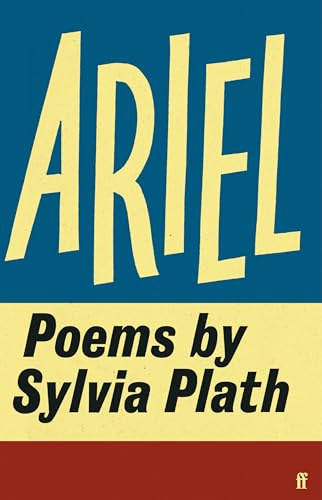
No. 2 on this list. Ariel
Sylvia Plath · 1965
Difficult2.4 hours
Taught in schools: AQA GCSE and A-level English Literature (UK)
Ariel is standard reading across American and British university literature and women's studies curricula, appearing on thousands of syllabi. The collection is included on virtually every 'essential 20th century poetry' list and occupies a permanent position in the confessional poetry canon. Its Wikipedia article exists in over 30 languages, and it has been continuously in print since its 1965 publication.
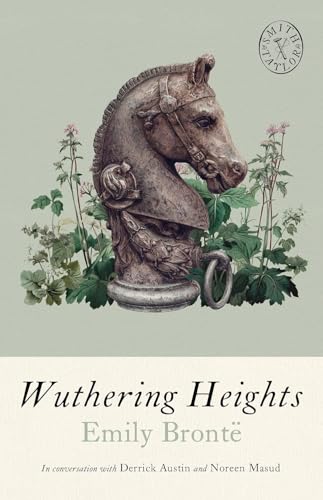
No. 3 on this list. Wuthering Heights
Emily Brontë · 1847
Difficult14 hours
Taught in schools: AQA GCSE and A-level English Literature (UK), CAPE Literatures in English – Caribbean Examinations Council, CSEC English B – Caribbean Examinations Council
Included in: Bokklubben World Library
Appears on 4,582 university syllabi (91.5th percentile per Open Syllabus), placing it above most Victorian novels. Wikipedia coverage in 61 languages with dedicated reception and adaptations sections signals global canonical standing. Listed in 1001 Books You Must Read Before You Die and the BBC Big Read Top 100.
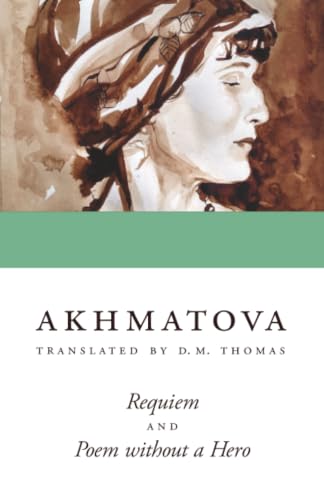
No. 4 on this list. Requiem
Anna Akhmatova · 1963
Difficult1.5 hours
Taught in schools: Russian FGOS literature standard
Requiem appears on syllabi in virtually every university course covering 20th-century Russian literature, genocide and testimony studies, and modernist poetry globally. Akhmatova's Wikipedia entry exists in over 80 languages. The work is consistently listed among the defining literary documents of Stalinist terror alongside Solzhenitsyn's Gulag Archipelago and Nadezhda Mandelstam's memoirs. It has been continuously in print since its 1987 Soviet publication and in Western translation since 1964.
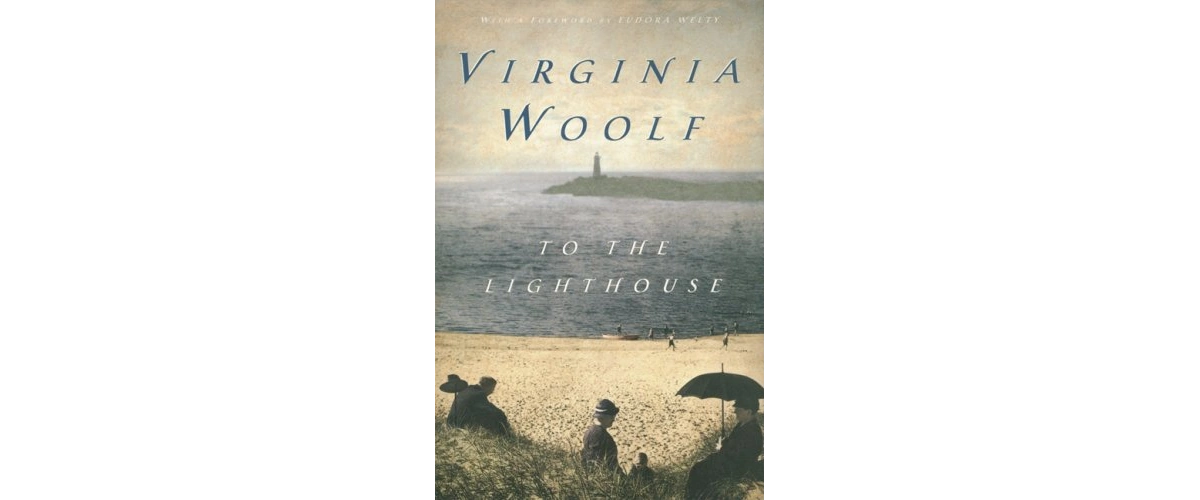
No. 5 on this list. To the Lighthouse
Virginia Woolf · 1927
Difficult7.4 hours
Included in: Bokklubben World Library, Great Books of the Western World
To the Lighthouse appears on 2,429 university syllabi according to Open Syllabus (84.6th percentile), placing it in the same tier as Beloved (85th). It holds places on the Modern Library 100 Best Novels (1998), TIME's All-TIME 100 Novels (2005), 1001 Books You Must Read Before You Die (2006), and is published by both Everyman's Library and Penguin Modern Classics. Wikipedia articles exist in 35 languages.
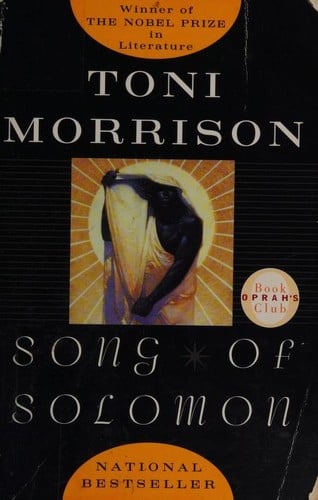
Morrison sent a young Black man on a mythic quest through four generations of his family's buried history, fusing African-American folklore, biblical allusion, and the cadences of blues and gospel into a narrative structure no American novel had attempted before. The novel proved that flight — literal and metaphorical — could carry the full weight of Black American experience from slavery to self-knowledge.
A cornerstone of contemporary short fiction syllabi in anglophone universities, studied alongside Chekhov and Carver as a model of the compressed, psychologically dense story. Munro's Ontario settings have become as literary-geographically legible as Faulkner's Yoknapatawpha.
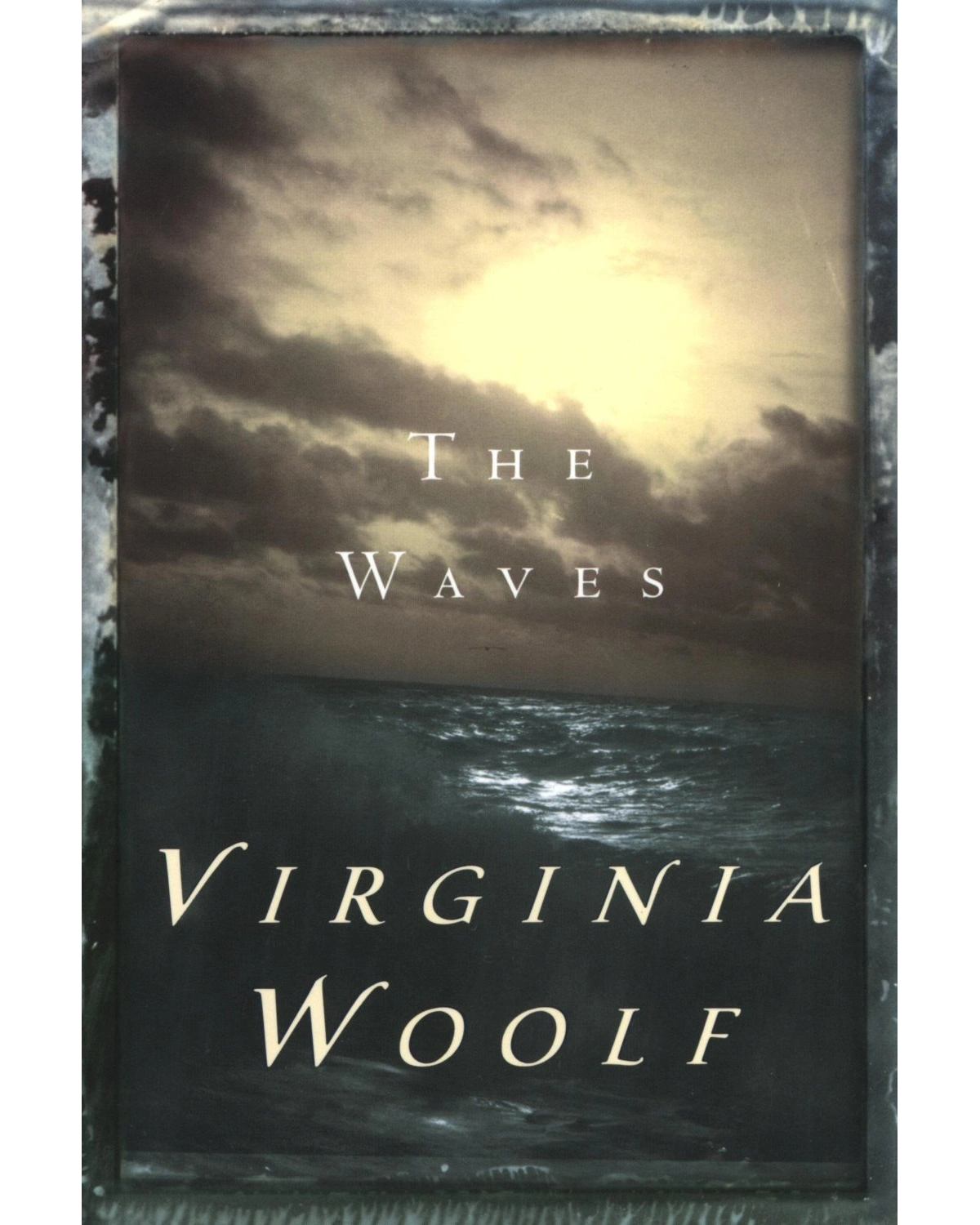
Recognized as Woolf's most ambitious experiment. Central to modernist studies.
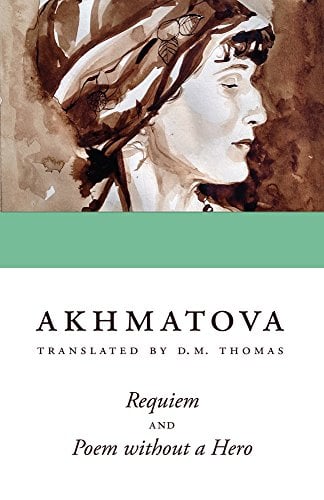
Requiem and Poem Without a Hero are canonical texts of 20th-century Russian literature and essential documents of Stalinist-era witness poetry — required reading in Russian literature courses worldwide. No database records appear for this English translation's syllabus presence, but the works are universally taught in courses on Soviet literature, women's writing, and poetry of witness. The Wikipedia absence in this database likely reflects a data gap rather than actual obscurity: Akhmatova's works are foundational to Russian studies curricula.
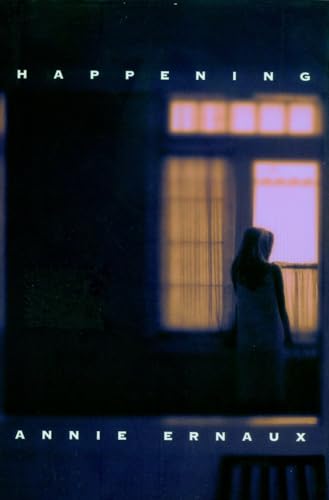
Happening has become one of Ernaux's most discussed and translated works, widely taught in French literature courses at university level and increasingly prominent in Anglophone curricula following her 2022 Nobel Prize. Its frank treatment of illegal abortion in 1960s France grants it significant cultural-historical standing alongside landmark autofictional texts.
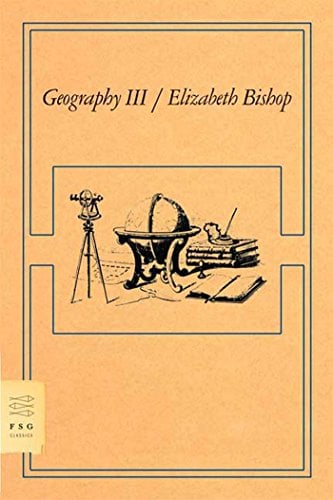
No. 11 on this list. Geography III · Elizabeth Bishop · 1976
Geography III is among the most taught American poetry collections of the postwar era, with poems like 'One Art' and 'In the Waiting Room' appearing on countless university syllabi. Though the database shows no syllabus entries — likely a data gap — the collection is a fixture in American poetry surveys and is included on numerous 'essential American poetry' reading lists. It won the 1976 National Book Critics Circle Award, one of American letters' most respected honors.
Difficult37 min
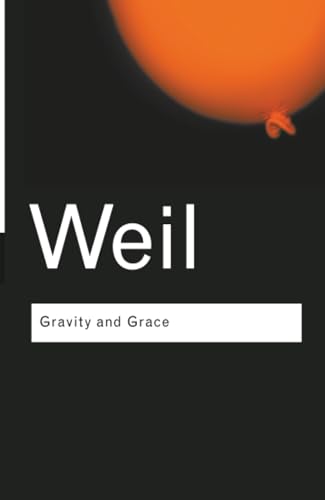
Start this bookNo. 12 on this list. Gravity and Grace · Simone Weil · 1947
Recognized as a 20th-century mystical classic. T.S. Eliot called Weil 'a kind of genius akin to that of the saints'; André Gide named her 'the best spiritual writer of this century.' The book is taught across philosophy, theology, and literature programs worldwide.
Difficult7.1 hours
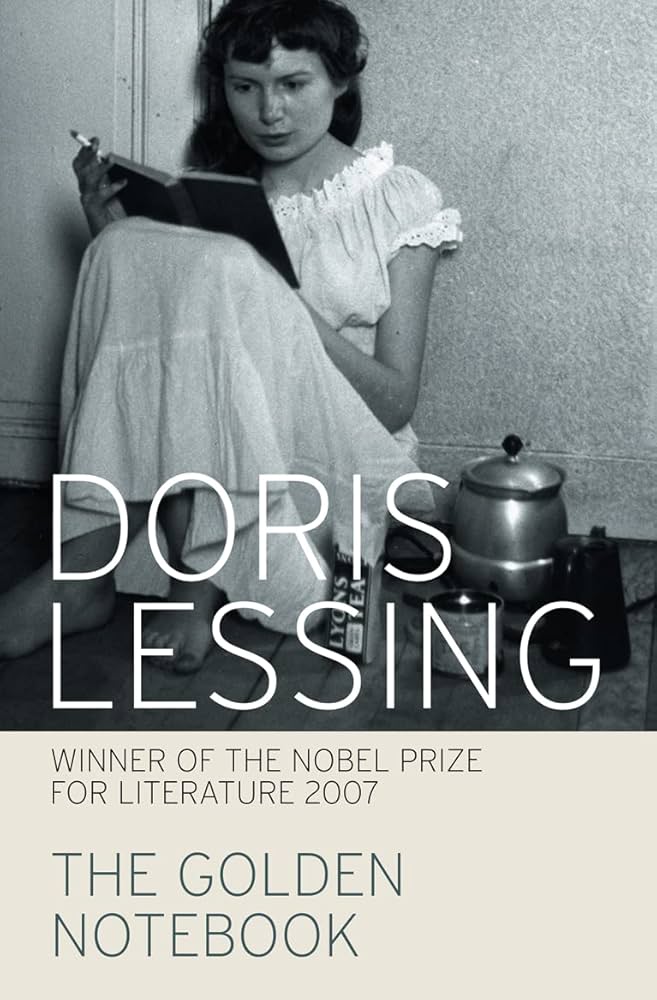
Start this bookNo. 13 on this list. The Golden Notebook · Doris Lessing · 1962
Included in: Bokklubben World Library
The Golden Notebook appears on 139 university syllabi according to the Open Syllabus Project (53rd percentile) and is listed in Open Syllabus's Top 500 Literature titles. It appears on TIME's All-TIME 100 Novels list (2005) and holds Wikipedia articles in 20 languages. It is a standard text in women's literature, postcolonial literature, and 20th-century British fiction courses, though not at the frequency of The Great Gatsby or To Kill a Mockingbird.
Difficult28 hours
Start this bookNo. 14 on this list. The Ones Who Walk Away from Omelas · Ursula K Le Guin · 1973
Widely taught in philosophy, ethics, and literature courses globally. Anthologized in hundreds of collections and featured on virtually every 'essential short fiction' list. Its presence in academic syllabi rivals Borges and Kafka in ethics curricula, where it functions as a standard thought-experiment text.
Challenging40 min
Start this bookNo. 15 on this list. Jacob's Room · Virginia Woolf · 1922
Jacob's Room appears on virtually every university syllabus covering modernist British literature, Woolf's work, or the literature of WWI. As Woolf's first fully experimental novel, it holds a foundational position in the modernist canon — taught alongside Mrs. Dalloway and To the Lighthouse in most Woolf courses. Its canonical status is somewhat lower than Woolf's later masterworks, which overshadow it in general survey courses.
Difficult6.8 hours
Read nowNo. 16 on this list. The Fifth Season · N.K. Jemisin · 2015
The Fifth Season won the Hugo Award for Best Novel in 2016, the first book in what became an unprecedented trilogy of consecutive Hugo wins for Jemisin—a feat unmatched in the award's history. It appears on contemporary science fiction and fantasy syllabi and in critical discussions of the genre's formal and political possibilities. Its position in the canon is still consolidating, but its influence on subsequent speculative fiction is already evident.
Difficult18 hours
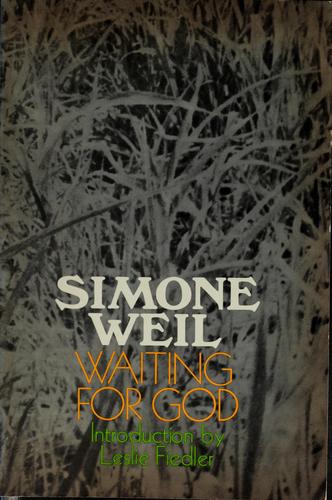
Start this bookNo. 17 on this list. Waiting for God · Simone Weil · 1950
One of the most important spiritual works written in the 20th century.
Challenging7.9 hours
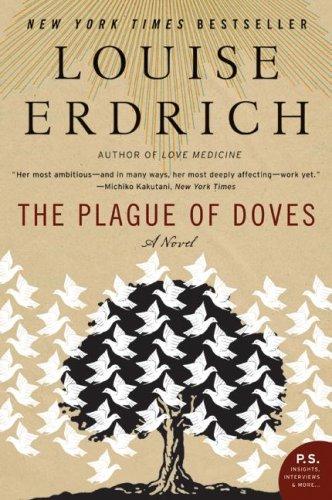
Start this bookNo. 18 on this list. The Plague of Doves · Louise Erdrich · 2008
Pulitzer Prize finalist (2009) and the first entry in a trilogy whose second volume, The Round House, won the National Book Award. Taught in university courses on contemporary American and Native American literature, with an established academic presence in postcolonial and ethnic studies. Widely regarded as one of Erdrich's most formally accomplished novels.
Difficult14 hours
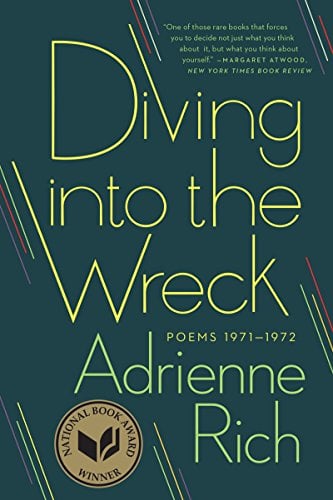
Start this bookNo. 19 on this list. Diving into the Wreck · Adrienne Rich · 1973
The title poem appears in virtually every major American poetry anthology and is standard reading in feminist literature, American poetry, and contemporary poetry courses. The collection sits firmly in the literary canon, comparable to Beloved (85) in academic reach if not in the broadest syllabi. No database data was returned, but Rich's place in American poetry curricula is well established.
Difficult47 min
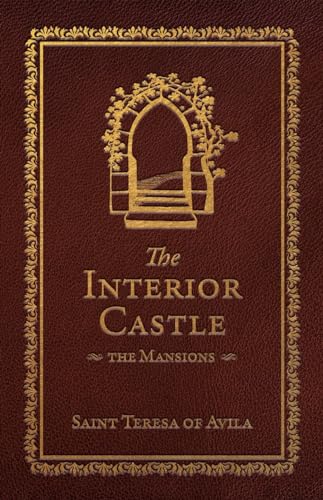
Start this bookNo. 20 on this list. The Interior Castle · Teresa of Ávila · 1588
A foundational text of Christian mysticism, standard in theology, religious-studies and Spanish literature curricula worldwide.
Challenging5.6 hours
Start this book
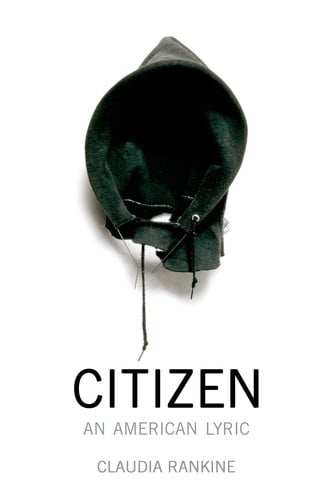
No. 21 on this list. Citizen: An American Lyric · Claudia Rankine · 2014
Citizen has become required reading across university courses in American literature, race studies, creative writing, and cultural criticism within a decade of its 2014 publication—a speed of canonization rarely seen in contemporary poetry. It appears on hundreds of syllabi and on nearly every 'essential American poetry' list of the 2010s. Its Wikipedia article exists in multiple languages, and the book is cited in academic work across disciplines from legal theory to art history.
Difficult1.7 hours
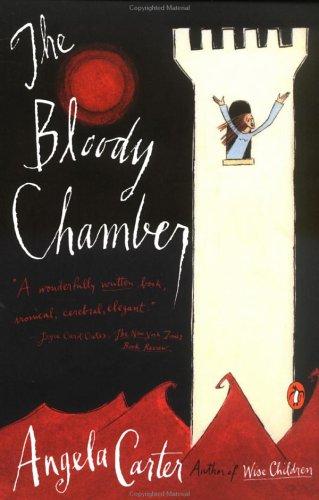
Start this bookNo. 22 on this list. The Bloody Chamber · Angela Carter · 1979
Taught in schools: OCR GCSE and A-level English Literature (UK)
The Bloody Chamber is among the most-taught works of feminist fiction in British and American university literature programs, appearing on A-level and undergraduate syllabi across the English-speaking world for over four decades. It anchors feminist fairy tale criticism as a field and appears on most 20th-century fiction retrospective lists. Its canonical standing exceeds Infinite Jest (78) in terms of institutional adoption.
Difficult7.2 hours
Start this bookNo. 23 on this list. This Sex Which Is Not One · Luce Irigaray · 1977
A foundational text of French feminist philosophy and literary theory. Essential in feminist theory and continental philosophy courses.
Difficult8.5 hours
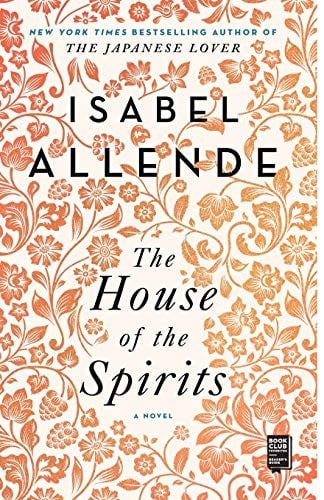
Start this bookNo. 24 on this list. The House of the Spirits · Isabel Allende · 1982
Taught in schools: Literatura, Diseño Curricular – Provincia de Buenos Aires (Argentina), UNAM Escuela Nacional Preparatoria – programas de Literatura (Mexico)
The House of the Spirits appears on a substantial number of university syllabi in Latin American literature, world literature, and postcolonial studies courses across the US and Europe. It features on several '100 best novels' lists and is considered essential reading in its genre. While not as universally assigned as canonical Anglo-American works, it holds a firm place in the world literature curriculum, particularly in Spanish-language departments and courses on magical realism.
Challenging19 hours
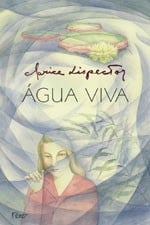
Start this bookNo. 25 on this list. Água Viva · Clarice Lispector · 1973
The unnamed narrator of Água Viva is a painter who has turned to words — not to tell a story but to capture the precise texture of the present moment before it slips away. She writes to an unnamed 'you': about caves lined with bats, about a rose that lasted a week because it felt admired, about wild horses in mountain meadows, about the body as a typewriter that demands and demands. There are no chapters, no plot, no characters other than this voice and its recipient. What accumulates instead is a philosophy of the instant: Lispector's attempt to seize the 'is' of things, the 'it' that exists just below language, just beyond thought. The sentences move from fragments to long meditative surges, from declarations of joy to confessions of terror to sudden hallelujahs. Reading it feels less like following a narrative and more like listening to someone think out loud with total commitment and no safety net. It is one of the strangest books in the Brazilian canon — neither novel nor essay nor prose poem but all three at once, vibrating at the frequency of consciousness itself.
Difficult3.2 hours
Start this bookNo. 26 on this list. The Passion According to G.H. · Clarice Lispector · 1964
Taught in schools: FUVEST leituras obrigatórias (USP vestibular) (Brazil)
No syllabus appearances or Wikipedia data were found in the database, but Lispector's standing in world literature is considerable. The Passion According to G.H. is widely cited as her masterwork and appears regularly in academic world literature, Latin American literature, and feminist theory syllabi internationally. It appears on Penguin Classics lists and several 'best novels ever' lists. Its canonical standing is higher in literary/academic circuits than in general readership, comparable to Beckett's The Unnamable — revered by specialists, unknown to general audiences.
Difficult6.5 hours
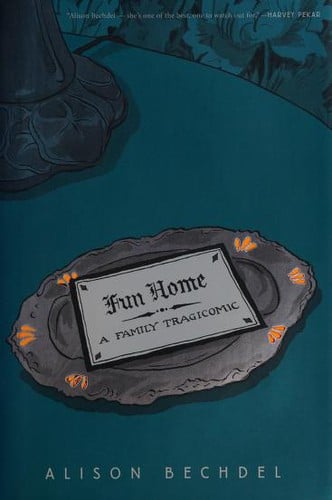
Start this bookNo. 27 on this list. Fun Home · Alison Bechdel · 2006
Fun Home is foundational in graphic novel studies, queer memoir, and contemporary comics curricula at the university level. It appears on syllabi in English, gender studies, and art courses across North America, though it does not yet occupy the traditional Western canon. Its inclusion in Time's All-TIME 100 Graphic Novels list marks it as essential reading within its form.
Challenging5.3 hours
Start this bookNo. 28 on this list. The Dream of a Common Language · Adrienne Rich · 1978
The Dream of a Common Language is taught widely in feminist literary studies, women's poetry, and American poetry courses at the university level. It has no dedicated Wikipedia article in the database but Rich herself is a foundational figure in the canon of late twentieth-century American poetry, and this collection is consistently cited as central to her legacy and to the feminist poetry movement of the 1970s.
Challenging1.1 hours
Start this bookNo. 29 on this list. Arturo's Island · Elsa Morante · 1957
Winner of the Premio Strega in 1957, Italy's most prestigious literary prize, Arturo's Island is firmly established in the Italian literary canon and taught extensively in Italian schools and universities. It appears regularly on international world-literature lists and is considered one of the defining Italian novels of the twentieth century, alongside works by Pavese and Calvino.
Difficult14 hours
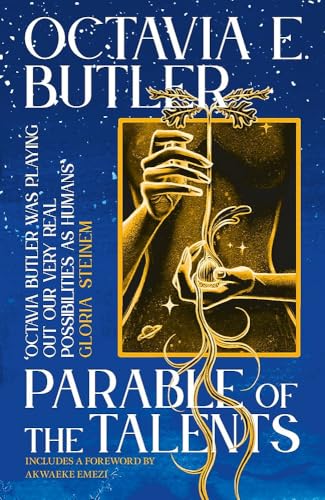
Start this bookNo. 30 on this list. Parable of the Talents · Octavia E. Butler · 1998
Winner of the Nebula Award for Best Novel (1999). Widely taught in speculative fiction, Afrofuturism, and American dystopia courses. The Parable duology is among the most assigned works in contemporary SF syllabi and is firmly canonical within the genre; its canonical standing in broader American literary culture continues to grow.
Challenging13 hours
Start this book
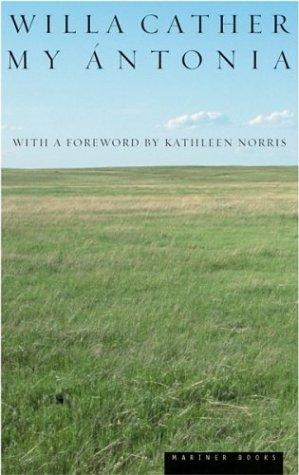
No. 31 on this list. My Antonia
Willa Cather · 1918
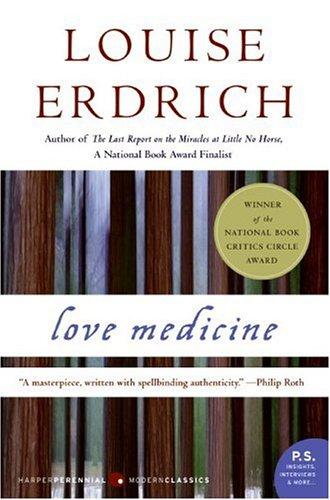
No. 32 on this list. Love Medicine
Louise Erdrich · 1984
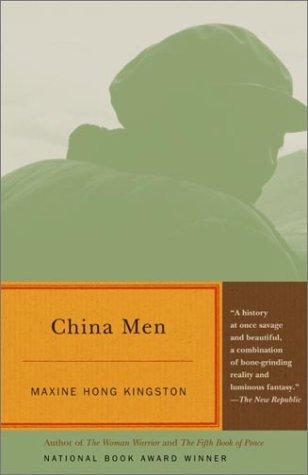
No. 33 on this list. China Men
Maxine Hong Kingston · 1980
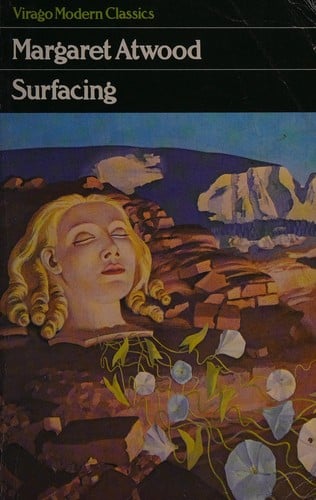
No. 34 on this list. Surfacing
Margaret Atwood · 1972
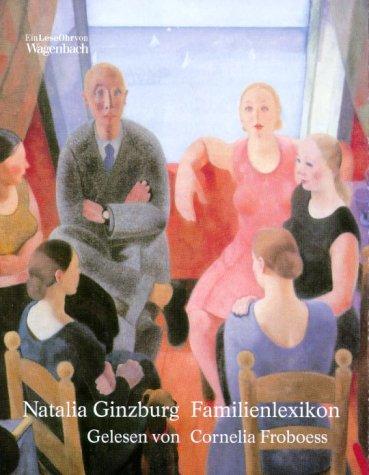
No. 35 on this list. Family Lexicon
Natalia Ginzburg · 1963
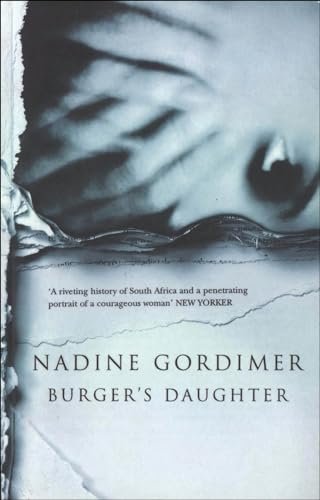
No. 36 on this list. Burger's Daughter
Nadine Gordimer · 1979
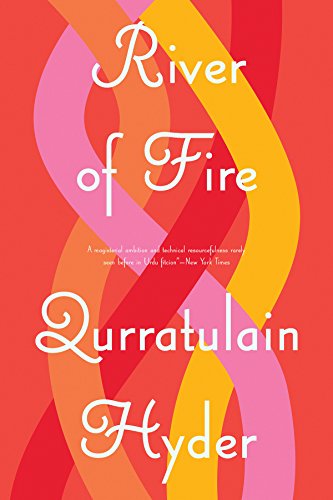
No. 37 on this list. River of Fire
Qurratulain Hyder · 1959
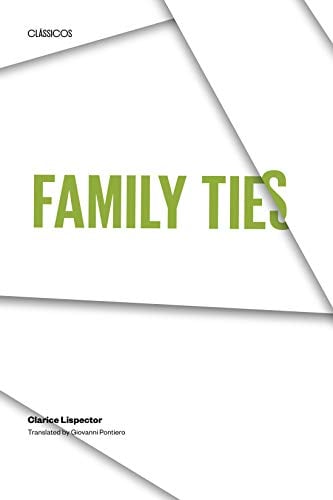
No. 38 on this list. Family Ties
Clarice Lispector · 1960
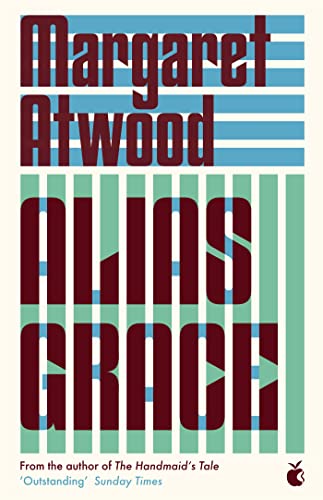
No. 39 on this list. Alias Grace
Margaret Atwood · 1996
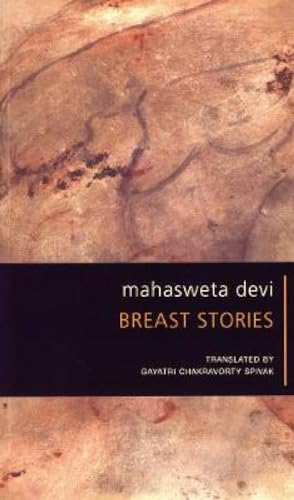
No. 40 on this list. Breast Stories
Mahasweta Devi · 1997
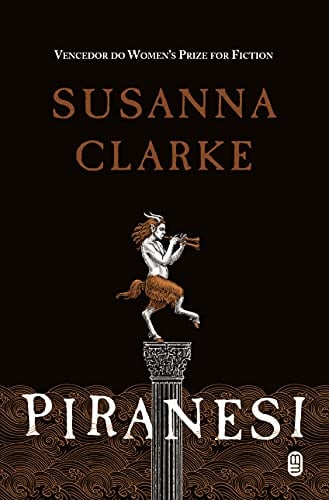
No. 41 on this list. Piranesi
Susanna Clarke · 2021
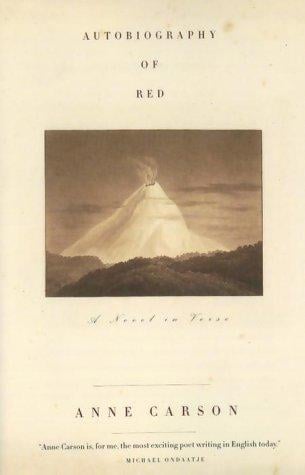
No. 42 on this list. Autobiography of Red
Anne Carson · 1999
No. 43 on this list. A Number
Caryl Churchill · 2002
No. 44 on this list. The Country Girls
Edna O'Brien · 1960
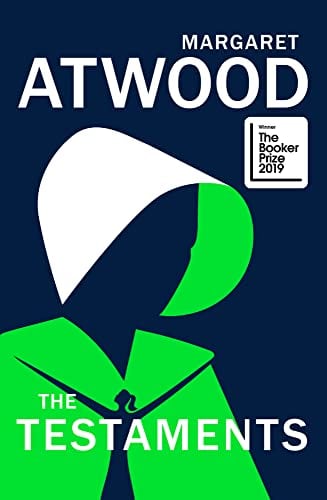
No. 45 on this list. The Testaments
Margaret Atwood · 2019
No. 46 on this list. Glass, Irony and God
Anne Carson · 1995
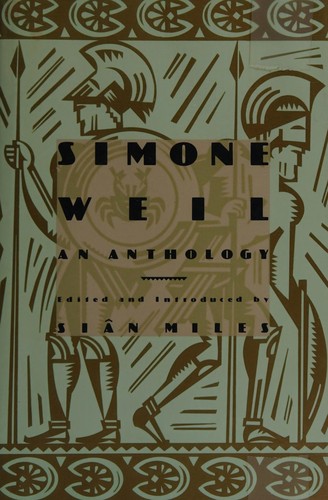
No. 47 on this list. Simone Weil: An Anthology
No. 48 on this list. Don't Let Me Be Lonely
Claudia Rankine · 2004
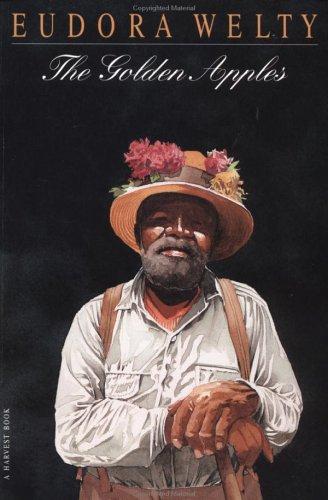
No. 49 on this list. The Golden Apples
Eudora Welty · 1949
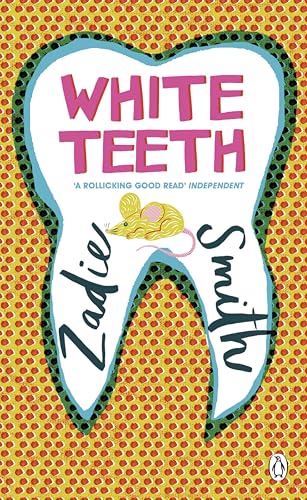
No. 50 on this list. White Teeth
Zadie Smith · 2002

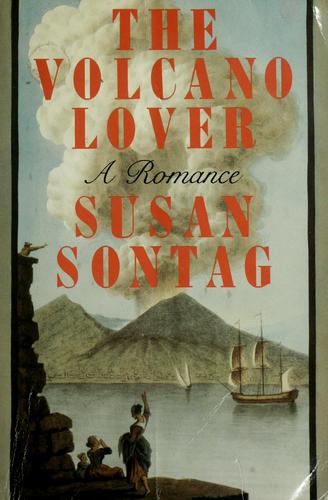
No. 51 on this list. The Volcano Lover: A Romance
Susan Sontag · 1992
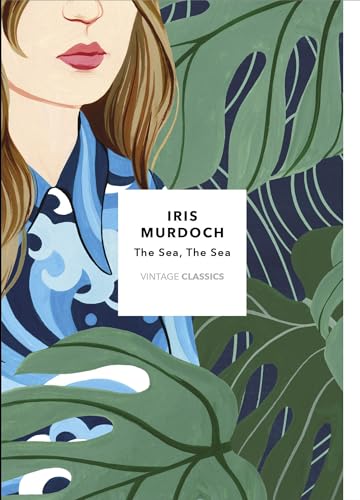
No. 52 on this list. The Sea, The Sea
Iris Murdoch · 1978
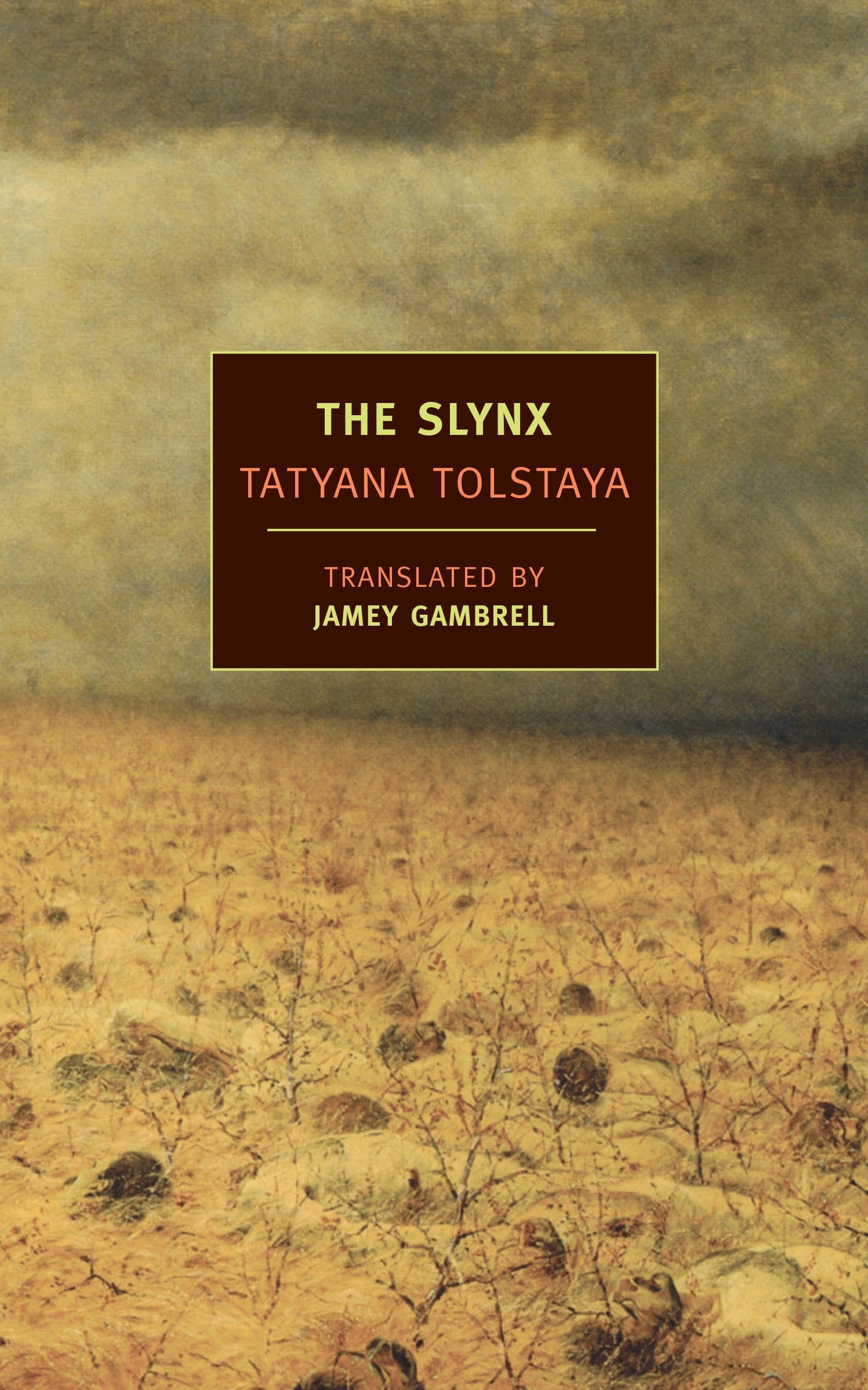
No. 53 on this list. The Slynx
Tatyana Tolstaya · 2000
No. 54 on this list. Lust, Caution
Eileen Chang · 1979
No. 55 on this list. Cassandra
Christa Wolf · 1983
No. 56 on this list. Human Acts
Han Kang · 2014
No. 57 on this list. The Grass is Singing
Doris Lessing · 1950
Taught in schools: CSEC English B – Caribbean Examinations Council
Included in: Heinemann African Writers Series
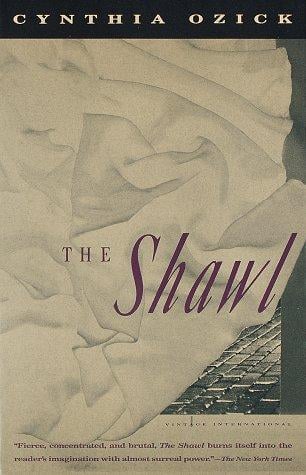
No. 58 on this list. The Shawl
Cynthia Ozick · 1989
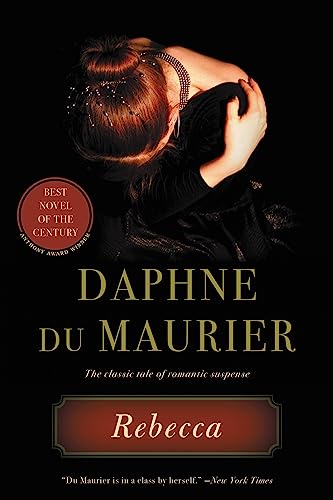
No. 59 on this list. Rebecca
Daphne du Maurier · 1938
Taught in schools: AQA GCSE and A-level English Literature (UK)
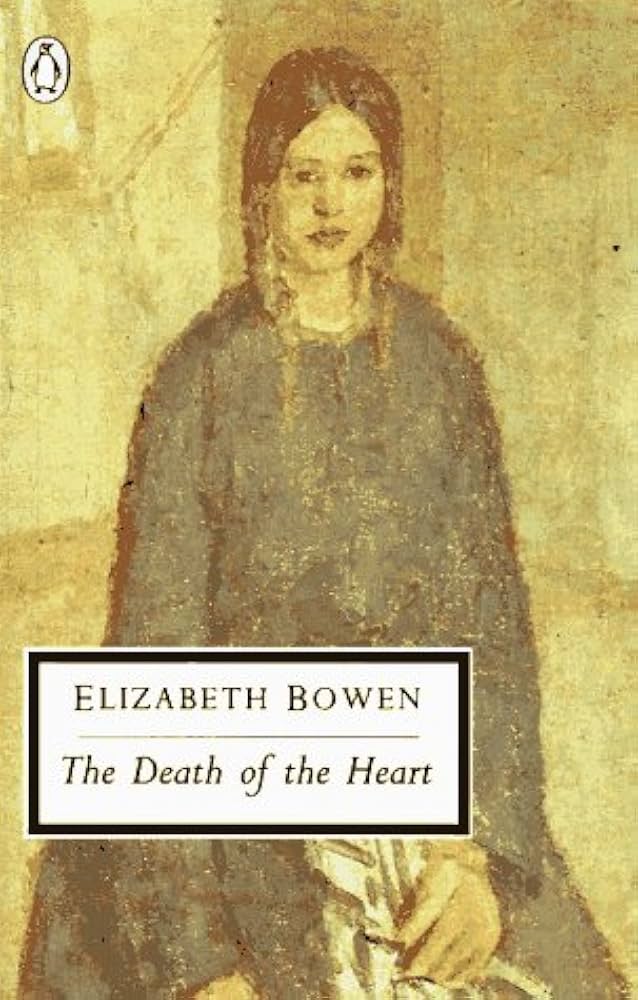
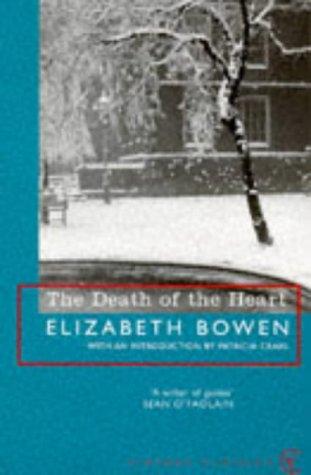
No. 60 on this list. The Death of the Heart
Elizabeth Bowen · 1938
No. 61 on this list. Flights
Olga Tokarczuk · 2007
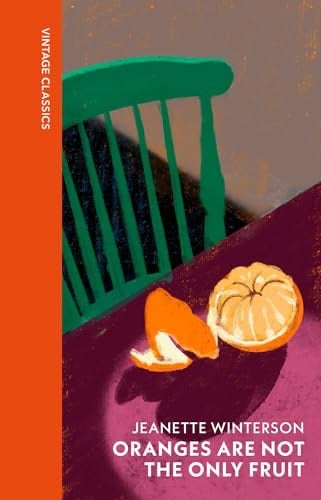
No. 62 on this list. Oranges Are Not the Only Fruit
Jeanette Winterson · 1985
Taught in schools: AQA GCSE and A-level English Literature (UK), WJEC/Eduqas GCSE and A-level English Literature (UK)
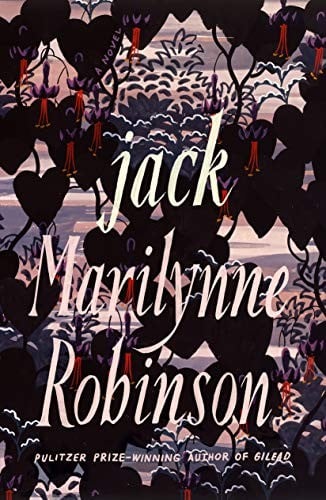
No. 63 on this list. Jack
Marilynne Robinson · 2020
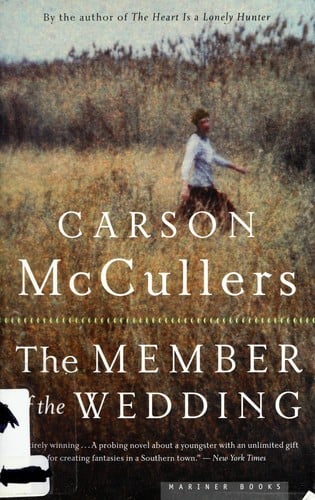
No. 64 on this list. The Member of the Wedding
Carson McCullers · 1946
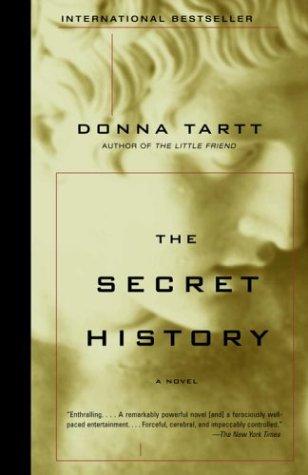
No. 65 on this list. The Secret History
Donna Tartt · 1992
No. 66 on this list. The Girls of Slender Means
Muriel Spark · 1963
No. 67 on this list. Woman on the Edge of Time
Marge Piercy · 1976
No. 68 on this list. The Back Room
Carmen Martín Gaite · 1978
Taught in schools: EBAU Lengua Castellana y Literatura II (Andalucía) (Spain)
No. 69 on this list. Breath, Eyes, Memory
Edwidge Danticat · 1994
No. 70 on this list. The Sundial
Shirley Jackson · 1958
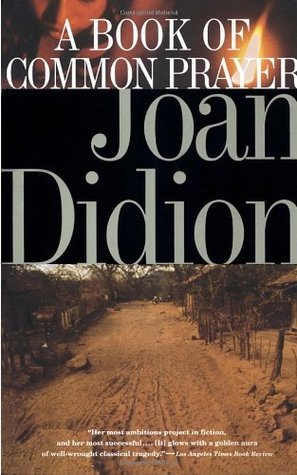
No. 71 on this list. A Book of Common Prayer
Joan Didion · 1977
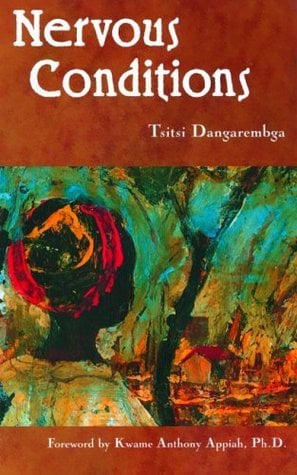
No. 72 on this list. Nervous Conditions
Tsitsi Dangarembga · 1988
Taught in schools: Lesotho literature in English
No. 73 on this list. The Heat of the Day
Elizabeth Bowen · 1948
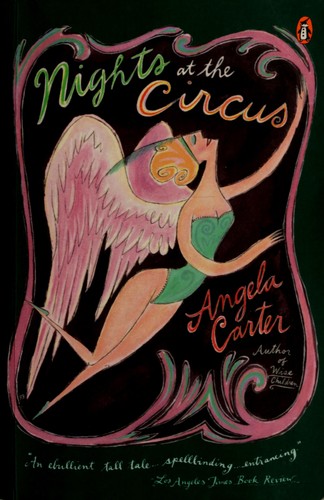
No. 74 on this list. Nights at the Circus
Angela Carter · 1984
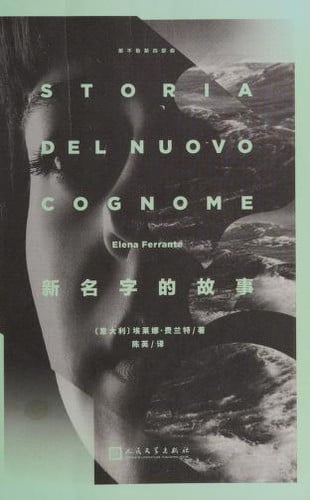
No. 75 on this list. The Story of a New Name
Elena Ferrante · 2012
No. 76 on this list. The Waiting Years
Fumiko Enchi · 1957
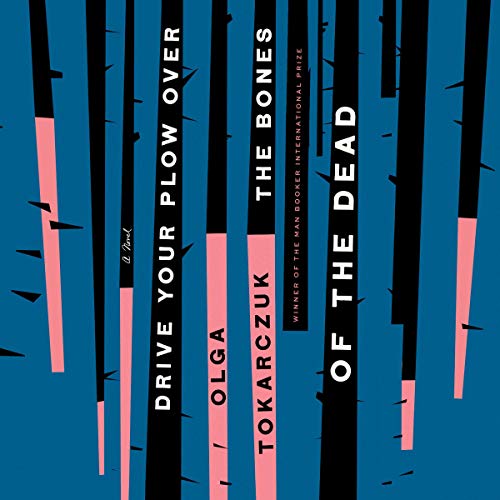
No. 77 on this list. Drive Your Plow Over the Bones of the Dead
Olga Tokarczuk · 2019
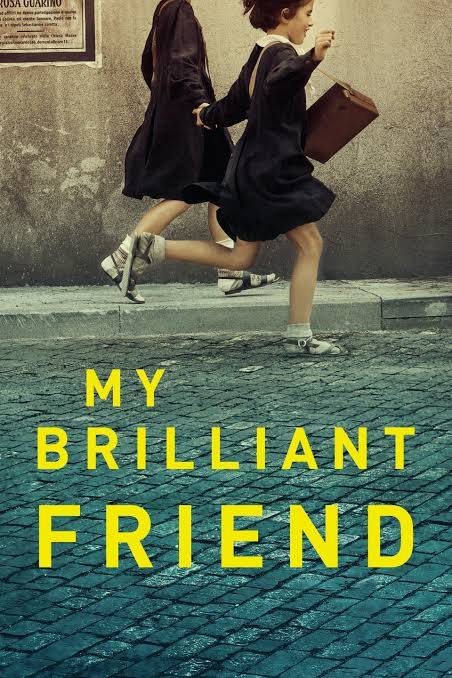
No. 78 on this list. My Brilliant Friend
Elena Ferrante · 2011
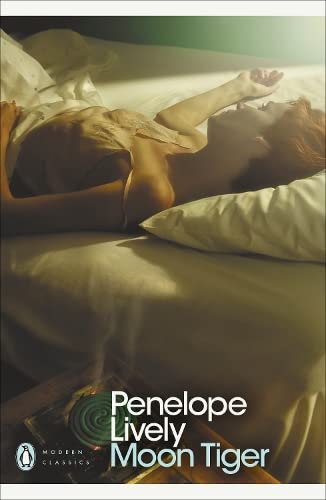
No. 79 on this list. Moon Tiger
Penelope Lively · 1987
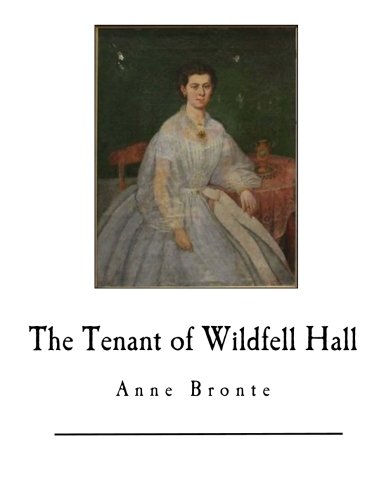
No. 80 on this list. The Tenant of Wildfell Hall
Anne Brontë · 1848
Taught in schools: AQA GCSE and A-level English Literature (UK), Leaving Certificate English – NCCA / State Examinations Commission (Ireland)
No. 81 on this list. Death in Spring
Mercè Rodoreda · 1986
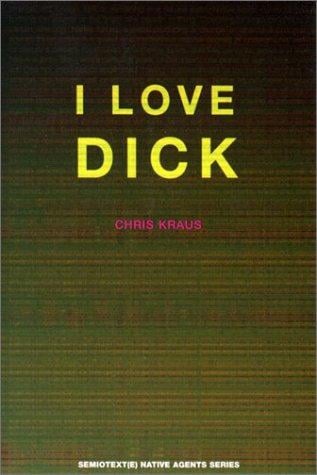
No. 82 on this list. I Love Dick
Chris Kraus · 1997
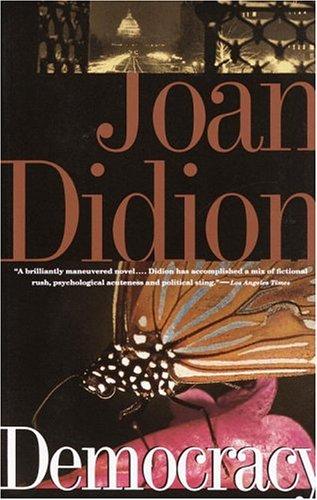
No. 83 on this list. Democracy
Joan Didion · 1984
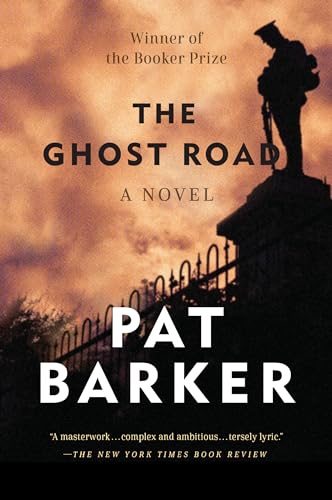
No. 84 on this list. The Ghost Road
Pat Barker · 1995
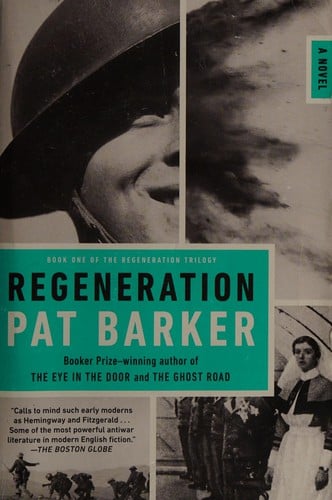
No. 85 on this list. Regeneration
Pat Barker · 1991
Taught in schools: AQA GCSE and A-level English Literature (UK)
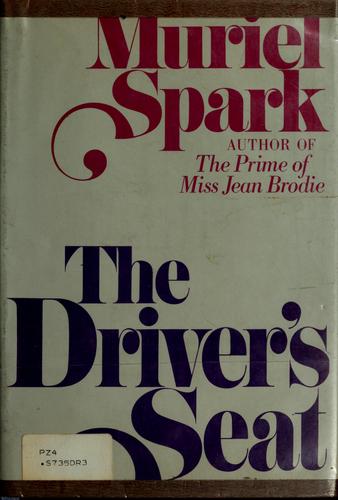
No. 86 on this list. The Driver's Seat
Muriel Spark · 1970
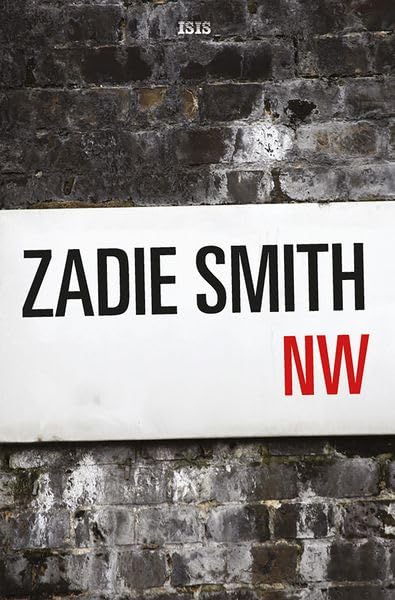
No. 87 on this list. NW
Zadie Smith · 2013
No. 88 on this list. The Joy Luck Club
Amy Tan · 1989
Taught in schools: Common Core text exemplars (Appendix B) (US)
No. 89 on this list. Bluets
Maggie Nelson · 2009
No. 90 on this list. The Dew Breaker
Edwidge Danticat · 2004
No. 91 on this list. The Appointment
Herta Müller · 1997
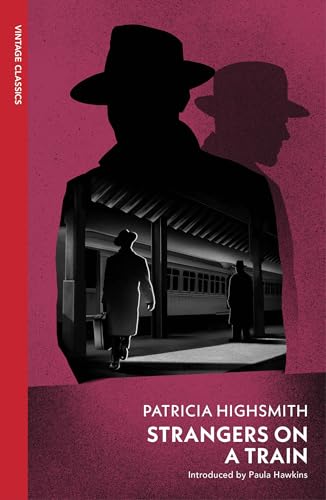
No. 92 on this list. Strangers on a Train
Patricia Highsmith · 1950
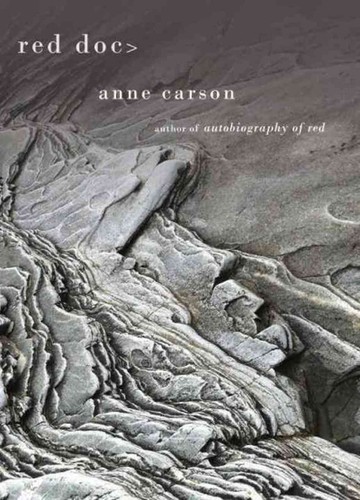
No. 93 on this list. Red Doc>
Anne Carson · 2013
No. 94 on this list. Tripmaster Monkey: His Fake Book
Maxine Hong Kingston · 1989
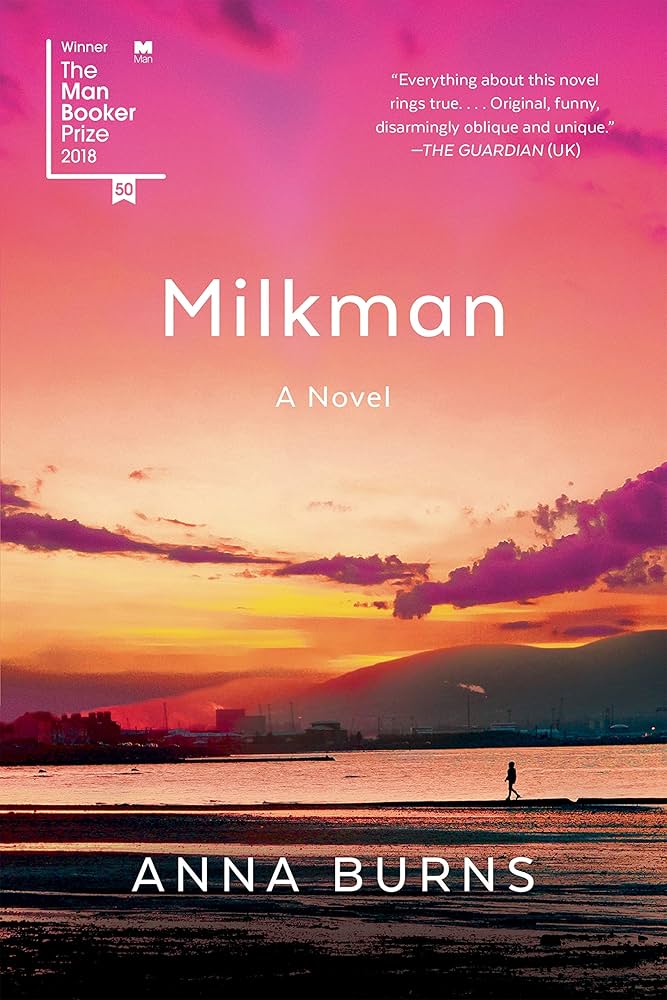
No. 95 on this list. Milkman
Anna Burns · 2018
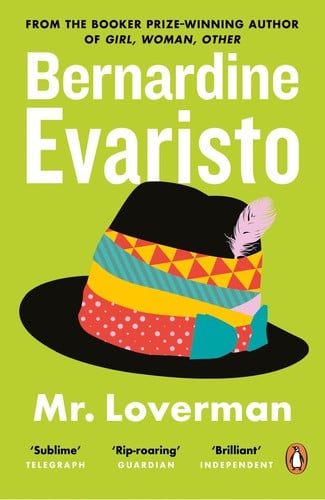
No. 96 on this list. Mr Loverman
Bernardine Evaristo · 2013
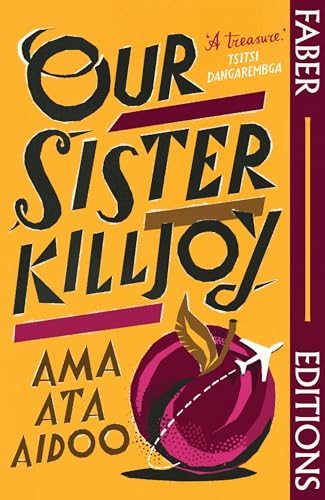
No. 97 on this list. Our Sister Killjoy
Ama Ata Aidoo · 1977
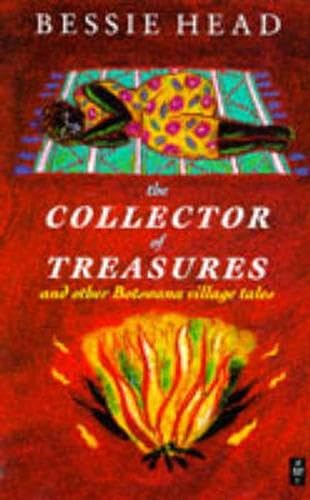
No. 98 on this list. A Question of Power
Bessie Head · 1974
No. 99 on this list. Carpentaria
Alexis Wright · 2006
No. 100 on this list. Harrow
Joy Williams · 2021
About this list
These 100 books are the highest-scoring eligible challenging books by women currently in the catalogue. By literary regard, it opens with Frankenstein, Ariel and Wuthering Heights. About 912 hours of reading in all. Difficulty runs from 68 to 75 out of 100 for the middle half of the list; the summit is The Slynx at 85.
This list is ranked by literary regard, with a consistent order for equal scores. Membership follows authors and co-authors, not translators or editors. Catalogue coverage and the historical canon both limit what this list can represent.
When we matched the Canons dataset to our catalogue in October 2026, our canonical-status scores rose with the number of school curricula, publisher series and lists in it that cite a work: the median score was 72 for books one such source cites, 84 at two, 88 at three, 92 at four and 93 at five or more. Prizes are left out of that count. Outside the state curricula, the dataset’s sources choose mostly from what has been translated into English or French, so it is a weaker check on other literatures. Source: Canons (Andrew Piper), CC BY 4.0
Questions people actually ask
- What are the best challenging books by women?
- By literary regard, which weighs canonical status, critical standing and influence, Frankenstein, Ariel, Wuthering Heights, Requiem and To the Lighthouse lead. ReadingRate ranks 100 such books, each with a difficulty score and a reading-time estimate.
- Where should I start with challenging books by women?
- Start from difficulty, not from rank. The most approachable books on this list that still carry top literary regard are The Ones Who Walk Away from Omelas by Ursula K Le Guin (about 40 min), The Golden Notebook by Doris Lessing and Friend of My Youth by Alice Munro.
- How hard are challenging books by women to read?
- Most of this list sits between 68 and 75 on ReadingRate's 100-point difficulty scale, where 40 to 55 is moderate. The summit is The Slynx at 85. Every entry carries its own score, so a reader can pick a great book at a difficulty they will finish.
- How is this list ranked?
- On literary-regard data: how canonically established a work is, its critical standing, and its influence on later writing. It is not a readers’ poll, which is why recent bestsellers rarely appear. Membership follows authors and co-authors, not translators or editors. A list that is not a genre list keeps to literature (fiction, poetry, drama and philosophy), with philosophy taking no more than one slot in five while there is literature left to rank; every list holds at most three works by one author.