Hours at an average pace
Showing 100 books
About 732 hours for 100 of 100 books with measured lengths. Estimates use 250 words a minute, adjusted for each book's difficulty. At 2 hours a day, about 366 days for those books.
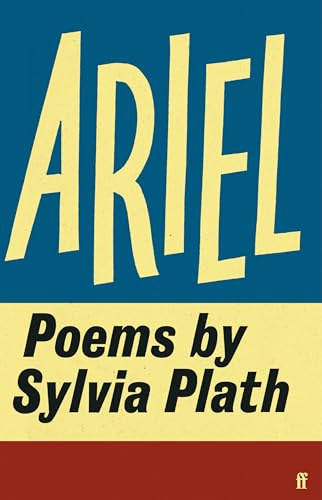
No. 1 on this list. Ariel
Sylvia Plath · 1965
Difficult2.4 hours
Taught in schools: AQA GCSE and A-level English Literature (UK)
Ariel is standard reading across American and British university literature and women's studies curricula, appearing on thousands of syllabi. The collection is included on virtually every 'essential 20th century poetry' list and occupies a permanent position in the confessional poetry canon. Its Wikipedia article exists in over 30 languages, and it has been continuously in print since its 1965 publication.
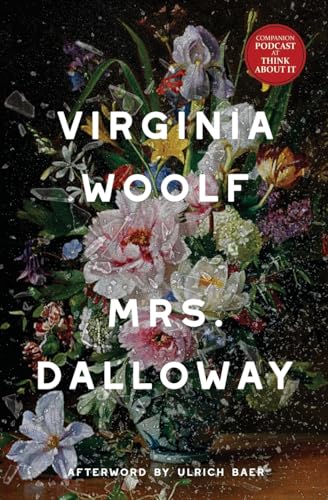
No. 2 on this list. Mrs. Dalloway
Virginia Woolf · 1925
Challenging7.1 hours
Taught in schools: OCR GCSE and A-level English Literature (UK), Pearson Edexcel GCSE and A-level English Literature (UK)
Included in: Bokklubben World Library
Appears on 4,254 university syllabi according to the Open Syllabus Project, placing it at the 90.7th percentile of all taught texts — above Beloved's range and approaching The Great Gatsby's 3,500+ appearances. Listed on TIME's All-TIME 100 Novels (2005) and in 1001 Books You Must Read Before You Die. Wikipedia articles in 35 languages with an adaptations section confirm broad global reach.
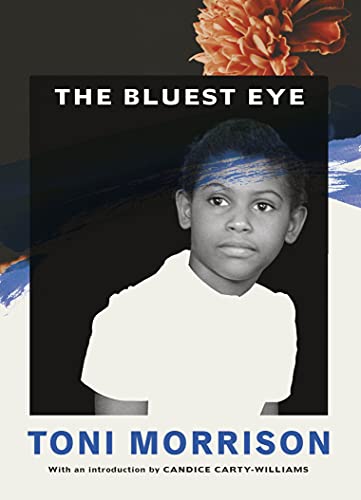
No. 3 on this list. The Bluest Eye
Toni Morrison · 1970
Challenging4.2 hours
Taught in schools: Common Core text exemplars (Appendix B) (US)
While not as universally canonical as Beloved, The Bluest Eye is firmly established in the American literary canon, widely taught in universities, and recognized as a landmark debut that announced a major voice in American letters.
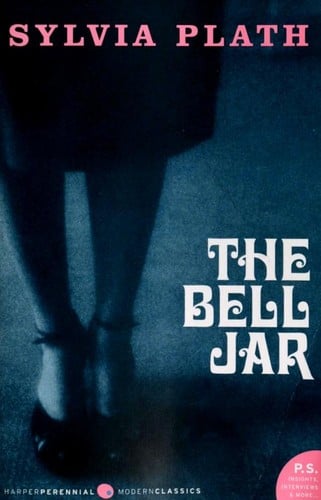
The Bell Jar is required reading in virtually every American women's literature and confessional writing course, and appears widely in high school curricula addressing mental health and mid-century American life. It holds a secure place on Modern Library and similar essential reading lists, and remains one of the most assigned novels in discussions of feminist literary history.
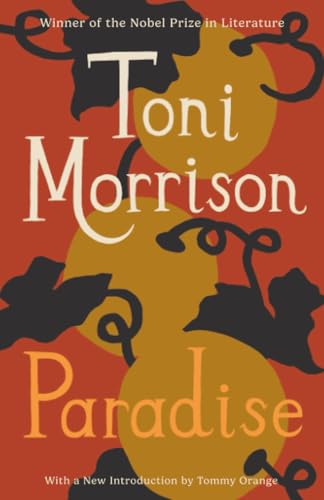
As Morrison's seventh novel following her 1993 Nobel Prize, Paradise occupies secure canonical position. It completes Morrison's loose trilogy with Beloved and Jazz, cementing her exploration of African American historical trauma. The novel appears regularly on graduate syllabi and receives sustained scholarly attention. While perhaps less taught than Beloved or Song of Solomon, it represents mature-period Morrison at peak powers and contributes essential perspectives on black utopian communities, gender conflict, and religious violence.
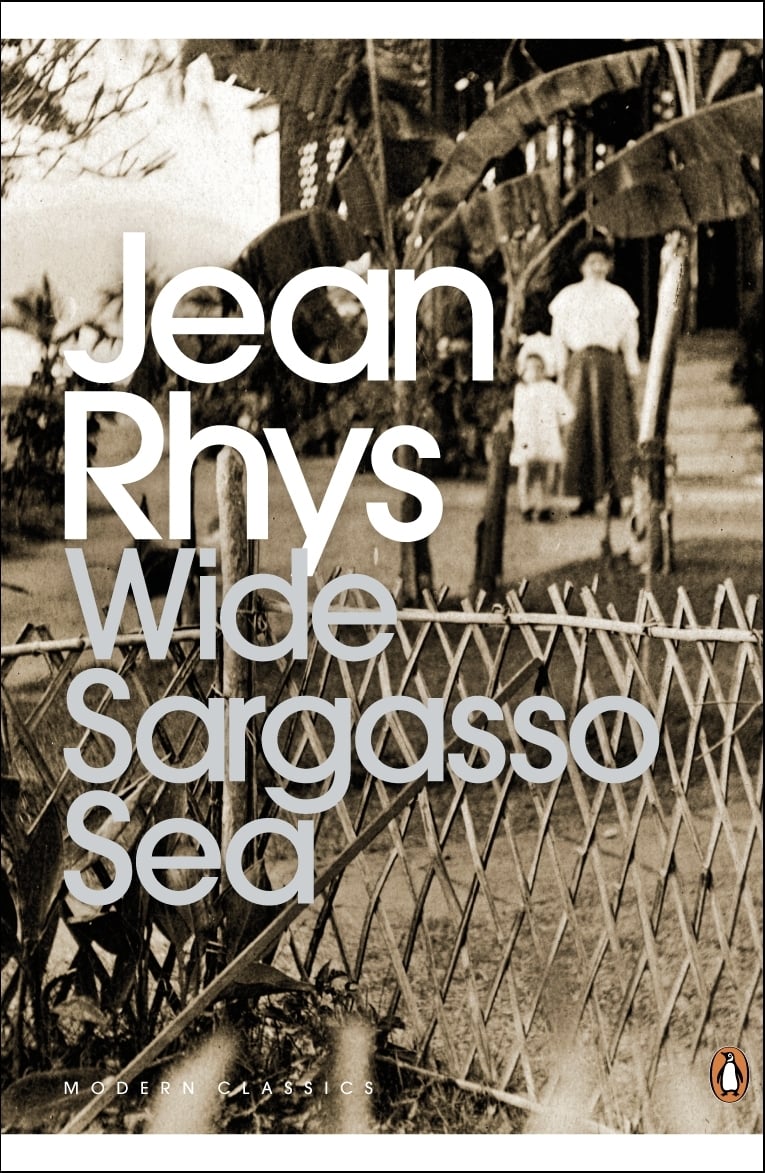
No. 6 on this list. Wide Sargasso Sea
Jean Rhys · 1966
Challenging4.3 hours
Taught in schools: CSEC English B – Caribbean Examinations Council, WJEC/Eduqas GCSE and A-level English Literature (UK)
The postcolonial revision that changed how we read Jane Eyre. Antoinette/Bertha's story—the madwoman in the attic given voice—became essential feminist and postcolonial criticism. Core text in Caribbean literature and courses on literary rewriting.
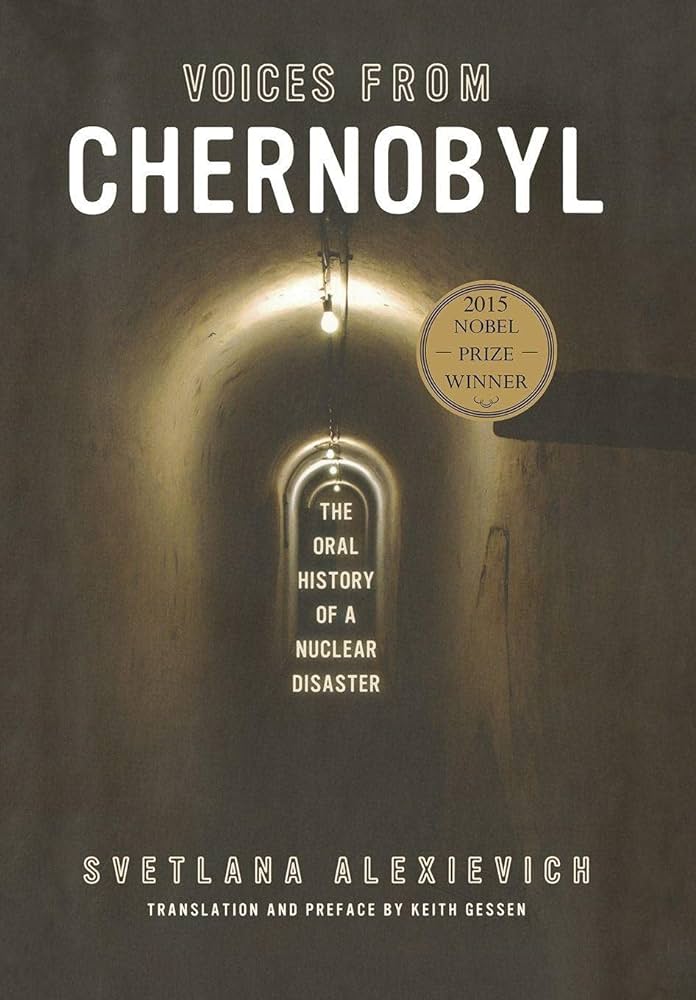
Widely recognized as the definitive literary account of Chernobyl and a landmark of documentary literature. The 2015 Nobel Prize in Literature elevated its status, establishing Alexievich's polyphonic method as a major formal innovation. Required reading in post-Soviet studies and increasingly taught in world literature curricula. Its documentary approach has influenced contemporary non-fiction globally.
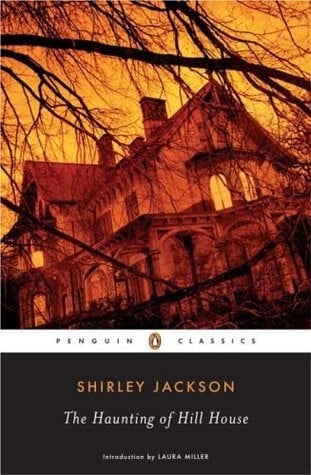
The Haunting of Hill House is widely recognized as the definitive American haunted-house novel and one of the finest works of Gothic fiction in the English language. It has been continuously in print since 1959 and is regularly taught in university courses on American literature, Gothic studies, and the horror genre. Stephen King called its opening paragraph the finest in the history of horror fiction. It appears on virtually every serious list of essential horror and Gothic novels and has been adapted for film (twice) and television (the acclaimed 2018 Netflix series).
It is a fixture of American literature and women's studies courses and widely anthologized. Its place sits just below the great canon, and the Open Library record lists it among open syllabus project works.
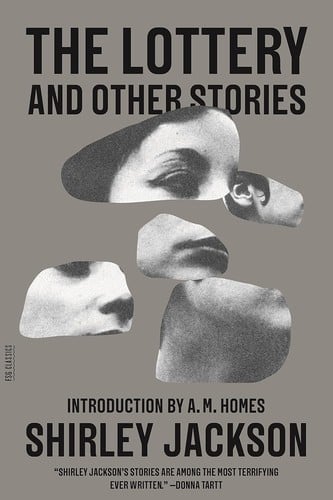
The title story 'The Lottery' is one of the most anthologized and taught short stories in the American canon, appearing in virtually every introduction-to-fiction textbook. The collection itself appears regularly on American short-story syllabi. Jackson's work has experienced a major critical reassessment since the 2010s, elevating her from genre curiosity to recognized American master.
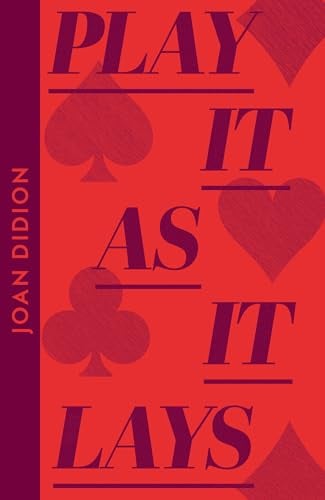
No. 11 on this list. Play It as It Lays · Joan Didion · 1970
Named to TIME's All-TIME 100 Novels (2005) and the Open Syllabus Top 500 Literature list. Appears on 250 university syllabi — the 59.9th percentile — taught in American literature, women's writing, and postmodern fiction courses. The NYRB Classics edition signals sustained readerly and scholarly investment.
Challenging2.5 hours
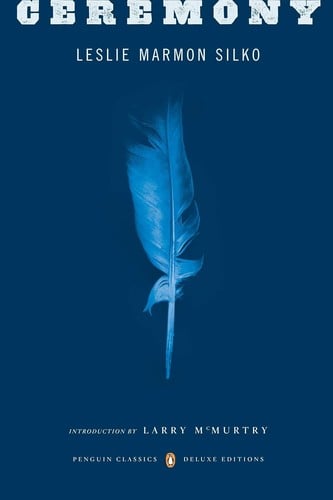
Start this bookNo. 12 on this list. Ceremony · Leslie Marmon Silko · 1977
Tayo comes home from the Pacific War unable to sleep. The voices won't stop—Japanese soldiers shouting, his uncle Josiah calling to him through jungle heat, his cousin Rocky dying in the mud of a prison march. The VA hospital calls it battle fatigue. His grandmother calls for a medicine man. The land around Laguna Pueblo is in its sixth year of drought, and Tayo believes, with a guilt that sits in his stomach like a stone, that he caused it—that his wartime curse against the rain followed him home. Silko writes two novels at once: a realist account of a mixed-blood veteran's breakdown and his slow return to the living, and a mythic narrative of Laguna ceremony, the stories of Thought-Woman and Reed Woman and Hummingbird woven directly into the prose as poetry. The two registers don't sit beside each other—they bleed into each other, memory becoming hallucination, hallucination becoming vision, vision becoming healing. The spotted Mexican cattle Josiah bought before the war, wild and drought-adapted and worth finding, serve as Tayo's purpose and his proof that something can survive. The novel ends with resolution—Tayo completes his ceremony, the rain returns—but not before Silko has made plain what was nearly lost: the web of story that holds a people together, which colonial schooling nearly succeeded in cutting. This is a novel about what stories do when they are the only medicine left.
Challenging7 hours
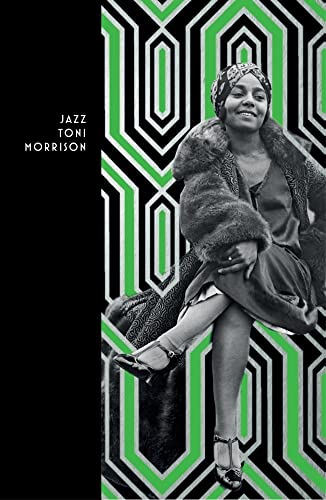
Start this bookNo. 13 on this list. Jazz · Toni Morrison · 1992
Jazz stands as the middle volume of Morrison's trilogy examining African American history through myth and music. While less taught than Beloved, it appears on graduate syllabi and critical studies of Morrison's work, recognized as an ambitious experiment in narrative voice and jazz-influenced form.
Challenging5.9 hours
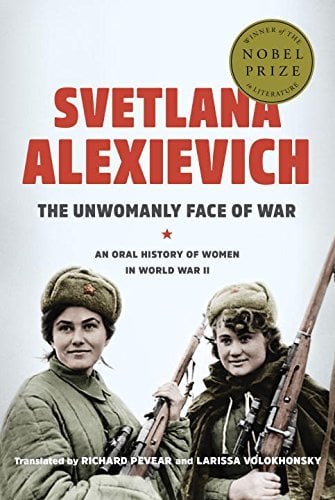
Start this bookNo. 14 on this list. The Unwomanly Face of War · Svetlana Alexievich · 1985
Taught in schools: Lithuanian literature curriculum (lietuvių kalba ir literatūra), UNAM Escuela Nacional Preparatoria – programas de Literatura (Mexico)
Widely taught in university courses on Eastern European literature, WWII history, and oral history methodology, though not a fixture of secondary school curricula in the West. The 2015 Nobel Prize dramatically expanded its global reach and translation into forty-plus languages. Its canonical standing is growing rather than settled.
Easy5.8 hours
Start this bookNo. 15 on this list. Family Ties · Clarice Lispector · 1960
Family Ties appears regularly on comparative literature and Latin American literature syllabi worldwide, and Lispector is among the most studied Lusophone writers in university world literature courses. No syllabus count was captured in the database, but her work has sustained continuous academic inclusion since the 1960s. Hélène Cixous's book-length critical study of Lispector (The Stream Running Nowhere) cemented the collection's place in the Western literary canon.
Difficult3.6 hours
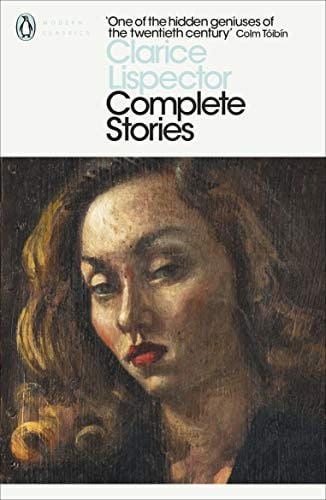
Start this bookNo. 16 on this list. The Complete Stories · Clarice Lispector
Lispector holds a firm place in comparative literature and Latin American literature syllabi globally, and her work appears in women's writing and world literature courses at major universities. No Open Syllabus data is available for this specific collection, but Lispector as an author is consistently included in world literature canons alongside Borges and García Márquez. The 2015 New Directions translation by Katrina Dodson dramatically expanded her anglophone reach and prestige.
Difficult22 hours
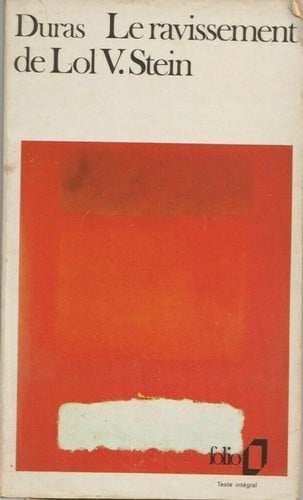
Start this bookNo. 17 on this list. The Ravishing of Lol Stein · Marguerite Duras · 1964
On Le Monde's 100 Books of the Century, Le Ravissement de Lol V. Stein is a standard text in French literature courses and in feminist and psychoanalytic criticism. It is less widely read in English than The Lover.
Challenging3.7 hours
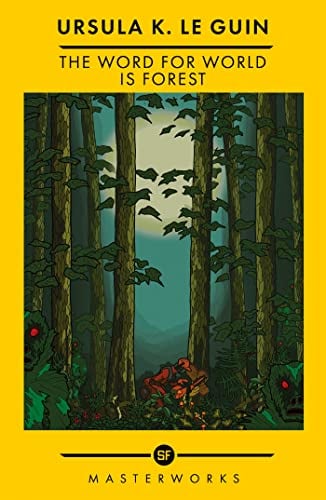
Start this bookNo. 18 on this list. The Word for World Is Forest · Ursula K Le Guin · 1972
A fixture in SF studies, environmental humanities, and postcolonial literature courses at universities worldwide. Le Guin's work overall is more canonically established than this single novella — it appears regularly on SF syllabi and ecocriticism reading lists, taught alongside texts like Octavia Butler's Kindred and Kim Stanley Robinson's Mars trilogy, though without the 2000+ syllabus presence of Beloved or The Great Gatsby.
Moderate2.5 hours
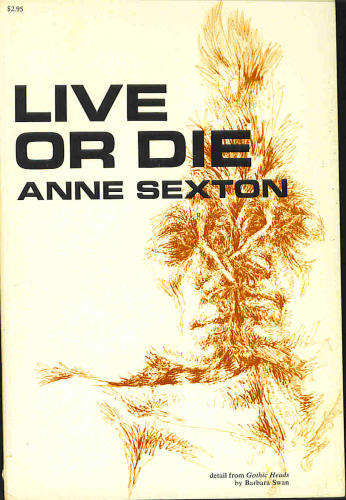
Start this bookNo. 19 on this list. Live or Die · Anne Sexton · 1966
Anne Sexton arranged these thirty-three poems in the order she wrote them — January 1962 to February 1966 — and called the result 'a fever chart for a bad case of melancholy.' Each poem arrives with a date at the bottom, evidence rather than ornament. The collection opens with her father, a wool salesman who drank in his bedroom and died on the road; within pages she has checked herself into a psychiatric ward, addressed Sylvia Plath's corpse ('Thief!— how did you crawl into, crawl down alone into the death I wanted so badly'), mourned a son she never had, and watched her daughter call on God instead of her mother when a horse crushes her foot. Sexton's language stays in the body. She counts out eight pharmaceutical capsules each night, arranges them 'as in the laying on of hands or the black sacrament.' Suicides, she observes, 'have a special language. Like carpenters they want to know which tools. They never ask why build.' The hospital and the suburban kitchen share equal authority. God appears, and Mary, and Judas, and Sylvia, and none of them offer adequate answers. The final poem, 'Live,' turns the collection's entire argument on its axis. Eight Dalmatian puppies survive the pails of water that waited to drown them. 'I am not what I expected. Not an Eichmann. The poison just didn't take.' The fever chart ends with a temperature that isn't, finally, fatal. This is the Pulitzer Prize-winning collection that defined confessional poetry as a form capable of sustaining both unbearable honesty and survival.
Easy43 min
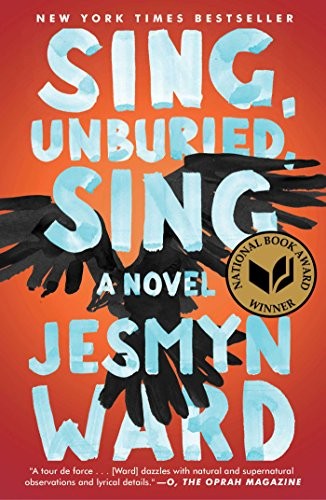
Start this bookNo. 20 on this list. Sing, Unburied, Sing · Jesmyn Ward · 2018
Sing, Unburied, Sing appears on 71 university syllabi — a solid midrange presence, placing it in the 46th percentile of works in the database. It is widely taught in contemporary American literature, Southern literature, and African American literature courses, though it has not yet achieved the deep canonical entrenchment of Morrison or Faulkner. Its teaching presence reflects a novel still being absorbed into the curriculum in the decade since its 2017 publication, with significant room for that footprint to grow.
Challenging6 hours
Start this book
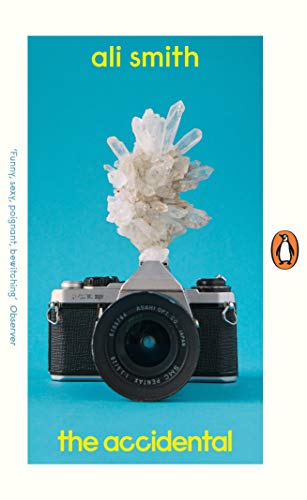
No. 21 on this list. The Accidental · Ali Smith · 2005
The Accidental has achieved recognition as a significant 21st-century British novel, appearing on university syllabi and contemporary fiction reading lists. While not yet established in the permanent canon, it represents Smith's breakthrough to major literary prominence and exemplifies post-2000 experimental domestic fiction. Its status continues to grow with Smith's increasing reputation.
Challenging7.1 hours
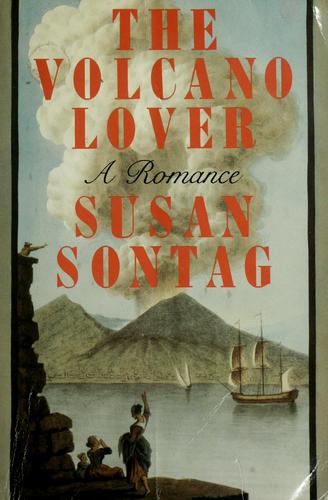
Start this bookNo. 22 on this list. The Volcano Lover: A Romance · Susan Sontag · 1992
The Volcano Lover is widely regarded as Sontag's major contribution to fiction and appears regularly on university syllabi in American literature, postmodern fiction, and historical novel courses. It is not, however, a stable university-assigned classic on the order of the novels it engages with, and its canonical position remains tied to Sontag's broader intellectual reputation rather than independent of it.
Difficult19 hours
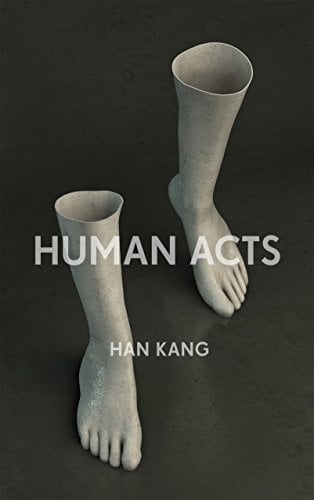
Start this bookNo. 23 on this list. Human Acts · Han Kang · 2014
Han Kang's Nobel Prize in 2024 elevated this novel's global profile significantly, but it appears on only 59 university syllabi (44th percentile in Open Syllabus) and has Wikipedia articles in just 5 languages. Curricular adoption outside Korean literature courses remains limited, though the Nobel will accelerate its integration into world literature programs.
Difficult6.7 hours
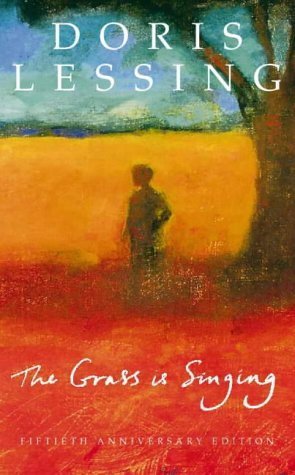
Start this bookNo. 24 on this list. The Grass is Singing · Doris Lessing · 1950
Taught in schools: CSEC English B – Caribbean Examinations Council
Included in: Heinemann African Writers Series
Regularly appears on postcolonial literature syllabi and is considered essential reading within Lessing's body of work. No syllabus data is available in the database, but the novel has maintained continuous presence in academic courses on African literature, colonial fiction, and twentieth-century British writing since its 1950 publication.
Difficult8.6 hours
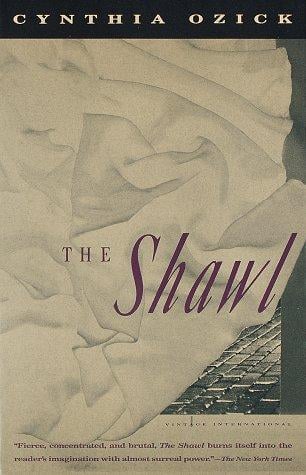
Start this bookNo. 25 on this list. The Shawl · Cynthia Ozick · 1989
The Shawl is a fixture in Holocaust literature courses and Jewish-American literature syllabi at American universities, and 'The Shawl' story is one of the most anthologized short pieces in postwar American fiction. Its canonical status within its domain is high; it does not, however, appear on the broadest general literature reading lists with the frequency of Morrison or Fitzgerald.
Challenging1.7 hours
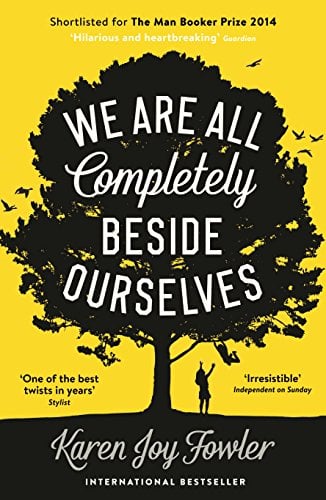
Start this bookNo. 26 on this list. We Are All Completely Beside Ourselves · Karen Joy Fowler · 2014
Won the 2014 PEN/Faulkner Award for Fiction and appeared on numerous year-end best book lists, establishing it as a significant 21st-century literary novel. The book entered academic discourse around animal studies, narrative ethics, and contemporary fiction's engagement with science. While too recent for canonical permanence, it occupies a strong position in discussions of literary fiction addressing interspecies relationships and family trauma.
Challenging6.7 hours
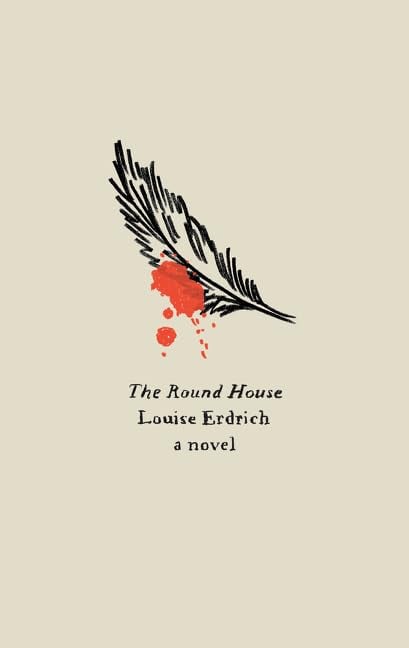
Start this bookNo. 27 on this list. The Round House · Louise Erdrich · 2012
In the lush and unforgiving landscape of a North Dakota reservation, a traumatic event shatters the life of a young boy and his family. The Round House, a piercing novel by Louise Erdrich, tells the story of a violent attack on a mother that shatters the fragile balance of her family, leaving her son to navigate the complexities of justice, identity, and belonging. Through lyrical prose, Erdrich weaves a narrative that explores the intersections of family, community, and the law. As the story unfolds, themes of trauma, loyalty, and the struggles of growing up on a reservation emerge, raising questions about the power of tradition and the reach of justice. Erdrich's writing is evocative and nuanced, conjuring the harsh beauty of the reservation and the deep-seated emotions of her characters. This book is ideal for readers who appreciate literary fiction that tackles tough subjects with sensitivity and depth. Be prepared for a gripping narrative that balances intensity with moments of tenderness and humor. With its well-crafted characters and thought-provoking themes, The Round House is a compelling read that will resonate with fans of character-driven fiction. Winner of the 2012 National Book Award, The Round House is a testament to Erdrich's skill as a storyteller and her ability to craft narratives that are both deeply personal and universally relatable.
Challenging8 hours
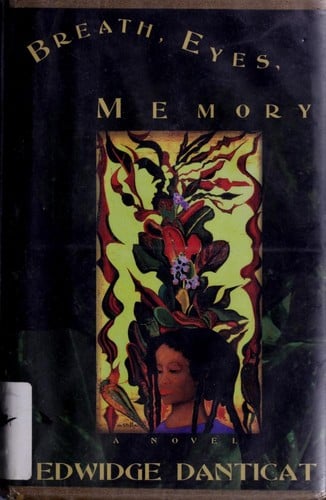
Start this bookNo. 28 on this list. Breath, Eyes, Memory · Edwidge Danticat · 1994
Widely assigned in Caribbean literature, diaspora studies, and postcolonial fiction courses at American universities. Oprah's Book Club selection in 1998 cemented its classroom presence, and it appears consistently on syllabi focused on Haitian-American experience and the literature of trauma. Its reach falls below Nobel-era Caribbean writers like Derek Walcott but well above works with only genre-course placement.
Challenging4.8 hours
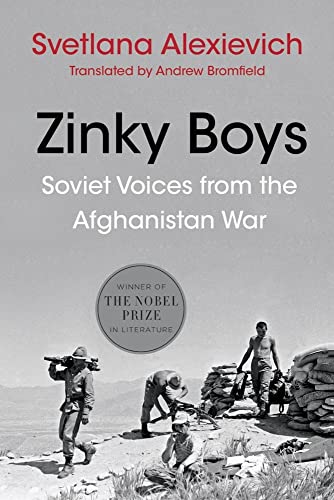
Start this bookNo. 29 on this list. Zinky Boys · Svetlana Alexievich · 1991
Zinky Boys is taught in courses on Soviet literature, oral history methodology, war literature, and post-communist memory across European and North American universities. No database data is available for this specific title's syllabus appearances, but Alexievich's work as a whole gained canonical status after her 2015 Nobel Prize, and Zinky Boys is among her most cited individual works alongside Chernobyl Prayer and The Unwomanly Face of War.
Moderate5.1 hours
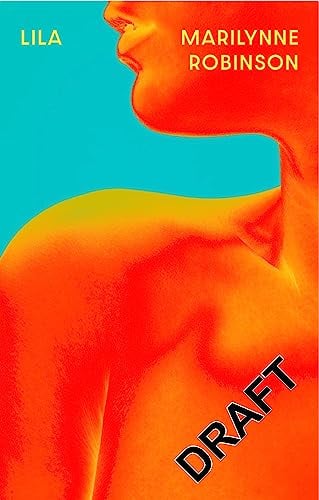
Start this bookNo. 30 on this list. Lila · Marilynne Robinson · 2015
It is the third Gilead novel, a National Book Award finalist and Booker longlisted, and increasingly taught alongside Gilead and Housekeeping. It is still too recent to match canonical staples.
Moderate6.7 hours
Start this book
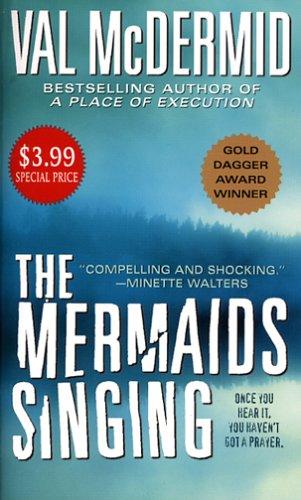
No. 31 on this list. The Mermaids Singing
Val McDermid · 1995
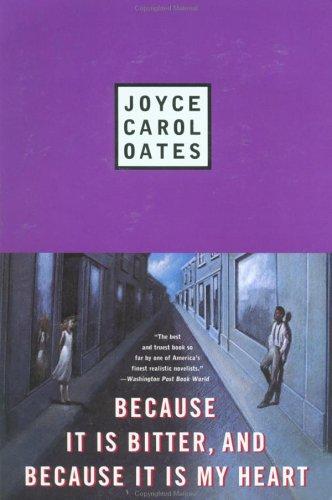
No. 32 on this list. Because It Is Bitter, and Because It Is My Heart
Joyce Carol Oates · 1990
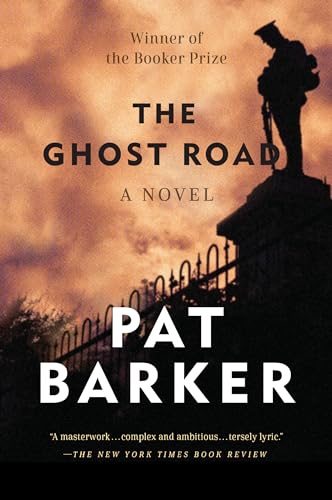
No. 33 on this list. The Ghost Road
Pat Barker · 1995
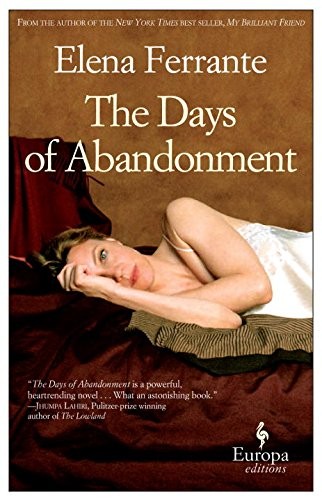
No. 34 on this list. The Days of Abandonment
Elena Ferrante · 2002
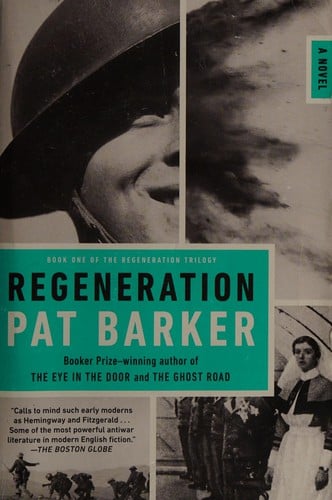
No. 35 on this list. Regeneration
Pat Barker · 1991
Taught in schools: AQA GCSE and A-level English Literature (UK)
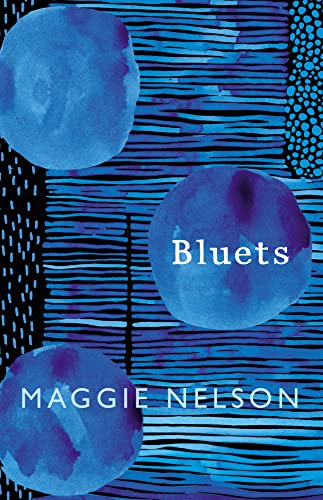
No. 36 on this list. Bluets
Maggie Nelson · 2009
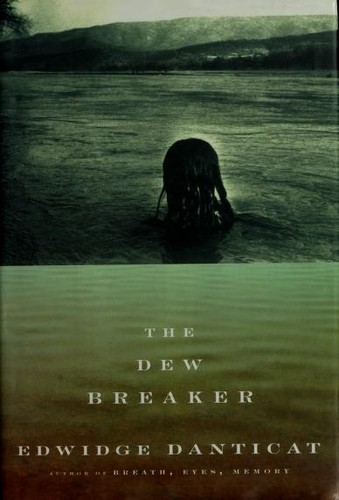
No. 37 on this list. The Dew Breaker
Edwidge Danticat · 2004
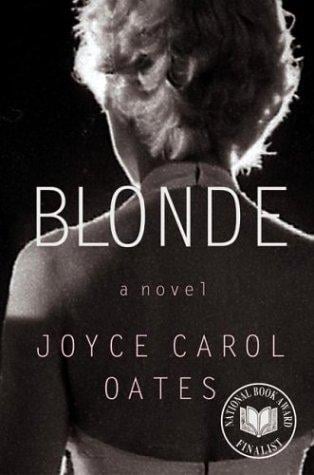
No. 38 on this list. Blonde
Joyce Carol Oates · 2000
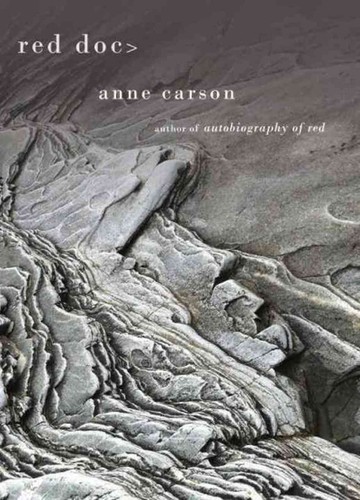
No. 39 on this list. Red Doc>
Anne Carson · 2013
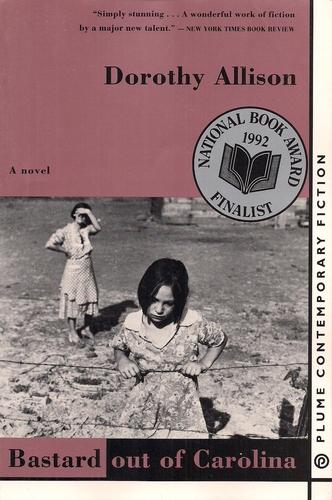
No. 40 on this list. Bastard Out of Carolina
Dorothy Allison · 1992
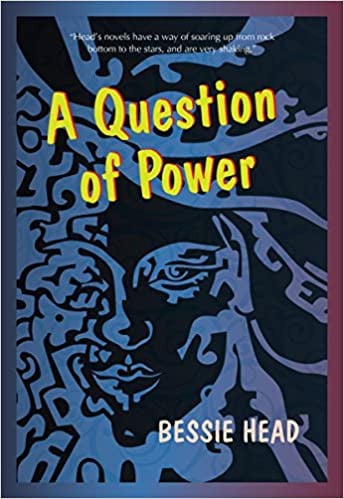
No. 41 on this list. A Question of Power
Bessie Head · 1974
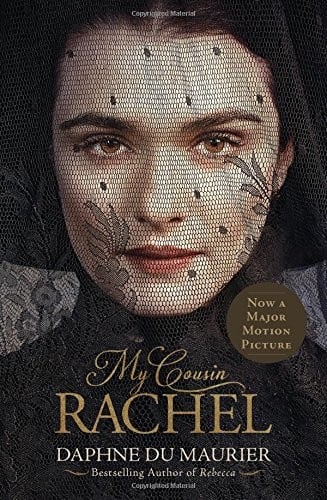
No. 42 on this list. My Cousin Rachel
Daphne du Maurier · 1951
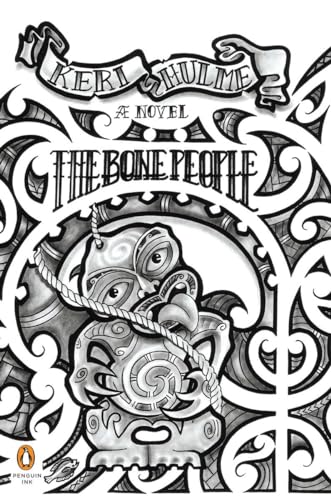
No. 43 on this list. The Bone People
Keri Hulme · 1985
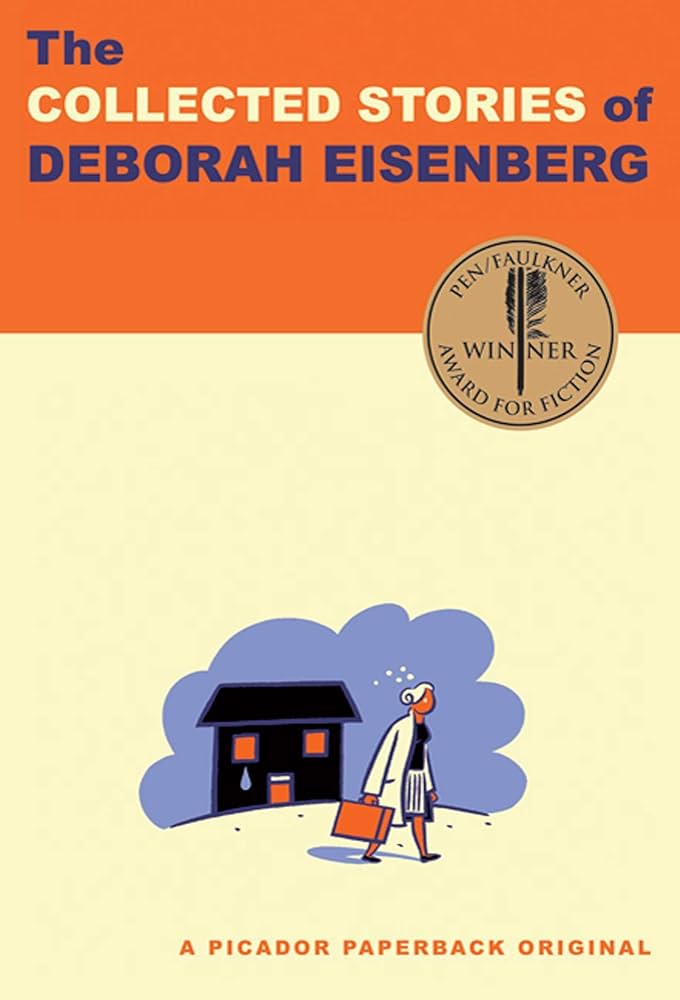
No. 44 on this list. The Collected Stories
Deborah Eisenberg · 2011
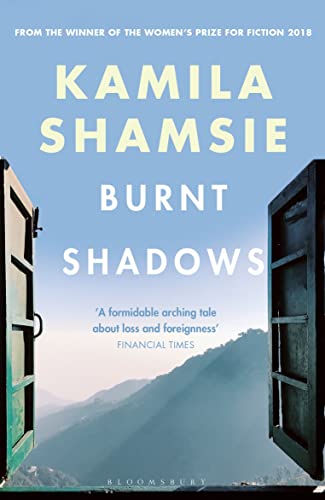
No. 45 on this list. Burnt Shadows
Kamila Shamsie · 2009
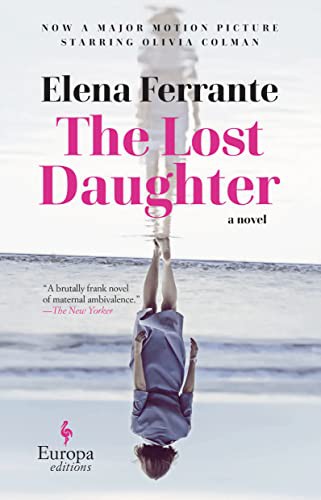
No. 46 on this list. The Lost Daughter
Elena Ferrante · 2006
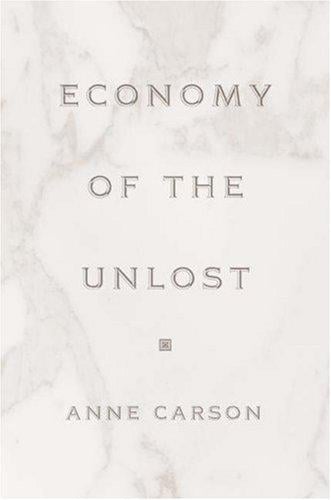
No. 47 on this list. Economy of the Unlost
Anne Carson · 1999
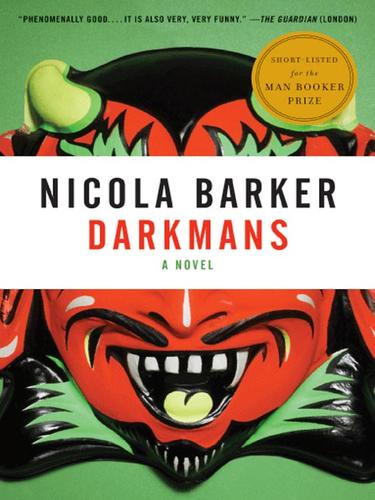
No. 48 on this list. Darkmans
Nicola Barker · 2007
No. 49 on this list. Transcendent Kingdom
Madeline Miller · 2021
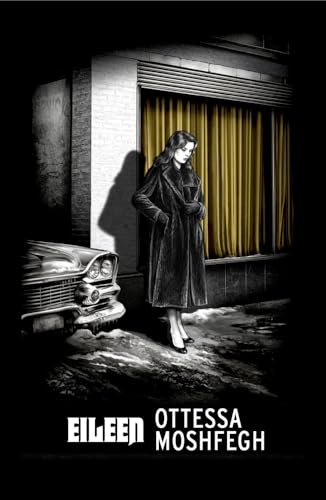
No. 50 on this list. Eileen
Ottessa Moshfegh · 2016

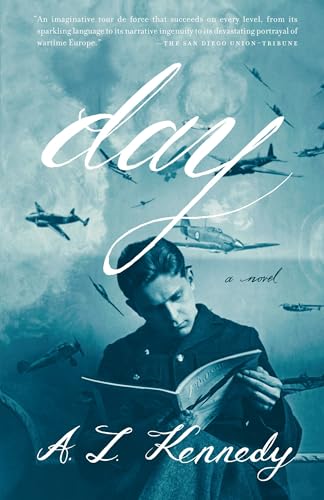
No. 51 on this list. Day
A.L. Kennedy · 2007
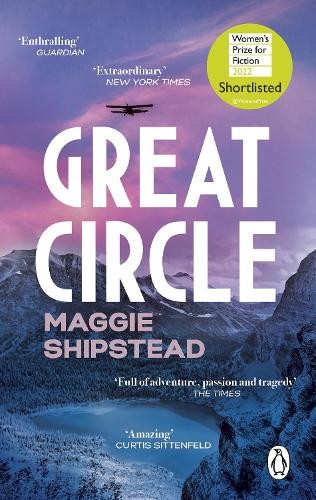
No. 52 on this list. Great Circle
Maggie Shipstead · 2021
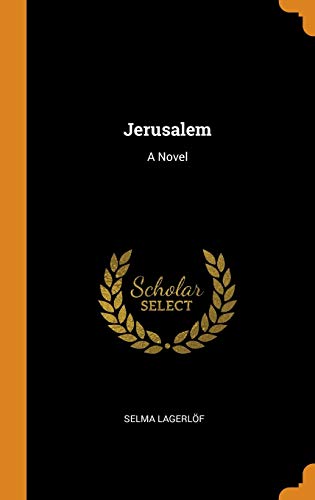
No. 53 on this list. Jerusalem
Selma Lagerlöf · 1901
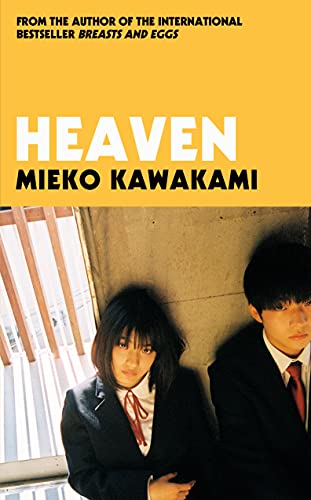
No. 54 on this list. Heaven
Mieko Kawakami · 2022
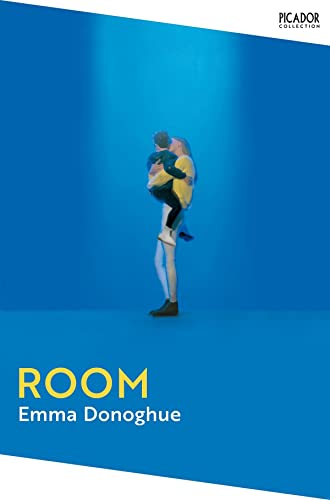
No. 55 on this list. Room
Emma Donoghue · 2010
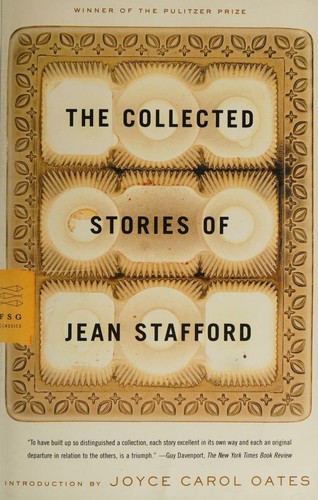
No. 56 on this list. The Collected Stories of Jean Stafford
Jean Stafford · 1970
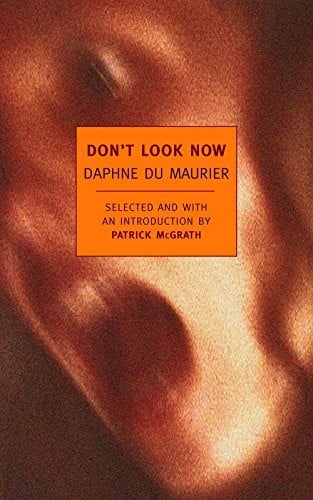
No. 57 on this list. Don't Look Now
Daphne du Maurier · 1971
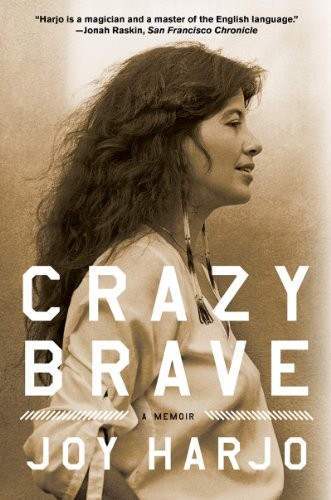
No. 58 on this list. Crazy Brave: A Memoir
Joy Harjo · 2012
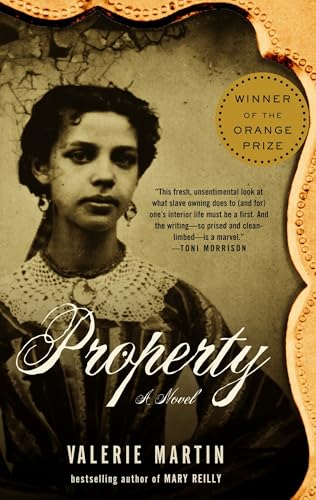
No. 59 on this list. Property
Valerie Martin · 2003
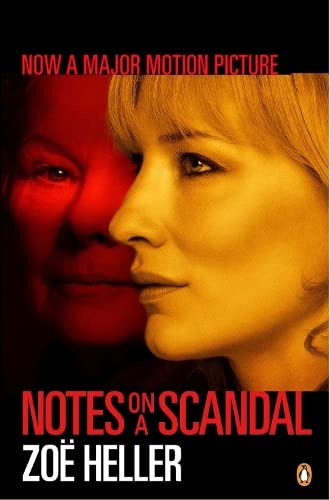
No. 60 on this list. Notes on a Scandal
Zoë Heller · 2003
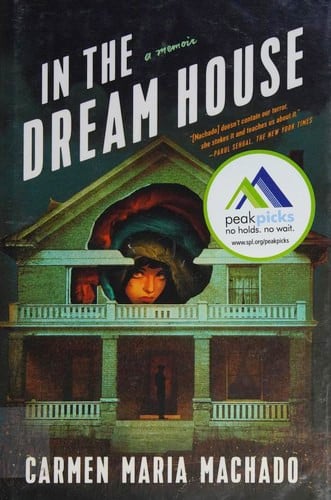
No. 61 on this list. In the Dream House
Carmen Maria Machado · 2019
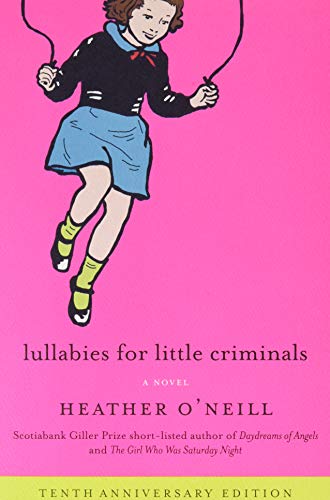
No. 62 on this list. Lullabies for Little Criminals
Heather O'Neill · 2008
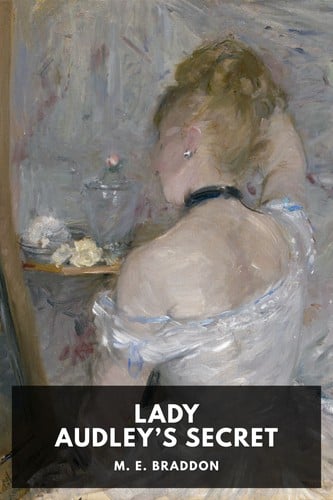
No. 63 on this list. Lady Audley's Secret
Mary Elizabeth Braddon · 1862
Taught in schools: Pearson Edexcel GCSE and A-level English Literature (UK)
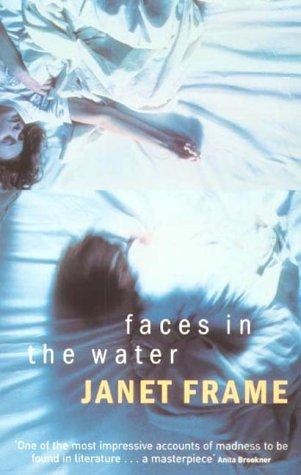
No. 64 on this list. Faces in the Water
Janet Frame · 1961
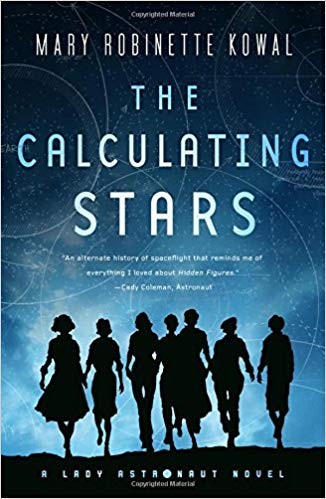
No. 65 on this list. The Calculating Stars
Mary Robinette Kowal · 2018
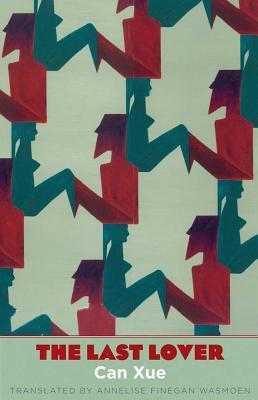
No. 66 on this list. The Last Lover
Can Xue · 2005
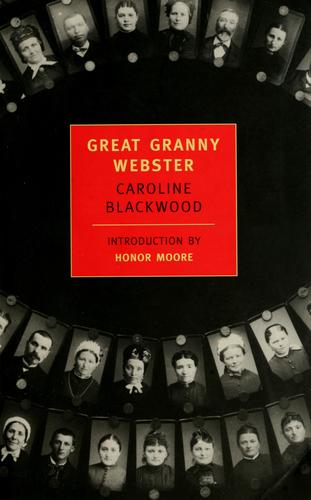
No. 67 on this list. Great Granny Webster
Caroline Blackwood · 1977
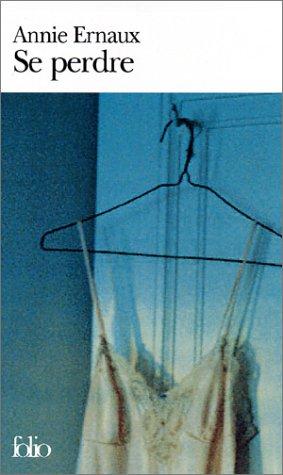
No. 68 on this list. Getting Lost
Annie Ernaux · 2001
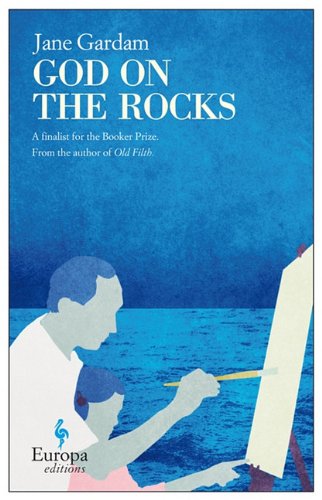
No. 69 on this list. God on the Rocks
Jane Gardam · 1978
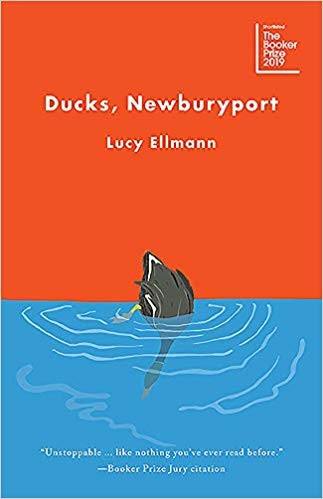
No. 70 on this list. Ducks, Newburyport
Lucy Ellmann · 2019
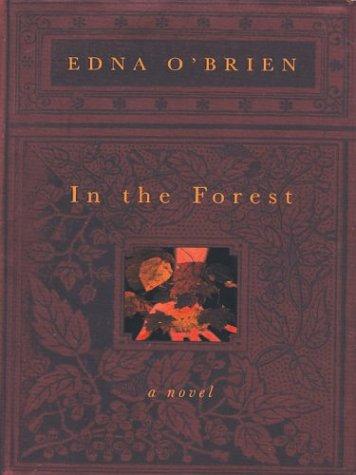
No. 71 on this list. In the Forest
Edna O'Brien · 2002
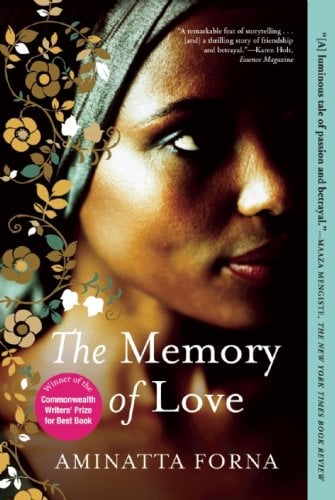
No. 72 on this list. The Memory of Love
Aminatta Forna · 2011
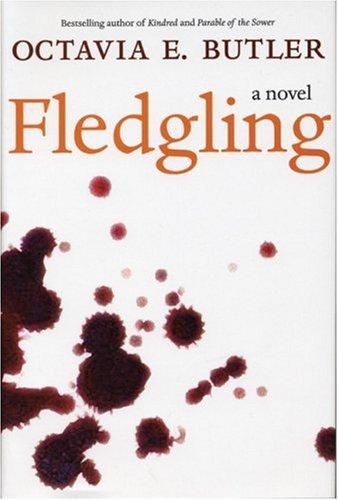
No. 73 on this list. Fledgling
Octavia E. Butler · 2005
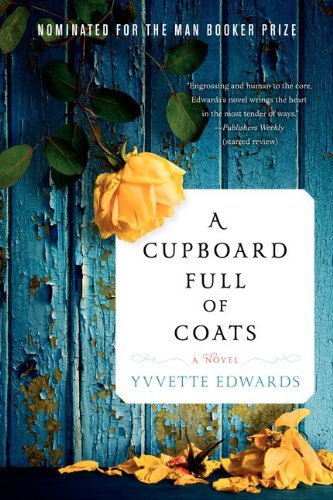
No. 74 on this list. A Cupboard Full of Coats
Yvvette Edwards · 2011
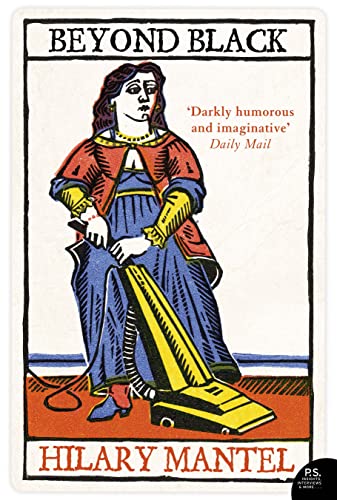
No. 75 on this list. Beyond Black
Hilary Mantel · 2005
No. 76 on this list. Smile
Raina Telgemeier · 2010
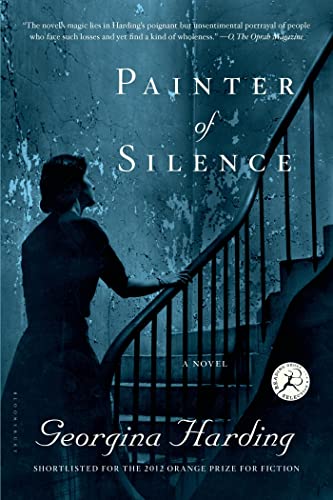
No. 77 on this list. Painter of Silence
Georgina Harding · 2012
No. 78 on this list. Die Lücken
Shida Bazyar · 2026
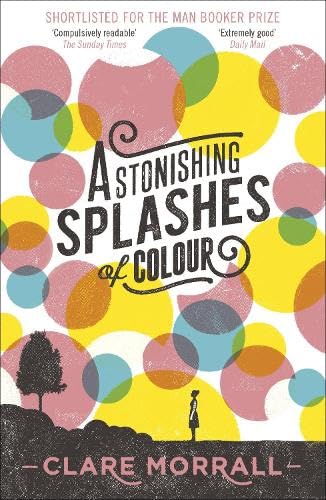
No. 79 on this list. Astonishing Splashes of Colour
Clare Morrall · 2003
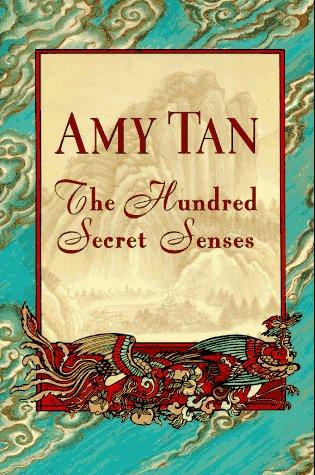
No. 80 on this list. The Hundred Secret Senses
Amy Tan · 1995

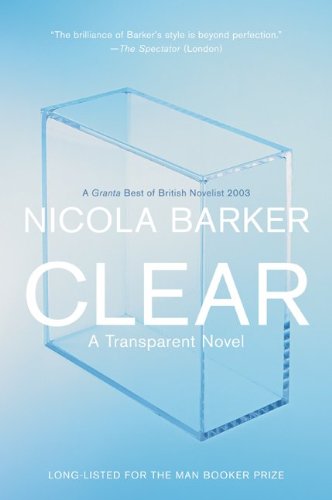
No. 81 on this list. Clear: A Transparent Novel
Nicola Barker · 2004
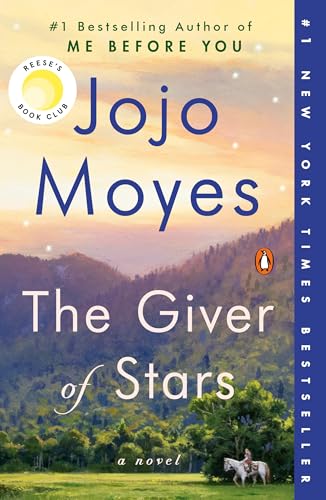
No. 82 on this list. The Giver of Stars
Jojo Moyes · 2020
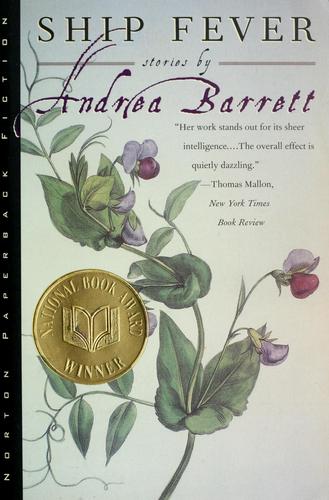
No. 83 on this list. Ship Fever
Andrea Barrett · 1996
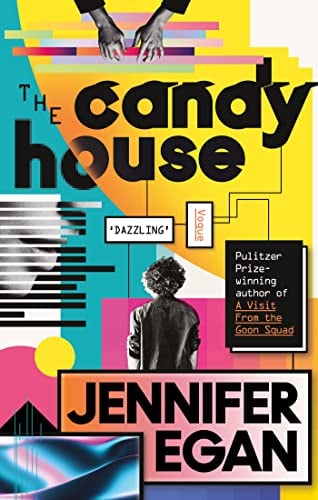
No. 84 on this list. The Candy House
Jennifer Egan · 2022
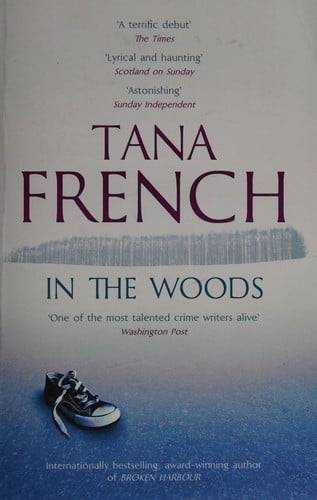
No. 85 on this list. In the Woods
Tana French · 2007
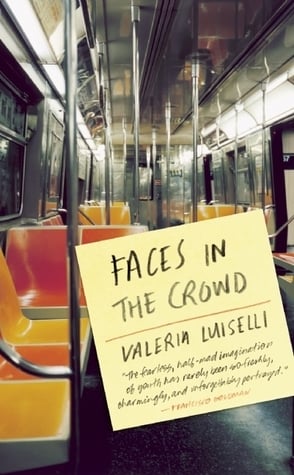
No. 86 on this list. Faces in the Crowd
Valeria Luiselli · 2011
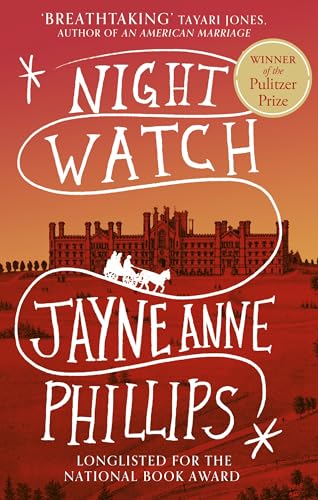
No. 87 on this list. Night Watch
Jayne Anne Phillips · 2024
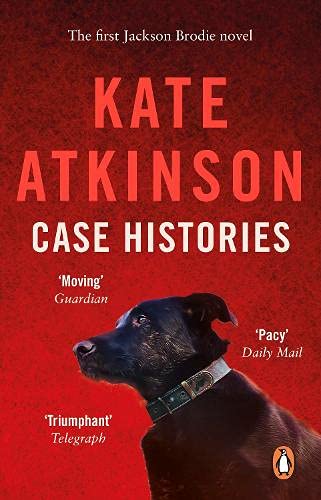
No. 88 on this list. Case Histories
Kate Atkinson · 2004
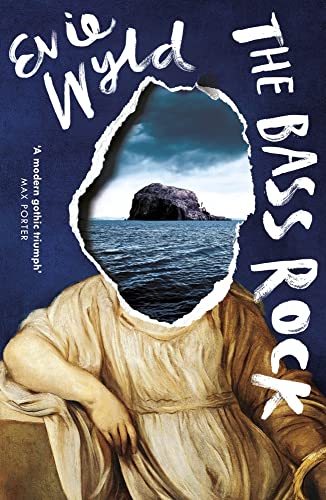
No. 89 on this list. The Bass Rock
Evie Wyld · 2020
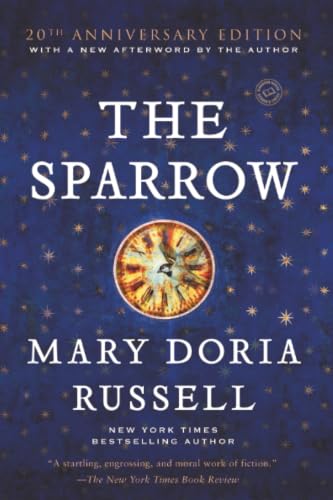
No. 90 on this list. The Sparrow
Mary Doria Russell · 1996
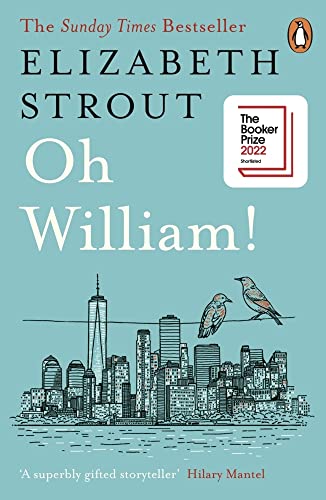
No. 91 on this list. Oh William!
Elizabeth Strout · 2022
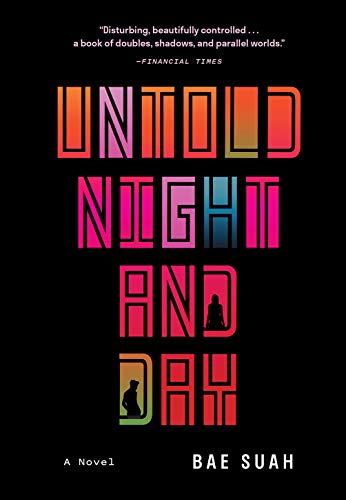
No. 92 on this list. Untold Night and Day
Bae Suah · 2013
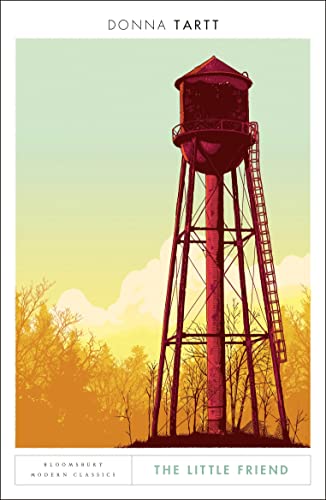
No. 93 on this list. The Little Friend
Donna Tartt · 2004
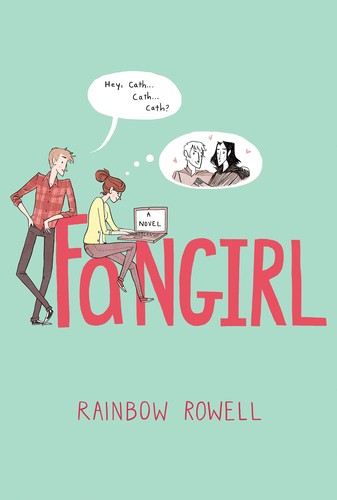
No. 94 on this list. Fangirl
Rainbow Rowell · 2013
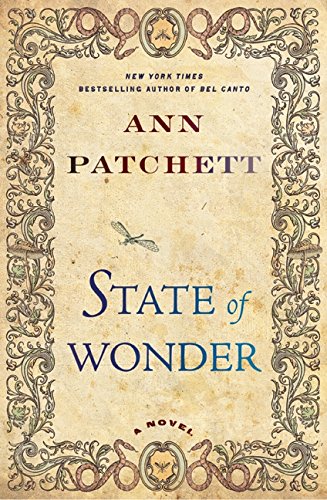
No. 95 on this list. State of Wonder
Ann Patchett · 2012
No. 96 on this list. Flush: A Biography
Virginia Woolf · 1933
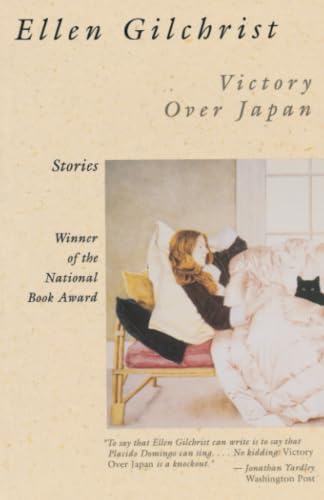
No. 97 on this list. Victory Over Japan
Ellen Gilchrist · 1984
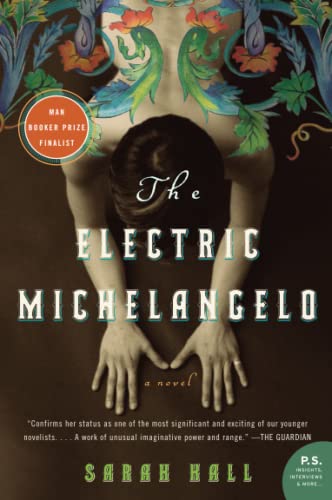
No. 98 on this list. The Electric Michelangelo
Sarah Hall · 2004
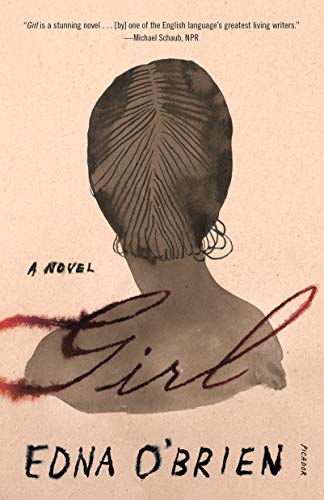
No. 99 on this list. Girl
Edna O'Brien · 2019
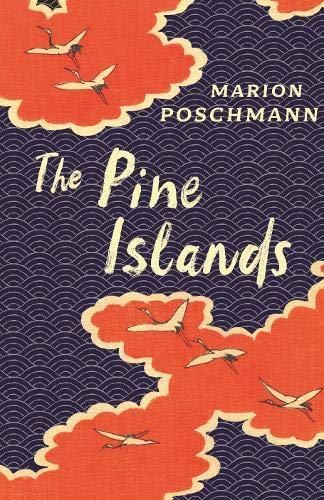
No. 100 on this list. The Pine Islands
Marion Poschmann · 2019
About this list
These 100 books are the highest-scoring eligible books about madness and the mind by women currently in the catalogue. About 732 hours of reading in all. Difficulty runs from 50 to 65 out of 100 for the middle half of the list; the summit is The Volcano Lover: A Romance at 79.
This list is ranked by literary regard, with a consistent order for equal scores. Membership follows authors and co-authors, not translators or editors. A book is here when ReadingRate files it under Madness & the Mind as one of its primary reading domains, at a confidence of 0.8 or more. Catalogue coverage and the historical canon both limit what this list can represent.
When we matched the Canons dataset to our catalogue in October 2026, our canonical-status scores rose with the number of school curricula, publisher series and lists in it that cite a work: the median score was 72 for books one such source cites, 84 at two, 88 at three, 92 at four and 93 at five or more. Prizes are left out of that count. Outside the state curricula, the dataset’s sources choose mostly from what has been translated into English or French, so it is a weaker check on other literatures. Source: Canons (Andrew Piper), CC BY 4.0
Questions people actually ask
- What are the best books about madness and the mind by women?
- By literary regard, which weighs canonical status, critical standing and influence: Ariel by Sylvia Plath, Mrs. Dalloway by Virginia Woolf, The Bluest Eye by Toni Morrison, The Bell Jar by Sylvia Plath and Paradise by Toni Morrison. ReadingRate ranks 100 such books, each with a difficulty score and a reading-time estimate.
- Which books about madness and the mind by women should I read first?
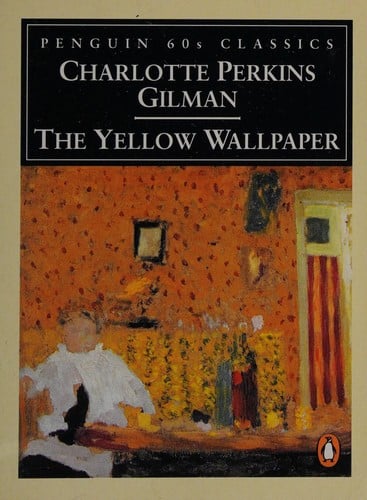
- Start from difficulty, not from rank. The most approachable books on this list that still carry top literary regard are The Lottery and Other Stories by Shirley Jackson (about 5.3 hours), The Yellow Wall-Paper by Charlotte Perkins Gilman and Voices from Chernobyl by Svetlana Alexievich.
- What are the shortest of the best books about madness and the mind by women?
- Among the top 25, the shortest are Live or Die by Anne Sexton (about 43 min), The Shawl by Cynthia Ozick (about 1.7 hours) and Ariel by Sylvia Plath (about 2.4 hours), at an average pace of 250 words a minute adjusted for each book's difficulty.
- Which of the best books about madness and the mind by women are the established classics?
- By canonical status, how firmly a book sits in curricula, anthologies and the canon: Ariel by Sylvia Plath, The Bluest Eye by Toni Morrison, Mrs. Dalloway by Virginia Woolf, The Bell Jar by Sylvia Plath and The Haunting of Hill House by Shirley Jackson.
- Can I read any of these books about madness and the mind by women for free?
- 2 of the 100 open in ReadingRate's reader with a free account, from public-domain editions: Mrs. Dalloway and Jerusalem.
- How long would it take to read the top ten?
- About 57 hours, at an average pace of 250 words a minute adjusted for each book's difficulty: 29 days at two hours a day. Set your own pace on the page and the list's reading times change to it.
- How hard are books about madness and the mind by women to read?
- Most of this list sits between 50 and 65 on ReadingRate's 100-point difficulty scale, where 40 to 55 is moderate. The summit is The Volcano Lover: A Romance at 79. Every entry carries its own score, so a reader can pick a great book at a difficulty they will finish.
- How is this list ranked?
- On literary-regard data: how canonically established a work is, its critical standing, and its influence on later writing. It is not a readers’ poll, which is why recent bestsellers rarely appear. Membership follows authors and co-authors, not translators or editors. Lists by country, author, period, theme or difficulty keep to literature (fiction, poetry, drama and philosophy), their novels, poems and plays first and their philosophy after them; a list of a kind of book, such as memoir or criticism, keeps every book of that kind. Every list holds at most three works by one author. A book is here when ReadingRate files it under Madness & the Mind as one of its primary reading domains, at a confidence of 0.8 or more.