Hours at an average pace
Showing 100 books
About 773 hours for 100 of 100 books with measured lengths. Estimates use 250 words a minute, adjusted for each book's difficulty. At 2 hours a day, about 387 days for those books.
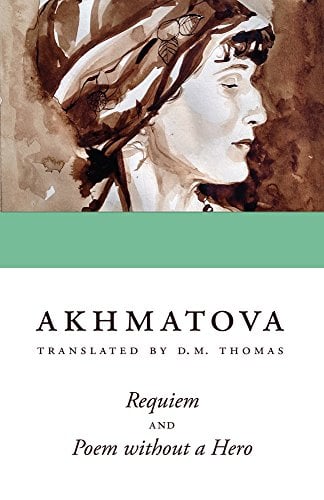
Requiem and Poem Without a Hero are canonical texts of 20th-century Russian literature and essential documents of Stalinist-era witness poetry — required reading in Russian literature courses worldwide. No database records appear for this English translation's syllabus presence, but the works are universally taught in courses on Soviet literature, women's writing, and poetry of witness. The Wikipedia absence in this database likely reflects a data gap rather than actual obscurity: Akhmatova's works are foundational to Russian studies curricula.
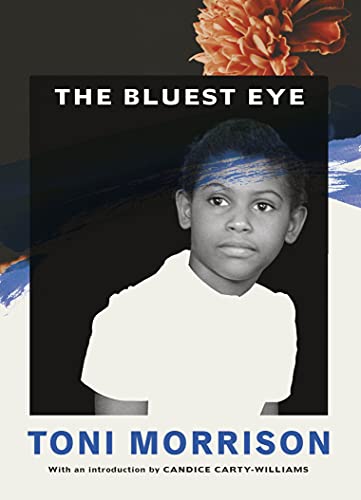
No. 2 on this list. The Bluest Eye
Toni Morrison · 1970
Challenging4.2 hours
Taught in schools: Common Core text exemplars (Appendix B) (US)
While not as universally canonical as Beloved, The Bluest Eye is firmly established in the American literary canon, widely taught in universities, and recognized as a landmark debut that announced a major voice in American letters.
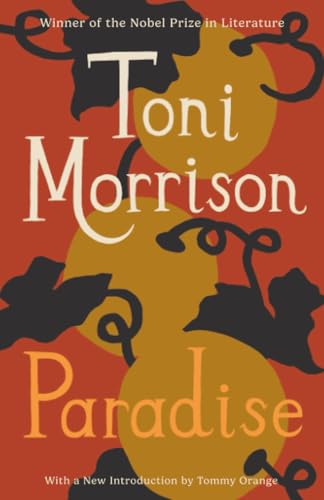
As Morrison's seventh novel following her 1993 Nobel Prize, Paradise occupies secure canonical position. It completes Morrison's loose trilogy with Beloved and Jazz, cementing her exploration of African American historical trauma. The novel appears regularly on graduate syllabi and receives sustained scholarly attention. While perhaps less taught than Beloved or Song of Solomon, it represents mature-period Morrison at peak powers and contributes essential perspectives on black utopian communities, gender conflict, and religious violence.
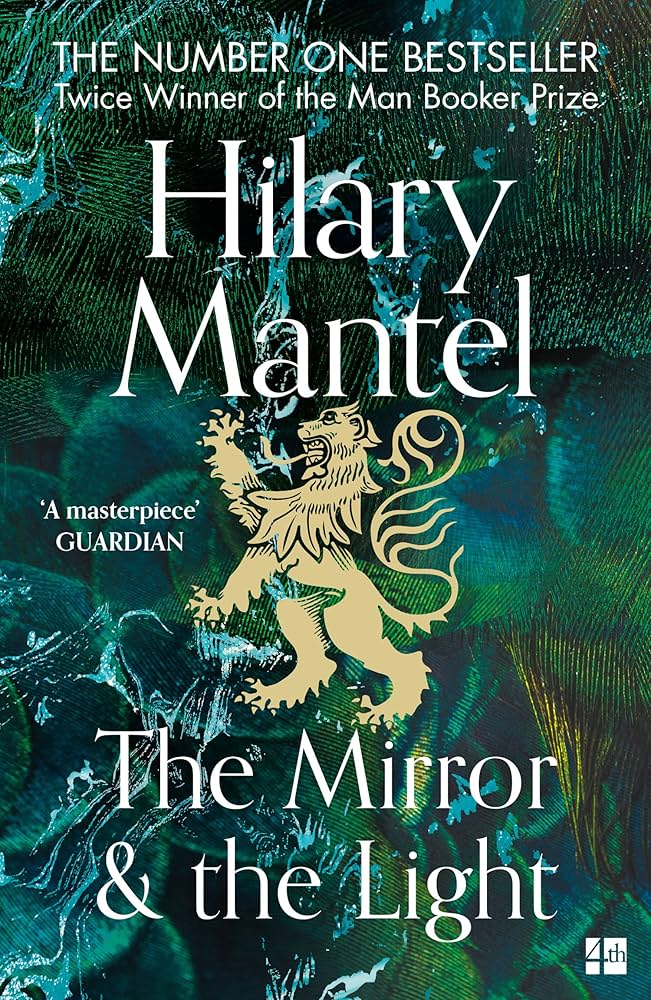
The final book in the Thomas Cromwell trilogy, following Cromwell from Jane Seymours death to his own execution.
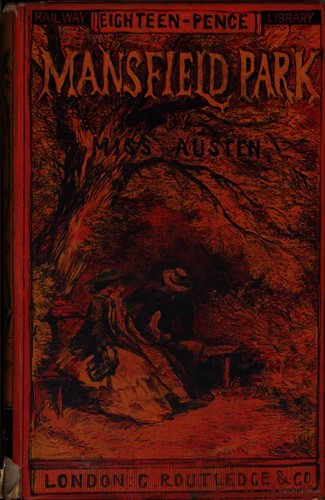
While less universally beloved than Pride and Prejudice, Mansfield Park holds secure canonical status as Austen's most morally complex and tonally difficult novel. Its treatment of slavery, colonialism, and evangelical morality has made it increasingly central to academic study, though it remains somewhat less embraced by general readers than her lighter works.
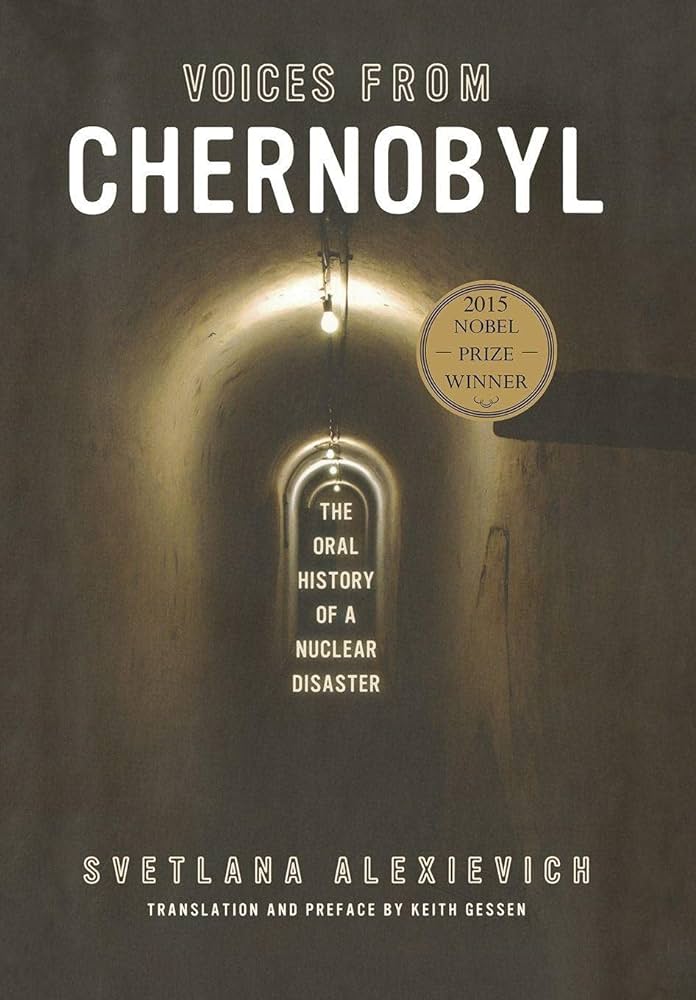
Widely recognized as the definitive literary account of Chernobyl and a landmark of documentary literature. The 2015 Nobel Prize in Literature elevated its status, establishing Alexievich's polyphonic method as a major formal innovation. Required reading in post-Soviet studies and increasingly taught in world literature curricula. Its documentary approach has influenced contemporary non-fiction globally.
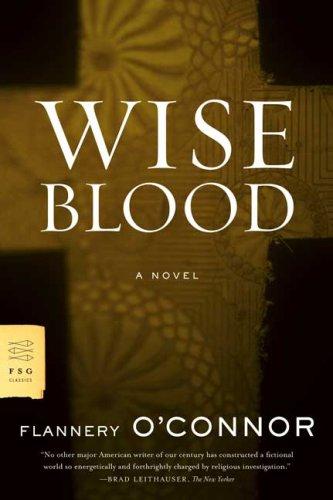
A landmark of Southern Gothic fiction and American literature, widely taught and critically analyzed. One of the defining novels of postwar American fiction.
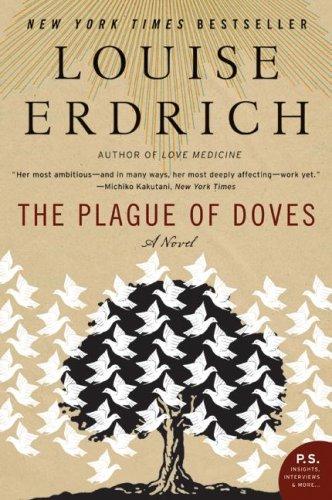
Pulitzer Prize finalist (2009) and the first entry in a trilogy whose second volume, The Round House, won the National Book Award. Taught in university courses on contemporary American and Native American literature, with an established academic presence in postcolonial and ethnic studies. Widely regarded as one of Erdrich's most formally accomplished novels.
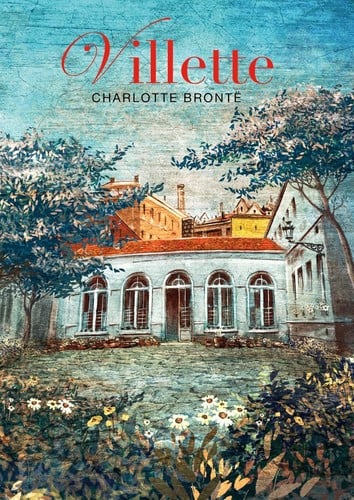
Widely taught in advanced 19th-century literature courses and Victorian fiction seminars, though less ubiquitous than Jane Eyre. Contemporary scholarship increasingly positions Villette as Brontë's most sophisticated novel; it appears regularly on university syllabi in feminist literary criticism and psychological realism tracks.
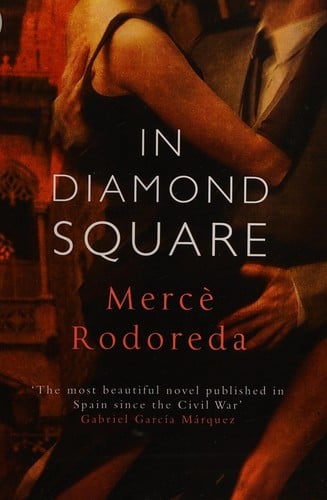
The undisputed masterpiece of twentieth-century Catalan literature. Widely translated and recognized as one of the great European novels of the postwar period.
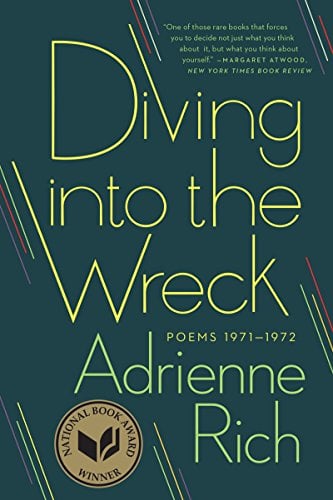
No. 11 on this list. Diving into the Wreck · Adrienne Rich · 1973
The title poem appears in virtually every major American poetry anthology and is standard reading in feminist literature, American poetry, and contemporary poetry courses. The collection sits firmly in the literary canon, comparable to Beloved (85) in academic reach if not in the broadest syllabi. No database data was returned, but Rich's place in American poetry curricula is well established.
Difficult47 min
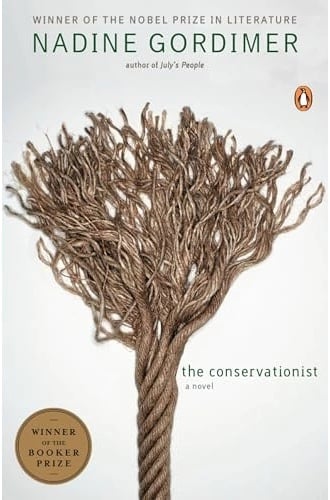
Start this bookNo. 12 on this list. The Conservationist · Nadine Gordimer · 1974
Mehring, a wealthy Johannesburg industrialist, has purchased a farm outside the city—less for profit than as refuge from his collapsing marriage, his estranged radical son, and his unsatisfying affair. When a dead Black man is found on his land, hastily buried by police who cannot identify the body, Mehring treats it as bureaucratic nuisance rather than moral crisis. He prides himself on being a progressive landowner who pays fair wages and respects his workers, yet his liberalism cannot acknowledge the corpse as ancestral claim or historical reckoning. Gordimer narrates through Mehring's evasive consciousness, her prose registering the minutiae of farm management—cattle diseases, pasture conditions, labor arrangements—while circling obsessively around the burial site he tries to forget. The narrative crosscuts between his weekend visits and the farm's rhythms in his absence, where workers Jacobus and Solomon maintain routines inflected by meanings Mehring cannot access. When floods exhume the body, the workers perform proper burial rites, restoring him to the land in ceremonies that supersede Mehring's title deeds. Gordimer withholds resolution: Mehring remains uncomprehending, his ownership revealed as legal fiction layered atop deeper claims the novel anatomizes but does not resolve.
Challenging7.2 hours
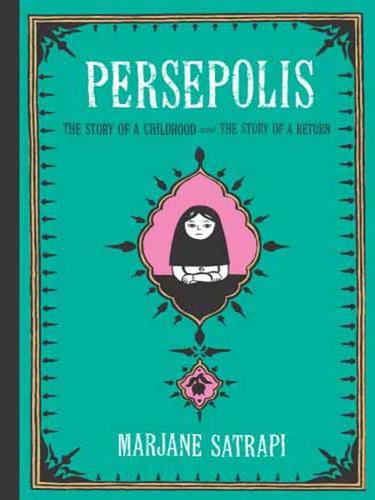
Start this bookNo. 13 on this list. Persepolis · Marjane Satrapi · 2000
Persepolis is one of the most widely taught graphic narratives in schools and universities, a standard text in courses on memoir, comics and the modern Middle East. It sits beside Art Spiegelman's Maus at the core of the graphic-memoir curriculum.
Easy2.2 hours
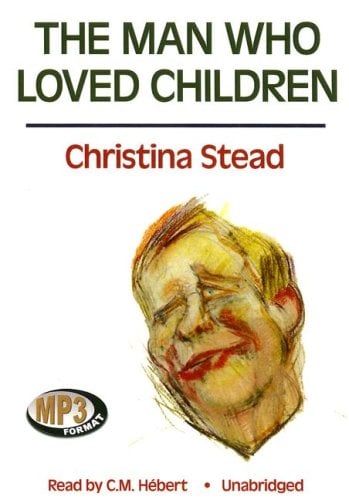
Start this bookNo. 14 on this list. The Man Who Loved Children · Christina Stead · 1940
After Randall Jarrell's landmark 1965 introduction rescued it from obscurity, the novel achieved masterpiece status, appearing on TIME's 100 Best English-language Novels 1923-2005. It remains continuously in print and features prominently in Women's Studies curricula. However, it lacks the universal recognition of Fitzgerald, Joyce, or Faulkner, occupying a tier below absolute canonical dominance despite critical consensus on its brilliance.
Challenging14 hours
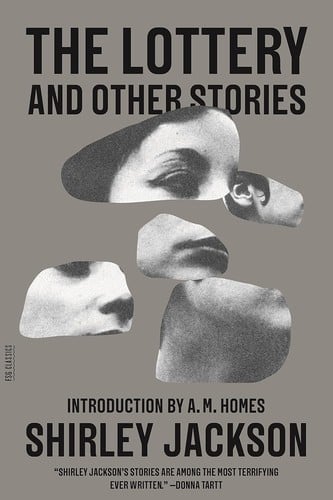
Start this bookNo. 15 on this list. The Lottery and Other Stories · Shirley Jackson · 1949
The title story 'The Lottery' is one of the most anthologized and taught short stories in the American canon, appearing in virtually every introduction-to-fiction textbook. The collection itself appears regularly on American short-story syllabi. Jackson's work has experienced a major critical reassessment since the 2010s, elevating her from genre curiosity to recognized American master.
Moderate5.3 hours
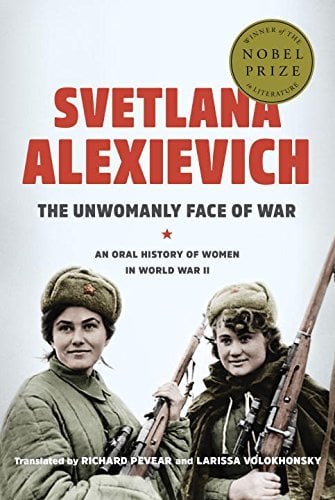
Start this bookNo. 16 on this list. The Unwomanly Face of War · Svetlana Alexievich · 1985
Taught in schools: Lithuanian literature curriculum (lietuvių kalba ir literatūra), UNAM Escuela Nacional Preparatoria – programas de Literatura (Mexico)
Widely taught in university courses on Eastern European literature, WWII history, and oral history methodology, though not a fixture of secondary school curricula in the West. The 2015 Nobel Prize dramatically expanded its global reach and translation into forty-plus languages. Its canonical standing is growing rather than settled.
Easy5.8 hours
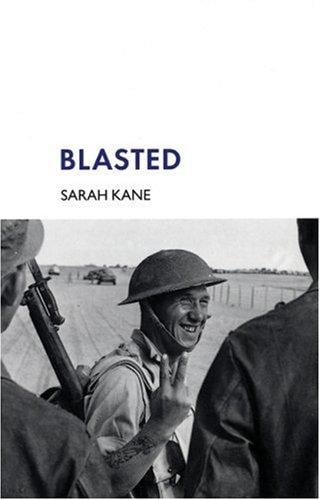
Start this bookNo. 17 on this list. Blasted · Sarah Kane · 1995
Now recognized as one of the most important British plays of the late twentieth century. A landmark of in-yer-face theater and a standard text in contemporary drama courses.
Moderate46 min
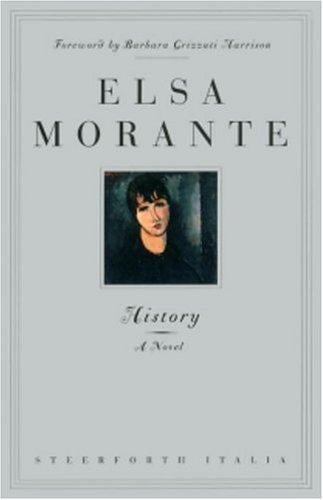
Start this bookNo. 18 on this list. History: A Novel · Elsa Morante · 1974
Included in: Bokklubben World Library
One of the most important Italian novels of the twentieth century. Controversial at publication but now widely recognized as a masterpiece.
Easy14 hours
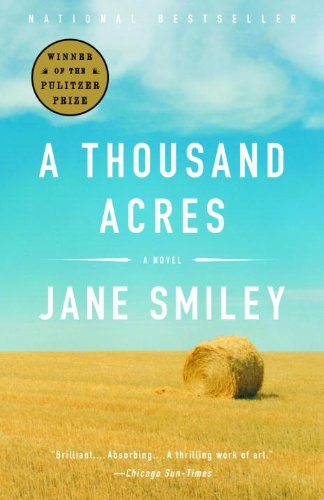
Start this bookNo. 19 on this list. A Thousand Acres · Jane Smiley · 1992
A Thousand Acres won the Pulitzer Prize for Fiction in 1992 and secured major recognition as a contemporary American realist masterpiece. It occupies a prominent place in contemporary literary canon, particularly within discussions of feminist revision of literary inheritance and the domestic novel.
Moderate8.5 hours
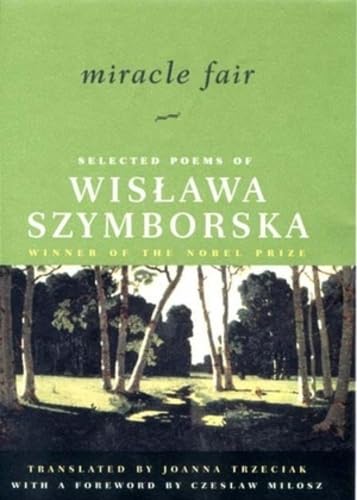
Start this bookNo. 20 on this list. Selected Poems of Wisława Szymborska · Wisława Szymborska · 1998
Szymborska is a staple of world poetry courses and a Nobel laureate, and this collection is the standard English edition of her work. Its place is secure, though below Hamlet or Gatsby in universal syllabus presence.
Moderate2.4 hours
Start this book
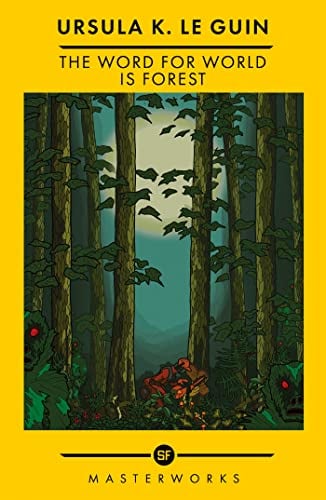
No. 21 on this list. The Word for World Is Forest · Ursula K Le Guin · 1972
A fixture in SF studies, environmental humanities, and postcolonial literature courses at universities worldwide. Le Guin's work overall is more canonically established than this single novella — it appears regularly on SF syllabi and ecocriticism reading lists, taught alongside texts like Octavia Butler's Kindred and Kim Stanley Robinson's Mars trilogy, though without the 2000+ syllabus presence of Beloved or The Great Gatsby.
Moderate2.5 hours
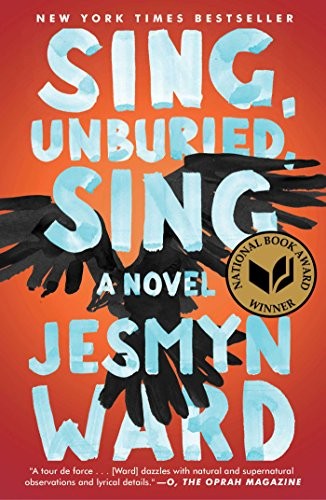
Start this bookNo. 22 on this list. Sing, Unburied, Sing · Jesmyn Ward · 2018
Sing, Unburied, Sing appears on 71 university syllabi — a solid midrange presence, placing it in the 46th percentile of works in the database. It is widely taught in contemporary American literature, Southern literature, and African American literature courses, though it has not yet achieved the deep canonical entrenchment of Morrison or Faulkner. Its teaching presence reflects a novel still being absorbed into the curriculum in the decade since its 2017 publication, with significant room for that footprint to grow.
Challenging6 hours
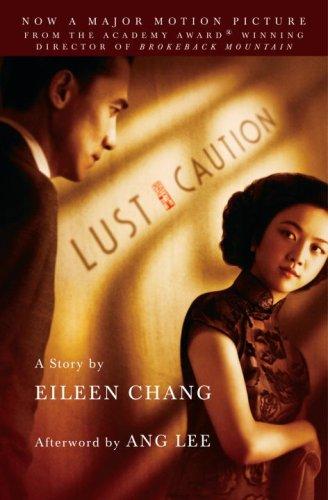
Start this bookNo. 23 on this list. Lust, Caution · Eileen Chang · 1979
Lust, Caution holds a firm place in the canon of modern Chinese literature, regarded as one of Eileen Chang's most psychologically penetrating works. Its stature was significantly amplified internationally following Ang Lee's acclaimed 2007 film adaptation, which drew global attention to Chang's fiction and cemented the novella's place among essential works of twentieth-century Chinese literature.
Difficult1.6 hours
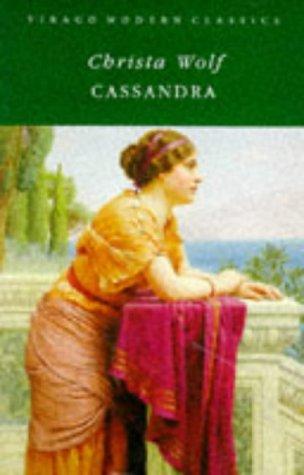
Start this bookNo. 24 on this list. Cassandra · Christa Wolf · 1983
Cassandra is required reading in German literature curricula across European universities and is a standard text in courses on feminist rewritings of classical myth. The data signals return no syllabus figures, but Wolf's status as the defining literary voice of the GDR and her international recognition ensure the book appears on World Literature, Women's Writing, and Postwar European Fiction syllabi consistently. It is not a fixture of Anglophone undergraduate curricula in the way Beloved or The Great Gatsby is, placing it below 80 on canonical status.
Difficult5.7 hours
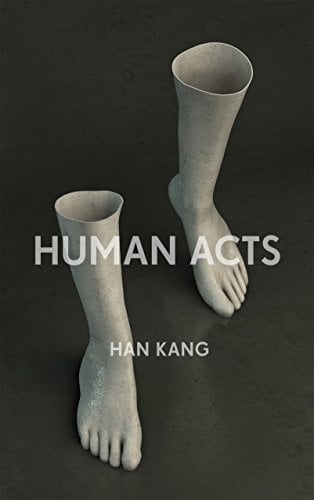
Start this bookNo. 25 on this list. Human Acts · Han Kang · 2014
Han Kang's Nobel Prize in 2024 elevated this novel's global profile significantly, but it appears on only 59 university syllabi (44th percentile in Open Syllabus) and has Wikipedia articles in just 5 languages. Curricular adoption outside Korean literature courses remains limited, though the Nobel will accelerate its integration into world literature programs.
Difficult6.7 hours
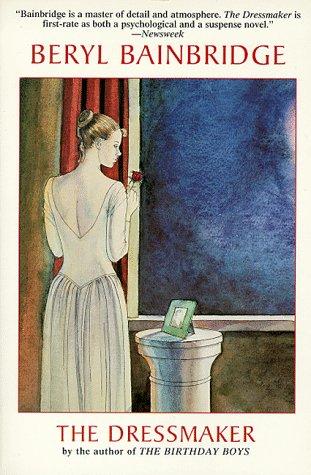
Start this bookNo. 26 on this list. The Dressmaker · Beryl Bainbridge · 1973
Shortlisted for the 1973 Booker Prize and widely regarded as exemplary of Bainbridge's distinctive voice in postwar British fiction. While not achieving the absolute canonical status of genre-defining works, The Dressmaker is consistently included in discussions of late 20th-century British psychological fiction.
Moderate3.2 hours
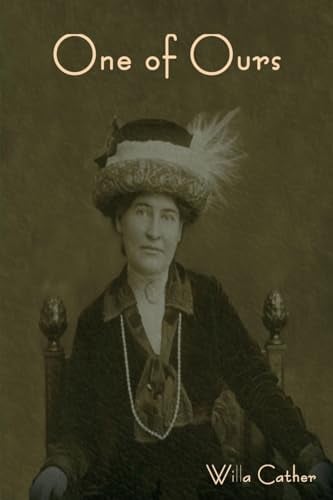
Start this bookNo. 27 on this list. One of Ours · Willa Cather · 1923
Claude Wheeler opened his eyes before the sun was up and vigorously shook his younger brother, who lay in the other half of the same bed. "Ralph, Ralph, get awake! Come down and help me wash the car." "What for?" "Why, aren't we going to the circus today?" "Car's all right. Let me alone." The boy turned over and pulled the sheet up to his face, to shut out the light which was beginning to come through the curtainless windows. Claude rose and dressed, - a simple operation which took very little time. He crept down two flights of stairs, feeling his way in the dusk, his red hair standing up in peaks, like a cock's comb. He went through the kitchen into the adjoining washroom, which held two porcelain stands with running water. Everybody had washed before going to bed, apparently, and the bowls were ringed with a dark sediment which the hard, alkaline water had not dissolved. Shutting the door on this disorder, he turned back to the kitchen, took Mahailey's tin basin, doused his face and head in cold water, and began to plaster down his wet hair.
Moderate8.2 hours
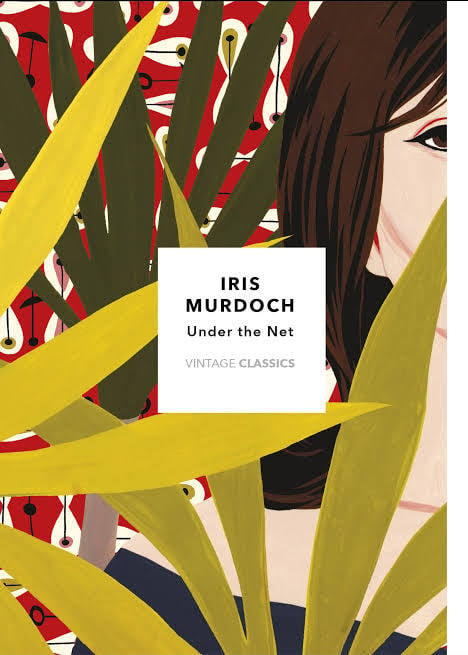
Read nowNo. 28 on this list. Under the Net · Iris Murdoch · 1954
Ranked 95th on the Modern Library 100 Best Novels, included on TIME's All-TIME 100 Novels, and taught on 141 university syllabi (54th percentile). It is the Murdoch novel most often assigned in courses on postwar British fiction.
Challenging7.8 hours
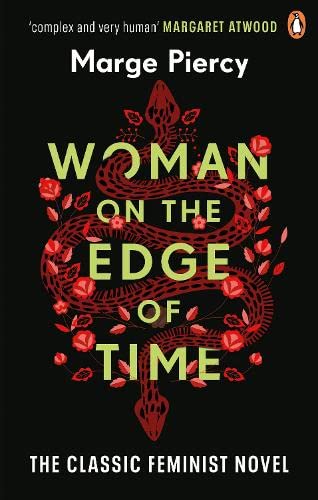
Start this bookNo. 29 on this list. Woman on the Edge of Time · Marge Piercy · 1976
Widely taught in feminist literary studies, utopian fiction, and American literature courses since its 1976 publication, the novel holds a firm place in academic syllabi as a landmark of feminist science fiction. No syllabus count data is available, but its sustained presence across women's studies and speculative fiction curricula for five decades marks it as canonical within those fields, comparable in reach to other key feminist texts of the second wave.
Difficult18 hours
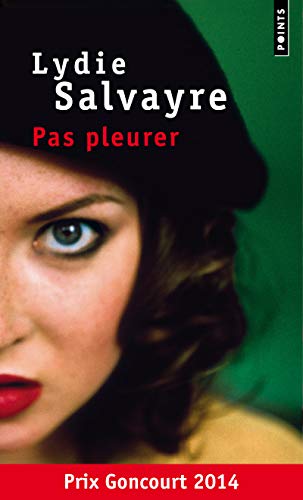
Start this bookNo. 30 on this list. Pas pleurer · Lydie Salvayre · 2014
Winning the Prix Goncourt in 2014 secured Pas pleurer's position in contemporary French literature, though its canonical standing remains emergent rather than established. The novel addresses the enduring literary theme of the Spanish Civil War while contributing to the francophone tradition of linguistic experimentation with exile and bilingualism, placing it in conversation with Camus, Modiano, and postcolonial French writers.
Challenging4.1 hours
Start this book
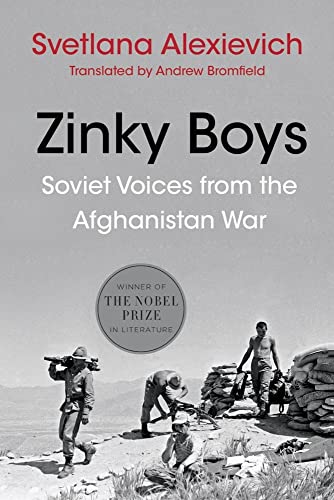
No. 31 on this list. Zinky Boys
Svetlana Alexievich · 1991
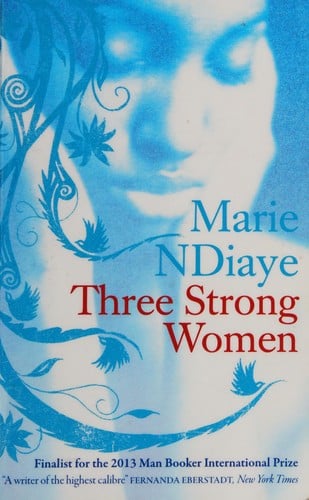
No. 32 on this list. Three Strong Women
Marie NDiaye · 2009
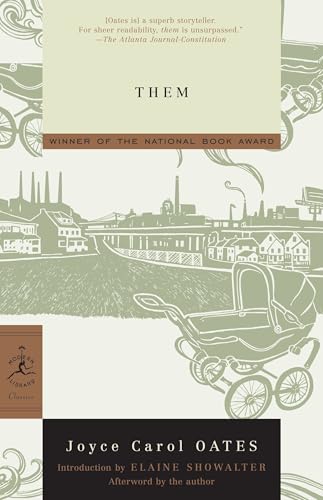
No. 33 on this list. Them
Joyce Carol Oates · 1970
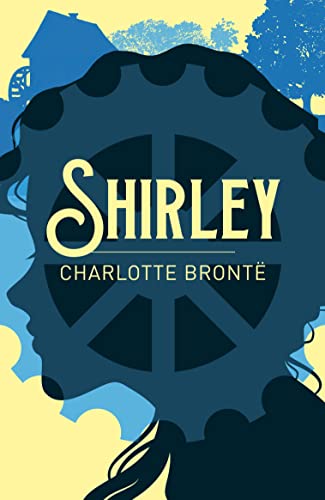
No. 34 on this list. Shirley
Charlotte Brontë · 1849
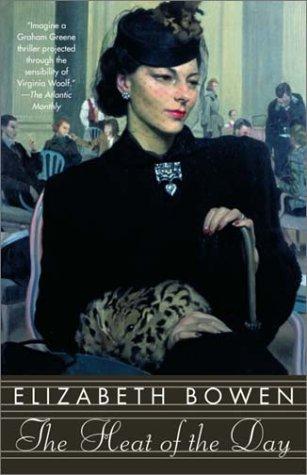
No. 35 on this list. The Heat of the Day
Elizabeth Bowen · 1948
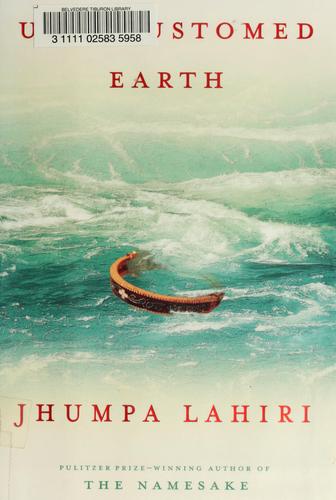
No. 36 on this list. Unaccustomed Earth
Jhumpa Lahiri · 2008
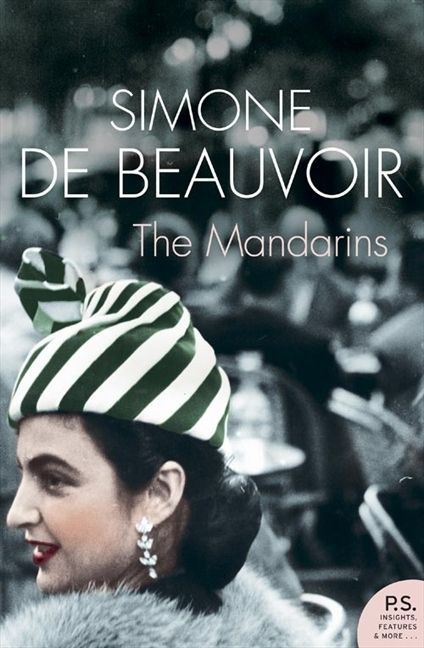
No. 37 on this list. The Mandarins
Simone de Beauvoir · 1954
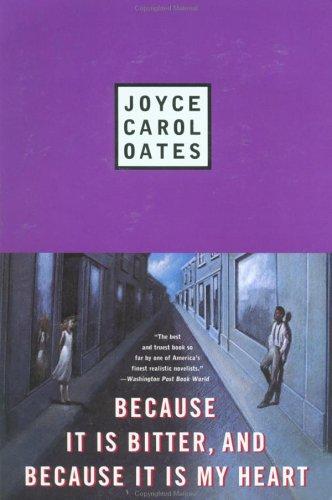
No. 38 on this list. Because It Is Bitter, and Because It Is My Heart
Joyce Carol Oates · 1990
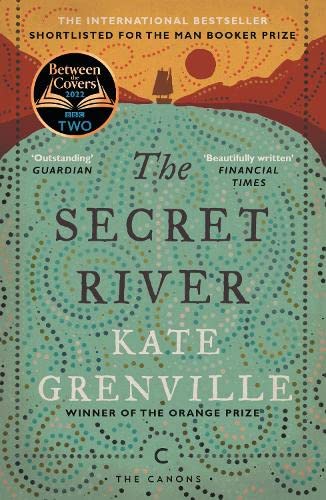
No. 39 on this list. The Secret River
Kate Grenville · 2006
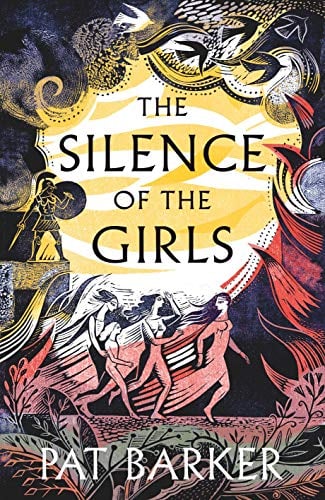
No. 40 on this list. The Silence of the Girls
Pat Barker · 2019
Taught in schools: Leaving Certificate English – NCCA / State Examinations Commission (Ireland)
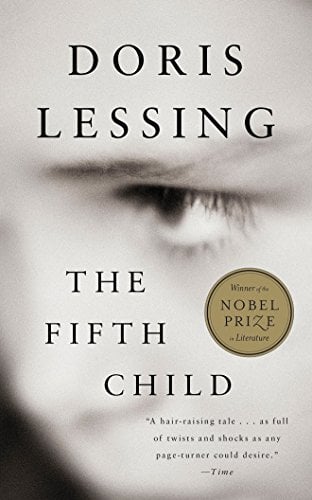
No. 41 on this list. The Fifth Child
Doris Lessing · 1988
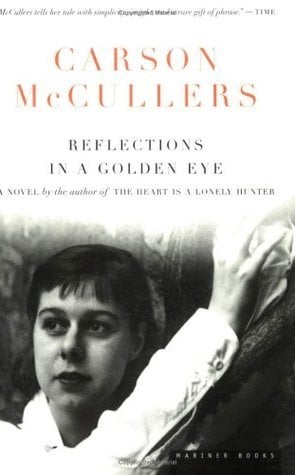
No. 42 on this list. Reflections in a Golden Eye
Carson McCullers · 1941
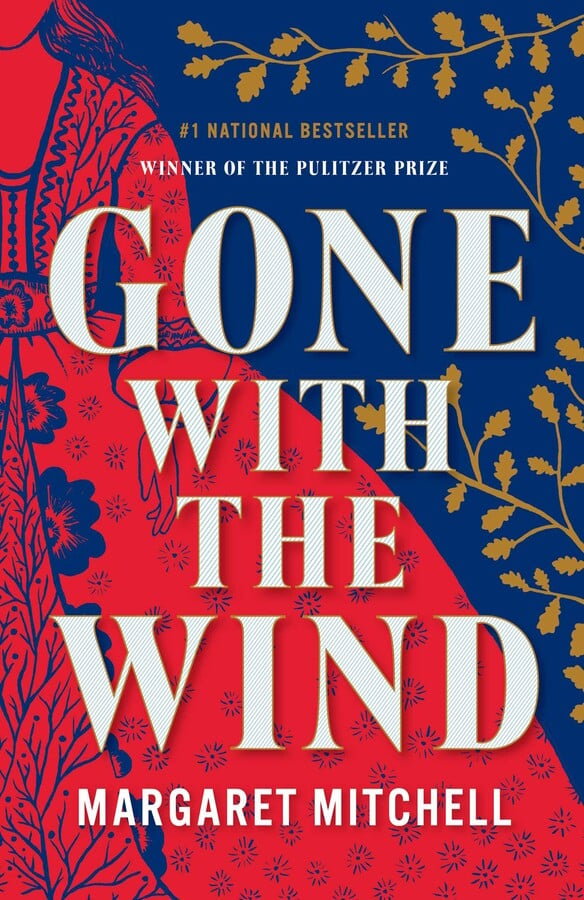
No. 43 on this list. Gone with the Wind
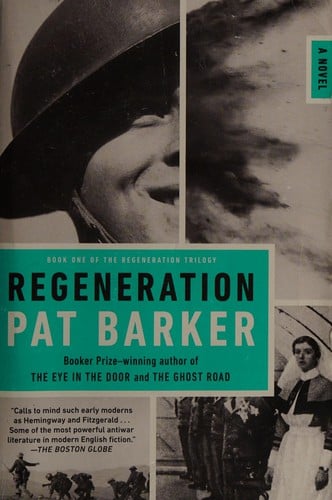
No. 44 on this list. Regeneration
Pat Barker · 1991
Taught in schools: AQA GCSE and A-level English Literature (UK)
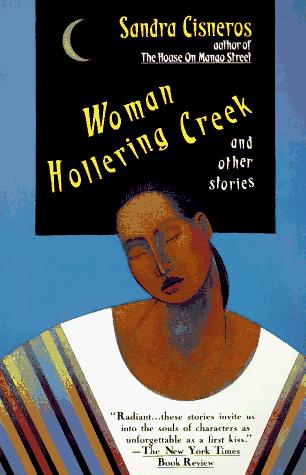
No. 45 on this list. Woman Hollering Creek and Other Stories
Sandra Cisneros · 1991
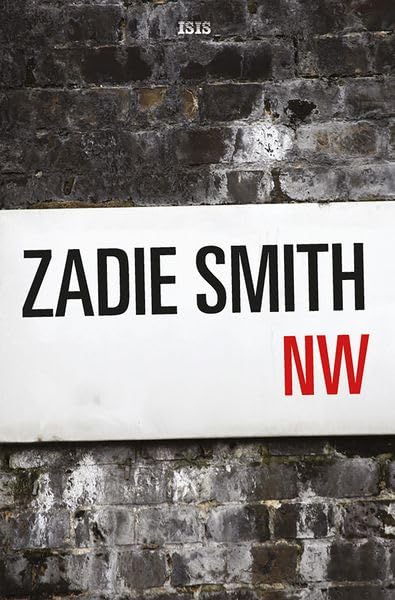
No. 46 on this list. NW
Zadie Smith · 2013
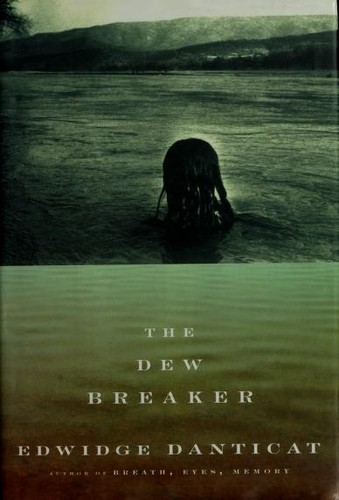
No. 47 on this list. The Dew Breaker
Edwidge Danticat · 2004
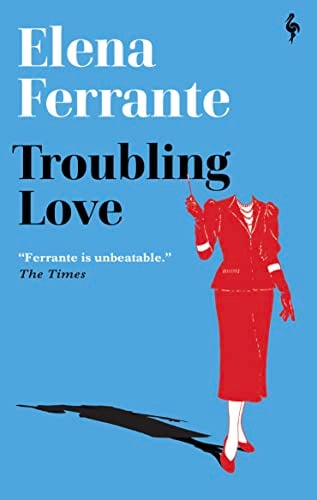
No. 48 on this list. Troubling Love
Elena Ferrante · 1992
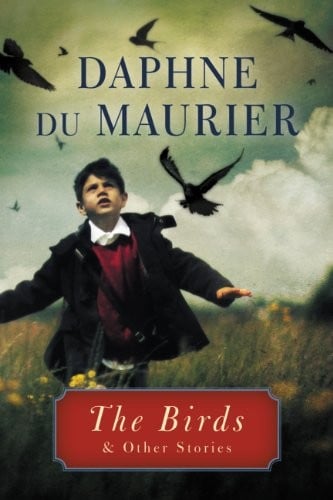
No. 49 on this list. The Birds and Other Stories
Daphne du Maurier · 1952
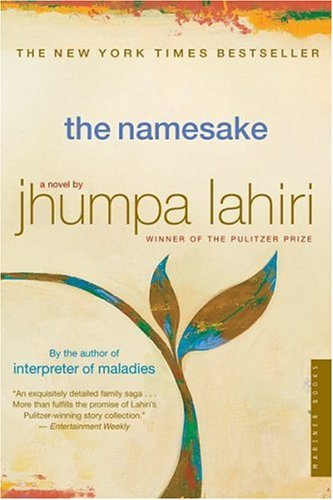
No. 50 on this list. The Namesake
Jhumpa Lahiri · 2004
Taught in schools: Common Core text exemplars (Appendix B) (US)
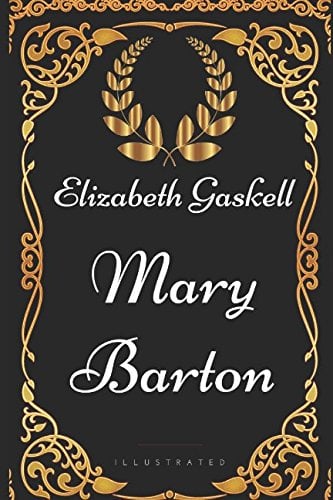
No. 51 on this list. Mary Barton
Elizabeth Gaskell · 1848
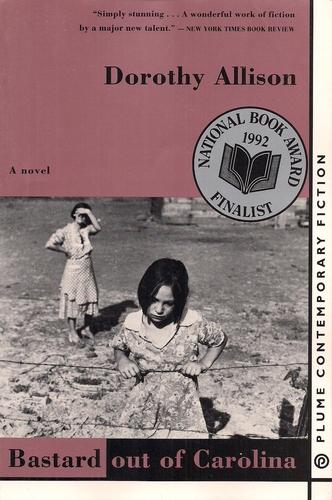
No. 52 on this list. Bastard Out of Carolina
Dorothy Allison · 1992
No. 53 on this list. Carpentaria
Alexis Wright · 2006
No. 54 on this list. The Sirian Experiments
Doris Lessing · 1981
No. 55 on this list. Her Body and Other Parties
Carmen Maria Machado · 2017
No. 56 on this list. Strangers on a Train
Patricia Highsmith · 1950
No. 57 on this list. The Bone People
Keri Hulme · 1985
No. 58 on this list. Krik? Krak!
Edwidge Danticat · 1995
No. 59 on this list. Burnt Shadows
Kamila Shamsie · 2009
No. 60 on this list. A God in Ruins
Kate Atkinson · 2015
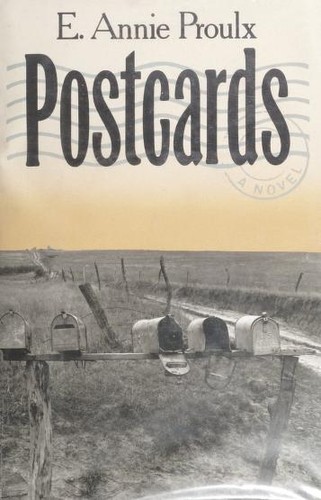
No. 61 on this list. Postcards
E. Annie Proulx · 1993
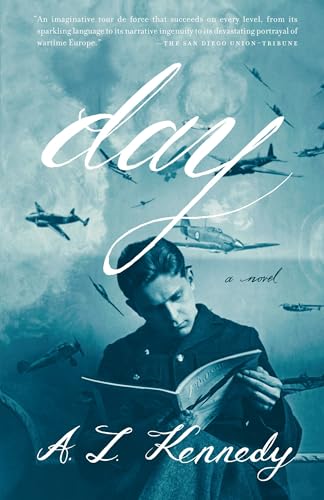
No. 62 on this list. Day
A.L. Kennedy · 2007
No. 63 on this list. The Tiger's Wife
Tea Obreht · 2011
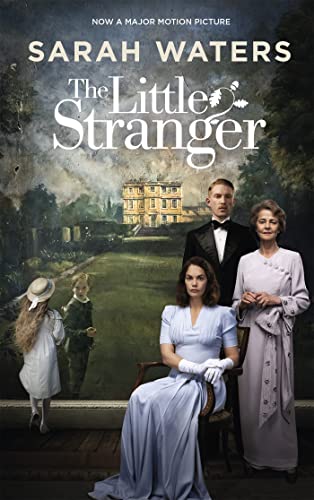
No. 64 on this list. The Little Stranger
Sarah Waters · 2009
Taught in schools: Pearson Edexcel GCSE and A-level English Literature (UK)
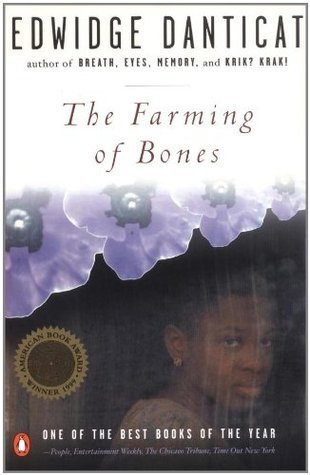
No. 65 on this list. The Farming of Bones
Edwidge Danticat · 1998
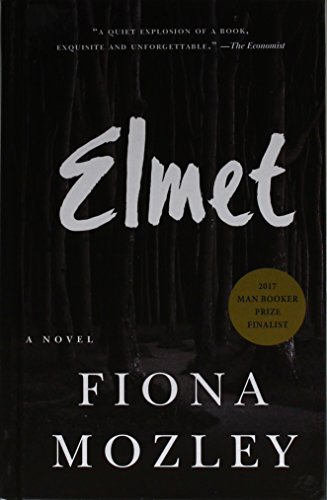
No. 66 on this list. Elmet
Fiona Mozley · 2017
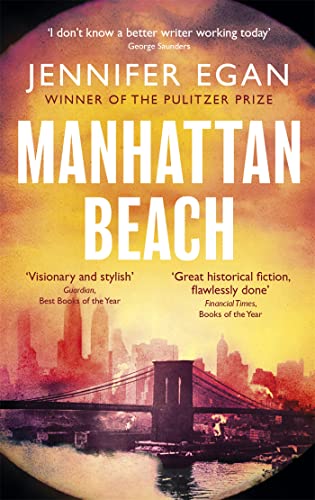
No. 67 on this list. Manhattan Beach
Jennifer Egan · 2017
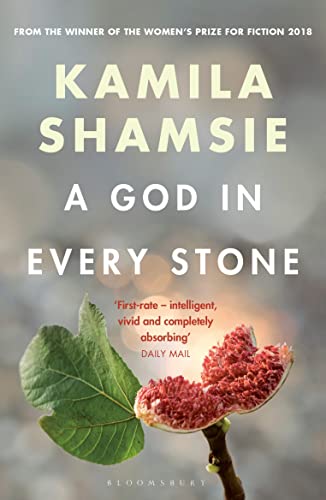
No. 68 on this list. A God in Every Stone
Kamila Shamsie · 2015
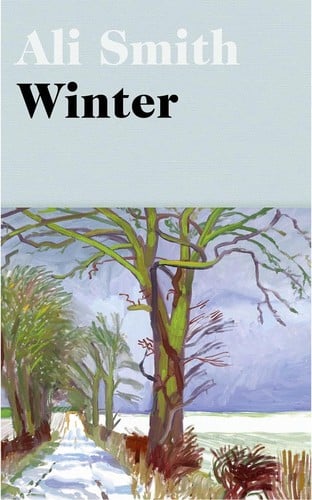
No. 69 on this list. Winter
Ali Smith · 2017
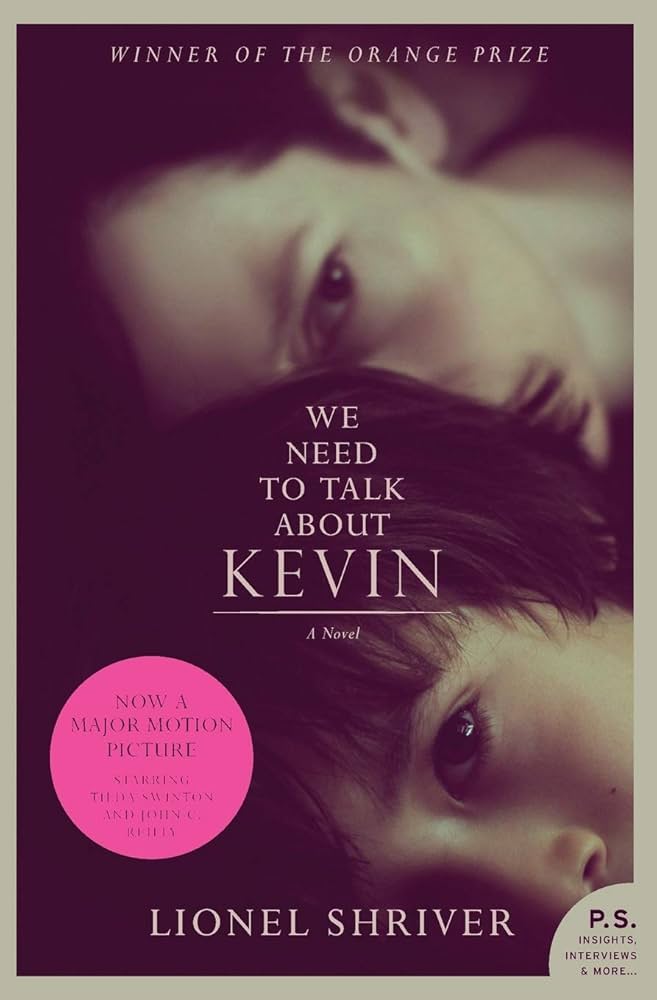
No. 70 on this list. We Need to Talk About Kevin
Lionel Shriver · 2005

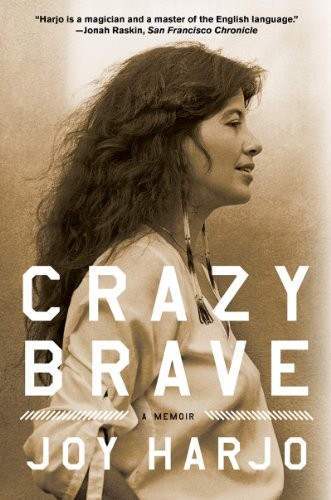
No. 71 on this list. Crazy Brave: A Memoir
Joy Harjo · 2012
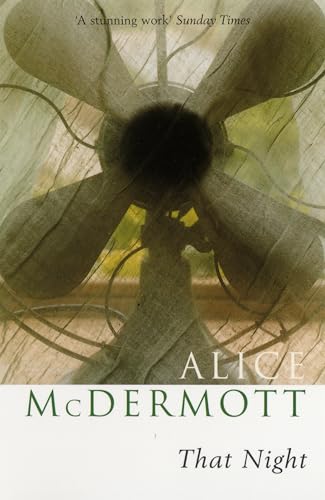
No. 72 on this list. That Night
Alice McDermott · 1987
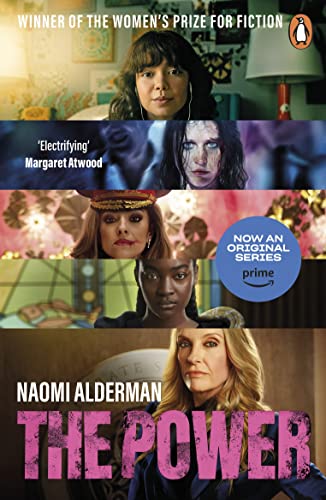
No. 73 on this list. The Power
Naomi Alderman · 2017
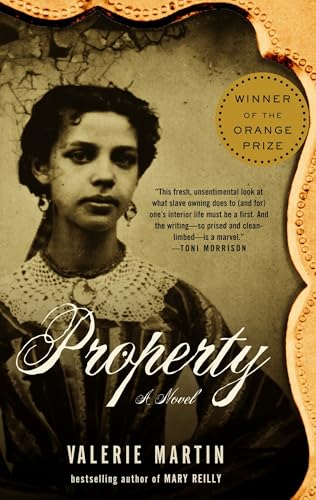
No. 74 on this list. Property
Valerie Martin · 2003
No. 75 on this list. The Good Terrorist
Doris Lessing · 1985
No. 76 on this list. The Great Fire
Shirley Hazzard · 2004
No. 77 on this list. A Deadly Education
Naomi Novik · 2020
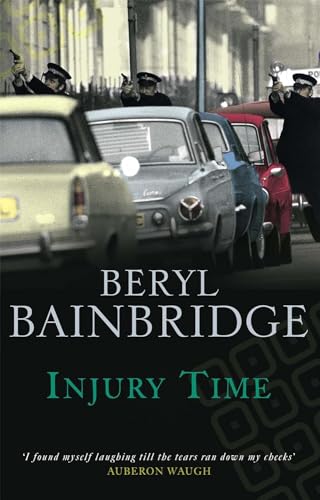
No. 78 on this list. Injury Time
Beryl Bainbridge · 1977
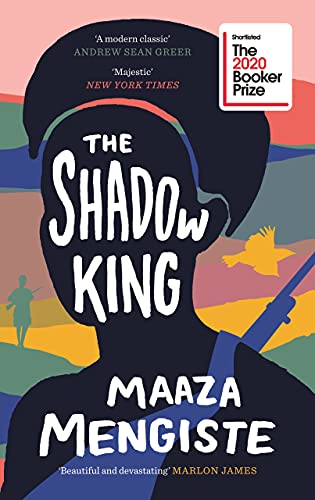
No. 79 on this list. The Shadow King
Maaza Mengiste · 2020
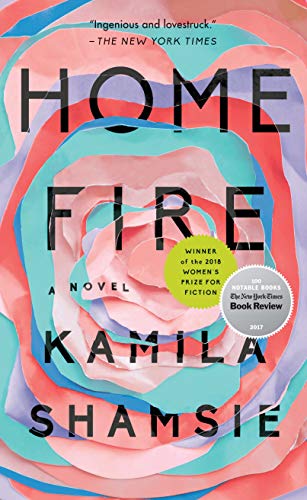
No. 80 on this list. Home Fire
Kamila Shamsie · 2017
Taught in schools: Pearson Edexcel GCSE and A-level English Literature (UK)
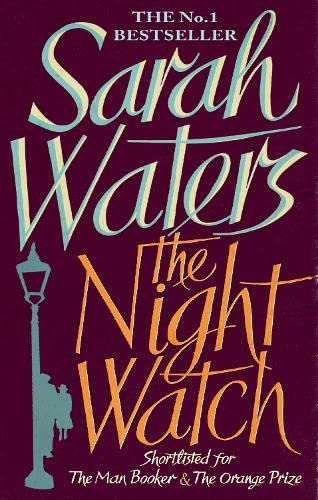
No. 81 on this list. The Night Watch
Sarah Waters · 2006
No. 82 on this list. In the Dream House
Carmen Maria Machado · 2019
No. 83 on this list. Half Blood Blues
Esi Edugyan · 2011
No. 84 on this list. The Dark Circle
Linda Grant · 2017
No. 85 on this list. The Dry Heart
Natalia Ginzburg · 1947
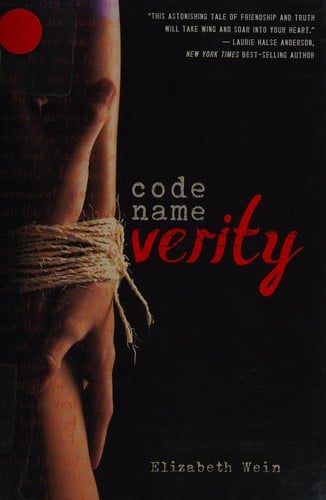
No. 86 on this list. Code Name Verity
Elizabeth Wein · 2012
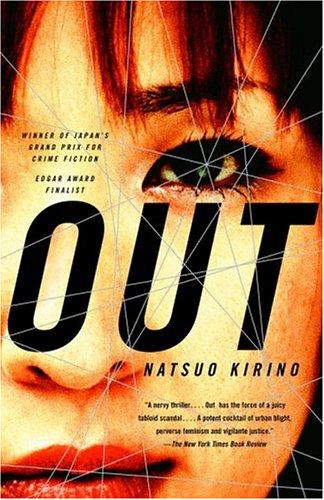
No. 87 on this list. Out
Natsuo Kirino · 1997
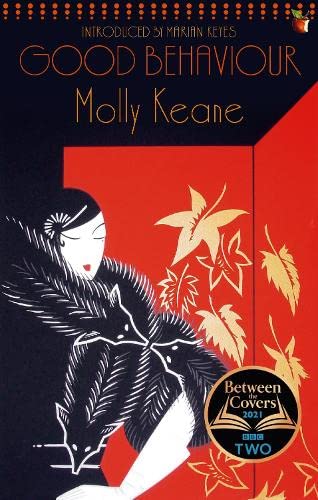
No. 88 on this list. Good Behaviour
Molly Keane · 1981
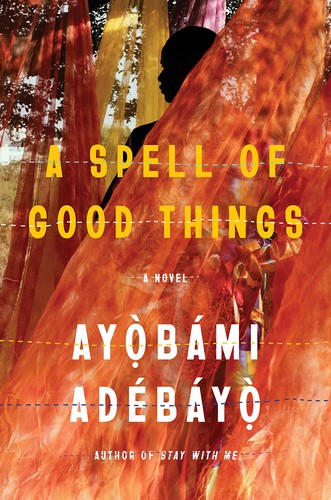
No. 89 on this list. A Spell of Good Things
Ayọ̀bámi Adébáyọ̀ · 2023
No. 90 on this list. Fugitive Pieces
Anne Michaels · 1997
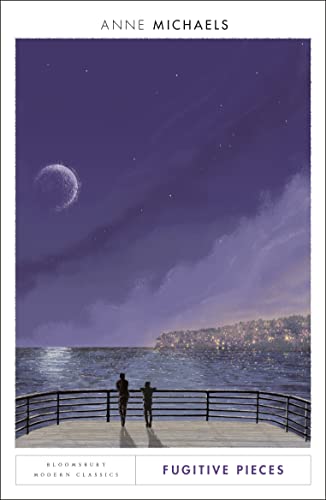
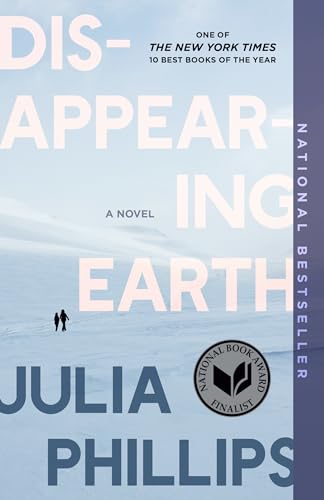
No. 91 on this list. Disappearing Earth
Julia Phillips · 2019
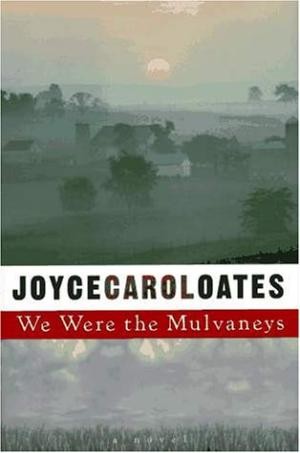
No. 92 on this list. We Were the Mulvaneys
Joyce Carol Oates · 1996
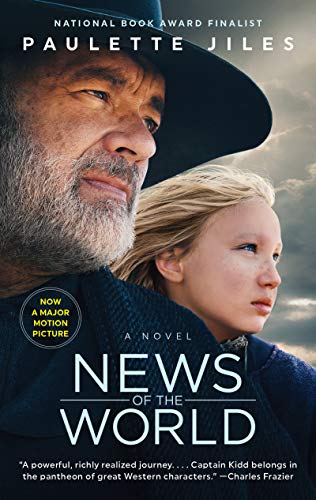
No. 93 on this list. News of the World
Paulette Jiles · 2016
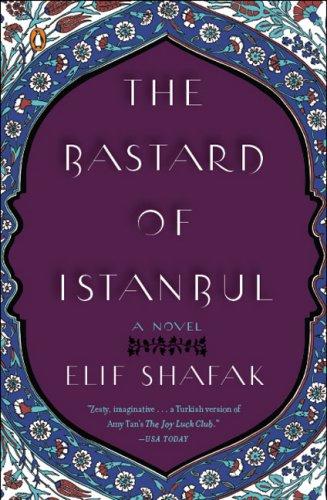
No. 94 on this list. The Bastard of Istanbul
Elif Shafak · 2006
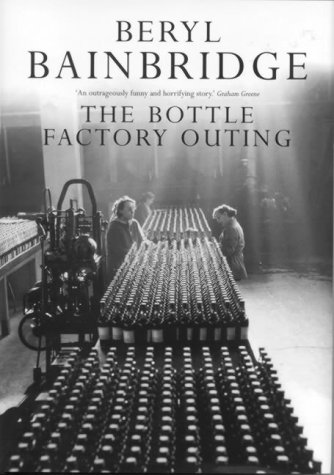
No. 95 on this list. The Bottle Factory Outing
Beryl Bainbridge · 1974
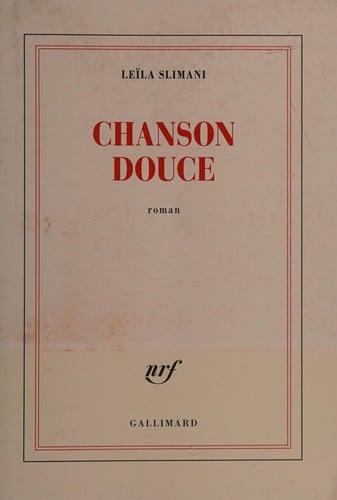
No. 96 on this list. The Perfect Nanny
Leïla Slimani · 2016
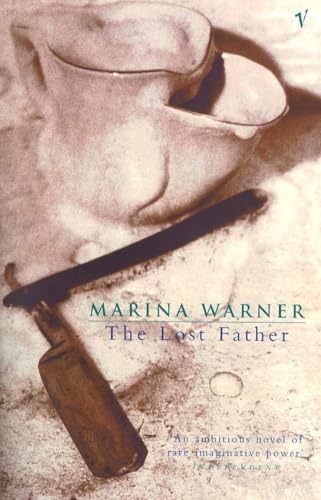
No. 97 on this list. The Lost Father
Marina Warner · 1988
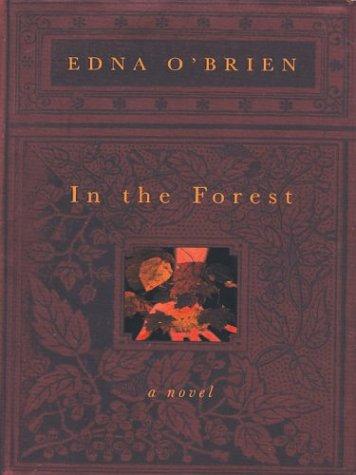
No. 98 on this list. In the Forest
Edna O'Brien · 2002
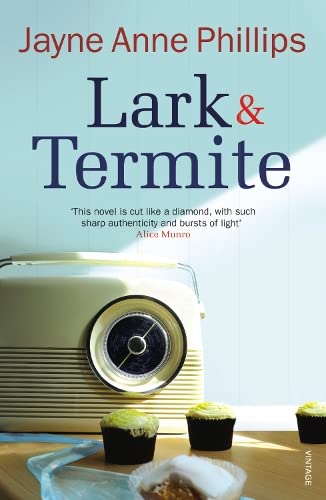
No. 99 on this list. Lark and Termite
Jayne Anne Phillips · 2009
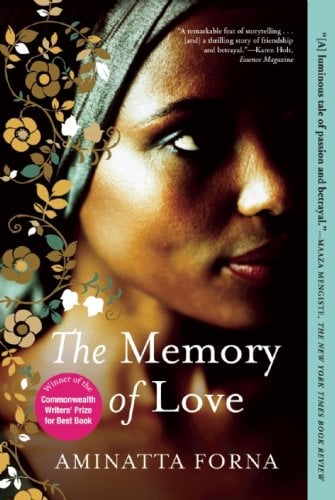
No. 100 on this list. The Memory of Love
Aminatta Forna · 2011
About this list
These 100 books are the highest-scoring eligible books about war and conflict by women currently in the catalogue. About 773 hours of reading in all. Difficulty runs from 46 to 61 out of 100 for the middle half of the list; the summit is Poem Without a Hero at 81.
This list is ranked by literary regard, with a consistent order for equal scores. Membership follows authors and co-authors, not translators or editors. A book is here when ReadingRate files it under War & Conflict as one of its primary reading domains, at a confidence of 0.8 or more. Catalogue coverage and the historical canon both limit what this list can represent.
When we matched the Canons dataset to our catalogue in October 2026, our canonical-status scores rose with the number of school curricula, publisher series and lists in it that cite a work: the median score was 72 for books one such source cites, 84 at two, 88 at three, 92 at four and 93 at five or more. Prizes are left out of that count. Outside the state curricula, the dataset’s sources choose mostly from what has been translated into English or French, so it is a weaker check on other literatures. Source: Canons (Andrew Piper), CC BY 4.0
Questions people actually ask
- What are the best books about war and conflict by women?
- By literary regard, which weighs canonical status, critical standing and influence: Poem Without a Hero by Anna Akhmatova, The Bluest Eye by Toni Morrison, Paradise by Toni Morrison, The Mirror and the Light by Hilary Mantel and Mansfield Park by Jane Austen. ReadingRate ranks 100 such books, each with a difficulty score and a reading-time estimate.
- Which books about war and conflict by women should I read first?
- Start from difficulty, not from rank. The most approachable books on this list that still carry top literary regard are The Time of the Doves by Mercè Rodoreda (about 3 hours), Persepolis by Marjane Satrapi and Wise Blood by Flannery O'Connor.
- What are the shortest of the best books about war and conflict by women?
- Among the top 25, the shortest are Diving into the Wreck by Adrienne Rich (about 47 min), Blasted by Sarah Kane (about 46 min) and Poem Without a Hero by Anna Akhmatova (about 2 hours), at an average pace of 250 words a minute adjusted for each book's difficulty.
- Which of the best books about war and conflict by women are the established classics?
- By canonical status, how firmly a book sits in curricula, anthologies and the canon: The Bluest Eye by Toni Morrison, Mansfield Park by Jane Austen, The Time of the Doves by Mercè Rodoreda, Persepolis by Marjane Satrapi and The Man Who Loved Children by Christina Stead.
- Can I read any of these books about war and conflict by women for free?
- 4 of the 100 open in ReadingRate's reader with a free account, from public-domain editions: Mansfield Park, Villette, One of Ours and Shirley.
- How long would it take to read the top ten?
- About 90 hours, at an average pace of 250 words a minute adjusted for each book's difficulty: 46 days at two hours a day. Set your own pace on the page and the list's reading times change to it.
- How hard are books about war and conflict by women to read?
- Most of this list sits between 46 and 61 on ReadingRate's 100-point difficulty scale, where 40 to 55 is moderate. The summit is Poem Without a Hero at 81. Every entry carries its own score, so a reader can pick a great book at a difficulty they will finish.
- How is this list ranked?
- On literary-regard data: how canonically established a work is, its critical standing, and its influence on later writing. It is not a readers’ poll, which is why recent bestsellers rarely appear. Membership follows authors and co-authors, not translators or editors. Lists by country, author, period, theme or difficulty keep to literature (fiction, poetry, drama and philosophy), their novels, poems and plays first and their philosophy after them; a list of a kind of book, such as memoir or criticism, keeps every book of that kind. Every list holds at most three works by one author. A book is here when ReadingRate files it under War & Conflict as one of its primary reading domains, at a confidence of 0.8 or more.