Hours at an average pace
Showing 100 books
About 418 hours for 100 of 100 books with measured lengths. Estimates use 250 words a minute, adjusted for each book's difficulty. At 2 hours a day, about 209 days for those books.
No. 1 on this list. The Miser
Molière · 1668
Moderate1.4 hours
Taught in schools: Lektury obowiązkowe – Polish national reading list (Poland), UNAM Escuela Nacional Preparatoria – programas de Literatura (Mexico)
Included in: Great Books of the Western World
The Miser is a staple of French literature and world theater curricula across universities globally, ranking among the most performed and studied comedies of the Western canon. While no syllabus count is in the database, it appears consistently on comparative literature, French studies, and drama course lists. Its presence in world literature anthologies across dozens of languages reflects its canonical standing.
Pamela Andrews is fifteen years old and in service when her mistress dies and the mistress's son, Mr. B, begins a campaign to seduce her. She refuses. He escalates — intercepting her letters, relocating her to a remote estate, locking her in — and she keeps writing, to her parents and in a secret journal she hides in her clothing. What makes the novel strange is that we only have Pamela's account: earnest, relentlessly self-observing, written in the knowledge that Mr. B may one day read every word she has set down. Published in 1740, Pamela invented something — not just the epistolary novel, but the novel's peculiar project of making a single consciousness the center of a world. Richardson called his method 'writing to the moment': the heroine records events as they happen, before she knows how they will turn out. Readers have been arguing about Pamela's sincerity ever since. Henry Fielding published Shamela the following year, certain the whole performance was calculation dressed as virtue. That argument — is Pamela genuinely good, or is goodness here just the strategy that worked? — has never been settled. The novel is slow by design: captivity is repetitive, and Richardson wants you to feel it. But the compression of one young woman's inner life, the surveillance she endures and returns in kind, and the original sin of a marriage that rewards persistence over refusal make Pamela one of the most uncomfortable triumphs in English fiction.
No. 3 on this list. The Comedy of Errors
William Shakespeare · 1594
Moderate1 hours
Included in: Great Books of the Western World
The Comedy of Errors appears on English literature syllabi worldwide as a fixture in Shakespeare survey courses. Among Shakespeare's 37 plays it ranks below the major tragedies in teaching frequency, but as the shortest play in the canon and the foundational English stage farce it maintains consistent academic presence across drama and literature programmes.
A Hero of Our Time is the foundational text of Russian psychological prose and is taught in virtually every Russian literature survey course worldwide. The database shows no Open Syllabus data, but the novel's position in the Russian literary canon — alongside Pushkin, Tolstoy, and Dostoevsky — is unambiguous; it is typically included in world literature curricula and is required reading in Russian secondary and university education. Wikipedia covers the work extensively in dozens of languages. Its canonical status in Russian literature is comparable to The Great Gatsby's position in American literature.
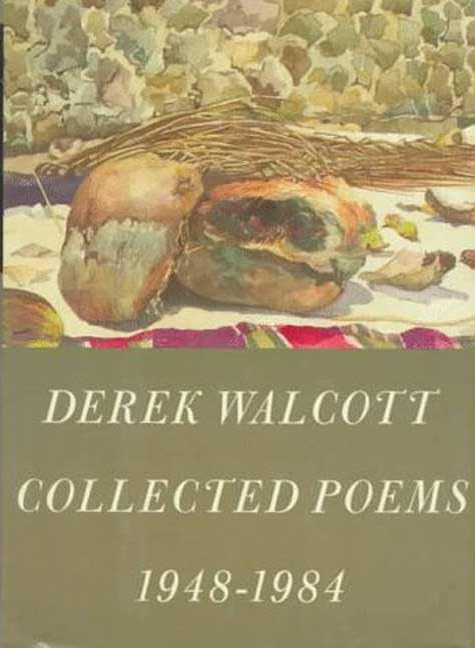
Nobel laureate and the defining poet of the Anglophone Caribbean. Central to postcolonial literature and increasingly recognized in the broader English-language canon.
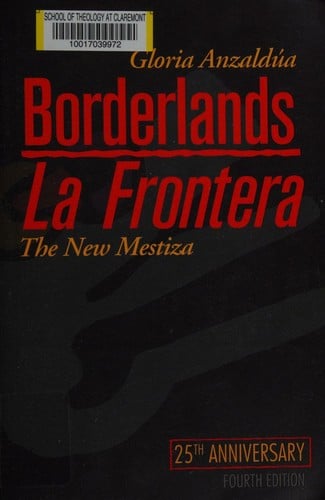
Foundational text of Chicana feminism, border studies, and queer theory. Universally taught in relevant fields.
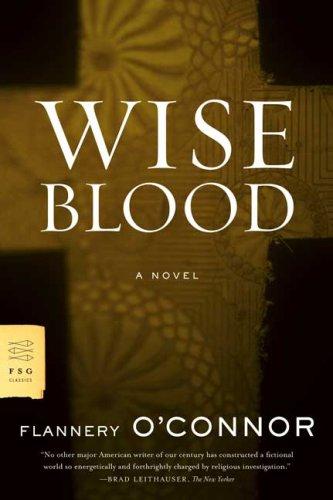
A landmark of Southern Gothic fiction and American literature, widely taught and critically analyzed. One of the defining novels of postwar American fiction.
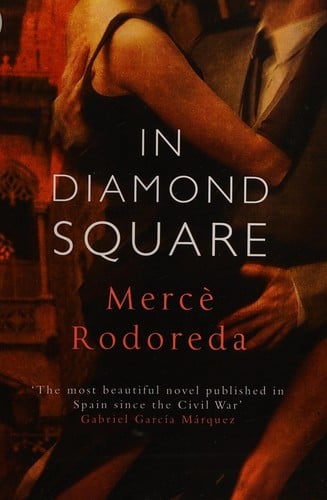
The undisputed masterpiece of twentieth-century Catalan literature. Widely translated and recognized as one of the great European novels of the postwar period.
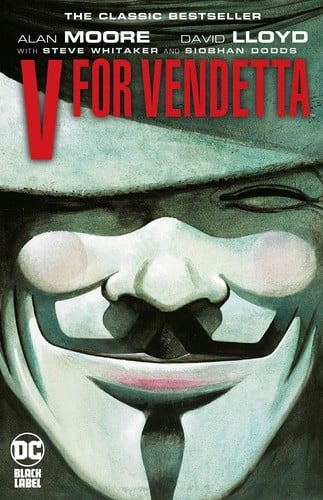
One of the foundational texts of the graphic novel form. Widely taught, frequently cited in discussions of political fiction and dystopian literature.
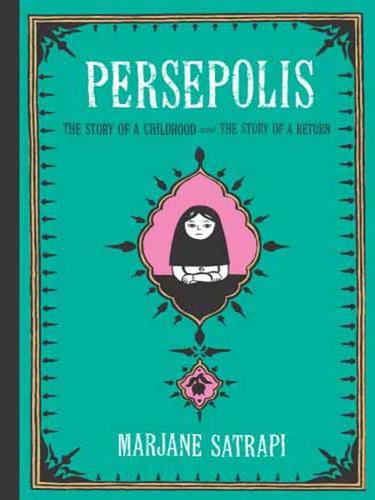
Persepolis is one of the most widely taught graphic narratives in schools and universities, a standard text in courses on memoir, comics and the modern Middle East. It sits beside Art Spiegelman's Maus at the core of the graphic-memoir curriculum.
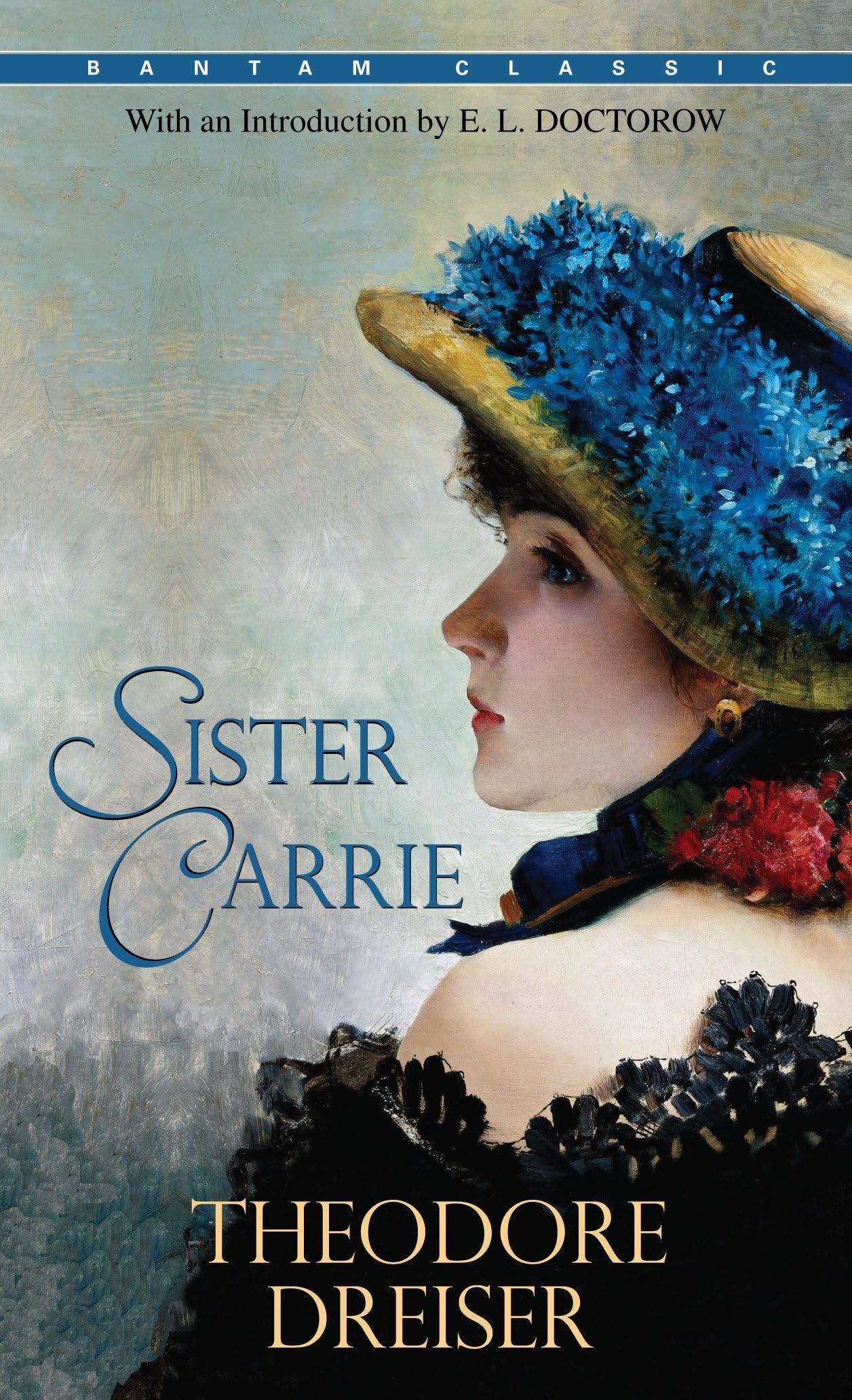
No. 11 on this list. Sister Carrie · Theodore Dreiser · 1900
Appears on 1,040 university syllabi and sits on the Modern Library 100 Best Novels list. It is a standard text for American naturalism and the Gilded Age city.
Easy9.4 hours
Read nowNo. 12 on this list. Sizwe Bansi Is Dead · Athol Fugard · 1972
One of the most important plays in South African theatrical history and a central work of anti-apartheid literature. Widely performed and taught internationally.
Easy1.1 hours
Start this bookNo. 13 on this list. Return to Haifa · Ghassan Kanafani · 1969
Taught in schools: Moroccan secondary Arabic literature (Morocco)
One of the foundational texts of Palestinian literature and one of the most widely read Arabic novellas worldwide.
Easy1.4 hours
Start this bookNo. 14 on this list. A Man of the People · Chinua Achebe · 1966
Taught in schools: Pacific Senior Secondary Certificate – English
Included in: Heinemann African Writers Series
"A Man of the People" appears regularly on university syllabi in African literature, postcolonial studies, and world literature courses, though it occupies a secondary position relative to Achebe's "Things Fall Apart," which is among the most taught novels globally. The book's prophetic publication date—released the same day as Nigeria's first military coup—secured it a place in literary history beyond its syllabus presence. It is standard reading in courses on African political fiction and postcolonial satire.
Easy3 hours
Start this bookNo. 15 on this list. The City and the Dogs · Mario Vargas Llosa · 1963
Recognized as one of the founding novels of the Latin American boom and a landmark of Peruvian literature.
Moderate7.7 hours
Start this bookNo. 16 on this list. Memed, My Hawk · Yasar Kemal · 1955
Included in: UNESCO Collection of Representative Works
The foundational novel of modern Turkish literature's international reputation. Widely translated and studied as a masterpiece of Turkish fiction.
Easy5.4 hours
Start this bookNo. 17 on this list. This Side of Paradise · F. Scott Fitzgerald · 1920
Taught in American literature surveys and Fitzgerald-specific courses, but far less frequently than The Great Gatsby, which dominates both high school and university syllabi. This Side of Paradise appears primarily in courses on modernism, the 1920s, or the American bildungsroman. It holds a secure but secondary position in the Fitzgerald canon — the book that made him famous rather than the book that made him permanent.
Easy4.6 hours
Read nowNo. 18 on this list. The Earthsea Quartet · Ursula K Le Guin · 1968
Across four novels spanning decades, Le Guin builds the archipelago of Earthsea—a world of islands, sailing, and true-name magic where knowing a thing's true name gives power over it. A Wizard of Earthsea follows the young wizard Ged as he releases a shadow-creature and must pursue it across the world. The Tombs of Atuan follows a priestess freed from underground servitude. The Farthest Shore follows Ged, now Archmage, pursuing a wizard who has broken the boundary between life and death. Tehanu, written sixteen years later, returns to Earthsea with a feminist perspective, following the abused child Therru and the former priestess Tenar in a world where women's power has been systematically suppressed. Le Guin's magic system—where speaking a true name is the fundamental magical act—is the most elegant in fantasy. The prose is spare, rhythmic, and precise, closer to myth than novel.
Moderate15 hours
Start this bookNo. 19 on this list. A Lost Lady · Willa Cather · 1923
Included in: Great Books of the Western World
One of Cather's most celebrated novels, widely anthologized and taught. F. Scott Fitzgerald admired it greatly.
Easy2.2 hours
Start this bookNo. 20 on this list. Deep Rivers · José María Arguedas · 1958
Taught in schools: UNAM Escuela Nacional Preparatoria – programas de Literatura (Mexico)
The central work of indigenist literature in Latin America and a cornerstone of Peruvian fiction.
Easy4 hours
Start this book
No. 21 on this list. The Land at the End of the World · Antonio Lobo Antunes · 1979
A Portuguese military doctor sits in a Lisbon bar late at night, talking at a woman who says nothing. For the next two hundred pages he doesn't stop. What pours out is the twenty-seven months he spent as an army psychiatrist in Angola during Portugal's colonial war — the bodies, the malaria, the boredom, the complicity — braided with memories of a Lisbon childhood lived in the shadow of Salazar's dictatorship and the bourgeois Catholic family that produced him. The zoo near his parents' apartment returns again and again: the animals behind wire, the very upright black roller-skating instructor tracing his slow ellipses, the solitude of the giraffe. The zoo is not a metaphor he explains. It is simply there, and the reader assembles what it means. Antunes writes in a single sustained torrent — no chapters, no scene breaks, no mercy. The syntax piles subordinate clause on subordinate clause until a sentence has carried you from a specific smell in Angolan scrub to a childhood memory of an aunt's apartment to a direct address back to the silent woman and her motionless hands. The narrator presents himself as tender, self-aware, a victim. The text contradicts him at every turn. He watched things happen that he did not stop. Originally published in 1979 as Os Cus de Judas — a title the English publisher softened — this is the novel that announced Antunes as the defining voice of post-colonial Portuguese literature. It reads like Faulkner set in the ruins of empire, with the guilt turned inward until it can't be contained.
Moderate4 hours
Start this bookNo. 22 on this list. Tracks · Louise Erdrich · 1988
A central work in Erdrich's interconnected cycle and widely taught in American literature courses. Considered one of her strongest early novels.
Moderate4.1 hours
Start this bookNo. 23 on this list. The Golden Pot · E.T.A. Hoffmann · 1814
One of the masterpieces of German Romanticism and Hoffmann's most celebrated tale. Widely studied in German literature courses.
Moderate1.9 hours
Start this bookNo. 24 on this list. A Universal History of Infamy · Jorge Luis Borges · 1935
Borges's first fiction collection and the origin of his narrative method. Important in the Borges canon but overshadowed by Ficciones and The Aleph.
Moderate1.6 hours
Start this bookNo. 25 on this list. Adam Bede · George Eliot · 1859
Adam Bede appears regularly on Victorian literature and 19th-century British fiction syllabi at universities worldwide, and is the standard entry point to George Eliot's work in courses that cannot assign the longer Middlemarch. It is included in most survey courses of the Victorian novel. Its canonical status within the Eliot corpus is secondary only to Middlemarch and The Mill on the Floss, but within the broader Victorian canon it holds a secure if not dominant position — consistently anthologized, consistently in print, and consistently cited as a foundational work of Victorian realism.
Moderate13 hours
Read nowNo. 26 on this list. Our Twisted Hero · Yi Munyol · 1987
One of the most widely read and taught works of modern Korean literature, both domestically and in translation.
Easy1.4 hours
Start this bookNo. 27 on this list. The Art of Love · Ovid · 2
One of Ovid's most famous works, notorious in its own time and frequently censored, now recognized as a masterpiece of ironic didactic poetry.
Moderate1.3 hours
Read nowNo. 28 on this list. The Book of Three · Lloyd Alexander · 1964
Newbery Medal winner (for The High King). The Chronicles of Prydain are a cornerstone of children's fantasy.
Easy2.3 hours
Start this bookNo. 29 on this list. Dirty Hands · Jean-Paul Sartre · 1948
One of the most performed French plays of the twentieth century and a staple of political theater. Widely taught in philosophy and literature courses.
Easy2.4 hours
Start this bookNo. 30 on this list. Monster · Walter Dean Myers · 1999
Steve Harmon is sixteen years old and on trial for felony murder. He may have acted as a lookout for a Harlem drugstore robbery that left the owner dead — or he may not have. The question hangs over Walter Dean Myers's 1999 novel, which Steve narrates in the only form that makes sense to him: a screenplay. He writes himself as the protagonist, titles the film Monster — the word the prosecutor used to describe him — and cuts between courtroom scenes and flashback journal entries while his mother cries in the gallery and his lawyer calculates the odds. The form is not a gimmick. A screenplay externalizes action and dialogue while burying interiority in stage directions, and that gap is exactly where Myers puts the book's central problem: we watch Steve perform innocence without ever being certain whether we are watching performance or truth. The trial exposes Harlem's carceral machinery — the way young Black men get classified, processed, and destroyed — but Monster refuses to let that machinery fully explain Steve. He asks, on the last page, who he is. Myers doesn't answer. Readers will spend time after the last page deciding whether that's evasion or honesty, and what it says about how they read a defendant's face.
Easy1.7 hours
Start this book
No. 31 on this list. The Female Man
Joanna Russ · 1975
No. 32 on this list. Three Tall Women
Edward Albee · 1991
No. 33 on this list. The Innocents Abroad
Mark Twain · 1869
No. 34 on this list. Tonio Kröger
Thomas Mann · 1903
No. 35 on this list. Brown Girl Dreaming
Jacqueline Woodson · 2014
No. 36 on this list. Babel-17
Samuel R. Delany · 1966
No. 37 on this list. The Rock of Tanios
Amin Maalouf · 1993
No. 38 on this list. Father Sergius
Leo Tolstoy · 1898
No. 39 on this list. The Eye of the World
Robert Jordan · 1990
No. 40 on this list. Winter in the Blood
James Welch · 1974
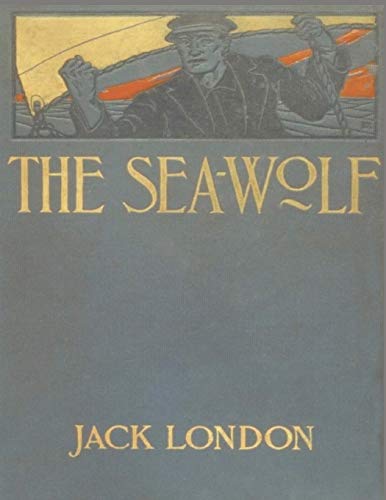
No. 41 on this list. The Sea-Wolf
Jack London · 1904
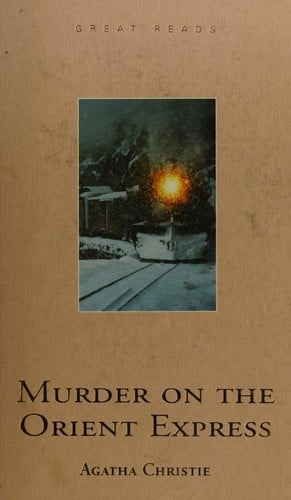
No. 42 on this list. Murder on the Orient Express
Agatha Christie · 1934
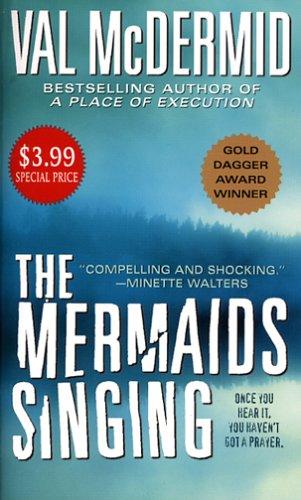
No. 43 on this list. The Mermaids Singing
Val McDermid · 1995
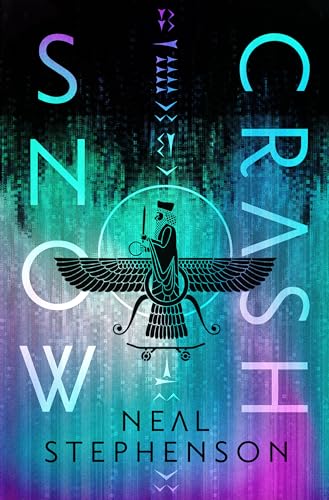
No. 44 on this list. Snow Crash
Neal Stephenson · 1992
No. 45 on this list. Maurice
E.M. Forster · 1971
No. 46 on this list. Wild Seed
Octavia E. Butler · 1980
No. 47 on this list. Ghost World
Daniel Clowes · 1997
No. 48 on this list. Drown
Junot Diaz · 1996
No. 49 on this list. American Born Chinese
Gene Luen Yang · 2006
No. 50 on this list. The Song of the Lark
Willa Cather · 1915
No. 51 on this list. Ti-Jean and His Brothers
Derek Walcott · 1958
No. 52 on this list. Appointment in Samarra
John O'Hara · 1934
No. 53 on this list. The Witches
Roald Dahl · 1983
No. 54 on this list. Woman Hollering Creek and Other Stories
Sandra Cisneros · 1991
No. 55 on this list. The Little Sister
Raymond Chandler · 1988
No. 56 on this list. Couples
John Updike · 1968
No. 57 on this list. Binti
Nnedi Okofor · 2015
No. 58 on this list. Tales of the City
Armistead Maupin · 1978
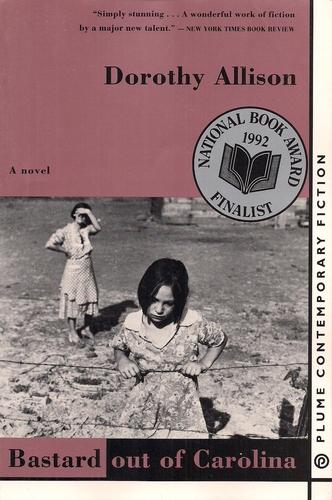
No. 59 on this list. Bastard Out of Carolina
Dorothy Allison · 1992
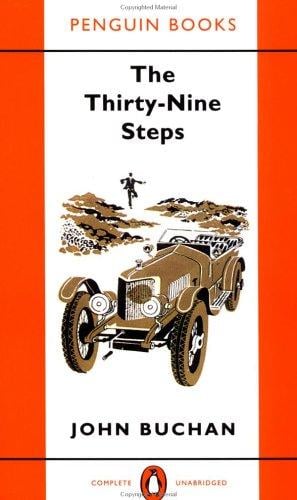
No. 60 on this list. The Thirty-Nine Steps
John Buchan · 1915

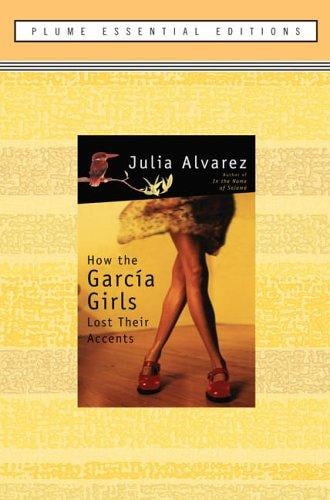
No. 61 on this list. How the Garcia Girls Lost Their Accents
Julia Alvarez · 1991
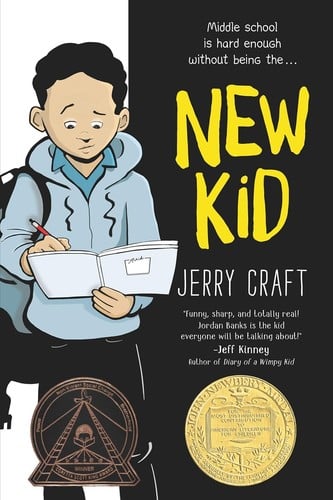
No. 62 on this list. New Kid
Jerry Craft · 2019
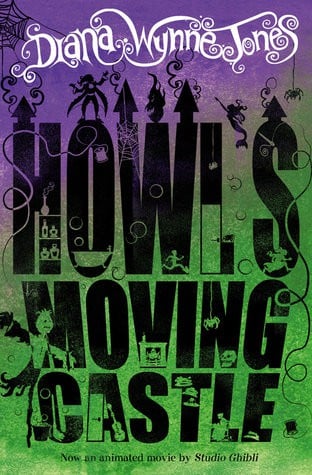
No. 63 on this list. Howl's Moving Castle
Diana Wynne Jones · 1986
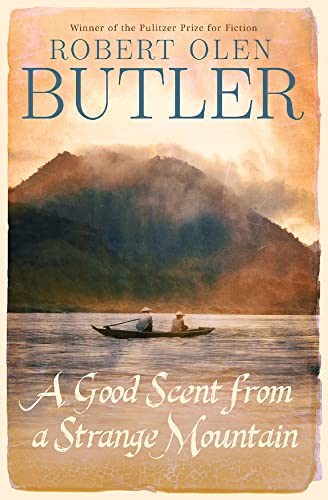
No. 64 on this list. A Good Scent from a Strange Mountain
Robert Olen Butler · 1993
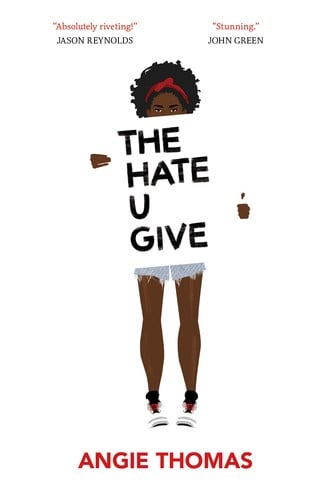
No. 65 on this list. The Hate U Give
Angie Thomas · 2017
No. 66 on this list. The Ultimate Hitchhiker’s Guide to the Galaxy (Hitchhiker's Guide to the Galaxy, #1-5)
Douglas Adams · 2002
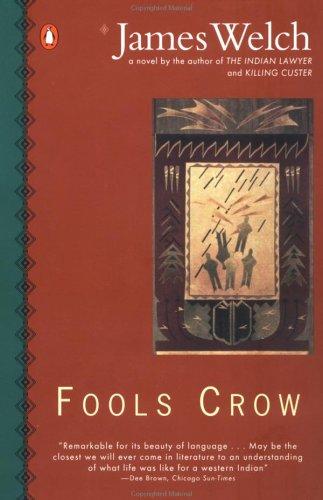
No. 67 on this list. Fools Crow
James Welch · 1986
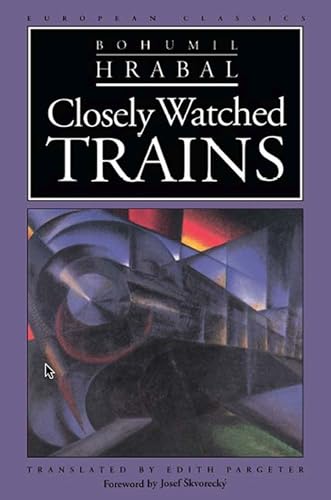
No. 68 on this list. Closely Watched Trains
Bohumil Hrabal · 1965
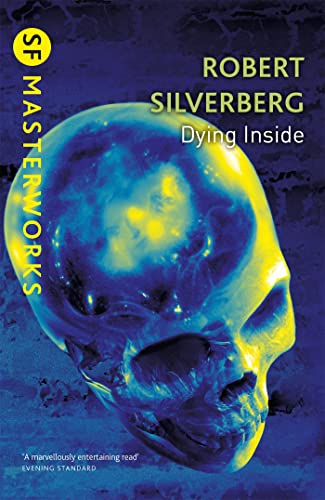
No. 69 on this list. Dying Inside
Robert Silverberg · 1972
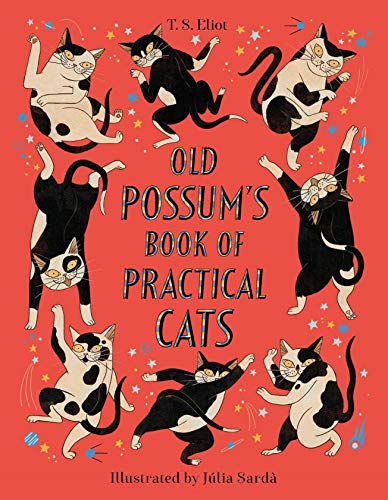
No. 70 on this list. Old Possum's Book of Practical Cats
T. S. Eliot · 1939

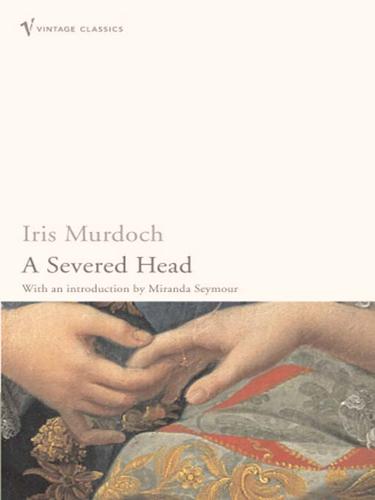
No. 71 on this list. A Severed Head
Iris Murdoch · 1961
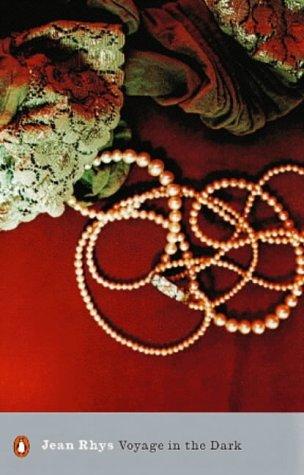
No. 72 on this list. Voyage in the Dark
Jean Rhys · 1934
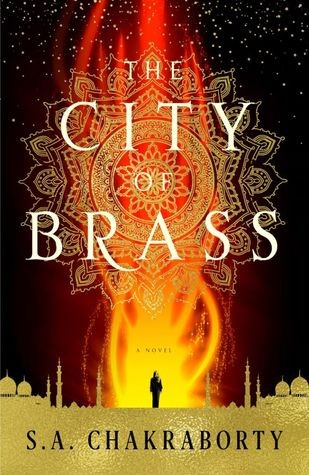
No. 73 on this list. The City of Brass
S.A. Chakraborty · 2017
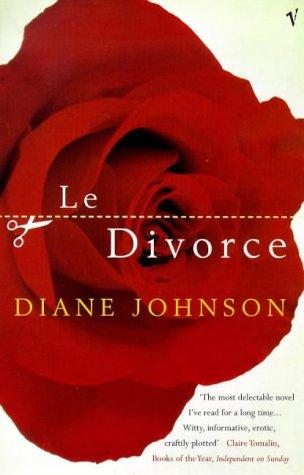
No. 74 on this list. The Divorce
Diane Johnson · 2010
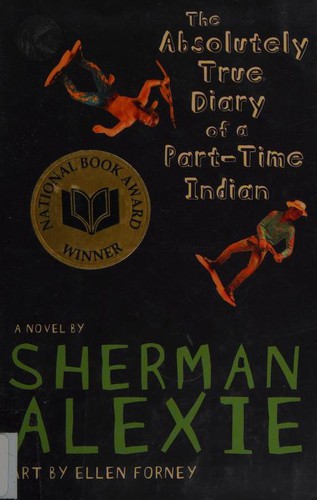
No. 75 on this list. The Absolutely True Diary of a Part-Time Indian
Sherman Alexie · 2007
No. 76 on this list. Old Man's War
John Scalzi · 2005
No. 77 on this list. A Dry White Season
André Brink · 1979
No. 78 on this list. All Systems Red
Martha Wells · 2017
No. 79 on this list. Number the Stars
Lois Lowry · 1989
No. 80 on this list. Whitney, My Love
Judith McNaught · 1985
No. 81 on this list. How Should a Person Be?
Sheila Heti · 2012
No. 82 on this list. The Years
Virginia Woolf · 1937
No. 83 on this list. Crazy Brave: A Memoir
Joy Harjo · 2012
No. 84 on this list. Soul
Andrei Platonov · 1964
No. 85 on this list. Agnes Grey
Anne Brontë · 1847
No. 86 on this list. The garden of Eden
Ernest Hemingway · 1986
No. 87 on this list. Batman: Year One
Frank Miller · 2007
No. 88 on this list. The Lay of the Land
Richard Ford · 2006
No. 89 on this list. Peter Camenzind
Hermann Hesse · 1904
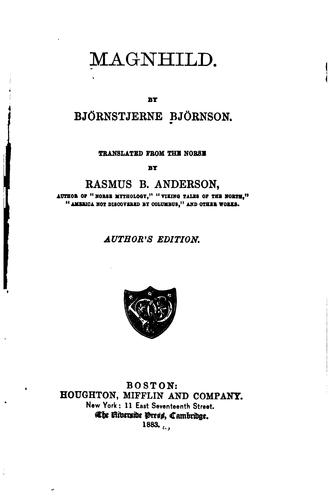
No. 90 on this list. Magnhild
Bjørnstjerne Bjørnson · 1877


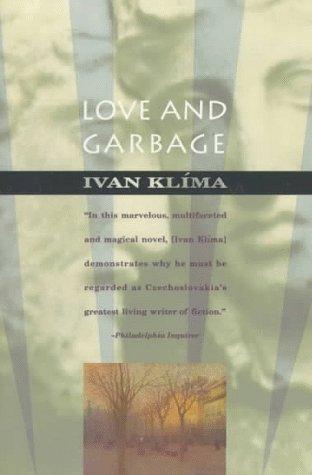
No. 91 on this list. Love and Garbage
Ivan Klima · 1986
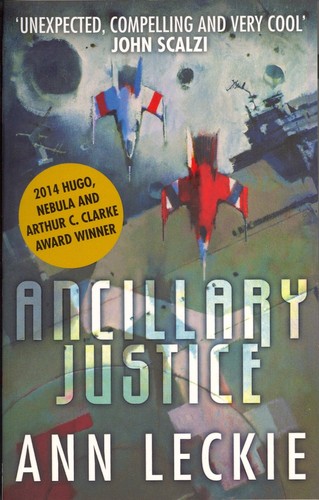
No. 92 on this list. Ancillary Justice
Ann Leckie · 2013
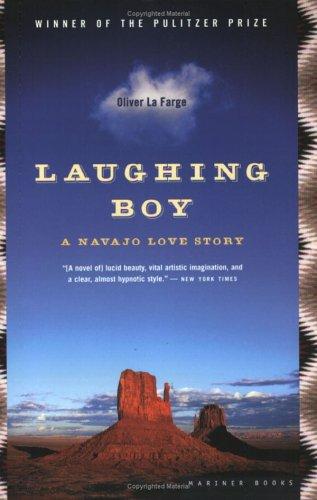
No. 93 on this list. Laughing Boy
Oliver La Farge · 1930
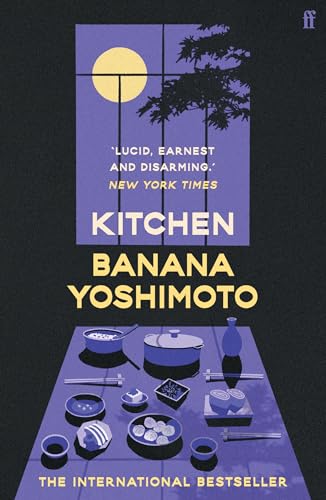
No. 94 on this list. Kitchen
Banana Yoshimoto · 1988
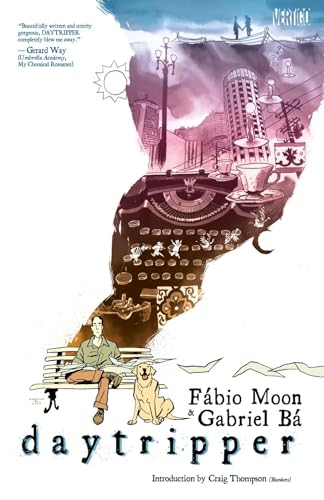
No. 95 on this list. Daytripper
Fábio Moon · 2011
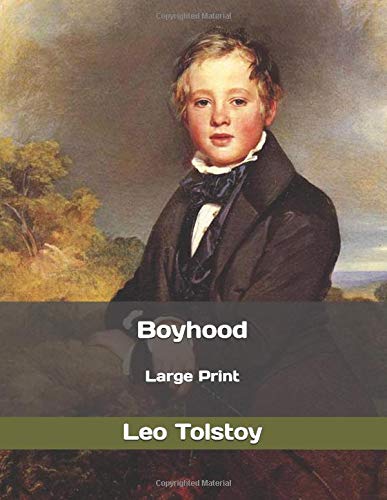
No. 96 on this list. Boyhood
Leo Tolstoy · 1854
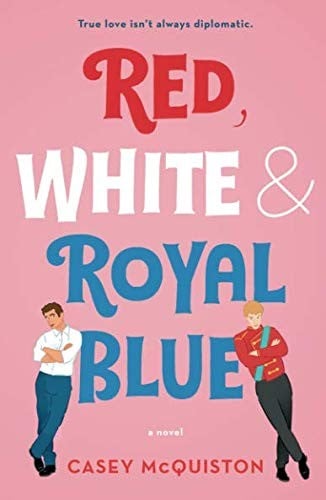
No. 97 on this list. Red, White & Royal Blue
Casey McQuiston · 2019
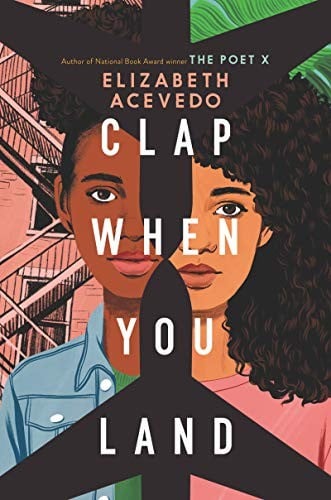
No. 98 on this list. Clap When You Land
Elizabeth Acevedo · 2020
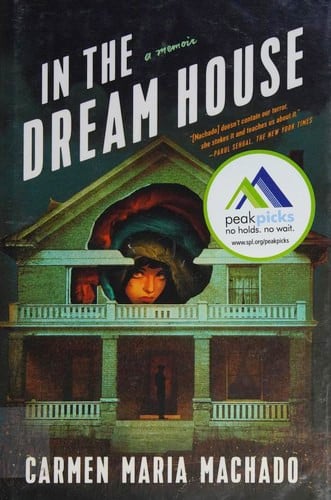
No. 99 on this list. In the Dream House
Carmen Maria Machado · 2019
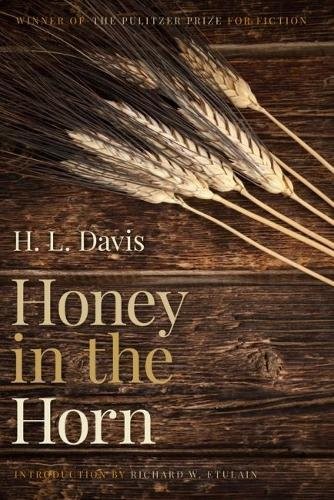
No. 100 on this list. Honey in the Horn
H.L. Davis · 1936
About this list
These 100 books are the highest-scoring eligible easy books about identity and the self currently in the catalogue. About 418 hours of reading in all. Difficulty runs from 33 to 41 out of 100 for the middle half of the list; the summit is Collected Poems of Derek Walcott at 45.
This list is ranked by literary regard, with a consistent order for equal scores. Membership follows authors and co-authors, not translators or editors. A book is here when ReadingRate files it under Identity & Self as one of its primary reading domains, at a confidence of 0.8 or more. Catalogue coverage and the historical canon both limit what this list can represent.
When we matched the Canons dataset to our catalogue in October 2026, our canonical-status scores rose with the number of school curricula, publisher series and lists in it that cite a work: the median score was 72 for books one such source cites, 84 at two, 88 at three, 92 at four and 93 at five or more. Prizes are left out of that count. Outside the state curricula, the dataset’s sources choose mostly from what has been translated into English or French, so it is a weaker check on other literatures. Source: Canons (Andrew Piper), CC BY 4.0
Questions people actually ask
- What are the best easy books about identity and the self?
- By literary regard, which weighs canonical status, critical standing and influence: The Miser by Molière, Pamela by Samuel Richardson, The Comedy of Errors by William Shakespeare, A Hero of Our Time by Mikhail Lermontov and Collected Poems of Derek Walcott by Derek Walcott. ReadingRate ranks 100 such books, each with a difficulty score and a reading-time estimate.
- Which easy books about identity and the self should I read first?
- Start from difficulty, not from rank. The most approachable books on this list that still carry top literary regard are The Time of the Doves by Mercè Rodoreda (about 3 hours), Persepolis by Marjane Satrapi and Sister Carrie by Theodore Dreiser.
- What are the shortest of the best easy books about identity and the self?
- Among the top 25, the shortest are The Comedy of Errors by William Shakespeare (about 1 hours), Sizwe Bansi Is Dead by Athol Fugard (about 1.1 hours) and The Miser by Molière (about 1.4 hours), at an average pace of 250 words a minute adjusted for each book's difficulty.
- Which of the best easy books about identity and the self are the established classics?
- By canonical status, how firmly a book sits in curricula, anthologies and the canon: The Miser by Molière, Pamela by Samuel Richardson, The Comedy of Errors by William Shakespeare, A Hero of Our Time by Mikhail Lermontov and Collected Poems of Derek Walcott by Derek Walcott.
- Can I read any of these easy books about identity and the self for free?
- 12 of the 100 open in ReadingRate's reader with a free account, from public-domain editions: The Comedy of Errors, Sister Carrie, This Side of Paradise, Adam Bede, The Art of Love and 7 more.
- How long would it take to read the top ten?
- About 42 hours, at an average pace of 250 words a minute adjusted for each book's difficulty: 21 days at two hours a day. Set your own pace on the page and the list's reading times change to it.
- How hard are easy books about identity and the self to read?
- Most of this list sits between 33 and 41 on ReadingRate's 100-point difficulty scale, where 40 to 55 is moderate. The summit is Collected Poems of Derek Walcott at 45. Every entry carries its own score, so a reader can pick a great book at a difficulty they will finish.
- How is this list ranked?
- On literary-regard data: how canonically established a work is, its critical standing, and its influence on later writing. It is not a readers’ poll, which is why recent bestsellers rarely appear. Membership follows authors and co-authors, not translators or editors. Lists by country, author, period, theme or difficulty keep to literature (fiction, poetry, drama and philosophy), their novels, poems and plays first and their philosophy after them; a list of a kind of book, such as memoir or criticism, keeps every book of that kind. Every list holds at most three works by one author. A book is here when ReadingRate files it under Identity & Self as one of its primary reading domains, at a confidence of 0.8 or more.