Hours at an average pace
Showing 100 books
About 632 hours for 100 of 100 books with measured lengths. Estimates use 250 words a minute, adjusted for each book's difficulty. At 2 hours a day, about 316 days for those books.
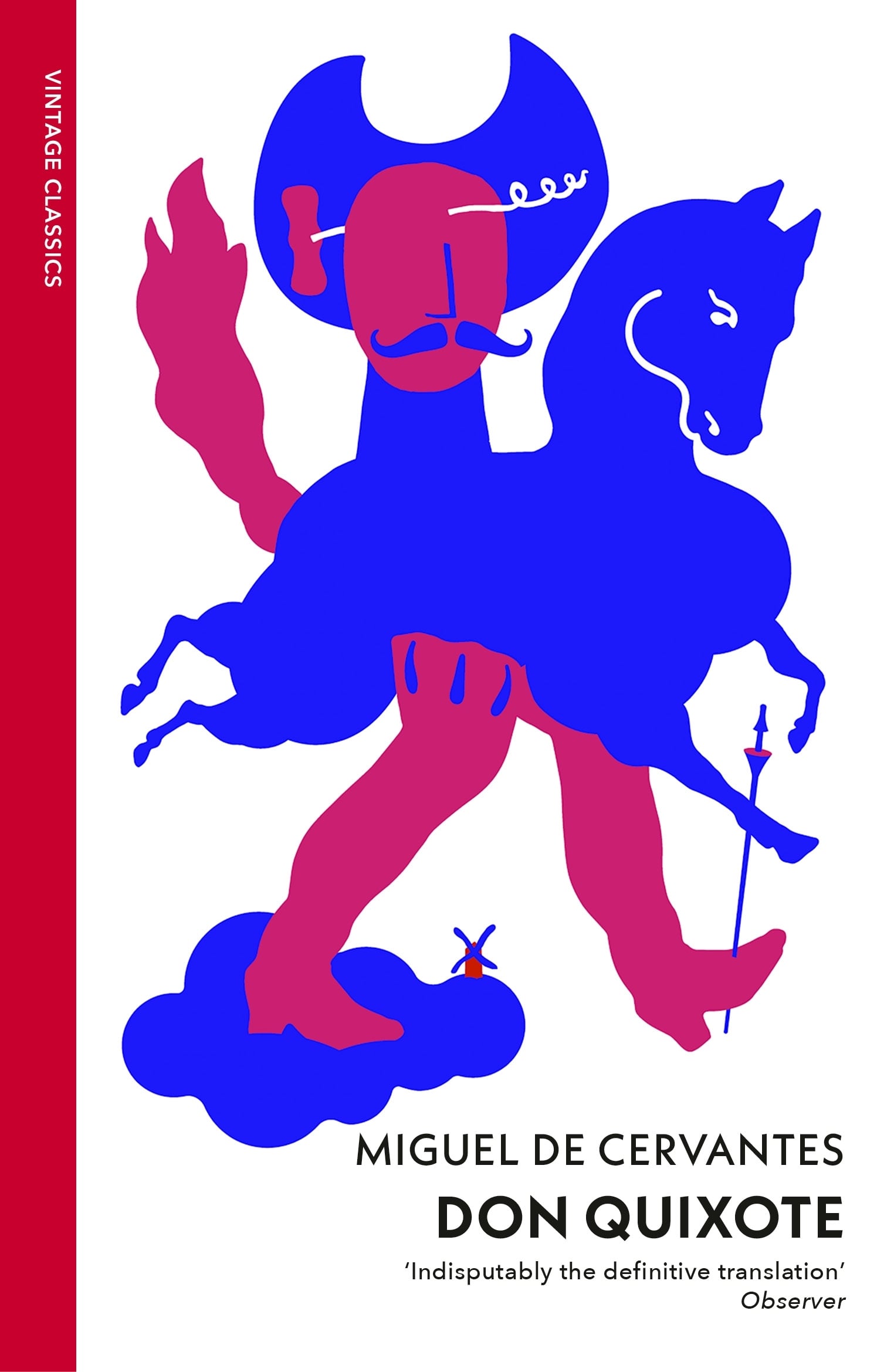
No. 1 on this list. Don Quixote
Miguel de Cervantes · 1605
Challenging32 hours
Taught in schools: Hungarian literature curriculum (magyar nyelv és irodalom) (Hungary), Literatura, Diseño Curricular – Provincia de Buenos Aires (Argentina), Montenegrin literature curriculum (crnogorski jezik i književnost) (Montenegro)
Included in: Bokklubben World Library, Great Books of the Western World
271 syllabus appearances (60.8th percentile) undersells its actual canonical weight. Don Quixote appears on virtually every Western canon list ever compiled, from Harold Bloom's to university core curricula worldwide. It is routinely called the first modern novel and the foundational work of Western fiction. Its relatively lower syllabus count likely reflects the novel's 900+ page length making it harder to assign in survey courses.
No. 2 on this list. On the Nature of Things
Lucretius · c. 55 BCE
Moderate5.5 hours
Included in: Great Books of the Western World
De Rerum Natura is one of the most significant surviving texts from antiquity, taught in classics, philosophy, and history of science programs at universities worldwide. It represents the fullest extant exposition of Epicurean atomism in any language and appears on virtually every list of essential classical works. Its rediscovery by Poggio Bracciolini in 1417 is credited with catalyzing Renaissance intellectual culture.
No. 3 on this list. The Bacchae
Euripides · c. 405 BCE
Moderate1.3 hours
Included in: Great Books of the Western World, Oxford World's Classics
One of 18 surviving tragedies from Euripides, performed continuously since antiquity. Central to Greek drama syllabi worldwide, frequently translated and adapted (including Dionysus in 69, The Bacchae 2.1). Essential text for understanding both Greek tragedy's development and the cultural conflicts of 5th-century Athens. Influenced later treatments of divine-human conflict from Ovid's Metamorphoses to modern drama.
Won the Pulitzer Prize, National Book Award, and National Book Critics Circle Award — the only book to win all three. Central to the American poetry canon.
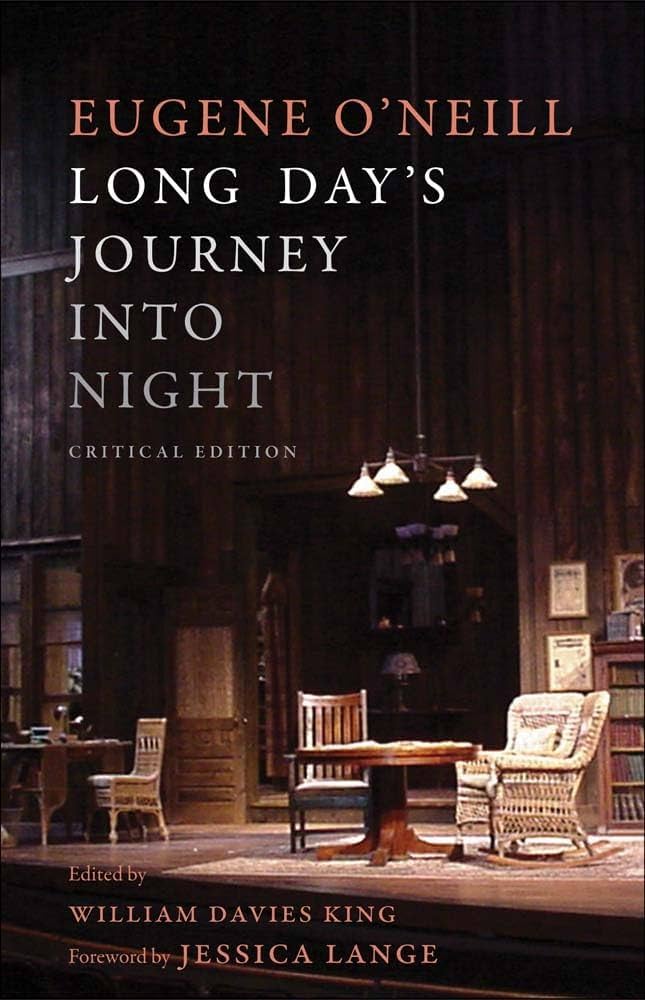
O'Neill dramatized his own family — the morphine-addicted mother, the alcoholic father, the doomed brother — with such lacerating honesty that he ordered the play sealed until twenty-five years after his death. The result is the most autobiographically raw masterpiece in American theater, a four-act cycle of blame and forgiveness that never grants its characters the relief of a resolution.
Recognized as one of the most important and innovative plays in Western drama. A foundational text of expressionism and the avant-garde theatre.
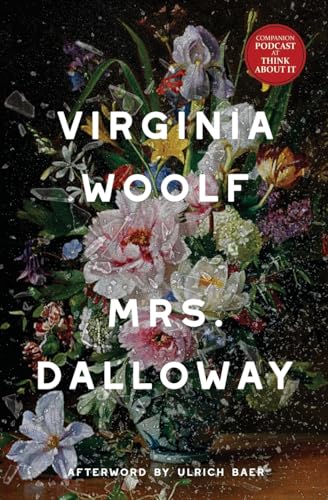
No. 7 on this list. Mrs. Dalloway
Virginia Woolf · 1925
Challenging7.1 hours
Taught in schools: OCR GCSE and A-level English Literature (UK), Pearson Edexcel GCSE and A-level English Literature (UK)
Included in: Bokklubben World Library
Appears on 4,254 university syllabi according to the Open Syllabus Project, placing it at the 90.7th percentile of all taught texts — above Beloved's range and approaching The Great Gatsby's 3,500+ appearances. Listed on TIME's All-TIME 100 Novels (2005) and in 1001 Books You Must Read Before You Die. Wikipedia articles in 35 languages with an adaptations section confirm broad global reach.
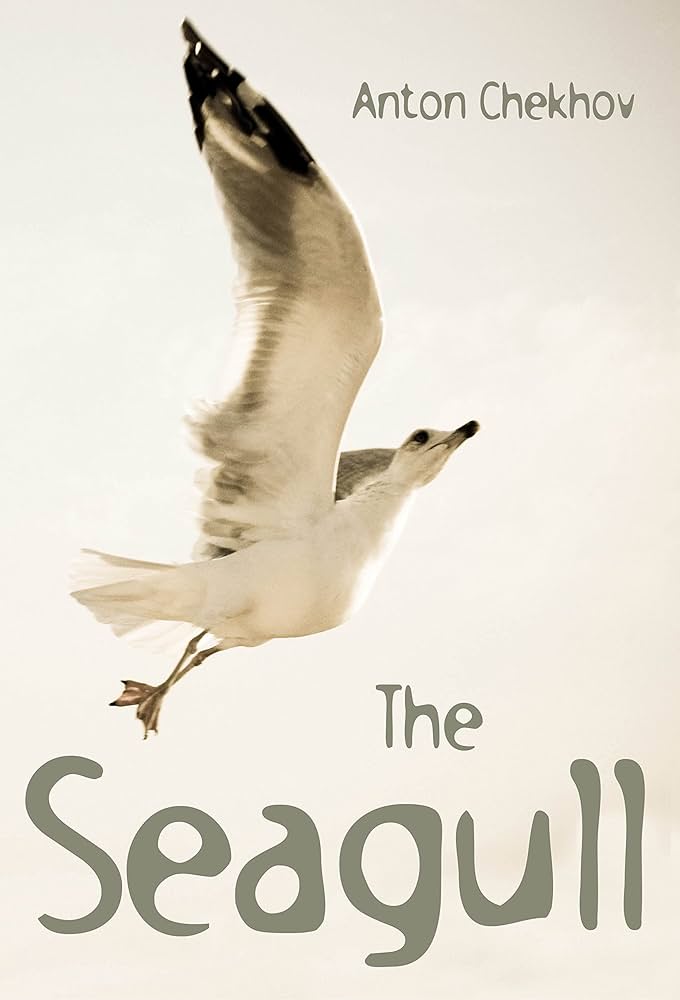
No. 8 on this list. The Seagull
Anton Chekhov · 1896
Challenging2.1 hours
Taught in schools: Hungarian literature curriculum (magyar nyelv és irodalom) (Hungary), Russian FGOS literature standard
One of Chekhov's four major plays and a permanent part of the world repertory and of drama syllabi. Its 1898 Moscow Art Theatre revival is the founding event of that theatre, which still carries a seagull on its curtain.
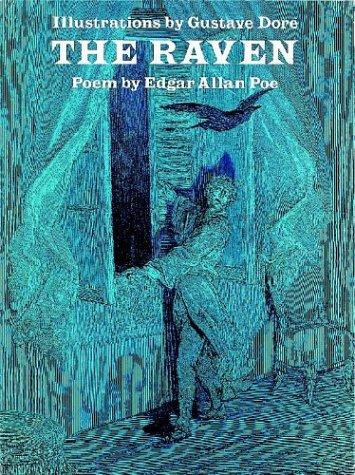
No. 9 on this list. The Raven
Edgar Allan Poe · 1845
Moderate1.1 hours
Taught in schools: Common Core text exemplars (Appendix B) (US)
It is among the most anthologized American poems and a staple of school and college literature courses. It is widely taught alongside Poe's tales.
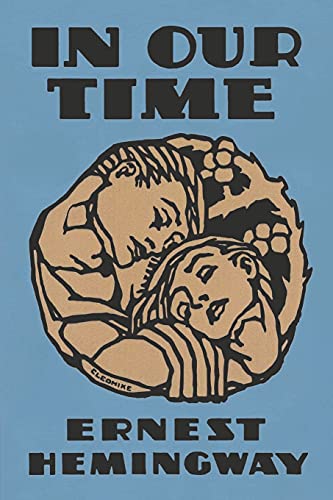
In Our Time is widely taught in American literature survey courses as the foundational text of Hemingway's iceberg style. It appears on thousands of university syllabi and is the required starting point for understanding modernist short fiction in America. The Modern Library and most major American literature curricula treat it as essential.
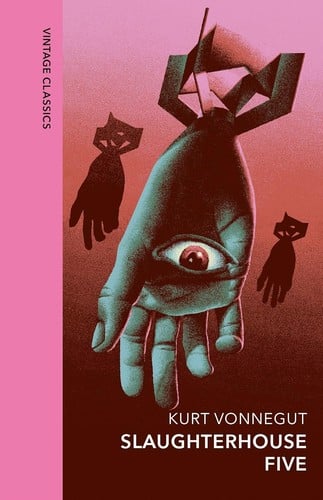
No. 11 on this list. Slaughterhouse-Five · Kurt Vonnegut · 1999
One of the most widely taught American novels of the twentieth century, in high school and university courses on war literature and postmodern fiction. Its 1969 text is the standard for anti-war reading lists.
Moderate3.5 hours
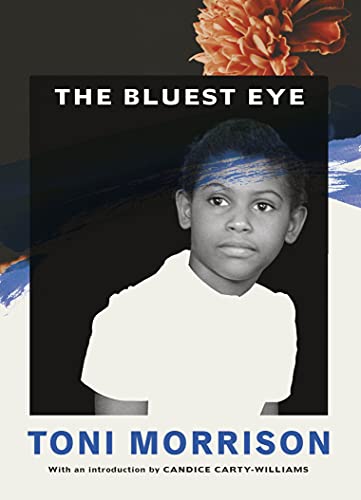
Start this bookNo. 12 on this list. The Bluest Eye · Toni Morrison · 1970
Taught in schools: Common Core text exemplars (Appendix B) (US)
While not as universally canonical as Beloved, The Bluest Eye is firmly established in the American literary canon, widely taught in universities, and recognized as a landmark debut that announced a major voice in American letters.
Challenging4.2 hours
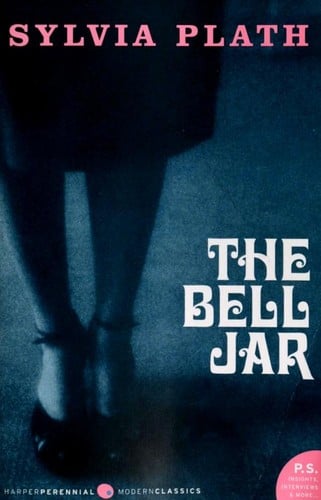
Start this bookNo. 13 on this list. The Bell Jar · Sylvia Plath · 1963
The Bell Jar is required reading in virtually every American women's literature and confessional writing course, and appears widely in high school curricula addressing mental health and mid-century American life. It holds a secure place on Modern Library and similar essential reading lists, and remains one of the most assigned novels in discussions of feminist literary history.
Challenging6.4 hours
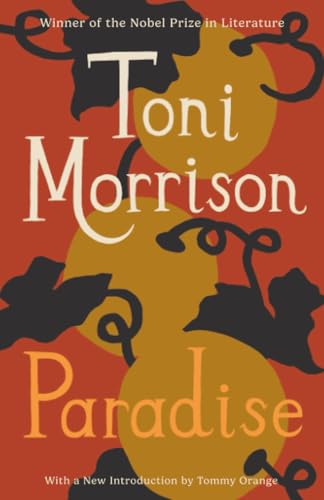
Start this bookNo. 14 on this list. Paradise · Toni Morrison · 1999
As Morrison's seventh novel following her 1993 Nobel Prize, Paradise occupies secure canonical position. It completes Morrison's loose trilogy with Beloved and Jazz, cementing her exploration of African American historical trauma. The novel appears regularly on graduate syllabi and receives sustained scholarly attention. While perhaps less taught than Beloved or Song of Solomon, it represents mature-period Morrison at peak powers and contributes essential perspectives on black utopian communities, gender conflict, and religious violence.
Challenging10 hours
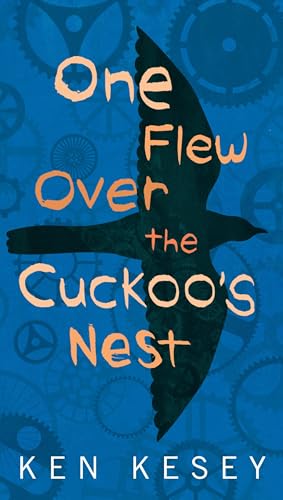
Start this bookNo. 15 on this list. One Flew Over the Cuckoo's Nest · Ken Kesey · 1962
Taught in schools: AQA GCSE and A-level English Literature (UK)
The novel stands as a defining countercultural text of the 1960s, regularly taught in high schools and universities. Its critique of institutional conformity and exploration of sanity as social construct secured permanent placement in American literary canon. The work shaped cultural conversation about psychiatric power and individual freedom.
Challenging8.3 hours
Start this bookNo. 16 on this list. Benito Cereno · Herman Melville · 1855
One of the most taught American novellas, central to literary discussions of race, slavery, and narrative perspective.
Moderate1.7 hours
Start this bookNo. 17 on this list. Exercises in Style · Raymond Queneau · 1947
A cornerstone text of postwar French avant-garde literature and the OuLiPo tradition, widely assigned in literary theory and creative writing courses. Not a household classic in the manner of Camus but firmly enshrined in academic and experimental-fiction canons worldwide.
Challenging2.1 hours
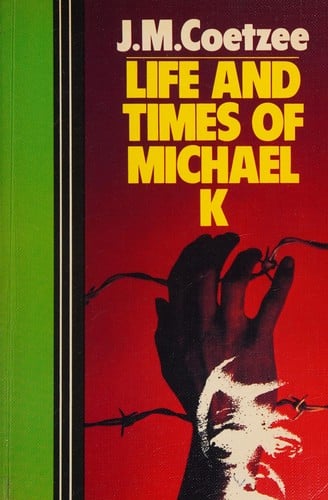
Start this bookNo. 18 on this list. Life & Times of Michael K · J.M. Coetzee · 1983
Taught in schools: UNAM Escuela Nacional Preparatoria – programas de Literatura (Mexico)
Life and Times of Michael K won the Booker Prize in 1983 and stands as a foundational text in postcolonial literature. Its examination of apartheid South Africa, individual resistance, and the ethics of fiction has secured its place in literary canons alongside Coetzee's other major works. Frequently taught in universities and cited in critical literature.
Challenging5.2 hours
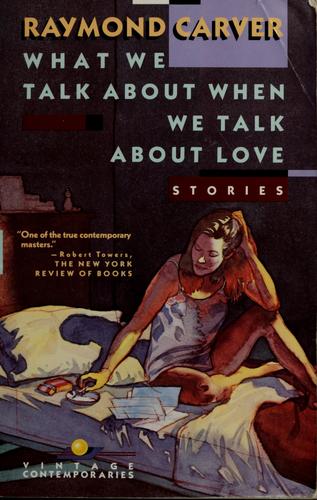
Start this bookNo. 19 on this list. What We Talk About When We Talk About Love · Raymond Carver · 1981
What We Talk About When We Talk About Love is a fixture of creative writing programs and American literature syllabi worldwide. It is the single most-cited example of literary minimalism and appears on virtually every 'essential short story collections' list. The title story alone is anthologized so frequently it functions as a standalone canonical text.
Moderate2.4 hours
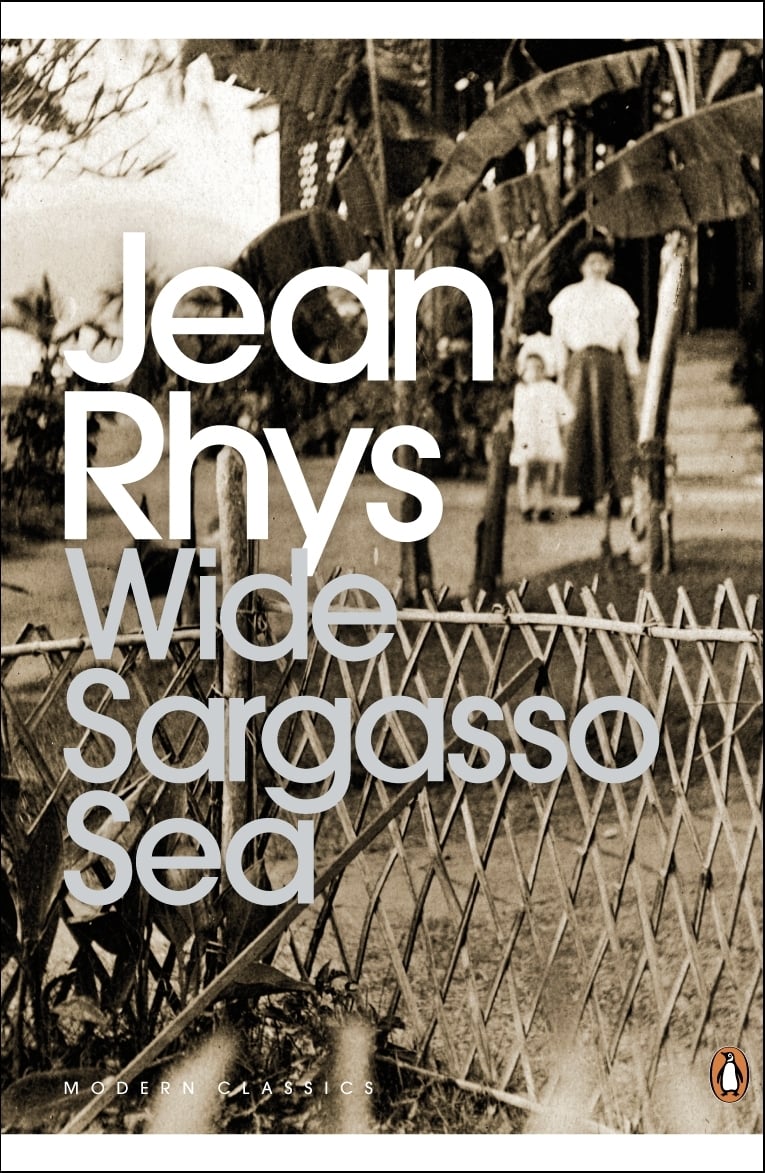
Start this bookNo. 20 on this list. Wide Sargasso Sea · Jean Rhys · 1966
Taught in schools: CSEC English B – Caribbean Examinations Council, WJEC/Eduqas GCSE and A-level English Literature (UK)
The postcolonial revision that changed how we read Jane Eyre. Antoinette/Bertha's story—the madwoman in the attic given voice—became essential feminist and postcolonial criticism. Core text in Caribbean literature and courses on literary rewriting.
Challenging4.3 hours
Start this book
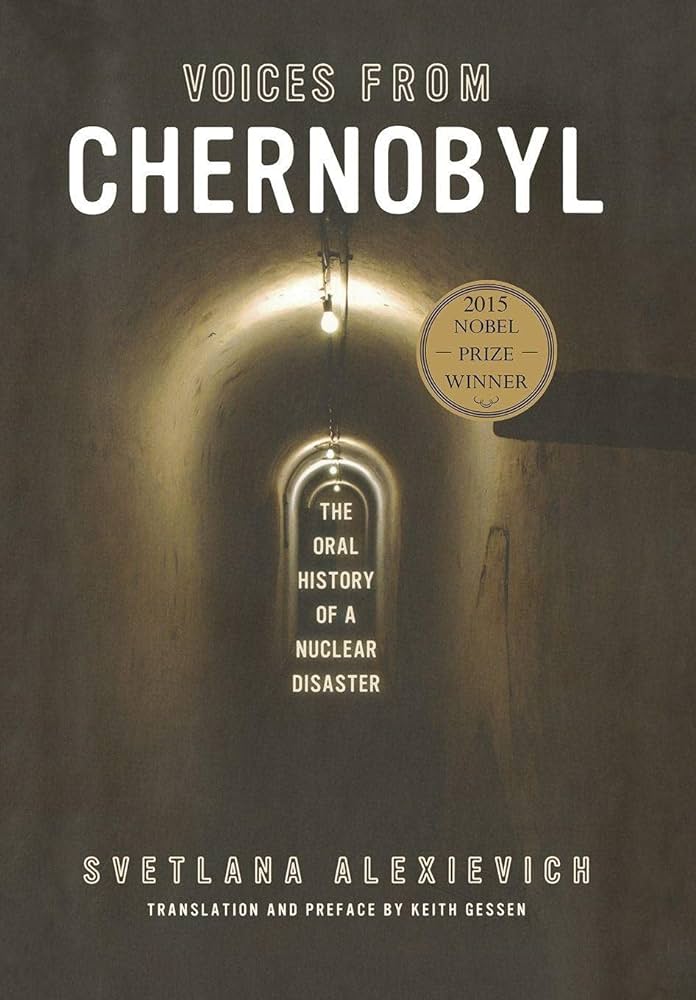
No. 21 on this list. Voices from Chernobyl · Svetlana Alexievich · 1997
Widely recognized as the definitive literary account of Chernobyl and a landmark of documentary literature. The 2015 Nobel Prize in Literature elevated its status, establishing Alexievich's polyphonic method as a major formal innovation. Required reading in post-Soviet studies and increasingly taught in world literature curricula. Its documentary approach has influenced contemporary non-fiction globally.
Challenging6.3 hours
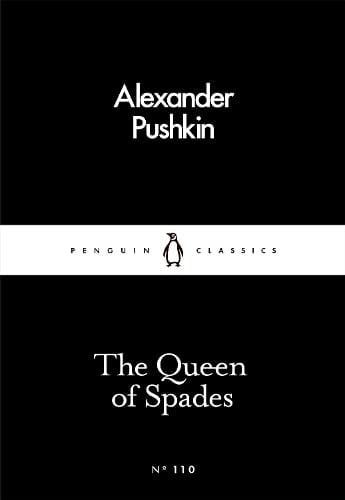
Start this bookNo. 22 on this list. The Queen of Spades · Alexander Pushkin · 1834
The Queen of Spades is a cornerstone of Russian literature curricula worldwide and one of the most-taught short fictions in Slavic studies programs. The Wikipedia article appears in 16 languages, reflecting significant global reach for a short story. Pushkin's tale is included in virtually every survey of Russian literature and in many world literature anthologies alongside Chekhov and Gogol.
Moderate32 min
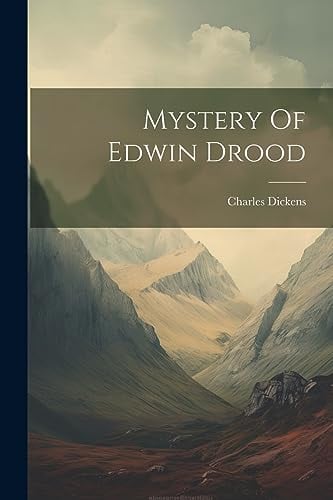
Start this bookNo. 23 on this list. The Mystery of Edwin Drood · Charles Dickens · 1870
The Mystery of Edwin Drood appears regularly on Victorian literature and Dickens course syllabi at universities worldwide, taught both as a late Dickens text and as a unique object — a canonical novel frozen in its own incompletion. The unfinished mystery has been a pedagogical touchstone for discussions of narrative, authorship, and closure since Dickens's death. Its Wikipedia article exists in over 40 languages and includes dedicated sections on adaptations and reception, indicating significant global cultural reach beyond English-language scholarship.
Challenging6.9 hours
Read nowNo. 24 on this list. A Grain of Wheat · Ngugi wa Thiong'o · 1967
Included in: Heinemann African Writers Series
Major postcolonial novel; widely taught in African and world literature.
Challenging6.5 hours
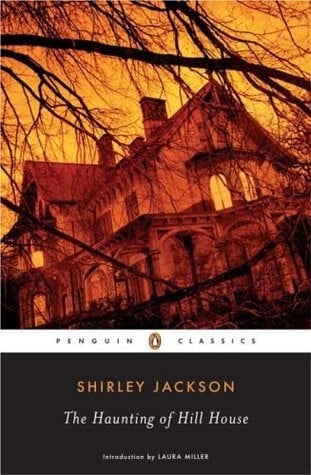
Start this bookNo. 25 on this list. The Haunting of Hill House · Shirley Jackson · 1959
The Haunting of Hill House is widely recognized as the definitive American haunted-house novel and one of the finest works of Gothic fiction in the English language. It has been continuously in print since 1959 and is regularly taught in university courses on American literature, Gothic studies, and the horror genre. Stephen King called its opening paragraph the finest in the history of horror fiction. It appears on virtually every serious list of essential horror and Gothic novels and has been adapted for film (twice) and television (the acclaimed 2018 Netflix series).
Challenging4.7 hours
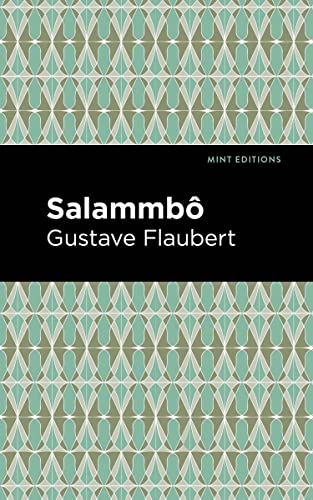
Start this bookNo. 26 on this list. Salammbô · Gustave Flaubert · 1862
Salammbô is taught regularly in French literature curricula and appears in world literature survey courses focused on 19th-century historical fiction, Orientalism, and the realist tradition. It holds a secure place in Flaubert's canonical oeuvre, though it is less universally assigned than Madame Bovary. The absence of collected Wikipedia or syllabus data in this dataset reflects a gap in data collection rather than actual marginality — the book has been continuously in print for 160 years and translated into dozens of languages.
Moderate7 hours
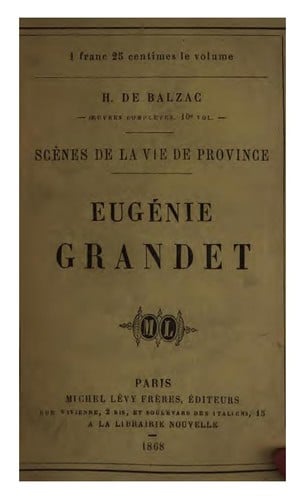
Read nowNo. 27 on this list. Eugénie Grandet · Honoré de Balzac · 1833
Eugénie Grandet stands as a cornerstone of French literary realism and a key work in Balzac's vast Comédie humaine. It appears regularly in French literature curricula, realist novel courses, and 19th-century European literature surveys. The novel's dissection of provincial avarice and its portrait of female suffering under patriarchal capitalism have made it essential reading for understanding the realist tradition.
Moderate5 hours
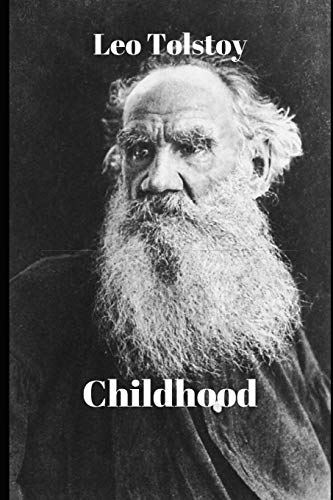
Read nowNo. 28 on this list. Childhood · Leo Tolstoy · 1852
Tolstoy's first published work, it appears in Russian literature and comparative literature courses worldwide, though far less frequently than War and Peace or Anna Karenina. The autobiographical trilogy is standard reading in surveys of 19th-century Russian fiction and studies of the Bildungsroman tradition.
Challenging10 hours
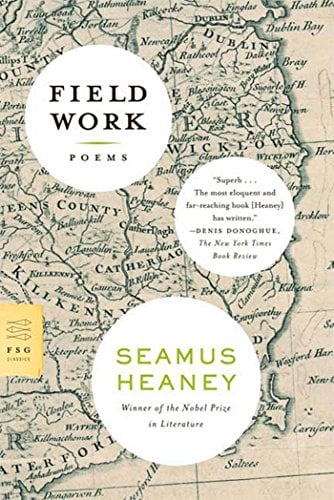
Read nowNo. 29 on this list. Field Work · Seamus Heaney · 1979
Taught in schools: WJEC/Eduqas GCSE and A-level English Literature (UK)
Field Work collects poems of witness and memory, written as Seamus Heaney departed Belfast in the aftermath of Bloody Sunday and the deepening sectarian violence of the 1970s. The collection balances personal intimacy—love sonnets, marital devotion, erotic encounters—with public witness to the Irish political catastrophe. Heaney's language mines the geological and agricultural substrata of his native landscape, excavating historical trauma and linguistic inheritance alongside sensory particularity. The Glanmore Sonnets sequence establishes a hedge school of poetic craft, where archival recovery meets immediate experience. Elegies for murdered relatives and Irish poets transform local violence into formal meditation. The title itself suggests fieldwork as both scholarly research and embodied labor, the poet crouched in documentation of grief and desire. Notably, Heaney engages Dante's Inferno to frame contemporary sectarian killing within epic moral architecture, a move that establishes poetry's capacity to contain historical atrocity within aesthetic shape. The collection demonstrates mastery of traditional forms while maintaining accessibility, its verbal music derived from close observation rather than ornamental virtuosity. Throughout, Heaney positions the poet as cultural custodian, extracting meaning from ordinary materials—harvest bows, water buckets, badger-haunted gardens—to vindicate endangered ways of speaking and knowing.
Moderate30 min
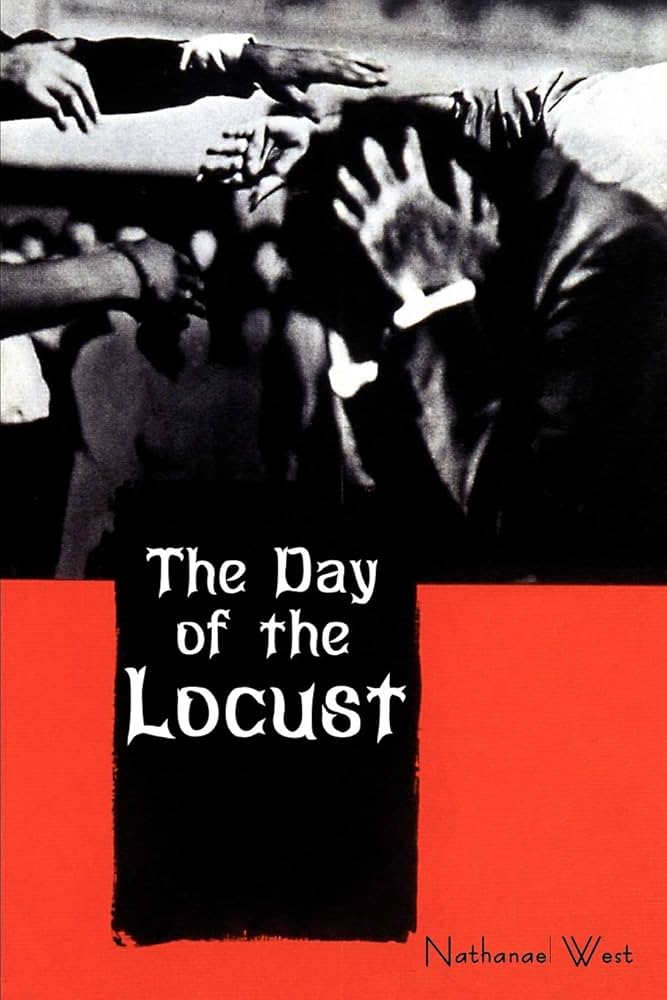
Start this bookNo. 30 on this list. The Day of the Locust · Nathanael West · 1939
The definitive Hollywood novel. Tod Hackett's Los Angeles—the extras, the failed dreams, the riot—captured the film industry's underside. Core text in American literature and Hollywood courses. The novel anticipated every subsequent satire of LA.
Challenging5.6 hours
Start this book
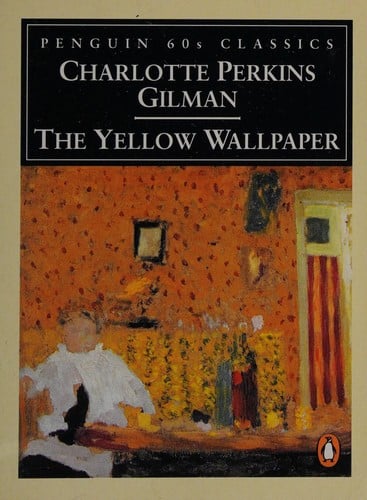
No. 31 on this list. The Yellow Wall-Paper
Charlotte Perkins Gilman · 1892
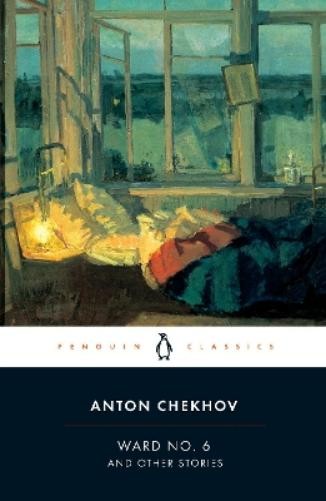
No. 32 on this list. Ward No. 6
Anton Chekhov · 1892
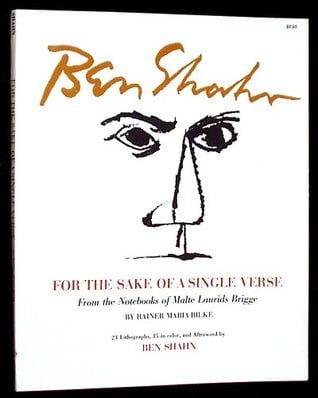
No. 33 on this list. The Notebooks of Malte Laurids Brigge
Rainer Maria Rilke · 1910
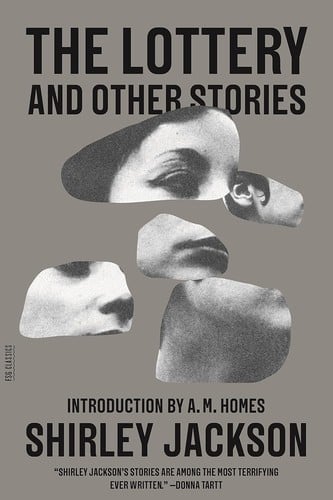
No. 34 on this list. The Lottery and Other Stories
Shirley Jackson · 1949
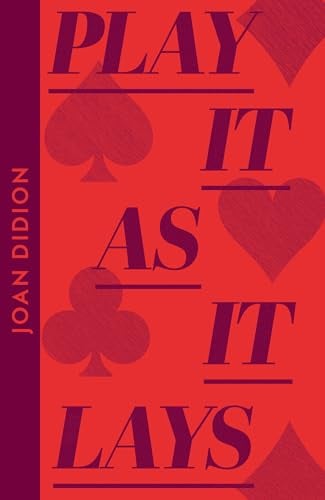
No. 35 on this list. Play It as It Lays
Joan Didion · 1970
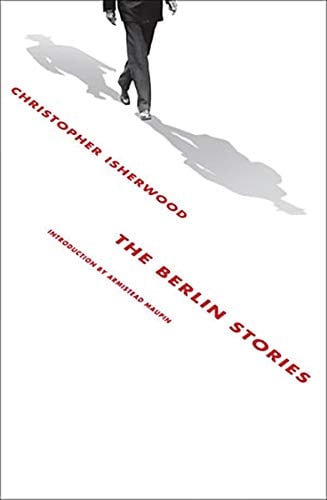
No. 36 on this list. The Berlin Stories
Christopher Isherwood · 1945
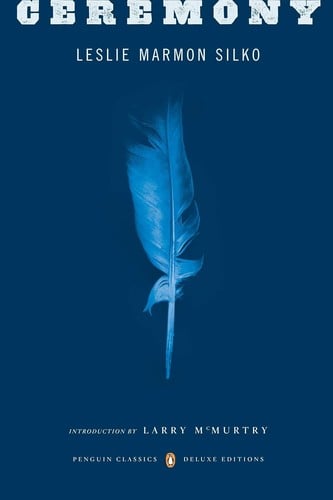
No. 37 on this list. Ceremony
Leslie Marmon Silko · 1977
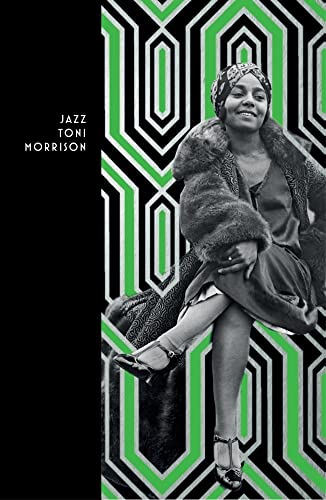
No. 38 on this list. Jazz
Toni Morrison · 1992
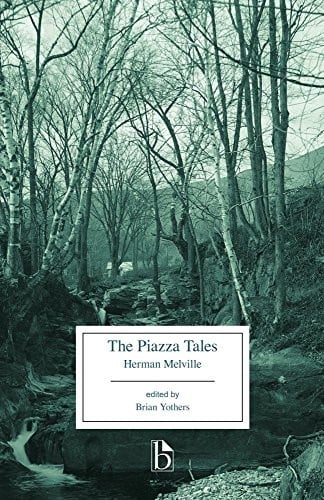
No. 39 on this list. The Piazza Tales
Herman Melville · 1856
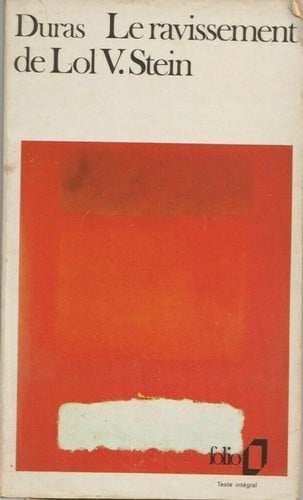
No. 40 on this list. The Ravishing of Lol Stein
Marguerite Duras · 1964
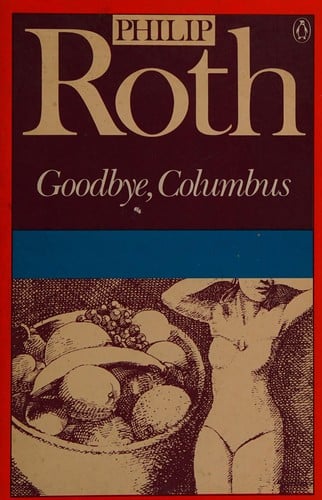
No. 41 on this list. Goodbye, Columbus
Philip Roth · 1960
No. 42 on this list. Pierre and Jean
Guy de Maupassant · 1888
No. 43 on this list. VALIS
Philip K. Dick · 1981
No. 44 on this list. The Sandman
Neil Gaiman · 1989
No. 45 on this list. Sing, Unburied, Sing
Jesmyn Ward · 2018
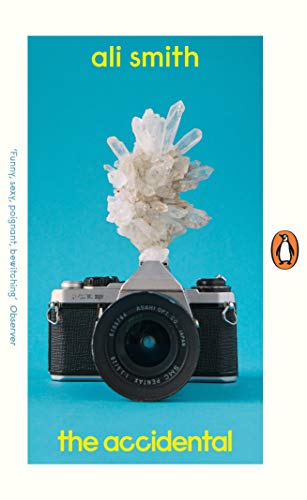
No. 46 on this list. The Accidental
Ali Smith · 2005
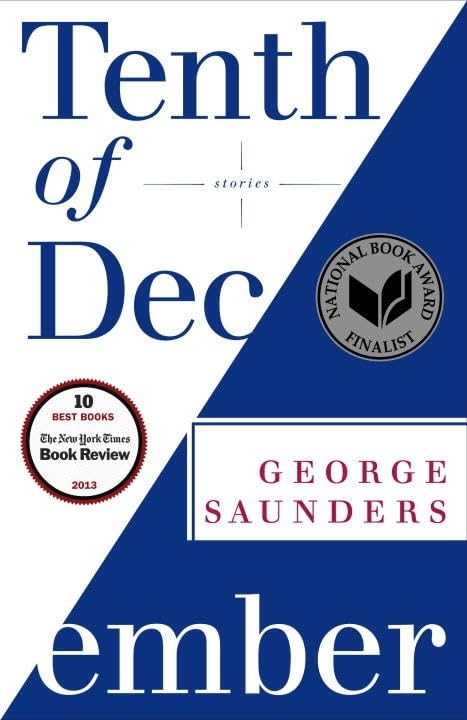
No. 47 on this list. Tenth of December
George Saunders · 2013
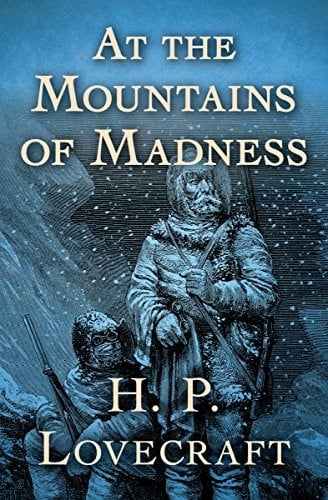
No. 48 on this list. At the Mountains of Madness
H.P. Lovecraft · 1936
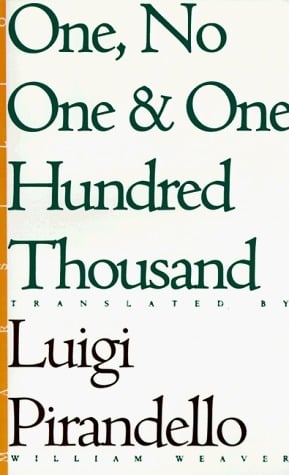
No. 49 on this list. One, No One and One Hundred Thousand
Luigi Pirandello · 1926
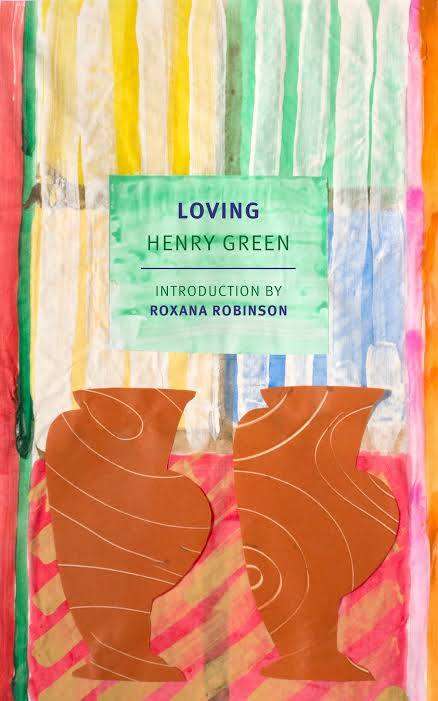
No. 50 on this list. Loving
Henry Green · 1945
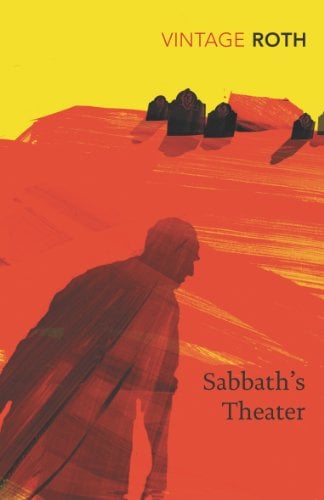
No. 51 on this list. Sabbath's Theater
Philip Roth · 1995
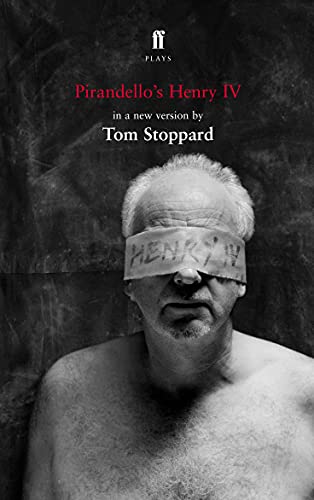
No. 52 on this list. Henry IV
Luigi Pirandello · 1922
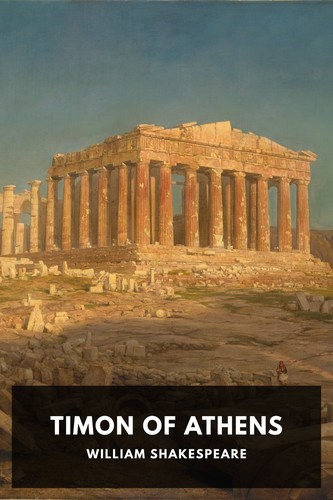
No. 53 on this list. Timon of Athens
William Shakespeare · 1623
Included in: Great Books of the Western World
No. 54 on this list. The Luzhin Defense
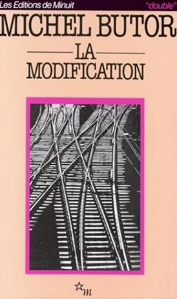
No. 55 on this list. Second Thoughts
Michel Butor · 1956
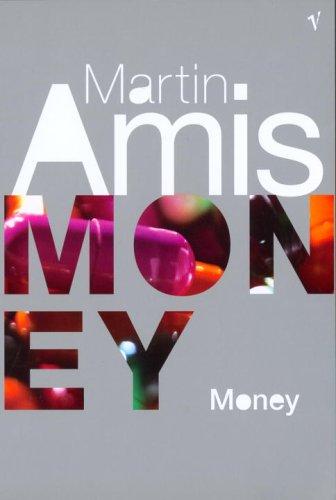
No. 56 on this list. Money: A Suicide Note
Martin Amis · 1984
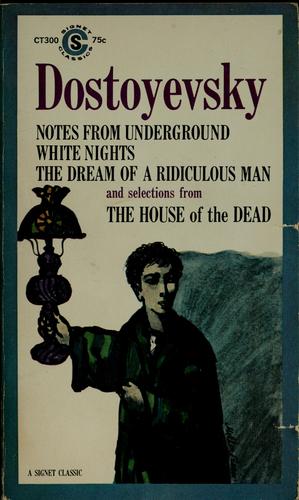
No. 57 on this list. The Dream of a Ridiculous Man
Fyodor Dostoevsky · 1877
No. 58 on this list. Garden, Ashes
Danilo Kiš · 1965
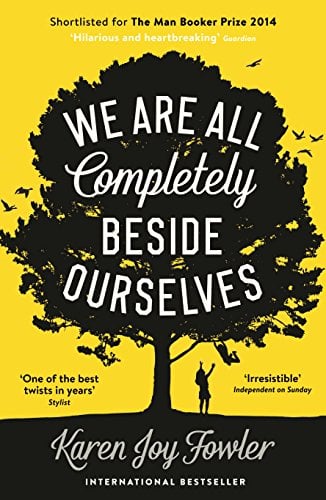
No. 59 on this list. We Are All Completely Beside Ourselves
Karen Joy Fowler · 2014
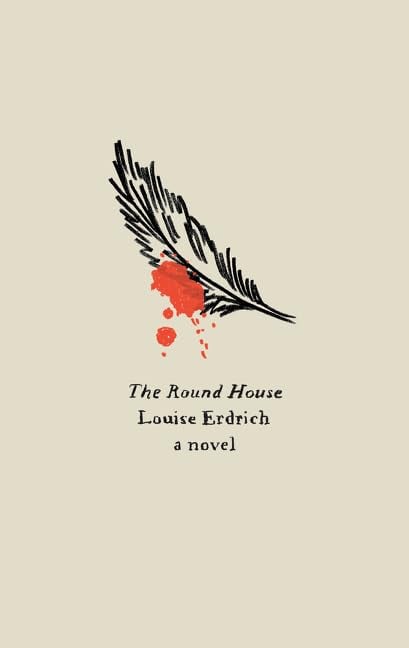
No. 60 on this list. The Round House
Louise Erdrich · 2012
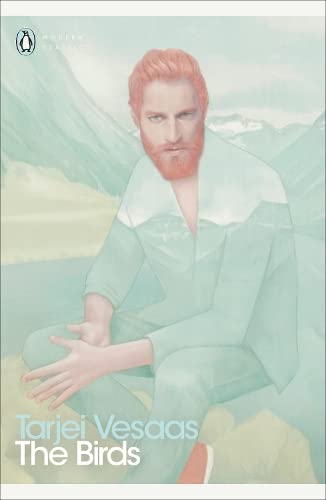
No. 61 on this list. The Birds
Tarjei Vesaas · 1957
Included in: UNESCO Collection of Representative Works
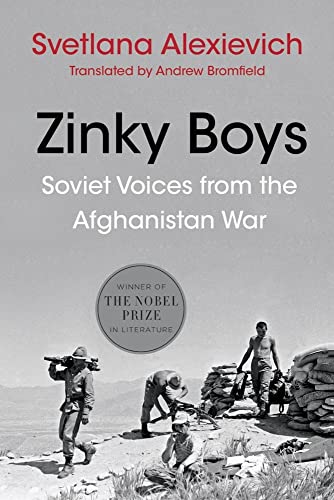
No. 62 on this list. Zinky Boys
Svetlana Alexievich · 1991
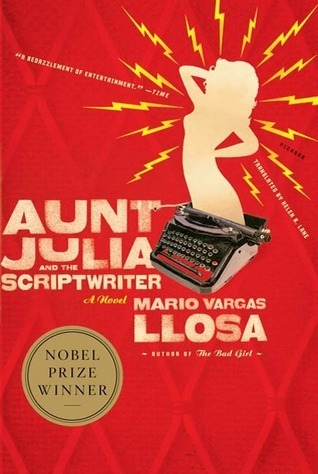
No. 63 on this list. Aunt Julia and the Scriptwriter
Mario Vargas Llosa · 1977
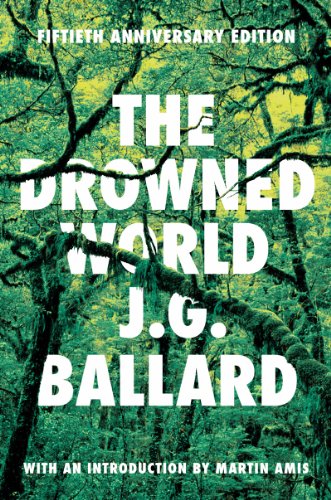
No. 64 on this list. The Drowned World
J.G. Ballard · 1962
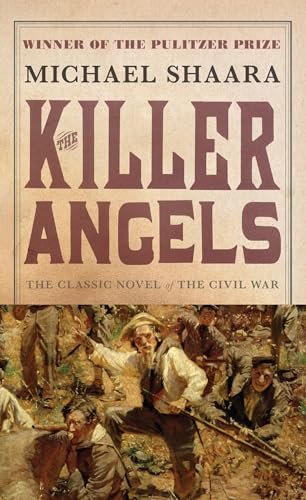
No. 65 on this list. The Killer Angels
Michael Shaara · 1975
Taught in schools: Common Core text exemplars (Appendix B) (US)
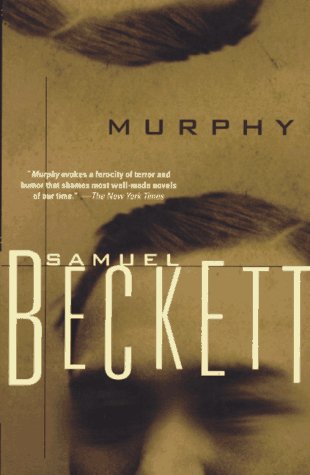
No. 66 on this list. Murphy
Samuel Beckett · 1938
No. 67 on this list. Lila
Marilynne Robinson · 2015
No. 68 on this list. Auto-da-Fé
Elias Canetti · 1935
No. 69 on this list. Rumours of Rain
André Brink · 1978
No. 70 on this list. Inferno
August Strindberg · 1897
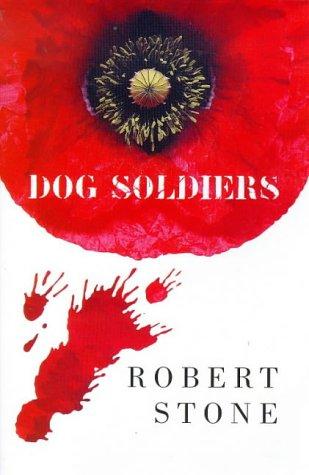
No. 71 on this list. Dog Soldiers
Robert Stone · 1975
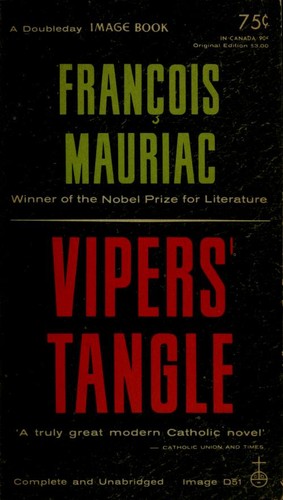
No. 72 on this list. Vipers' Tangle
François Mauriac · 1932
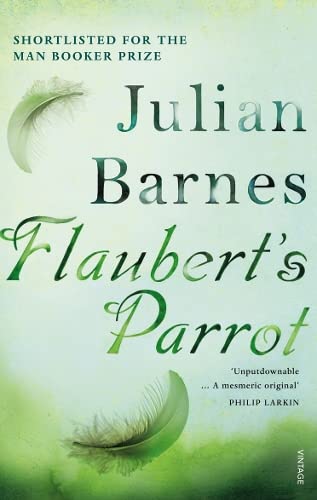
No. 73 on this list. Flaubert's Parrot
Julian Barnes · 1984
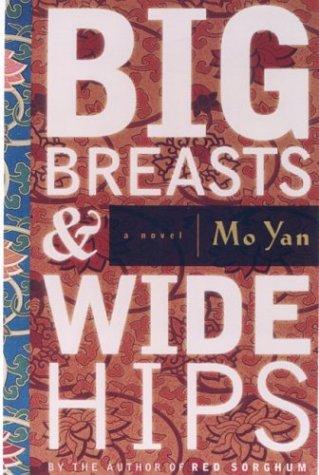
No. 74 on this list. Big Breasts and Wide Hips
Mo Yan · 1995
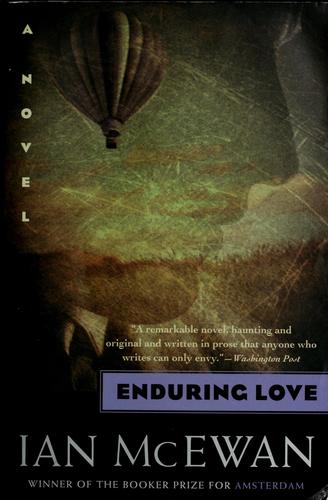
No. 75 on this list. Enduring Love
Ian McEwan · 1997
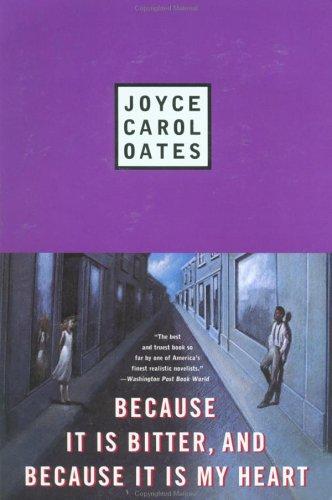
No. 76 on this list. Because It Is Bitter, and Because It Is My Heart
Joyce Carol Oates · 1990
No. 77 on this list. A Distant Shore
Caryl Phillips · 2003
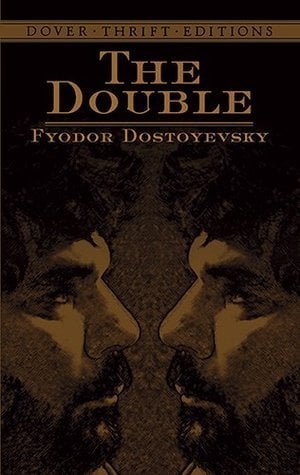
No. 78 on this list. The Double
Fyodor Dostoevsky · 1846
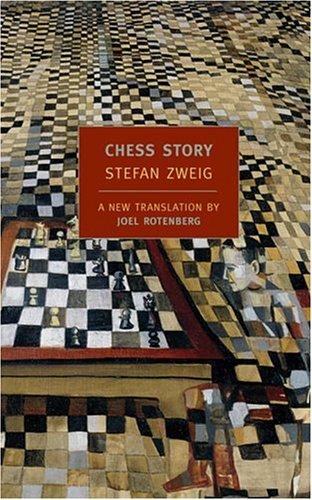
No. 79 on this list. Chess Story
Stefan Zweig · 1942
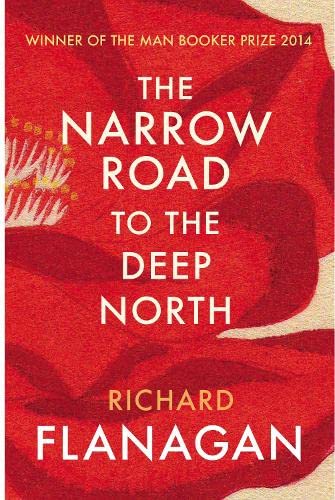
No. 80 on this list. The Narrow Road to the Deep North
Richard Flanagan · 2014
No. 81 on this list. Batman: The Killing Joke
Alan Moore · 1995
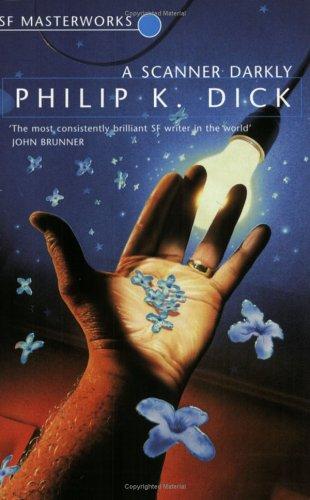
No. 82 on this list. A Scanner Darkly
Philip K. Dick · 1977
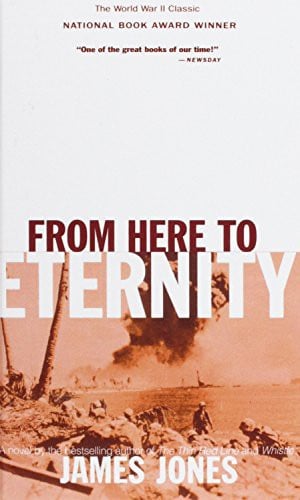
No. 83 on this list. From Here to Eternity
James Jones · 1952
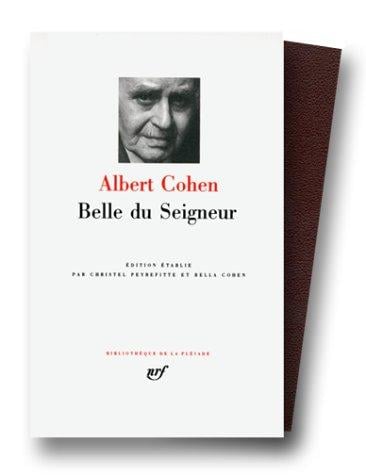
No. 84 on this list. Belle du Seigneur
Albert Cohen · 1968
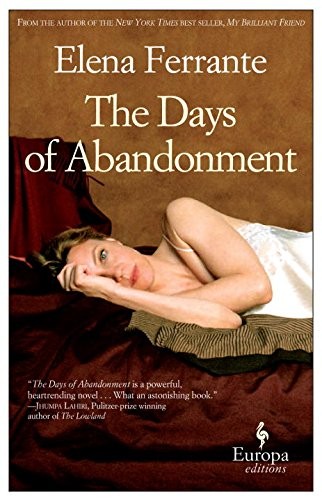
No. 85 on this list. The Days of Abandonment
Elena Ferrante · 2002
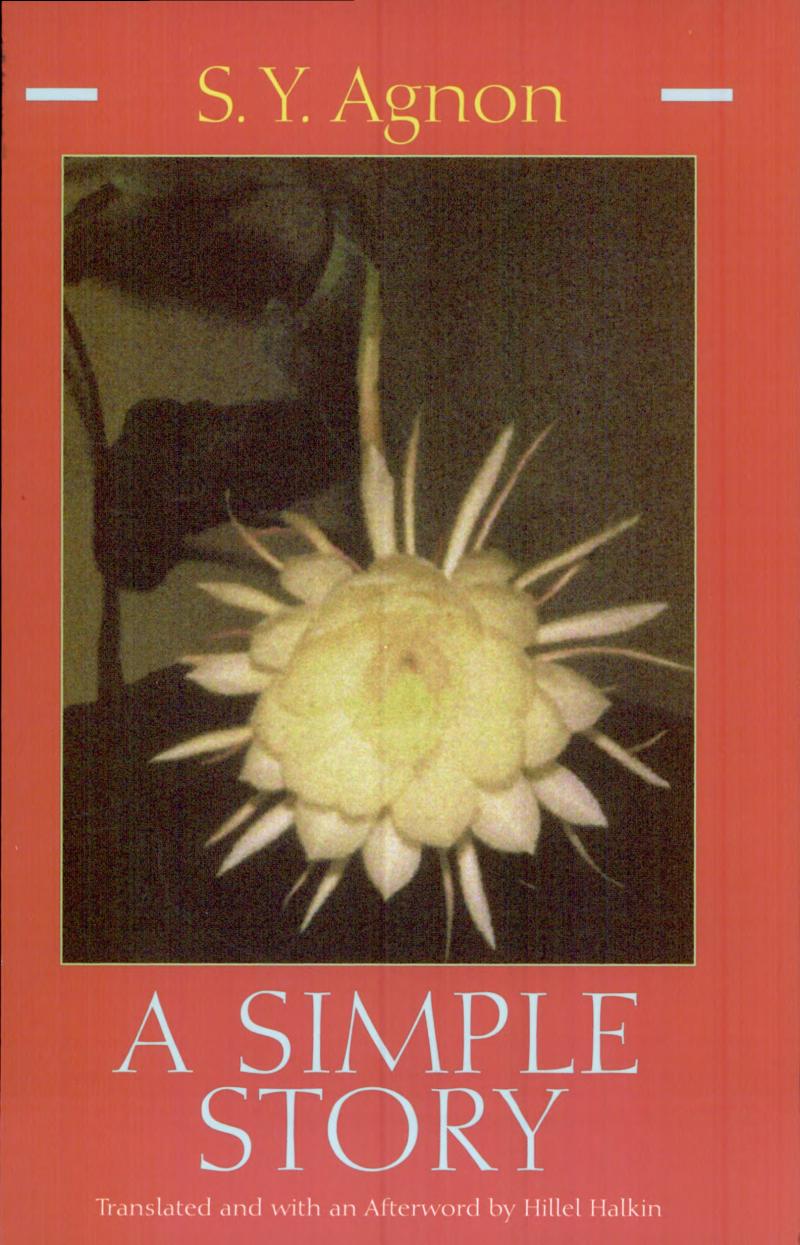
No. 86 on this list. A Simple Story
Shmuel Yosef Agnon · 1935
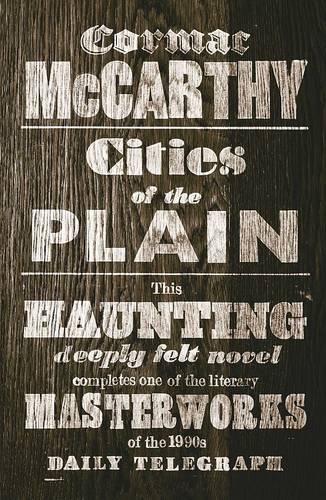
No. 87 on this list. Cities of the Plain
Cormac McCarthy · 1998
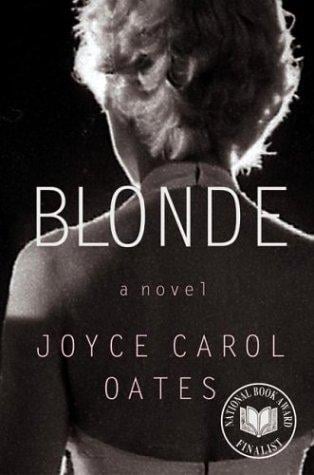
No. 88 on this list. Blonde
Joyce Carol Oates · 2000
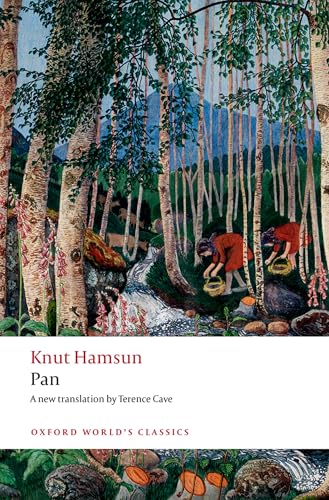
No. 89 on this list. Pan
Knut Hamsun · 1894
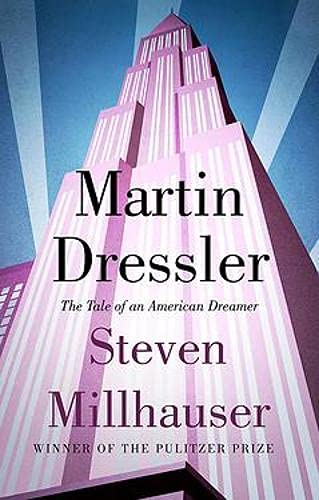
No. 90 on this list. Martin Dressler
Steven Millhauser · 1997

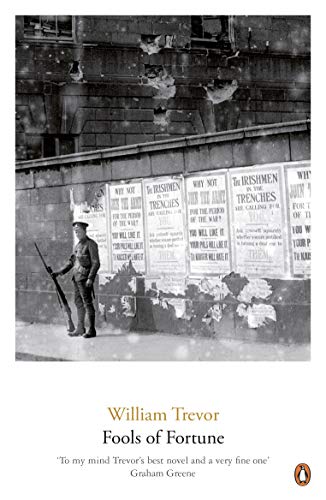
No. 91 on this list. Fools of Fortune
William Trevor · 1983
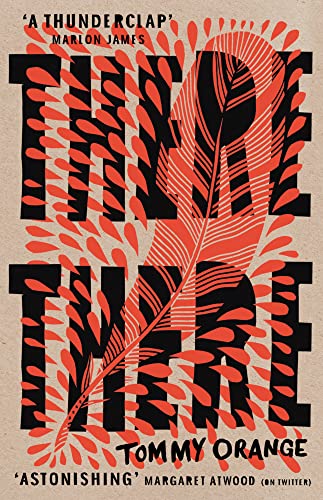
No. 92 on this list. There There
Tommy Orange · 2018
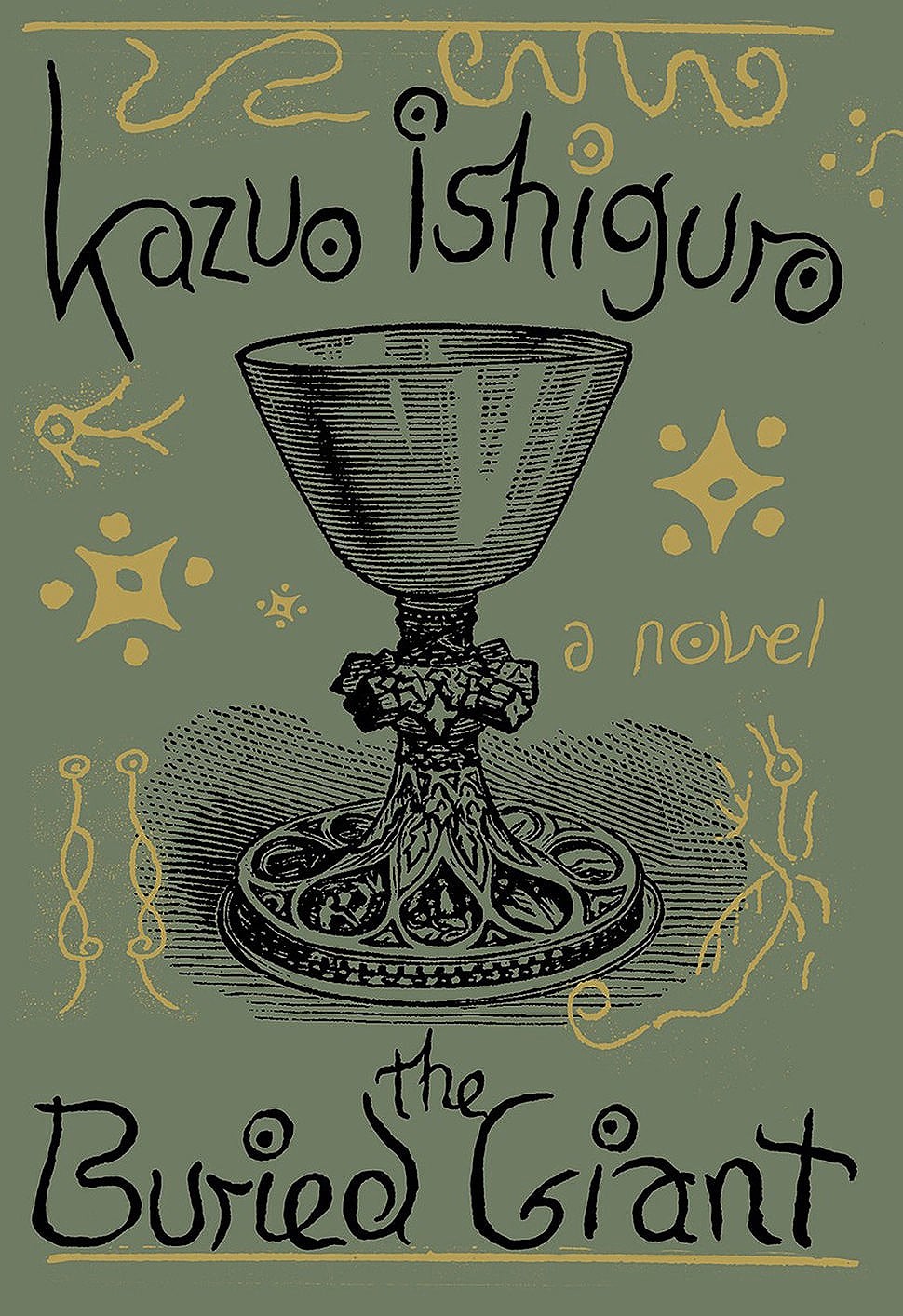
No. 93 on this list. The Buried Giant
Kazuo Ishiguro · 2015
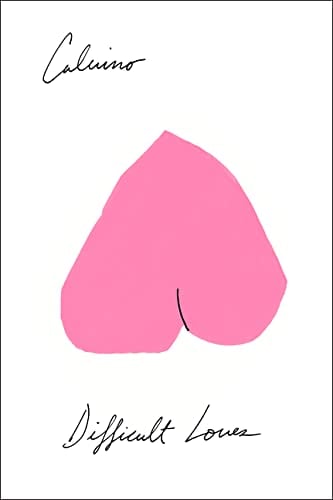
No. 94 on this list. Difficult Loves
Italo Calvino · 1970
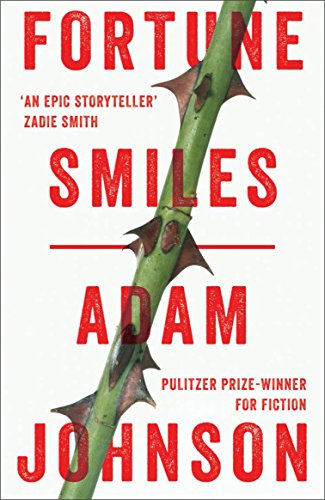
No. 95 on this list. Fortune Smiles
Adam Johnson · 2015
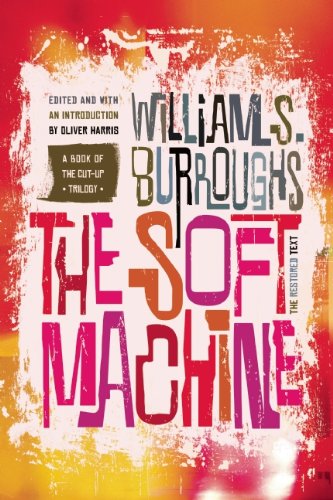
No. 96 on this list. The Soft Machine
William S. Burroughs · 1961
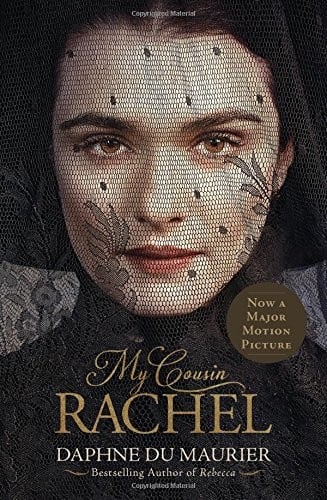
No. 97 on this list. My Cousin Rachel
Daphne du Maurier · 1951
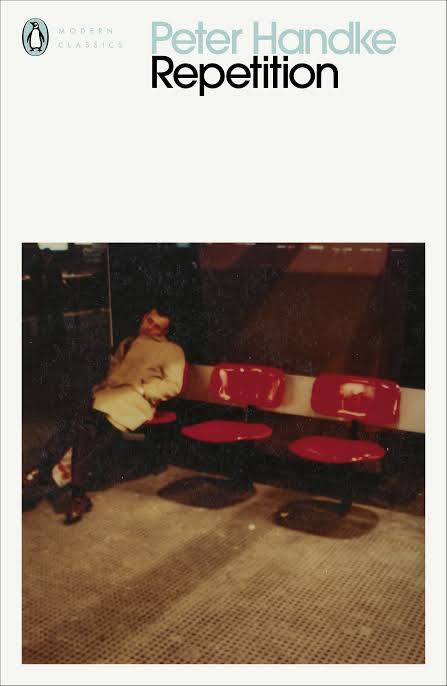
No. 98 on this list. Repetition
Peter Handke · 1986
No. 99 on this list. Confusion of Feelings
Stefan Zweig · 1927
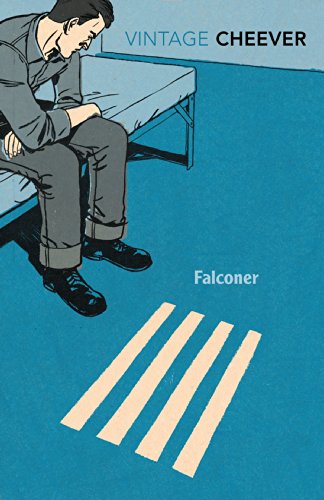
No. 100 on this list. Falconer
John Cheever · 1977
About this list
These 100 books are the highest-scoring eligible moderately difficult books about madness and the mind currently in the catalogue. About 632 hours of reading in all. Difficulty runs from 52 to 60 out of 100 for the middle half of the list; the summit is Paradise at 65.
This list is ranked by literary regard, with a consistent order for equal scores. Membership follows authors and co-authors, not translators or editors. A book is here when ReadingRate files it under Madness & the Mind as one of its primary reading domains, at a confidence of 0.8 or more. Catalogue coverage and the historical canon both limit what this list can represent.
When we matched the Canons dataset to our catalogue in October 2026, our canonical-status scores rose with the number of school curricula, publisher series and lists in it that cite a work: the median score was 72 for books one such source cites, 84 at two, 88 at three, 92 at four and 93 at five or more. Prizes are left out of that count. Outside the state curricula, the dataset’s sources choose mostly from what has been translated into English or French, so it is a weaker check on other literatures. Source: Canons (Andrew Piper), CC BY 4.0
Questions people actually ask
- What are the best moderately difficult books about madness and the mind?
- By literary regard, which weighs canonical status, critical standing and influence: Don Quixote by Miguel de Cervantes, On the Nature of Things by Lucretius, The Bacchae by Euripides, Self-Portrait in a Convex Mirror by John Ashbery and Long Day's Journey into Night by Eugene O'Neill. ReadingRate ranks 100 such books, each with a difficulty score and a reading-time estimate.
- Which moderately difficult books about madness and the mind should I read first?
- Start from difficulty, not from rank. The most approachable books on this list that still carry top literary regard are The Raven by Edgar Allan Poe (about 1.1 hours), The Queen of Spades by Alexander Pushkin and The Bacchae by Euripides.
- What are the shortest of the best moderately difficult books about madness and the mind?
- Among the top 25, the shortest are In Our Time by Ernest Hemingway (about 17 min), The Queen of Spades by Alexander Pushkin (about 32 min) and Self-Portrait in a Convex Mirror by John Ashbery (about 1.3 hours), at an average pace of 250 words a minute adjusted for each book's difficulty.
- Which of the best moderately difficult books about madness and the mind are the established classics?
- By canonical status, how firmly a book sits in curricula, anthologies and the canon: Don Quixote by Miguel de Cervantes, The Bacchae by Euripides, Long Day's Journey into Night by Eugene O'Neill, On the Nature of Things by Lucretius and Self-Portrait in a Convex Mirror by John Ashbery.
- Can I read any of these moderately difficult books about madness and the mind for free?
- 10 of the 100 open in ReadingRate's reader with a free account, from public-domain editions: The Bacchae, Mrs. Dalloway, The Seagull, The Mystery of Edwin Drood, Salammbô and 5 more.
- How long would it take to read the top ten?
- About 57 hours, at an average pace of 250 words a minute adjusted for each book's difficulty: 29 days at two hours a day. Set your own pace on the page and the list's reading times change to it.
- How hard are moderately difficult books about madness and the mind to read?
- Most of this list sits between 52 and 60 on ReadingRate's 100-point difficulty scale, where 40 to 55 is moderate. The summit is Paradise at 65. Every entry carries its own score, so a reader can pick a great book at a difficulty they will finish.
- How is this list ranked?
- On literary-regard data: how canonically established a work is, its critical standing, and its influence on later writing. It is not a readers’ poll, which is why recent bestsellers rarely appear. Membership follows authors and co-authors, not translators or editors. Lists by country, author, period, theme or difficulty keep to literature (fiction, poetry, drama and philosophy), their novels, poems and plays first and their philosophy after them; a list of a kind of book, such as memoir or criticism, keeps every book of that kind. Every list holds at most three works by one author. A book is here when ReadingRate files it under Madness & the Mind as one of its primary reading domains, at a confidence of 0.8 or more.