Hours at an average pace
Showing 100 books
About 1,114 hours for 100 of 100 books with measured lengths. Estimates use 250 words a minute, adjusted for each book's difficulty. At 2 hours a day, about 557 days for those books.
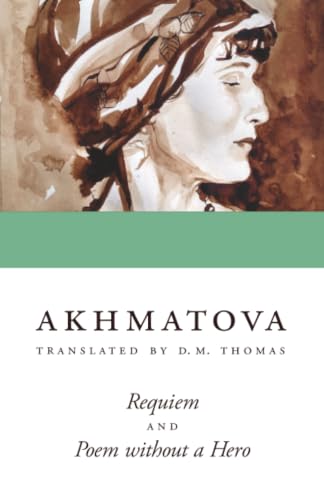
No. 1 on this list. Requiem
Anna Akhmatova · 1963
Difficult1.5 hours
Taught in schools: Russian FGOS literature standard
Requiem appears on syllabi in virtually every university course covering 20th-century Russian literature, genocide and testimony studies, and modernist poetry globally. Akhmatova's Wikipedia entry exists in over 80 languages. The work is consistently listed among the defining literary documents of Stalinist terror alongside Solzhenitsyn's Gulag Archipelago and Nadezhda Mandelstam's memoirs. It has been continuously in print since its 1987 Soviet publication and in Western translation since 1964.
Fyodor Dostoevsky spent four years in a Siberian prison camp after the tsar commuted his death sentence at the last moment. He came out a different writer. The House of the Dead channels that experience through Alexander Petrovich Goryanchikov, a nobleman convicted of murdering his wife, who records the daily life of the katorga — the forced labor camp — with the precision of a naturalist and the unease of someone who cannot stop looking. The other prisoners steal, scheme, perform folk plays, and occasionally show flashes of unexpected grace. Goryanchikov watches all of it without rendering verdicts. The book does not explain what prison does to men; it shows men inside prison, and lets the accumulated detail do the work. Dostoevsky writes with a clinical restraint unusual for him — no murder plots, no philosophical speeches, no epileptic crises. What remains is a documentary of degradation that refuses to moralize, which is exactly what makes the moral weight so heavy. Readers expecting Dostoevsky's trademark feverish psychology will find something quieter here: a sustained act of witness.
The Good Person of Szechwan is Brecht's third most frequently taught and produced major work after Mother Courage and The Caucasian Chalk Circle. It appears in virtually every university theatre and modern drama curriculum. The first professional productions starred Peggy Ashcroft (Royal Court, 1956) and Uta Hagen (Phoenix Theatre, New York, 1956). Giorgio Strehler's 1981 Milan production became a landmark of European theatre. It is canonical in both German studies and world theatre programs.
Voss is recognized as a cornerstone of Australian literature and a major work of postcolonial fiction. It consistently appears in scholarly discussions of antipodean identity, imperial mythology, and mid-century modernism. The novel has maintained critical attention since publication and is standard curriculum in Australian and Commonwealth literary studies.
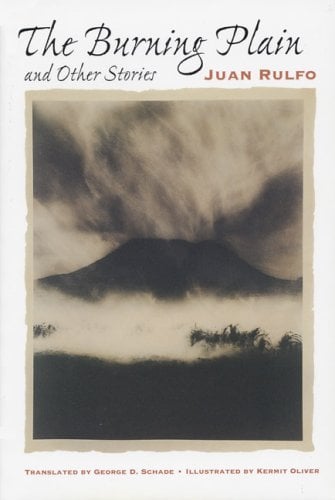
No. 5 on this list. The Burning Plain and Other Stories
Juan Rulfo · 1953
Challenging3.4 hours
Taught in schools: UNAM Escuela Nacional Preparatoria – programas de Literatura (Mexico)
In seventeen stories set across the parched hills of Jalisco, Mexico, Rulfo's peasants carry their dead with them — sometimes literally. A man hauls his father's corpse on his back through the mountains. An old woman refuses to believe her son is a murderer. Soldiers and sharecroppers and abandoned wives speak in short, exact sentences, and the landscape answers with dust and silence. The dead narrate their own stories without announcing they are dead; readers piece it together from the wrong temperature of the prose. Rulfo strips everything from his fiction — backstory, explanation, transitions — until only the essential pressure remains. The Burning Plain was published in 1953, two years before Pedro Páramo, and it shares that novel's method: grief without sentimentality, violence without drama, the supernatural arriving with the matter-of-fact normalness of weather. Gabriel García Márquez said he memorized the entire book and recited it to friends. That is the correct response. These stories end before they explain themselves, in the way that real catastrophe does.
Widely taught in philosophy, ethics, and literature courses globally. Anthologized in hundreds of collections and featured on virtually every 'essential short fiction' list. Its presence in academic syllabi rivals Borges and Kafka in ethics curricula, where it functions as a standard thought-experiment text.
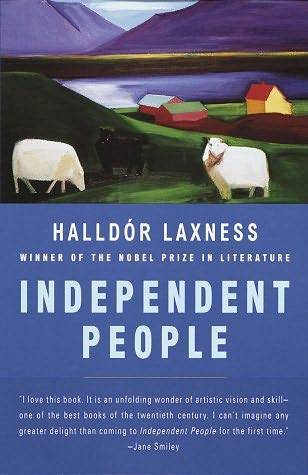
No. 7 on this list. Independent People
Halldór Laxness · 1934
Difficult24 hours
Included in: Bokklubben World Library
Wikipedia presence in only 9 languages and no Open Syllabus appearances indicate it is not widely taught outside Scandinavia. However, Independent People appears regularly on canonical world literature lists, including Time magazine's All-TIME 100 Novels, and is considered Laxness's defining work — the novel most associated with his 1955 Nobel Prize.
Nobel laureate's masterpiece. Essential in nouveau roman studies.
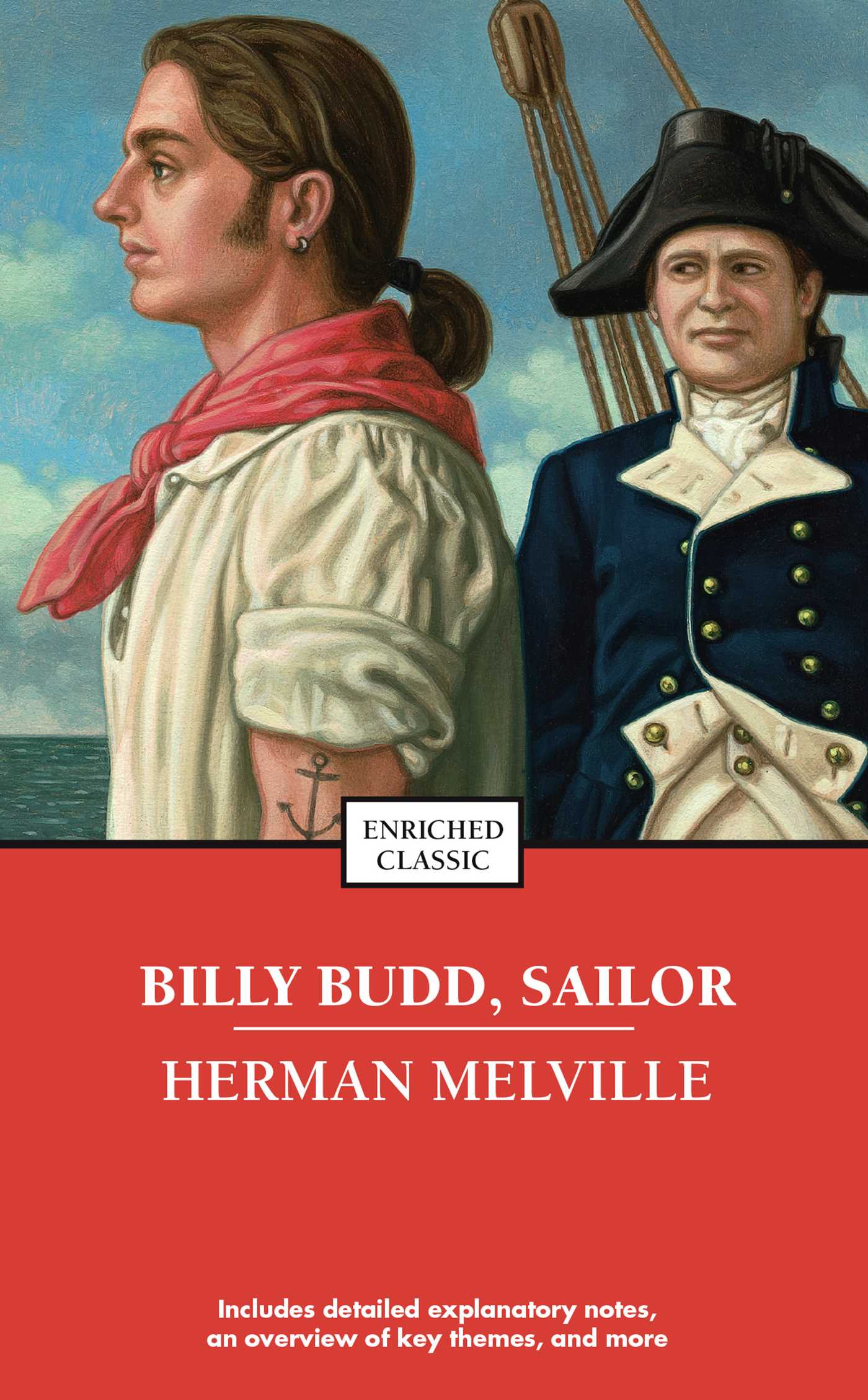
No. 9 on this list. Billy Budd, Sailor
Difficult3.3 hours
Taught in schools: Common Core text exemplars (Appendix B) (US)
Billy Budd is a fixture in American literature courses, canonized alongside Moby-Dick as one of Melville's essential works and one of the foundational American novellas. Although the data signals show no tracked syllabus entries in this database, the text has been continuously taught at university level since its rediscovery in the 1920s and appears on virtually every American literature syllabus covering the 19th century. It is frequently included on lists of great American fiction.
A cornerstone of postwar Japanese literature, widely taught in Japanese and world literature courses internationally. The word 'shayozoku' ('people of the setting sun') entered the Japanese language from this novel's publication in 1947, marking its immediate cultural impact. Donald Keene's 1956 English translation established it as essential reading in Western Japanese literature curricula.
No. 11 on this list. How It Is · Samuel Beckett · 1961
How It Is appears on advanced modernism and postmodernism syllabi but rarely in broad undergraduate curricula — it is a specialist's Beckett text rather than the entry point (Waiting for Godot or Endgame fill that role). Wikipedia records the work in 6 languages with a 7,787-character article, indicating solid scholarly documentation but not wide popular reach. Among Beckett scholars it is considered essential; among general readers it is largely unknown.
Very Difficult6 hours
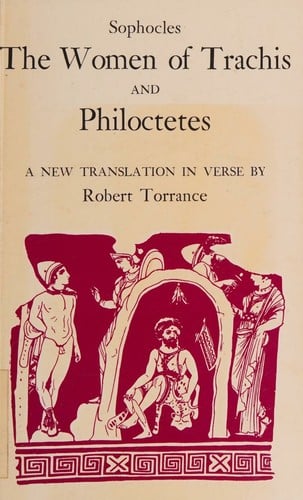
Start this bookNo. 12 on this list. The Women of Trachis · Sophocles · c. 450 BCE
Included in: Great Books of the Western World
Deianira waits in Trachis. Her husband Heracles has been gone fifteen months, fighting a war for reasons she suspects are not honorable, and she has heard nothing. When he finally sends word—along with a captive woman, Iole—Deianira understands what her husband has not bothered to say. She has one weapon left: a robe smeared with what the centaur Nessus told her, as he died from Heracles' arrow, was a love charm. She sends it. The robe, of course, is poison. Sophocles builds the tragedy not through deception but through sincerity: Deianira acts out of love, not malice, and destroys the man she was trying to keep. The Women of Trachis is the starkest of the surviving Sophocles plays—no redemption, no divine rescue, just Heracles screaming in agony and his son Hyllus forced to light his father's funeral pyre. The chorus of Trachinian women watches and mourns but cannot intervene. What makes this play unsettling is how ordinary Deianira's reasoning is. She is not catastrophically wrong; she simply cannot know. The gods know, and say nothing. Ezra Pound's 1954 translation, Trachiniae, turned the choral odes into American vernacular and introduced the play to modernist readers. Sophocles leaves Heracles' fate unresolved—death or apotheosis—and refuses to explain why the innocent suffer.
Challenging7.2 hours
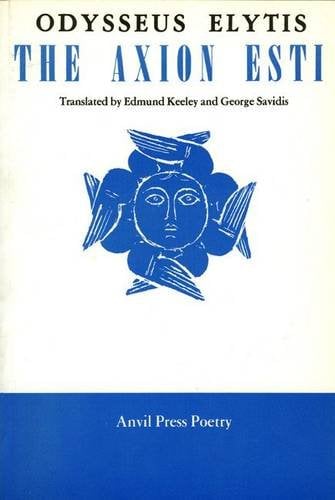
Start this bookNo. 13 on this list. The Axion Esti · Odysseas Elytis · 1959
The Axion Esti stands as the central work of modern Greek poetry and one of the most significant long poems of the 20th century. It holds canonical status in Greek literature comparable to The Waste Land in English, widely taught in Greek schools and universities. The work's international recognition increased substantially after Elytis received the Nobel Prize in Literature (1979), though it remains less widely read outside Greece than other Nobel-honored poetry.
Challenging38 min
Start this bookNo. 14 on this list. The Hive · Camilo José Cela · 1951
Taught in schools: Literatura, Diseño Curricular – Provincia de Buenos Aires (Argentina)
The Hive is a cornerstone of 20th-century Spanish literature, taught in Spanish and comparative literature programs across Spain and Latin America. Its reach outside Spanish-language academia is narrower than global canonical works — it lacks the massive syllabus presence of authors like García Márquez — but within its tradition it is considered essential reading. The Wikipedia article has an adaptations section, indicating some cultural footprint beyond the page.
Difficult11 hours
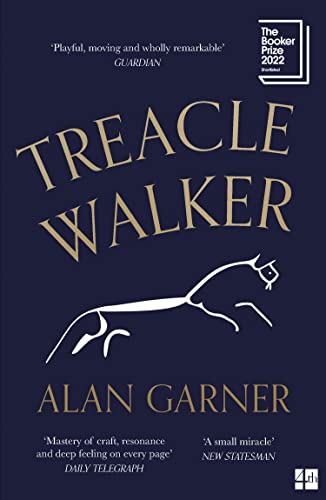
Start this bookNo. 15 on this list. Treacle Walker · Alan Garner · 2022
Published in 2021, Treacle Walker is too recent for canonical judgment, but Garner's lifelong integration of British folklore into literary fiction gives it strong claims. As his late-career distillation of myth, archaeology, and language, it consolidates his reputation as a major British fantasist.
Challenging1.5 hours
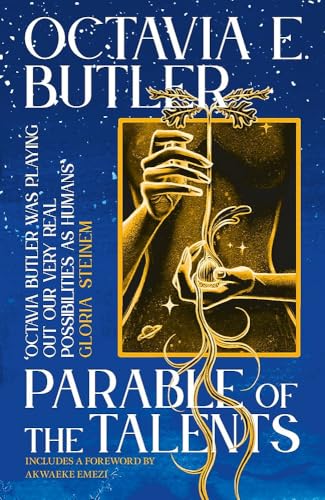
Start this bookNo. 16 on this list. Parable of the Talents · Octavia E. Butler · 1998
Winner of the Nebula Award for Best Novel (1999). Widely taught in speculative fiction, Afrofuturism, and American dystopia courses. The Parable duology is among the most assigned works in contemporary SF syllabi and is firmly canonical within the genre; its canonical standing in broader American literary culture continues to grow.
Challenging13 hours
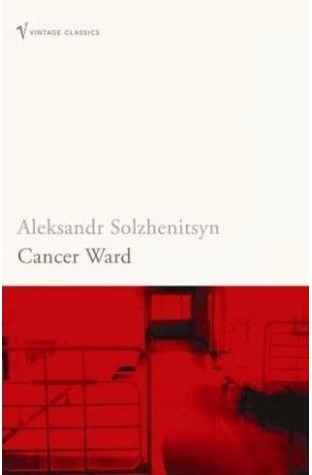
Start this bookNo. 17 on this list. Cancer Ward · Aleksandr Solzhenitsyn · 1968
Appears on 73 university syllabi (46.58th percentile), indicating solid but not widespread adoption in curricula. With Wikipedia articles in 18 languages and a 18,714-character article, it has meaningful international recognition but falls well below the canonical tier occupied by works like The Trial or Beloved. It is taught in Soviet literature and 20th-century world literature courses but is not a fixture in general humanities programs.
Difficult22 hours
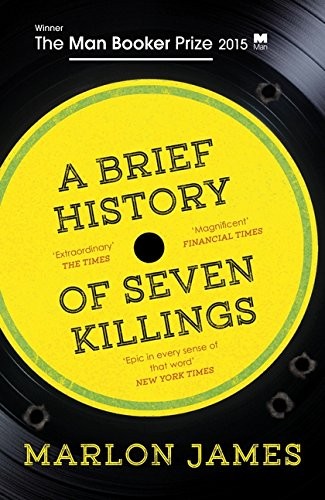
Start this bookNo. 18 on this list. A Brief History of Seven Killings · Marlon James · 2015
Man Booker Prize winner 2015 — a major imprimatur. Appears on 176 syllabi across university courses in postcolonial literature, Caribbean studies, and contemporary fiction. Twelve Wikipedia language editions. Growing but not yet settled canonical presence; it is a recent prize winner still being absorbed into the curriculum rather than a fixture taught for decades. First Caribbean-born writer to win the Booker Prize, which marks its cultural significance.
Difficult26 hours
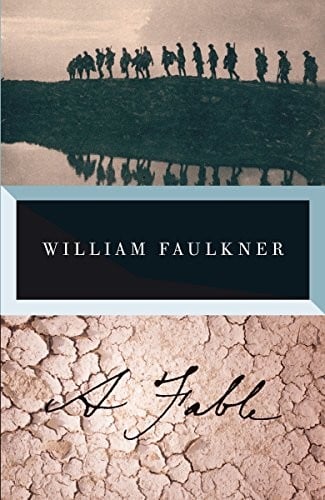
Start this bookNo. 19 on this list. A Fable · William Faulkner · 1955
A Fable occupies a contested position in the Faulkner canon — it won both the Pulitzer Prize and the National Book Award in 1955, which should guarantee canonical standing, but it is widely regarded as one of Faulkner's least-read major works, overshadowed by The Sound and the Fury, As I Lay Dying, and Absalom, Absalom! The Wikipedia article covers only 8 languages, far below other Faulkner titles, indicating limited global reach. Its Open Syllabus presence is negligible compared to Faulkner's earlier novels.
Difficult20 hours
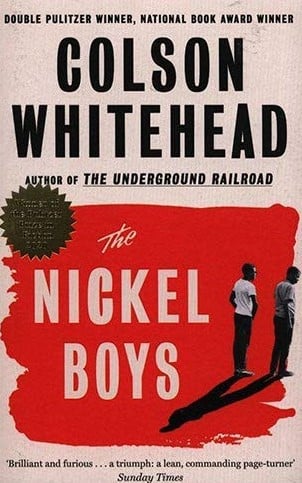
Start this bookNo. 20 on this list. The Nickel Boys · Colson Whitehead · 2019
Published in 2019, the novel won the Pulitzer Prize for Fiction in 2020 and appears on 33 college syllabi, placing it in the upper third of taught contemporary fiction. Its canonical trajectory is steep: based on a documented historical atrocity, adapted for film, and widely assigned in American literature courses. It lacks the decades of institutional embedding that would push the score higher.
Difficult6.3 hours
Start this book
No. 21 on this list. Henry VI, Part 3 · William Shakespeare · 1595
Included in: Great Books of the Western World
Henry VI, Part 3 is part of the canonical Shakespeare corpus and studied in specialized Shakespeare courses worldwide, but it occupies a lower tier than the major tragedies or the Henriad. The play receives sustained academic attention as part of the Wars of the Roses cycle, but does not appear on general literature syllabi with the frequency of Hamlet or Macbeth.
Challenging2.4 hours
Read nowNo. 22 on this list. How Late It Was, How Late · James Kelman · 1994
Appears on 79 university syllabi (47th percentile by Open Syllabus data), primarily in Scottish literature and working-class fiction courses. The Booker Prize win secured its place in the literary conversation, but it remains a cult text rather than a curriculum fixture. Wikipedia in only 7 languages confirms limited global reach compared to canonical Booker winners like Midnight's Children or Remains of the Day.
Challenging12 hours
Start this bookNo. 23 on this list. Batman: The Dark Knight Returns · Frank Miller · 1986
Widely regarded as one of the works that redefined the superhero genre and established the graphic novel as a serious literary form. Not present in traditional literary syllabi, but canonical within comics studies and popular culture courses, appearing on virtually every 'essential graphic novels' list. Alongside Watchmen, it is considered a foundational text that changed what comics could be.
Challenging3 min
Start this bookNo. 24 on this list. Human Acts · Han Kang · 2014
Han Kang's Nobel Prize in 2024 elevated this novel's global profile significantly, but it appears on only 59 university syllabi (44th percentile in Open Syllabus) and has Wikipedia articles in just 5 languages. Curricular adoption outside Korean literature courses remains limited, though the Nobel will accelerate its integration into world literature programs.
Difficult6.7 hours
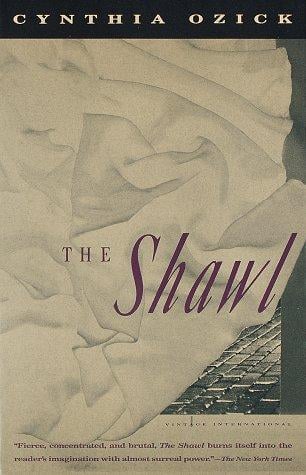
Start this bookNo. 25 on this list. The Shawl · Cynthia Ozick · 1989
The Shawl is a fixture in Holocaust literature courses and Jewish-American literature syllabi at American universities, and 'The Shawl' story is one of the most anthologized short pieces in postwar American fiction. Its canonical status within its domain is high; it does not, however, appear on the broadest general literature reading lists with the frequency of Morrison or Fitzgerald.
Challenging1.7 hours
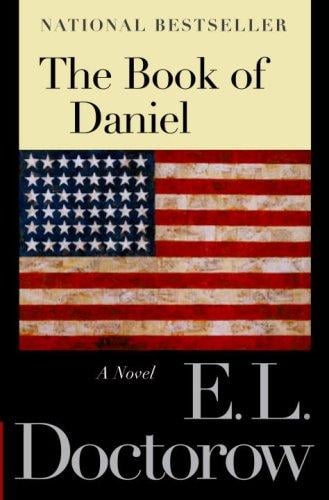
Start this bookNo. 26 on this list. The Book of Daniel · E.L. Doctorow · 1971
Daniel Lewin is writing his doctoral dissertation in the Columbia University library in 1967, though what he is really writing is the story of his parents' execution. Paul and Rochelle Isaacson—thinly disguised Julius and Ethel Rosenberg—were electrocuted as Soviet spies in 1953, leaving Daniel and his sister Susan to be raised by strangers while carrying the weight of a contested martyrdom. Susan has just slashed her wrists in a Howard Johnson's bathroom on the Massachusetts Turnpike. Daniel cannot decide if their parents were heroes or fools, innocent or guilty, or whether the distinction matters after the voltage has passed through. Doctorow writes in a voice that shifts mid-sentence from third person to first, from domestic memory to political lecture, from the Bronx of the 1940s to the Peekskill riots to Bukharin's show trial. The technique is not decoration—Daniel is a narrator who cannot hold a stable position about anything, and the form enacts his condition. The novel asks what children owe the dead, what survivors owe history, and whether American justice is a system or a slogan. It never answers. The last image is Daniel in the stacks, the matter not yet out of his heart.
Difficult14 hours
Start this bookNo. 27 on this list. Miss Lonelyhearts · Nathanael West · 1933
Miss Lonelyhearts appears regularly on university American literature syllabi and is included on multiple greatest American novels lists, including Modern Library's Top 100. It is widely taught in undergraduate fiction and modernism courses alongside West's The Day of the Locust. The novel's slim page count makes it a staple of semester reading lists, though it lacks the overwhelming syllabus dominance of Fitzgerald or Hemingway contemporaries.
Challenging2.2 hours
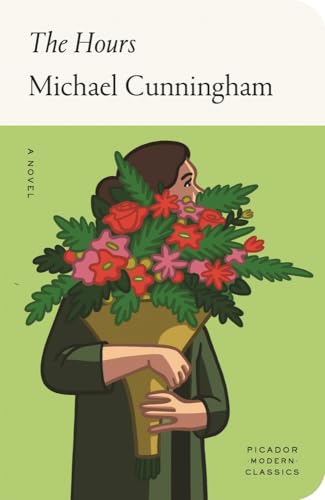
Start this bookNo. 28 on this list. The Hours · Michael Cunningham · 1999
The Hours appears on 529 university syllabi according to the Open Syllabus Project, placing it in the 69th percentile of taught books — solid but not at the level of Beloved or The Great Gatsby. It anchors courses in contemporary American fiction, queer literature, and feminist modernism. Its Wikipedia presence in only 5 languages suggests its canonical status is primarily Anglophone rather than global.
Challenging5.1 hours
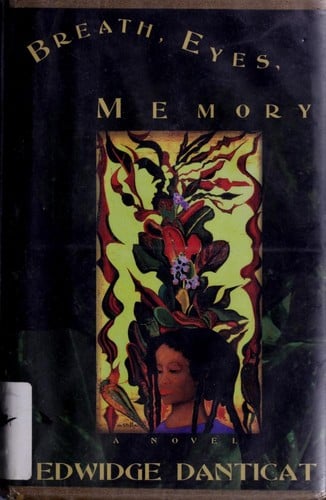
Start this bookNo. 29 on this list. Breath, Eyes, Memory · Edwidge Danticat · 1994
Widely assigned in Caribbean literature, diaspora studies, and postcolonial fiction courses at American universities. Oprah's Book Club selection in 1998 cemented its classroom presence, and it appears consistently on syllabi focused on Haitian-American experience and the literature of trauma. Its reach falls below Nobel-era Caribbean writers like Derek Walcott but well above works with only genre-course placement.
Challenging4.8 hours
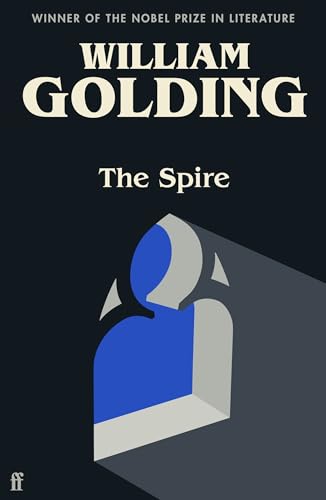
Start this bookNo. 30 on this list. The Spire · William Golding · 1964
The Spire is standard reading in British university literature courses and appears regularly on syllabi focused on postwar British fiction and the novel of faith. Golding's status as a Nobel laureate ensures the book's institutional presence, though it is less widely taught than Lord of the Flies, which dominates secondary school curricula. The Wikipedia article exists in only 7 languages, suggesting narrower global reach than Golding's most famous work.
Difficult7.3 hours
Start this book
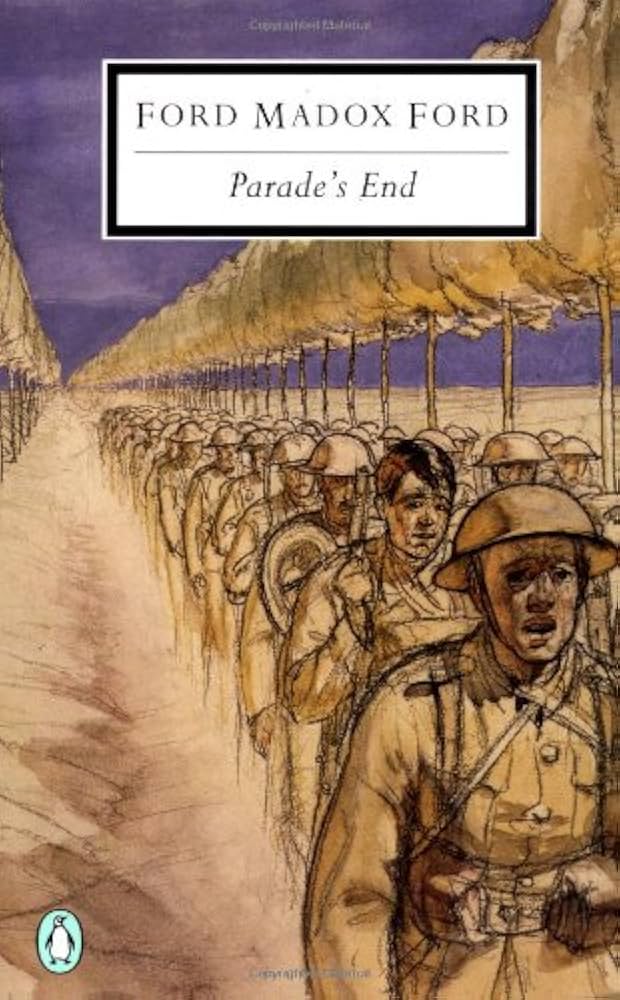
No. 31 on this list. Parade's End
Ford Madox Ford · 1928
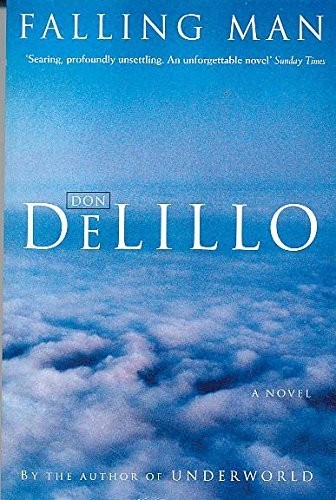
No. 32 on this list. Falling Man
Don DeLillo · 2007
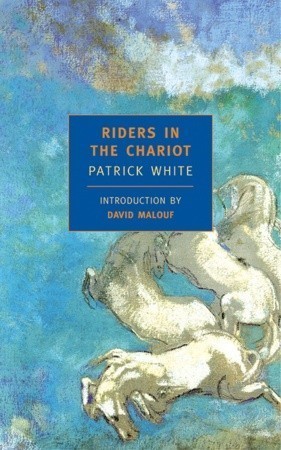
No. 33 on this list. Riders in the Chariot
Patrick White · 1961
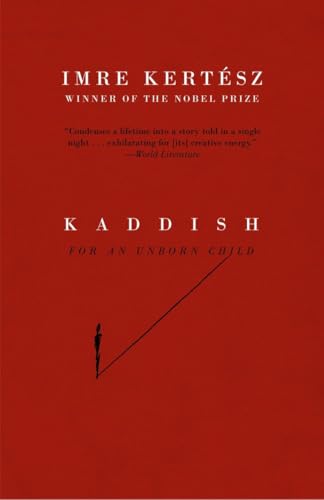
No. 34 on this list. Kaddish for an Unborn Child
Imre Kertész · 1990
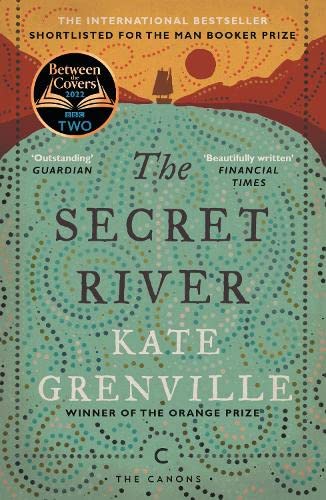
No. 35 on this list. The Secret River
Kate Grenville · 2006
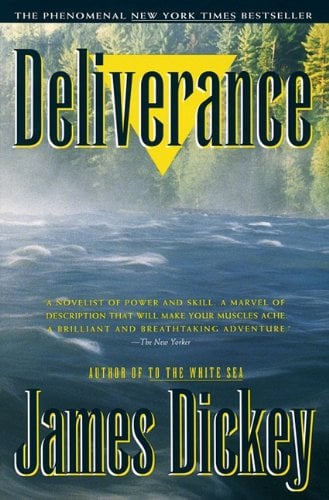
No. 36 on this list. Deliverance
James Dickey · 1970
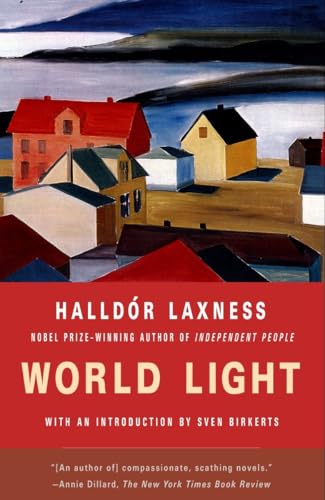
No. 37 on this list. World Light
Halldór Laxness · 1937
Included in: UNESCO Collection of Representative Works
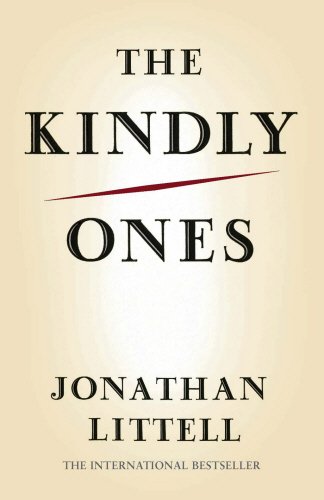
No. 38 on this list. The Kindly Ones
Jonathan Littell · 2006
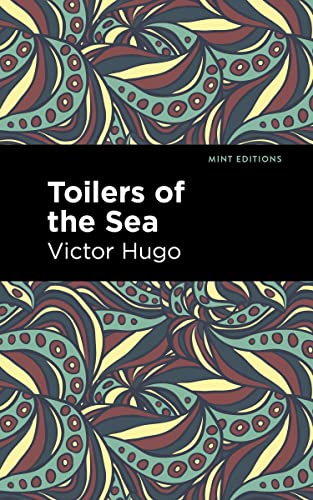
No. 39 on this list. The Toilers of the Sea
Victor Hugo · 1866
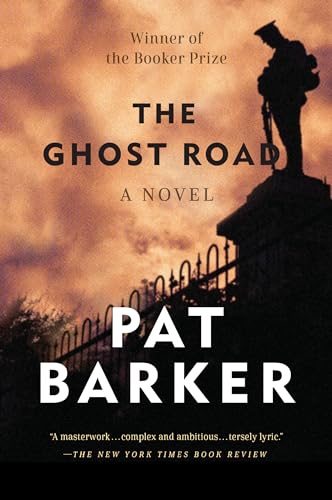
No. 40 on this list. The Ghost Road
Pat Barker · 1995
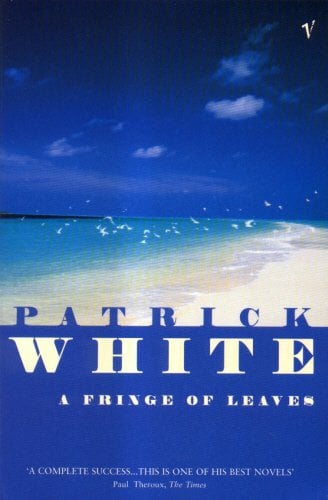
No. 41 on this list. A Fringe of Leaves
Patrick White · 1976
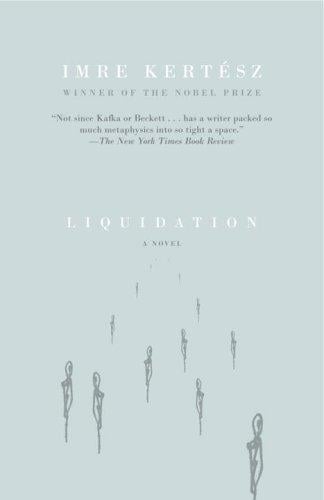
No. 42 on this list. Liquidation
Imre Kertész · 2003
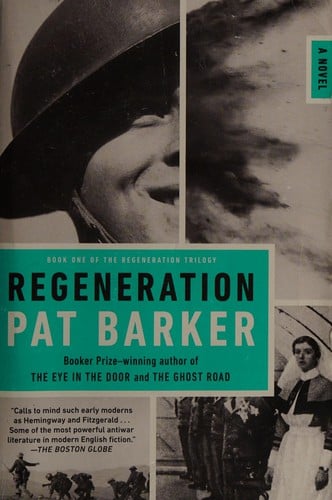
No. 43 on this list. Regeneration
Pat Barker · 1991
Taught in schools: AQA GCSE and A-level English Literature (UK)
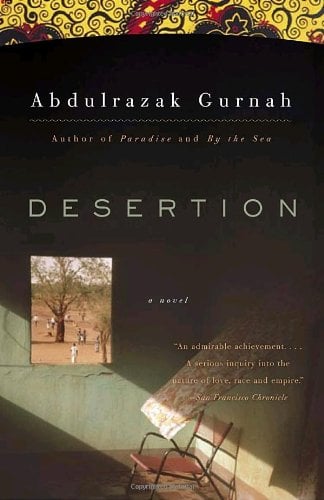
No. 44 on this list. Desertion
Abdulrazak Gurnah · 2005
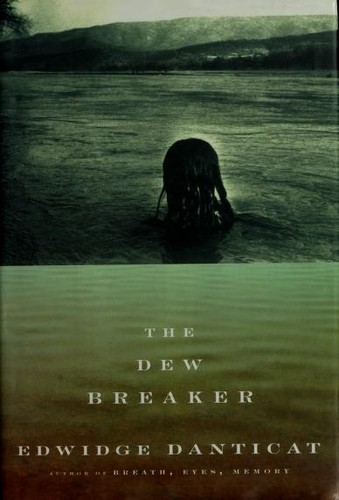
No. 45 on this list. The Dew Breaker
Edwidge Danticat · 2004
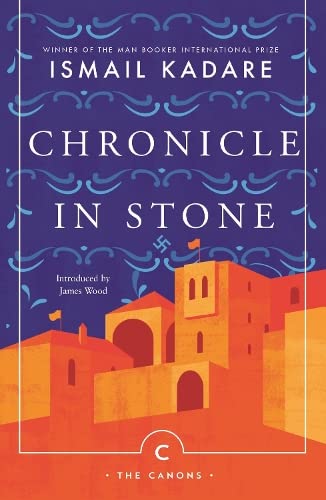
No. 46 on this list. Chronicle in Stone
Ismail Kadare · 1971
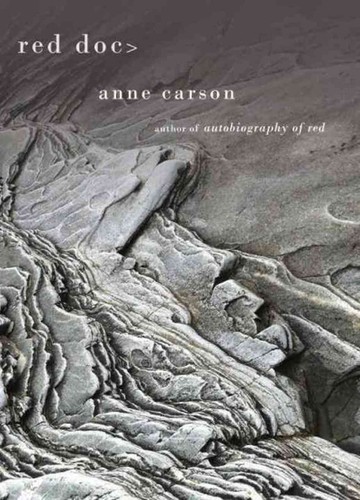
No. 47 on this list. Red Doc>
Anne Carson · 2013
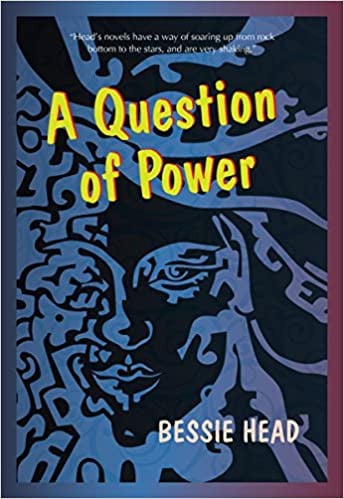
No. 48 on this list. A Question of Power
Bessie Head · 1974
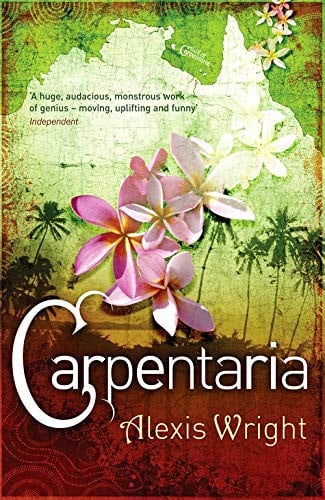
No. 49 on this list. Carpentaria
Alexis Wright · 2006
No. 50 on this list. Harrow
Joy Williams · 2021
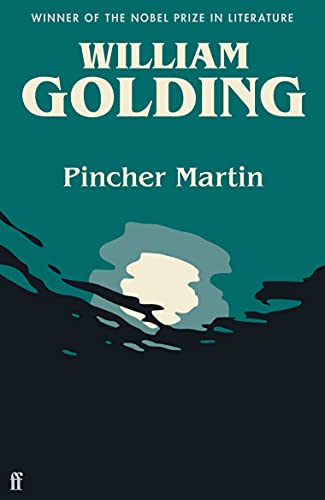
No. 51 on this list. Pincher Martin
William Golding · 1956
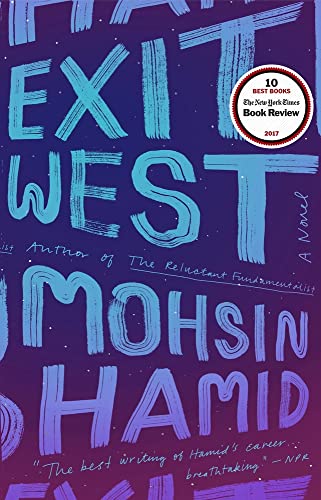
No. 52 on this list. Exit West
Mohsin Hamid · 2017
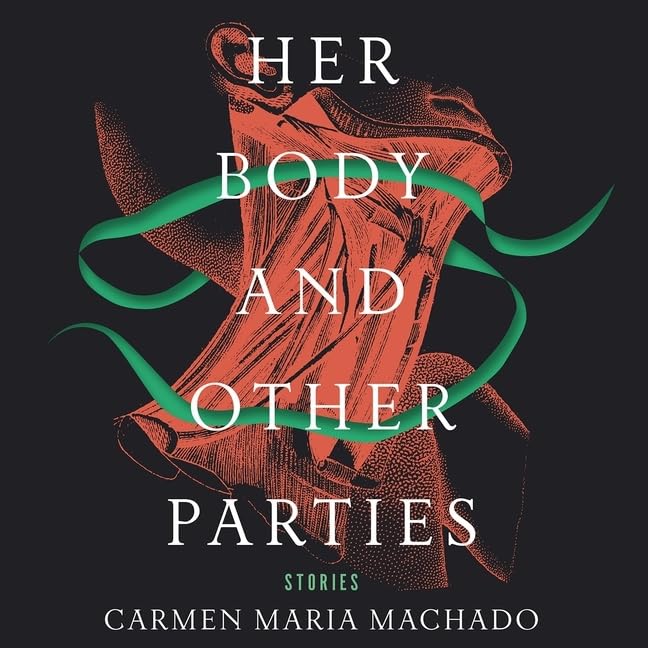
No. 53 on this list. Her Body and Other Parties
Carmen Maria Machado · 2017
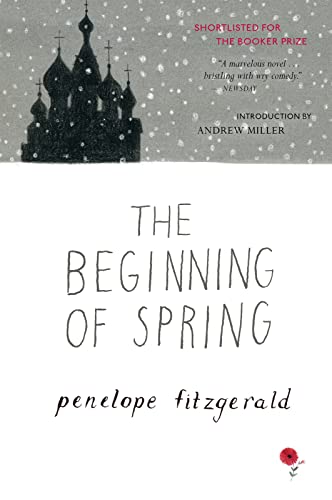
No. 54 on this list. The Beginning of Spring
Penelope Fitzgerald · 1988
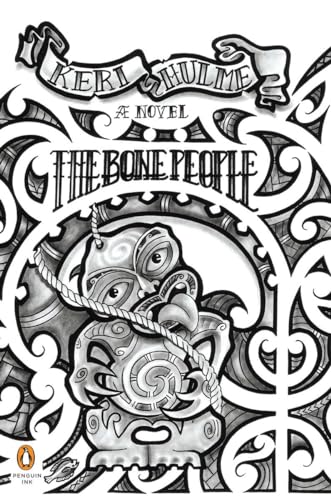
No. 55 on this list. The Bone People
Keri Hulme · 1985
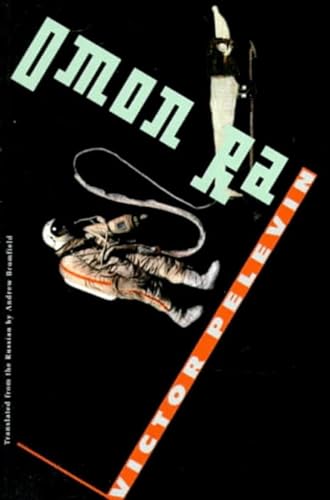
No. 56 on this list. Omon Ra
Viktor Pelevin · 1992
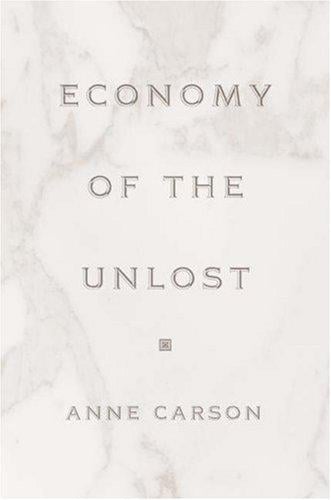
No. 57 on this list. Economy of the Unlost
Anne Carson · 1999
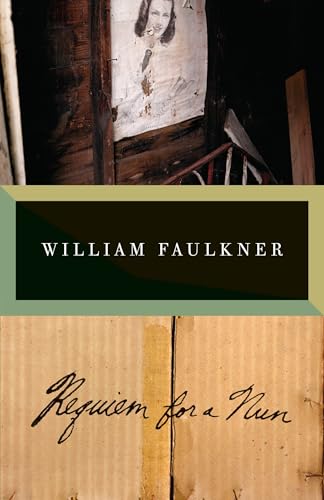
No. 58 on this list. Requiem for a Nun
William Faulkner · 1951
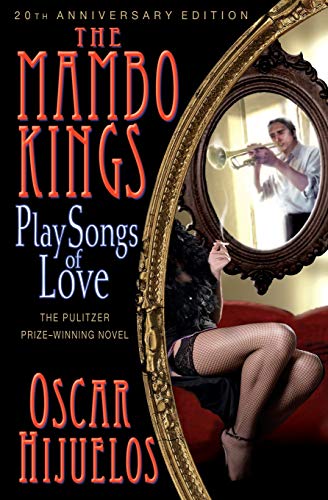
No. 59 on this list. The Mambo Kings Play Songs of Love
Oscar Hijuelos · 1990
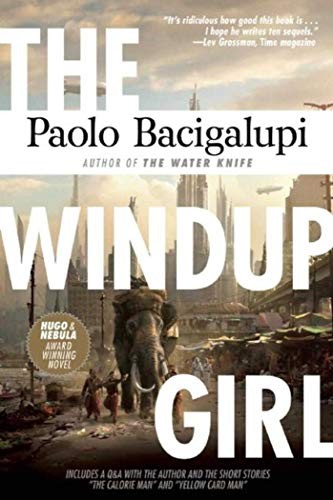
No. 60 on this list. The Windup Girl
Paolo Bacigalupi · 2009
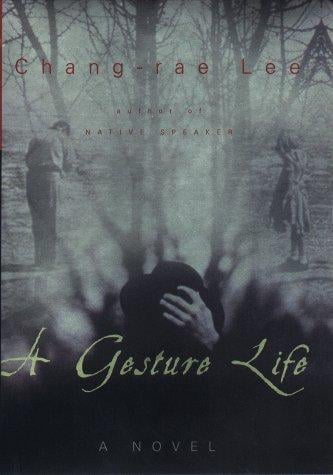
No. 61 on this list. A Gesture Life
Chang-rae Lee · 1999
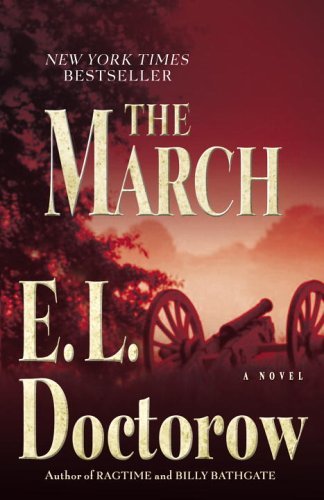
No. 62 on this list. The March
E.L. Doctorow · 2006
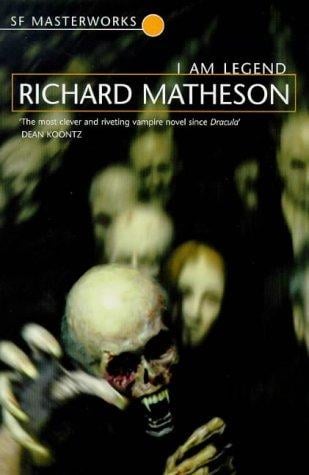
No. 63 on this list. I Am Legend
Richard Matheson · 1954
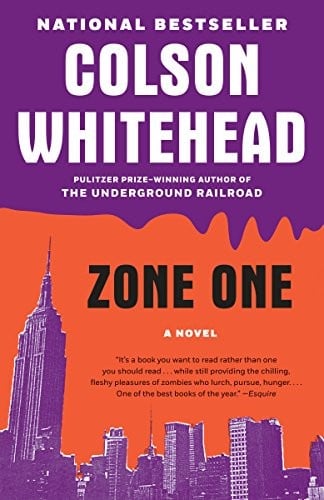
No. 64 on this list. Zone One
Colson Whitehead · 2011
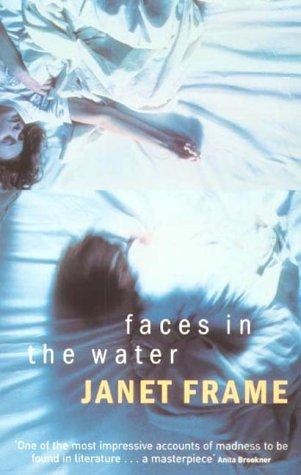
No. 65 on this list. Faces in the Water
Janet Frame · 1961
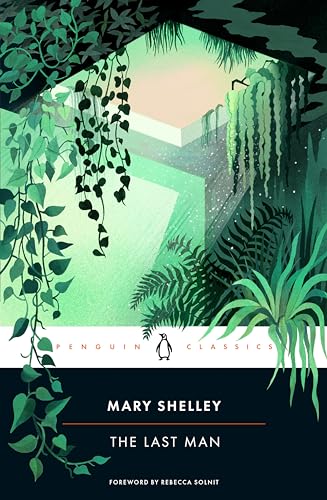
No. 66 on this list. The Last Man
Mary Shelley · 1826
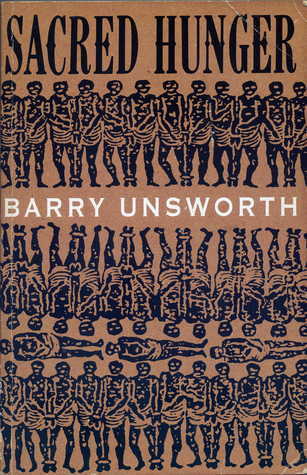
No. 67 on this list. Sacred Hunger
Barry Unsworth · 1992
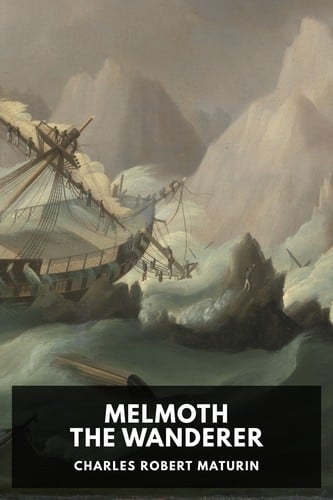
No. 68 on this list. Melmoth the Wanderer
Charles Maturin · 1820
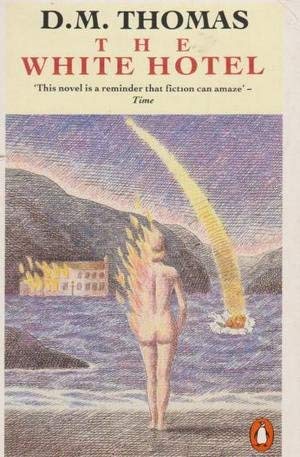
No. 69 on this list. The White Hotel
D.M. Thomas · 1981
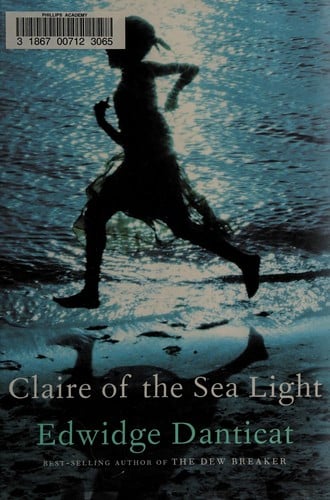
No. 70 on this list. Claire of the Sea Light
Edwidge Danticat · 2013
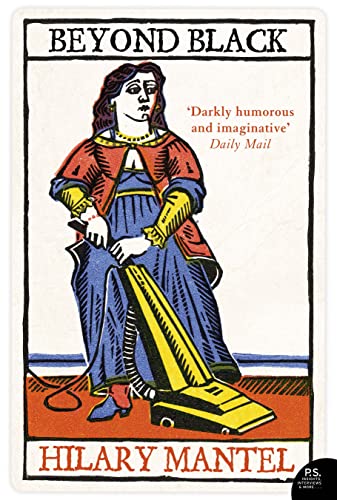
No. 71 on this list. Beyond Black
Hilary Mantel · 2005
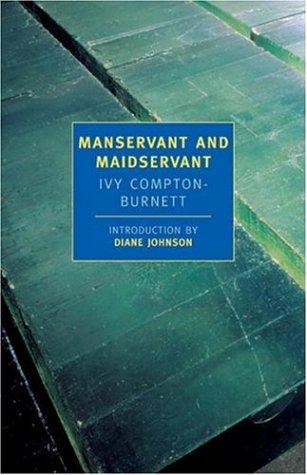
No. 72 on this list. Manservant and Maidservant
Ivy Compton-Burnett · 1947
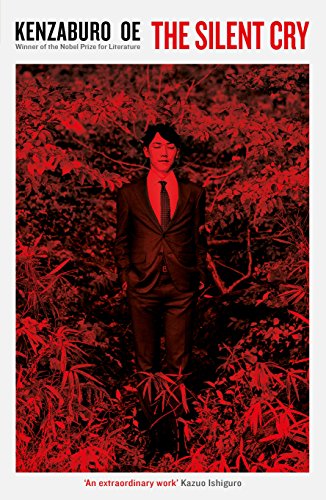
No. 73 on this list. The Silent Cry
Kenzaburō Ōe · 1967
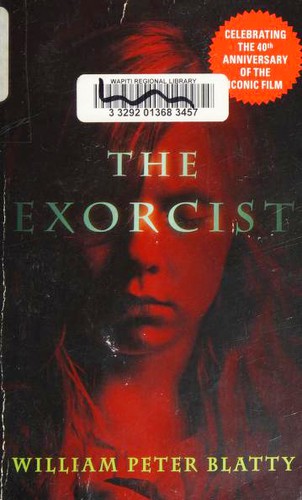
No. 74 on this list. The Exorcist
William Peter Blatty · 1971
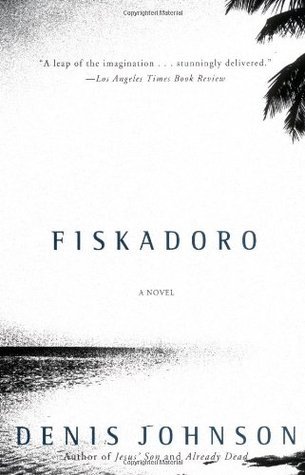
No. 75 on this list. Fiskadoro
Denis Johnson · 1985
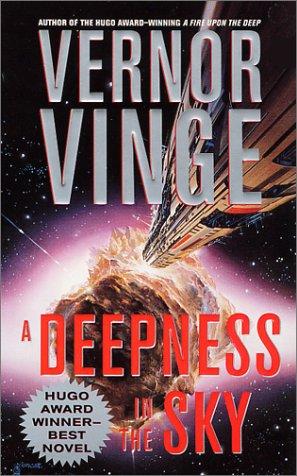
No. 76 on this list. A Deepness in the Sky
Vernor Vinge · 1999
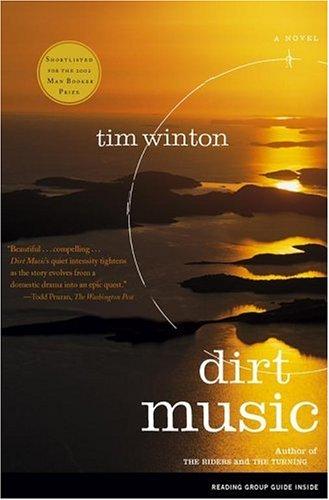
No. 77 on this list. Dirt Music
Tim Winton · 2002
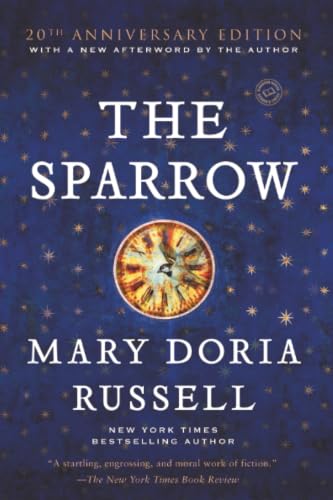
No. 78 on this list. The Sparrow
Mary Doria Russell · 1996
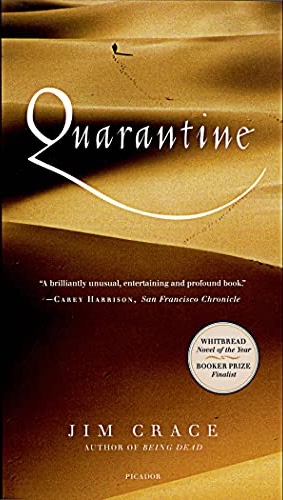
No. 79 on this list. Quarantine
Jim Crace · 1997
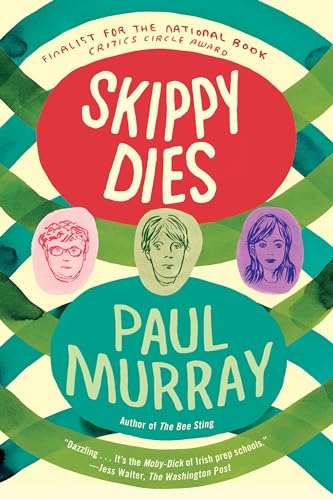
No. 80 on this list. Skippy Dies
Paul Murray · 2010
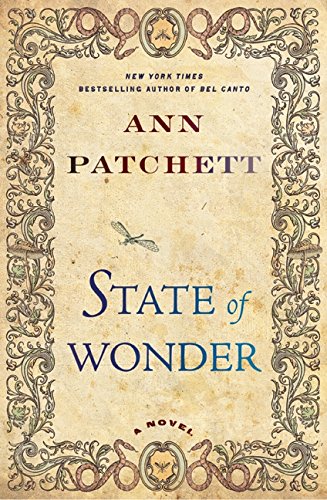
No. 81 on this list. State of Wonder
Ann Patchett · 2012
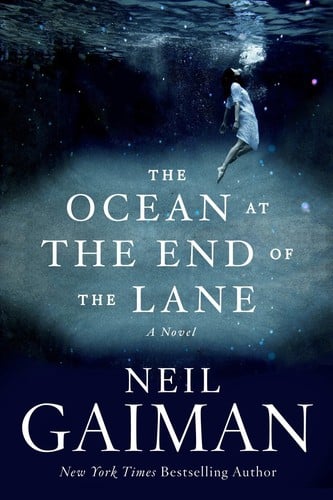
No. 82 on this list. The Ocean at the End of the Lane
Neil Gaiman · 2013
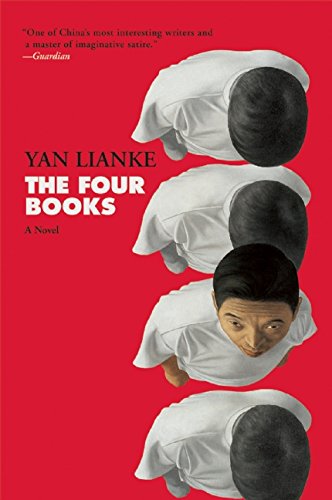
No. 83 on this list. The Four Books
Yan Lianke · 2016
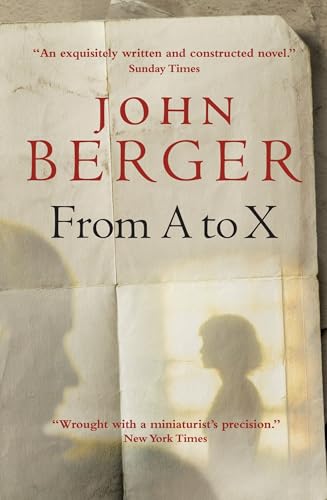
No. 84 on this list. From A to X
John Berger · 2008
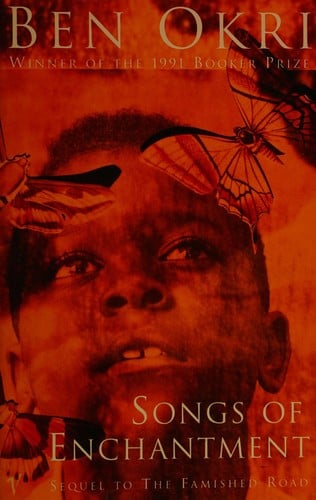
No. 85 on this list. Songs of Enchantment
Ben Okri · 1993
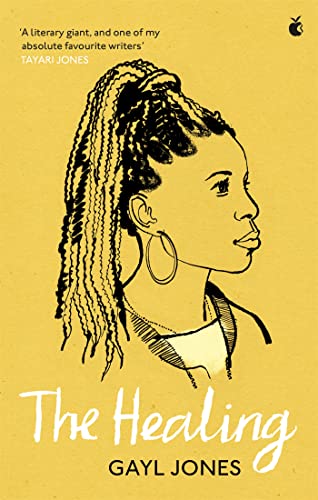
No. 86 on this list. The Healing
Gayl Jones · 1998
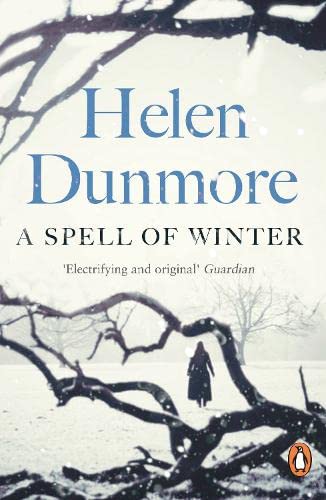
No. 87 on this list. A Spell of Winter
Helen Dunmore · 1997
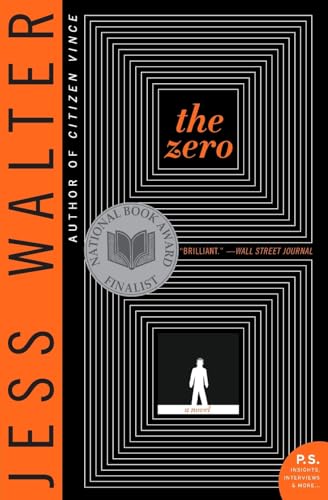
No. 88 on this list. The Zero
Jess Walter · 2006
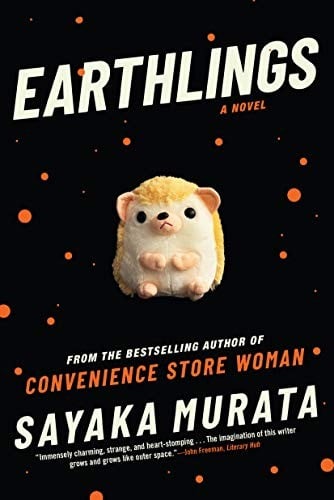
No. 89 on this list. Earthlings
Sayaka Murata · 2018
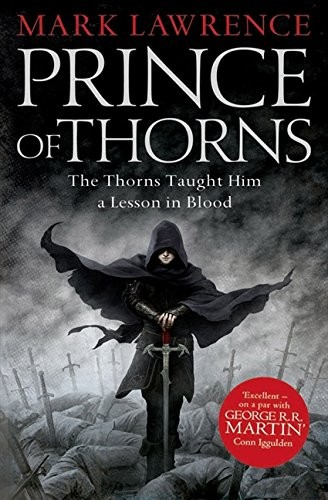
No. 90 on this list. Prince of Thorns
Mark Lawrence · 2011
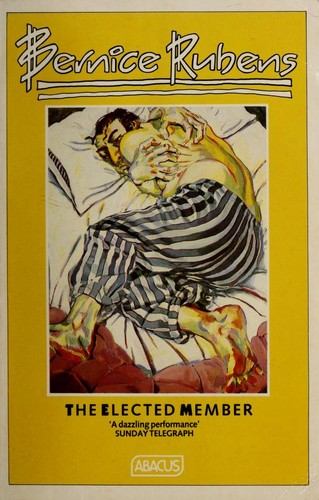
No. 91 on this list. The Elected Member
Bernice Rubens · 1970
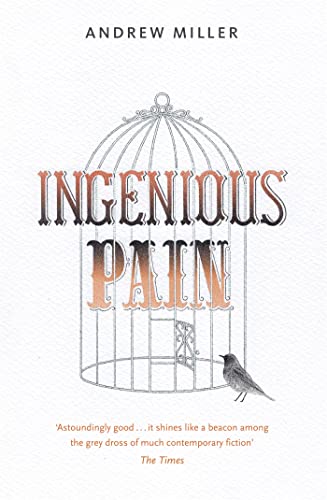
No. 92 on this list. Ingenious Pain
Andrew Miller · 1999
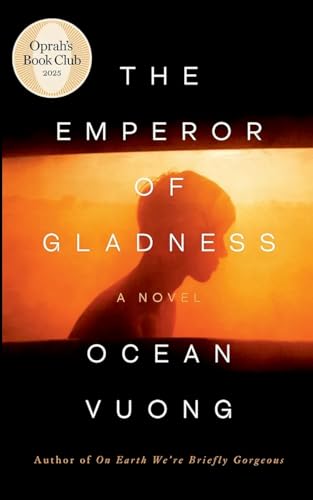
No. 93 on this list. The Emperor of Gladness: Oprah's Book Club
Ocean Vuong · 2025
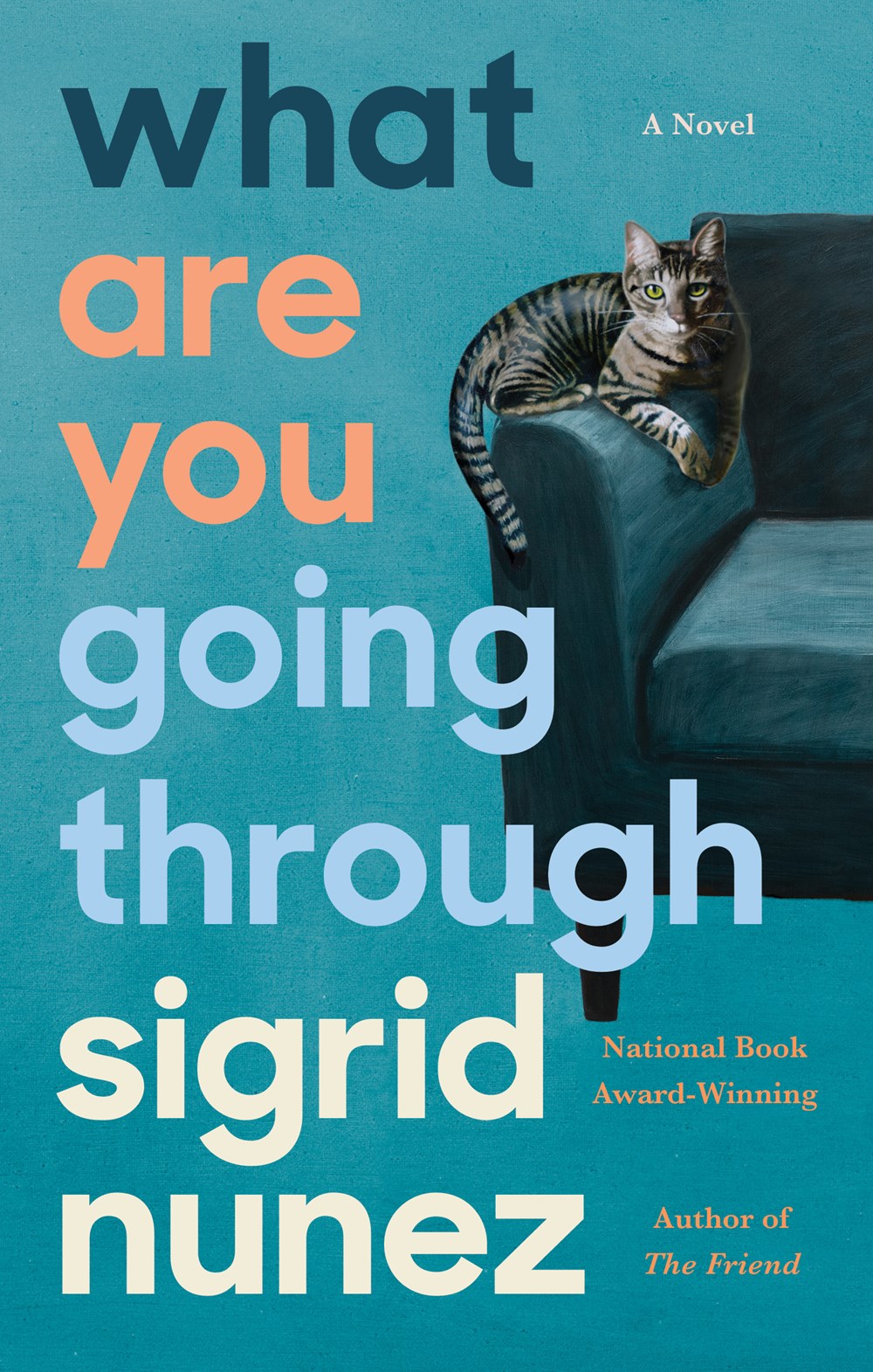
No. 94 on this list. What Are You Going Through
Sigrid Nunez · 2020
No. 95 on this list. Crow Lake
Mary Lawson · 2006
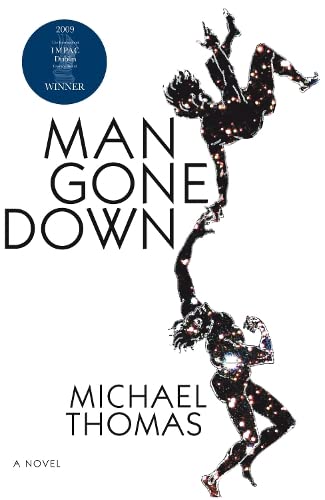
No. 96 on this list. Man Gone Down
Michael Thomas · 2009
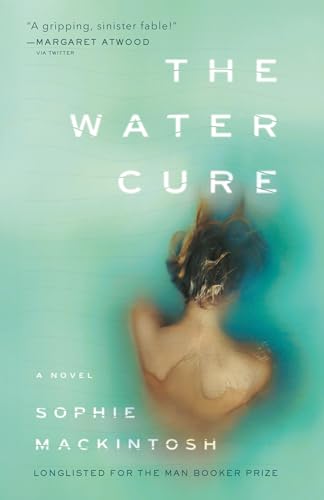
No. 97 on this list. The Water Cure
Sophie Mackintosh · 2018
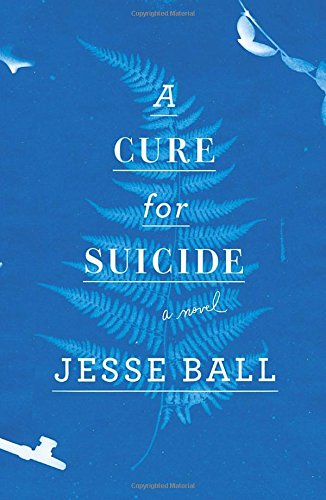
No. 98 on this list. A Cure for Suicide
Jesse Ball · 2015
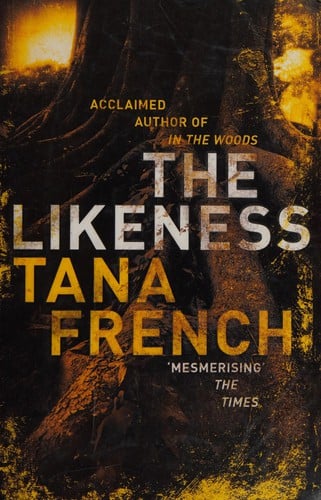
No. 99 on this list. The Likeness
Tana French · 2008
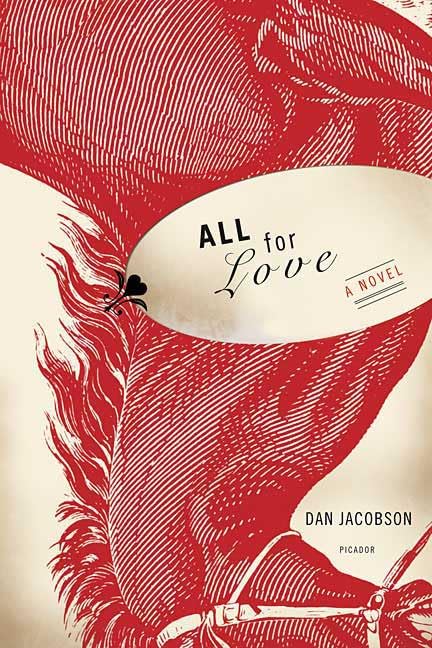
No. 100 on this list. All for Love
Dan Jacobson · 2005
About this list
These 100 books are the highest-scoring eligible challenging books about survival and endurance currently in the catalogue. About 1,114 hours of reading in all. Difficulty runs from 67 to 73 out of 100 for the middle half of the list; the summit is How It Is at 86.
This list is ranked by literary regard, with a consistent order for equal scores. Membership follows authors and co-authors, not translators or editors. A book is here when ReadingRate files it under Survival & Endurance as one of its primary reading domains, at a confidence of 0.8 or more. Catalogue coverage and the historical canon both limit what this list can represent.
When we matched the Canons dataset to our catalogue in October 2026, our canonical-status scores rose with the number of school curricula, publisher series and lists in it that cite a work: the median score was 72 for books one such source cites, 84 at two, 88 at three, 92 at four and 93 at five or more. Prizes are left out of that count. Outside the state curricula, the dataset’s sources choose mostly from what has been translated into English or French, so it is a weaker check on other literatures. Source: Canons (Andrew Piper), CC BY 4.0
Questions people actually ask
- What are the best challenging books about survival and endurance?
- By literary regard, which weighs canonical status, critical standing and influence: Requiem by Anna Akhmatova, The House of the Dead by Fyodor Dostoevsky, The Good Person of Szechwan by Bertolt Brecht, Voss by Patrick White and The Burning Plain and Other Stories by Juan Rulfo. ReadingRate ranks 100 such books, each with a difficulty score and a reading-time estimate.
- Which challenging books about survival and endurance should I read first?
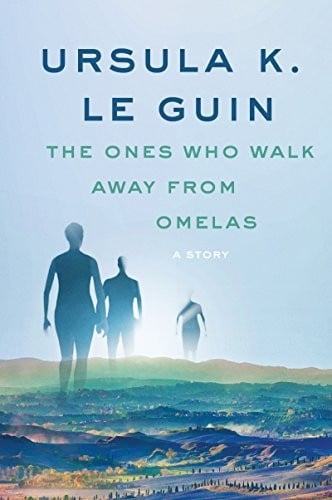
- Start from difficulty, not from rank. The most approachable books on this list that still carry top literary regard are The Good Person of Szechwan by Bertolt Brecht (about 14 hours), The Burning Plain and Other Stories by Juan Rulfo and The Ones Who Walk Away from Omelas by Ursula K Le Guin.
- What are the shortest of the best challenging books about survival and endurance?
- Among the top 25, the shortest are Batman: The Dark Knight Returns by Frank Miller (about 3 min), The Axion Esti by Odysseas Elytis (about 38 min) and The Ones Who Walk Away from Omelas by Ursula K Le Guin (about 40 min), at an average pace of 250 words a minute adjusted for each book's difficulty.
- Which of the best challenging books about survival and endurance are the established classics?
- By canonical status, how firmly a book sits in curricula, anthologies and the canon: Requiem by Anna Akhmatova, The Good Person of Szechwan by Bertolt Brecht, Voss by Patrick White, The House of the Dead by Fyodor Dostoevsky and The Burning Plain and Other Stories by Juan Rulfo.
- Can I read any of these challenging books about survival and endurance for free?
- 5 of the 100 open in ReadingRate's reader with a free account, from public-domain editions: The House of the Dead, Billy Budd, Sailor, Henry VI, Part 3, The Toilers of the Sea and The Last Man.
- How long would it take to read the top ten?
- About 88 hours, at an average pace of 250 words a minute adjusted for each book's difficulty: 44 days at two hours a day. Set your own pace on the page and the list's reading times change to it.
- How hard are challenging books about survival and endurance to read?
- Most of this list sits between 67 and 73 on ReadingRate's 100-point difficulty scale, where 40 to 55 is moderate. The summit is How It Is at 86. Every entry carries its own score, so a reader can pick a great book at a difficulty they will finish.
- How is this list ranked?
- On literary-regard data: how canonically established a work is, its critical standing, and its influence on later writing. It is not a readers’ poll, which is why recent bestsellers rarely appear. Membership follows authors and co-authors, not translators or editors. Lists by country, author, period, theme or difficulty keep to literature (fiction, poetry, drama and philosophy), their novels, poems and plays first and their philosophy after them; a list of a kind of book, such as memoir or criticism, keeps every book of that kind. Every list holds at most three works by one author. A book is here when ReadingRate files it under Survival & Endurance as one of its primary reading domains, at a confidence of 0.8 or more.