Hours at an average pace
Showing 100 books
About 852 hours for 100 of 100 books with measured lengths. Estimates use 250 words a minute, adjusted for each book's difficulty. At 2 hours a day, about 426 days for those books.
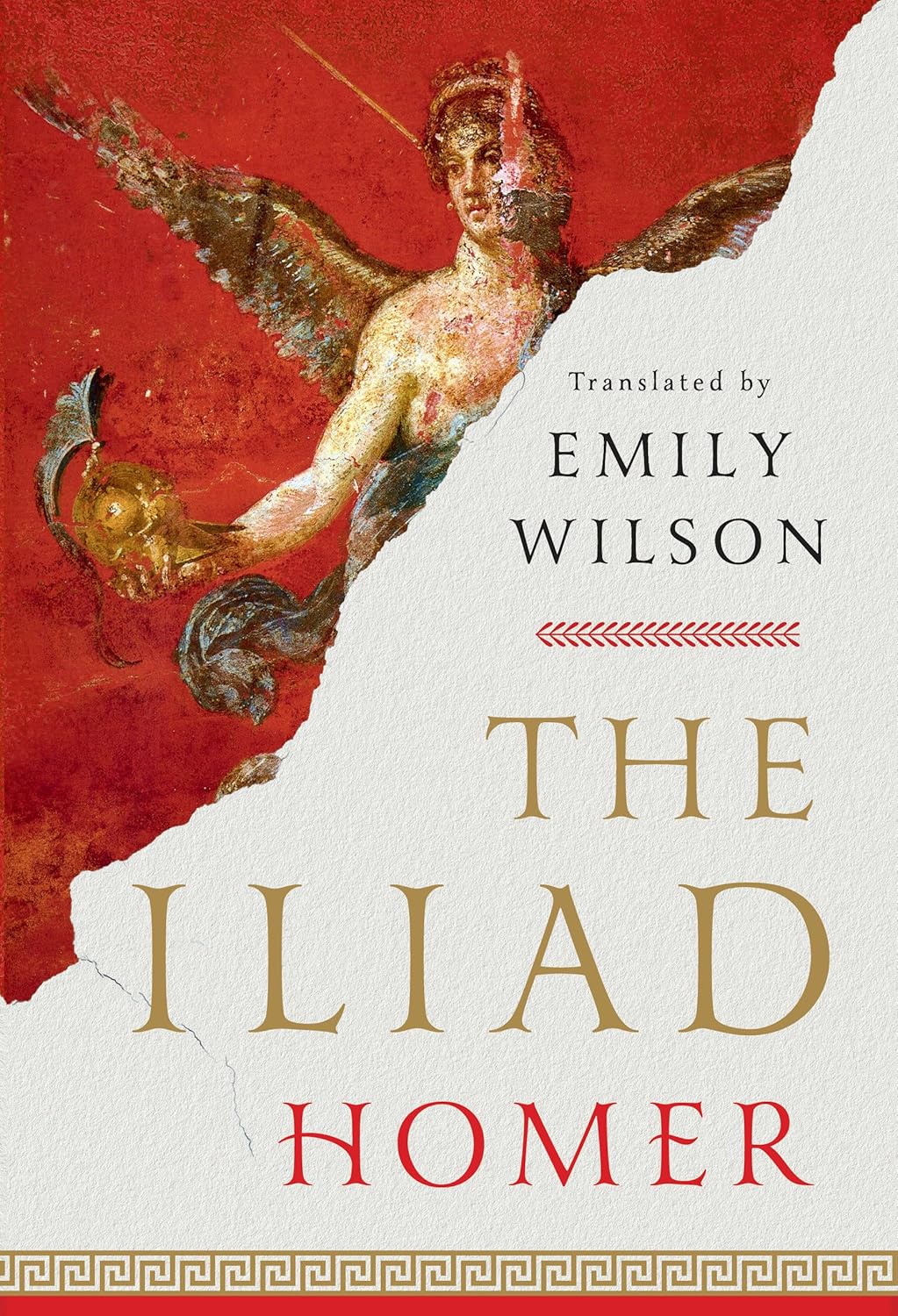
No. 1 on this list. Iliad
Homer · c. 750 BCE
Challenging13 hours
Taught in schools: Montenegrin literature curriculum (crnogorski jezik i književnost) (Montenegro)
Included in: Bokklubben World Library, Great Books of the Western World
The foundational war poem of Western civilization, and still the most unflinching. Homer gives Achilles' rage the same weight as Hector's tenderness with his son, refusing to let either side own the meaning of the slaughter.
No. 2 on this list. Mother Courage and Her Children
Bertolt Brecht · 1941
Challenging13 hours
Taught in schools: UNAM Escuela Nacional Preparatoria – programas de Literatura (Mexico)
Included in: Great Books of the Western World
Mother Courage is a required text on virtually every drama and theatre studies syllabus worldwide. It appears on the AP Literature list, the IB Theatre curriculum, and is included in every major anthology of 20th-century drama from Norton to Penguin. The play is routinely placed alongside Waiting for Godot and Death of a Salesman as one of the three foundational postwar plays in the Western canon.
No. 3 on this list. War and Peace
Leo Tolstoy · 1869
Moderate39 hours
Taught in schools: Russian FGOS literature standard, Turkish edebiyat curriculum (Turkey)
Included in: Bibliothèque de la Pléiade, Bokklubben World Library, Great Books of the Western World
War and Peace appears on 120 university syllabi (Open Syllabus) and has Wikipedia articles in 80 languages, placing it among the most globally recognized novels ever written. It features on the BBC Big Read Top 100, the 1001 Books You Must Read Before You Die list, and the Open Syllabus Top 500 Literature canon, with a prestige NYRB Classics edition. The book is referenced universally as the archetype of the sweeping Russian novel.
No. 4 on this list. The Trojan Women
Euripides · c. 415 BCE
Moderate58 min
Included in: Great Books of the Western World
The Trojan Women is one of the foundational texts of Western drama, taught in virtually every classical literature and theater history curriculum. It is among Euripides' most studied plays alongside Medea and The Bacchae. While no syllabus database match was found for this specific edition, the work appears in hundreds of world literature and women's studies syllabi globally.
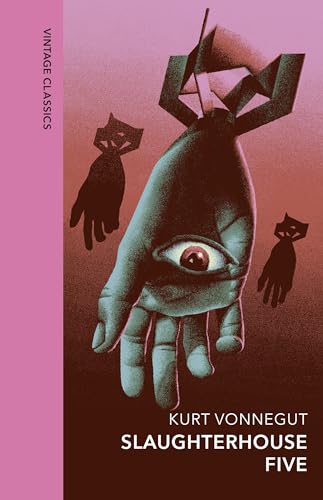
Vonnegut unstuck his protagonist from time and used the resulting shattered chronology to convey what no linear war novel could: the way trauma scrambles cause and effect until the firebombing of Dresden and a zoo on an alien planet occupy the same plane of reality. The deadpan sentence "So it goes" after every death became the definitive literary response to mass killing.
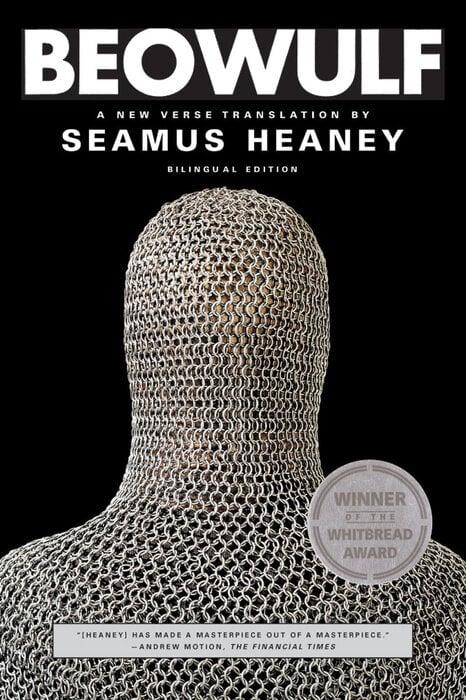
The oldest surviving long poem in Old English transforms a Scandinavian hero's monster-fights into a meditation on the transience of glory and the duty of a leader to spend his life for his people. Its recovery from a single fire-damaged manuscript preserved the founding work of English-language literary tradition.
No. 7 on this list. The Clouds
Aristophanes · c. 423 BCE
Challenging1.2 hours
Taught in schools: Lektury obowiązkowe – Polish national reading list (Poland)
Included in: Great Books of the Western World
The Clouds appears on virtually every classical literature and ancient philosophy syllabus, often assigned alongside Plato's Apology — which explicitly names the play as contributing to popular sentiment against Socrates. It is one of only eleven surviving plays by Aristophanes, and among those, one of the most studied. No book with this syllabus footprint in classics departments falls below 85.
No. 8 on this list. The Seagull
Anton Chekhov · 1896
Challenging2.1 hours
Taught in schools: Hungarian literature curriculum (magyar nyelv és irodalom) (Hungary), Russian FGOS literature standard
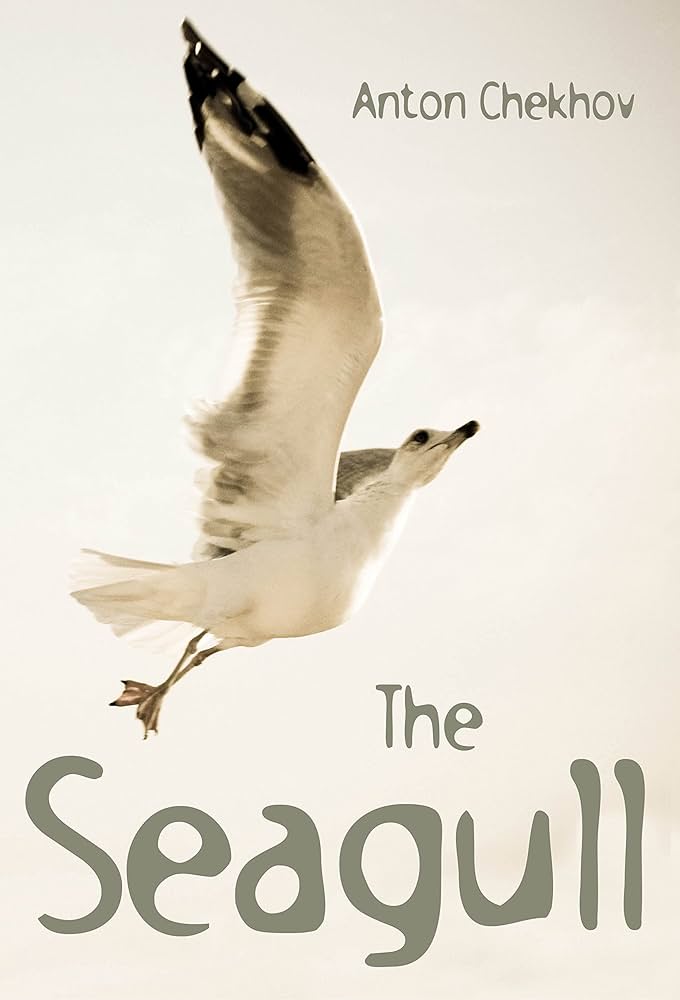
One of Chekhov's four major plays and a permanent part of the world repertory and of drama syllabi. Its 1898 Moscow Art Theatre revival is the founding event of that theatre, which still carries a seagull on its curtain.
Collected Stories won the National Book Award in 1951 and remains central to American short fiction canon. These stories appear regularly in anthologies and academic syllabi. While perhaps overshadowed by Faulkner's novels, the collection represents an essential component of his Yoknapatawpha saga and demonstrates his mastery across forms.
No. 10 on this list. A Farewell to Arms
Ernest Hemingway · 1929
Moderate6 hours
Taught in schools: AQA GCSE and A-level English Literature (UK), Common Core text exemplars (Appendix B) (US), CSEC English B – Caribbean Examinations Council
Included in: UNESCO Collection of Representative Works
A Farewell to Arms secured canonical status immediately upon publication in 1929, establishing itself as a foundational modernist war narrative and remains a standard text in American literature curricula. Its influence on subsequent war fiction and its representation of the Lost Generation make it exemplary of early 20th-century literary achievement.
No. 11 on this list. The Wild Duck · Henrik Ibsen · 1884
Taught in schools: Hungarian literature curriculum (magyar nyelv és irodalom) (Hungary)
Included in: Great Books of the Western World
The Wild Duck is a cornerstone of the Western dramatic canon, taught in virtually every university drama program and included in all standard collections of world theater. Though the database returns no syllabus count, Ibsen is the most taught non-English-language playwright in English-speaking universities, and this play—alongside Hedda Gabler and A Doll's House—appears on every major drama syllabus. It is consistently ranked among Ibsen's finest works and among the ten most important plays of the nineteenth century.
Moderate2.2 hours
Start this bookNo. 12 on this list. The Tale of the Heike · Anonymous
Japan's national epic, equivalent to the Iliad in the Western canon. Foundational to Japanese literature, taught universally in Japanese curricula, and central to understanding Japanese cultural identity. The work has influenced Japanese aesthetics for seven centuries, codifying concepts like mono no aware. Its canonical status is absolute and unchallenged within Japanese literary tradition, comparable only to The Tale of Genji in cultural importance.
Challenging14 hours
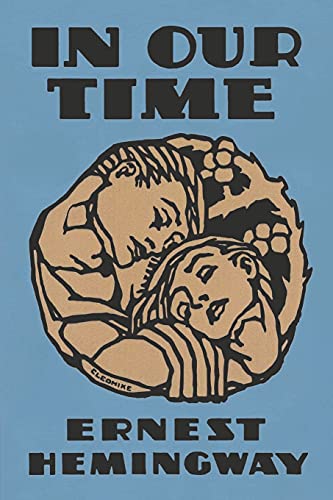
Start this bookNo. 13 on this list. In Our Time · Ernest Hemingway · 1925
In Our Time is widely taught in American literature survey courses as the foundational text of Hemingway's iceberg style. It appears on thousands of university syllabi and is the required starting point for understanding modernist short fiction in America. The Modern Library and most major American literature curricula treat it as essential.
Challenging17 min
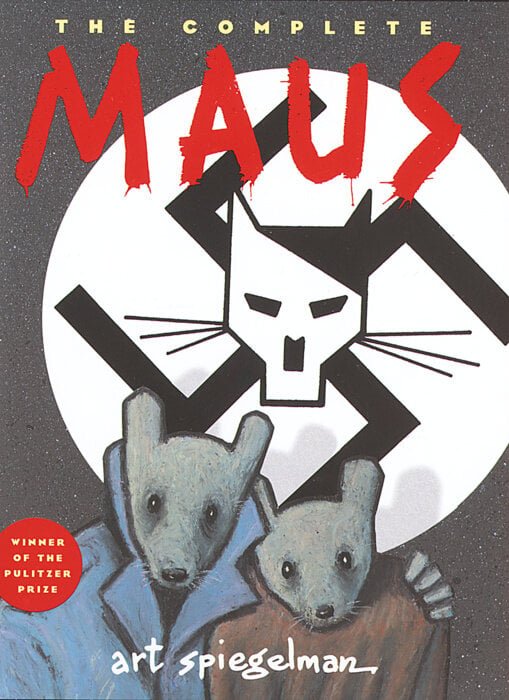
Start this bookNo. 14 on this list. The Complete Maus · Art Spiegelman · 2003
Widely taught in universities and high schools as the defining Holocaust graphic memoir, Maus appears on hundreds of literature and history syllabi worldwide. It is listed on virtually every major 'essential reading' and 'greatest books' compilation that includes graphic literature, from the Modern Library to Time's All-TIME 100 Novels. While not on syllabi at the scale of Fitzgerald or Austen, it holds unique canonical status as the book that forced academia to take comics seriously.
Challenging2.8 hours
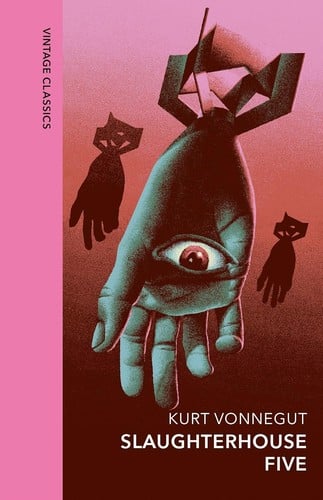
Start this bookNo. 15 on this list. Slaughterhouse-Five · Kurt Vonnegut · 1999
One of the most widely taught American novels of the twentieth century, in high school and university courses on war literature and postmodern fiction. Its 1969 text is the standard for anti-war reading lists.
Moderate3.5 hours
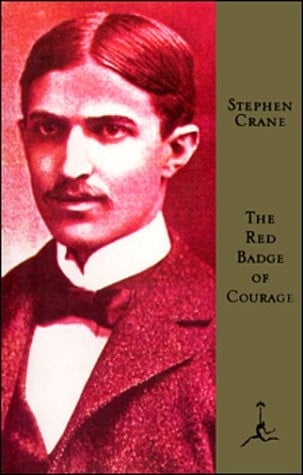
Start this bookNo. 16 on this list. The Red Badge of Courage · Stephen Crane · 2006
The novel is a staple of American high school and college courses and a foundational war novel. Its 2006 date reflects an edition of a 1895 classic.
Moderate2.7 hours
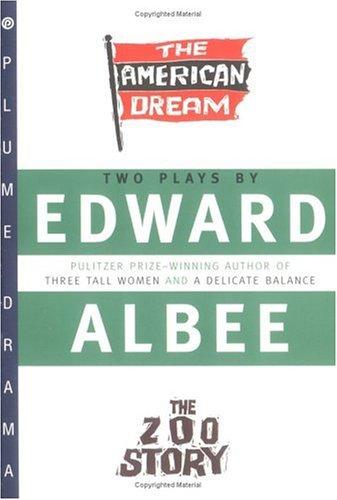
Start this bookNo. 17 on this list. The Zoo Story · Edward Albee · 1959
A foundational work of American avant-garde theater and Albee's debut. Widely taught, anthologized, and performed as a landmark one-act play.
Challenging1.3 hours
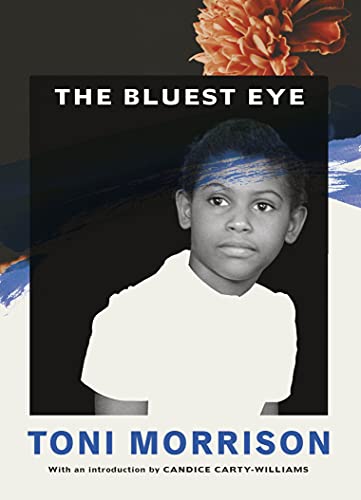
Start this bookNo. 18 on this list. The Bluest Eye · Toni Morrison · 1970
Taught in schools: Common Core text exemplars (Appendix B) (US)
While not as universally canonical as Beloved, The Bluest Eye is firmly established in the American literary canon, widely taught in universities, and recognized as a landmark debut that announced a major voice in American letters.
Challenging4.2 hours
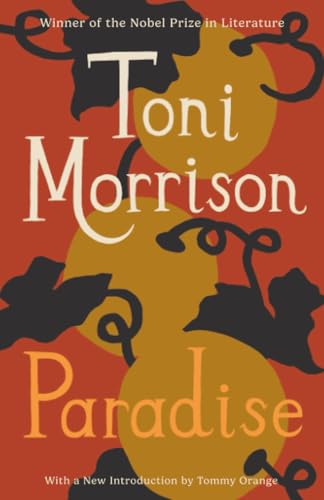
Start this bookNo. 19 on this list. Paradise · Toni Morrison · 1999
As Morrison's seventh novel following her 1993 Nobel Prize, Paradise occupies secure canonical position. It completes Morrison's loose trilogy with Beloved and Jazz, cementing her exploration of African American historical trauma. The novel appears regularly on graduate syllabi and receives sustained scholarly attention. While perhaps less taught than Beloved or Song of Solomon, it represents mature-period Morrison at peak powers and contributes essential perspectives on black utopian communities, gender conflict, and religious violence.
Challenging10 hours
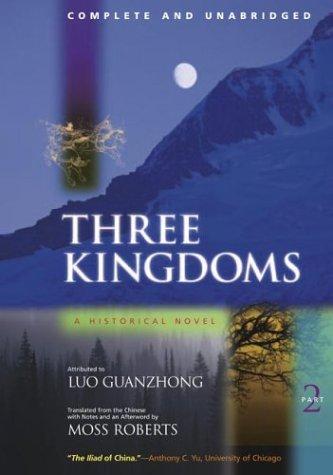
Start this bookNo. 20 on this list. Romance of the Three Kingdoms · Luo Guanzhong
Included in: UNESCO Collection of Representative Works
One of Four Great Classical Novels; formative for Chinese historical consciousness.
Moderate41 hours
Read now
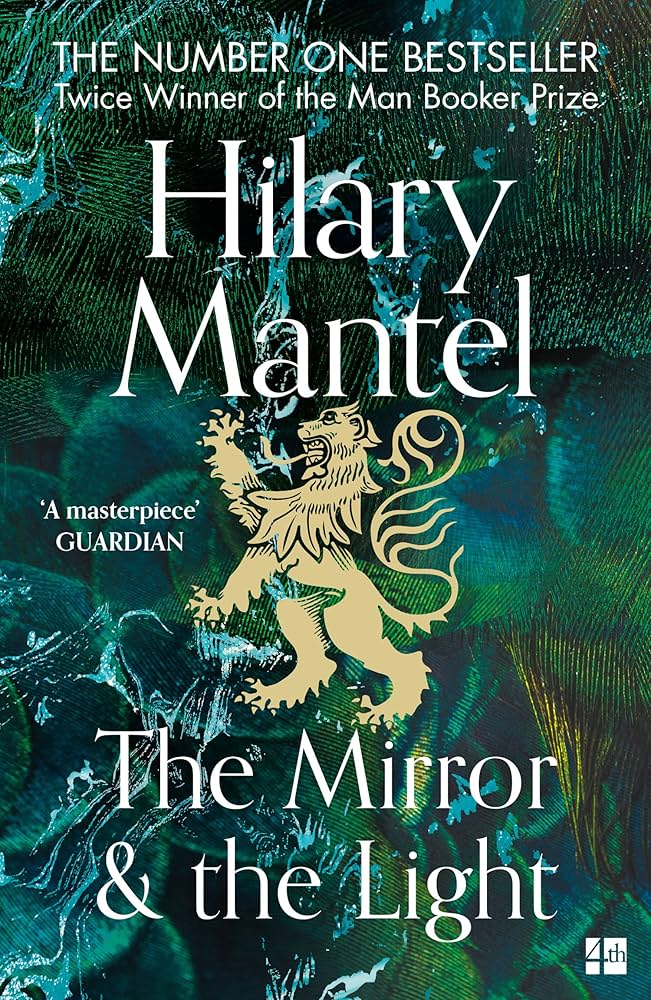
No. 21 on this list. The Mirror and the Light · Hilary Mantel · 2020
The final book in the Thomas Cromwell trilogy, following Cromwell from Jane Seymours death to his own execution.
Moderate21 hours
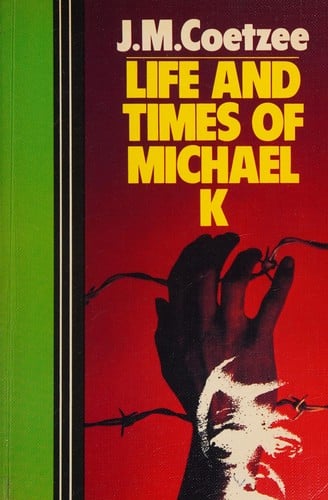
Start this bookNo. 22 on this list. Life & Times of Michael K · J.M. Coetzee · 1983
Taught in schools: UNAM Escuela Nacional Preparatoria – programas de Literatura (Mexico)
Life and Times of Michael K won the Booker Prize in 1983 and stands as a foundational text in postcolonial literature. Its examination of apartheid South Africa, individual resistance, and the ethics of fiction has secured its place in literary canons alongside Coetzee's other major works. Frequently taught in universities and cited in critical literature.
Challenging5.2 hours
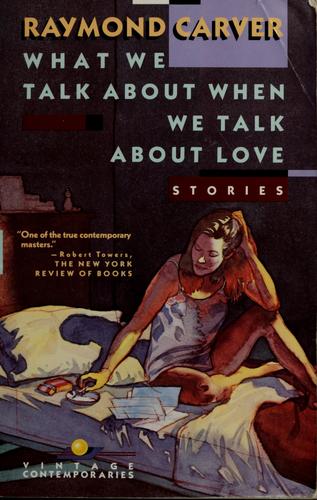
Start this bookNo. 23 on this list. What We Talk About When We Talk About Love · Raymond Carver · 1981
What We Talk About When We Talk About Love is a fixture of creative writing programs and American literature syllabi worldwide. It is the single most-cited example of literary minimalism and appears on virtually every 'essential short story collections' list. The title story alone is anthologized so frequently it functions as a standalone canonical text.
Moderate2.4 hours
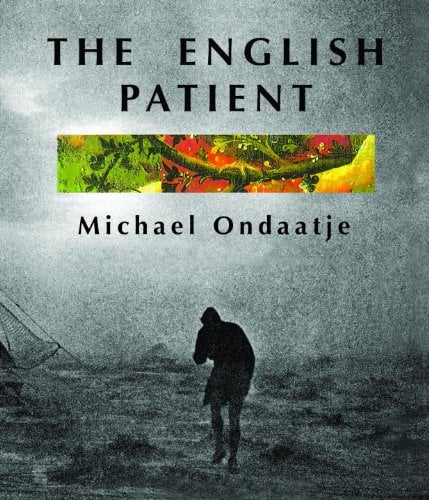
Start this bookNo. 24 on this list. The English Patient · Michael Ondaatje · 1992
Winner of the Booker Prize in 1992; widely anthologized in university curricula worldwide. Adapted into a major 1996 film directed by Anthony Minghella, broadening its cultural footprint. Literary canon inclusion remains secure with significant critical examination in scholarship on postmodern war fiction.
Challenging7.2 hours
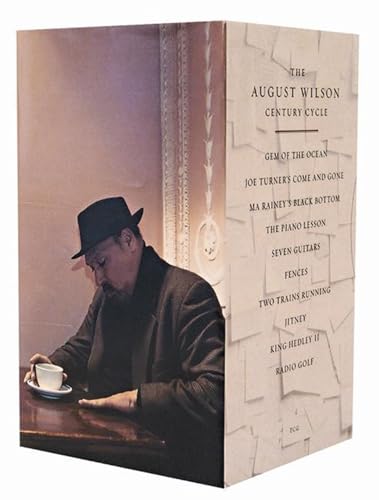
Start this bookNo. 25 on this list. Fences · August Wilson · 1985
Fences appears regularly on university syllabi in American drama, African American literature, and theater history courses. It is one of the two plays — alongside Death of a Salesman — most frequently assigned when teaching 20th-century American drama. The 2016 film adaptation brought it to wider global audiences, and it remains central to any serious survey of postwar American theater.
Challenging2.5 hours
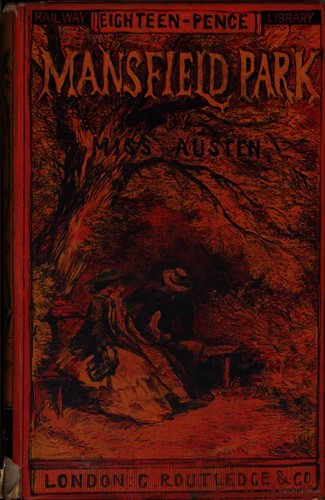
Start this bookNo. 26 on this list. Mansfield Park · Jane Austen · 1814
While less universally beloved than Pride and Prejudice, Mansfield Park holds secure canonical status as Austen's most morally complex and tonally difficult novel. Its treatment of slavery, colonialism, and evangelical morality has made it increasingly central to academic study, though it remains somewhat less embraced by general readers than her lighter works.
Moderate11 hours
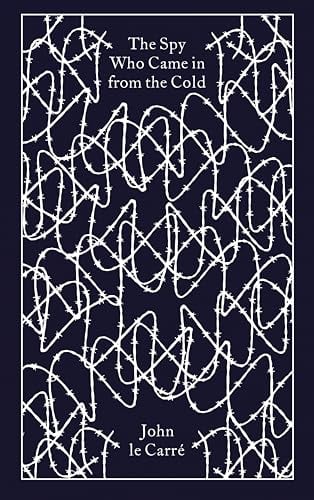
Read nowNo. 27 on this list. The Spy Who Came in from the Cold · John le Carré · 1963
The Spy Who Came in from the Cold is the classic Cold War espionage novel, chosen for TIME's All-TIME 100 Novels list and set in courses on the spy novel and postwar British fiction. It is a fixture of best-crime and best-thriller lists.
Challenging5.6 hours
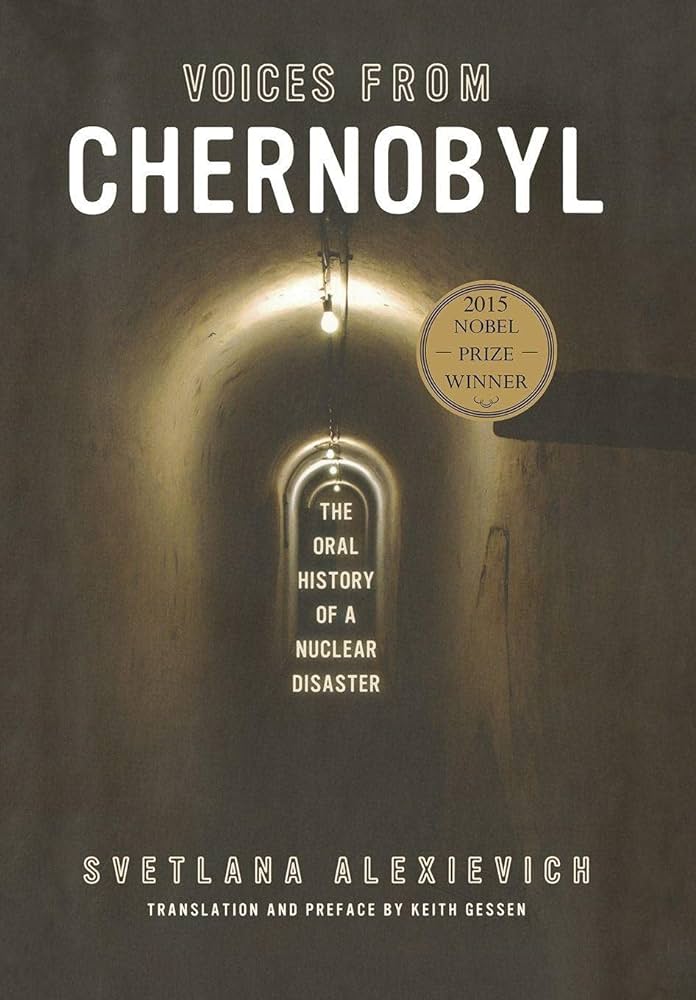
Start this bookNo. 28 on this list. Voices from Chernobyl · Svetlana Alexievich · 1997
Widely recognized as the definitive literary account of Chernobyl and a landmark of documentary literature. The 2015 Nobel Prize in Literature elevated its status, establishing Alexievich's polyphonic method as a major formal innovation. Required reading in post-Soviet studies and increasingly taught in world literature curricula. Its documentary approach has influenced contemporary non-fiction globally.
Challenging6.3 hours
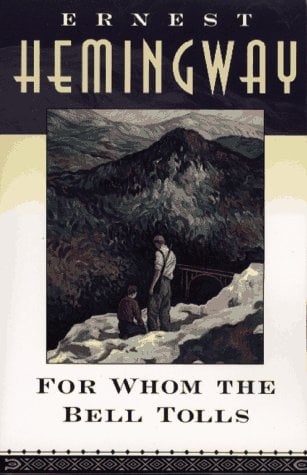
Start this bookNo. 29 on this list. For Whom the Bell Tolls · Ernest Hemingway · 1940
Taught in schools: Turkish edebiyat curriculum (Turkey)
A staple of American literature curricula and regularly taught in courses on modernism, the Spanish Civil War, and Hemingway's oeuvre. Its canonical status is secure though slightly lower than The Sun Also Rises among scholars, while remaining widely assigned at both secondary and university levels.
Moderate12 hours
Start this bookNo. 30 on this list. A Grain of Wheat · Ngugi wa Thiong'o · 1967
Included in: Heinemann African Writers Series
Major postcolonial novel; widely taught in African and world literature.
Challenging6.5 hours
Start this book
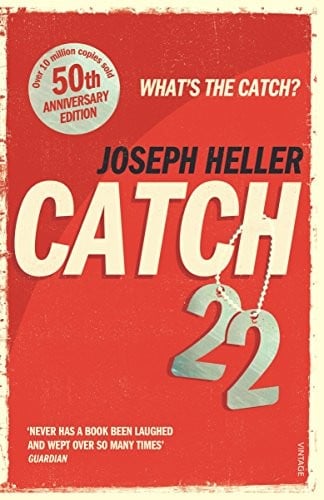
No. 31 on this list. Catch-22
Joseph Heller · 1961
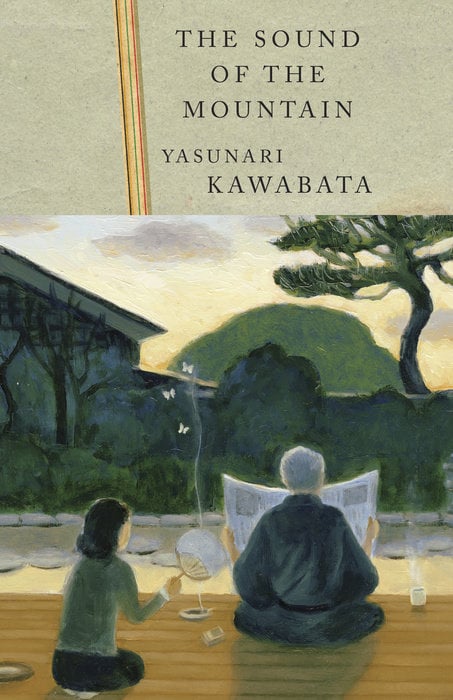
No. 32 on this list. The Sound of the Mountain
Yasunari Kawabata · 1949
Included in: Bokklubben World Library, UNESCO Collection of Representative Works
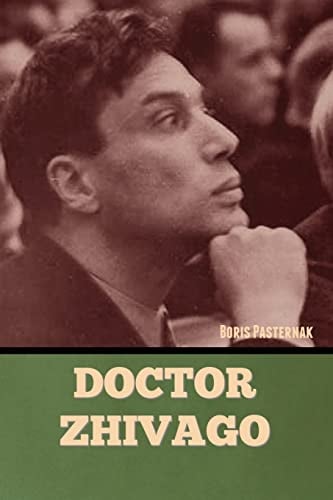
No. 33 on this list. Doctor Zhivago
Boris Pasternak · 1957
Taught in schools: Russian FGOS literature standard
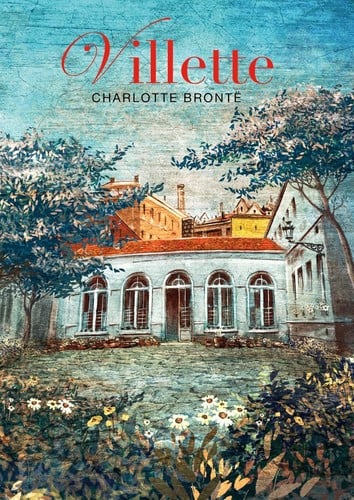
No. 34 on this list. Villette
Charlotte Brontë · 1853
No. 35 on this list. Jerusalem Delivered
Torquato Tasso · 1581
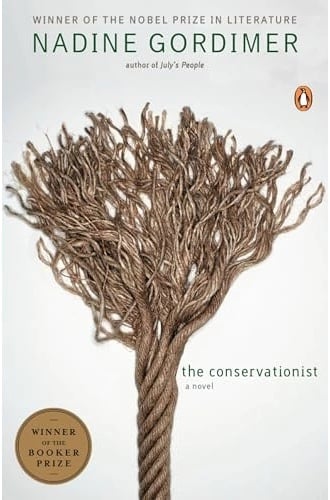
No. 36 on this list. The Conservationist
Nadine Gordimer · 1974
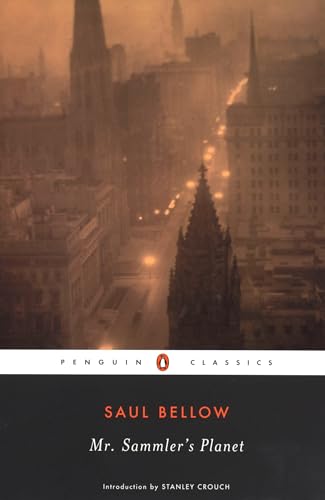
No. 37 on this list. Mr. Sammler's Planet
Saul Bellow · 1971
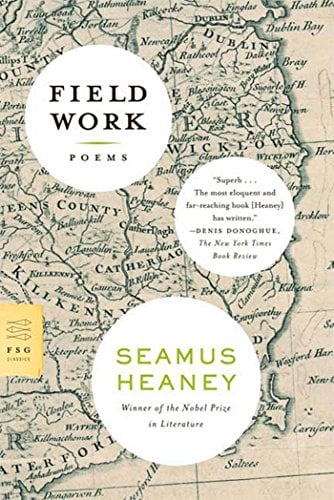
No. 38 on this list. Field Work
Seamus Heaney · 1979
Taught in schools: WJEC/Eduqas GCSE and A-level English Literature (UK)
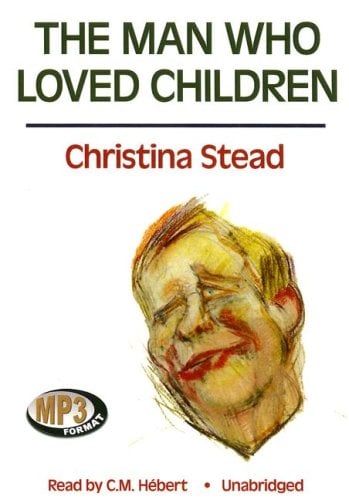
No. 39 on this list. The Man Who Loved Children
Christina Stead · 1940
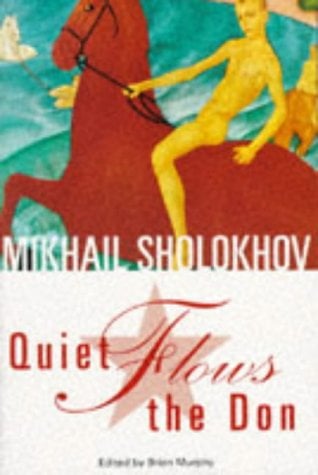
No. 40 on this list. And Quiet Flows the Don
Mikhail Sholokhov · 1928
Taught in schools: Russian FGOS literature standard
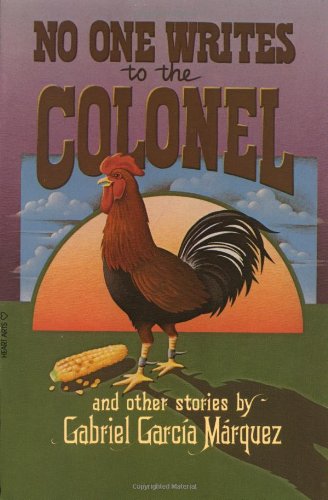
No. 41 on this list. No One Writes to the Colonel
Gabriel García Márquez · 1961
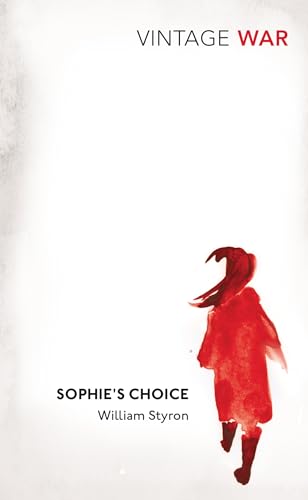
No. 42 on this list. Sophie's Choice
William Styron · 1980
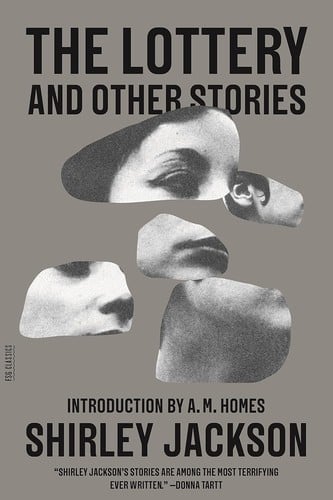
No. 43 on this list. The Lottery and Other Stories
Shirley Jackson · 1949
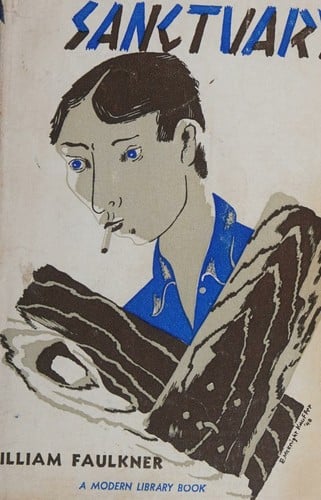
No. 44 on this list. Sanctuary
William Faulkner · 1931
Taught in schools: CSEC English B – Caribbean Examinations Council
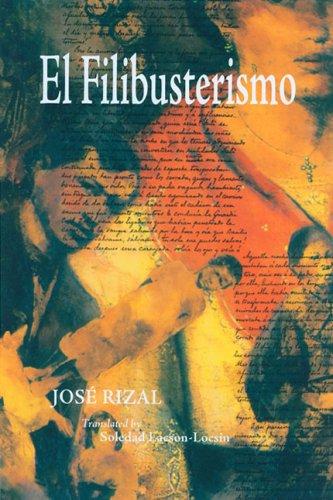
No. 45 on this list. El Filibusterismo
José Rizal · 1891
Included in: UNESCO Collection of Representative Works
No. 46 on this list. Midaq Alley
Naguib Mahfouz · 1947
Taught in schools: Moroccan secondary Arabic literature (Morocco)
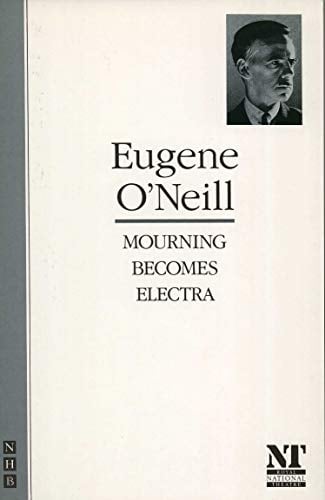
No. 47 on this list. Mourning Becomes Electra
Eugene O'Neill · 1931
Included in: Great Books of the Western World
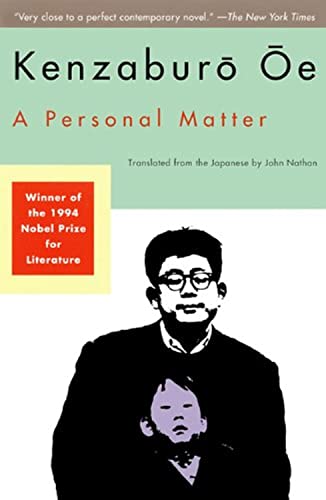
No. 48 on this list. A Personal Matter
Kenzaburō Ōe · 1964
No. 49 on this list. Saint Joan
George Bernard Shaw · 1923
Included in: Great Books of the Western World
No. 50 on this list. From Hell
Alan Moore · 1999
No. 51 on this list. The Glass Key
Dashiell Hammett · 1931
No. 52 on this list. The Knights of the Cross
Henryk Sienkiewicz · 1900
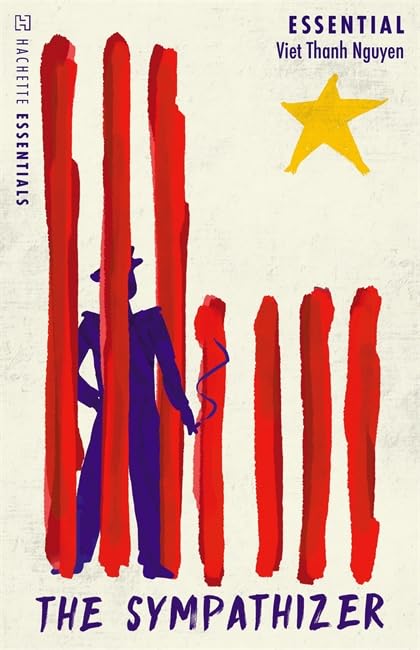
No. 53 on this list. The Sympathizer
Viet Thanh Nguyen · 2015
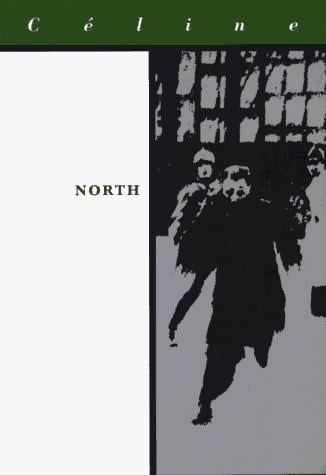
No. 54 on this list. North
Louis-Ferdinand Céline · 1972
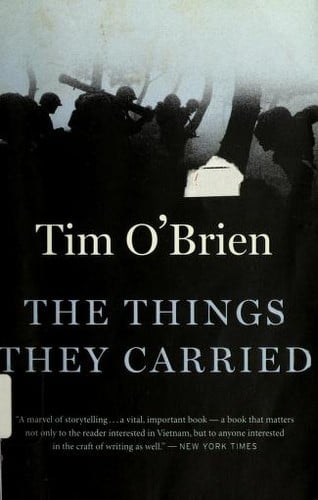
No. 55 on this list. The Things They Carried
Tim O'Brien · 1990
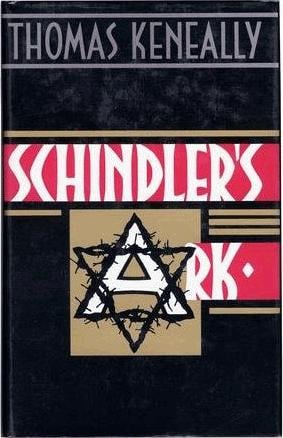
No. 56 on this list. Schindler's Ark
Thomas Keneally · 1982
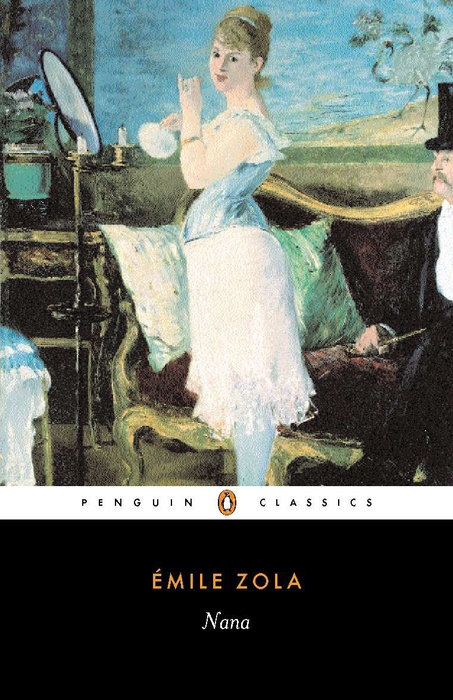
No. 57 on this list. Nana
Émile Zola · 1880
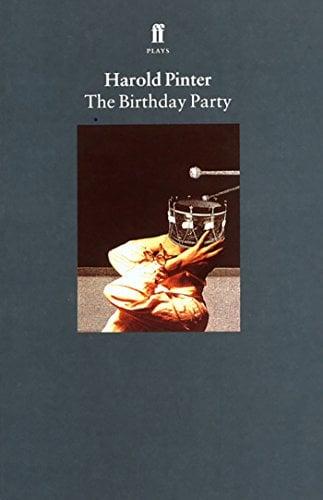
No. 58 on this list. The Birthday Party
Harold Pinter · 1957
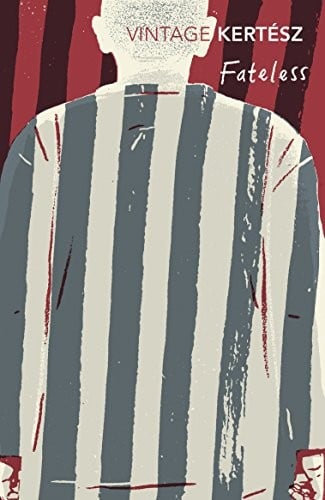
No. 59 on this list. Fatelessness
Imre Kertész · 1975
Taught in schools: Hungarian literature curriculum (magyar nyelv és irodalom) (Hungary)
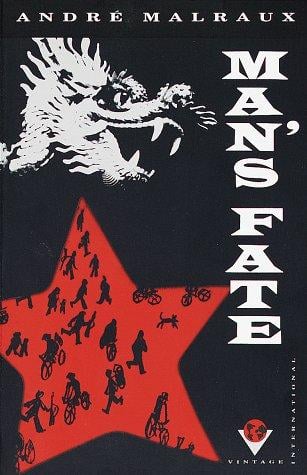
No. 60 on this list. Man's Fate
André Malraux · 1933
No. 61 on this list. Iphigenia
Jean Racine · 1674
No. 62 on this list. A Bend in the River
V.S. Naipaul · 1979
No. 63 on this list. Life and Fate
Vasily Grossman · 1980
No. 64 on this list. A Thousand Acres
Jane Smiley · 1992
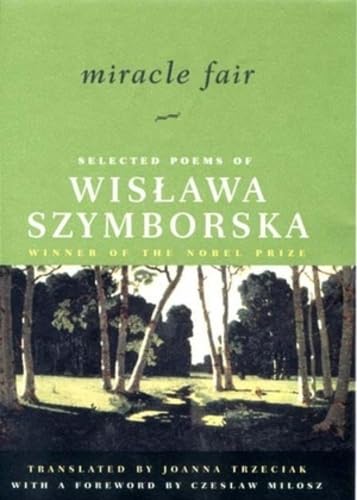
No. 65 on this list. Selected Poems of Wisława Szymborska
Wisława Szymborska · 1998
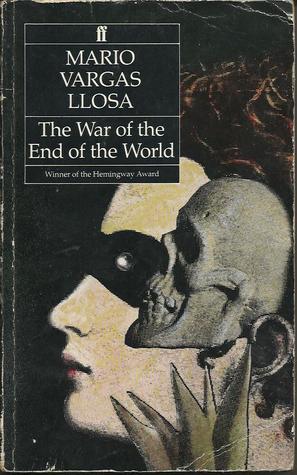
No. 66 on this list. The War of the End of the World
Mario Vargas Llosa · 1981
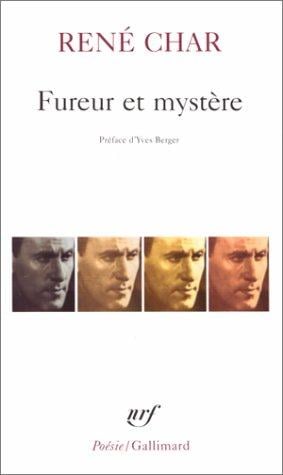
No. 67 on this list. Furor and Mystery
René Char · 1948
No. 68 on this list. Distant Star
Roberto Bolaño · 1996
Taught in schools: UNAM Escuela Nacional Preparatoria – programas de Literatura (Mexico)
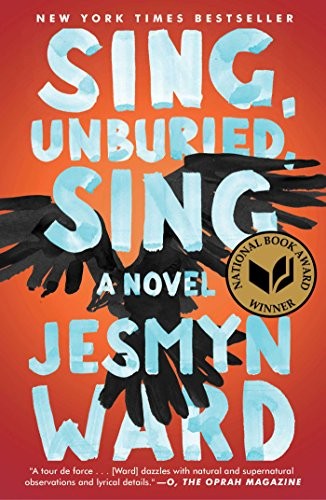
No. 69 on this list. Sing, Unburied, Sing
Jesmyn Ward · 2018
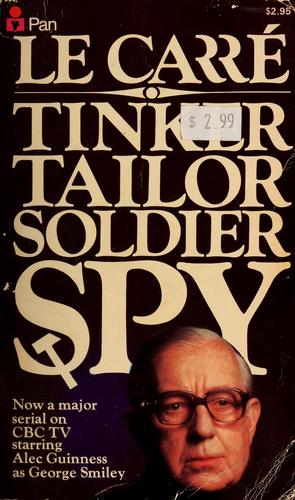
No. 70 on this list. Tinker Tailor Soldier Spy
John le Carré · 1974
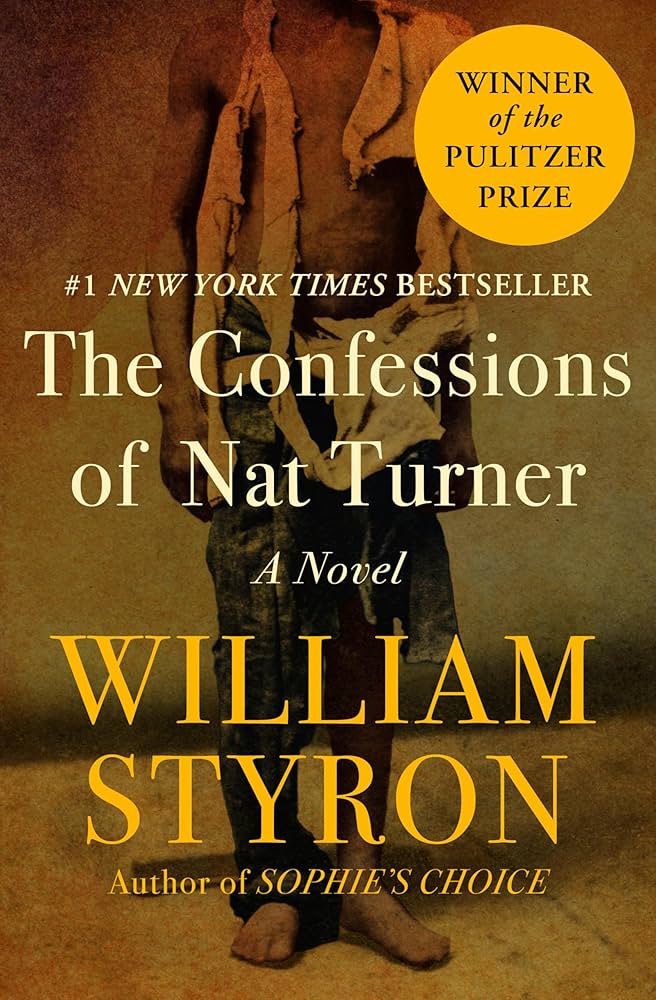
No. 71 on this list. The Confessions of Nat Turner
William Styron · 1968
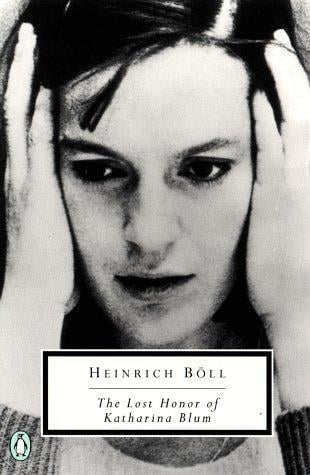
No. 72 on this list. The Lost Honour of Katharina Blum
Heinrich Böll · 1974
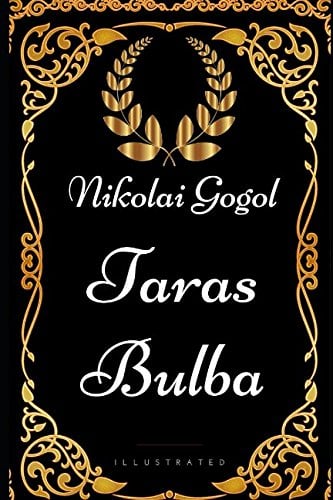
No. 73 on this list. Taras Bulba
Nikolai Gogol · 1842
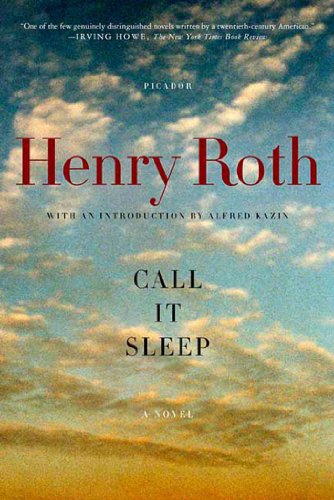
No. 74 on this list. Call It Sleep
Henry Roth · 1934
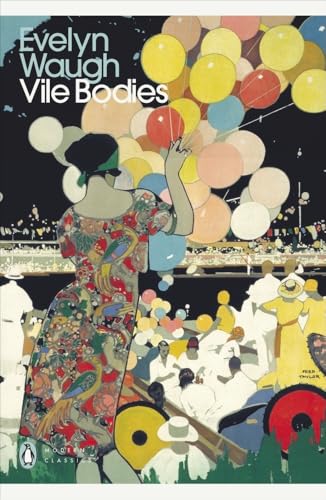
No. 75 on this list. Vile Bodies
Evelyn Waugh · 1930
No. 76 on this list. The Weavers
Gerhart Hauptmann · 1892
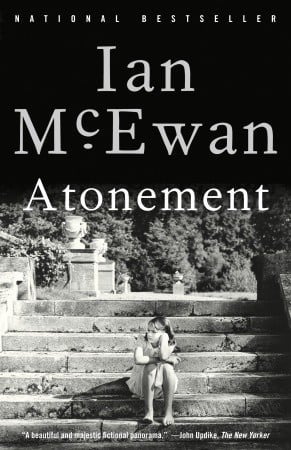
No. 77 on this list. Atonement
Ian McEwan · 2001
Taught in schools: AQA GCSE and A-level English Literature (UK), Pearson Edexcel GCSE and A-level English Literature (UK)
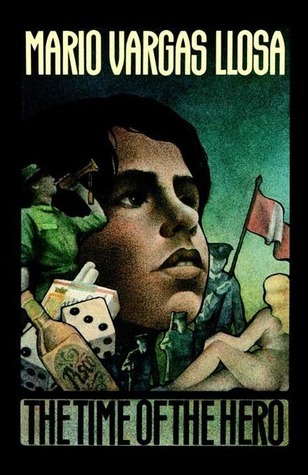
No. 78 on this list. The Time of the Hero
Mario Vargas Llosa · 1963
Taught in schools: UNAM Escuela Nacional Preparatoria – programas de Literatura (Mexico)
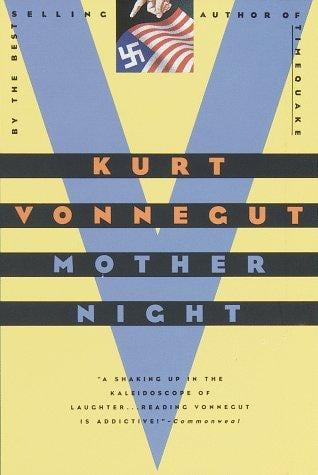
No. 79 on this list. Mother Night
Kurt Vonnegut · 1961
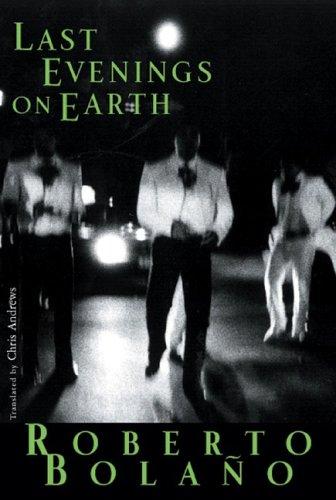
No. 80 on this list. Last Evenings on Earth
Roberto Bolaño · 2006
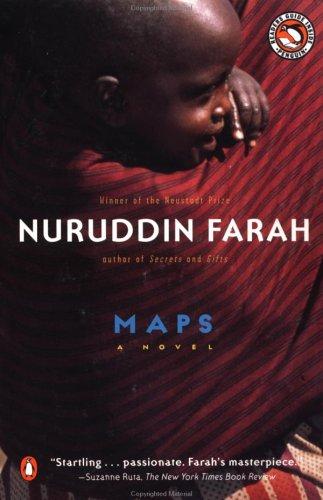
No. 81 on this list. Maps
Nuruddin Farah · 1986
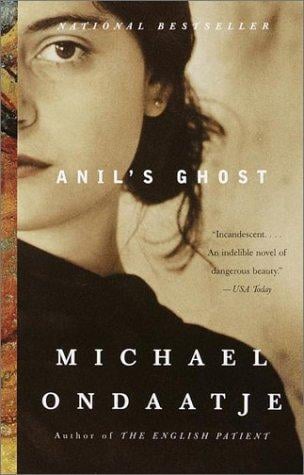
No. 82 on this list. Anil's Ghost
Michael Ondaatje · 2000
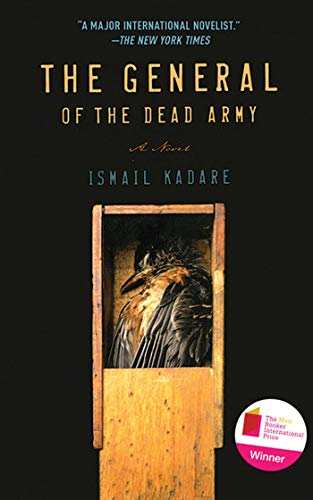
No. 83 on this list. The General of the Dead Army
Ismail Kadare · 1963
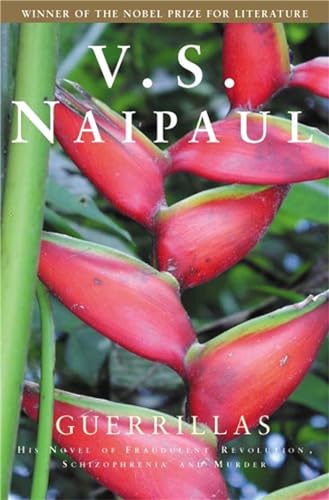
No. 84 on this list. Guerrillas
V.S. Naipaul · 1975
No. 85 on this list. The Silence of the Sea
Vercors · 1942
No. 86 on this list. The Dressmaker
Beryl Bainbridge · 1973
No. 87 on this list. Angle of Repose
Wallace Stegner · 1972
No. 88 on this list. The Belly of Paris
Émile Zola · 1873
No. 89 on this list. One of Ours
Willa Cather · 1923
No. 90 on this list. Under the Net
Iris Murdoch · 1954
No. 91 on this list. Stand on Zanzibar
John Brunner · 1968
No. 92 on this list. Nip the Buds, Shoot the Kids
Kenzaburō Ōe · 1958
No. 93 on this list. Pas pleurer
Lydie Salvayre · 2014
No. 94 on this list. Mao II
Don DeLillo · 1992
No. 95 on this list. The Abyss
Marguerite Yourcenar · 1968
No. 96 on this list. Zinky Boys
Svetlana Alexievich · 1991
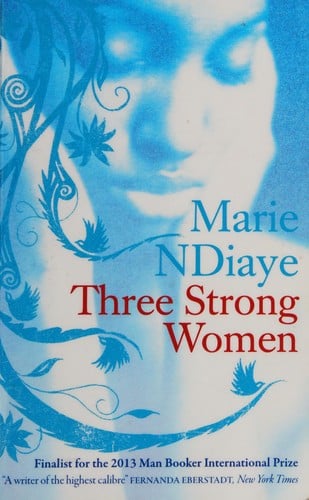
No. 97 on this list. Three Strong Women
Marie NDiaye · 2009
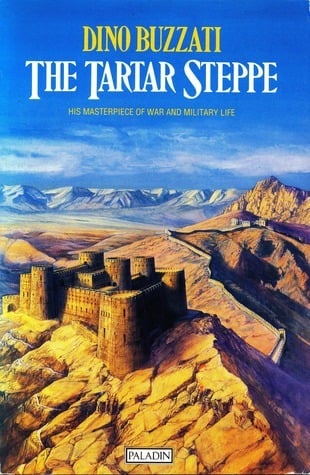
No. 98 on this list. The Tartar Steppe
Dino Buzzati · 1940
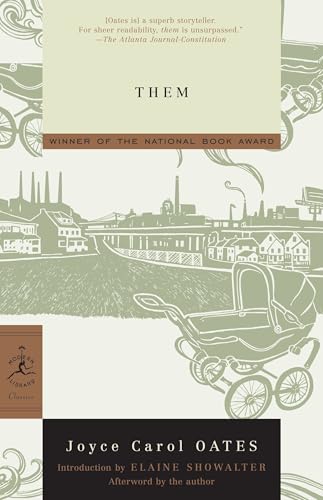
No. 99 on this list. Them
Joyce Carol Oates · 1970
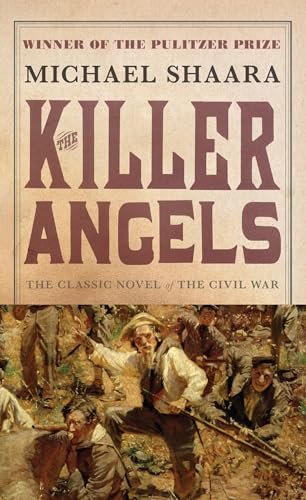
No. 100 on this list. The Killer Angels
Michael Shaara · 1975
Taught in schools: Common Core text exemplars (Appendix B) (US)
About this list
These 100 books are the highest-scoring eligible moderately difficult books about war and conflict currently in the catalogue. About 852 hours of reading in all. Difficulty runs from 52 to 60 out of 100 for the middle half of the list; the summit is Paradise at 65.
This list is ranked by literary regard, with a consistent order for equal scores. Membership follows authors and co-authors, not translators or editors. A book is here when ReadingRate files it under War & Conflict as one of its primary reading domains, at a confidence of 0.8 or more. Catalogue coverage and the historical canon both limit what this list can represent.
When we matched the Canons dataset to our catalogue in October 2026, our canonical-status scores rose with the number of school curricula, publisher series and lists in it that cite a work: the median score was 72 for books one such source cites, 84 at two, 88 at three, 92 at four and 93 at five or more. Prizes are left out of that count. Outside the state curricula, the dataset’s sources choose mostly from what has been translated into English or French, so it is a weaker check on other literatures. Source: Canons (Andrew Piper), CC BY 4.0
Questions people actually ask
- What are the best moderately difficult books about war and conflict?
- By literary regard, which weighs canonical status, critical standing and influence: Iliad by Homer, Mother Courage and Her Children by Bertolt Brecht, War and Peace by Leo Tolstoy, The Trojan Women by Euripides and Slaughterhouse-Five by Kurt Vonnegut. ReadingRate ranks 100 such books, each with a difficulty score and a reading-time estimate.
- Which moderately difficult books about war and conflict should I read first?
- Start from difficulty, not from rank. The most approachable books on this list that still carry top literary regard are The Lottery and Other Stories by Shirley Jackson (about 5.3 hours), And Quiet Flows the Don by Mikhail Sholokhov and A Personal Matter by Kenzaburō Ōe.
- What are the shortest of the best moderately difficult books about war and conflict?
- Among the top 25, the shortest are In Our Time by Ernest Hemingway (about 17 min), The Trojan Women by Euripides (about 58 min) and The Zoo Story by Edward Albee (about 1.3 hours), at an average pace of 250 words a minute adjusted for each book's difficulty.
- Which of the best moderately difficult books about war and conflict are the established classics?
- By canonical status, how firmly a book sits in curricula, anthologies and the canon: Iliad by Homer, The Tale of the Heike by Anonymous, Mother Courage and Her Children by Bertolt Brecht, Beowulf by Anonymous and War and Peace by Leo Tolstoy.
- Can I read any of these moderately difficult books about war and conflict for free?
- 11 of the 100 open in ReadingRate's reader with a free account, from public-domain editions: Iliad, War and Peace, Beowulf, The Seagull, Romance of the Three Kingdoms and 6 more.
- How long would it take to read the top ten?
- About 104 hours, at an average pace of 250 words a minute adjusted for each book's difficulty: 53 days at two hours a day. Set your own pace on the page and the list's reading times change to it.
- How hard are moderately difficult books about war and conflict to read?
- Most of this list sits between 52 and 60 on ReadingRate's 100-point difficulty scale, where 40 to 55 is moderate. The summit is Paradise at 65. Every entry carries its own score, so a reader can pick a great book at a difficulty they will finish.
- How is this list ranked?
- On literary-regard data: how canonically established a work is, its critical standing, and its influence on later writing. It is not a readers’ poll, which is why recent bestsellers rarely appear. Membership follows authors and co-authors, not translators or editors. Lists by country, author, period, theme or difficulty keep to literature (fiction, poetry, drama and philosophy), their novels, poems and plays first and their philosophy after them; a list of a kind of book, such as memoir or criticism, keeps every book of that kind. Every list holds at most three works by one author. A book is here when ReadingRate files it under War & Conflict as one of its primary reading domains, at a confidence of 0.8 or more.