Hours at an average pace
Showing 100 books
About 712 hours for 99 of 100 books with measured lengths. Estimates use 250 words a minute, adjusted for each book's difficulty. At 2 hours a day, about 356 days for those books.
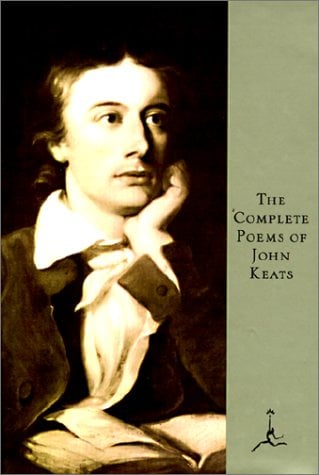
No modern syllabus or award-tracking data applies to a poet who died in 1821, but Keats's odes are among the most anthologized and taught poems in the English language, a fixture of every survey of Romantic and British literature. His Wikipedia presence is extensive and translated into dozens of languages, on par with the other major Romantics.
One of the most important English-language poets of the twentieth century, central to the modern canon alongside Yeats and Eliot.
Happy Days anchors modernist and postmodern drama syllabi internationally alongside Waiting for Godot and Endgame. It is taught in theatre, English literature, and philosophy programs across Europe and North America. Wikipedia covers it in over 40 languages. It is among the most-assigned Beckett plays and appears on virtually every postwar drama reading list.
Won the Pulitzer Prize, National Book Award, and National Book Critics Circle Award — the only book to win all three. Central to the American poetry canon.
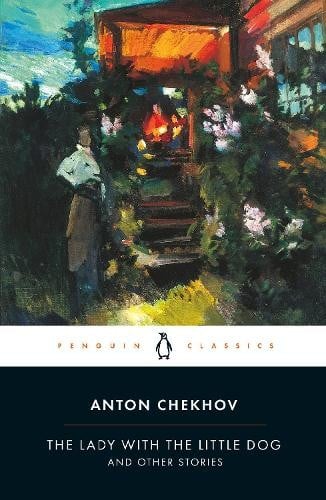
No. 5 on this list. The Lady with the Dog
Anton Chekhov · 1899
Challenging32 min
Taught in schools: Russian FGOS literature standard
Among the most anthologized and taught short stories in any language, a staple of fiction courses and writing workshops. It is frequently named as the greatest short story ever written.
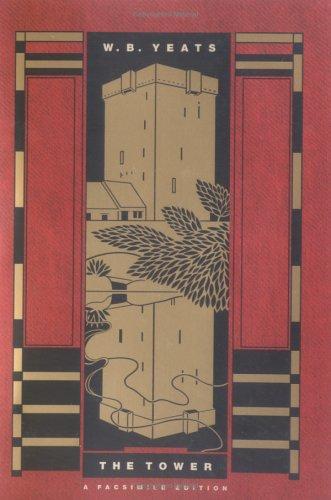
Yeats wrote the poems in this collection in his sixties, and the proximity of death stripped his verse of Celtic twilight and replaced it with granite: "Sailing to Byzantium," "Leda and the Swan," and "Among School Children" are here, each one forging private obsession into formal perfection. The volume represents the rare case of a major poet reaching his peak decades after his reputation was already secured.
Lost Illusions is the centrepiece of Balzac's La Comédie humaine and a standard text in French literature and in courses on the nineteenth-century European novel. Xavier Giannoli's 2021 film adaptation brought it new readers.
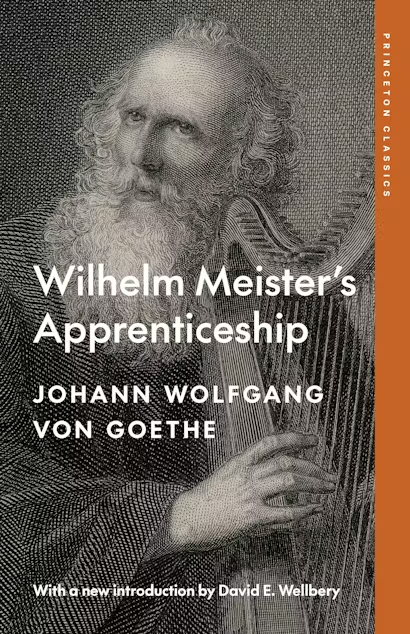
No. 8 on this list. Wilhelm Meister's Apprenticeship
Johann Wolfgang von Goethe · 1796
Challenging19 hours
Wilhelm Meister's Apprenticeship is taught in comparative literature and world literature courses globally, and is considered essential reading for understanding the development of European prose fiction. Its position as the founding text of the Bildungsroman places it on syllabi wherever German literature or the novel as a form is studied seriously. No database signals were available, but its literary-historical importance is universally acknowledged.
No. 9 on this list. The Taming of the Shrew
William Shakespeare · 1594
Moderate4.2 hours
Taught in schools: AQA GCSE and A-level English Literature (UK)
Included in: Great Books of the Western World
The Taming of the Shrew is a standard text in Shakespeare curricula and features regularly on university syllabi in courses on Renaissance comedy, gender, and marriage. It is among the most frequently performed Shakespeare comedies and is a near-universal assignment in courses on women in literature and feminist Shakespeare criticism. Its controversial content has, paradoxically, kept it central to academic discussion.
Collected Stories won the National Book Award in 1951 and remains central to American short fiction canon. These stories appear regularly in anthologies and academic syllabi. While perhaps overshadowed by Faulkner's novels, the collection represents an essential component of his Yoknapatawpha saga and demonstrates his mastery across forms.
No. 11 on this list. Venus and Adonis · William Shakespeare · 1593
Shakespeare's first published work (1593), personally overseen and dedicated to the Earl of Southampton, went through more than a dozen editions in his lifetime — making it the most reprinted English poem of the Elizabethan era. It appears on virtually all Renaissance literature and Shakespeare syllabi and features in every serious account of early modern English poetry.
Challenging45 min
Read nowNo. 12 on this list. Songs of Innocence and of Experience · William Blake · 1794
Taught in schools: AQA GCSE and A-level English Literature (UK)
Blake etched, printed, and hand-colored each plate himself, fusing lyric poetry with visual art in a form no one had attempted before. The paired "Lamb" and "Tyger" compress an entire theology into forty-four lines: innocence asks who made you; experience asks how dare He.
Challenging46 min
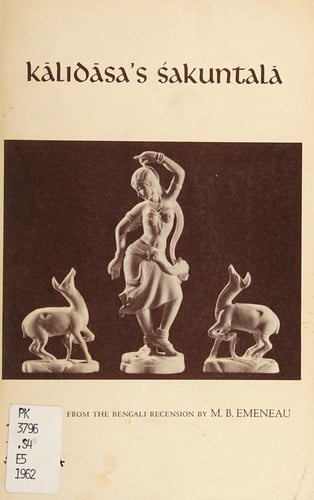
Read nowNo. 13 on this list. Shakuntala · Kalidasa · 400
Supreme Sanskrit drama; first Indian text to reach European audience.
Moderate4.5 hours
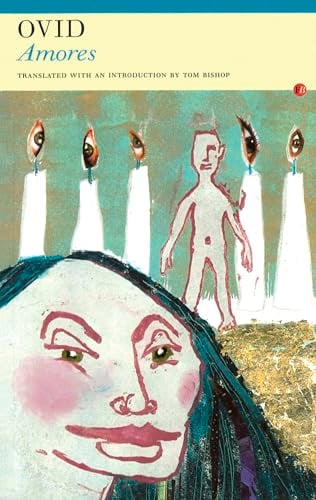
Start this bookNo. 14 on this list. Amores · Ovid · c. 16 BCE
Ovid is twenty years old and Corinna will not open her door. So begins the Amores — forty-nine love elegies written in the 20s BCE by a Roman poet who understood, from the first poem, that wit is more powerful than sincerity. Cupid, he explains in Elegy I, stole a foot from his heroic hexameter and turned his epic into love poetry against his will. This is Ovid's characteristic move: mock complaint that reveals total mastery. The Amores catalogues an affair with the unnamed mistress Corinna — bribing her doorkeeper, watching her comb her ruined hair, mourning her parrot with the same hyperbolic grief he'd spend on a person, catching her in adultery and immediately forgiving her because she denied it too beautifully. Each poem is a rhetorical performance: Ovid argues, apostrophizes, invokes mythology, reverses himself, and lands a final turn with the timing of a practised comedian. He invented the mode of the suffering lover who is too articulate to suffer. Reading the Amores is to watch the cleverest poet in Rome construct the template that Petrarch would use a millennium later, and that has governed love poetry ever since — which is to say, Ovid built the room everyone else still lives in.
Moderate2 hours
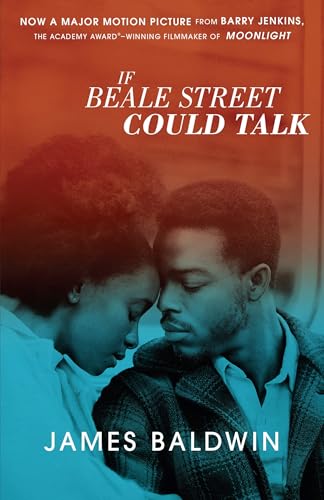
Read nowNo. 15 on this list. If Beale Street Could Talk · James Baldwin · 1974
Firmly embedded in the American literary canon, the novel appears on major school and university syllabi, was adapted into an Academy Award-winning 2018 film, and is routinely included in retrospectives of 20th-century African American literature. Its status as one of Baldwin's essential works is uncontested.
Challenging4.2 hours
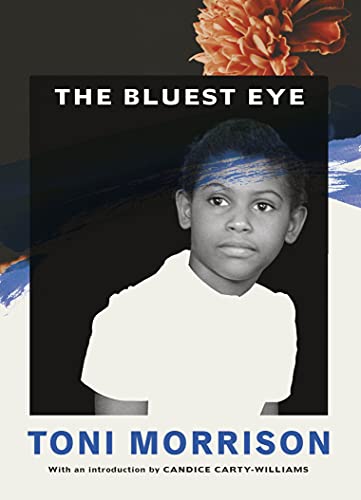
Start this bookNo. 16 on this list. The Bluest Eye · Toni Morrison · 1970
Taught in schools: Common Core text exemplars (Appendix B) (US)
While not as universally canonical as Beloved, The Bluest Eye is firmly established in the American literary canon, widely taught in universities, and recognized as a landmark debut that announced a major voice in American letters.
Challenging4.2 hours
Start this bookNo. 17 on this list. The Book of the Duchess · Geoffrey Chaucer · 1368
A narrator who cannot sleep reads the Ovidian story of Ceyx and Alcyone to pass the night, then falls into a dream. He follows a hunt through a forest, enters a painted chamber depicting the fall of Troy, and finds a young man dressed entirely in black sitting against an oak tree, composing a lament. The man has lost his queen, he says — Fortune took her in a game of chess. The narrator asks him to say what he means directly. The man does: his lady, White, is dead. Chaucer wrote the poem around 1368 to commemorate Blanche of Lancaster, who died in the plague. The elegiac purpose is an open secret — the Black Knight is John of Gaunt, 'lady White' is Blanche, and the poem's consolatory argument runs through the dream rather than around it. Chaucer drew the form from French predecessors, particularly Machaut and Froissart, and adapted it into the first major English dream vision elegy. The language is Middle English, which means modern readers face a foreign vocabulary on nearly every page: 'soth,' 'wight,' 'ywis,' 'certes,' and 'eek' appear constantly, and the syntax involves regular inversion that demands slow, attentive reading. Classical allusions — Morpheus, Juno, Alcyone, Troilus — accumulate densely in a short poem of roughly 1,334 lines. A good glossary is essential. What it offers in return is one of the clearest windows into how a 14th-century poet thought about grief, consolation, and the work of art.
Moderate40 min
Start this bookNo. 18 on this list. Dombey and Son · Charles Dickens · 1848
Dombey and Son appears on Victorian literature syllabi across British and American universities and is published in every major prestige series — Oxford World's Classics, Penguin Classics, Norton Critical Editions. It is not as universally required as Great Expectations or Oliver Twist, but among scholars of the Victorian novel it occupies a central position. No major English literature survey of the 1840s omits it.
Challenging28 hours
Read nowNo. 19 on this list. Benito Cereno · Herman Melville · 1855
One of the most taught American novellas, central to literary discussions of race, slavery, and narrative perspective.
Moderate1.7 hours
Start this bookNo. 20 on this list. Exercises in Style · Raymond Queneau · 1947
A cornerstone text of postwar French avant-garde literature and the OuLiPo tradition, widely assigned in literary theory and creative writing courses. Not a household classic in the manner of Camus but firmly enshrined in academic and experimental-fiction canons worldwide.
Challenging2.1 hours
Start this book
No. 21 on this list. Life & Times of Michael K · J.M. Coetzee · 1983
Taught in schools: UNAM Escuela Nacional Preparatoria – programas de Literatura (Mexico)
Life and Times of Michael K won the Booker Prize in 1983 and stands as a foundational text in postcolonial literature. Its examination of apartheid South Africa, individual resistance, and the ethics of fiction has secured its place in literary canons alongside Coetzee's other major works. Frequently taught in universities and cited in critical literature.
Challenging5.2 hours
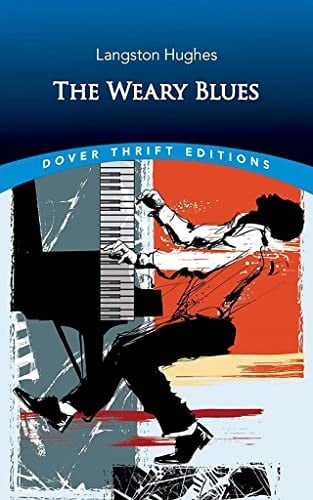
Start this bookNo. 22 on this list. The Weary Blues · Langston Hughes · 1926
Hughes's debut collection is a standard text in American literature and African American studies courses. Individual poems like 'The Negro Speaks of Rivers' and 'The Weary Blues' appear in virtually every major poetry anthology. The collection anchors Harlem Renaissance units at universities across the country, representing a canonical status below the most-taught novels but above most poetry collections.
Moderate29 min
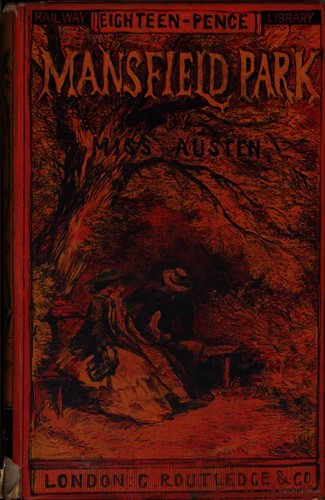
Start this bookNo. 23 on this list. Mansfield Park · Jane Austen · 1814
While less universally beloved than Pride and Prejudice, Mansfield Park holds secure canonical status as Austen's most morally complex and tonally difficult novel. Its treatment of slavery, colonialism, and evangelical morality has made it increasingly central to academic study, though it remains somewhat less embraced by general readers than her lighter works.
Moderate11 hours
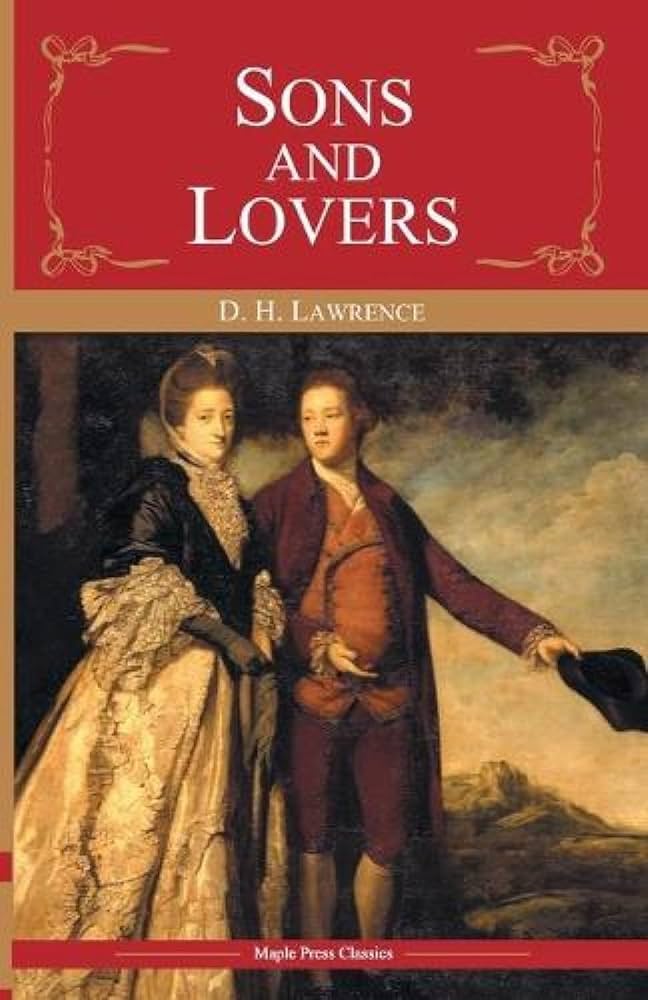
Read nowNo. 24 on this list. Sons and Lovers · D.H. Lawrence · 1913
Included in: Bokklubben World Library
Lawrence's autobiographical breakthrough. Paul Morel's Oedipal struggle, the mining community, the artistic awakening—the novel established Lawrence as major voice. Core text in British literature and modernism courses.
Moderate11 hours
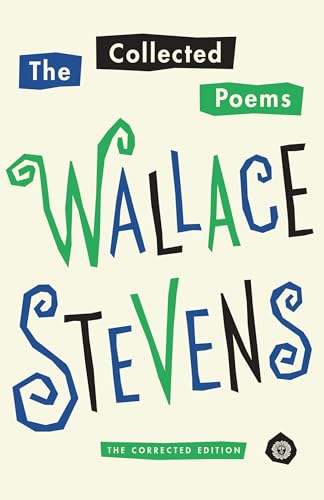
Read nowNo. 25 on this list. The Auroras of Autumn · Wallace Stevens · 1950
Recognized as one of Stevens's major achievements, though less widely read than Harmonium. Central to scholarly discussions of late modernism.
Challenging1.4 hours
Start this bookNo. 26 on this list. The Master Builder · Henrik Ibsen
Included in: Great Books of the Western World
The Master Builder is a fixture in university drama programs and world literature courses, anchoring Ibsen's late symbolic period and appearing on virtually every 'essential Ibsen' reading list. It ranks below A Doll's House and Hedda Gabler in curriculum frequency but appears regularly in comprehensive anthologies of modern drama. Its place in the Western theatrical canon is secure, if secondary to Ibsen's most politically urgent works.
Moderate1.7 hours
Start this bookNo. 27 on this list. Selected Poems of Marina Tsvetaeva · Marina Tsvetaeva
Tsvetaeva is firmly established as one of the four great Russian poets of the twentieth century, alongside Akhmatova, Mandelstam, and Pasternak.
Moderate1.7 hours
Start this bookNo. 28 on this list. Humboldt's Gift · Saul Bellow · 1976
Humboldt's Gift won the Pulitzer Prize (1976) and is regularly taught in American literature courses as a major postwar novel. It appears in academic surveys of contemporary fiction and in Bellow's canonical position is secured, though perhaps less universally assigned than The Great Gatsby or Beloved. Strong presence in 20th-century literature curricula.
Challenging15 hours
Start this bookNo. 29 on this list. The Stories of John Cheever · John Cheever · 1979
Stories such as 'The Swimmer', 'The Enormous Radio', 'The Country Husband' and 'The Five-Forty-Eight' are standard in American short-fiction anthologies and courses. They are among the most taught American stories of the postwar period.
Challenging28 hours
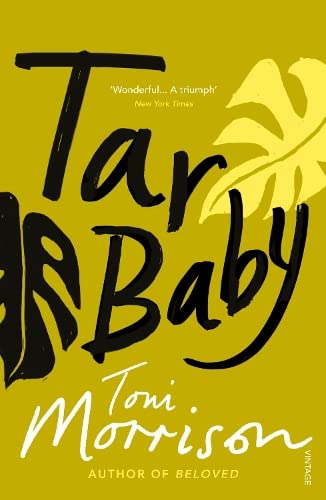
Start this bookNo. 30 on this list. Tar Baby · Toni Morrison · 1981
On Isle des Chevaliers, a Caribbean island reshaped by Haitian labor and American money, Valerian Street — a retired Philadelphia candy magnate — cultivates hydrangeas in his greenhouse and avoids his neighbors. His wife Margaret, his butler Sydney and cook Ondine, and his niece Jadine, a model trained in Paris, share the villa in a state of maintained tension. When Son — a Black American fugitive who stowed away on their supply boat — is discovered hiding in the house, he breaks open every unspoken arrangement the household depends on. Morrison uses the folk tale of the tar baby as the novel's armature: Jadine and Son become stuck to each other in a relationship that neither can survive and neither can leave. She embodies what he calls racial betrayal — educated in Europe, photographed in furs, at home nowhere. He embodies what she calls romantic primitivism — a man out of time, faithful to a Black Southern past that she finds suffocating. Morrison writes this conflict without a referee. The Caribbean setting is not backdrop but argument — the swamp, the rain forest, the blind horsemen who ride the hills at night all carry the weight of African spiritual history beneath the colonial surface. The novel ends on a mythic image: Son running toward those horsemen, Jadine flying back to Paris. Morrison offers no verdict on who was right.
Moderate6.7 hours
Start this book
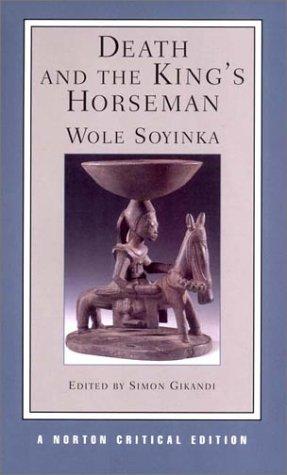
No. 31 on this list. Death and the King's Horseman
Wole Soyinka · 1975
Taught in schools: Common Core text exemplars (Appendix B) (US)
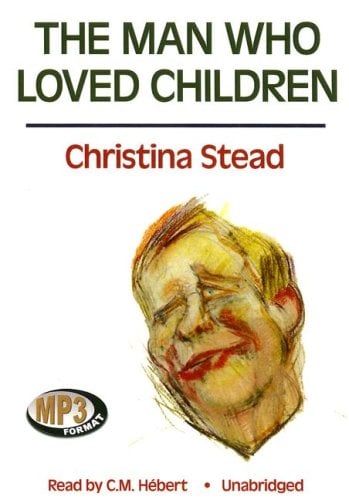
No. 32 on this list. The Man Who Loved Children
Christina Stead · 1940
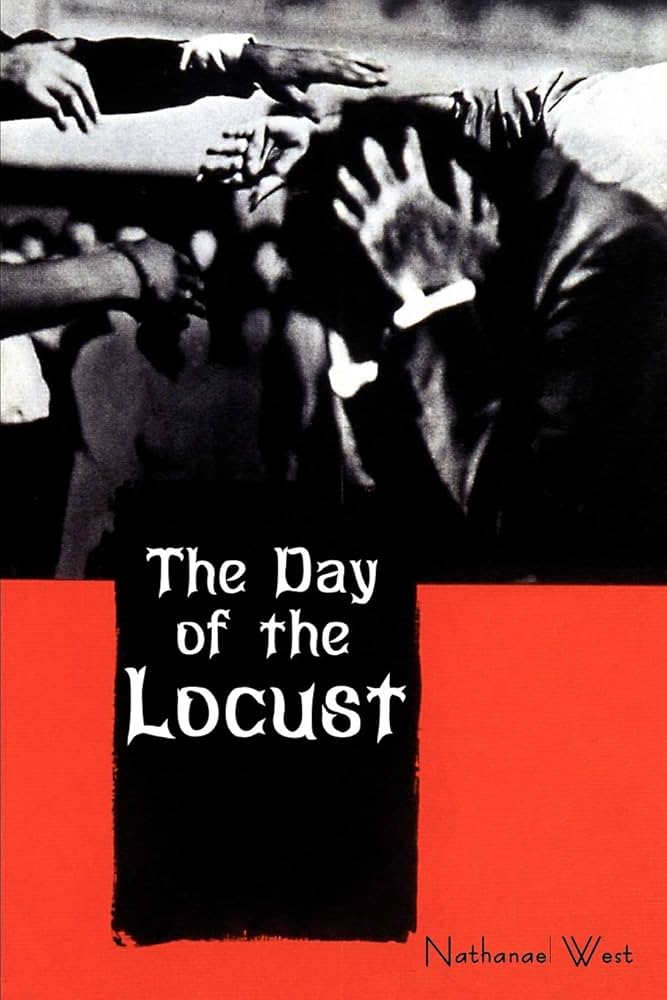
No. 33 on this list. The Day of the Locust
Nathanael West · 1939
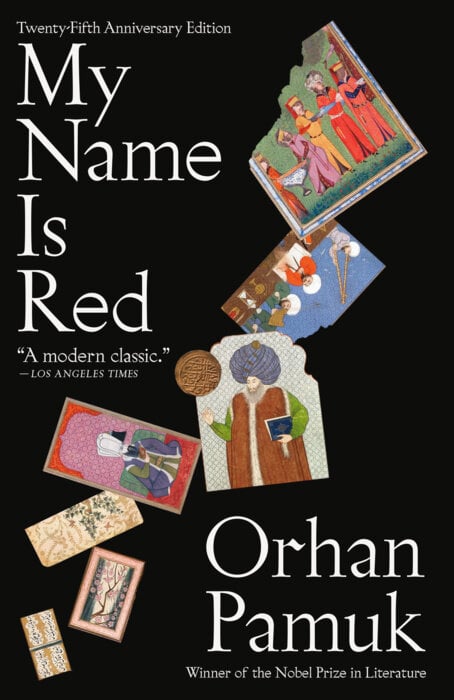
No. 34 on this list. My Name Is Red
Orhan Pamuk · 2003
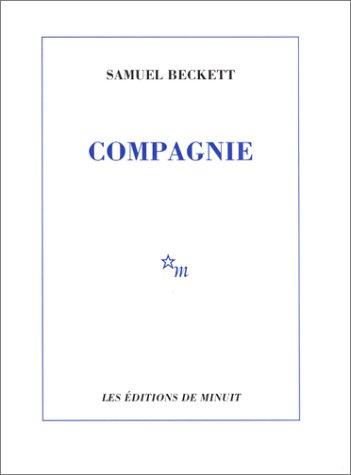
No. 35 on this list. Company
Samuel Beckett · 1980
No. 36 on this list. Fasti
Ovid · 8
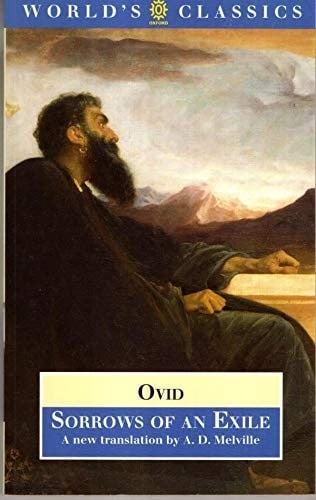
No. 37 on this list. Tristia
Ovid · 12
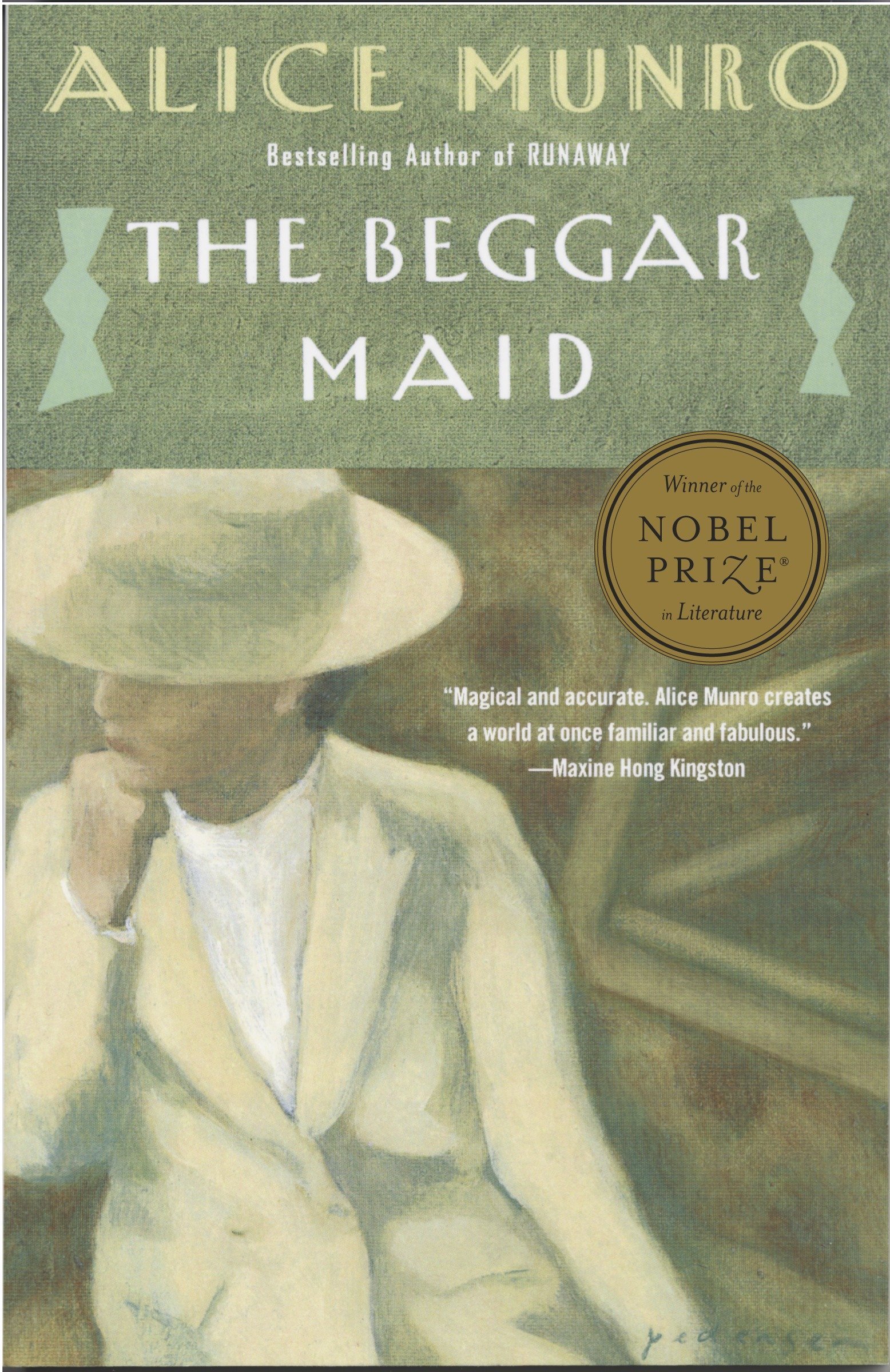
No. 38 on this list. The Beggar Maid
Alice Munro · 1980
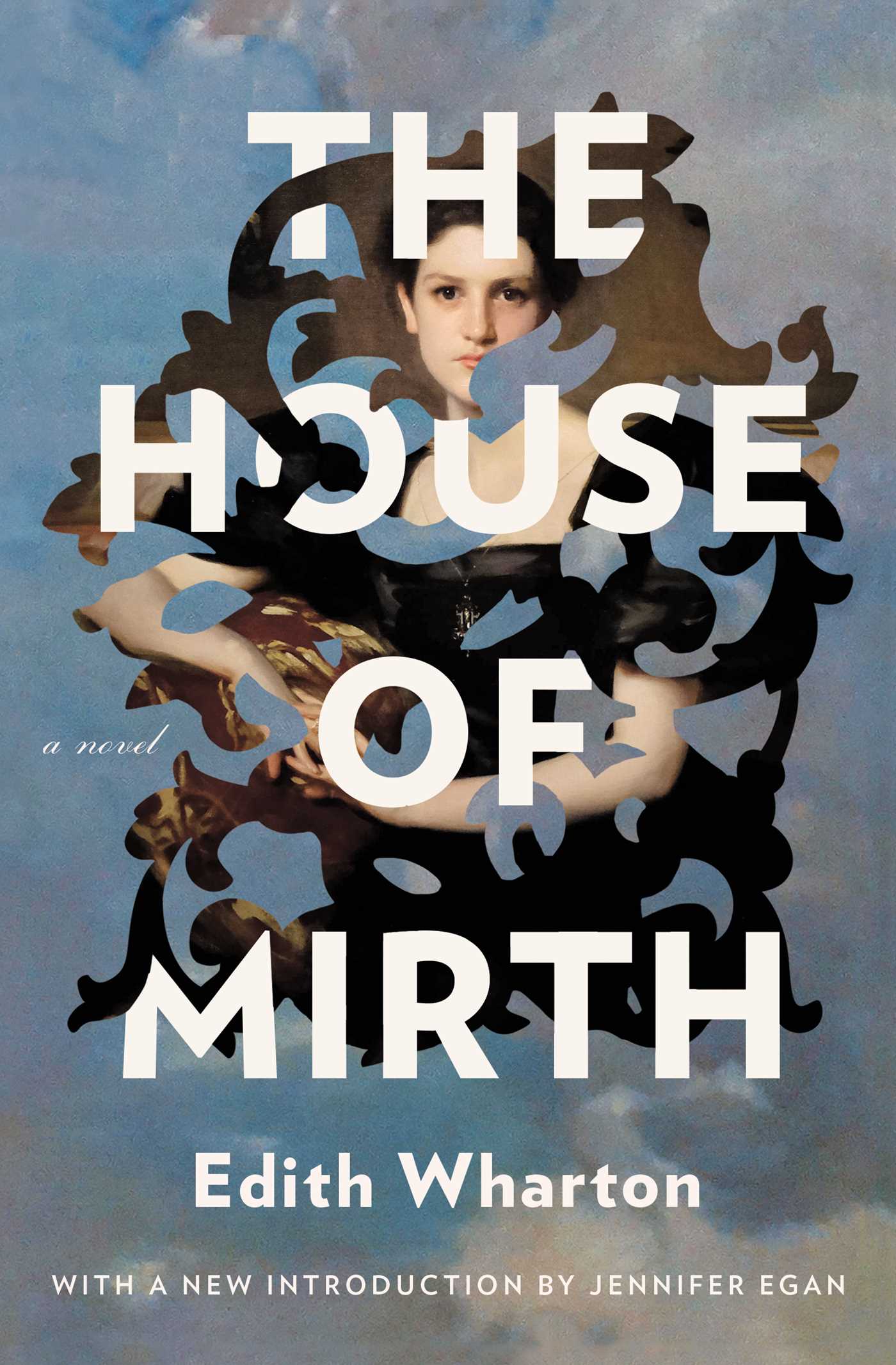
No. 39 on this list. The House of Mirth
Edith Wharton · 1905
No. 40 on this list. The Berlin Stories
Christopher Isherwood · 1945
No. 41 on this list. Snow
Orhan Pamuk · 2002
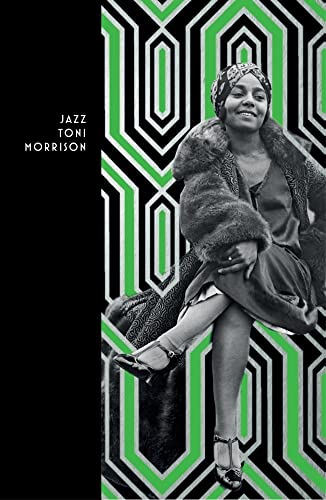
No. 42 on this list. Jazz
Toni Morrison · 1992
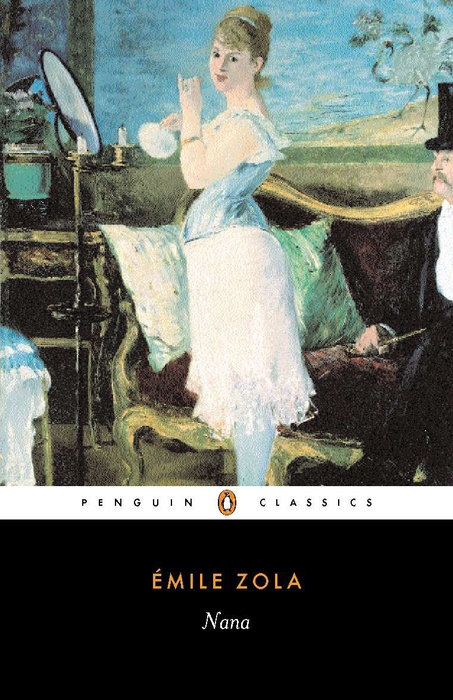
No. 43 on this list. Nana
Émile Zola · 1880
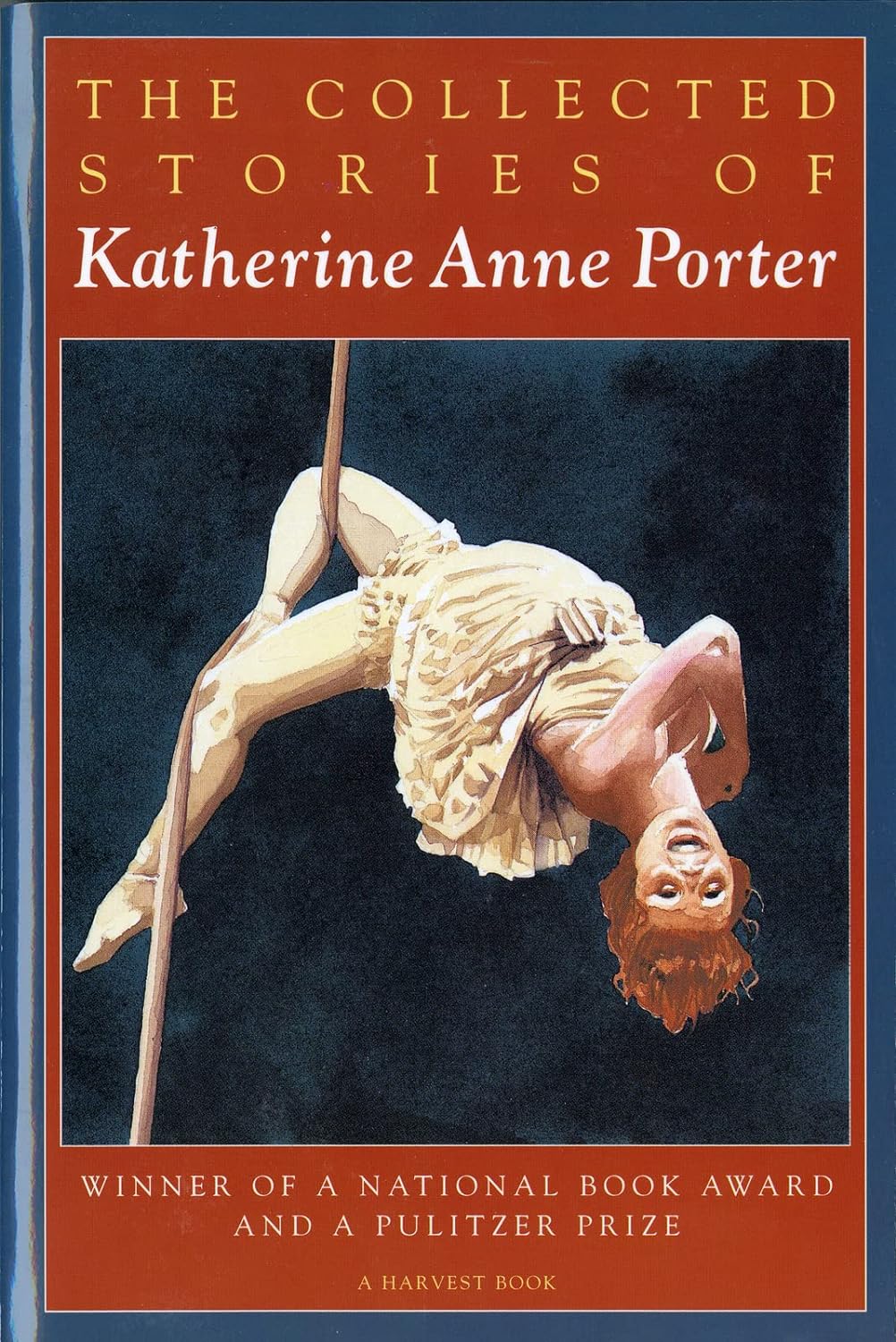
No. 44 on this list. The Collected Stories of Katherine Anne Porter
Katherine Anne Porter · 1966
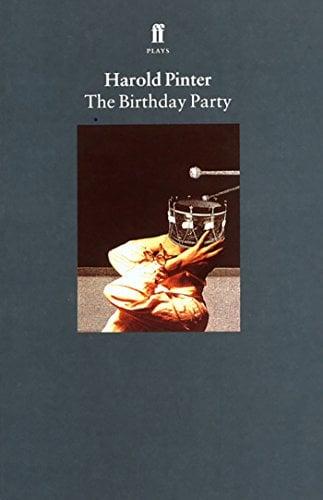
No. 45 on this list. The Birthday Party
Harold Pinter · 1957
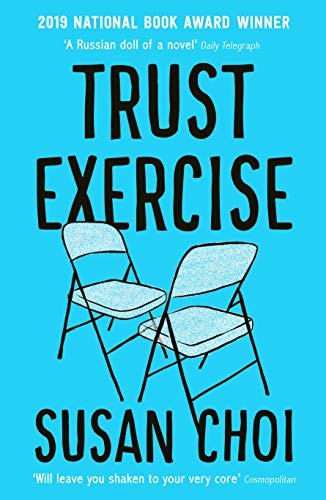
No. 46 on this list. Trust Exercise
Susan Choi · 2019
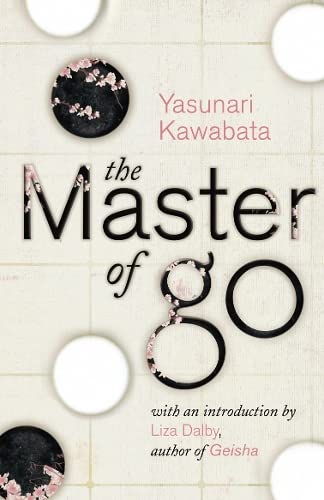
No. 47 on this list. The Master of Go
Yasunari Kawabata · 1954
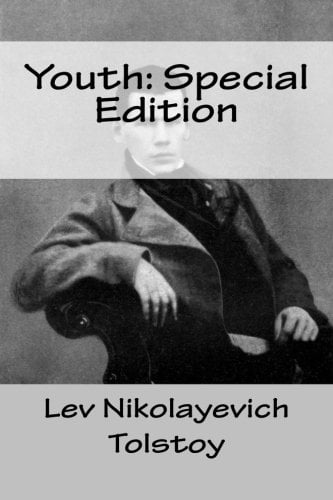
No. 48 on this list. Youth
Leo Tolstoy · 1857
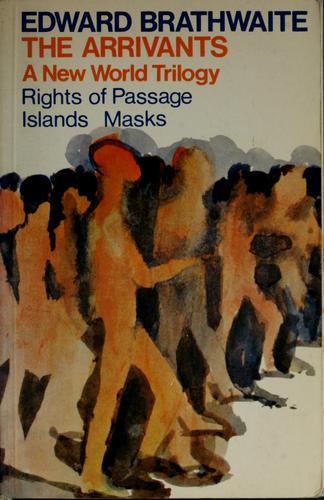
No. 49 on this list. The Arrivants
Kamau Brathwaite · 1973
Taught in schools: CSEC English B – Caribbean Examinations Council
No. 50 on this list. Selected Poems of Wisława Szymborska
Wisława Szymborska · 1998
No. 51 on this list. 4.48 Psychosis
Sarah Kane · 2000
No. 52 on this list. Furor and Mystery
René Char · 1948
No. 53 on this list. Moderato Cantabile
Marguerite Duras · 1958
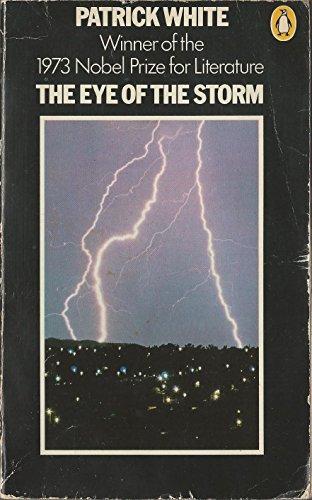
No. 54 on this list. The Eye of the Storm
Patrick White · 1973
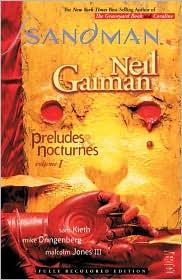
No. 55 on this list. The Sandman
Neil Gaiman · 1989
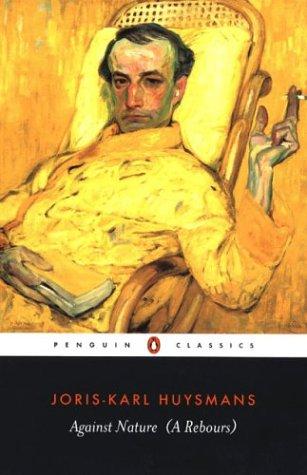
No. 56 on this list. Against Nature
Joris-Karl Huysmans · 1884
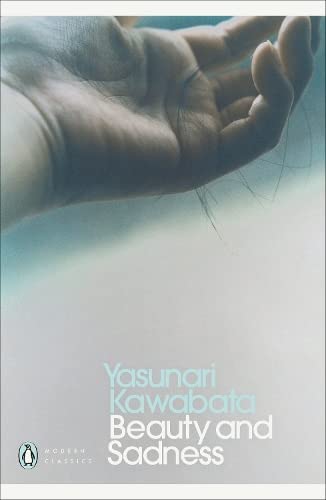
No. 57 on this list. Beauty and Sadness
Yasunari Kawabata · 1965
No. 58 on this list. Distant Star
Roberto Bolaño · 1996
Taught in schools: UNAM Escuela Nacional Preparatoria – programas de Literatura (Mexico)
No. 59 on this list. True History
Lucian · 180
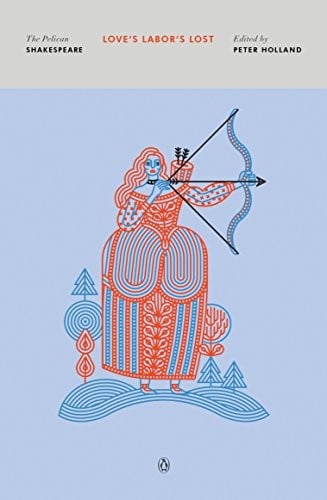
No. 60 on this list. Love's Labour's Lost
William Shakespeare · 1598
Included in: Great Books of the Western World
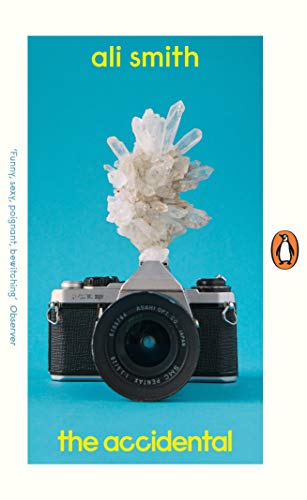
No. 61 on this list. The Accidental
Ali Smith · 2005
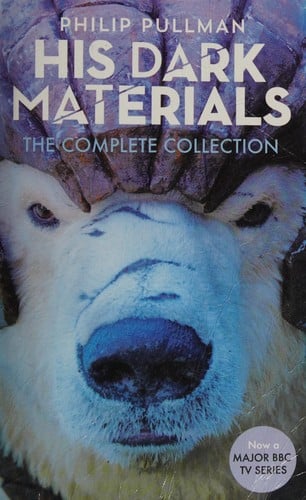
No. 62 on this list. His Dark Materials
Philip Pullman · 1995
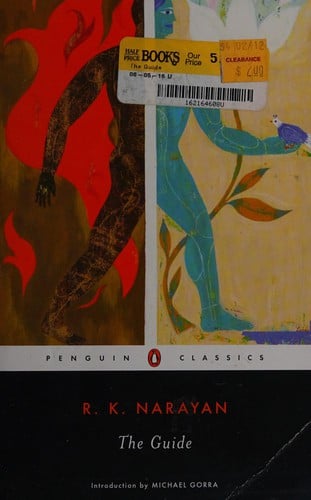
No. 63 on this list. The Guide
R.K. Narayan · 1958
Taught in schools: CSEC English B – Caribbean Examinations Council
No. 64 on this list. Storyteller
Leslie Marmon Silko · 1981
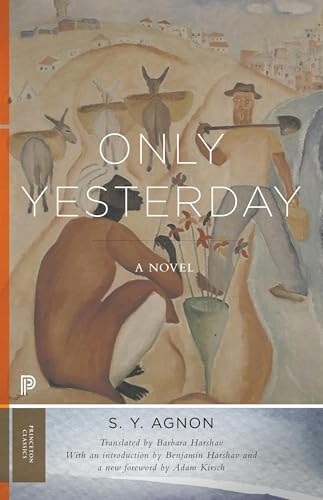
No. 65 on this list. Only Yesterday
Shmuel Yosef Agnon · 1945
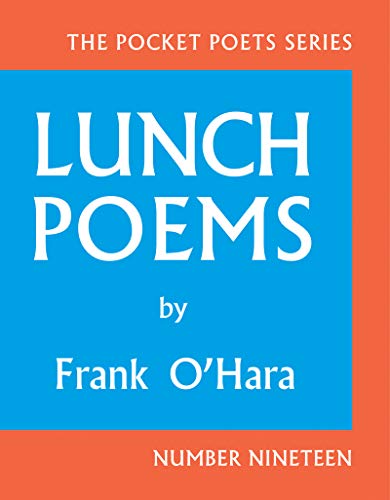
No. 66 on this list. Lunch Poems
Frank O'Hara · 1964
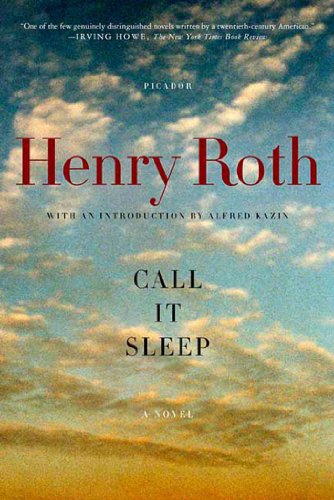
No. 67 on this list. Call It Sleep
Henry Roth · 1934
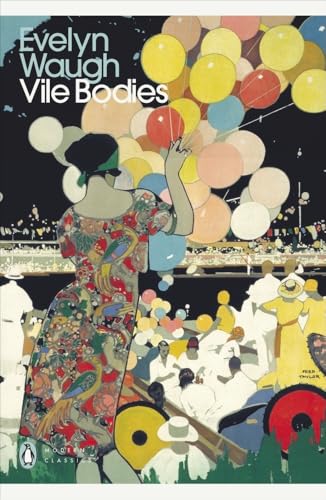
No. 68 on this list. Vile Bodies
Evelyn Waugh · 1930
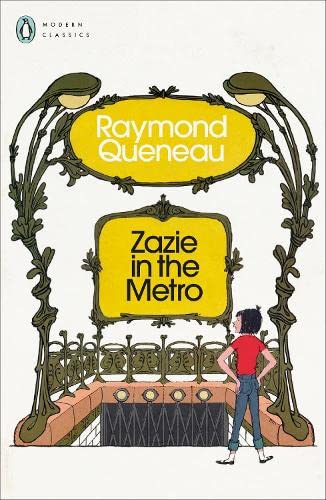
No. 69 on this list. Zazie in the Metro
Raymond Queneau · 1959
No. 70 on this list. Sabbath's Theater
Philip Roth · 1995
No. 71 on this list. The Vagabond
Colette · 1910
No. 72 on this list. Thousand Cranes
Yasunari Kawabata · 1949
Included in: UNESCO Collection of Representative Works
No. 73 on this list. Barren Lives
Graciliano Ramos · 1938
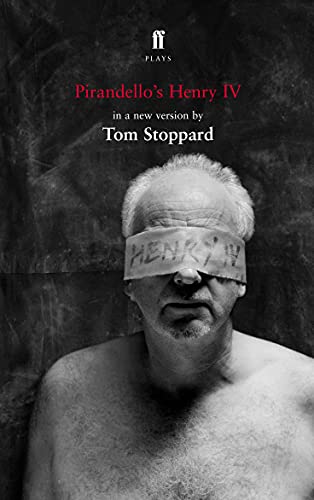
No. 74 on this list. Henry IV
Luigi Pirandello · 1922
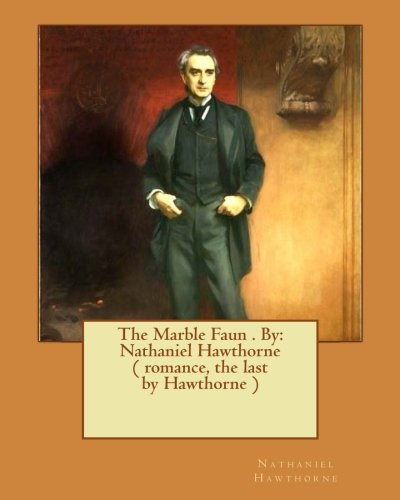
No. 75 on this list. The Marble Faun
Nathaniel Hawthorne · 1860
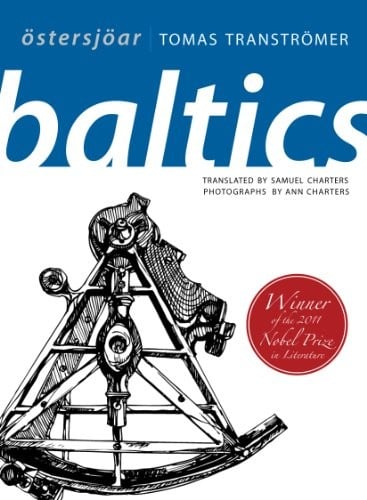
No. 76 on this list. Baltics
Tomas Tranströmer · 1974
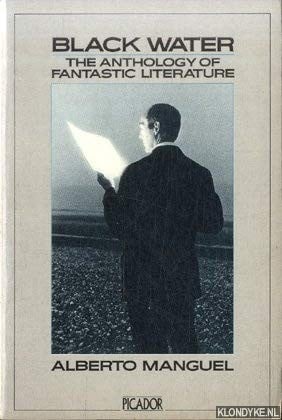
No. 77 on this list. Black Water: The Anthology of Fantastic Literature
Alberto Manguel · 1983
No. 78 on this list. Last Evenings on Earth
Roberto Bolaño · 2006
No. 79 on this list. Lives of Girls and Women
Alice Munro · 1971
No. 80 on this list. Outerbridge Reach
Robert Stone · 1992
No. 81 on this list. View with a Grain of Sand
Wisława Szymborska · 1995
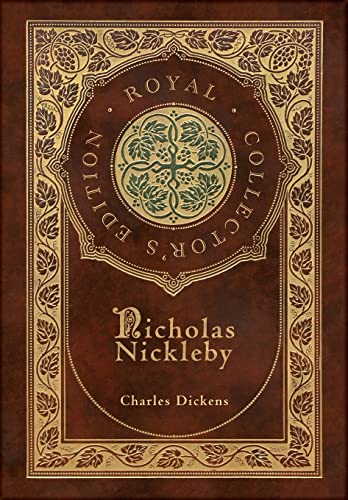
No. 82 on this list. Nicholas Nickleby
Charles Dickens · 1839
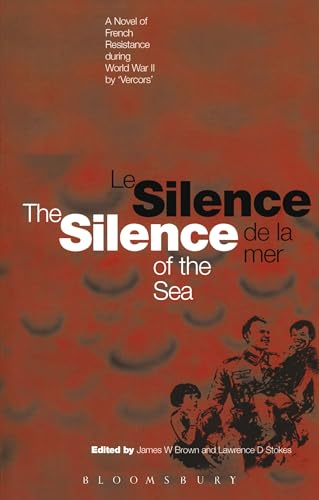
No. 83 on this list. The Silence of the Sea
Vercors · 1942
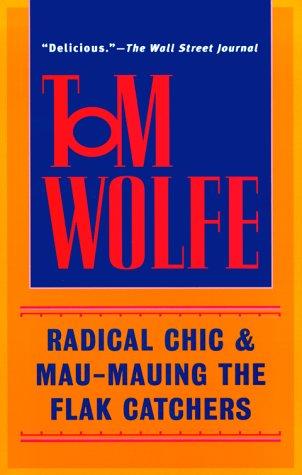
No. 84 on this list. Radical Chic & Mau-Mauing the Flak Catchers
Tom Wolfe · 1970
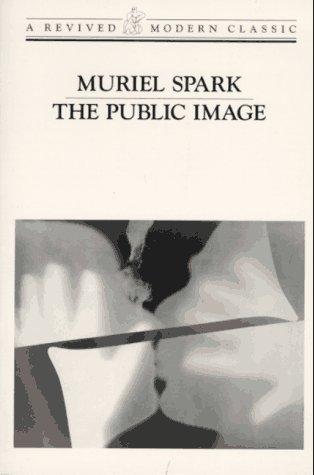
No. 85 on this list. The Public Image
Muriel Spark · 1969
No. 86 on this list. Garden, Ashes
Danilo Kiš · 1965
No. 87 on this list. Kusamakura
Natsume Sōseki · 1906
Included in: UNESCO Collection of Representative Works
No. 88 on this list. Under the Net
Iris Murdoch · 1954
No. 89 on this list. Wizard of the Crow
Ngugi wa Thiong'o · 2004
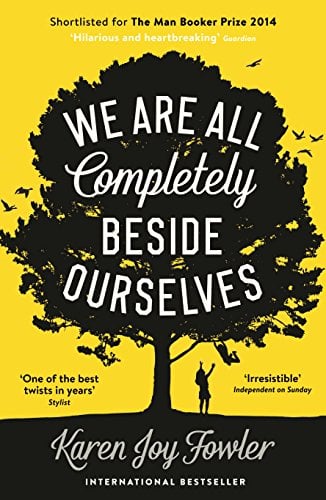
No. 90 on this list. We Are All Completely Beside Ourselves
Karen Joy Fowler · 2014
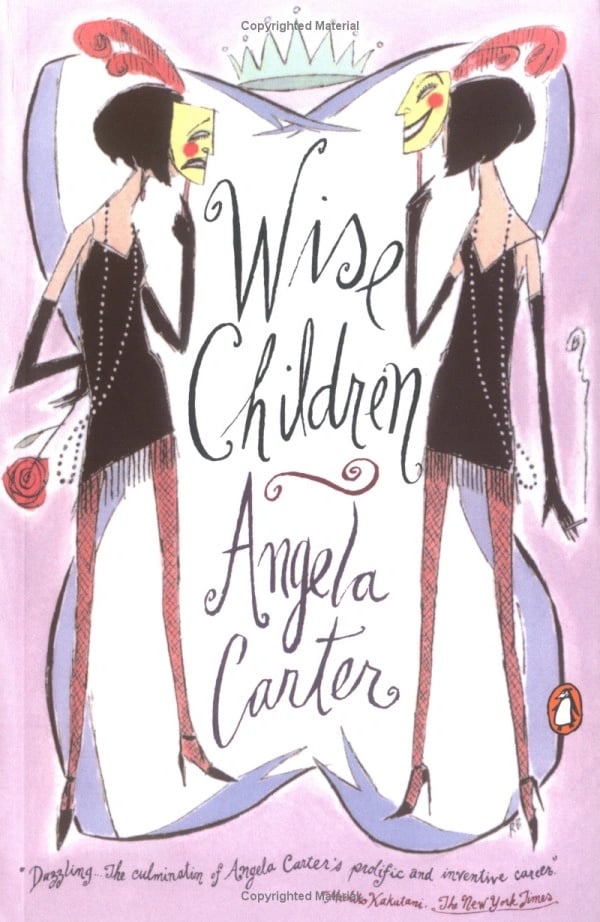
No. 91 on this list. Wise Children
Angela Carter · 1991
Taught in schools: AQA GCSE and A-level English Literature (UK)
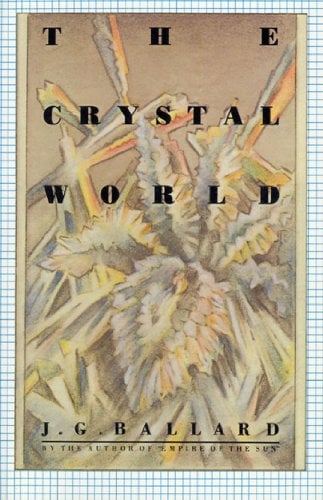
No. 92 on this list. The Crystal World
J.G. Ballard · 1966
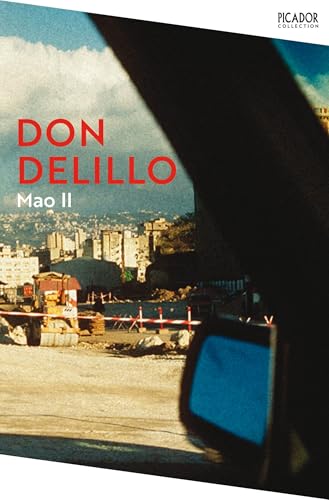
No. 93 on this list. Mao II
Don DeLillo · 1992
No. 94 on this list. Nox
Anne Carson · 2010
No. 95 on this list. It Can't Happen Here
Sinclair Lewis · 1935
No. 96 on this list. The Man Who Laughs
Victor Hugo · 1869
No. 97 on this list. School at the Frontier
Géza Ottlik · 1959
No. 98 on this list. The Sandman Vol. 3: Dream Country
No. 99 on this list. Celestial Harmonies
Péter Esterházy · 2000
No. 100 on this list. The Goldfinch
Donna Tartt · 2014

About this list
These 100 books are the highest-scoring eligible moderately difficult books about art and creativity currently in the catalogue. About 712 hours of reading in all, for the 99 with measured lengths. Difficulty runs from 52 to 60 out of 100 for the middle half of the list; the summit is Songs of Innocence and of Experience at 64.
This list is ranked by literary regard, with a consistent order for equal scores. Membership follows authors and co-authors, not translators or editors. A book is here when ReadingRate files it under Art & Creativity as one of its primary reading domains, at a confidence of 0.8 or more. Catalogue coverage and the historical canon both limit what this list can represent.
When we matched the Canons dataset to our catalogue in October 2026, our canonical-status scores rose with the number of school curricula, publisher series and lists in it that cite a work: the median score was 72 for books one such source cites, 84 at two, 88 at three, 92 at four and 93 at five or more. Prizes are left out of that count. Outside the state curricula, the dataset’s sources choose mostly from what has been translated into English or French, so it is a weaker check on other literatures. Source: Canons (Andrew Piper), CC BY 4.0
Questions people actually ask
- What are the best moderately difficult books about art and creativity?
- By literary regard, which weighs canonical status, critical standing and influence: Complete Poems by John Keats, Collected Poems of W.H. Auden by W.H. Auden, Happy Days by Samuel Beckett, Self-Portrait in a Convex Mirror by John Ashbery and The Lady with the Dog by Anton Chekhov. ReadingRate ranks 100 such books, each with a difficulty score and a reading-time estimate.
- Which moderately difficult books about art and creativity should I read first?
- Start from difficulty, not from rank. The most approachable books on this list that still carry top literary regard are Amores by Ovid (about 2 hours), The Weary Blues by Langston Hughes and Tar Baby by Toni Morrison.
- What are the shortest of the best moderately difficult books about art and creativity?
- Among the top 25, the shortest are The Lady with the Dog by Anton Chekhov (about 32 min), The Weary Blues by Langston Hughes (about 29 min) and Songs of Innocence and of Experience by William Blake (about 46 min), at an average pace of 250 words a minute adjusted for each book's difficulty.
- Which of the best moderately difficult books about art and creativity are the established classics?
- By canonical status, how firmly a book sits in curricula, anthologies and the canon: Complete Poems by John Keats, Collected Poems of W.H. Auden by W.H. Auden, Self-Portrait in a Convex Mirror by John Ashbery, The Tower by William Butler Yeats and The Bluest Eye by Toni Morrison.
- Can I read any of these moderately difficult books about art and creativity for free?
- 19 of the 100 open in ReadingRate's reader with a free account, from public-domain editions: The Lady with the Dog, The Tower, Lost Illusions, Wilhelm Meister's Apprenticeship, The Taming of the Shrew and 14 more.
- How long would it take to read the top ten?
- About 75 hours, at an average pace of 250 words a minute adjusted for each book's difficulty: 38 days at two hours a day. Set your own pace on the page and the list's reading times change to it.
- How hard are moderately difficult books about art and creativity to read?
- Most of this list sits between 52 and 60 on ReadingRate's 100-point difficulty scale, where 40 to 55 is moderate. The summit is Songs of Innocence and of Experience at 64. Every entry carries its own score, so a reader can pick a great book at a difficulty they will finish.
- How is this list ranked?
- On literary-regard data: how canonically established a work is, its critical standing, and its influence on later writing. It is not a readers’ poll, which is why recent bestsellers rarely appear. Membership follows authors and co-authors, not translators or editors. Lists by country, author, period, theme or difficulty keep to literature (fiction, poetry, drama and philosophy), their novels, poems and plays first and their philosophy after them; a list of a kind of book, such as memoir or criticism, keeps every book of that kind. Every list holds at most three works by one author. A book is here when ReadingRate files it under Art & Creativity as one of its primary reading domains, at a confidence of 0.8 or more.