Hours at an average pace
Showing 100 books
About 737 hours for 100 of 100 books with measured lengths. Estimates use 250 words a minute, adjusted for each book's difficulty. At 2 hours a day, about 369 days for those books.
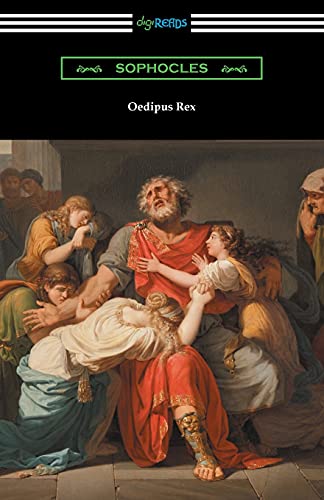
No. 1 on this list. Oedipus Rex
Sophocles · c. 429 BCE
Challenging1.8 hours
Included in: Bokklubben World Library, Great Books of the Western World
Sophocles built the perfect dramatic machine: a man investigating a crime who discovers he is the criminal, with every revelation tightening the trap his own competence has set. Aristotle used it as his model of tragedy, and twenty-four centuries of dramatists have not improved on its architecture.
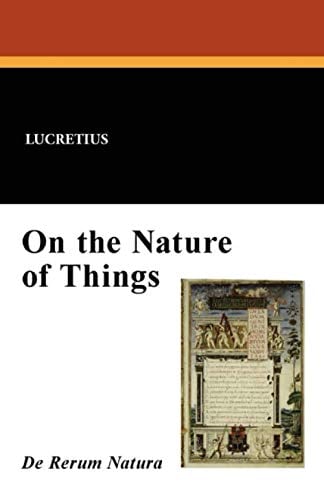
No. 2 on this list. On the Nature of Things
Lucretius · c. 55 BCE
Moderate5.5 hours
Included in: Great Books of the Western World
De Rerum Natura is one of the most significant surviving texts from antiquity, taught in classics, philosophy, and history of science programs at universities worldwide. It represents the fullest extant exposition of Epicurean atomism in any language and appears on virtually every list of essential classical works. Its rediscovery by Poggio Bracciolini in 1417 is credited with catalyzing Renaissance intellectual culture.
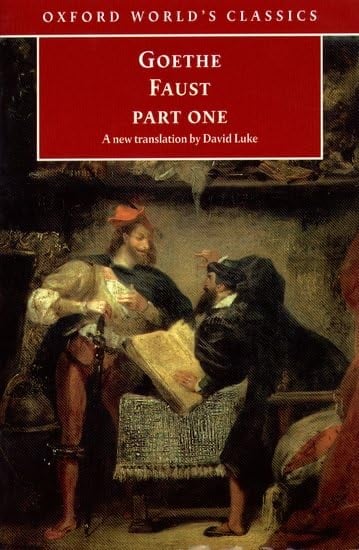
No. 3 on this list. Faust
Johann Wolfgang von Goethe · 1832
Challenging3.9 hours
Taught in schools: Turkish edebiyat curriculum (Turkey)
Included in: Bokklubben World Library, Great Books of the Western World
Goethe spent sixty years building a dramatic poem in which a scholar sells his soul not for pleasure but for the experience of a moment worth stopping time for. The work became the central myth of modernity: the idea that striving itself, not arrival, is what redeems a human life.
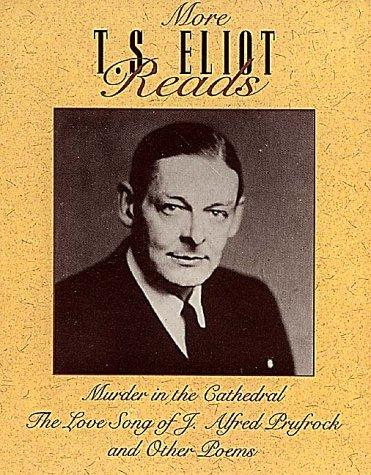
No. 4 on this list. The Love Song of J. Alfred Prufrock
T. S. Eliot · 1915
Challenging14 min
Taught in schools: Common Core text exemplars (Appendix B) (US)
One of the most taught poems in English, standard in introductory poetry courses, modernism surveys and the major anthologies. First printed in Poetry magazine in 1915 at Ezra Pound's urging, it is usually treated as the start of modernist verse in English.
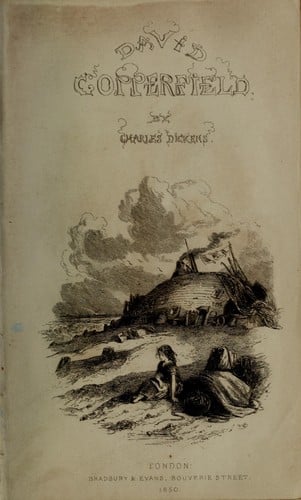
No. 5 on this list. David Copperfield
Charles Dickens · 1850
Moderate24 hours
Taught in schools: WJEC/Eduqas GCSE and A-level English Literature (UK)
David Copperfield is firmly established in the Western literary canon as one of Dickens's supreme achievements and a defining example of the Victorian Bildungsroman. It remains widely taught, studied, and adapted across cultures.
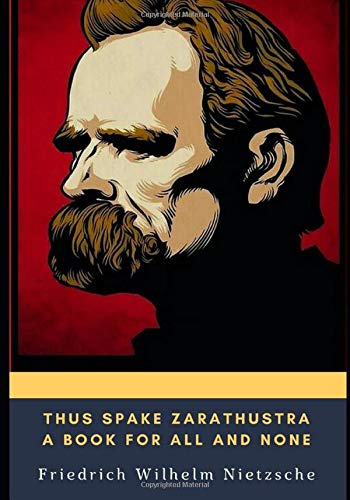
No. 6 on this list. Thus Spake Zarathustra A book for all and none
Difficult13 hours
A standard text in philosophy and German-literature courses, and one of the most widely read works of modern philosophy worldwide. Often the entry point to Nietzsche. It ranks with Notes from Underground in curricula, though less often assigned in full than Crime and Punishment.
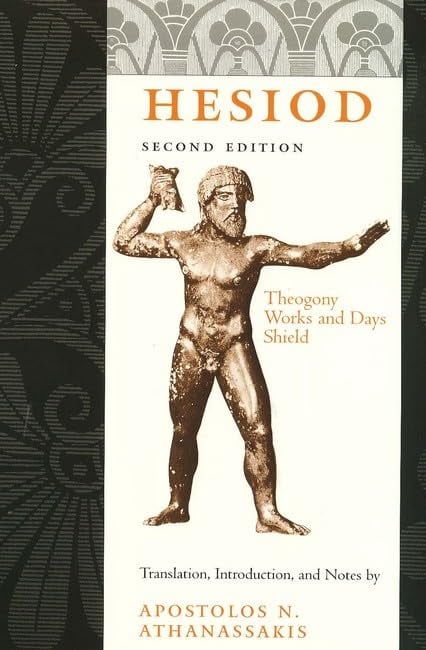
No. 7 on this list. Works and Days
Hesiod · c. 700 BCE
Moderate1.6 hours
Taught in schools: Hungarian literature curriculum (magyar nyelv és irodalom) (Hungary)
Hesiod addresses his brother Perses, who has squandered his inheritance and bribed corrupt judges to get more. The occasion is petty and local — a sibling dispute in the village of Askra, a bad place at the foot of Mount Helikon. From this nugget of irritation, Hesiod builds outward into cosmology, myth, ethics, and practical instruction. He tells how Zeus hid prosperity from men after Prometheus stole fire, how Pandora released suffering from a jar, and how mankind has declined through five ages from gold to iron. Then he turns practical: when to plough (when the Pleiades rise), what timber to use for a plough-tree (holm oak), how to dress against the winter north wind, how to harvest grapes. A.E. Stallings' translation renders all this in rhyming iambic couplets — plain-spoken, aphoristic, occasionally wry. The poem ends with sixty lines on lucky and unlucky days, which days to geld livestock, which to open a storage jar, which to be born. What makes Works and Days strange and durable is this combination: the most practical agricultural manual in Greek literature, framed by the oldest surviving account of why human life is hard and what a person can do about it.
No. 8 on this list. Hippolytus
Euripides · c. 428 BCE
Challenging2.3 hours
Included in: Great Books of the Western World
Hippolytus is a cornerstone of classical literature curricula worldwide, appearing in virtually every Greek tragedy anthology and university drama syllabus. It is one of only 17 surviving plays by Euripides and is consistently featured in courses on Western drama, classical antiquity, and the history of theatre. No direct Open Syllabus data was available, but its canonical presence in the Western literary tradition is unambiguous.
No. 9 on this list. 1984
George Orwell · 1949
Moderate6.5 hours
Taught in schools: Hungarian literature curriculum (magyar nyelv és irodalom) (Hungary), Lektury obowiązkowe – Polish national reading list (Poland), OCR GCSE and A-level English Literature (UK)
Included in: Bokklubben World Library
Appears on 1,763 university syllabi (Open Syllabus) and Wikipedia articles in 204 languages, placing it among the most globally distributed literary works. Listed on the Modern Library 100 Best Novels, TIME All-TIME 100, Le Monde's 100 Books of the Century, and BBC Big Read Top 100 — an almost unrivaled breadth of canonical recognition spanning five decades of list-making.
No. 10 on this list. The Bourgeois Gentleman
Molière · 1670
Moderate1.2 hours
Included in: Great Books of the Western World
Le Bourgeois Gentilhomme is required reading in French literature courses worldwide and appears in virtually every major world drama anthology. Commissioned by Louis XIV for the royal court in 1670, it has remained one of Molière's most performed plays for over three and a half centuries, cementing its place among the indispensable works of European theater.
No. 11 on this list. Troilus and Criseyde · Geoffrey Chaucer · 1385
Included in: Great Books of the Western World
Required reading in virtually every medieval English literature curriculum, taught across English, Comparative Literature, and Medieval Studies programs at universities worldwide. Though Open Syllabus data is unavailable here, Chaucer courses built around this text are standard at every major university with an English department. It holds a place among the most-studied long poems in the English language.
Difficult9.3 hours
Read nowNo. 12 on this list. Self-Portrait in a Convex Mirror · John Ashbery · 1975
Won the Pulitzer Prize, National Book Award, and National Book Critics Circle Award — the only book to win all three. Central to the American poetry canon.
Challenging1.3 hours
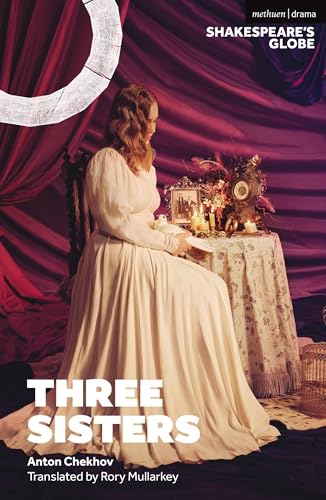
Start this bookNo. 13 on this list. Three Sisters · Anton Chekhov · 1901
Taught in schools: Hungarian literature curriculum (magyar nyelv és irodalom) (Hungary), Russian FGOS literature standard
Taught in every course on modern drama and staged continuously by major companies since its 1901 Moscow Art Theatre premiere. The sisters' longing for Moscow is one of the best-known situations in world theatre.
Challenging2.4 hours
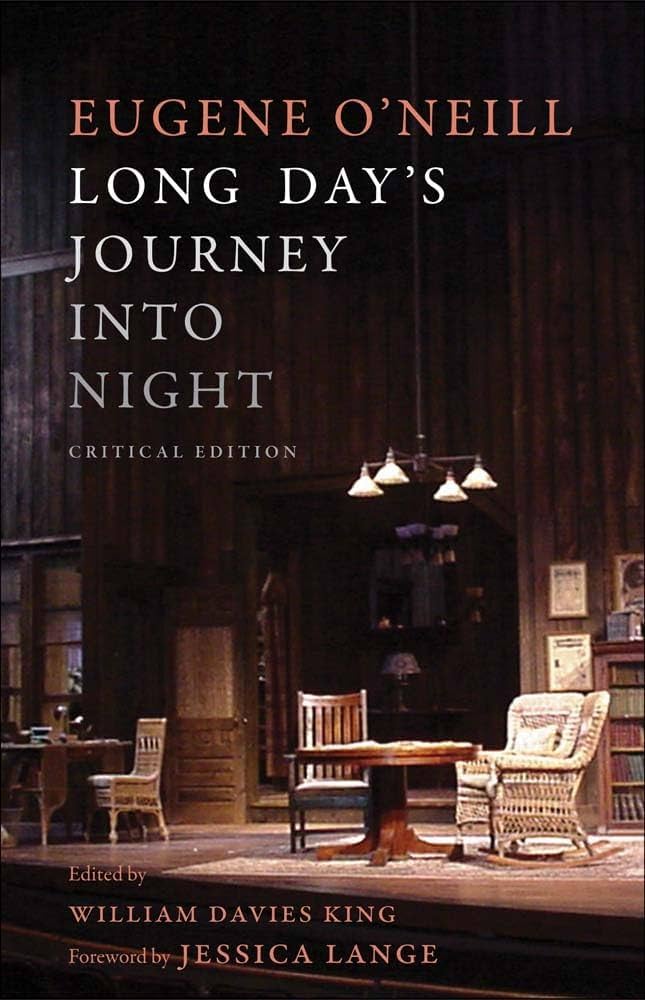
Read nowNo. 14 on this list. Long Day's Journey into Night · Eugene O'Neill · 1956
O'Neill dramatized his own family — the morphine-addicted mother, the alcoholic father, the doomed brother — with such lacerating honesty that he ordered the play sealed until twenty-five years after his death. The result is the most autobiographically raw masterpiece in American theater, a four-act cycle of blame and forgiveness that never grants its characters the relief of a resolution.
Moderate4.6 hours
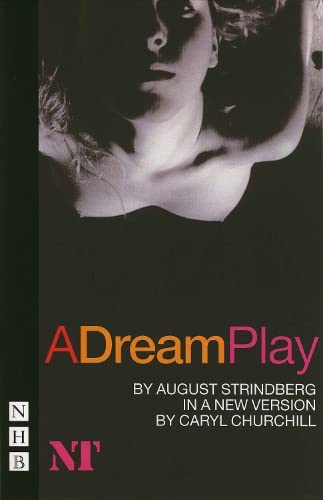
Start this bookNo. 15 on this list. A Dream Play · August Strindberg · 1902
Recognized as one of the most important and innovative plays in Western drama. A foundational text of expressionism and the avant-garde theatre.
Moderate2.1 hours
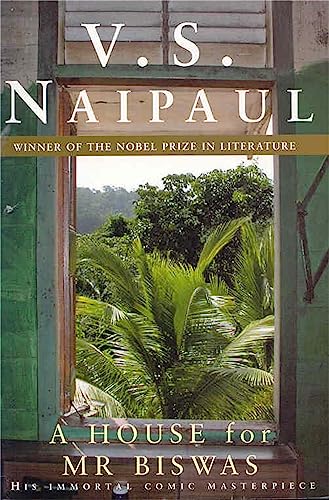
Start this bookNo. 16 on this list. A House for Mr. Biswas · V.S. Naipaul · 1961
Taught in schools: CSEC English B – Caribbean Examinations Council
Naipaul tracked one man's forty-year struggle to own a house of his own in colonial Trinidad, and by treating that modest ambition with the gravity of epic, wrote the definitive novel about the immigrant's war between dignity and dispossession. Mr. Biswas's defeats are so granular and so cumulative that the house, when it finally comes, means more than any literary symbol has a right to.
Moderate13 hours
Start this bookNo. 17 on this list. The Clouds · Aristophanes · c. 423 BCE
Taught in schools: Lektury obowiązkowe – Polish national reading list (Poland)
Included in: Great Books of the Western World
The Clouds appears on virtually every classical literature and ancient philosophy syllabus, often assigned alongside Plato's Apology — which explicitly names the play as contributing to popular sentiment against Socrates. It is one of only eleven surviving plays by Aristophanes, and among those, one of the most studied. No book with this syllabus footprint in classics departments falls below 85.
Challenging1.2 hours
Start this bookNo. 18 on this list. The Glass Bead Game · Hermann Hesse · 1943
The Glass Bead Game is widely recognized as Hesse's masterwork and a towering achievement of 20th-century German literature. It secures a place in the Western canon as a major modernist novel of ideas, regularly taught in universities and translated into dozens of languages. The novel's influence extends beyond literature into philosophy and cultural criticism, providing an enduring vocabulary ('the Glass Bead Game,' 'Castalia') for discussing intellectual culture.
Challenging18 hours
Start this bookNo. 19 on this list. The Return of the Native · Thomas Hardy · 1878
The Return of the Native stands as one of Hardy's major tragic novels and a cornerstone of Victorian fiction. Egdon Heath's status as literary landscape rivals any in English literature, and the novel appears consistently in academic curricula and critical studies of the Victorian novel.
Challenging11 hours
Read nowNo. 20 on this list. Wilhelm Meister's Apprenticeship · Johann Wolfgang von Goethe · 1796
Wilhelm Meister's Apprenticeship is taught in comparative literature and world literature courses globally, and is considered essential reading for understanding the development of European prose fiction. Its position as the founding text of the Bildungsroman places it on syllabi wherever German literature or the novel as a form is studied seriously. No database signals were available, but its literary-historical importance is universally acknowledged.
Challenging19 hours
Read now
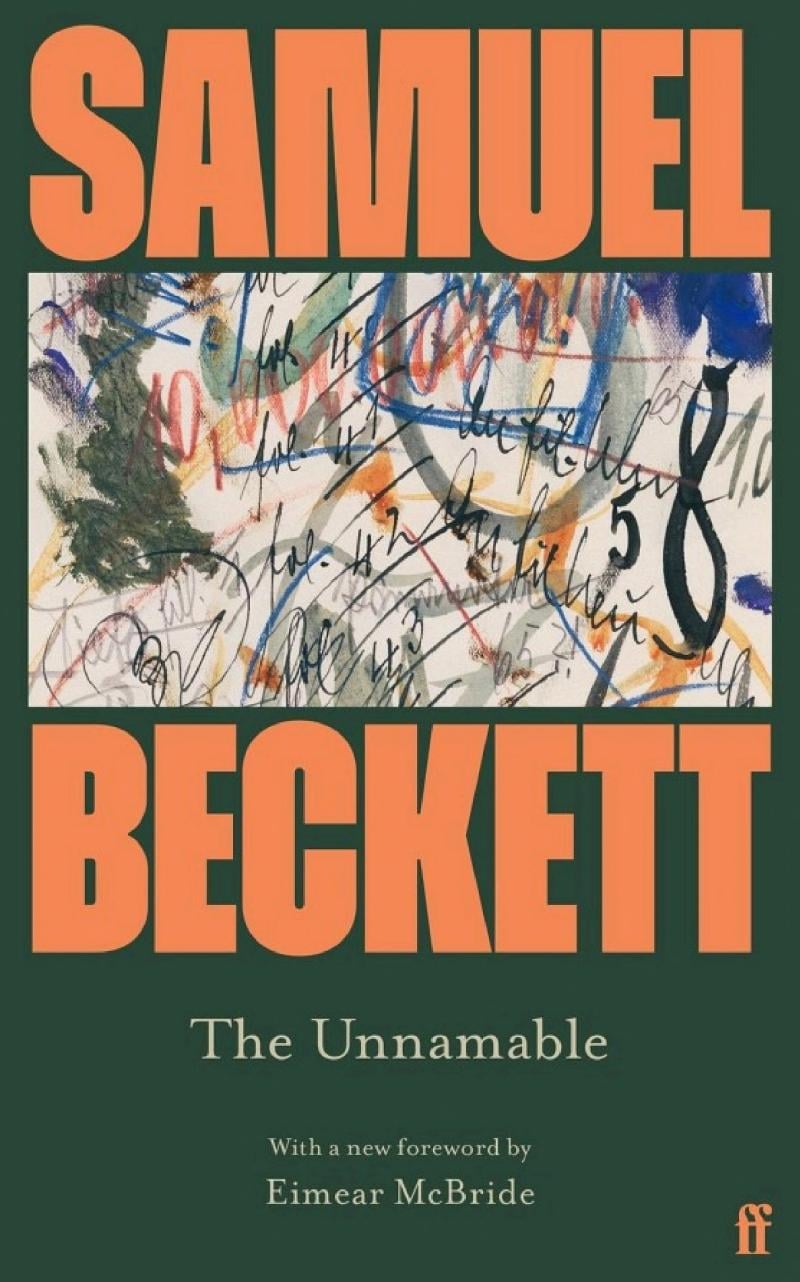
No. 21 on this list. The Unnamable · Samuel Beckett · 1953
Included in: Bokklubben World Library
The Unnamable is taught in advanced modernism, postmodernism, and philosophy-of-language courses at universities worldwide, though less universally than Waiting for Godot. It anchors the Beckett Trilogy, which is among the canonical texts of twentieth-century literature in English and French. The Wikipedia and syllabus data signals appear underreported for this work.
Difficult27 hours
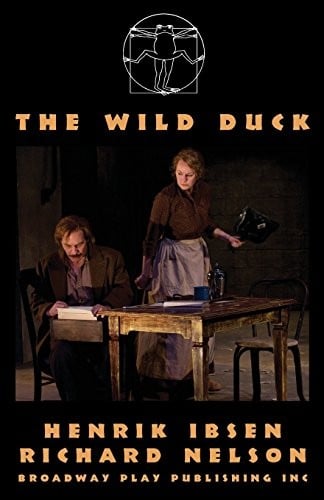
Start this bookNo. 22 on this list. The Wild Duck · Henrik Ibsen · 1884
Taught in schools: Hungarian literature curriculum (magyar nyelv és irodalom) (Hungary)
Included in: Great Books of the Western World
The Wild Duck is a cornerstone of the Western dramatic canon, taught in virtually every university drama program and included in all standard collections of world theater. Though the database returns no syllabus count, Ibsen is the most taught non-English-language playwright in English-speaking universities, and this play—alongside Hedda Gabler and A Doll's House—appears on every major drama syllabus. It is consistently ranked among Ibsen's finest works and among the ten most important plays of the nineteenth century.
Moderate2.2 hours
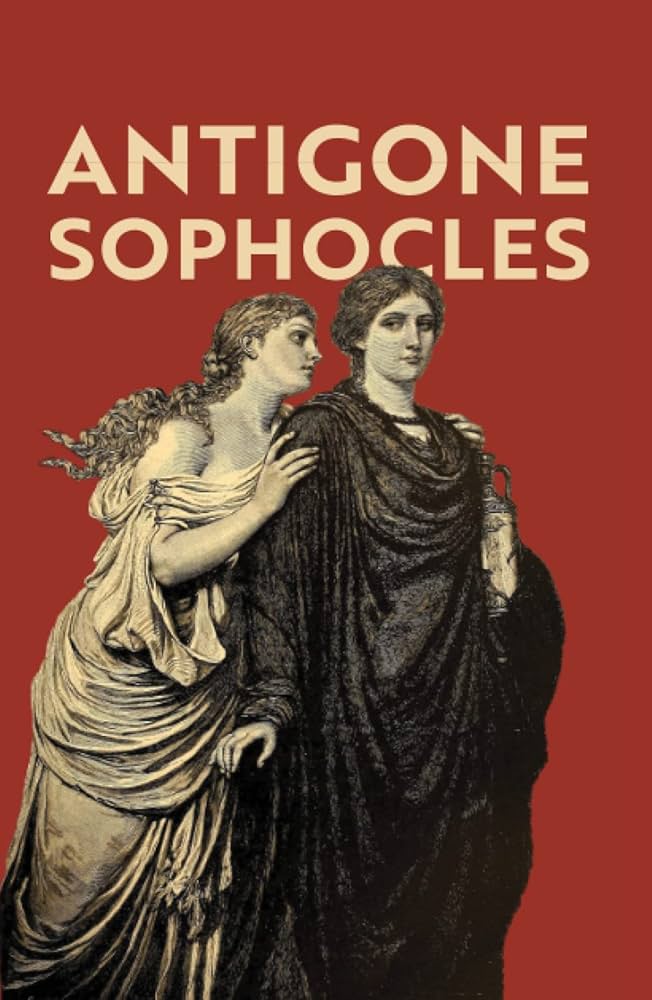
Start this bookNo. 23 on this list. Antigone · Sophocles · c. 441 BCE
Taught in schools: Hungarian literature curriculum (magyar nyelv és irodalom) (Hungary), Lektury obowiązkowe – Polish national reading list (Poland), Montenegrin literature curriculum (crnogorski jezik i književnost) (Montenegro)
Included in: Great Books of the Western World
Sophocles gave a young woman one impossible choice — obey the state or bury her brother — and built from it the foundational argument about what happens when human law and moral law collide. Every subsequent debate about civil disobedience, from Thoreau to Martin Luther King, restates the question Antigone asked first.
Moderate2.6 hours
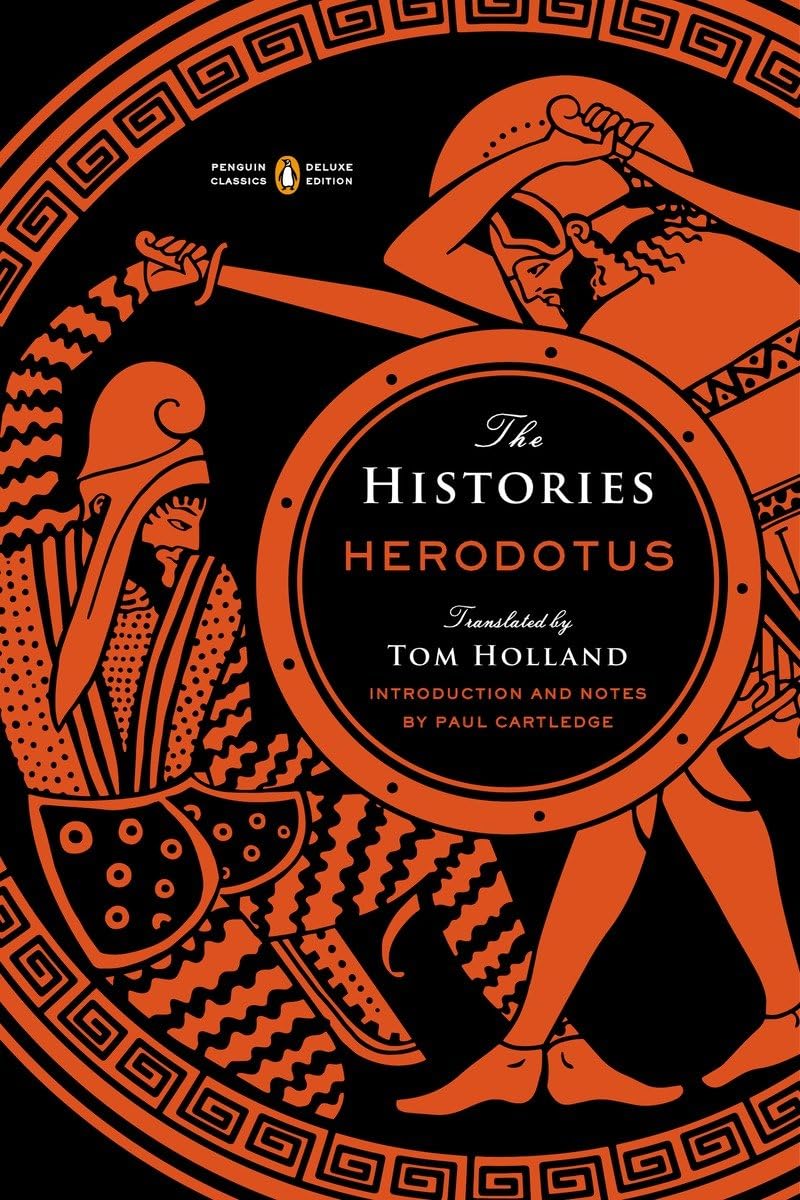
Read nowNo. 24 on this list. The Histories · Herodotus · c. 430 BCE
Herodotus traveled from Egypt to Scythia, interviewed locals, and wrote down everything—the Persian Wars, the customs of distant peoples, talking foxes, flying snakes—inventing both history and ethnography in a single narrative. Cicero called him the father of history; the label has never been seriously challenged.
Moderate22 hours
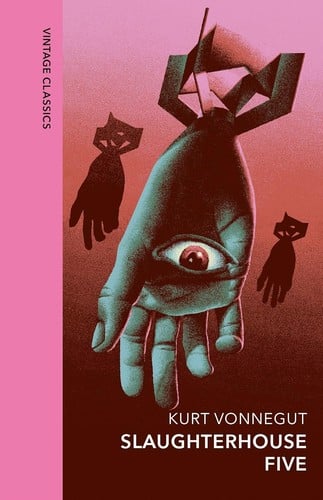
Read nowNo. 25 on this list. Slaughterhouse-Five · Kurt Vonnegut · 1999
One of the most widely taught American novels of the twentieth century, in high school and university courses on war literature and postmodern fiction. Its 1969 text is the standard for anti-war reading lists.
Moderate3.5 hours
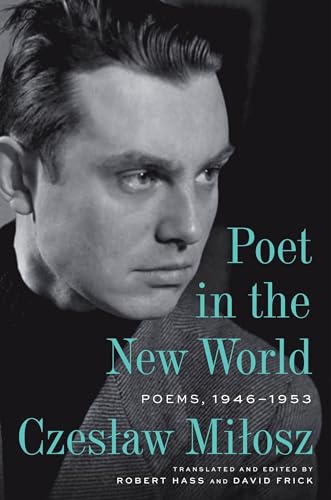
Start this bookNo. 26 on this list. Selected Poems of Czesław Miłosz · Czesław Miłosz · 1988
Nobel laureate and one of the most important poets of the twentieth century. Central to Polish literature and increasingly recognized in world poetry.
Moderate1.9 hours
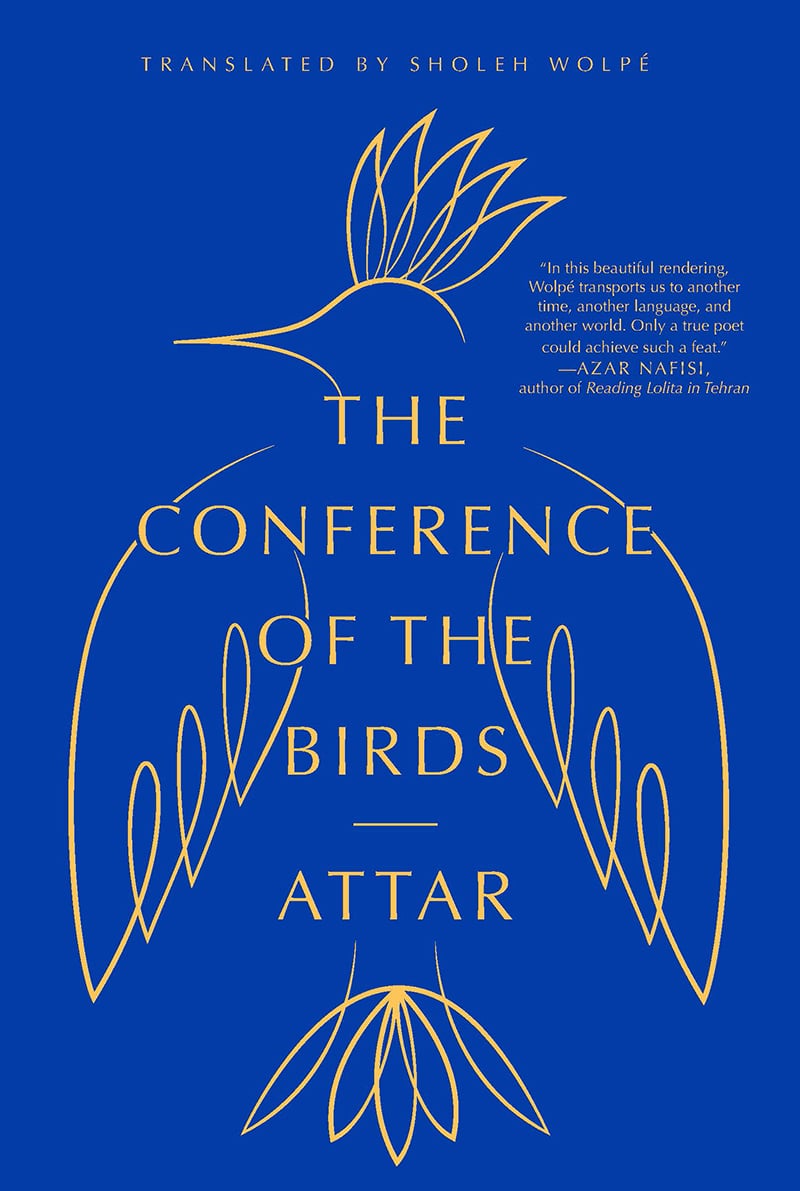
Start this bookNo. 27 on this list. The Conference of the Birds · Attar of Nishapur · 1177
Recognized as one of the greatest works of Persian literature and a foundational text of Sufism. It ranks alongside the Quran and works by Rumi in Islamic intellectual tradition. Western literary canons increasingly recognize it as essential world literature.
Challenging2.8 hours
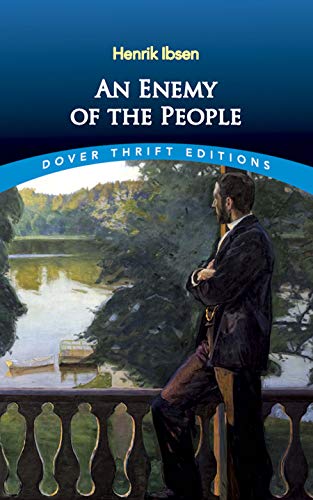
Start this bookNo. 28 on this list. An Enemy of the People · Henrik Ibsen · 1882
An Enemy of the People is a standard text in university drama, literature, and political philosophy curricula worldwide, and is featured on virtually all lists of essential Western drama. Arthur Miller's celebrated 1950 adaptation attests to its enduring canonical status. While taught less broadly than Ibsen's A Doll's House or Hedda Gabler, it remains a fixture in theatre studies and social realist drama courses globally.
Challenging2.7 hours
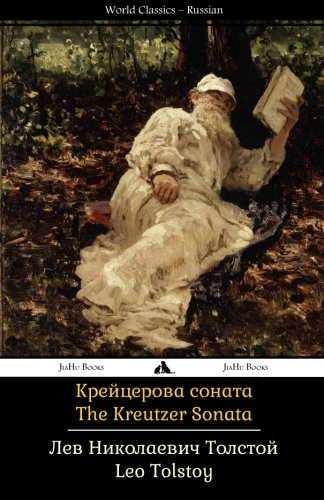
Start this bookNo. 29 on this list. The Kreutzer Sonata · Leo Tolstoy · 1889
The Kreutzer Sonata holds a firm place in university curricula for Russian literature, world literature, and gender studies courses. While less taught than Anna Karenina or War and Peace, it appears consistently as required reading in Tolstoy surveys and 19th-century European fiction courses. Its inclusion in countless 'essential Tolstoy' and world literature reading lists reflects its canonical standing.
Difficult7.5 hours
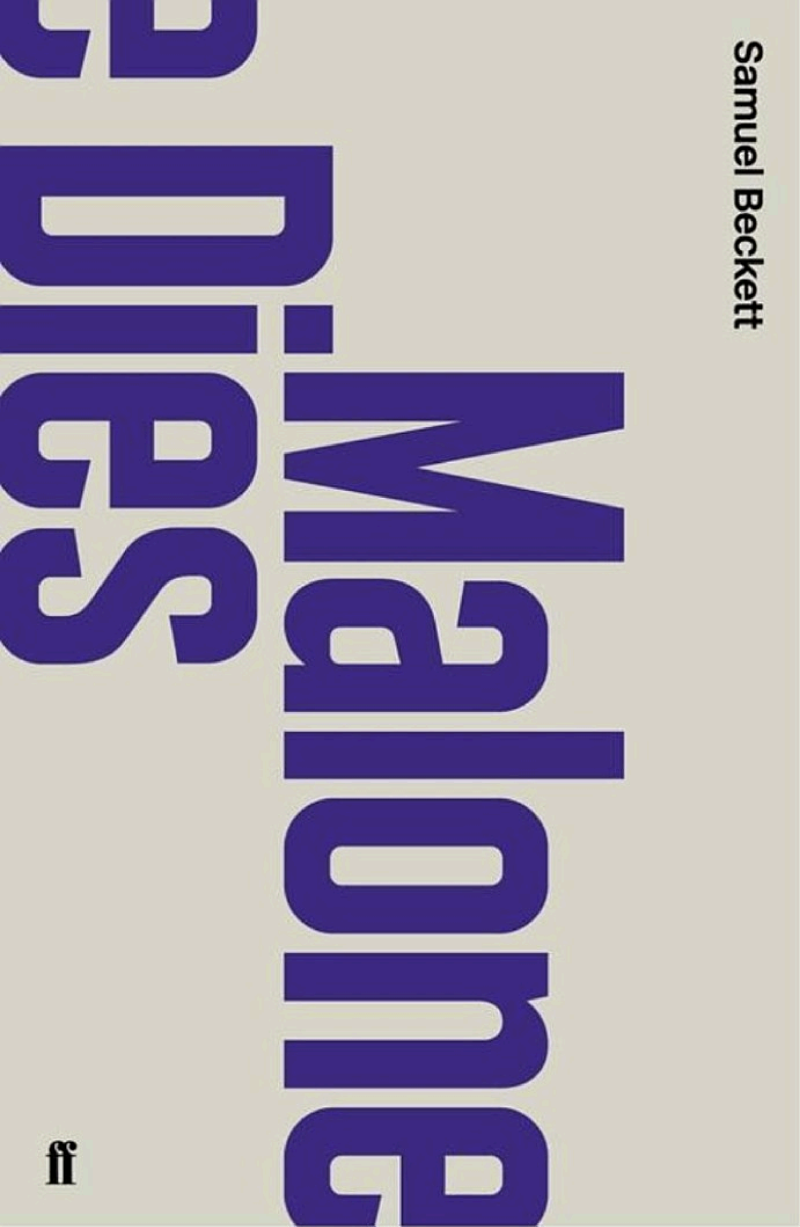
Read nowNo. 30 on this list. Malone Dies · Samuel Beckett · 1951
Included in: Bokklubben World Library
A dying man named Malone lies in bed in a bare room, passing his final days by writing stories in an exercise-book. He announces a plan: to tell himself stories (about a man, a woman, an animal, a thing) and then compile an inventory of his possessions before death arrives. But the stories refuse to cohere. The boy Sapo, plump and plodding, drifts through tedious family scenes and visits to the Lambert farm, where Big Lambert buries his beloved mule and Mrs. Lambert despairs over lentils. Sapo inexplicably becomes Macmann, a vagrant later confined to the asylum of Saint John of God, where he conducts a grotesque romance with his nurse Moll. Between these fragmentary fictions, Malone interrupts constantly to comment on his own dissolution, his soup and chamber-pot, the mysterious hand that feeds him, the exercise-book he salvaged, the pencil with five faces. The stories and the frame narrative bleed together as Malone suspects he's describing himself again, that all his characters are masks for the voice that continues speaking even as narrative collapses. The promised inventory never arrives. Instead, the novel enacts a slow-motion death of story-telling itself, performed with extraordinary comic precision and metaphysical vertigo. Malone circles his own ending in spirals of increasing tightness, neither quite dying nor quite alive, waiting in the dark.
Challenging5.7 hours
Start this book
No. 31 on this list. In the Heart of the Heart of the Country
William Gass · 1968
No. 32 on this list. Benito Cereno
Herman Melville · 1855
No. 33 on this list. Exercises in Style
Raymond Queneau · 1947
No. 34 on this list. Martin Chuzzlewit
Charles Dickens · 1844
No. 35 on this list. The Complete Sherlock Holmes
Arthur Conan Doyle · 1887
No. 36 on this list. Life & Times of Michael K
J.M. Coetzee · 1983
Taught in schools: UNAM Escuela Nacional Preparatoria – programas de Literatura (Mexico)
No. 37 on this list. Sixty Stories
Donald Barthelme · 1981
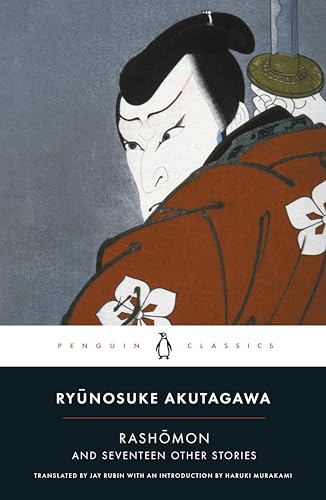
No. 38 on this list. Rashomon and Seventeen Other Stories
Ryūnosuke Akutagawa · 1915
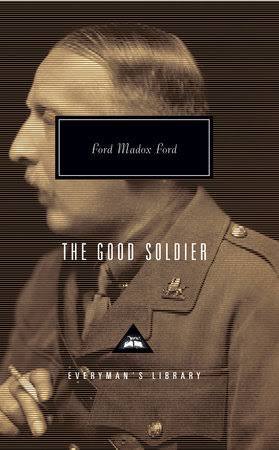
No. 39 on this list. The Good Soldier
Ford Madox Ford · 1915
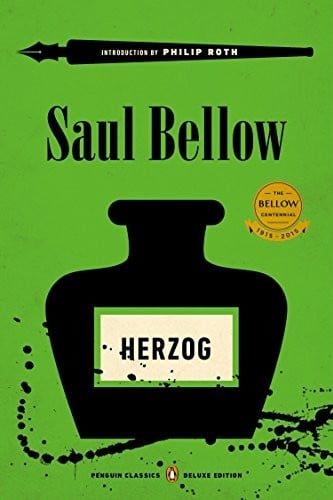
No. 40 on this list. Herzog
Saul Bellow · 1965
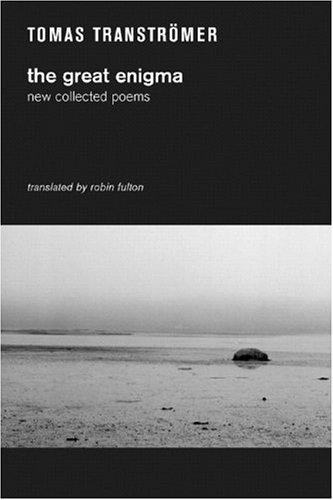
No. 41 on this list. The Great Enigma: New Collected Poems
Tomas Tranströmer · 2006
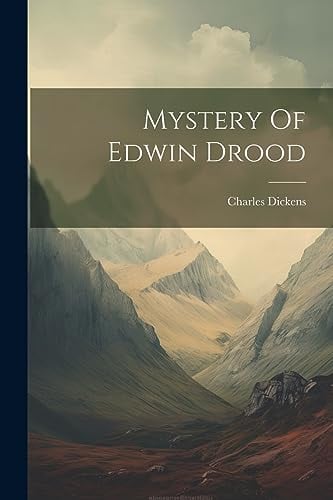
No. 42 on this list. The Mystery of Edwin Drood
Charles Dickens · 1870
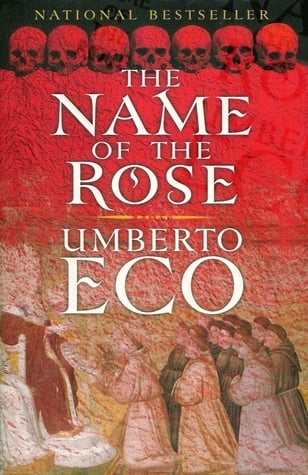
No. 43 on this list. The Name of the Rose
Umberto Eco · 1980
No. 44 on this list. A Grain of Wheat
Ngugi wa Thiong'o · 1967
Included in: Heinemann African Writers Series
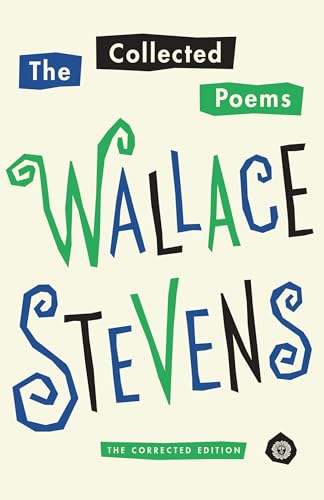
No. 45 on this list. The Auroras of Autumn
Wallace Stevens · 1950
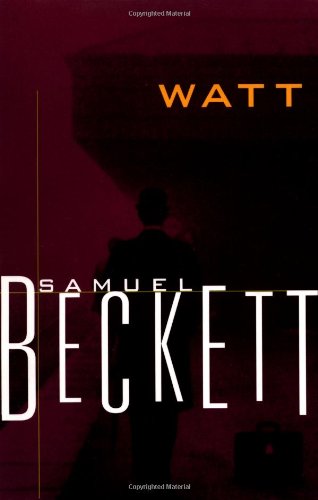
No. 46 on this list. Watt
Samuel Beckett · 1953
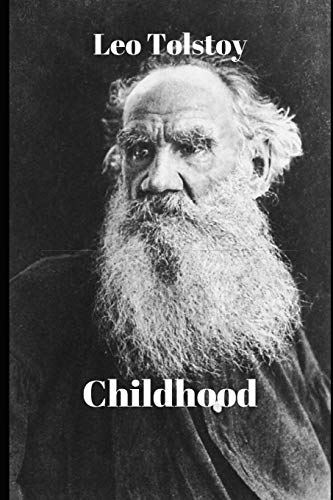
No. 47 on this list. Childhood
Leo Tolstoy · 1852
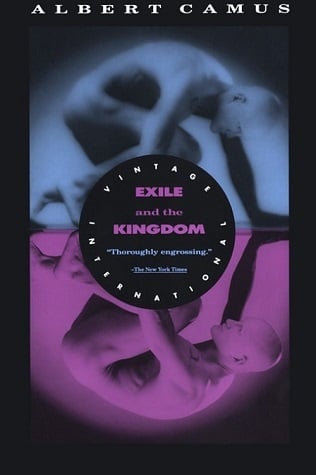
No. 48 on this list. Exile and the Kingdom
Albert Camus · 1957
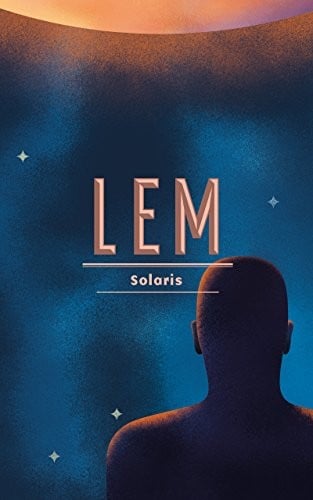
No. 49 on this list. Solaris
Stanisław Lem · 1961
No. 50 on this list. The School for Wives
Molière · 1662
Included in: Great Books of the Western World
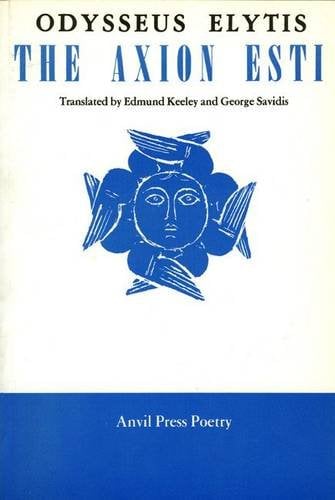
No. 51 on this list. The Axion Esti
Odysseas Elytis · 1959
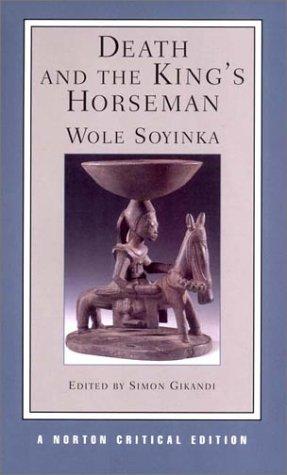
No. 52 on this list. Death and the King's Horseman
Wole Soyinka · 1975
Taught in schools: Common Core text exemplars (Appendix B) (US)
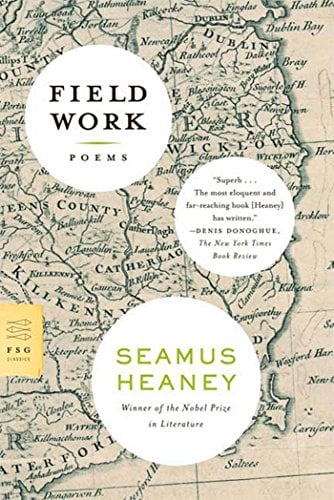
No. 53 on this list. Field Work
Seamus Heaney · 1979
Taught in schools: WJEC/Eduqas GCSE and A-level English Literature (UK)
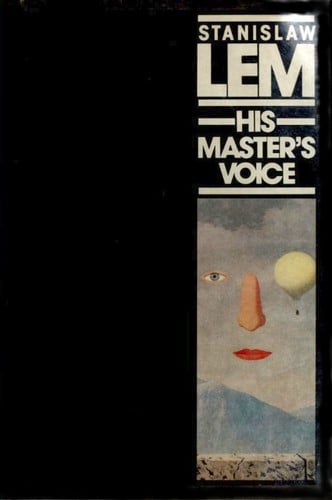
No. 54 on this list. His Master's Voice
Stanisław Lem · 1968
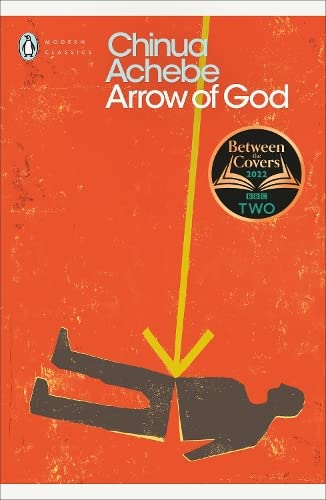
No. 55 on this list. Arrow of God
Chinua Achebe · 1964
Taught in schools: CSEC English B – Caribbean Examinations Council
Included in: Heinemann African Writers Series
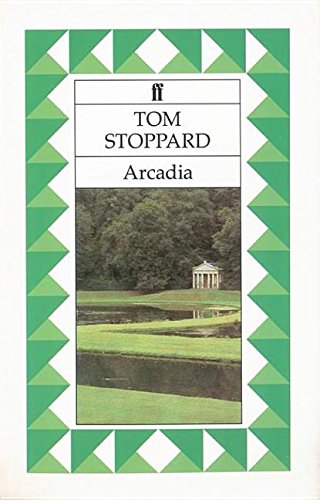
No. 56 on this list. Arcadia
Tom Stoppard · 1993
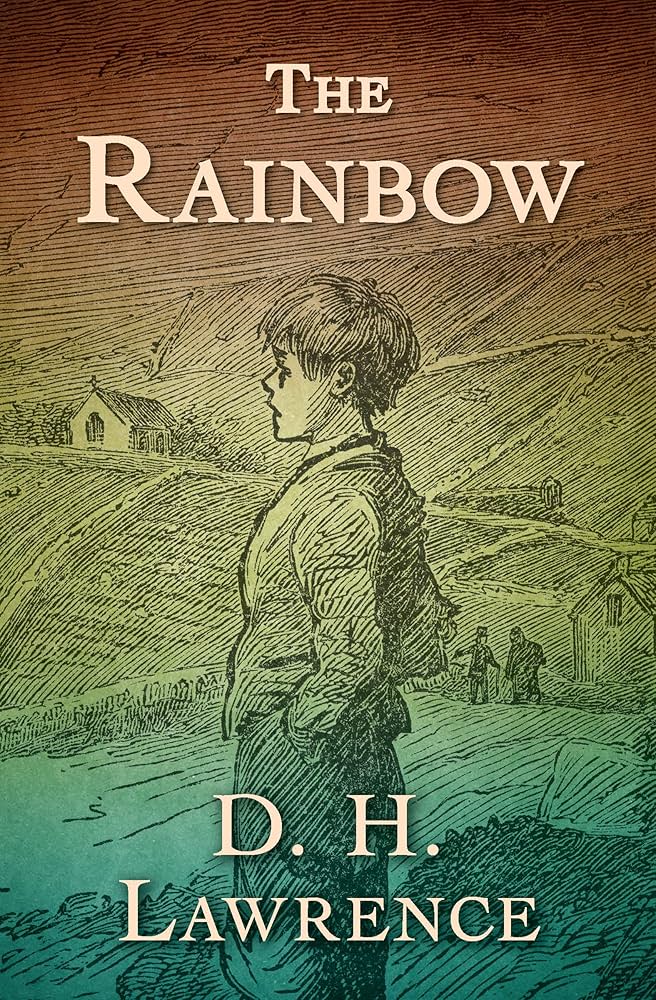
No. 57 on this list. The Rainbow
D.H. Lawrence · 1915
No. 58 on this list. Mourning Becomes Electra
Eugene O'Neill · 1931
Included in: Great Books of the Western World
No. 59 on this list. Far from the Madding Crowd
Thomas Hardy · 1874
Taught in schools: CSEC English B – Caribbean Examinations Council
No. 60 on this list. Treacle Walker
Alan Garner · 2022
No. 61 on this list. Cronopios and Famas
Julio Cortázar · 1962
Taught in schools: Literatura, Diseño Curricular – Provincia de Buenos Aires (Argentina), UNAM Escuela Nacional Preparatoria – programas de Literatura (Mexico)
No. 62 on this list. The Lower Depths
Maxim Gorky · 1902
Taught in schools: Russian FGOS literature standard
No. 63 on this list. The Winding Stair
William Butler Yeats · 1933
No. 64 on this list. The Cyberiad
Stanisław Lem · 1965
No. 65 on this list. The Berlin Stories
Christopher Isherwood · 1945
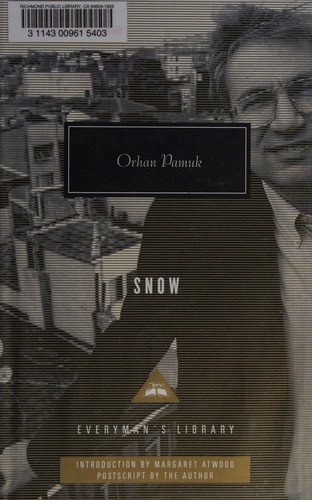
No. 66 on this list. Snow
Orhan Pamuk · 2002
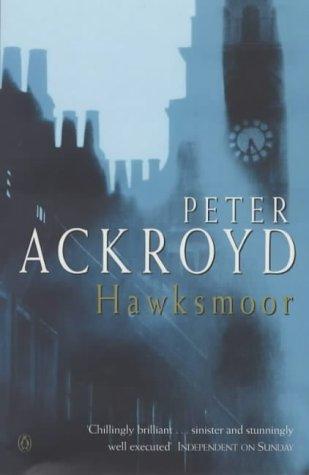
No. 67 on this list. Hawksmoor
Peter Ackroyd · 1985
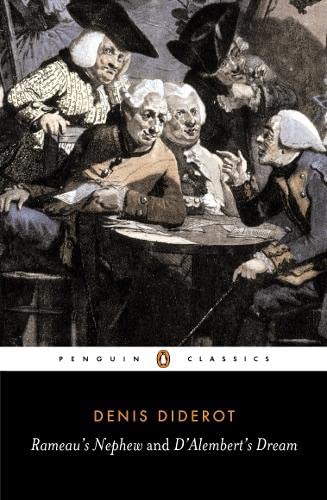
No. 68 on this list. Rameau's Nephew
Denis Diderot · 1805
Included in: Great Books of the Western World
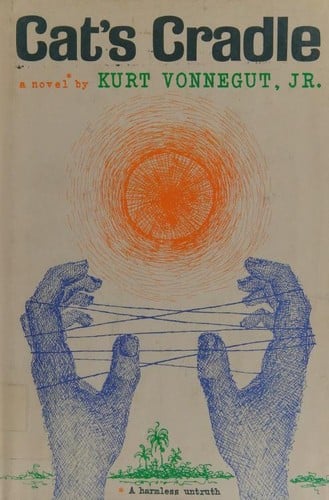
No. 69 on this list. Cat's Cradle
Kurt Vonnegut · 1963
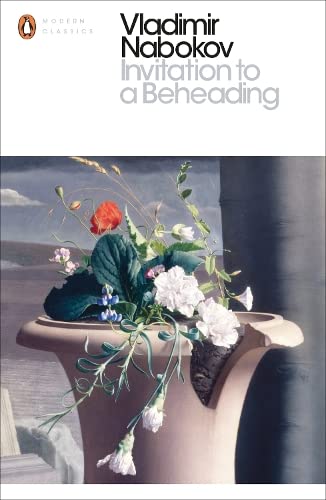
No. 70 on this list. Invitation to a Beheading
Vladimir Nabokov · 1936
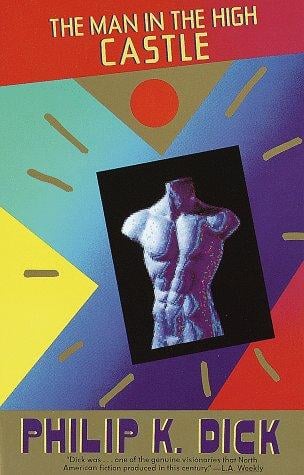
No. 71 on this list. The Man in the High Castle
Philip K. Dick · 1962
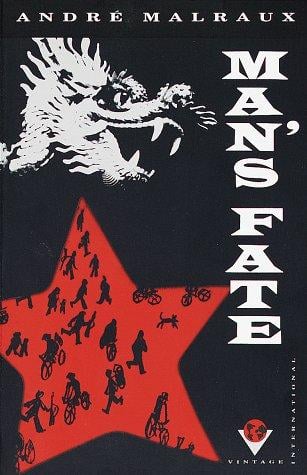
No. 72 on this list. Man's Fate
André Malraux · 1933
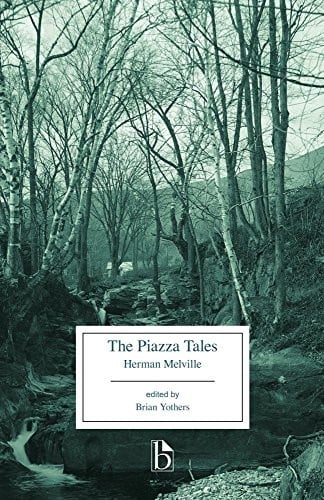
No. 73 on this list. The Piazza Tales
Herman Melville · 1856
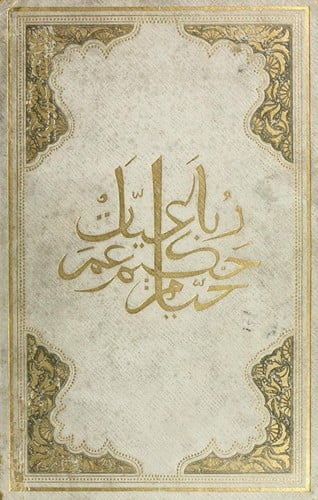
No. 74 on this list. Rubaiyat of Omar Khayyam
Omar Khayyam · 1120
Taught in schools: Armenian secondary literature
Included in: UNESCO Collection of Representative Works
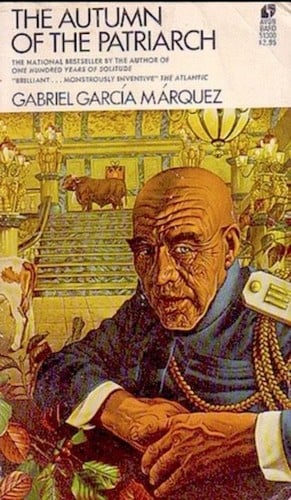
No. 75 on this list. The Autumn of the Patriarch
Gabriel García Márquez · 1975
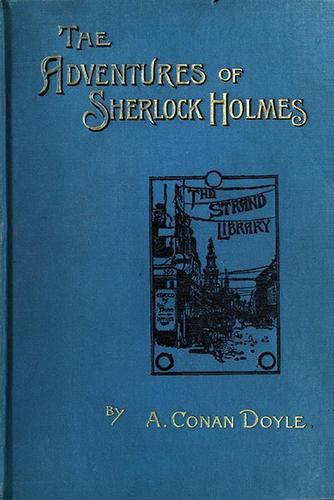
No. 76 on this list. The Adventures of Sherlock Holmes
Arthur Conan Doyle · 1892
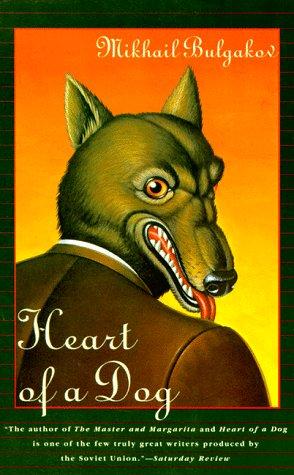
No. 77 on this list. Heart of a Dog
Mikhail Bulgakov · 1925
No. 78 on this list. Youth
Leo Tolstoy · 1857
No. 79 on this list. Quincas Borba
Machado de Assis · 1891
Included in: Biblioteca Ayacucho, UNESCO Collection of Representative Works
No. 80 on this list. Poor Folk
Fyodor Dostoevsky · 1846
Taught in schools: Kazakh literature curriculum (Kazakhstan)
No. 81 on this list. Botchan
Natsume Sōseki · 1906
Included in: UNESCO Collection of Representative Works
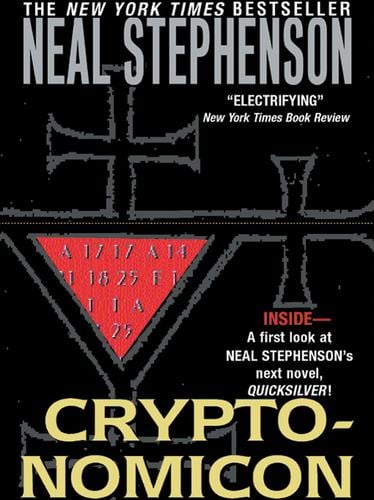
No. 82 on this list. Cryptonomicon
Neal Stephenson · 1999
No. 83 on this list. VALIS
Philip K. Dick · 1981
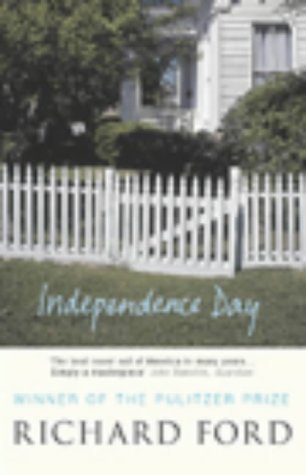
No. 84 on this list. Independence Day
Richard Ford · 1996
No. 85 on this list. Man and Superman
George Bernard Shaw · 1903
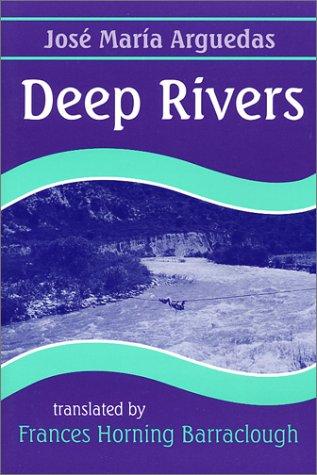
No. 86 on this list. Deep Rivers
José María Arguedas · 1958
Taught in schools: UNAM Escuela Nacional Preparatoria – programas de Literatura (Mexico)
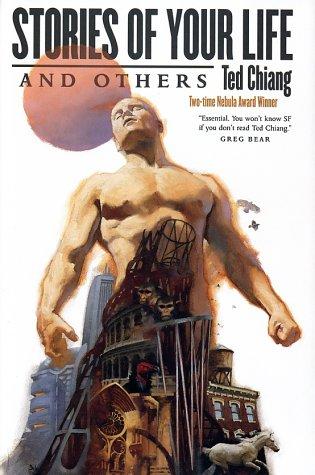
No. 87 on this list. Stories of Your Life and Others
Ted Chiang · 2002
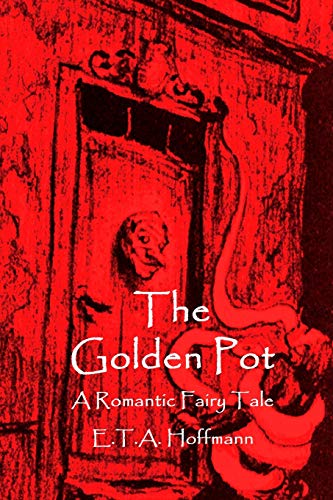
No. 88 on this list. The Golden Pot
E.T.A. Hoffmann · 1814
No. 89 on this list. True History
Lucian · 180
No. 90 on this list. His Dark Materials
Philip Pullman · 1995
No. 91 on this list. Julie, or the New Heloise
Jean-Jacques Rousseau · 1761
No. 92 on this list. All's Well That Ends Well
William Shakespeare · 1605
Included in: Great Books of the Western World
No. 93 on this list. The Learned Ladies
Molière · 1672
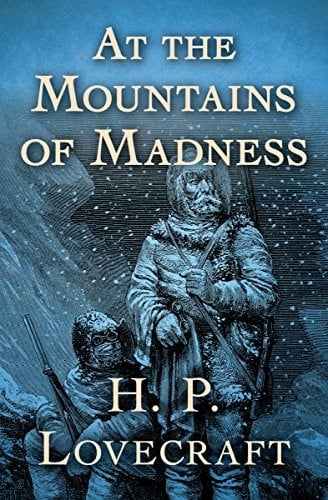
No. 94 on this list. At the Mountains of Madness
H.P. Lovecraft · 1936
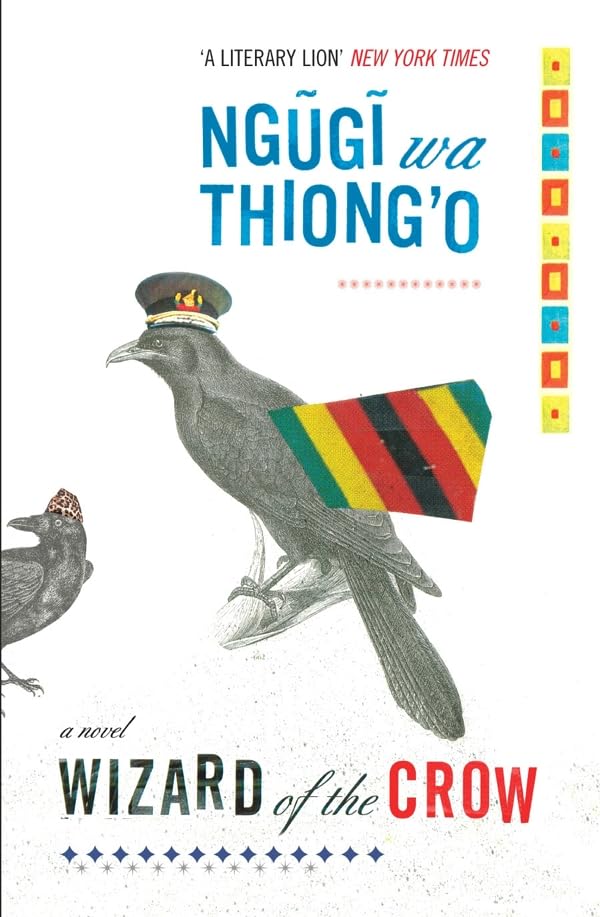
No. 95 on this list. The River Between
Ngugi wa Thiong'o · 1965
Taught in schools: CSEC English B – Caribbean Examinations Council
Included in: Heinemann African Writers Series
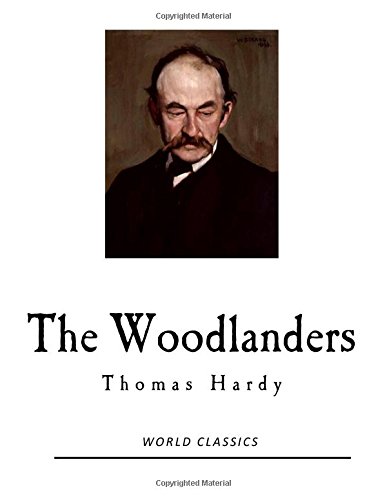
No. 96 on this list. The Woodlanders
Thomas Hardy · 1887
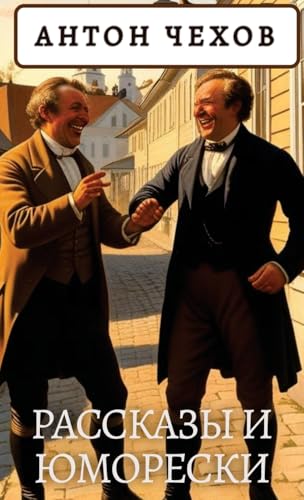
No. 97 on this list. A Boring Story
Anton Chekhov · 1889
Taught in schools: Russian FGOS literature standard
No. 98 on this list. The Plumed Serpent
D.H. Lawrence · 1926
No. 99 on this list. Child of All Nations
Pramoedya Ananta Toer · 1980
No. 100 on this list. One, No One and One Hundred Thousand
Luigi Pirandello · 1926
About this list
These 100 books are the highest-scoring eligible books about knowledge and truth by men currently in the catalogue. About 737 hours of reading in all. Difficulty runs from 54 to 66 out of 100 for the middle half of the list; the summit is In the Heart of the Heart of the Country at 87.
This list is ranked by literary regard, with a consistent order for equal scores. Membership follows authors and co-authors, not translators or editors. A book is here when ReadingRate files it under Knowledge & Truth as one of its primary reading domains, at a confidence of 0.8 or more. Catalogue coverage and the historical canon both limit what this list can represent.
When we matched the Canons dataset to our catalogue in October 2026, our canonical-status scores rose with the number of school curricula, publisher series and lists in it that cite a work: the median score was 72 for books one such source cites, 84 at two, 88 at three, 92 at four and 93 at five or more. Prizes are left out of that count. Outside the state curricula, the dataset’s sources choose mostly from what has been translated into English or French, so it is a weaker check on other literatures. Source: Canons (Andrew Piper), CC BY 4.0
Questions people actually ask
- What are the best books about knowledge and truth by men?
- By literary regard, which weighs canonical status, critical standing and influence: Oedipus Rex by Sophocles, On the Nature of Things by Lucretius, Faust by Johann Wolfgang von Goethe, The Love Song of J. Alfred Prufrock by T. S. Eliot and David Copperfield by Charles Dickens. ReadingRate ranks 100 such books, each with a difficulty score and a reading-time estimate.
- Which books about knowledge and truth by men should I read first?
- Start from difficulty, not from rank. The most approachable books on this list that still carry top literary regard are The School for Wives by Molière (about 1.2 hours), The Complete Sherlock Holmes by Arthur Conan Doyle and The Great Enigma: New Collected Poems by Tomas Tranströmer.
- What are the shortest of the best books about knowledge and truth by men?
- Among the top 25, the shortest are The Love Song of J. Alfred Prufrock by T. S. Eliot (about 14 min), Self-Portrait in a Convex Mirror by John Ashbery (about 1.3 hours) and The Clouds by Aristophanes (about 1.2 hours), at an average pace of 250 words a minute adjusted for each book's difficulty.
- Which of the best books about knowledge and truth by men are the established classics?
- By canonical status, how firmly a book sits in curricula, anthologies and the canon: Oedipus Rex by Sophocles, Faust by Johann Wolfgang von Goethe, 1984 by George Orwell, The Love Song of J. Alfred Prufrock by T. S. Eliot and Long Day's Journey into Night by Eugene O'Neill.
- Can I read any of these books about knowledge and truth by men for free?
- 24 of the 100 open in ReadingRate's reader with a free account, from public-domain editions: Oedipus Rex, Faust, David Copperfield, Troilus and Criseyde, Three Sisters and 19 more.
- How long would it take to read the top ten?
- About 60 hours, at an average pace of 250 words a minute adjusted for each book's difficulty: 31 days at two hours a day. Set your own pace on the page and the list's reading times change to it.
- How hard are books about knowledge and truth by men to read?
- Most of this list sits between 54 and 66 on ReadingRate's 100-point difficulty scale, where 40 to 55 is moderate. The summit is In the Heart of the Heart of the Country at 87. Every entry carries its own score, so a reader can pick a great book at a difficulty they will finish.
- How is this list ranked?
- On literary-regard data: how canonically established a work is, its critical standing, and its influence on later writing. It is not a readers’ poll, which is why recent bestsellers rarely appear. Membership follows authors and co-authors, not translators or editors. Lists by country, author, period, theme or difficulty keep to literature (fiction, poetry, drama and philosophy), their novels, poems and plays first and their philosophy after them; a list of a kind of book, such as memoir or criticism, keeps every book of that kind. Every list holds at most three works by one author. A book is here when ReadingRate files it under Knowledge & Truth as one of its primary reading domains, at a confidence of 0.8 or more.