Hours at an average pace
Showing 100 books
About 876 hours for 100 of 100 books with measured lengths. Estimates use 250 words a minute, adjusted for each book's difficulty. At 2 hours a day, about 438 days for those books.
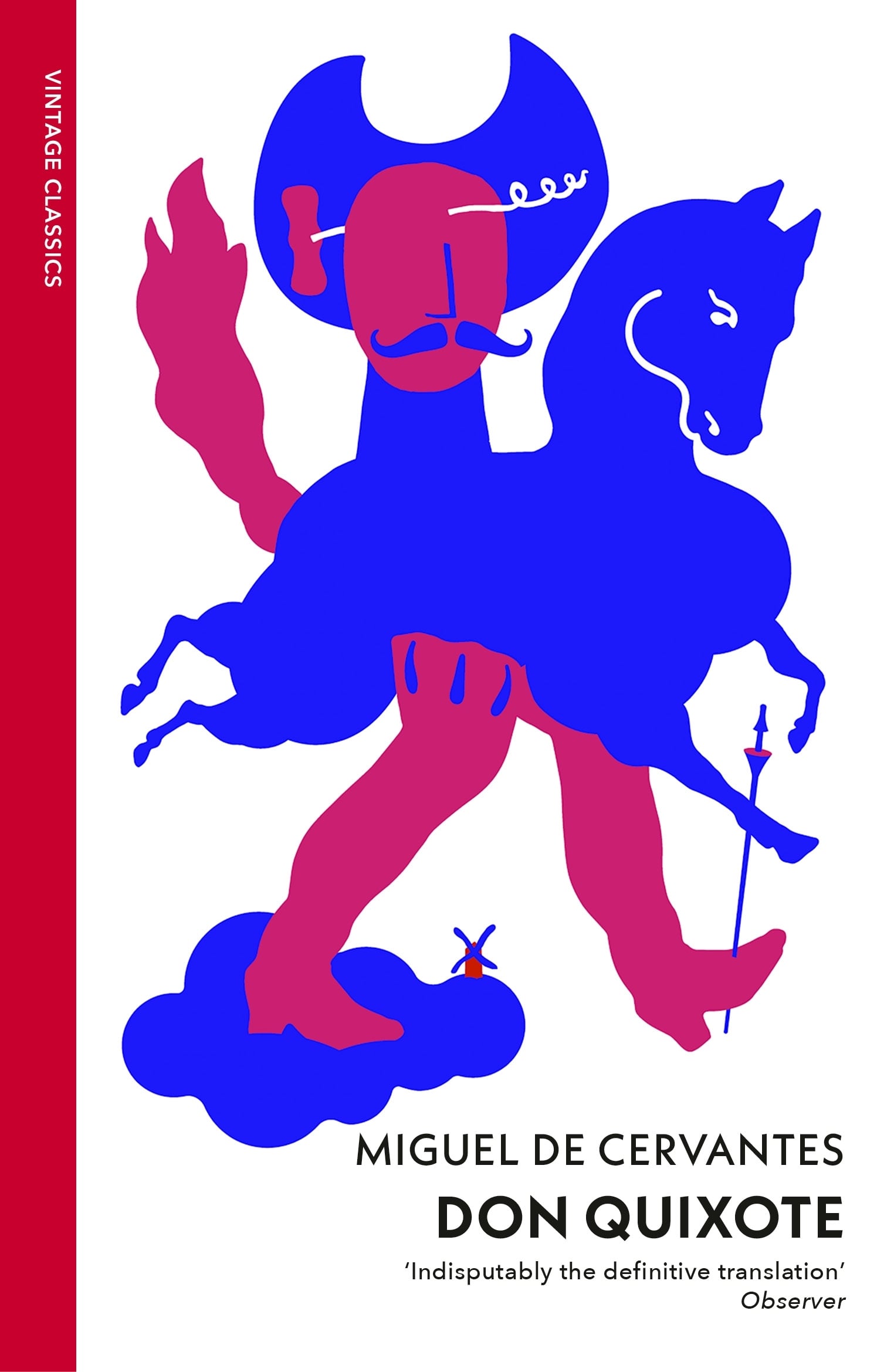
No. 1 on this list. Don Quixote
Miguel de Cervantes · 1605
Challenging32 hours
Taught in schools: Hungarian literature curriculum (magyar nyelv és irodalom) (Hungary), Literatura, Diseño Curricular – Provincia de Buenos Aires (Argentina), Montenegrin literature curriculum (crnogorski jezik i književnost) (Montenegro)
Included in: Bokklubben World Library, Great Books of the Western World
271 syllabus appearances (60.8th percentile) undersells its actual canonical weight. Don Quixote appears on virtually every Western canon list ever compiled, from Harold Bloom's to university core curricula worldwide. It is routinely called the first modern novel and the foundational work of Western fiction. Its relatively lower syllabus count likely reflects the novel's 900+ page length making it harder to assign in survey courses.
No. 2 on this list. Waiting for Godot
Samuel Beckett · 1953
Difficult2.4 hours
Included in: Great Books of the Western World
Waiting for Godot appears on virtually every comparative literature, modern drama, and theater studies syllabus worldwide, and is listed in Open Syllabus's Top 500 Literature titles. The Wikipedia article exists in 68 languages, and the play has been continuously performed since its 1953 Paris premiere. Le Monde named it among the 100 Books of the Century. It is as canonical as any play written after Shakespeare.
No. 3 on this list. Adventures of Huckleberry Finn
Mark Twain · 1884
Moderate7.5 hours
Taught in schools: Pearson Edexcel GCSE and A-level English Literature (UK)
Included in: Bokklubben World Library, Great Books of the Western World
Adventures of Huckleberry Finn is taught in virtually every American high school and university American literature course, and is among the most debated and analyzed works in the American canon. Its Wikipedia article spans 62 languages with a dedicated reception section, reflecting global critical discourse sustained for over 140 years. Ernest Hemingway's declaration that all modern American literature comes from this one book cemented its place as the foundational American novel.
No. 4 on this list. The Merchant of Venice
William Shakespeare · 1600
Challenging3.9 hours
Taught in schools: Pacific Senior Secondary Certificate – English, Pearson Edexcel GCSE and A-level English Literature (UK)
Included in: Great Books of the Western World
The Merchant of Venice appears on university syllabi worldwide in courses on Shakespeare, Renaissance drama, and — increasingly — courses on race, religion, antisemitism, and law and literature. It is a permanent fixture in secondary school curricula across the English-speaking world. The figure of Shylock has made it one of the most discussed and ethically contested plays in the canon.
No. 5 on this list. Twelfth Night
William Shakespeare · 1602
Challenging1.8 hours
Taught in schools: AQA GCSE and A-level English Literature (UK), CAPE Literatures in English – Caribbean Examinations Council, Pearson Edexcel GCSE and A-level English Literature (UK)
Included in: Great Books of the Western World
Twelfth Night is among the most widely taught and performed Shakespeare comedies and a near-universal fixture in secondary school and university Shakespeare curricula. Its themes of disguise, gender ambiguity, and unrequited love have made it a central text in gender studies, queer theory, and Renaissance drama courses. It appears on more syllabi than any other Shakespeare comedy except perhaps A Midsummer Night's Dream.
Utopia is a fixture in political philosophy, early modern history, and English literature curricula globally. The word 'utopia' entered every major European language, a feat achieved by fewer than a dozen literary works. It appears on thousands of university syllabi across disciplines — philosophy, political science, history, English, Renaissance studies — and is universally recognized as foundational reading.
No. 7 on this list. The Cherry Orchard
Anton Chekhov · 1904
Moderate1.2 hours
Taught in schools: Armenian secondary literature, CSEC English B – Caribbean Examinations Council, Russian FGOS literature standard
Universally included in world literature syllabi alongside Shakespeare and Greek drama. No major course omits it; it defines modern theater. Russian literature curricula make it mandatory; Western universities teach it in drama, European lit, and modernism courses equally. Unquestioned canonical necessity.
No. 8 on this list. Gargantua and Pantagruel
François Rabelais · 1532
Challenging33 hours
Taught in schools: Lektury obowiązkowe – Polish national reading list (Poland)
Included in: Bokklubben World Library, Great Books of the Western World
Gargantua and Pantagruel appears on virtually every Western literary canon list and is required reading in Renaissance literature courses at universities worldwide. The work has Wikipedia articles in more than 60 languages and has maintained continuous scholarly attention since the 16th century. It appears on Harold Bloom's Western Canon and the Great Books curricula as a founding text of European prose fiction.
No. 9 on this list. The Overcoat
Nikolai Gogol · 1842
Challenging59 min
Taught in schools: Kazakh literature curriculum (Kazakhstan), Montenegrin literature curriculum (crnogorski jezik i književnost) (Montenegro), Russian FGOS literature standard
"The Overcoat" is one of the most canonical short works in world literature, with a Wikipedia article available in 36 languages. It is standard reading in Russian literature courses and world literature surveys at universities globally. Dostoevsky's declaration that all Russian literature emerged from Gogol's overcoat has enshrined it as a foundational text for nearly two centuries.
No. 10 on this list. As You Like It
William Shakespeare · 1600
Moderate1.6 hours
Taught in schools: CSEC English B – Caribbean Examinations Council, WBCHSE English and Alternative English syllabuses (India)
Included in: Great Books of the Western World
As You Like It appears on thousands of university syllabi worldwide and is regularly staged by major theater companies. Its central monologue — 'All the world's a stage' — is among the most quoted passages in English literature, cementing its place in the core Shakespeare canon alongside Hamlet and Midsummer Night's Dream.

No. 11 on this list. The Life and Opinions of Tristram Shandy, Gentleman · Laurence Sterne · 1759
Included in: Bokklubben World Library, Great Books of the Western World
Tristram Shandy is one of the most taught 18th-century English novels in university literature programs worldwide, appearing on virtually every course covering the development of the novel form, postmodernism avant la lettre, and experimental fiction. It consistently appears on lists of the greatest novels in the English language — Modern Library, Penguin Classics, academic consensus lists — and is the foundational text for any discussion of metafiction and narrative self-consciousness. Its canonical status is second only to Fielding's Tom Jones among 18th-century English prose fiction.
Difficult27 hours
Start this bookNo. 12 on this list. The Birds · Aristophanes · c. 414 BCE
Included in: Great Books of the Western World
The Birds is universally recognized as one of Aristophanes' finest comedies and a canonical text of ancient Greek literature, appearing on syllabi for classical literature, comparative literature, and Western civilization courses globally. Slightly less commonly assigned as an entry point than Lysistrata or The Clouds, it is nonetheless required reading in classics programs. The absence of database records reflects a data gap, not genuine obscurity.
Moderate1.3 hours
Start this bookNo. 13 on this list. Tartuffe · Molière · 1669
Taught in schools: Hungarian literature curriculum (magyar nyelv és irodalom) (Hungary)
Included in: Great Books of the Western World
Tartuffe is required reading in French literature, comparative literature, and theater history courses at virtually every major university. It is among the most-performed French plays internationally and appears on nearly all canonical drama reading lists alongside Racine and Corneille. The play has been in continuous repertoire since 1669 and is central to any study of Western comedy.
Moderate1.3 hours
Start this bookNo. 14 on this list. Dead Souls · Nikolai Gogol · 1842
Taught in schools: Kazakh literature curriculum (Kazakhstan), Russian FGOS literature standard, Turkish edebiyat curriculum (Turkey)
Included in: Bokklubben World Library
Gogol invented a con man who travels provincial Russia buying the legal titles to dead serfs, and the scheme becomes a lens that reveals an entire civilization running on fraud, vanity, and paperwork. The novel created Russian satirical prose and gave the language its first great comic voice — simultaneously grotesque, lyrical, and furious.
Challenging10 hours
Read nowNo. 15 on this list. The Bourgeois Gentleman · Molière · 1670
Included in: Great Books of the Western World
Le Bourgeois Gentilhomme is required reading in French literature courses worldwide and appears in virtually every major world drama anthology. Commissioned by Louis XIV for the royal court in 1670, it has remained one of Molière's most performed plays for over three and a half centuries, cementing its place among the indispensable works of European theater.
Moderate1.2 hours
Start this bookNo. 16 on this list. Happy Days · Samuel Beckett · 1961
Happy Days anchors modernist and postmodern drama syllabi internationally alongside Waiting for Godot and Endgame. It is taught in theatre, English literature, and philosophy programs across Europe and North America. Wikipedia covers it in over 40 languages. It is among the most-assigned Beckett plays and appears on virtually every postwar drama reading list.
Moderate46 min
Start this bookNo. 17 on this list. Lysistrata · Aristophanes · c. 411 BCE
Taught in schools: Hungarian literature curriculum (magyar nyelv és irodalom) (Hungary)
Included in: Great Books of the Western World
Lysistrata appears on university syllabi worldwide in classics, theatre, women's studies, and political science courses. It is one of the most-performed ancient Greek comedies and features in virtually every survey of world literature and Western drama. Its 2,400-year continuous performance history makes it one of the most durably canonical texts in any language.
Easy50 min
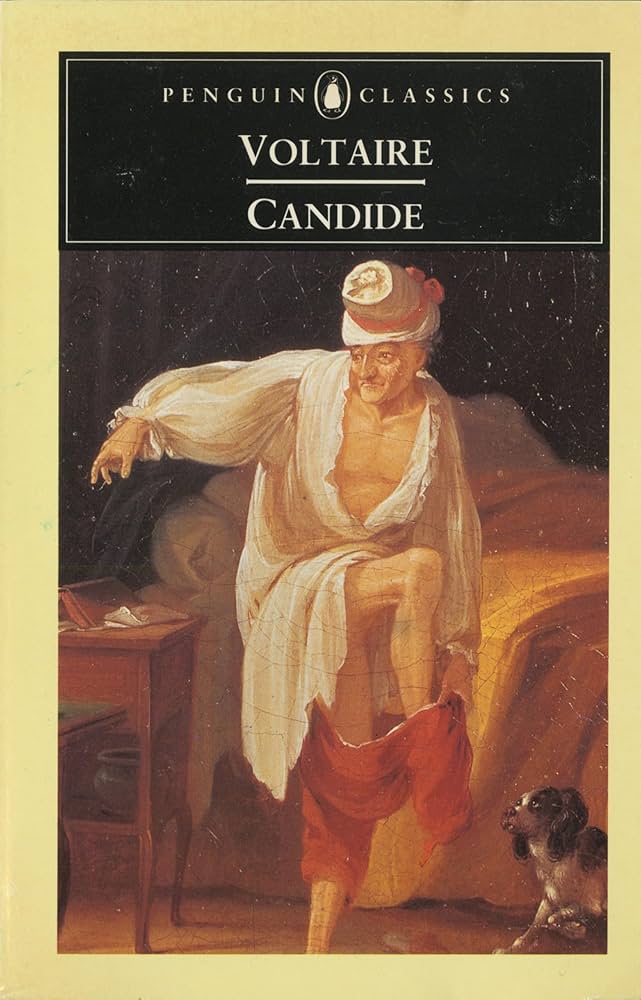
Start this bookNo. 18 on this list. Candide · Voltaire · 1759
Taught in schools: Hungarian literature curriculum (magyar nyelv és irodalom) (Hungary)
Included in: Great Books of the Western World
Voltaire's Candide gets flogged, shipwrecked, and nearly auto-da-féd across three continents, each catastrophe demolishing Pangloss's insistence that this is the best of all possible worlds. The final line—"we must cultivate our garden"—became the Enlightenment's most quoted rebuke to metaphysical optimism.
Challenging3 hours
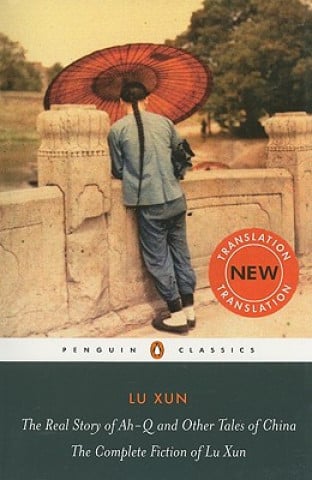
Read nowNo. 19 on this list. The True Story of Ah Q · Lu Xun · 1921
Ah Q stands with Quixote, Oblomov, and Babbitt as literature's archetypal national figures. For modern Chinese literature, this text functions as foundational myth—the work that demonstrated vernacular Chinese could carry savage social critique and established Lu Xun as the tradition's father.
Easy1.5 hours
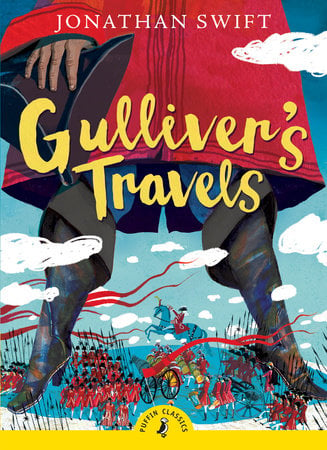
Start this bookNo. 20 on this list. Gulliver's Travels · Jonathan Swift · 1726
Taught in schools: CSEC English B – Caribbean Examinations Council, Hungarian literature curriculum (magyar nyelv és irodalom) (Hungary)
Included in: Bokklubben World Library, Great Books of the Western World
Swift shrinks his protagonist to six inches in Lilliput, inflates him to a giant in Brobdingnag, then deposits him among rational horses who regard humans as vermin. No other satire in English has so thoroughly weaponized scale and perspective to indict politics, science, and the species itself.
Challenging10 hours
Read now
No. 21 on this list. The Importance of Being Earnest · Oscar Wilde · 1893
Taught in schools: AQA GCSE and A-level English Literature (UK), Common Core text exemplars (Appendix B) (US), CSEC English B – Caribbean Examinations Council
Ranked by literary regard among eligible works in the current catalogue. This position reflects the available catalogue evidence.
Moderate1.9 hours
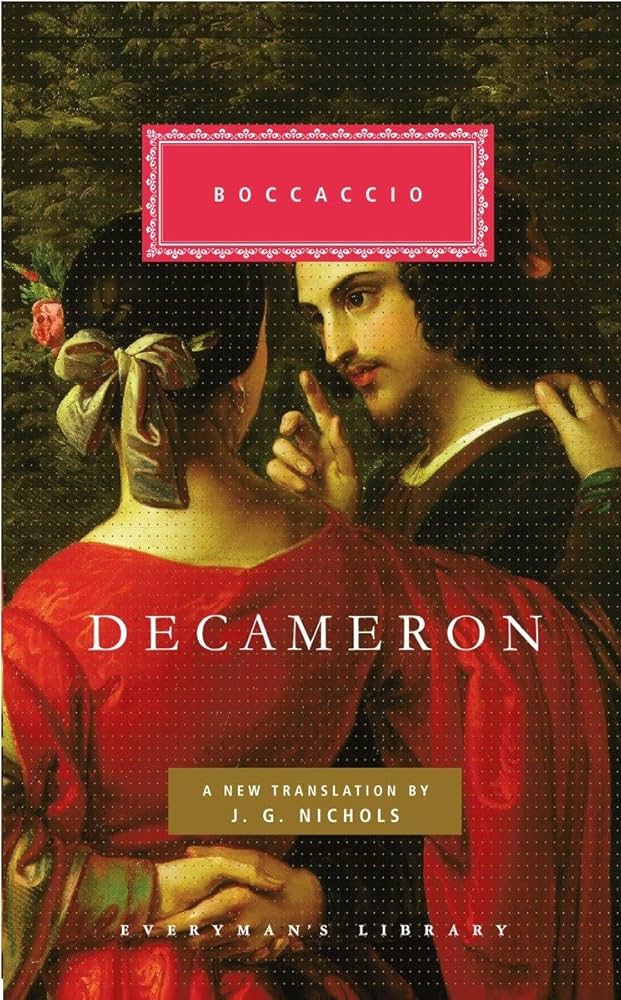
Start this bookNo. 22 on this list. The Decameron · Giovanni Boccaccio · 1353
Included in: Bokklubben World Library
Ten young Florentines flee the Black Death and tell a hundred stories—bawdy, tragic, satirical—that give prose fiction its first great architecture. Chaucer borrowed from it, and the frame-narrative technique Boccaccio perfected here became the scaffolding for centuries of European storytelling.
Moderate20 hours
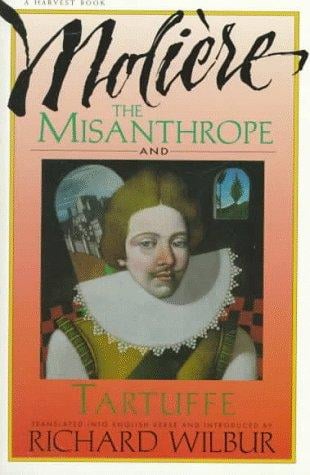
Read nowNo. 23 on this list. The Misanthrope · Molière · 1666
The Misanthrope is a cornerstone of university curricula in French literature, comparative literature, and theatre studies worldwide. No database records were returned, but by knowledge it appears on thousands of syllabi globally and has Wikipedia articles across dozens of languages. It is considered essential reading for any serious study of European classical drama.
Challenging1.3 hours
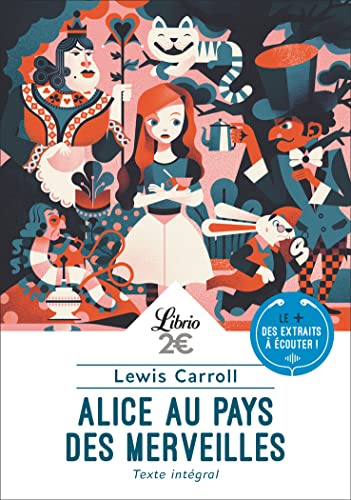
Start this bookNo. 24 on this list. Alice's Adventures in Wonderland and Through the Looking-Glass · Lewis Carroll · 1871
No syllabus or Wikipedia-language data is recorded for this edition in our database, but Alice is a fixture of children's-literature, Victorian-studies, and philosophy-of-language courses worldwide. It remains one of the most translated books in history, with a reach comparable to Hamlet's or The Great Gatsby's syllabus ubiquity.
Moderate3.6 hours
Start this bookNo. 25 on this list. The Clouds · Aristophanes · c. 423 BCE
Taught in schools: Lektury obowiązkowe – Polish national reading list (Poland)
Included in: Great Books of the Western World
The Clouds appears on virtually every classical literature and ancient philosophy syllabus, often assigned alongside Plato's Apology — which explicitly names the play as contributing to popular sentiment against Socrates. It is one of only eleven surviving plays by Aristophanes, and among those, one of the most studied. No book with this syllabus footprint in classics departments falls below 85.
Challenging1.2 hours
Start this bookNo. 26 on this list. Le Cid · Pierre Corneille · 1637
Taught in schools: Hungarian literature curriculum (magyar nyelv és irodalom) (Hungary)
Included in: UNESCO Collection of Representative Works
Rodrigue has just killed a man in a duel. The man was the father of Chimène, the woman he loves. Now Chimène must demand his execution — and she does, publicly, before the king, even as she still loves him. This is the central knot of Corneille's 1637 tragicomedy, and he never loosens it: honor requires each of them to destroy the other, yet neither stops loving the other for a moment. Set in medieval Seville, Le Cid moves with the brisk efficiency of classical French theater — five acts, a single crisis, no wasted scenes. Rodrigue kills Count Gormaz to avenge his father's humiliation. He then defeats a Moorish invasion almost as an afterthought, becoming a national hero just as Chimène presses her case against him. The king delays, the Infanta nurses her own secret love for Rodrigue, and the play ends not with resolution but with a promise: wait a year, let time do its work. What makes Le Cid endure is the Cornelian dilemma at its core — the forced choice between love and duty, where doing the right thing is also the most brutal thing. Corneille gives both Rodrigue and Chimène equal moral weight. Neither is wrong. The alexandrine verse they speak is formal, even stiff to modern ears, but underneath it two people are trying to hold themselves together while being torn apart.
Moderate1.2 hours
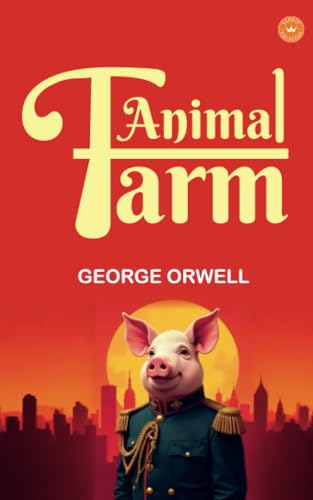
Start this bookNo. 27 on this list. Animal Farm · George Orwell · 1945
Taught in schools: AQA GCSE and A-level English Literature (UK), CSEC English B – Caribbean Examinations Council, Lesotho literature in English
Included in: Great Books of the Western World
Appears on 591 university syllabi according to the Open Syllabus Project (69th percentile) and has Wikipedia articles in 95 languages. Listed on TIME's All-TIME 100 Novels, Modern Library's 100 Best Novels, the BBC Big Read Top 100, and 1001 Books You Must Read Before You Die — a breadth of recognition that places it among the most reliably canonical works of 20th-century fiction.
Challenging2.3 hours
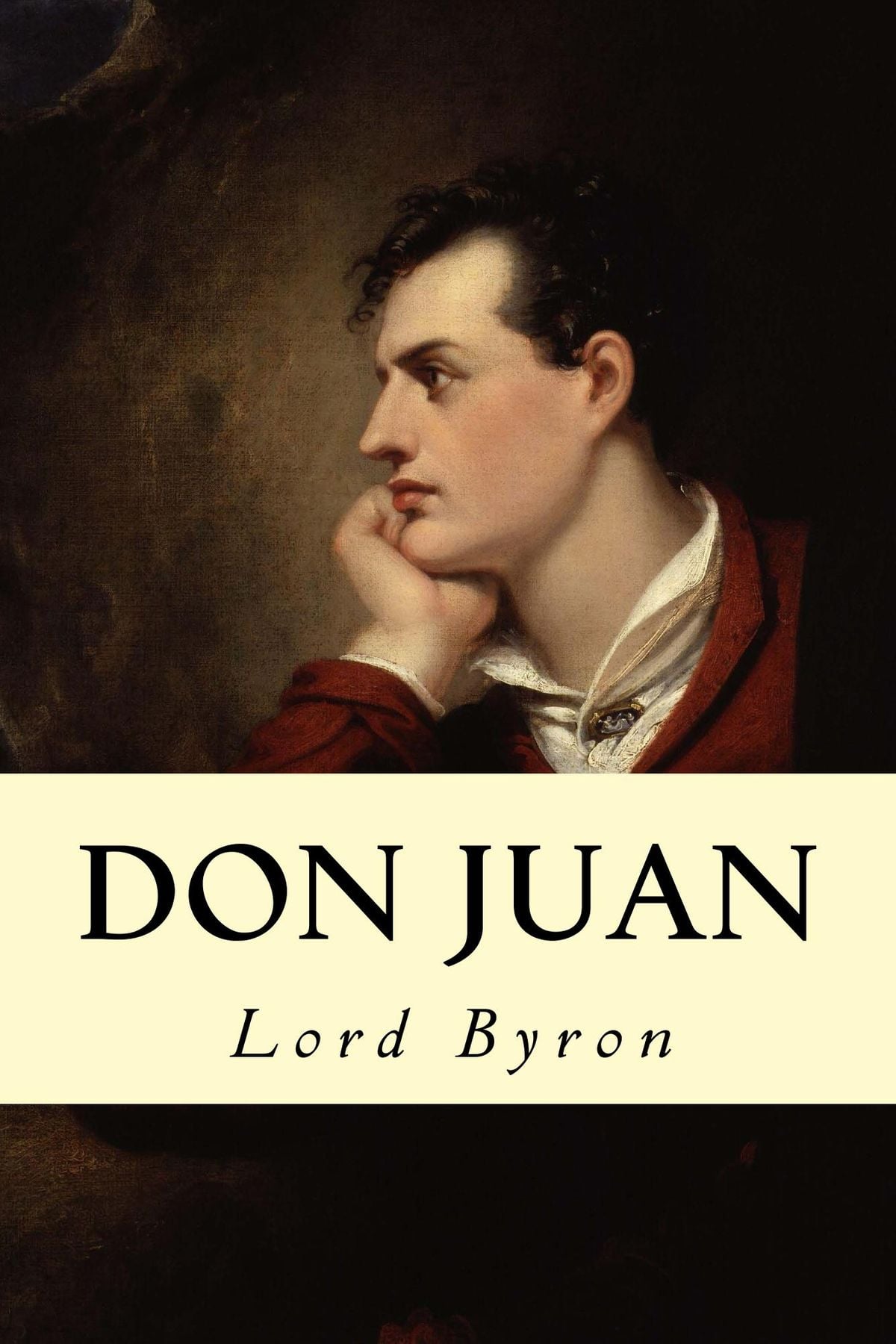
Start this bookNo. 28 on this list. Don Juan · Lord Byron · 1824
Byron's sixteen-thousand-line ottava rima epic turns the legendary seducer into a passive, charming boy buffeted across Europe by women, wars, and shipwrecks. The digressions—on English hypocrisy, the nature of fame, the stupidity of war—are the point, making it the first great poem that reads like a novel.
Challenging11 hours
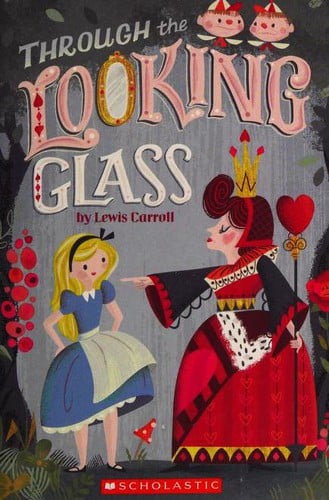
Read nowNo. 29 on this list. Through the Looking-Glass and What Alice Found There · Lewis Carroll
It is a core text of Victorian and children's literature, taught in courses on nonsense, fantasy and Victorian studies and constantly adapted. It trails only a little behind the first Alice book in curricula.
Moderate4.1 hours
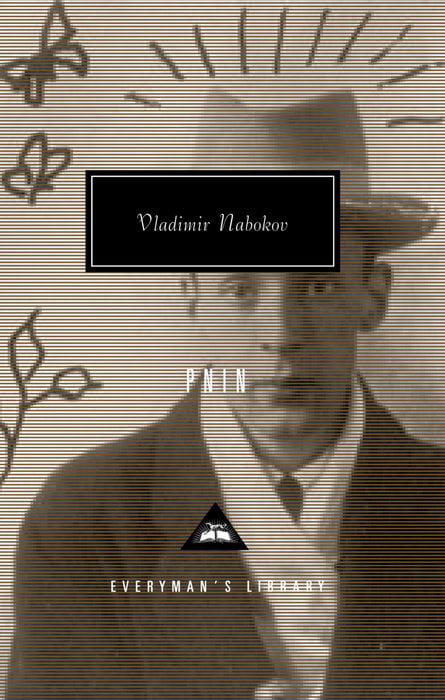
Start this bookNo. 30 on this list. Pnin · Vladimir Nabokov · 1957
Pnin occupies established position in 20th-century literature curricula, taught as representative Nabokov and exemplary modernist treatment of exile. While less universally assigned than Lolita or Pale Fire, the novel appears regularly in Russian-American literature, American modernism, and displaced-person studies courses.
Challenging3.8 hours
Start this book
No. 31 on this list. The Pickwick Papers
Charles Dickens · 1837
No. 32 on this list. Martin Chuzzlewit
Charles Dickens · 1844
No. 33 on this list. The Importance of Being Earnest and Other Plays
Oscar Wilde · 1898
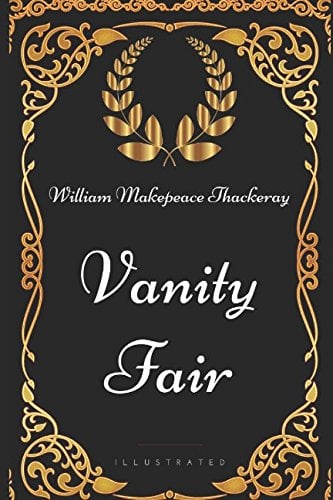
No. 34 on this list. Vanity Fair
William Makepeace Thackeray · 1848
Taught in schools: AQA GCSE and A-level English Literature (UK)
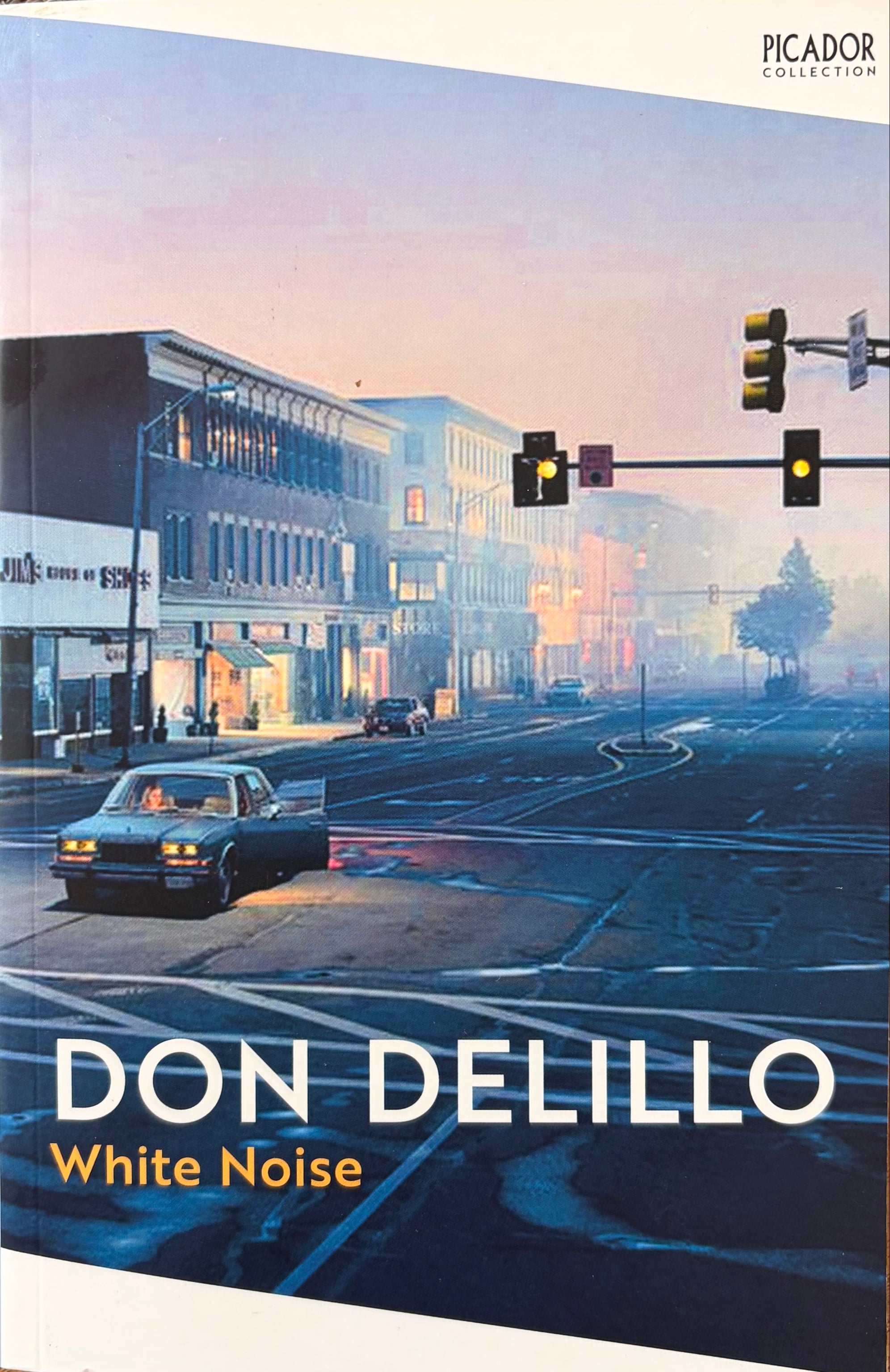
No. 35 on this list. White Noise
Don DeLillo · 1985
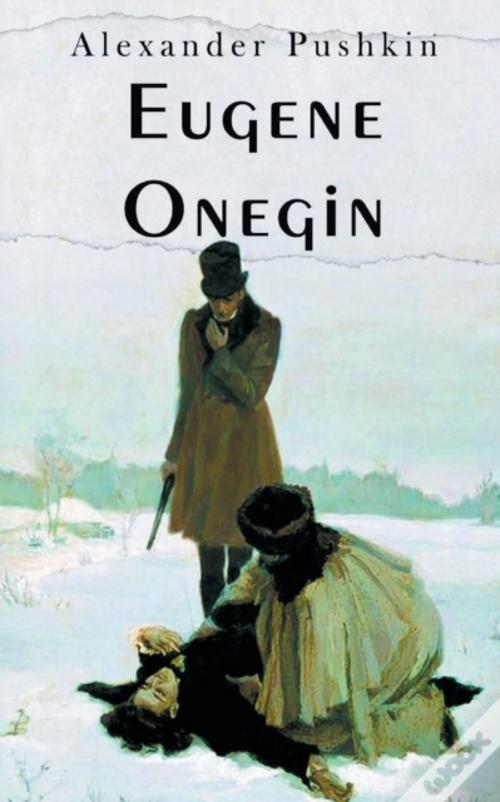
No. 36 on this list. Eugene Onegin
Alexander Pushkin · 1833
Taught in schools: Hungarian literature curriculum (magyar nyelv és irodalom) (Hungary), Russian FGOS literature standard
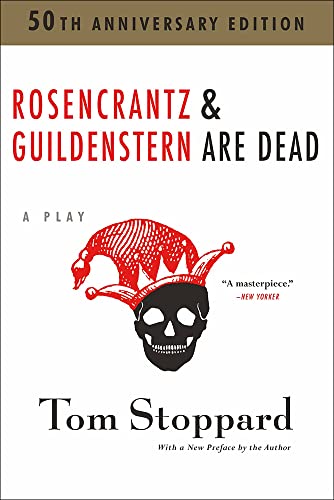
No. 37 on this list. Rosencrantz and Guildenstern Are Dead
Tom Stoppard · 1966
No. 38 on this list. Portnoy's Complaint
Philip Roth · 1969
No. 39 on this list. The Inspector General
Nikolai Gogol · 1836
No. 40 on this list. The Crying of Lot 49
Thomas Pynchon · 1966
No. 41 on this list. Our Mutual Friend
Charles Dickens · 1865
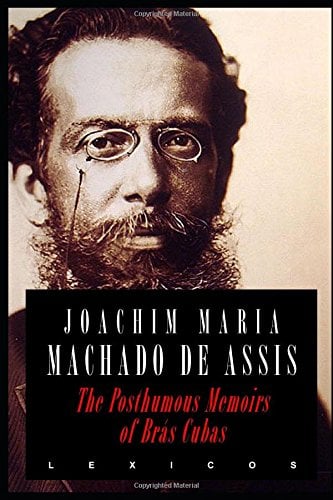
No. 42 on this list. The Posthumous Memoirs of Brás Cubas
Machado de Assis · 1881
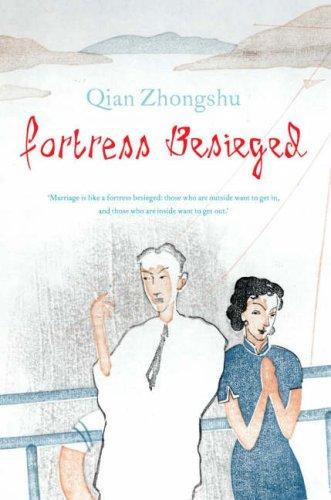
No. 43 on this list. Fortress Besieged
Qian Zhongshu · 1947
No. 44 on this list. Persian Letters
Montesquieu · 1721
Taught in schools: Hungarian literature curriculum (magyar nyelv és irodalom) (Hungary)
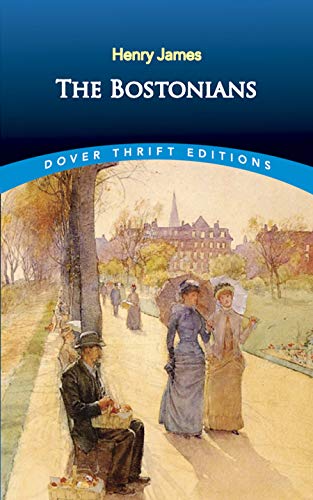
No. 45 on this list. The Bostonians
Henry James · 1886
No. 46 on this list. Satyricon
Petronius · 60
Included in: Oxford World's Classics
No. 47 on this list. Moll Flanders
Daniel Defoe · 1722
No. 48 on this list. Catch-22
Joseph Heller · 1961
No. 49 on this list. Humboldt's Gift
Saul Bellow · 1976
No. 50 on this list. Bohemian Lights
Ramón del Valle-Inclán · 1924
No. 51 on this list. Tom Jones
Henry Fielding · 1749
Included in: Great Books of the Western World
No. 52 on this list. Life Is Elsewhere
Milan Kundera · 1973
No. 53 on this list. I Am a Cat
Natsume Sōseki · 1905
Included in: UNESCO Collection of Representative Works
No. 54 on this list. The Golden Ass
Apuleius · 170
Included in: Oxford World's Classics
No. 55 on this list. A Connecticut Yankee in King Arthur's Court
Mark Twain · 1889
No. 56 on this list. Zeno's Conscience
Italo Svevo · 1923
Included in: Bokklubben World Library
No. 57 on this list. A Room with a View
E.M. Forster · 1908
Taught in schools: AQA GCSE and A-level English Literature (UK), WJEC/Eduqas GCSE and A-level English Literature (UK)
No. 58 on this list. The Plum in the Golden Vase
Lanling Xiaoxiao Sheng · 1617
No. 59 on this list. The Scholars
Wu Jingzi · 1750
No. 60 on this list. Arcadia
Tom Stoppard · 1993
No. 61 on this list. The Woman in the Dunes
Kobo Abe · 1962
Included in: UNESCO Collection of Representative Works
No. 62 on this list. Exemplary Novels
Miguel de Cervantes · 1613
No. 63 on this list. Cronopios and Famas
Julio Cortázar · 1962
Taught in schools: Literatura, Diseño Curricular – Provincia de Buenos Aires (Argentina), UNAM Escuela Nacional Preparatoria – programas de Literatura (Mexico)
No. 64 on this list. The Public Burning
Robert Coover · 1977
No. 65 on this list. Moscow to the End of the Line
Venedikt Erofeev · 1973
No. 66 on this list. Rameau's Nephew
Denis Diderot · 1805
Included in: Great Books of the Western World
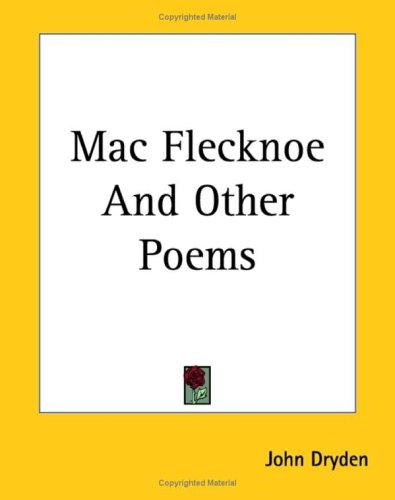
No. 67 on this list. Mac Flecknoe
John Dryden · 1682
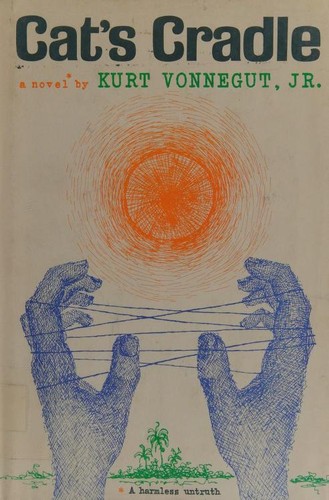
No. 68 on this list. Cat’s Cradle
Kurt Vonnegut · 1963
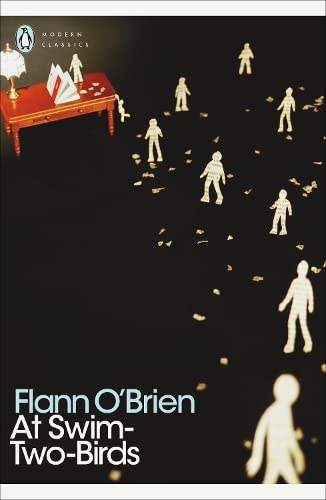
No. 69 on this list. At Swim-Two-Birds
Flann O'Brien · 1939
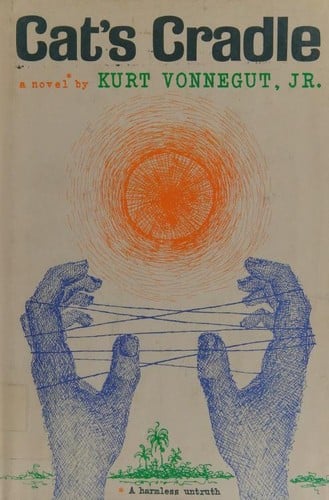
No. 70 on this list. Cat's Cradle
Kurt Vonnegut · 1963
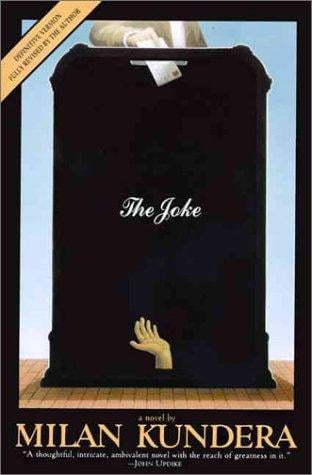
No. 71 on this list. The Joke
Milan Kundera · 1967
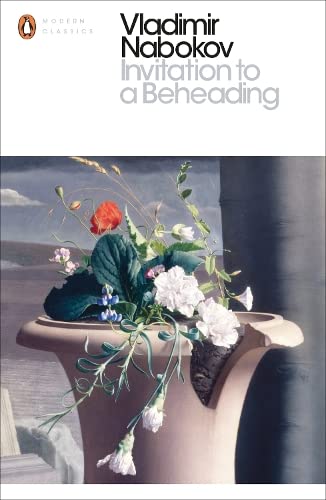
No. 72 on this list. Invitation to a Beheading
Vladimir Nabokov · 1936
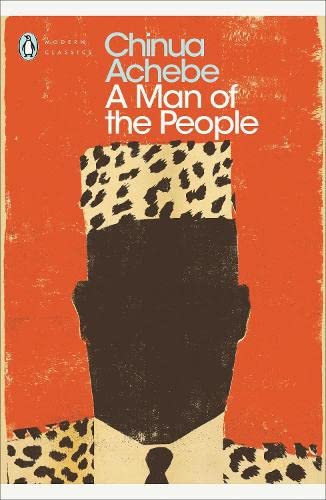
No. 73 on this list. A Man of the People
Chinua Achebe · 1966
Taught in schools: Pacific Senior Secondary Certificate – English
Included in: Heinemann African Writers Series
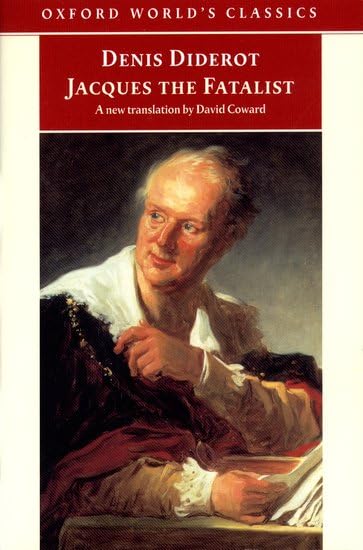
No. 74 on this list. Jacques the Fatalist and His Master
Denis Diderot · 1796
Included in: Bokklubben World Library
No. 75 on this list. Erasure
Percival Everett · 2001
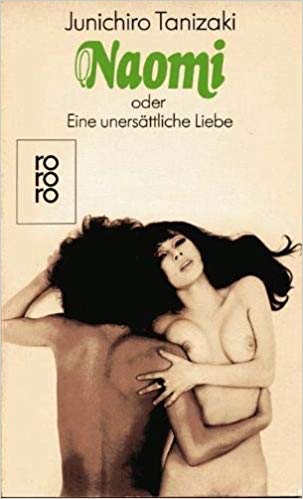
No. 76 on this list. Naomi
Jun'ichirō Tanizaki · 1924
No. 77 on this list. The Swindler
Francisco de Quevedo · 1626
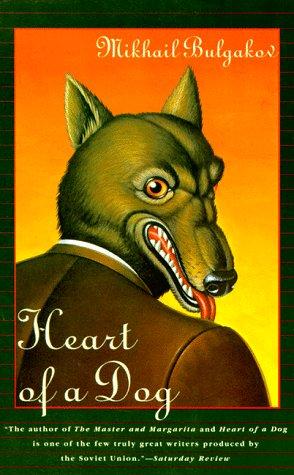
No. 78 on this list. Heart of a Dog
Mikhail Bulgakov · 1925
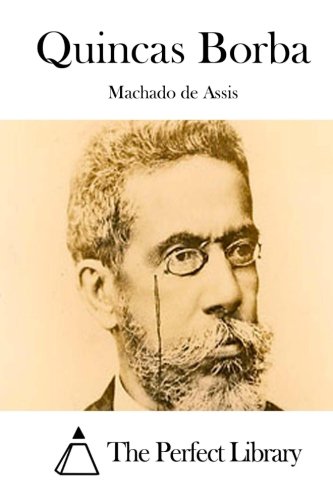
No. 79 on this list. Quincas Borba
Machado de Assis · 1891
Included in: Biblioteca Ayacucho, UNESCO Collection of Representative Works
No. 80 on this list. Hayavadana
Girish Karnad · 1971
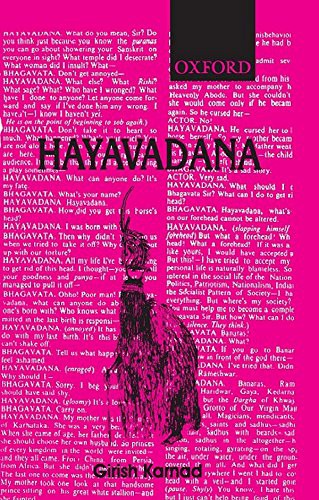
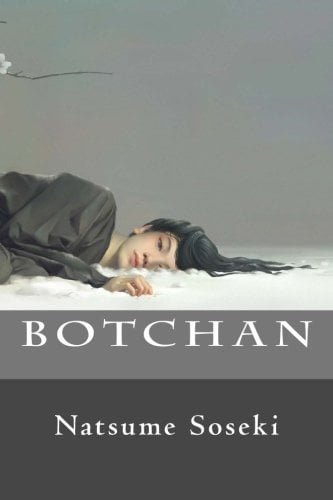
No. 81 on this list. Botchan
Natsume Sōseki · 1906
Included in: UNESCO Collection of Representative Works
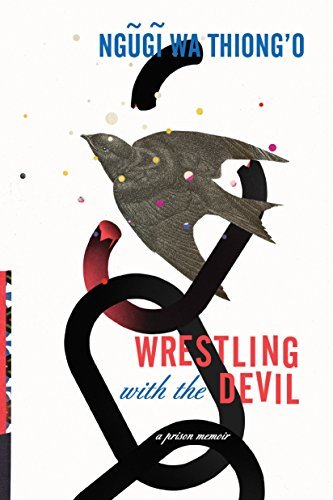
No. 82 on this list. Devil on the Cross
Ngugi wa Thiong'o · 1980
Included in: Heinemann African Writers Series
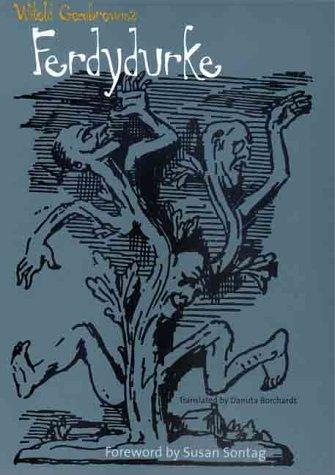
No. 83 on this list. Ferdydurke
Witold Gombrowicz · 1937
Taught in schools: Lektury obowiązkowe – Polish national reading list (Poland)
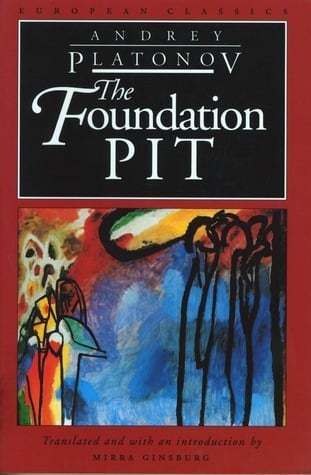
No. 84 on this list. The Foundation Pit
Andrei Platonov · 1973
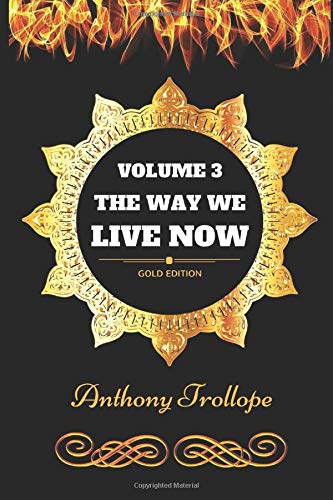
No. 85 on this list. The Way We Live Now
Anthony Trollope · 1875
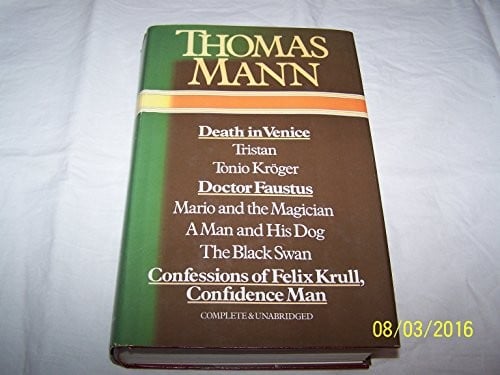
No. 86 on this list. The Confessions of Felix Krull
Thomas Mann · 1954
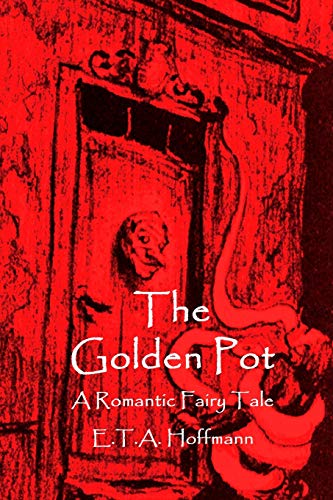
No. 87 on this list. The Golden Pot
E.T.A. Hoffmann · 1814
No. 88 on this list. True History
Lucian · 180
No. 89 on this list. The Guide
R.K. Narayan · 1958
Taught in schools: CSEC English B – Caribbean Examinations Council
No. 90 on this list. Lucky Jim
Kingsley Amis · 1954
Taught in schools: CSEC English B – Caribbean Examinations Council
No. 91 on this list. Mandragola
Niccolò Machiavelli · 1524
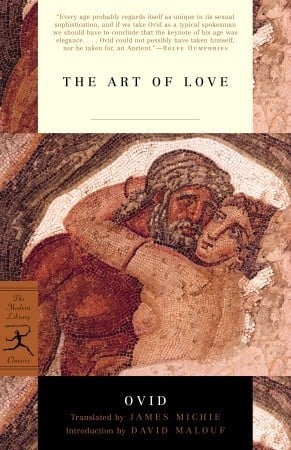
No. 92 on this list. The Art of Love
Ovid · 2
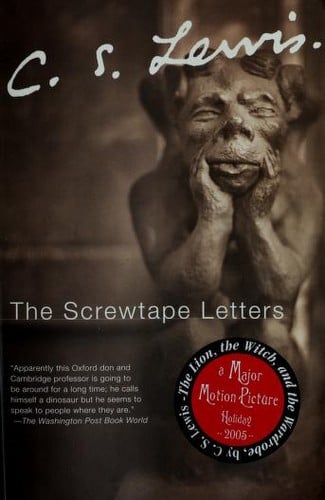
No. 93 on this list. The Screwtape Letters
C.S. Lewis · 1942
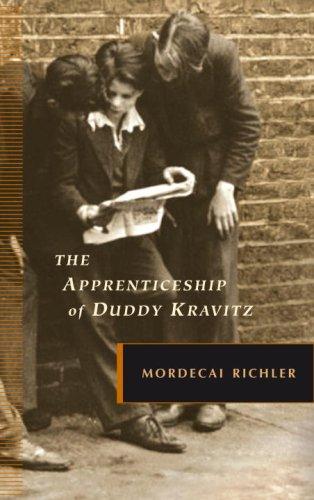
No. 94 on this list. The Apprenticeship of Duddy Kravitz
Mordecai Richler · 1959
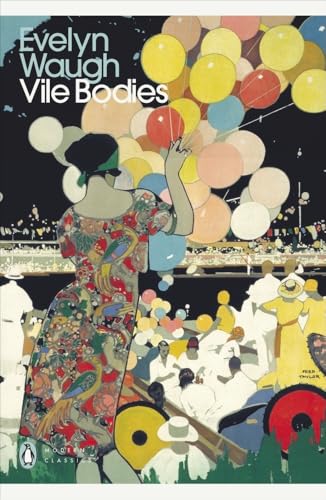
No. 95 on this list. Vile Bodies
Evelyn Waugh · 1930
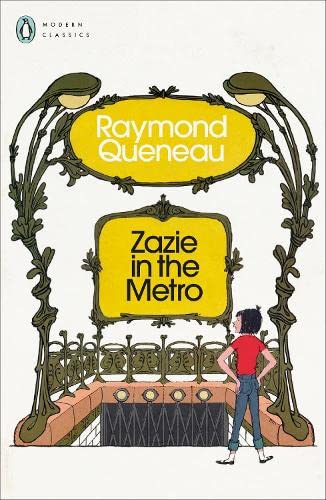
No. 96 on this list. Zazie in the Metro
Raymond Queneau · 1959
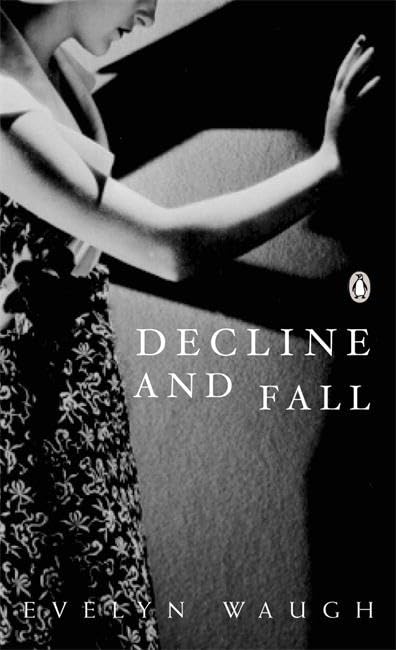
No. 97 on this list. Decline and Fall
Evelyn Waugh · 1928
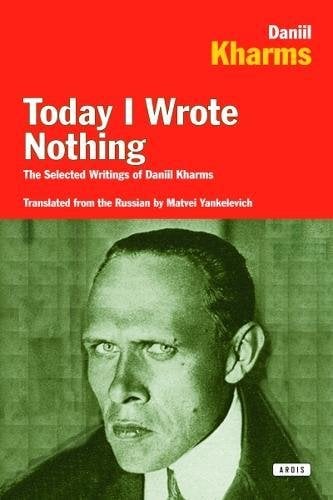
No. 98 on this list. Today I Wrote Nothing
No. 99 on this list. Bouvard and Pécuchet
Gustave Flaubert · 1881
No. 100 on this list. The Golovlyov Family
Mikhail Saltykov-Shchedrin · 1880

About this list
These 100 books are the highest-scoring eligible satires and comic novels by men currently in the catalogue. By literary regard, it opens with Don Quixote, Waiting for Godot and Adventures of Huckleberry Finn. About 876 hours of reading in all. Difficulty runs from 47 to 68 out of 100 for the middle half of the list; the summit is The Public Burning at 86.
This list is ranked by literary regard, with a consistent order for equal scores. Membership follows authors and co-authors, not translators or editors. Catalogue coverage and the historical canon both limit what this list can represent, and genre labels are the catalogue’s own, gathered into broader kinds.
When we matched the Canons dataset to our catalogue in October 2026, our canonical-status scores rose with the number of school curricula, publisher series and lists in it that cite a work: the median score was 72 for books one such source cites, 84 at two, 88 at three, 92 at four and 93 at five or more. Prizes are left out of that count. Outside the state curricula, the dataset’s sources choose mostly from what has been translated into English or French, so it is a weaker check on other literatures. Source: Canons (Andrew Piper), CC BY 4.0
Questions people actually ask
- What are the best satires and comic novels by men?
- By literary regard, which weighs canonical status, critical standing and influence, Don Quixote, Waiting for Godot, Adventures of Huckleberry Finn, The Merchant of Venice and Twelfth Night lead. ReadingRate ranks 100 such books, each with a difficulty score and a reading-time estimate.
- Where should I start with satires and comic novels by men?
- Start from difficulty, not from rank. The most approachable books on this list that still carry top literary regard are Lysistrata by Aristophanes (about 50 min), The True Story of Ah Q by Lu Xun and Fortress Besieged by Qian Zhongshu.
- How hard are satires and comic novels by men to read?
- Most of this list sits between 47 and 68 on ReadingRate's 100-point difficulty scale, where 40 to 55 is moderate. The summit is The Public Burning at 86. Every entry carries its own score, so a reader can pick a great book at a difficulty they will finish.
- How is this list ranked?
- On literary-regard data: how canonically established a work is, its critical standing, and its influence on later writing. It is not a readers’ poll, which is why recent bestsellers rarely appear. Membership follows authors and co-authors, not translators or editors. A list that is not a genre list keeps to literature (fiction, poetry, drama and philosophy), with philosophy taking no more than one slot in five while there is literature left to rank; every list holds at most three works by one author.