Hours at an average pace
Showing 100 books
About 852 hours for 99 of 100 books with measured lengths. Estimates use 250 words a minute, adjusted for each book's difficulty. At 2 hours a day, about 426 days for those books.
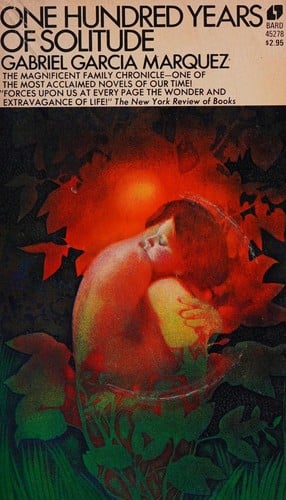
No. 1 on this list. One Hundred Years of Solitude
Gabriel García Márquez · 1967
Challenging10 hours
Taught in schools: Literatura, Diseño Curricular – Provincia de Buenos Aires (Argentina)
Included in: Bokklubben World Library
García Márquez wove a century of Latin American history into one family's story where the miraculous and the mundane coexist without explanation — ice is as wondrous as levitation. The book proved that the novel could channel an entire continent's experience in a voice that had no European precedent.
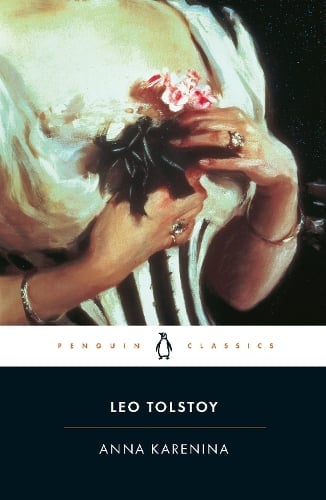
No. 2 on this list. Anna Karenina
Leo Tolstoy · 1877
Challenging26 hours
Taught in schools: Hungarian literature curriculum (magyar nyelv és irodalom) (Hungary), Lithuanian literature curriculum (lietuvių kalba ir literatūra), Russian FGOS literature standard
Included in: Bokklubben World Library
Appears on 334 university syllabi and has a Wikipedia article in 82 languages, placing it among the most globally recognized novels ever written. Consistently named to lists of the greatest novels—TIME All-TIME 100 Novels (2005) and Le Monde's 100 Books of the Century (1999)—and taught wherever world literature courses exist. Its status as a masterpiece of the novel form is essentially uncontested across literary traditions.
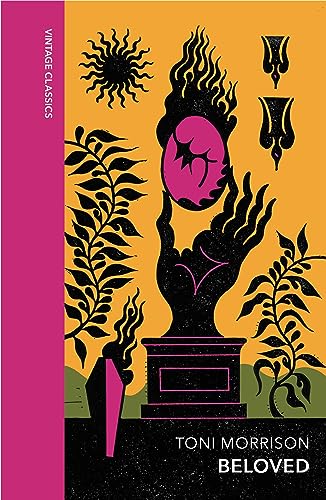
No. 3 on this list. Beloved
Toni Morrison · 1988
Challenging7.4 hours
Taught in schools: Pearson Edexcel GCSE and A-level English Literature (UK)
Included in: Bokklubben World Library
Morrison made the ghost of a murdered child literal — she moves into the house, eats all the food, demands everything — and in doing so found the only form adequate to represent what slavery did to the interior lives of the people who survived it. The novel forced American fiction to reckon with a history it had aestheticized or avoided.
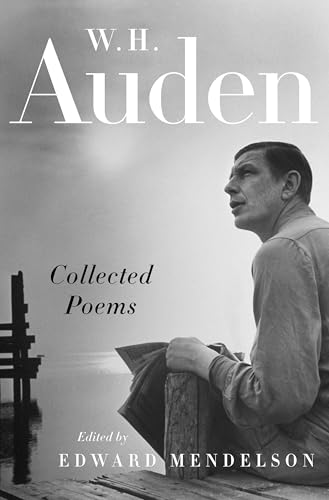
One of the most important English-language poets of the twentieth century, central to the modern canon alongside Yeats and Eliot.
No. 5 on this list. The Metamorphosis
Franz Kafka · 1915
Moderate1.4 hours
Taught in schools: Common Core text exemplars (Appendix B) (US), Lithuanian literature curriculum (lietuvių kalba ir literatūra)
Included in: Great Books of the Western World
The Metamorphosis appears in Wikipedia across 70 languages and has been in continuous print for over a century via Penguin Modern Classics and dozens of other prestige publishers. It is taught in comparative literature, modernism, and world literature courses at universities globally. The Open Syllabus data (0 appearances) likely reflects the novella being assigned within collected editions rather than as a standalone text.
No. 6 on this list. Oresteia
Aeschylus · c. 458 BCE
Challenging3.1 hours
Included in: Great Books of the Western World
Aeschylus tracked a cycle of blood vengeance across three plays — from Agamemnon's murder through Orestes' matricide to a divine trial that replaces revenge with law — and in doing so dramatized the origin of justice itself. The trilogy is the oldest complete work of Western drama and still the most ambitious argument that civilization depends on replacing private retribution with public institutions.
No. 7 on this list. Electra
Sophocles · c. 410 BCE
Moderate50 min
Included in: Great Books of the Western World
Electra is required reading in virtually every university classics and comparative literature program. All seven of Sophocles' surviving plays form the backbone of Western classical studies, and Electra — alongside Oedipus Rex and Antigone — is among the most taught. It appears on syllabi across departments from literature to philosophy to theater.
O'Neill dramatized his own family — the morphine-addicted mother, the alcoholic father, the doomed brother — with such lacerating honesty that he ordered the play sealed until twenty-five years after his death. The result is the most autobiographically raw masterpiece in American theater, a four-act cycle of blame and forgiveness that never grants its characters the relief of a resolution.
A Nobel-winning author's first novel, taught widely in German and world literature courses as the model family chronicle.
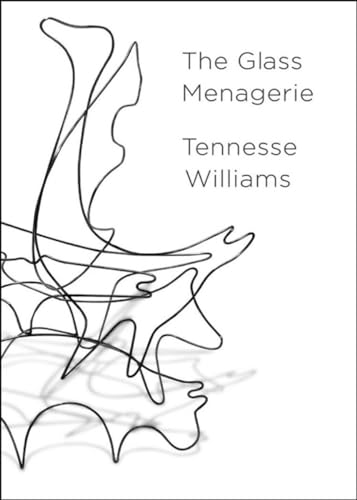
No. 10 on this list. The Glass Menagerie
Tennessee Williams · 1944
Challenging1.9 hours
Taught in schools: Common Core text exemplars (Appendix B) (US), CSEC English B – Caribbean Examinations Council
The Glass Menagerie is taught in virtually every American high school and in university courses on 20th-century drama, American literature, and modern theater across the globe. It appears on thousands of syllabi and is considered alongside Death of a Salesman as a cornerstone of the American stage canon. No data signals were returned, but its syllabus presence is among the highest for any American play.

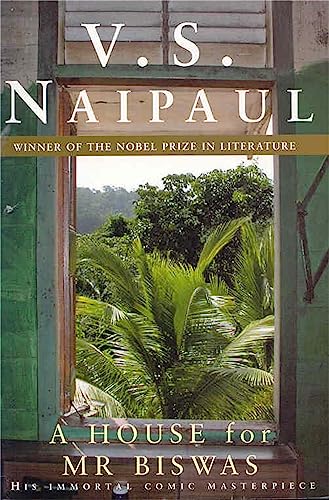
No. 11 on this list. A House for Mr. Biswas · V.S. Naipaul · 1961
Taught in schools: CSEC English B – Caribbean Examinations Council
Naipaul tracked one man's forty-year struggle to own a house of his own in colonial Trinidad, and by treating that modest ambition with the gravity of epic, wrote the definitive novel about the immigrant's war between dignity and dispossession. Mr. Biswas's defeats are so granular and so cumulative that the house, when it finally comes, means more than any literary symbol has a right to.
Moderate13 hours
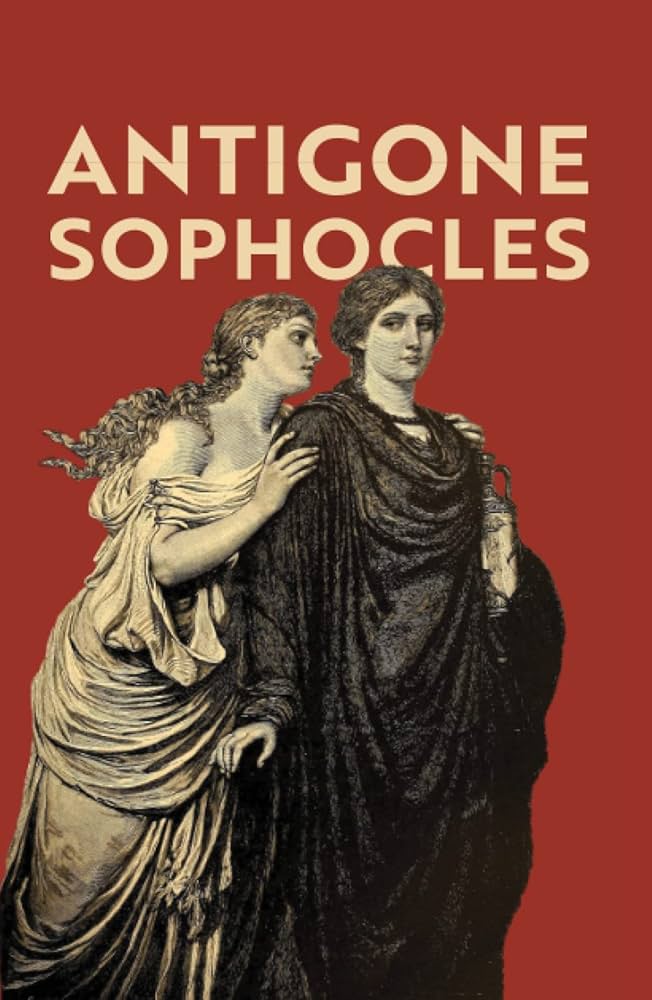
Start this bookNo. 12 on this list. Antigone · Sophocles · c. 441 BCE
Taught in schools: Hungarian literature curriculum (magyar nyelv és irodalom) (Hungary), Lektury obowiązkowe – Polish national reading list (Poland), Montenegrin literature curriculum (crnogorski jezik i književnost) (Montenegro)
Included in: Great Books of the Western World
Sophocles gave a young woman one impossible choice — obey the state or bury her brother — and built from it the foundational argument about what happens when human law and moral law collide. Every subsequent debate about civil disobedience, from Thoreau to Martin Luther King, restates the question Antigone asked first.
Moderate2.6 hours
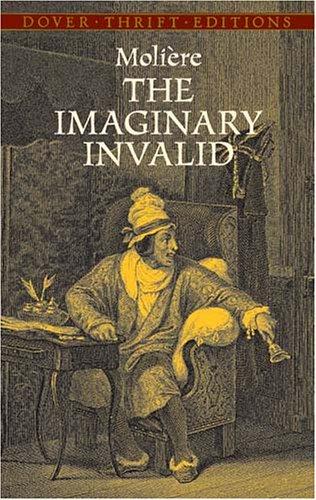
Read nowNo. 13 on this list. The Imaginary Invalid · Molière · 1673
Included in: Great Books of the Western World
Argan sits in his Paris bedroom tallying his apothecary bills, convinced he is dying. He is not dying. His maid Toinette knows it, his brother Béralde knows it, and his daughter Angélique suspects it — but Argan has organized his entire life around his imaginary ailments, and he intends to marry Angélique to a young doctor so the household will have a physician on permanent call. Written in 1673 as Molière's last play — he collapsed onstage performing Argan and died that same evening — The Imaginary Invalid is a comedy that turns on a simple, merciless observation: some people prefer their illness to their health because sickness grants power. Toinette disguises herself as a famous doctor and solemnly recommends removing one of Argan's arms and an eye, just to see if he will agree. He almost does. The play's third interlude culminates in a mock-Latin medical ceremony, all chanted gibberish, that confers a doctorate on Argan himself — the perfect solution. Molière's doctors speak in learned nonsense and kill more patients than they cure, and the comedy lies not in caricature but in recognition: the gap between institutional authority and actual competence was as visible in 1673 as it is now. Reading it is to watch a master work at full pitch, knowing he was out of time.
Moderate1.4 hours
Start this bookNo. 14 on this list. Père Goriot · Honoré de Balzac · 1835
Included in: Bokklubben World Library
Père Goriot is a fixture in world literature curricula, appearing in French literature surveys, comparative literature courses, and 19th-century fiction seminars across the globe. Wikipedia articles in 47 languages signal its reach far beyond the French-speaking world. It holds a central position in La Comédie humaine, Balzac's linked series of nearly 100 novels, and is typically the first text assigned to readers of Balzac.
Challenging7.7 hours
Start this bookNo. 15 on this list. The Complete Maus · Art Spiegelman · 2003
Widely taught in universities and high schools as the defining Holocaust graphic memoir, Maus appears on hundreds of literature and history syllabi worldwide. It is listed on virtually every major 'essential reading' and 'greatest books' compilation that includes graphic literature, from the Modern Library to Time's All-TIME 100 Novels. While not on syllabi at the scale of Fitzgerald or Austen, it holds unique canonical status as the book that forced academia to take comics seriously.
Challenging2.8 hours
Start this bookNo. 16 on this list. Clarissa · Samuel Richardson · 1748
Clarissa is a founding text of the English novel, appearing on virtually every 18th-century literature syllabus and in English doctoral programs worldwide. It features on the Modern Library and TIME All-TIME 100 lists and is treated as essential reading alongside Tom Jones and Robinson Crusoe. While database signals show no recorded syllabus appearances, this reflects data gaps rather than the book's actual canonical position — it is among the most studied British novels of any century.
Challenging8.5 hours
Start this bookNo. 17 on this list. The Mayor of Casterbridge · Thomas Hardy · 1886
Taught in schools: Leaving Certificate English – NCCA / State Examinations Commission (Ireland), WJEC/Eduqas GCSE and A-level English Literature (UK)
The Mayor of Casterbridge stands as one of Hardy's major tragic novels, regularly taught in universities and included in canonical lists. While not quite achieving Tess of the d'Urbervilles' or Jude the Obscure's cultural prominence, it's recognized as essential Hardy and a definitive expression of Victorian tragic naturalism. The novel appears in Norton, Penguin, Oxford World's Classics editions and scholarly studies treat it as central to understanding nineteenth-century fiction's evolution toward modernism.
Challenging11 hours
Read nowNo. 18 on this list. Shakuntala · Kalidasa · 400
Supreme Sanskrit drama; first Indian text to reach European audience.
Moderate4.5 hours
Start this bookNo. 19 on this list. If Beale Street Could Talk · James Baldwin · 1974
Firmly embedded in the American literary canon, the novel appears on major school and university syllabi, was adapted into an Academy Award-winning 2018 film, and is routinely included in retrospectives of 20th-century African American literature. Its status as one of Baldwin's essential works is uncontested.
Challenging4.2 hours
Start this bookNo. 20 on this list. Go Down, Moses · William Faulkner · 1942
Go Down, Moses is recognized as central to American modernism and Southern gothic literature. It appears consistently in university curricula and major literary anthologies. While not achieving the absolute canonical singularity of Faulkner's The Sound and the Fury or Absalom, Absalom!, it commands secure canonical standing within American letters.
Challenging9.1 hours
Start this book

No. 21 on this list. Dombey and Son · Charles Dickens · 1848
Dombey and Son appears on Victorian literature syllabi across British and American universities and is published in every major prestige series — Oxford World's Classics, Penguin Classics, Norton Critical Editions. It is not as universally required as Great Expectations or Oliver Twist, but among scholars of the Victorian novel it occupies a central position. No major English literature survey of the 1840s omits it.
Challenging28 hours
Read nowNo. 22 on this list. Martin Chuzzlewit · Charles Dickens · 1844
Martin Chuzzlewit holds a secure but second-tier position in the Dickens canon, taught regularly in Victorian literature courses and included on most serious Dickens reading lists, though it receives less classroom attention than Bleak House, Great Expectations, or David Copperfield. Dickens himself considered it his best work up to that point. The novel is available in numerous editions including Penguin Classics and Oxford World's Classics, and its key characters—Pecksniff, Sairey Gamp—remain cultural reference points.
Challenging24 hours
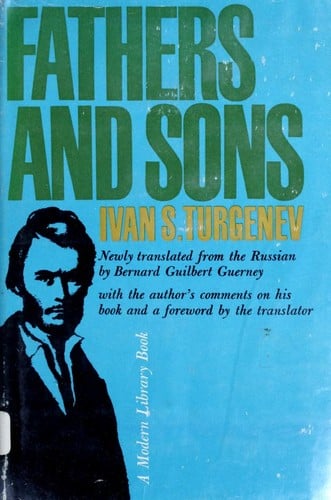
Read nowNo. 23 on this list. Fathers and Sons · Ivan Turgenev · 1862
Taught in schools: Common Core text exemplars (Appendix B) (US), Russian FGOS literature standard, Turkish edebiyat curriculum (Turkey)
Essential nineteenth-century Russian novel; introduced nihilism to world vocabulary.
Moderate5.4 hours
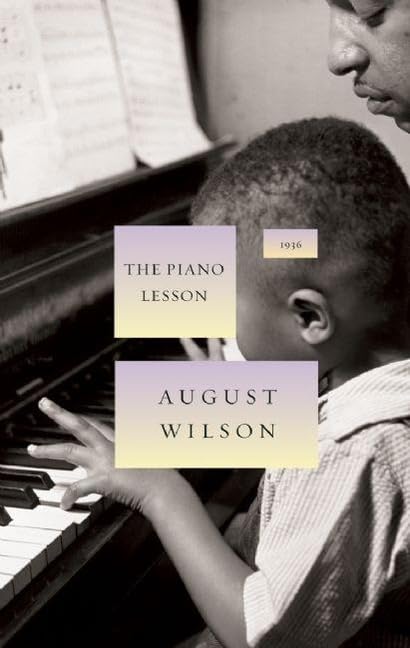
Read nowNo. 24 on this list. The Piano Lesson · August Wilson · 1987
The Piano Lesson is a fixture in American drama and literature courses, taught alongside O'Neill, Miller, and Williams as a canonical American play. It is the centerpiece of August Wilson's ten-play Pittsburgh Cycle, a sequence now treated as essential reading in university drama programs. Its Pulitzer Prize win and sustained presence in curricula place it well above mid-tier literary works.
Challenging2.9 hours
Start this bookNo. 25 on this list. Fences · August Wilson · 1985
Fences appears regularly on university syllabi in American drama, African American literature, and theater history courses. It is one of the two plays — alongside Death of a Salesman — most frequently assigned when teaching 20th-century American drama. The 2016 film adaptation brought it to wider global audiences, and it remains central to any serious survey of postwar American theater.
Challenging2.5 hours
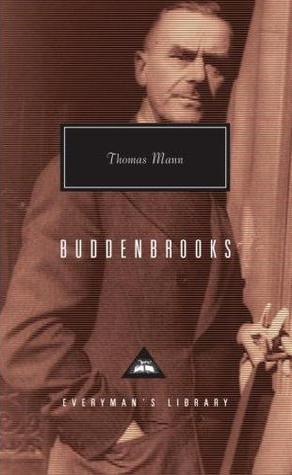
Start this bookNo. 26 on this list. Buddenbrooks · Thomas Mann · 1901
Included in: Bokklubben World Library
Appears on 62 university syllabi (44.8th percentile, Open Syllabus Project) and has a Wikipedia article in 42 languages, signaling solid canonical standing in world literature and German literature courses. It is less ubiquitous in English-language general curricula than Gatsby or Beloved, but a fixture in comparative literature and European fiction programs.
Challenging17 hours
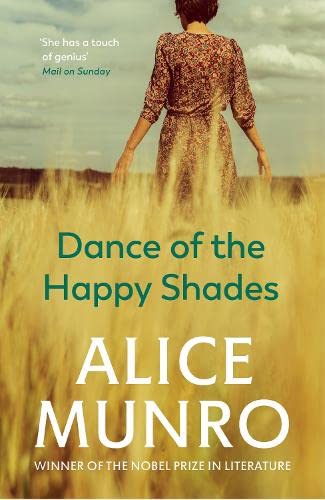
Read nowNo. 27 on this list. Dance of the Happy Shades · Alice Munro · 1968
As Munro's debut collection and winner of the 1968 Governor General's Award, this book established her as a major voice in short fiction. It's widely taught in Canadian literature courses and remains essential to understanding the development of the contemporary short story. Munro's subsequent Nobel Prize (2013) has reinforced this collection's canonical importance.
Moderate5.2 hours
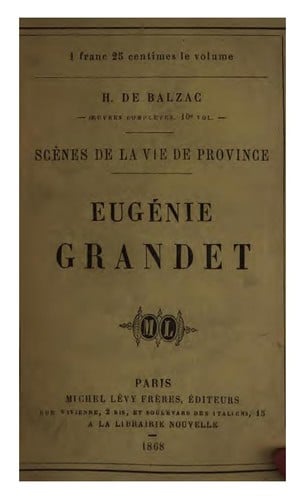
Start this bookNo. 28 on this list. Eugénie Grandet · Honoré de Balzac · 1833
Eugénie Grandet stands as a cornerstone of French literary realism and a key work in Balzac's vast Comédie humaine. It appears regularly in French literature curricula, realist novel courses, and 19th-century European literature surveys. The novel's dissection of provincial avarice and its portrait of female suffering under patriarchal capitalism have made it essential reading for understanding the realist tradition.
Moderate5 hours
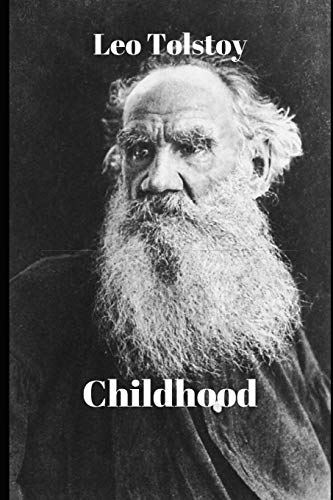
Read nowNo. 29 on this list. Childhood · Leo Tolstoy · 1852
Tolstoy's first published work, it appears in Russian literature and comparative literature courses worldwide, though far less frequently than War and Peace or Anna Karenina. The autobiographical trilogy is standard reading in surveys of 19th-century Russian fiction and studies of the Bildungsroman tradition.
Challenging10 hours
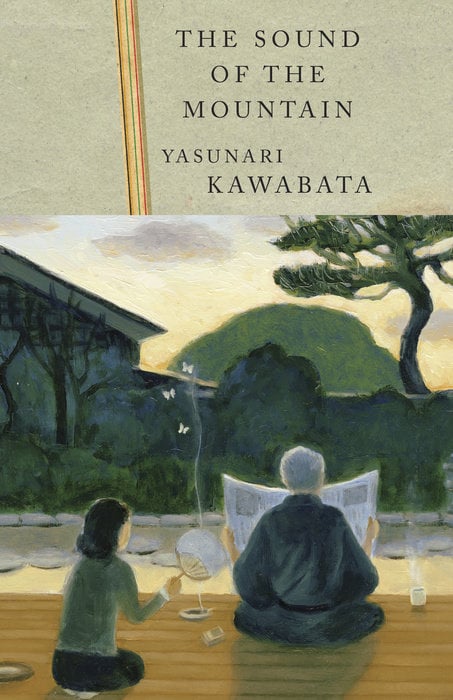
Read nowNo. 30 on this list. The Sound of the Mountain · Yasunari Kawabata · 1949
Included in: Bokklubben World Library, UNESCO Collection of Representative Works
Shingo Ogata wakes in the night to a sound like wind in the trees, though the air is still. He is sixty-two, his memory slipping, and the mountain behind his Kamakura home has begun to call to him. His son Shuichi keeps a mistress in Tokyo and treats his wife Kikuko with cold indifference. Kikuko, who might have married Shingo's other son—the one who died in the war—moves through the household with a grace that makes her father-in-law ache. She tends the garden, arranges flowers, and never complains. Shingo watches her hands as she pours tea. He remembers a woman he loved before he married, and he sees her face in Kikuko's profile. His daughter Fusako has left her own unfaithful husband and returned home with two children, and the house fills with tensions no one names. Kawabata builds his novel from fragments: a dream of infidelity, the scent of lotus blossoms, a girl's drowned body in the newspaper, the way light falls on a cheek. The sentences are short and clean. Readers must supply the connections between image and emotion, must feel what the characters will not say. The effect is like watching still water and knowing something moves beneath.
Challenging5.4 hours
Start this book
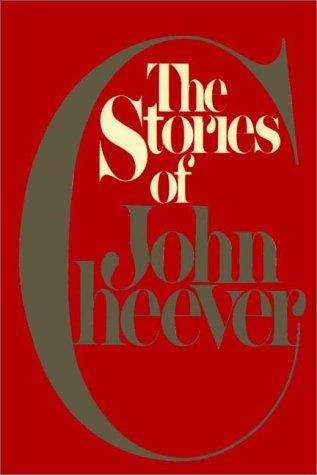
No. 31 on this list. The Stories of John Cheever
John Cheever · 1979
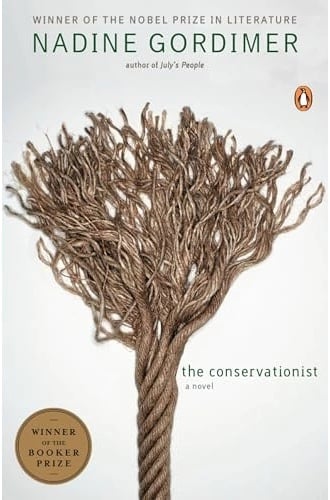
No. 32 on this list. The Conservationist
Nadine Gordimer · 1974
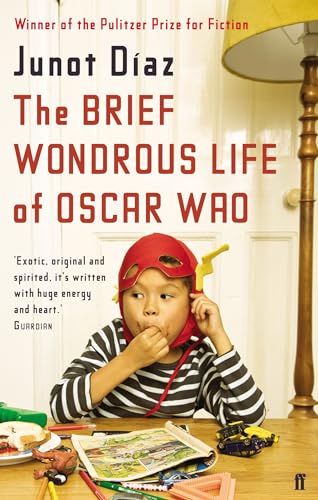
No. 33 on this list. The Brief Wondrous Life of Oscar Wao
Junot Diaz · 2008
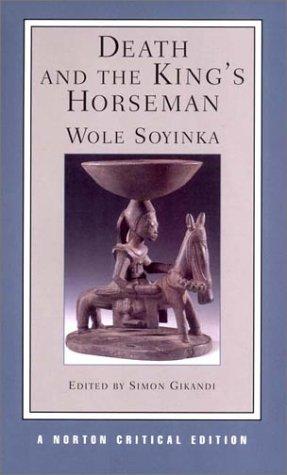
No. 34 on this list. Death and the King's Horseman
Wole Soyinka · 1975
Taught in schools: Common Core text exemplars (Appendix B) (US)
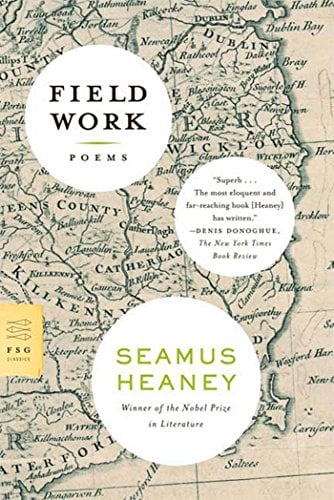
No. 35 on this list. Field Work
Seamus Heaney · 1979
Taught in schools: WJEC/Eduqas GCSE and A-level English Literature (UK)
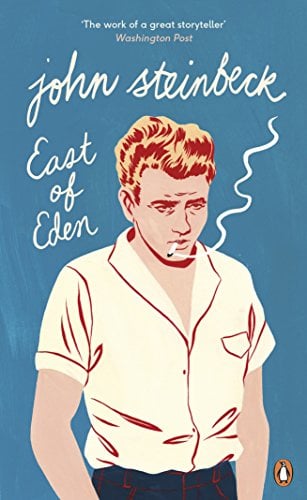
No. 36 on this list. East of Eden
John Steinbeck · 1952
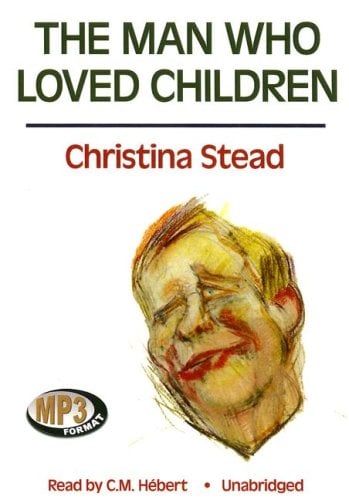
No. 37 on this list. The Man Who Loved Children
Christina Stead · 1940
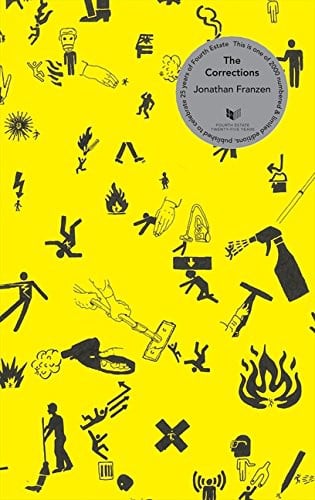
No. 38 on this list. The Corrections
Jonathan Franzen · 2001
No. 39 on this list. Housekeeping
Marilynne Robinson · 1980
No. 40 on this list. The Notebooks of Malte Laurids Brigge
Rainer Maria Rilke · 1910
No. 41 on this list. The Mill on the Floss
George Eliot · 1860
Taught in schools: AQA GCSE and A-level English Literature (UK)
No. 42 on this list. Middlesex
Jeffrey Eugenides · 2003
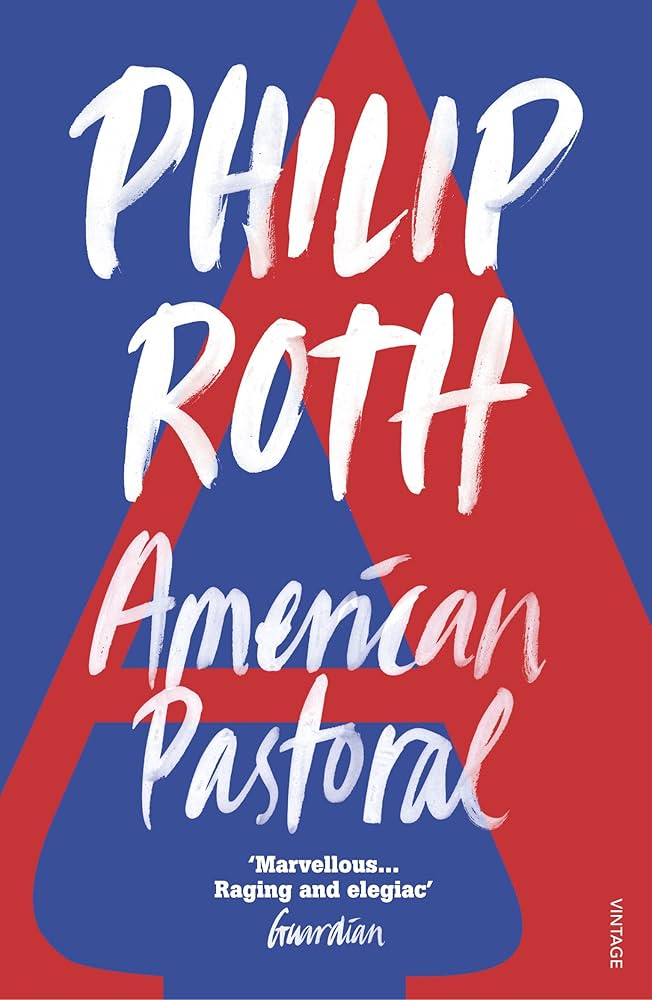
No. 43 on this list. American Pastoral
Philip Roth · 1998
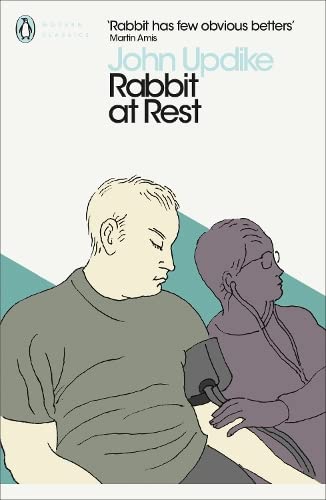
No. 44 on this list. Rabbit at Rest
John Updike · 1991
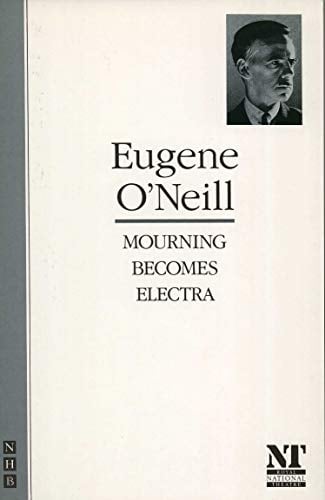
No. 45 on this list. Mourning Becomes Electra
Eugene O'Neill · 1931
Included in: Great Books of the Western World
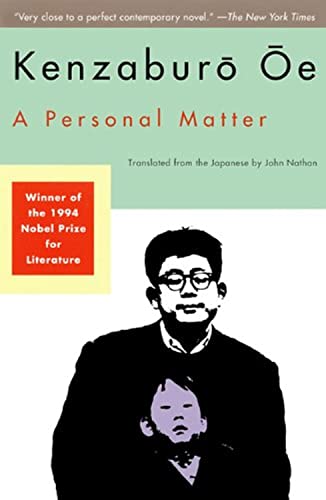
No. 46 on this list. A Personal Matter
Kenzaburō Ōe · 1964
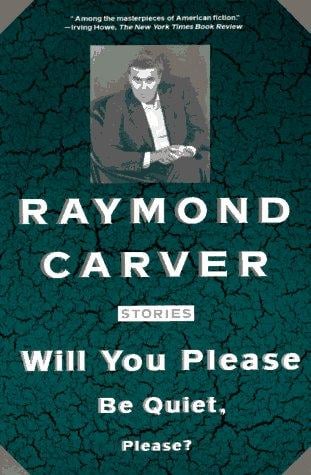
No. 47 on this list. Will You Please Be Quiet, Please?
Raymond Carver · 1976
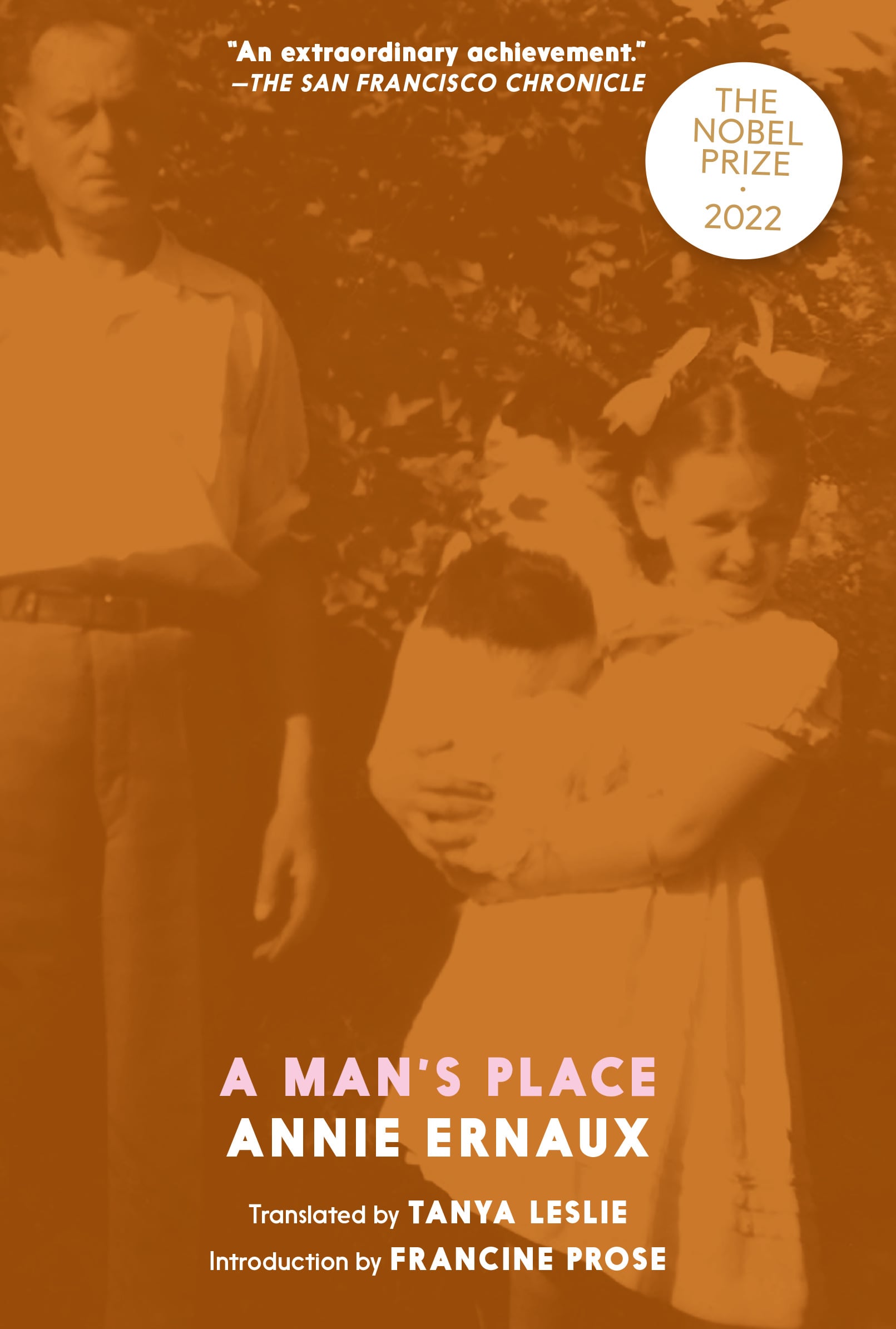
No. 48 on this list. A Man's Place
Annie Ernaux · 1983
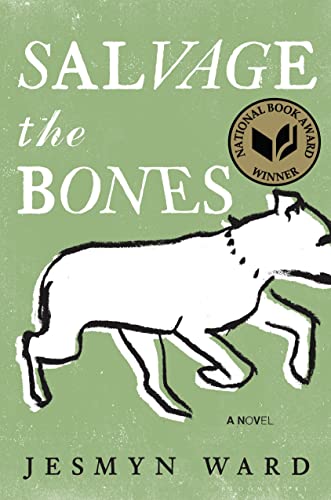
No. 49 on this list. Salvage the Bones
Jesmyn Ward · 2011
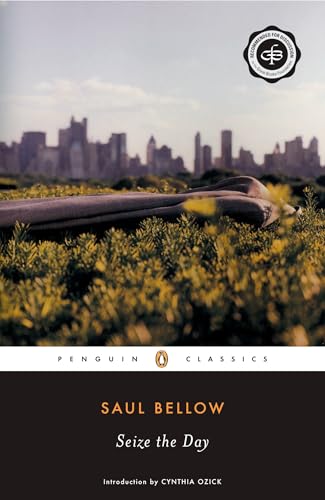
No. 50 on this list. Seize the Day
Saul Bellow · 1956
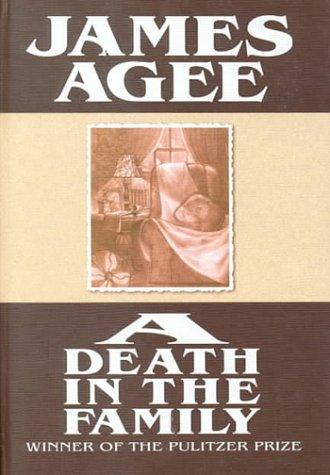
No. 51 on this list. A Death in the Family
James Agee · 1958
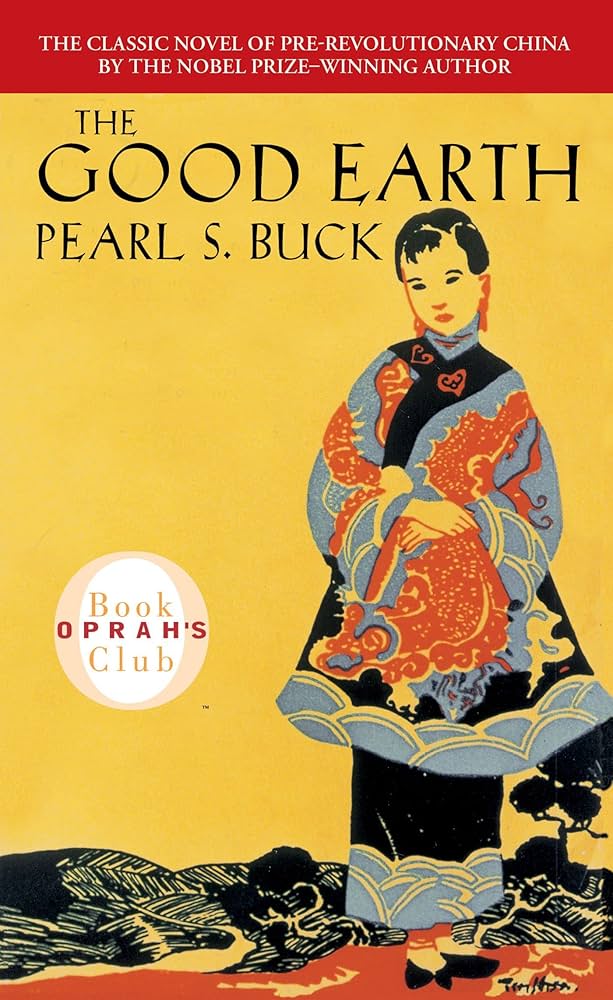
No. 52 on this list. The Good Earth
Pearl S. Buck · 1931
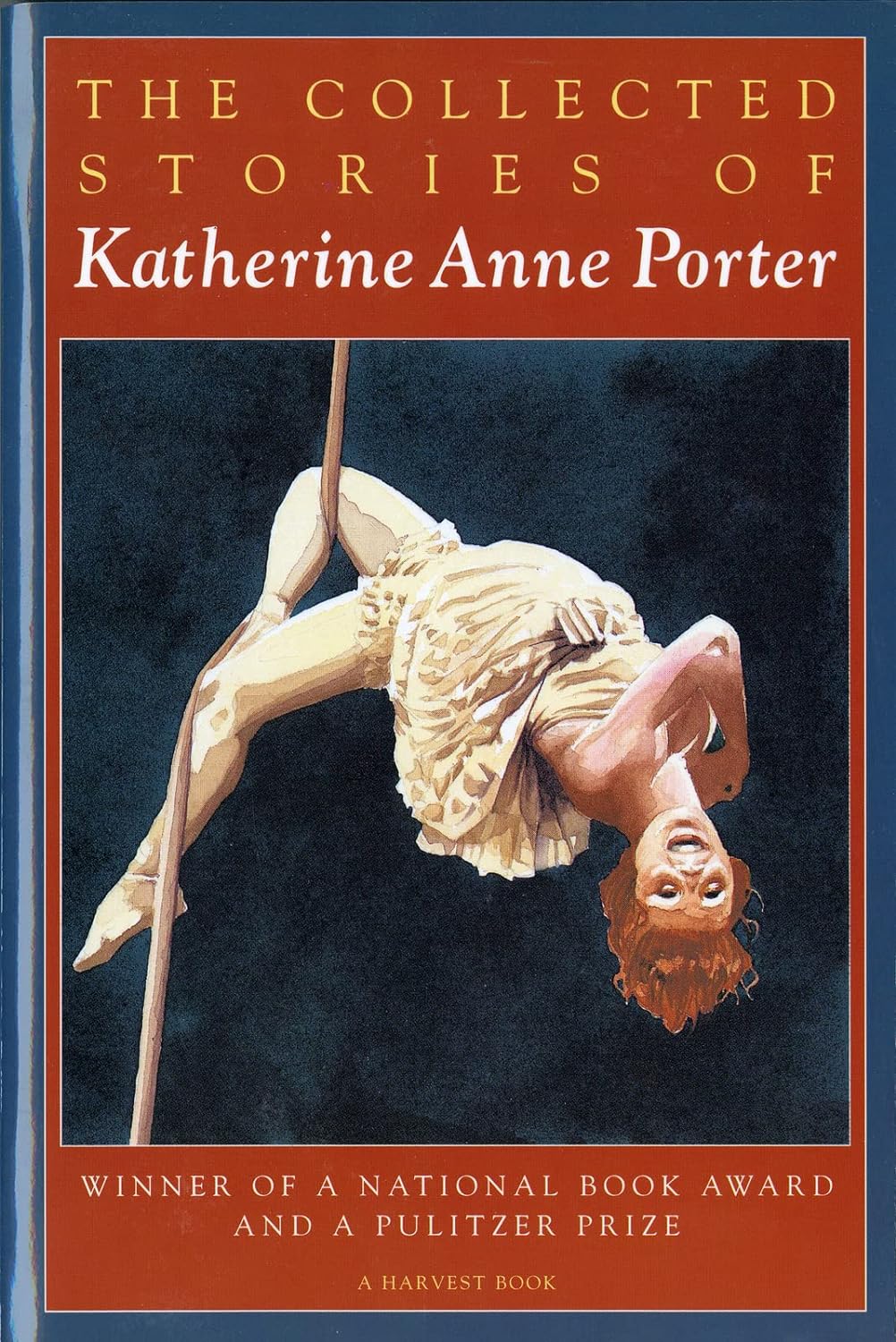
No. 53 on this list. The Collected Stories of Katherine Anne Porter
Katherine Anne Porter · 1966
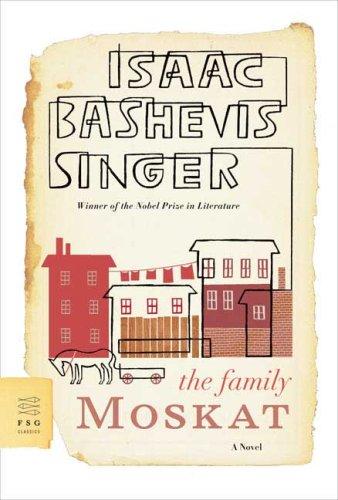
No. 54 on this list. The Family Moskat
Isaac Bashevis Singer · 1950
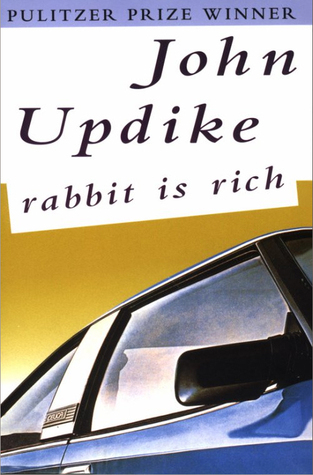
No. 55 on this list. Rabbit Is Rich
John Updike · 1982
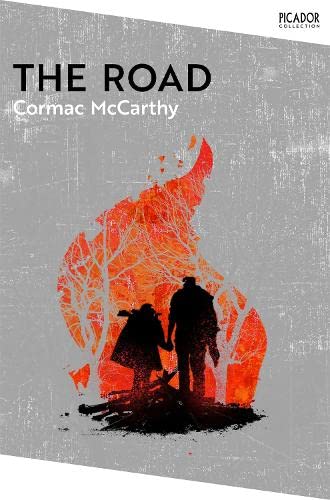
No. 56 on this list. The Road
Cormac McCarthy · 2007
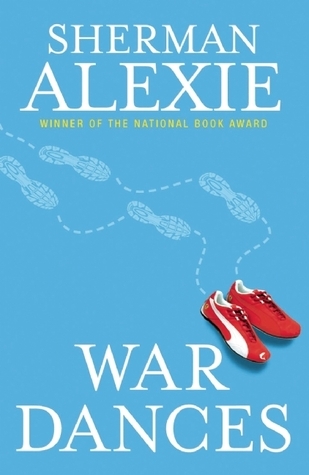
No. 57 on this list. War Dances
Sherman Alexie · 2010
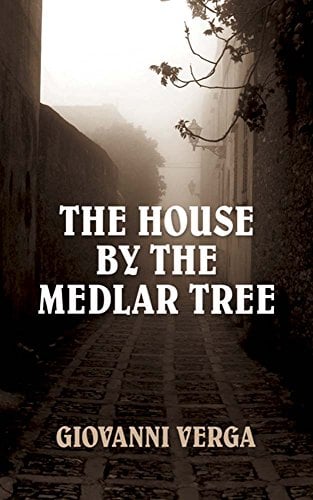
No. 58 on this list. The House by the Medlar Tree
Giovanni Verga · 1881
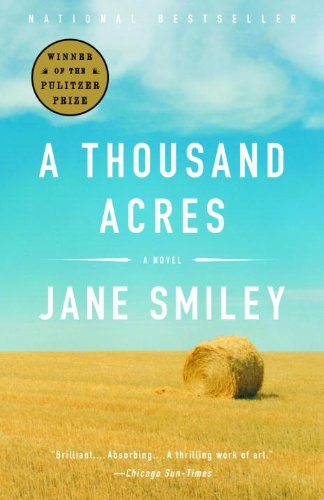
No. 59 on this list. A Thousand Acres
Jane Smiley · 1992
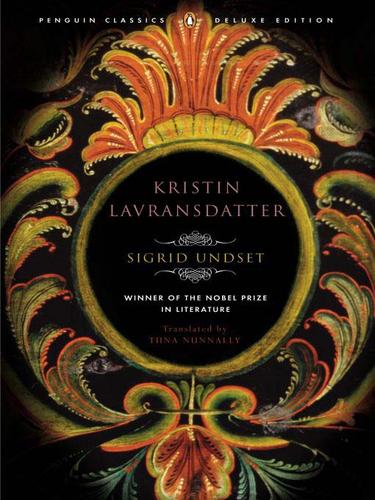
No. 60 on this list. Kristin Lavransdatter
Sigrid Undset · 1922
No. 61 on this list. Pierre and Jean
Guy de Maupassant · 1888
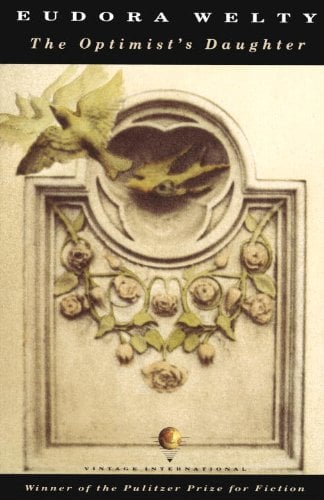
No. 62 on this list. The Optimist's Daughter
Eudora Welty · 1973
No. 63 on this list. World's Fair
E.L. Doctorow · 1986
No. 64 on this list. Independence Day
Richard Ford · 1996
No. 65 on this list. The Eye of the Storm
Patrick White · 1973
No. 66 on this list. Sing, Unburied, Sing
Jesmyn Ward · 2018
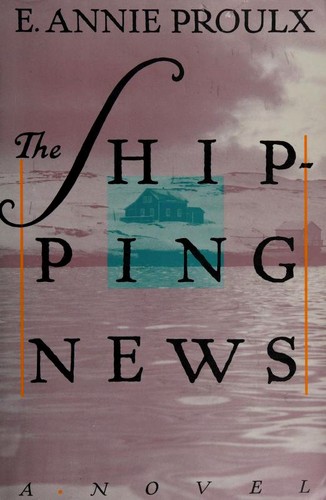
No. 67 on this list. The Shipping News
E. Annie Proulx · 1993
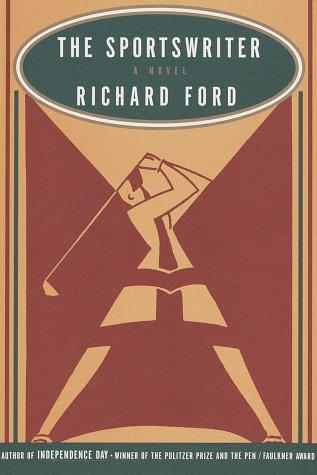
No. 68 on this list. The Sportswriter
Richard Ford · 1986
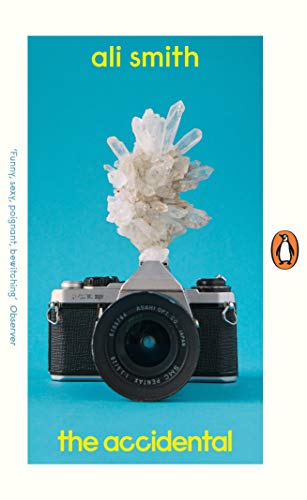
No. 69 on this list. The Accidental
Ali Smith · 2005
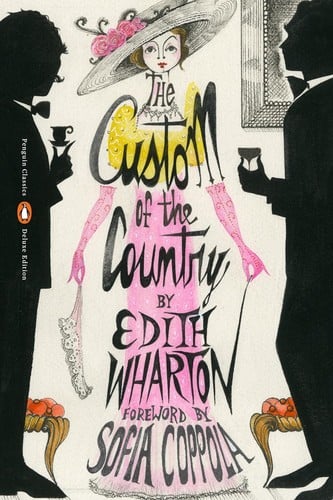
No. 70 on this list. The Custom of the Country
Edith Wharton · 1913
No. 71 on this list. Taras Bulba
Nikolai Gogol · 1842
No. 72 on this list. The Nun
Denis Diderot · 1796
No. 73 on this list. Call It Sleep
Henry Roth · 1934
No. 74 on this list. Half a Lifelong Romance
Eileen Chang · 1948
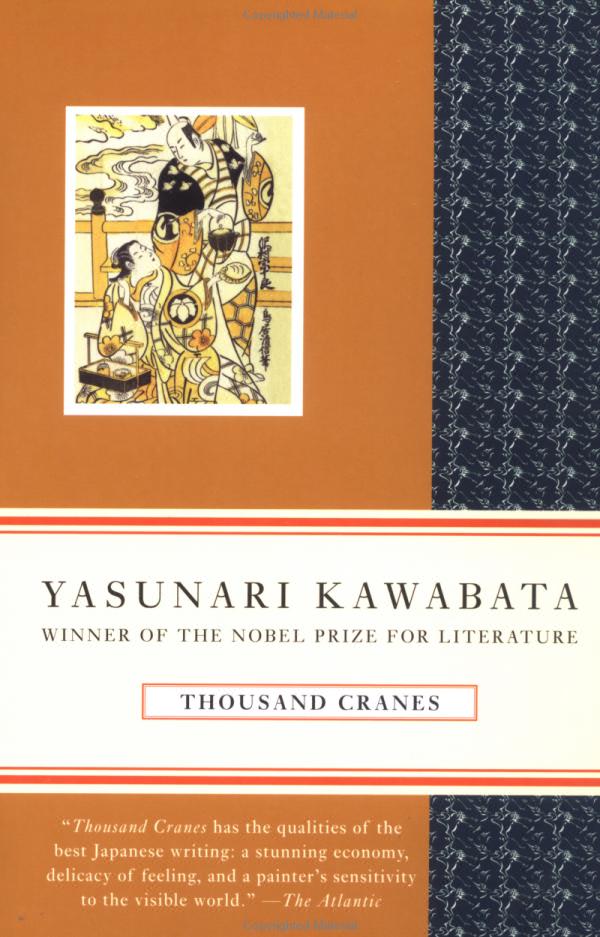
No. 75 on this list. Thousand Cranes
Yasunari Kawabata · 1949
Included in: UNESCO Collection of Representative Works
No. 76 on this list. Barren Lives
Graciliano Ramos · 1938
No. 77 on this list. Building Stories
Chris Ware · 2012
No. 78 on this list. A Mercy
Toni Morrison · 2008
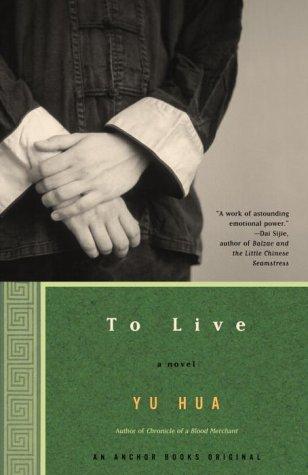
No. 79 on this list. To Live
Yu Hua · 1993
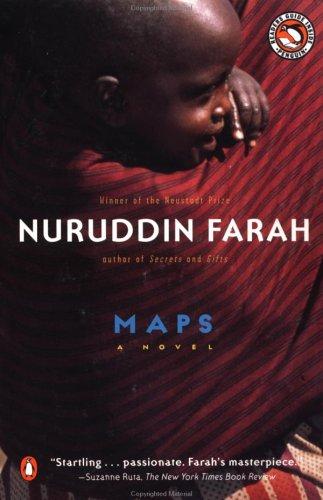
No. 80 on this list. Maps
Nuruddin Farah · 1986
No. 81 on this list. The Makioka Sisters
Jun'ichirō Tanizaki · 1948
Included in: UNESCO Collection of Representative Works
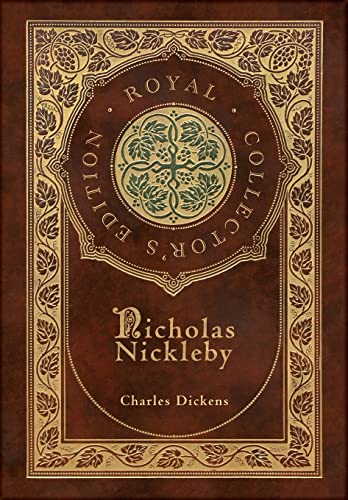
No. 82 on this list. Nicholas Nickleby
Charles Dickens · 1839
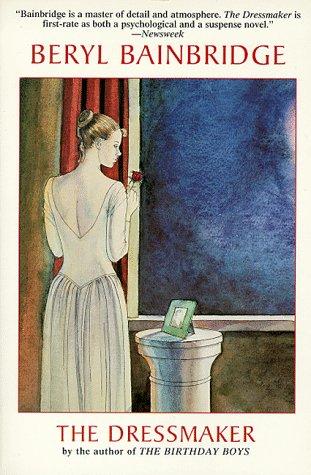
No. 83 on this list. The Dressmaker
Beryl Bainbridge · 1973
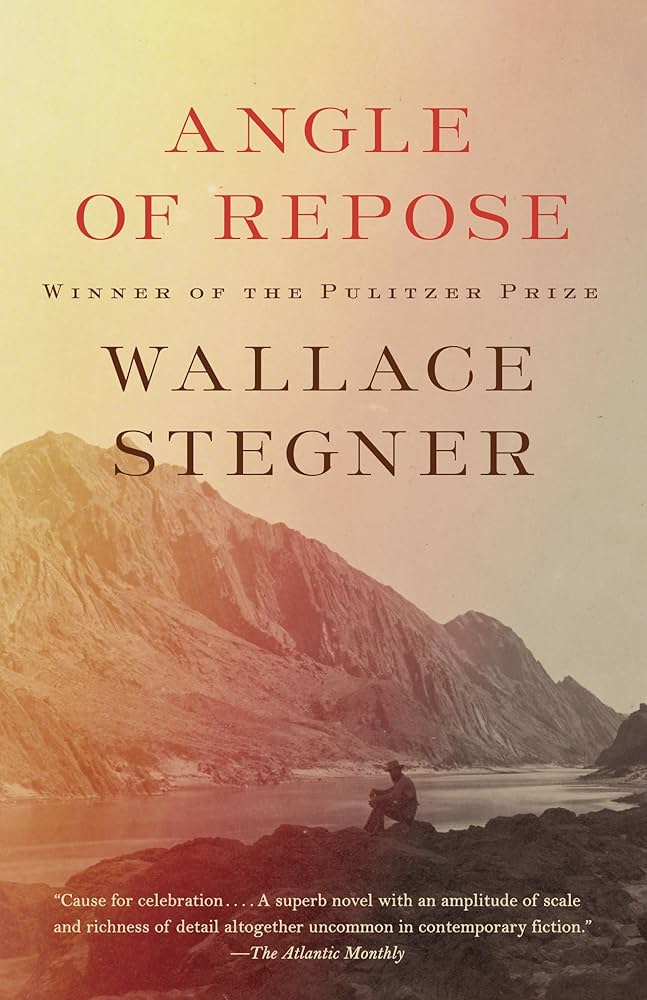
No. 84 on this list. Angle of Repose
Wallace Stegner · 1972
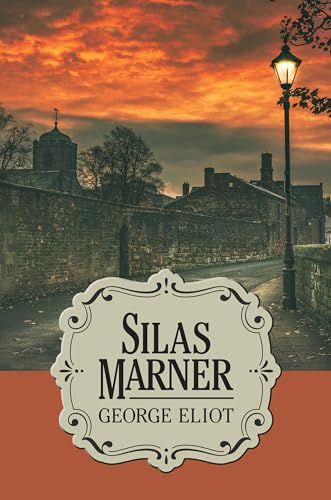
No. 85 on this list. Silas Marner
George Eliot · 1861
Taught in schools: CSEC English B – Caribbean Examinations Council, Pearson Edexcel GCSE and A-level English Literature (UK), WJEC/Eduqas GCSE and A-level English Literature (UK)
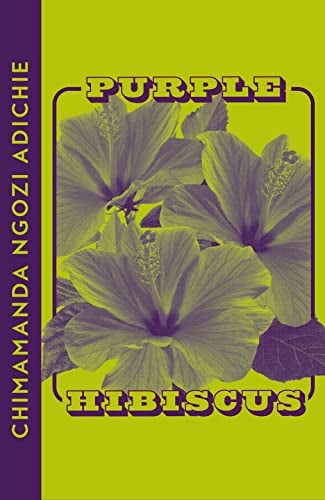
No. 86 on this list. Purple Hibiscus
Chimamanda Ngozi Adichie · 2004
Taught in schools: Leaving Certificate English – NCCA / State Examinations Commission (Ireland)
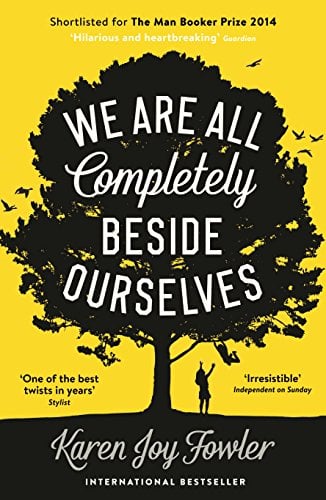
No. 87 on this list. We Are All Completely Beside Ourselves
Karen Joy Fowler · 2014
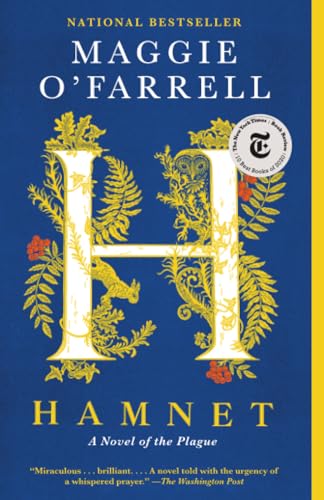
No. 88 on this list. Hamnet
Maggie O'Farrell · 2020
Taught in schools: Leaving Certificate English – NCCA / State Examinations Commission (Ireland)
No. 89 on this list. The Mysteries of Udolpho
Ann Radcliffe · 1794
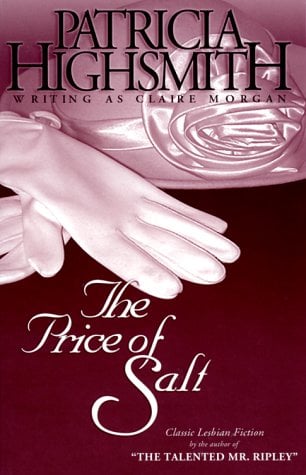
No. 90 on this list. The Price of Salt
Patricia Highsmith · 1952
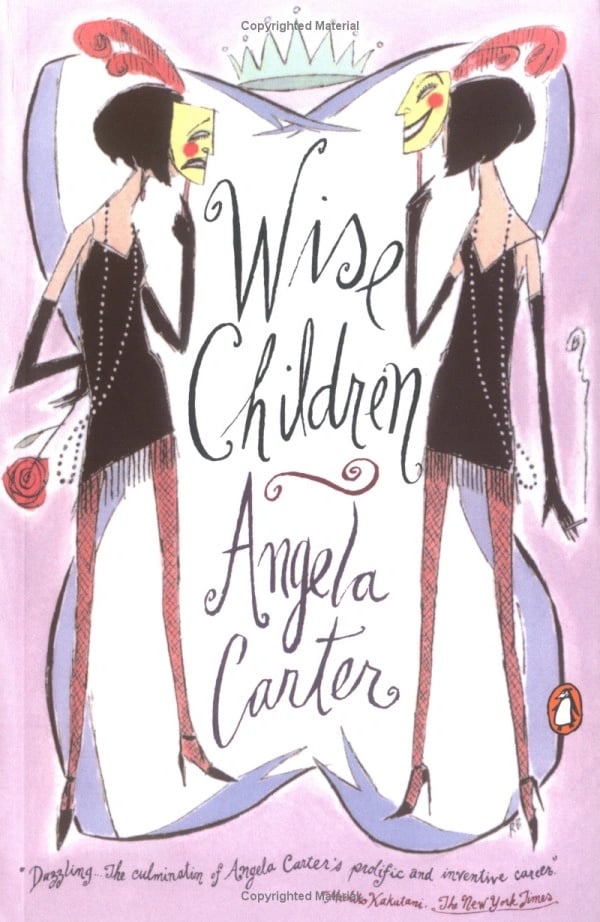
No. 91 on this list. Wise Children
Angela Carter · 1991
Taught in schools: AQA GCSE and A-level English Literature (UK)
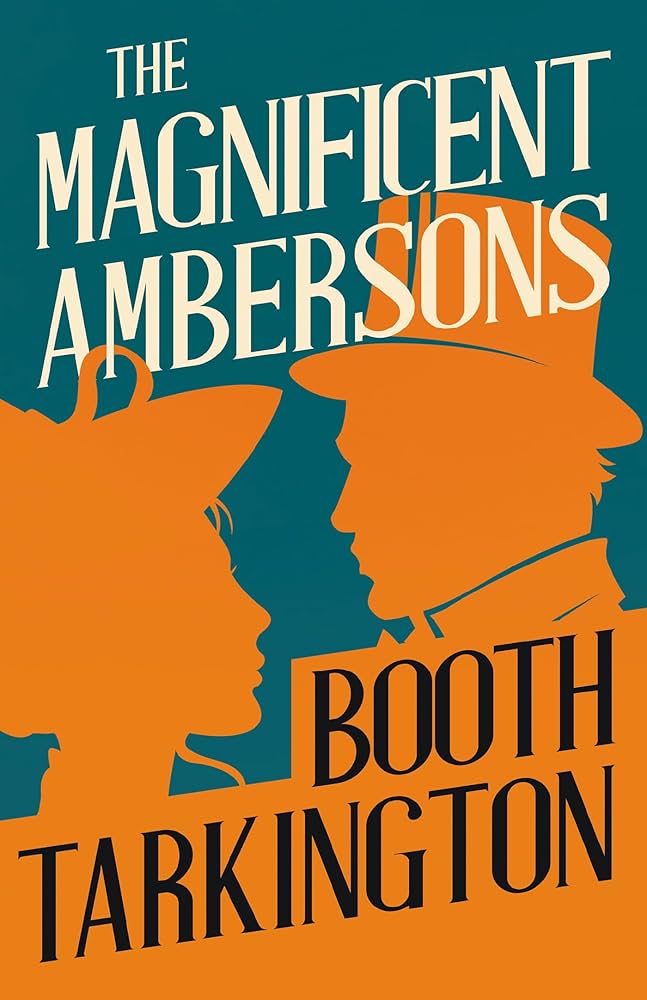
No. 92 on this list. The Magnificent Ambersons
Booth Tarkington · 1919
No. 93 on this list. So Long a Letter
Mariama Bâ · 1979
Taught in schools: CSEC English B – Caribbean Examinations Council
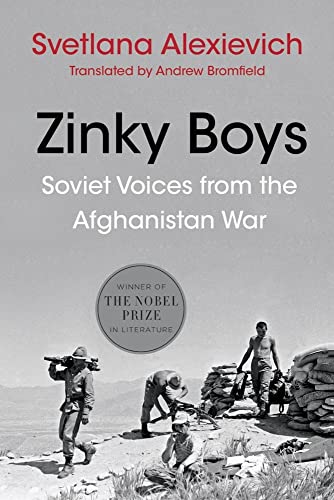
No. 94 on this list. Zinky Boys
Svetlana Alexievich · 1991
No. 95 on this list. Aunt Julia and the Scriptwriter
Mario Vargas Llosa · 1977
No. 96 on this list. Nox
Anne Carson · 2010
No. 97 on this list. Three Strong Women
Marie NDiaye · 2009
No. 98 on this list. Franny and Zooey
J.D. Salinger · 1961
No. 99 on this list. The Man Who Laughs
Victor Hugo · 1869
No. 100 on this list. Them
Joyce Carol Oates · 1970
About this list
These 100 books are the highest-scoring eligible moderately difficult books about family and generations currently in the catalogue. About 852 hours of reading in all, for the 99 with measured lengths. Difficulty runs from 51 to 58 out of 100 for the middle half of the list; the summit is Oresteia at 64.
This list is ranked by literary regard, with a consistent order for equal scores. Membership follows authors and co-authors, not translators or editors. A book is here when ReadingRate files it under Family & Generations as one of its primary reading domains, at a confidence of 0.8 or more. Catalogue coverage and the historical canon both limit what this list can represent.
When we matched the Canons dataset to our catalogue in October 2026, our canonical-status scores rose with the number of school curricula, publisher series and lists in it that cite a work: the median score was 72 for books one such source cites, 84 at two, 88 at three, 92 at four and 93 at five or more. Prizes are left out of that count. Outside the state curricula, the dataset’s sources choose mostly from what has been translated into English or French, so it is a weaker check on other literatures. Source: Canons (Andrew Piper), CC BY 4.0
Questions people actually ask
- What are the best moderately difficult books about family and generations?
- By literary regard, which weighs canonical status, critical standing and influence: One Hundred Years of Solitude by Gabriel García Márquez, Anna Karenina by Leo Tolstoy, Beloved by Toni Morrison, Collected Poems of W.H. Auden by W.H. Auden and The Metamorphosis by Franz Kafka. ReadingRate ranks 100 such books, each with a difficulty score and a reading-time estimate.
- Which moderately difficult books about family and generations should I read first?
- Start from difficulty, not from rank. The most approachable books on this list that still carry top literary regard are A House for Mr. Biswas by V.S. Naipaul (about 13 hours), The Metamorphosis by Franz Kafka and A Personal Matter by Kenzaburō Ōe.
- What are the shortest of the best moderately difficult books about family and generations?
- Among the top 25, the shortest are Electra by Sophocles (about 50 min), The Imaginary Invalid by Molière (about 1.4 hours) and The Metamorphosis by Franz Kafka (about 1.4 hours), at an average pace of 250 words a minute adjusted for each book's difficulty.
- Which of the best moderately difficult books about family and generations are the established classics?
- By canonical status, how firmly a book sits in curricula, anthologies and the canon: One Hundred Years of Solitude by Gabriel García Márquez, Beloved by Toni Morrison, Anna Karenina by Leo Tolstoy, Oresteia by Aeschylus and Long Day's Journey into Night by Eugene O'Neill.
- Can I read any of these moderately difficult books about family and generations for free?
- 16 of the 100 open in ReadingRate's reader with a free account, from public-domain editions: Anna Karenina, The Metamorphosis, Electra, Antigone, The Mayor of Casterbridge and 11 more.
- How long would it take to read the top ten?
- About 73 hours, at an average pace of 250 words a minute adjusted for each book's difficulty: 37 days at two hours a day. Set your own pace on the page and the list's reading times change to it.
- How hard are moderately difficult books about family and generations to read?
- Most of this list sits between 51 and 58 on ReadingRate's 100-point difficulty scale, where 40 to 55 is moderate. The summit is Oresteia at 64. Every entry carries its own score, so a reader can pick a great book at a difficulty they will finish.
- How is this list ranked?
- On literary-regard data: how canonically established a work is, its critical standing, and its influence on later writing. It is not a readers’ poll, which is why recent bestsellers rarely appear. Membership follows authors and co-authors, not translators or editors. Lists by country, author, period, theme or difficulty keep to literature (fiction, poetry, drama and philosophy), their novels, poems and plays first and their philosophy after them; a list of a kind of book, such as memoir or criticism, keeps every book of that kind. Every list holds at most three works by one author. A book is here when ReadingRate files it under Family & Generations as one of its primary reading domains, at a confidence of 0.8 or more.