Hours at an average pace
Showing 100 books
About 646 hours for 100 of 100 books with measured lengths. Estimates use 250 words a minute, adjusted for each book's difficulty. At 2 hours a day, about 323 days for those books.
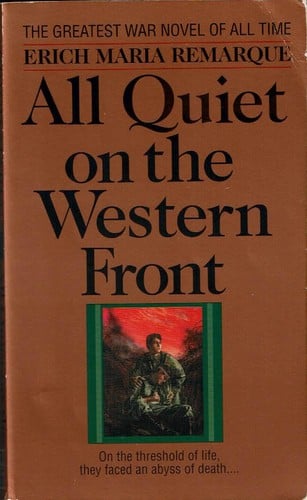
No. 1 on this list. All Quiet on the Western Front
Erich Maria Remarque · 1987
Easy4.3 hours
Taught in schools: AQA GCSE and A-level English Literature (UK)
One of the essential WWI novels, taught in literature and history courses worldwide.
A single January day in a Soviet labor camp in the early 1950s, told through the eyes of Ivan Denisovich Shukhov, a peasant ten years into a trumped-up sentence for treason. Solzhenitsyn structures the novel as a minute-by-minute account: the pre-dawn wake-up, the roll call in −30° cold, the march to the construction site, the bricklaying in the wind, the return, the thin soup, and lights out. The genius of the book is its scale — one man, one day — and the moral universe Shukhov navigates within it. He is not heroic in any conventional sense; he calculates how to get an extra bowl of gruel, how to pocket a useful piece of metal, how to avoid the guards' notice. Yet these calculations constitute a form of dignity. Published in 1962 in the Soviet literary journal Novy Mir under Khrushchev's brief thaw, the novella hit Soviet readers like a physical shock: the Gulag had existed for decades, but naming it in print was new. In the West it became the first credible inside account of the camp system, a document as much as a novel. Solzhenitsyn's prose is close-grained and unsentimental, the voice tuned to Shukhov's practical intelligence. The cold is not metaphorical; the bread is not symbolic. The facts speak.
The Captain's Daughter anchors the Russian literary canon alongside Eugene Onegin. It appears in virtually every Russian literature survey course worldwide, is part of the secondary school curriculum in Russia, and has been continuously in print since 1836. No syllabus data was returned from the database, but its foundational status in Slavic studies is unambiguous.
No. 4 on this list. King John
William Shakespeare · 1596
Easy6.4 hours
Included in: Great Books of the Western World
Philip Faulconbridge knows exactly who he is: the illegitimate son of Richard Coeur-de-lion, raised as a Faulconbridge, legitimized by his own choice. King John knows what he wants: the English throne his brother's son Arthur has the better legal claim to. What neither man can control is the play's central force — commodity, Shakespeare's word for self-interest dressed as principle. Around them, King Philip of France swears sacred oaths and breaks them within an act. Cardinal Pandulph maneuvers the papacy's interests through excommunication and alliance. Constance, Arthur's mother, rails at every betrayal with an intensity that makes her grief both righteous and inconvenient. The play traces the political machinery of the Plantagenet world with cold precision: marriage negotiations dissolve wars, papal legates redirect armies, and a child's claim to a throne becomes a reason to have the child killed. Shakespeare sets the Bastard at the center not as hero but as observer — his asides running alongside the action like a mordant commentary on how kings behave when they think no one is watching. The verse shifts register constantly, from formal diplomatic address to earthy soliloquy to Constance's raw lament. King John is among the least-produced of Shakespeare's histories, which has left it free of the interpretive weight that settles on Hamlet or Richard II. Reading it now, the question of who has the right to rule — by birth, by force, by divine sanction, by popular consent — has not become less urgent.
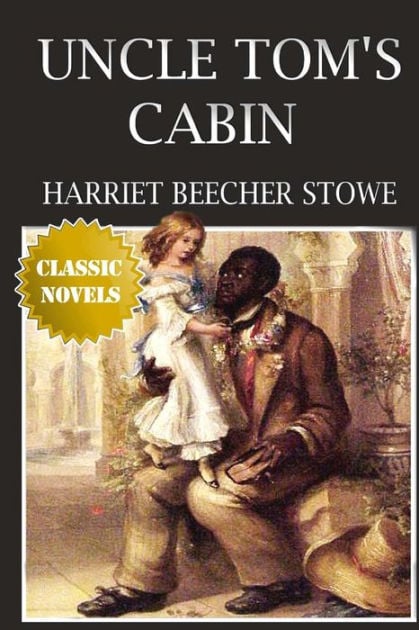
Uncle Tom's Cabin holds essential historical status in American literature and history curricula. Lincoln's alleged remark—'So this is the little lady who started this great war'—marks its political impact. The novel appears on lists of books that changed America, taught in courses on 19th-century literature, abolitionism, and protest fiction. Its canonical position rests on historical consequence more than literary innovation.
Ivanhoe is a fixture of British Romantic literature curricula and appears on virtually every survey of the historical novel as the genre's foundational text in English. While syllabus data was not captured in the database, the novel's Wikipedia article spans well over 50 languages and it remains one of the most recognized works of 19th-century British fiction. It gave the English language the cultural template for medieval chivalry — the Crusades, Normans vs. Saxons, Robin Hood — that persists in popular imagination today.
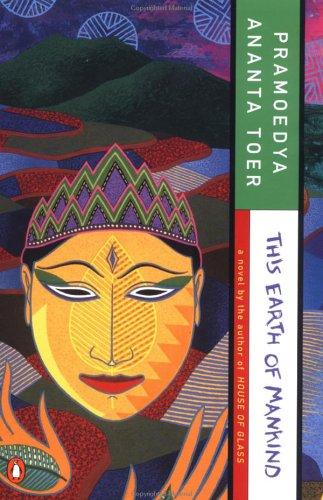
No. 7 on this list. This Earth of Mankind
Pramoedya Ananta Toer · 1980
Easy6.4 hours
Taught in schools: Indonesian sastra curriculum
The most important work of Indonesian literature. Perennial Nobel candidate.
Taught widely in American literature courses as the founding frontier romance, though its racial attitudes complicate its classroom status. It stands slightly below the staples such as Gatsby.
Appears on 1,040 university syllabi and sits on the Modern Library 100 Best Novels list. It is a standard text for American naturalism and the Gilded Age city.
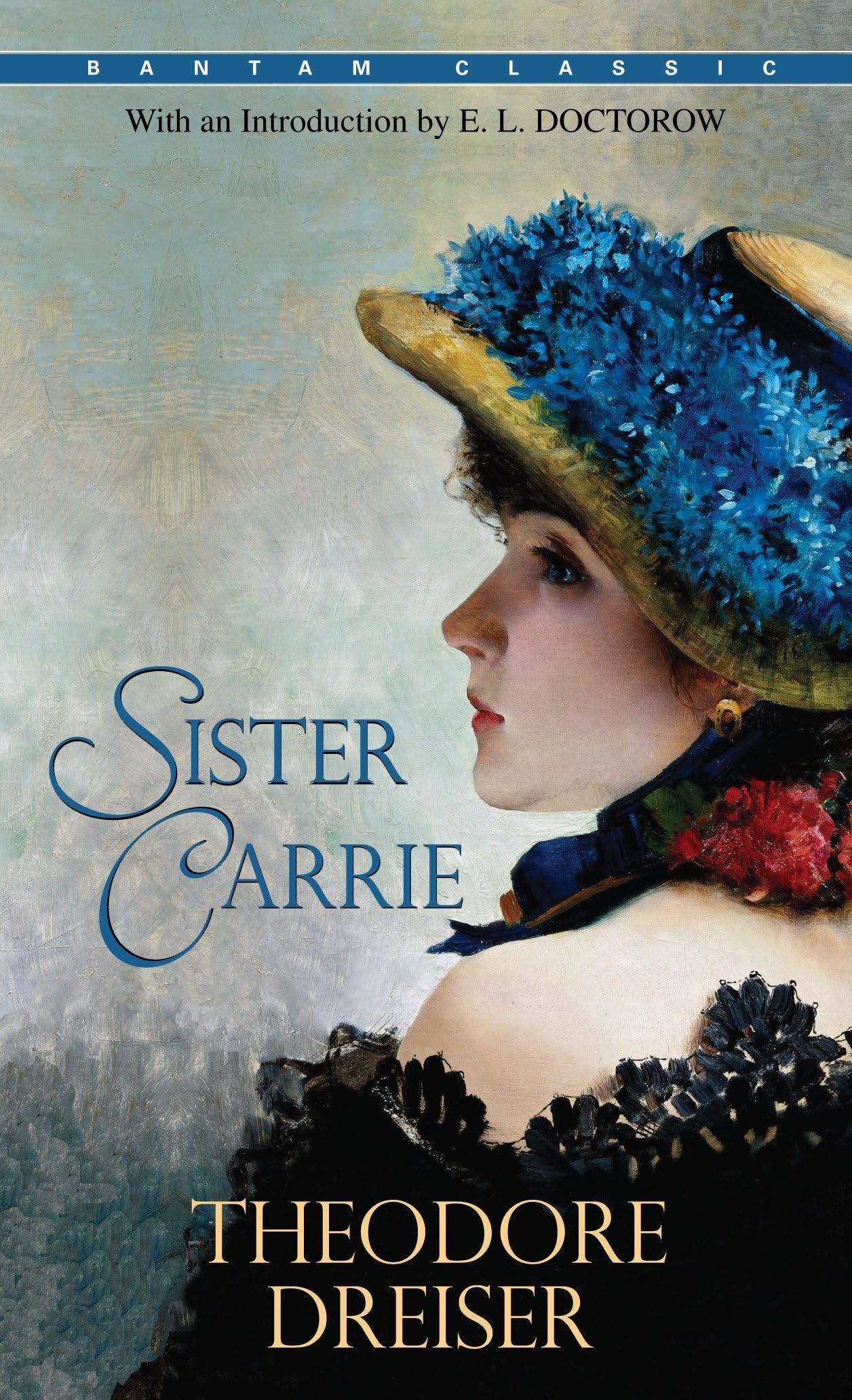
No. 10 on this list. Little Women (Little Women, #1)
Louisa May Alcott · 1868
Easy6.5 hours
Taught in schools: Common Core text exemplars (Appendix B) (US)
The book is a staple of American literature and girlhood reading, widely taught in schools and adapted many times. It ranks below the core canon of Gatsby and Mockingbird in college syllabi.
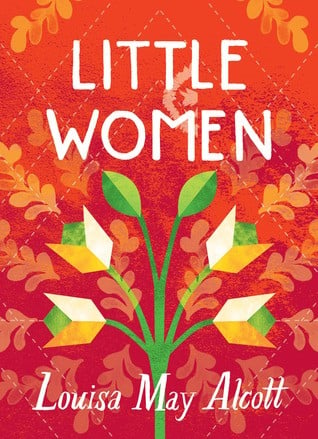
No. 11 on this list. Henry VIII · William Shakespeare · 1613
Included in: Great Books of the Western World
Henry VIII is part of the Shakespeare First Folio and is taught in Shakespeare survey courses worldwide, though it occupies the lower tier of the canon compared to the major tragedies and histories. The play's disputed authorship — widely attributed to Shakespeare and John Fletcher in collaboration — has generated sustained academic interest. It does not appear on syllabi as consistently as Hamlet, Macbeth, or Richard II, but it remains firmly within the Shakespearean corpus that all serious literary study engages.
Easy1.6 hours
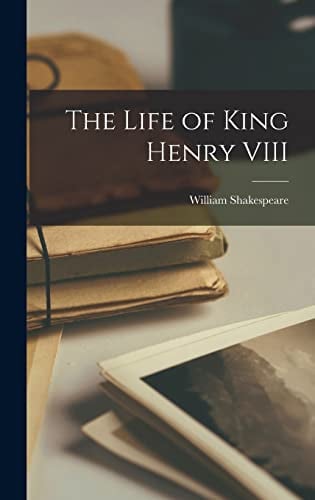
Read nowNo. 12 on this list. Roll of Thunder, Hear My Cry · Mildred D. Taylor · 1976
Taught in schools: CSEC English B – Caribbean Examinations Council, Singapore-Cambridge GCE O-Level Literature in English (2065)
Newbery Medal winner and a cornerstone of Black children's literature. Widely taught and frequently appears on essential reading lists.
Very Easy2.4 hours
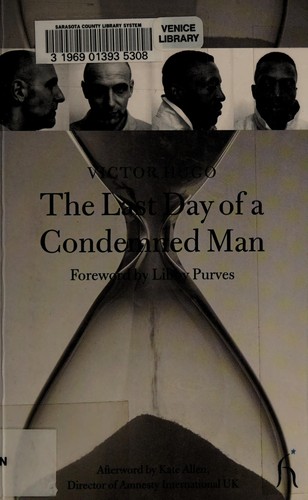
Start this bookNo. 13 on this list. The Last Day of a Condemned Man · Victor Hugo · 1829
A staple of French literature and widely read in translation, it is a key text in debates on the death penalty. It is less taught than Hugo's Les Misérables.
Easy1.8 hours
Start this bookNo. 14 on this list. History: A Novel · Elsa Morante · 1974
Included in: Bokklubben World Library
One of the most important Italian novels of the twentieth century. Controversial at publication but now widely recognized as a masterpiece.
Easy14 hours
Start this bookNo. 15 on this list. Memed, My Hawk · Yasar Kemal · 1955
Included in: UNESCO Collection of Representative Works
The foundational novel of modern Turkish literature's international reputation. Widely translated and studied as a masterpiece of Turkish fiction.
Easy5.4 hours
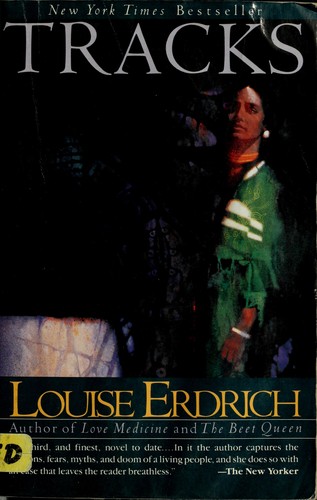
Start this bookNo. 16 on this list. Tracks · Louise Erdrich · 1988
A central work in Erdrich's interconnected cycle and widely taught in American literature courses. Considered one of her strongest early novels.
Moderate4.1 hours
Start this bookNo. 17 on this list. Adam Bede · George Eliot · 1859
Adam Bede appears regularly on Victorian literature and 19th-century British fiction syllabi at universities worldwide, and is the standard entry point to George Eliot's work in courses that cannot assign the longer Middlemarch. It is included in most survey courses of the Victorian novel. Its canonical status within the Eliot corpus is secondary only to Middlemarch and The Mill on the Floss, but within the broader Victorian canon it holds a secure if not dominant position — consistently anthologized, consistently in print, and consistently cited as a foundational work of Victorian realism.
Moderate13 hours
Read nowNo. 18 on this list. Waverley · Walter Scott · 1814
Waverley is taught in virtually every British Romantic and Victorian literature survey course as the founding text of the historical novel genre. While not as universally assigned as Shakespeare or Dickens, it appears regularly on syllabi in British literature, Scottish studies, and 19th-century fiction courses worldwide. The novel's foundational status in literary history ensures its continuous presence in academic curricula, though its classroom reach has narrowed from its 19th-century peak.
Moderate12 hours
Start this bookNo. 19 on this list. The Autobiography of Miss Jane Pittman · Ernest J. Gaines · 1982
The novel is widely taught in American high schools and colleges as a key text of African American and Southern literature, and it is a staple of civil rights curricula, though below the top canon.
Easy4.1 hours
Start this bookNo. 20 on this list. The Song of Hiawatha · Henry Wadsworth Longfellow · 2004
Long a staple of American poetry anthologies and school reading, though its place in current syllabi has declined. It is still a recognised work of nineteenth-century American literature.
Easy2.7 hours
Start this book
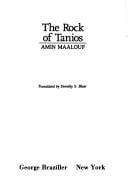
No. 21 on this list. The Rock of Tanios · Amin Maalouf · 1993
Prix Goncourt winner. Important work of Francophone and Lebanese literature.
Easy4.3 hours
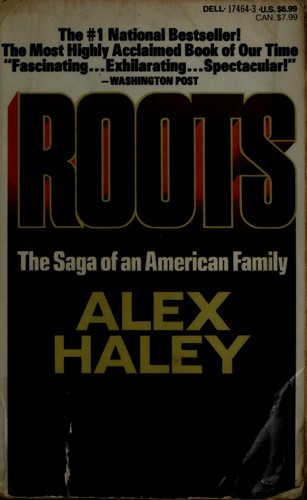
Start this bookNo. 22 on this list. Roots: The Saga of an American Family · Alex Haley · 1976
Roots is widely taught in American history and literature courses, and the 1977 miniseries made it a national event. It is a staple of African American literature curricula, though less universal than Beloved.
Easy11 hours
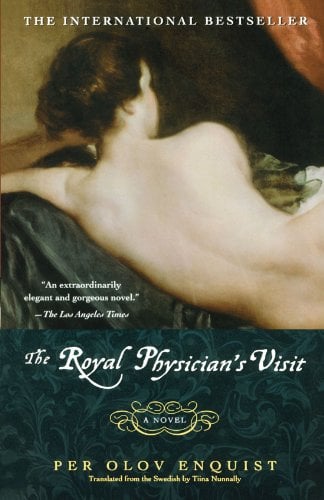
Start this bookNo. 23 on this list. The Visit of the Royal Physician · Per Olov Enquist · 1999
Widely regarded as one of the finest Scandinavian novels of the late twentieth century. An international bestseller and a staple of Swedish literary culture.
Moderate5.3 hours
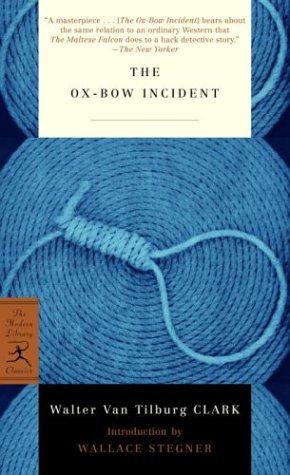
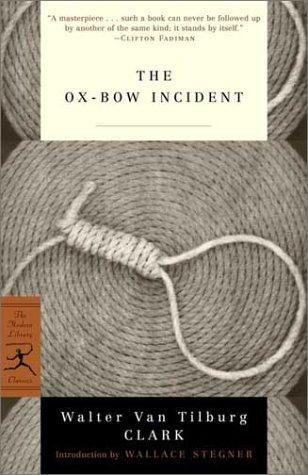
Start this bookNo. 24 on this list. The Ox-Bow Incident · Walter Van Tilburg Clark · 1940
A staple of American high school and college curricula and a landmark of the Western as serious literature, though below the very top rank of the canon.
Easy3.8 hours
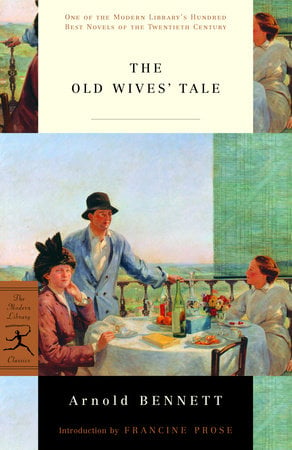
Start this bookNo. 25 on this list. The Old Wives' Tale · Arnold Bennett · 1908
Ranked 87th on the Modern Library 100 Best Novels and regularly taught in courses on Edwardian and realist fiction. It is the Bennett novel most likely to appear on syllabi.
Moderate14 hours
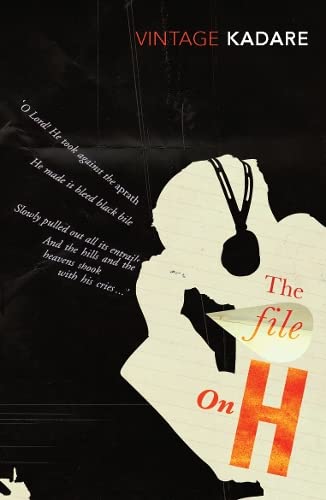
Read nowNo. 26 on this list. The File on H. · Ismail Kadare · 1981
A well-regarded Kadare novel, appreciated for its humor and intellectual concerns, though less frequently cited than Broken April or The Palace of Dreams.
Easy3.3 hours
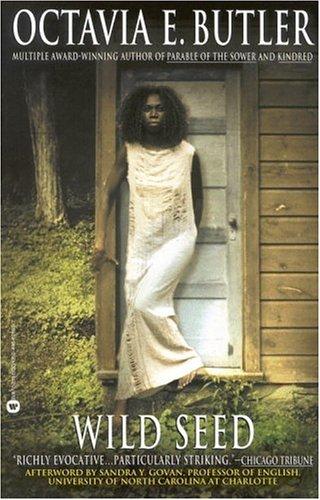
Start this bookNo. 27 on this list. Wild Seed · Octavia E. Butler · 1980
Recognized as one of Butler's finest novels and a major work of Afrofuturist fiction. Widely taught in university courses.
Easy4 hours
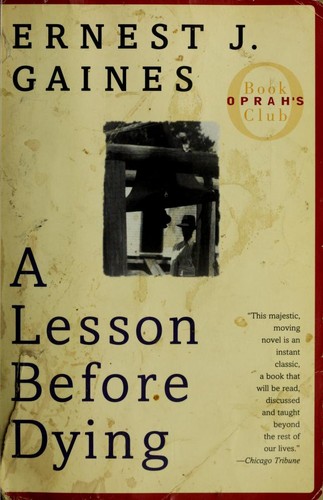
Start this bookNo. 28 on this list. A Lesson Before Dying · Ernest J. Gaines · 1993
The novel is widely assigned in American high school and college courses on African American literature and Southern fiction. It stands below the central canon but well above commercial fiction.
Easy3.9 hours
Start this bookNo. 29 on this list. Raise the Red Lantern · Su Tong · 1990
One of the most widely read Chinese novellas internationally, largely due to Zhang Yimou's celebrated film adaptation.
Easy1.9 hours
Start this bookNo. 30 on this list. Gone with the Wind · Margaret Mitchell
On TIME's All-TIME 100 Novels, Le Monde's 100 Books of the Century and the 1001 Books list, and voted 21st in the BBC Big Read. Appears on 115 university syllabi (52nd percentile), mostly in courses on Southern literature, popular fiction and the memory of the Civil War.
Moderate27 hours
Start this book
No. 31 on this list. The Unvanquished
William Faulkner · 1938
No. 32 on this list. In the Time of the Butterflies
Julia Alvarez · 1994
Taught in schools: UNAM Escuela Nacional Preparatoria – programas de Literatura (Mexico)
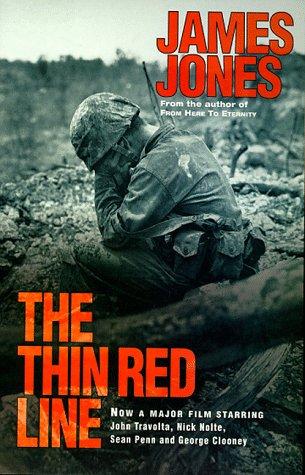
No. 33 on this list. The Thin Red Line
James Jones · 1998
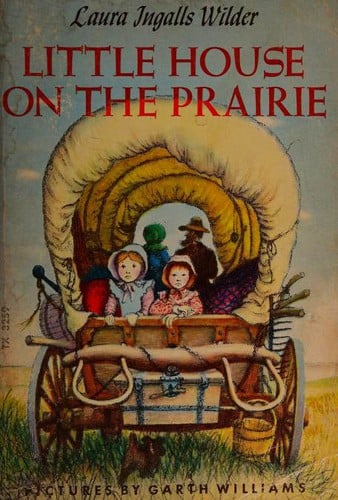
No. 34 on this list. Little House on the Prairie
Laura Ingalls Wilder · 1935
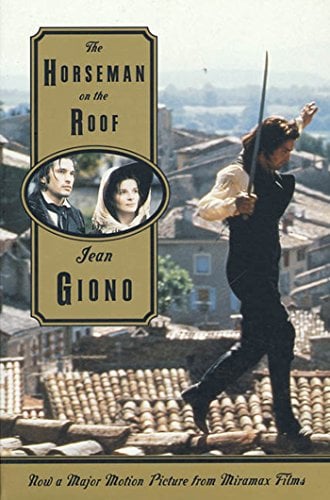
No. 35 on this list. The Horseman on the Roof
Jean Giono · 1951
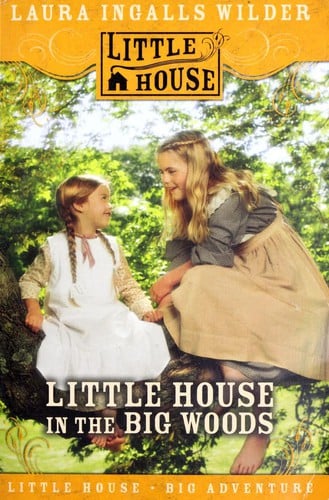
No. 36 on this list. Little House in the Big Woods
Laura Ingalls Wilder · 2007
Taught in schools: Common Core text exemplars (Appendix B) (US)
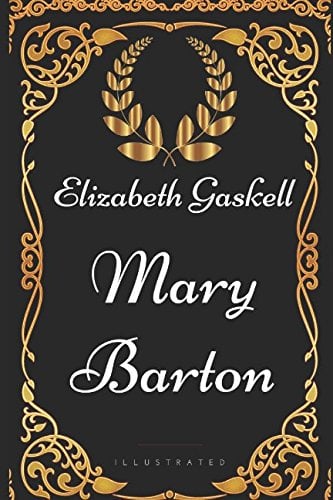
No. 37 on this list. Mary Barton
Elizabeth Gaskell · 1848
No. 38 on this list. La Reine Margot
Alexandre Dumas · 1845
No. 39 on this list. Brothers
Yu Hua · 2005
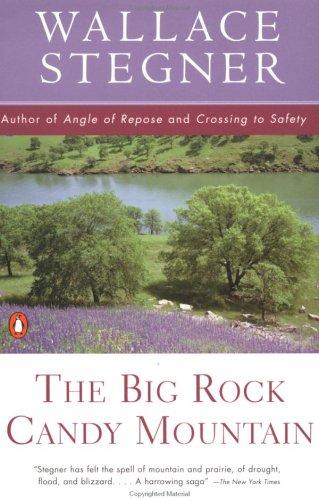
No. 40 on this list. The Big Rock Candy Mountain
Wallace Stegner · 1991
No. 41 on this list. The Italian
Ann Radcliffe · 1796
No. 42 on this list. The Financier
Theodore Dreiser · 1912
No. 43 on this list. A Gathering of Old Men
Ernest J. Gaines · 1992
No. 44 on this list. The Watsons Go to Birmingham - 1963
Christopher Paul Curtis · 1995
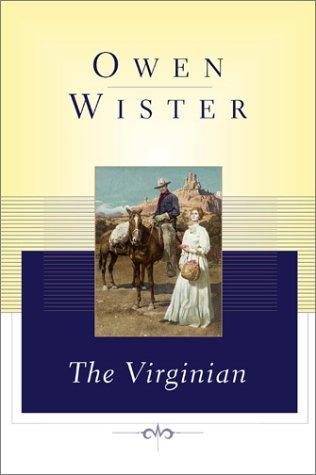
No. 45 on this list. The Virginian (Scribner Classics)
Owen Wister · 2002
No. 46 on this list. Angel Down
Daniel Kraus · 2025
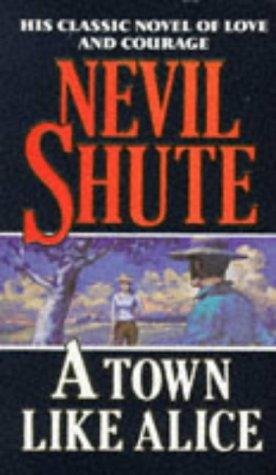
No. 47 on this list. A Town Like Alice
Nevil Shute · 1950
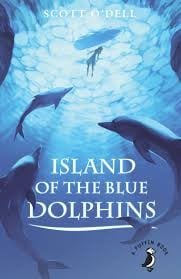
No. 48 on this list. Island of the Blue Dolphins
Scott O'Dell · 1960
Taught in schools: CSEC English B – Caribbean Examinations Council
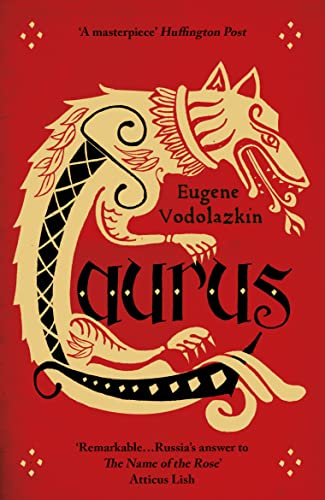
No. 49 on this list. Laurus
Eugene Vodolazkin · 2012
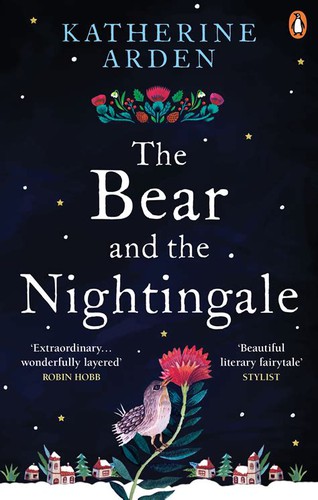
No. 50 on this list. The Bear and the Nightingale
Katherine Arden · 2017
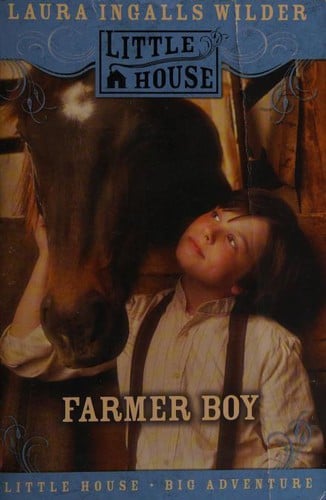
No. 51 on this list. Farmer Boy
Laura Ingalls Wilder · 2007
Taught in schools: CSEC English B – Caribbean Examinations Council
No. 52 on this list. Beware of Pity
Stefan Zweig · 1939
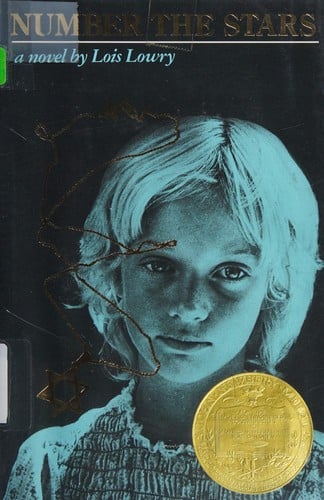
No. 53 on this list. Number the Stars
Lois Lowry · 1989
No. 54 on this list. Romola
George Eliot · 1863
No. 55 on this list. The Daughter of Time
Josephine Tey · 1951
No. 56 on this list. Wartime: Understanding and Behavior in the Second World War
Paul Fussell · 1989
No. 57 on this list. That Deadman Dance
Kim Scott · 2010
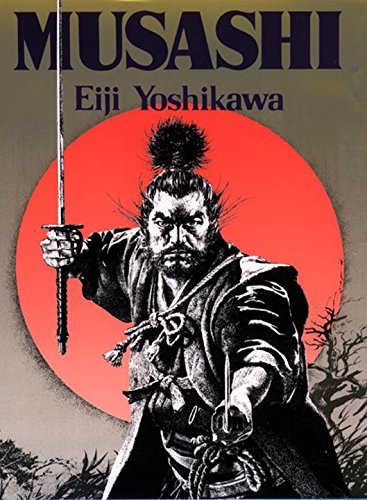
No. 58 on this list. Musashi
Eiji Yoshikawa · 1995
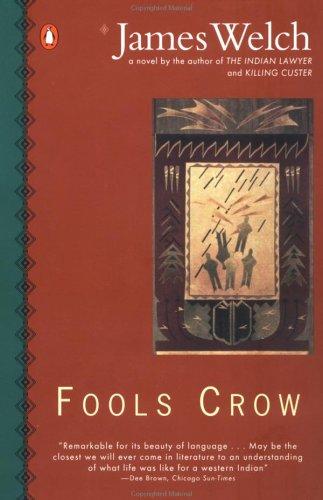
No. 59 on this list. Fools Crow
James Welch · 1986
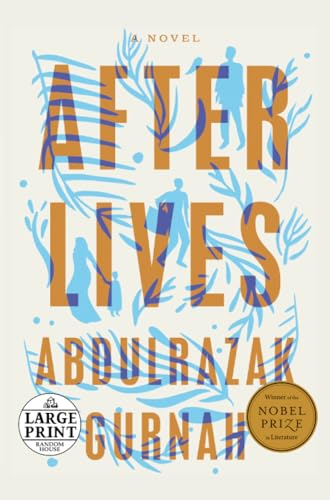
No. 60 on this list. Afterlives
Abdulrazak Gurnah · 2020
No. 61 on this list. The OxBow Incident
Walter Van Tilburg Clark · 1940
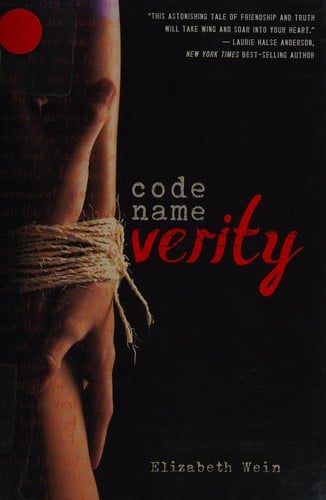
No. 62 on this list. Code Name Verity
Elizabeth Wein · 2012
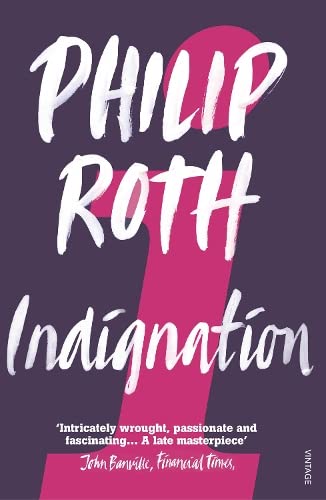
No. 63 on this list. Indignation
Philip Roth · 2008
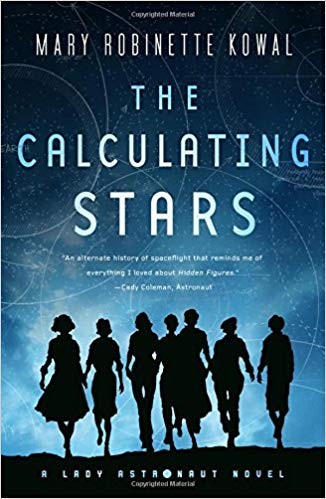
No. 64 on this list. The Calculating Stars
Mary Robinette Kowal · 2018
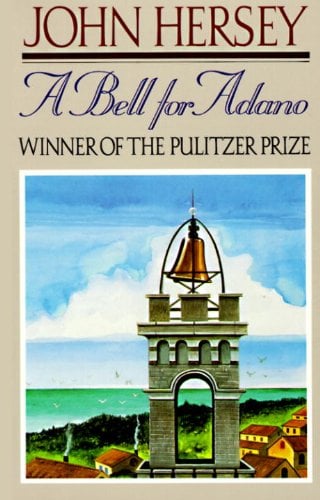
No. 65 on this list. A Bell for Adano
John Hersey · 1945
No. 66 on this list. A Natural History of Dragons
Marie Brennan · 2013
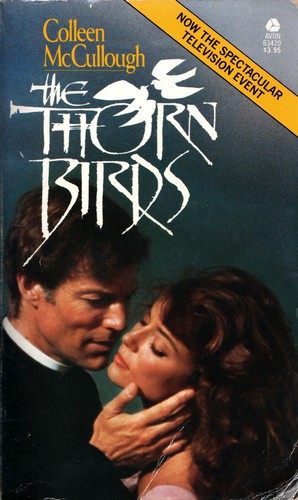
No. 67 on this list. The Thorn Birds
Colleen McCullough · 1977
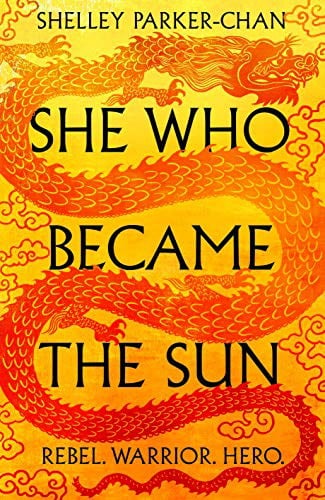
No. 68 on this list. She Who Became the Sun
Shelley Parker-Chan · 2021
No. 69 on this list. Chains
Laurie Halse Anderson · 2008
No. 70 on this list. Rice
Su Tong · 1991
No. 71 on this list. A Tree Grows in Brooklyn
Betty Smith · 1943
No. 72 on this list. Dominicana
Angie Cruz · 2020
No. 73 on this list. Last Night at the Telegraph Club
Malinda Lo · 2021
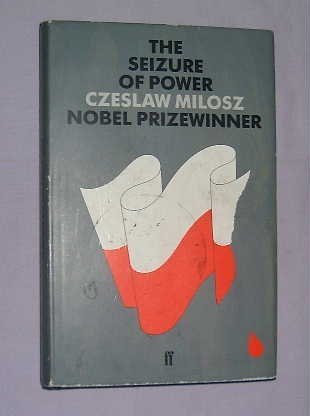
No. 74 on this list. The Seizure of Power
Czesław Miłosz · 1953
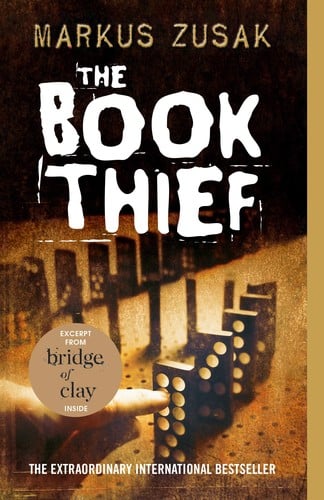
No. 75 on this list. The Book Thief
Markus Zusak · 2005
Taught in schools: Common Core text exemplars (Appendix B) (US)
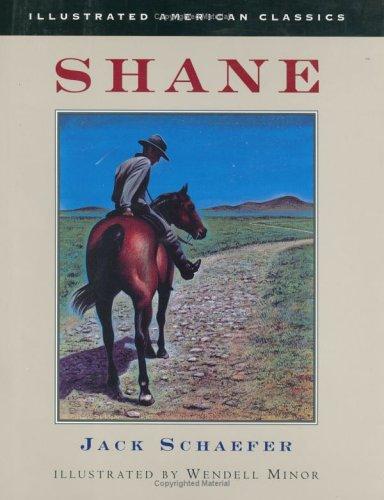
No. 76 on this list. Shane
Jack Schaefer · 2001
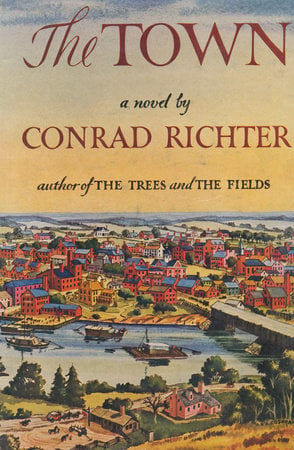
No. 77 on this list. The Town
Conrad Richter · 1951
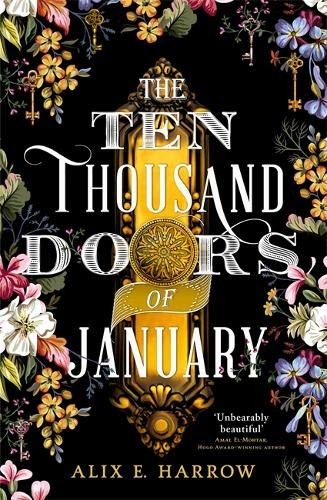
No. 78 on this list. The Ten Thousand Doors of January
Alix E. Harrow · 2019
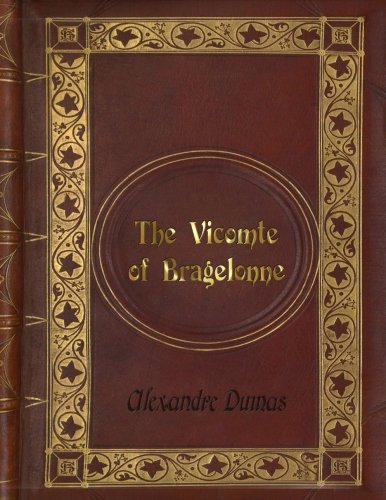
No. 79 on this list. The Vicomte de Bragelonne
Alexandre Dumas · 1847
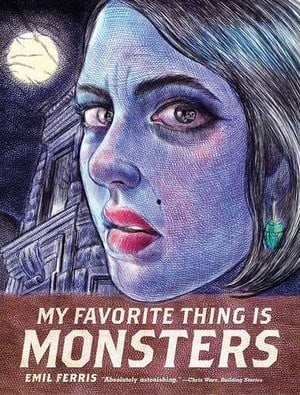
No. 80 on this list. My Favorite Thing Is Monsters
Emil Ferris · 2017
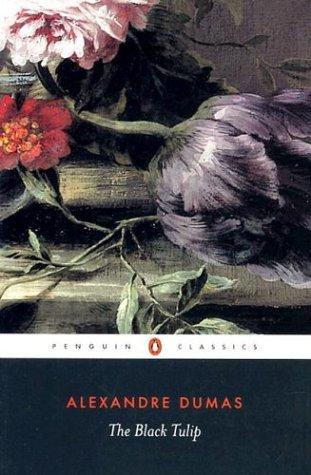
No. 81 on this list. The Black Tulip
Alexandre Dumas · 1850
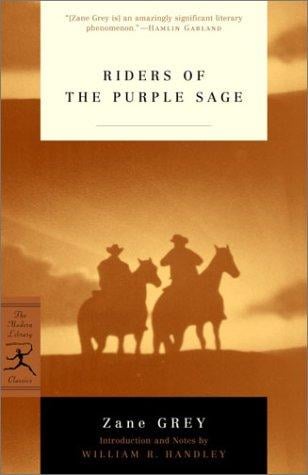
No. 82 on this list. Riders of the Purple Sage
Zane Grey · 1912
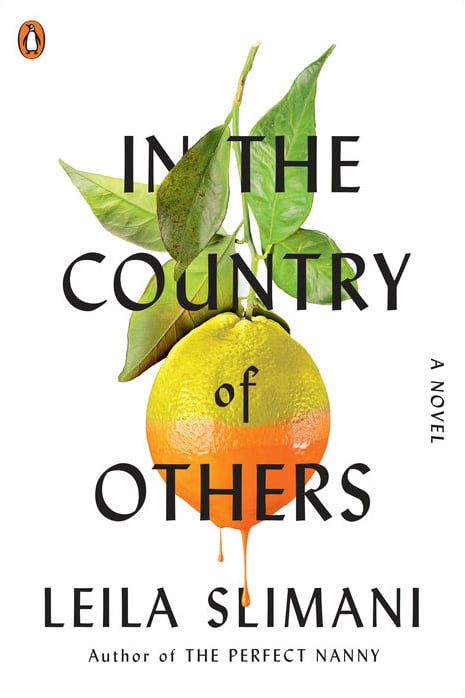
No. 83 on this list. In the Country of Others
Leïla Slimani · 2020
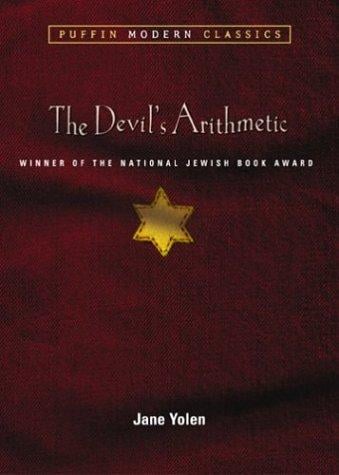
No. 84 on this list. The Devil's Arithmetic
Jane Yolen · 2004
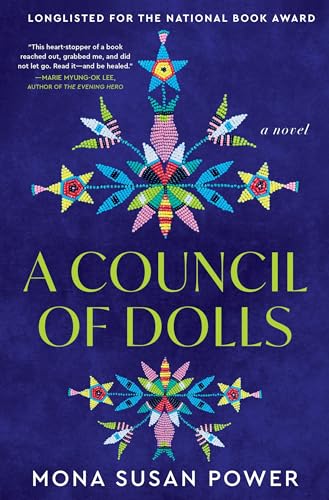
No. 85 on this list. A Council of Dolls
Mona Susan Power · 2023
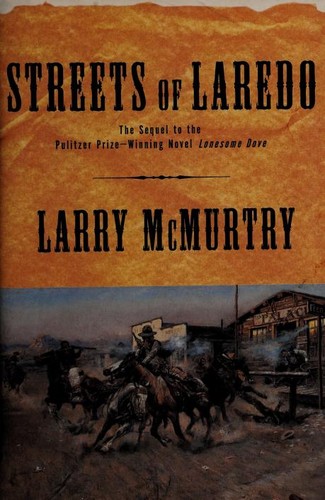
No. 86 on this list. Streets of Laredo
Larry McMurtry · 2000
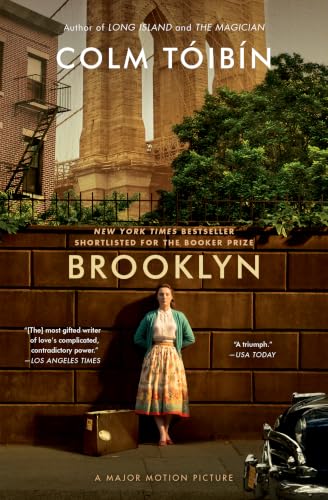
No. 87 on this list. Brooklyn
Colm Tóibín · 2009
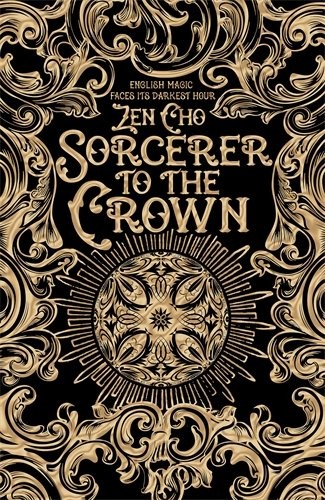
No. 88 on this list. Sorcerer to the Crown
Zen Cho · 2015
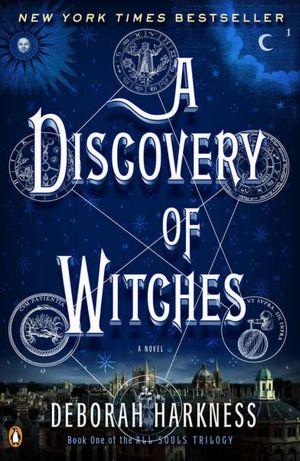
No. 89 on this list. A Discovery of Witches
Deborah Harkness · 2011
No. 90 on this list. Taiko
Eiji Yoshikawa · 2001
No. 91 on this list. Birdsong
Sebastian Faulks · 1997
Taught in schools: AQA GCSE and A-level English Literature (UK)
No. 92 on this list. The Witch of Blackbird Pond: A Newbery Award Winner – A Halloween Book for Teens
Elizabeth George Speare · 1958
No. 93 on this list. A Kind of Freedom
Margaret Wilkerson Sexton · 2017
No. 94 on this list. The Kitchen God's Wife
Amy Tan · 1991
No. 95 on this list. The Water Dancer
Ta-Nehisi Coates · 2019
No. 96 on this list. The Kite Runner
Khaled Hosseini · 2003
Taught in schools: AQA GCSE and A-level English Literature (UK)
No. 97 on this list. Captain Corelli's Mandolin
Louis de Bernières · 1998
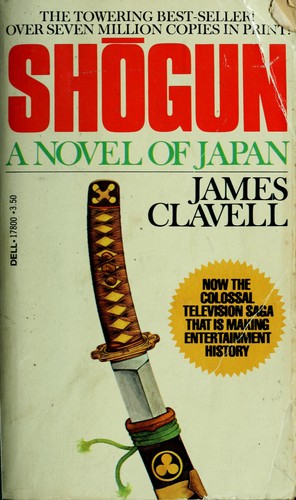
No. 98 on this list. Shogun
James Clavell · 1975
No. 99 on this list. Eye of the Needle
Ken Follett · 1978
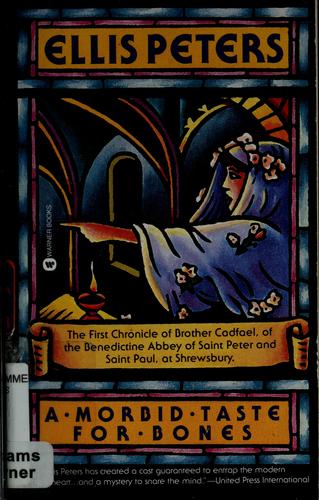
No. 100 on this list. A Morbid Taste for Bones
Ellis Peters · 1977
About this list
These 100 books are the highest-scoring eligible easy historical novels currently in the catalogue. By literary regard, it opens with All Quiet on the Western Front, One Day in the Life of Ivan Denisovich and The Captain's Daughter. About 646 hours of reading in all. Difficulty runs from 30 to 40 out of 100 for the middle half of the list; the summit is Gone with the Wind at 45.
This list is ranked by literary regard, with a consistent order for equal scores. Membership follows authors and co-authors, not translators or editors. Catalogue coverage and the historical canon both limit what this list can represent, and genre labels are the catalogue’s own, gathered into broader kinds.
When we matched the Canons dataset to our catalogue in October 2026, our canonical-status scores rose with the number of school curricula, publisher series and lists in it that cite a work: the median score was 72 for books one such source cites, 84 at two, 88 at three, 92 at four and 93 at five or more. Prizes are left out of that count. Outside the state curricula, the dataset’s sources choose mostly from what has been translated into English or French, so it is a weaker check on other literatures. Source: Canons (Andrew Piper), CC BY 4.0
Questions people actually ask
- What are the best easy historical novels?
- By literary regard, which weighs canonical status, critical standing and influence, All Quiet on the Western Front, One Day in the Life of Ivan Denisovich, The Captain's Daughter, King John and Uncle Tom's Cabin lead. ReadingRate ranks 100 such books, each with a difficulty score and a reading-time estimate.
- Where should I start with easy historical novels?
- Start from difficulty, not from rank. The most approachable books on this list that still carry top literary regard are All Quiet on the Western Front by Erich Maria Remarque (about 4.3 hours), This Earth of Mankind by Pramoedya Ananta Toer and The Captain's Daughter by Alexander Pushkin.
- How hard are easy historical novels to read?
- Most of this list sits between 30 and 40 on ReadingRate's 100-point difficulty scale, where 40 to 55 is moderate. The summit is Gone with the Wind at 45. Every entry carries its own score, so a reader can pick a great book at a difficulty they will finish.
- How is this list ranked?
- On literary-regard data: how canonically established a work is, its critical standing, and its influence on later writing. It is not a readers’ poll, which is why recent bestsellers rarely appear. Membership follows authors and co-authors, not translators or editors. A list that is not a genre list keeps to literature (fiction, poetry, drama and philosophy), with philosophy taking no more than one slot in five while there is literature left to rank; every list holds at most three works by one author.