Hours at an average pace
Showing 100 books
About 523 hours for 100 of 100 books with measured lengths. Estimates use 250 words a minute, adjusted for each book's difficulty. At 2 hours a day, about 262 days for those books.
No. 1 on this list. Bérénice
Jean Racine · 1670
Moderate50 min
Included in: Great Books of the Western World
Bérénice is a cornerstone of French classical literature, taught in virtually every French lycée and featured in world literature and drama curricula internationally. Alongside Phèdre and Andromaque, it is one of the three works most associated with Racine's genius and is considered essential reading for anyone studying French neoclassical theatre.
A single January day in a Soviet labor camp in the early 1950s, told through the eyes of Ivan Denisovich Shukhov, a peasant ten years into a trumped-up sentence for treason. Solzhenitsyn structures the novel as a minute-by-minute account: the pre-dawn wake-up, the roll call in −30° cold, the march to the construction site, the bricklaying in the wind, the return, the thin soup, and lights out. The genius of the book is its scale — one man, one day — and the moral universe Shukhov navigates within it. He is not heroic in any conventional sense; he calculates how to get an extra bowl of gruel, how to pocket a useful piece of metal, how to avoid the guards' notice. Yet these calculations constitute a form of dignity. Published in 1962 in the Soviet literary journal Novy Mir under Khrushchev's brief thaw, the novella hit Soviet readers like a physical shock: the Gulag had existed for decades, but naming it in print was new. In the West it became the first credible inside account of the camp system, a document as much as a novel. Solzhenitsyn's prose is close-grained and unsentimental, the voice tuned to Shukhov's practical intelligence. The cold is not metaphorical; the bread is not symbolic. The facts speak.
Hesiod's poems are core texts in classics courses and Greek mythology curricula worldwide. They stand beside Homer as the foundation of Greek literature.
No. 4 on this list. Robinson Crusoe
Daniel Defoe · 1719
Easy7.1 hours
Taught in schools: Turkish edebiyat curriculum (Turkey)
Defoe dropped a castaway on an island with a wrecked ship's supplies and invented the novel as we know it: plain prose, daily particulars, one man's consciousness stretched across twenty-eight years of solitude. Every survival narrative and desert-island story descends from Crusoe's footprint in the sand.
No. 5 on this list. The Old Man and the Sea
Ernest Hemingway · 1952
Moderate1.7 hours
Taught in schools: Kazakh literature curriculum (Kazakhstan)
Included in: Bokklubben World Library
Hemingway reduced fiction to one old man, one marlin, and the Gulf Stream, and proved that a story stripped to its barest elements could carry the weight of a parable about endurance, craft, and the dignity of losing. The novella's final image — the skeleton of the great fish picked clean at the dock — is among the most perfectly earned symbols in American literature.
Fyodor Dostoevsky spent four years in a Siberian prison camp after the tsar commuted his death sentence at the last moment. He came out a different writer. The House of the Dead channels that experience through Alexander Petrovich Goryanchikov, a nobleman convicted of murdering his wife, who records the daily life of the katorga — the forced labor camp — with the precision of a naturalist and the unease of someone who cannot stop looking. The other prisoners steal, scheme, perform folk plays, and occasionally show flashes of unexpected grace. Goryanchikov watches all of it without rendering verdicts. The book does not explain what prison does to men; it shows men inside prison, and lets the accumulated detail do the work. Dostoevsky writes with a clinical restraint unusual for him — no murder plots, no philosophical speeches, no epileptic crises. What remains is a documentary of degradation that refuses to moralize, which is exactly what makes the moral weight so heavy. Readers expecting Dostoevsky's trademark feverish psychology will find something quieter here: a sustained act of witness.
No. 7 on this list. Octavia E. Butler: Kindred, Fledgling, Collected Stories
Octavia E. Butler · 2021
Easy13 hours
The Library of America volume itself confirms Butler's canonical entry. Kindred is widely taught in American literature, Black studies and science fiction courses.
The undisputed masterpiece of twentieth-century Catalan literature. Widely translated and recognized as one of the great European novels of the postwar period.
Godaan is the central text of modern Hindi literature and a staple of Indian university and school curricula. It is widely studied in world and South Asian literature courses and translated into many languages.
A staple of children's and fantasy reading lists worldwide and widely taught in schools, though less common on university literature syllabi than major canonical novels.


No. 11 on this list. Sister Carrie · Theodore Dreiser · 1900
Appears on 1,040 university syllabi and sits on the Modern Library 100 Best Novels list. It is a standard text for American naturalism and the Gilded Age city.
Easy9.4 hours
Read nowNo. 12 on this list. The Diary of a Young Girl · Anne Frank · 1947
The diary is a fixture of secondary education worldwide and appears in 72 Wikipedia language editions — on par with The Great Gatsby — reflecting its global canonical reach. Its 133 Open Syllabus appearances (53rd percentile) undercount its true presence, as it is taught most heavily at the pre-university level. Le Monde named it one of the 100 Books of the Century in 1999.
Easy5.4 hours
Start this bookNo. 13 on this list. The Hobbit: Illustrated Edition · J.R.R. Tolkien
The Hobbit is a staple of children's and fantasy curricula and of school reading lists worldwide. It is less a university text than Gatsby, but a firmly established classic.
Easy5.1 hours
Start this bookNo. 14 on this list. Selected Poems of Zbigniew Herbert · Zbigniew Herbert · 1977
One of the most important Polish poets of the twentieth century, widely translated and taught in courses on modern poetry.
Moderate3.2 hours
Start this bookNo. 15 on this list. Le Hobbit · J.R.R. Tolkien
Tolkien's novel is a fixture of children's literature and fantasy courses and is widely read in schools. Its status is below The Great Gatsby and above commercial genre fiction, and it has been translated into dozens of languages including French.
Easy4.9 hours
Start this bookNo. 16 on this list. Sizwe Bansi Is Dead · Athol Fugard · 1972
One of the most important plays in South African theatrical history and a central work of anti-apartheid literature. Widely performed and taught internationally.
Easy1.1 hours
Start this bookNo. 17 on this list. Return to Haifa · Ghassan Kanafani · 1969
Taught in schools: Moroccan secondary Arabic literature (Morocco)
One of the foundational texts of Palestinian literature and one of the most widely read Arabic novellas worldwide.
Easy1.4 hours
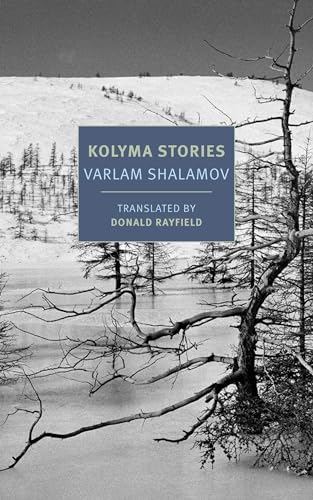
Start this bookNo. 18 on this list. Kolyma Tales · Varlam Shalamov · 1978
Recognized as one of the definitive literary works about the Soviet Gulag and a masterpiece of twentieth-century short fiction.
Easy11 hours
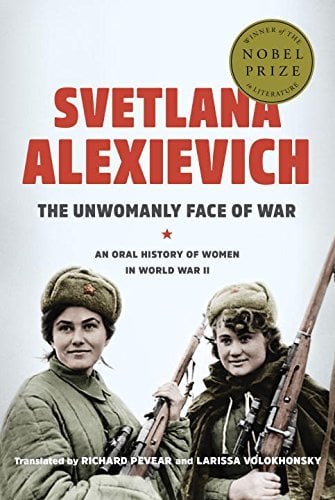
Start this bookNo. 19 on this list. The Unwomanly Face of War · Svetlana Alexievich · 1985
Taught in schools: Lithuanian literature curriculum (lietuvių kalba ir literatūra), UNAM Escuela Nacional Preparatoria – programas de Literatura (Mexico)
Widely taught in university courses on Eastern European literature, WWII history, and oral history methodology, though not a fixture of secondary school curricula in the West. The 2015 Nobel Prize dramatically expanded its global reach and translation into forty-plus languages. Its canonical standing is growing rather than settled.
Easy5.8 hours
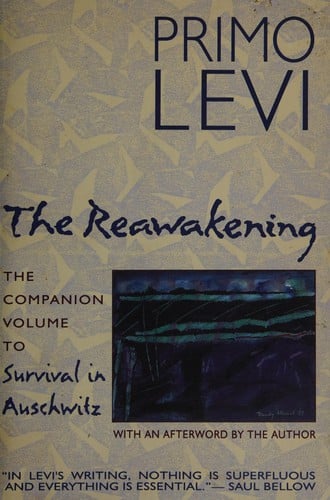
Start this bookNo. 20 on this list. The Truce · Primo Levi · 1963
"The Truce" is taught widely in Holocaust literature, Italian literature, and 20th-century European history courses at universities across Europe and North America. It is less universally assigned than "If This Is a Man" but is firmly in the canon of serious literary and testimonial writing. No syllabus data was returned by the database, but Levi's standing in academic curricula is well established independently.
Easy8.6 hours
Start this book

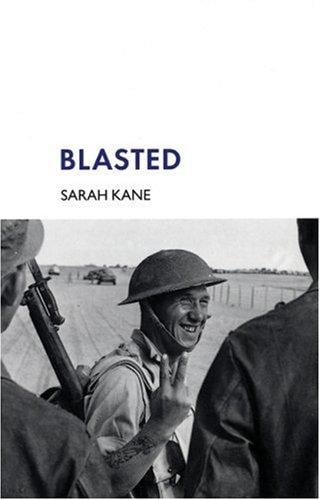
No. 21 on this list. Blasted · Sarah Kane · 1995
Now recognized as one of the most important British plays of the late twentieth century. A landmark of in-yer-face theater and a standard text in contemporary drama courses.
Moderate46 min
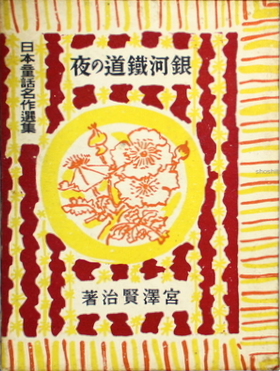
Start this bookNo. 22 on this list. Night on the Galactic Railroad · Kenji Miyazawa · 1934
One of the most beloved and widely adapted works in Japanese literature. Cultural landmark.
Moderate1.9 hours
Start this bookNo. 23 on this list. Bloodchild and Other Stories · Octavia E. Butler · 2005
'Bloodchild' is widely anthologized and taught in science fiction, race and gender courses. Butler's place on reading lists is strong but below the core canon.
Easy3.6 hours
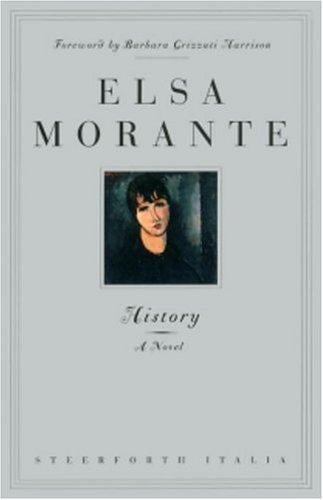
Start this bookNo. 24 on this list. History: A Novel · Elsa Morante · 1974
Included in: Bokklubben World Library
One of the most important Italian novels of the twentieth century. Controversial at publication but now widely recognized as a masterpiece.
Easy14 hours
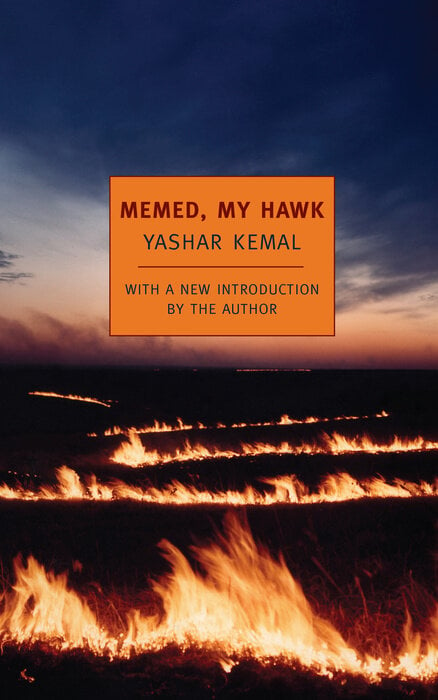
Start this bookNo. 25 on this list. Memed, My Hawk · Yasar Kemal · 1955
Included in: UNESCO Collection of Representative Works
The foundational novel of modern Turkish literature's international reputation. Widely translated and studied as a masterpiece of Turkish fiction.
Easy5.4 hours
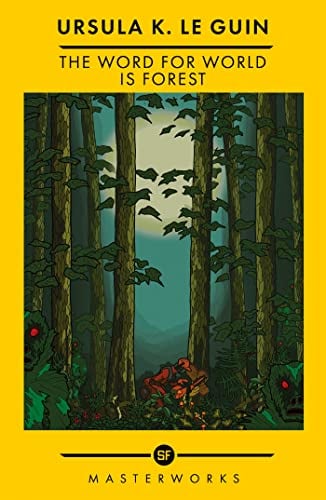
Start this bookNo. 26 on this list. The Word for World Is Forest · Ursula K Le Guin · 1972
A fixture in SF studies, environmental humanities, and postcolonial literature courses at universities worldwide. Le Guin's work overall is more canonically established than this single novella — it appears regularly on SF syllabi and ecocriticism reading lists, taught alongside texts like Octavia Butler's Kindred and Kim Stanley Robinson's Mars trilogy, though without the 2000+ syllabus presence of Beloved or The Great Gatsby.
Moderate2.5 hours
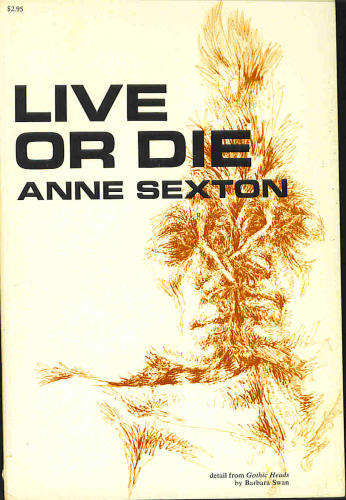
Start this bookNo. 27 on this list. Live or Die · Anne Sexton · 1966
Anne Sexton arranged these thirty-three poems in the order she wrote them — January 1962 to February 1966 — and called the result 'a fever chart for a bad case of melancholy.' Each poem arrives with a date at the bottom, evidence rather than ornament. The collection opens with her father, a wool salesman who drank in his bedroom and died on the road; within pages she has checked herself into a psychiatric ward, addressed Sylvia Plath's corpse ('Thief!— how did you crawl into, crawl down alone into the death I wanted so badly'), mourned a son she never had, and watched her daughter call on God instead of her mother when a horse crushes her foot. Sexton's language stays in the body. She counts out eight pharmaceutical capsules each night, arranges them 'as in the laying on of hands or the black sacrament.' Suicides, she observes, 'have a special language. Like carpenters they want to know which tools. They never ask why build.' The hospital and the suburban kitchen share equal authority. God appears, and Mary, and Judas, and Sylvia, and none of them offer adequate answers. The final poem, 'Live,' turns the collection's entire argument on its axis. Eight Dalmatian puppies survive the pails of water that waited to drown them. 'I am not what I expected. Not an Eichmann. The poison just didn't take.' The fever chart ends with a temperature that isn't, finally, fatal. This is the Pulitzer Prize-winning collection that defined confessional poetry as a form capable of sustaining both unbearable honesty and survival.
Easy43 min
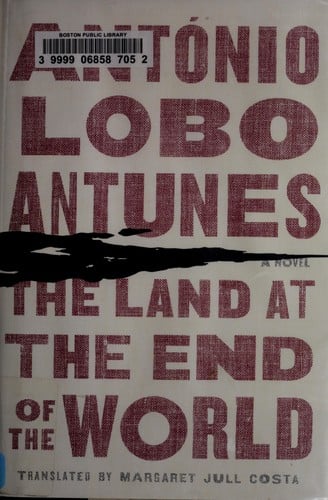
Start this bookNo. 28 on this list. The Land at the End of the World · Antonio Lobo Antunes · 1979
A Portuguese military doctor sits in a Lisbon bar late at night, talking at a woman who says nothing. For the next two hundred pages he doesn't stop. What pours out is the twenty-seven months he spent as an army psychiatrist in Angola during Portugal's colonial war — the bodies, the malaria, the boredom, the complicity — braided with memories of a Lisbon childhood lived in the shadow of Salazar's dictatorship and the bourgeois Catholic family that produced him. The zoo near his parents' apartment returns again and again: the animals behind wire, the very upright black roller-skating instructor tracing his slow ellipses, the solitude of the giraffe. The zoo is not a metaphor he explains. It is simply there, and the reader assembles what it means. Antunes writes in a single sustained torrent — no chapters, no scene breaks, no mercy. The syntax piles subordinate clause on subordinate clause until a sentence has carried you from a specific smell in Angolan scrub to a childhood memory of an aunt's apartment to a direct address back to the silent woman and her motionless hands. The narrator presents himself as tender, self-aware, a victim. The text contradicts him at every turn. He watched things happen that he did not stop. Originally published in 1979 as Os Cus de Judas — a title the English publisher softened — this is the novel that announced Antunes as the defining voice of post-colonial Portuguese literature. It reads like Faulkner set in the ruins of empire, with the guilt turned inward until it can't be contained.
Moderate4 hours
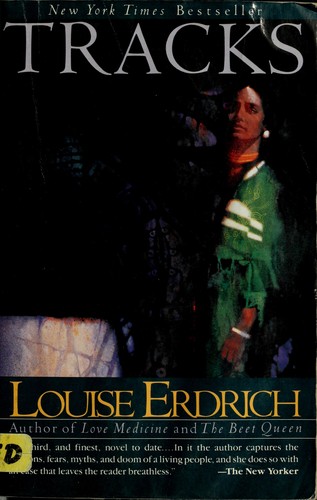
Start this bookNo. 29 on this list. Tracks · Louise Erdrich · 1988
A central work in Erdrich's interconnected cycle and widely taught in American literature courses. Considered one of her strongest early novels.
Moderate4.1 hours
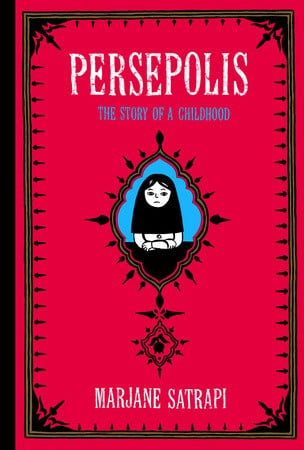
Start this bookNo. 30 on this list. Persepolis: The Story of a Childhood · Marjane Satrapi · 2004
It is widely assigned in high school and college courses as a primary text on the Iranian Revolution, and as a standard graphic memoir. It is established in world literature and comics curricula.
Easy2.2 hours
Start this book

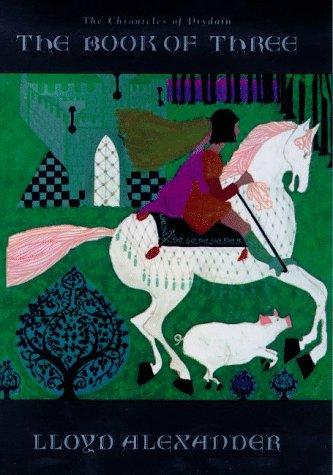
No. 31 on this list. The Book of Three
Lloyd Alexander · 1964
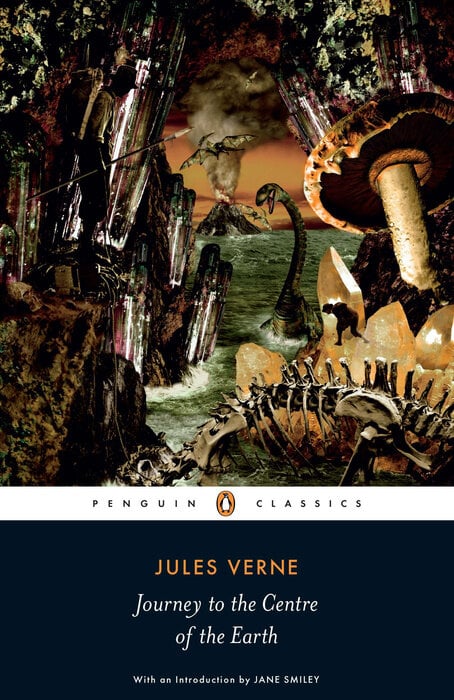
No. 32 on this list. Journey to the Center of the Earth
Jules Verne · 1864
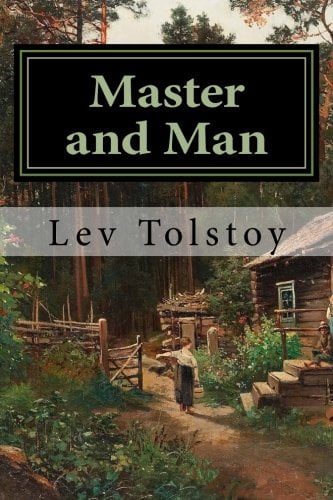
No. 33 on this list. Master and Man
Leo Tolstoy · 1895
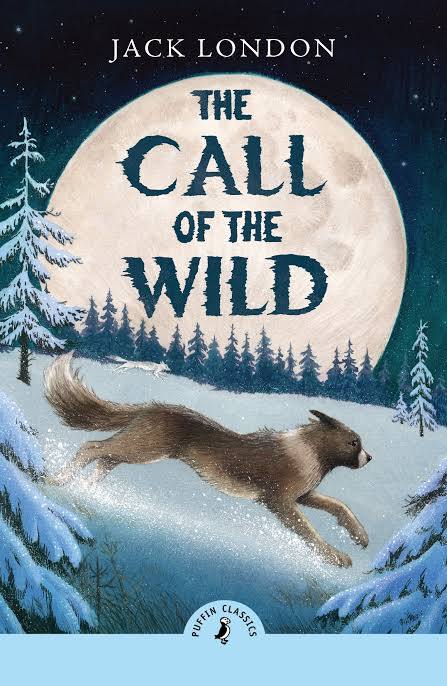
No. 34 on this list. The Call of the Wild
Jack London · 1903
No. 35 on this list. The Rape of Lucrece
William Shakespeare · 1594
No. 36 on this list. The Second World War
John Keegan · 1989
No. 37 on this list. A Woman's Life
Guy de Maupassant · 1883
No. 38 on this list. Uncle Tom's Children
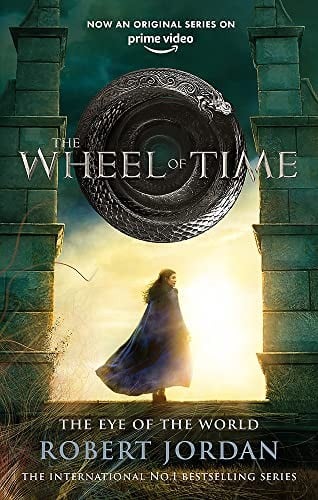
No. 39 on this list. The Eye of the World
Robert Jordan · 1990
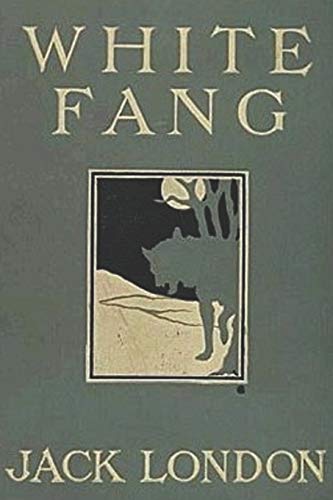
No. 40 on this list. White Fang
Jack London · 1906
Taught in schools: Turkish edebiyat curriculum (Turkey)
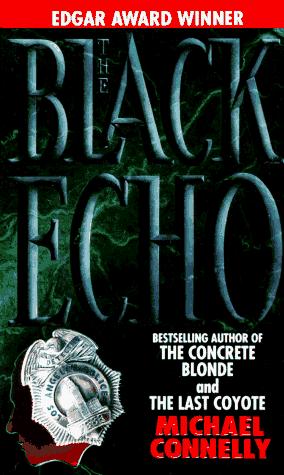
No. 41 on this list. The Black Echo
Michael Connelly · 1992
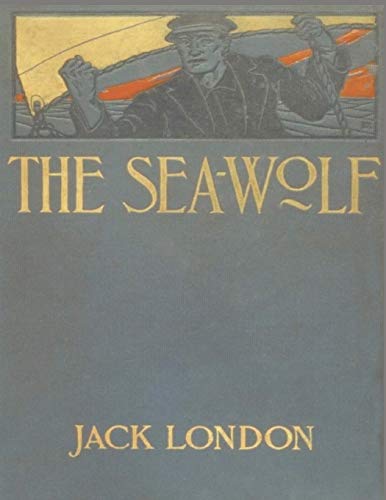
No. 42 on this list. The Sea-Wolf
Jack London · 1904
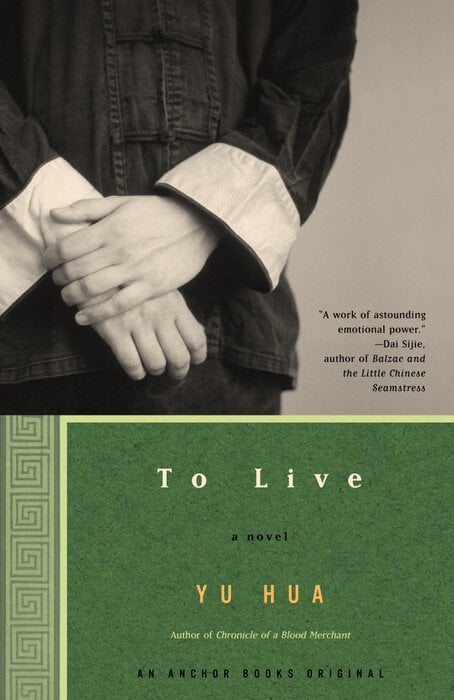
No. 43 on this list. To Live by Hua Yu (2013-08-26)
Yu Hua · 1992
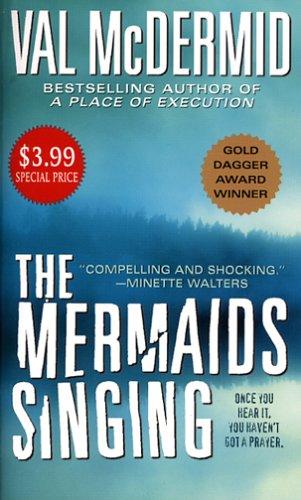
No. 44 on this list. The Mermaids Singing
Val McDermid · 1995
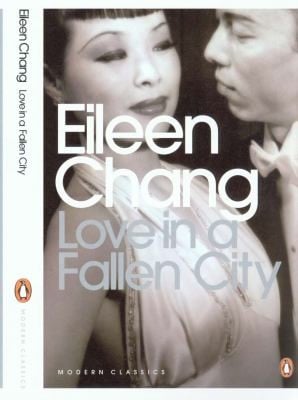
No. 45 on this list. Love in a Fallen City
Eileen Chang · 1943
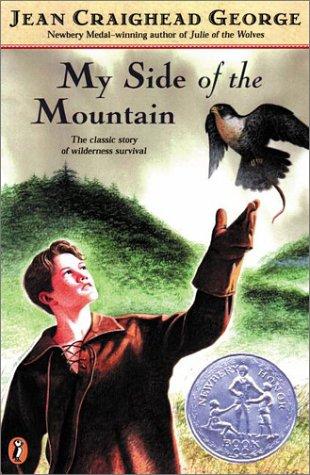
No. 46 on this list. My Side of the Mountain
Jean Craighead George · 1959
Taught in schools: CSEC English B – Caribbean Examinations Council
No. 47 on this list. The Song of the Lark
Willa Cather · 1915
No. 48 on this list. In the Blood
Suzan-Lori Parks · 1999
No. 49 on this list. The Unvanquished
William Faulkner · 1938
No. 50 on this list. The Long Valley
John Steinbeck · 1938
No. 51 on this list. I Have No Mouth & I Must Scream
Harlan Ellison · 1967
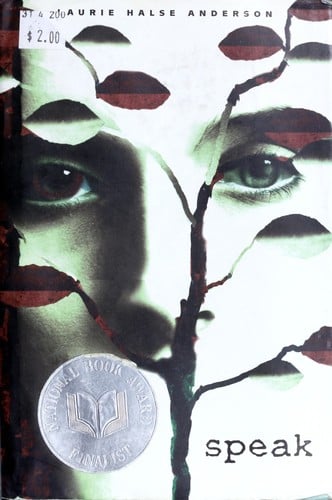
No. 52 on this list. Speak
Laurie Halse Anderson · 1999
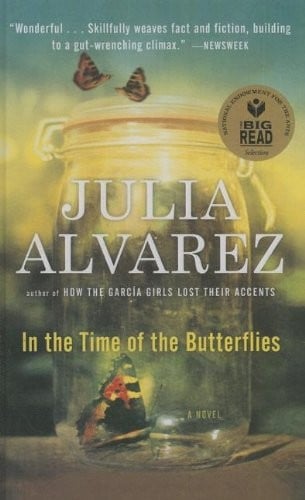
No. 53 on this list. In the Time of the Butterflies
Julia Alvarez · 1994
Taught in schools: UNAM Escuela Nacional Preparatoria – programas de Literatura (Mexico)
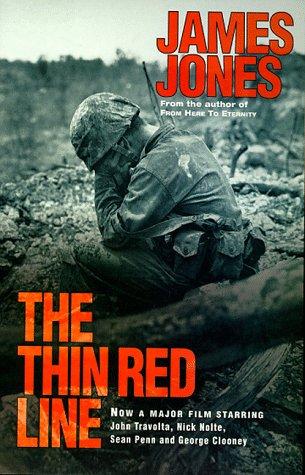
No. 54 on this list. The Thin Red Line
James Jones · 1998
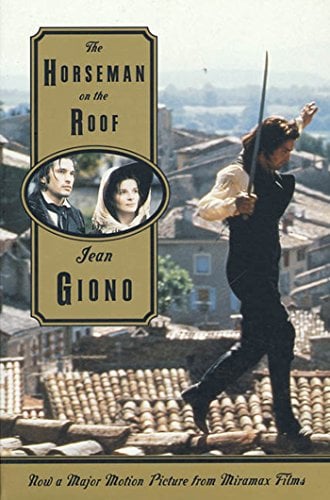
No. 55 on this list. The Horseman on the Roof
Jean Giono · 1951
No. 56 on this list. In Desert and Wilderness
Henryk Sienkiewicz · 1911
No. 57 on this list. The Most Dangerous Game
Richard Connell · 1924
No. 58 on this list. Jules Verne: Seven Novels
No. 59 on this list. The Absolutely True Diary of a Part-Time Indian
Sherman Alexie · 2007
No. 60 on this list. Old Tales Retold
Lu Xun · 1936


No. 61 on this list. The Wind from the Plain
Yasar Kemal · 1960
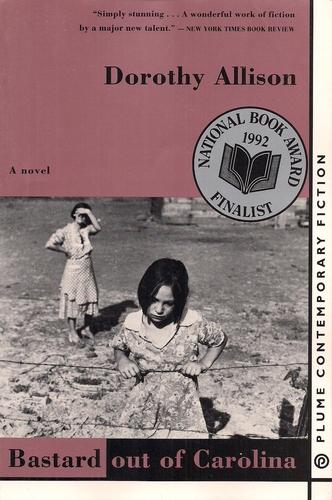
No. 62 on this list. Bastard Out of Carolina
Dorothy Allison · 1992
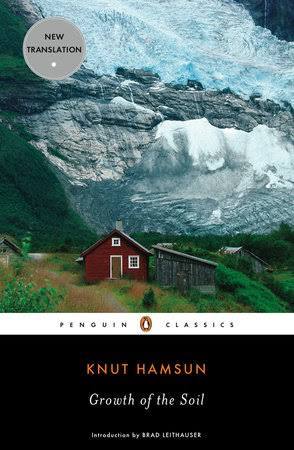
No. 63 on this list. Growth of the Soil
Knut Hamsun · 1917
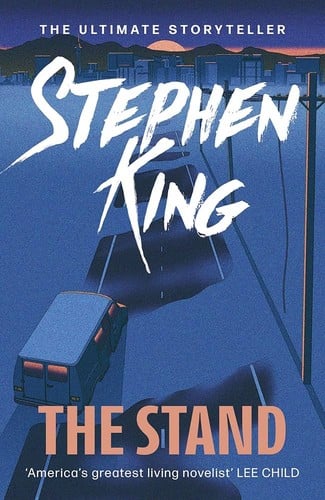
No. 64 on this list. The Stand
Stephen King · 1978
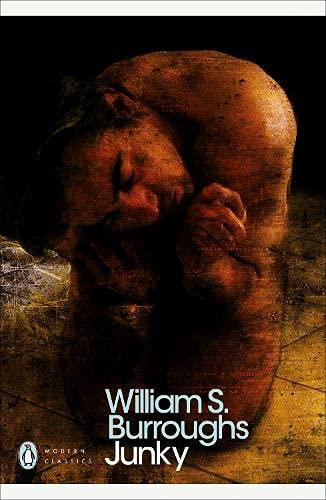
No. 65 on this list. Junky
William S. Burroughs · 1953
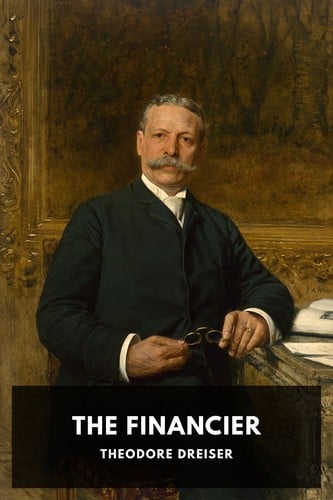
No. 66 on this list. The Financier
Theodore Dreiser · 1912
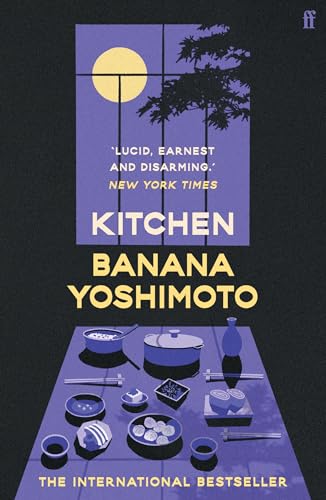
No. 67 on this list. Kitchen
Banana Yoshimoto · 1988
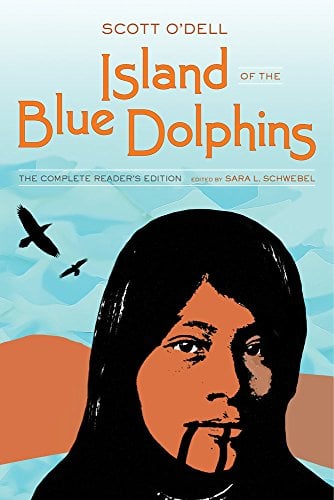
No. 68 on this list. Island of the Blue Dolphins
Scott O'Dell · 1960
Taught in schools: CSEC English B – Caribbean Examinations Council
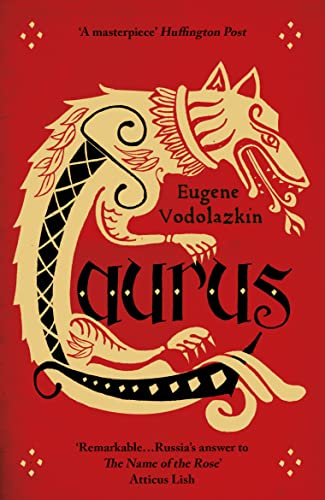
No. 69 on this list. Laurus
Eugene Vodolazkin · 2012
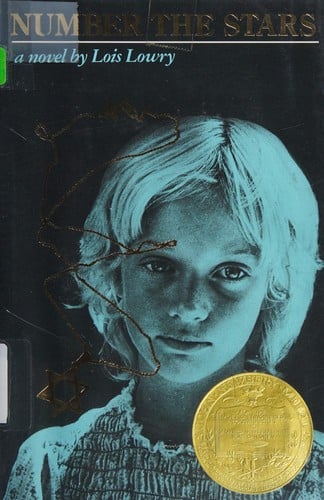
No. 70 on this list. Number the Stars
Lois Lowry · 1989
No. 71 on this list. Ashes
Grazia Deledda · 1904
No. 72 on this list. The Best We Could Do
Thi Bui · 2017
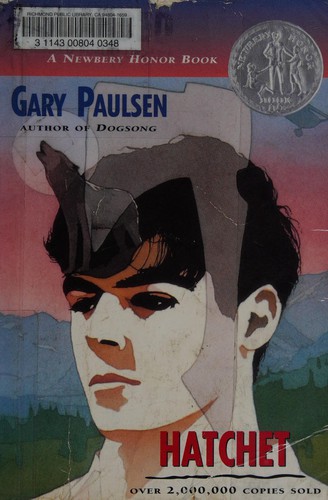
No. 73 on this list. Hatchet
Gary Paulsen · 1987
Taught in schools: Pacific Senior Secondary Certificate – English
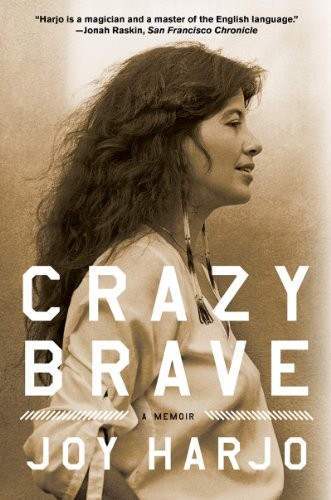
No. 74 on this list. Crazy Brave: A Memoir
Joy Harjo · 2012
No. 75 on this list. Os chefes / Os filhotes
Mario Vargas Llosa · 2010
No. 76 on this list. Soul
Andrei Platonov · 1964
No. 77 on this list. Batman: Year One
Frank Miller · 2007
No. 78 on this list. Down These Mean Streets
No. 79 on this list. A Deadly Education
Naomi Novik · 2020
No. 80 on this list. The Children of Men
P.D. James · 1992

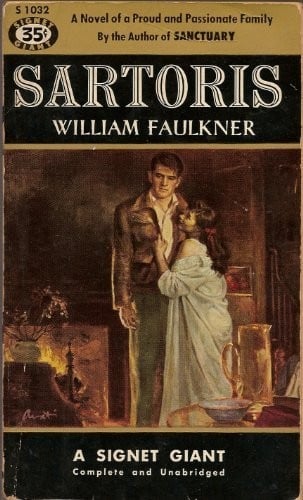
No. 81 on this list. Sartoris
William Faulkner · 1929
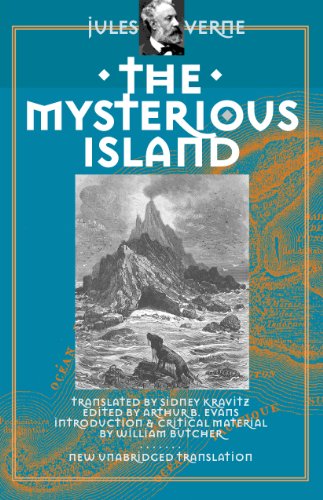
No. 82 on this list. The Mysterious Island
Jules Verne · 1875
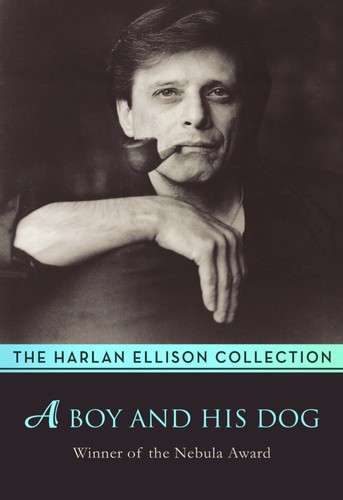
No. 83 on this list. A Boy and His Dog
Harlan Ellison · 2016
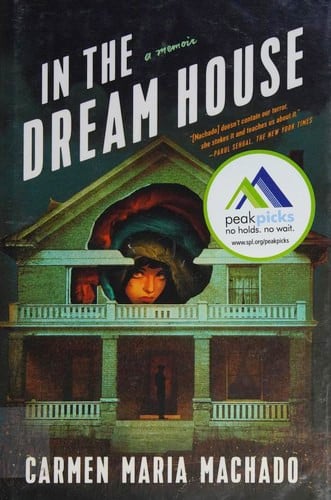
No. 84 on this list. In the Dream House
Carmen Maria Machado · 2019
No. 85 on this list. Indian horse
Richard Wagamese · 2012
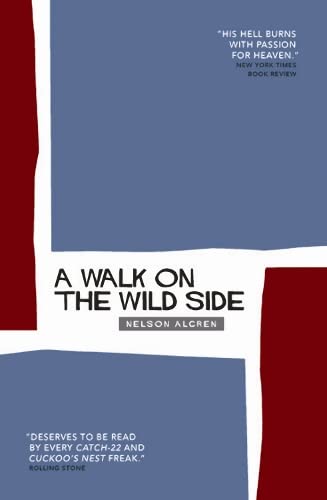
No. 86 on this list. A Walk on the Wild Side
Nelson Algren · 1956
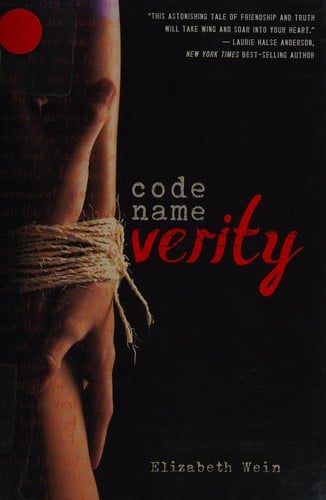
No. 87 on this list. Code Name Verity
Elizabeth Wein · 2012
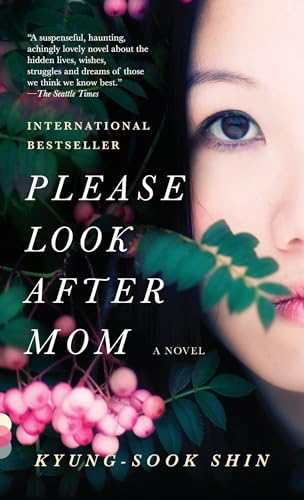
No. 88 on this list. Please Look After Mom
Shin Kyung-sook · 2008
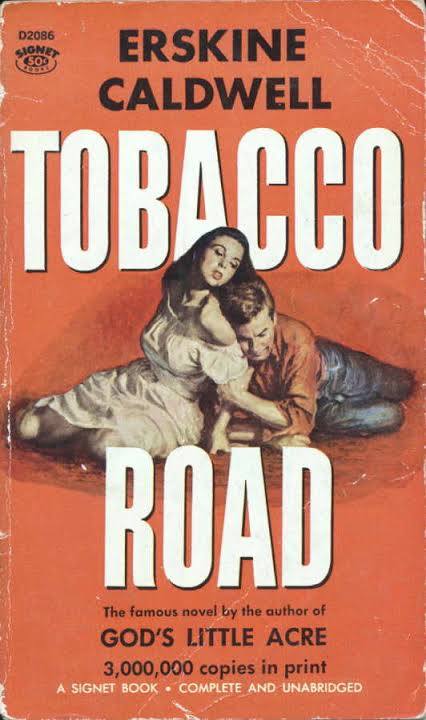
No. 89 on this list. Tobacco Road
Erskine Caldwell · 1932
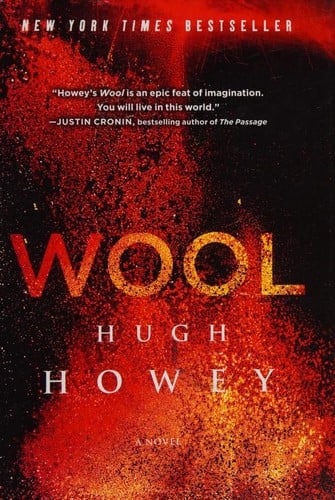
No. 90 on this list. Wool
Hugh Howey · 2011

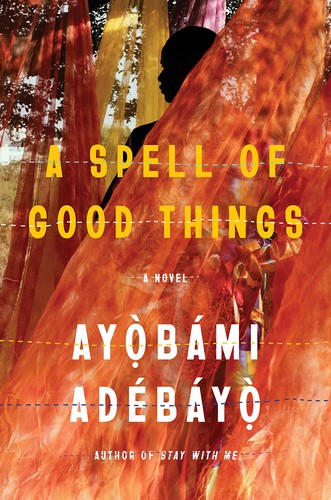
No. 91 on this list. A Spell of Good Things
Ayọ̀bámi Adébáyọ̀ · 2023
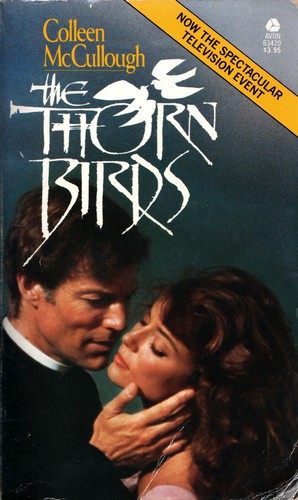
No. 92 on this list. The Thorn Birds
Colleen McCullough · 1977
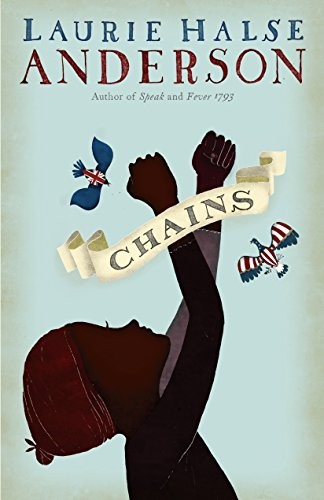
No. 93 on this list. Chains
Laurie Halse Anderson · 2008
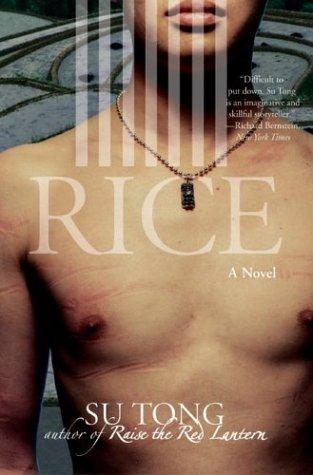
No. 94 on this list. Rice
Su Tong · 1991
No. 95 on this list. Locke & Key
Joe Hill · 2008
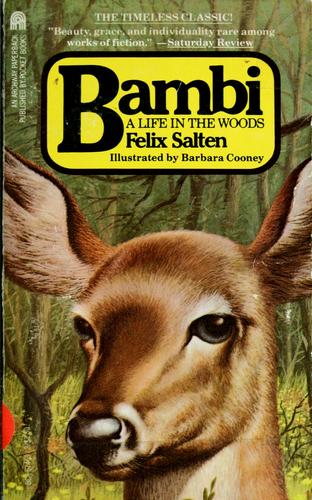
No. 96 on this list. Bambi: A Life in the Woods
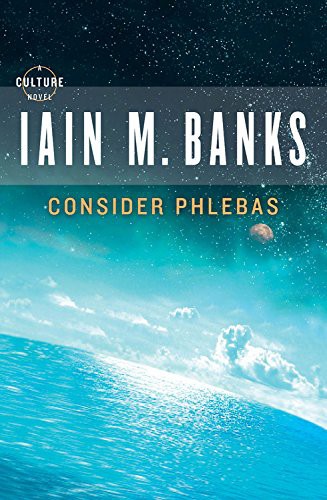
No. 97 on this list. Consider Phlebas
Iain M. Banks · 1987
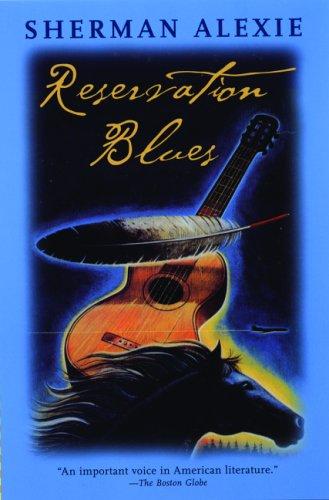
No. 98 on this list. Reservation Blues
Sherman Alexie · 1995
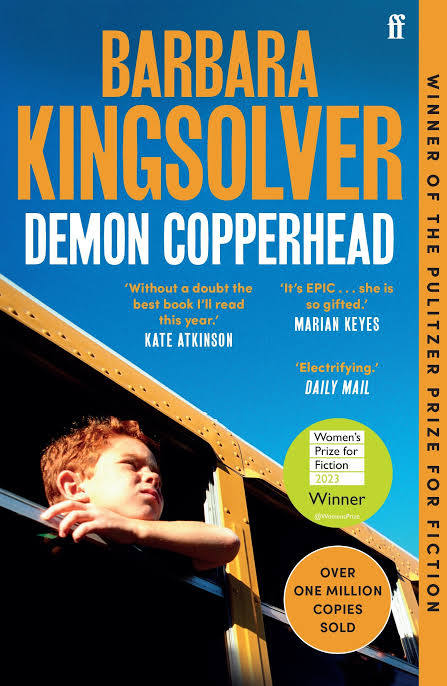
No. 99 on this list. Demon Copperhead
Barbara Kingsolver · 2023
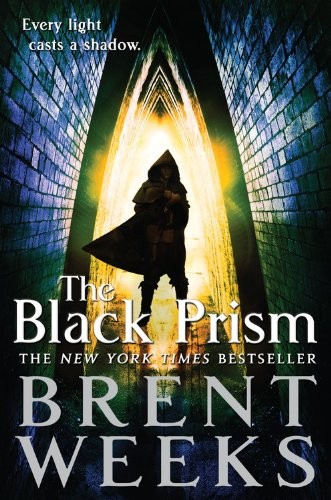
No. 100 on this list. The Black Prism
Brent Weeks · 2010

About this list
These 100 books are the highest-scoring eligible easy books about survival and endurance currently in the catalogue. About 523 hours of reading in all. Difficulty runs from 30 to 40 out of 100 for the middle half of the list; the summit is Blasted at 44.
This list is ranked by literary regard, with a consistent order for equal scores. Membership follows authors and co-authors, not translators or editors. A book is here when ReadingRate files it under Survival & Endurance as one of its primary reading domains, at a confidence of 0.8 or more. Catalogue coverage and the historical canon both limit what this list can represent.
When we matched the Canons dataset to our catalogue in October 2026, our canonical-status scores rose with the number of school curricula, publisher series and lists in it that cite a work: the median score was 72 for books one such source cites, 84 at two, 88 at three, 92 at four and 93 at five or more. Prizes are left out of that count. Outside the state curricula, the dataset’s sources choose mostly from what has been translated into English or French, so it is a weaker check on other literatures. Source: Canons (Andrew Piper), CC BY 4.0
Questions people actually ask
- What are the best easy books about survival and endurance?
- By literary regard, which weighs canonical status, critical standing and influence: Bérénice by Jean Racine, One Day in the Life of Ivan Denisovich by Aleksandr Solzhenitsyn, Theogony/Works and Days by Hesiod, Robinson Crusoe by Daniel Defoe and The Old Man and the Sea by Ernest Hemingway. ReadingRate ranks 100 such books, each with a difficulty score and a reading-time estimate.
- Which easy books about survival and endurance should I read first?
- Start from difficulty, not from rank. The most approachable books on this list that still carry top literary regard are Le Hobbit by J.R.R. Tolkien (about 4.9 hours), The Hobbit by J.R.R. Tolkien and The Diary of a Young Girl by Anne Frank.
- What are the shortest of the best easy books about survival and endurance?
- Among the top 25, the shortest are Blasted by Sarah Kane (about 46 min), Bérénice by Jean Racine (about 50 min) and Sizwe Bansi Is Dead by Athol Fugard (about 1.1 hours), at an average pace of 250 words a minute adjusted for each book's difficulty.
- Which of the best easy books about survival and endurance are the established classics?
- By canonical status, how firmly a book sits in curricula, anthologies and the canon: The Old Man and the Sea by Ernest Hemingway, Robinson Crusoe by Daniel Defoe, Bérénice by Jean Racine, One Day in the Life of Ivan Denisovich by Aleksandr Solzhenitsyn and Theogony/Works and Days by Hesiod.
- Can I read any of these easy books about survival and endurance for free?
- 9 of the 100 open in ReadingRate's reader with a free account, from public-domain editions: Robinson Crusoe, The House of the Dead, Sister Carrie, Master and Man, The Call of the Wild and 4 more.
- How long would it take to read the top ten?
- About 53 hours, at an average pace of 250 words a minute adjusted for each book's difficulty: 27 days at two hours a day. Set your own pace on the page and the list's reading times change to it.
- How hard are easy books about survival and endurance to read?
- Most of this list sits between 30 and 40 on ReadingRate's 100-point difficulty scale, where 40 to 55 is moderate. The summit is Blasted at 44. Every entry carries its own score, so a reader can pick a great book at a difficulty they will finish.
- How is this list ranked?
- On literary-regard data: how canonically established a work is, its critical standing, and its influence on later writing. It is not a readers’ poll, which is why recent bestsellers rarely appear. Membership follows authors and co-authors, not translators or editors. Lists by country, author, period, theme or difficulty keep to literature (fiction, poetry, drama and philosophy), their novels, poems and plays first and their philosophy after them; a list of a kind of book, such as memoir or criticism, keeps every book of that kind. Every list holds at most three works by one author. A book is here when ReadingRate files it under Survival & Endurance as one of its primary reading domains, at a confidence of 0.8 or more.