Hours at an average pace
Showing 100 books
About 692 hours for 99 of 100 books with measured lengths. Estimates use 250 words a minute, adjusted for each book's difficulty. At 2 hours a day, about 347 days for those books.
No. 1 on this list. Adventures of Huckleberry Finn
Mark Twain · 1884
Moderate7.5 hours
Taught in schools: Pearson Edexcel GCSE and A-level English Literature (UK)
Included in: Bokklubben World Library, Great Books of the Western World
Adventures of Huckleberry Finn is taught in virtually every American high school and university American literature course, and is among the most debated and analyzed works in the American canon. Its Wikipedia article spans 62 languages with a dedicated reception section, reflecting global critical discourse sustained for over 140 years. Ernest Hemingway's declaration that all modern American literature comes from this one book cemented its place as the foundational American novel.
No. 2 on this list. David Copperfield
Charles Dickens · 1850
Moderate24 hours
Taught in schools: WJEC/Eduqas GCSE and A-level English Literature (UK)
David Copperfield is firmly established in the Western literary canon as one of Dickens's supreme achievements and a defining example of the Victorian Bildungsroman. It remains widely taught, studied, and adapted across cultures.
No. 3 on this list. Great Expectations
Charles Dickens · 1861
Moderate12 hours
Taught in schools: AQA GCSE and A-level English Literature (UK), OCR GCSE and A-level English Literature (UK), Pearson Edexcel GCSE and A-level English Literature (UK)
Included in: Bokklubben World Library
Dickens tracked Pip's journey from a Kent forge to London's moneyed drawing rooms to expose the way class aspiration corrodes character — then made the reader complicit in Pip's snobbery before pulling back the curtain on who his true benefactor was. It is his most psychologically honest novel, and the one where his plotting matches his moral intelligence.
No. 4 on this list. Wilhelm Meister's Apprenticeship
Johann Wolfgang von Goethe · 1796
Challenging19 hours
Wilhelm Meister's Apprenticeship is taught in comparative literature and world literature courses globally, and is considered essential reading for understanding the development of European prose fiction. Its position as the founding text of the Bildungsroman places it on syllabi wherever German literature or the novel as a form is studied seriously. No database signals were available, but its literary-historical importance is universally acknowledged.
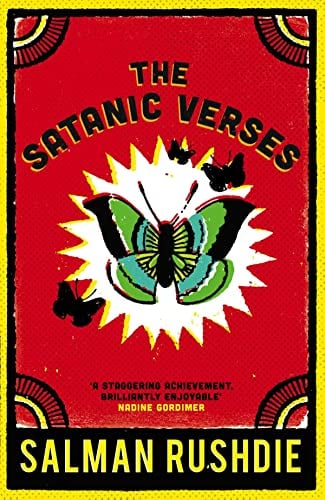
The Satanic Verses occupies singular position in late-twentieth-century literature due to the fatwa issued by Ayatollah Khomeini, making it perhaps the most internationally controversial novel of its era. Beyond the political firestorm, it stands as landmark postcolonial fiction and exemplar of British multicultural literature. The novel appears on standard lists of essential postmodern works and remains central to discussions of migration, identity, and religion in global fiction. Its notoriety ensures permanent place in literary and political history.
No. 6 on this list. Père Goriot
Honoré de Balzac · 1835
Challenging7.4 hours
Included in: Bokklubben World Library
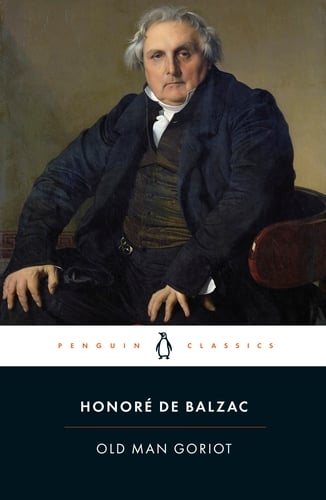
Père Goriot is a fixture in world literature curricula, appearing in French literature surveys, comparative literature courses, and 19th-century fiction seminars across the globe. Wikipedia articles in 47 languages signal its reach far beyond the French-speaking world. It holds a central position in La Comédie humaine, Balzac's linked series of nearly 100 novels, and is typically the first text assigned to readers of Balzac.
No. 7 on this list. The Hobbit, or There and Back Again
J.R.R. Tolkien · 1937
Easy5 hours
Taught in schools: CSEC English B – Caribbean Examinations Council, Kazakh literature curriculum (Kazakhstan)
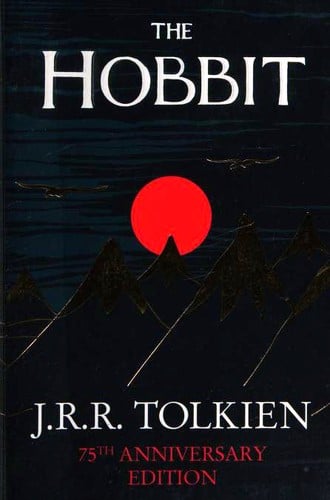
One of the most-read fantasy books in English, widely taught in schools and in studies of fantasy, though it sits below the central literary canon and ahead of commercial fantasy.
No. 8 on this list. Zorba the Greek
Nikos Kazantzakis · 1946
Challenging8.8 hours
Included in: Bokklubben World Library
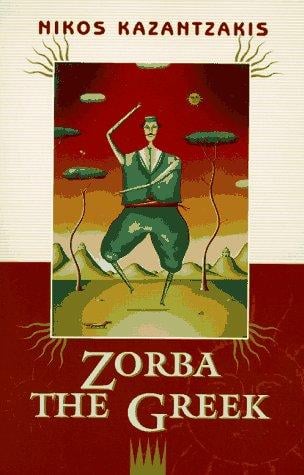
Zorba the Greek is widely regarded as the defining work of modern Greek literature in the Western canon, taught in university world literature and comparative literature courses and listed among the hundred best novels of the twentieth century in multiple critical anthologies. Its international reach — translated into over fifty languages — and its adaptation into a celebrated 1964 film starring Anthony Quinn cemented its canonical position well beyond its original cultural context.
No. 9 on this list. What Maisie Knew
Henry James · 1897
Challenging8.9 hours
Taught in schools: Pearson Edexcel GCSE and A-level English Literature (UK)
Ranked by literary regard among eligible works in the current catalogue. This position reflects the available catalogue evidence.
Fifth Business is widely regarded as the foundational text of modern Canadian literature and a fixture on university English syllabi across Canada and internationally. Its place at the head of the Deptford Trilogy and its sustained presence in academic course lists — from Canadian literature surveys to courses on the psychological novel — cement its canonical standing well beyond its national origin.
No. 11 on this list. The Hobbit: Illustrated Edition · J.R.R. Tolkien
The Hobbit is a staple of children's and fantasy curricula and of school reading lists worldwide. It is less a university text than Gatsby, but a firmly established classic.
Easy5.1 hours
Start this bookNo. 12 on this list. Treasure Island · Robert Louis Stevenson · 1883
Taught in schools: Pacific Senior Secondary Certificate – English
Treasure Island is the defining pirate novel in English literature, anthologized and taught to children across the globe since its 1883 publication. Adapted for film, stage, and television dozens of times, it occupies a foundational position in English-language adventure fiction. Though the data signals returned empty, its cultural ubiquity—Black Spot, treasure maps, parrots, Long John Silver—places it firmly in the literary canon.
Easy4 hours
Read nowNo. 13 on this list. The Garden of Evening Mists · Tan Twan Eng · 2013
Won the Man Asian Literary Prize (2012) and was shortlisted for the Man Booker Prize, establishing it within contemporary Asian literature. The novel appears on university reading lists for postcolonial literature and is recognized as a significant contribution to Malaysian anglophone fiction. While critically esteemed, it has not yet achieved the multi-generational canonical status of works like Beloved or One Hundred Years of Solitude.
Challenging9.5 hours
Start this bookNo. 14 on this list. The City and the Dogs · Mario Vargas Llosa · 1963
Recognized as one of the founding novels of the Latin American boom and a landmark of Peruvian literature.
Moderate7.7 hours
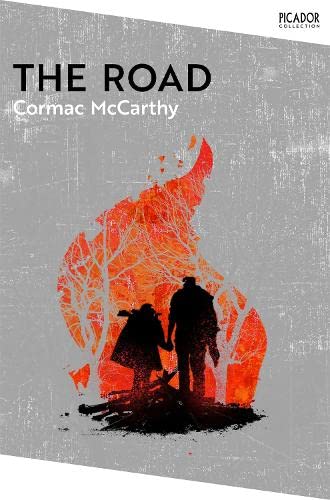
Start this bookNo. 15 on this list. The Road · Cormac McCarthy · 2007
The Road appears on TIME's All-TIME 100 Novels list, the Open Syllabus Top 500 in Literature, and has Wikipedia articles in 34 languages — solid global recognition for a novel published in 2006. It is frequently assigned in contemporary American literature courses but has not yet reached the ubiquity of older canonical novels like Gatsby or Beloved.
Challenging5.2 hours
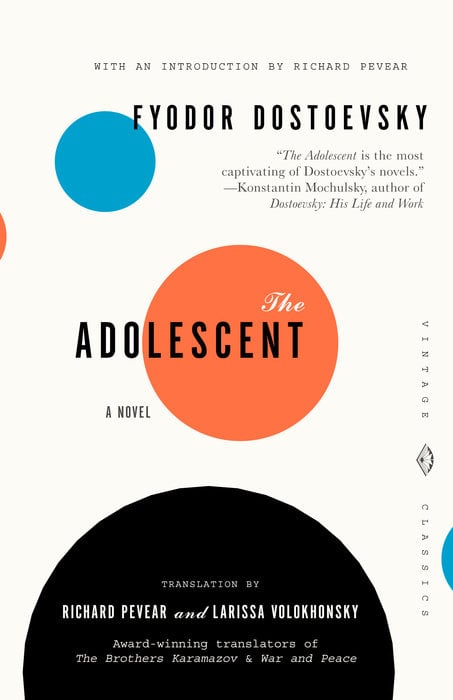
Start this bookNo. 16 on this list. The Adolescent · Fyodor Dostoevsky · 1875
Taught in schools: Russian FGOS literature standard
The Adolescent occupies an unusual position in the Dostoevsky canon — acknowledged as a major novel but consistently overshadowed by Crime and Punishment, The Idiot, and The Brothers Karamazov on university syllabi. It appears in Dostoevsky survey courses but is rarely the primary assigned text. The data signals in the database returned no syllabus appearances or Wikipedia entry, confirming its secondary status relative to his better-known works.
Challenging19 hours
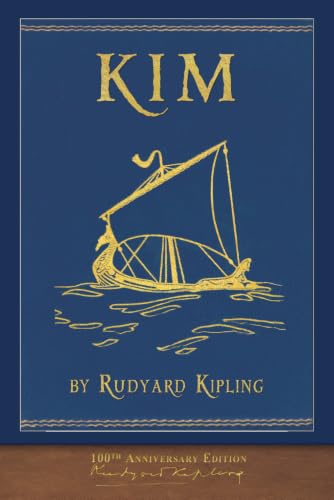
Start this bookNo. 17 on this list. Kim · Rudyard Kipling · 1901
Kim ranks among Kipling's most celebrated novels and remains canonical in postcolonial studies, children's literature, and Victorian fiction surveys. It occupies significant position in the English literary canon, though less universally studied than Ulysses, Great Gatsby, or Beloved.
Moderate7.4 hours
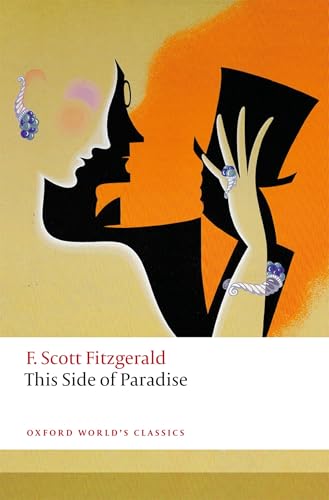
Read nowNo. 18 on this list. This Side of Paradise · F. Scott Fitzgerald · 1920
Taught in American literature surveys and Fitzgerald-specific courses, but far less frequently than The Great Gatsby, which dominates both high school and university syllabi. This Side of Paradise appears primarily in courses on modernism, the 1920s, or the American bildungsroman. It holds a secure but secondary position in the Fitzgerald canon — the book that made him famous rather than the book that made him permanent.
Easy4.6 hours
Read nowNo. 19 on this list. Deep Rivers · José María Arguedas · 1958
Taught in schools: UNAM Escuela Nacional Preparatoria – programas de Literatura (Mexico)
The central work of indigenist literature in Latin America and a cornerstone of Peruvian fiction.
Easy4 hours
Start this bookNo. 20 on this list. His Dark Materials · Philip Pullman · 1995
His Dark Materials has become central to children's literature and fantasy canons, studied in schools and frequently referenced in contemporary fantasy discourse. The trilogy's influence on subsequent young adult fiction ensures sustained discussion, though it lacks the foundational status of works like Harry Potter in terms of market dominance.
Moderate17 hours
Start this book

No. 21 on this list. Betrayed by Rita Hayworth · Manuel Puig · 1968
Puig's debut is taught in Latin American literature courses at major universities and is considered foundational to post-Boom fiction. While no verified syllabus data was available, the novel's reputation in Hispanic studies is secure, though it is less universally assigned than García Márquez or Borges. It appears consistently in surveys of twentieth-century Latin American fiction and in queer studies courses for its treatment of gender and cinema.
Challenging10 hours
Start this bookNo. 22 on this list. Le Grand Meaulnes · Alain-Fournier · 1913
Taught throughout French schools, a Le Monde 100 Books of the Century winner, listed in Open Syllabus Top 500 - Literature and an NYRB Classics edition. Translated into many languages.
Moderate4.4 hours
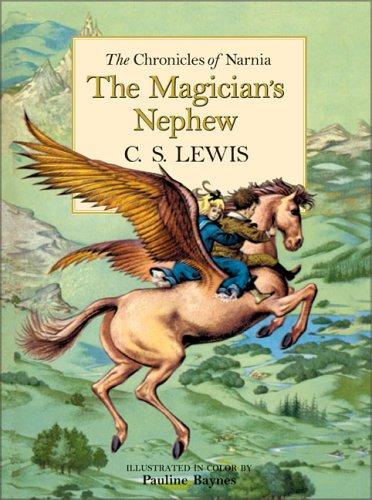
Read nowNo. 23 on this list. The Magician’s Nephew · C.S. Lewis · 1955
The Chronicles of Narnia rank among the most widely read children's series of the 20th century, with over 100 million copies sold globally. The Magician's Nephew appears on virtually every major 'best children's books' list and is taught in primary schools worldwide. No syllabus data available in the database, but its foundational place in children's literature curricula — particularly in English-speaking countries — establishes strong canonical status within its sphere.
Easy2.3 hours
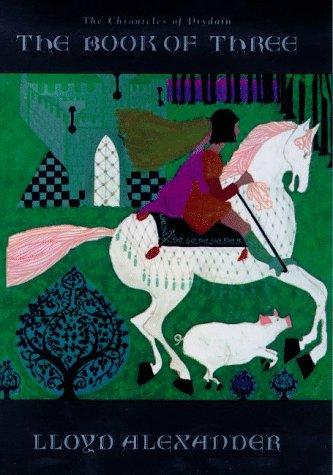
Start this bookNo. 24 on this list. The Book of Three · Lloyd Alexander · 1964
Newbery Medal winner (for The High King). The Chronicles of Prydain are a cornerstone of children's fantasy.
Easy2.3 hours
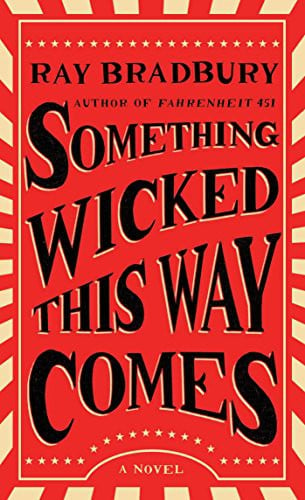
Start this bookNo. 25 on this list. Something Wicked This Way Comes · Ray Bradbury · 1962
Widely taught in American high school and university courses, particularly in science fiction and American literature surveys. It appears on numerous authoritative lists — including the Modern Library's reader poll — and is frequently cited as essential Bradbury alongside 'Fahrenheit 451.' No syllabus data was captured, but its classroom presence is well-documented.
Challenging5.7 hours
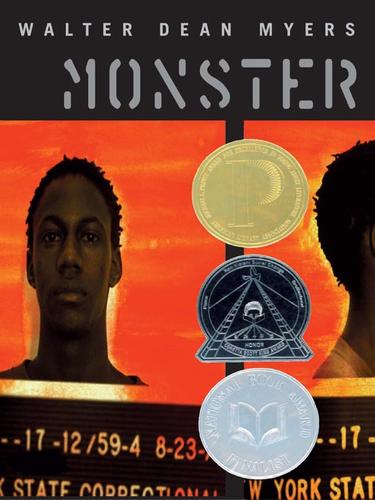
Start this bookNo. 26 on this list. Monster · Walter Dean Myers · 1999
Steve Harmon is sixteen years old and on trial for felony murder. He may have acted as a lookout for a Harlem drugstore robbery that left the owner dead — or he may not have. The question hangs over Walter Dean Myers's 1999 novel, which Steve narrates in the only form that makes sense to him: a screenplay. He writes himself as the protagonist, titles the film Monster — the word the prosecutor used to describe him — and cuts between courtroom scenes and flashback journal entries while his mother cries in the gallery and his lawyer calculates the odds. The form is not a gimmick. A screenplay externalizes action and dialogue while burying interiority in stage directions, and that gap is exactly where Myers puts the book's central problem: we watch Steve perform innocence without ever being certain whether we are watching performance or truth. The trial exposes Harlem's carceral machinery — the way young Black men get classified, processed, and destroyed — but Monster refuses to let that machinery fully explain Steve. He asks, on the last page, who he is. Myers doesn't answer. Readers will spend time after the last page deciding whether that's evasion or honesty, and what it says about how they read a defendant's face.
Easy1.7 hours
Start this bookNo. 27 on this list. The Path to the Nest of Spiders · Italo Calvino · 1947
The standard first novel of Italian neorealism on university syllabi, taught alongside Vittorini and Pavese, and in print in Ecco and Penguin editions.
Challenging3.8 hours
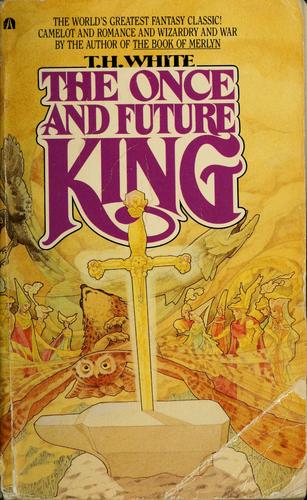
Start this bookNo. 28 on this list. The Once and Future King (The Once and Future King, #1–5) · T.H. White · 1987
White's Arthurian cycle is a standard of modern fantasy and a staple of school reading lists, adapted into Disney's The Sword in the Stone, Camelot and more. It is canonical in fantasy and children's literature but less so in university literature courses.
Moderate16 hours
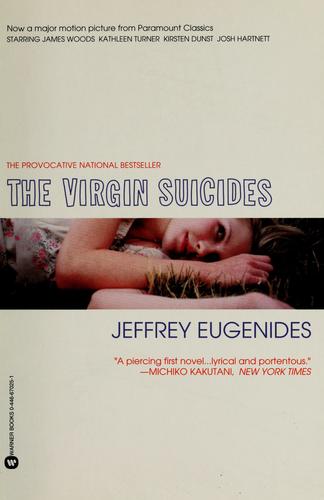
Start this bookNo. 29 on this list. The Virgin Suicides · Jeffrey Eugenides · 1993
The Virgin Suicides appears regularly on contemporary American literature and coming-of-age syllabi and features on Modern Library and similar notable reading lists. It is not a curriculum fixture at the scale of The Great Gatsby but is widely taught in university creative writing programs as a model of collective narration. No formal syllabus data available in the database.
Challenging5.6 hours
Start this bookNo. 30 on this list. School at the Frontier · Géza Ottlik · 1959
Widely regarded as the greatest Hungarian novel of the twentieth century. Less known internationally due to limited translation history.
Moderate6.2 hours
Start this book

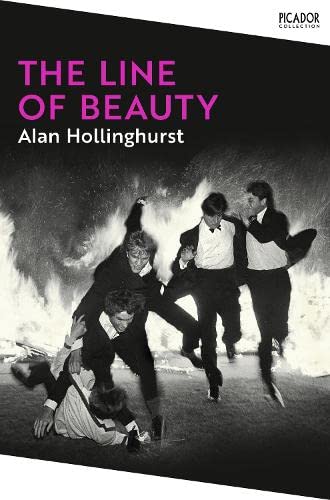
No. 31 on this list. The Line of Beauty
Alan Hollinghurst · 2004
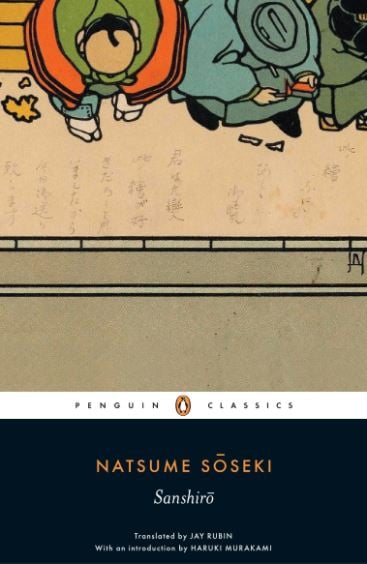
No. 32 on this list. Sanshiro
Natsume Sōseki · 1908
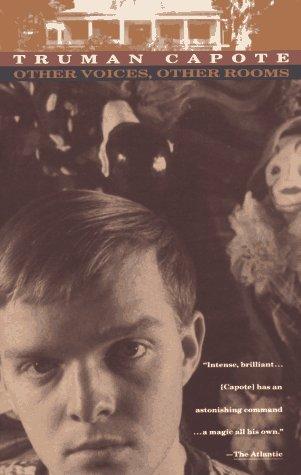
No. 33 on this list. Other Voices, Other Rooms
Truman Capote · 1994
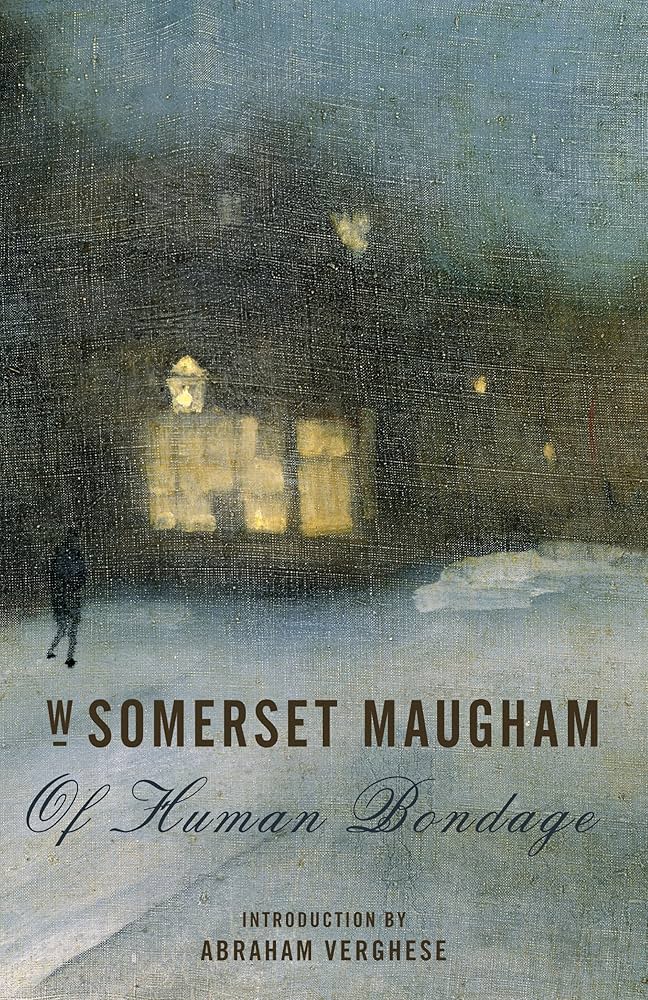
No. 34 on this list. Of Human Bondage
W. Somerset Maugham · 1915
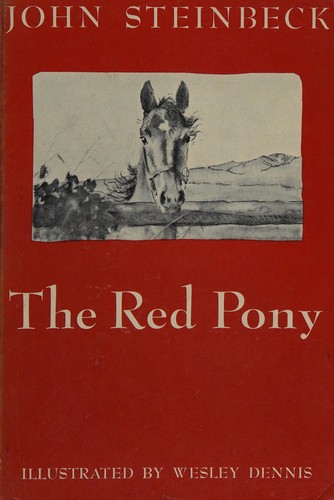
No. 35 on this list. The Red Pony
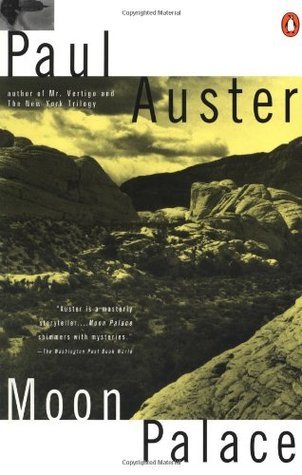
No. 36 on this list. Moon Palace
Paul Auster · 1989
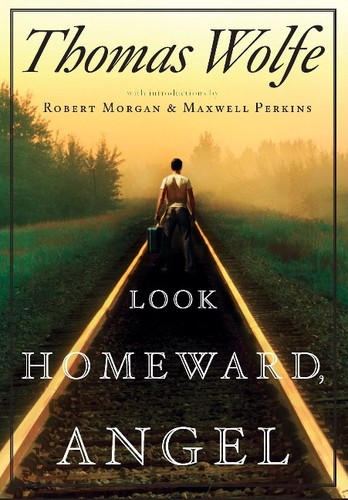
No. 37 on this list. Look Homeward, Angel
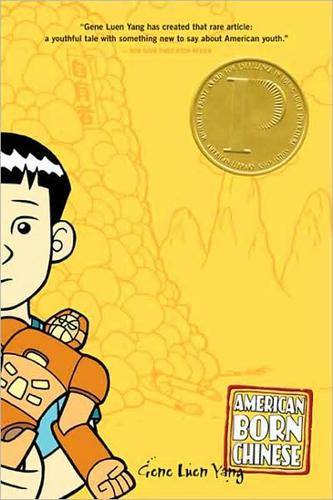
No. 38 on this list. American Born Chinese
Gene Luen Yang · 2006
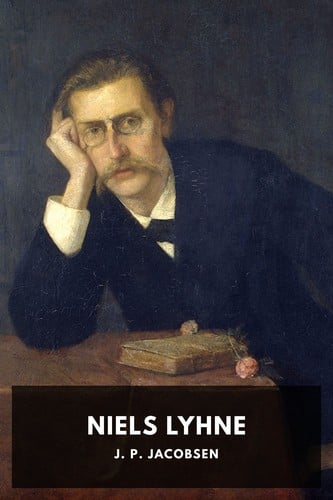
No. 39 on this list. Niels Lyhne
Jens Peter Jacobsen · 1880
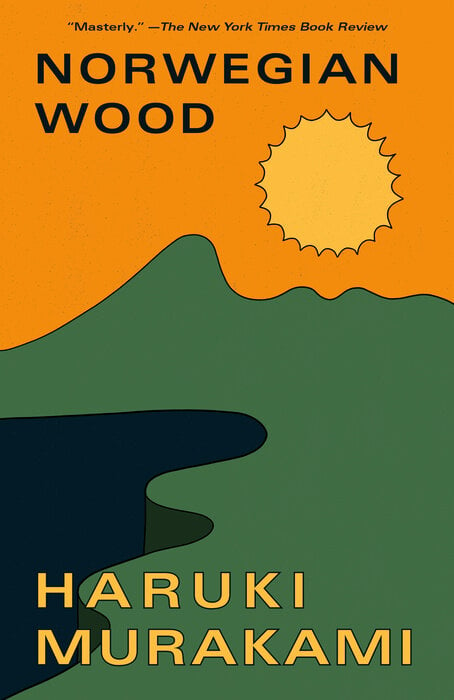
No. 40 on this list. Norwegian Wood
Haruki Murakami · 1987
No. 41 on this list. The Path
Miguel Delibes · 1950
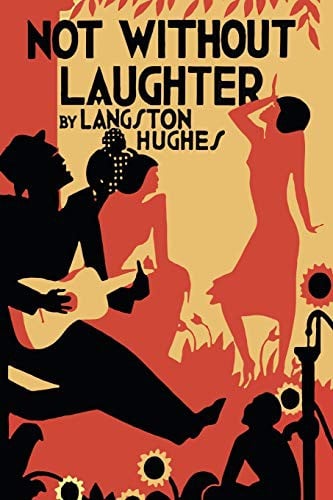
No. 42 on this list. Not Without Laughter
Langston Hughes · 1930
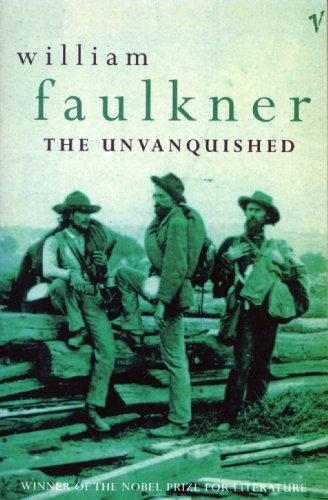
No. 43 on this list. The Unvanquished
William Faulkner · 1938
No. 44 on this list. Indian Summer
Adalbert Stifter · 1857
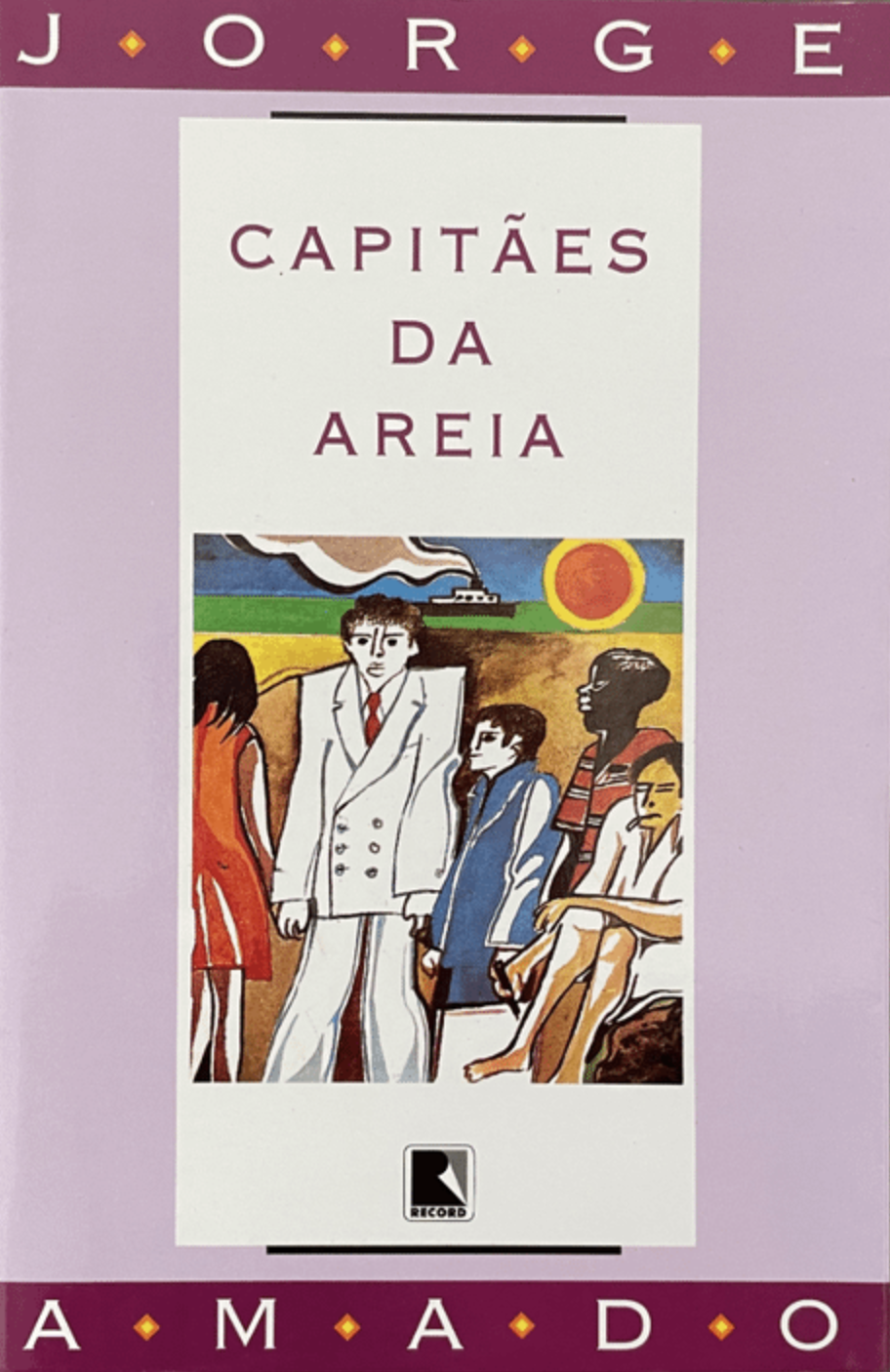
No. 45 on this list. Captains of the Sands
Jorge Amado · 1937
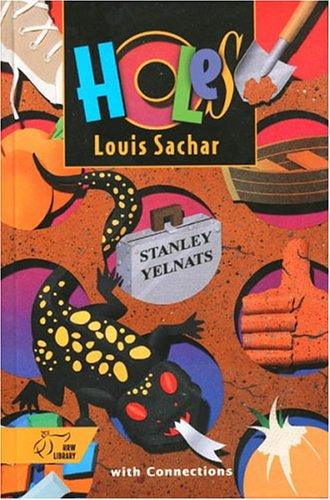
No. 46 on this list. Holes
Louis Sachar · 1998
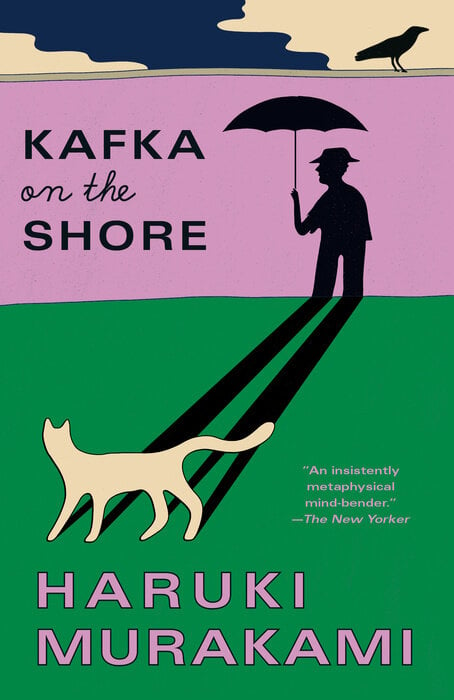
No. 47 on this list. Kafka on the Shore
Haruki Murakami · 2001
No. 48 on this list. The Sound of Waves
Yukio Mishima · 1954
Included in: UNESCO Collection of Representative Works
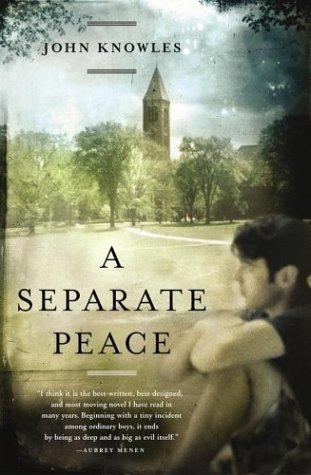
No. 49 on this list. A Separate Peace
John Knowles · 2003
No. 50 on this list. Wilhelm Meister's Journeyman Years
Johann Wolfgang von Goethe · 1821
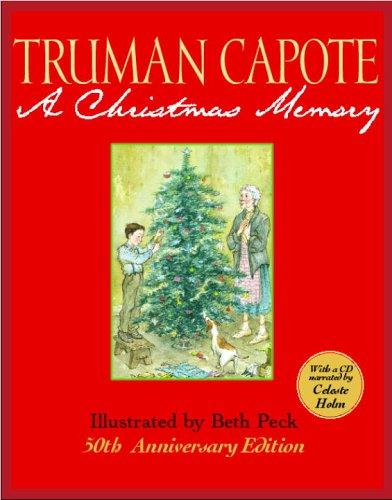
No. 51 on this list. A Christmas Memory
Truman Capote · 1956
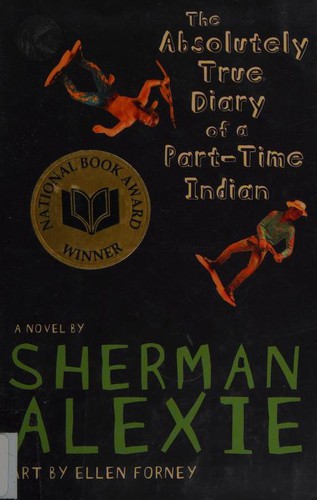
No. 52 on this list. The Absolutely True Diary of a Part-Time Indian
Sherman Alexie · 2007
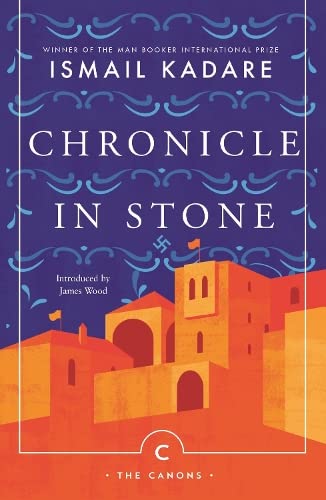
No. 53 on this list. Chronicle in Stone
Ismail Kadare · 1971
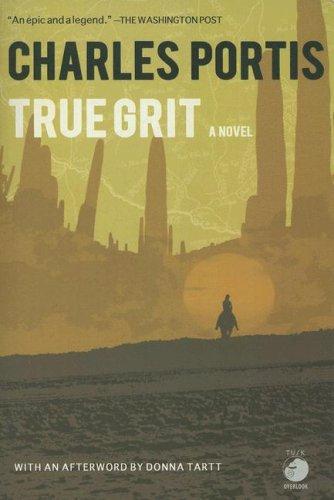
No. 54 on this list. True Grit
Charles Portis · 1968
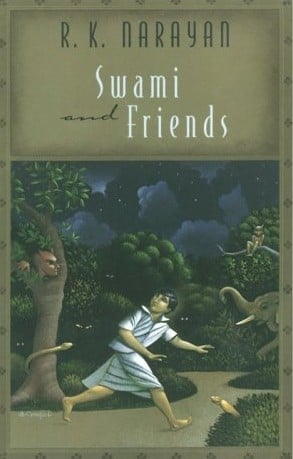
No. 55 on this list. Swami and Friends
R.K. Narayan · 1935
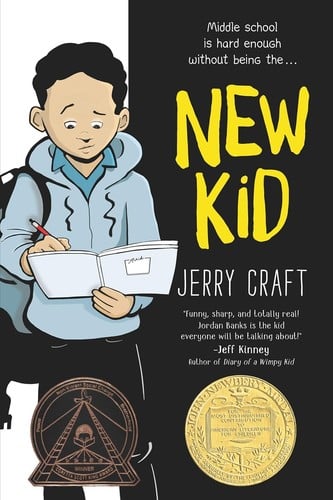
No. 56 on this list. New Kid
Jerry Craft · 2019
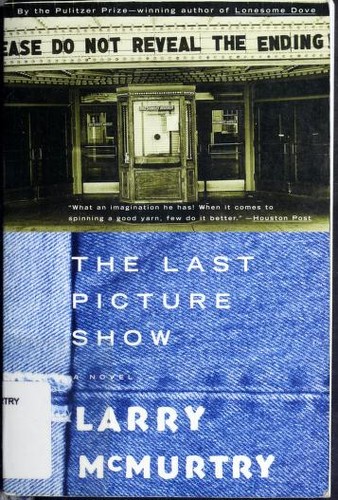
No. 57 on this list. The Last Picture Show
Larry McMurtry · 1966
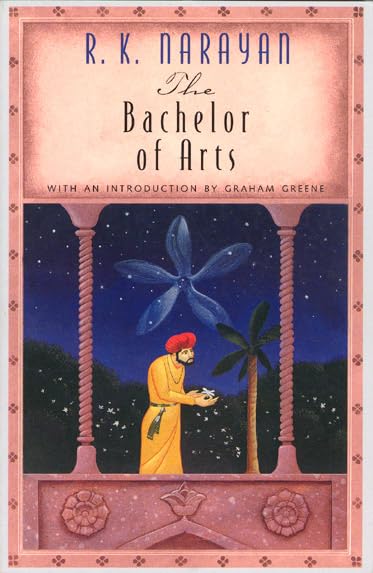
No. 58 on this list. The Bachelor of Arts
R.K. Narayan · 1937
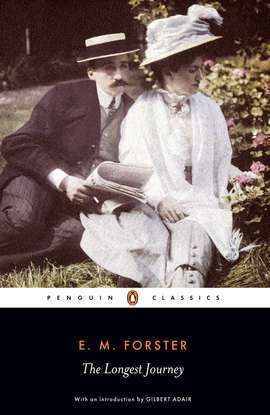
No. 59 on this list. The Longest Journey
E.M. Forster · 1907
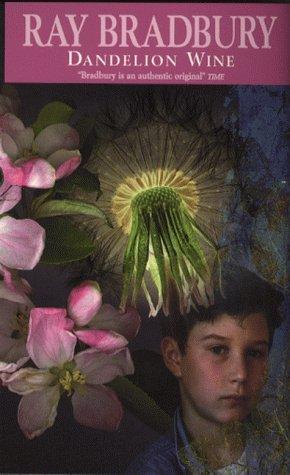
No. 60 on this list. Dandelion Wine
Ray Bradbury · 1957
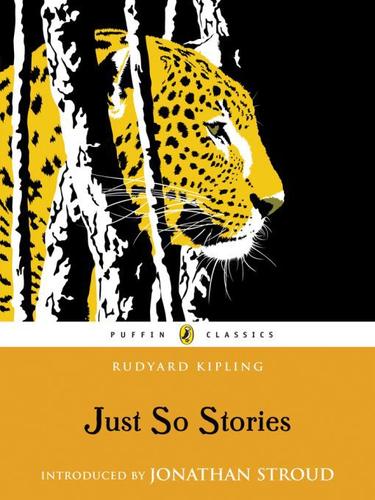
No. 61 on this list. Just So Stories
Rudyard Kipling · 1902
No. 62 on this list. Ancient Tillage
Raduan Nassar · 2016
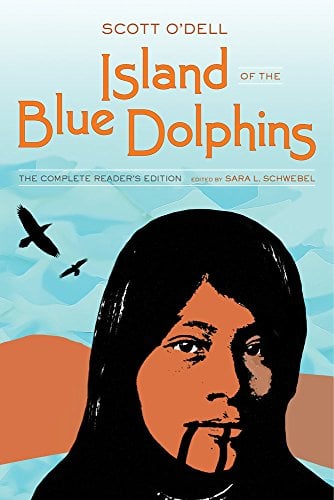
No. 63 on this list. Island of the Blue Dolphins
Scott O'Dell · 1960
Taught in schools: CSEC English B – Caribbean Examinations Council
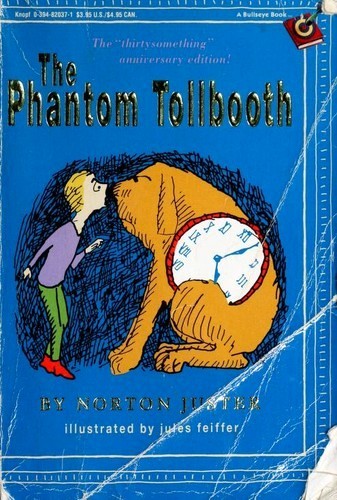
No. 64 on this list. The Phantom Tollbooth
Norton Juster · 1961
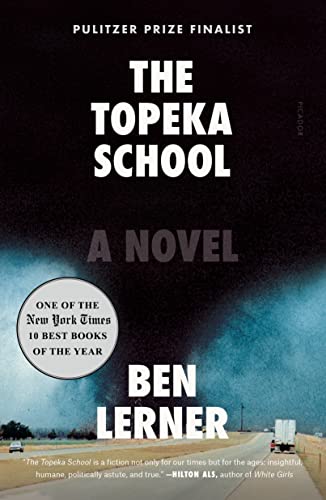
No. 65 on this list. The Topeka School
Ben Lerner · 2019
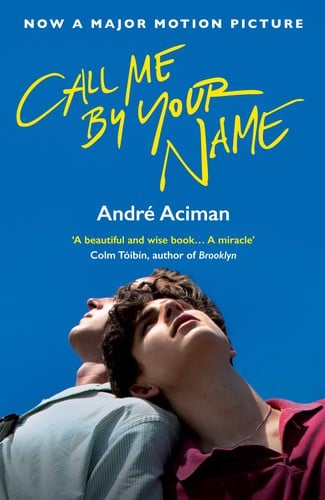
No. 66 on this list. Call Me By Your Name
André Aciman · 2007
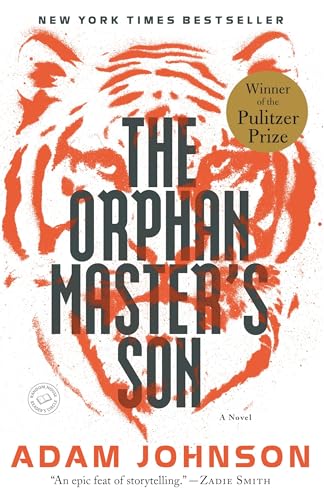
No. 67 on this list. The Orphan Master's Son
Adam Johnson · 2013
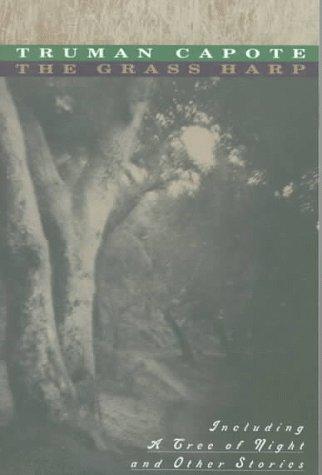
No. 68 on this list. The Grass Harp, Including A Tree of Night and Other Stories
Truman Capote · 1993
No. 69 on this list. Funny Boy
Shyam Selvadurai · 2008
No. 70 on this list. The Beautiful Struggle: A Father, Two Sons and an Unlikely Road to Manhood
Ta-Nehisi Coates · 2008

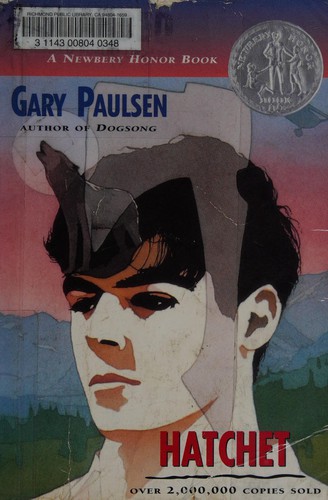
No. 71 on this list. Hatchet
Gary Paulsen · 1987
Taught in schools: Pacific Senior Secondary Certificate – English
No. 72 on this list. Os chefes / Os filhotes
Mario Vargas Llosa · 2010
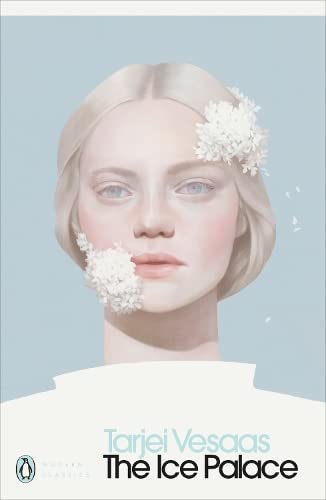
No. 73 on this list. The Ice Palace
Tarjei Vesaas · 1963
Included in: UNESCO Collection of Representative Works
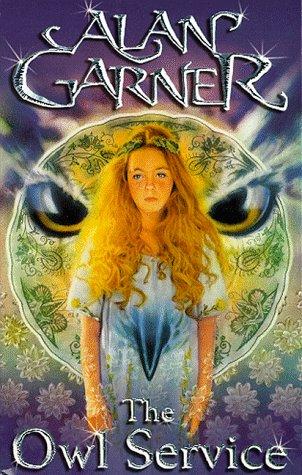
No. 74 on this list. The Owl Service
Alan Garner · 1967
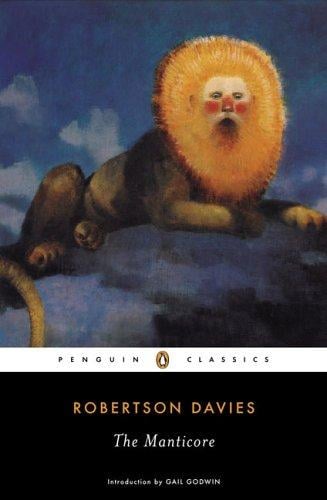
No. 75 on this list. The Manticore
Robertson Davies · 1972
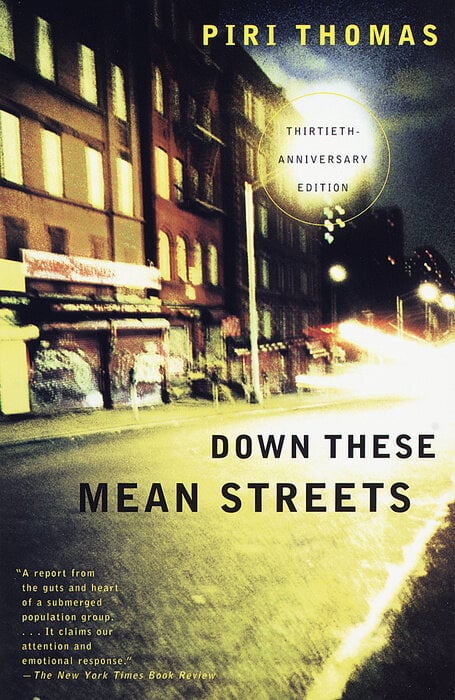
No. 76 on this list. Down These Mean Streets
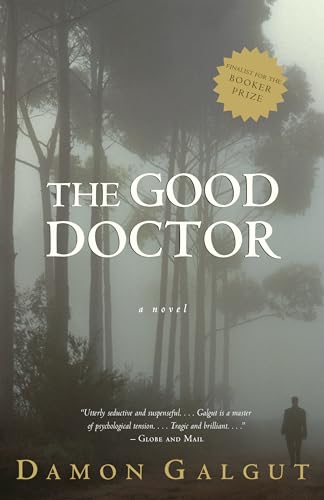
No. 77 on this list. The Good Doctor
Damon Galgut · 2003
No. 78 on this list. Pelle the Conqueror
Martin Andersen Nexø · 1910
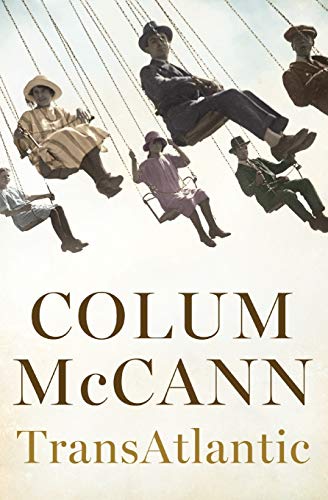
No. 79 on this list. TransAtlantic
Colum McCann · 2013
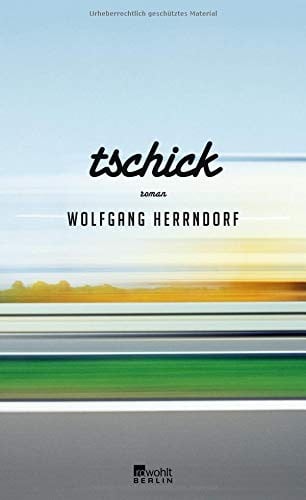
No. 80 on this list. Tschick
Wolfgang Herrndorf · 2010
No. 81 on this list. Indian horse
Richard Wagamese · 2012
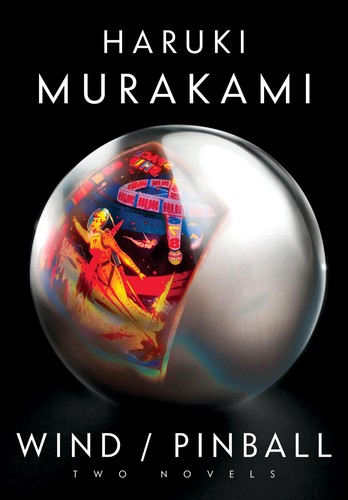
No. 82 on this list. Wind/Pinball
Haruki Murakami · 2016
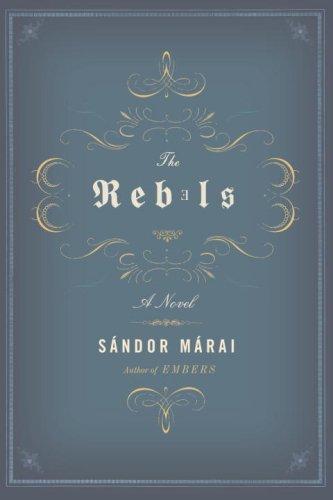
No. 83 on this list. The Rebels
Sándor Márai · 1930
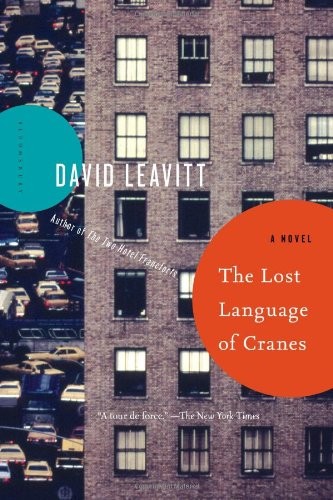
No. 84 on this list. The Lost Language of Cranes
David Leavitt · 1986
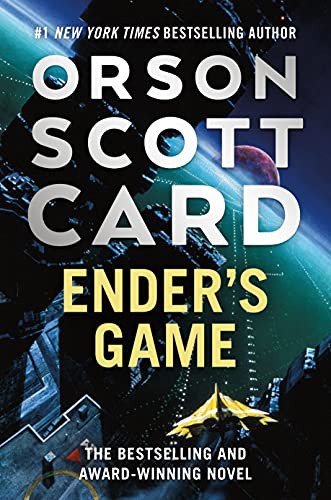
No. 85 on this list. Ender's Game
Orson Scott Card · 1985
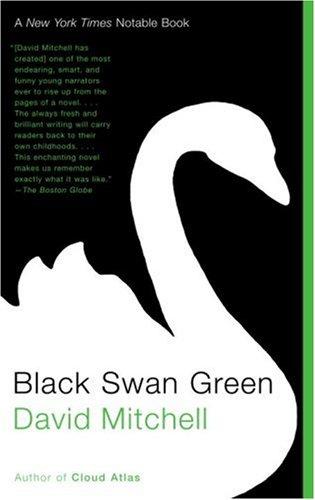
No. 86 on this list. Black Swan Green
David Mitchell · 2006
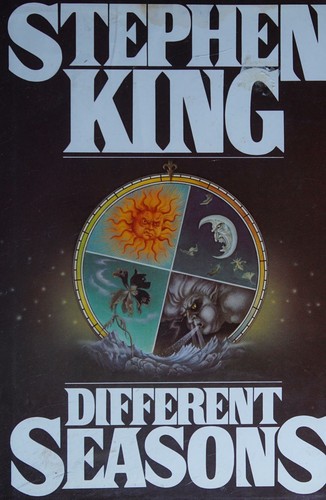
No. 87 on this list. Different Seasons
Stephen King · 1995
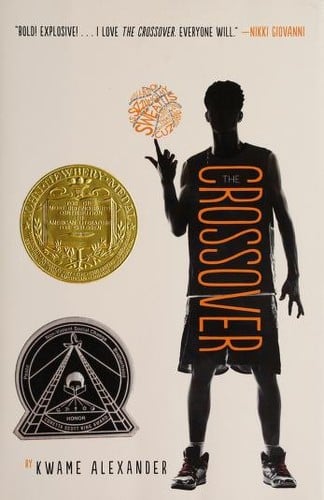
No. 88 on this list. The Crossover
Kwame Alexander · 2014
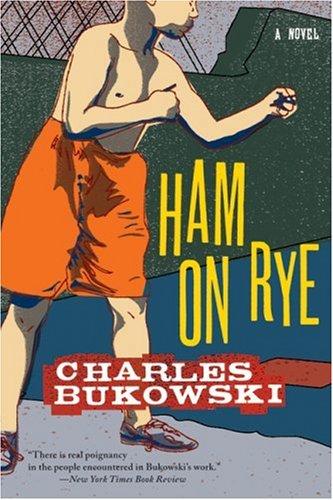
No. 89 on this list. Ham on Rye
Charles Bukowski · 2007
No. 90 on this list. The Lost Girl

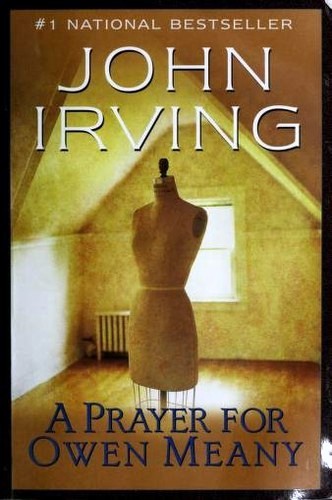
No. 91 on this list. A Prayer for Owen Meany
John Irving · 1989
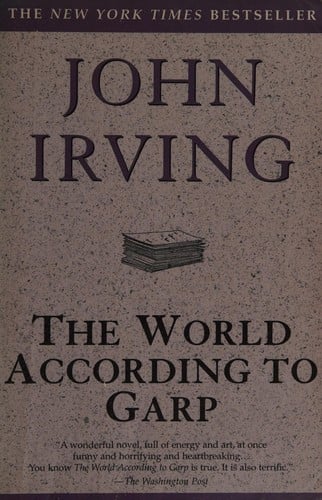
No. 92 on this list. The World According to Garp
John Irving · 1978
No. 93 on this list. Brooklyn
Colm Tóibín · 2009
No. 94 on this list. How Do You Live?
No. 95 on this list. The Rules of Attraction
Bret Easton Ellis · 1987
No. 96 on this list. Long Way Down
Jason Reynolds · 2017
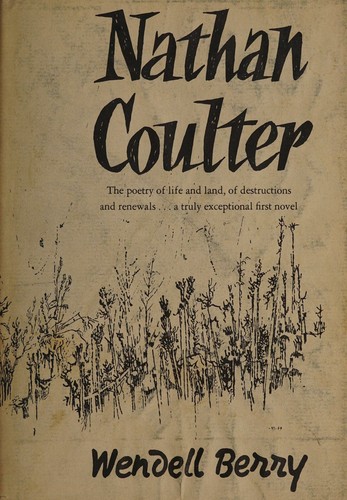
No. 97 on this list. Nathan Coulter
Wendell Berry · 1960
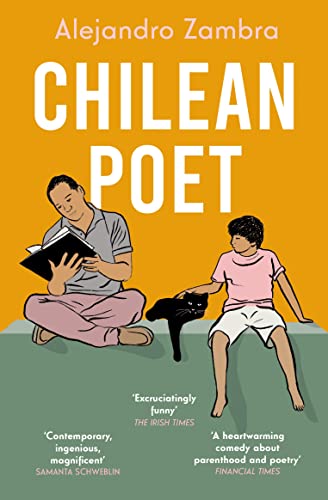
No. 98 on this list. Chilean Poet
Alejandro Zambra · 2020
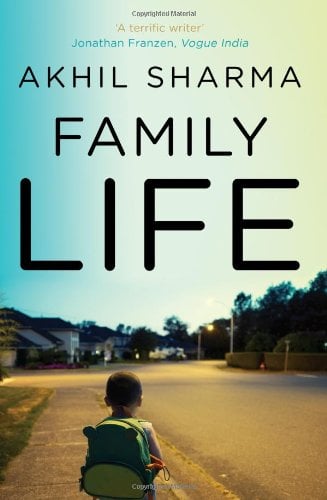
No. 99 on this list. Family Life
Akhil Sharma · 2016
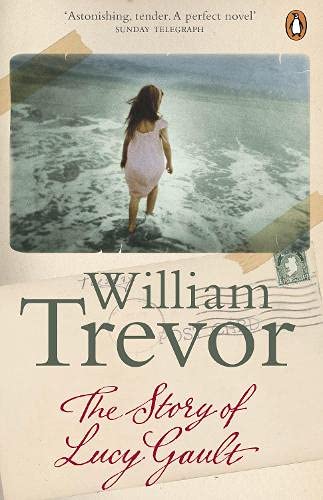
No. 100 on this list. The Story of Lucy Gault
William Trevor · 2002
About this list
These 100 books are the highest-scoring eligible coming-of-age novels by men currently in the catalogue. About 692 hours of reading in all, for the 99 with measured lengths. Difficulty runs from 33 to 58 out of 100 for the middle half of the list; the summit is The Satanic Verses at 79.
This list is ranked by literary regard, with a consistent order for equal scores. Membership follows authors and co-authors, not translators or editors. Catalogue coverage and the historical canon both limit what this list can represent, and genre labels are the catalogue’s own, gathered into broader kinds.
When we matched the Canons dataset to our catalogue in October 2026, our canonical-status scores rose with the number of school curricula, publisher series and lists in it that cite a work: the median score was 72 for books one such source cites, 84 at two, 88 at three, 92 at four and 93 at five or more. Prizes are left out of that count. Outside the state curricula, the dataset’s sources choose mostly from what has been translated into English or French, so it is a weaker check on other literatures. Source: Canons (Andrew Piper), CC BY 4.0
Questions people actually ask
- What are the best coming-of-age novels by men?
- By literary regard, which weighs canonical status, critical standing and influence: Adventures of Huckleberry Finn by Mark Twain, David Copperfield by Charles Dickens, Great Expectations by Charles Dickens, Wilhelm Meister's Apprenticeship by Johann Wolfgang von Goethe and The Satanic Verses by Salman Rushdie. ReadingRate ranks 100 such books, each with a difficulty score and a reading-time estimate.
- Which coming-of-age novels by men should I read first?
- Start from difficulty, not from rank. The most approachable books on this list that still carry top literary regard are The Hobbit, or There and Back Again by J.R.R. Tolkien (about 5 hours), The Hobbit: Illustrated Edition by J.R.R. Tolkien and Treasure Island by Robert Louis Stevenson.
- What are the shortest of the best coming-of-age novels by men?
- Among the top 25, the shortest are The Book of Three by Lloyd Alexander (about 2.3 hours), The Magician’s Nephew by C.S. Lewis (about 2.3 hours) and The Road by Cormac McCarthy (about 5.2 hours), at an average pace of 250 words a minute adjusted for each book's difficulty.
- Which of the best coming-of-age novels by men are the established classics?
- By canonical status, how firmly a book sits in curricula, anthologies and the canon: Great Expectations by Charles Dickens, Adventures of Huckleberry Finn by Mark Twain, David Copperfield by Charles Dickens, The Satanic Verses by Salman Rushdie and Père Goriot by Honoré de Balzac.
- Can I read any of these coming-of-age novels by men for free?
- 10 of the 100 open in ReadingRate's reader with a free account, from public-domain editions: Adventures of Huckleberry Finn, David Copperfield, Great Expectations, Wilhelm Meister's Apprenticeship, Treasure Island and 5 more.
- How long would it take to read the top ten?
- About 132 hours, at an average pace of 250 words a minute adjusted for each book's difficulty: 67 days at two hours a day. Set your own pace on the page and the list's reading times change to it.
- How hard are coming-of-age novels by men to read?
- Most of this list sits between 33 and 58 on ReadingRate's 100-point difficulty scale, where 40 to 55 is moderate. The summit is The Satanic Verses at 79. Every entry carries its own score, so a reader can pick a great book at a difficulty they will finish.
- How is this list ranked?
- On literary-regard data: how canonically established a work is, its critical standing, and its influence on later writing. It is not a readers’ poll, which is why recent bestsellers rarely appear. Membership follows authors and co-authors, not translators or editors. Lists by country, author, period, theme or difficulty keep to literature (fiction, poetry, drama and philosophy), their novels, poems and plays first and their philosophy after them; a list of a kind of book, such as memoir or criticism, keeps every book of that kind. Every list holds at most three works by one author.