Hours at an average pace
Showing 100 books
About 721 hours for 99 of 100 books with measured lengths. Estimates use 250 words a minute, adjusted for each book's difficulty. At 2 hours a day, about 361 days for those books.
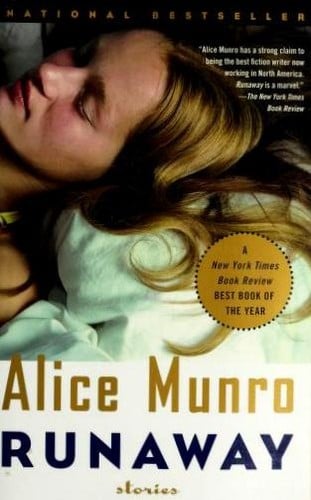
One of Munro's most celebrated collections, frequently cited as the peak of her mature work. Winner of the Giller Prize and numerous international honors.
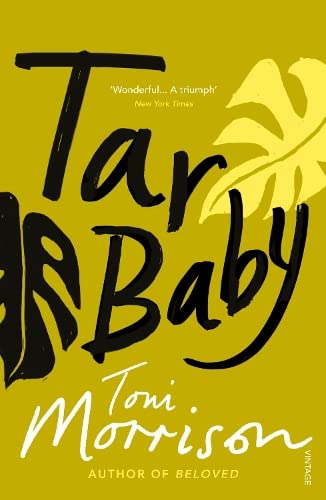
On Isle des Chevaliers, a Caribbean island reshaped by Haitian labor and American money, Valerian Street — a retired Philadelphia candy magnate — cultivates hydrangeas in his greenhouse and avoids his neighbors. His wife Margaret, his butler Sydney and cook Ondine, and his niece Jadine, a model trained in Paris, share the villa in a state of maintained tension. When Son — a Black American fugitive who stowed away on their supply boat — is discovered hiding in the house, he breaks open every unspoken arrangement the household depends on. Morrison uses the folk tale of the tar baby as the novel's armature: Jadine and Son become stuck to each other in a relationship that neither can survive and neither can leave. She embodies what he calls racial betrayal — educated in Europe, photographed in furs, at home nowhere. He embodies what she calls romantic primitivism — a man out of time, faithful to a Black Southern past that she finds suffocating. Morrison writes this conflict without a referee. The Caribbean setting is not backdrop but argument — the swamp, the rain forest, the blind horsemen who ride the hills at night all carry the weight of African spiritual history beneath the colonial surface. The novel ends on a mythic image: Son running toward those horsemen, Jadine flying back to Paris. Morrison offers no verdict on who was right.
No. 3 on this list. The Mill on the Floss
George Eliot · 1860
Challenging15 hours
Taught in schools: AQA GCSE and A-level English Literature (UK)
Firmly established in the Victorian literature curriculum and regularly taught in surveys of 19th-century British fiction. It stands as Eliot's second-most-studied novel after 'Middlemarch,' valued for its feminist themes, psychological depth, and semi-autobiographical portrayal of female intellectual awakening in a restrictive provincial society.
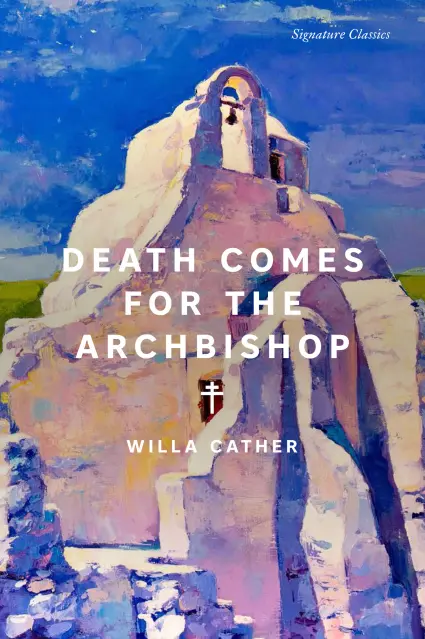
The great American novel of Southwestern landscape and faith. Bishop Latour's decades in New Mexico became meditation on vocation, place, and mortality. Core text in American literature courses.
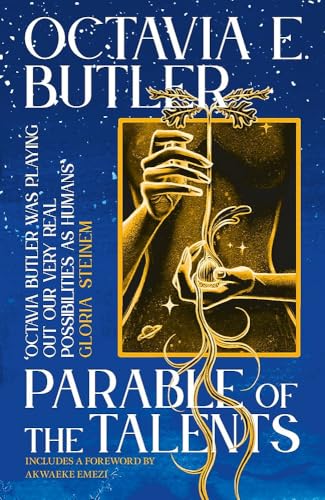
Winner of the Nebula Award for Best Novel (1999). Widely taught in speculative fiction, Afrofuturism, and American dystopia courses. The Parable duology is among the most assigned works in contemporary SF syllabi and is firmly canonical within the genre; its canonical standing in broader American literary culture continues to grow.
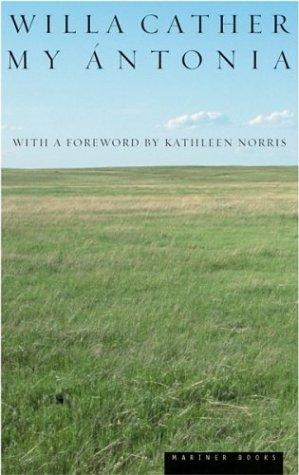
My Antonia appears on thousands of university syllabi across American literature, women's literature, and immigrant experience courses. It is included on the Modern Library's 100 Best Novels list and is a fixture in American high school and university curricula, representing the prairie immigrant experience as few other novels do.
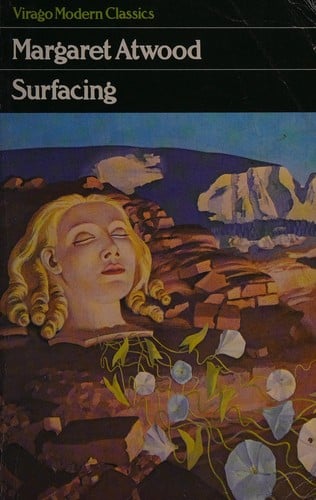
Surfacing is widely taught in Canadian literature, feminist literature, and postcolonial studies courses at universities across North America and the UK. It appears on virtually every Canadian literary canon list and is considered essential reading for understanding the development of Canadian fiction as a distinct literary tradition. No syllabus data was available in the database, but its presence in academic curricula is well established.
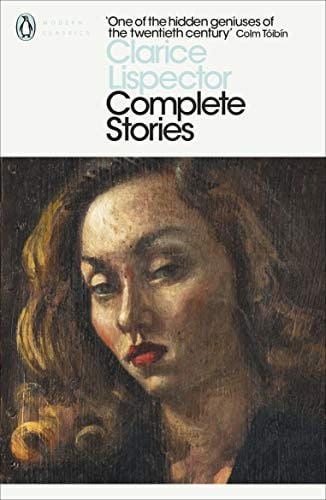
Lispector holds a firm place in comparative literature and Latin American literature syllabi globally, and her work appears in women's writing and world literature courses at major universities. No Open Syllabus data is available for this specific collection, but Lispector as an author is consistently included in world literature canons alongside Borges and García Márquez. The 2015 New Directions translation by Katrina Dodson dramatically expanded her anglophone reach and prestige.
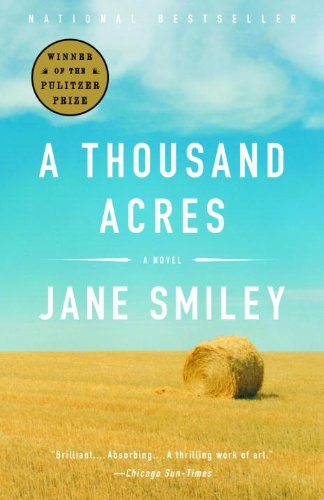
A Thousand Acres won the Pulitzer Prize for Fiction in 1992 and secured major recognition as a contemporary American realist masterpiece. It occupies a prominent place in contemporary literary canon, particularly within discussions of feminist revision of literary inheritance and the domestic novel.
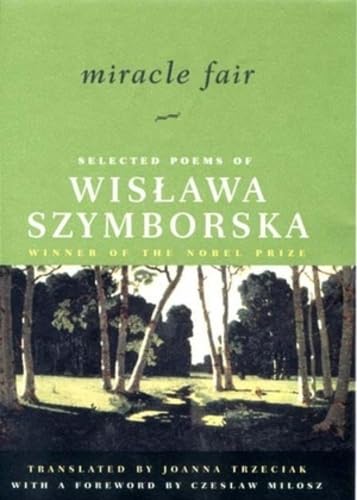
Szymborska is a staple of world poetry courses and a Nobel laureate, and this collection is the standard English edition of her work. Its place is secure, though below Hamlet or Gatsby in universal syllabus presence.
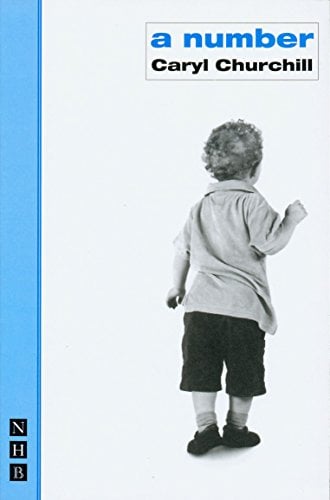
No. 11 on this list. A Number · Caryl Churchill · 2002
One of Churchill's most frequently performed plays and a standard text in contemporary drama courses. Widely recognized as a landmark of twenty-first-century theater.
Difficult58 min
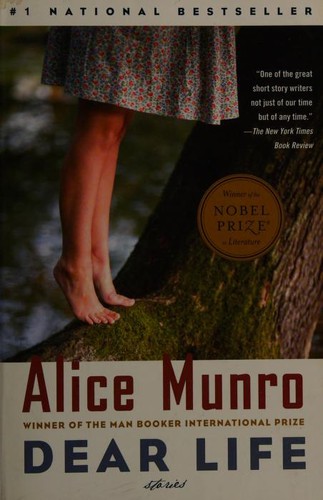
Start this bookNo. 12 on this list. Dear Life · Alice Munro · 2012
Munro's final collection, published the year before her Nobel Prize. Regarded as a fitting capstone to one of the great careers in short fiction.
Easy4.6 hours
Start this bookNo. 13 on this list. Adam Bede · George Eliot · 1859
Adam Bede appears regularly on Victorian literature and 19th-century British fiction syllabi at universities worldwide, and is the standard entry point to George Eliot's work in courses that cannot assign the longer Middlemarch. It is included in most survey courses of the Victorian novel. Its canonical status within the Eliot corpus is secondary only to Middlemarch and The Mill on the Floss, but within the broader Victorian canon it holds a secure if not dominant position — consistently anthologized, consistently in print, and consistently cited as a foundational work of Victorian realism.
Moderate13 hours
Read nowNo. 14 on this list. The Wall · Marlen Haushofer · 1963
Recognized as a masterpiece of Austrian literature and feminist writing, taught in German literature courses and increasingly included in world literature curricula as an essential post-war text.
Challenging6.6 hours
Start this bookNo. 15 on this list. O Pioneers! · Willa Cather · 1913
O Pioneers! is widely taught in American literature courses as the founding text of the prairie novel tradition. It appears regularly on Great Plains and American regionalism syllabi, and holds a secure place in the Library of America's Cather volumes. It falls short of the saturation of Gatsby or Mockingbird but is standard in any serious survey of early 20th-century American fiction.
Moderate3.6 hours
Read nowNo. 16 on this list. The Wonderful Adventures of Nils · Selma Lagerlöf · 1906
On Le Monde's 100 Books of the Century, with a Wikipedia article in 39 languages. Commissioned as a geography reader for Swedish schools, it is a national classic in Sweden and a children's classic worldwide, though rarely on university syllabi.
Easy9.2 hours
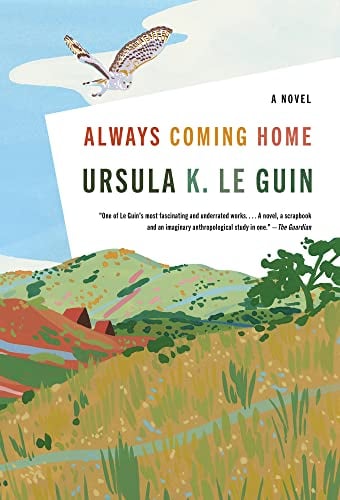
Read nowNo. 17 on this list. Always Coming Home · Ursula K Le Guin · 1985
Always Coming Home appears on 72 university syllabi according to Open Syllabus Project data (46th percentile), primarily in science fiction, utopian literature, and feminist studies courses. Its Wikipedia article exists in only 4 languages — modest global reach for a book of this ambition. The book is well-known within Le Guin scholarship and SF studies but has not achieved the broad canonical presence of Le Guin's The Left Hand of Darkness or The Dispossessed. It was a National Book Award finalist in 1985 and is included in the Library of America's Le Guin edition, which confirms critical recognition without mass adoption.
Challenging14 hours
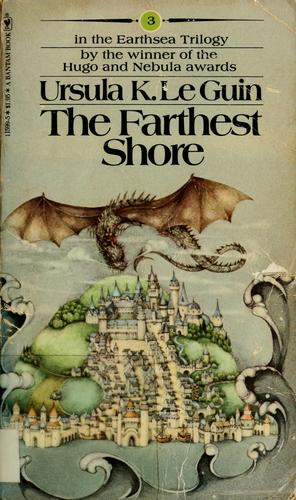
Start this bookNo. 18 on this list. The Farthest Shore · Ursula K Le Guin · 1972
The Earthsea cycle appears widely on science fiction and speculative fiction syllabi, and this third volume, the National Book Award winner for 1973, is firmly part of that canon. It is less commonly assigned than A Wizard of Earthsea but holds strong placement in fantasy literature courses and children's/YA literature curricula. Its Wikipedia article exists in over fifteen languages, indicating sustained international recognition.
Challenging5.8 hours
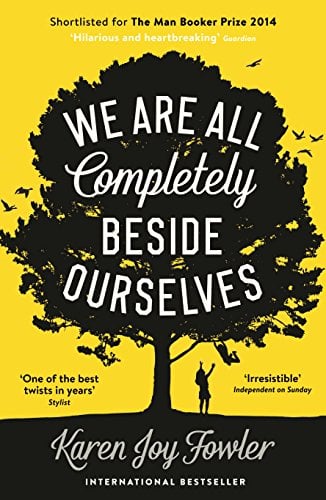
Start this bookNo. 19 on this list. We Are All Completely Beside Ourselves · Karen Joy Fowler · 2014
Won the 2014 PEN/Faulkner Award for Fiction and appeared on numerous year-end best book lists, establishing it as a significant 21st-century literary novel. The book entered academic discourse around animal studies, narrative ethics, and contemporary fiction's engagement with science. While too recent for canonical permanence, it occupies a strong position in discussions of literary fiction addressing interspecies relationships and family trauma.
Challenging6.7 hours
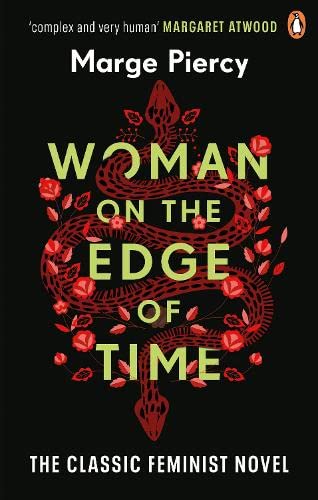
Start this bookNo. 20 on this list. Woman on the Edge of Time · Marge Piercy · 1976
Widely taught in feminist literary studies, utopian fiction, and American literature courses since its 1976 publication, the novel holds a firm place in academic syllabi as a landmark of feminist science fiction. No syllabus count data is available, but its sustained presence across women's studies and speculative fiction curricula for five decades marks it as canonical within those fields, comparable in reach to other key feminist texts of the second wave.
Difficult18 hours
Start this book
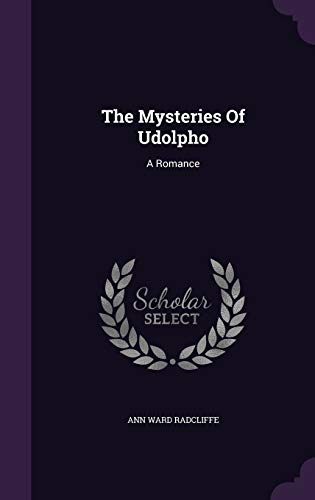
No. 21 on this list. The Mysteries of Udolpho · Ann Radcliffe · 1794
The Mysteries of Udolpho is a foundational text taught in 18th-century literature, Gothic studies, and women's writing courses in universities worldwide. Its Wikipedia article spans over 40 languages. Jane Austen's parody in Northanger Abbey has guaranteed it a permanent place in the British literary canon—any reader of Austen eventually encounters Udolpho. It sits at the center of every Gothic fiction course.
Challenging21 hours
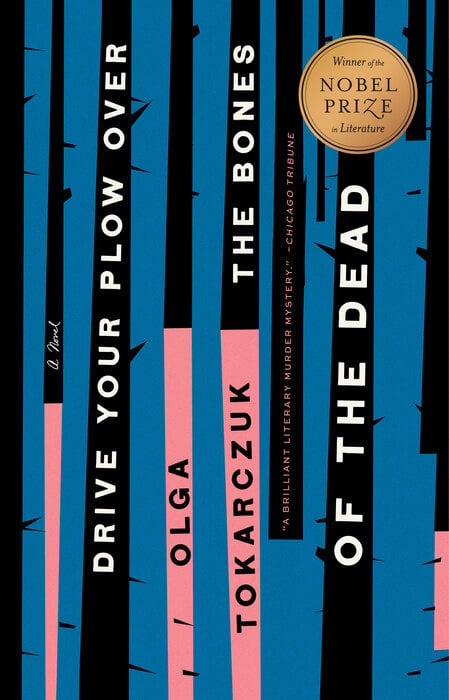
Start this bookNo. 22 on this list. Drive Your Plow Over the Bones of the Dead · Olga Tokarczuk · 2019
Appears on 90 university syllabi according to Open Syllabus data (48.8th percentile), with a Wikipedia article in 11 languages. The novel has found a foothold in world literature and feminist ecology courses but has not yet achieved the widespread canonical status of older Nobel Prize winners. Its recognition is growing rapidly following Tokarczuk's 2018 Nobel.
Challenging7.3 hours
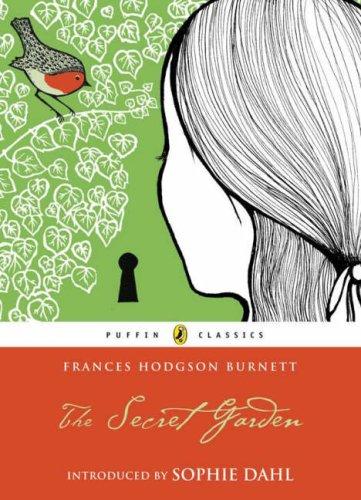
Start this bookNo. 23 on this list. The Secret Garden · Frances Hodgson Burnett · 1911
Taught in schools: Common Core text exemplars (Appendix B) (US)
The Secret Garden has stayed in print since 1911 and remains a staple of children's classics lists and school reading across the English-speaking world. The Common Core State Standards (2010) name it among their text exemplars for upper-elementary grades, and it is regularly set in children's literature courses.
Easy4.6 hours
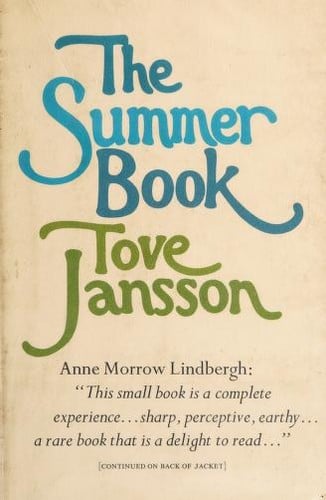
Start this bookNo. 24 on this list. The Summer Book · Tove Jansson · 1972
Increasingly recognized as a Scandinavian masterpiece. A quiet classic with a devoted readership.
Easy1.5 hours
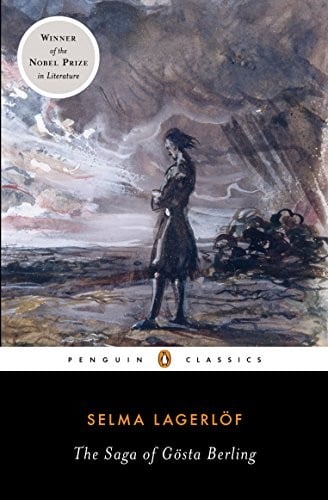
Start this bookNo. 25 on this list. The Saga of Gosta Berling · Selma Lagerlöf · 1891
Gösta Berling, a defrocked priest, joins a company of cavaliers on an estate in rural Sweden, where he embarks on a series of romantic adventures. Lagerlöf's debut novel, rich in folklore and Romanticism, established her as a major voice and paved the way for her Nobel Prize.
Moderate6.2 hours
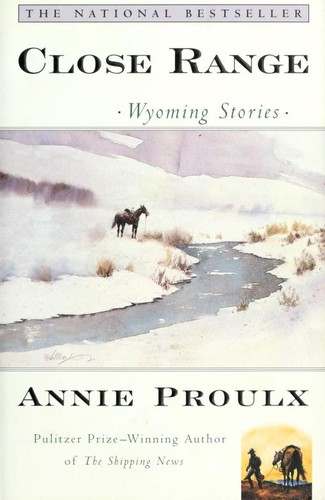
Start this bookNo. 26 on this list. Close Range: Wyoming Stories · Annie Proulx · 2000
Proulx's 'Brokeback Mountain' is widely anthologized and taught, and Close Range is a staple of contemporary American short fiction courses. It is not yet at the level of canonical novels.
Moderate5.3 hours
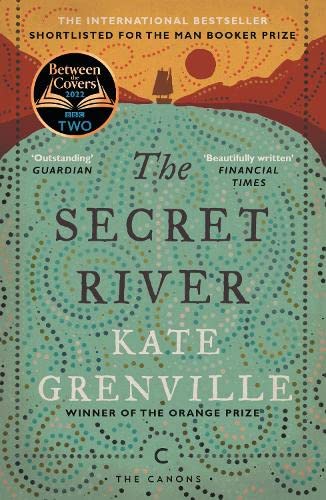
Start this bookNo. 27 on this list. The Secret River · Kate Grenville · 2006
The Secret River (2005) is a modern Australian classic, taught in Australian schools and in university courses on Australian and postcolonial literature. It is among the most widely read Australian novels of the century so far.
Challenging11 hours
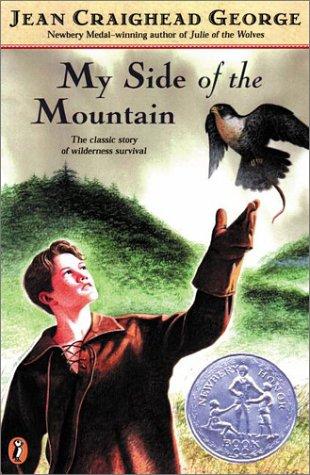
Start this bookNo. 28 on this list. My Side of the Mountain · Jean Craighead George · 1959
Taught in schools: CSEC English B – Caribbean Examinations Council
A Newbery Honor book and one of the most enduring wilderness survival novels for young readers. Continuously in print since 1959.
Very Easy1.7 hours
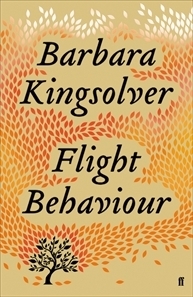
Start this bookNo. 29 on this list. Flight Behaviour · Barbara Kingsolver · 2013
Flight Behavior established itself as a significant cli-fi (climate fiction) novel and appears regularly in environmental humanities syllabi and contemporary literature surveys. While not yet achieving canonical permanence like older classics, the novel occupies an important position in 21st-century American fiction addressing ecological crisis. Its combination of literary craft and urgent environmental subject matter ensures ongoing academic and cultural relevance.
Moderate9.7 hours
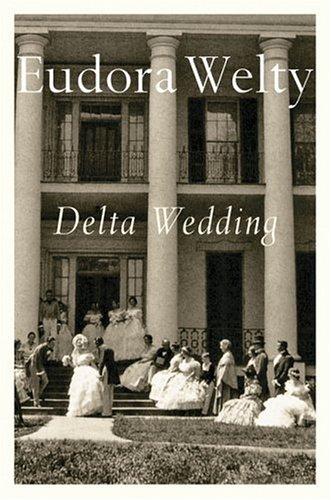
Start this bookNo. 30 on this list. Delta Wedding · Eudora Welty · 1946
Delta Wedding holds a firm place in the Southern American literary canon and is regularly taught in Southern literature and American women's writing courses. No syllabus or Wikipedia data is available in the database, but Welty's novel appears on numerous American literature reading lists and has maintained continuous academic attention since its 1946 publication. It is not a curriculum fixture on the scale of Beloved or The Great Gatsby, but it is an essential text for anyone studying mid-century American fiction.
Moderate6.6 hours
Start this book
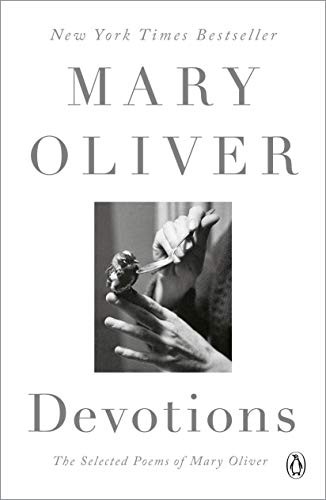
No. 31 on this list. Devotions
Mary Oliver · 2017
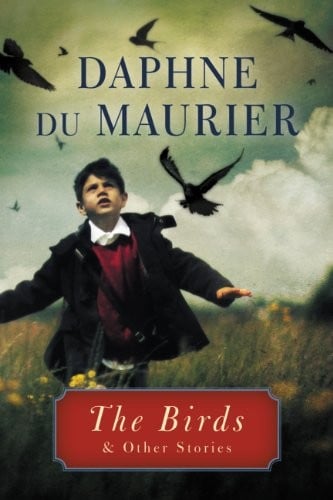
No. 32 on this list. The Birds and Other Stories
Daphne du Maurier · 1952
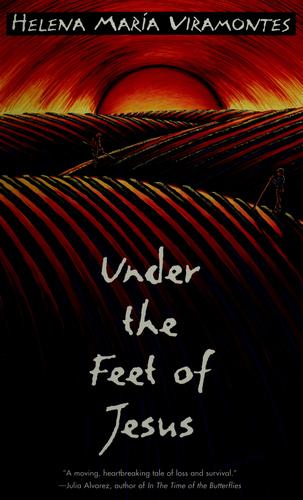
No. 33 on this list. Under the Feet of Jesus
Helena Maria Viramontes · 1995
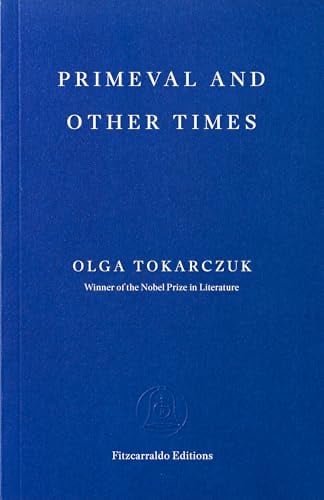
No. 34 on this list. Primeval and Other Times
Olga Tokarczuk · 1996
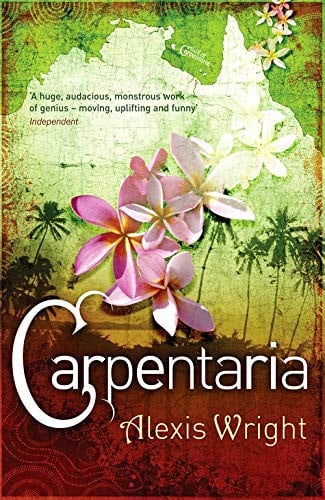
No. 35 on this list. Carpentaria
Alexis Wright · 2006
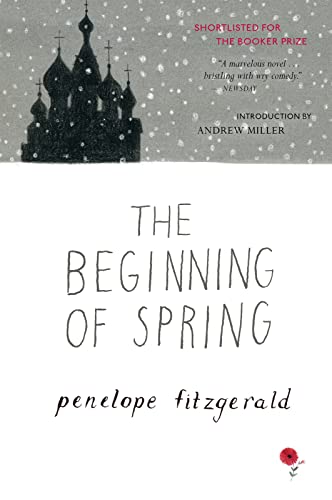
No. 36 on this list. The Beginning of Spring
Penelope Fitzgerald · 1988
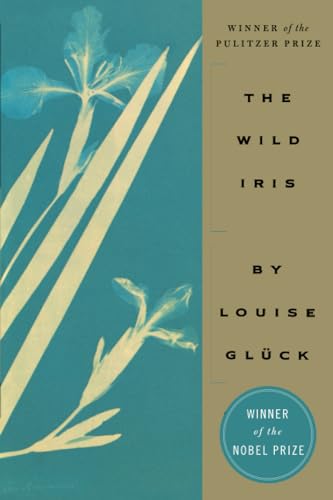
No. 37 on this list. The Wild Iris
Louise Glück · 1992
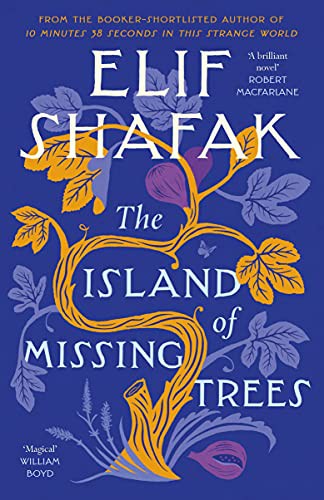
No. 38 on this list. The Island of Missing Trees
Elif Shafak · 2022
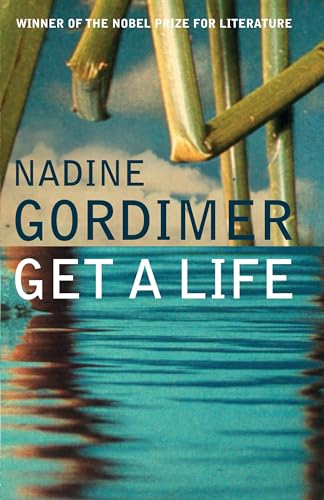
No. 39 on this list. Get a Life
Nadine Gordimer · 2006
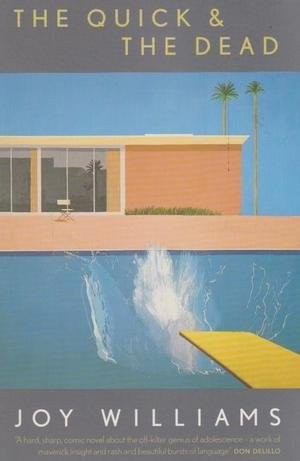
No. 40 on this list. The Quick and the Dead
Joy Williams · 2000
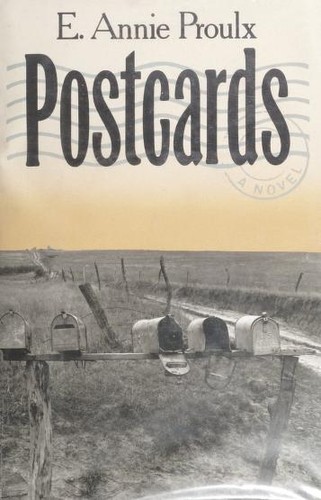
No. 41 on this list. Postcards
E. Annie Proulx · 1993
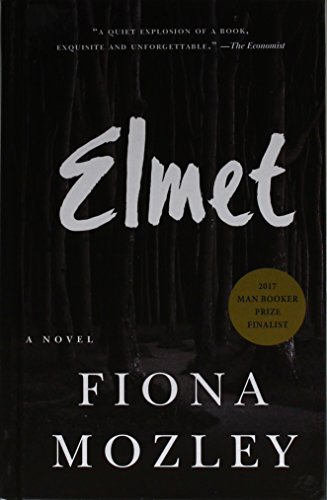
No. 42 on this list. Elmet
Fiona Mozley · 2017
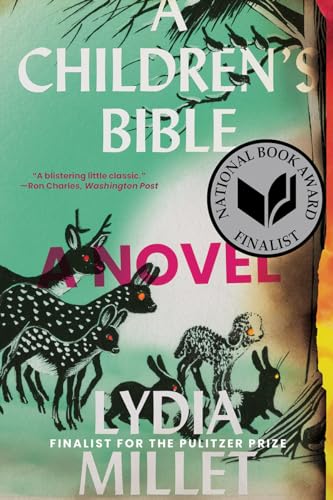
No. 43 on this list. A Children's Bible
Lydia Millet · 2020
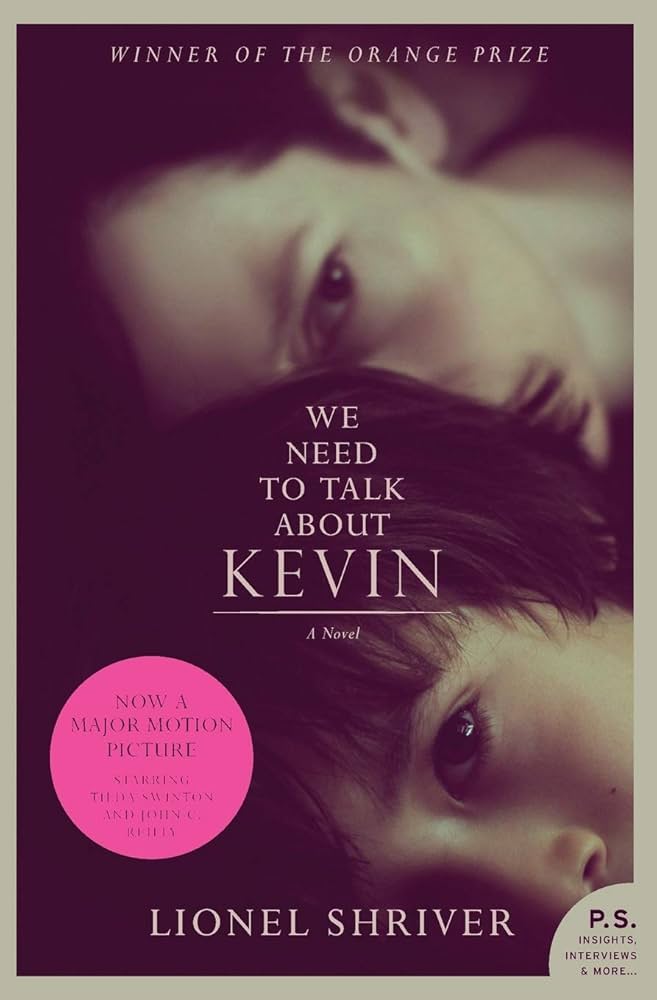
No. 44 on this list. We Need to Talk About Kevin
Lionel Shriver · 2005
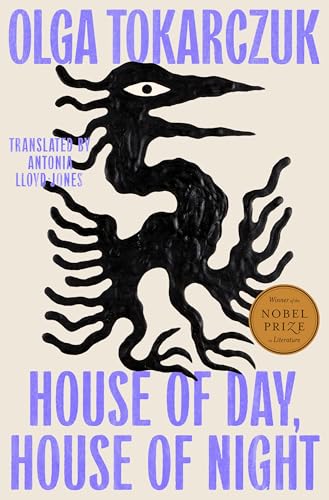
No. 45 on this list. House of Day, House of Night
Olga Tokarczuk · 1998
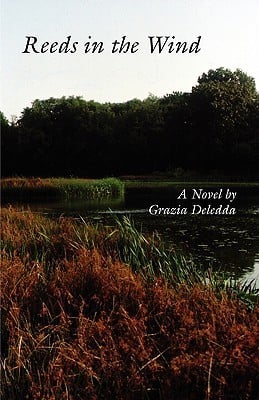
No. 46 on this list. Reeds in the Wind
Grazia Deledda · 1913
No. 47 on this list. The Mother
Grazia Deledda · 1920
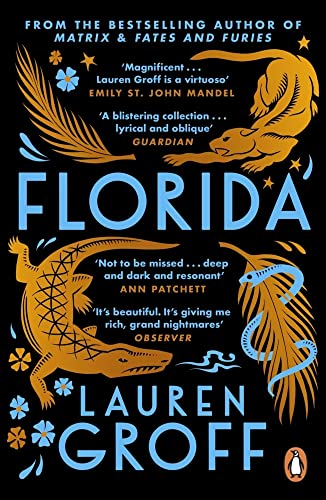
No. 48 on this list. Florida
Lauren Groff · 2018
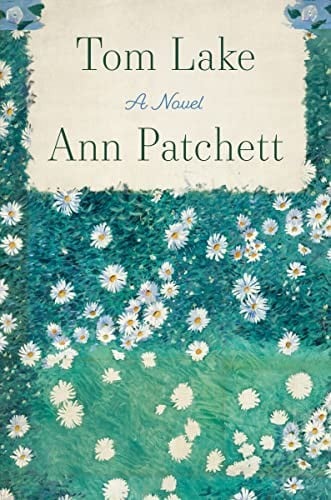
No. 49 on this list. Tom Lake
Ann Patchett · 2023
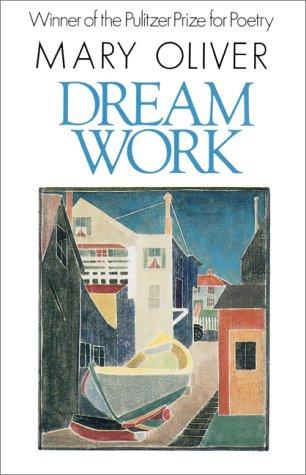
No. 50 on this list. Dream Work
Mary Oliver · 1986
No. 51 on this list. Women Without Men: A Novel of Modern Iran
Shahrnush Parsipur · 2004
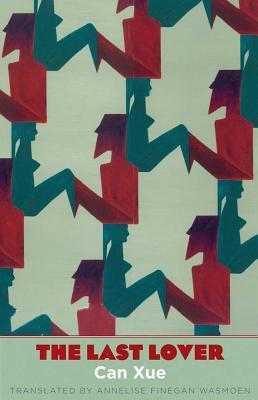
No. 52 on this list. The Last Lover
Can Xue · 2005
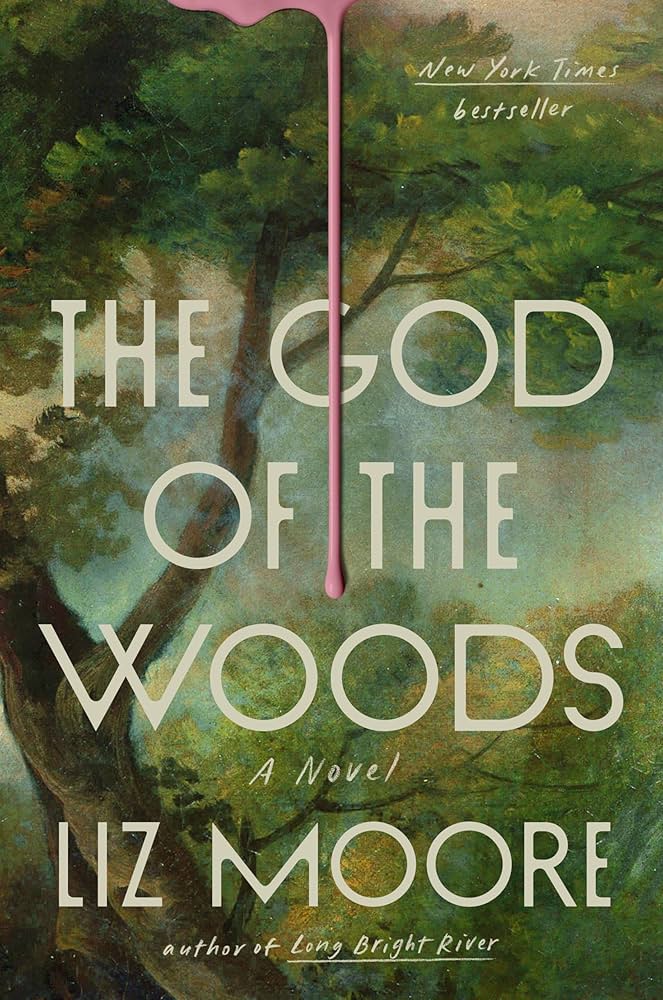
No. 53 on this list. The God of the Woods
Liz Moore · 2024
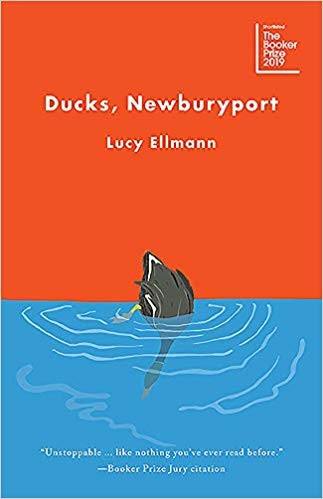
No. 54 on this list. Ducks, Newburyport
Lucy Ellmann · 2019
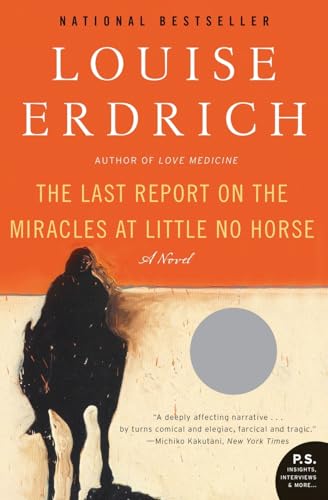
No. 55 on this list. The Last Report on the Miracles at Little No Horse
Louise Erdrich · 2001
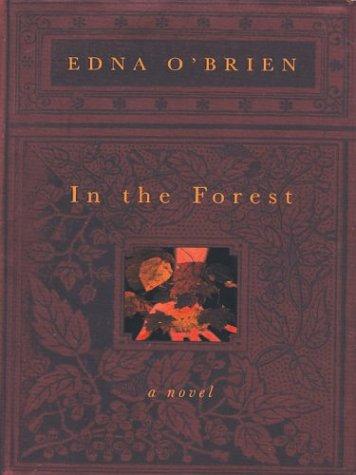
No. 56 on this list. In the Forest
Edna O'Brien · 2002
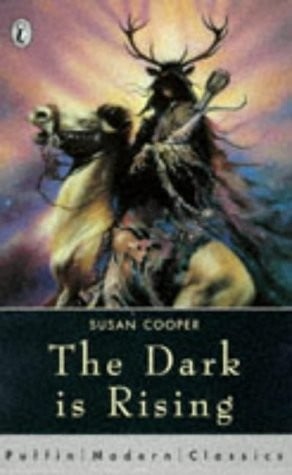
No. 57 on this list. The Dark Is Rising
Susan Cooper · 1973
Taught in schools: Common Core text exemplars (Appendix B) (US)
No. 58 on this list. Jamaica Inn
Daphne du Maurier · 1936
No. 59 on this list. Flight Behavior
Barbara Kingsolver · 2012
No. 60 on this list. The Vaster Wilds
Lauren Groff · 2023

No. 61 on this list. The Blue Flower
Penelope Fitzgerald · 1998
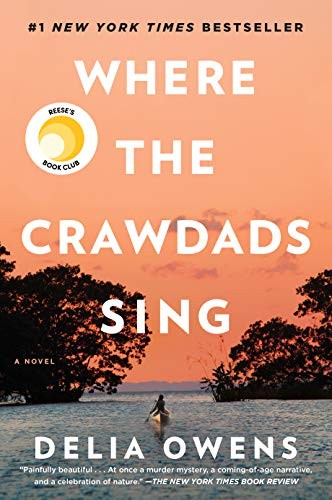
No. 62 on this list. Where the Crawdads Sing
Delia Owens · 2018
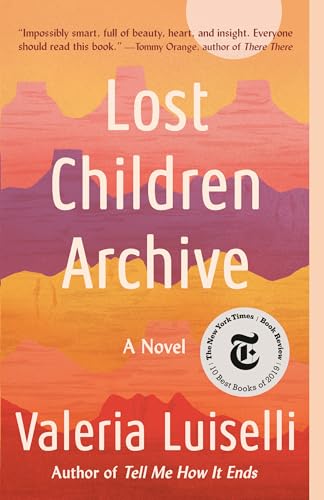
No. 63 on this list. Lost Children Archive
Valeria Luiselli · 2019
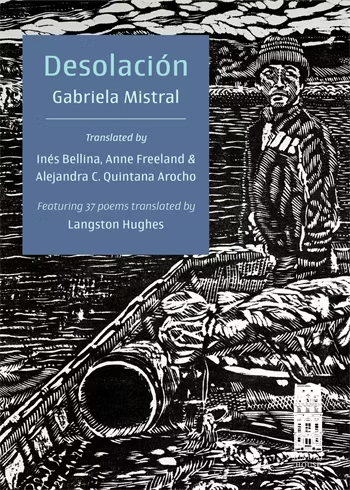
No. 64 on this list. Desolation
Gabriela Mistral · 1936
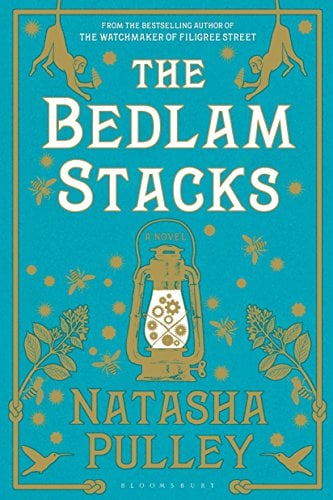
No. 65 on this list. The Bedlam Stacks
Natasha Pulley · 2017
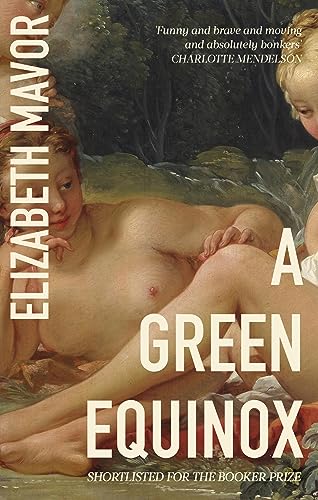
No. 66 on this list. A Green Equinox
Elizabeth Mavor · 1973
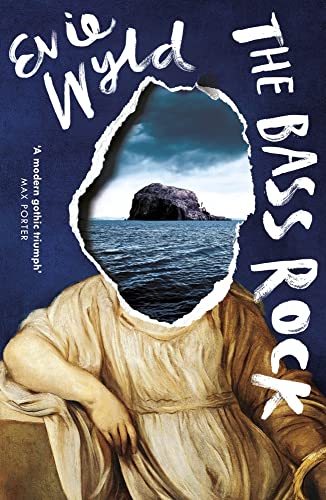
No. 67 on this list. The Bass Rock
Evie Wyld · 2020
No. 68 on this list. Prodigal Summer
Barbara Kingsolver · 2000
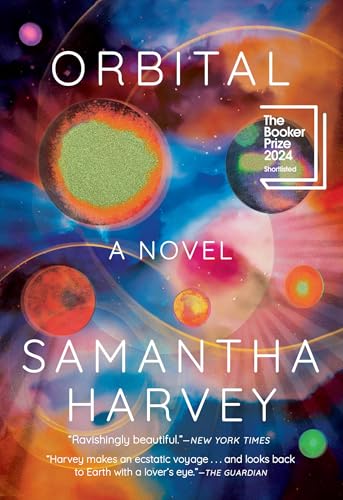
No. 69 on this list. Orbital
Samantha Harvey · 2024
No. 70 on this list. I Give You Eyes and You Looked Toward Darkness
Irene Solà · 2025
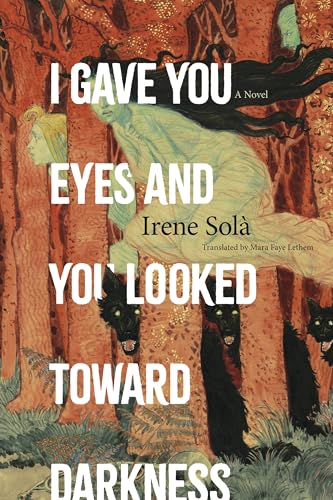
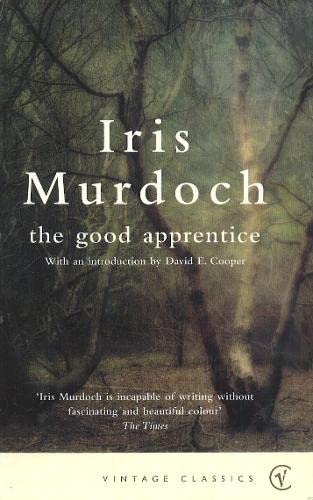
No. 71 on this list. The Good Apprentice
Iris Murdoch · 1985
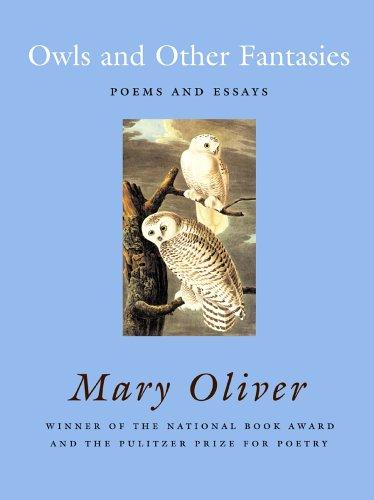
No. 72 on this list. Owls and Other Fantasies: Poems and Essays
Mary Oliver · 2006
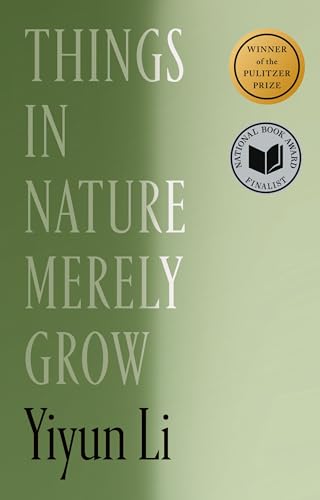
No. 73 on this list. Things in Nature Merely Grow
Yiyun Li · 2025
No. 74 on this list. State of Wonder
Ann Patchett · 2012
No. 75 on this list. The Pine Islands
Marion Poschmann · 2019
No. 76 on this list. Annabel
Kathleen Winter · 2011
No. 77 on this list. The Emperor of Portugallia
Selma Lagerlöf · 1914
No. 78 on this list. The Serviceberry: Abundance and Reciprocity in the Natural World
Robin Wall Kimmerer · 2024
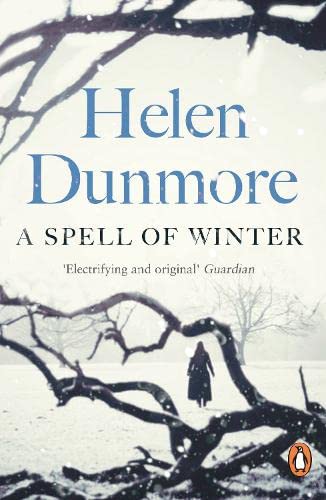
No. 79 on this list. A Spell of Winter
Helen Dunmore · 1997
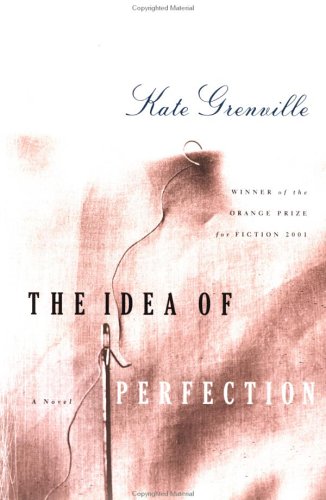
No. 80 on this list. The Idea of Perfection
Kate Grenville · 2001

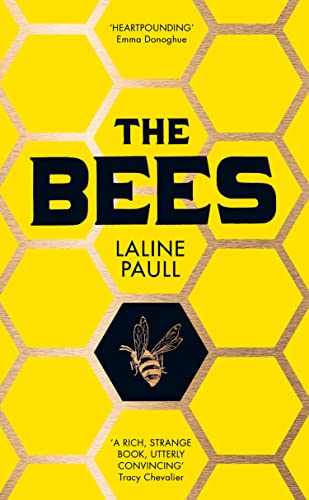
No. 81 on this list. The Bees
Laline Paull · 2015
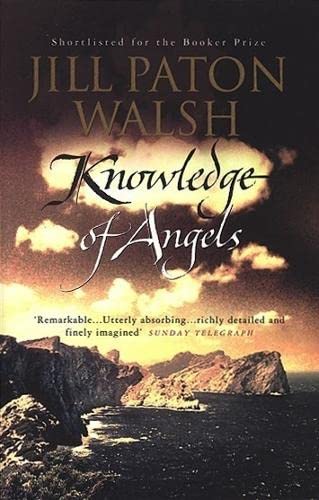
No. 82 on this list. Knowledge of Angels
Jill Paton Walsh · 1994
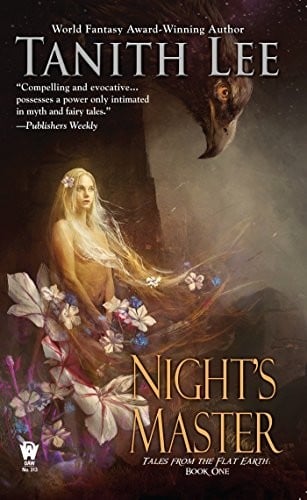
No. 83 on this list. Night's Master
Tanith Lee · 1978
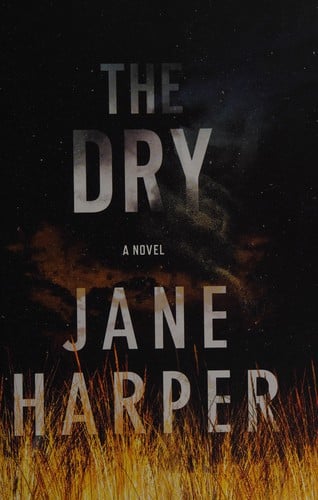
No. 84 on this list. The Dry
Jane Harper · 2016
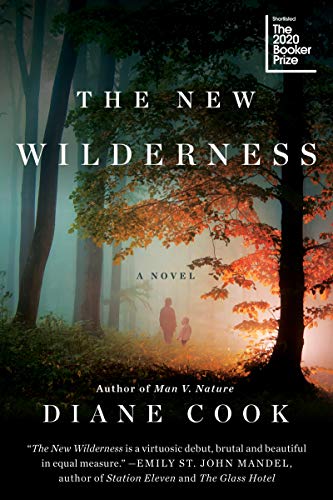
No. 85 on this list. The New Wilderness
Diane Cook · 2020
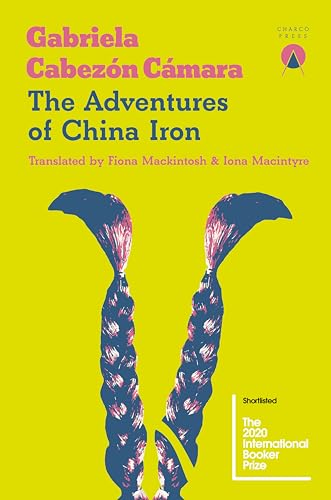
No. 86 on this list. The Adventures of China Iron
Gabriela Cabezón Cámara · 2020
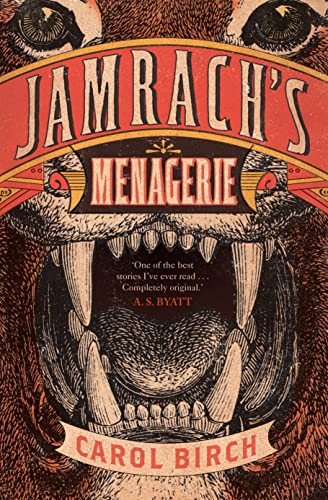
No. 87 on this list. Jamrach's Menagerie
Carol Birch · 2011
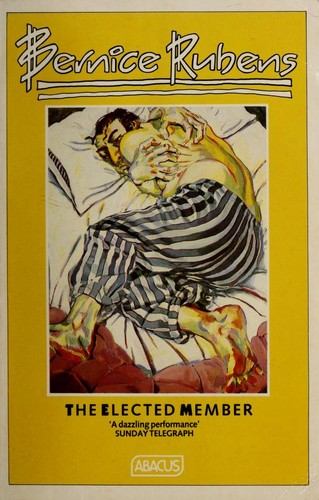
No. 88 on this list. The Elected Member
Bernice Rubens · 1970
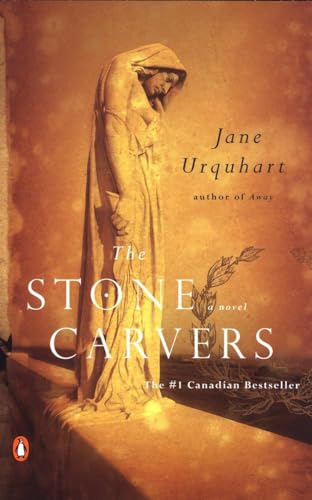
No. 89 on this list. The Stone Carvers
Jane Urquhart · 2001
No. 90 on this list. Fantastic Beasts and Where to Find Them
J.K. Rowling · 2001

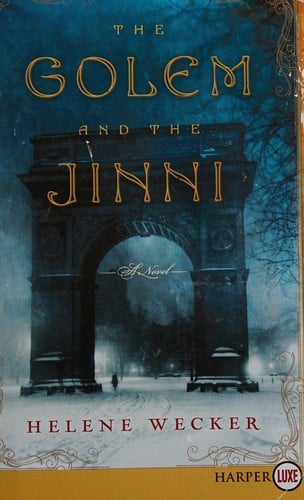
No. 91 on this list. The Golem and the Jinni
Helene Wecker · 2013
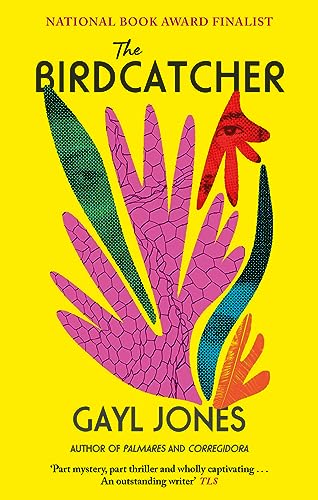
No. 92 on this list. The Birdcatcher
Gayl Jones · 2022
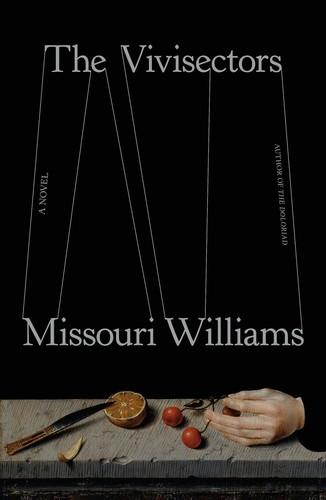
No. 93 on this list. The Vivisectors
Missouri Williams · 2026
No. 94 on this list. The Yips
Nicola Barker · 2012
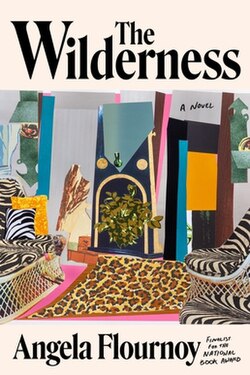
No. 95 on this list. The Wilderness
Angela Flournoy · 2009
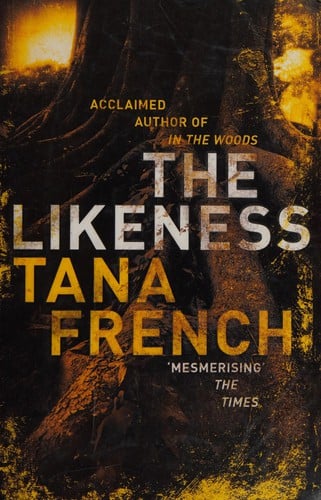
No. 96 on this list. The Likeness
Tana French · 2008
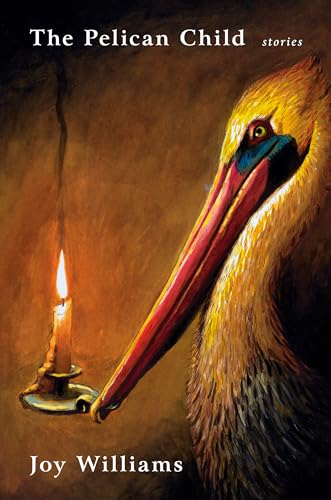
No. 97 on this list. The Pelican Child
Joy Williams · 2025
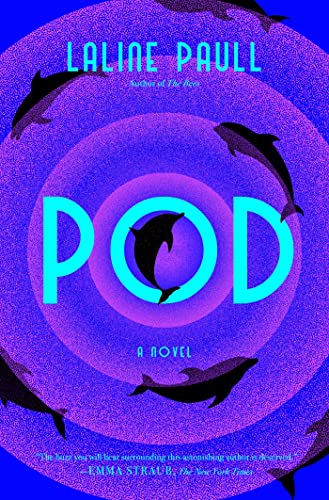
No. 98 on this list. Pod
Laline Paull · 2023
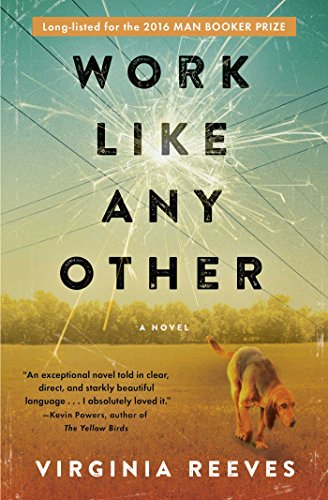
No. 99 on this list. Work Like Any Other
Virginia Reeves · 2016
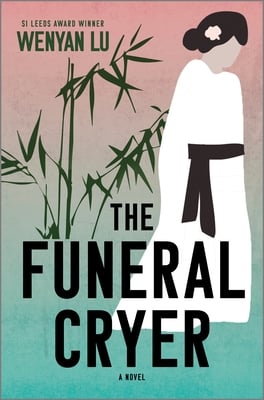
No. 100 on this list. The Funeral Cryer
Wenyan Lu · 2023

About this list
These 100 books are the highest-scoring eligible books about nature and the environment by women currently in the catalogue. About 721 hours of reading in all, for the 99 with measured lengths. Difficulty runs from 47 to 62 out of 100 for the middle half of the list; the summit is Surfacing at 76.
This list is ranked by literary regard, with a consistent order for equal scores. Membership follows authors and co-authors, not translators or editors. A book is here when ReadingRate files it under Nature & Environment as one of its primary reading domains, at a confidence of 0.8 or more. Catalogue coverage and the historical canon both limit what this list can represent.
When we matched the Canons dataset to our catalogue in October 2026, our canonical-status scores rose with the number of school curricula, publisher series and lists in it that cite a work: the median score was 72 for books one such source cites, 84 at two, 88 at three, 92 at four and 93 at five or more. Prizes are left out of that count. Outside the state curricula, the dataset’s sources choose mostly from what has been translated into English or French, so it is a weaker check on other literatures. Source: Canons (Andrew Piper), CC BY 4.0
Questions people actually ask
- What are the best books about nature and the environment by women?
- By literary regard, which weighs canonical status, critical standing and influence: Runaway by Alice Munro, Tar Baby by Toni Morrison, The Mill on the Floss by George Eliot, Death Comes for the Archbishop by Willa Cather and Parable of the Talents by Octavia E. Butler. ReadingRate ranks 100 such books, each with a difficulty score and a reading-time estimate.
- Which books about nature and the environment by women should I read first?
- Start from difficulty, not from rank. The most approachable books on this list that still carry top literary regard are Runaway by Alice Munro (about 5.5 hours), Tar Baby by Toni Morrison and The Mill on the Floss by George Eliot.
- What are the shortest of the best books about nature and the environment by women?
- Among the top 25, the shortest are A Number by Caryl Churchill (about 58 min), The Summer Book by Tove Jansson (about 1.5 hours) and Selected Poems of Wisława Szymborska by Wisława Szymborska (about 2.4 hours), at an average pace of 250 words a minute adjusted for each book's difficulty.
- Which of the best books about nature and the environment by women are the established classics?
- By canonical status, how firmly a book sits in curricula, anthologies and the canon: My Antonia by Willa Cather, Runaway by Alice Munro, The Mill on the Floss by George Eliot, The Secret Garden by Frances Hodgson Burnett and A Thousand Acres by Jane Smiley.
- Can I read any of these books about nature and the environment by women for free?
- 8 of the 100 open in ReadingRate's reader with a free account, from public-domain editions: The Mill on the Floss, Death Comes for the Archbishop, My Antonia, Adam Bede, O Pioneers! and 3 more.
- How long would it take to read the top ten?
- About 93 hours, at an average pace of 250 words a minute adjusted for each book's difficulty: 47 days at two hours a day. Set your own pace on the page and the list's reading times change to it.
- How hard are books about nature and the environment by women to read?
- Most of this list sits between 47 and 62 on ReadingRate's 100-point difficulty scale, where 40 to 55 is moderate. The summit is Surfacing at 76. Every entry carries its own score, so a reader can pick a great book at a difficulty they will finish.
- How is this list ranked?
- On literary-regard data: how canonically established a work is, its critical standing, and its influence on later writing. It is not a readers’ poll, which is why recent bestsellers rarely appear. Membership follows authors and co-authors, not translators or editors. Lists by country, author, period, theme or difficulty keep to literature (fiction, poetry, drama and philosophy), their novels, poems and plays first and their philosophy after them; a list of a kind of book, such as memoir or criticism, keeps every book of that kind. Every list holds at most three works by one author. A book is here when ReadingRate files it under Nature & Environment as one of its primary reading domains, at a confidence of 0.8 or more.