Hours at an average pace
Showing 100 books
About 710 hours for 100 of 100 books with measured lengths. Estimates use 250 words a minute, adjusted for each book's difficulty. At 2 hours a day, about 355 days for those books.
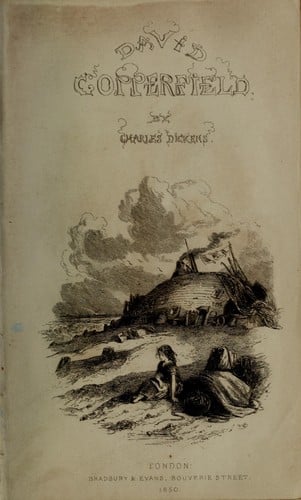
No. 1 on this list. David Copperfield
Charles Dickens · 1850
Moderate24 hours
Taught in schools: WJEC/Eduqas GCSE and A-level English Literature (UK)
David Copperfield is firmly established in the Western literary canon as one of Dickens's supreme achievements and a defining example of the Victorian Bildungsroman. It remains widely taught, studied, and adapted across cultures.
No. 2 on this list. Twelfth Night
William Shakespeare · 1602
Challenging1.8 hours
Taught in schools: AQA GCSE and A-level English Literature (UK), CAPE Literatures in English – Caribbean Examinations Council, Pearson Edexcel GCSE and A-level English Literature (UK)
Included in: Great Books of the Western World
Twelfth Night is among the most widely taught and performed Shakespeare comedies and a near-universal fixture in secondary school and university Shakespeare curricula. Its themes of disguise, gender ambiguity, and unrequited love have made it a central text in gender studies, queer theory, and Renaissance drama courses. It appears on more syllabi than any other Shakespeare comedy except perhaps A Midsummer Night's Dream.
No. 3 on this list. Othello
William Shakespeare · 1603
Challenging2.2 hours
Taught in schools: AQA GCSE and A-level English Literature (UK), CAPE Literatures in English – Caribbean Examinations Council, Pacific Senior Secondary Certificate – English
Included in: Bokklubben World Library, Great Books of the Western World
Shakespeare took a love story between a Black general and a Venetian noblewoman and destroyed it through the most precisely engineered manipulation in dramatic literature — Iago's campaign unfolds with the logic of a chess game, each move exploiting a specific vulnerability. The play remains the most penetrating study of how jealousy, once planted, manufactures its own evidence.
No. 4 on this list. As You Like It
William Shakespeare · 1600
Moderate1.6 hours
Taught in schools: CSEC English B – Caribbean Examinations Council, WBCHSE English and Alternative English syllabuses (India)
Included in: Great Books of the Western World
As You Like It appears on thousands of university syllabi worldwide and is regularly staged by major theater companies. Its central monologue — 'All the world's a stage' — is among the most quoted passages in English literature, cementing its place in the core Shakespeare canon alongside Hamlet and Midsummer Night's Dream.
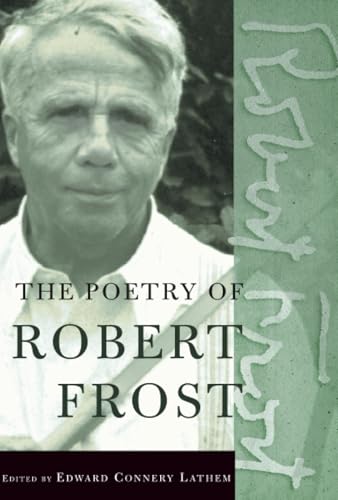
Frost appears on virtually every American high school and university English curriculum. 'The Road Not Taken,' 'Mending Wall,' and 'Stopping by Woods on a Snowy Evening' are among the most-taught poems in the English language, and the Collected Poems is the standard edition used in academic settings. His work is a fixture of the canon in a way shared by almost no other 20th-century American poet.
One of the most anthologised short stories in English and a standard school text.
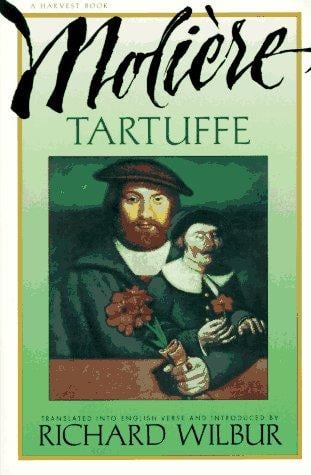
No. 7 on this list. Tartuffe
Molière · 1669
Moderate1.3 hours
Taught in schools: Hungarian literature curriculum (magyar nyelv és irodalom) (Hungary)
Included in: Great Books of the Western World
Tartuffe is required reading in French literature, comparative literature, and theater history courses at virtually every major university. It is among the most-performed French plays internationally and appears on nearly all canonical drama reading lists alongside Racine and Corneille. The play has been in continuous repertoire since 1669 and is central to any study of Western comedy.
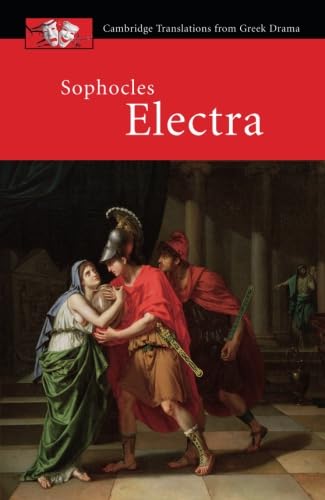
No. 8 on this list. Electra
Sophocles · c. 410 BCE
Moderate50 min
Included in: Great Books of the Western World
Electra is required reading in virtually every university classics and comparative literature program. All seven of Sophocles' surviving plays form the backbone of Western classical studies, and Electra — alongside Oedipus Rex and Antigone — is among the most taught. It appears on syllabi across departments from literature to philosophy to theater.
No. 9 on this list. Three Sisters
Anton Chekhov · 1901
Challenging2.4 hours
Taught in schools: Hungarian literature curriculum (magyar nyelv és irodalom) (Hungary), Russian FGOS literature standard
Taught in every course on modern drama and staged continuously by major companies since its 1901 Moscow Art Theatre premiere. The sisters' longing for Moscow is one of the best-known situations in world theatre.
No. 10 on this list. The Lady with the Dog
Anton Chekhov · 1899
Challenging32 min
Taught in schools: Russian FGOS literature standard
Among the most anthologized and taught short stories in any language, a staple of fiction courses and writing workshops. It is frequently named as the greatest short story ever written.
No. 11 on this list. The Importance of Being Earnest · Oscar Wilde · 1893
Taught in schools: AQA GCSE and A-level English Literature (UK), Common Core text exemplars (Appendix B) (US), CSEC English B – Caribbean Examinations Council
Ranked by literary regard among eligible works in the current catalogue. This position reflects the available catalogue evidence.
Moderate1.9 hours
Start this bookNo. 12 on this list. The Threepenny Opera · Bertolt Brecht · 1928
Die Dreigroschenoper premiered in Berlin on August 28, 1928, and became one of the most performed plays of the 20th century, with productions on every inhabited continent. It is core curriculum in theatre studies, German literature, European modernism, and political theory courses worldwide. No syllabus data appears in the database, but the play's canonical standing is among the highest in 20th-century drama.
Challenging2.1 hours
Start this bookNo. 13 on this list. Buddenbrooks: The Decline of a Family · Thomas Mann
A Nobel-winning author's first novel, taught widely in German and world literature courses as the model family chronicle.
Moderate15 hours
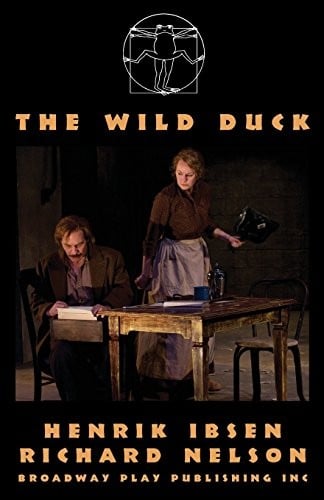
Start this bookNo. 14 on this list. The Wild Duck · Henrik Ibsen · 1884
Taught in schools: Hungarian literature curriculum (magyar nyelv és irodalom) (Hungary)
Included in: Great Books of the Western World
The Wild Duck is a cornerstone of the Western dramatic canon, taught in virtually every university drama program and included in all standard collections of world theater. Though the database returns no syllabus count, Ibsen is the most taught non-English-language playwright in English-speaking universities, and this play—alongside Hedda Gabler and A Doll's House—appears on every major drama syllabus. It is consistently ranked among Ibsen's finest works and among the ten most important plays of the nineteenth century.
Moderate2.2 hours
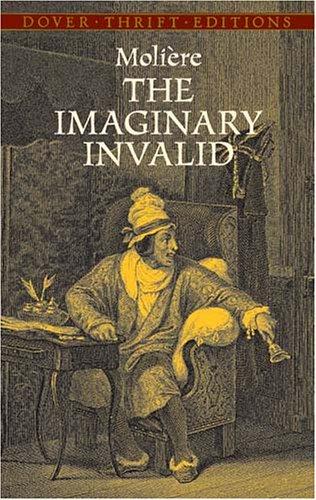
Start this bookNo. 15 on this list. The Imaginary Invalid · Molière · 1673
Included in: Great Books of the Western World
Argan sits in his Paris bedroom tallying his apothecary bills, convinced he is dying. He is not dying. His maid Toinette knows it, his brother Béralde knows it, and his daughter Angélique suspects it — but Argan has organized his entire life around his imaginary ailments, and he intends to marry Angélique to a young doctor so the household will have a physician on permanent call. Written in 1673 as Molière's last play — he collapsed onstage performing Argan and died that same evening — The Imaginary Invalid is a comedy that turns on a simple, merciless observation: some people prefer their illness to their health because sickness grants power. Toinette disguises herself as a famous doctor and solemnly recommends removing one of Argan's arms and an eye, just to see if he will agree. He almost does. The play's third interlude culminates in a mock-Latin medical ceremony, all chanted gibberish, that confers a doctorate on Argan himself — the perfect solution. Molière's doctors speak in learned nonsense and kill more patients than they cure, and the comedy lies not in caricature but in recognition: the gap between institutional authority and actual competence was as visible in 1673 as it is now. Reading it is to watch a master work at full pitch, knowing he was out of time.
Moderate1.4 hours
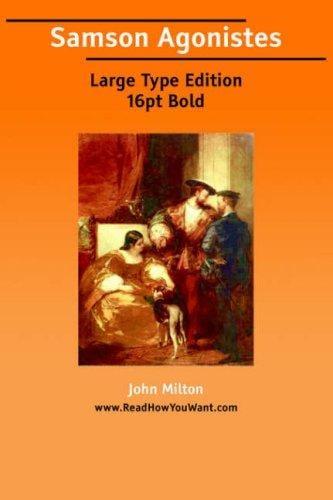
Start this bookNo. 16 on this list. Samson Agonistes · John Milton · 1671
Included in: Great Books of the Western World
Samson Agonistes is required reading in virtually every English Renaissance and early modern literature course at the university level, paired with Paradise Lost and Paradise Regained as the triad of Milton's major late works. It appears on countless syllabi and is included in every major anthology of English literature. While less universally taught than Paradise Lost, it holds a firm place in the upper tier of the seventeenth-century canon.
Challenging1.1 hours
Start this bookNo. 17 on this list. The Strange Case of Dr Jekyll and Mr Hyde · Robert Louis Stevenson · 1886
Taught in schools: AQA GCSE and A-level English Literature (UK), OCR GCSE and A-level English Literature (UK)
One of the most widely taught Victorian texts in English literature curricula at every level, from secondary school to university. The phrase 'Jekyll and Hyde' has entered common English as a synonym for dual personality. The novella appears on virtually every list of essential 19th-century fiction and is a fixture in Gothic literature, Victorian studies, and psychology-and-literature courses worldwide.
Challenging1.9 hours
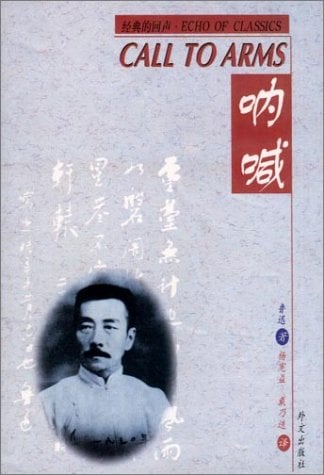
Read nowNo. 18 on this list. Call to Arms · Lu Xun · 1923
Lu Xun compressed the anguish of a civilization in crisis into stories so concentrated they read like detonations — a madman who discovers that Confucian morality is a euphemism for cannibalism, a revolutionary beheaded while the crowd scrambles for bread dipped in his blood. These stories broke Chinese fiction free from classical convention and became the foundational texts of modern Chinese literature.
Challenging4.4 hours
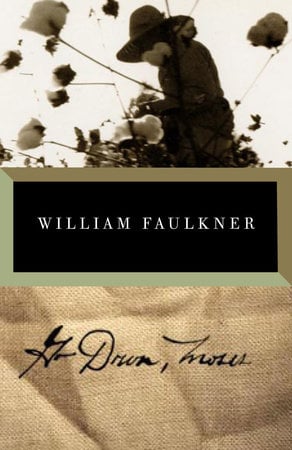
Start this bookNo. 19 on this list. Go Down, Moses · William Faulkner · 1942
Go Down, Moses is recognized as central to American modernism and Southern gothic literature. It appears consistently in university curricula and major literary anthologies. While not achieving the absolute canonical singularity of Faulkner's The Sound and the Fury or Absalom, Absalom!, it commands secure canonical standing within American letters.
Challenging9.1 hours
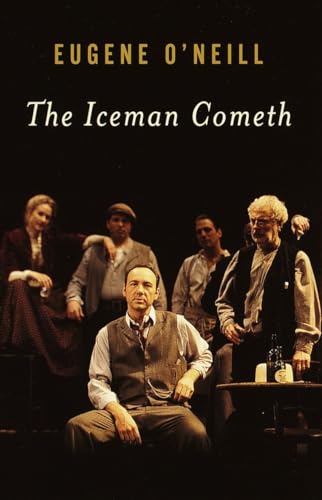
Start this bookNo. 20 on this list. The Iceman Cometh · Eugene O'Neill · 1946
The Iceman Cometh appears in the Open Syllabus Top 500 Literature list and holds Library of America and NYRB Classics editions — markers of canonical permanence in American letters. It is taught in virtually every American drama survey and appears on most 'great American plays' lists alongside Long Day's Journey into Night. Wikipedia carries the play in only 5 languages, reflecting the global reach of drama (versus fiction) rather than lesser standing; within American literary culture, The Iceman Cometh is firmly canonical.
Challenging5.5 hours
Start this book

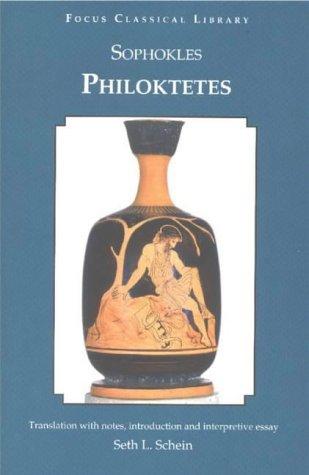
No. 21 on this list. Philoctetes · Sophocles · c. 409 BCE
Included in: Great Books of the Western World
Philoctetes is a fixture in university courses on Greek drama and classical literature worldwide, taught alongside the other surviving Sophoclean tragedies. While it receives less classroom attention than Oedipus Rex or Antigone, it is consistently included in surveys of ancient Greek theater and world literature curricula. Its place in the Western canon is secure, grounded in its 2,400-year history of continuous scholarly attention.
Challenging56 min
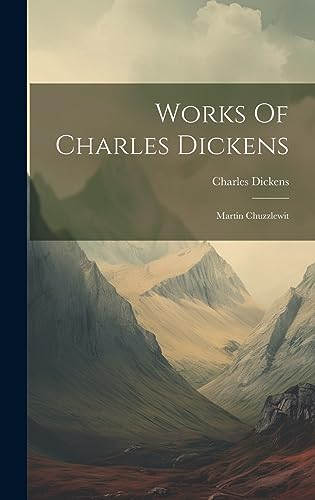
Read nowNo. 22 on this list. Martin Chuzzlewit · Charles Dickens · 1844
Martin Chuzzlewit holds a secure but second-tier position in the Dickens canon, taught regularly in Victorian literature courses and included on most serious Dickens reading lists, though it receives less classroom attention than Bleak House, Great Expectations, or David Copperfield. Dickens himself considered it his best work up to that point. The novel is available in numerous editions including Penguin Classics and Oxford World's Classics, and its key characters—Pecksniff, Sairey Gamp—remain cultural reference points.
Challenging24 hours
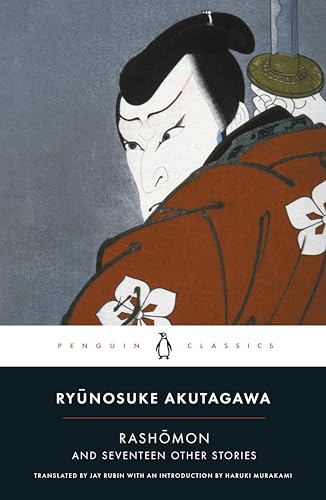
Read nowNo. 23 on this list. Rashomon and Seventeen Other Stories · Ryūnosuke Akutagawa · 1915
Akutagawa is central to the Japanese literary canon and his stories are among the most widely read works of Japanese literature internationally, amplified by Kurosawa's adaptations.
Moderate4.2 hours
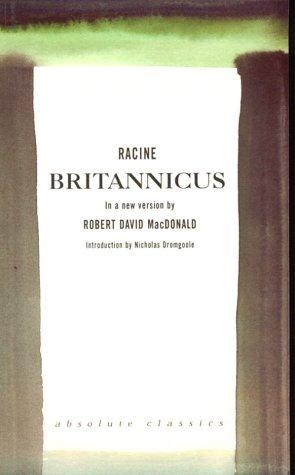
Start this bookNo. 24 on this list. Britannicus · Jean Racine · 1669
Rome, 55 AD. Nero has been emperor for three years, and his mother Agrippine is beginning to suspect she has lost control of the monster she made. At the center of the court's intrigues stands Britannicus — Claudius's son, the throne's legitimate heir, and Nero's stepbrother — in love with Junie, whom Nero has just abducted and wants for himself. Racine compresses an entire education in tyranny into five acts and a single palace room. We watch Nero not as a tyrant already formed, but in the exact hours he chooses to become one: forcing Junie to reject Britannicus to his face while Nero watches from the shadows, reconciling with his mother with a warmth that masks a murder already decided. The verse is Alexandrine — formal, interlocked, each line balanced against the next — and the effect is of a world where every word is weighed because words are the only weapons left. Britannicus is a study in how power corrupts through small surrenders rather than single dramatic breaks. By the final scene, Nero has poisoned his rival at a feast, and Racine's epilogue tells us what history confirms: this was only the beginning.
Moderate1 hours
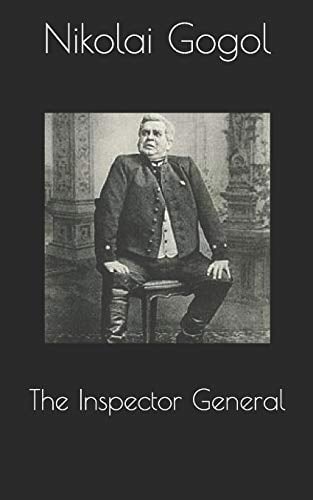
Start this bookNo. 25 on this list. The Inspector General · Nikolai Gogol · 1836
The Inspector General is a cornerstone of Russian dramatic literature and world theatre, widely taught in university courses on Russian literature, European drama, and satirical fiction globally. Though the database shows no syllabus records, the play's near-200-year presence in academic curricula — alongside its adaptation into opera, film, and stage productions across dozens of countries — confirms its canonical position. It appears in Wikipedia editions across 50+ languages.
Moderate2 hours
Start this bookNo. 26 on this list. Herzog · Saul Bellow · 1965
The great American novel of intellectual crisis. Moses Herzog's unsent letters, his failed marriages, his Jewish learning put to life's test—Bellow captured the American intellectual in extremis.
Challenging9.7 hours
Start this bookNo. 27 on this list. The Spy Who Came in from the Cold · John le Carré · 1963
The Spy Who Came in from the Cold is the classic Cold War espionage novel, chosen for TIME's All-TIME 100 Novels list and set in courses on the spy novel and postwar British fiction. It is a fixture of best-crime and best-thriller lists.
Challenging5.6 hours
Start this bookNo. 28 on this list. Voices from Chernobyl · Svetlana Alexievich · 1997
Widely recognized as the definitive literary account of Chernobyl and a landmark of documentary literature. The 2015 Nobel Prize in Literature elevated its status, establishing Alexievich's polyphonic method as a major formal innovation. Required reading in post-Soviet studies and increasingly taught in world literature curricula. Its documentary approach has influenced contemporary non-fiction globally.
Challenging6.3 hours
Start this bookNo. 29 on this list. The Mystery of Edwin Drood · Charles Dickens · 1870
The Mystery of Edwin Drood appears regularly on Victorian literature and Dickens course syllabi at universities worldwide, taught both as a late Dickens text and as a unique object — a canonical novel frozen in its own incompletion. The unfinished mystery has been a pedagogical touchstone for discussions of narrative, authorship, and closure since Dickens's death. Its Wikipedia article exists in over 40 languages and includes dedicated sections on adaptations and reception, indicating significant global cultural reach beyond English-language scholarship.
Challenging6.9 hours
Read nowNo. 30 on this list. A Grain of Wheat · Ngugi wa Thiong'o · 1967
Included in: Heinemann African Writers Series
Major postcolonial novel; widely taught in African and world literature.
Challenging6.5 hours
Start this book
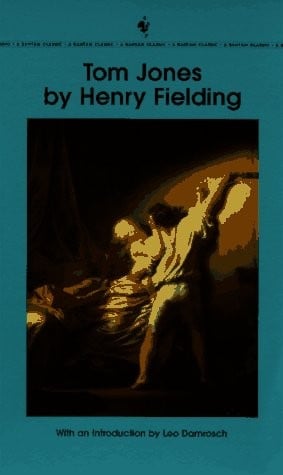
No. 31 on this list. Tom Jones
Henry Fielding · 1749
Included in: Great Books of the Western World
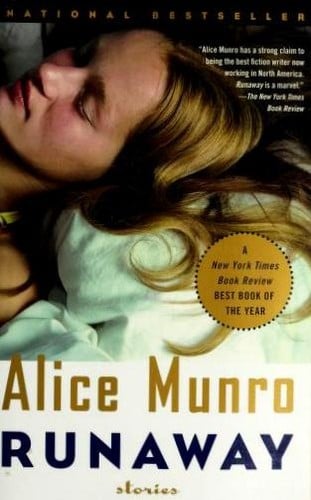
No. 32 on this list. Runaway
Alice Munro · 2004
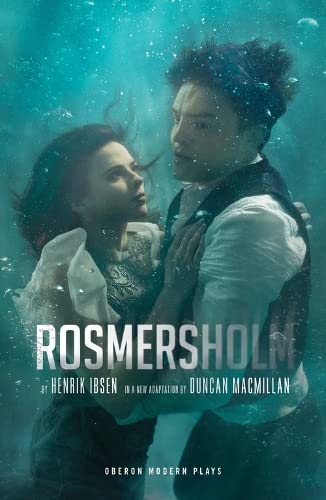
No. 33 on this list. Rosmersholm
Henrik Ibsen · 1886
No. 34 on this list. Athalie
Jean Racine · 1691
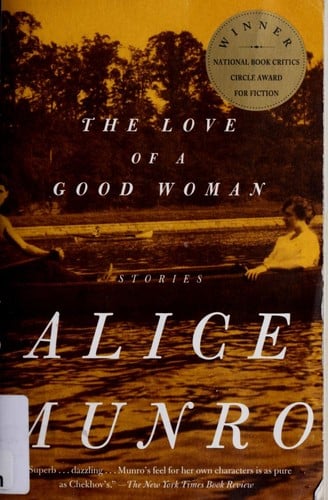
No. 35 on this list. The Love of a Good Woman
Alice Munro · 1998
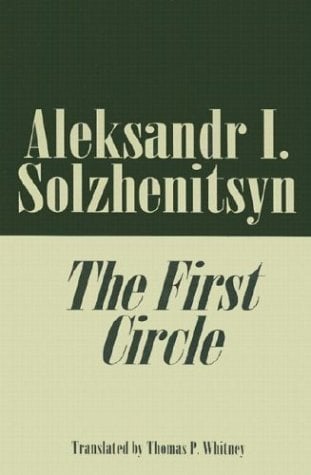
No. 36 on this list. The First Circle
Aleksandr Solzhenitsyn · 1968
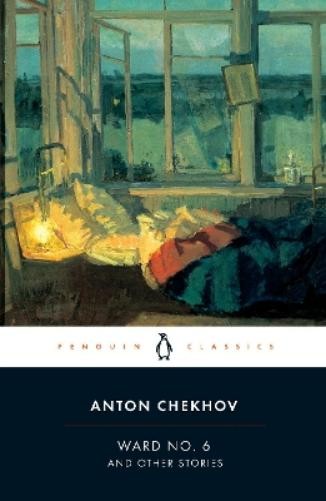
No. 37 on this list. Ward No. 6
Anton Chekhov · 1892
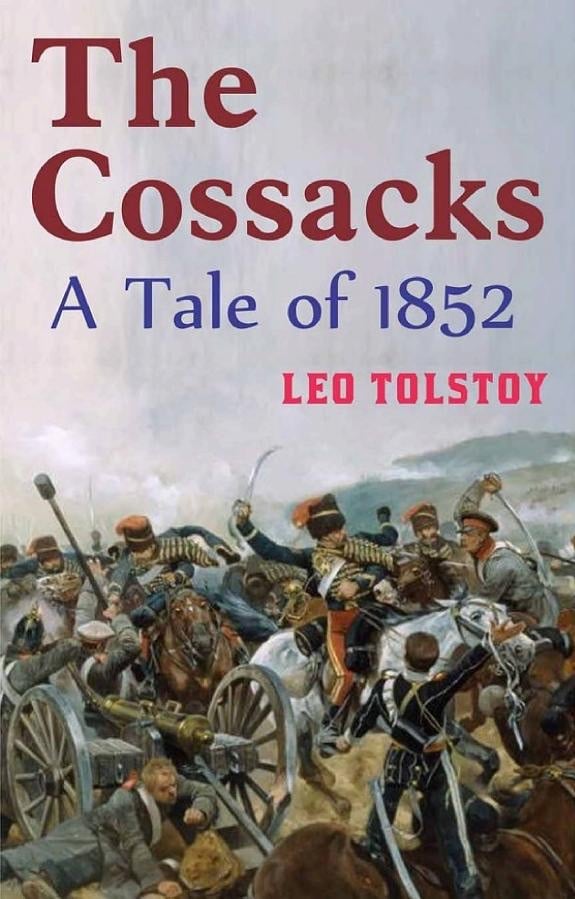
No. 38 on this list. The Cossacks
Leo Tolstoy · 1863
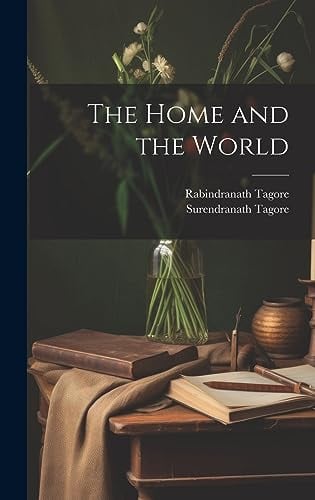
No. 39 on this list. The Home and the World
Rabindranath Tagore · 1916
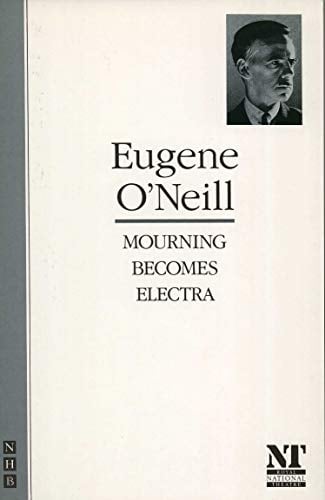
No. 40 on this list. Mourning Becomes Electra
Eugene O'Neill · 1931
Included in: Great Books of the Western World
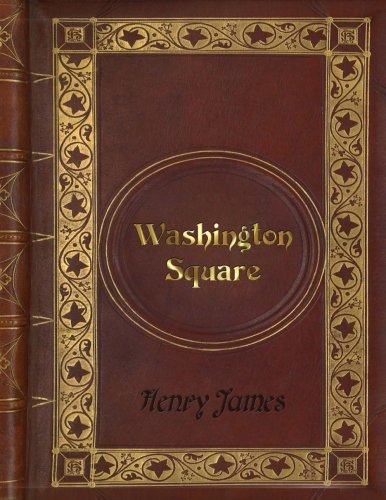
No. 41 on this list. Washington Square
Henry James · 1880
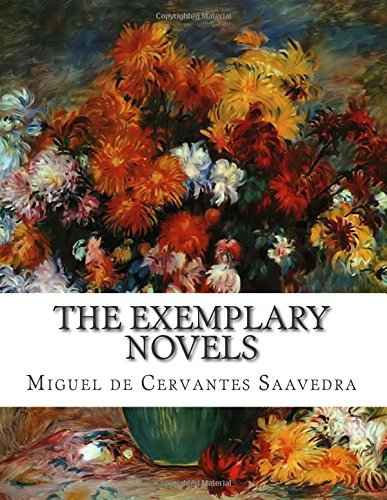
No. 42 on this list. Exemplary Novels
Miguel de Cervantes · 1613
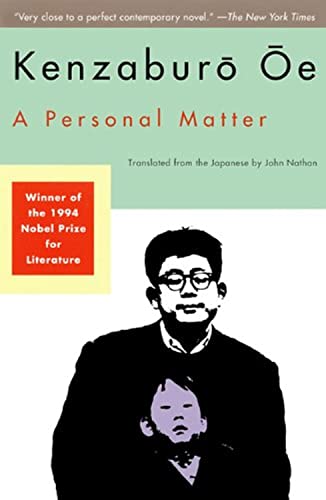
No. 43 on this list. A Personal Matter
Kenzaburō Ōe · 1964
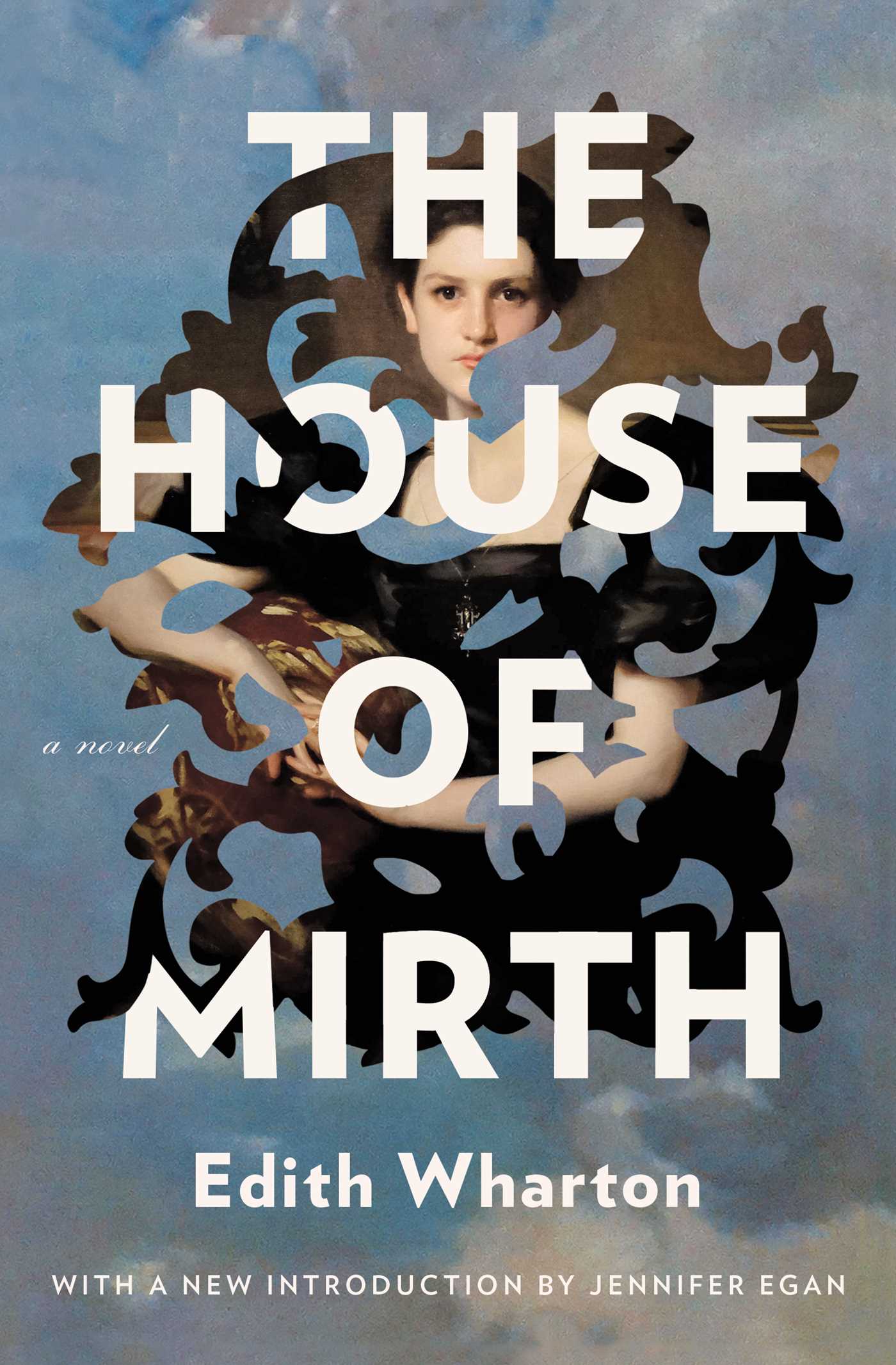
No. 44 on this list. The House of Mirth
Edith Wharton · 1905
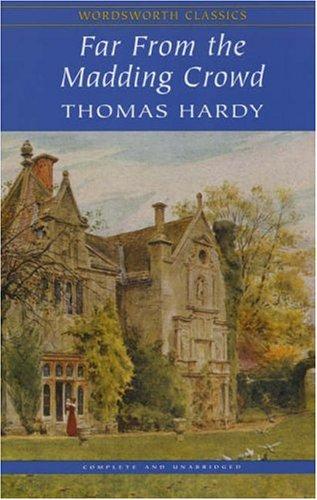
No. 45 on this list. Far from the Madding Crowd
Thomas Hardy · 1874
Taught in schools: CSEC English B – Caribbean Examinations Council
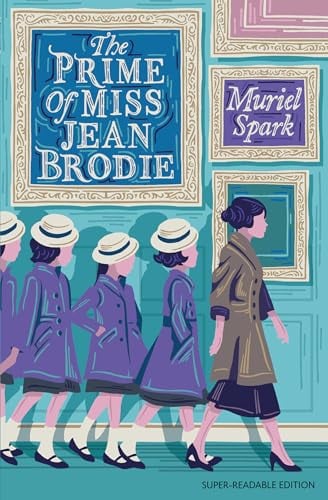
No. 46 on this list. The Prime of Miss Jean Brodie
Muriel Spark · 1961
Taught in schools: CSEC English B – Caribbean Examinations Council
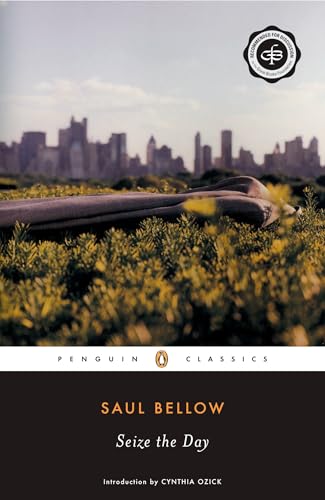
No. 47 on this list. Seize the Day
Saul Bellow · 1956
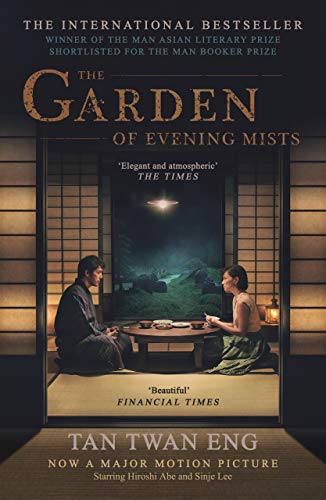
No. 48 on this list. The Garden of Evening Mists
Tan Twan Eng · 2013
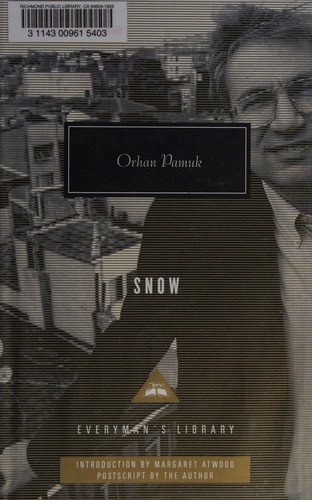
No. 49 on this list. Snow
Orhan Pamuk · 2002
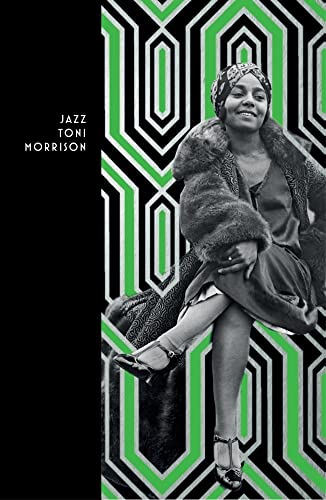
No. 50 on this list. Jazz
Toni Morrison · 1992
No. 51 on this list. The Story of an Hour
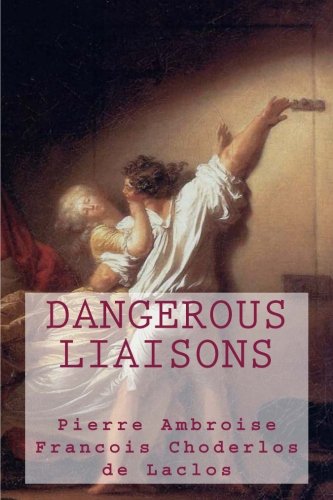
No. 52 on this list. Dangerous Liaisons
Pierre Choderlos de Laclos · 1782
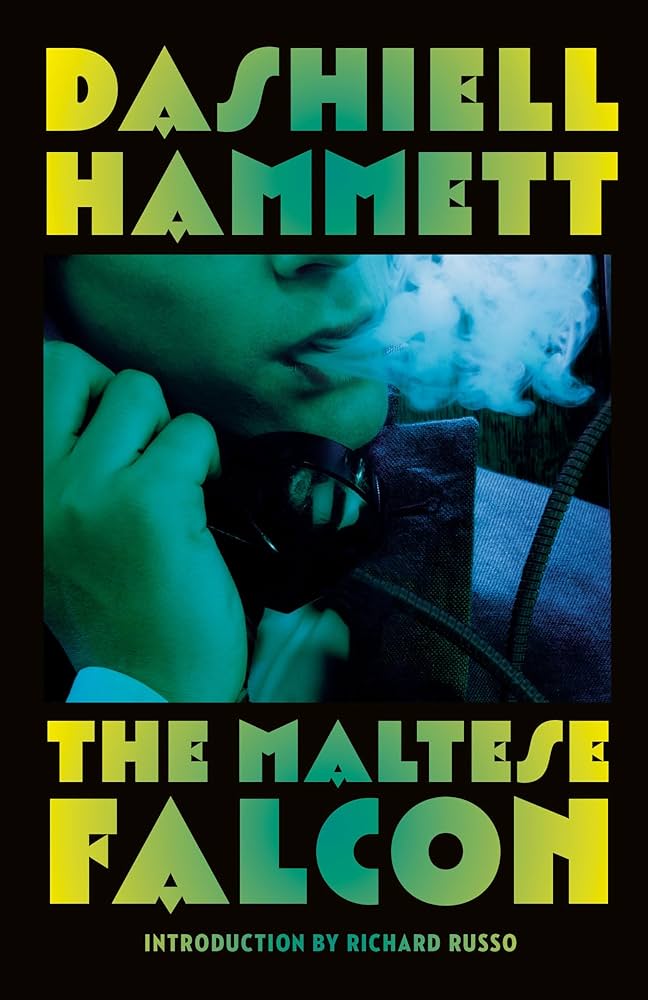
No. 53 on this list. The Maltese Falcon
Dashiell Hammett · 1930
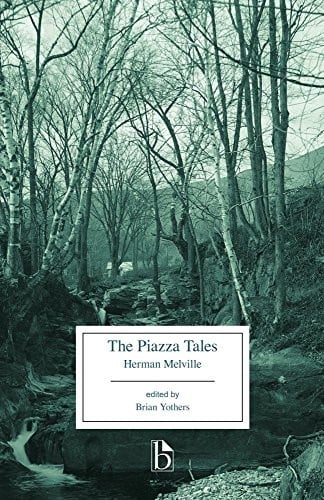
No. 54 on this list. The Piazza Tales
Herman Melville · 1856
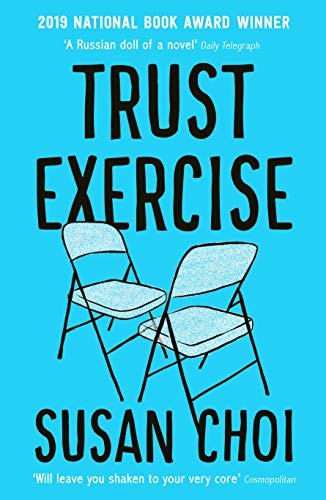
No. 55 on this list. Trust Exercise
Susan Choi · 2019
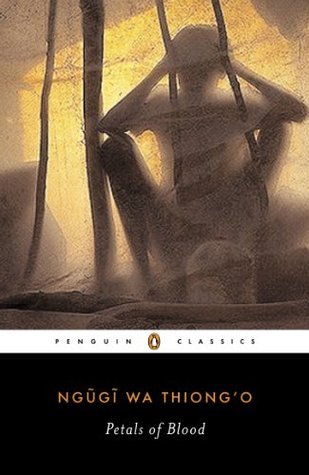
No. 56 on this list. Petals of Blood
Ngugi wa Thiong'o · 1977
Included in: Heinemann African Writers Series
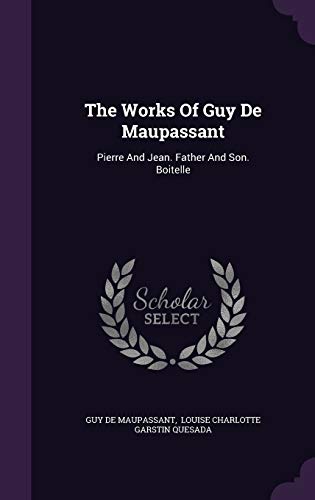
No. 57 on this list. Pierre and Jean
Guy de Maupassant · 1888
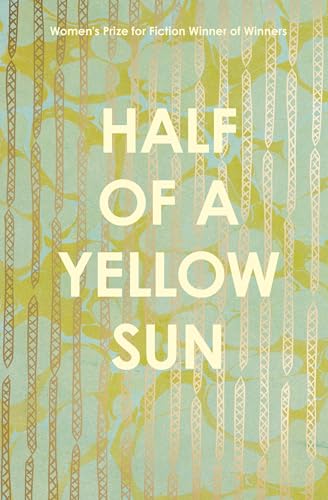
No. 58 on this list. Half of a Yellow Sun
Chimamanda Ngozi Adichie · 2007
No. 59 on this list. The Sportswriter
Richard Ford · 1986
No. 60 on this list. The Accidental
Ali Smith · 2005

No. 61 on this list. Tinker Tailor Soldier Spy
John le Carré · 1974
No. 62 on this list. The Guide
R.K. Narayan · 1958
Taught in schools: CSEC English B – Caribbean Examinations Council
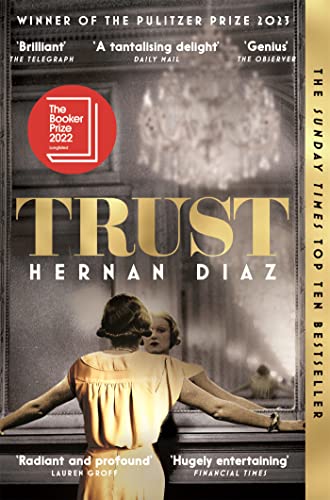
No. 63 on this list. Trust
Hernan Diaz · 2022
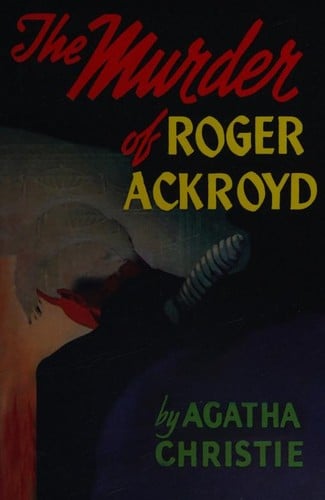
No. 64 on this list. The Murder of Roger Ackroyd
Agatha Christie · 1926
Taught in schools: AQA GCSE and A-level English Literature (UK)
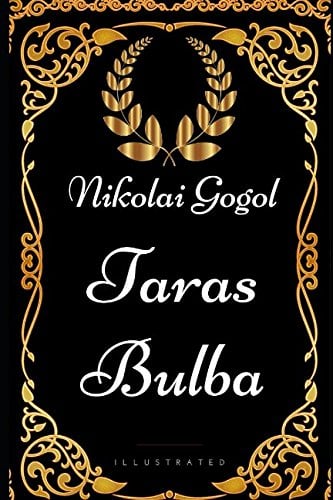
No. 65 on this list. Taras Bulba
Nikolai Gogol · 1842
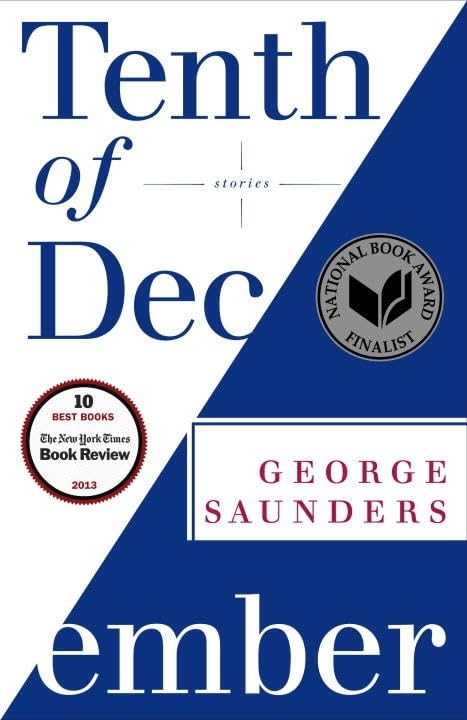
No. 66 on this list. Tenth of December
George Saunders · 2013
No. 67 on this list. Loving
Henry Green · 1945
No. 68 on this list. Half a Lifelong Romance
Eileen Chang · 1948
No. 69 on this list. The Woman in White
Wilkie Collins · 1859
No. 70 on this list. Atonement
Ian McEwan · 2001
Taught in schools: AQA GCSE and A-level English Literature (UK), Pearson Edexcel GCSE and A-level English Literature (UK)
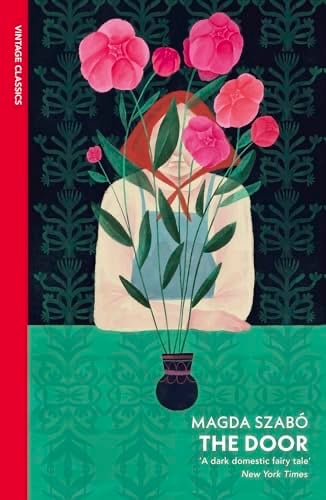
No. 71 on this list. The Door
Magda Szabó · 1987
Taught in schools: Hungarian literature curriculum (magyar nyelv és irodalom) (Hungary)
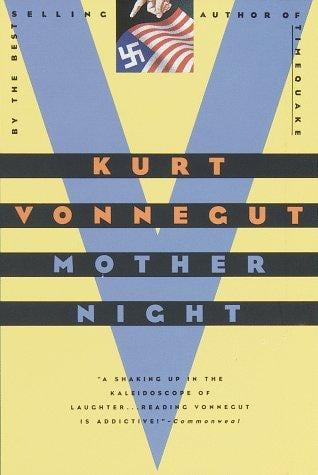
No. 72 on this list. Mother Night
Kurt Vonnegut · 1961
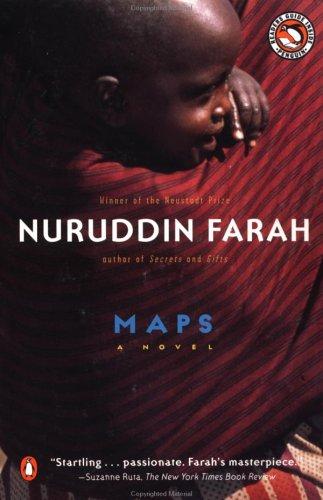
No. 73 on this list. Maps
Nuruddin Farah · 1986
No. 74 on this list. Outerbridge Reach
Robert Stone · 1992
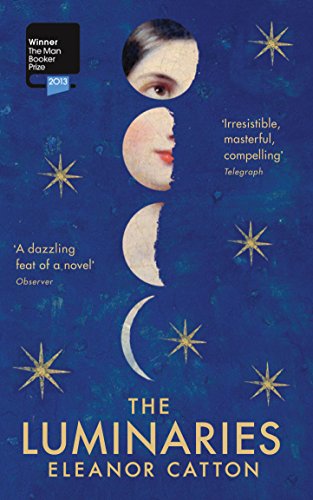
No. 75 on this list. The Luminaries
Eleanor Catton · 2013
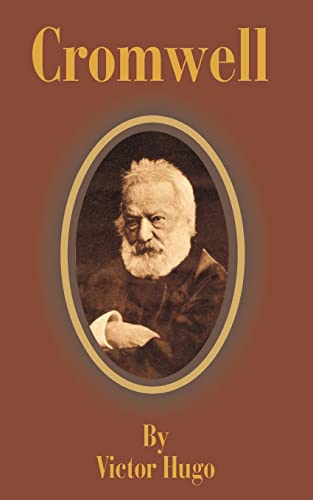
No. 76 on this list. Cromwell
Victor Hugo · 1827
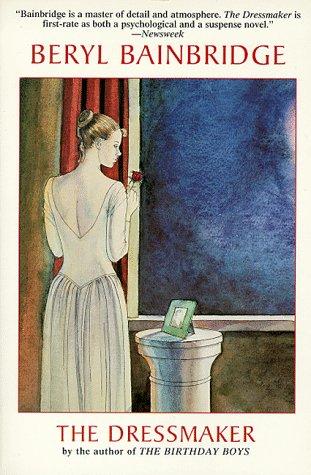
No. 77 on this list. The Dressmaker
Beryl Bainbridge · 1973
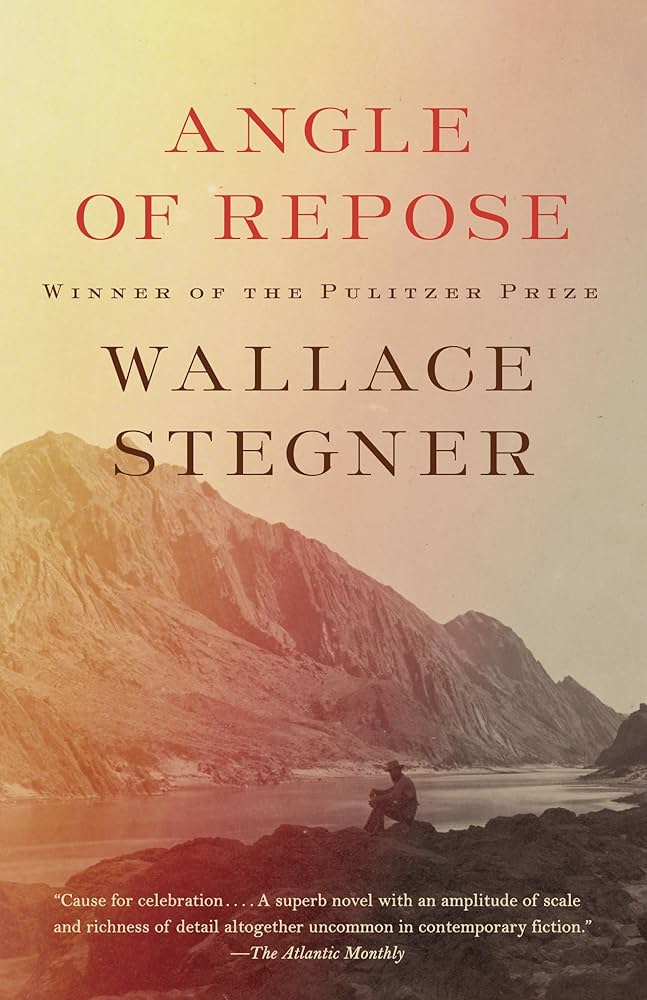
No. 78 on this list. Angle of Repose
Wallace Stegner · 1972
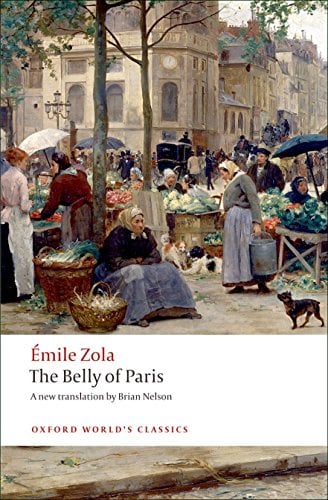
No. 79 on this list. The Belly of Paris
Émile Zola · 1873
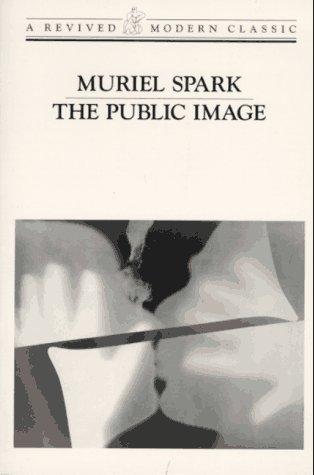
No. 80 on this list. The Public Image
Muriel Spark · 1969
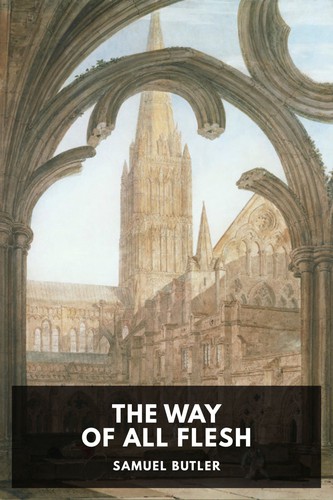
No. 81 on this list. The Way of All Flesh
Samuel Butler · 1903
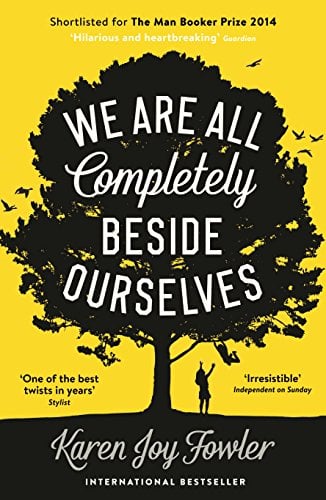
No. 82 on this list. We Are All Completely Beside Ourselves
Karen Joy Fowler · 2014
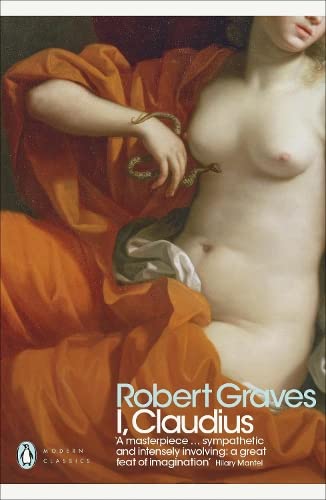
No. 83 on this list. I, Claudius
Robert Graves · 1934
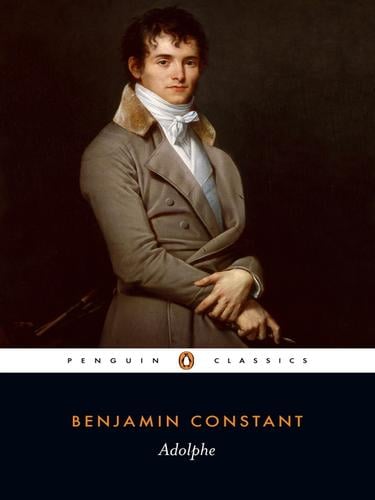
No. 84 on this list. Adolphe
Benjamin Constant · 1816
No. 85 on this list. The Woman Destroyed
Simone de Beauvoir · 1967
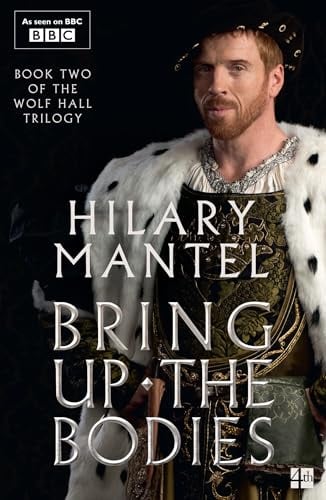
No. 86 on this list. Bring Up the Bodies
Hilary Mantel · 2012
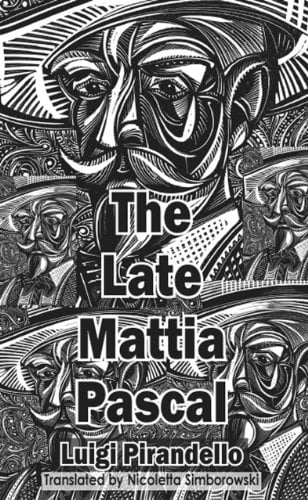
No. 87 on this list. The Late Mattia Pascal
Luigi Pirandello · 1904
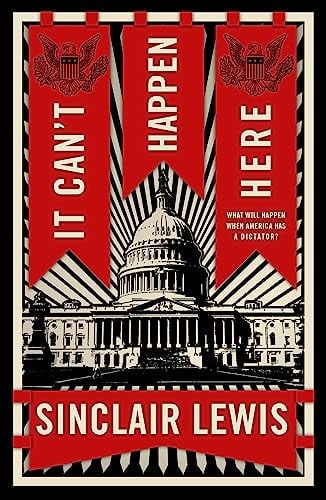
No. 88 on this list. It Can't Happen Here
Sinclair Lewis · 1935
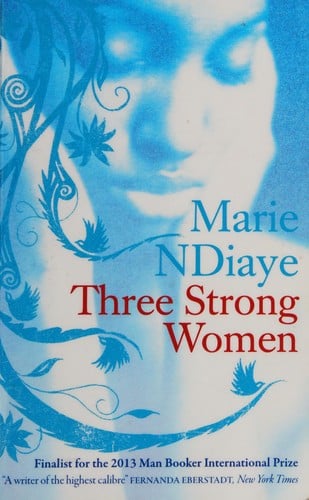
No. 89 on this list. Three Strong Women
Marie NDiaye · 2009
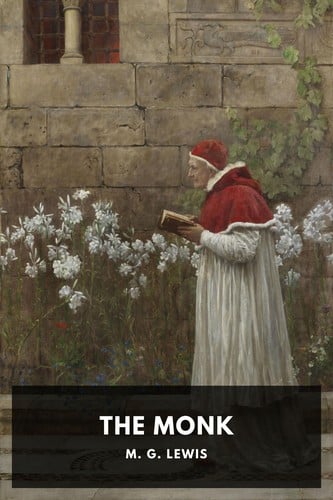
No. 90 on this list. The Monk
Matthew Gregory Lewis · 1796
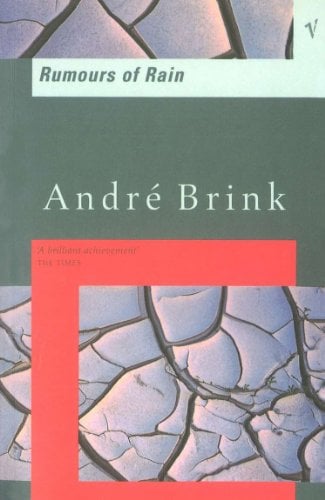
No. 91 on this list. Rumours of Rain
André Brink · 1978
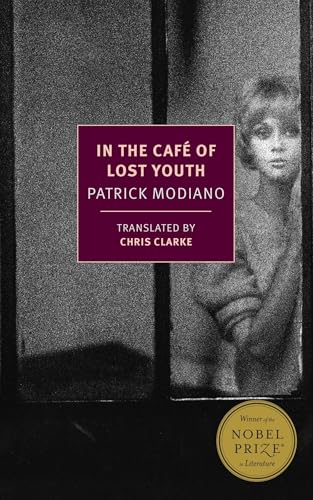
No. 92 on this list. In the Café of Lost Youth
Patrick Modiano · 2007
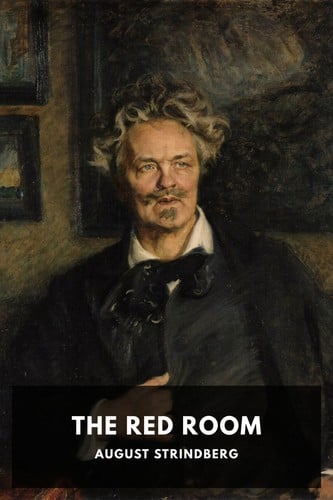
No. 93 on this list. The Red Room
August Strindberg · 1879
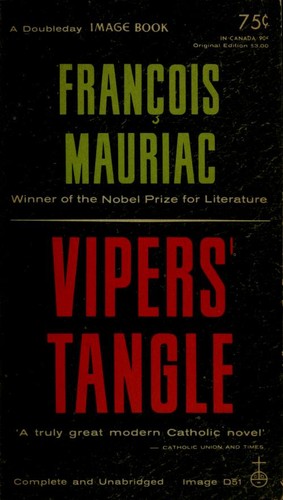
No. 94 on this list. Vipers' Tangle
François Mauriac · 1932
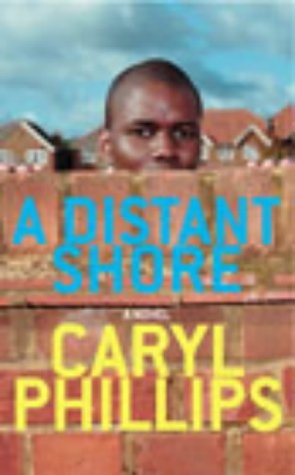
No. 95 on this list. A Distant Shore
Caryl Phillips · 2003
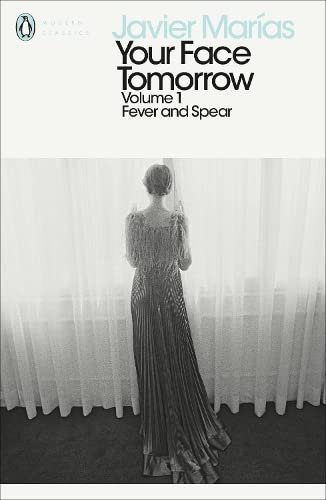
No. 96 on this list. Your Face Tomorrow: Fever and Spear
Javier Marías · 2002
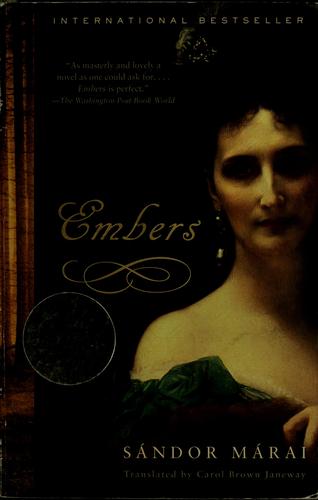
No. 97 on this list. Embers
Sándor Márai · 1942
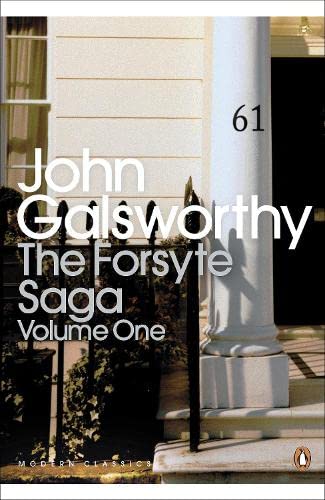
No. 98 on this list. The Forsyte Saga
John Galsworthy · 1922
No. 99 on this list. The Narrow Road to the Deep North
Richard Flanagan · 2014
No. 100 on this list. From the Mixed-Up Files of Mrs. Basil E. Frankweiler
E.L. Konigsburg · 1967
About this list
These 100 books are the highest-scoring eligible moderately difficult books about deception and secrets currently in the catalogue. About 710 hours of reading in all. Difficulty runs from 52 to 60 out of 100 for the middle half of the list; the summit is The Sportswriter at 64.
This list is ranked by literary regard, with a consistent order for equal scores. Membership follows authors and co-authors, not translators or editors. A book is here when ReadingRate files it under Deception & Secrets as one of its primary reading domains, at a confidence of 0.8 or more. Catalogue coverage and the historical canon both limit what this list can represent.
When we matched the Canons dataset to our catalogue in October 2026, our canonical-status scores rose with the number of school curricula, publisher series and lists in it that cite a work: the median score was 72 for books one such source cites, 84 at two, 88 at three, 92 at four and 93 at five or more. Prizes are left out of that count. Outside the state curricula, the dataset’s sources choose mostly from what has been translated into English or French, so it is a weaker check on other literatures. Source: Canons (Andrew Piper), CC BY 4.0
Questions people actually ask
- What are the best moderately difficult books about deception and secrets?
- By literary regard, which weighs canonical status, critical standing and influence: David Copperfield by Charles Dickens, Twelfth Night by William Shakespeare, Othello by William Shakespeare, As You Like It by William Shakespeare and Collected Poems by Robert Frost. ReadingRate ranks 100 such books, each with a difficulty score and a reading-time estimate.
- Which moderately difficult books about deception and secrets should I read first?
- Start from difficulty, not from rank. The most approachable books on this list that still carry top literary regard are Runaway by Alice Munro (about 5.5 hours), The Love of a Good Woman by Alice Munro and Rashomon and Seventeen Other Stories by Ryūnosuke Akutagawa.
- What are the shortest of the best moderately difficult books about deception and secrets?
- Among the top 25, the shortest are The Lady with the Dog by Anton Chekhov (about 32 min), The Cask of Amontillado by Edgar Allan Poe (about 34 min) and Electra by Sophocles (about 50 min), at an average pace of 250 words a minute adjusted for each book's difficulty.
- Which of the best moderately difficult books about deception and secrets are the established classics?
- By canonical status, how firmly a book sits in curricula, anthologies and the canon: Othello by William Shakespeare, David Copperfield by Charles Dickens, Twelfth Night by William Shakespeare, Collected Poems by Robert Frost and The Cask of Amontillado by Edgar Allan Poe.
- Can I read any of these moderately difficult books about deception and secrets for free?
- 21 of the 100 open in ReadingRate's reader with a free account, from public-domain editions: David Copperfield, Twelfth Night, Othello, As You Like It, Electra and 16 more.
- How long would it take to read the top ten?
- About 40 hours, at an average pace of 250 words a minute adjusted for each book's difficulty: 21 days at two hours a day. Set your own pace on the page and the list's reading times change to it.
- How hard are moderately difficult books about deception and secrets to read?
- Most of this list sits between 52 and 60 on ReadingRate's 100-point difficulty scale, where 40 to 55 is moderate. The summit is The Sportswriter at 64. Every entry carries its own score, so a reader can pick a great book at a difficulty they will finish.
- How is this list ranked?
- On literary-regard data: how canonically established a work is, its critical standing, and its influence on later writing. It is not a readers’ poll, which is why recent bestsellers rarely appear. Membership follows authors and co-authors, not translators or editors. Lists by country, author, period, theme or difficulty keep to literature (fiction, poetry, drama and philosophy), their novels, poems and plays first and their philosophy after them; a list of a kind of book, such as memoir or criticism, keeps every book of that kind. Every list holds at most three works by one author. A book is here when ReadingRate files it under Deception & Secrets as one of its primary reading domains, at a confidence of 0.8 or more.