Hours at an average pace
Showing 100 books
About 830 hours for 100 of 100 books with measured lengths. Estimates use 250 words a minute, adjusted for each book's difficulty. At 2 hours a day, about 416 days for those books.
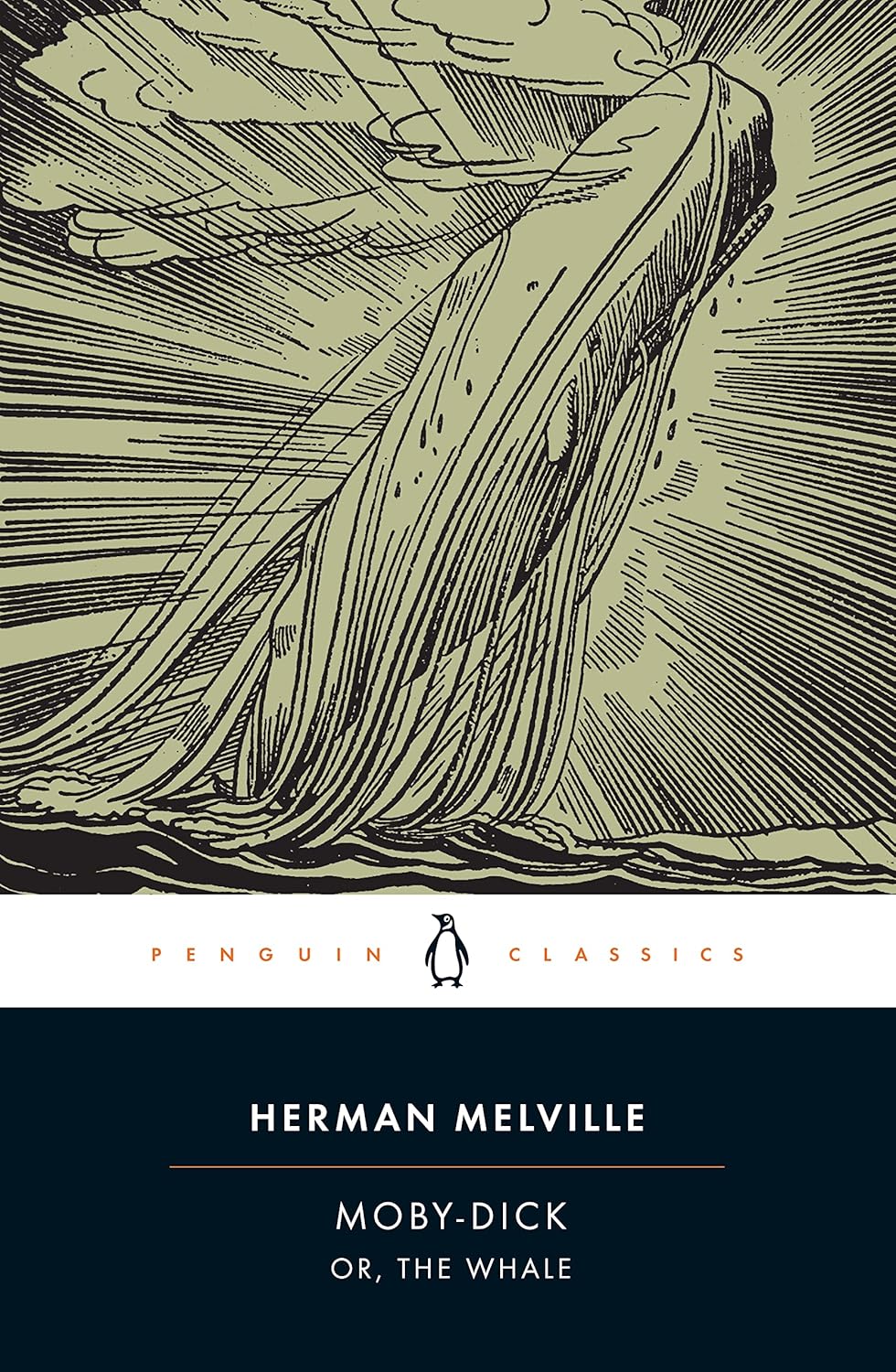
No. 1 on this list. Moby-Dick
Herman Melville · 1851
Difficult26 hours
Included in: Bokklubben World Library, Great Books of the Western World
Melville poured cetology, Shakespearean soliloquy, sermon, sea shanty, and metaphysical dread into one whaling voyage, creating a book that operates simultaneously as adventure novel, encyclopedia, and prose poem about obsession. Nothing in American literature before or since has this range of register in a single work.
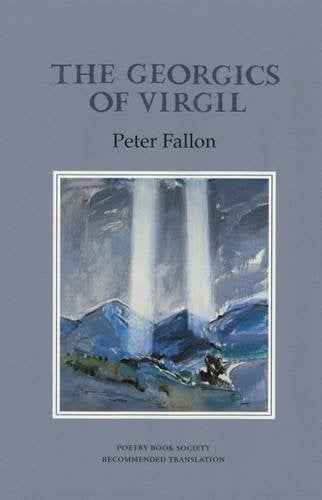
No. 2 on this list. Georgics
Virgil · c. 29 BCE
Moderate1.6 hours
Included in: Great Books of the Western World
The Georgics is a cornerstone of Western classical education, appearing on university syllabi worldwide wherever Latin literature, pastoral poetry, or the history of agriculture is taught. It stands alongside the Aeneid and Eclogues as the essential Virgilian triad; no serious study of Latin poetry omits it. Its influence on English poets from Dryden through Seamus Heaney has kept it continuously present in anglophone literary education as well.
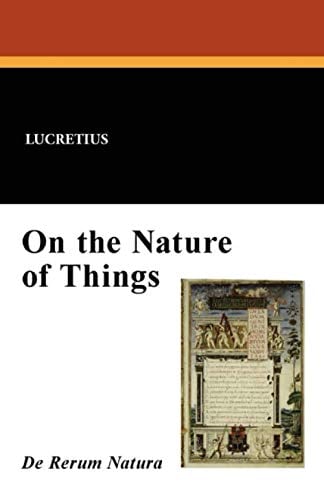
No. 3 on this list. On the Nature of Things
Lucretius · c. 55 BCE
Moderate5.5 hours
Included in: Great Books of the Western World
De Rerum Natura is one of the most significant surviving texts from antiquity, taught in classics, philosophy, and history of science programs at universities worldwide. It represents the fullest extant exposition of Epicurean atomism in any language and appears on virtually every list of essential classical works. Its rediscovery by Poggio Bracciolini in 1417 is credited with catalyzing Renaissance intellectual culture.
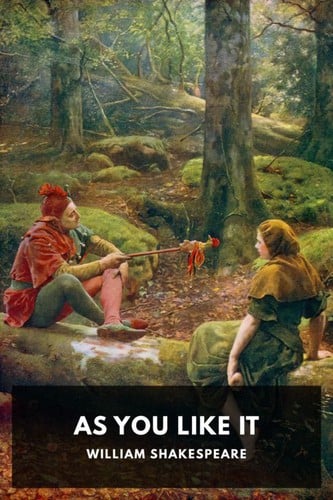
No. 4 on this list. As You Like It
William Shakespeare · 1600
Moderate1.6 hours
Taught in schools: CSEC English B – Caribbean Examinations Council, WBCHSE English and Alternative English syllabuses (India)
Included in: Great Books of the Western World
As You Like It appears on thousands of university syllabi worldwide and is regularly staged by major theater companies. Its central monologue — 'All the world's a stage' — is among the most quoted passages in English literature, cementing its place in the core Shakespeare canon alongside Hamlet and Midsummer Night's Dream.
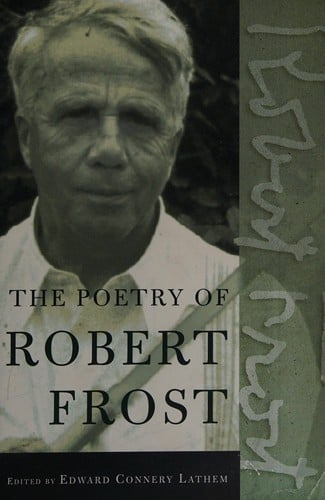
Frost appears on virtually every American high school and university English curriculum. 'The Road Not Taken,' 'Mending Wall,' and 'Stopping by Woods on a Snowy Evening' are among the most-taught poems in the English language, and the Collected Poems is the standard edition used in academic settings. His work is a fixture of the canon in a way shared by almost no other 20th-century American poet.
No. 6 on this list. The Birds
Aristophanes · c. 414 BCE
Moderate1.3 hours
Included in: Great Books of the Western World
The Birds is universally recognized as one of Aristophanes' finest comedies and a canonical text of ancient Greek literature, appearing on syllabi for classical literature, comparative literature, and Western civilization courses globally. Slightly less commonly assigned as an entry point than Lysistrata or The Clouds, it is nonetheless required reading in classics programs. The absence of database records reflects a data gap, not genuine obscurity.
No. 7 on this list. Lycidas
John Milton · 1638
Moderate6 min
Included in: Great Books of the Western World
A fixture of the Norton Anthology and of every Milton and Renaissance poetry course, and the standard example of the English pastoral elegy. Its place in anthologies and survey courses has been secure since the eighteenth century.
No. 8 on this list. The Bacchae
Euripides · c. 405 BCE
Moderate1.3 hours
Included in: Great Books of the Western World, Oxford World's Classics
One of 18 surviving tragedies from Euripides, performed continuously since antiquity. Central to Greek drama syllabi worldwide, frequently translated and adapted (including Dionysus in 69, The Bacchae 2.1). Essential text for understanding both Greek tragedy's development and the cultural conflicts of 5th-century Athens. Influenced later treatments of divine-human conflict from Ovid's Metamorphoses to modern drama.
'The Road Not Taken' and 'Stopping by Woods on a Snowy Evening' are taught at every level of American schooling, and Frost appears in nearly every American poetry anthology and survey course. He is a core figure of the twentieth-century American canon.
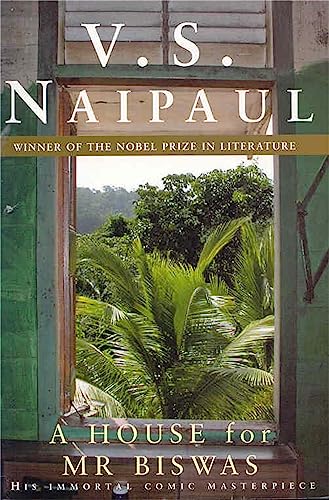
No. 10 on this list. A House for Mr. Biswas
V.S. Naipaul · 1961
Moderate13 hours
Taught in schools: CSEC English B – Caribbean Examinations Council
Naipaul tracked one man's forty-year struggle to own a house of his own in colonial Trinidad, and by treating that modest ambition with the gravity of epic, wrote the definitive novel about the immigrant's war between dignity and dispossession. Mr. Biswas's defeats are so granular and so cumulative that the house, when it finally comes, means more than any literary symbol has a right to.
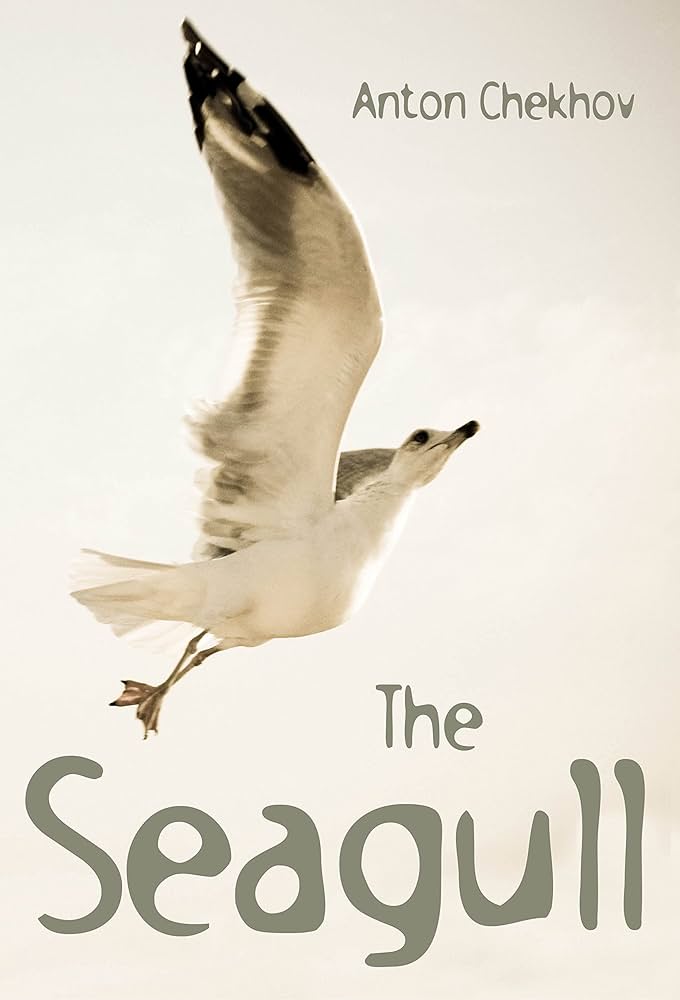
No. 11 on this list. The Seagull · Anton Chekhov · 1896
Taught in schools: Hungarian literature curriculum (magyar nyelv és irodalom) (Hungary), Russian FGOS literature standard
One of Chekhov's four major plays and a permanent part of the world repertory and of drama syllabi. Its 1898 Moscow Art Theatre revival is the founding event of that theatre, which still carries a seagull on its curtain.
Challenging2.1 hours
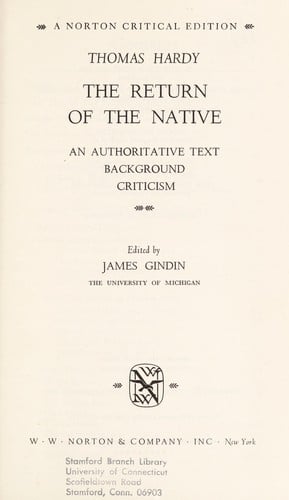
Read nowNo. 12 on this list. The Return of the Native · Thomas Hardy · 1878
The Return of the Native stands as one of Hardy's major tragic novels and a cornerstone of Victorian fiction. Egdon Heath's status as literary landscape rivals any in English literature, and the novel appears consistently in academic curricula and critical studies of the Victorian novel.
Challenging11 hours
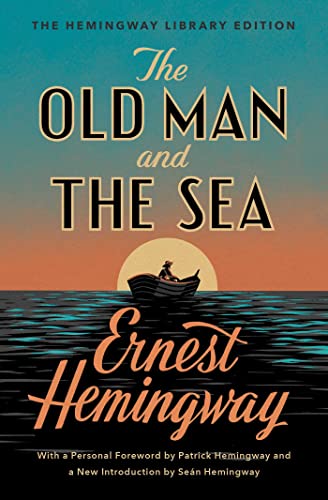
Read nowNo. 13 on this list. The Old Man and the Sea · Ernest Hemingway · 1953
Taught in schools: Kazakh literature curriculum (Kazakhstan)
Included in: Bokklubben World Library
Hemingway reduced fiction to one old man, one marlin, and the Gulf Stream, and proved that a story stripped to its barest elements could carry the weight of a parable about endurance, craft, and the dignity of losing. The novella's final image — the skeleton of the great fish picked clean at the dock — is among the most perfectly earned symbols in American literature.
Moderate1.7 hours
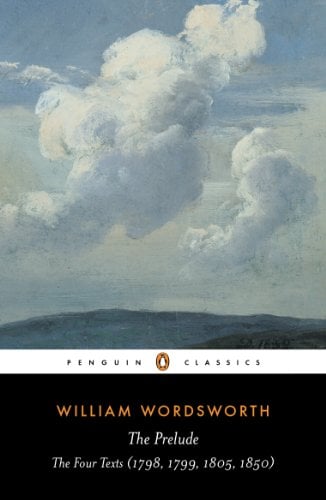
Start this bookNo. 14 on this list. The Prelude · William Wordsworth · 1850
A fixture of every survey of English Romanticism and nearly every anthology of British poetry, though as a single long poem it draws less raw syllabus volume than assigned novels—closer to Beloved's discipline-specific canonicity than a mass-market fixture like Gatsby.
Challenging4.6 hours
Start this bookNo. 15 on this list. Venus and Adonis · William Shakespeare · 1593
Shakespeare's first published work (1593), personally overseen and dedicated to the Earl of Southampton, went through more than a dozen editions in his lifetime — making it the most reprinted English poem of the Elizabethan era. It appears on virtually all Renaissance literature and Shakespeare syllabi and features in every serious account of early modern English poetry.
Challenging45 min
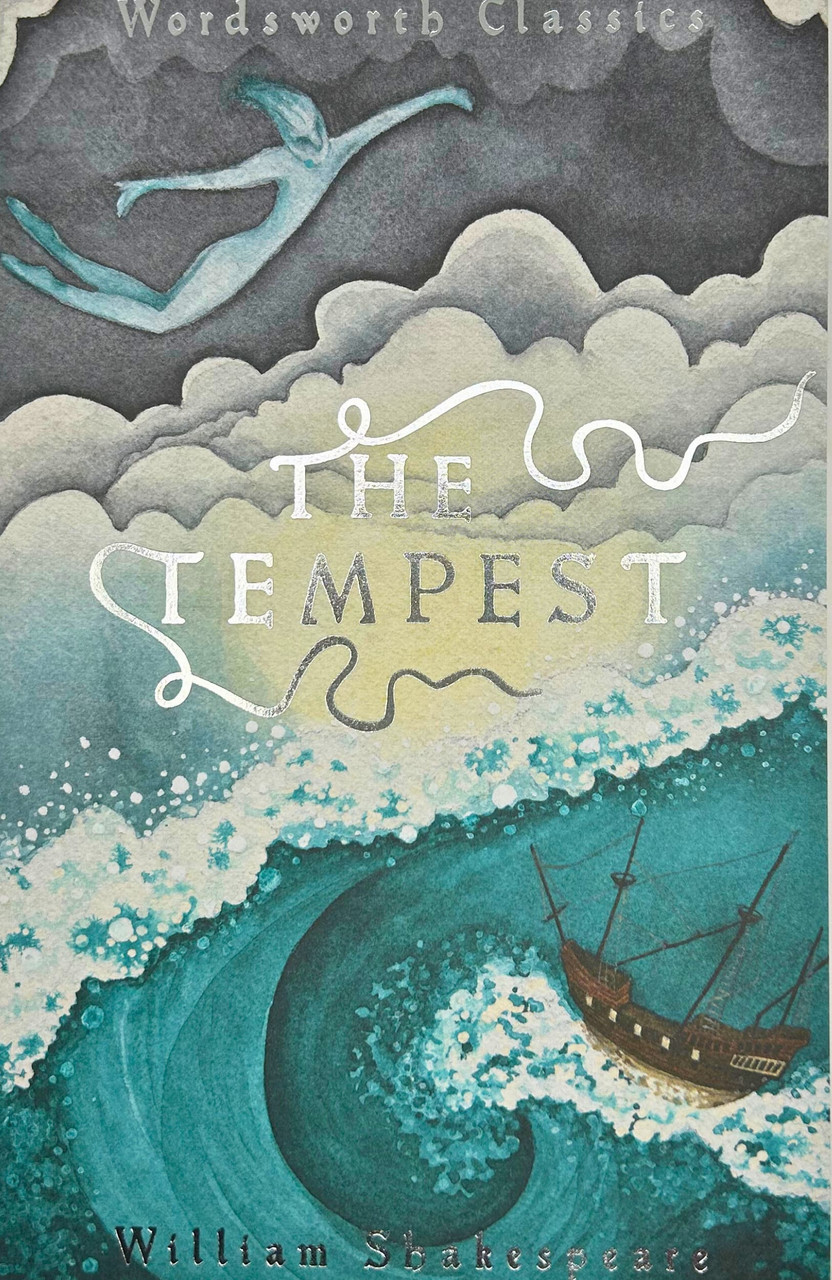
Read nowNo. 16 on this list. The Tempest · William Shakespeare · 1611
Taught in schools: Pearson Edexcel GCSE and A-level English Literature (UK), UNAM Escuela Nacional Preparatoria – programas de Literatura (Mexico), WJEC/Eduqas GCSE and A-level English Literature (UK)
Included in: Great Books of the Western World
Prospero's island stages Shakespeare's final reckoning with his own art—the magician who conjures storms, manipulates lovers, and then drowns his book. Caliban's "Be not afeard; the isle is full of noises" is the most haunting speech given to a character the play calls a monster.
Challenging2 hours
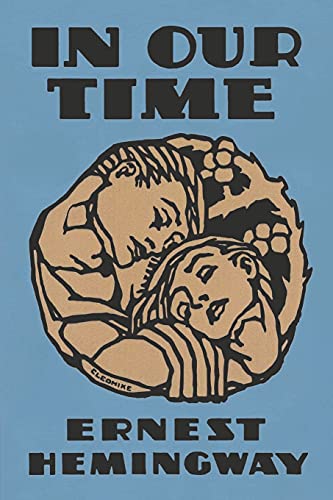
Read nowNo. 17 on this list. In Our Time · Ernest Hemingway · 1925
In Our Time is widely taught in American literature survey courses as the foundational text of Hemingway's iceberg style. It appears on thousands of university syllabi and is the required starting point for understanding modernist short fiction in America. The Modern Library and most major American literature curricula treat it as essential.
Challenging17 min
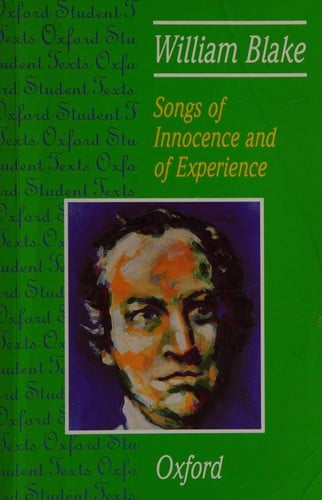
Start this bookNo. 18 on this list. Songs of Innocence and of Experience · William Blake · 1794
Taught in schools: AQA GCSE and A-level English Literature (UK)
Blake etched, printed, and hand-colored each plate himself, fusing lyric poetry with visual art in a form no one had attempted before. The paired "Lamb" and "Tyger" compress an entire theology into forty-four lines: innocence asks who made you; experience asks how dare He.
Challenging46 min
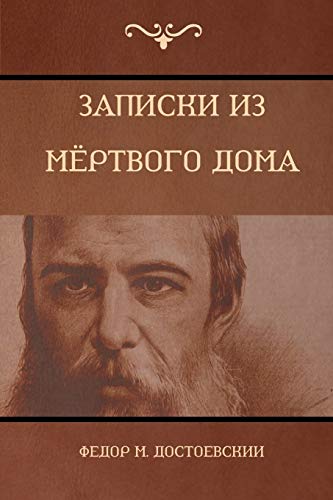
Read nowNo. 19 on this list. The House of the Dead · Fyodor Dostoevsky · 1862
Fyodor Dostoevsky spent four years in a Siberian prison camp after the tsar commuted his death sentence at the last moment. He came out a different writer. The House of the Dead channels that experience through Alexander Petrovich Goryanchikov, a nobleman convicted of murdering his wife, who records the daily life of the katorga — the forced labor camp — with the precision of a naturalist and the unease of someone who cannot stop looking. The other prisoners steal, scheme, perform folk plays, and occasionally show flashes of unexpected grace. Goryanchikov watches all of it without rendering verdicts. The book does not explain what prison does to men; it shows men inside prison, and lets the accumulated detail do the work. Dostoevsky writes with a clinical restraint unusual for him — no murder plots, no philosophical speeches, no epileptic crises. What remains is a documentary of degradation that refuses to moralize, which is exactly what makes the moral weight so heavy. Readers expecting Dostoevsky's trademark feverish psychology will find something quieter here: a sustained act of witness.
Challenging13 hours
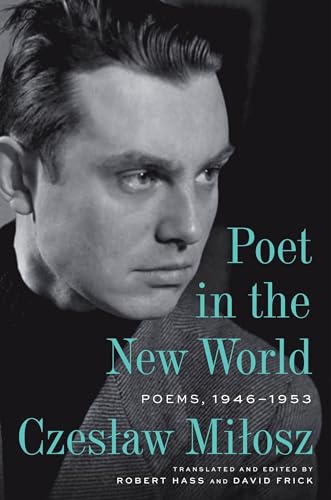
Read nowNo. 20 on this list. Selected Poems of Czesław Miłosz · Czesław Miłosz · 1988
Nobel laureate and one of the most important poets of the twentieth century. Central to Polish literature and increasingly recognized in world poetry.
Moderate1.9 hours
Start this book
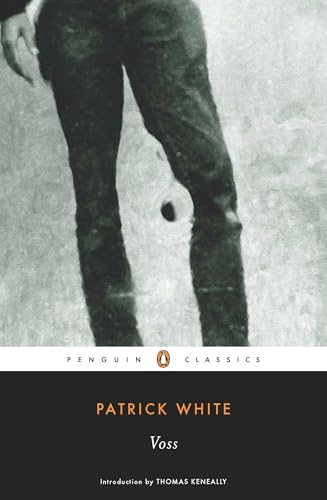
No. 21 on this list. Voss · Patrick White · 1957
Voss is recognized as a cornerstone of Australian literature and a major work of postcolonial fiction. It consistently appears in scholarly discussions of antipodean identity, imperial mythology, and mid-century modernism. The novel has maintained critical attention since publication and is standard curriculum in Australian and Commonwealth literary studies.
Challenging16 hours
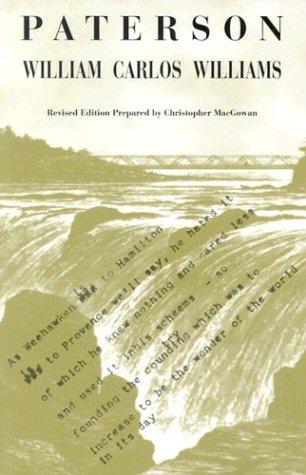
Start this bookNo. 22 on this list. Paterson · William Carlos Williams · 1963
Paterson is anthologized in every major American poetry collection (Norton, Heath, Library of America) and taught in American modernism, long poem, and 20th-century poetry courses at virtually every research university. It is one of the defining long poems of the American century, alongside The Waste Land, The Cantos, and Four Quartets. While less widely taught than Shakespeare or Fitzgerald, it occupies a canonical position in American literary studies comparable to Beloved (85).
Difficult10 hours
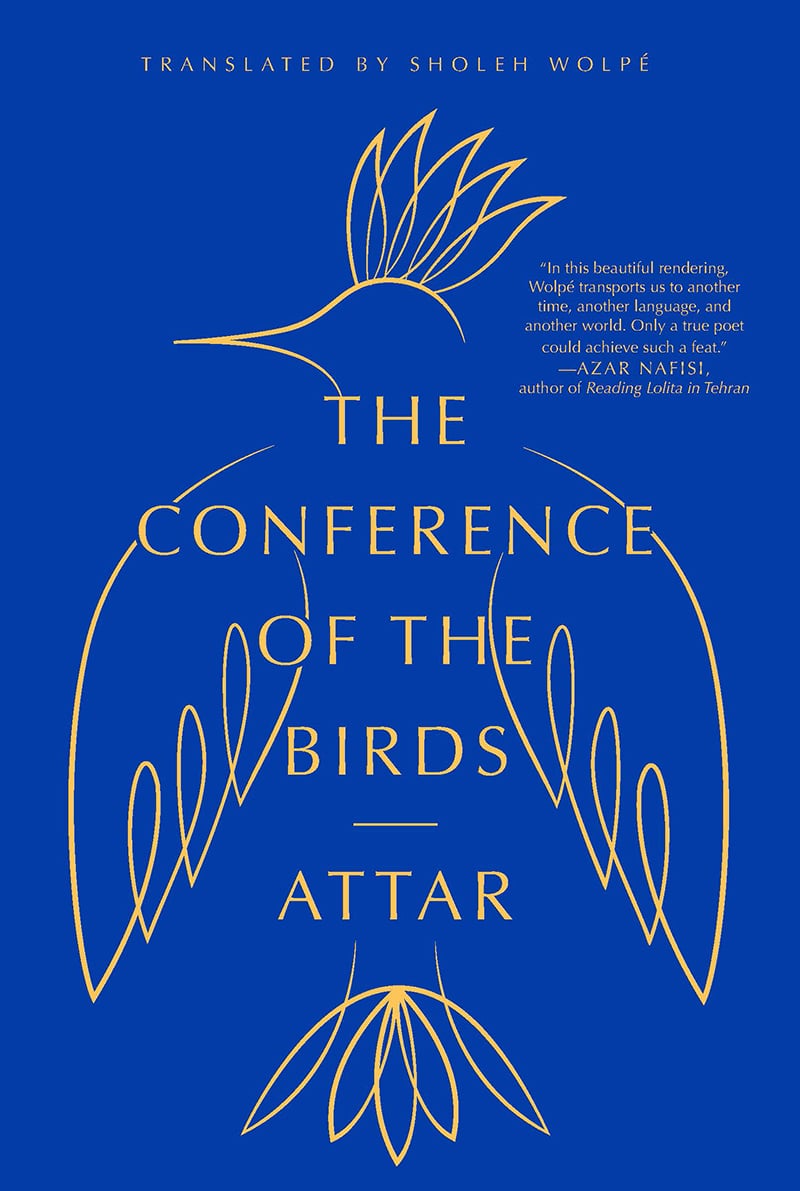
Start this bookNo. 23 on this list. The Conference of the Birds · Attar of Nishapur · 1177
Recognized as one of the greatest works of Persian literature and a foundational text of Sufism. It ranks alongside the Quran and works by Rumi in Islamic intellectual tradition. Western literary canons increasingly recognize it as essential world literature.
Challenging2.8 hours
Start this bookNo. 24 on this list. A Sportsman's Sketches · Ivan Turgenev · 1852
A Sportsman's Sketches is a cornerstone of 19th-century Russian literature, widely taught in world literature and Russian literature courses globally. Tsar Alexander II credited it with helping shift opinion toward the emancipation of serfs — a rare case of a literary work altering the course of national policy. Though formal syllabus data is absent from this database, its presence in curricula from Moscow to Michigan is well-documented across 170 years of continuous republication.
Moderate4.8 hours
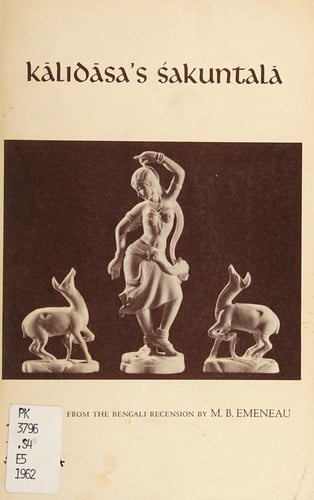
Start this bookNo. 25 on this list. Shakuntala · Kalidasa · 400
Supreme Sanskrit drama; first Indian text to reach European audience.
Moderate4.5 hours
Start this bookNo. 26 on this list. Sir Gawain and the Green Knight · The Pearl Poet · 1375
Required reading in virtually every medieval and Middle English literature course at anglophone universities. The poem appears on thousands of syllabi and features in Great Books curricula worldwide. Tolkien and E.V. Gordon's 1925 scholarly edition set the standard text; Simon Armitage's 2007 translation reached mainstream audiences. The poem occupies the same canonical tier as Chaucer's Canterbury Tales for the period it represents.
Challenging2.1 hours
Start this bookNo. 27 on this list. Collected Poems of Derek Walcott · Derek Walcott · 1986
Nobel laureate and the defining poet of the Anglophone Caribbean. Central to postcolonial literature and increasingly recognized in the broader English-language canon.
Moderate6.2 hours
Start this bookNo. 28 on this list. The Burning Plain and Other Stories · Juan Rulfo · 1953
Taught in schools: UNAM Escuela Nacional Preparatoria – programas de Literatura (Mexico)
In seventeen stories set across the parched hills of Jalisco, Mexico, Rulfo's peasants carry their dead with them — sometimes literally. A man hauls his father's corpse on his back through the mountains. An old woman refuses to believe her son is a murderer. Soldiers and sharecroppers and abandoned wives speak in short, exact sentences, and the landscape answers with dust and silence. The dead narrate their own stories without announcing they are dead; readers piece it together from the wrong temperature of the prose. Rulfo strips everything from his fiction — backstory, explanation, transitions — until only the essential pressure remains. The Burning Plain was published in 1953, two years before Pedro Páramo, and it shares that novel's method: grief without sentimentality, violence without drama, the supernatural arriving with the matter-of-fact normalness of weather. Gabriel García Márquez said he memorized the entire book and recited it to friends. That is the correct response. These stories end before they explain themselves, in the way that real catastrophe does.
Challenging3.4 hours
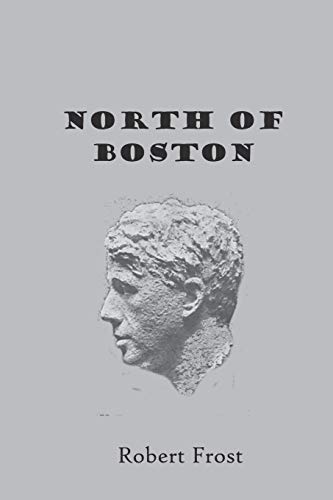
Start this bookNo. 29 on this list. North of Boston · Robert Frost · 1914
North of Boston appears in virtually every American poetry survey course and its poems — particularly 'Mending Wall' and 'Home Burial' — are anthologized ubiquitously across high school and university curricula. While database recognitions were not found, this reflects a data gap: the collection is a cornerstone of American literary education and appears on nearly every canonical American poetry list.
Challenging1.5 hours
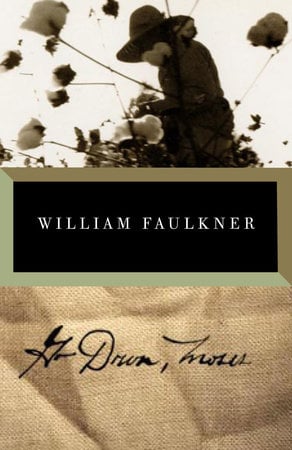
Start this bookNo. 30 on this list. Go Down, Moses · William Faulkner · 1942
Go Down, Moses is recognized as central to American modernism and Southern gothic literature. It appears consistently in university curricula and major literary anthologies. While not achieving the absolute canonical singularity of Faulkner's The Sound and the Fury or Absalom, Absalom!, it commands secure canonical standing within American letters.
Challenging9.1 hours
Start this book
No. 31 on this list. Joseph and His Brothers
Thomas Mann · 1943
No. 32 on this list. Rashomon and Seventeen Other Stories
Ryūnosuke Akutagawa · 1915
No. 33 on this list. The Sonnets to Orpheus
Rainer Maria Rilke · 1923
No. 34 on this list. Poet in New York
Federico García Lorca · 1940
No. 35 on this list. Independent People
Halldór Laxness · 1934
Included in: Bokklubben World Library
No. 36 on this list. The Great Enigma: New Collected Poems
Tomas Tranströmer · 2006
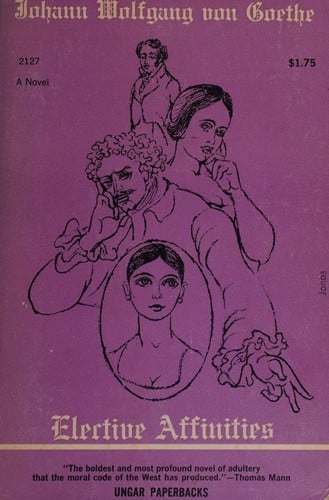
No. 37 on this list. Elective Affinities
Johann Wolfgang von Goethe · 1809
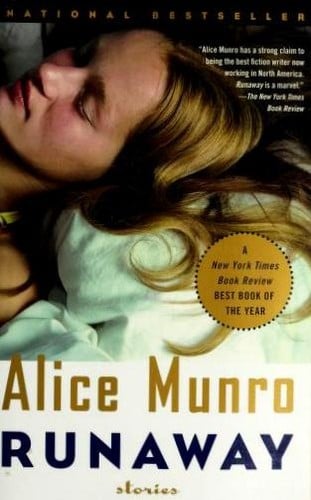
No. 38 on this list. Runaway
Alice Munro · 2004
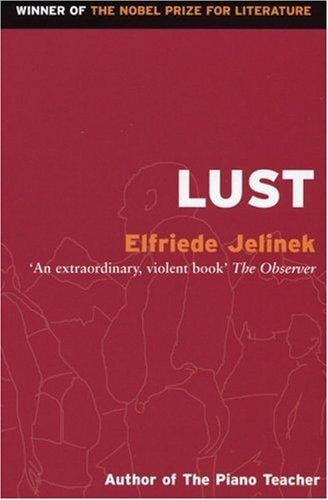
No. 39 on this list. Lust
Elfriede Jelinek · 1989
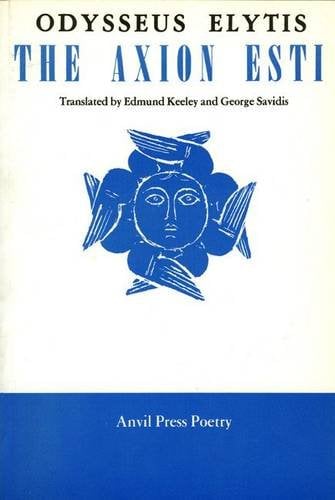
No. 40 on this list. The Axion Esti
Odysseas Elytis · 1959
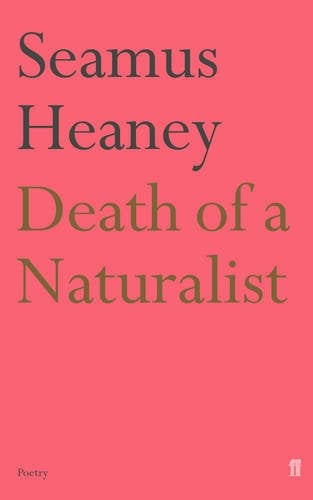
No. 41 on this list. Death of a Naturalist
Seamus Heaney · 1966
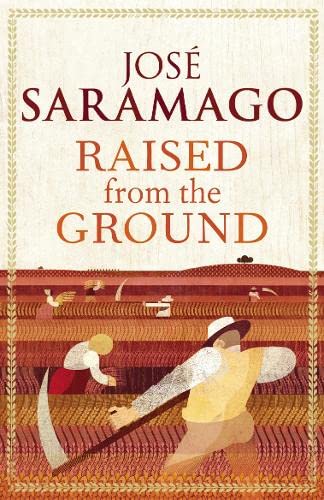
No. 42 on this list. Raised from the Ground
José Saramago · 1980
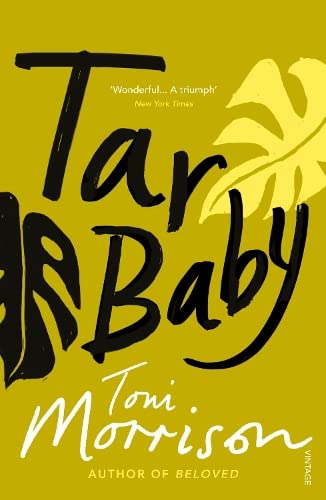
No. 43 on this list. Tar Baby
Toni Morrison · 1981
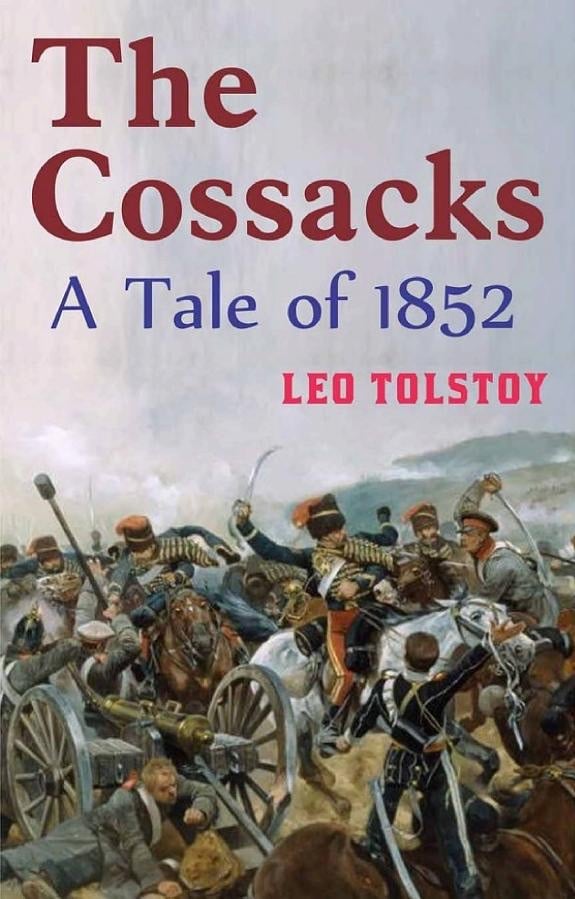
No. 44 on this list. The Cossacks
Leo Tolstoy · 1863
No. 45 on this list. The Mill on the Floss
George Eliot · 1860
Taught in schools: AQA GCSE and A-level English Literature (UK)
No. 46 on this list. The Overstory
Richard Powers · 2018
No. 47 on this list. Canto General
Pablo Neruda · 1950
Taught in schools: Literatura, Diseño Curricular – Provincia de Buenos Aires (Argentina), UNAM Escuela Nacional Preparatoria – programas de Literatura (Mexico)
No. 48 on this list. Far from the Madding Crowd
Thomas Hardy · 1874
Taught in schools: CSEC English B – Caribbean Examinations Council
No. 49 on this list. Treacle Walker
Alan Garner · 2022
No. 50 on this list. The Cyberiad
Stanisław Lem · 1965
No. 51 on this list. Lady Chatterley's Lover
D.H. Lawrence · 1928
No. 52 on this list. The Steppe
Anton Chekhov · 1888
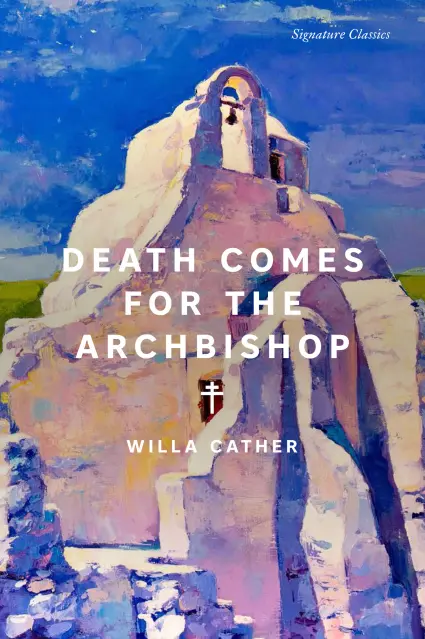
No. 53 on this list. Death Comes for the Archbishop
Willa Cather · 1927
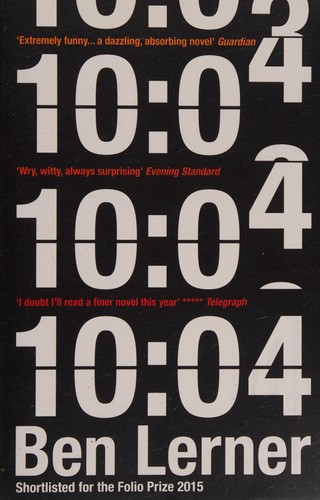
No. 54 on this list. 10:04
Ben Lerner · 2014
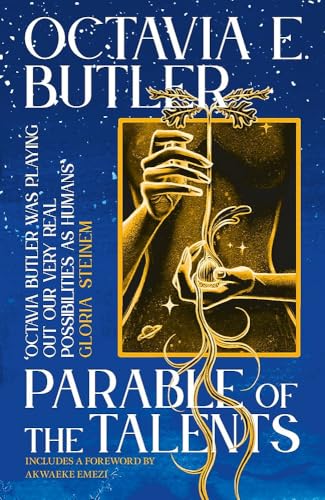
No. 55 on this list. Parable of the Talents
Octavia E. Butler · 1998
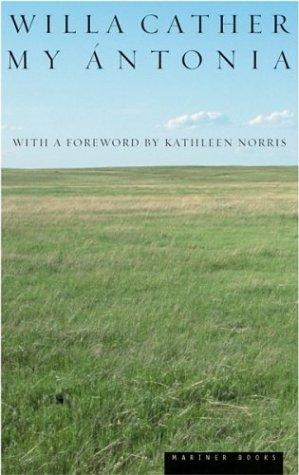
No. 56 on this list. My Antonia
Willa Cather · 1918
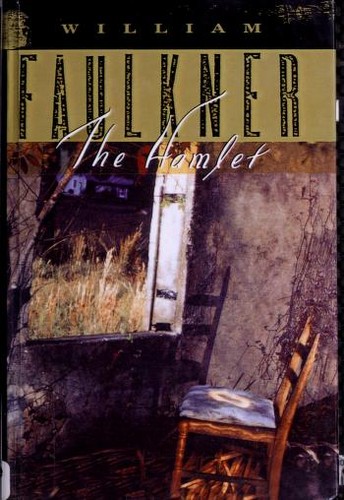
No. 57 on this list. The Hamlet
William Faulkner · 1940
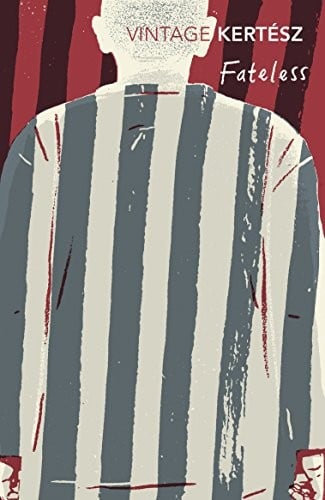
No. 58 on this list. Fatelessness
Imre Kertész · 1975
Taught in schools: Hungarian literature curriculum (magyar nyelv és irodalom) (Hungary)
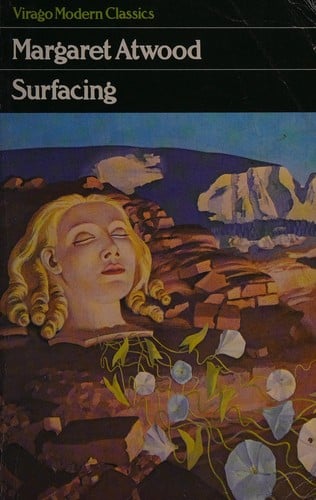
No. 59 on this list. Surfacing
Margaret Atwood · 1972
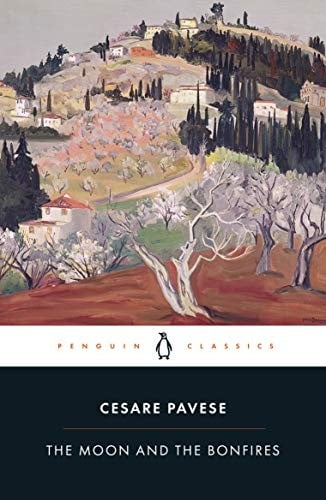
No. 60 on this list. The Moon and the Bonfires
Cesare Pavese · 1950
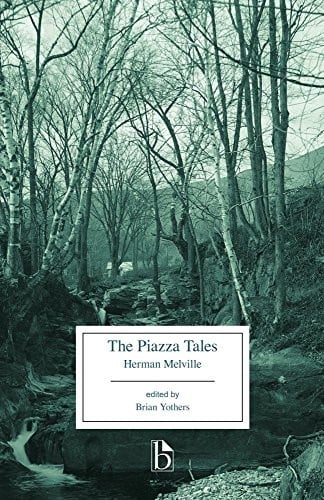
No. 61 on this list. The Piazza Tales
Herman Melville · 1856
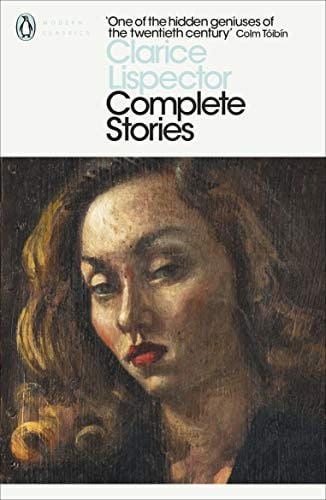
No. 62 on this list. The Complete Stories
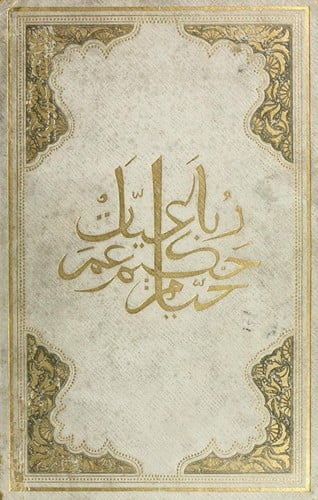
No. 63 on this list. Rubaiyat of Omar Khayyam
Omar Khayyam · 1120
Taught in schools: Armenian secondary literature
Included in: UNESCO Collection of Representative Works
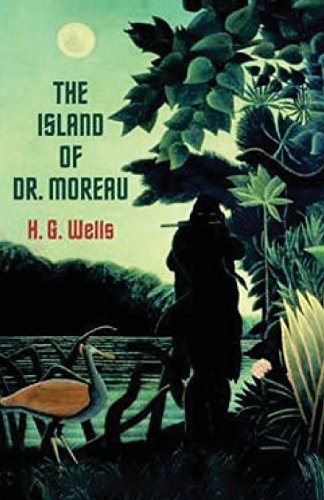
No. 64 on this list. The Island of Doctor Moreau
H.G. Wells · 1896
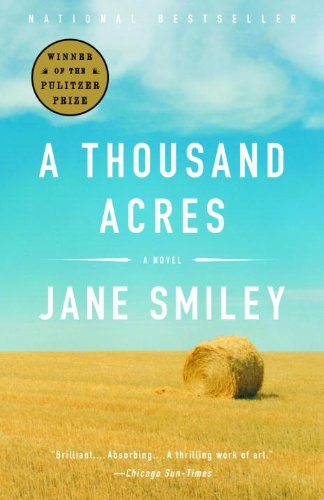
No. 65 on this list. A Thousand Acres
Jane Smiley · 1992
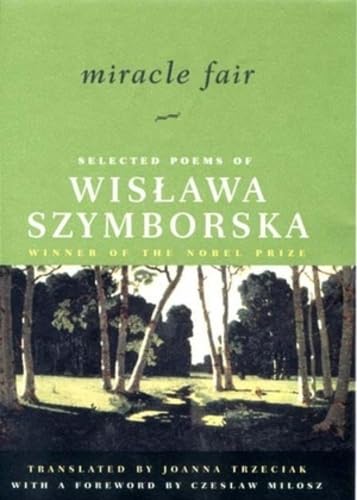
No. 66 on this list. Selected Poems of Wisława Szymborska
Wisława Szymborska · 1998
No. 67 on this list. Memed, My Hawk
Yasar Kemal · 1955
Included in: UNESCO Collection of Representative Works
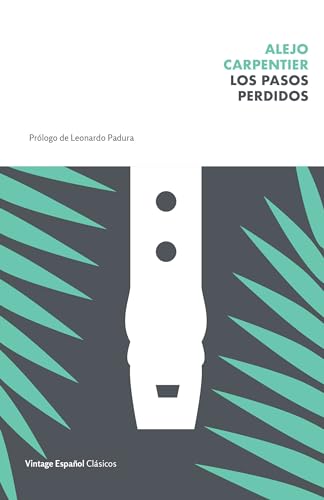
No. 68 on this list. The Lost Steps
Alejo Carpentier · 1953
No. 69 on this list. Furor and Mystery
René Char · 1948
No. 70 on this list. Cryptonomicon
Neal Stephenson · 1999
No. 71 on this list. A Number
Caryl Churchill · 2002
No. 72 on this list. The Counterfeiters
André Gide · 1925
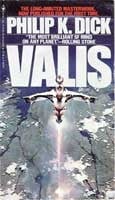
No. 73 on this list. VALIS
Philip K. Dick · 1981
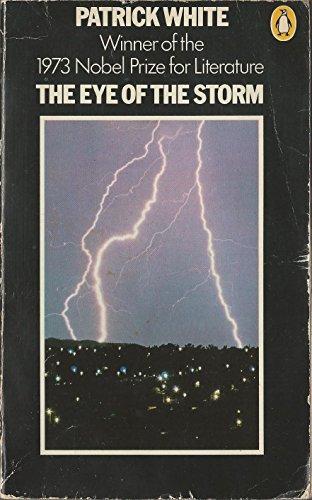
No. 74 on this list. The Eye of the Storm
Patrick White · 1973
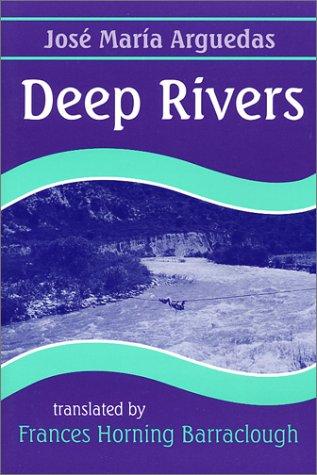
No. 75 on this list. Deep Rivers
José María Arguedas · 1958
Taught in schools: UNAM Escuela Nacional Preparatoria – programas de Literatura (Mexico)
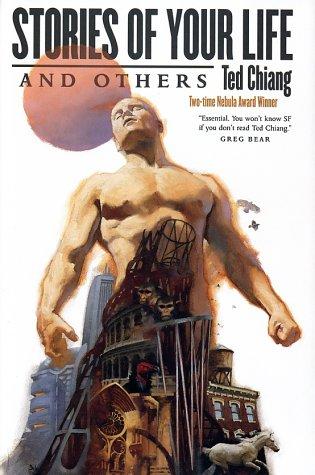
No. 76 on this list. Stories of Your Life and Others
Ted Chiang · 2002
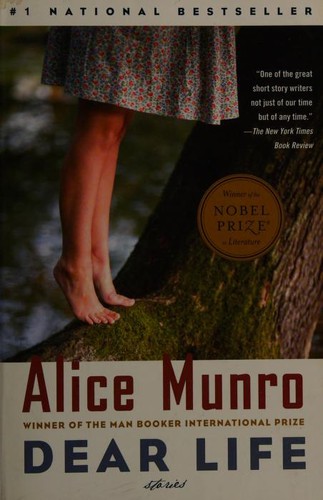
No. 77 on this list. Dear Life
Alice Munro · 2012
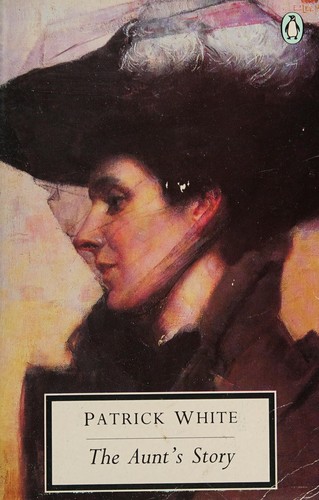
No. 78 on this list. The Aunt's Story
Patrick White · 1948
Taught in schools: CSEC English B – Caribbean Examinations Council
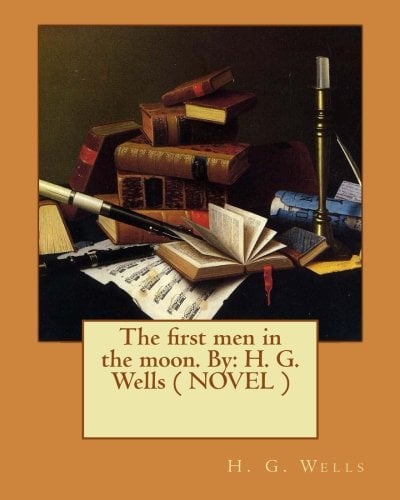
No. 79 on this list. The First Men in the Moon
H.G. Wells · 1901
No. 80 on this list. Adam Bede
George Eliot · 1859
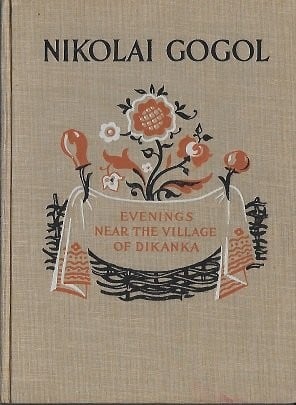
No. 81 on this list. Evenings on a Farm Near Dikanka
Nikolai Gogol · 1832
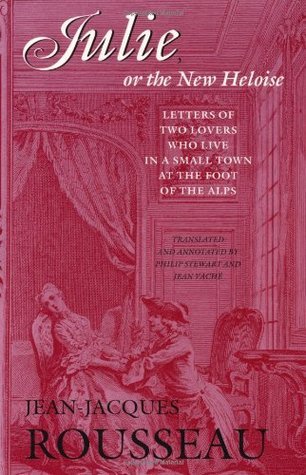
No. 82 on this list. Julie, or the New Heloise
Jean-Jacques Rousseau · 1761
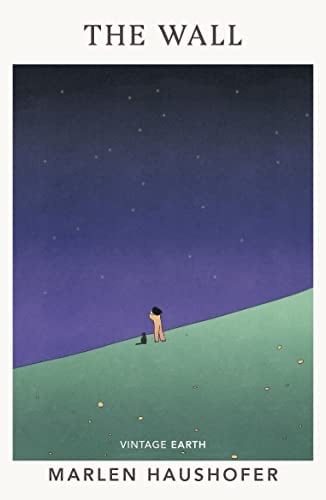
No. 83 on this list. The Wall
Marlen Haushofer · 1963
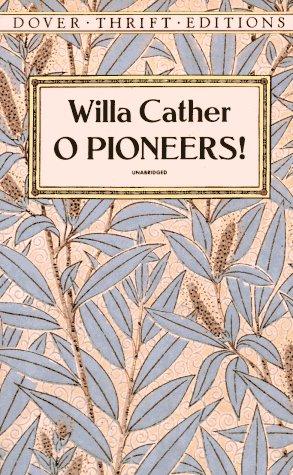
No. 84 on this list. O Pioneers!
Willa Cather · 1913
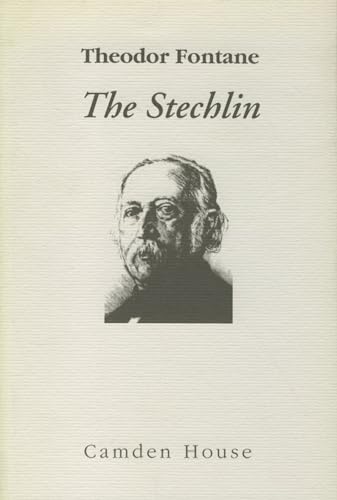
No. 85 on this list. The Stechlin
Theodor Fontane · 1898
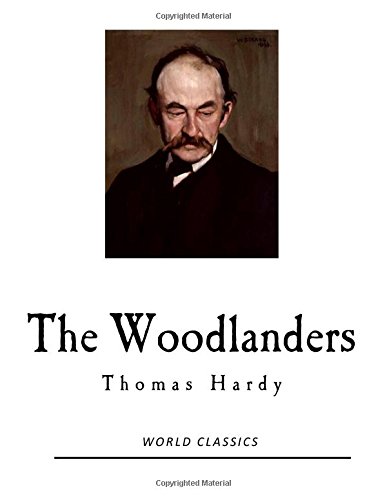
No. 86 on this list. The Woodlanders
Thomas Hardy · 1887
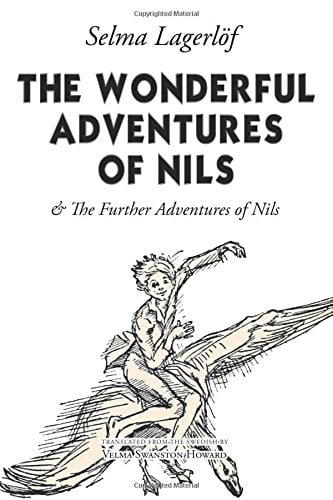
No. 87 on this list. The Wonderful Adventures of Nils
Selma Lagerlöf · 1906
No. 88 on this list. And Suddenly It's Evening
Salvatore Quasimodo · 1942
No. 89 on this list. Barren Lives
Graciliano Ramos · 1938
No. 90 on this list. Baltics
Tomas Tranströmer · 1974
No. 91 on this list. The Call of the Wild
Jack London · 1903
No. 92 on this list. The Guyana Quartet
Wilson Harris · 1985
No. 93 on this list. The Makioka Sisters
Jun'ichirō Tanizaki · 1948
Included in: UNESCO Collection of Representative Works
No. 94 on this list. Palace of the Peacock
Wilson Harris · 1960
No. 95 on this list. Always Coming Home
Ursula K Le Guin · 1985
No. 96 on this list. Seamarks
Saint-John Perse · 1957
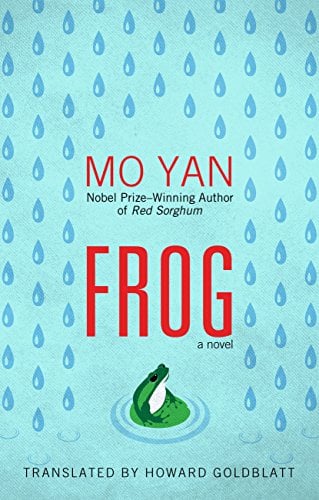
No. 97 on this list. Frog
Mo Yan · 2009
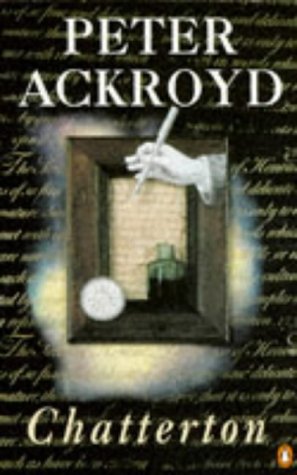
No. 98 on this list. Chatterton
Peter Ackroyd · 1987
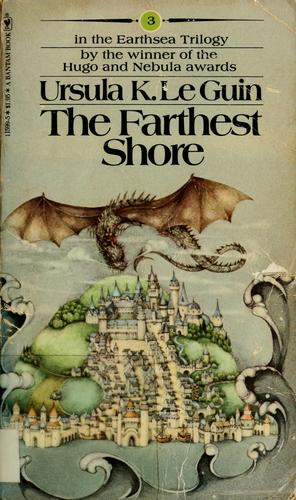
No. 99 on this list. The Farthest Shore
Ursula K Le Guin · 1972
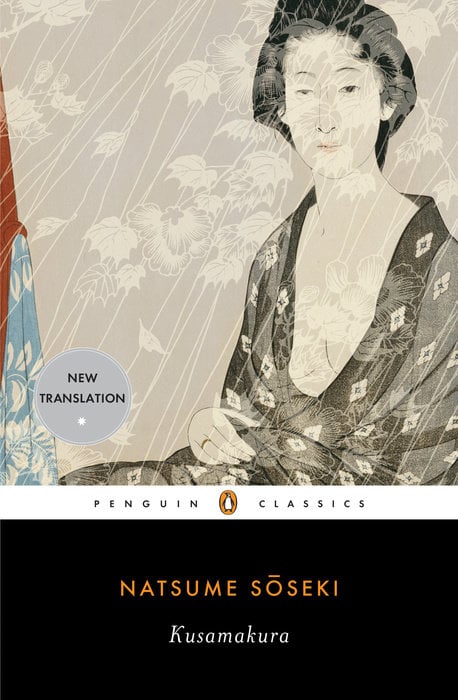
No. 100 on this list. Kusamakura
Natsume Sōseki · 1906
Included in: UNESCO Collection of Representative Works
About this list
These 100 books are the highest-scoring eligible books about nature and the environment currently in the catalogue. About 830 hours of reading in all. Difficulty runs from 48 to 66 out of 100 for the middle half of the list; the summit is 10:04 at 85.
This list is ranked by literary regard, with a consistent order for equal scores. Membership follows authors and co-authors, not translators or editors. A book is here when ReadingRate files it under Nature & Environment as one of its primary reading domains, at a confidence of 0.8 or more. Catalogue coverage and the historical canon both limit what this list can represent.
When we matched the Canons dataset to our catalogue in October 2026, our canonical-status scores rose with the number of school curricula, publisher series and lists in it that cite a work: the median score was 72 for books one such source cites, 84 at two, 88 at three, 92 at four and 93 at five or more. Prizes are left out of that count. Outside the state curricula, the dataset’s sources choose mostly from what has been translated into English or French, so it is a weaker check on other literatures. Source: Canons (Andrew Piper), CC BY 4.0
Questions people actually ask
- What are the best books about nature and the environment?
- By literary regard, which weighs canonical status, critical standing and influence: Moby-Dick by Herman Melville, Georgics by Virgil, On the Nature of Things by Lucretius, As You Like It by William Shakespeare and Collected Poems by Robert Frost. ReadingRate ranks 100 such books, each with a difficulty score and a reading-time estimate.
- Which books about nature and the environment should I read first?
- Start from difficulty, not from rank. The most approachable books on this list that still carry top literary regard are The Birds by Aristophanes (about 1.3 hours), The Old Man and the Sea by Ernest Hemingway and The Great Enigma: New Collected Poems by Tomas Tranströmer.
- What are the shortest of the best books about nature and the environment?
- Among the top 25, the shortest are Lycidas by John Milton (about 6 min), In Our Time by Ernest Hemingway (about 17 min) and Songs of Innocence and of Experience by William Blake (about 46 min), at an average pace of 250 words a minute adjusted for each book's difficulty.
- Which of the best books about nature and the environment are the established classics?
- By canonical status, how firmly a book sits in curricula, anthologies and the canon: Moby-Dick by Herman Melville, The Bacchae by Euripides, Georgics by Virgil, On the Nature of Things by Lucretius and Collected Poems by Robert Frost.
- Can I read any of these books about nature and the environment for free?
- 24 of the 100 open in ReadingRate's reader with a free account, from public-domain editions: Moby-Dick, As You Like It, Lycidas, The Bacchae, The Seagull and 19 more.
- How long would it take to read the top ten?
- About 67 hours, at an average pace of 250 words a minute adjusted for each book's difficulty: 34 days at two hours a day. Set your own pace on the page and the list's reading times change to it.
- How hard are books about nature and the environment to read?
- Most of this list sits between 48 and 66 on ReadingRate's 100-point difficulty scale, where 40 to 55 is moderate. The summit is 10:04 at 85. Every entry carries its own score, so a reader can pick a great book at a difficulty they will finish.
- How is this list ranked?
- On literary-regard data: how canonically established a work is, its critical standing, and its influence on later writing. It is not a readers’ poll, which is why recent bestsellers rarely appear. Membership follows authors and co-authors, not translators or editors. Lists by country, author, period, theme or difficulty keep to literature (fiction, poetry, drama and philosophy), their novels, poems and plays first and their philosophy after them; a list of a kind of book, such as memoir or criticism, keeps every book of that kind. Every list holds at most three works by one author. A book is here when ReadingRate files it under Nature & Environment as one of its primary reading domains, at a confidence of 0.8 or more.