Hours at an average pace
Showing 100 books
About 573 hours for 100 of 100 books with measured lengths. Estimates use 250 words a minute, adjusted for each book's difficulty. At 2 hours a day, about 287 days for those books.
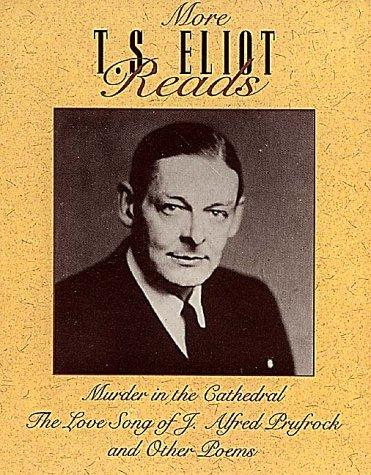
No. 1 on this list. The Love Song of J. Alfred Prufrock
T. S. Eliot · 1915
Challenging14 min
Taught in schools: Common Core text exemplars (Appendix B) (US)
One of the most taught poems in English, standard in introductory poetry courses, modernism surveys and the major anthologies. First printed in Poetry magazine in 1915 at Ezra Pound's urging, it is usually treated as the start of modernist verse in English.
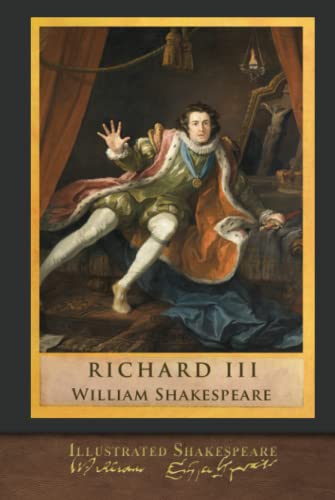
No. 2 on this list. Richard III
William Shakespeare · 1597
Challenging2.8 hours
Taught in schools: CAPE Literatures in English – Caribbean Examinations Council
Included in: Great Books of the Western World
Richard III is among the most frequently performed Shakespeare plays and a staple of secondary school and university curricula worldwide. Its opening monologue — 'Now is the winter of our discontent' — is among the most memorized passages in English literature. The play appears on virtually every Shakespeare survey and features in courses on history plays, villainy, and political drama.
A Nobel-winning author's first novel, taught widely in German and world literature courses as the model family chronicle.
One of the most important poets of the twentieth century, canonical in modern Greek literature and widely translated and admired internationally.
An Enemy of the People is a standard text in university drama, literature, and political philosophy curricula worldwide, and is featured on virtually all lists of essential Western drama. Arthur Miller's celebrated 1950 adaptation attests to its enduring canonical status. While taught less broadly than Ibsen's A Doll's House or Hedda Gabler, it remains a fixture in theatre studies and social realist drama courses globally.
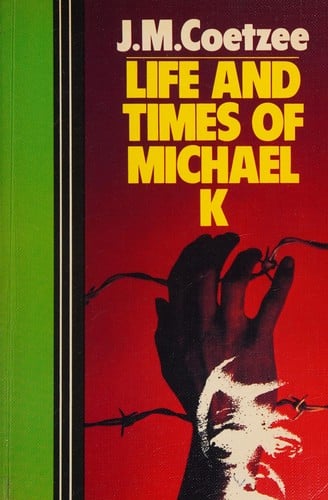
No. 6 on this list. Life & Times of Michael K
J.M. Coetzee · 1983
Challenging5.2 hours
Taught in schools: UNAM Escuela Nacional Preparatoria – programas de Literatura (Mexico)
Life and Times of Michael K won the Booker Prize in 1983 and stands as a foundational text in postcolonial literature. Its examination of apartheid South Africa, individual resistance, and the ethics of fiction has secured its place in literary canons alongside Coetzee's other major works. Frequently taught in universities and cited in critical literature.
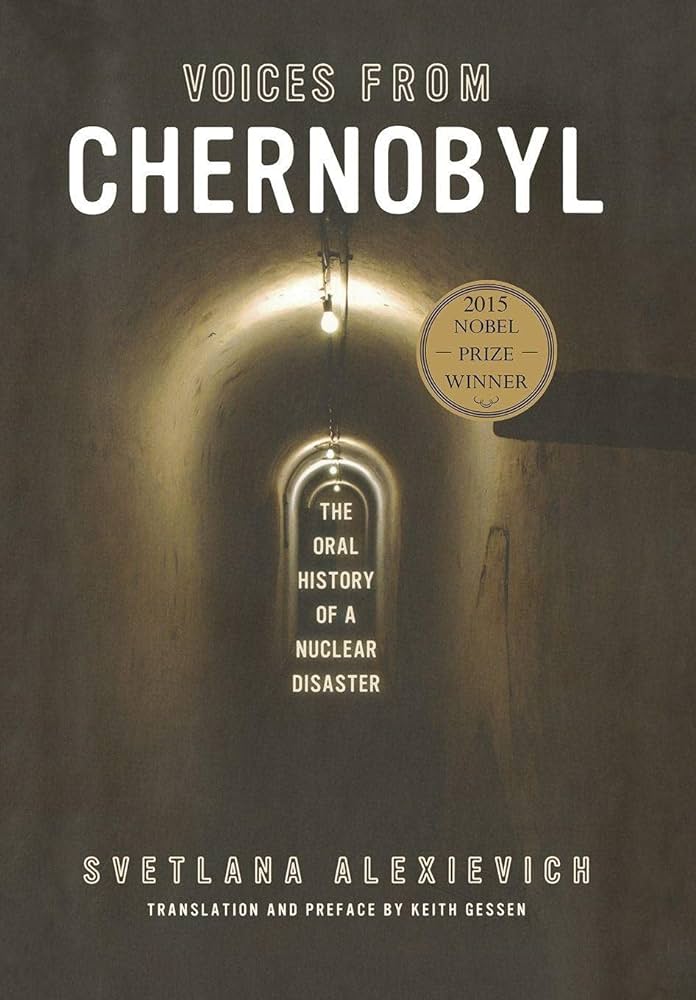
Widely recognized as the definitive literary account of Chernobyl and a landmark of documentary literature. The 2015 Nobel Prize in Literature elevated its status, establishing Alexievich's polyphonic method as a major formal innovation. Required reading in post-Soviet studies and increasingly taught in world literature curricula. Its documentary approach has influenced contemporary non-fiction globally.
Recognized as one of Stevens's major achievements, though less widely read than Harmonium. Central to scholarly discussions of late modernism.
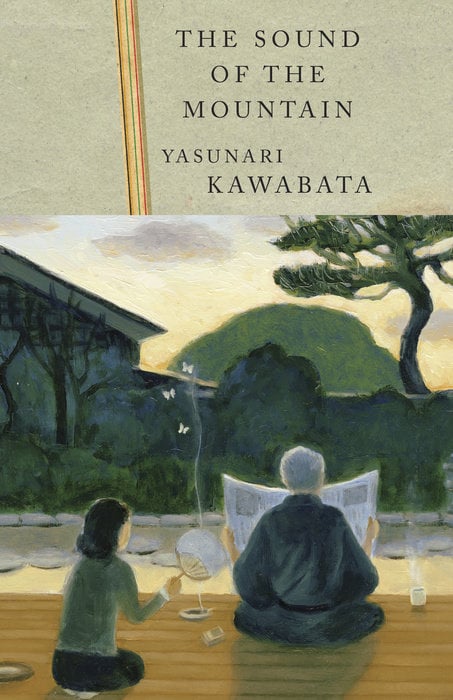
No. 9 on this list. The Sound of the Mountain
Yasunari Kawabata · 1949
Challenging5.4 hours
Included in: Bokklubben World Library, UNESCO Collection of Representative Works
Shingo Ogata wakes in the night to a sound like wind in the trees, though the air is still. He is sixty-two, his memory slipping, and the mountain behind his Kamakura home has begun to call to him. His son Shuichi keeps a mistress in Tokyo and treats his wife Kikuko with cold indifference. Kikuko, who might have married Shingo's other son—the one who died in the war—moves through the household with a grace that makes her father-in-law ache. She tends the garden, arranges flowers, and never complains. Shingo watches her hands as she pours tea. He remembers a woman he loved before he married, and he sees her face in Kikuko's profile. His daughter Fusako has left her own unfaithful husband and returned home with two children, and the house fills with tensions no one names. Kawabata builds his novel from fragments: a dream of infidelity, the scent of lotus blossoms, a girl's drowned body in the newspaper, the way light falls on a cheek. The sentences are short and clean. Readers must supply the connections between image and emotion, must feel what the characters will not say. The effect is like watching still water and knowing something moves beneath.
One of the most performed and studied short plays of the 20th century. A staple of drama syllabi and theatrical repertoire worldwide.

No. 11 on this list. Runaway · Alice Munro · 2004
One of Munro's most celebrated collections, frequently cited as the peak of her mature work. Winner of the Giller Prize and numerous international honors.
Moderate5.5 hours
Start this bookNo. 12 on this list. The Notebooks of Malte Laurids Brigge · Rainer Maria Rilke · 1910
Die Aufzeichnungen des Malte Laurids Brigge is on Le Monde's 100 Books of the Century, with Wikipedia articles in 14 languages. It is taught as a founding text of modernist prose in German and comparative literature courses.
Challenging6 hours
Start this bookNo. 13 on this list. Tropic of Cancer · Henry Miller · 1934
Tropic of Cancer holds established position in modernist and 20th-century literature curricula, taught in courses on American modernism, expatriate literature, and the experimental novel. Recognized as significant but not universally required reading at all levels like Gatsby or 1984; more niche canonical status within specific literary traditions.
Challenging9.5 hours
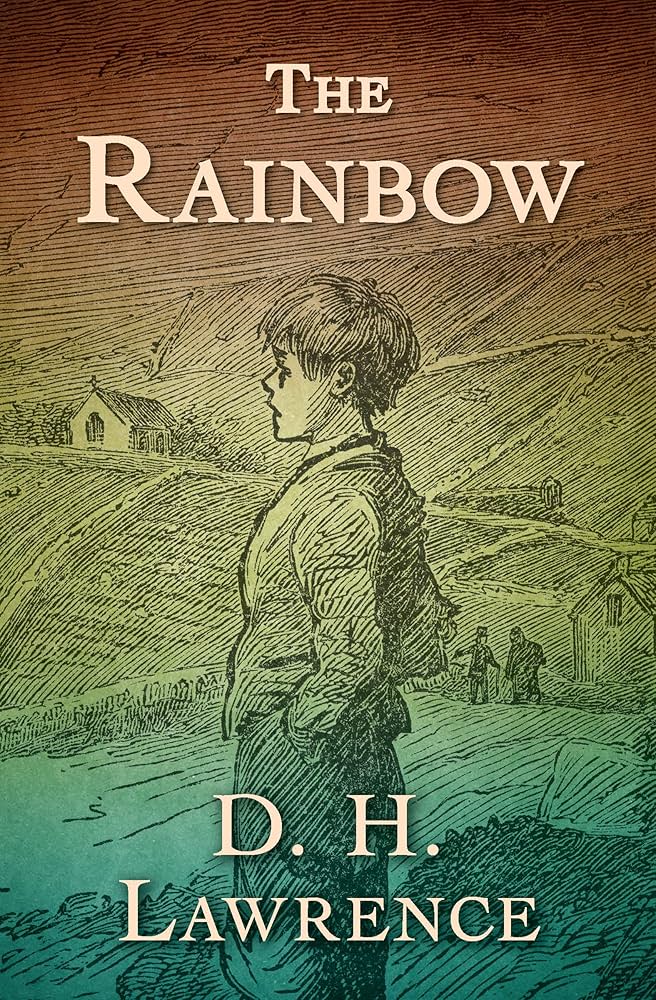
Start this bookNo. 14 on this list. The Rainbow · D.H. Lawrence · 1915
The Rainbow is firmly established in the English literary canon as one of Lawrence's major novels and a landmark of early modernism. It appears on the Modern Library 100 Best Novels list, is a staple of university curricula covering British modernism, and is widely recognized as a foundational text in the novel of sexuality and consciousness.
Challenging16 hours
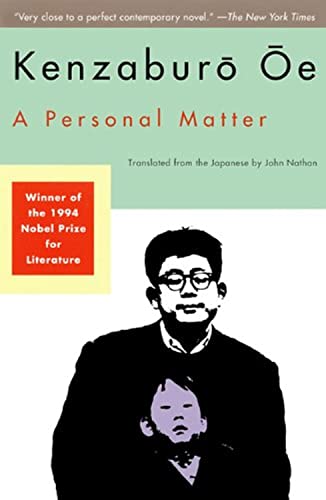
Read nowNo. 15 on this list. A Personal Matter · Kenzaburō Ōe · 1964
A Personal Matter appears on 155 university syllabi, placing it at the 55th percentile — a solid academic presence but not the top tier of assigned texts. As Ōe's best-known early novel and the work most directly connected to his biography, it is widely cited as the turning point in his career and regularly taught in comparative literature, Japanese literature, and postwar fiction courses. It is canonical within the Ōe corpus and within twentieth-century Japanese fiction, but its placement on general world literature syllabi is more variable than works like Things Fall Apart or One Hundred Years of Solitude.
Moderate4.4 hours
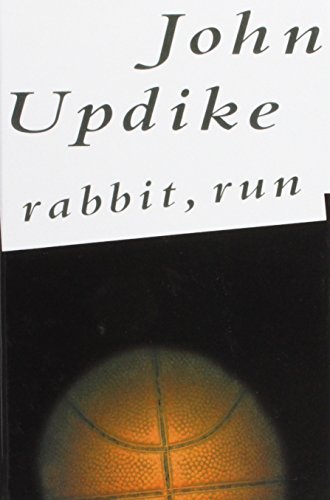
Start this bookNo. 16 on this list. Rabbit, Run · John Updike · 1960
Widely recognized as a defining postwar American novel and frequently taught in literature courses. The book established Updike as a major voice and launched the Rabbit series that would chronicle American life across four decades, securing its place in the American literary canon.
Challenging7.4 hours
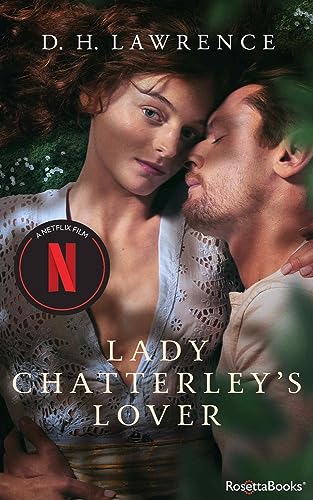
Start this bookNo. 17 on this list. Lady Chatterley's Lover · D.H. Lawrence · 1928
Appears on 400 university syllabi (65th percentile of the Open Syllabus dataset) and is present in 41 Wikipedia language editions. Regularly taught in 20th century British literature, sexuality studies, and censorship history courses. The 1960 obscenity trial in England made it a foundational text in debates about literary freedom, cementing its academic presence beyond standard literary curricula.
Moderate7.9 hours
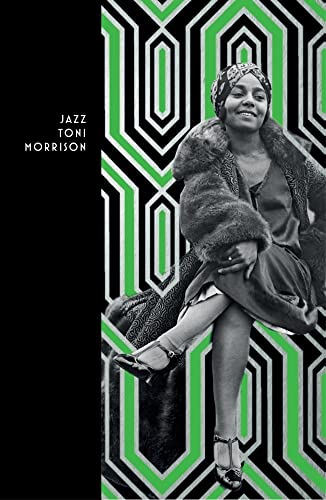
Read nowNo. 18 on this list. Jazz · Toni Morrison · 1992
Jazz stands as the middle volume of Morrison's trilogy examining African American history through myth and music. While less taught than Beloved, it appears on graduate syllabi and critical studies of Morrison's work, recognized as an ambitious experiment in narrative voice and jazz-influenced form.
Challenging5.9 hours
Start this bookNo. 19 on this list. Cat and Mouse · Günter Grass · 1961
Cat and Mouse occupies significant position within German postwar literature and Grass's own oeuvre, frequently taught in universities and anthologized in collections of important twentieth-century fiction. It lacks the cultural penetration of The Tin Drum but commands substantial literary recognition and scholarly attention.
Moderate3.1 hours
Start this bookNo. 20 on this list. The Master of Go · Yasunari Kawabata · 1954
Regularly taught in Japanese literature and world literature courses at university level, though less ubiquitous than Kawabata's Snow Country. Recognized as one of the key texts for understanding 20th-century Japanese prose and the aesthetic of mono no aware. Its inclusion in Nobel Prize retrospectives solidified its place in the world literature canon.
Challenging3.7 hours
Start this book
No. 21 on this list. War Dances · Sherman Alexie · 2010
As winner of the 2010 PEN/Faulkner Award, 'War Dances' secured immediate literary recognition and appears on numerous syllabi exploring contemporary Native American literature. While Alexie's earlier work had already established him as a major voice, this collection reinforced his canonical position in 21st-century American letters, particularly within the Native renaissance.
Moderate3.1 hours
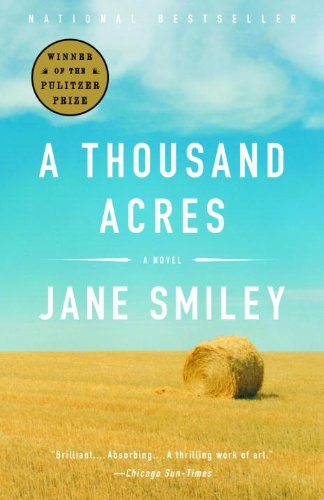
Start this bookNo. 22 on this list. A Thousand Acres · Jane Smiley · 1992
A Thousand Acres won the Pulitzer Prize for Fiction in 1992 and secured major recognition as a contemporary American realist masterpiece. It occupies a prominent place in contemporary literary canon, particularly within discussions of feminist revision of literary inheritance and the domestic novel.
Moderate8.5 hours
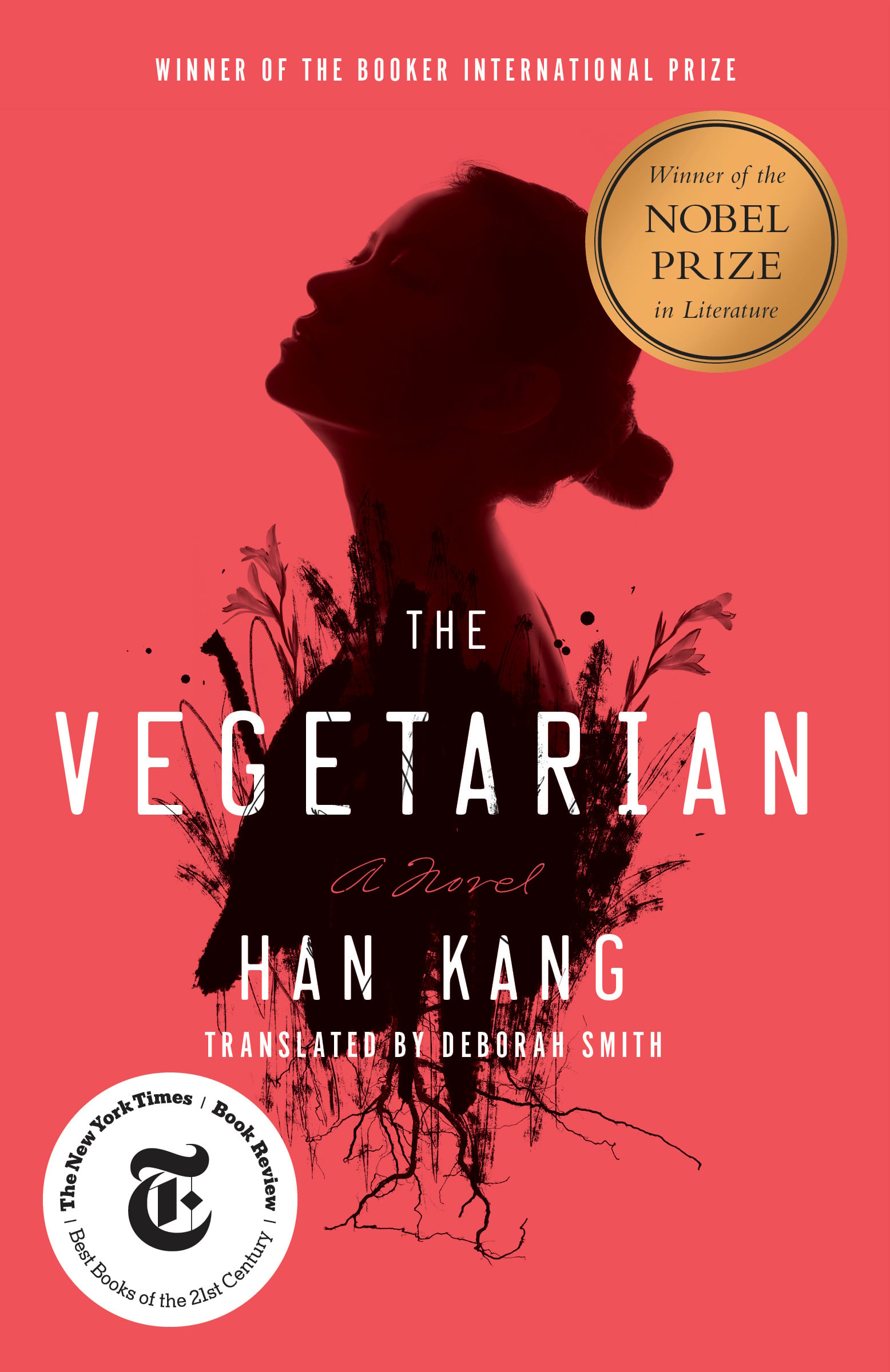
Start this bookNo. 23 on this list. The Vegetarian · Han Kang · 2016
The Vegetarian appears on 121 university syllabi according to Open Syllabus, placing it at the 53rd percentile — well-established in world literature and contemporary fiction courses but not yet a fixture of the Western canon. Its Wikipedia article spans 19 languages with a dedicated reception section, indicating growing international academic recognition following the 2024 Nobel Prize. Canonical status is rising rapidly but has not yet reached the 1,000+ syllabus level of established Nobel texts like Beloved (85).
Challenging4.5 hours
Start this bookNo. 24 on this list. 4.48 Psychosis · Sarah Kane · 2000
Recognized as one of the most important plays of the late twentieth century and Kane's masterpiece. Widely performed, translated, and studied internationally.
Challenging22 min
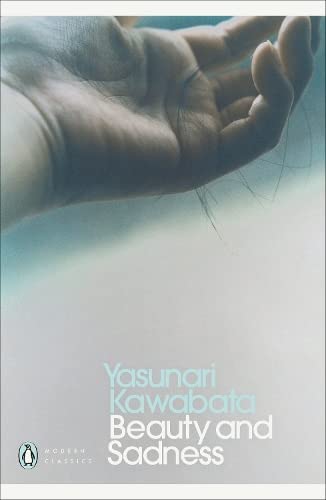
Start this bookNo. 25 on this list. Beauty and Sadness · Yasunari Kawabata · 1965
Kawabata is Japan's first Nobel laureate in literature (1968) and Beauty and Sadness is regularly taught in Japanese literature and world literature courses. Wikipedia covers the novel in multiple languages, and it appears in major publisher catalogs (Vintage, Penguin, Knopf). Its canonical status is firm among Kawabata's output but secondary to Snow Country and The Sound of Waves in Western syllabi — placing it above 2666 (65) but below Beloved (85).
Challenging3.7 hours
Start this bookNo. 26 on this list. Those Who Leave and Those Who Stay · Elena Ferrante · 2013
The Neapolitan Novels have become required reading in contemporary fiction and world literature courses across Europe and North America, and the series as a whole appears on hundreds of university syllabi. This third volume is less commonly assigned as a standalone text than the series opener, but no major literary conversation about contemporary Italian fiction or female friendship narratives omits it. The series' Wikipedia presence spans 30+ languages, signaling genuine global reach.
Challenging12 hours
Start this bookNo. 27 on this list. A Boring Story · Anton Chekhov · 1889
Taught in schools: Russian FGOS literature standard
Recognized as one of Chekhov's most important early long stories and a breakthrough in his development as a serious writer. Less universally known than the plays or The Lady with the Dog but highly regarded by scholars and writers.
Challenging1.4 hours
Start this bookNo. 28 on this list. The Nun · Denis Diderot · 1796
Suzanne Simonin is sixteen when her parents force her into a convent she never chose, pressing her vows while she stands dazed at the altar, hearing nothing, answering nothing. Her story — told as a memoir to a sympathetic marquis she hopes will rescue her — moves through three convents: one governed by a saintly mystic, one by a sadistic bully, and one by a Mother Superior whose tender attentions gradually reveal themselves as something else entirely. Diderot wrote The Nun as part of an elaborate practical joke in 1760, but Suzanne's predicament took hold of his imagination and produced his most disciplined novel. The narrator's sustained innocence is itself the book's great irony: she reports the Superior's midnight visits, the hand on her knee, the shivering in her bed, with clinical accuracy and genuine incomprehension. Diderot's target is not the Church but the unnatural institution — segregation, enforced celibacy, and authority without accountability. The convent produces madness, cruelty, and erotic obsession not because nuns are corrupt, but because the system is. The ending refuses to resolve: Suzanne escapes into a world she is completely unprepared for, carrying nothing but a singing voice and the portrait of a dead Superior she still kisses each morning.
Moderate4.6 hours
Start this bookNo. 29 on this list. Sabbath's Theater · Philip Roth · 1995
A sixty-four-year-old former puppeteer, arthritic and unemployable, has lost his mistress of thirteen years to ovarian cancer. Mickey Sabbath is now stranded in a small New England town with an alcoholic wife he antagonizes, a dead brother who haunts his memory, and an appetite for transgression that has outlived every relationship it fed on. Roth gives Sabbath roughly four hundred pages to rage against every constraint — fidelity, decorum, sobriety, mortality itself — and the result is less a novel of ideas than a novel of appetite. Sabbath talks and talks: about Drenka's body, about his mother waiting on the boardwalk for a son who would never return from the war, about the puppet theater on the streets of New York where he once made audiences forget that fingers were not alive. The language runs hot and crude and then, without warning, breaks into passages of devastating tenderness. What makes the book difficult is not its prose, which moves with Roth's characteristic momentum, but its moral demand. Sabbath is repellent and magnetic in equal measure, and Roth refuses to arbitrate. The reader must sit with a man who urinates on his lover's grave and recognize, in that act, something that looks unsettlingly like devotion.
Challenging13 hours
Start this bookNo. 30 on this list. The Weavers · Gerhart Hauptmann · 1892
The Weavers appears regularly in courses on European drama, German literature, and the history of naturalism. It is the standard example of naturalist social drama and frequently anthologized in world theater collections. Its canonical presence is strong within drama studies but narrower than Shakespeare or Ibsen in general literature curricula.
Challenging1.8 hours
Start this book
No. 31 on this list. Building Stories
Chris Ware · 2012
No. 32 on this list. The Man with the Golden Arm
Nelson Algren · 1950
No. 33 on this list. Angle of Repose
Wallace Stegner · 1972
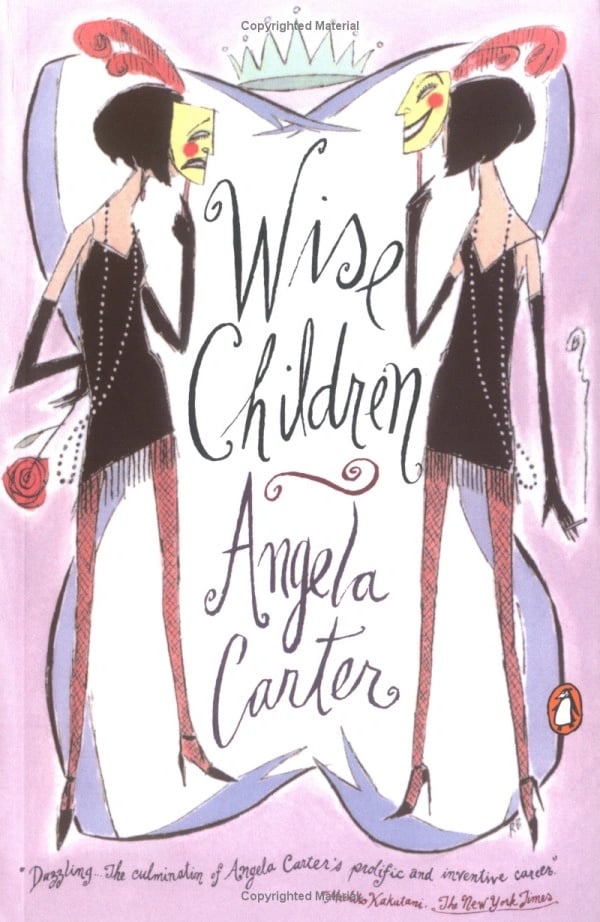
No. 34 on this list. Wise Children
Angela Carter · 1991
Taught in schools: AQA GCSE and A-level English Literature (UK)
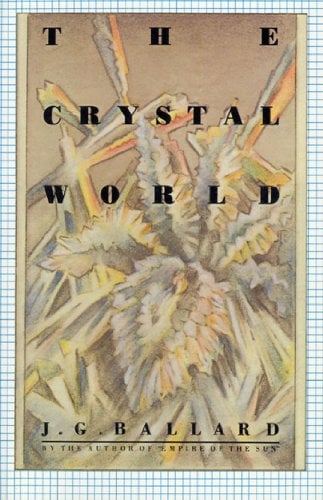
No. 35 on this list. The Crystal World
J.G. Ballard · 1966
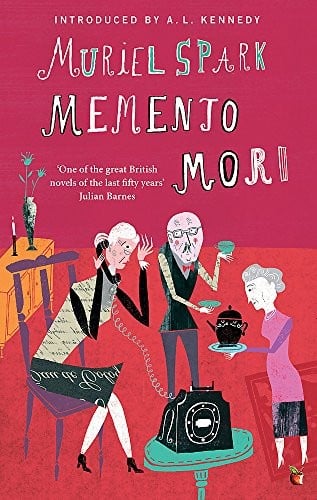
No. 36 on this list. Memento Mori
Muriel Spark · 1959
No. 37 on this list. The Woman Destroyed
Simone de Beauvoir · 1967
No. 38 on this list. The Man Who Laughs
Victor Hugo · 1869
No. 39 on this list. Murphy
Samuel Beckett · 1938
No. 40 on this list. Jean Barois
Roger Martin du Gard · 1913
No. 41 on this list. Animal's People
Indra Sinha · 2007
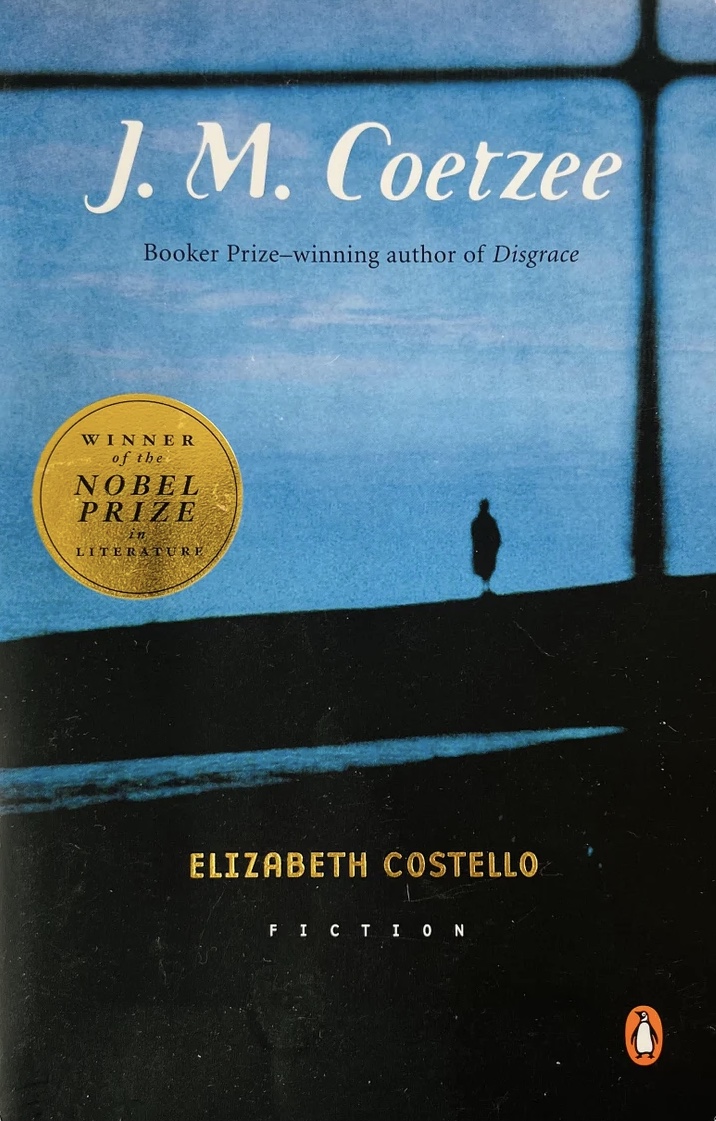
No. 42 on this list. Elizabeth Costello
J.M. Coetzee · 2003
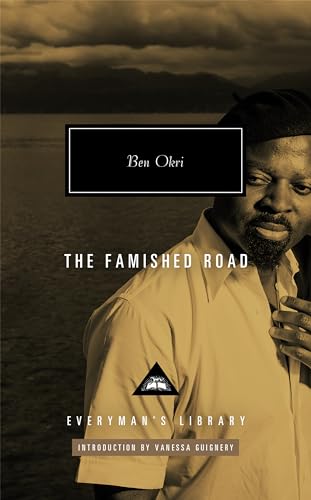
No. 43 on this list. The Famished Road
Ben Okri · 1991
No. 44 on this list. A Distant Shore
Caryl Phillips · 2003
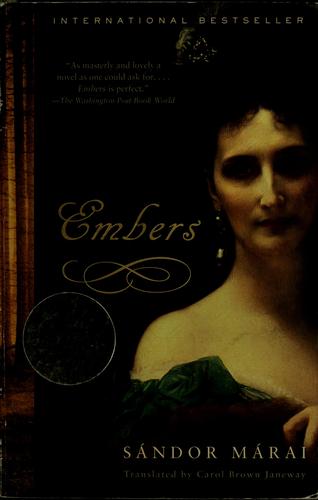
No. 45 on this list. Embers
Sándor Márai · 1942
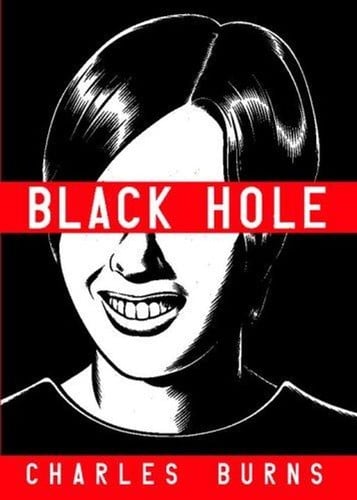
No. 46 on this list. Black Hole
Charles Burns · 2005
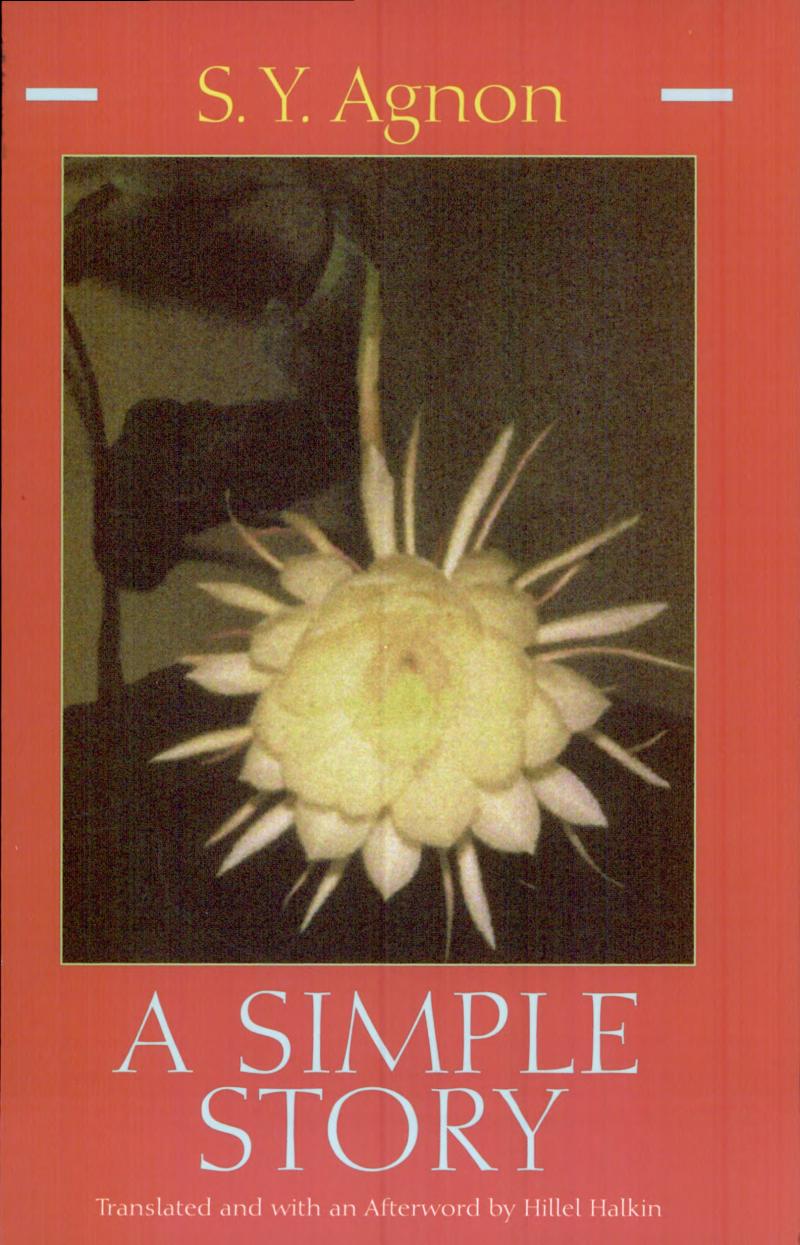
No. 47 on this list. A Simple Story
Shmuel Yosef Agnon · 1935
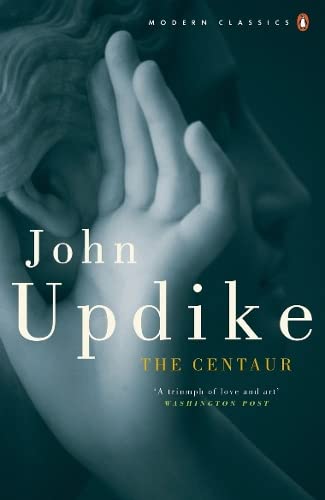
No. 48 on this list. The Centaur
John Updike · 1964
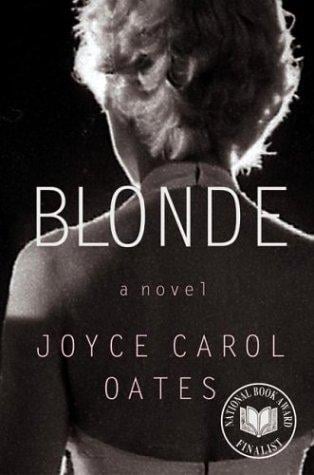
No. 49 on this list. Blonde
Joyce Carol Oates · 2000
No. 50 on this list. Wilhelm Meister's Journeyman Years
Johann Wolfgang von Goethe · 1821
No. 51 on this list. Dodsworth
Sinclair Lewis · 1929
No. 52 on this list. The Professor's House
Willa Cather · 1925
No. 53 on this list. Veiller sur elle
Jean-Baptiste Andrea · 2023
No. 54 on this list. Fortune Smiles
Adam Johnson · 2015
No. 55 on this list. The Soft Machine
William S. Burroughs · 1961
No. 56 on this list. The Professor of Desire
Philip Roth · 1977
No. 57 on this list. Breathing Lessons
Anne Tyler · 1989
No. 58 on this list. Family Happiness
Leo Tolstoy · 1859
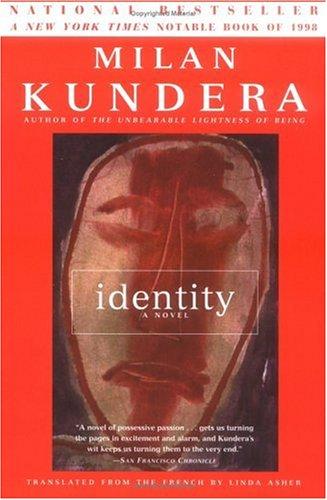
No. 59 on this list. Identity
Milan Kundera · 1998
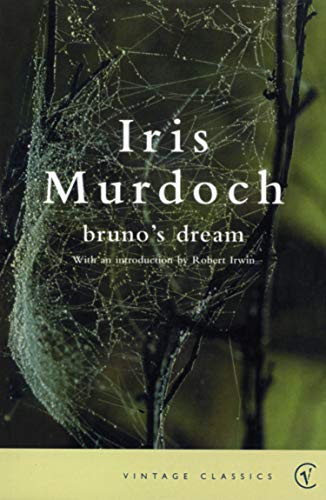
No. 60 on this list. Bruno's Dream
Iris Murdoch · 1970
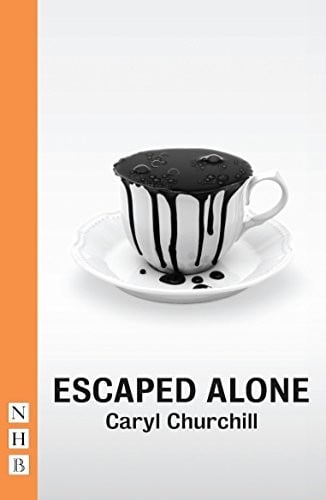
No. 61 on this list. Escaped Alone
Caryl Churchill · 2016
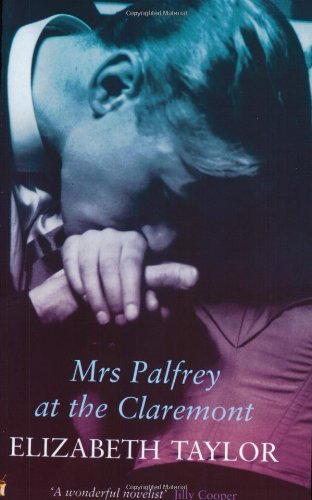
No. 62 on this list. Mrs. Palfrey at the Claremont
Elizabeth Taylor · 1971
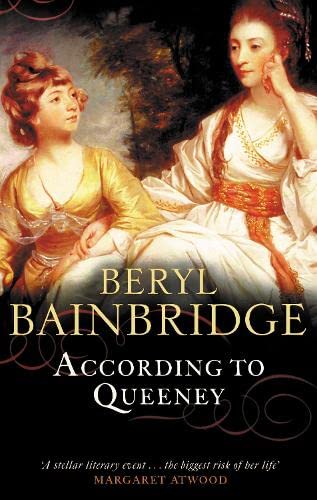
No. 63 on this list. According to Queeney
Beryl Bainbridge · 2001
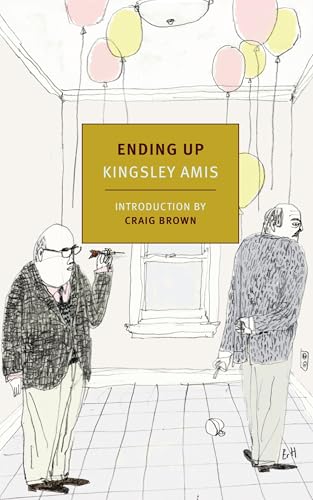
No. 64 on this list. Ending Up
Kingsley Amis · 1974
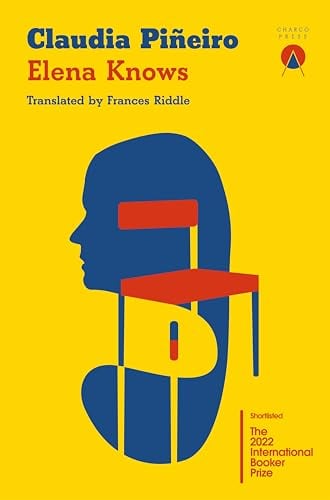
No. 65 on this list. Elena Knows
Claudia Piñeiro · 2022
Taught in schools: Leaving Certificate English – NCCA / State Examinations Commission (Ireland)
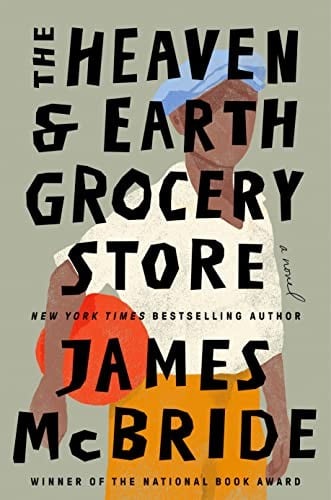
No. 66 on this list. The Heaven & Earth Grocery Store
James McBride · 2023
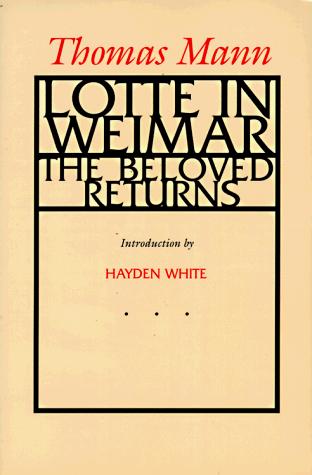
No. 67 on this list. Lotte in Weimar
Thomas Mann · 1939
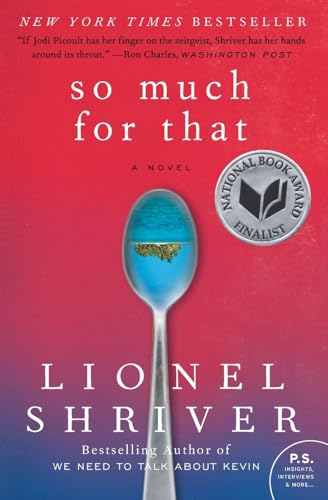
No. 68 on this list. So Much for That
Lionel Shriver · 2010
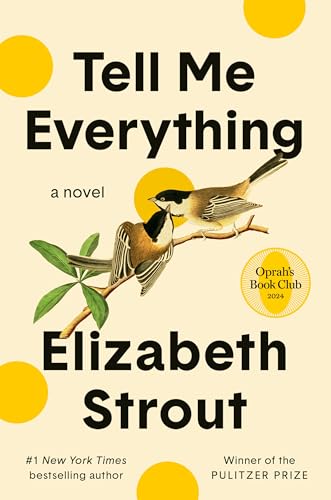
No. 69 on this list. Tell Me Everything
Elizabeth Strout · 2025
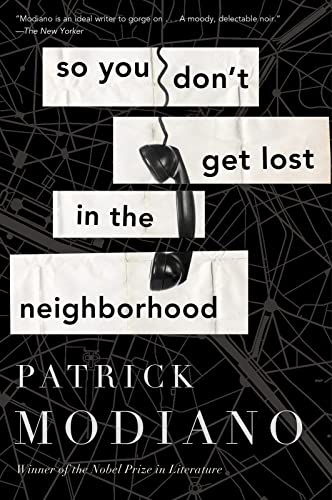
No. 70 on this list. So You Don't Get Lost in the Neighborhood
Patrick Modiano · 2014
No. 71 on this list. Restoration
Rose Tremain · 1989
No. 72 on this list. Swimming Home
Deborah Levy · 2012
No. 73 on this list. Old God's Time
Sebastian Barry · 2023
No. 74 on this list. Jake's Thing
Kingsley Amis · 1978
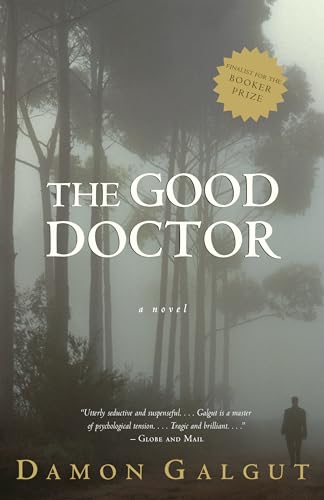
No. 75 on this list. The Good Doctor
Damon Galgut · 2003
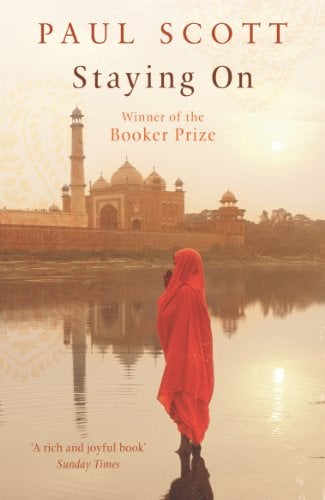
No. 76 on this list. Staying On
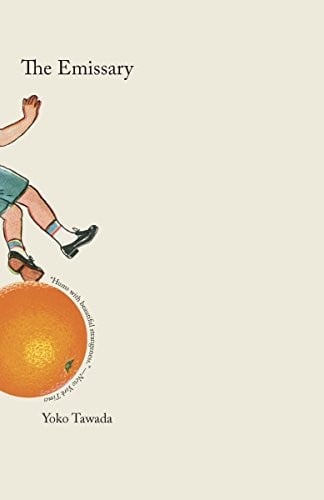
No. 77 on this list. The Emissary
Yoko Tawada · 2014
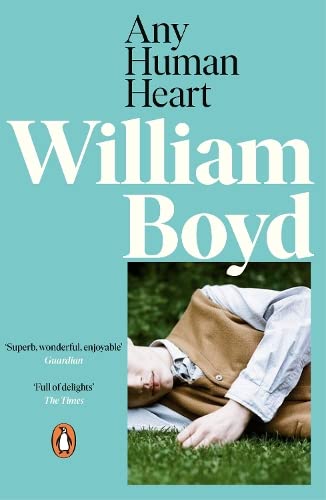
No. 78 on this list. Any Human Heart
William Boyd · 2002
No. 79 on this list. Operation Wandering Soul
Richard Powers · 1993
No. 80 on this list. Requiem for a Dream
Hubert Selby Jr. · 1978
No. 81 on this list. The Dark Circle
Linda Grant · 2017
No. 82 on this list. Scar Tissue
Michael Ignatieff · 1993
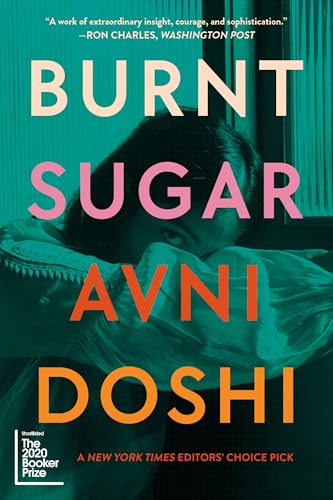
No. 83 on this list. Burnt Sugar
Avni Doshi · 2020
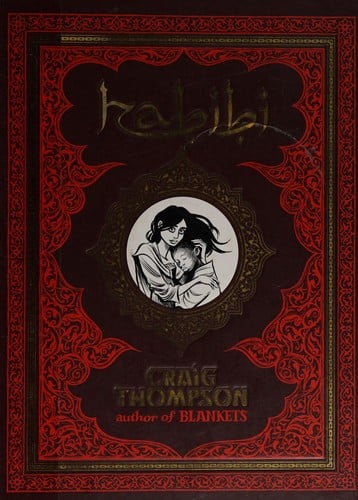
No. 84 on this list. Habibi
Craig Thompson · 2011
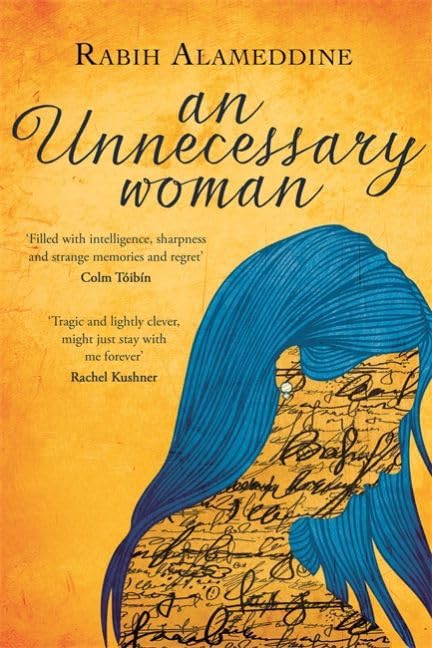
No. 85 on this list. An Unnecessary Woman
Rabih Alameddine · 2014
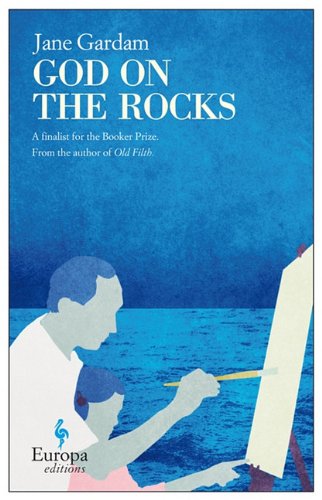
No. 86 on this list. God on the Rocks
Jane Gardam · 1978
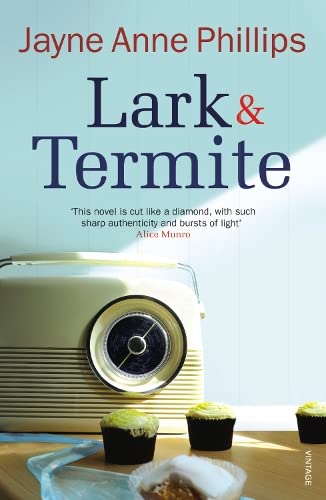
No. 87 on this list. Lark and Termite
Jayne Anne Phillips · 2009
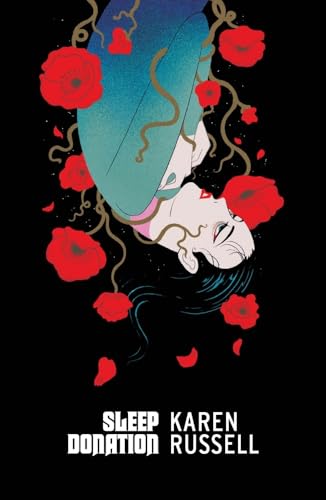
No. 88 on this list. Sleep Donation
Karen Russell · 2022
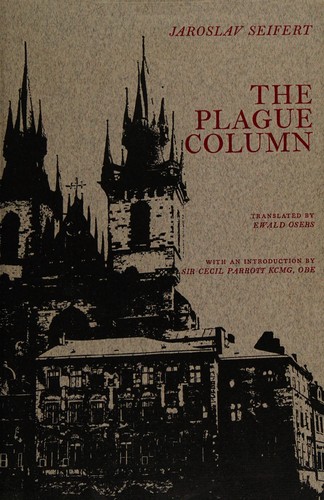
No. 89 on this list. The Plague Column
Jaroslav Seifert · 1977
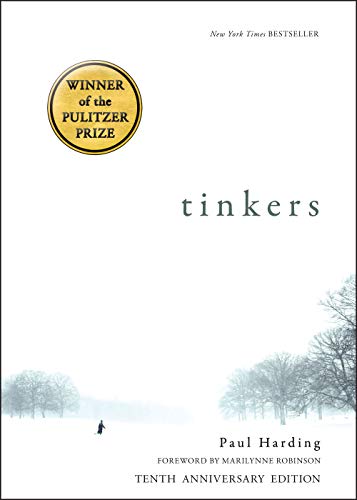
No. 90 on this list. Tinkers
Paul Harding · 2010
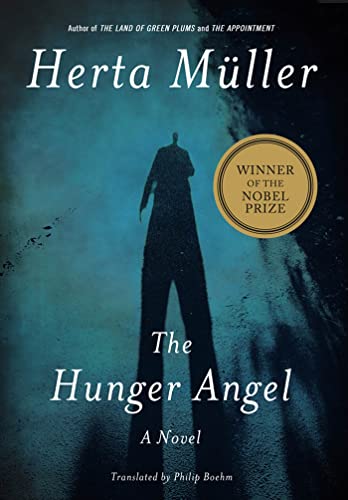
No. 91 on this list. The Hunger Angel
Herta Müller · 2009
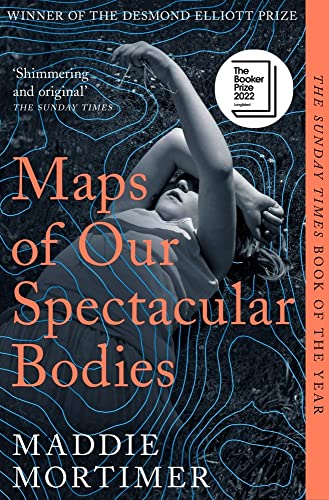
No. 92 on this list. Maps of Our Spectacular Bodies
Maddie Mortimer · 2022
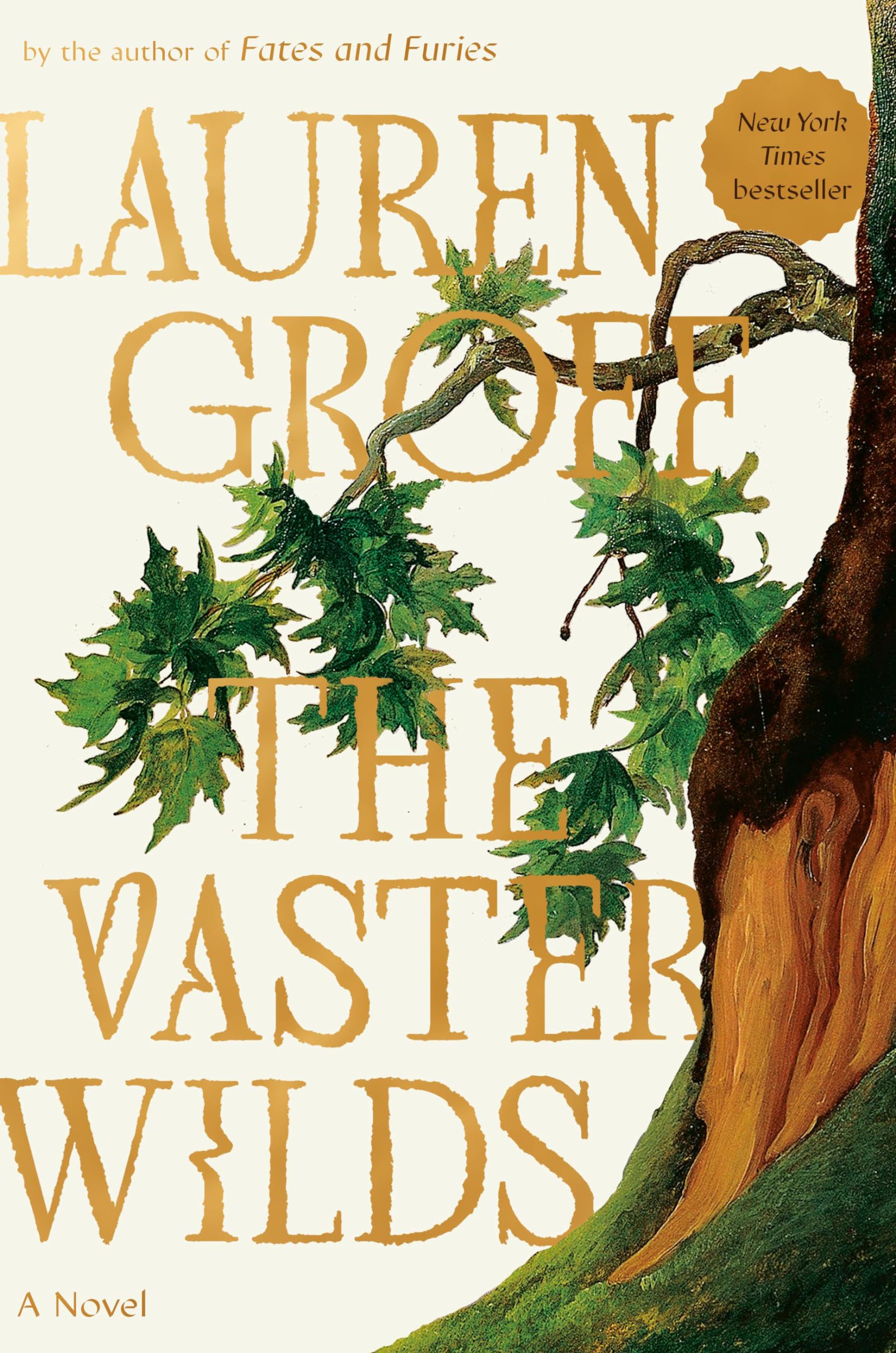
No. 93 on this list. The Vaster Wilds
Lauren Groff · 2023
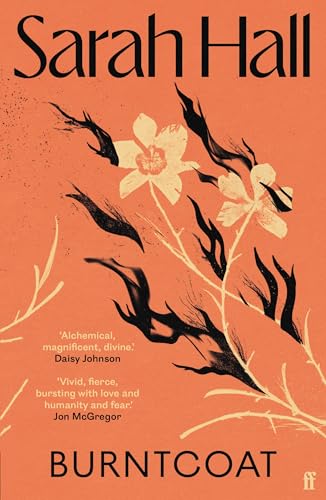
No. 94 on this list. Burntcoat
Sarah Hall · 2021
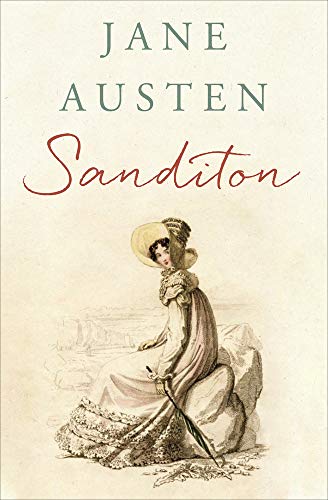
No. 95 on this list. Sanditon
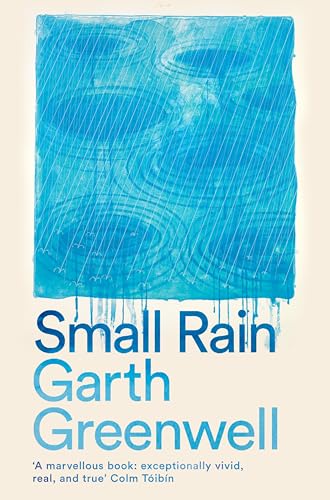
No. 96 on this list. Small Rain
Garth Greenwell · 2025
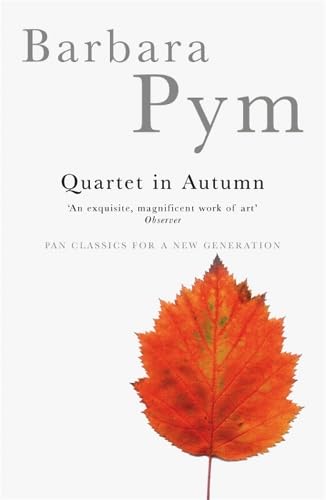
No. 97 on this list. Quartet in Autumn
Barbara Pym · 1977
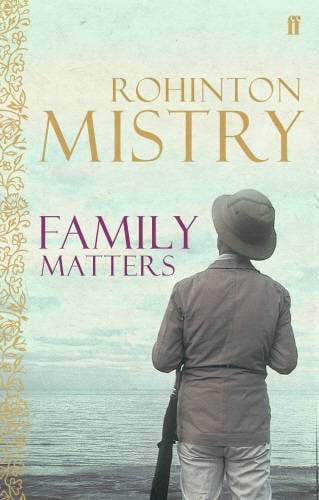
No. 98 on this list. Family Matters
Rohinton Mistry · 2002
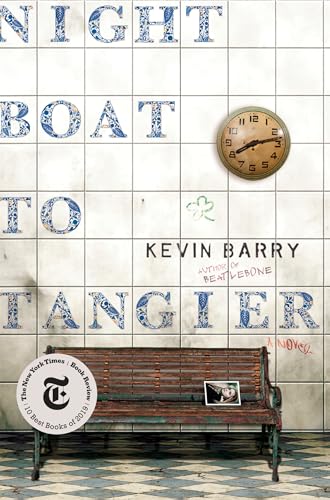
No. 99 on this list. Night Boat to Tangier
Kevin Barry · 2019
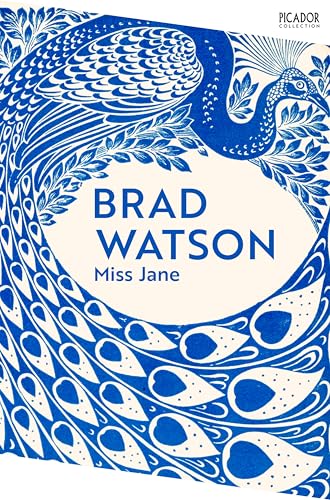
No. 100 on this list. Miss Jane
Brad Watson · 2016
About this list
These 100 books are the highest-scoring eligible moderately difficult books about the body and illness currently in the catalogue. About 573 hours of reading in all. Difficulty runs from 51 to 59 out of 100 for the middle half of the list; the summit is Richard III at 64.
This list is ranked by literary regard, with a consistent order for equal scores. Membership follows authors and co-authors, not translators or editors. A book is here when ReadingRate files it under The Body & Illness as one of its primary reading domains, at a confidence of 0.8 or more. Catalogue coverage and the historical canon both limit what this list can represent.
When we matched the Canons dataset to our catalogue in October 2026, our canonical-status scores rose with the number of school curricula, publisher series and lists in it that cite a work: the median score was 72 for books one such source cites, 84 at two, 88 at three, 92 at four and 93 at five or more. Prizes are left out of that count. Outside the state curricula, the dataset’s sources choose mostly from what has been translated into English or French, so it is a weaker check on other literatures. Source: Canons (Andrew Piper), CC BY 4.0
Questions people actually ask
- What are the best moderately difficult books about the body and illness?
- By literary regard, which weighs canonical status, critical standing and influence: The Love Song of J. Alfred Prufrock by T. S. Eliot, Richard III by William Shakespeare, Buddenbrooks: The Decline of a Family by Thomas Mann, Collected Poems of Constantine Cavafy by Constantine P. Cavafy and An Enemy of the People by Henrik Ibsen. ReadingRate ranks 100 such books, each with a difficulty score and a reading-time estimate.
- Which moderately difficult books about the body and illness should I read first?
- Start from difficulty, not from rank. The most approachable books on this list that still carry top literary regard are Runaway by Alice Munro (about 5.5 hours), Krapp's Last Tape by Samuel Beckett and Collected Poems of Constantine Cavafy by Constantine P. Cavafy.
- What are the shortest of the best moderately difficult books about the body and illness?
- Among the top 25, the shortest are The Love Song of J. Alfred Prufrock by T. S. Eliot (about 14 min), Krapp's Last Tape by Samuel Beckett (about 18 min) and 4.48 Psychosis by Sarah Kane (about 22 min), at an average pace of 250 words a minute adjusted for each book's difficulty.
- Which of the best moderately difficult books about the body and illness are the established classics?
- By canonical status, how firmly a book sits in curricula, anthologies and the canon: The Love Song of J. Alfred Prufrock by T. S. Eliot, Richard III by William Shakespeare, Buddenbrooks: The Decline of a Family by Thomas Mann, Collected Poems of Constantine Cavafy by Constantine P. Cavafy and Life & Times of Michael K by J.M. Coetzee.
- Can I read any of these moderately difficult books about the body and illness for free?
- 5 of the 100 open in ReadingRate's reader with a free account, from public-domain editions: Richard III, The Rainbow, Lady Chatterley's Lover, The Man Who Laughs and Jean Barois.
- How long would it take to read the top ten?
- About 41 hours, at an average pace of 250 words a minute adjusted for each book's difficulty: 21 days at two hours a day. Set your own pace on the page and the list's reading times change to it.
- How hard are moderately difficult books about the body and illness to read?
- Most of this list sits between 51 and 59 on ReadingRate's 100-point difficulty scale, where 40 to 55 is moderate. The summit is Richard III at 64. Every entry carries its own score, so a reader can pick a great book at a difficulty they will finish.
- How is this list ranked?
- On literary-regard data: how canonically established a work is, its critical standing, and its influence on later writing. It is not a readers’ poll, which is why recent bestsellers rarely appear. Membership follows authors and co-authors, not translators or editors. Lists by country, author, period, theme or difficulty keep to literature (fiction, poetry, drama and philosophy), their novels, poems and plays first and their philosophy after them; a list of a kind of book, such as memoir or criticism, keeps every book of that kind. Every list holds at most three works by one author. A book is here when ReadingRate files it under The Body & Illness as one of its primary reading domains, at a confidence of 0.8 or more.