Hours at an average pace
Showing 100 books
About 911 hours for 100 of 100 books with measured lengths. Estimates use 250 words a minute, adjusted for each book's difficulty. At 2 hours a day, about 456 days for those books.
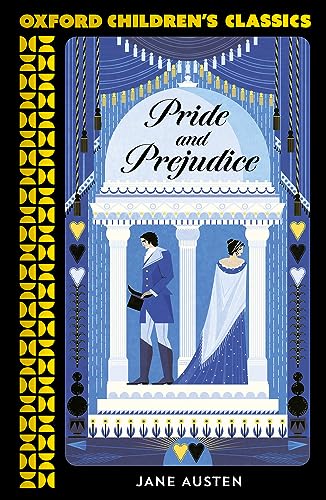
No. 1 on this list. Pride and Prejudice
Jane Austen · 1813
Moderate8.6 hours
Taught in schools: AQA GCSE and A-level English Literature (UK), Cambridge IGCSE Literature in English (0475), Common Core text exemplars (Appendix B) (US)
Included in: Bokklubben World Library
Appears on 2,313 university syllabi — placing it at the 84th percentile of all taught books globally — and Wikipedia covers the novel in 74 languages. Listed in the BBC Big Read Top 100, 1001 Books You Must Read Before You Die, and published in prestige editions by both Penguin Classics and Everyman's Library. One of the most consistently taught novels in English literature.
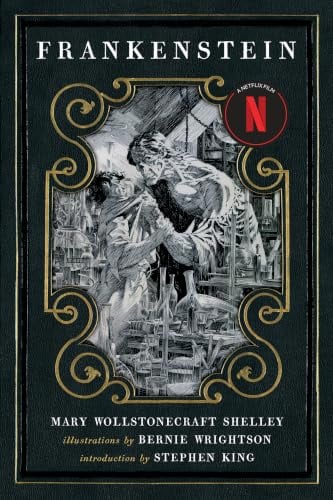
No. 2 on this list. Frankenstein
Mary Shelley · 1818
Challenging8.8 hours
Taught in schools: AQA GCSE and A-level English Literature (UK), CSEC English B – Caribbean Examinations Council, Pearson Edexcel GCSE and A-level English Literature (UK)
Included in: Bibliothèque de la Pléiade
Frankenstein appears on 6,955 university syllabi according to the Open Syllabus Project, placing it in the 96th percentile of all tracked works. Wikipedia articles exist in 74 languages, with a 79,000-character article carrying dedicated Reception and Adaptations sections. It is taught not only in literature courses but in philosophy, bioethics, and technology studies worldwide.
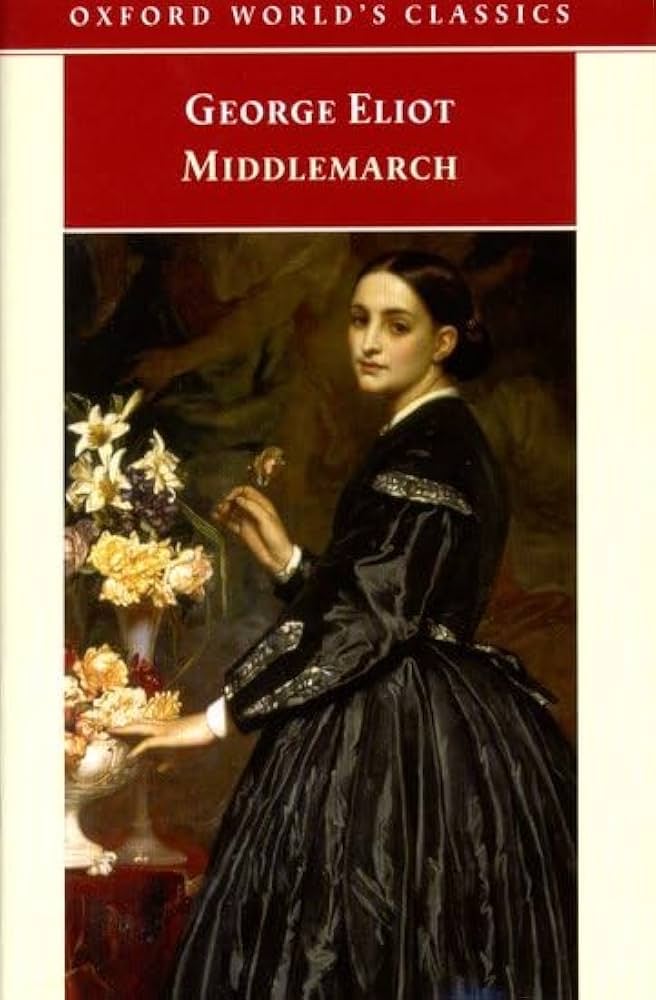
No. 3 on this list. Middlemarch
George Eliot · 1871
Moderate22 hours
Taught in schools: AQA GCSE and A-level English Literature (UK)
Included in: Bokklubben World Library, Great Books of the Western World
Appears on 1,070 university syllabi (75th percentile by Open Syllabus), anchoring Victorian literature courses worldwide. Wikipedia covers it in 25 languages with a substantial 52,926-character article including dedicated Reception and Adaptations sections. Virginia Woolf's declaration that it is 'one of the few English novels written for grown-up people' has given it a persistent critical shorthand that appears on nearly every canonical 'greatest novels' list.
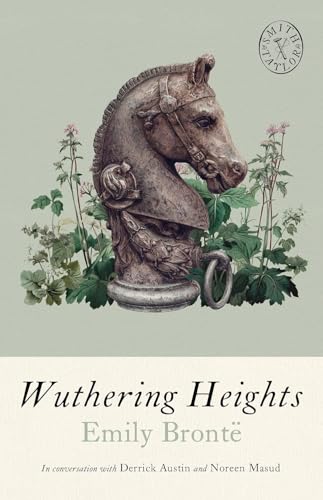
No. 4 on this list. Wuthering Heights
Emily Brontë · 1847
Difficult14 hours
Taught in schools: AQA GCSE and A-level English Literature (UK), CAPE Literatures in English – Caribbean Examinations Council, CSEC English B – Caribbean Examinations Council
Included in: Bokklubben World Library
Appears on 4,582 university syllabi (91.5th percentile per Open Syllabus), placing it above most Victorian novels. Wikipedia coverage in 61 languages with dedicated reception and adaptations sections signals global canonical standing. Listed in 1001 Books You Must Read Before You Die and the BBC Big Read Top 100.
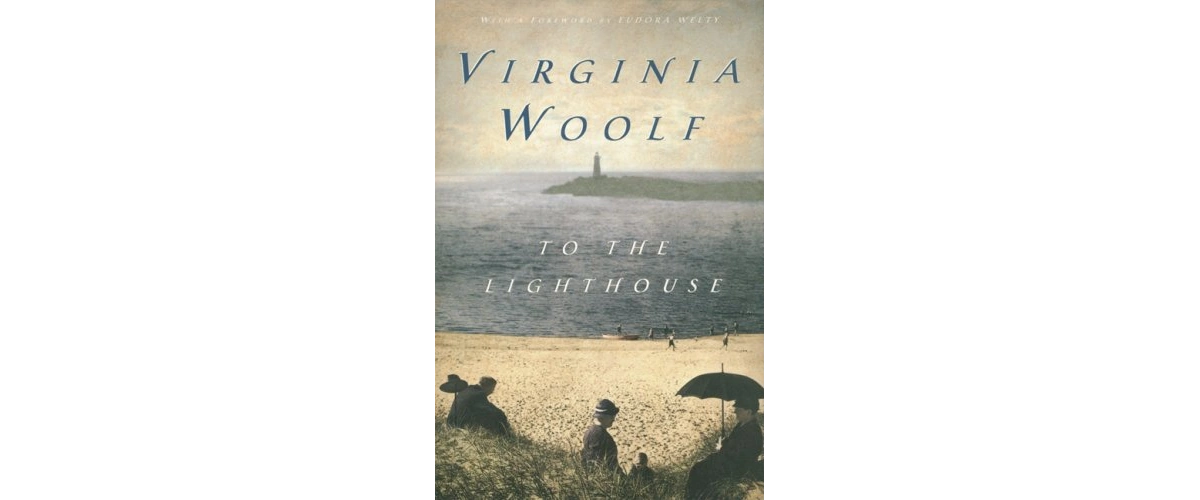
No. 5 on this list. To the Lighthouse
Virginia Woolf · 1927
Difficult7.4 hours
Included in: Bokklubben World Library, Great Books of the Western World
To the Lighthouse appears on 2,429 university syllabi according to Open Syllabus (84.6th percentile), placing it in the same tier as Beloved (85th). It holds places on the Modern Library 100 Best Novels (1998), TIME's All-TIME 100 Novels (2005), 1001 Books You Must Read Before You Die (2006), and is published by both Everyman's Library and Penguin Modern Classics. Wikipedia articles exist in 35 languages.
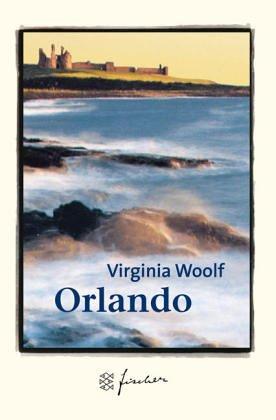
No. 6 on this list. Orlando
Virginia Woolf · 1928
Moderate5.2 hours
Taught in schools: UNAM Escuela Nacional Preparatoria – programas de Literatura (Mexico)
Orlando appears on university syllabi worldwide in modernist literature, gender studies, feminist theory, and LGBTQ+ studies courses — one of the few novels to anchor multiple disciplines simultaneously. It features on Modern Library's 100 Best Novels list and is discussed in virtually every survey of 20th-century British fiction. Woolf's stature guarantees its place in the canon regardless of pedagogical fashion.
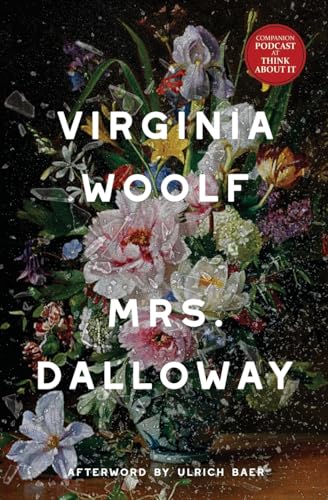
No. 7 on this list. Mrs. Dalloway
Virginia Woolf · 1925
Challenging7.1 hours
Taught in schools: OCR GCSE and A-level English Literature (UK), Pearson Edexcel GCSE and A-level English Literature (UK)
Included in: Bokklubben World Library
Appears on 4,254 university syllabi according to the Open Syllabus Project, placing it at the 90.7th percentile of all taught texts — above Beloved's range and approaching The Great Gatsby's 3,500+ appearances. Listed on TIME's All-TIME 100 Novels (2005) and in 1001 Books You Must Read Before You Die. Wikipedia articles in 35 languages with an adaptations section confirm broad global reach.
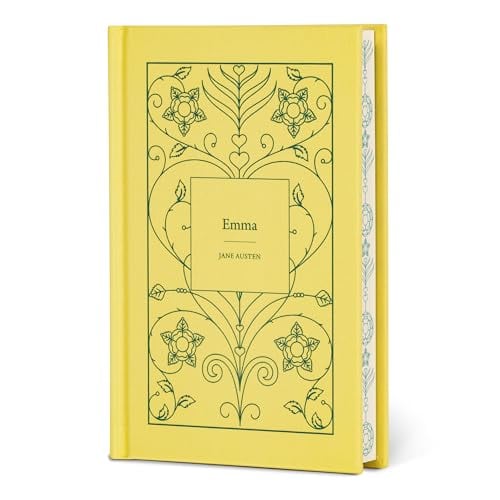
No. 8 on this list. Emma
Jane Austen · 1815
Challenging12 hours
Taught in schools: AQA GCSE and A-level English Literature (UK), CSEC English B – Caribbean Examinations Council
Included in: Great Books of the Western World, Oxford World's Classics
Emma is taught in virtually every survey of British literature and appears on most lists of essential novels. It is Austen's longest and most complex work, considered by some critics her masterpiece. The novel appears in high school AP courses, undergraduate surveys, and graduate seminars. It has been adapted countless times for film and television. Its status in the Western canon is unassailable, ranking just below Pride and Prejudice in popular awareness but equal or higher in critical estimation.
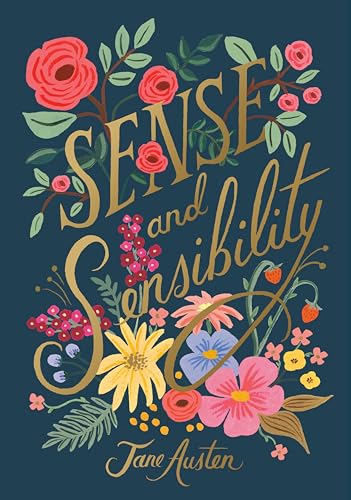
No. 9 on this list. Sense and Sensibility
Jane Austen · 1811
Moderate8.7 hours
Taught in schools: OCR GCSE and A-level English Literature (UK), WJEC/Eduqas GCSE and A-level English Literature (UK)
Austen first published novel. Less celebrated than Pride and Prejudice or Emma but firmly canonical.
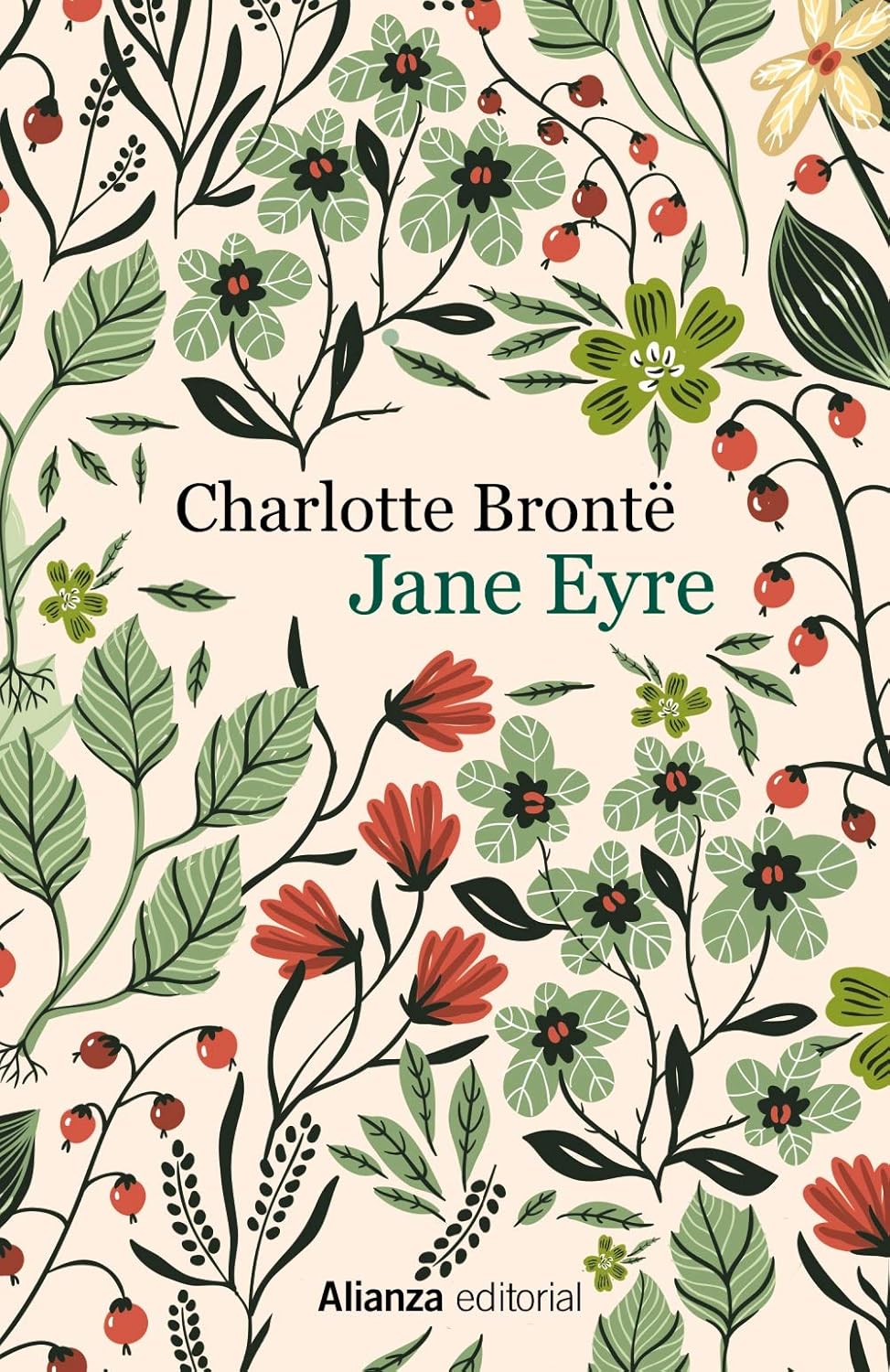
No. 10 on this list. Jane Eyre
Charlotte Brontë · 1847
Moderate13 hours
Taught in schools: AQA GCSE and A-level English Literature (UK), Common Core text exemplars (Appendix B) (US), CSEC English B – Caribbean Examinations Council
Appears on 6,194 university syllabi according to Open Syllabus — placing it at the 94.8th percentile — and its Wikipedia article spans 59 languages with dedicated Reception and Adaptations sections. Jane Eyre is a fixture of Victorian literature courses worldwide and features on both the Open Syllabus Top 500 Literature list and the BBC Big Read Top 100.
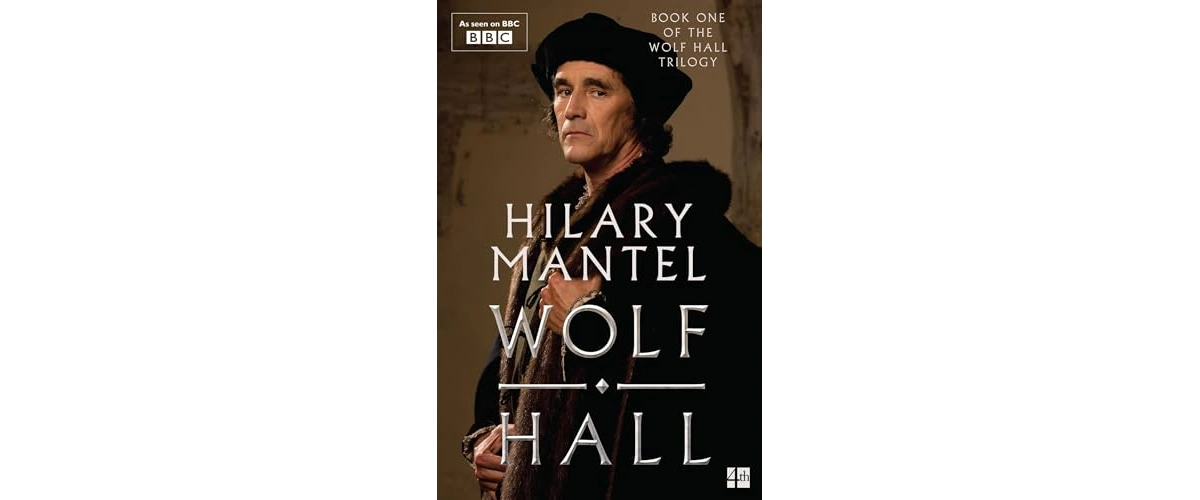
No. 11 on this list. Wolf Hall · Hilary Mantel · 2009
The historical novel that changed the genre's literary status. Thomas Cromwell's rise, rendered in present tense and close third person, made Tudor politics feel immediate. Core text in contemporary fiction and historical fiction courses.
Challenging18 hours
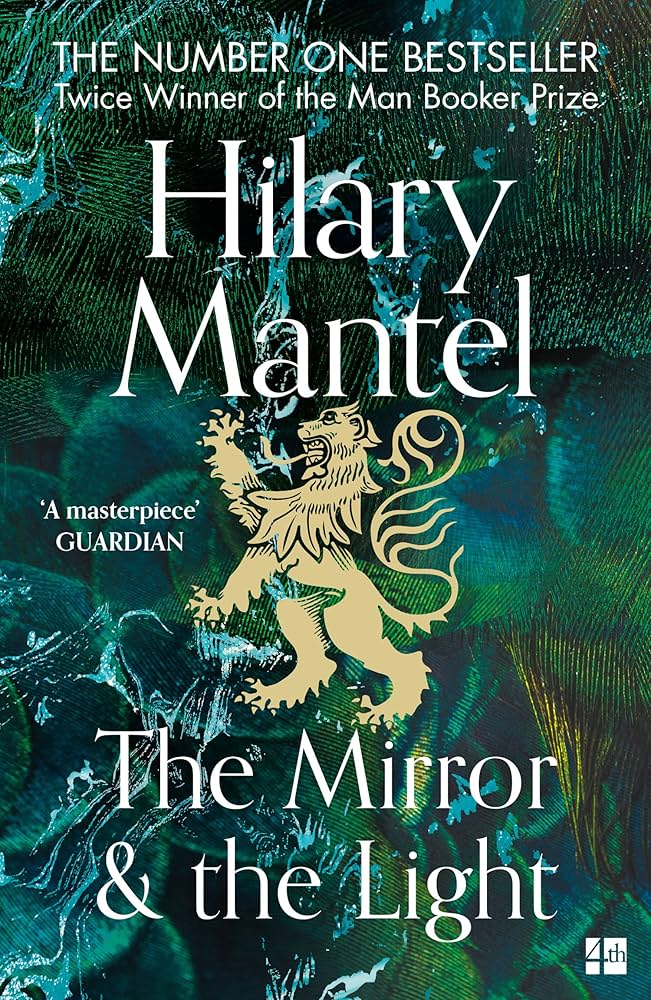
Start this bookNo. 12 on this list. The Mirror and the Light · Hilary Mantel · 2020
The final book in the Thomas Cromwell trilogy, following Cromwell from Jane Seymours death to his own execution.
Moderate21 hours
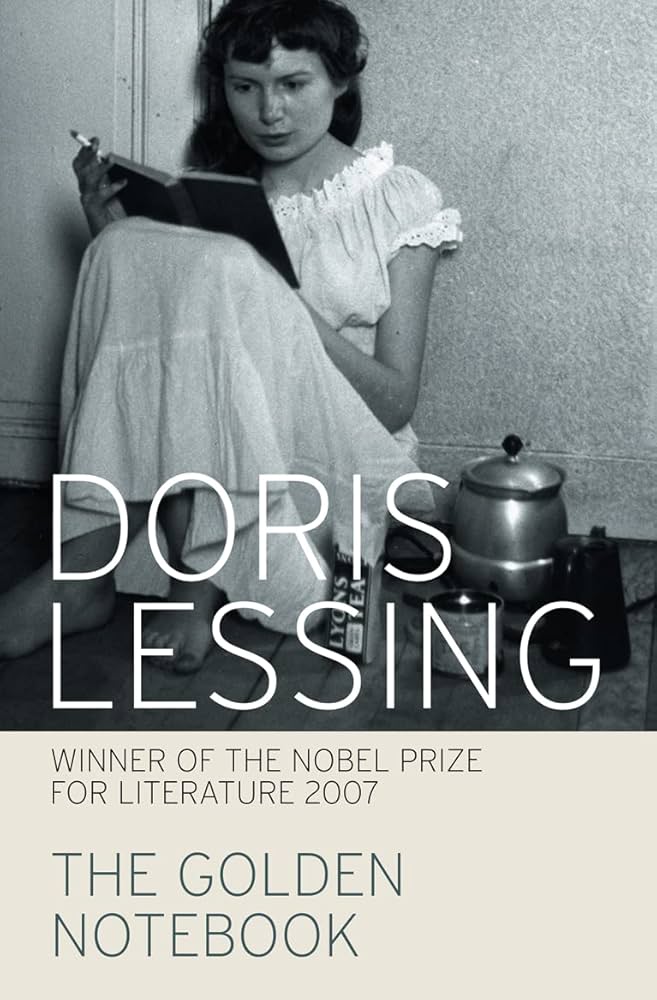
Start this bookNo. 13 on this list. The Golden Notebook · Doris Lessing · 1962
Included in: Bokklubben World Library
The Golden Notebook appears on 139 university syllabi according to the Open Syllabus Project (53rd percentile) and is listed in Open Syllabus's Top 500 Literature titles. It appears on TIME's All-TIME 100 Novels list (2005) and holds Wikipedia articles in 20 languages. It is a standard text in women's literature, postcolonial literature, and 20th-century British fiction courses, though not at the frequency of The Great Gatsby or To Kill a Mockingbird.
Difficult28 hours
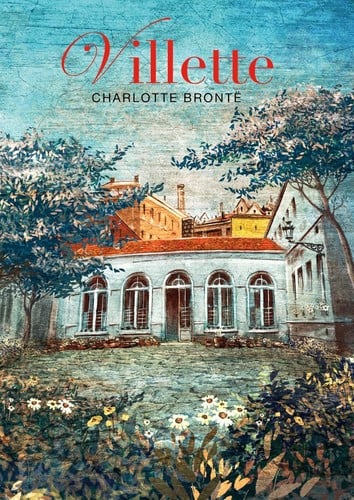
Start this bookNo. 14 on this list. Villette · Charlotte Brontë · 1853
Widely taught in advanced 19th-century literature courses and Victorian fiction seminars, though less ubiquitous than Jane Eyre. Contemporary scholarship increasingly positions Villette as Brontë's most sophisticated novel; it appears regularly on university syllabi in feminist literary criticism and psychological realism tracks.
Challenging15 hours
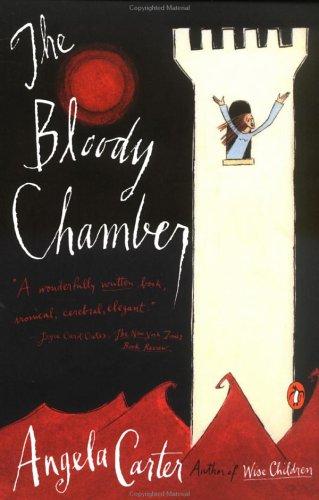
Read nowNo. 15 on this list. The Bloody Chamber · Angela Carter · 1979
Taught in schools: OCR GCSE and A-level English Literature (UK)
The Bloody Chamber is among the most-taught works of feminist fiction in British and American university literature programs, appearing on A-level and undergraduate syllabi across the English-speaking world for over four decades. It anchors feminist fairy tale criticism as a field and appears on most 20th-century fiction retrospective lists. Its canonical standing exceeds Infinite Jest (78) in terms of institutional adoption.
Difficult7.2 hours
Start this bookNo. 16 on this list. The Mill on the Floss · George Eliot · 1860
Taught in schools: AQA GCSE and A-level English Literature (UK)
Firmly established in the Victorian literature curriculum and regularly taught in surveys of 19th-century British fiction. It stands as Eliot's second-most-studied novel after 'Middlemarch,' valued for its feminist themes, psychological depth, and semi-autobiographical portrayal of female intellectual awakening in a restrictive provincial society.
Challenging15 hours
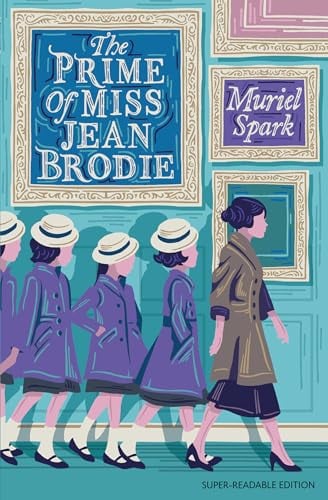
Read nowNo. 17 on this list. The Prime of Miss Jean Brodie · Muriel Spark · 1961
Taught in schools: CSEC English B – Caribbean Examinations Council
Regularly taught in British literature and women's studies courses, considered essential modern Scottish fiction. Appears on A-level syllabi and university 20th-century literature surveys. Not as universally taught as The Great Gatsby, but firmly established in academic curricula focused on postwar British fiction and modernist technique.
Challenging3.5 hours
Start this bookNo. 18 on this list. Blasted · Sarah Kane · 1995
Now recognized as one of the most important British plays of the late twentieth century. A landmark of in-yer-face theater and a standard text in contemporary drama courses.
Moderate46 min
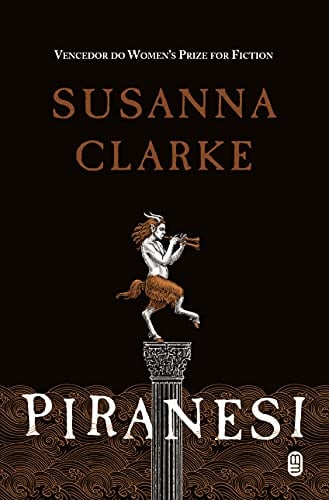
Start this bookNo. 19 on this list. Piranesi · Susanna Clarke · 2021
Winner of the Women's Prize for Fiction (2021), with a Wikipedia presence in 39 languages — strong recognition for a novel published in 2020. Clarke's second novel after the celebrated Jonathan Strange & Mr Norrell, it arrived with significant literary anticipation and met it. Not yet in syllabi, which reflects recency rather than lack of merit.
Difficult7.8 hours
Start this bookNo. 20 on this list. 4.48 Psychosis · Sarah Kane · 2000
Recognized as one of the most important plays of the late twentieth century and Kane's masterpiece. Widely performed, translated, and studied internationally.
Challenging22 min
Start this book
No. 21 on this list. A Number · Caryl Churchill · 2002
One of Churchill's most frequently performed plays and a standard text in contemporary drama courses. Widely recognized as a landmark of twenty-first-century theater.
Difficult58 min
Start this bookNo. 22 on this list. Daniel Deronda · George Eliot · 1876
Daniel Deronda appears regularly on Victorian literature and nineteenth-century fiction syllabi at universities across the English-speaking world. While Middlemarch holds the stronger canonical position for Eliot, Daniel Deronda is widely assigned in courses on the Victorian novel, Jewish literature, and the literature of nationalism. Its Wikipedia article exists in numerous languages, reflecting its global scholarly recognition.
Challenging27 hours
Read nowNo. 23 on this list. White Teeth · Zadie Smith · 2002
White Teeth appears on 1,210 university syllabi (77th percentile by Open Syllabus), placing it well above cult favorites like Infinite Jest while falling short of Nobel-author anchors like Beloved. Its Wikipedia article spans 12 languages with dedicated Reception and Adaptations sections, reflecting a book that has entered postcolonial and British literature courses worldwide. Named to TIME's All-TIME 100 Novels list in 2005, it is now a standard text in contemporary fiction and multicultural British literature curricula.
Difficult18 hours
Start this bookNo. 24 on this list. The Accidental · Ali Smith · 2005
The Accidental has achieved recognition as a significant 21st-century British novel, appearing on university syllabi and contemporary fiction reading lists. While not yet established in the permanent canon, it represents Smith's breakthrough to major literary prominence and exemplifies post-2000 experimental domestic fiction. Its status continues to grow with Smith's increasing reputation.
Challenging7.1 hours
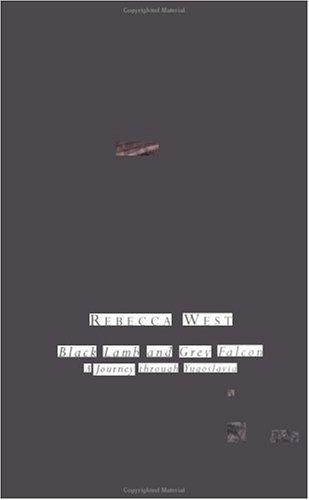
Start this bookNo. 25 on this list. Black Lamb and Grey Falcon · Rebecca West · 1941
Named to TIME Magazine's All-TIME 100 Best Nonfiction Books and to numerous 'greatest travel books' and 'greatest books of the 20th century' lists. Continuously in print since 1941 in Penguin Modern Classics. Not widely assigned in university courses relative to its reputation, but cited as essential reading by serious readers of 20th-century European history and political thought.
Challenging45 hours
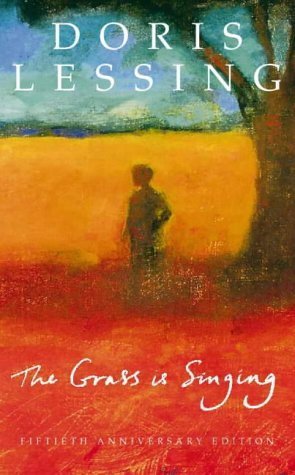
Start this bookNo. 26 on this list. The Grass is Singing · Doris Lessing · 1950
Taught in schools: CSEC English B – Caribbean Examinations Council
Included in: Heinemann African Writers Series
Regularly appears on postcolonial literature syllabi and is considered essential reading within Lessing's body of work. No syllabus data is available in the database, but the novel has maintained continuous presence in academic courses on African literature, colonial fiction, and twentieth-century British writing since its 1950 publication.
Difficult8.6 hours
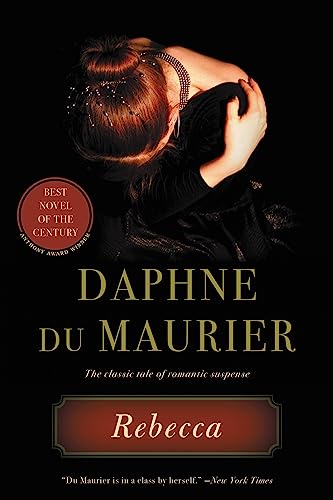
Start this bookNo. 27 on this list. Rebecca · Daphne du Maurier · 1938
Taught in schools: AQA GCSE and A-level English Literature (UK)
Appears on 337 university syllabi (63rd percentile in Open Syllabus) and on the BBC Big Read Top 100 and 1001 Books You Must Read Before You Die. It is a standard text in courses on the gothic and on women's writing, and has been in print continuously since 1938.
Challenging15 hours
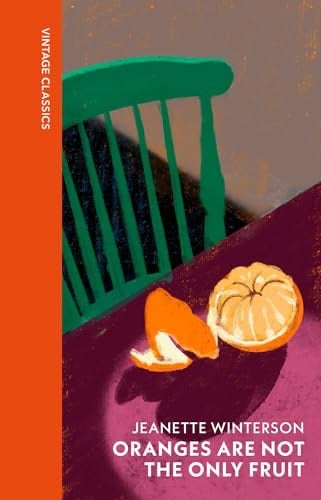
Start this bookNo. 28 on this list. Oranges Are Not the Only Fruit · Jeanette Winterson · 1985
Taught in schools: AQA GCSE and A-level English Literature (UK), WJEC/Eduqas GCSE and A-level English Literature (UK)
Taught widely in UK university literature courses and increasingly present in American women's literature and queer studies syllabi. Considered a landmark of LGBTQ+ fiction and British autofiction, and consistently appears on lists of the best British novels of the 20th century, though it has not achieved the universal curriculum presence of the major Anglophone classics.
Difficult6.6 hours
Start this bookNo. 29 on this list. The Dressmaker · Beryl Bainbridge · 1973
Shortlisted for the 1973 Booker Prize and widely regarded as exemplary of Bainbridge's distinctive voice in postwar British fiction. While not achieving the absolute canonical status of genre-defining works, The Dressmaker is consistently included in discussions of late 20th-century British psychological fiction.
Moderate3.2 hours
Start this bookNo. 30 on this list. Possession · A.S. Byatt · 1990
Taught regularly in postmodern fiction courses and neo-Victorian literature seminars. Appears on university syllabi exploring metafiction, historical fiction, and gender in Victorian studies. Not yet a universal high school text like canonical classics, but firmly established in undergraduate and graduate curricula as exemplar of 1990s literary fiction engaging with literary history.
Challenging16 hours
Start this book
No. 31 on this list. The Public Image
Muriel Spark · 1969
No. 32 on this list. The Girls of Slender Means
Muriel Spark · 1963
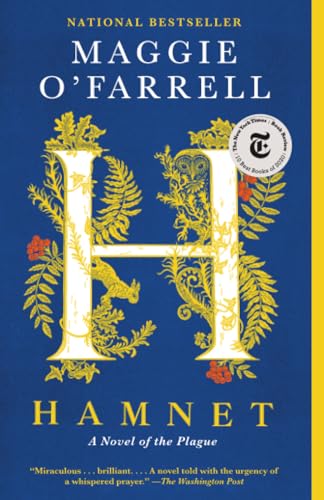
No. 33 on this list. Hamnet
Maggie O'Farrell · 2020
Taught in schools: Leaving Certificate English – NCCA / State Examinations Commission (Ireland)
No. 34 on this list. The Mysteries of Udolpho
Ann Radcliffe · 1794
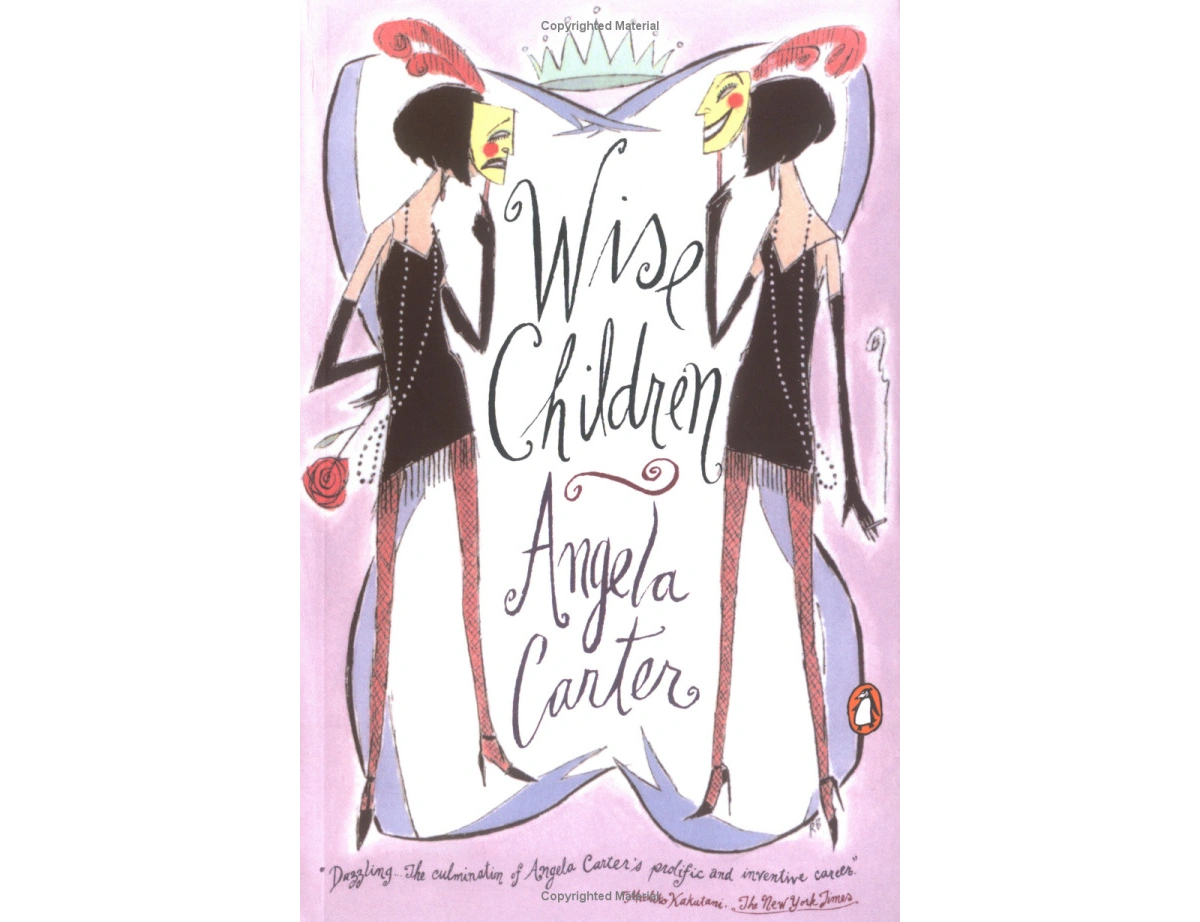
No. 35 on this list. Wise Children
Angela Carter · 1991
Taught in schools: AQA GCSE and A-level English Literature (UK)
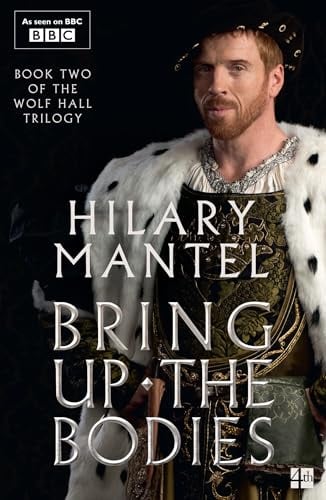
No. 36 on this list. Bring Up the Bodies
Hilary Mantel · 2012
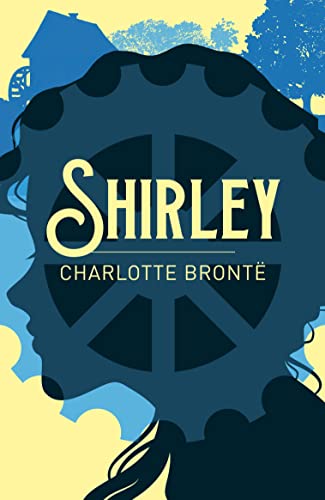
No. 37 on this list. Shirley
Charlotte Brontë · 1849
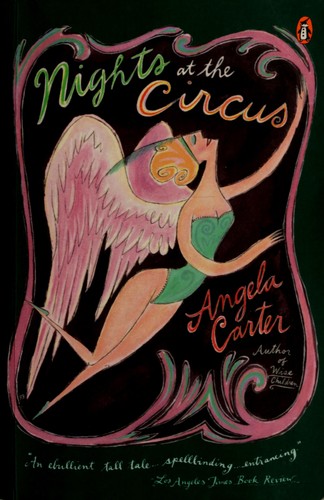
No. 38 on this list. Nights at the Circus
Angela Carter · 1984
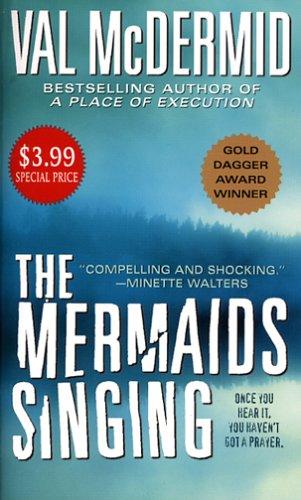
No. 39 on this list. The Mermaids Singing
Val McDermid · 1995
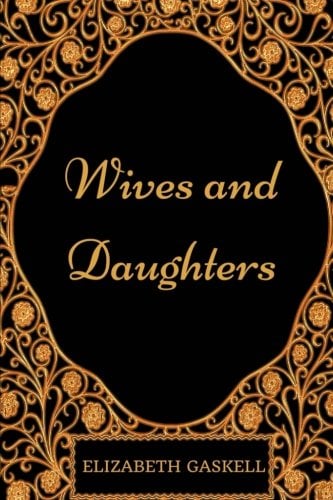
No. 40 on this list. Wives and Daughters
Elizabeth Gaskell · 1866
No. 41 on this list. Moon Tiger
Penelope Lively · 1987
No. 42 on this list. The Tenant of Wildfell Hall
Anne Brontë · 1848
Taught in schools: AQA GCSE and A-level English Literature (UK), Leaving Certificate English – NCCA / State Examinations Commission (Ireland)
No. 43 on this list. The Paying Guests
Sarah Waters · 2015
No. 44 on this list. North and South
Elizabeth Gaskell · 1855
Taught in schools: AQA GCSE and A-level English Literature (UK), WJEC/Eduqas GCSE and A-level English Literature (UK)
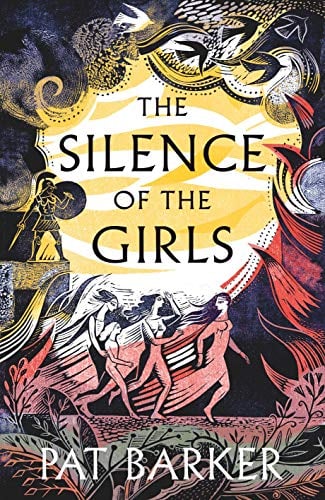
No. 45 on this list. The Silence of the Girls
Pat Barker · 2019
Taught in schools: Leaving Certificate English – NCCA / State Examinations Commission (Ireland)
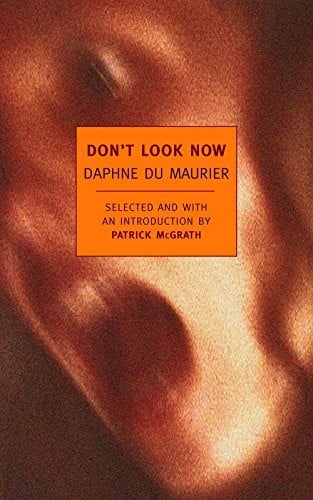
No. 46 on this list. Don't Look Now
Daphne du Maurier · 1971
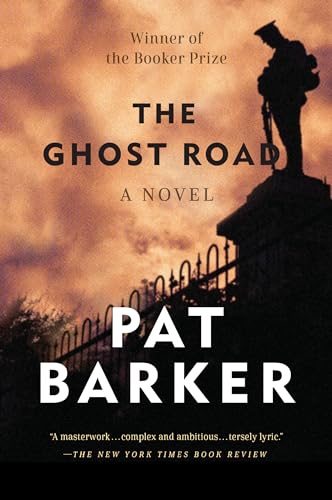
No. 47 on this list. The Ghost Road
Pat Barker · 1995
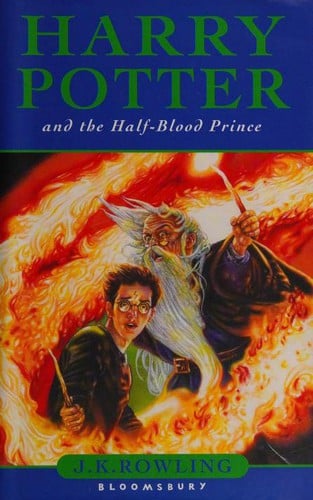
No. 48 on this list. Harry Potter and the Half-Blood Prince
J.K. Rowling · 2005
No. 49 on this list. The Fifth Child
Doris Lessing · 1988
No. 50 on this list. Autumn
Ali Smith · 2017
No. 51 on this list. The Marriage Portrait
Maggie O'Farrell · 2023
No. 52 on this list. Excellent Women
Barbara Pym · 1952
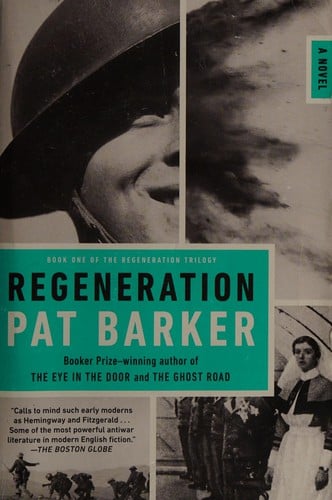
No. 53 on this list. Regeneration
Pat Barker · 1991
Taught in schools: AQA GCSE and A-level English Literature (UK)
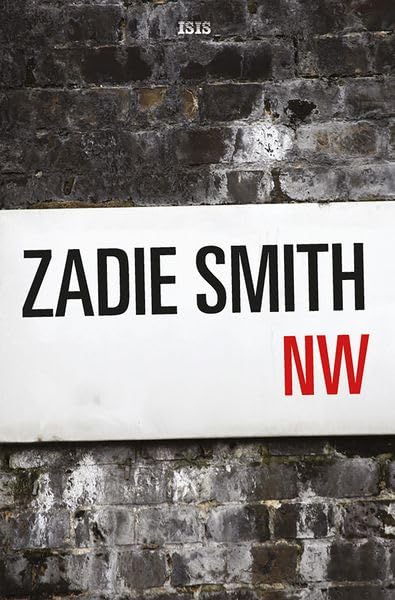
No. 54 on this list. NW
Zadie Smith · 2013
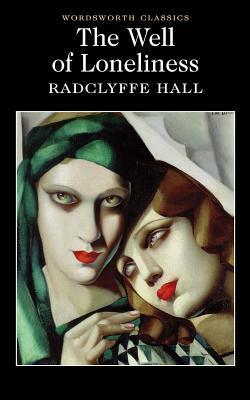
No. 55 on this list. The Well of Loneliness
Radclyffe Hall · 1928
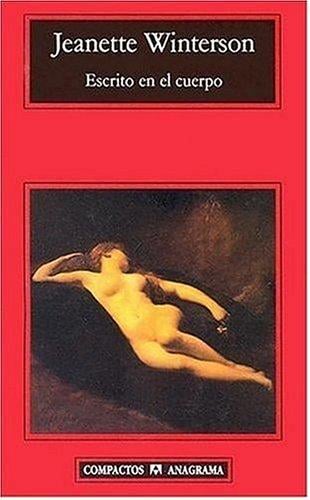
No. 56 on this list. Written on the Body
Jeanette Winterson · 1992
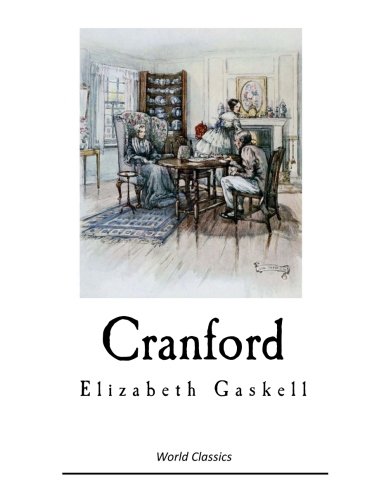
No. 57 on this list. Cranford
Elizabeth Gaskell · 1853
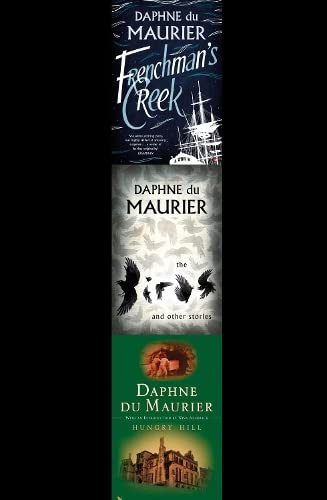
No. 58 on this list. The Birds and Other Stories
Daphne du Maurier · 1952
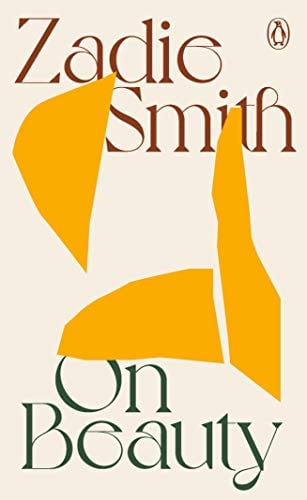
No. 59 on this list. On Beauty
Zadie Smith · 2005
No. 60 on this list. Escaped Alone
Caryl Churchill · 2016
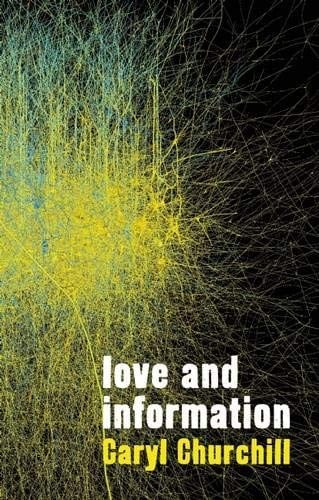
No. 61 on this list. Love and Information
Caryl Churchill · 2012
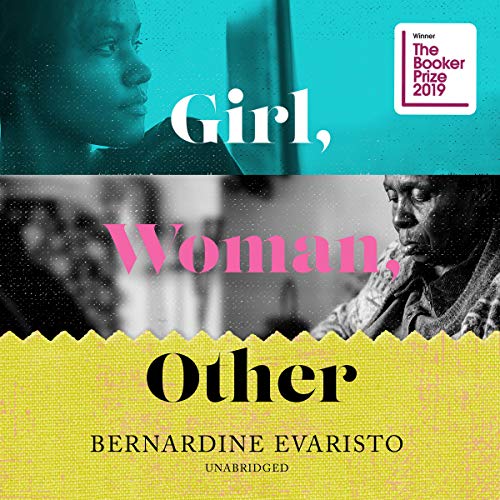
No. 62 on this list. Girl, Woman, Other
Bernardine Evaristo · 2019
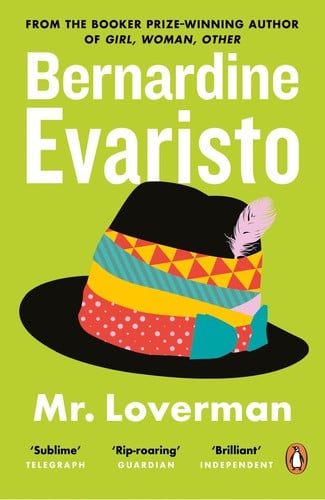
No. 63 on this list. Mr Loverman
Bernardine Evaristo · 2013
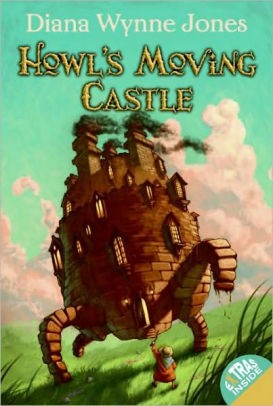
No. 64 on this list. Howl's Moving Castle
Diana Wynne Jones · 1986
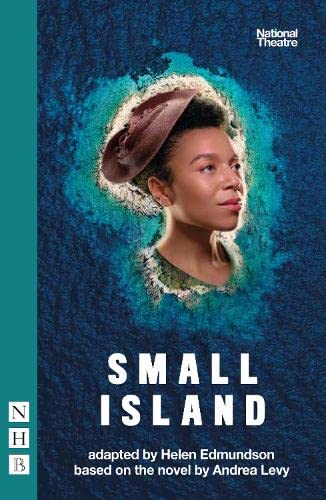
No. 65 on this list. Small Island
Andrea Levy · 2005
Taught in schools: AQA GCSE and A-level English Literature (UK)
No. 66 on this list. Gaudy Night
Dorothy L. Sayers · 1935
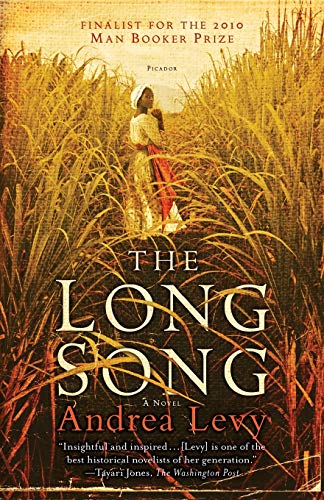
No. 67 on this list. The Long Song
Andrea Levy · 2010
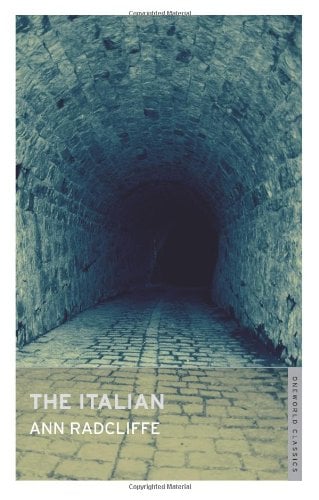
No. 68 on this list. The Italian
Ann Radcliffe · 1796
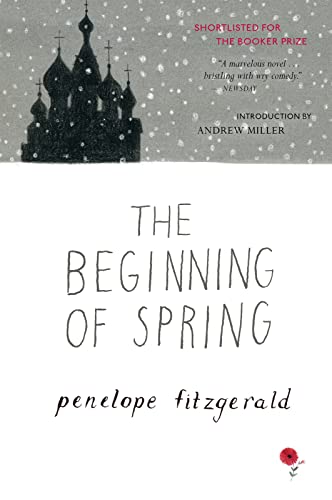
No. 69 on this list. The Beginning of Spring
Penelope Fitzgerald · 1988
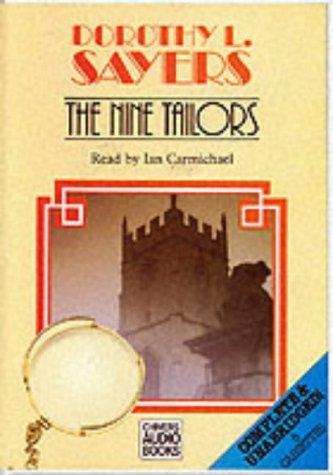
No. 70 on this list. The Nine Tailors
Dorothy L. Sayers · 1934
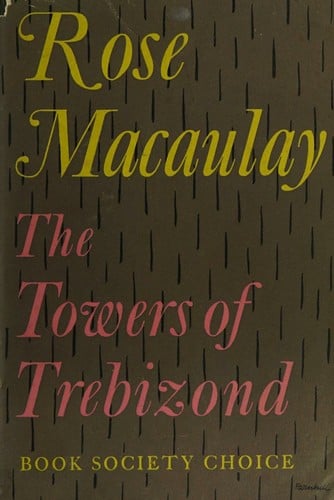
No. 71 on this list. The Towers of Trebizond
Rose Macaulay · 1956
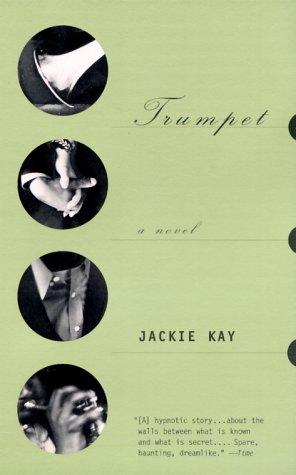
No. 72 on this list. Trumpet
Jackie Kay · 1998
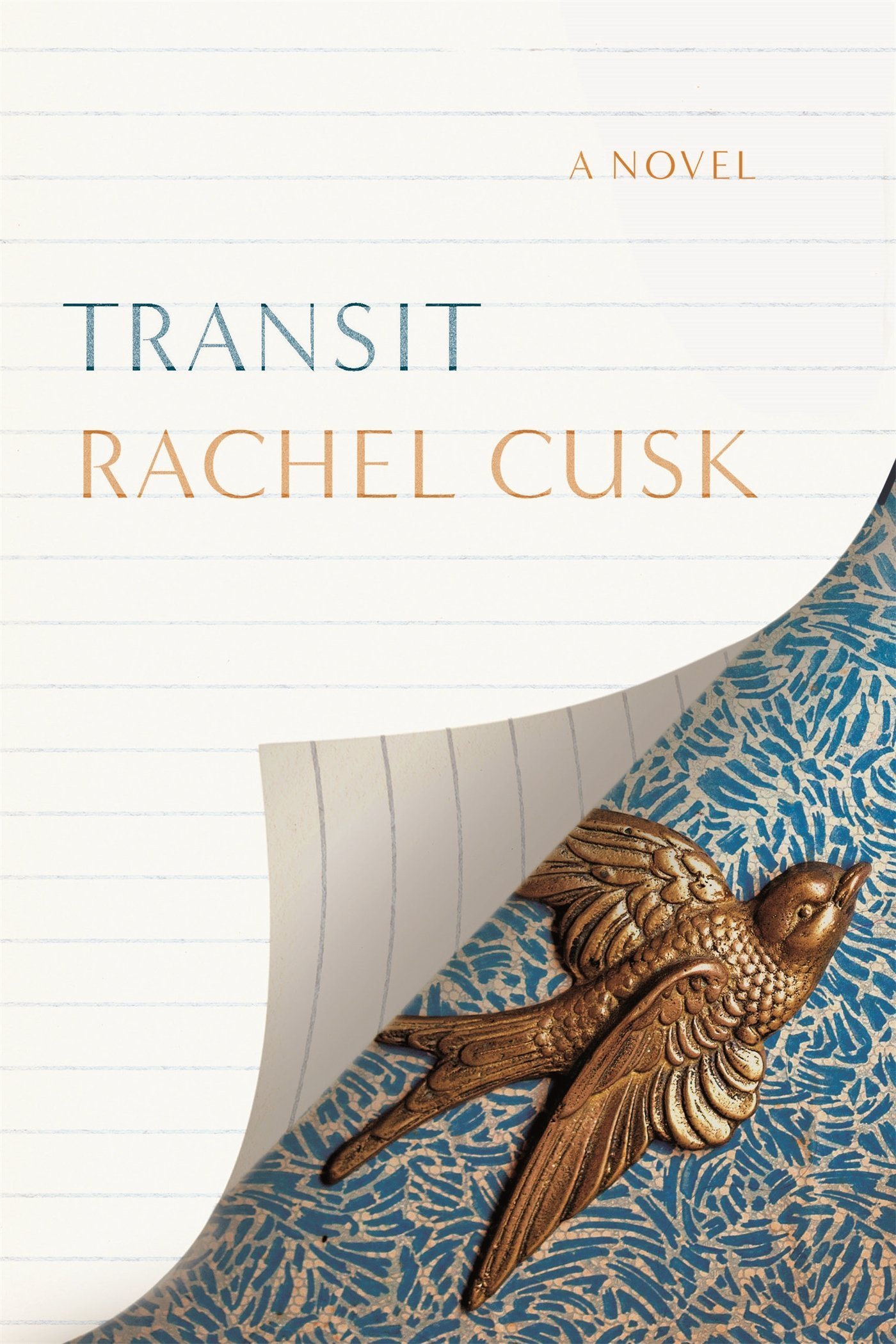
No. 73 on this list. Transit
Rachel Cusk · 2017
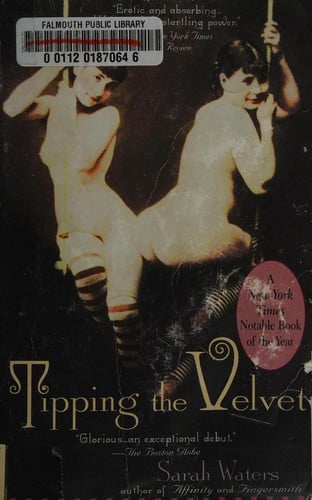
No. 74 on this list. Tipping the Velvet
Sarah Waters · 1998
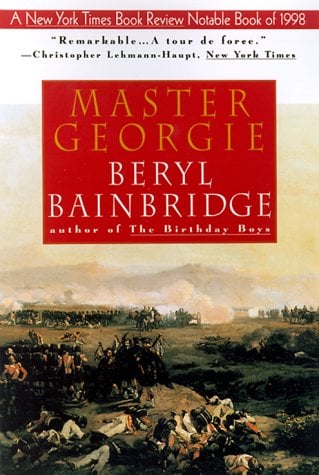
No. 75 on this list. Master Georgie
Beryl Bainbridge · 1998
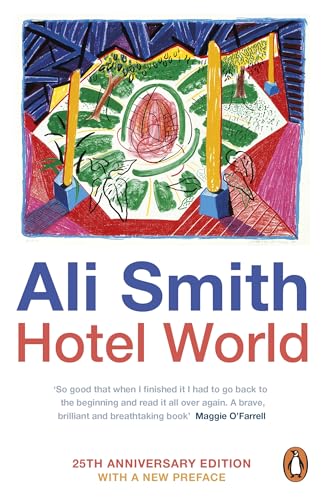
No. 76 on this list. Hotel World
Ali Smith · 2001
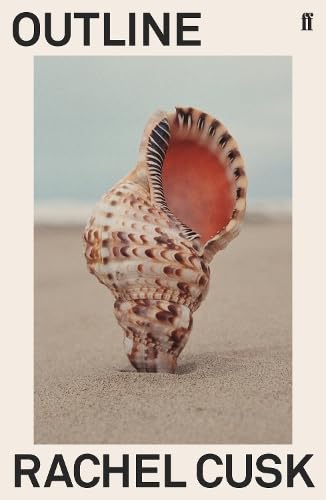
No. 77 on this list. Outline
Rachel Cusk · 2015
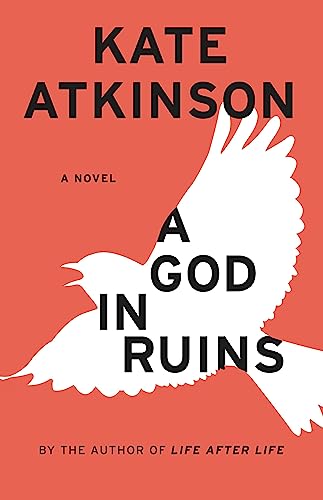
No. 78 on this list. A God in Ruins
Kate Atkinson · 2015
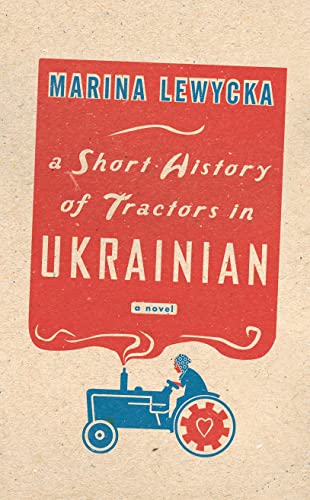
No. 79 on this list. A Short History of Tractors in Ukrainian
Marina Lewycka · 2005
No. 80 on this list. Darkmans
Nicola Barker · 2007
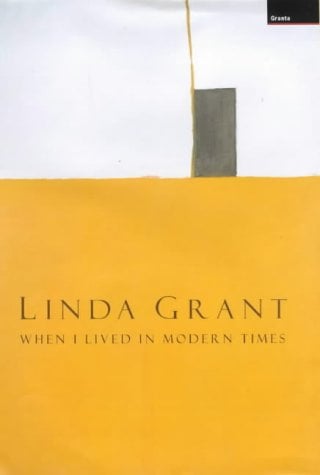
No. 81 on this list. When I Lived in Modern Times
Linda Grant · 2000
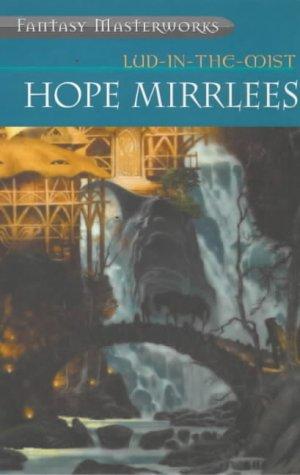
No. 82 on this list. Lud-in-the-Mist
Hope Mirrlees · 1926
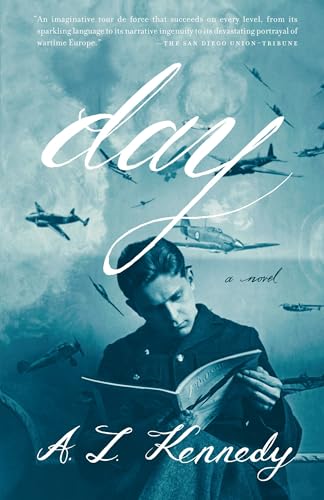
No. 83 on this list. Day
A.L. Kennedy · 2007
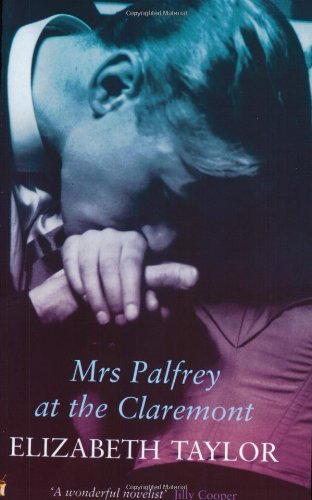
No. 84 on this list. Mrs. Palfrey at the Claremont
Elizabeth Taylor · 1971
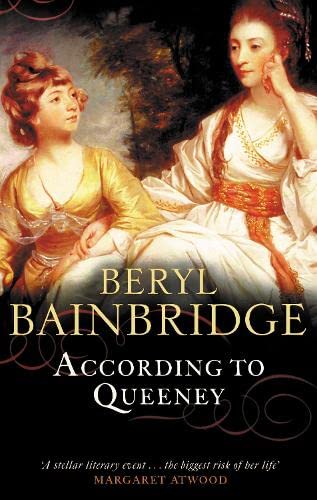
No. 85 on this list. According to Queeney
Beryl Bainbridge · 2001
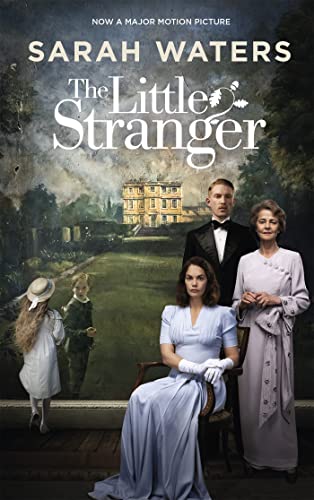
No. 86 on this list. The Little Stranger
Sarah Waters · 2009
Taught in schools: Pearson Edexcel GCSE and A-level English Literature (UK)
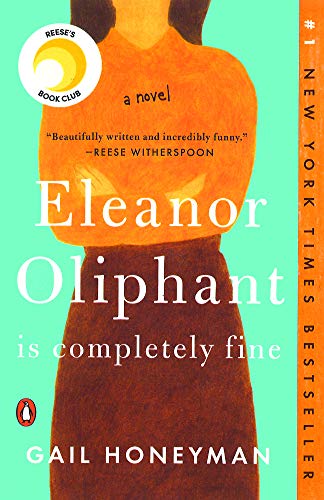
No. 87 on this list. Eleanor Oliphant Is Completely Fine
Gail Honeyman · 2018
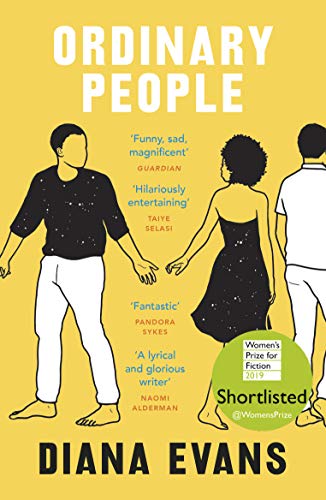
No. 88 on this list. Ordinary People
Diana Evans · 2019
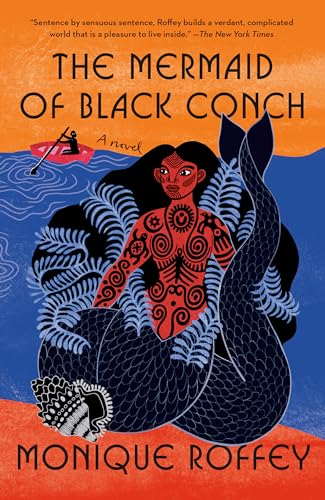
No. 89 on this list. The Mermaid of Black Conch
Monique Roffey · 2020
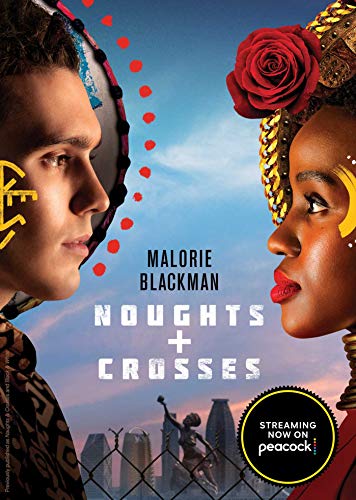
No. 90 on this list. Noughts & Crosses
Malorie Blackman · 2010
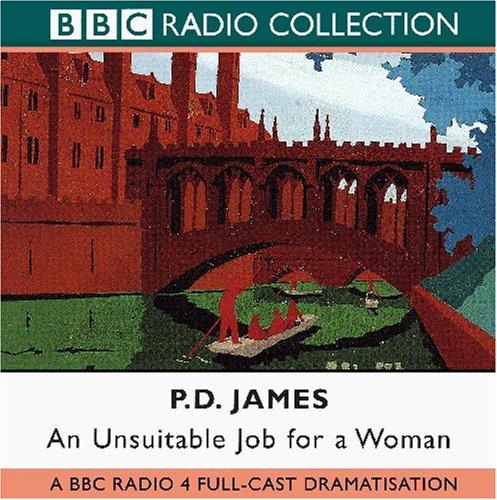
No. 91 on this list. An Unsuitable Job for a Woman
P. D. James · 1972
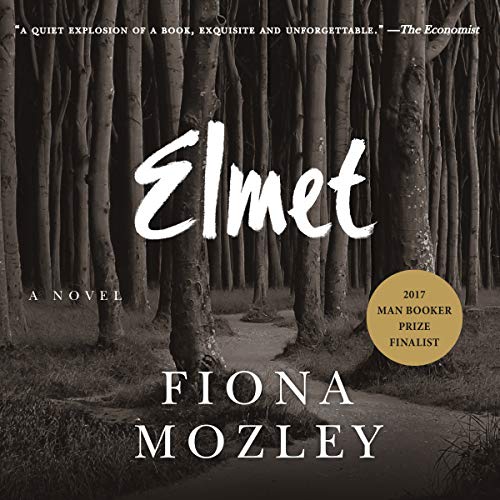
No. 92 on this list. Elmet
Fiona Mozley · 2017
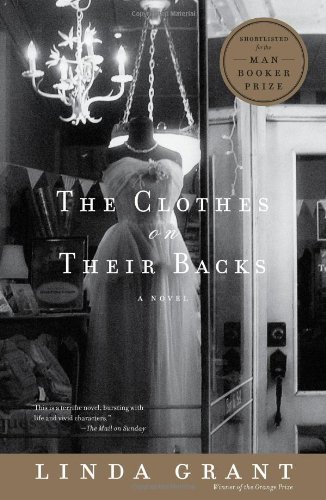
No. 93 on this list. The Clothes on Their Backs
Linda Grant · 2008
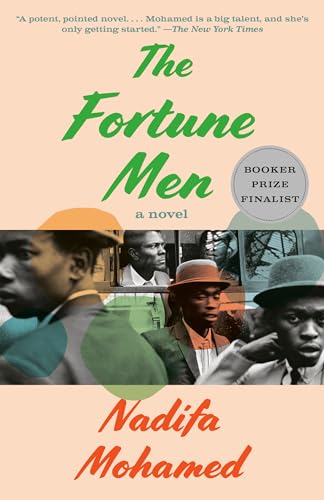
No. 94 on this list. The Fortune Men
Nadifa Mohamed · 2021
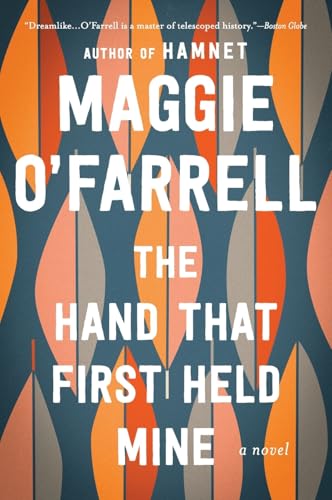
No. 95 on this list. The Hand That First Held Mine
Maggie O'Farrell · 2010
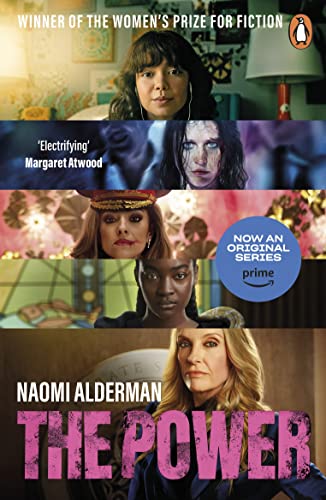
No. 96 on this list. The Power
Naomi Alderman · 2017
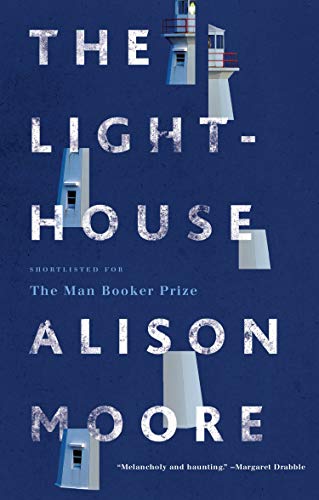
No. 97 on this list. The Lighthouse
Alison Moore · 2012
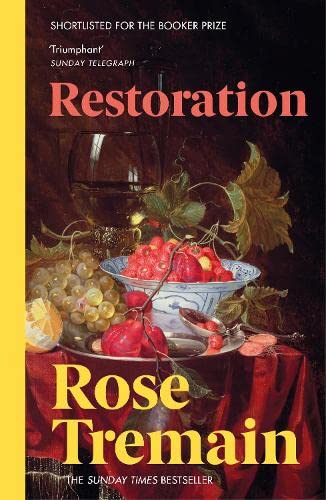
No. 98 on this list. Restoration
Rose Tremain · 1989
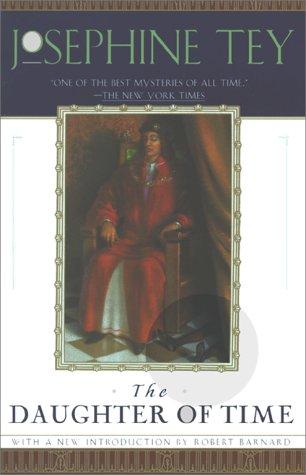
No. 99 on this list. The Daughter of Time
Josephine Tey · 1951
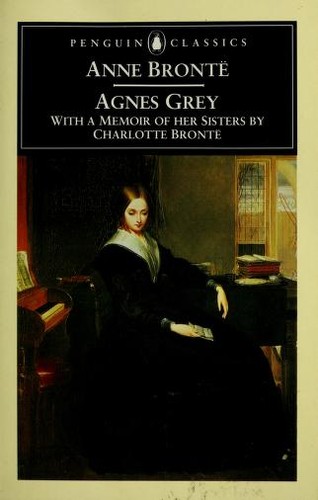
No. 100 on this list. Agnes Grey
Anne Brontë · 1847
About this list
These 100 books are the highest-scoring eligible books by women from Britain currently in the catalogue. By literary regard, it opens with Pride and Prejudice, Frankenstein and Middlemarch. About 911 hours of reading in all. Difficulty runs from 52 to 63 out of 100 for the middle half of the list; the summit is NW at 78.
This list is ranked by literary regard, with a consistent order for equal scores. Membership follows authors and co-authors, not translators or editors. Catalogue coverage and the historical canon both limit what this list can represent.
When we matched the Canons dataset to our catalogue in October 2026, our canonical-status scores rose with the number of school curricula, publisher series and lists in it that cite a work: the median score was 72 for books one such source cites, 84 at two, 88 at three, 92 at four and 93 at five or more. Prizes are left out of that count. Outside the state curricula, the dataset’s sources choose mostly from what has been translated into English or French, so it is a weaker check on other literatures. Source: Canons (Andrew Piper), CC BY 4.0
Questions people actually ask
- What are the best books by women from Britain?
- By literary regard, which weighs canonical status, critical standing and influence, Pride and Prejudice, Frankenstein, Middlemarch, Wuthering Heights and To the Lighthouse lead. ReadingRate ranks 100 such books, each with a difficulty score and a reading-time estimate.
- Where should I start with books by women from Britain?
- Start from difficulty, not from rank. The most approachable books on this list that still carry top literary regard are Orlando by Virginia Woolf (about 5.2 hours), The Mirror and the Light by Hilary Mantel and Sense and Sensibility by Jane Austen.
- How hard are books by women from Britain to read?
- Most of this list sits between 52 and 63 on ReadingRate's 100-point difficulty scale, where 40 to 55 is moderate. The summit is NW at 78. Every entry carries its own score, so a reader can pick a great book at a difficulty they will finish.
- How is this list ranked?
- On literary-regard data: how canonically established a work is, its critical standing, and its influence on later writing. It is not a readers’ poll, which is why recent bestsellers rarely appear. Membership follows authors and co-authors, not translators or editors. A list that is not a genre list keeps to literature (fiction, poetry, drama and philosophy), with philosophy taking no more than one slot in five while there is literature left to rank; every list holds at most three works by one author.